Artwork
Saint Benedict destroying Idols
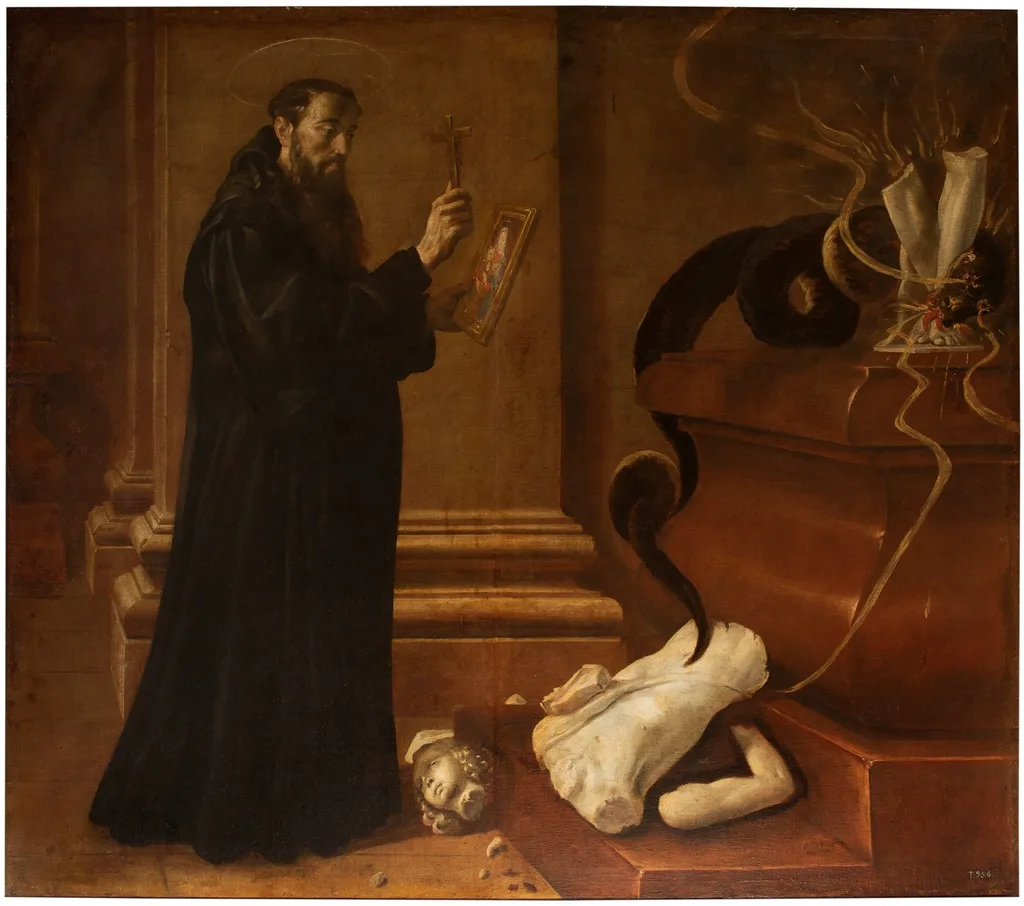
Saint Benedict destroying Idols is an oil painting by the Spanish Baroque Tenebrist artist Juan Rizi. It dates from 1642 and is held in the collection of the Museo del Prado.
About this work
Subject & Meaning
Created in 1642 by Juan Rizi, this religious oil painting illustrates the titular act of Saint Benedict destroying idols.
Created in 1642 by Juan Rizi, this religious oil painting illustrates the titular act of Saint Benedict destroying idols. The composition visually narrates the saint's rejection of false gods, a pivotal moment in hagiography that symbolizes the triumph of Christian faith over paganism. The work depicts specific elements including sculptures and paintings being dismantled, alongside a crucifix which serves as the central symbol of the true deity being upheld.
By contrasting the broken idols with the intact cross, the artwork represents the spiritual authority of the Benedictine order and the dismantling of pre-Christian beliefs.
Technique & Style
Executed in 1642 by Juan Rizi, this religious work is an oil painting on canvas. The composition measures 194 cm in height and 220 cm in width. Visually, the piece depicts a scene involving a sculpture, a painting, and a crucifix, elements central to the narrative of Saint Benedict destroying idols.
The application of oil paint on a textile support reflects the standard materials for large-scale devotional imagery of the period.
History & Provenance
Saint Benedict destroying Idols is an oil-on-canvas work by Juan Rizi dated 1642. The painting is held in the collection of the Museo del Prado, where it remains located. Both the internal catalog record and the Wikidata entry confirm the 1642 creation date and the Museo del Prado provenance, with no additional information on commission, intermediate ownership, or acquisition history being provided in the available sources.
Context
Juan Rizi painted Saint Benedict destroying Idols in 1642, a religious work currently housed in the Museo del Prado. This painting reflects Counter-Reformation themes through its depiction of spiritual triumph over pagan symbols, aligning with Baroque tendencies in Spanish religious art. Rizi's broader oeuvre, characterized by devotional subjects, situates this work within the artistic milieu of 17th-century Madrid, where naturalistic detail and dramatic chiaroscuro conveyed theological narratives.
Overview
Juan Rizi’s 1642 oil painting, Saint Benedict destroying Idols, belongs to the Prado Museum in Madrid. Executed in the Spanish Baroque style, the work employs tenebrist lighting to dramatize the saint’s act of dismantling pagan objects, foregrounding a stark contrast between darkness and illumination.
Own this work as a print
Artist & collection
Artist
Friar Juan Andrés Ricci de Guevara, known as Friar Juan Rizi (1600, Madrid - 29 November 1681, Monte Cassino) was a Spanish Benedictine monk, painter, and architect, in the Baroque style.

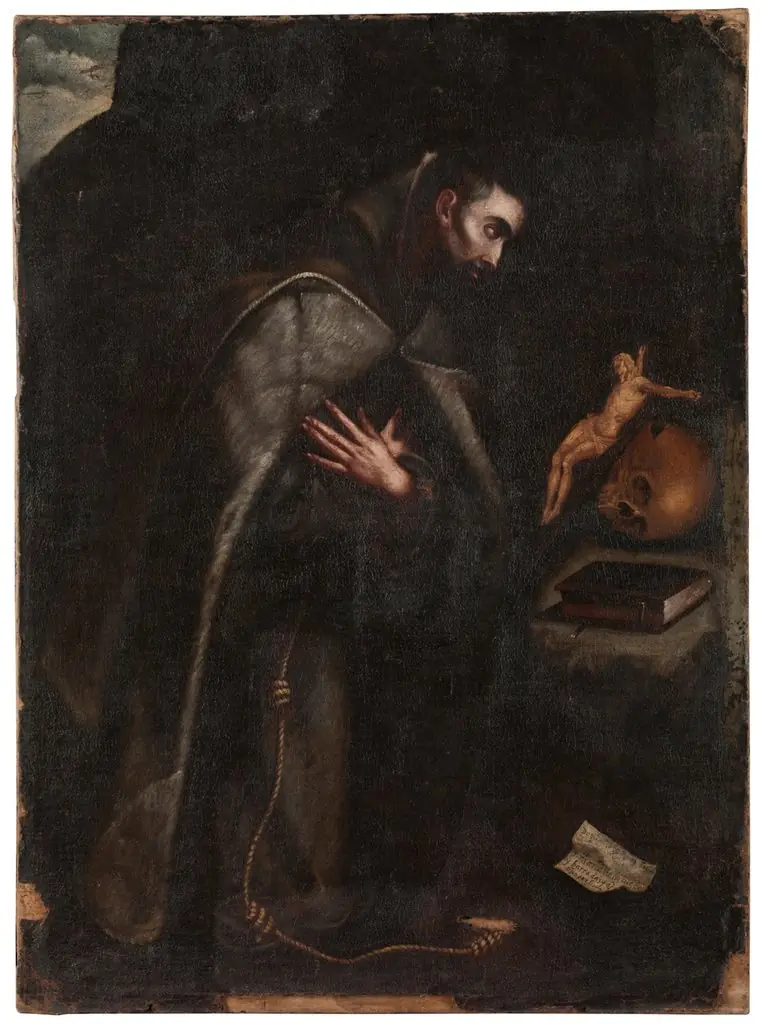
- Saint Francis of Assisi kneeling in meditation
 St Jerome in his study
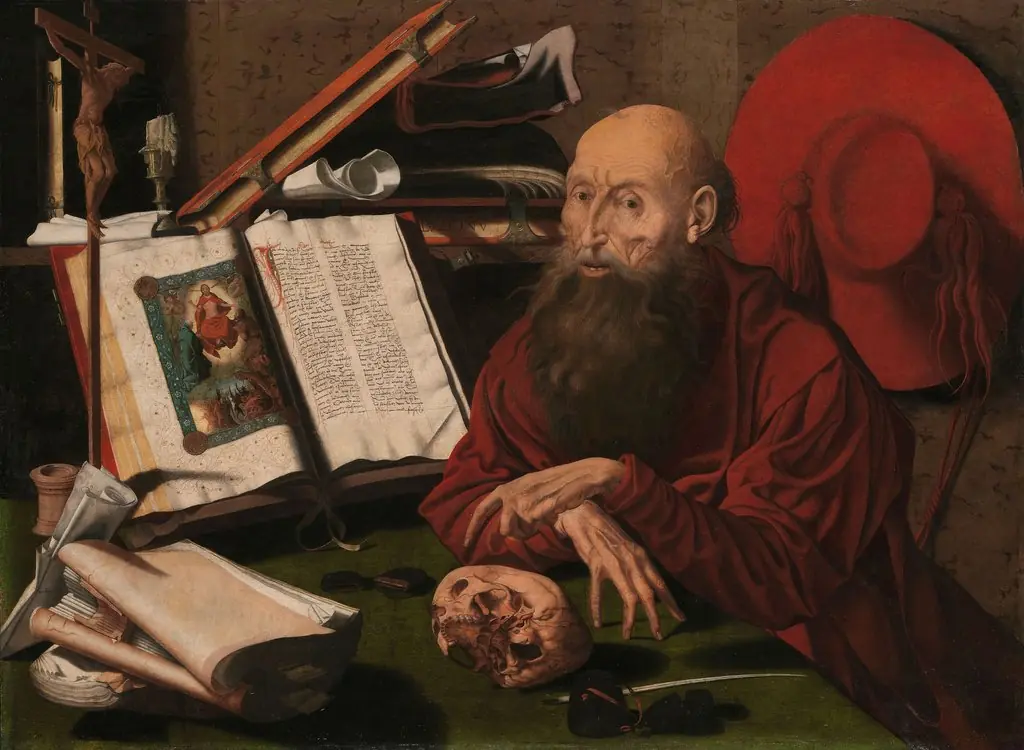 St Jerome in his study
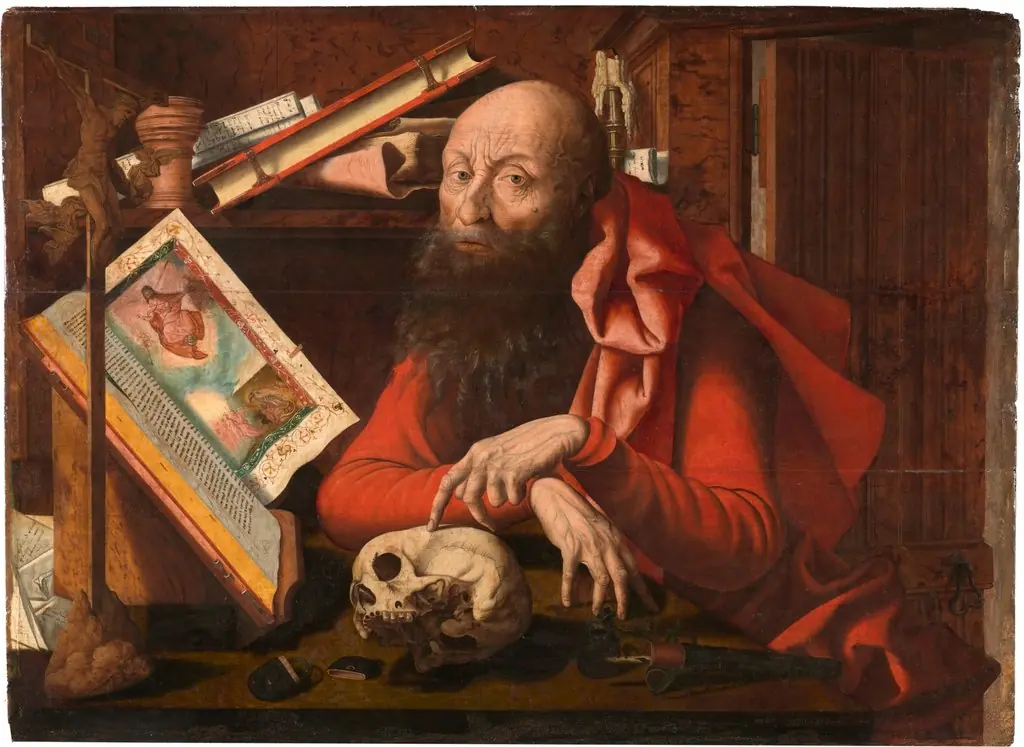 Saint Jerome in his Study
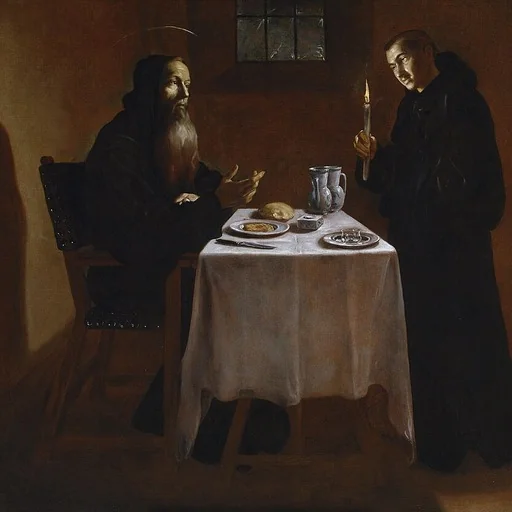
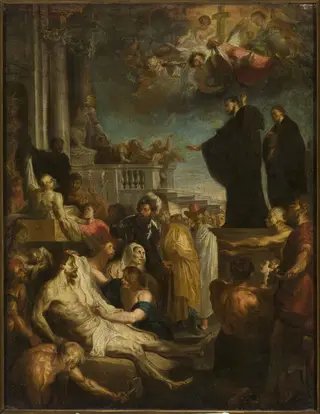 Two saints preaching
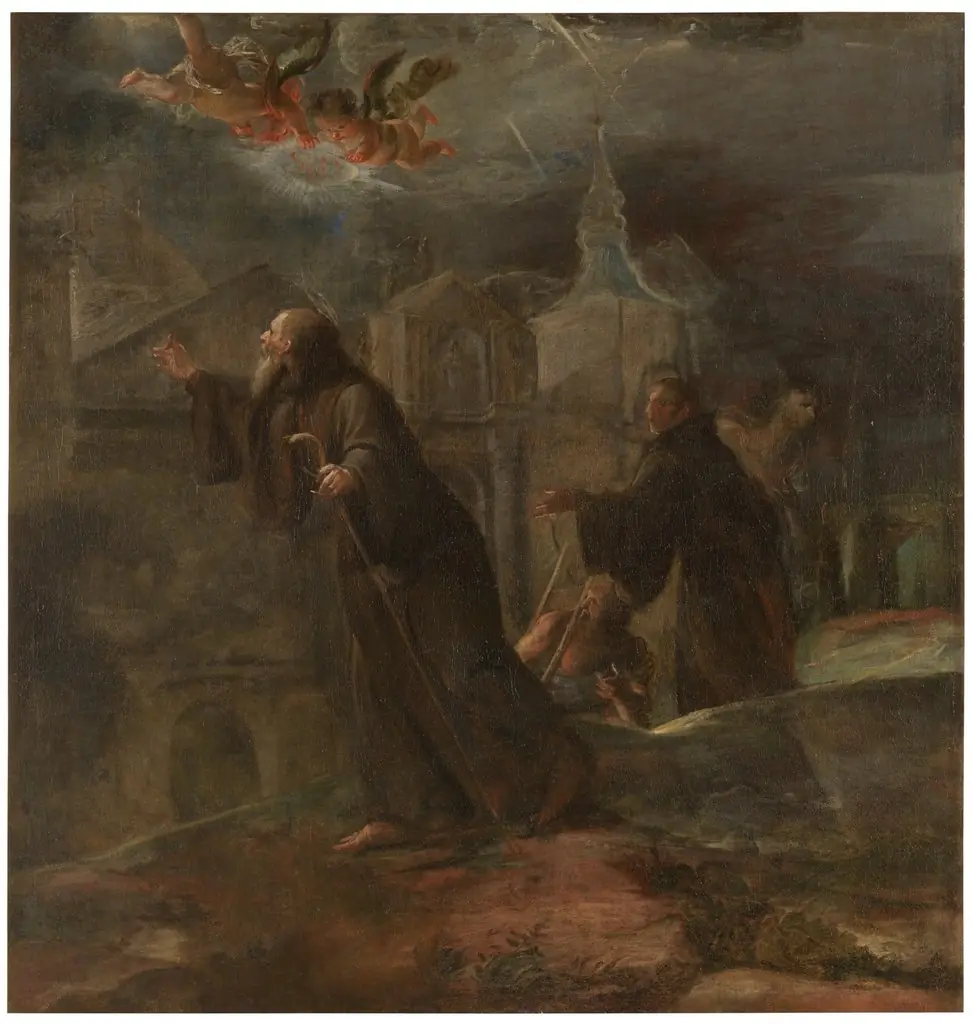 Visión de San Francisco de Paula
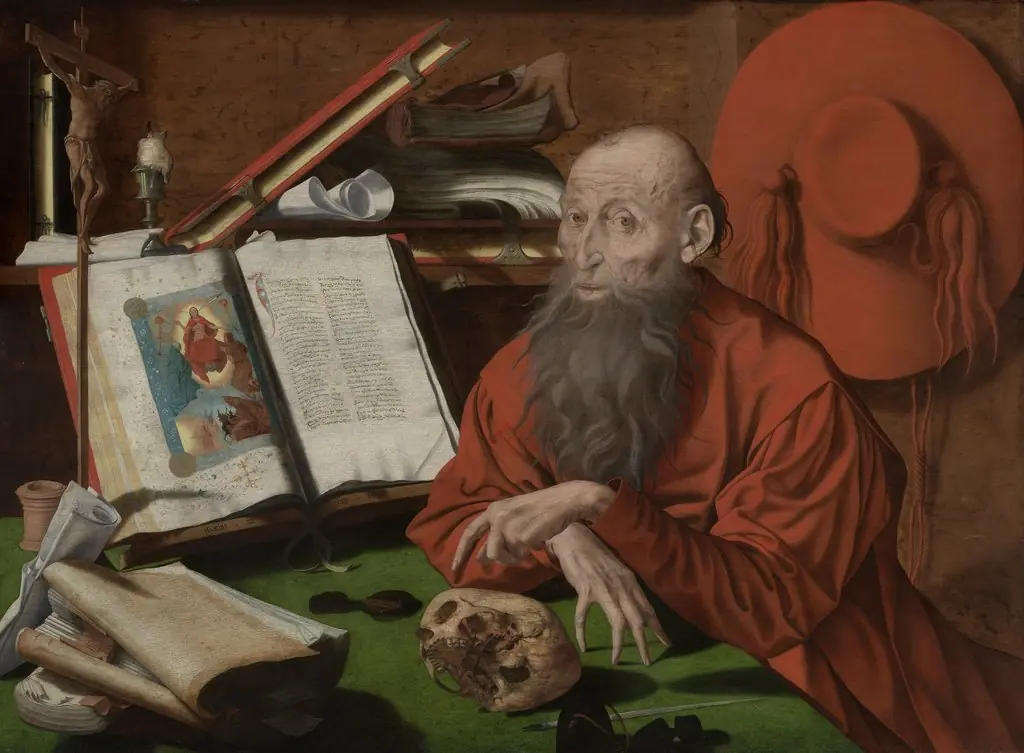 Saint Jerome in His Study
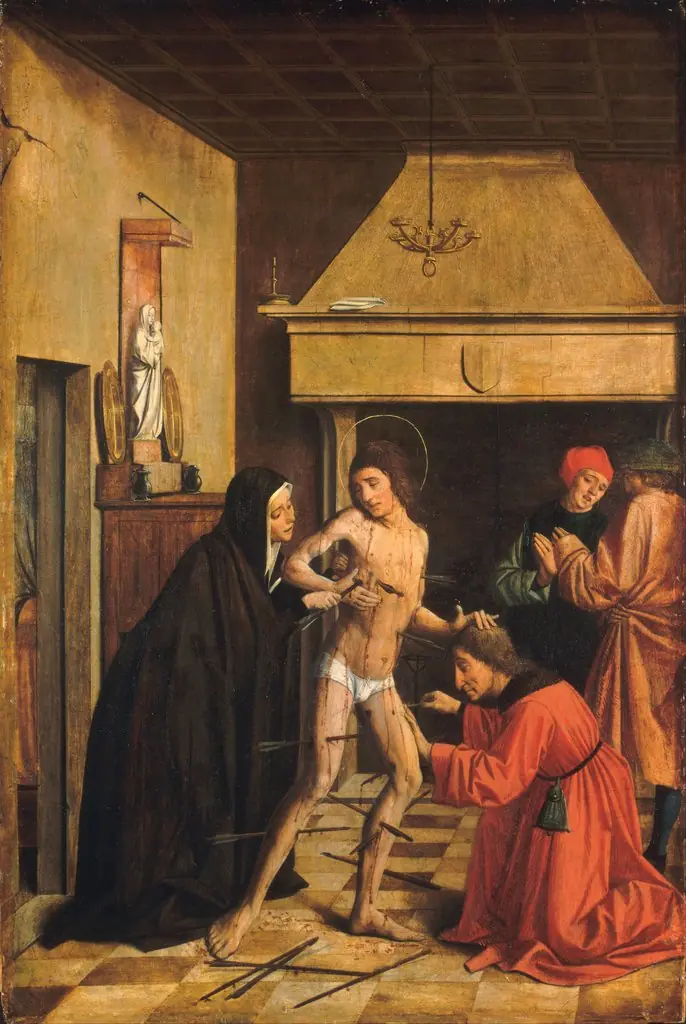 Saint Sebastian Cured by Irene
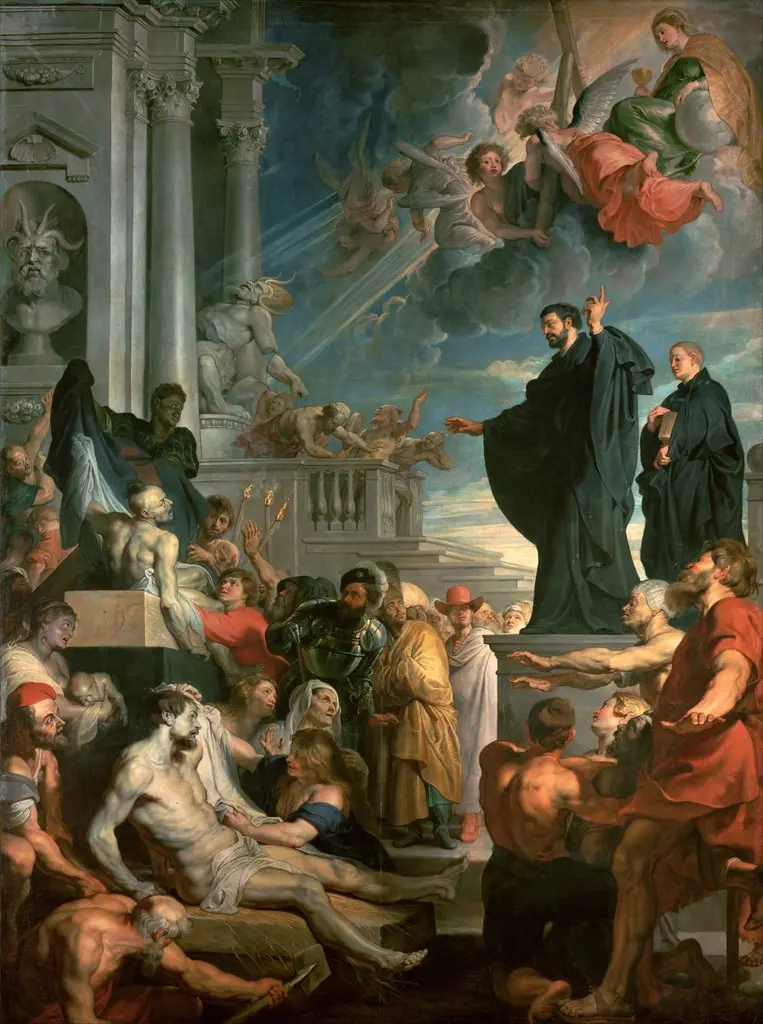 Miracles of St. Francis Xavier
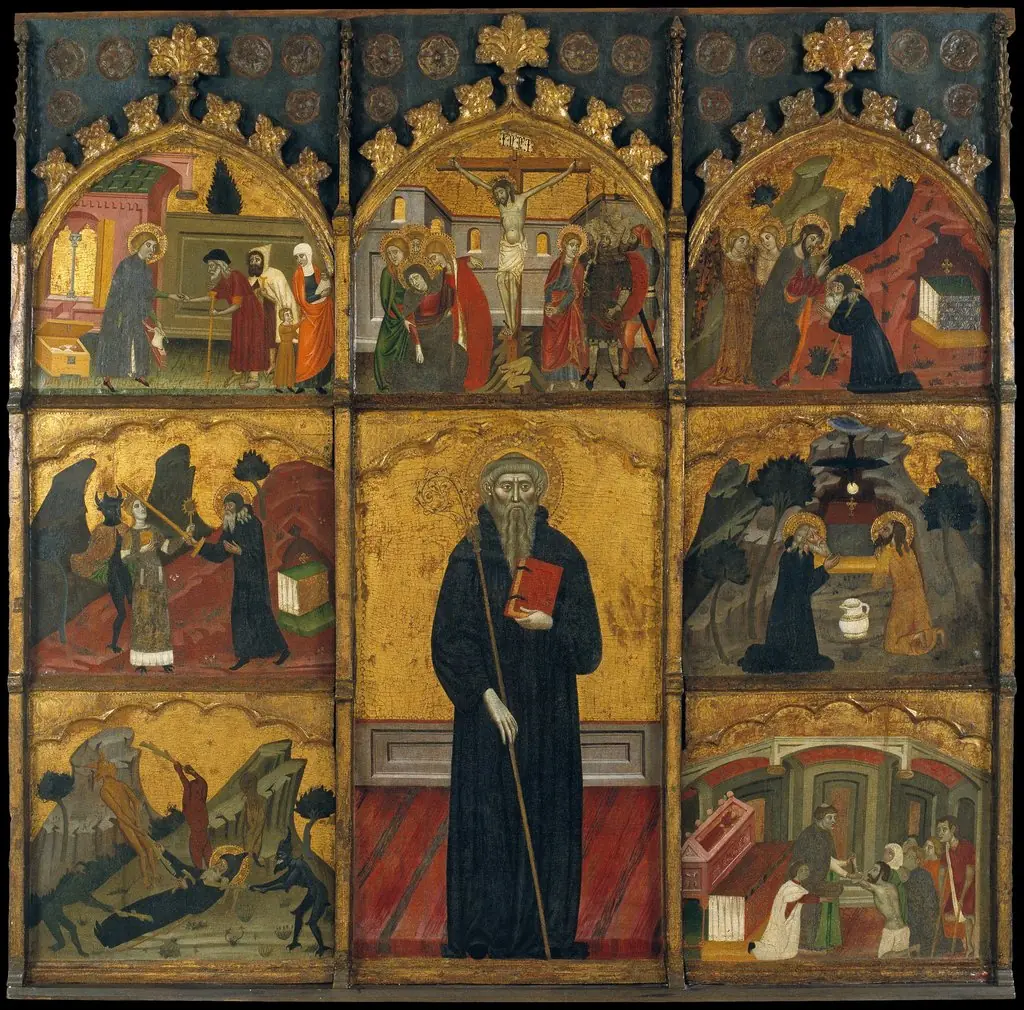 Altarpiece of Saint Anthony the Abbot
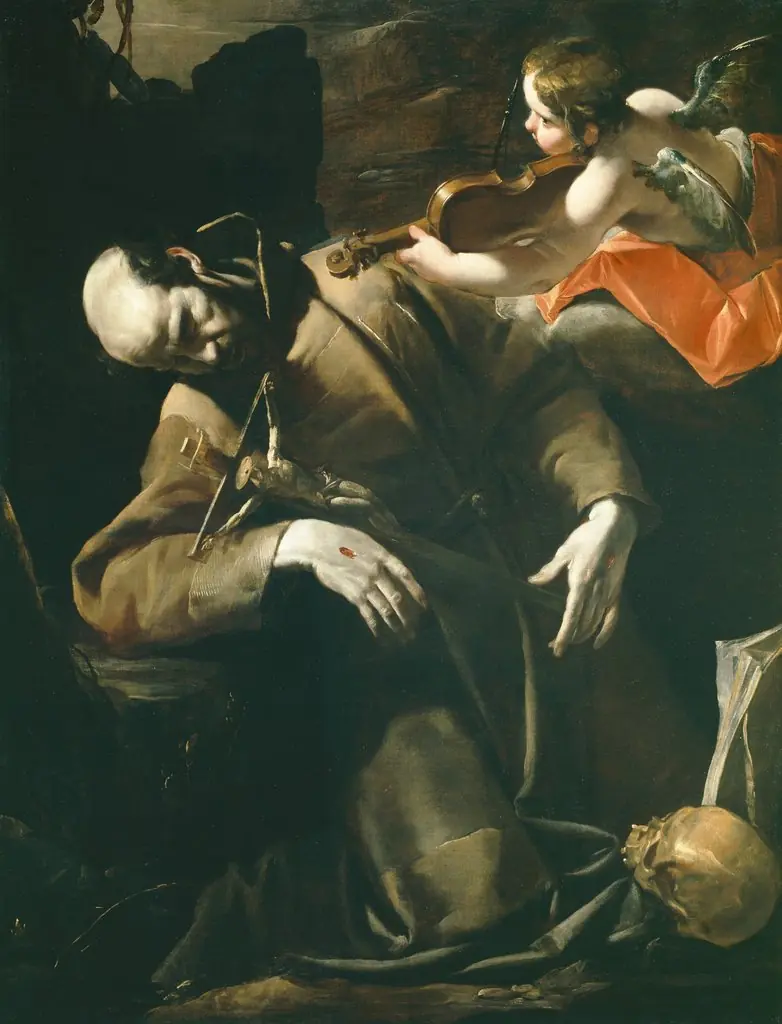 St. Francis of Assisi in Ecstasy before a Cherub with a Violin
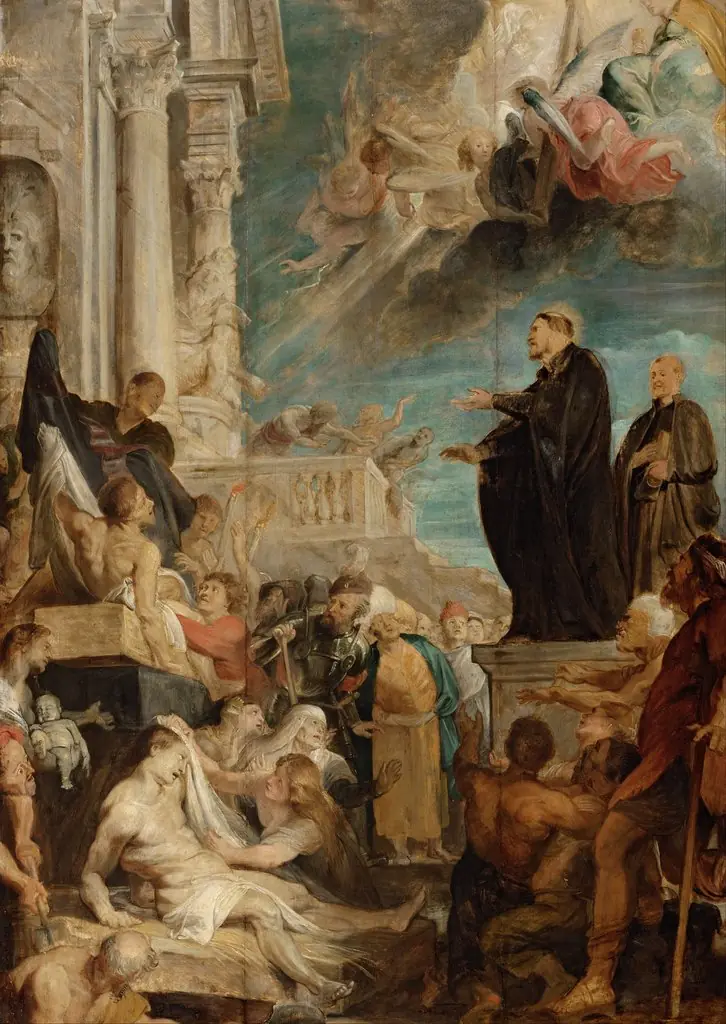 The miracles of St. Francis Xavier, Modello