Artwork
The Gleaners
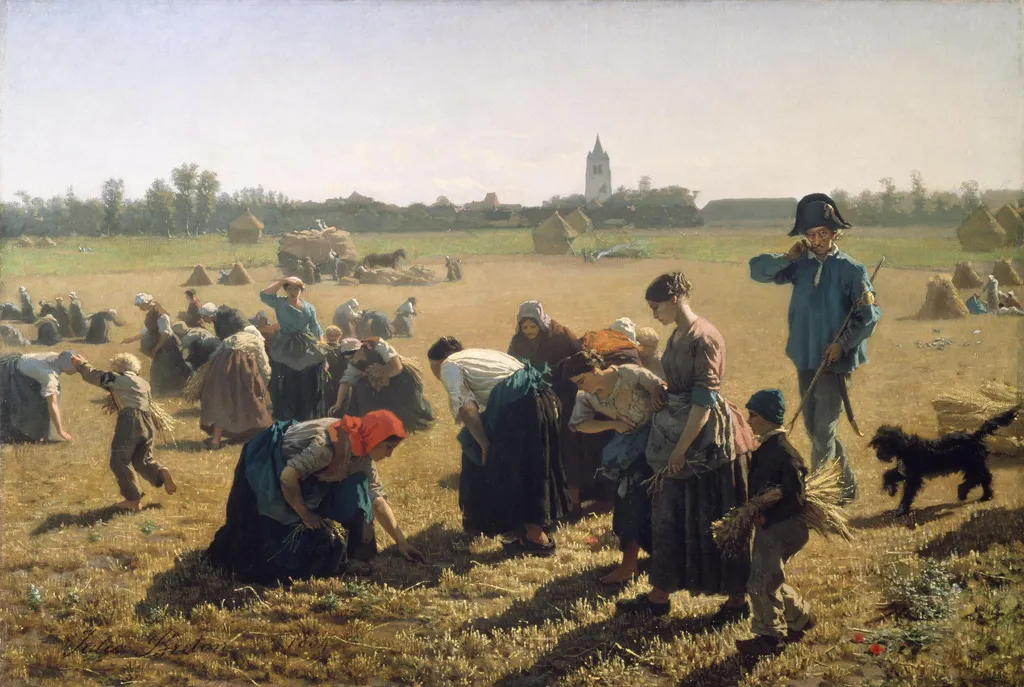
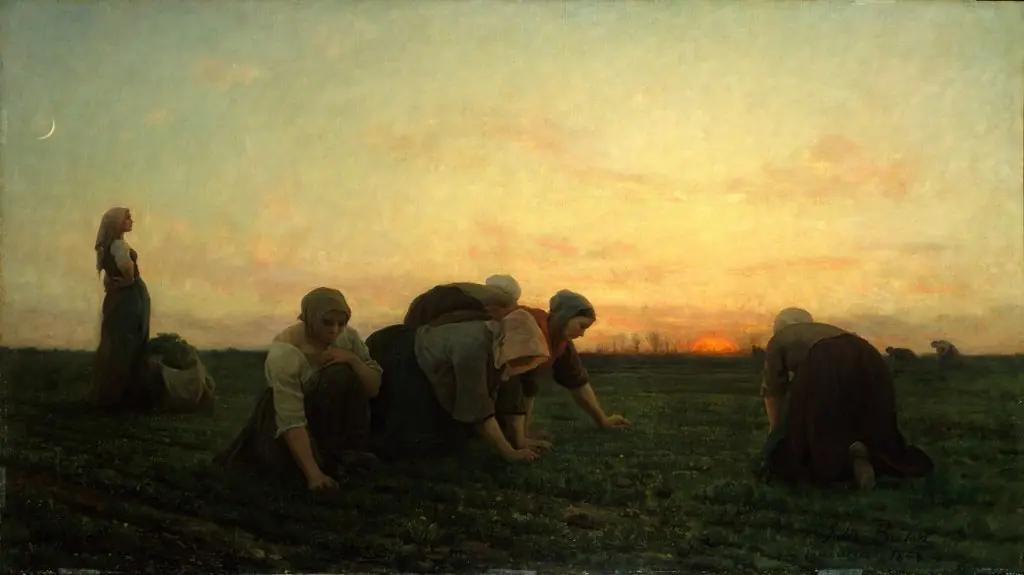
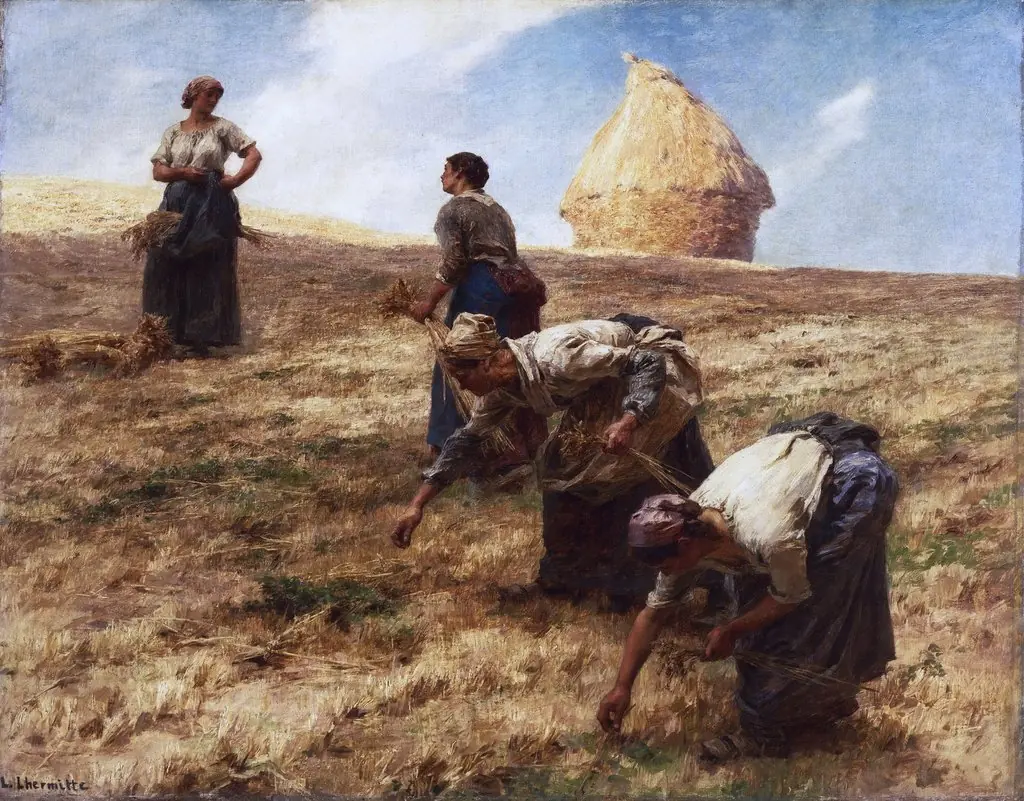
The Gleaners is an oil painting by the Realist artist Jules Breton. It dates from 1854 and is held in the collection of the National Gallery of Ireland.
About this work
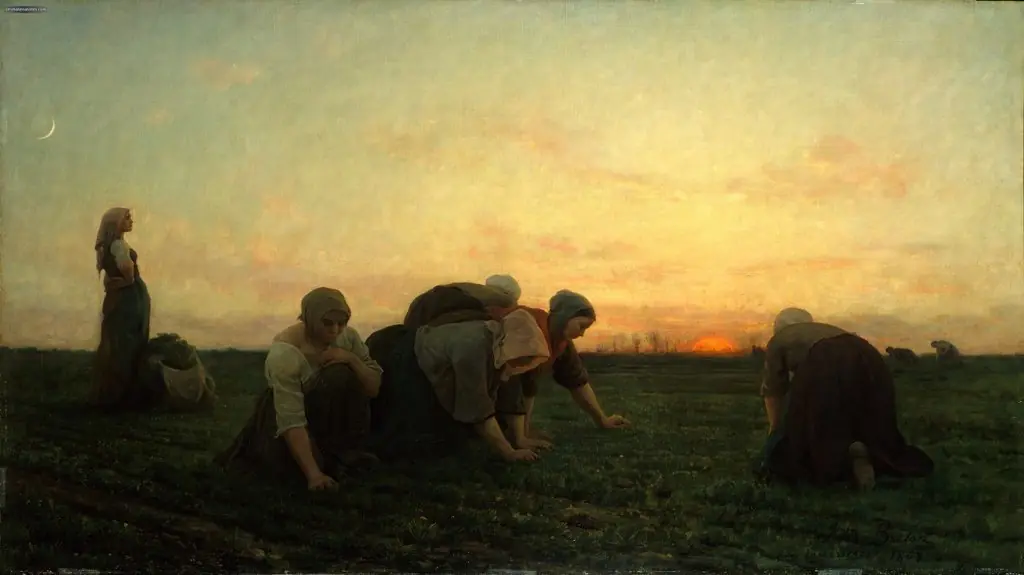
In the foreground, a woman is shown bending down to pick up grains of wheat, while another woman stands beside her, holding a bundle of wheat.
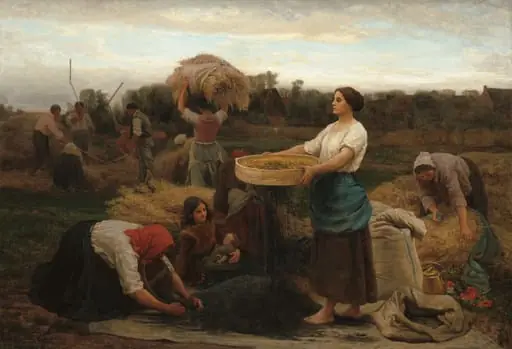
This painting depicts a group of peasants gathered in a field, engaged in the act of gleaning. The scene is set against a backdrop of a vast, open landscape, with the peasants scattered throughout the field. In the foreground, a woman is shown bending down to pick up grains of wheat, while another woman stands beside her, holding a bundle of wheat.
The peasants are dressed in simple, rustic clothing, and their faces are worn from years of hard labor. The artist has captured the sense of community and camaraderie among the peasants as they work together to gather the leftover grains.
The painting is a poignant portrayal of the struggles and hardships faced by the working class during the 19th century. To learn more about the artist's use of chiaroscuro, explore the work of Jules Breton.
Subject & Meaning
The Gleaners depicts women and children gathering wheat in a harvested field, symbolizing the dignity of rural labor. Breton presents the scene with idealized figures bathed in warm light, emphasizing communal purpose as the workday ends. A village policeman oversees the workers, reflecting contemporary social order, while men load wheat onto wagons in the background.
The painting thus represents both the physical toil and moral virtue of peasant life, resonating with realist themes of social awareness.
Technique & Style
Painted in oil on canvas in 1854, the work is executed in a realist mode that idealizes rural labor. Handling emphasizes smooth, blended transitions in the sky and softly modeled figures, with careful attention to the effects of warm evening light and long shadows across the field. Composition arranges three main groups of gleaners in the foreground, their poses echoing classical rhythm while maintaining a studied naturalism.
The palette is earth-toned, punctuated by the golden hues of wheat and muted greens of the stubble, with minimal visible brushwork to preserve optical unity.
The canvas measures 138 cm in width by 93 cm in height and is held at the National Gallery of Ireland in Dublin.
History & Provenance
Jules Breton created the oil-on-canvas painting The Gleaners in 1854. The work was first exhibited at the Paris Salon in 1855, where it received critical praise. Following this exhibition, a private collector purchased the piece. The painting is currently held in the collection of the National Gallery of Ireland in Dublin.
The dimensions of the canvas are 93 cm in height and 138 cm in width. While the specific details of the initial commission are not recorded in the provided sources, the creation date is consistently cited as 1854. The work depicts an idealized version of peasant life, featuring women and children gathering wheat under the supervision of a village policeman.
Jules Breton's 1854 painting The Gleaners is held in the collection of the National Gallery of Ireland in Dublin. The work was first exhibited at the 1855 Salon in Paris, where it received critical acclaim before being acquired by a private collector. Specific inventory or accession numbers for the painting are not provided in the available records.
Context
Exhibited at the 1855 Paris Salon, The Gleaners received favorable reviews from contemporary critics, leading to its immediate acquisition by a private collector. Art historically, the work situates Jules Breton within the Realist movement, specifically demonstrating his engagement with Gustave Courbet's depictions of rural labor. However, Breton diverged from Courbet's darker, unvarnished approach by presenting an idealized vision of peasant life bathed in warm, romantic light.
Scholarly analysis highlights this distinction, noting that while the subject matter of gleaning aligns with Realist themes, Breton's inclusion of supervisory figures and harmonious composition softens the social reality. This synthesis of realistic subject matter with an elevated aesthetic style became a defining characteristic of Breton's career as a painter of peasant life.
Overview
Jules Breton’s 1854 oil on canvas, The Gleaners, presents a pastoral tableau of rural laborers collecting stray wheat in a sun‑lit field. The composition balances a broad, open landscape with a cluster of figures, emphasizing both the expanse of the countryside and the intimate activity of the workers. The work resides in the National Gallery of Ireland, Dublin.
Own this work as a print
Artist & collection
Artist
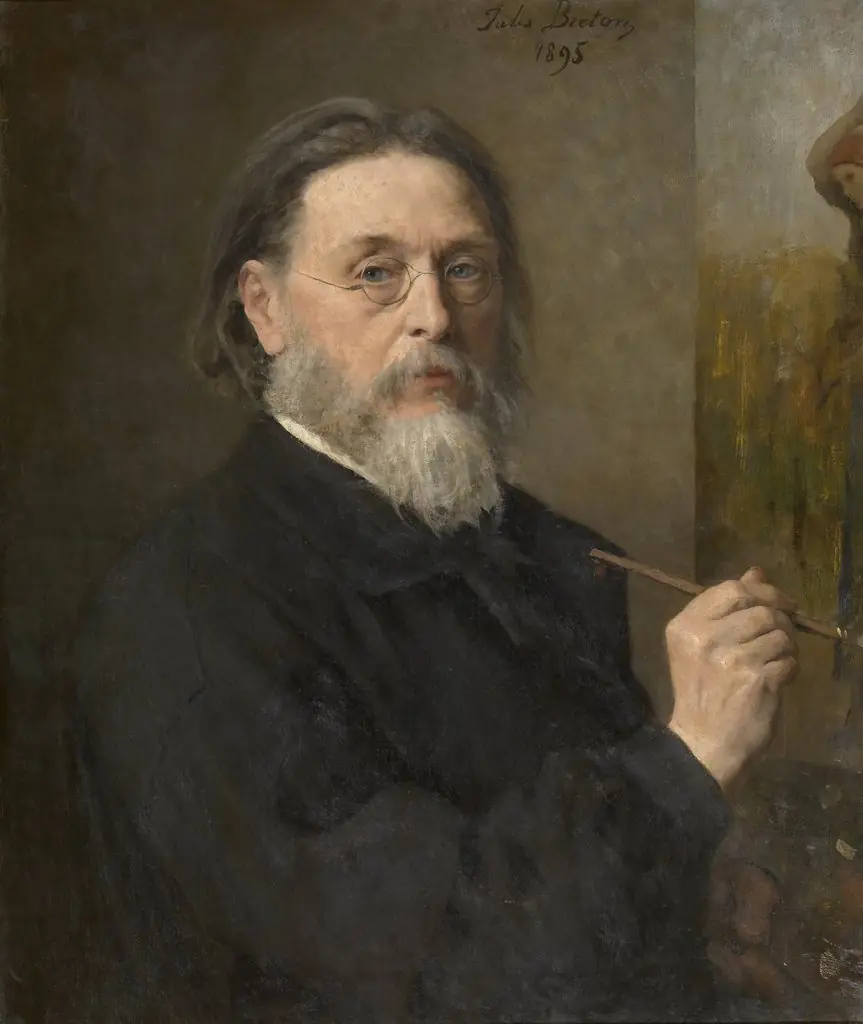
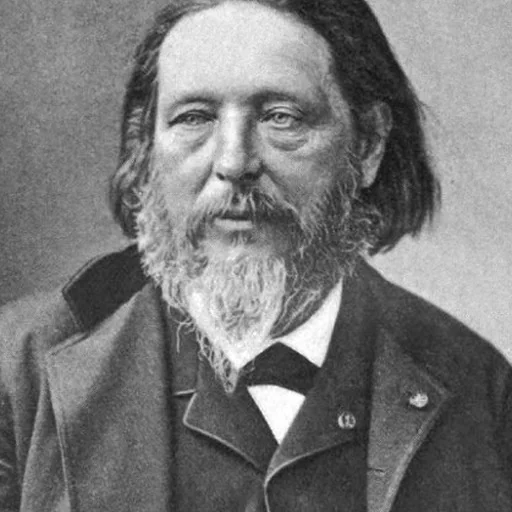
Jules Adolphe Aimé Louis Breton (French pronunciation:; 1 May 1827 – 5 July 1906) was a 19th-century French naturalist painter.