Artwork
Valley of the River Loire
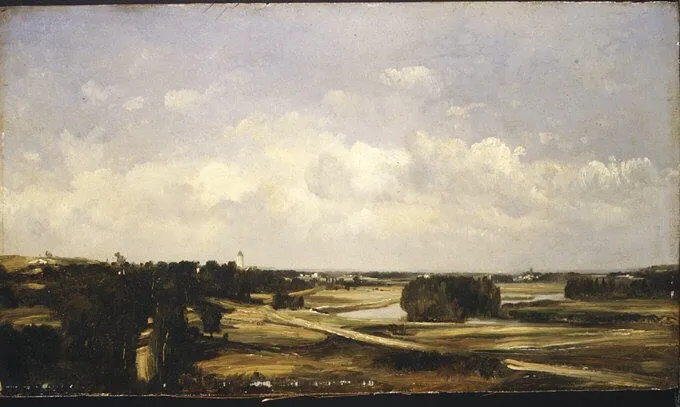
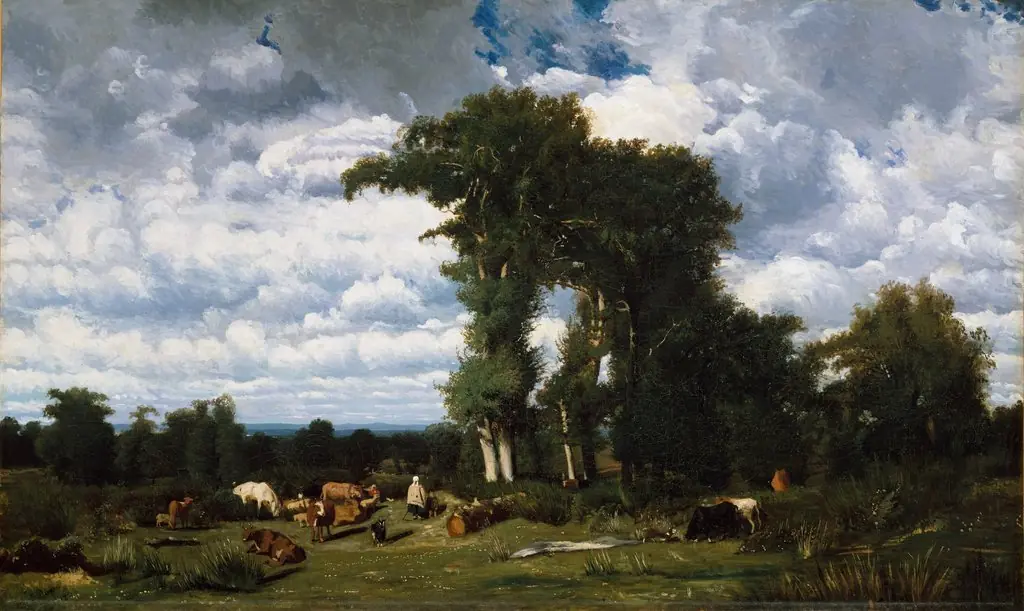
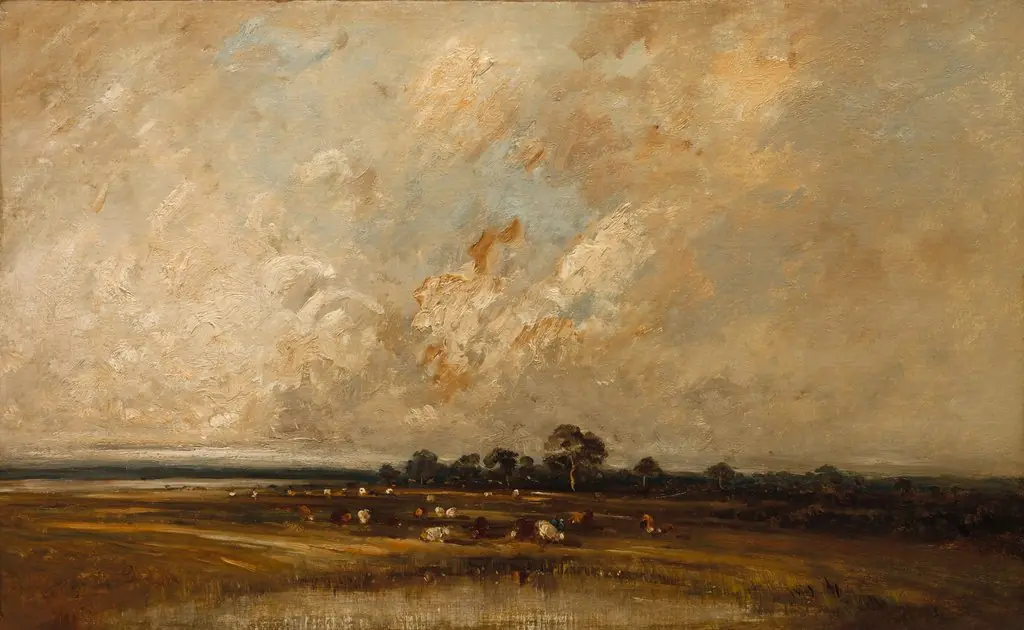
Valley of the River Loire is an oil painting by the Barbizon school artist Jules Dupré. It dates from 1860 and is held in the collection of the Metropolitan Museum of Art.
About this work
Subject & Meaning
The artwork represents a direct observation of the French countryside, prioritizing the depiction of water and landforms over allegorical or narrative elements.
Jules Dupré's 1860 oil painting, Valley of the River Loire, depicts a naturalistic landscape centered on the River Loire. As a work of the landscape genre, the composition focuses on the physical characteristics of the river and its surrounding valley environment. The artwork represents a direct observation of the French countryside, prioritizing the depiction of water and landforms over allegorical or narrative elements.
While the title specifies the geographic location, the visual content adheres to the conventions of mid-19th-century landscape painting by capturing the serene and expansive qualities of the riverine setting.
Technique & Style
Valley of the River Loire, created by Jules Dupré in 1860, is an oil painting executed on a panel support. The work measures 27.3 centimeters in height and 48.9 centimeters in width. As a landscape genre piece, the composition depicts a river scene rendered through the application of oil paint.
The physical construction relies on the durability of the panel medium rather than canvas, a common choice for 19th-century landscape works requiring stability. The painting is currently held in the collection of the Metropolitan Museum of Art, where its material consistency and formal presentation as a landscape have been documented. The specific handling of the oil medium on the rigid panel surface defines the tactile and visual character of this mid-19th-century French landscape.
Overview
Jules Dupré, a prominent member of the Barbizon school, painted Valley of the River Loire in 1860 using oil on canvas. This work exemplifies the movement's dedication to naturalistic landscape painting. It depicts a serene river valley, capturing the atmospheric qualities and detailed observation characteristic of the Barbizon artists. The painting is part of the collection at The Metropolitan Museum of Art.
Context
As a key figure within the Barbizon school, Jules Dupré contributed to a significant shift in 19th-century French landscape painting. This movement, active around the village of Barbizon, championed a direct engagement with nature, prioritizing the depiction of rural environments over historical or mythological subjects. Artists like Dupré sought to capture the specific character and atmospheric nuances of the French countryside, influencing subsequent generations.
Artist & collection
Artist
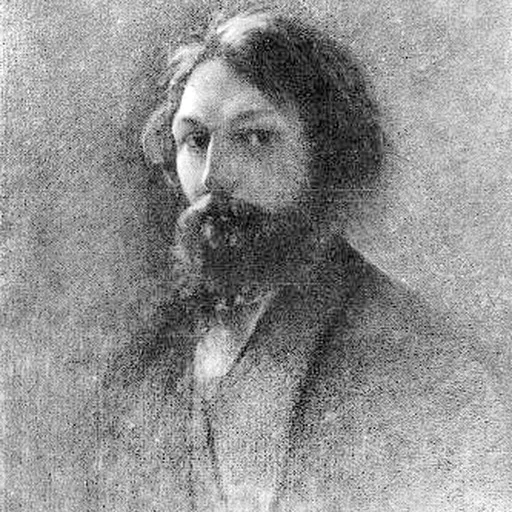
Jules Louis Dupré (French pronunciation:; April 5, 1811 – October 6, 1889) was a French painter, one of the chief members of the Barbizon school of landscape painters.

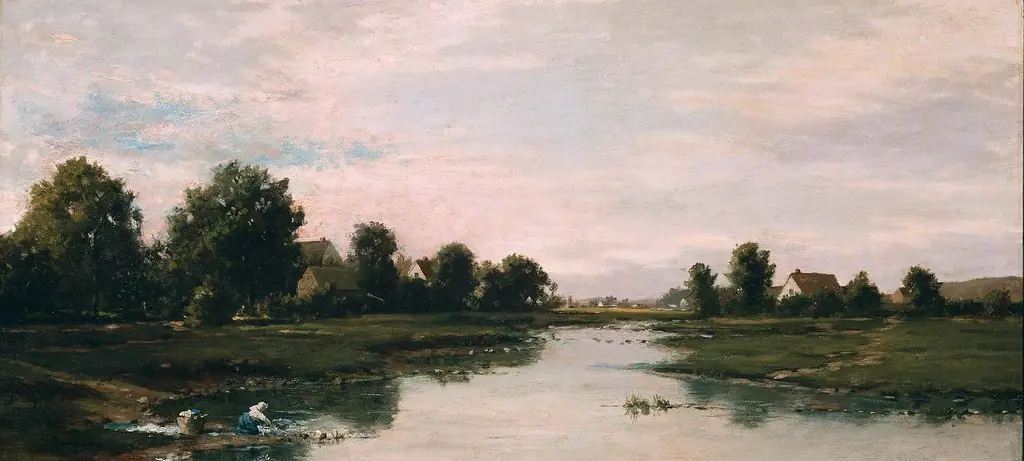
- Woman Washing Clothes at the Edge of a River
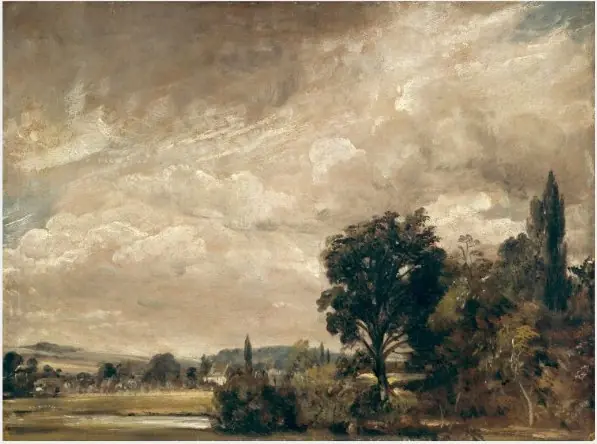 Harnham Ridge from Archdeacon Fisher's House, Salisbury
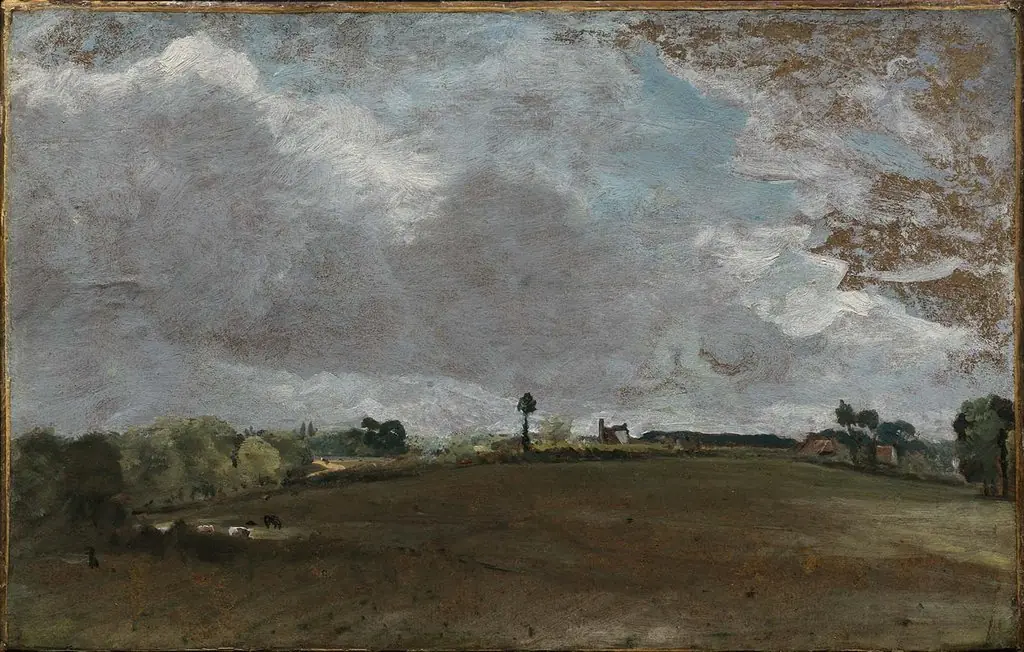 A Hilltop (His Native Village)
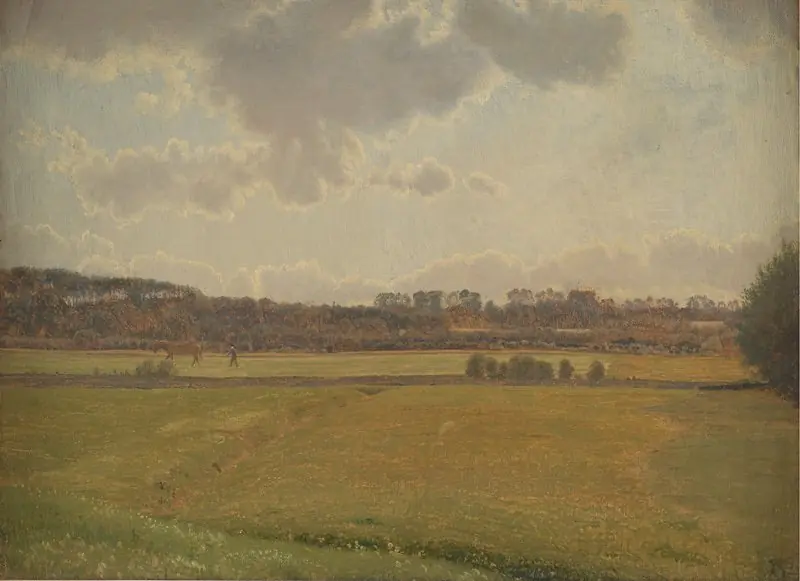 Sommerdag ved Bisholt
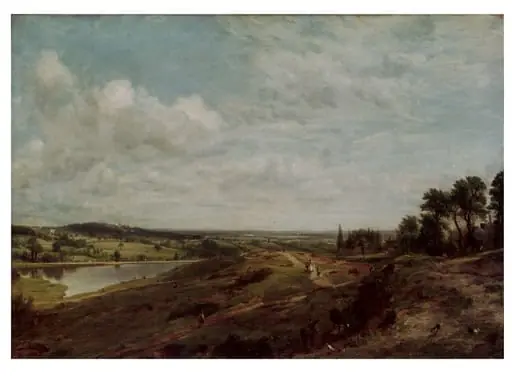 Hampstead Heath
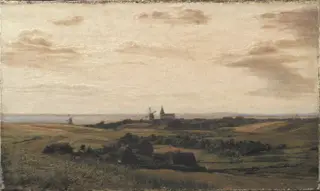 A View towards Assens in Funen. In the Distance the Coast of Schleswig
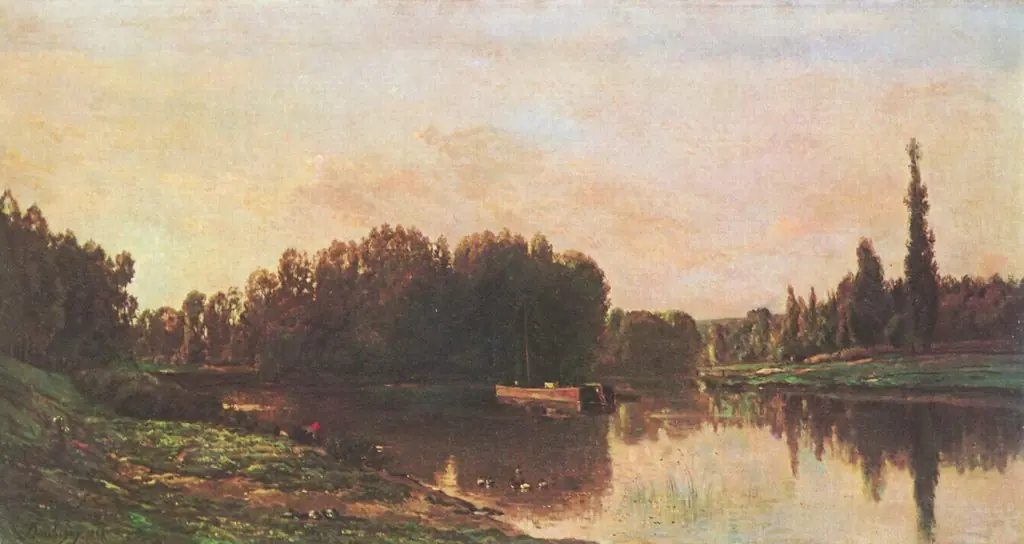 The Confluence of the Rivers Seine and Oise
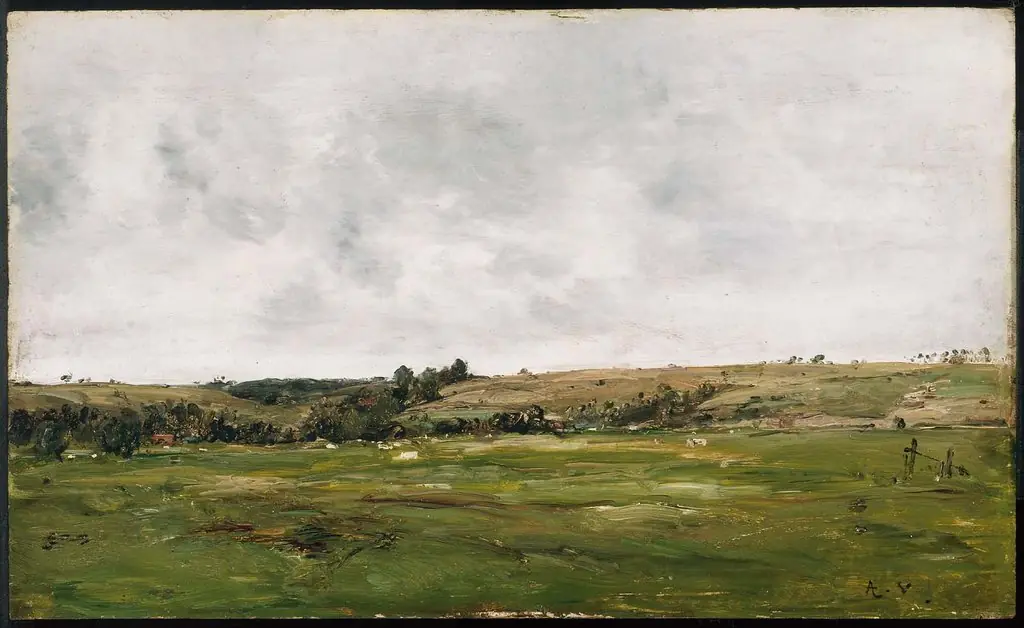 Meadows and Low Hills
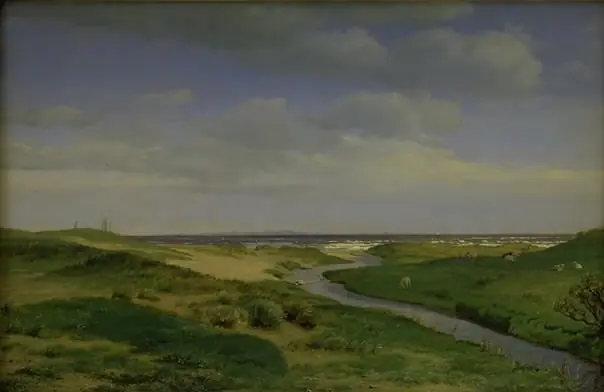 View of the North Coast of Zealand at Dronningmølle
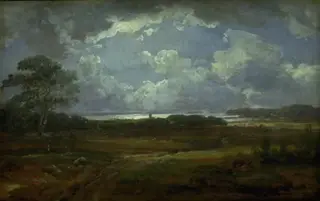 View towards Jungshoved
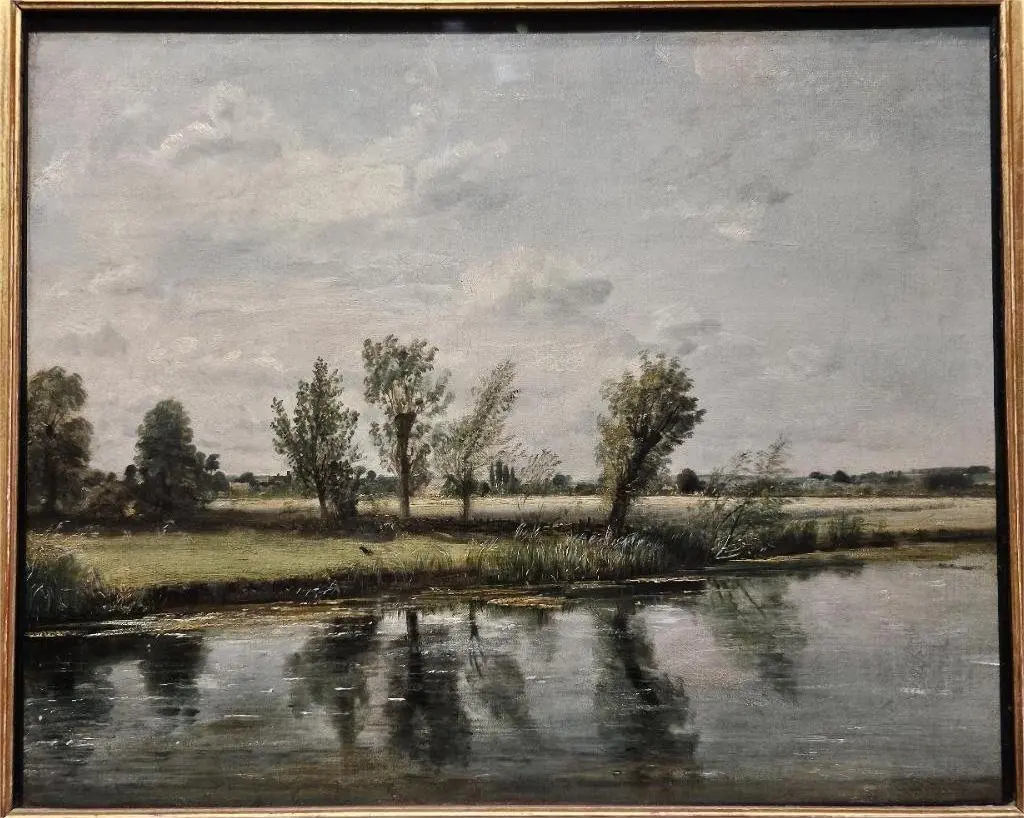 Water Meadows near Salisbury
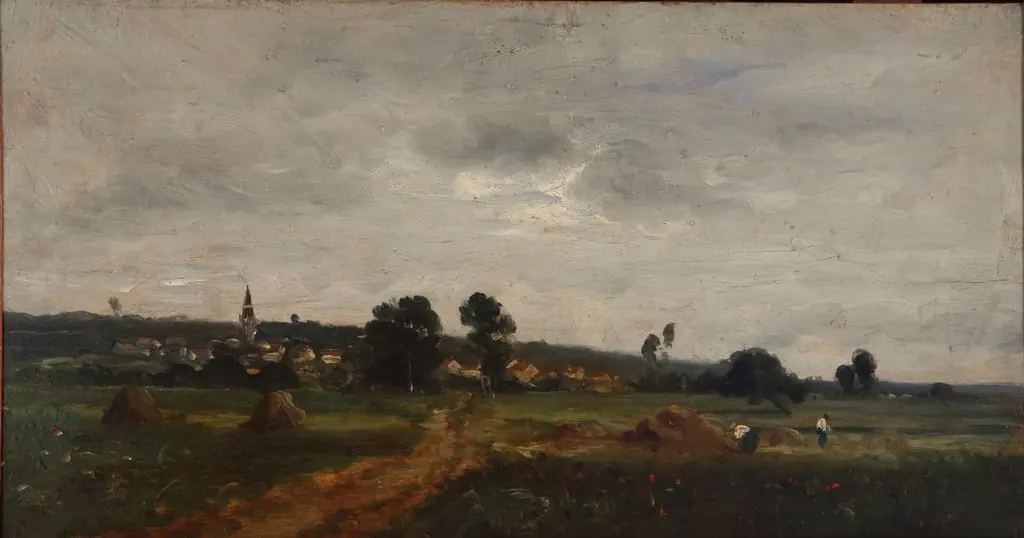 Landscape 2