Artwork
Arcadisch landschap met een slapende jongen onder een boom

Arcadisch landschap met een slapende jongen onder een boom is an oil painting by the Rococo painting artist Jurriaen Andriessen. It dates from 1771 and is held in the collection of the Rijksmuseum.
About this work
Technique & Style
It is classified as a landscape genre piece depicting a tree, and its formal qualities align with 18th‑century Dutch pastoral aesthetics.
Jurriaen Andriessen painted Arcadisch landschap met een slapende jongen onder een boom in 1771 using oil paint on canvas. The work measures 325 cm in height and 42 cm in width, reflecting his role in the Amsterdam school of landscape painting. It is classified as a landscape genre piece depicting a tree, and its formal qualities align with 18th‑century Dutch pastoral aesthetics.
The painting’s handling emphasizes delicate brushwork to render natural forms, while its composition balances the sleeping boy with the surrounding foliage, creating a harmonious scene typical of Andriessen’s style.
History & Provenance
The painting was created in 1771 by Jurriaen Andriessen in Amsterdam. It is executed in oil on canvas and measures 325 by 42 cm. The work is held in the collection of the Rijksmuseum. No further details regarding commission, earlier ownership, or acquisition history are provided in the available sources.
Arcadisch landschap met een slapende jongen onder een boom is an oil paint on canvas painting created in 1771 by Jurriaen Andriessen. It measures 325 cm in height and 42 cm in width and was produced in Amsterdam. The work is part of the Rijksmuseum collection and is housed at the Rijksmuseum in Amsterdam. It has been displayed in exhibitions at the Rijksmuseum.
Overview
Jurriaen Andriessen’s 1771 oil painting, titled Arcadisch landschap met een slapende jongen onder een boom, presents a tranquil rural scene. A slender tree, its foliage a dense green, rises from a white vase, while a young boy lies curled beneath its branches. A pale sky dotted with soft clouds stretches behind, and a muted horizon suggests a distant landscape.
Subject & Meaning
The work juxtaposes the vitality of nature with the innocence of rest. The boy, barefoot and modestly dressed, appears unhurried, suggesting a moment of peaceful repose within an idyllic setting. The tree’s roots clasping the vase may symbolize the integration of human-made objects into the natural world, reinforcing a harmonious, pastoral ideal.
Context
The piece belongs to a broader genre of Arcadian landscapes popular in the Dutch Enlightenment, where artists idealized rural life as a refuge from urban bustle. Andriessen’s focus on a solitary figure within a serene environment aligns with contemporary tastes for scenes that evoke calm and moral simplicity.

Artist & collection


- Hunter loading his rifle
 the Boy with a bird
 Tammi
Tammi Denneboom
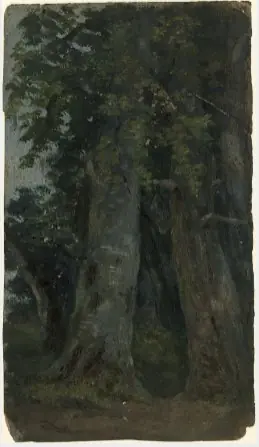 Trees
Trees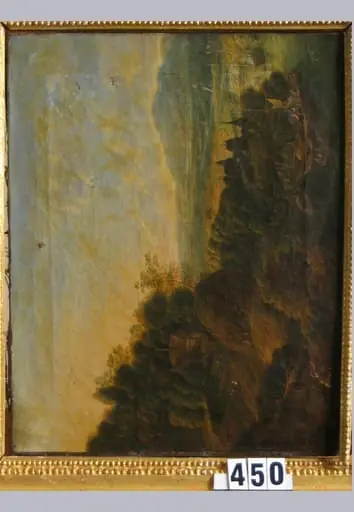 Ținutul Rinului cu corăbii (în registrul inventar: Ținutul Rhinului cu corăbieri)
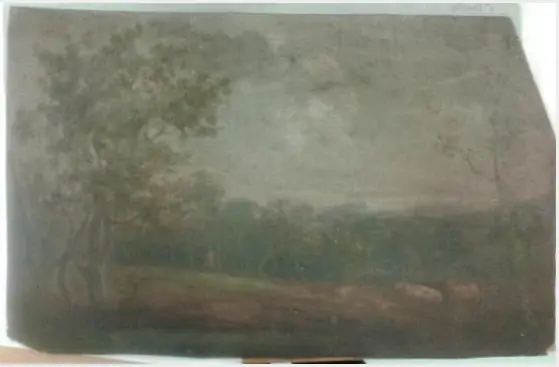 Figures on a Hill
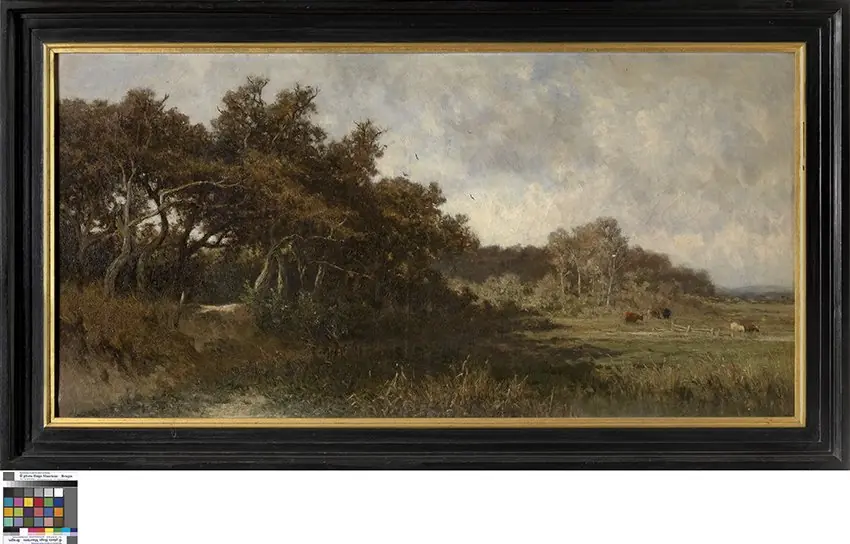 Landschap met koeien
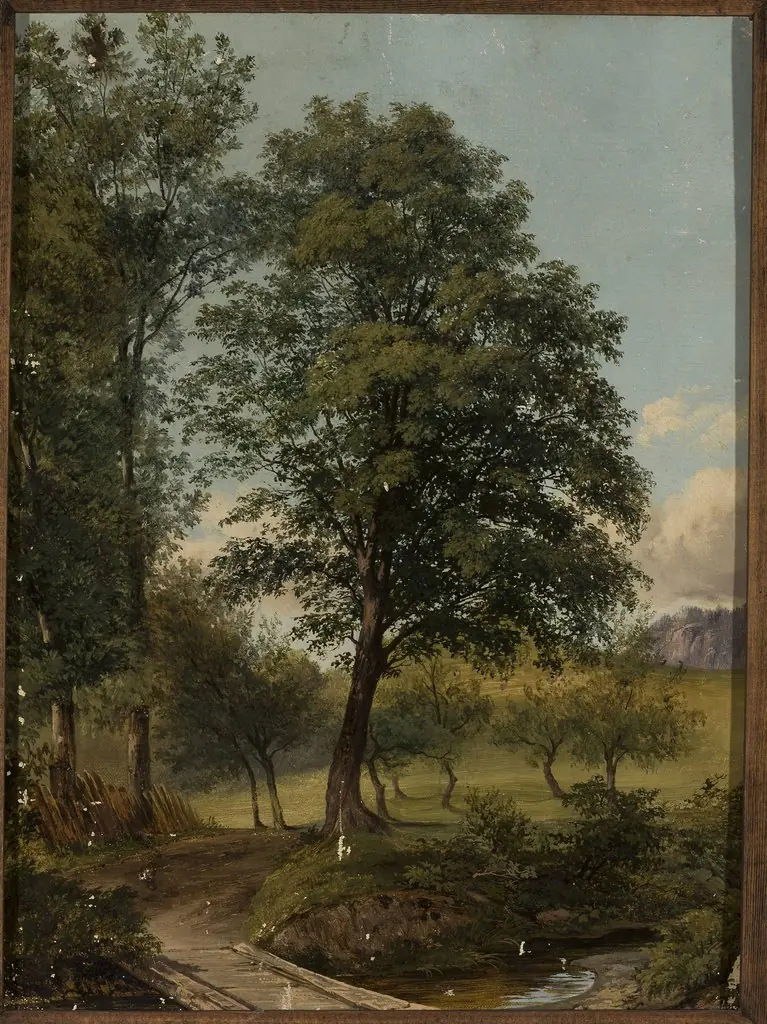 View with a bridge over a creek
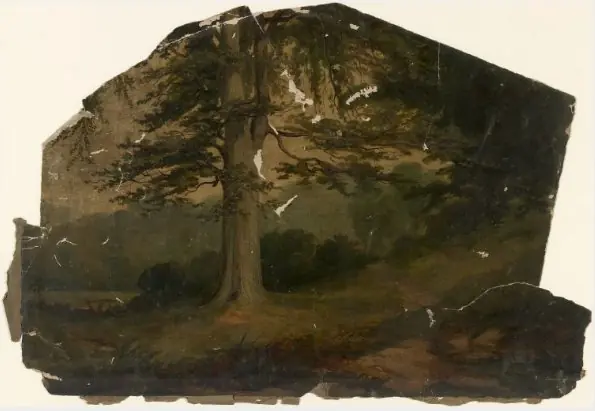 A Cedar of Lebanon
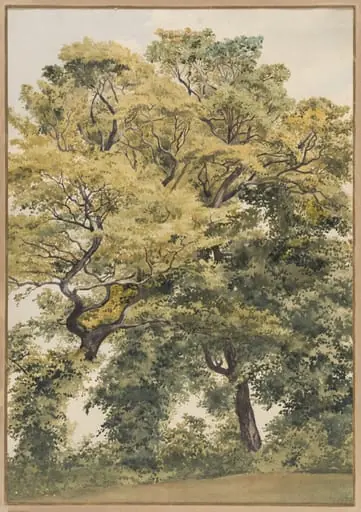 Study of Trees
 Peisaj de pădure cu turn; pandant: Peisaj de pădure cu moară