Artwork
Winter and Summer Flowers
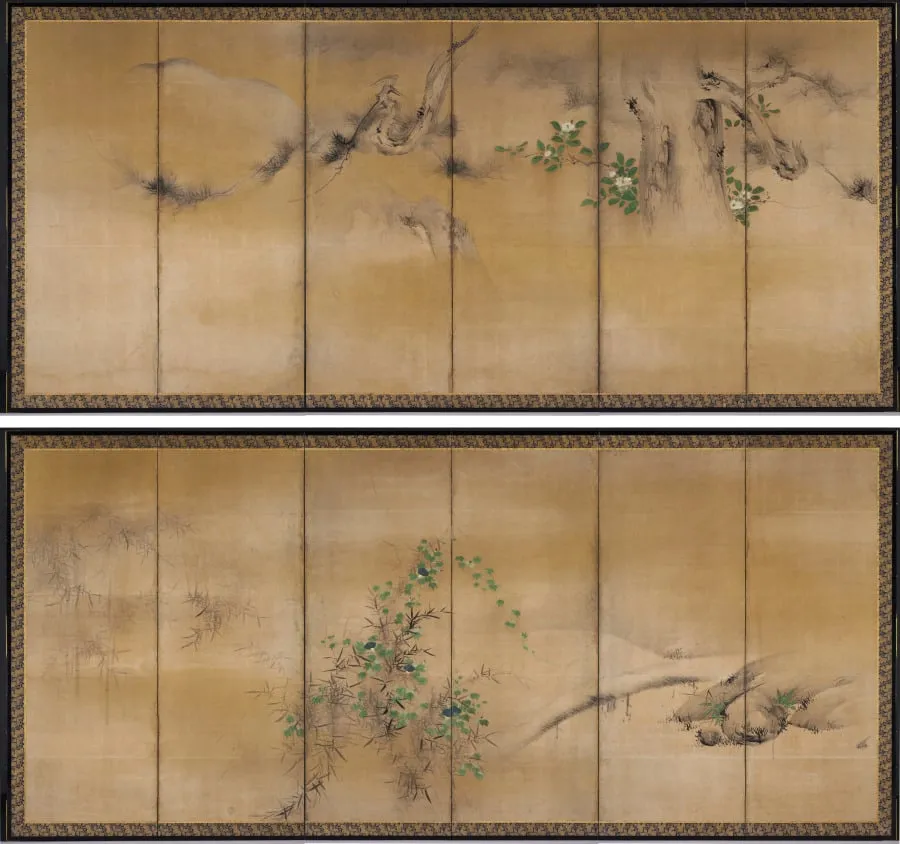
Winter and Summer Flowers is an unspecified painting by the Renaissance artist Kaihō Yūshō. It dates from 1600 and is held in the collection of the Cleveland Museum of Art. The work consists of a pair of folding screens that together form a continuous landscape.
- Accession no.
- 1987.40
- Credit line
- John L. Severance Fund
About this work
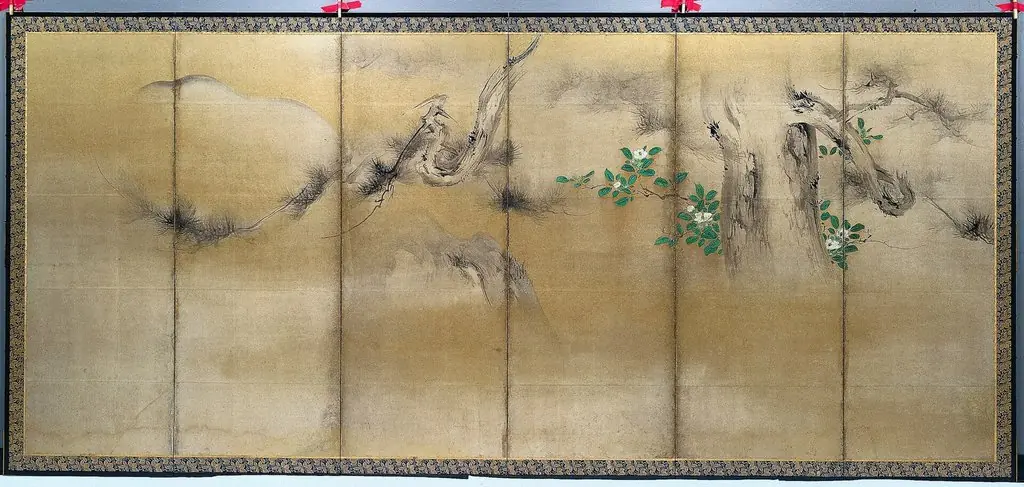
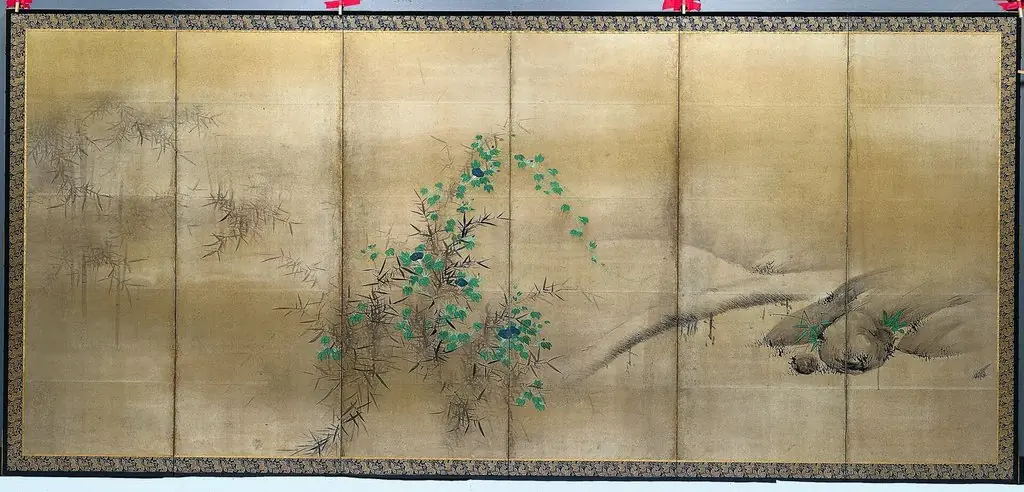
You see two folding screens side by side, one with white camellias and a pine, the other with blue morning glories tangled in bamboo.
You see two folding screens side by side, one with white camellias and a pine, the other with blue morning glories tangled in bamboo.
The screens show flowers from different seasons, but the mountains and bridge make it feel like one landscape. Time moves from right to left, winter to summer. Yūshō painted these for Zen temples, where quiet details like this mattered.
If you like this, look up Japan, Momoyama period (1573–1615) next.
Overview
The work consists of a pair of folding screens that together form a continuous landscape. The right screen presents a pine tree under which white camellias blossom, while the left screen depicts blue morning glories winding through bamboo. Together they create a seamless view of mountains and a bridge, linking the two panels visually.
Subject & Meaning
The screens juxtapose flora associated with different seasons: the camellias represent winter, and the morning glories signify summer. The composition guides the viewer’s eye from right to left, suggesting a passage of time from the colder to the warmer months within a single, unified setting.
Technique & Style
Executed in the traditional Japanese screen format, the painting employs delicate brushwork to render the pine’s foliage, the camellias’ petals, and the tangled bamboo. The use of subtle color contrasts, white against dark pine and blue against green bamboo, highlights each seasonal element while maintaining overall harmony.
History & Provenance
The screens were created by the painter Kaihō Yūshō, who was active in the late Momoyama period. Yūshō is known for producing similar landscape screens for Zen temples in Kyoto, where such detailed, contemplative imagery was valued for meditation spaces.
Context
During the Momoyama era (1573–1615), folding screens served both decorative and functional roles in Japanese interiors, often marking partitions or providing visual backdrops. The seasonal motif aligns with Zen aesthetic principles that emphasize impermanence and the cyclical nature of the natural world.
Artist & collection
Artist
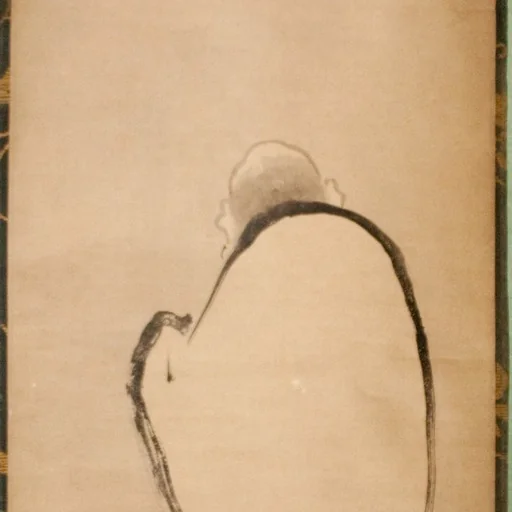
Kaihō Yūshō (海北 友松; 1533–1615); real name: Kaiho Shōeki, "brush name": Yusho (alternative names: Josetsusai, Yūkeisai, Yūtoku), was a Japanese painter of the Azuchi–Momoyama period.

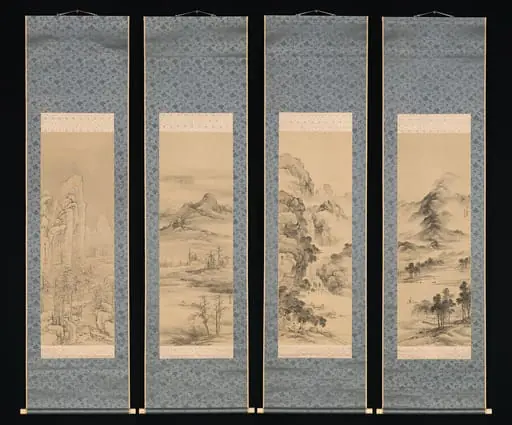 山本梅逸筆 四季山水図|Landscapes of the Four Seasons
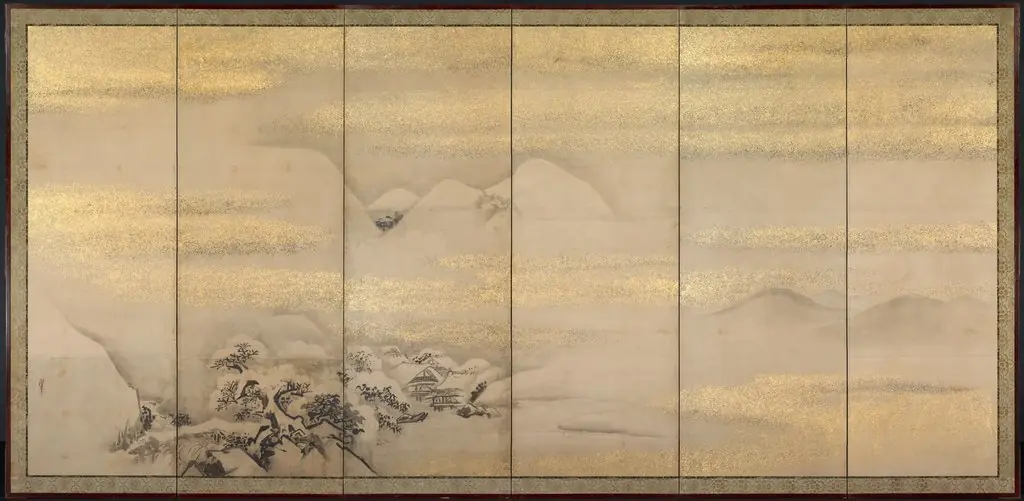 Summer and Winter Landscapes (one of a pair)
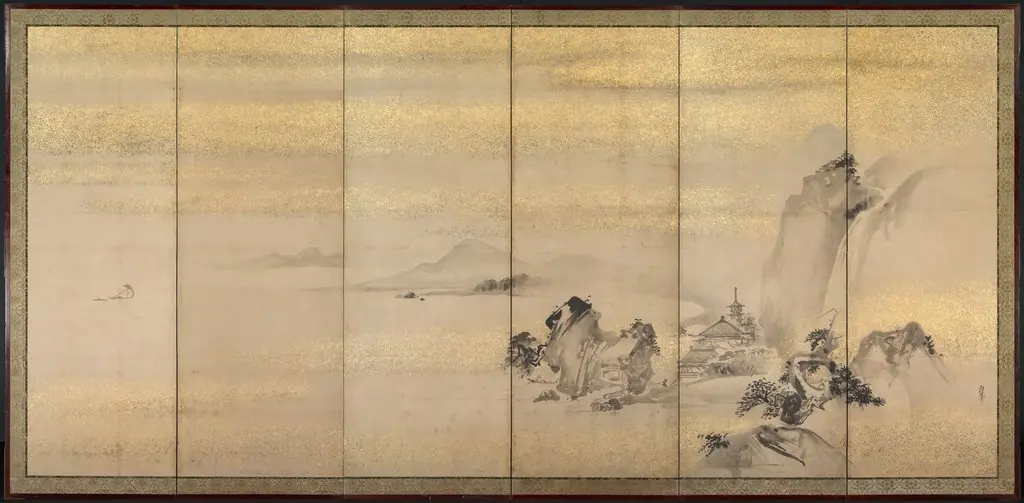 Summer and Winter Landscapes
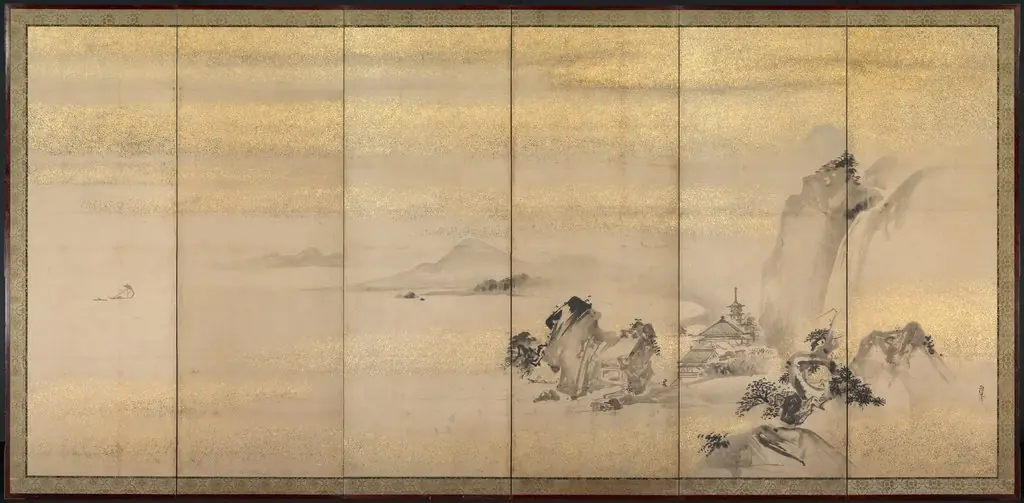 Summer and Winter Landscapes (one of a pair)
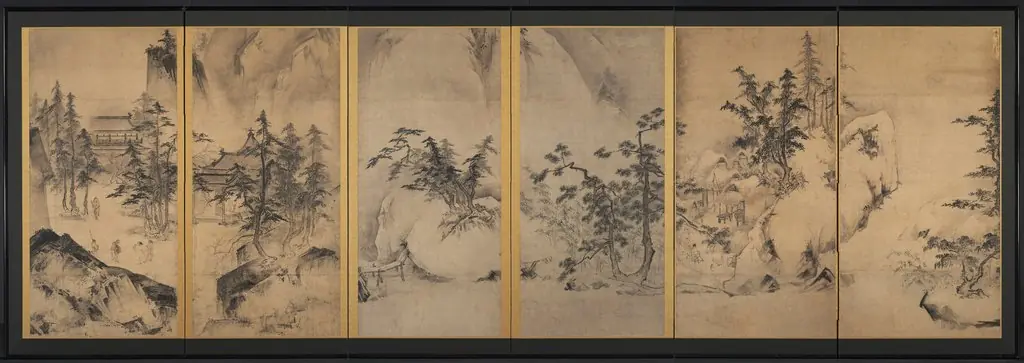 Winter and Spring Landscape
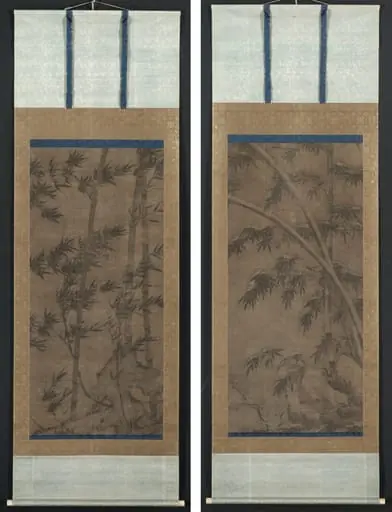 Bamboo in Four Seasons: Summer and Winter
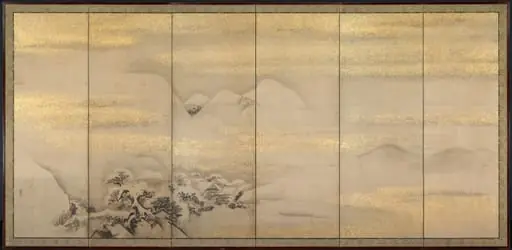 Summer and Winter Landscapes (one of a pair)
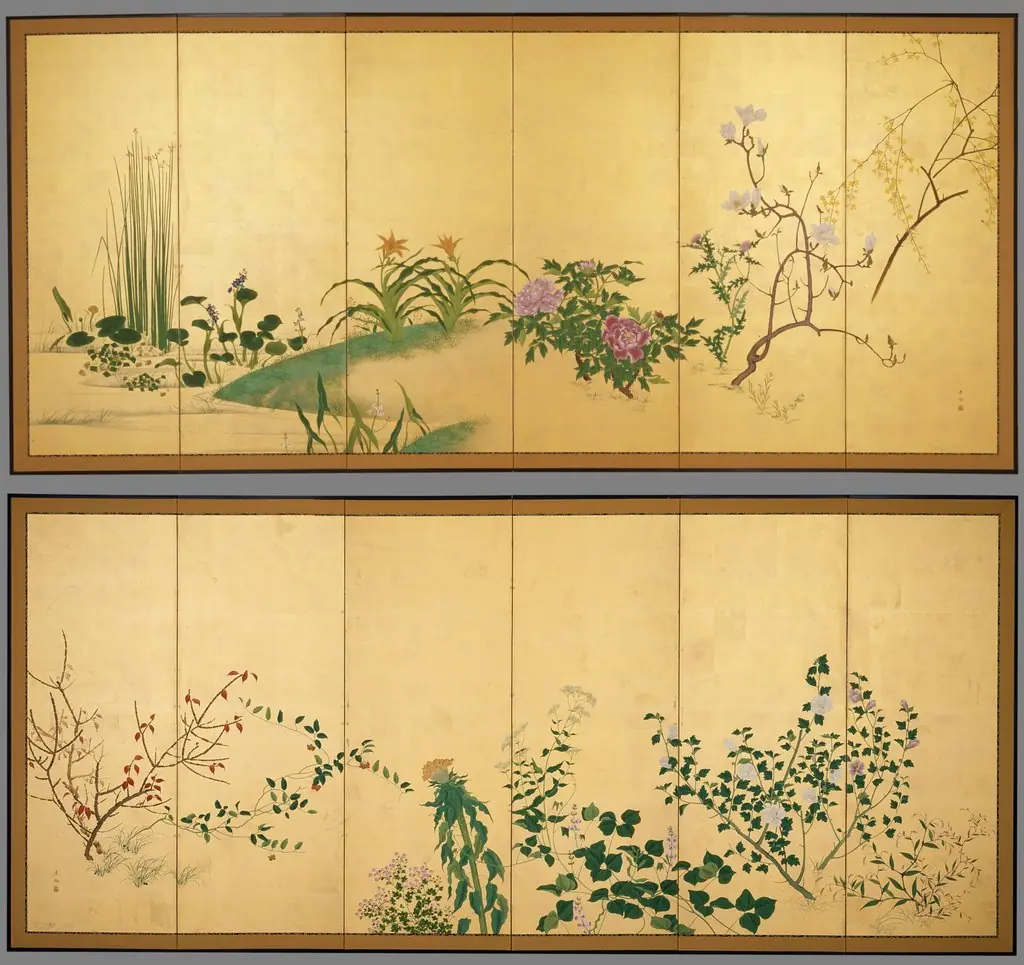 Flowers and Plants of the Four Seasons
 中林竹渓筆 夏秋山水図屏風|Summer and Autumn Landscapes
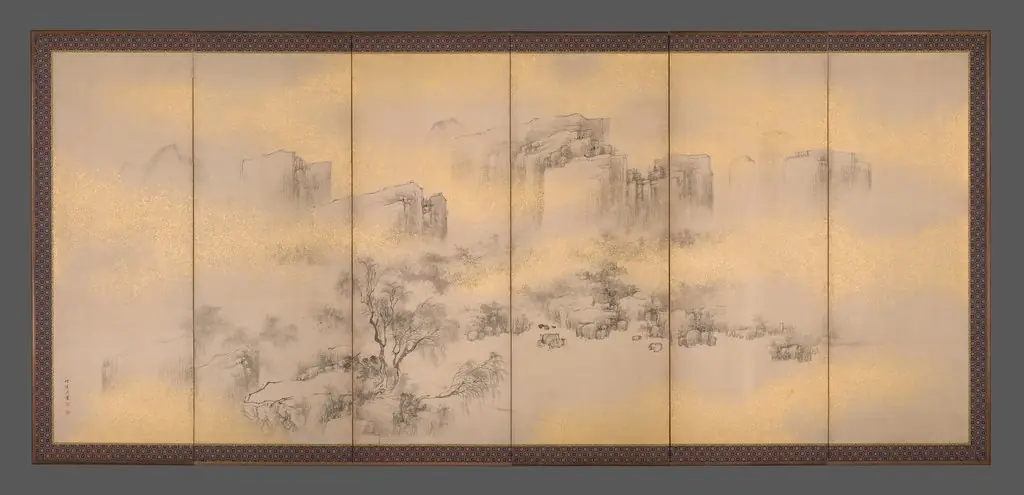 Summer and Autumn Landscapes