Artwork
Summer and Winter Landscapes (one of a pair)
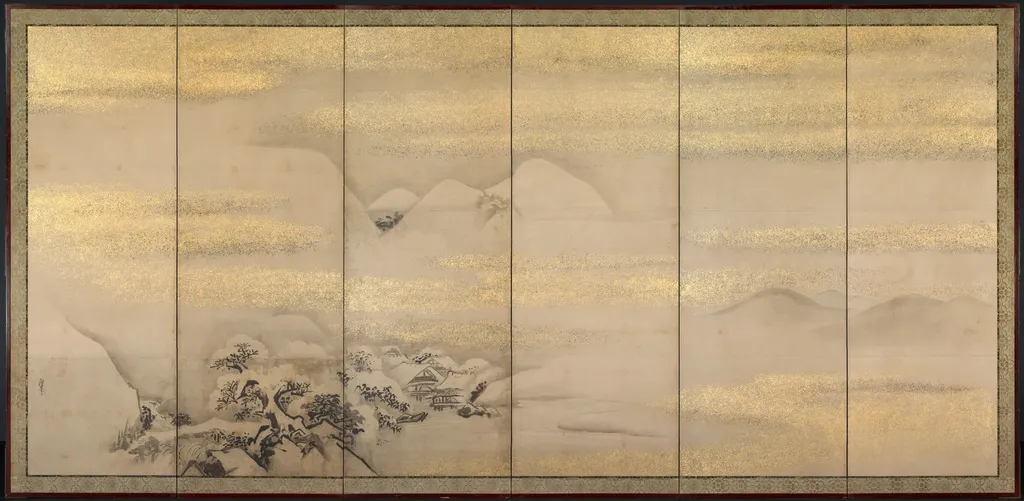
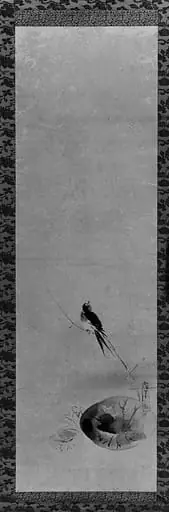
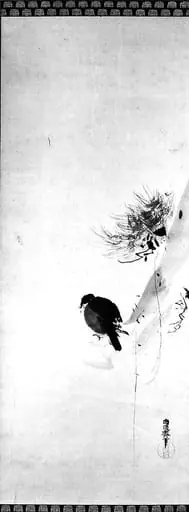
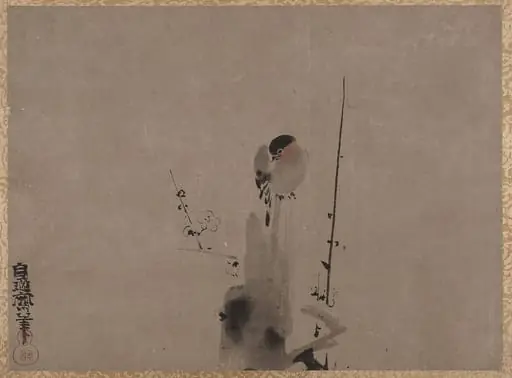
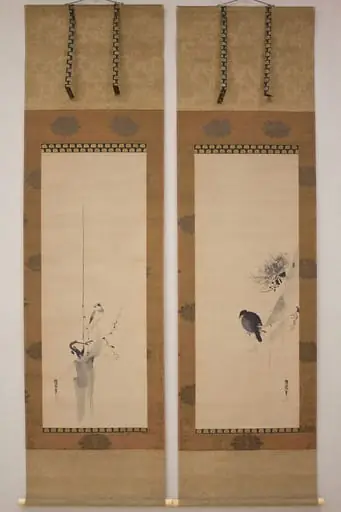
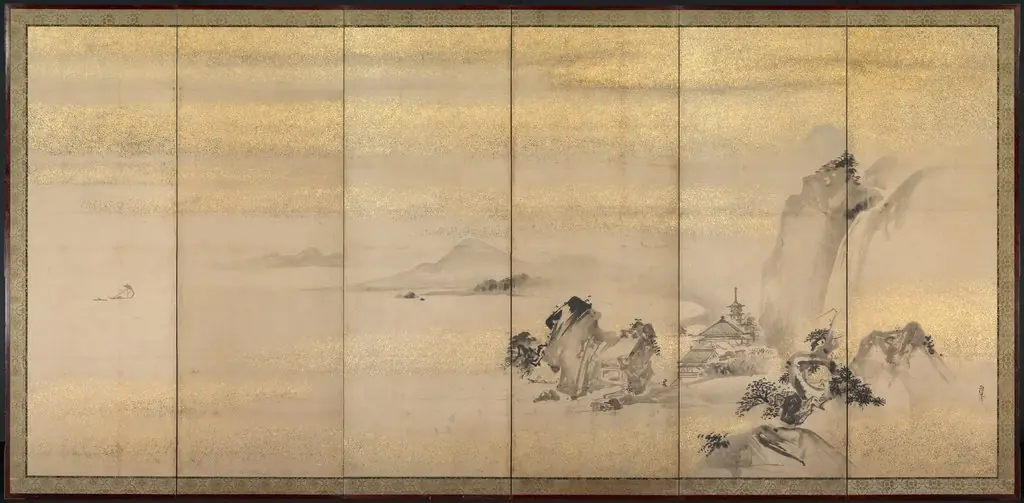
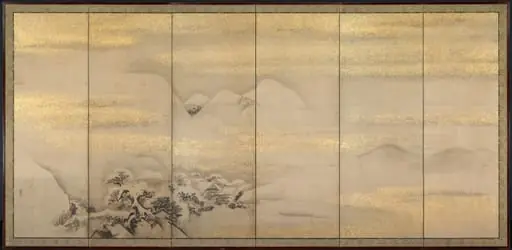
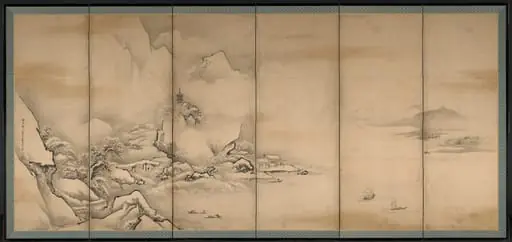
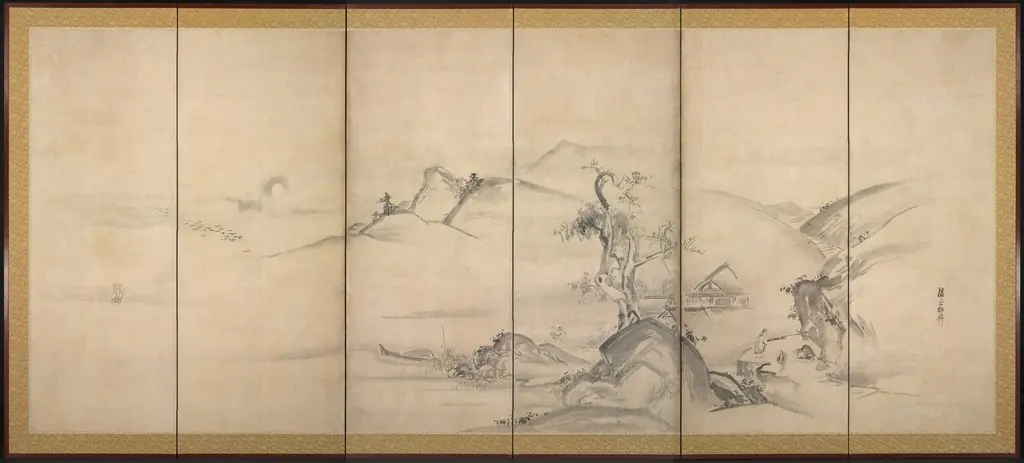
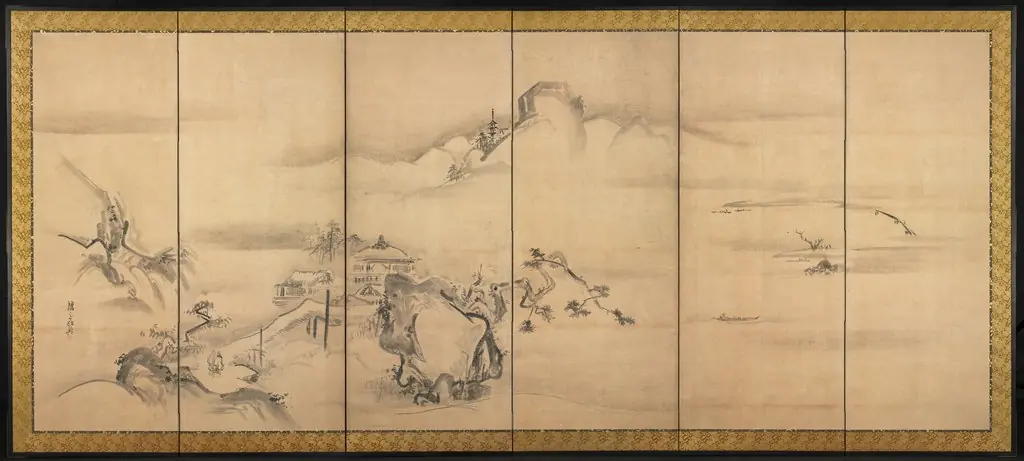
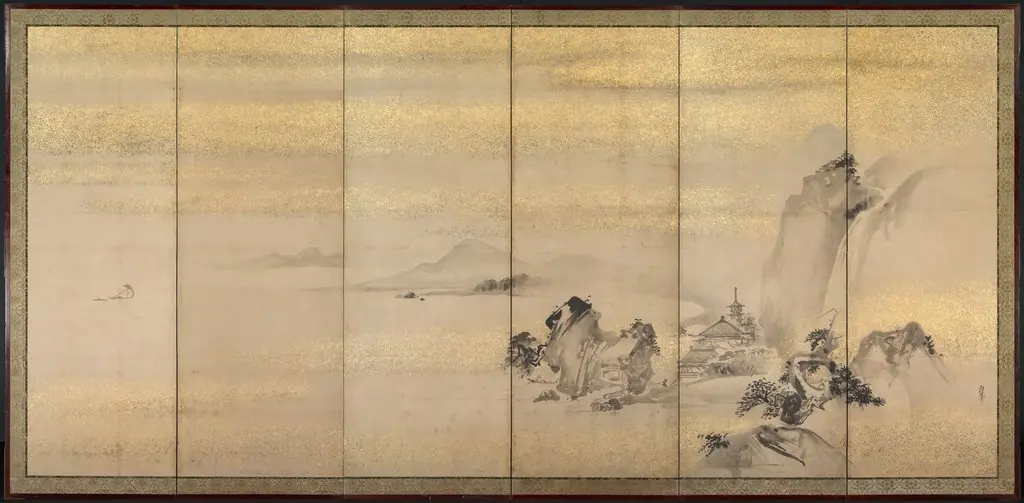
Summer and Winter Landscapes (one of a pair) is an unspecified painting by the Kanō school artist Kano Naonobu. It dates from 1628 and is held in the collection of the Cleveland Museum of Art. Created in 1628 by Kanō Naonobu, this work consists of two hinged panels that present contrasting seasonal landscapes.
About this work
History & Provenance
Summer and Winter Landscapes (one of a pair) is a landscape painting by the Japanese artist Kanō Naonobu, who lived from 1607 to 1650.
Summer and Winter Landscapes (one of a pair) is a landscape painting by the Japanese artist Kanō Naonobu, who lived from 1607 to 1650. Executed in 1628 in Japan, the work is classified as a painting within the landscape genre. It is one of a pair of complementary scenes.
The painting entered the collection of the Cleveland Museum of Art, where it is currently held under accession number 2015.481.2. The available sources do not provide information on its original commission, earlier owners, or later provenance.
Summer and Winter Landscapes (one of a pair) by Kanō Naonobu is held by the Cleveland Museum of Art. The work is catalogued under the accession number 2015.481.2. Created in 1628 in Japan, the painting entered the museum's collection, where it remains part of the holdings.
No exhibition history is documented in the available sources.
Context
Summer and Winter Landscapes, a 1628 painting by Kanō Naonobu, exemplifies early Edo-period landscape genre within the Kanō school tradition, reflecting broader shifts in Japanese artistic patronage and the integration of Chinese-inspired compositional techniques during the early modern period. Its paired composition engages dialogue between seasonal motifs and spatial depth, situating it within the evolution of screen painting in Edo Japan.
Scholarly attention highlights its role in illustrating the artist's synthesis of naturalistic observation with stylized representation, contributing to ongoing discourse on Edo-period visual culture and the transnational influences shaping East Asian art markets.
Legacy
The pair of folding screens depicting Summer and Winter Landscapes influenced subsequent screen painting through its bold compositional balance and seasonal symbolism. Artists in the Edo period adopted its visual language to convey thematic duality in decorative works, particularly in multi-panel formats. The composition informed later screen painting traditions that emphasized seasonal narratives within unified visual fields.
The work's legacy is anchored in its inclusion in the Cleveland Museum of Art collection, where it has been studied as a key example of Kanō school screen painting. Its technical approach to landscape rendering contributed to evolving conventions in Japanese decorative arts.
The painting's provenance and conservation history at the Cleveland Museum of Art have informed scholarly discourse on Edo-period screen painting techniques and stylistic continuities.
Overview
Created in 1628 by Kanō Naonobu, this work consists of two hinged panels that present contrasting seasonal landscapes. The left panel portrays a winter scene with snow‑capped peaks, barren trees and a modest dwelling, while the right panel shows a summer view of mountains reflected in water. Together they illustrate the artist’s interest in juxtaposing seasonal change within a unified composition.
Subject & Meaning
The paired images emphasize the cyclical nature of the Japanese environment, inviting contemplation of the passage of time. The winter panel’s stark, muted tones convey quietude and endurance, whereas the summer panel’s brighter hues suggest vitality and flow. The inclusion of a solitary house in the winter scene anchors human presence within the broader natural world.
Technique & Style
Naonobu employs ink wash and subtle gold leaf to achieve a restrained palette, allowing negative space to define form as much as brushstroke. Delicate, layered lines render the texture of snow, foliage and water, reflecting the Kanō school’s emphasis on controlled brushwork while also revealing the artist’s personal refinement of the tradition.
Artist & collection
Artist
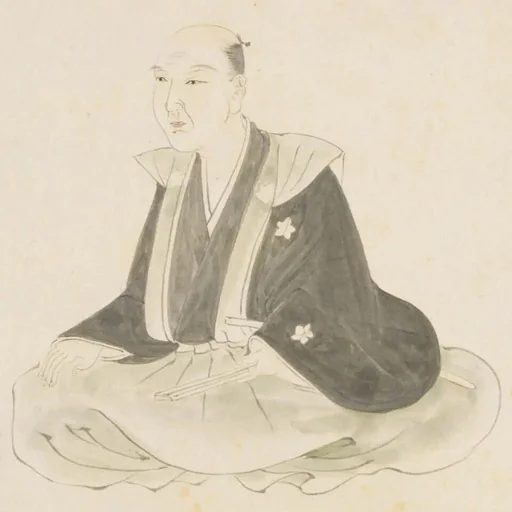
Kanō Naonobu (狩野 尚信, 25 November 1607 – 7 May 1650) was a Japanese painter of the Kanō school of painting during the early Edo period.