Artwork
Winter and Summer Flowers
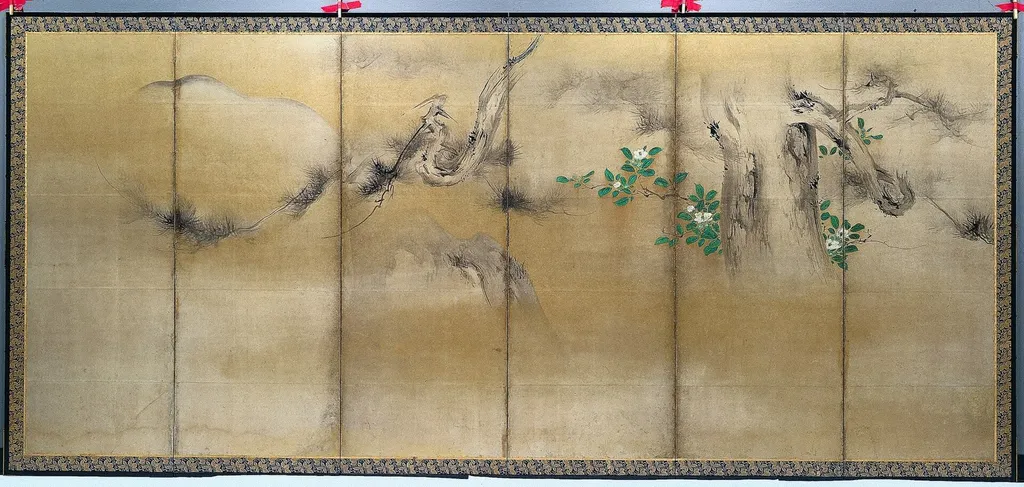
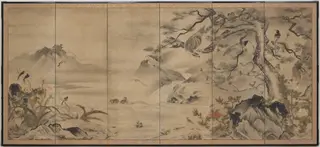
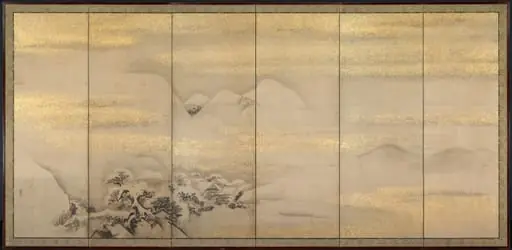
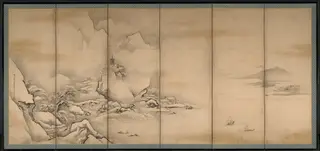
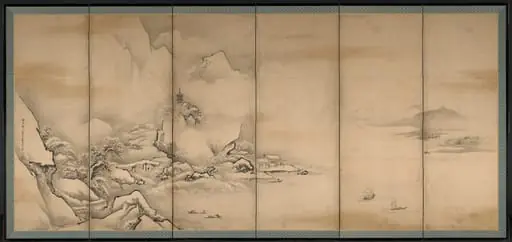
Winter and Summer Flowers is an unspecified painting by the Rinpa school artist Kaihō Yūshō. It dates from 1600 and is held in the collection of the Cleveland Museum of Art.
About this work
Technique & Style
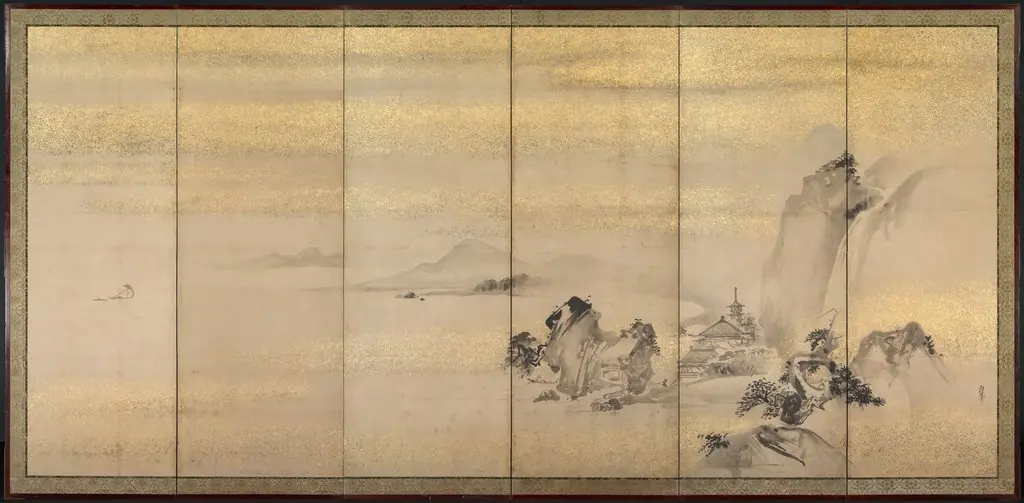
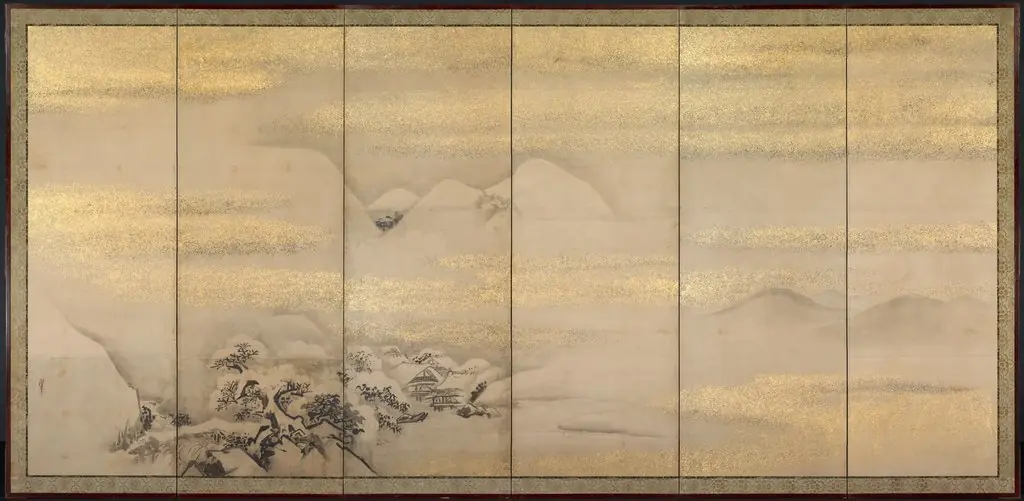
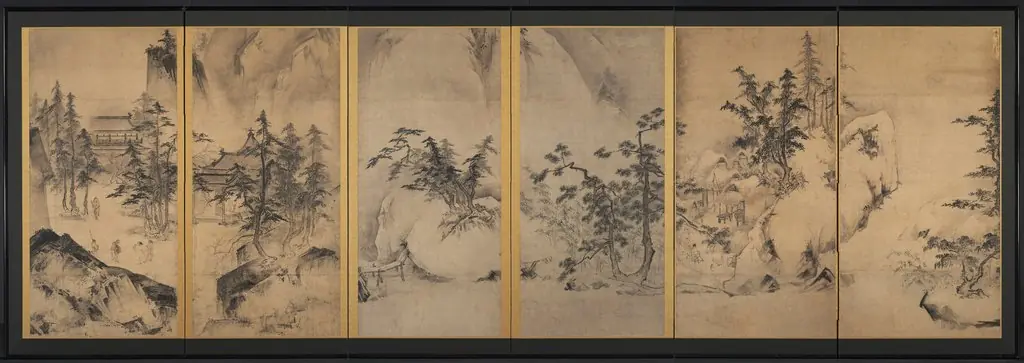
The work depicts seasonal floral motifs rendered with delicate brushwork and subtle tonal gradation characteristic of early Edo period Japanese painting.
Winter and Summer Flowers is an oil painting on paper attributed to Kaihō Yūshō, created circa 1600 in Japan. The work depicts seasonal floral motifs rendered with delicate brushwork and subtle tonal gradation characteristic of early Edo period Japanese painting. It is currently held by the Cleveland Museum of Art, where it is cataloged under accession number 1987.40.1.
The painting exemplifies formal stylistic qualities of its time, featuring precise line work, restrained color application, and compositional balance that reflect the artist's mastery of decorative and symbolic representation. Its condition is documented as stable, with no noted conservation concerns in the provenance record.
History & Provenance
Winter and Summer Flowers is a painting created by the Japanese artist Kaihō Yūshō in the year 1600. The work was produced in Japan during the early Edo period. It is currently held in the collection of the Cleveland Museum of Art, where it is cataloged under the accession number 1987.40.1.
The painting dates specifically to January 1, 1600, marking its inception at the turn of the seventeenth century.
The painting Winter and Summer Flowers by Kaihō Yūshō is held in the collection of the Cleveland Museum of Art in Cleveland. The work, created in 1600, is cataloged under the accession number 1987.40.1. This Japanese painting entered the museum's holdings with this specific inventory designation, linking the 17th-century artwork to its current institutional home.
Overview
Created in 1600 by Kaihō Yūshō, a painter active during Japan’s Azuchi‑Momoyama period, this work presents a quiet study of seasonal plant life. The composition balances a solitary tree with a modest cluster of blossoms, set against a muted background that emphasizes the natural tones of bark, leaf and flower. The painting is part of the permanent collection of the Cleveland Museum of Art.
Subject & Meaning
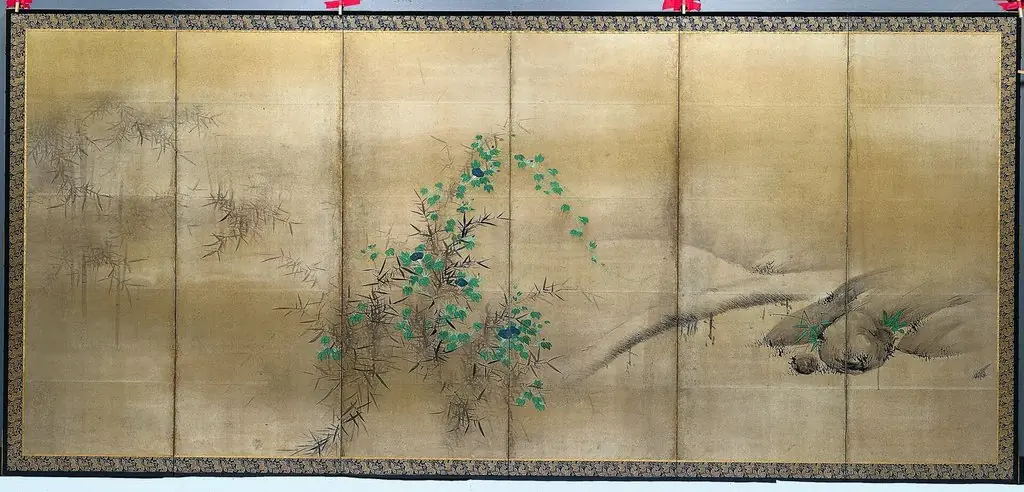
The piece juxtaposes flora associated with winter and summer, inviting contemplation of the cyclical passage of time. By placing the two seasonal motifs within a single visual field, the artist underscores the continuity of nature’s rhythms, a theme often explored in Japanese aesthetic thought.
Context
The work belongs to a broader movement of Rinpa artists who revived classical Japanese motifs through stylized yet expressive renderings. In the late Azuchi‑Momoyama era, such paintings often served as decorative objects for tea rooms and aristocratic spaces, reflecting both aesthetic refinement and an appreciation for seasonal symbolism.
Artist & collection
Artist
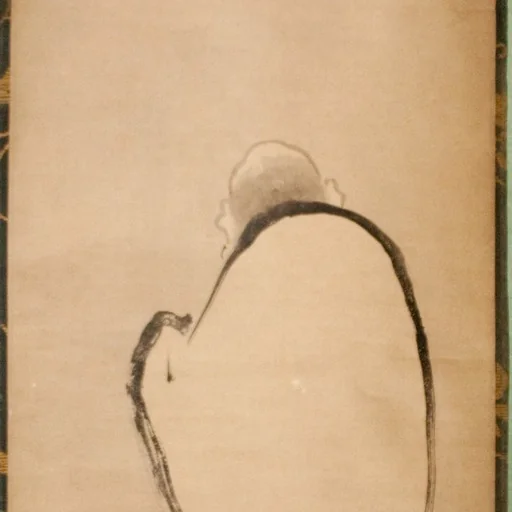
Kaihō Yūshō (海北 友松; 1533–1615); real name: Kaiho Shōeki, "brush name": Yusho (alternative names: Josetsusai, Yūkeisai, Yūtoku), was a Japanese painter of the Azuchi–Momoyama period.