Artwork
Untitled
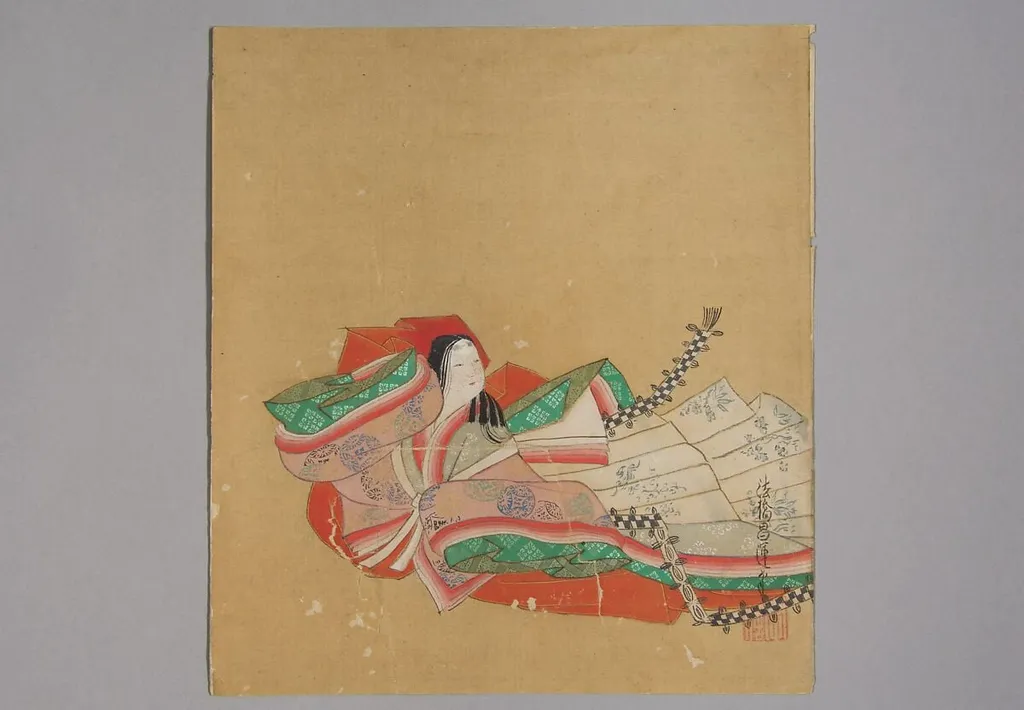
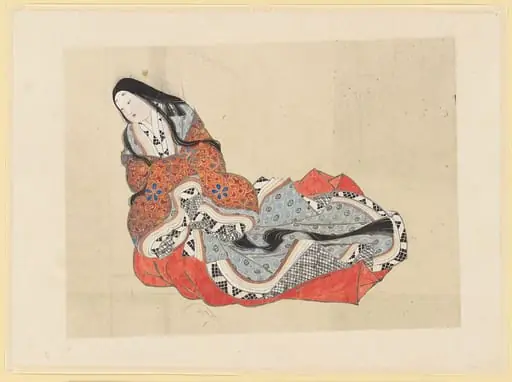
Untitled is an ink painting by the Baroque artist Kano Shōun. It dates from 1649 and is held in the collection of the Metropolitan Museum of Art.
About this work
Subject & Meaning
The work’s iconography centers on the act of poetic creation, emphasizing the cultural value placed on literary accomplishment among women of the era.
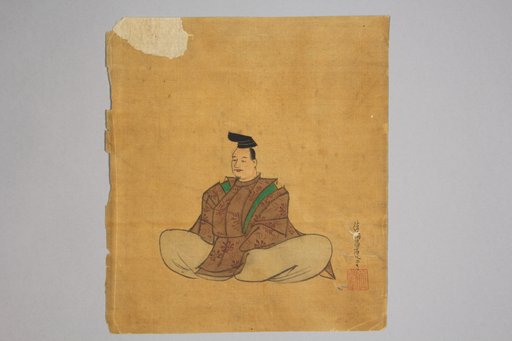
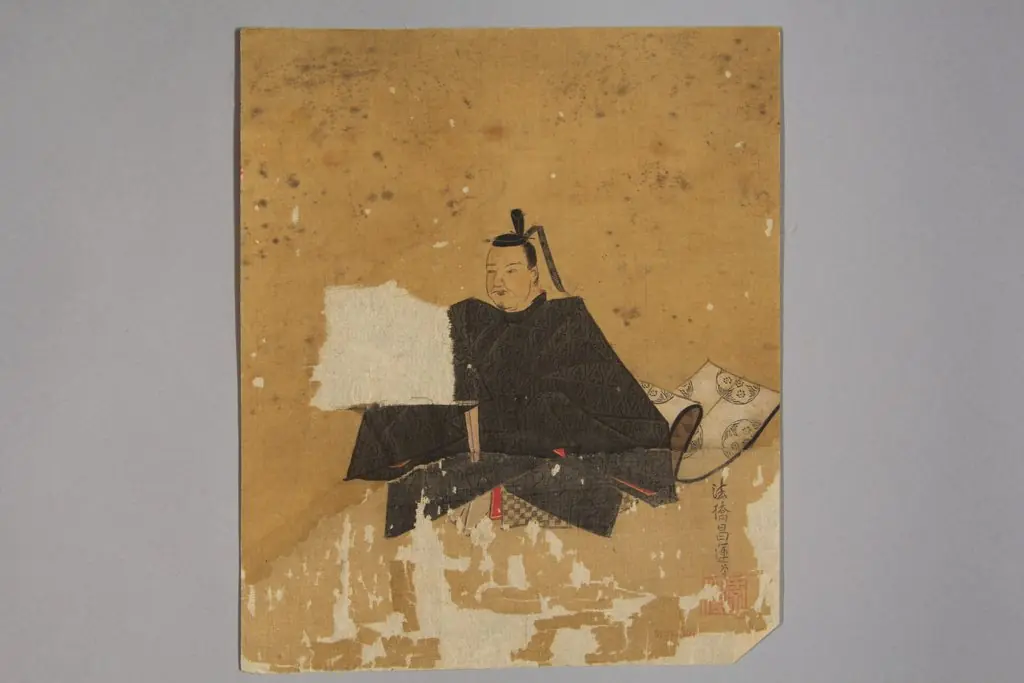
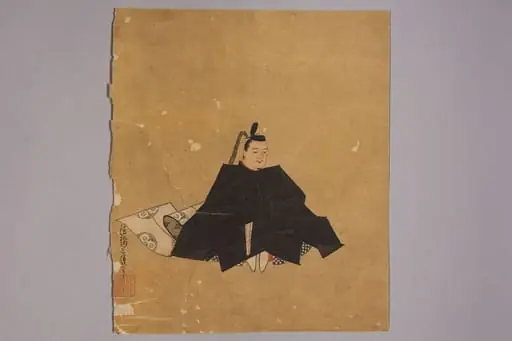
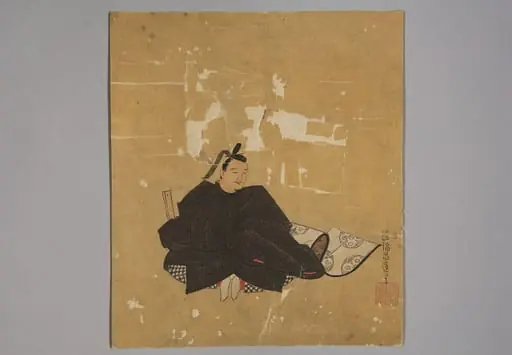
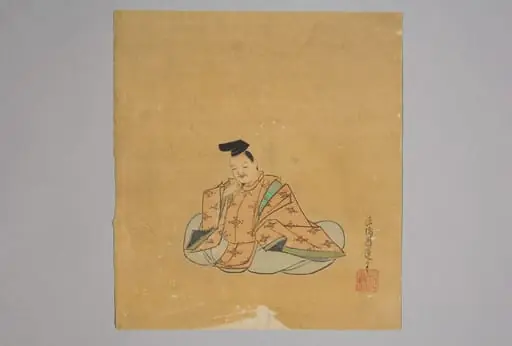
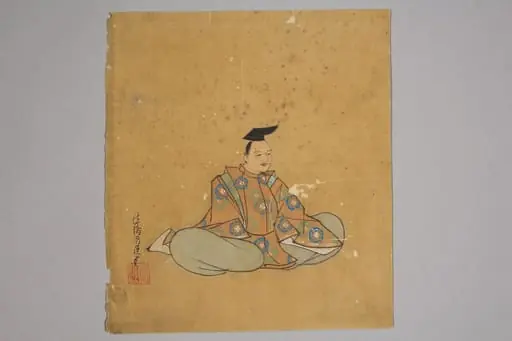
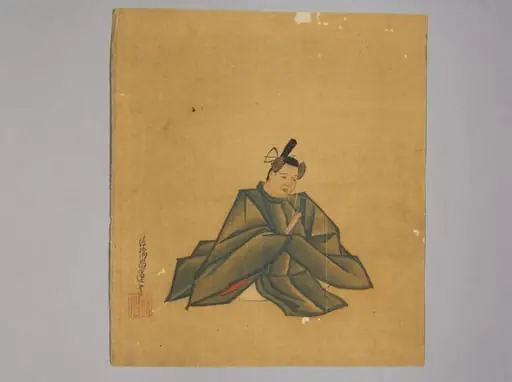
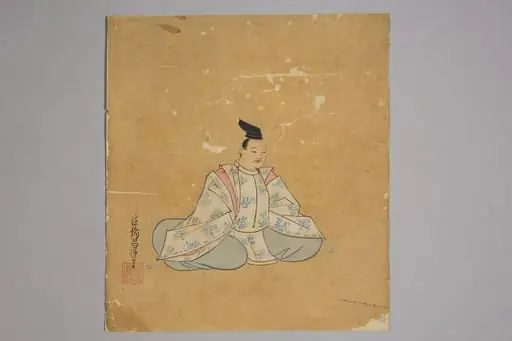
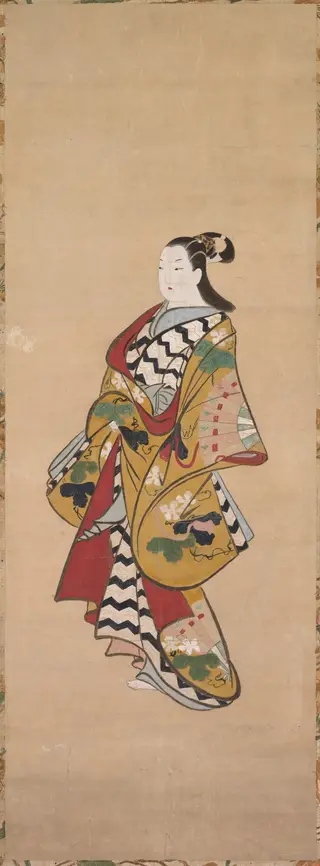
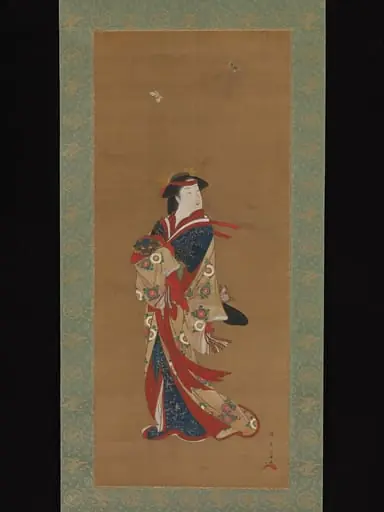
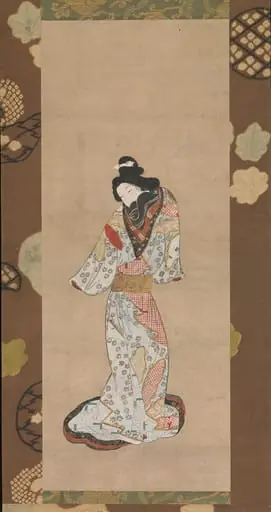
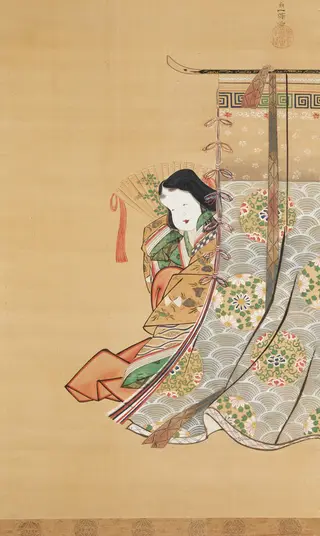
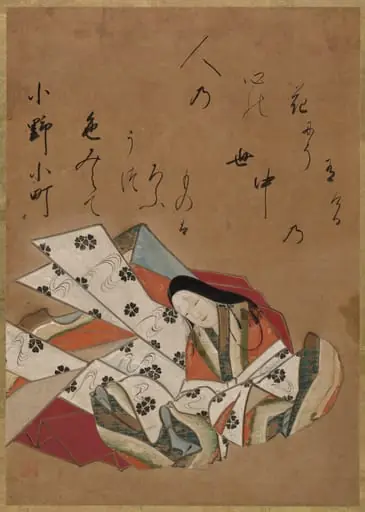
The painting depicts a woman identified as a poet, rendered in ink and color on a silk shikishi leaf by Kano Shōun in 1649. The subject’s attire and the presence of a writing implement suggest poetic composition as the central activity, aligning with the portrayal of a female poet in the literary tradition of the period. The work’s iconography centers on the act of poetic creation, emphasizing the cultural value placed on literary accomplishment among women of the era.
Technique & Style
The painting is executed on a shikishi leaf, a format traditionally associated with poetic inscriptions, in ink and color. The brushwork is fine and controlled, rendering the sitter’s features and costume with understated elegance. The composition is centered on the figure, whose serene expression is conveyed through delicate line and subtle gradations of wash, with a compositional balance that emphasizes verticality. The handling is restrained yet precise, reflecting the refined aesthetic associated with Kanō Shōun.
History & Provenance
The work, titled Untitled, was created by the artist Kanō Shōun in 1649. Executed in Japan, the piece is an unmounted shikishi leaf painted with ink and color on silk. It serves as a portrait depicting a poet and a woman.
The Metropolitan Museum of Art currently holds the work in its collection, cataloged under the accession number 14.140.18.
Overview
This untitled painting by Kano Shōun, created in 1649, depicts a solitary poet engaged in her craft. Executed with ink and color on silk, mounted on a shikishi leaf, the work is notable for its intimate scale and delicate rendering. It offers a glimpse into a private moment, capturing the quiet concentration of the figure as she composes her verse.
Context
While Kano Shōun typically received commissions from prominent samurai families, this particular work conveys a more personal and introspective quality. Its small scale and subject matter suggest it may have served a different purpose than larger, more public works. The painting offers a quiet observation, perhaps intended for private appreciation rather than a grand display within a samurai residence.
Artist & collection