Artwork
Immortal Poet
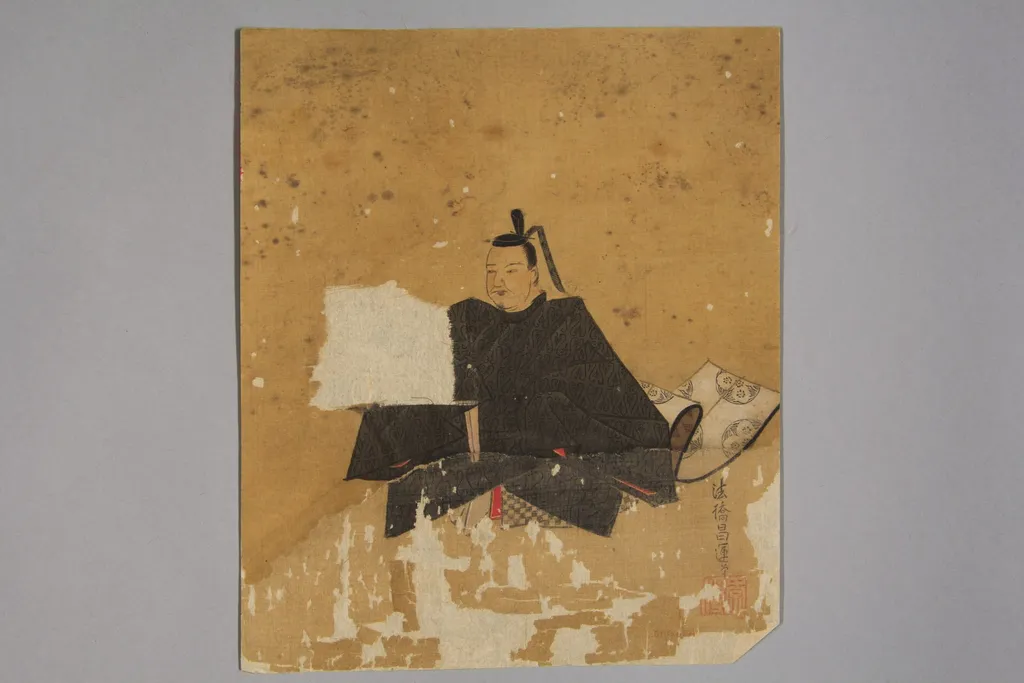
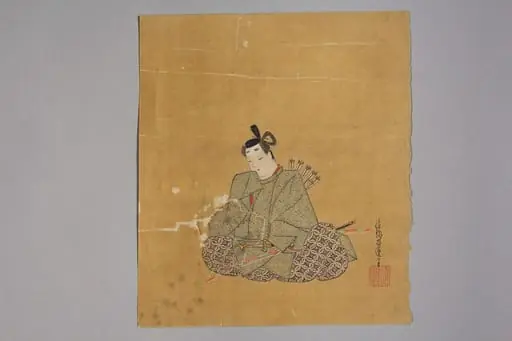
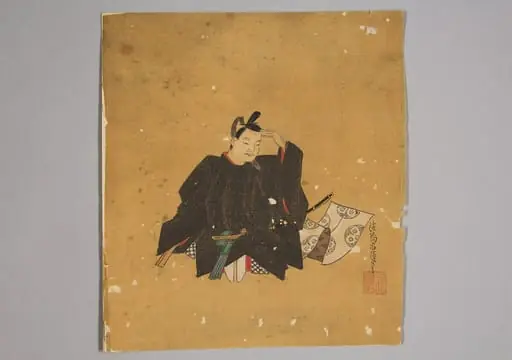
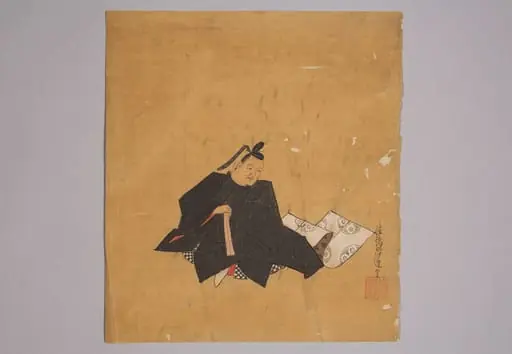
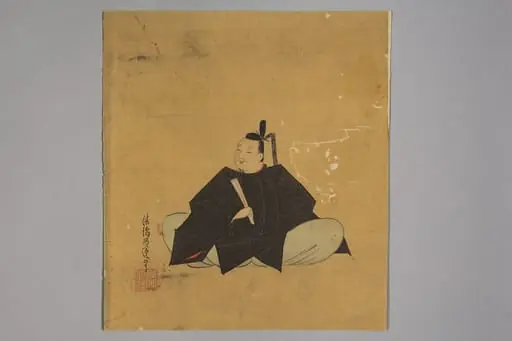
Immortal Poet is an unspecified painting by the Kanō school artist Kano Shōun. It dates from 1700 and is held in the collection of the Metropolitan Museum of Art.
About this work
History & Provenance
No accession number is disclosed in the available documentation, and the sources do not mention any exhibition history for the painting.
Immortal Poet was painted by Kanō Shōun in 1700 in Japan and is classified as a portrait. The painting entered the holdings of the Metropolitan Museum of Art, where it is currently housed. The sources do not record any earlier owners, commissioning patron, or subsequent transfers, so the known provenance begins with the artist's creation and ends with the museum's acquisition.
No accession number is disclosed in the available documentation, and the sources do not mention any exhibition history for the painting. It is catalogued as a 1700 portrait by Kanō Shōun, a notable example of Edo‑period portraiture.
Overview
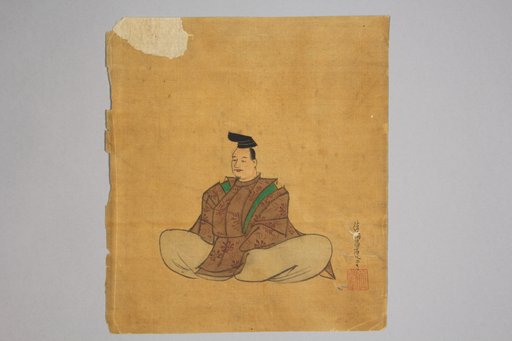
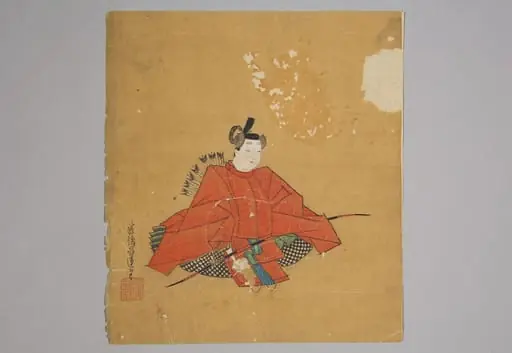
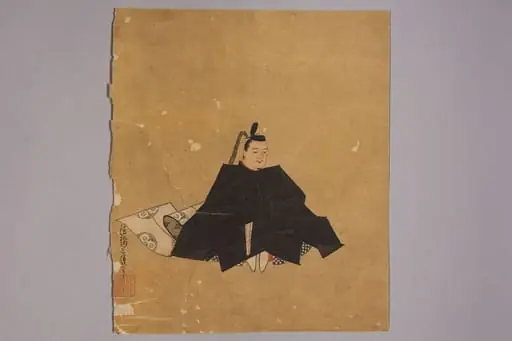
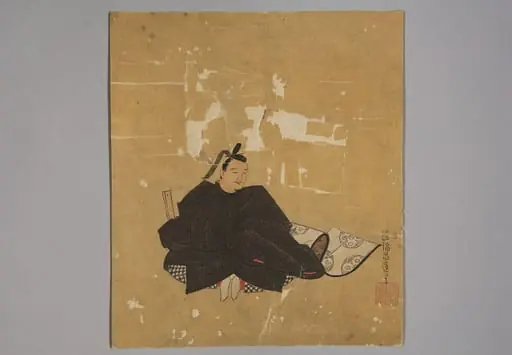
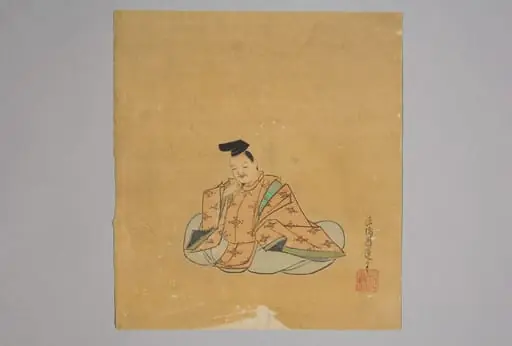
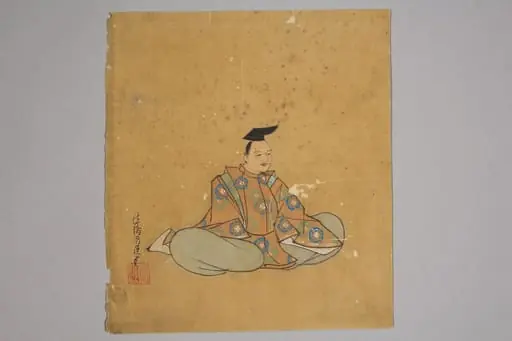
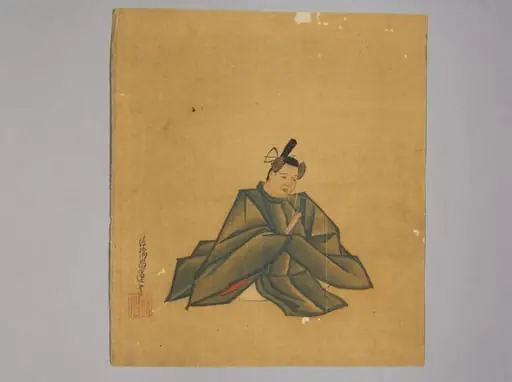
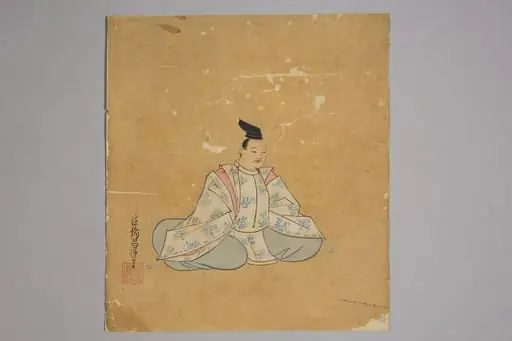
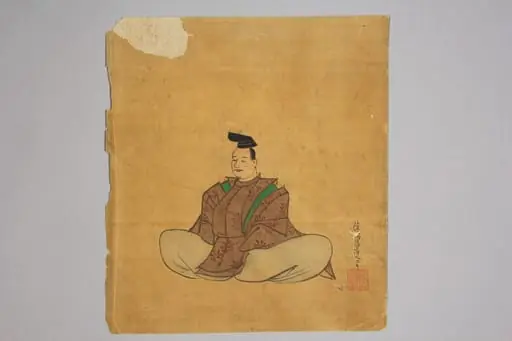
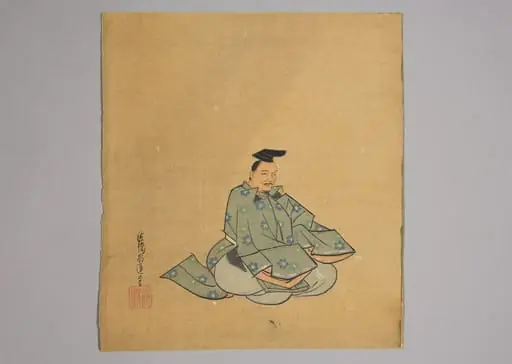
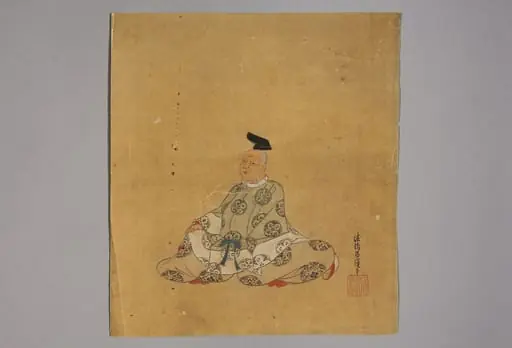
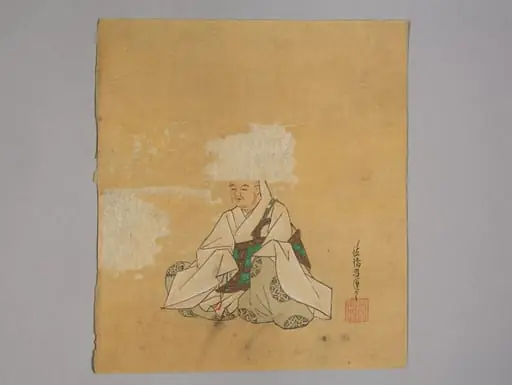
The painting Immortal Poet, created by Kanō Shōun in 1700, presents a formal depiction of a literary figure. This work, now part of The Metropolitan Museum of Art's collection, exemplifies the artist's approach to portraiture. It captures a seated individual in traditional attire, emphasizing a sense of quiet contemplation and dignity, set against a subtly aged background.
Subject & Meaning
The artwork portrays a seated man, identified as a poet, dressed in dark robes and a distinctive black hat with a pom-pom. His serious expression and the calm placement of his hands suggest a moment of introspection or formal presentation. The objects he holds, a white cloth and a small fan adorned with black patterns, are subtle elements that contribute to the figure's scholarly or artistic identity, hinting at the tools or accoutrements of a literary life.
Technique & Style
Kanō Shōun employed a distinct visual language in this portrait. The artist utilized flat areas of color and defined simple shapes to construct the figure, largely eschewing traditional shading techniques to create an illusion of depth. This stylistic choice directs attention to the figure's serene posture and the intricate patterns on the fan, highlighting a deliberate focus on graphic clarity and the quiet dignity of the subject rather than three-dimensional realism. The worn appearance of the paper further enhances its historical character.
Own this work as a print
Artist & collection