Artwork
Untitled
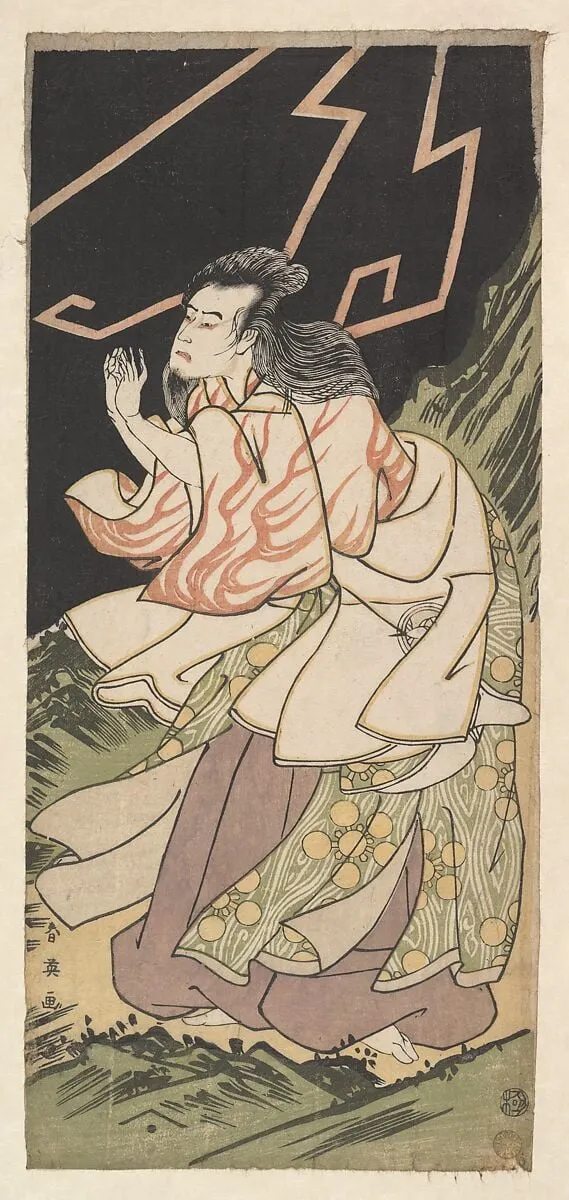
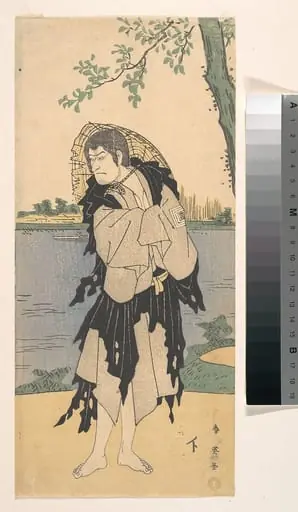
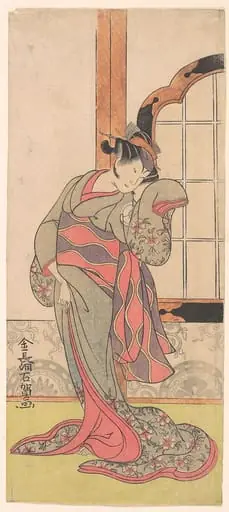
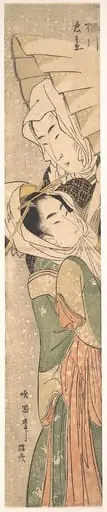
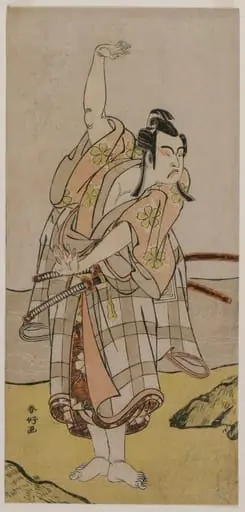
Untitled is an ink print by the Romanticist artist Katsukawa Shun'ei 勝川春英. It dates from 1796 and is held in the collection of the Metropolitan Museum of Art. Created in 1796, this woodblock print by Katsukawa Shun'ei is part of The Metropolitan Museum of Art’s collection.
About this work
Overview
Its formal clarity and expressive energy reflect the artist’s engagement with popular theatrical and literary themes of the Edo period.
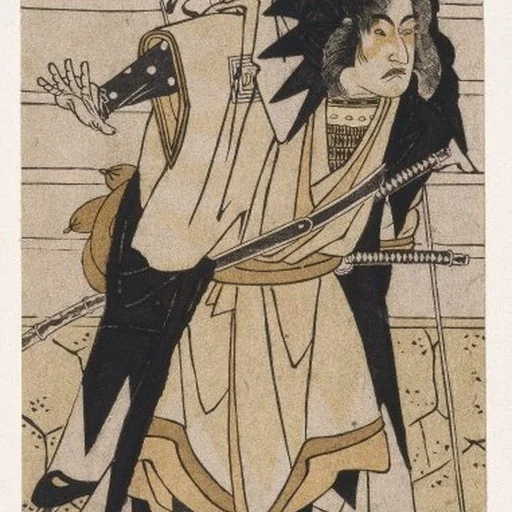
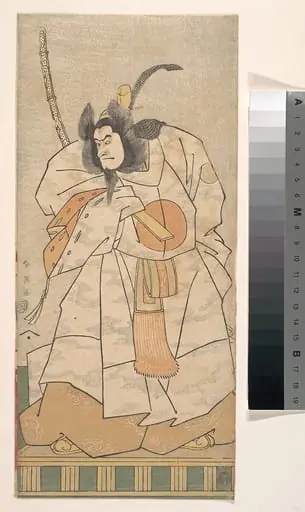
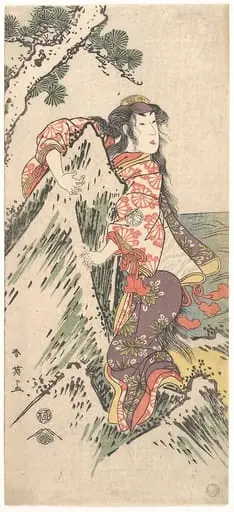
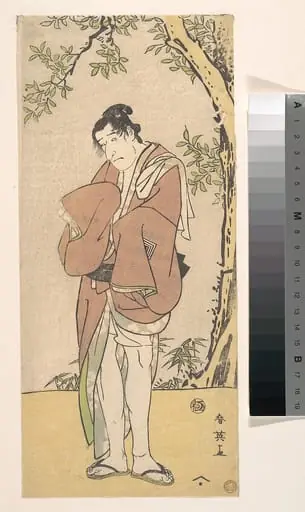
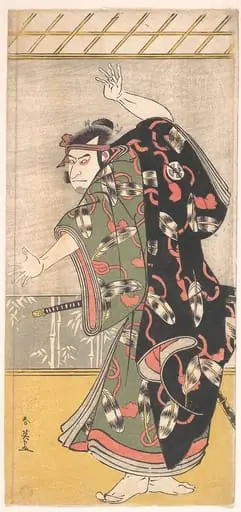
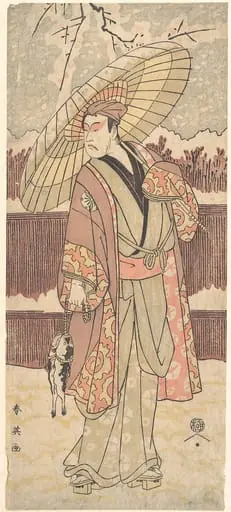
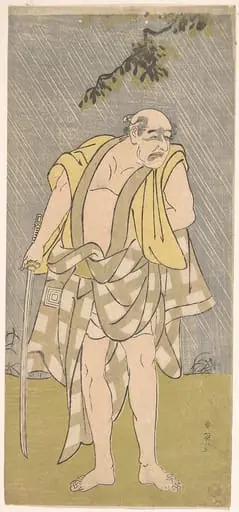
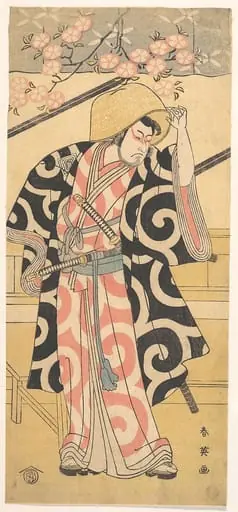
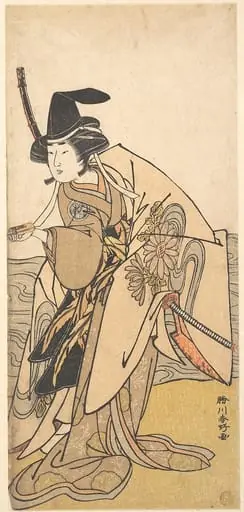
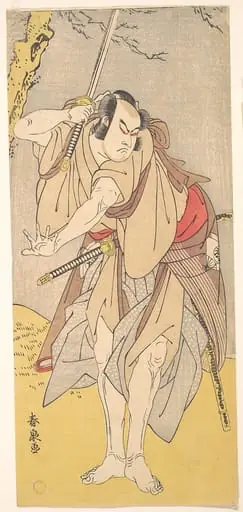
Created in 1796, this woodblock print by Katsukawa Shun'ei is part of The Metropolitan Museum of Art’s collection. Executed in ink and color on paper, it exemplifies late 18th-century ukiyo-e printmaking. The composition centers on a solitary male figure in a dynamic, theatrical posture, rendered with strong outlines and vivid pigments.
Its formal clarity and expressive energy reflect the artist’s engagement with popular theatrical and literary themes of the Edo period.
Subject & Meaning
The figure appears to embody a moment of heightened emotion, possibly drawn from kabuki drama or classical poetry. His arched posture, upturned face, and flowing garments suggest a climactic gesture, perhaps an invocation, lament, or declaration. The absence of contextual details invites interpretation, aligning with ukiyo-e’s tendency to isolate emotional intensity rather than narrate full stories. The figure’s identity remains unspecified, emphasizing mood over biography.
Technique & Style
Shun'ei employs bold, angular lines to convey motion and tension, particularly in the wind-like patterns behind the figure. Color is applied in flat, saturated areas, pink, white, and green, each sharply delineated by dark outlines, a hallmark of his style. Cross-hatching and minimal shading define texture without modeling form, reinforcing the print’s graphic quality. The composition avoids depth, focusing instead on rhythmic line and contrast to energize the surface.
History & Provenance
The print was produced during Shun'ei’s active years in Edo, when woodblock prints were widely circulated among urban audiences. It entered The Metropolitan Museum of Art’s collection through established acquisitions of Japanese prints in the early 20th century. While not signed or dated on the print itself, stylistic analysis and historical records confirm its attribution and date. Its preservation reflects its status as a representative example of Shun'ei’s output.
Context
This work emerged during a period when ukiyo-e artists increasingly depicted actors and literary figures with dramatic flair. Shun'ei, trained in the Katsukawa school, adapted earlier traditions by emphasizing expressive poses and stylized backgrounds. The jagged, abstracted elements behind the figure echo contemporary print innovations that prioritized emotional impact over naturalism, responding to audiences’ appetite for theatrical intensity.
Legacy
Shun'ei’s prints, though less widely known than those of his contemporaries, contributed to the evolution of expressive portraiture in ukiyo-e. His use of angular lines and limited color palettes influenced later artists exploring emotional abstraction. This print remains a quiet but significant example of how Edo-period printmakers translated performance and inner states into static, mass-produced imagery, bridging popular culture and artistic experimentation.
Artist & collection