Artwork
仏手柑図|Buddha’s Hand Citron (Busshukan)
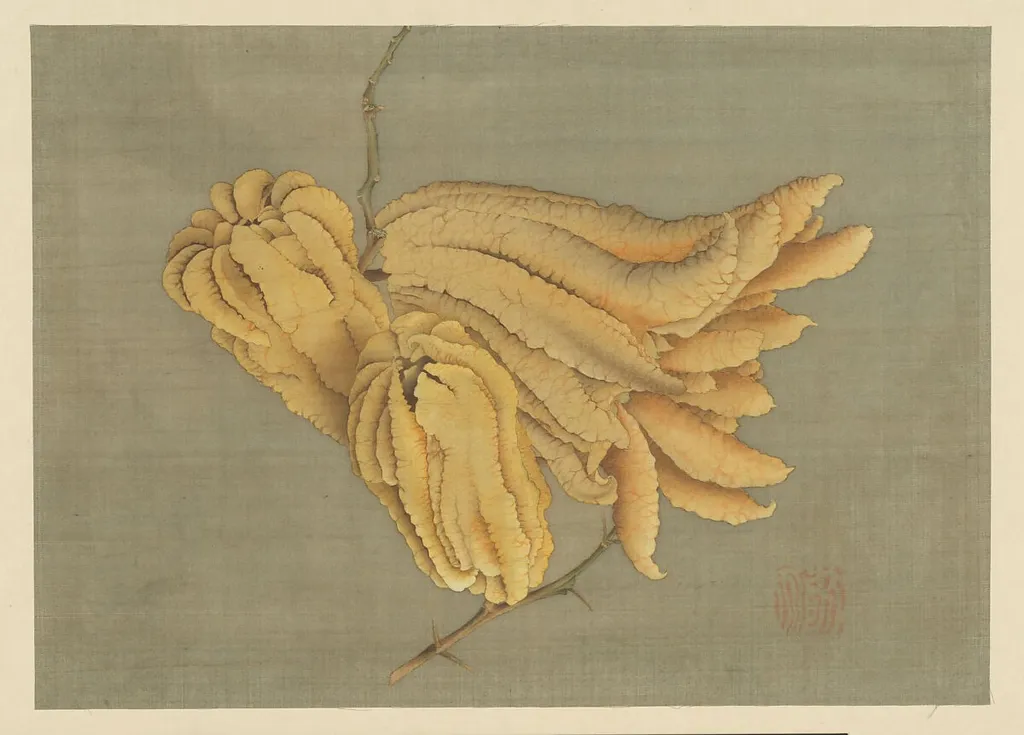
仏手柑図|Buddha’s Hand Citron (Busshukan) is an ink painting by the Japonisme artist Katsushika Hokusai. It is held in the collection of the Metropolitan Museum of Art. Created in 1851, this silk painting by Katsushika Hokusio depicts a solitary branch bearing a cluster of Buddha’s‑hand citron fruits.
About this work
Overview
Created in 1851, this silk painting by Katsushika Hokusio depicts a solitary branch bearing a cluster of Buddha’s‑hand citron fruits. The composition is restrained, set against a muted green‑gray backdrop, with a few slender twigs extending from the main stem. The work is part of the collection of the Metropolitan Museum of Art.
Subject & Meaning
The focal point is the unusual citron, whose finger‑like segments and uneven surface have long been associated with Buddhist symbolism of prayer and protection. By isolating the fruit, the artist invites contemplation of its form and the spiritual resonance traditionally attached to the plant in East Asian culture.
Technique & Style
Executed with ink and color on silk, the painting employs fine brushwork to render the texture of each bump and curve. The delicate gradations of yellow‑orange against the subdued background illustrate the Edo‑period emphasis on meticulous surface detail and a restrained palette typical of Japanese still‑life conventions.
History & Provenance
The piece was completed toward the end of Hokusai’s long career and entered the Metropolitan Museum of Art’s holdings in the early twentieth century through a private donation. Its provenance reflects the growing Western interest in Japanese prints and paintings during that period.
Context
In the mid‑nineteenth century, Japanese artists increasingly explored botanical subjects, responding to both domestic aesthetic trends and the influx of foreign collectors. Hokusai’s rendering of the Buddha’s‑hand citron aligns with this broader fascination with natural forms rendered with scientific precision.
Artist & collection

Artist
Katsushika Hokusai spent his life in Edo, now Tokyo, where he drew and carved prints for a living.

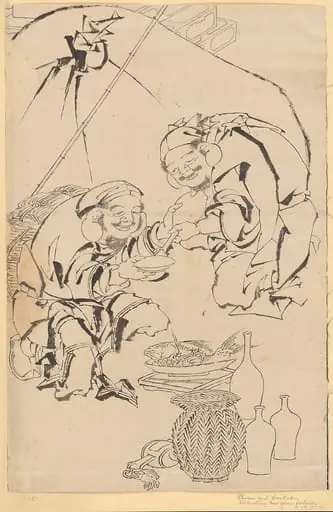
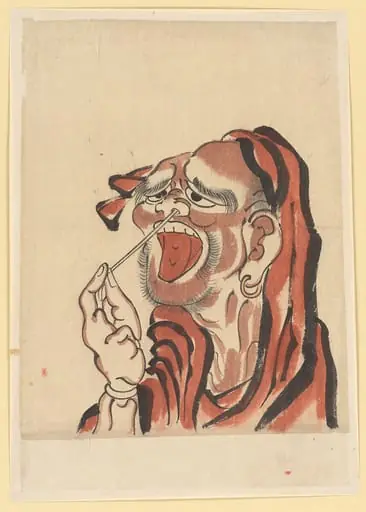
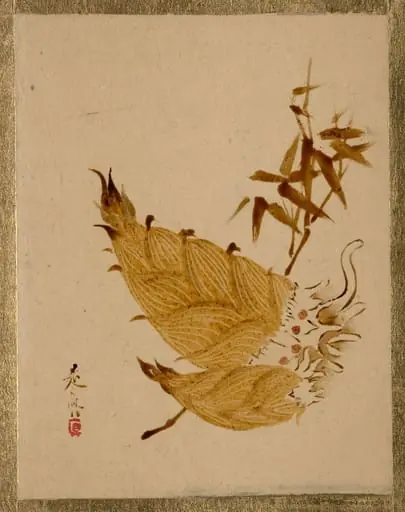
- 柴田是真筆筍図|Bamboo Shoots
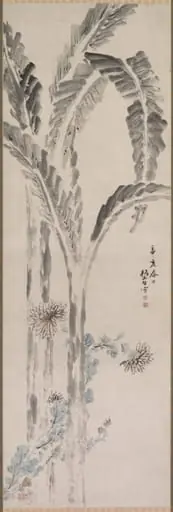 Banana Plant and Chrysanthemum
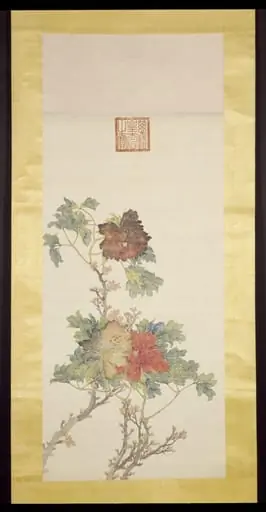 Peonies
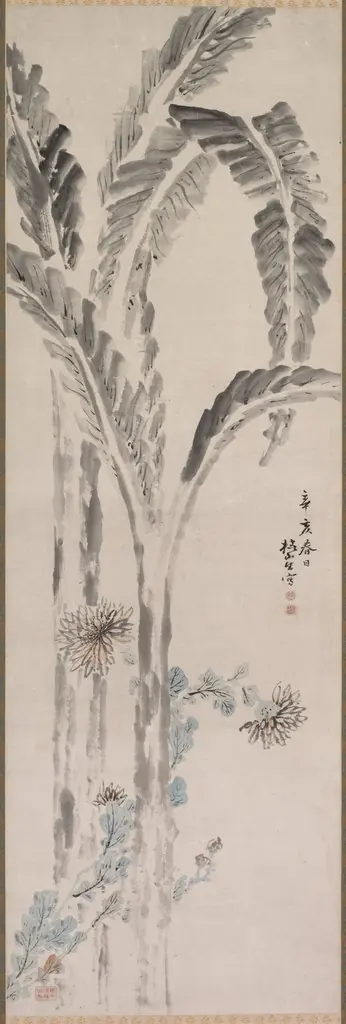 Banana Plant and Chrysanthemum
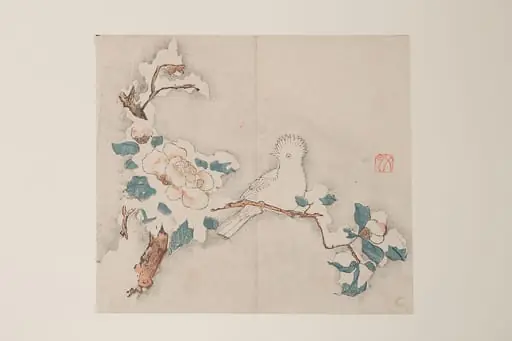 明 十竹齋書畫譜 四開|Leaf from the Ten Bamboo Studio Manual of Painting and Calligraphy
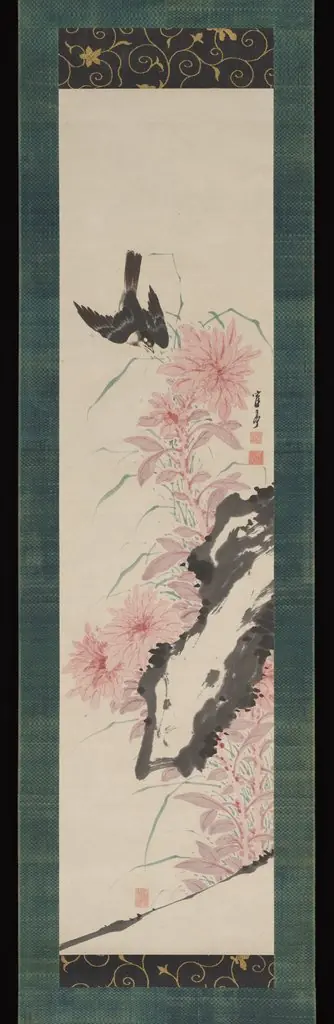 Amaranthus and Mynah Bird
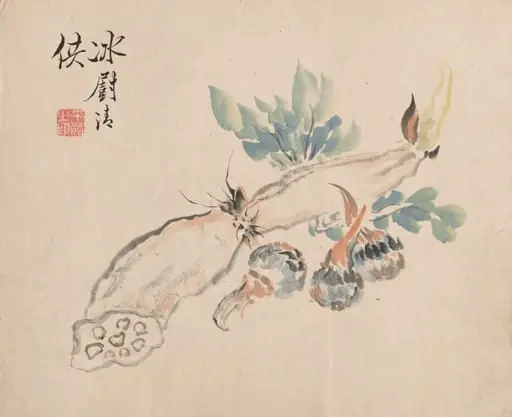 Lotus Root and Adder's Tongue
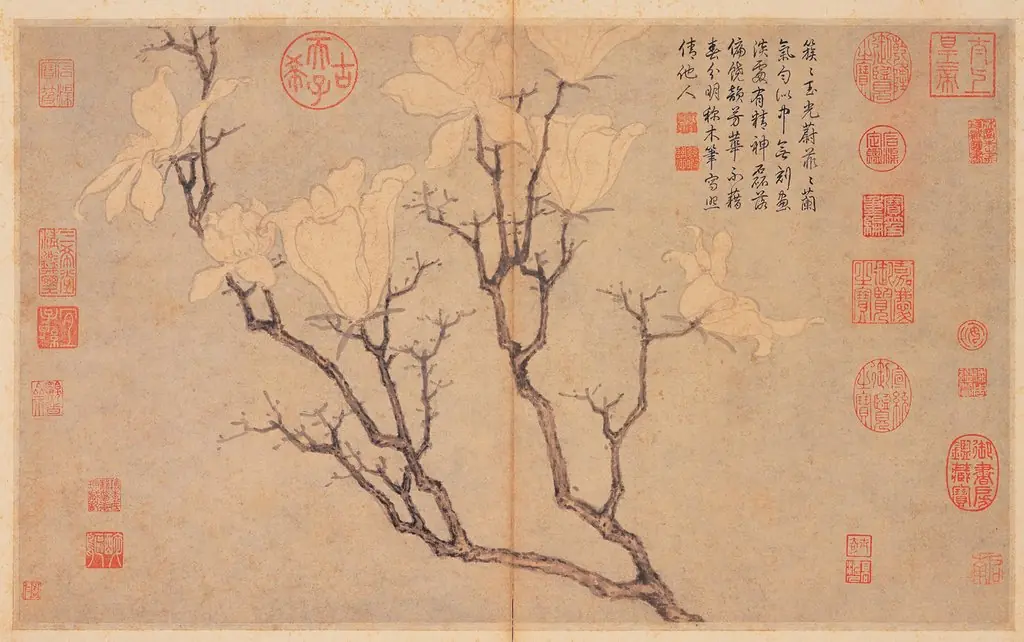 Magnolia
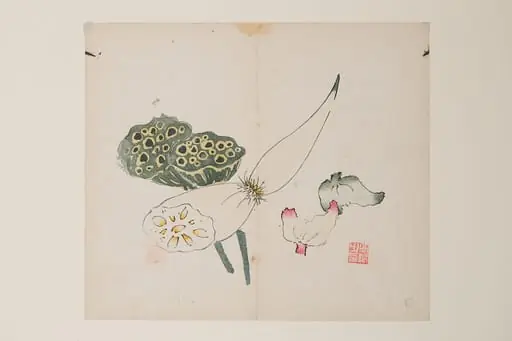 明 十竹齋書畫譜 四開|Page from Shi Zhu Zhai
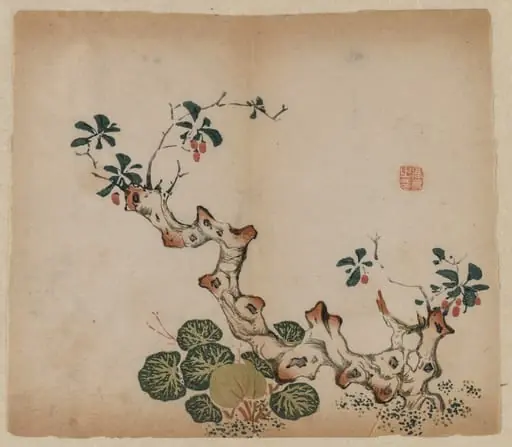 Branching Stump
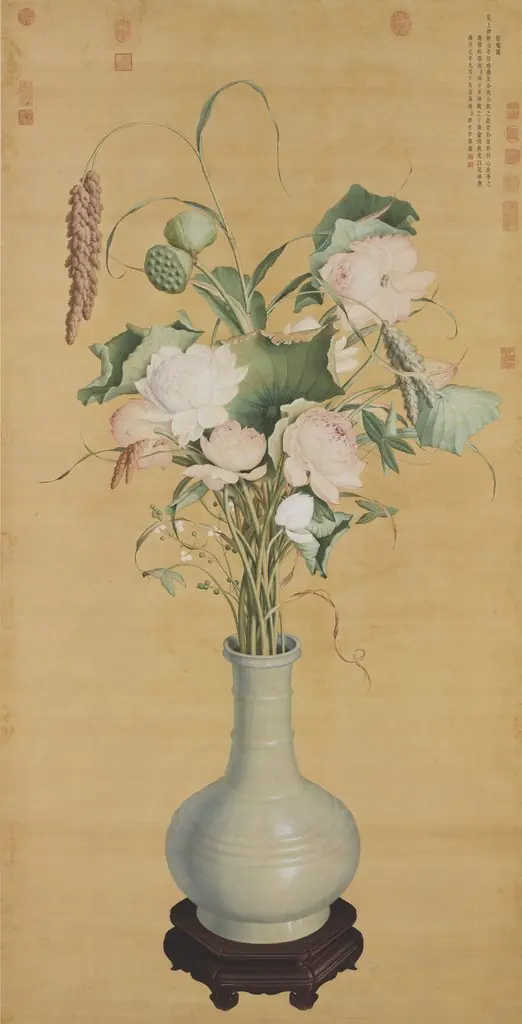 Gathering of Auspicious Signs
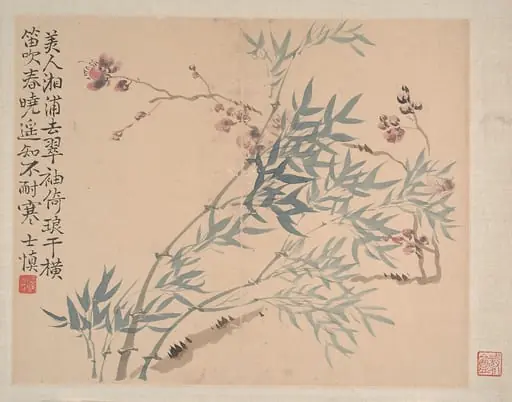 清 汪士慎 山水花卉圖 冊|Landscapes and Flowers