Artwork
Amaranthus and Mynah Bird
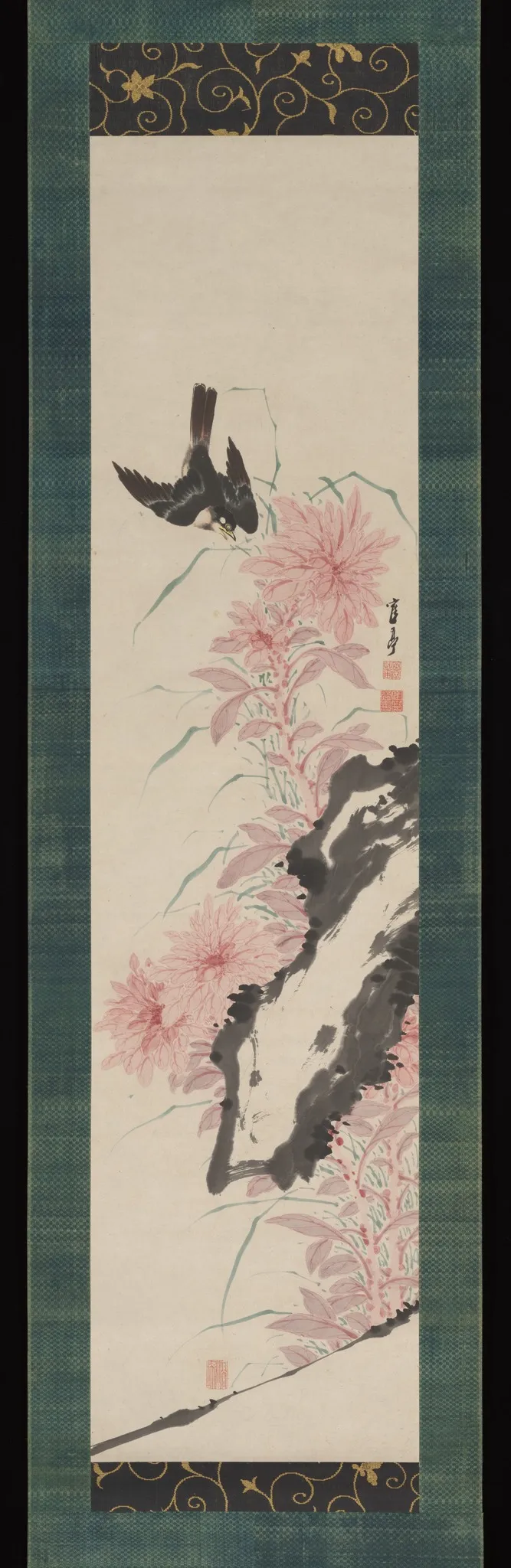
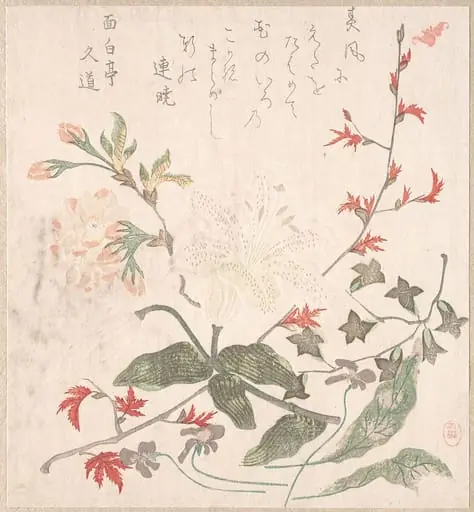
Amaranthus and Mynah Bird is an unspecified painting by the Ukiyo-e artist Kakutei. It dates from 1753 and is held in the collection of the Metropolitan Museum of Art.
About this work
Subject & Meaning
The painting depicts a bird perched among amaranth blossoms, a combination that carries layered symbolism in East Asian visual culture.
The painting depicts a bird perched among amaranth blossoms, a combination that carries layered symbolism in East Asian visual culture. The amaranth flower signifies enduring virtue and unending life, while the mynah bird is associated with eloquence and fidelity, together suggesting a harmonious ideal of moral constancy and refined communication. Rendered by Kakutei in 1753, the work reflects the Edo-period interest in natural subjects imbued with moral meaning, offering a contemplative vision of steadfastness and graceful expression.
History & Provenance
The work Amaranthus and Mynah Bird is a painting attributed to Kakutei, created in 1753 in Japan. It entered the collection of the Metropolitan Museum of Art, where it remains on view. The piece was commissioned without recorded patronage details and has been part of the museum's holdings since at least 1753, as indicated by its inception date in the collection records.
The painting Amaranthus and Mynah Bird, created by Kakutei in 1753, is held in the collection of the Metropolitan Museum of Art. The work is located at the museum in New York. While the piece is documented as part of the institution's holdings, specific inventory or accession numbers are not provided in the available records. Similarly, no details regarding its exhibition history are currently sourced.
Legacy
Kakutei's 1753 painting Amaranthus and Mynah Bird, housed at the Metropolitan Museum of Art, contributed to the development of Japanese bird-and-flower imagery in Edo-period art. Its compositional approach influenced subsequent artists working in the nanga and ukiyo-e traditions, particularly in the stylized rendering of botanical subjects alongside avian motifs. The work's presence in a major Western collection facilitated early scholarly attention to Japanese decorative aesthetics in the late nineteenth century.
Overview
Amaranthus and Mynah Bird is a mid‑eighteenth‑century painting attributed to the Japanese artist Kakutei, dated 1753. The work is part of the collection of the Metropolitan Museum of Art in New York. It presents a solitary black bird in flight juxtaposed with delicate pink amaranth blossoms, set against a largely unfilled background that emphasizes the central motif.
Technique & Style
Kakutei employs restrained brushwork, using bold, dark strokes to define the bird’s wings while rendering the blossoms with softer, lighter touches. The limited palette and the sparseness of the background create a sense of immediacy, allowing the viewer’s eye to focus on the interplay of form and color without decorative distraction.
Artist & collection


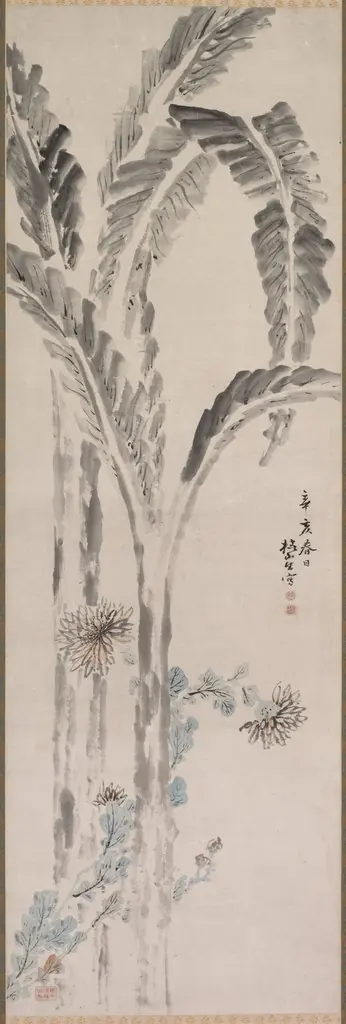 Banana Plant and Chrysanthemum
 Banana Plant and Chrysanthemum
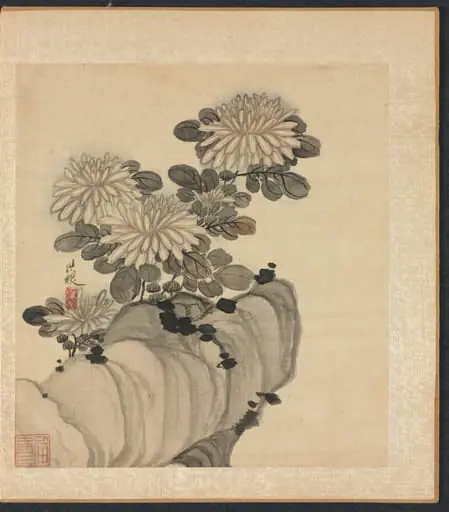 Paintings after Ancient Masters: Chrysanthemum and Rock
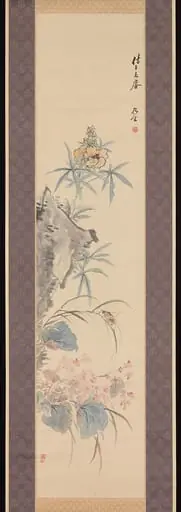 Untitled
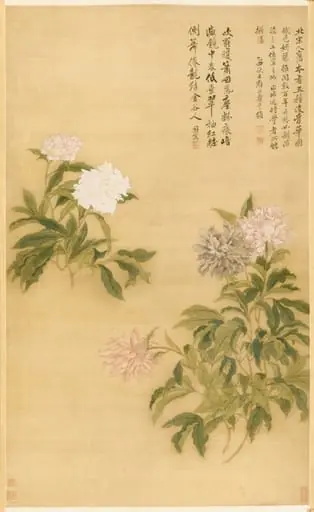 Herbaceous Peony
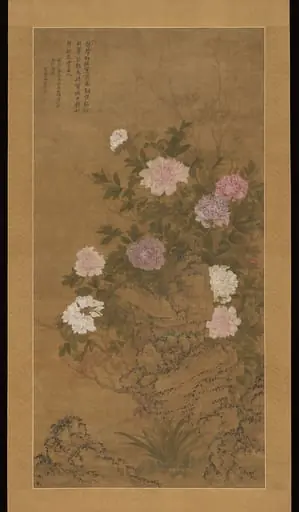 Untitled
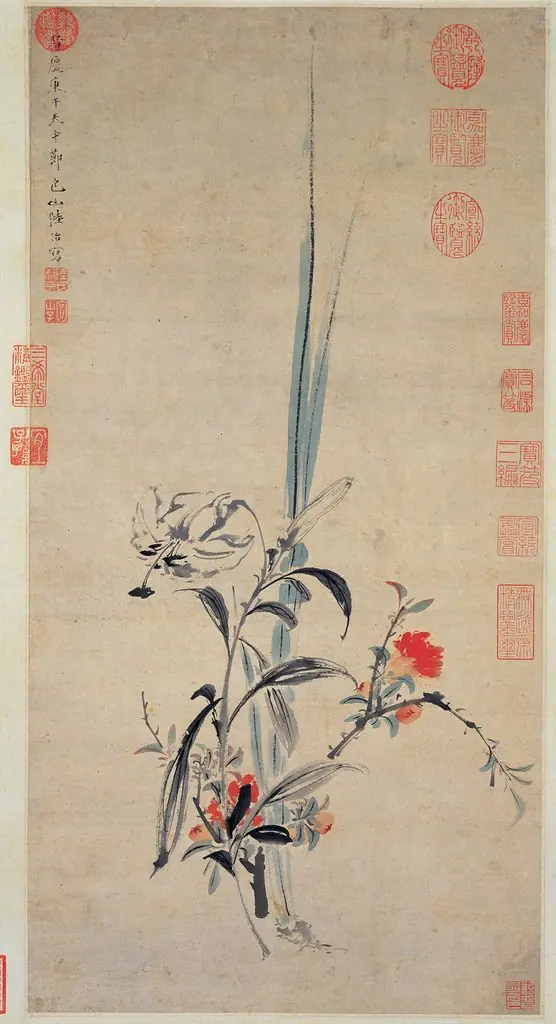 Intimate Scenery of Pomegranate Blossoms
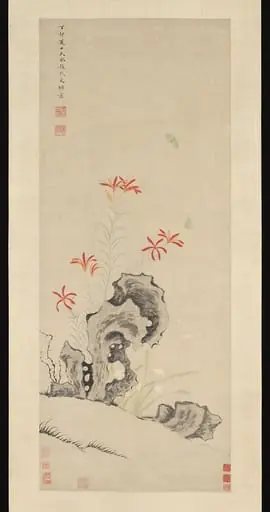 明 佚名 仿趙文俶 萱石圖 軸|Rock, Tiger Lily and Orchid
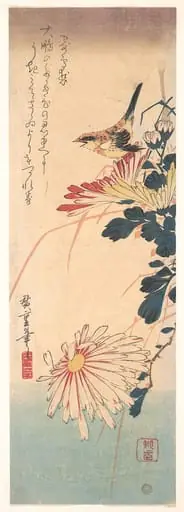 歌川広重画 菊に鷦鷯 |A Wren and Chrysanthemums
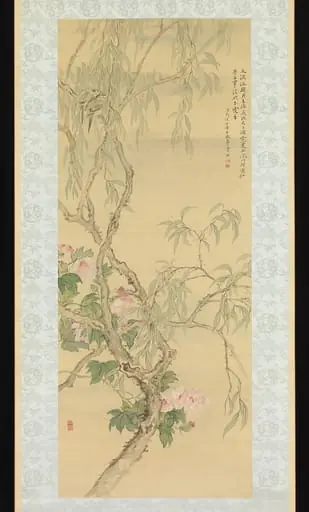 Untitled
 Untitled
- Birds and Flowers