Artwork
冨嶽三十六景 東都浅草本願寺|Honganji at Asakusa in Edo (Tōto Asakusa Honganji), from the series Thirty-six Views of Mount Fuji (Fugaku sanjūrokkei)
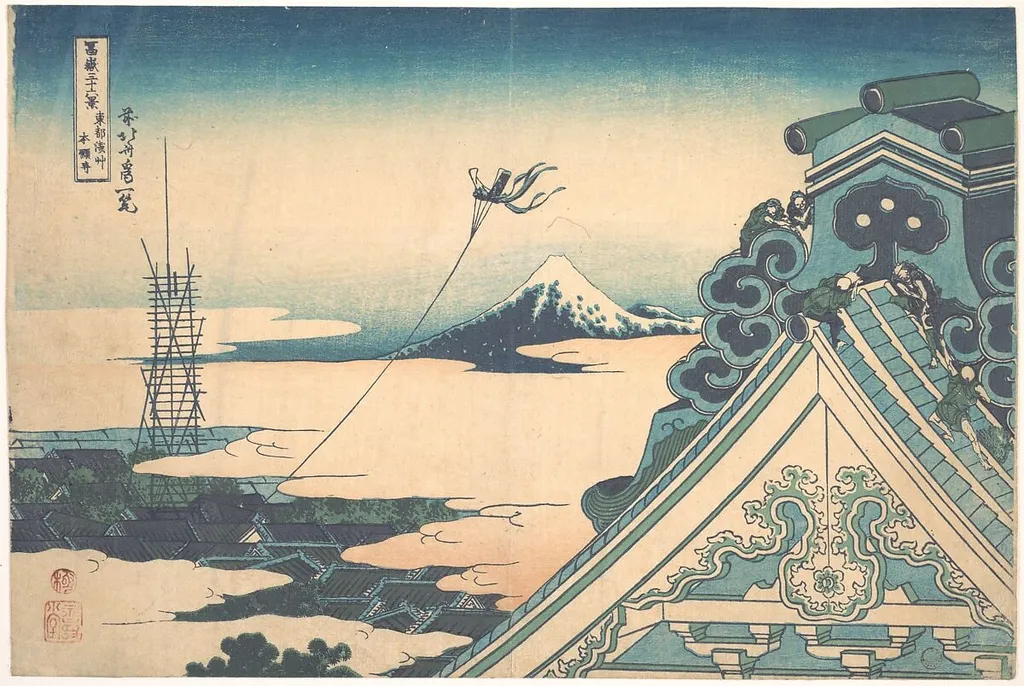
冨嶽三十六景 東都浅草本願寺|Honganji at Asakusa in Edo (Tōto Asakusa Honganji), from the series Thirty-six Views of Mount Fuji (Fugaku sanjūrokkei) is an ink print by the Japonisme artist Katsushika Hokusai. It dates from 1831 and is held in the collection of the Metropolitan Museum of Art.
About this work
Overview
Honganji at Asakusa in Edo is a woodblock print from Katsushika Hokusai's series Thirty-six Views of Mount Fuji, dating to around 1831. The work is part of The Metropolitan Museum of Art's collection.
Subject & Meaning
The print juxtaposes a foreground temple roof with intricate carvings and swirling clouds, against a serene backdrop of a bay leading to a distant, snow-capped Mount Fuji. The temple, part of a renowned Buddhist site in what is now Tokyo, contrasts with the natural majesty of Fuji, a deeply sacred Japanese symbol.
Technique & Style
Characterized by Hokusai's dynamic composition, the print features a ship with tall masts on the left and a kite in flight over the water, capturing movement and depth. The interplay of geometric temple structures, organic cloud forms, and the majestic mountain showcases Hokusai's ability to balance disparate elements.
History & Provenance
Created circa 1831, the print is now held in the collection of The Metropolitan Museum of Art, highlighting its significance within Hokusai's oeuvre and the broader context of Japanese ukiyo-e woodblock printing.
Context
As part of Thirty-six Views of Mount Fuji, this work reflects Hokusai's innovative approach to landscape, where human activity and nature coexist under the watchful presence of Mount Fuji, a unifying element across the series.
Artist & collection

Artist
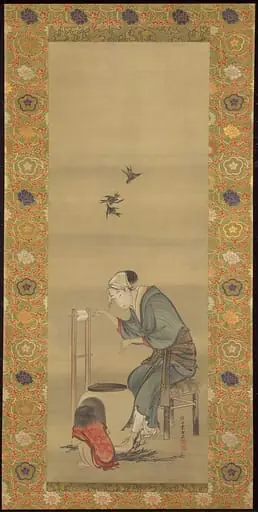
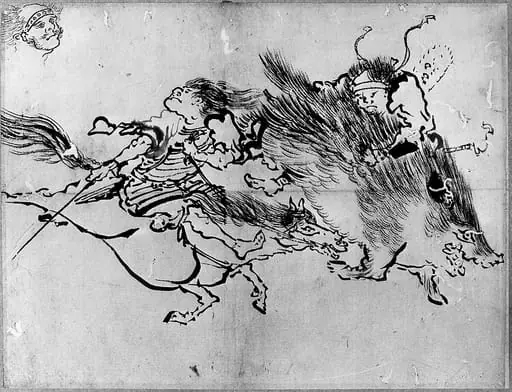
Katsushika Hokusai spent his life in Edo, now Tokyo, where he drew and carved prints for a living.

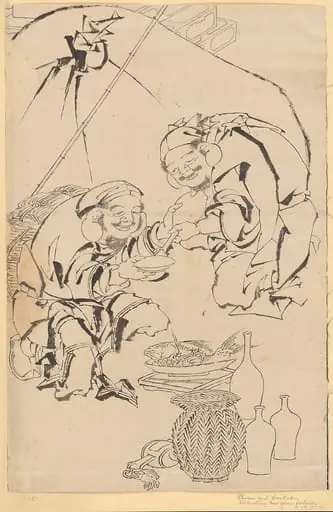
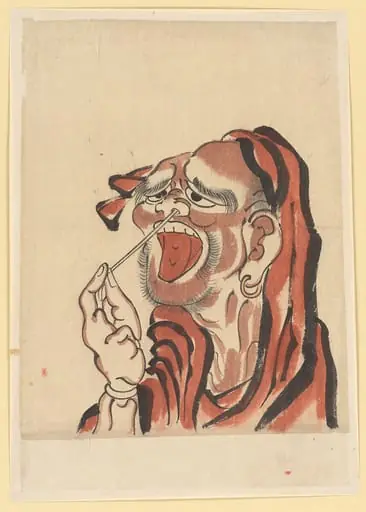
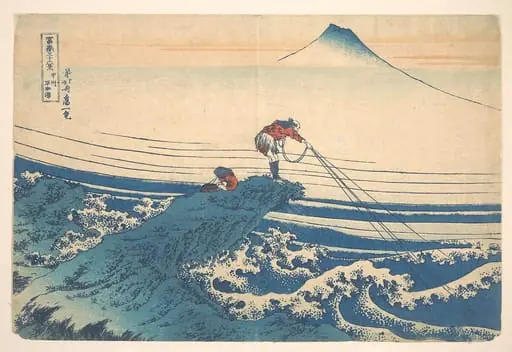
- 冨嶽三十六景 甲州石班沢|Kajikazawa in Kai Province (Kōshū Kajikazawa), from the series Thirty-six Views of Mount Fuji (Fugaku sanjūrokkei)
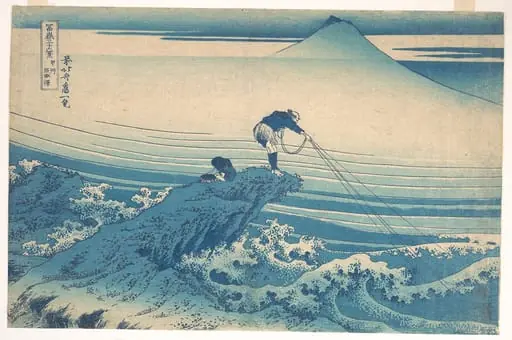 冨嶽三十六景 甲州石班沢|Kajikazawa in Kai Province (Kōshū Kajikazawa), from the series Thirty-six Views of Mount Fuji (Fugaku sanjūrokkei)
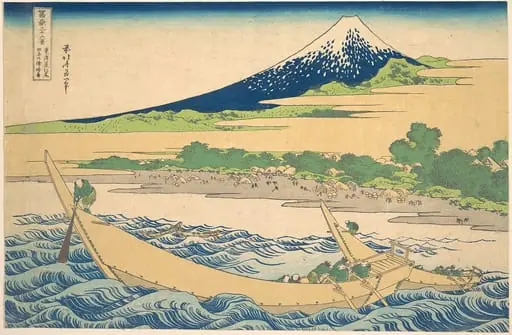 冨嶽三十六景 東海道江尻田子の浦略図|Tago Bay near Ejiri on the Tōkaidō (Tōkaidō Ejiri Tago no ura ryaku zu), from the series Thirty-six Views of Mount Fuji (Fugaku sanjūrokkei)
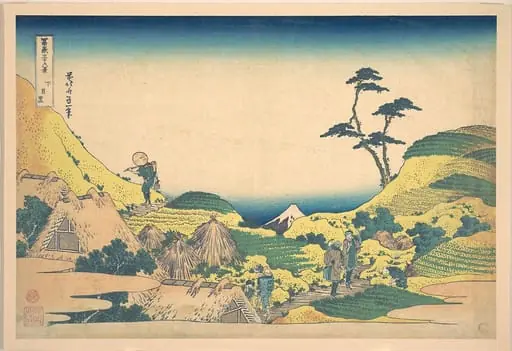 冨嶽三十六景 下目黒|Lower Meguro (Shimo Meguro), from the series Thirty-six Views of Mount Fuji (Fugaku sanjūrokkei)
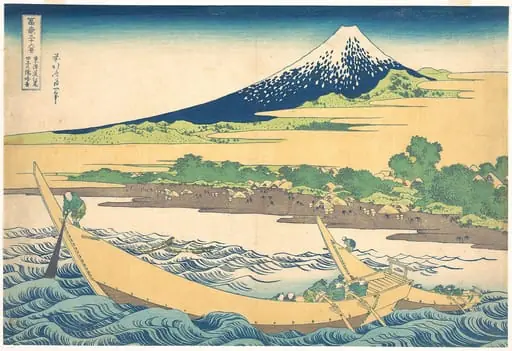 冨嶽三十六景 東海道江尻田子の浦略図|Tago Bay near Ejiri on the Tōkaidō (Tōkaidō Ejiri Tago no ura ryaku zu), from the series Thirty-six Views of Mount Fuji (Fugaku sanjūrokkei)
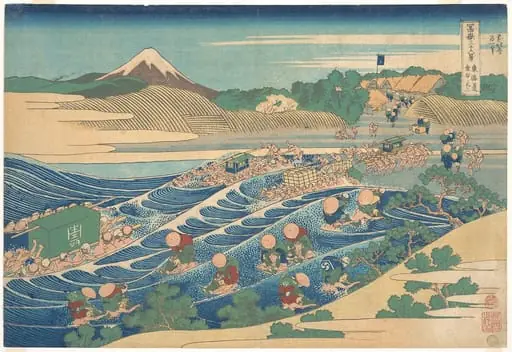 冨嶽三十六景 東海道金谷の不二|Fuji Seen from Kanaya on the Tōkaidō (Tōkaidō Kanaya no Fuji), from the series Thirty-six Views of Mount Fuji (Fugaku sanjūrokkei)
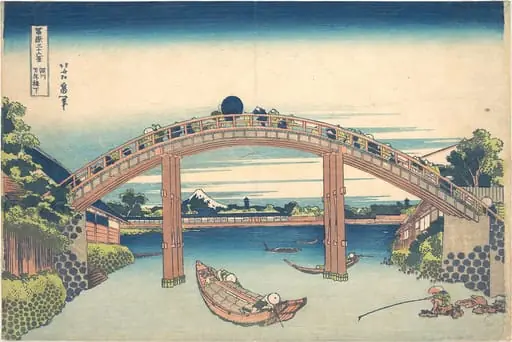 葛飾北斎画 冨嶽三十六景 深川万年橋下|Under the Mannen Bridge at Fukagawa (Fukagawa Mannenbashi shita), from the series Thirty-six Views of Mount Fuji (Fugaku sanjūrokkei)
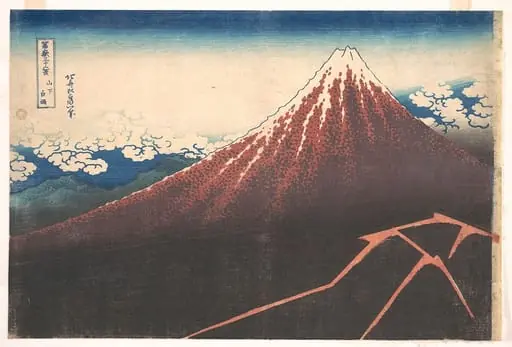 冨嶽三十六景 山下白雨|Storm below Mount Fuji (Sanka no haku u), from the series Thirty-six Views of Mount Fuji (Fugaku sanjūrokkei)
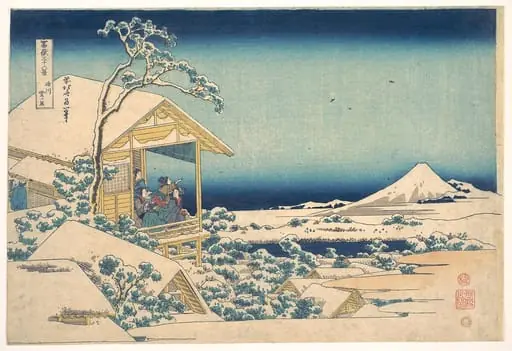 冨嶽三十六景 礫川雪の旦|Morning after the Snow at Koishikawa in Edo (Koishikawa yuki no ashita), from the series Thirty-six Views of Mount Fuji (Fugaku sanjūrokkei)
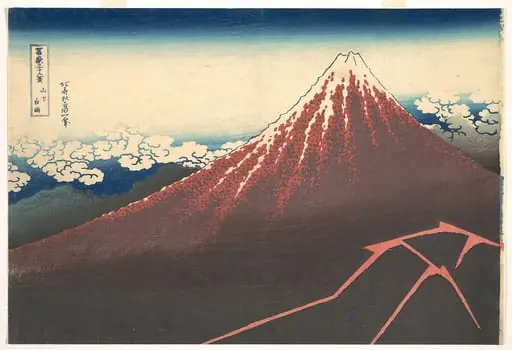 冨嶽三十六景 山下白雨|Storm below Mount Fuji (Sanka no haku u), from the series Thirty-six Views of Mount Fuji (Fugaku sanjūrokkei)