Artwork
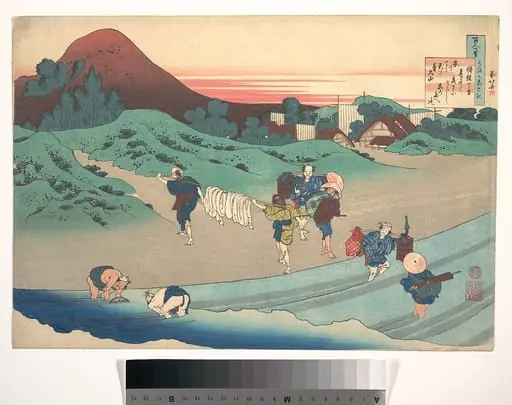
百人一首 うはか縁説 清原深養父|Poem by Kiyohara no Fukayabu, from the series One Hundred Poems Explained by the Nurse (Hyakunin isshu uba ga etoki)
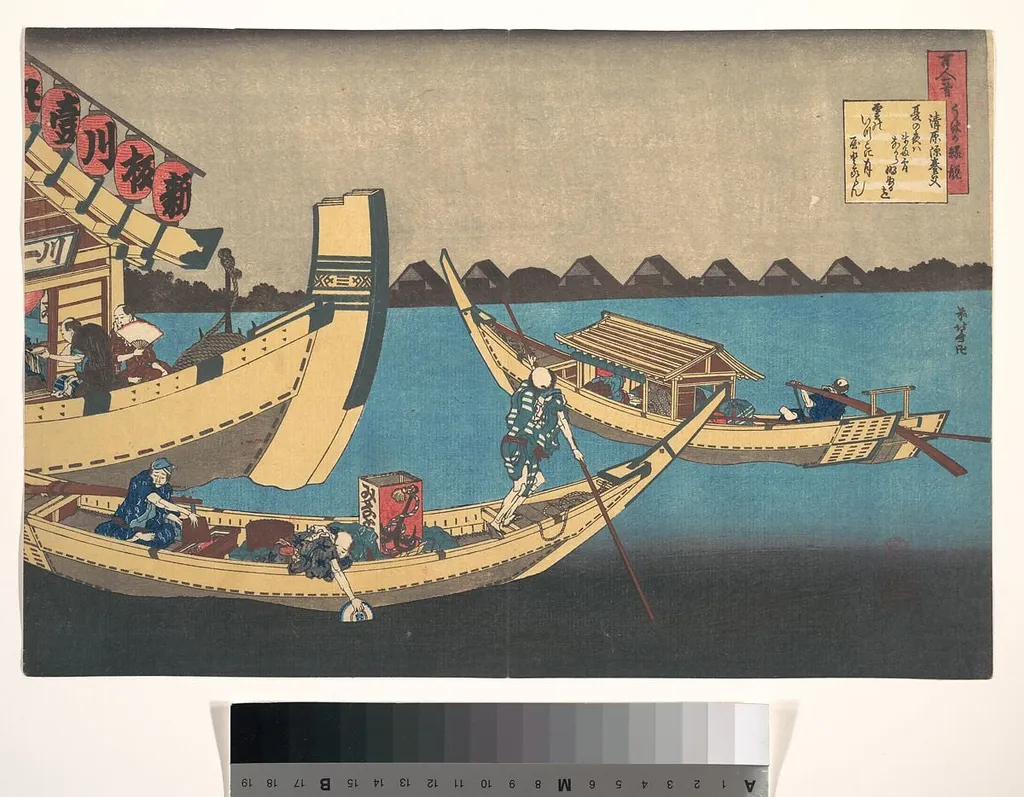
百人一首 うはか縁説 清原深養父|Poem by Kiyohara no Fukayabu, from the series One Hundred Poems Explained by the Nurse (Hyakunin isshu uba ga etoki) is an ink print by the Japonisme artist Katsushika Hokusai. It dates from 1835 and is held in the collection of the Metropolitan Museum of Art.
- Accession no.
- JP2939
- Credit line
- Henry L. Phillips Collection, Bequest of Henry L. Phillips, 1939
About this work
Overview
This woodblock print is part of Katsushika Hokusai’s series 'One Hundred Poems Explained by the Nurse,' created around 1835.
This woodblock print is part of Katsushika Hokusai’s series 'One Hundred Poems Explained by the Nurse,' created around 1835. It visually interprets a poem by Kiyohara no Fukayabu, blending literary tradition with scenes of daily life. The composition centers on a river at dusk, rendered in ink and color on paper, and reflects Hokusai’s interest in connecting classical poetry with contemporary urban landscapes.
Subject & Meaning
The scene depicts river traffic along the Kamo River in Kyoto, evoking the seasonal melancholy of autumn referenced in Fukayabu’s poem. The boats, carrying passengers, rowed by laborers, and laden with goods, suggest movement and transience. Lanterns glowing above a riverside structure imply evening rituals, reinforcing the poem’s theme of fleeting moments and quiet solitude amid communal activity.
Technique & Style
Hokusai employs bold outlines and flat areas of color typical of ukiyo-e, with deep blue water contrasting against warm lantern light. Cross-hatching and subtle tonal gradations suggest depth and texture without perspective distortion. The composition is carefully balanced, with figures and structures arranged to guide the eye along the river’s flow, emphasizing rhythm over realism.
History & Provenance
Produced during Hokusai’s late career, this print was part of a widely circulated series commissioned to make classical poetry accessible to common audiences. The Metropolitan Museum of Art acquired it as part of its broader collection of Edo-period prints, preserving its role as both artistic and educational material from early 19th-century Japan.
Context
The 'Hyakunin isshu uba ga etoki' series paired each of the hundred imperial poems with a narrative scene, often drawn from everyday life. Hokusai’s contribution reflects the Edo period’s growing literacy and interest in cultural heritage. River scenes like this one were common in urban art, symbolizing both commerce and the passage of time in Kyoto’s seasonal rhythms.
Legacy
Hokusai’s integration of poetry and visual storytelling in this series influenced later generations of printmakers and helped democratize classical literature. Though not his most famous work, this print exemplifies his ability to infuse traditional themes with observational detail, bridging literary culture and popular art in a way that endures in museum collections today.
Artist & collection

Artist
Katsushika Hokusai spent his life in Edo, now Tokyo, where he drew and carved prints for a living.

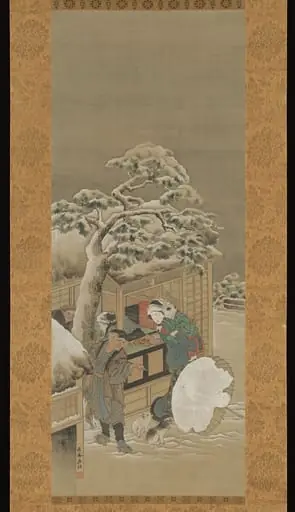
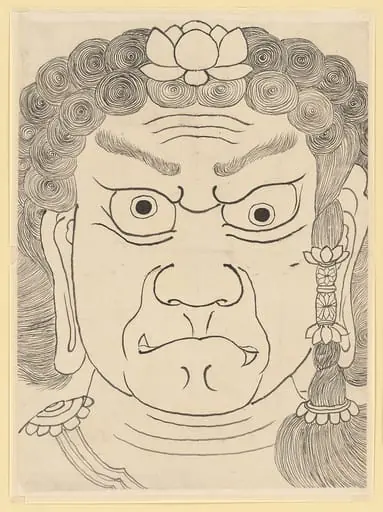
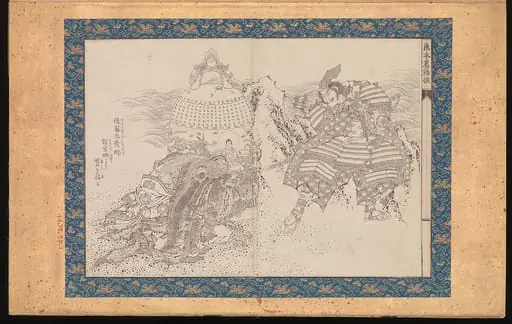
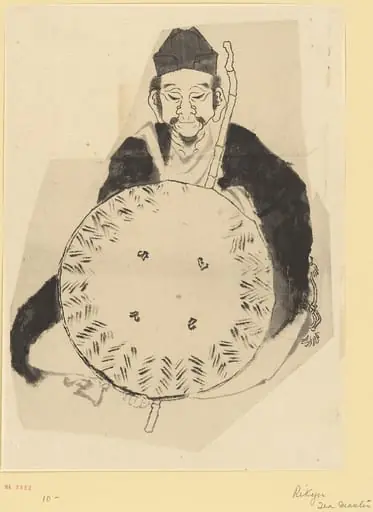
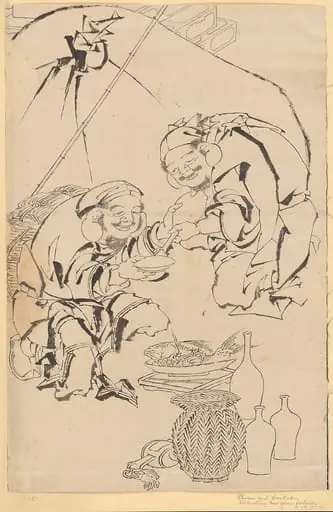
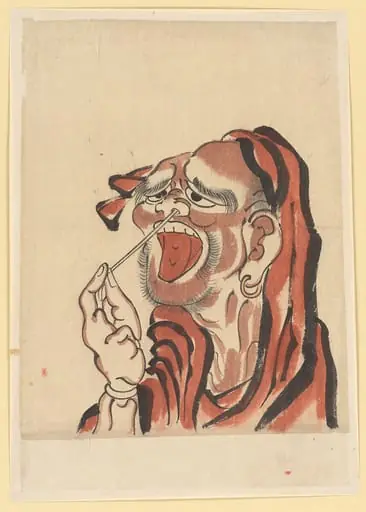
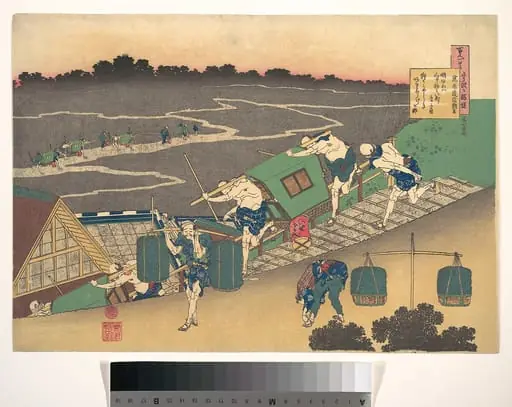
- 百人一首 宇波か縁説 藤原道信朝臣|Poem by Fujiwara no Michinobu Ason, from the series One Hundred Poems Explained by the Nurse (Hyakunin isshu uba ga etoki)
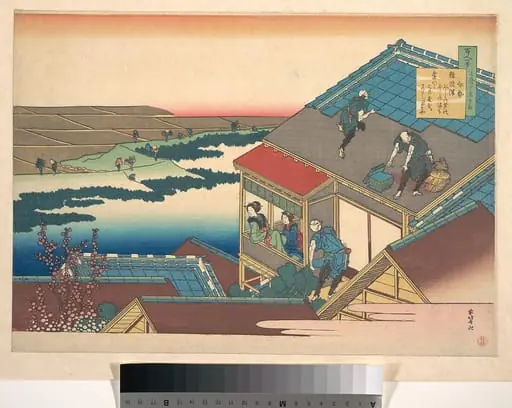 百人一首 うばがゑとき 伊勢|Poem by Ise, from the series One Hundred Poems Explained by the Nurse (Hyakunin isshu uba ga etoki)
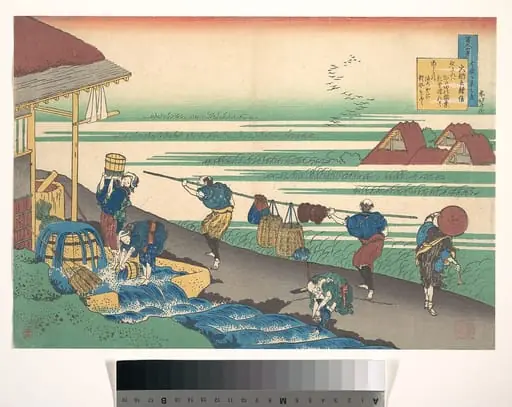 百人一首 うばがゑとき 大納言経信|Poem by Dainagon Tsunenobu (Minamoto no Tsunenobu, Katsura no Dainagon), from the series One Hundred Poems Explained by the Nurse (Hyakunin isshu uba ga etoki)
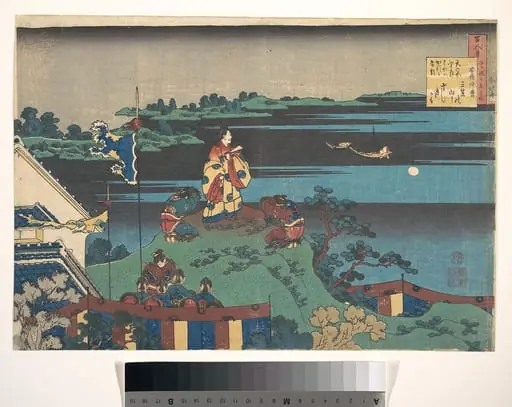 百人一首 宇波かゑとき 安部仲麿|Poem by Abe no Nakamaro, from the series One Hundred Poems Explained by the Nurse (Hyakunin isshu uba ga etoki)
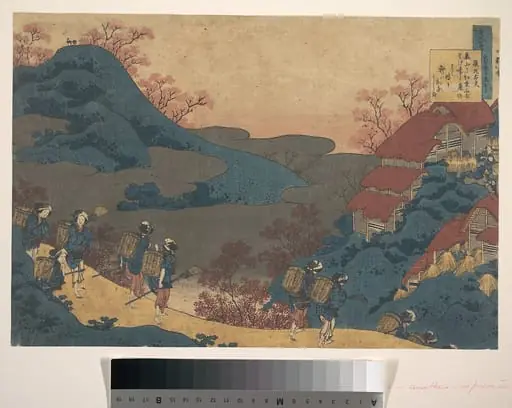 百人一首 乳母かゑとき 猿丸太夫|Poem by Sarumaru Dayū, from the series One Hundred Poems Explained by the Nurse (Hyakunin isshu uba ga etoki)
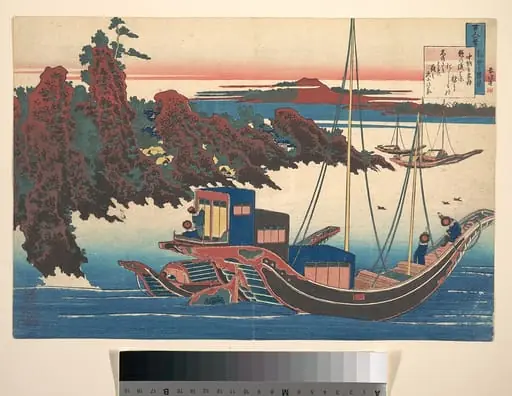 百人一首 乳母か縁説 中納言家持|Poem by Chūnagon Yakamochi (Ōtomo no Yakamochi), from the series One Hundred Poems Explained by the Nurse (Hyakunin isshu uba ga etoki)
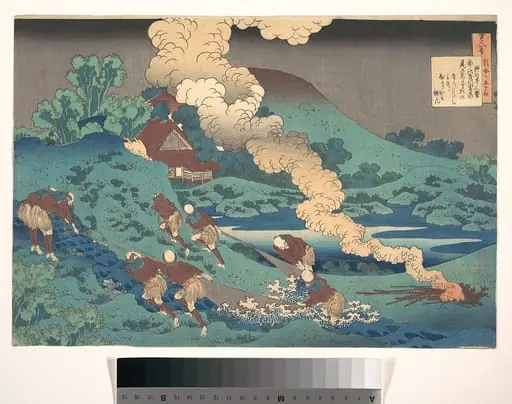 百人一首 乳母かゑとき 柿の本人麿|Poem by Kakinomoto Hitomaro, from the series One Hundred Poems Explained by the Nurse (Hyakunin isshu uba ga etoki)
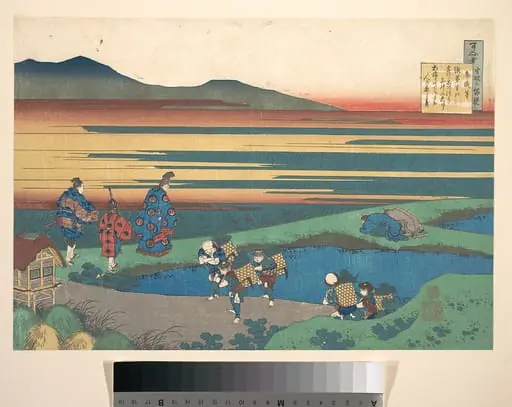 百人一首 宇波か縁説 参儀等|Poem by Sangi Hitoshi (Minamoto no Hitoshi), from the series One Hundred Poems Explained by the Nurse (Hyakunin isshu uba ga etoki)
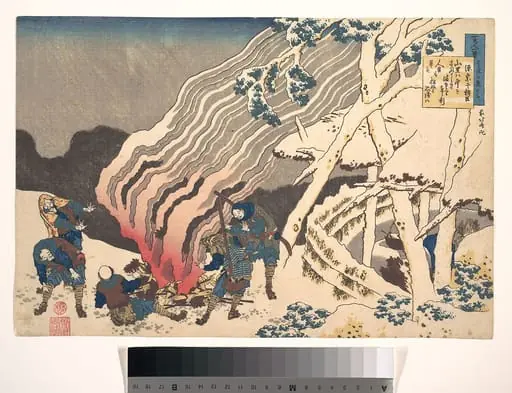 百人一首 うはかゑとき 源宗于朝臣|Poem by Minamoto no Muneyuki Ason, from the series One Hundred poems Explained by the Nurse (Hyakunin isshu uba ga etoki)
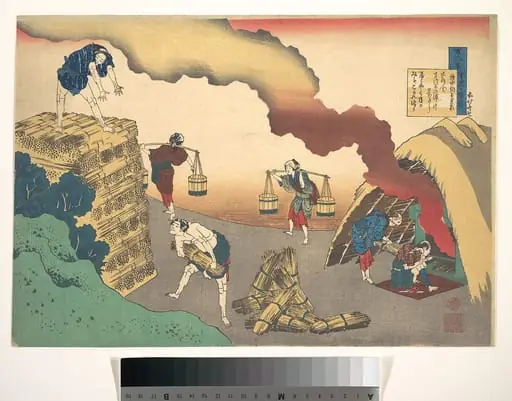 百人一首 宇波か縁説 権中納言定家|Poem by Gon-Chūnagon Sadaie, from the series One Hundred Poems Explained by the Nurse (Hyakunin isshu uba ga etoki)
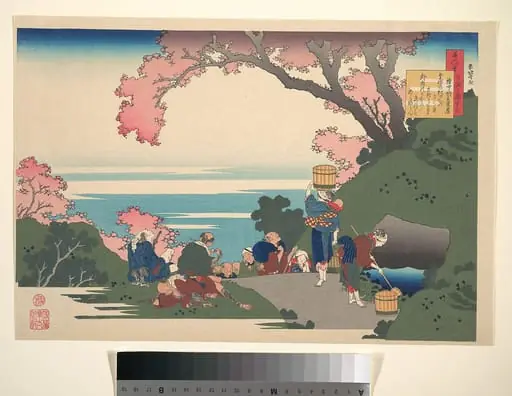 百人一首 うはかゑとき 権中納言匡房|Poem by Gon-chūnagon Masafusa (Ōe no Masafusa), from the series One Hundred Poems Explained by the Nurse (Hyakunin isshu uba ga etoki)
 百人一首 うはかゑとき 持統天皇|Poem by Jitō Tenno (Empress Jitō), from the series One Hundred Poems Explained by the Nurse (Hyakunin isshu uba ga etoki)