Artwork
Les Glaneuses (Las espigadoras)
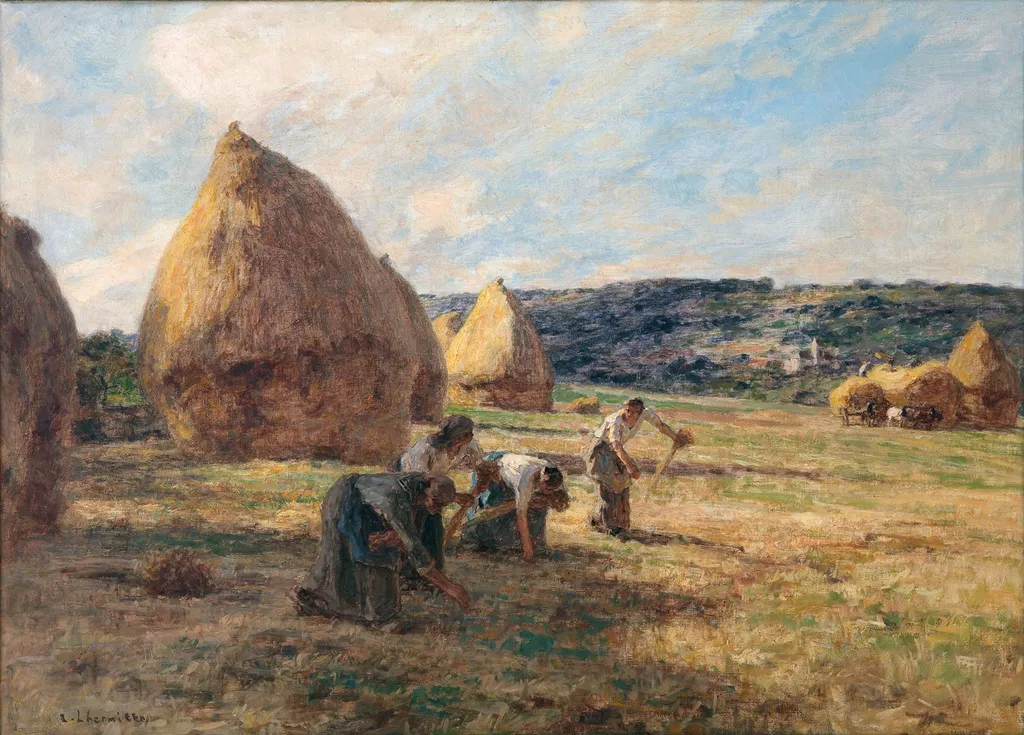
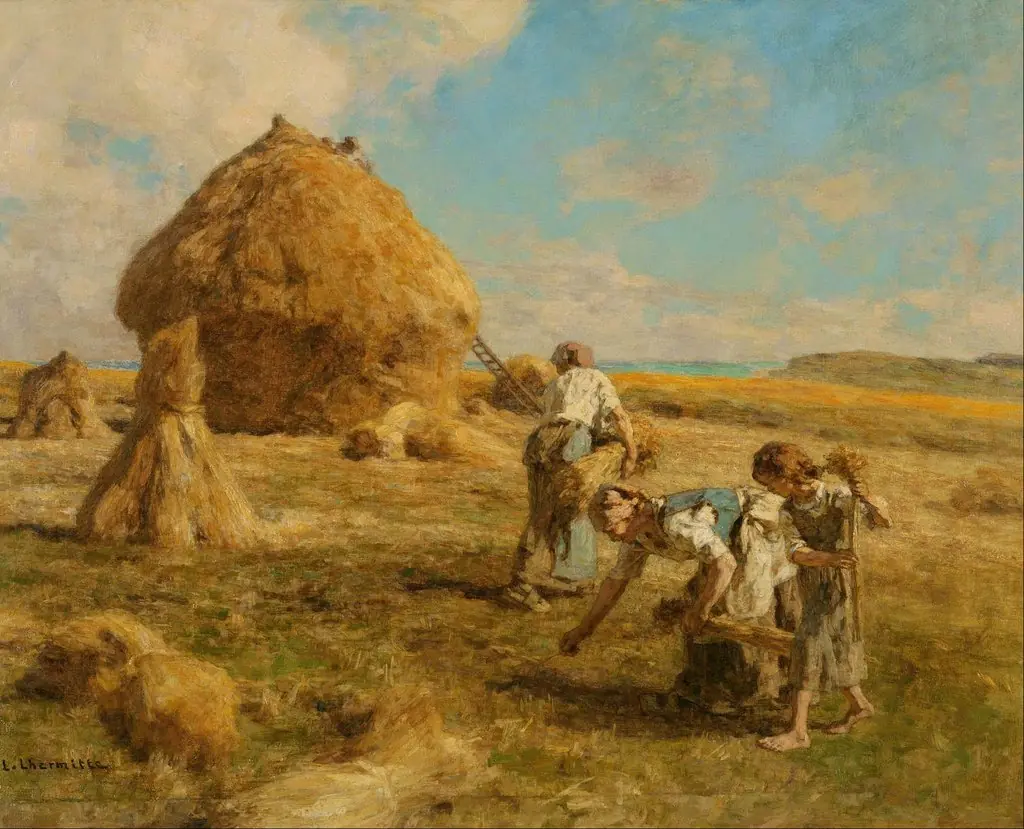
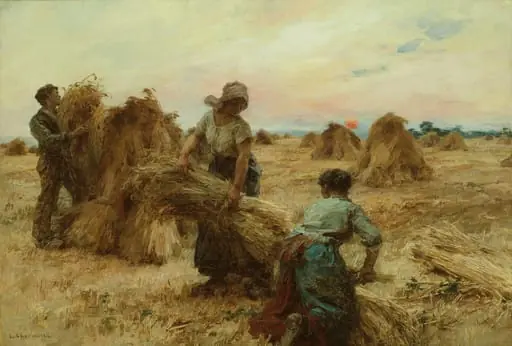
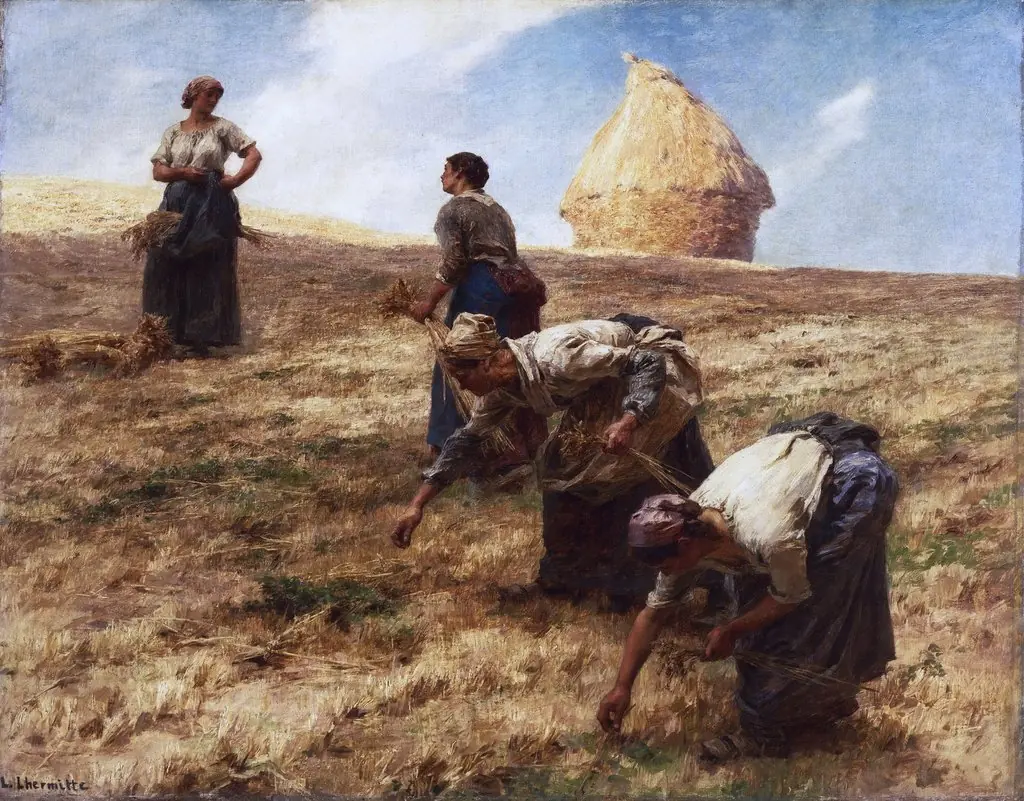
Les Glaneuses (Las espigadoras) is an oil painting by the Naturalist artist Léon Augustin Lhermitte. It dates from 1894 and is held in the collection of the National Museum of Fine Arts, Argentina.
About this work
Overview
Belonging to the naturalist tradition, the painting avoids idealization, instead presenting the quiet endurance of peasant women gathering stray grains.
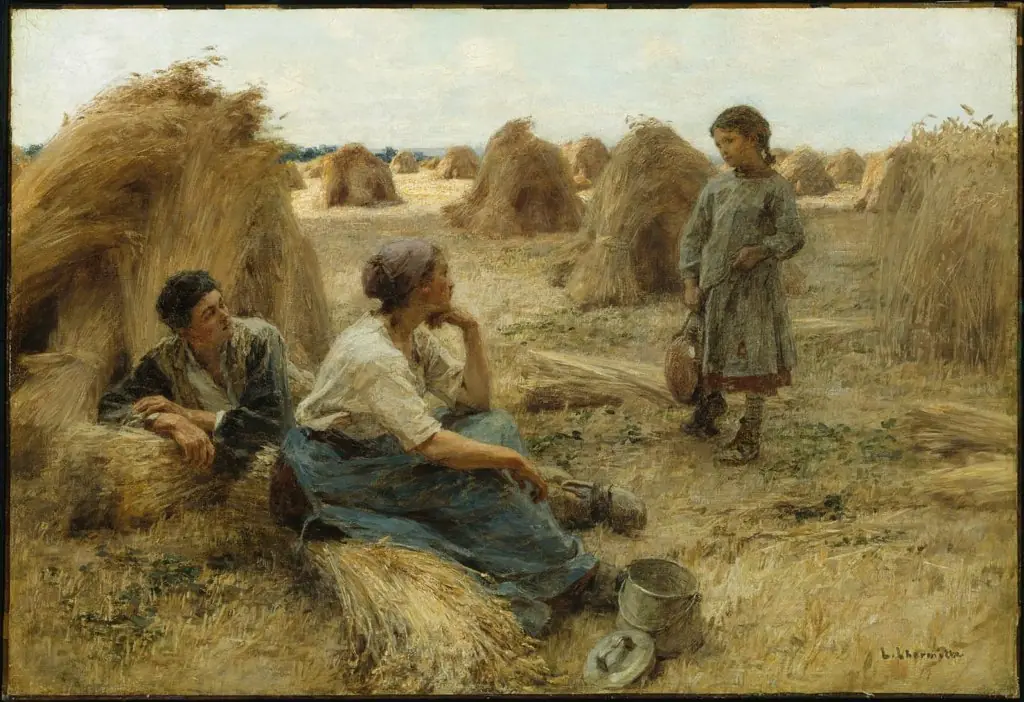
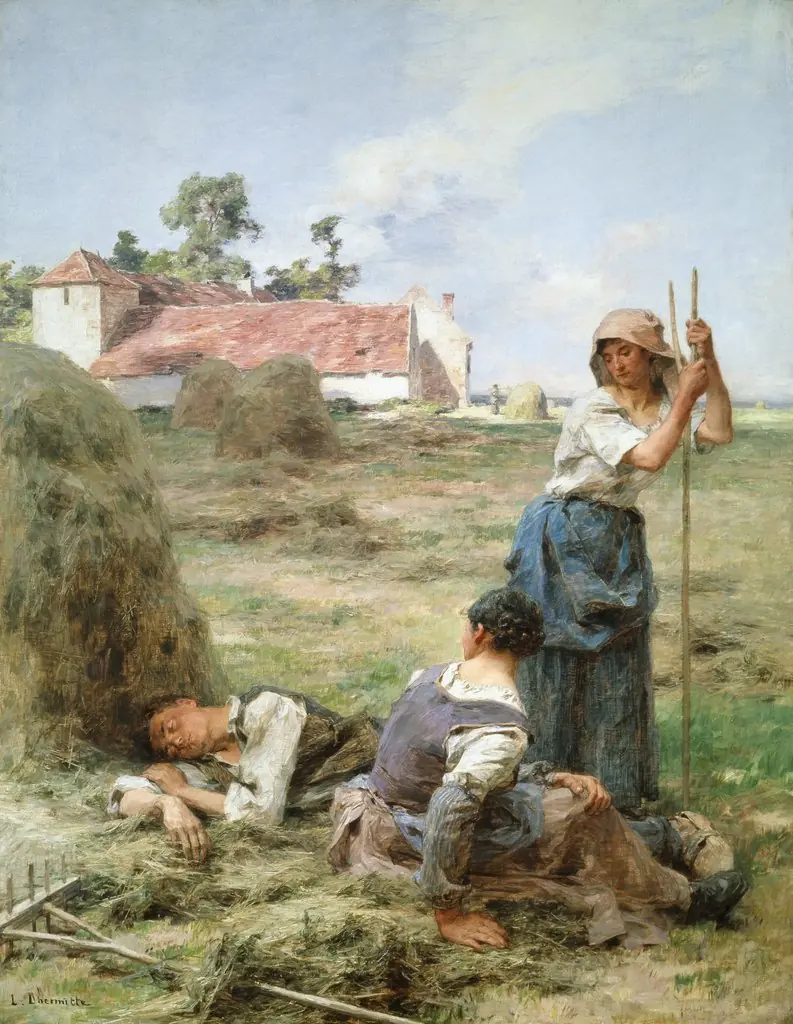
Painted around 1894 by French artist Léon Augustin Lhermitte, Les Glaneuses (Las espigadoras) is an oil-on-canvas work that captures rural labor in post-harvest fields. Belonging to the naturalist tradition, the painting avoids idealization, instead presenting the quiet endurance of peasant women gathering stray grains. Its composition emphasizes the scale of the land and the humility of the workers, grounding the scene in observable reality rather than narrative drama.
Subject & Meaning
The painting depicts women bent low in a harvested field, collecting leftover ears of wheat, a practice known as gleaning, historically permitted to the poor after the main harvest. Their postures convey exhaustion and diligence, not sentimentality. The presence of large haystacks in the foreground and background underscores the abundance from which they are permitted only scraps.
The subject reflects social conditions of late 19th-century rural France, where such labor was both necessity and marginal survival.
Technique & Style
Lhermitte employs loose, energetic brushwork to render the textures of straw, soil, and fabric, avoiding polished finish in favor of tactile immediacy. The palette shifts from warm ochres and browns in the earth and hay to cooler blues and whites in the sky, creating a subtle atmospheric contrast. Light falls evenly across the scene, avoiding dramatic chiaroscuro; instead, natural daylight reveals the workers’ forms without theatrical emphasis, reinforcing the painting’s documentary tone.
History & Provenance
Created in the final decades of the 19th century, the painting entered the collection of the National Museum of Fine Arts in Buenos Aires in the early 20th century, likely through acquisition or donation. Its presence in Argentina reflects broader transatlantic interest in European naturalist art during a period of cultural expansion in Latin American institutions. No record of prior ownership or exhibition history is widely documented beyond its inclusion in the museum’s permanent holdings.
Context
Lhermitte worked within a movement that sought to depict working-class life with unembellished accuracy, influenced by earlier realists like Millet. His focus on agricultural labor coincided with urbanization and shifting rural economies in France. While not overtly political, the painting quietly participates in a broader cultural conversation about labor, class, and the dignity of manual work during a time of industrial transformation and social reform debates.
Legacy
Though less widely known than some contemporaries, Lhermitte’s work contributed to the persistence of rural themes in late 19th-century European art. Les Glaneuses remains a representative example of naturalist painting outside the French academic mainstream. Its continued display in Buenos Aires underscores its role as a transnational artifact, offering viewers beyond Europe a direct encounter with the visual language of European peasant life as interpreted by a committed observer.
Own this work as a print
Artist & collection
Artist
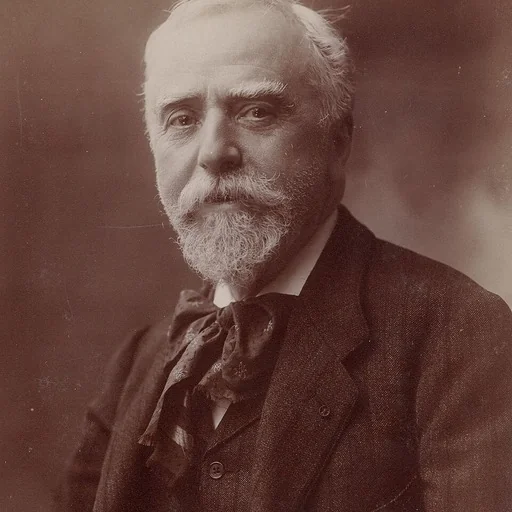
Léon Augustin Lhermitte (French pronunciation:; 31 July 1844 – 28 July 1925) was a French naturalist painter and etcher whose primary subject matter was rural scenes depicting peasants at work.

Museum
National Museum of Fine Arts, Argentina
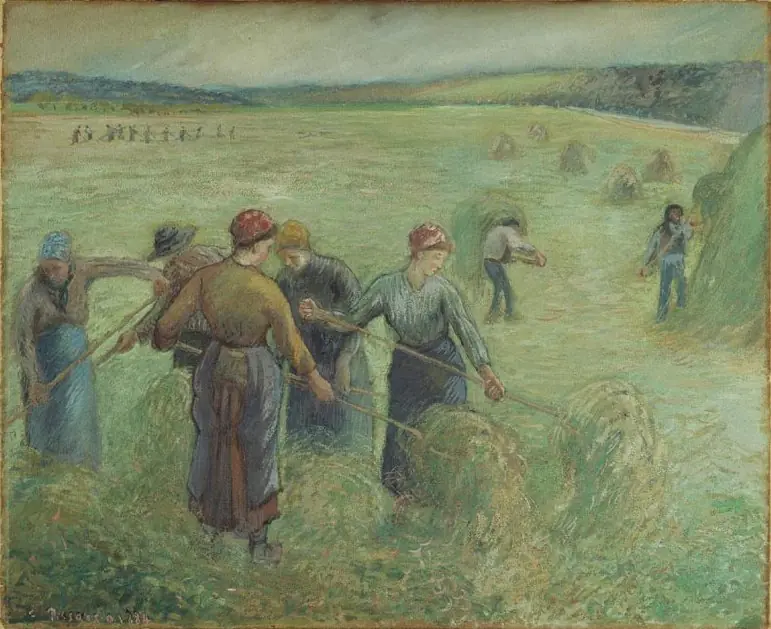
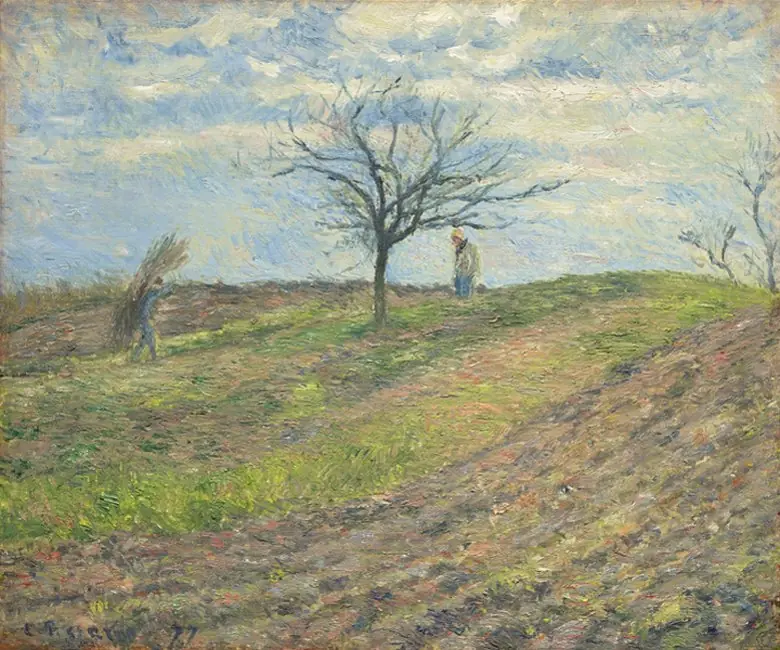
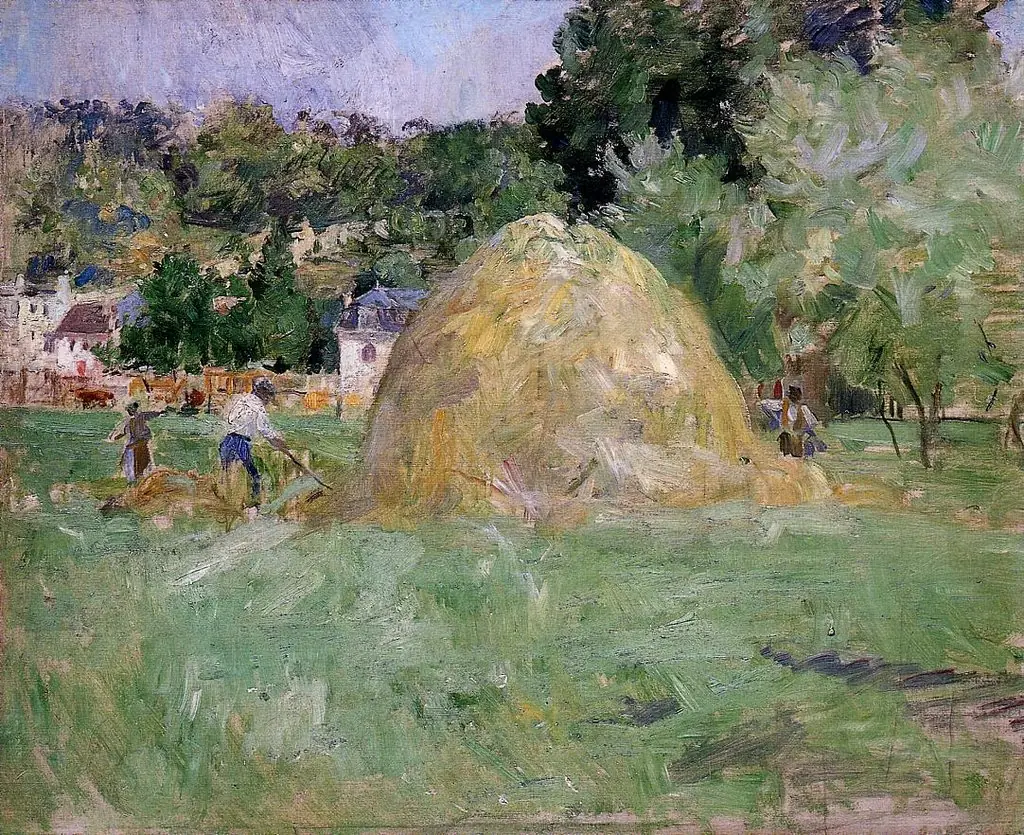
Continue through works from the same source collection.