Movement
Naturalism
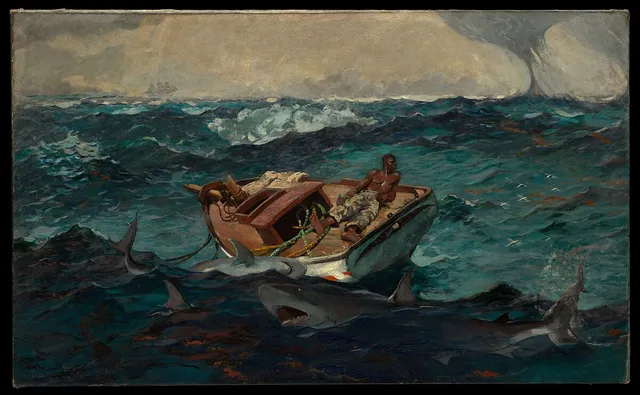
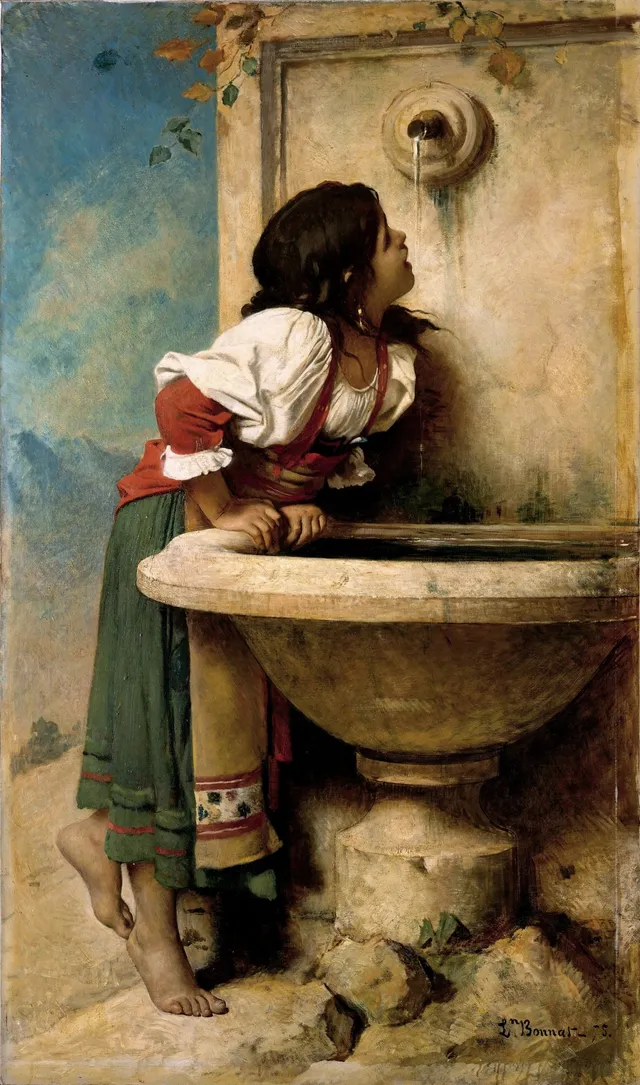
Naturalism is an art movement of the 1850–1900 period. The gallery holds 167 works in this movement, including works by Gari Melchers, Léon Augustin Lhermitte and Joaquín Sorolla. Browse Naturalism paintings, portraits, pictures and artworks from the world's public-domain museum collections.
Naturalism began as a literary movement before it reshaped European painting. The term was popularized by the novelist Émile Zola, whose essay "The Experimental Novel" (1880) argued that writers should observe society with the cold precision of a scientist. Painters absorbed the same ambition in the 1870s and 1880s, building on the earlier Realism of Gustave Courbet and Jean-François Millet but pushing toward an even more dispassionate, empirical truth. The movement arose amid rapid industrialization, the spread of evolutionary theory, and the new authority of photography, all of which encouraged artists to record the world—especially rural and working-class life—without idealization, sentiment, or mythological dress.
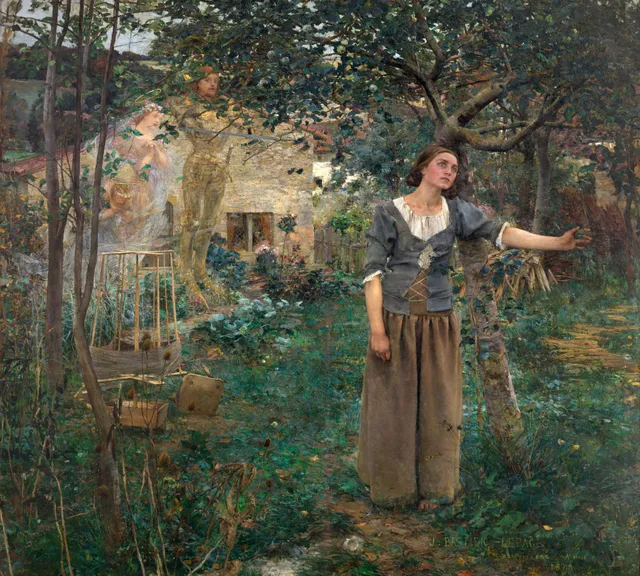
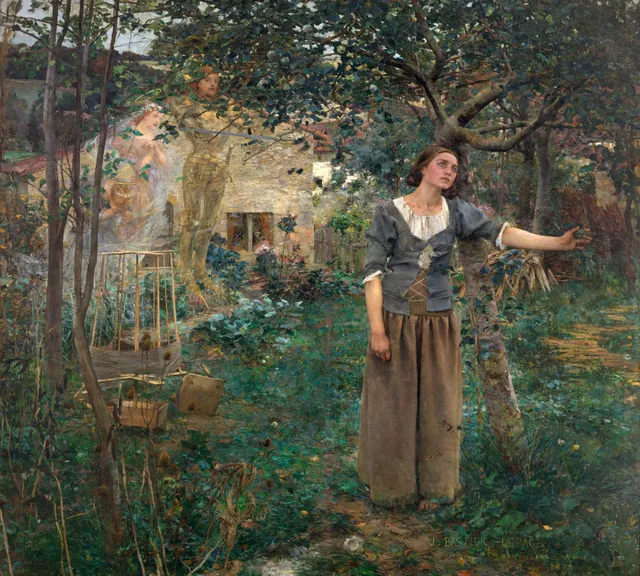
The defining figure was Jules Bastien-Lepage (1848–1884), whom Zola called "the grandson of Millet and Courbet." Bastien-Lepage fused the meticulous draftsmanship of academic training with the heightened light and plein-air practice of Impressionism, often painting large canvases outdoors and finishing them in the studio. The result was a cool, silvery tonality and an almost photographic frankness, as in his Joan of Arc (1879, Metropolitan Museum of Art) and his unsentimental rural scenes. His contemporary Léon Augustin Lhermitte applied the same gravity to peasant labor, while portraitists such as Léon Bonnat brought naturalist exactitude to the figure.
Visually, Naturalism is marked by muted, even light, square or frieze-like compositions, life-size figures set close to the picture plane, and scrupulous attention to the textures of cloth, soil, and skin. Subjects are observed rather than dramatized: haymakers, fishermen, beggars, and field workers are granted dignity through accuracy alone.
Bastien-Lepage's influence spread quickly across Europe. In Britain it shaped the Glasgow Boys, including George Clausen and James Guthrie, and the Newlyn School around Stanhope Forbes. In Spain, Joaquín Sorolla translated naturalist observation into dazzling Mediterranean sunlight, while in Norway Christian Krohg (1852–1925) gave the movement a sharp social conscience in his depictions of the poor and the exploited. Standing between Realism and Impressionism, and parallel to literary Naturalism, the movement bridged academic tradition and modern life, and its documentary impulse would echo through Social Realism and early twentieth-century photography.
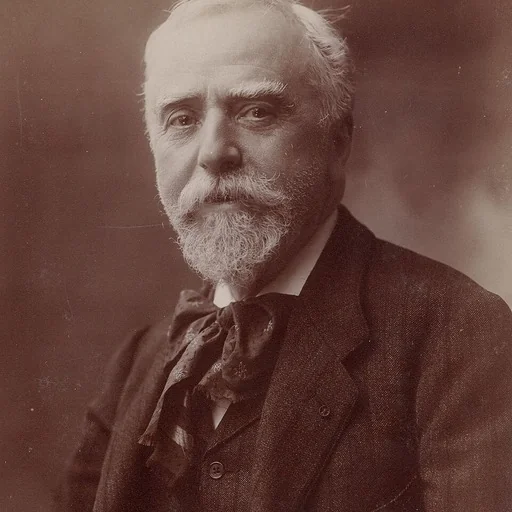
Key artists
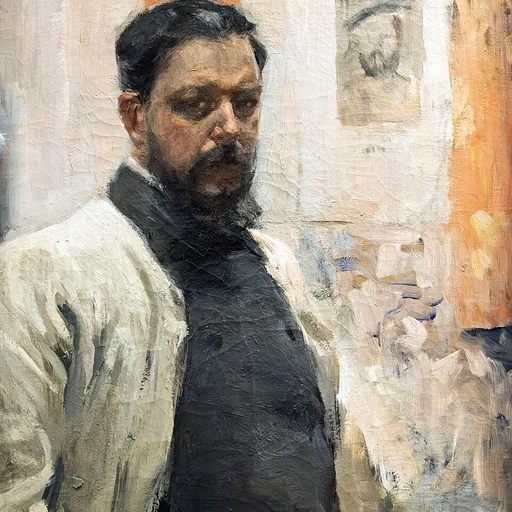
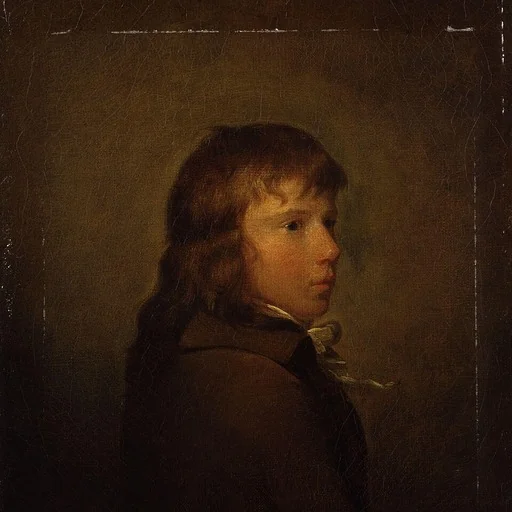
Works
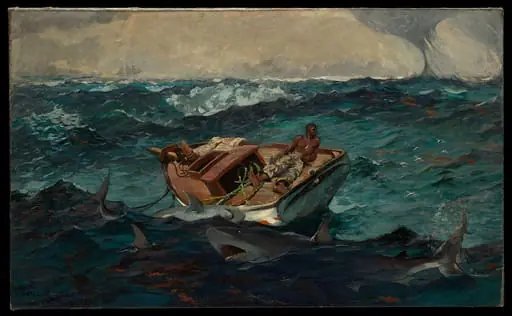 The Gulf Stream
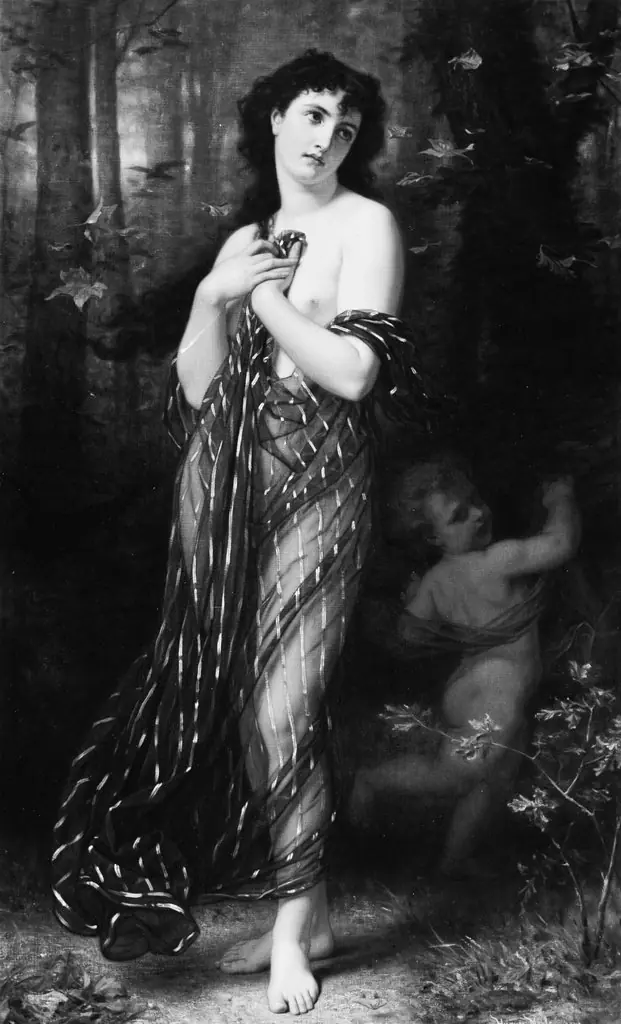 Falling Leaves, Allegory of Autumn
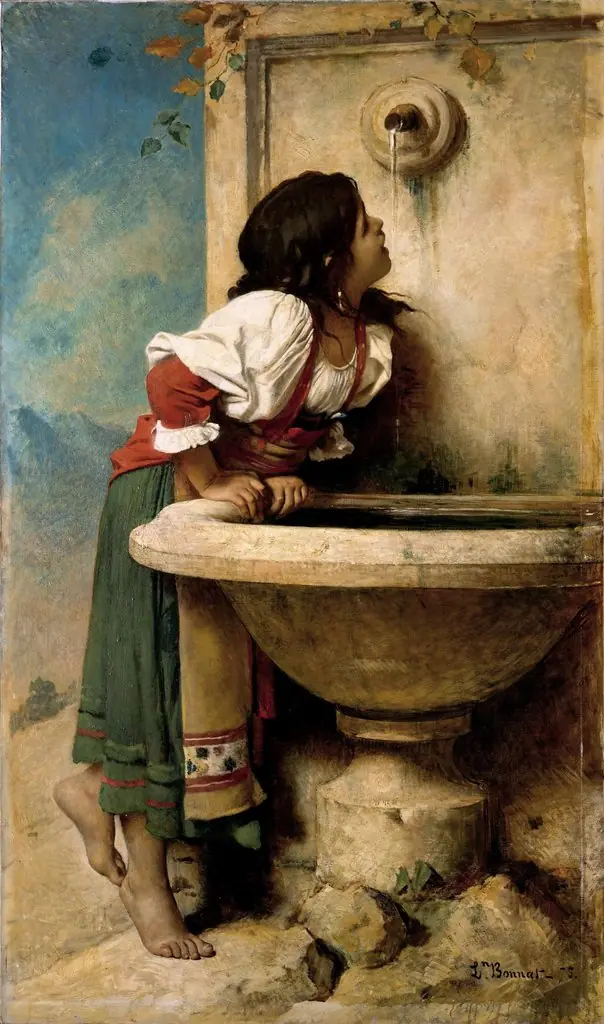 Roman Girl at a Fountain
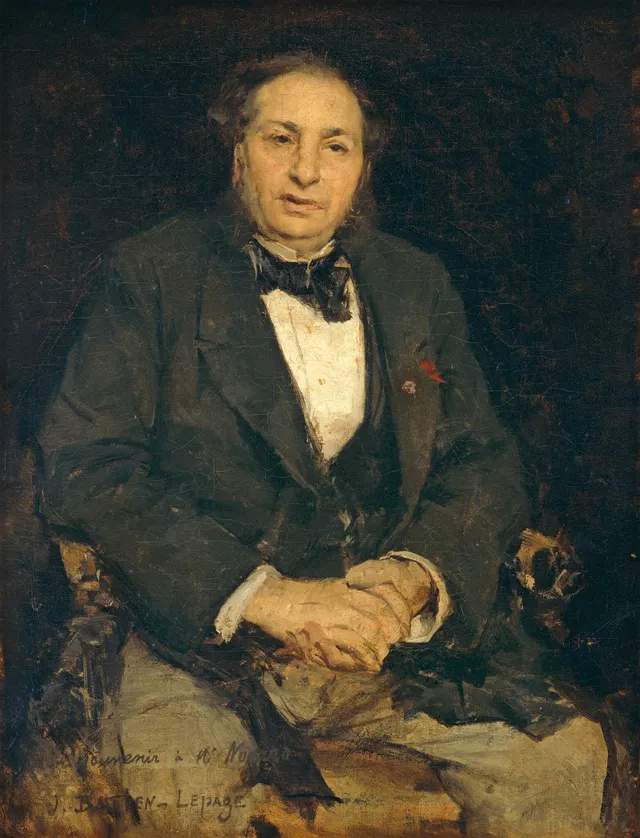
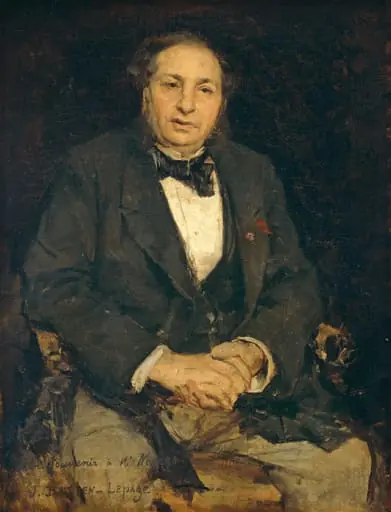 Simon Hayem
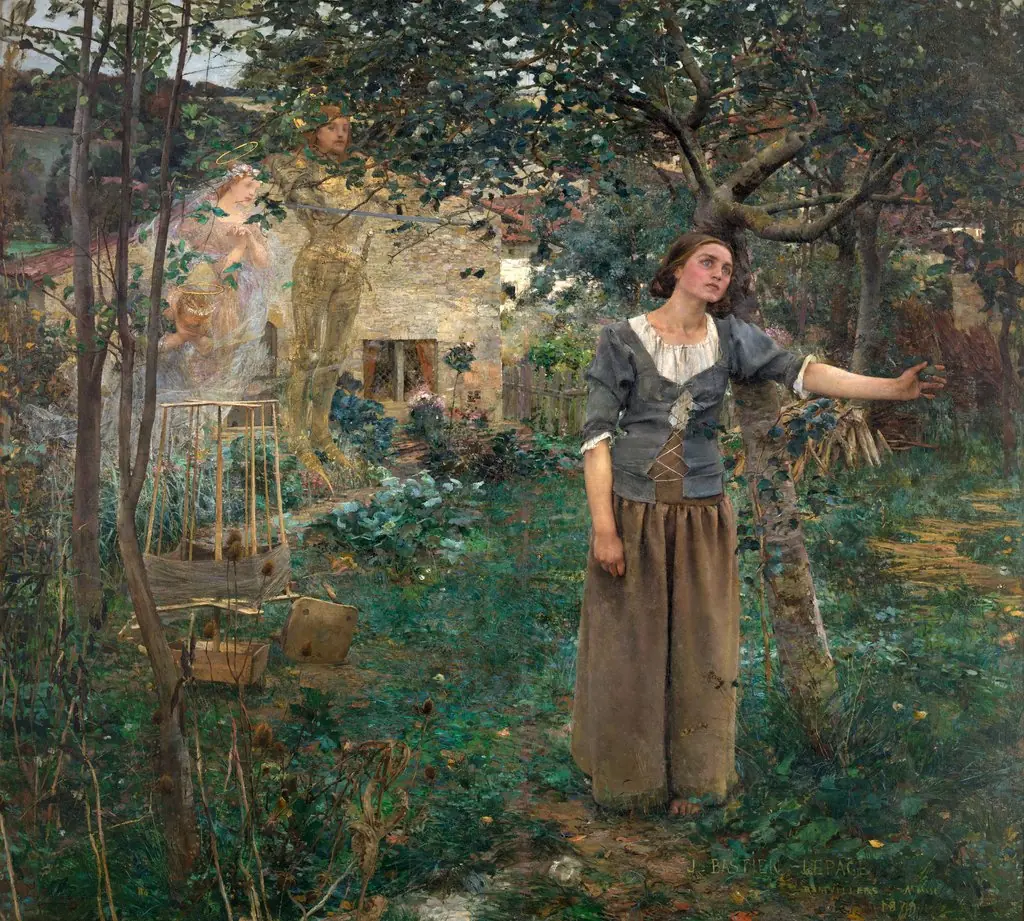 Joan of Arc
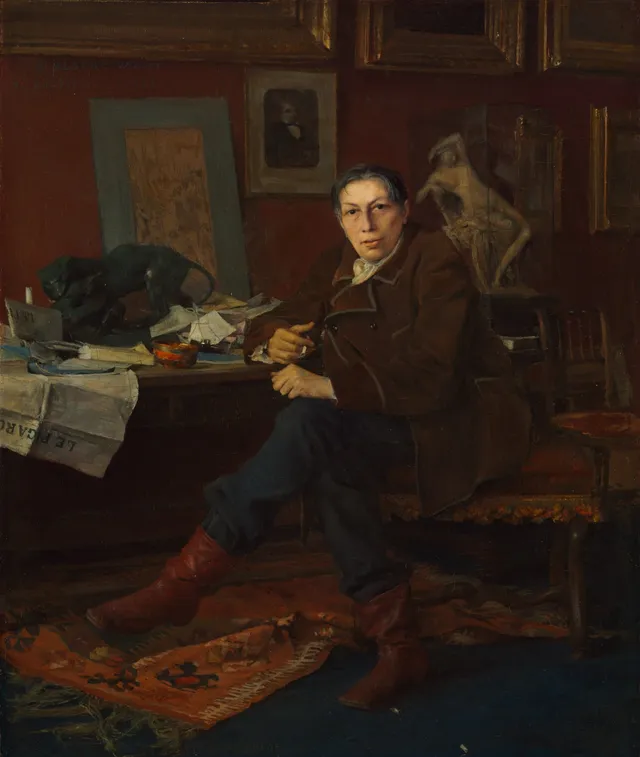
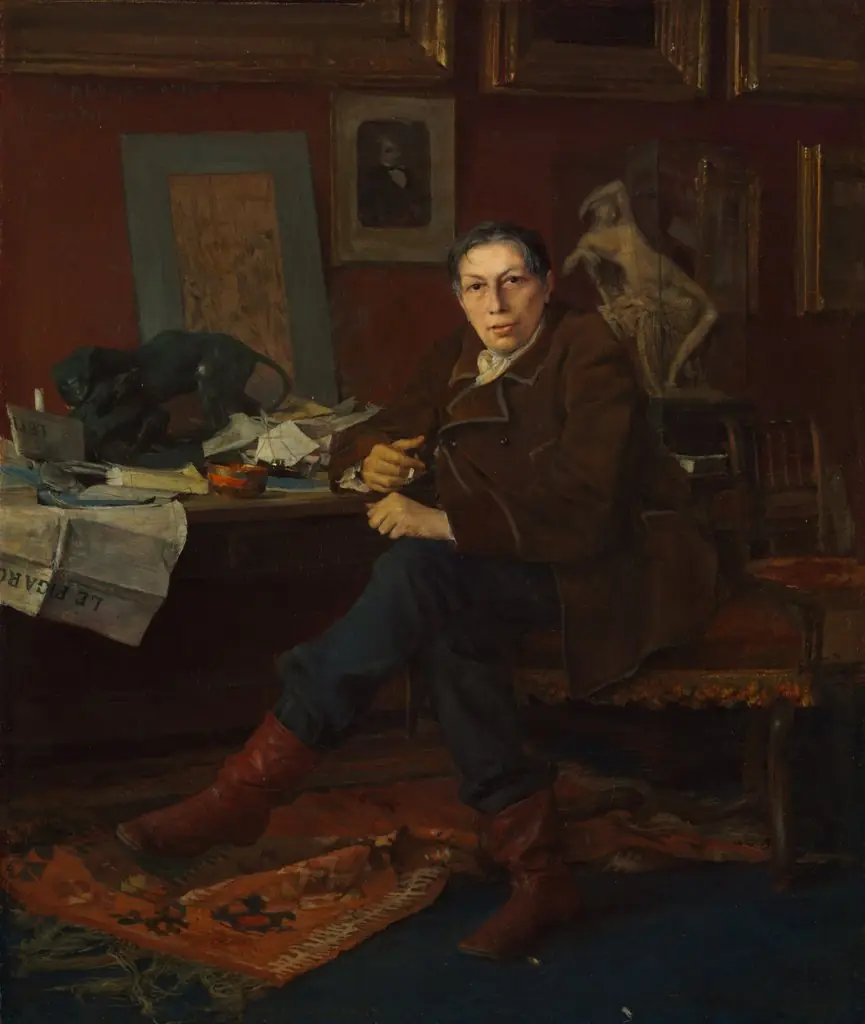 Albert Wolff in His Study
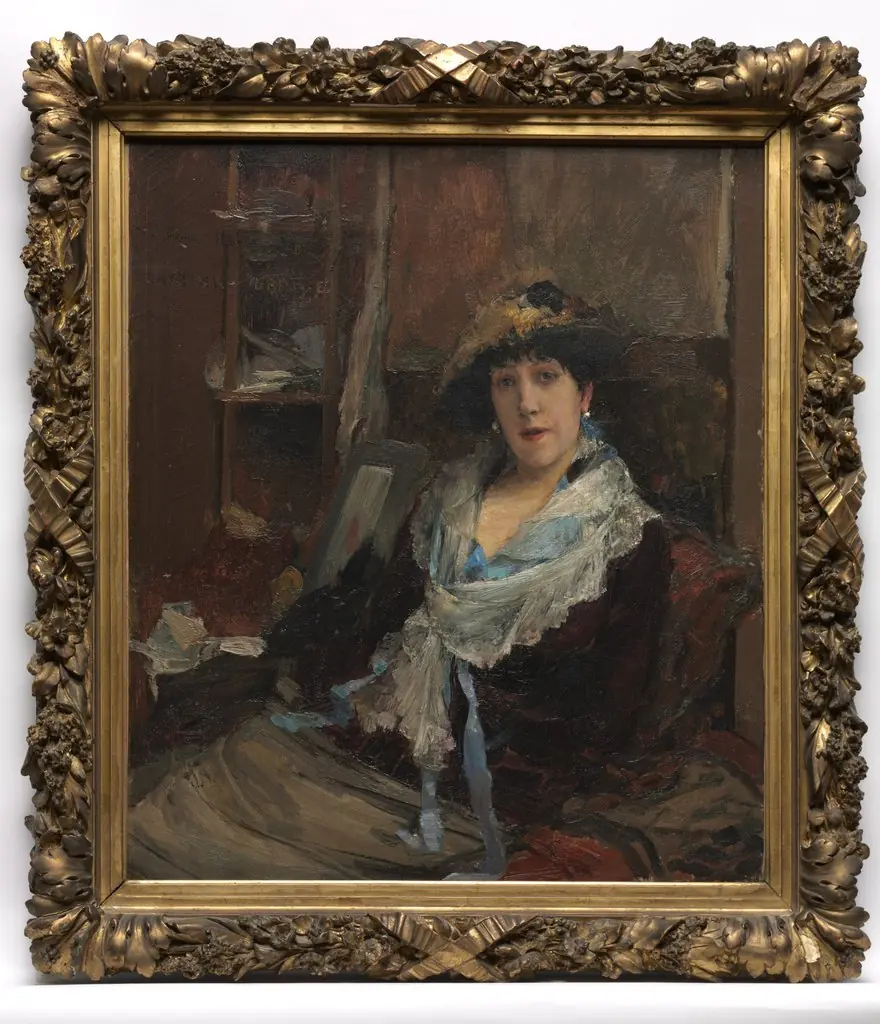 Marie Samary of the Odéon Theater
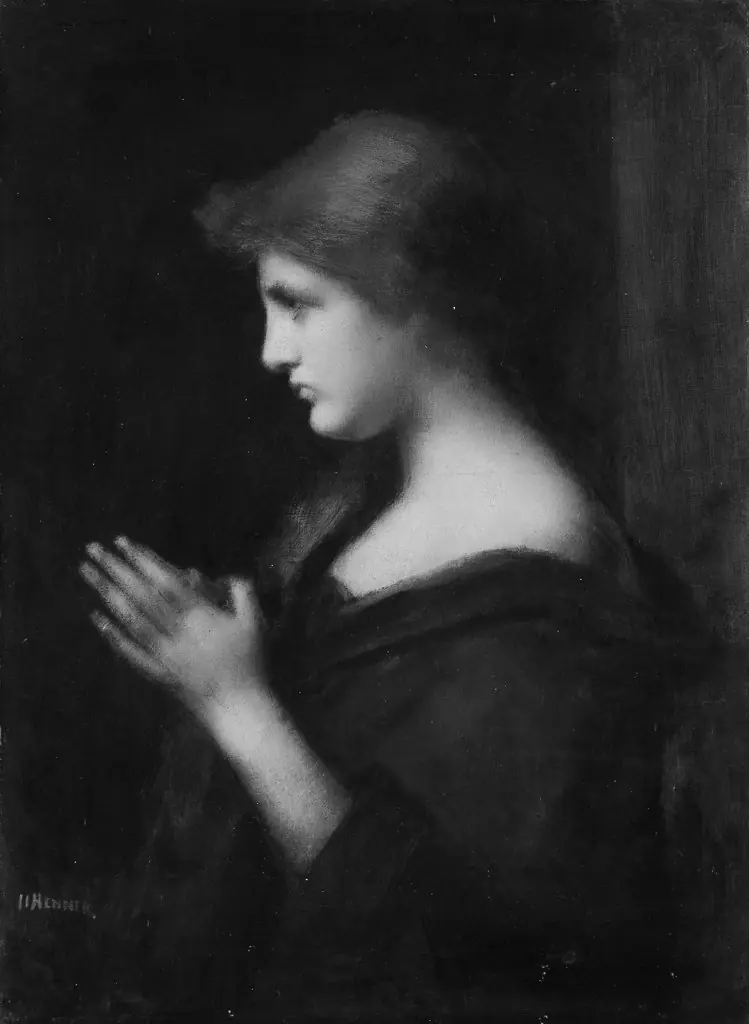 Young Woman Praying
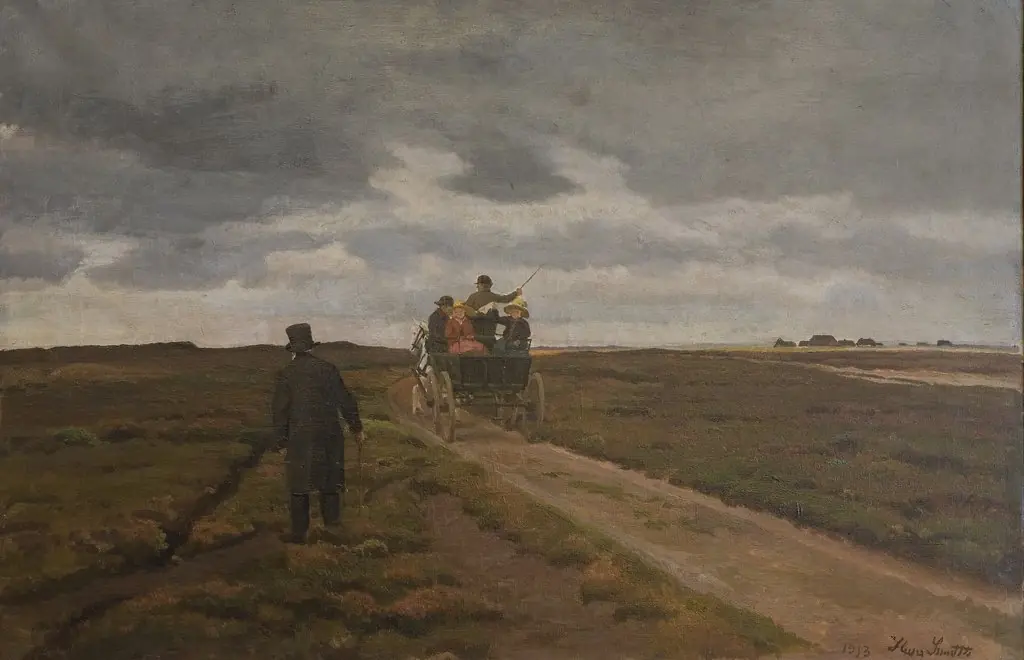 Hedelandskab med en dagvogn
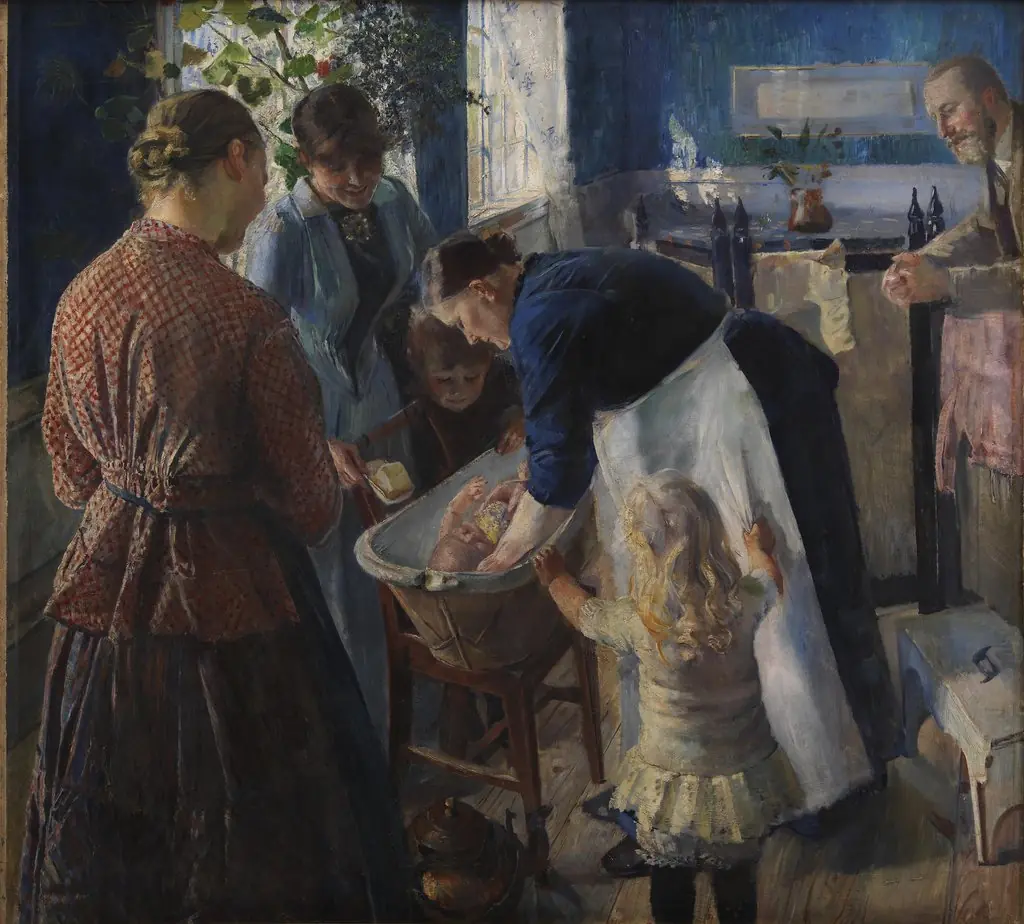 In the Tub
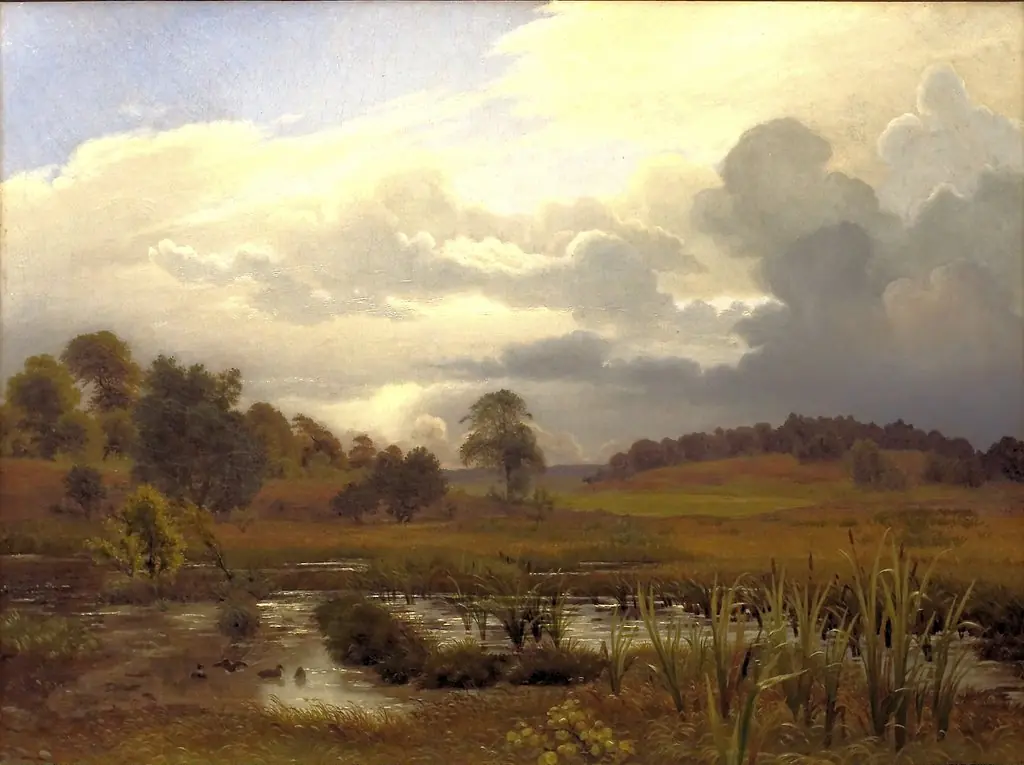 Landscape near the Forest Nordskoven, Jægerspris, Zealand
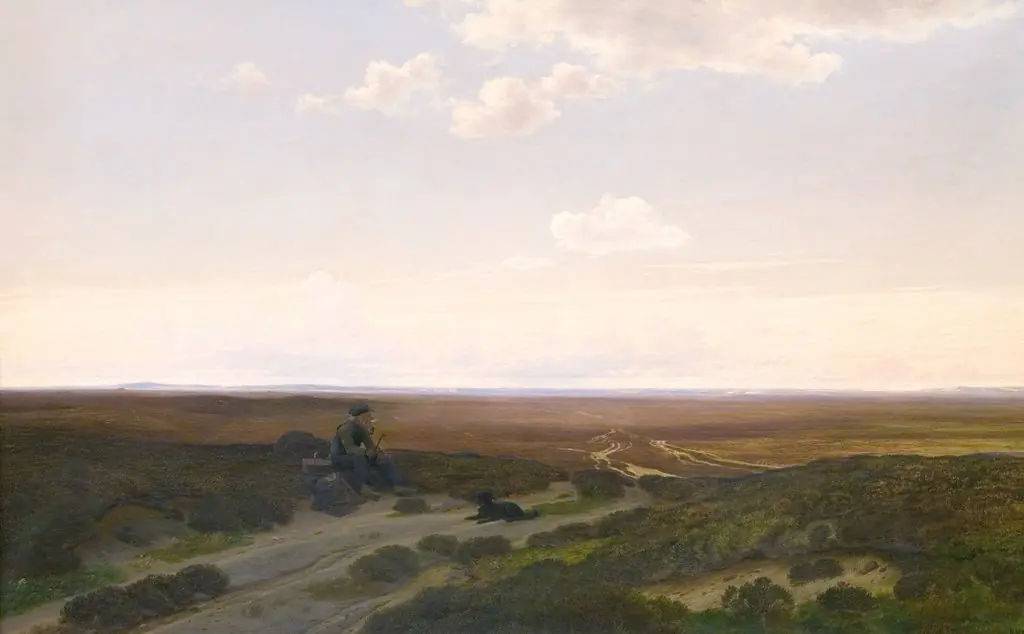 View of Pårup Moors near Silkeborg, Jutland
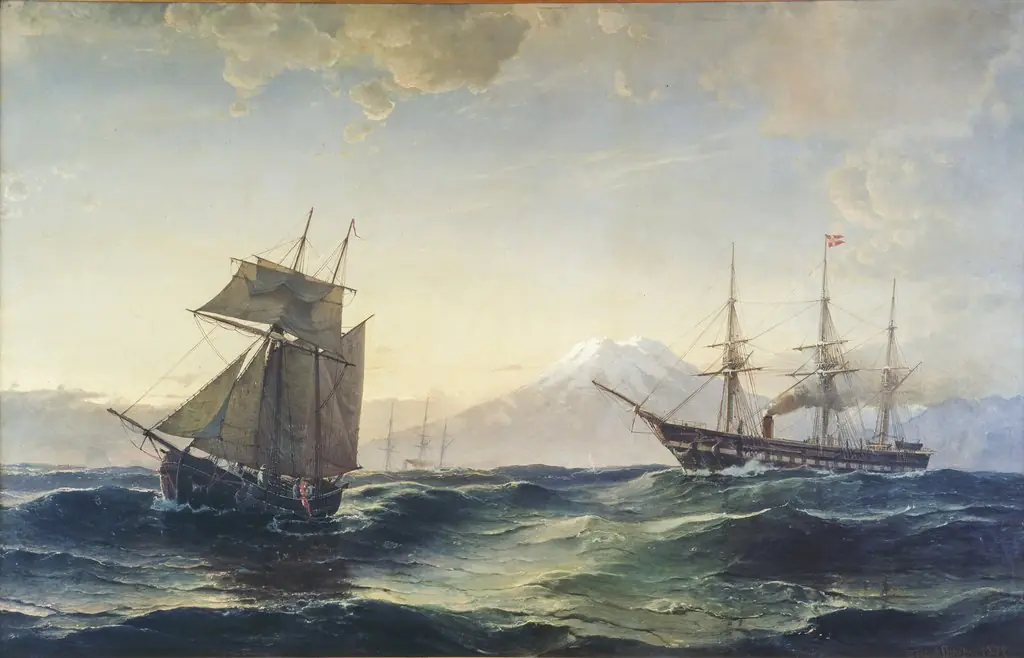 Ships off the Coast of Iceland
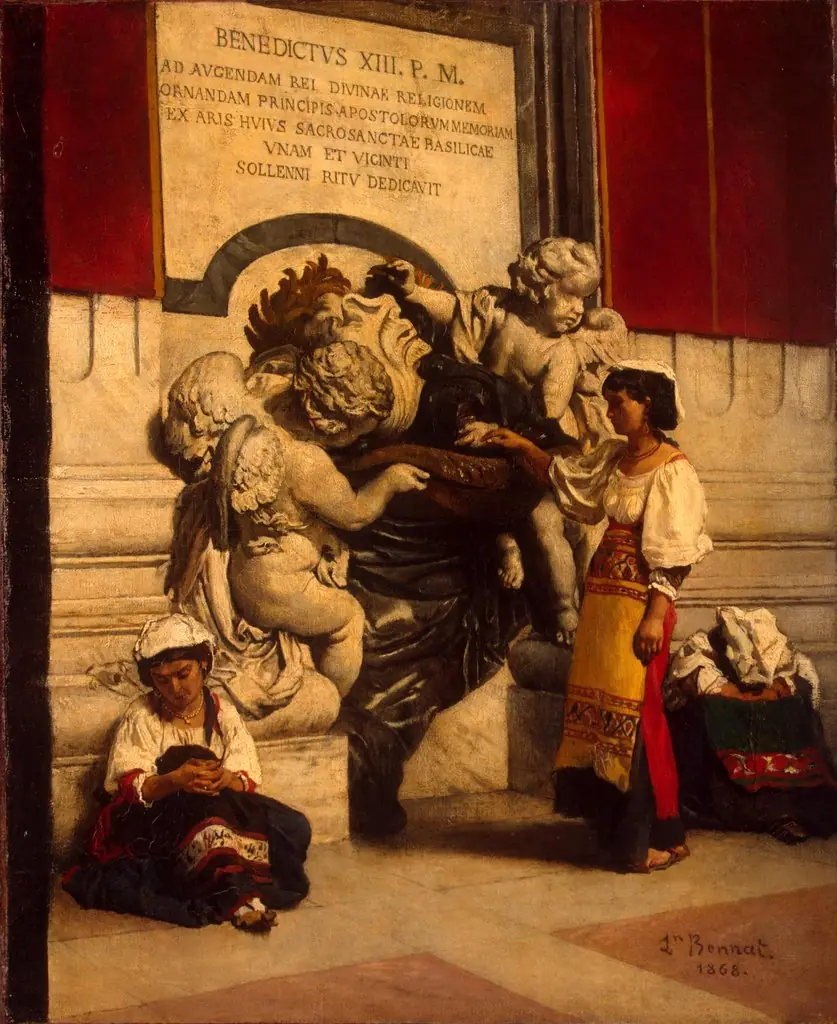 Holy Water Font by St Peter's Basilica in Rome
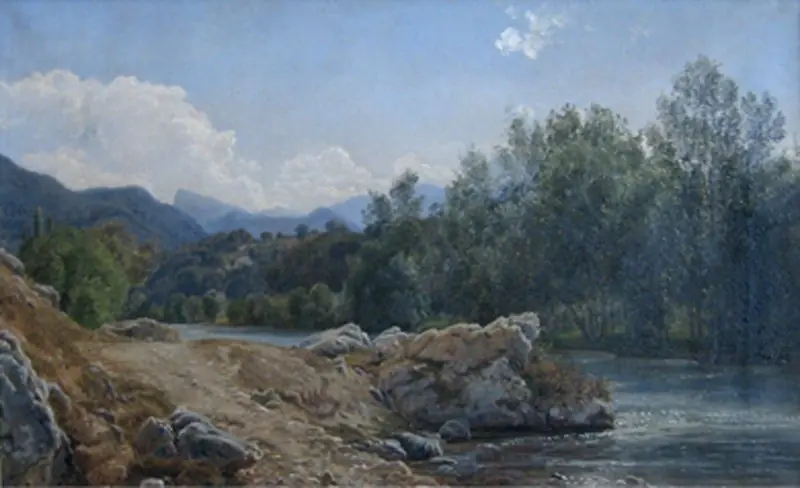 Formiddag ved Garonne. Montréjeau
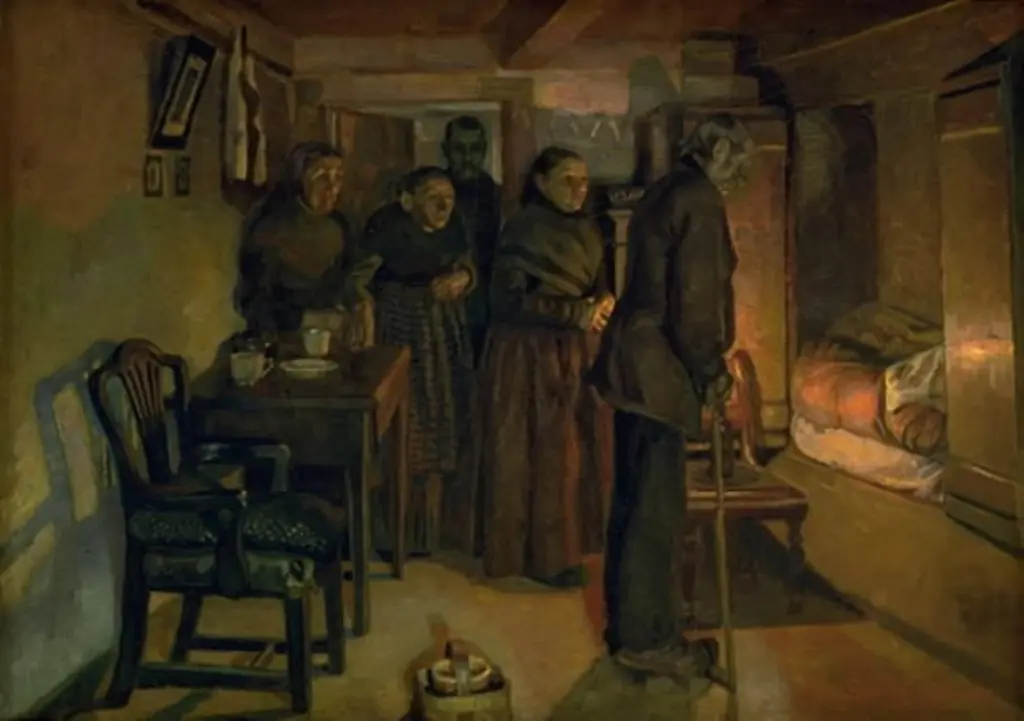 At a Deathbed
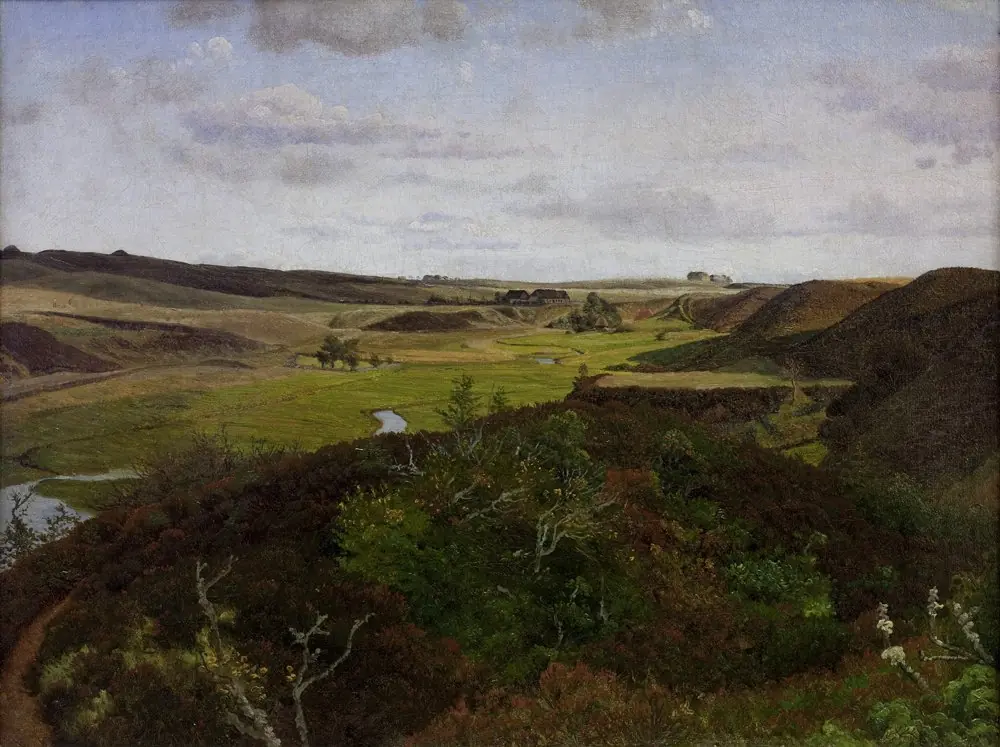 Dollerup Hills near Hald
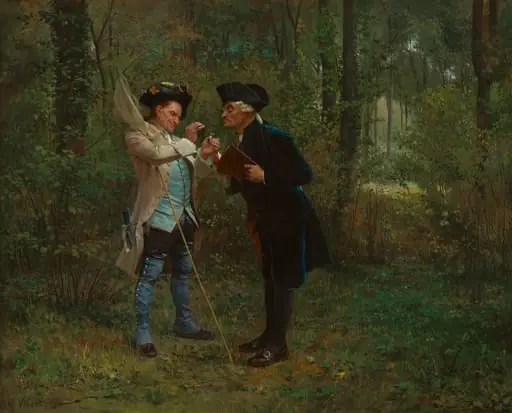 The Naturalists
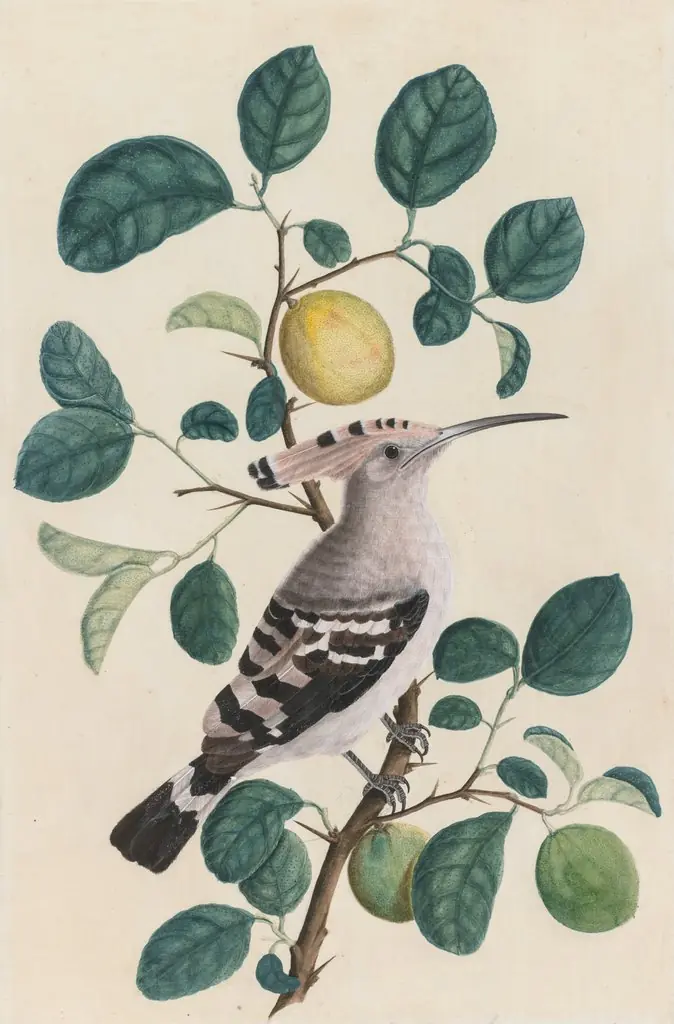 Hoopoe on a Citrus Tree Branch
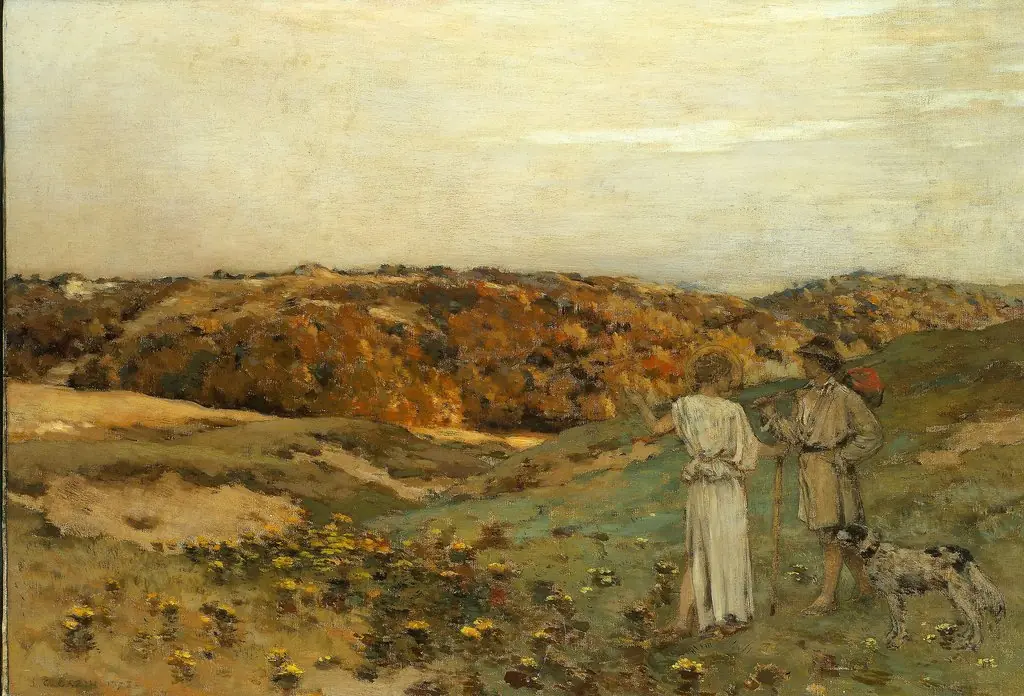 Tobias and the Angel
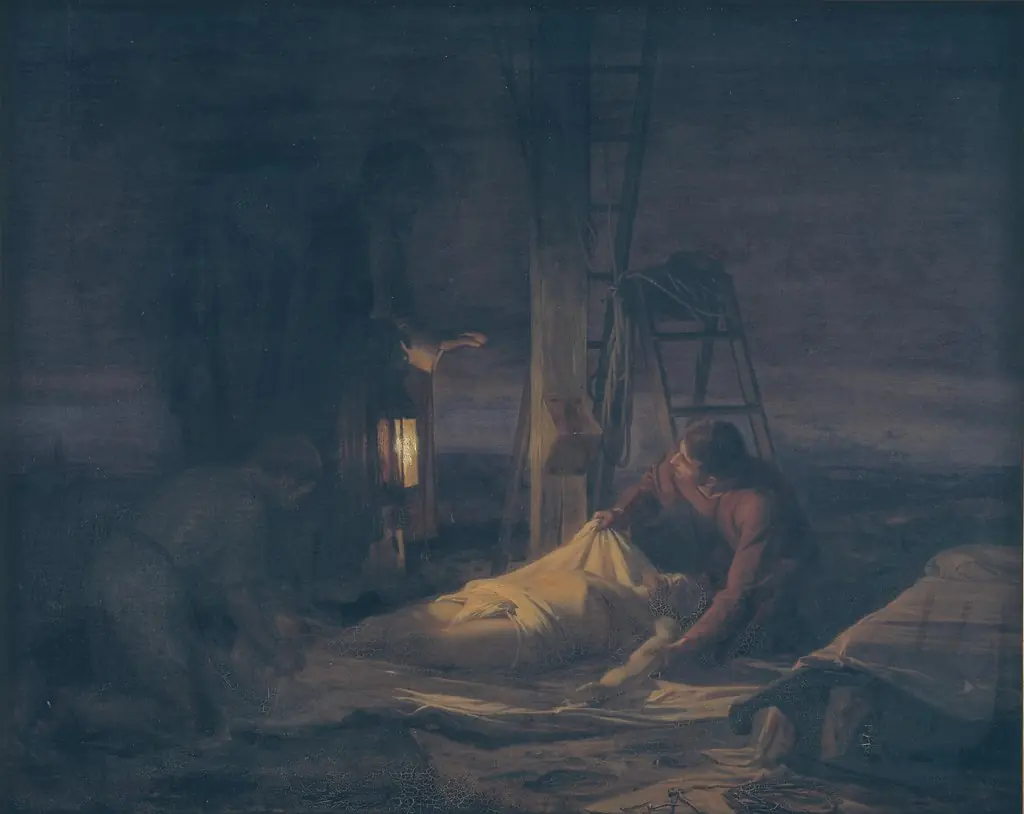 Descent from the Cross
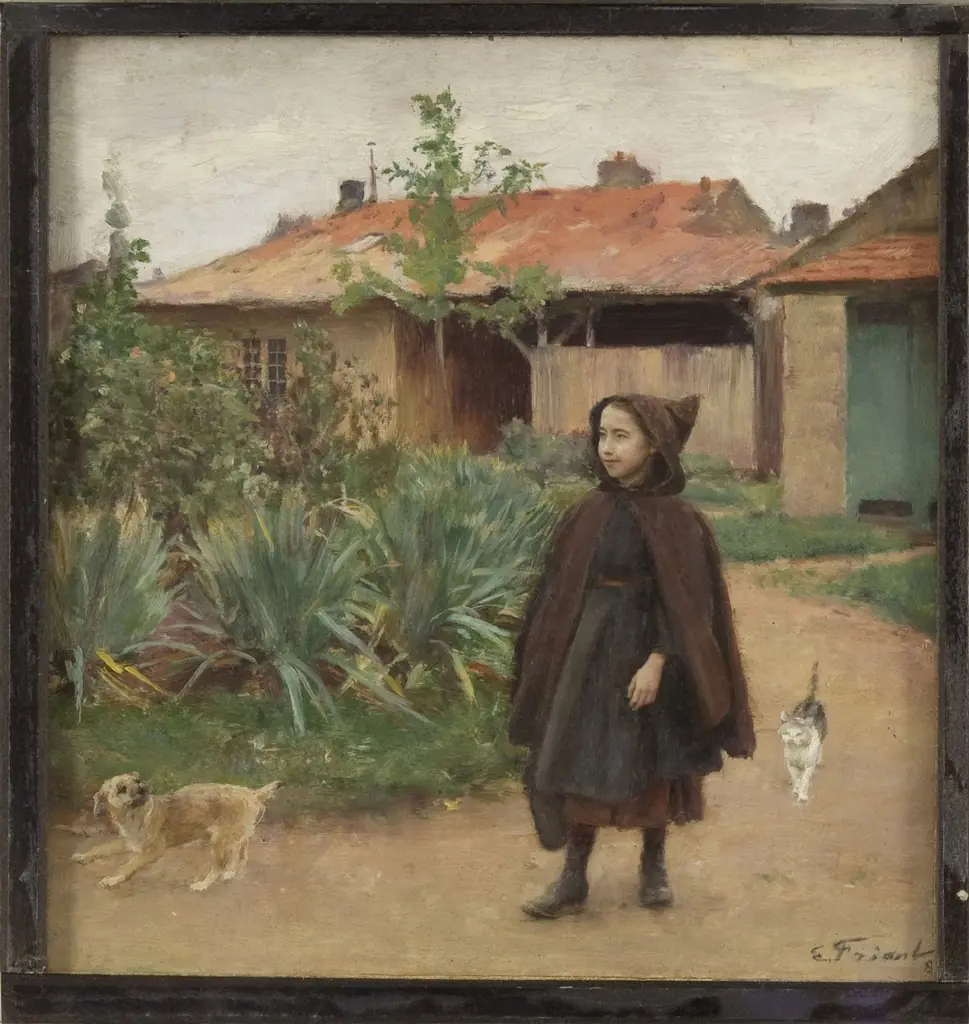 The Garden Walk
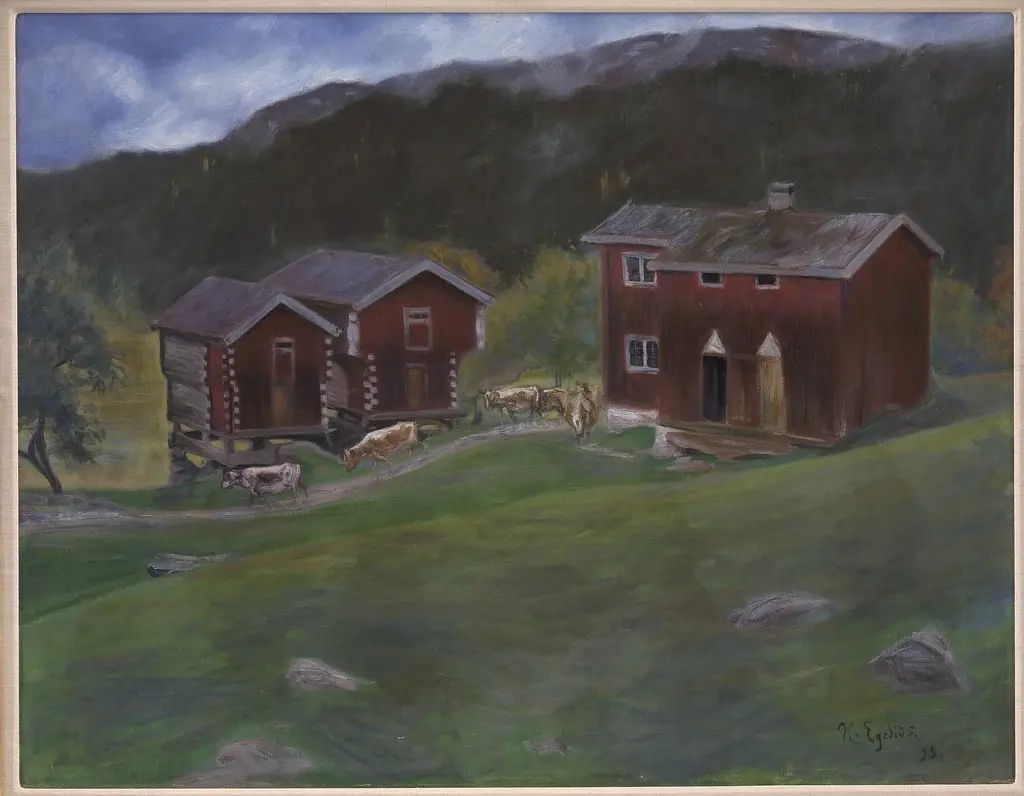 Farmyard at Åse in Telemarken, Norway
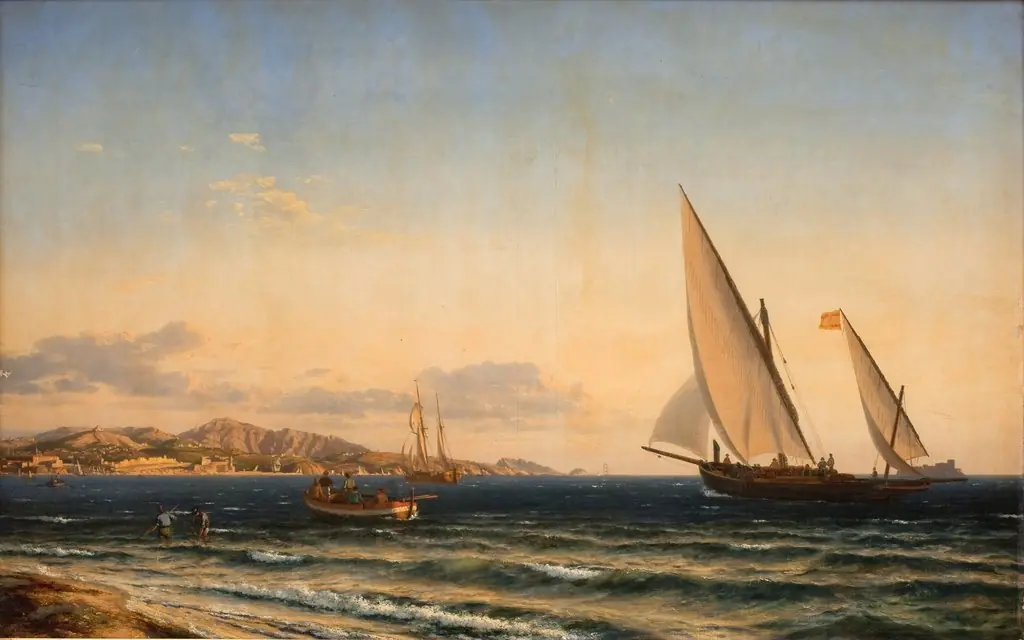 Aften ved Middelhavet. I baggrunden Marseille og øen If
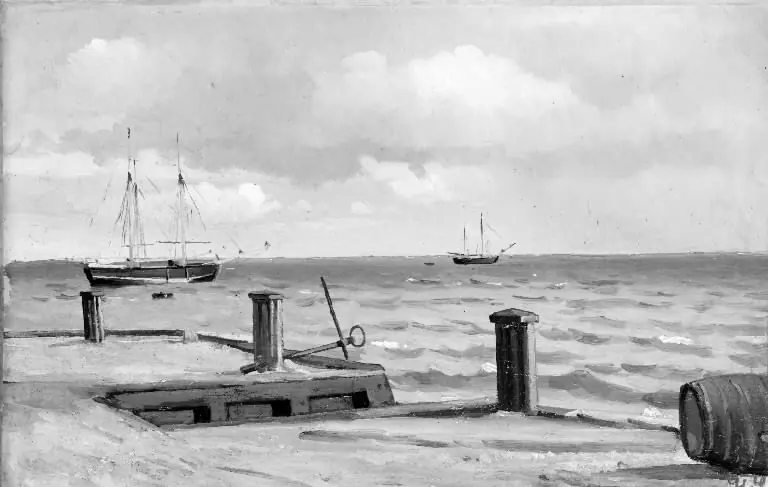 View of the Sea from a Pier
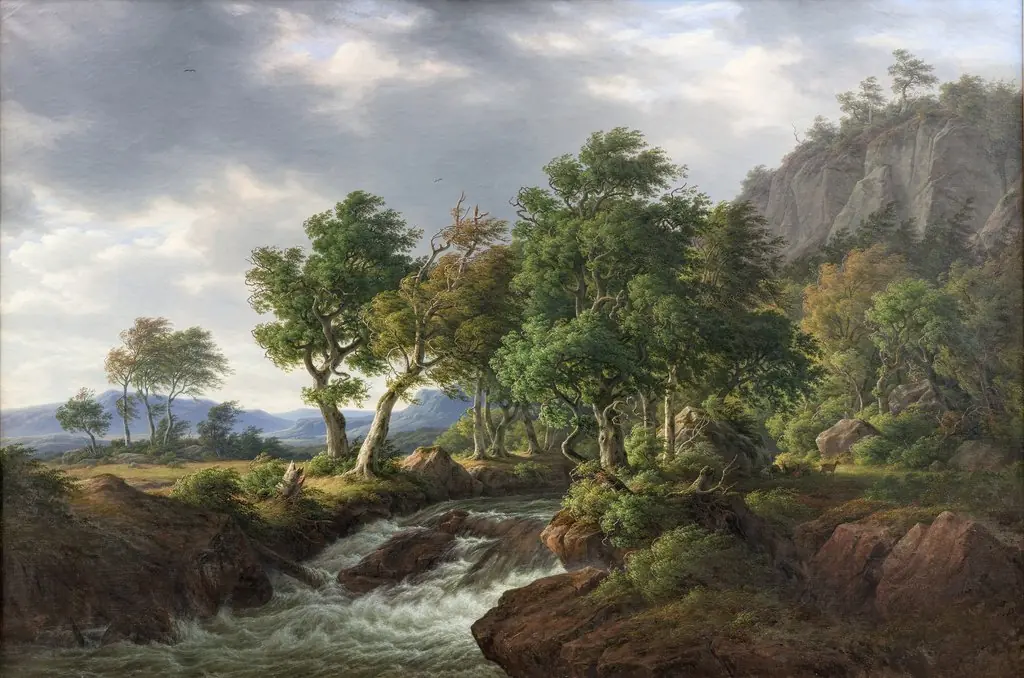 Klippelandskab. Djupadal i Bleking
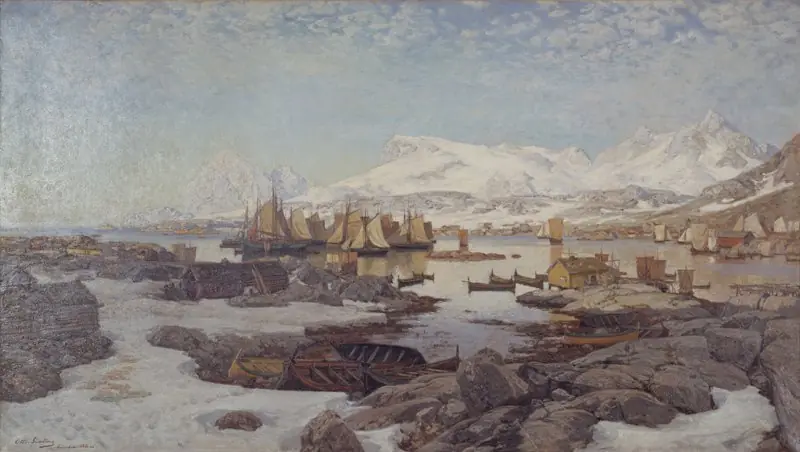 Spring Day in Lofoten
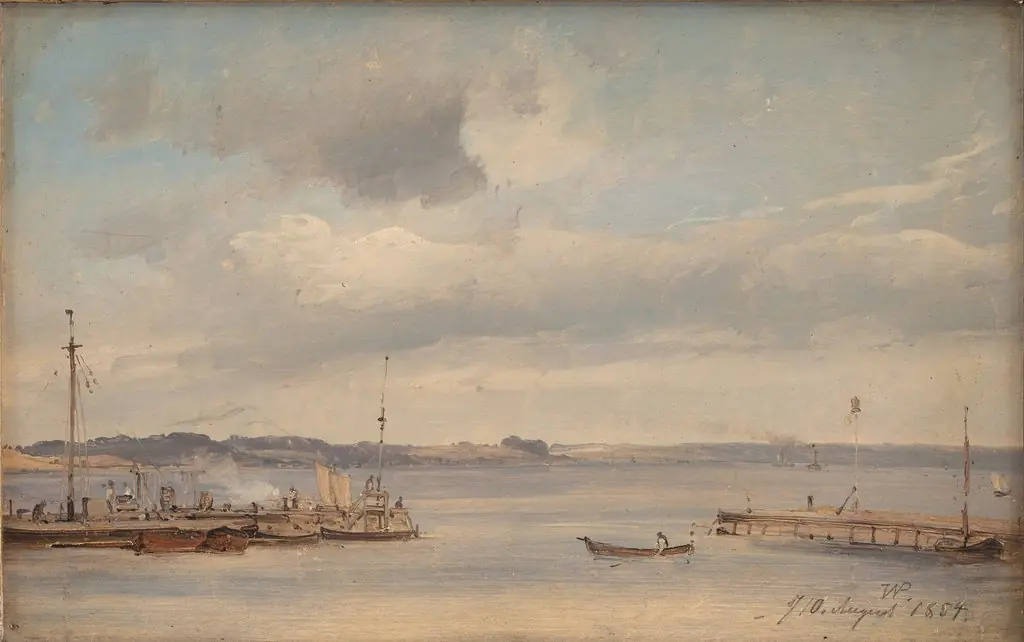 En bådehavn
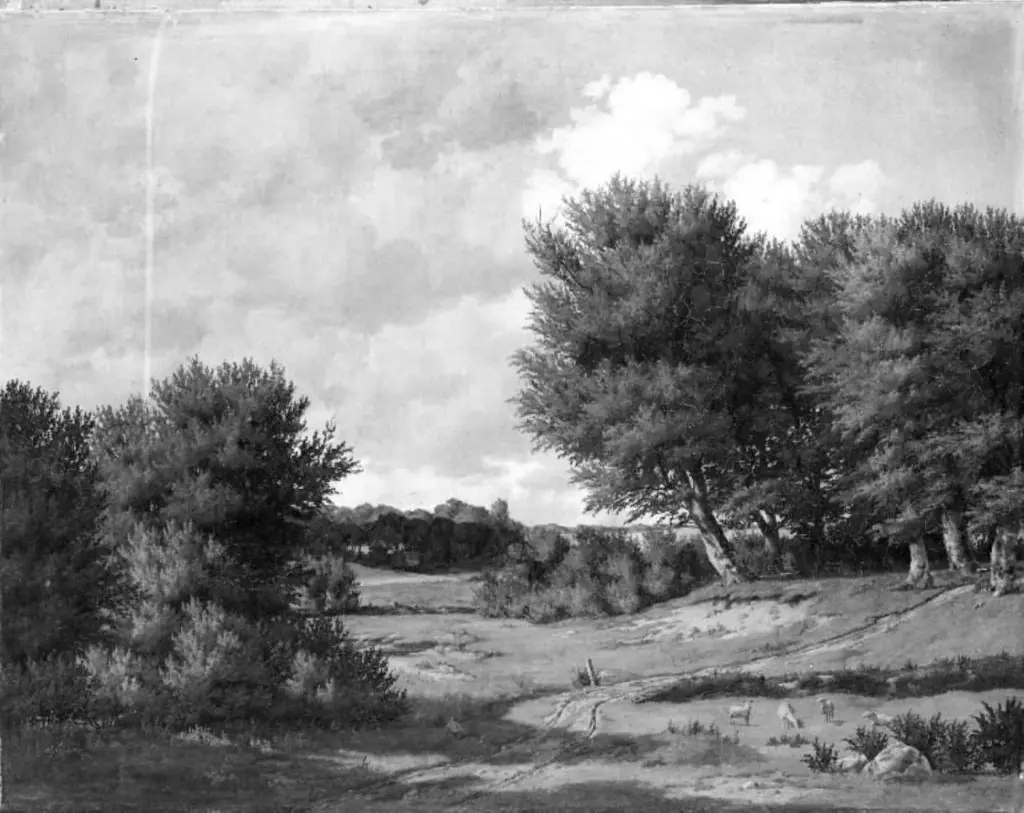 Parti ved Ordrup
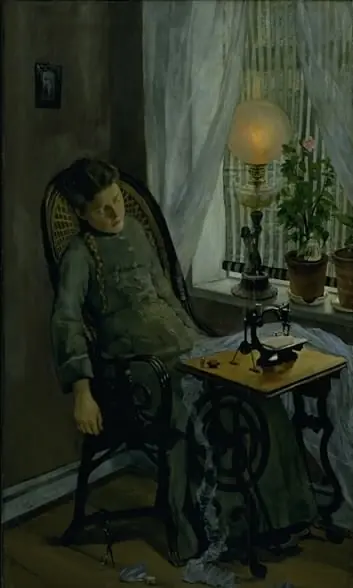 The Seamstress
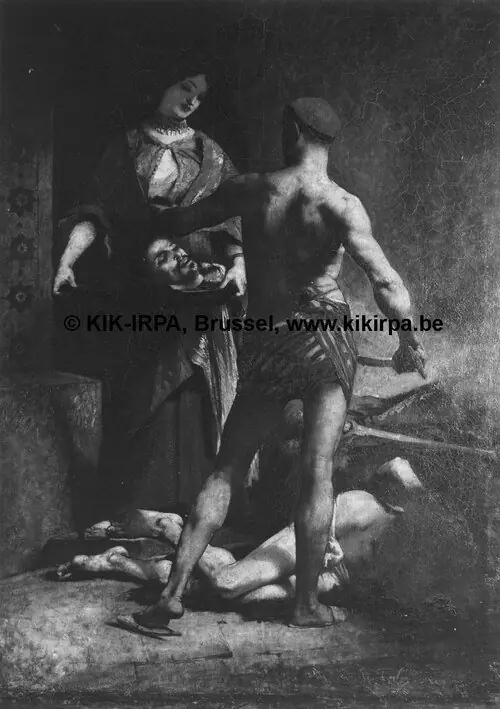 Beheading of St. John the Baptist
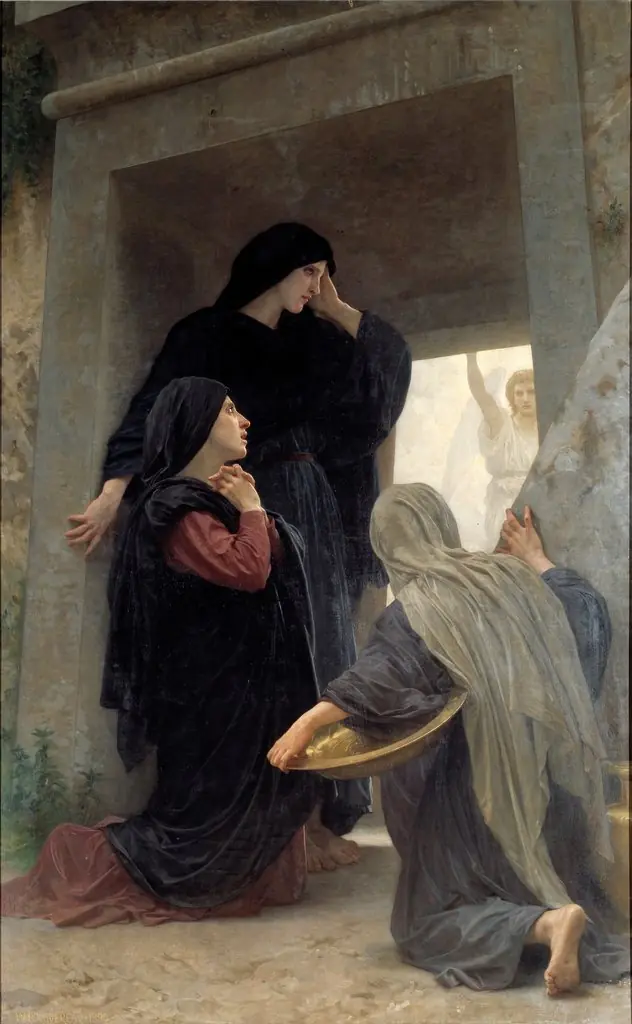 The Holy Women at the Tomb or The Three Marys at the Tomb
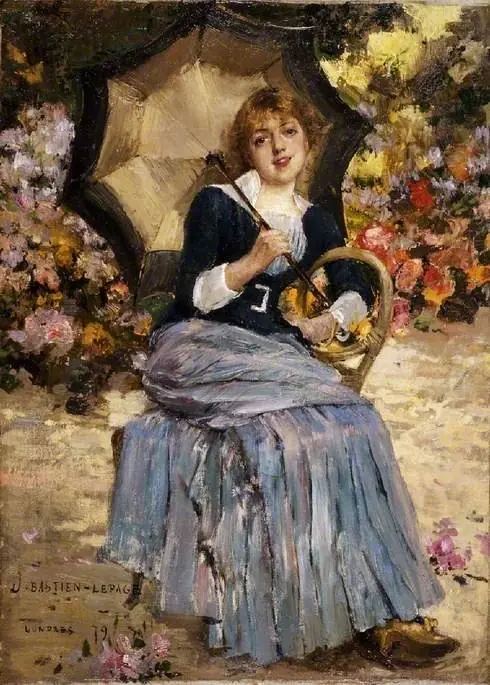 Girl with a sunshade
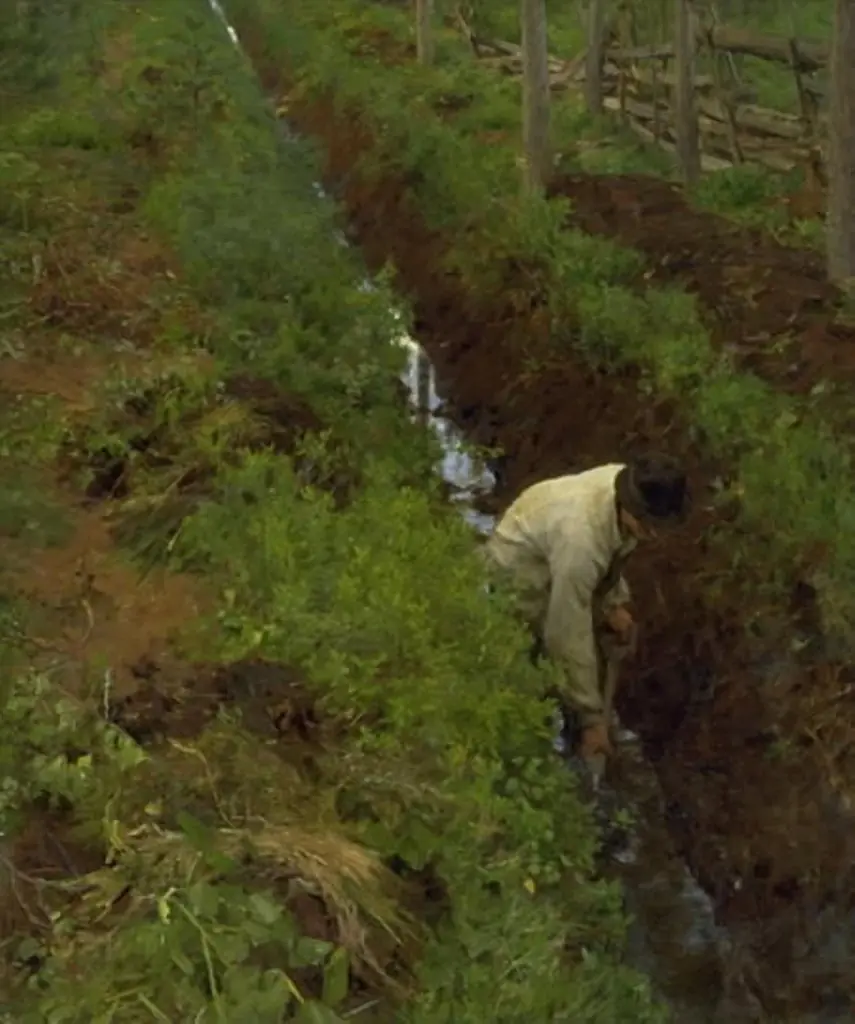 Dredging a Ditch
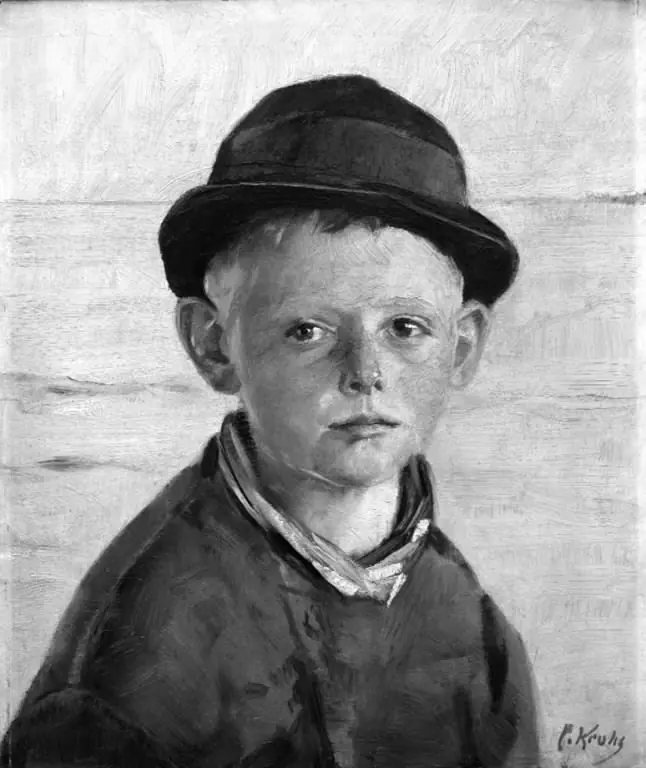 Fisher Boy by the Sea, Evening Sun
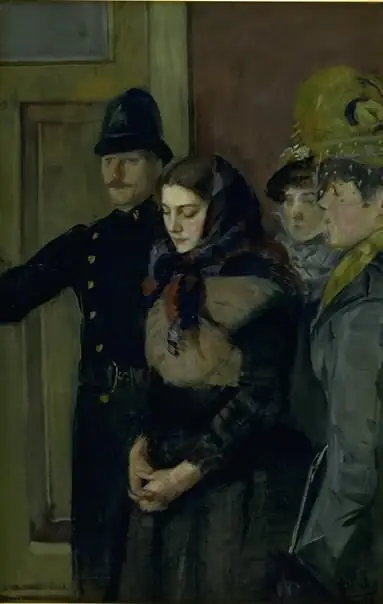 Albertine
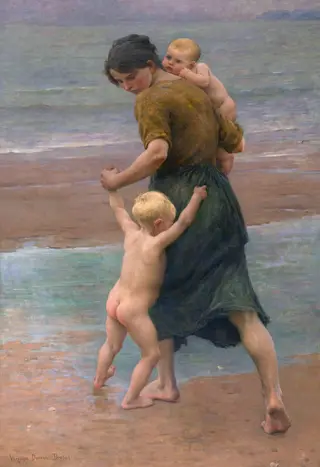 Into the Water!
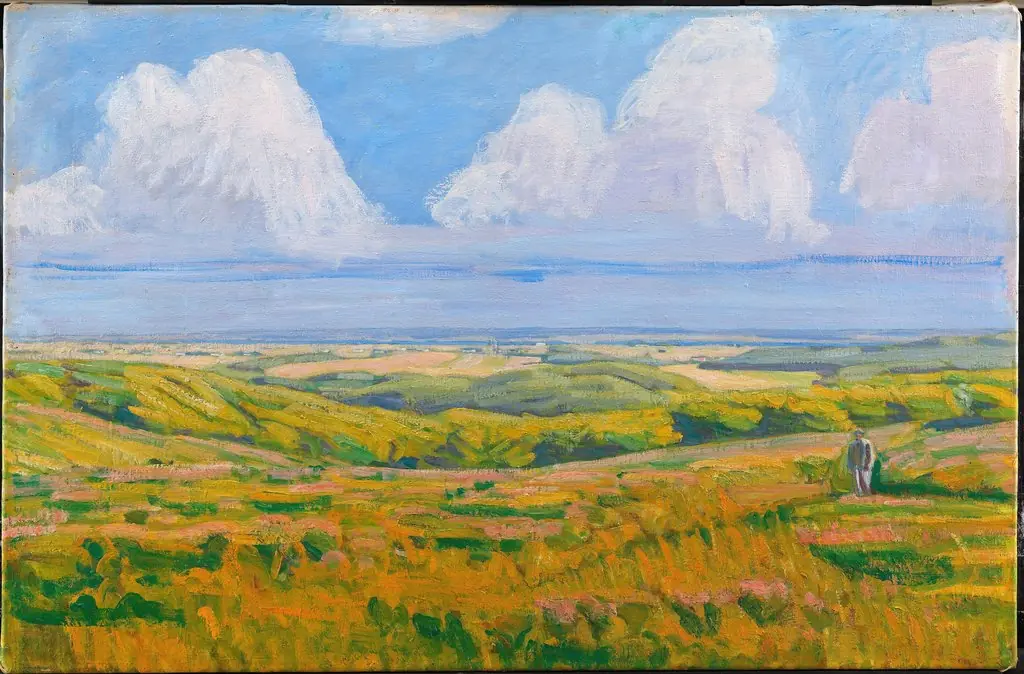 View from Korsdalen. Hammer Hills
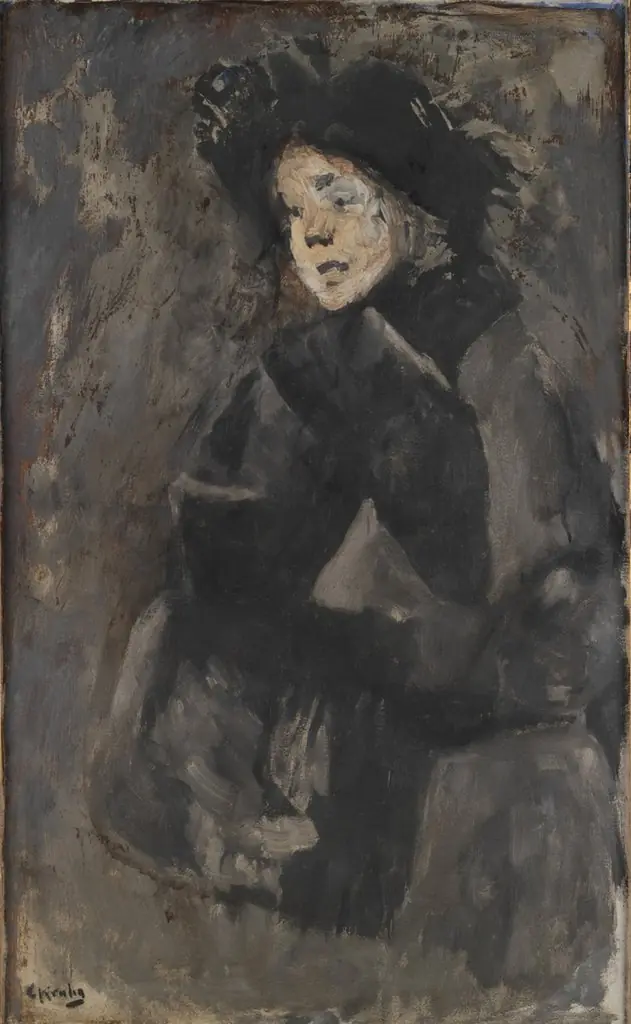 Sigrun
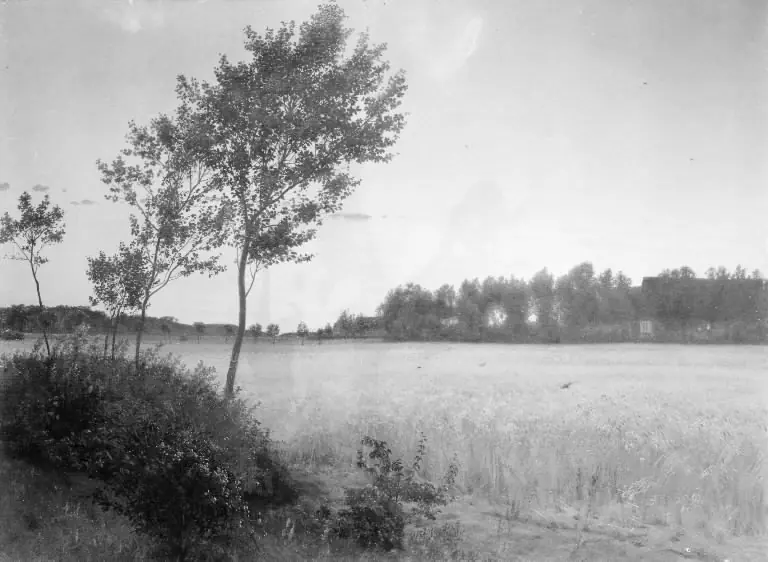 Juniaften. Landskab ved Rørvig
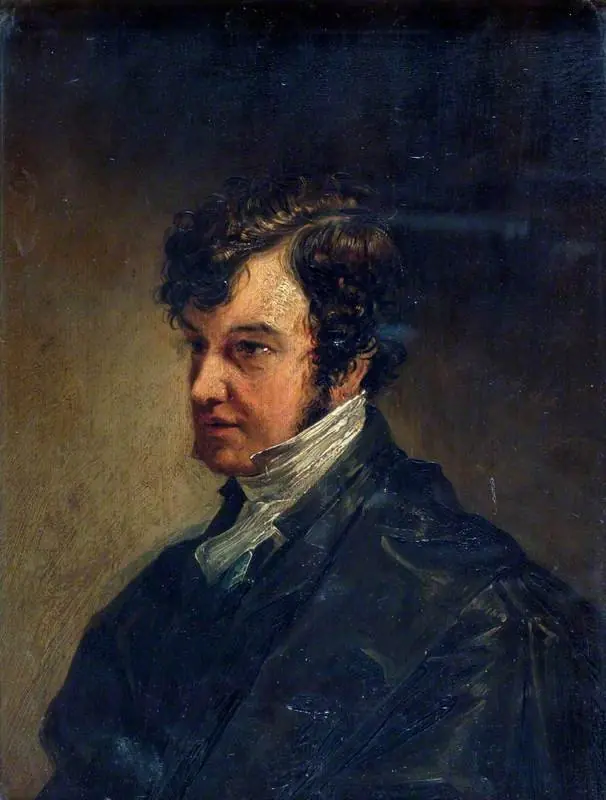 The Reverend William Harness (1790–1869)
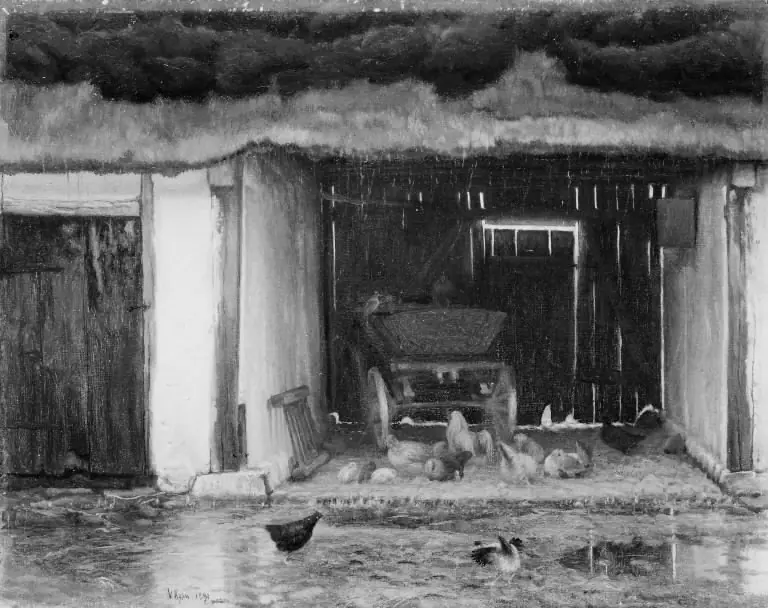 Regnvejr i bondegården
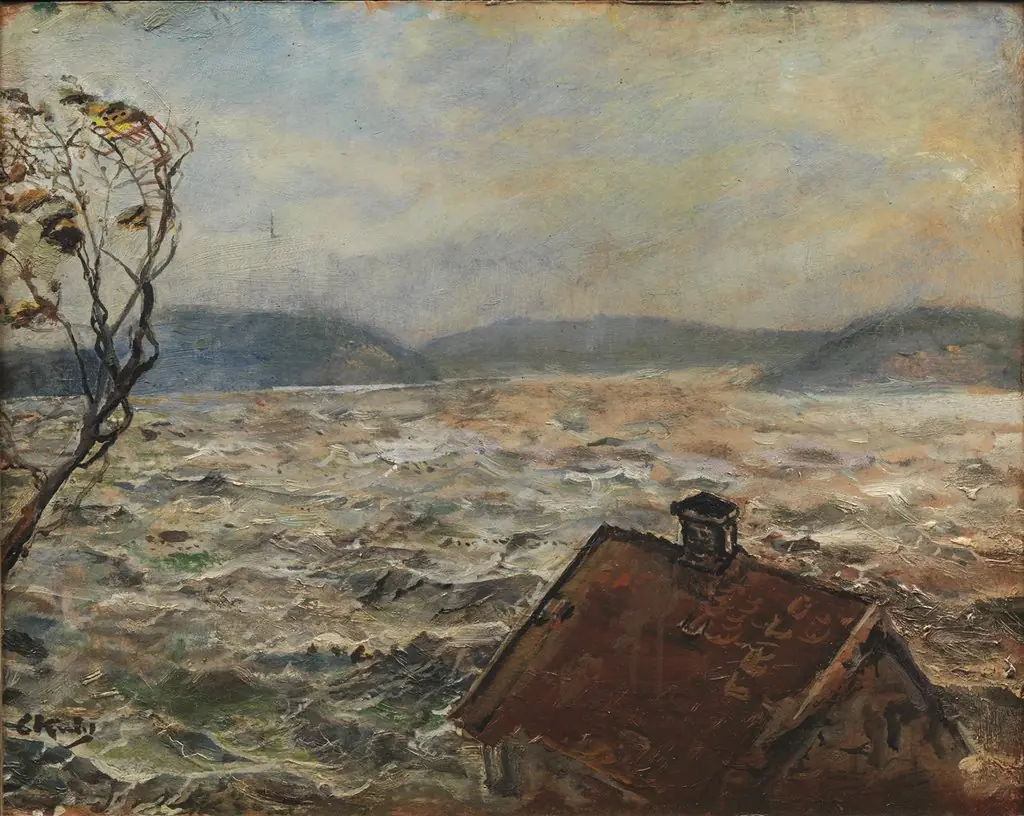 View from Bjelkeviken
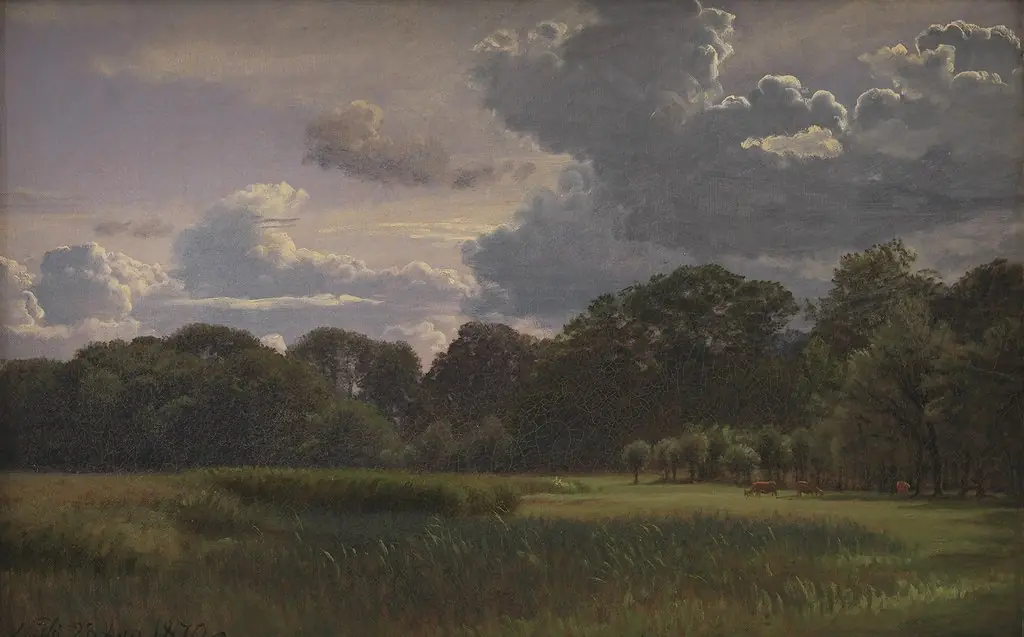 Optrækkende tordenbyge over Nysø Have og Fribedet
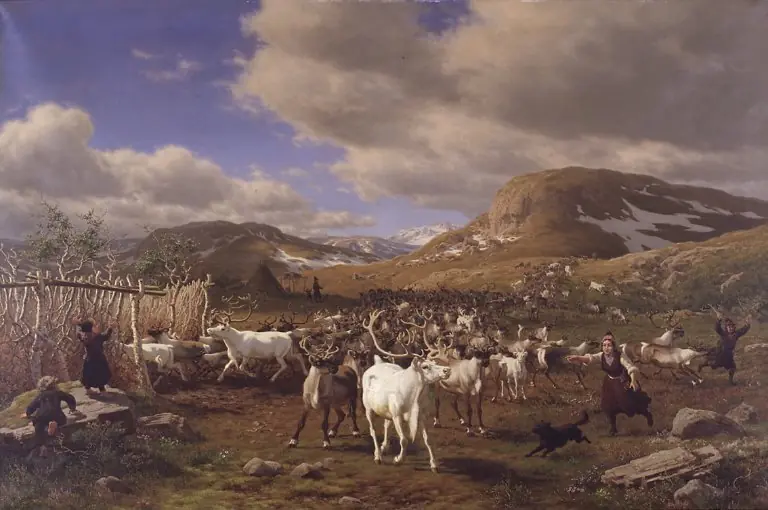 A reindeer herd is driven to the milking parlor. Motif from the high mountains north of Røros
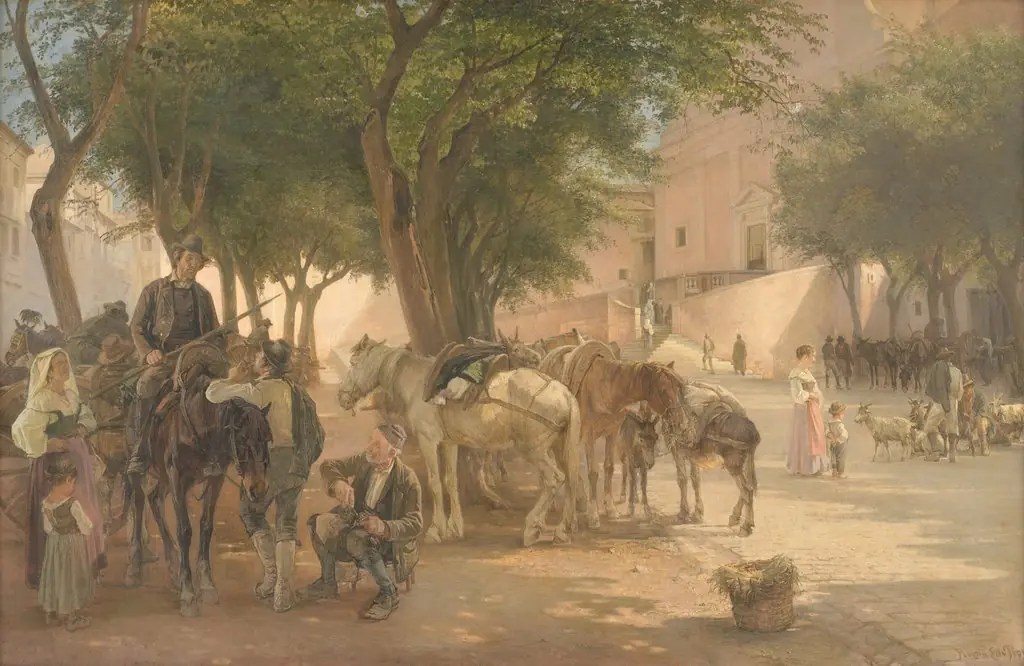 At the Capuchin Monastery in Rome
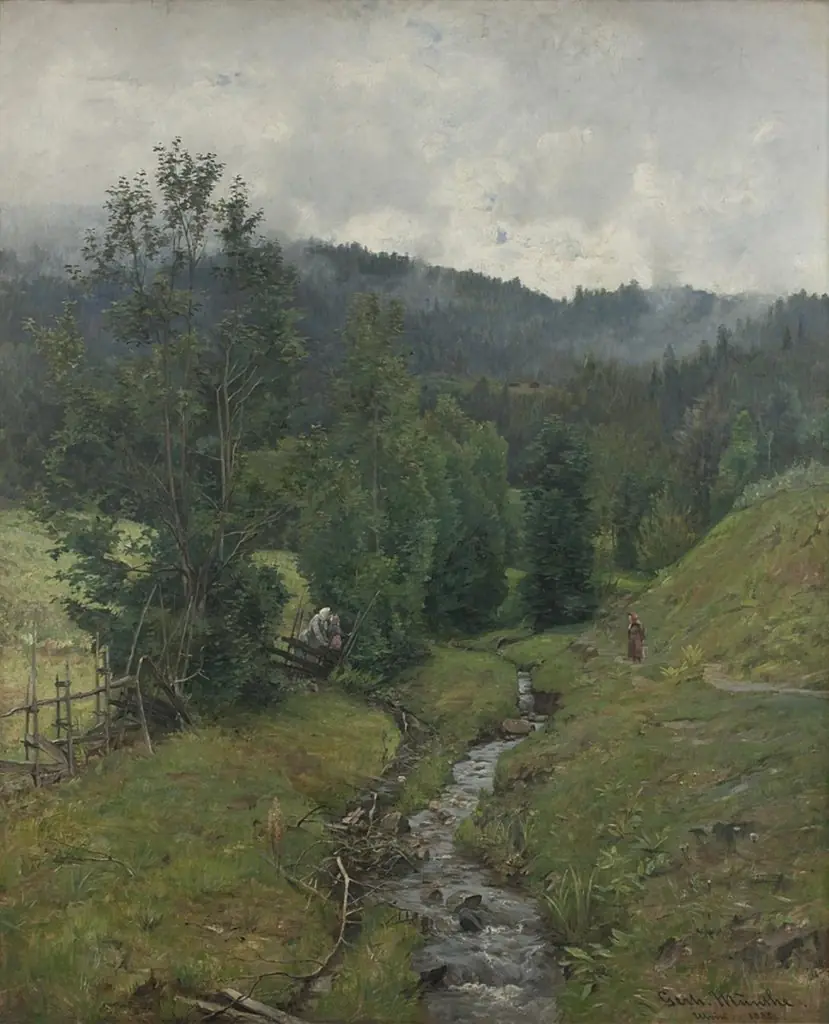 After the Rain, motif from Eidsvold
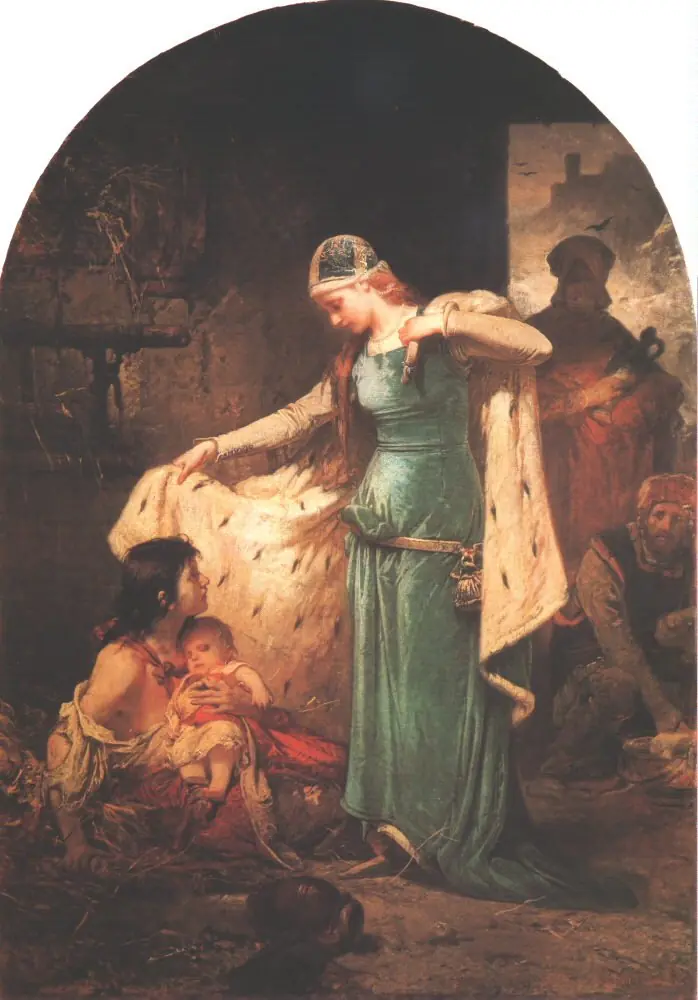 Saint Elizabeth of Hungary
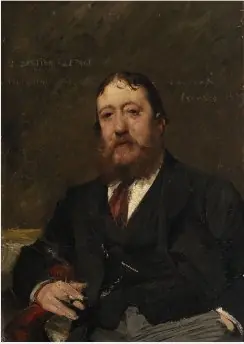 Portrait of Carlo Pellegrini, Caricaturist
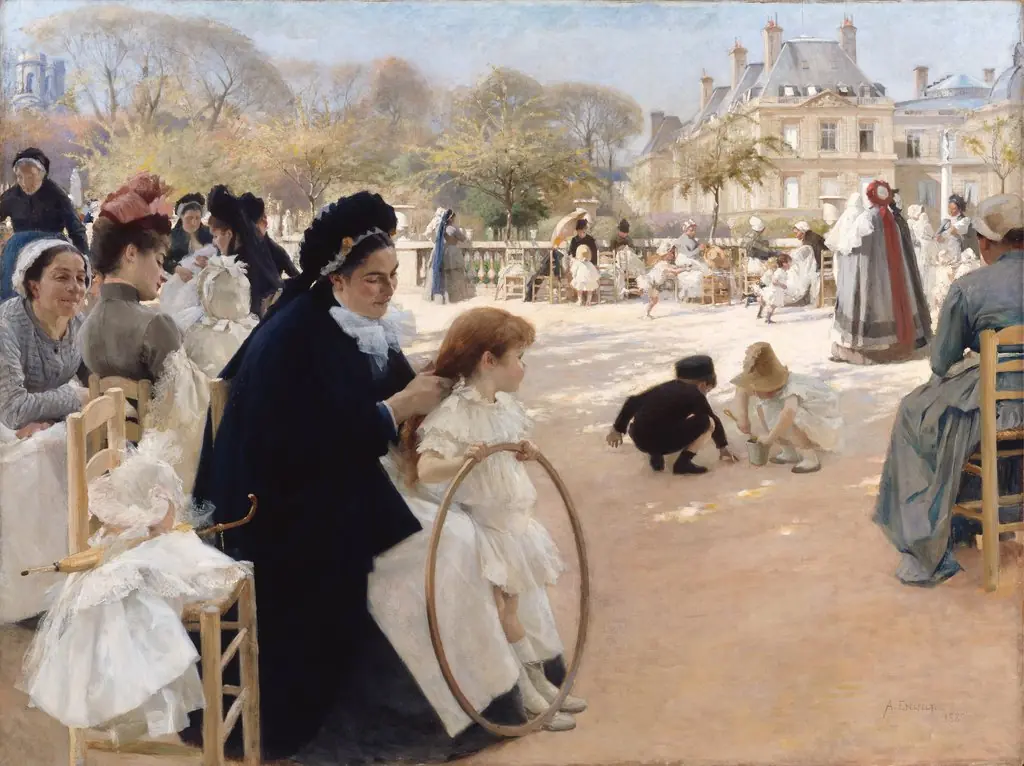 The Luxembourg Gardens, Paris
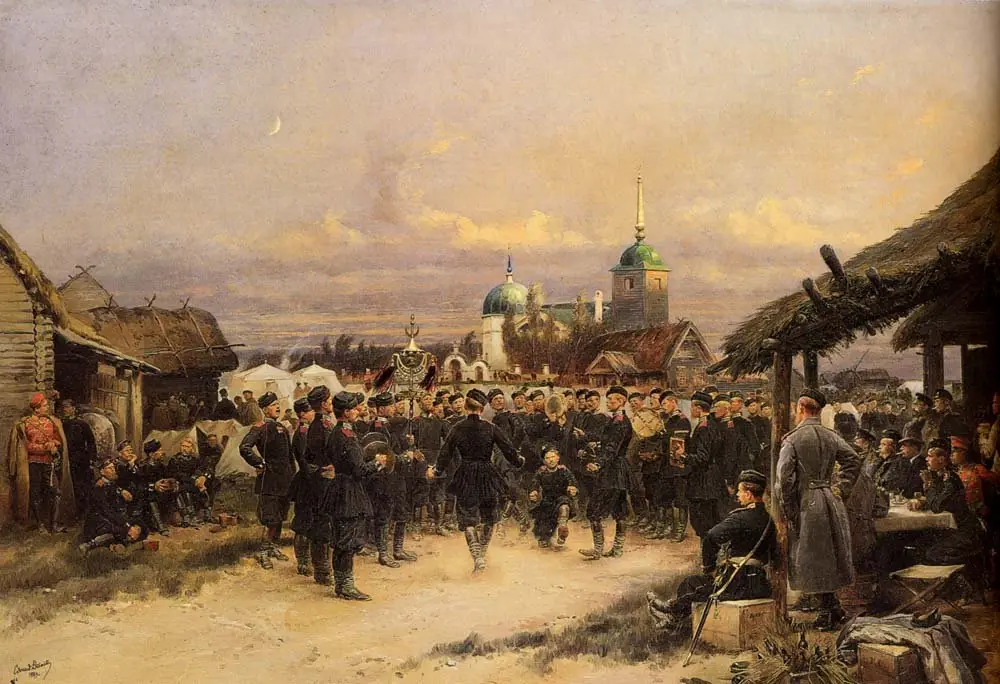 Singer of the 4th Rifle Battalion at Tsarskoe Selo
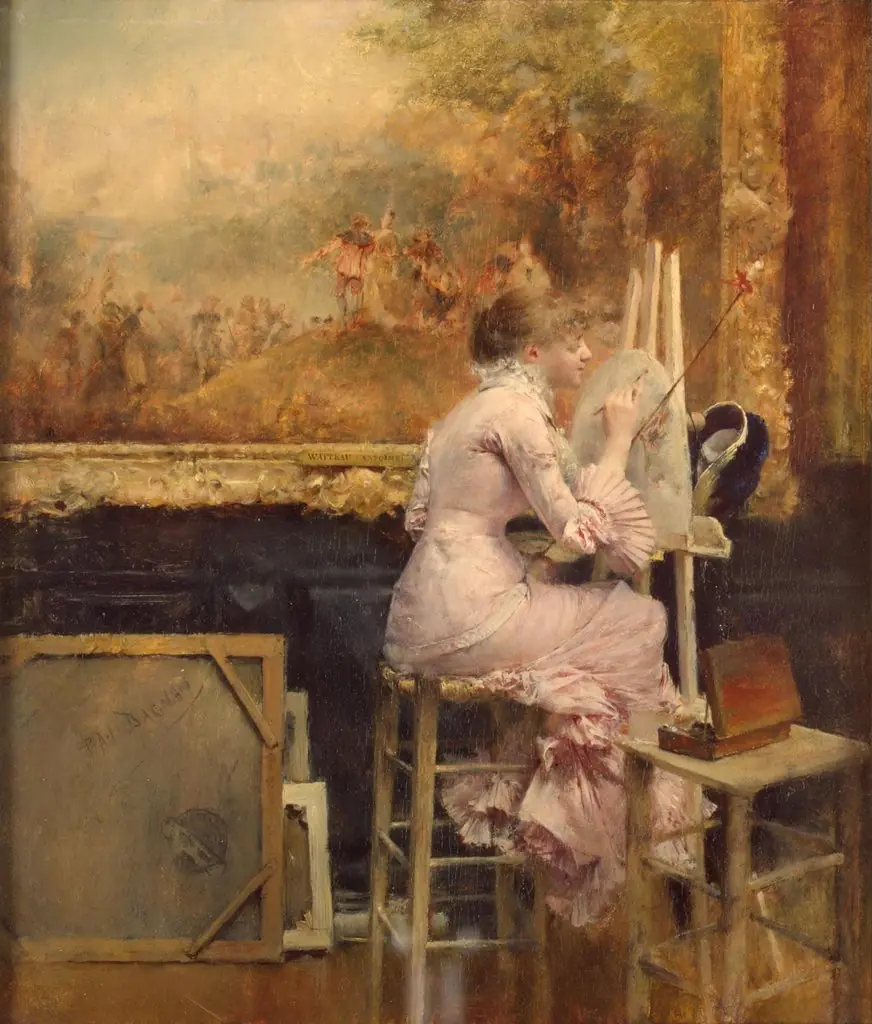 Watercolourist in the Louvre
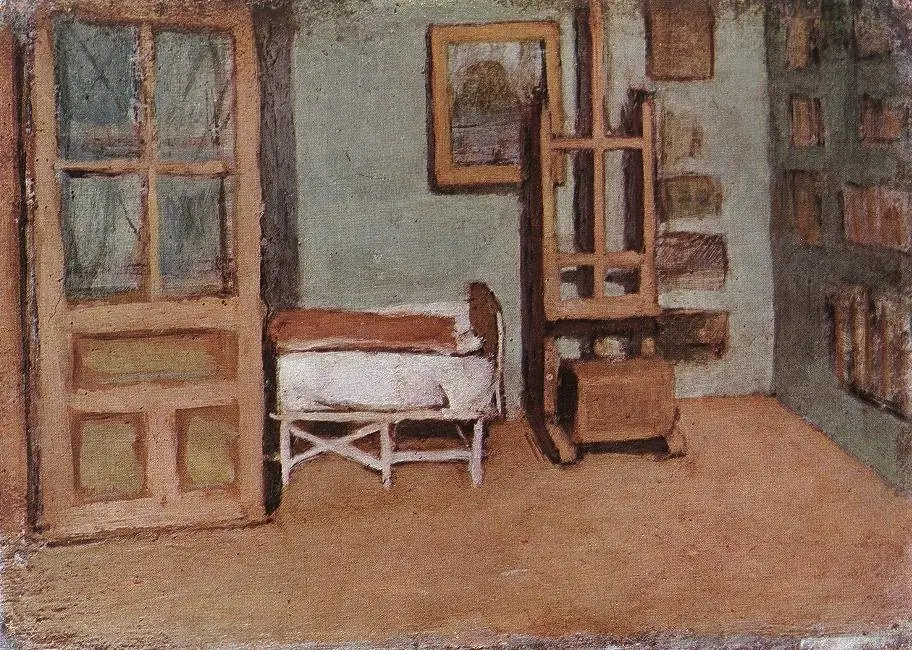 Studio
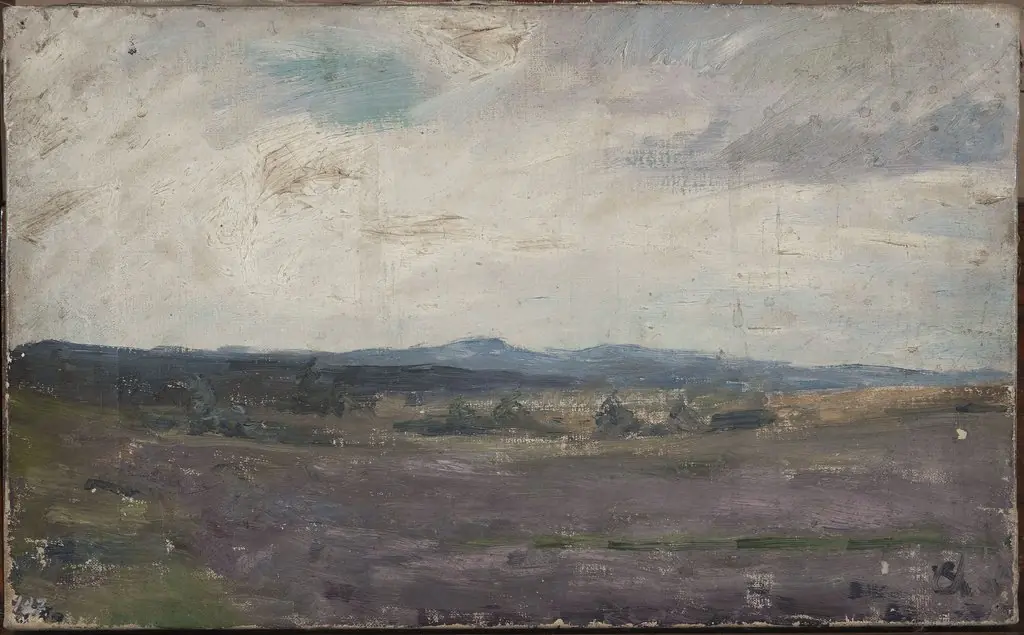 Landscape in Finland /?/
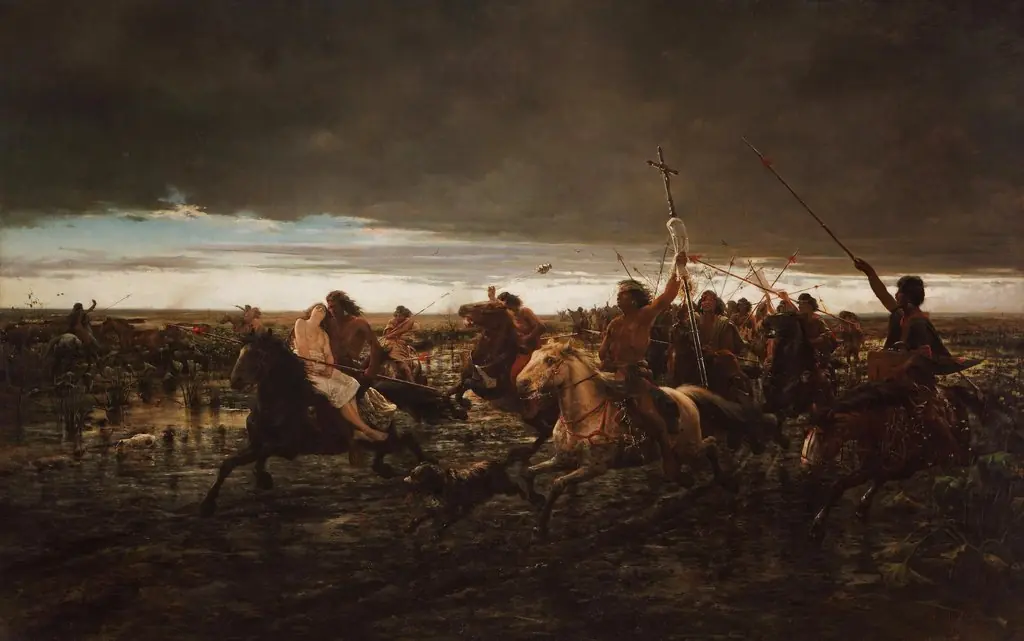 La vuelta del malón
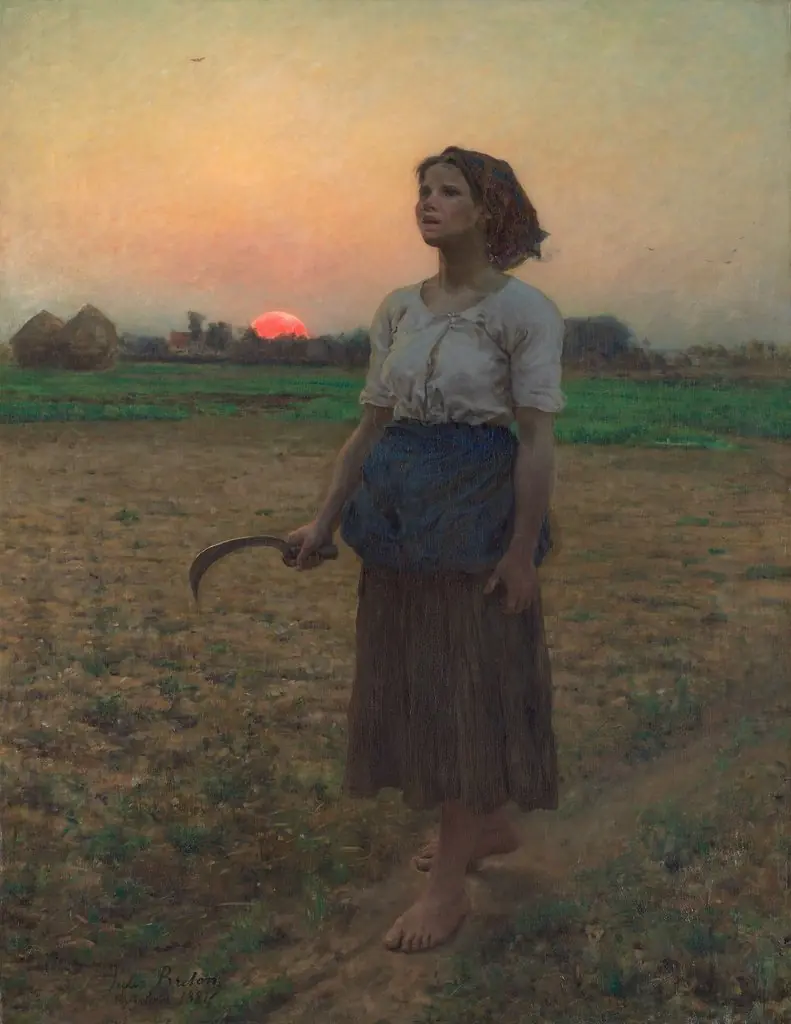 The Song of the Lark
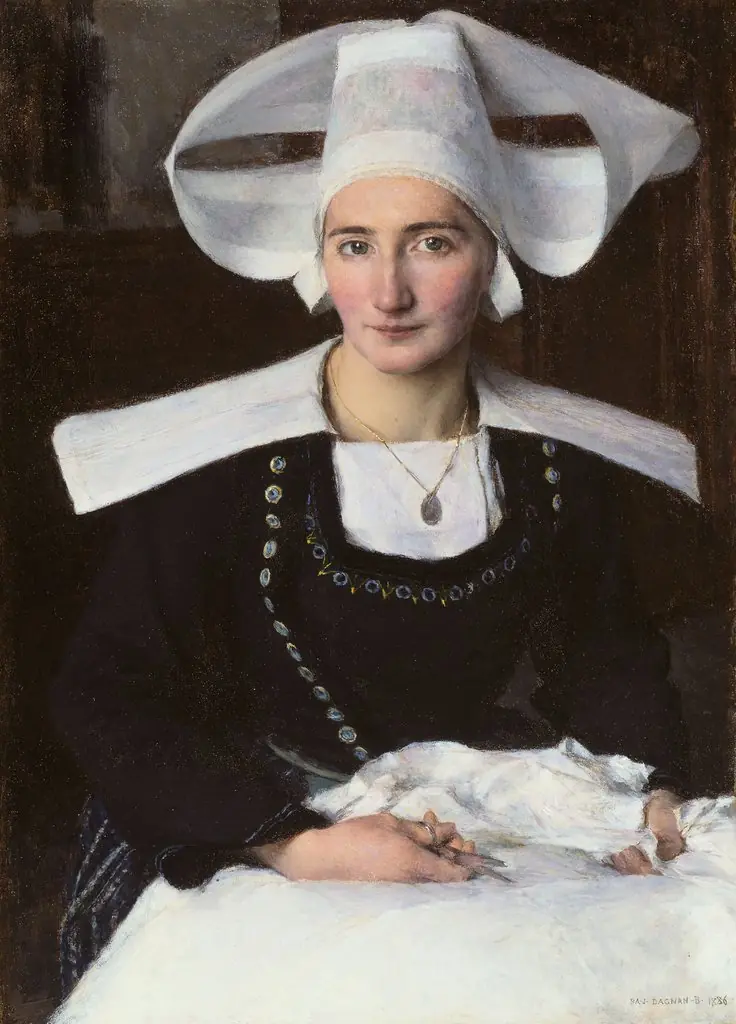 Woman from Brittany
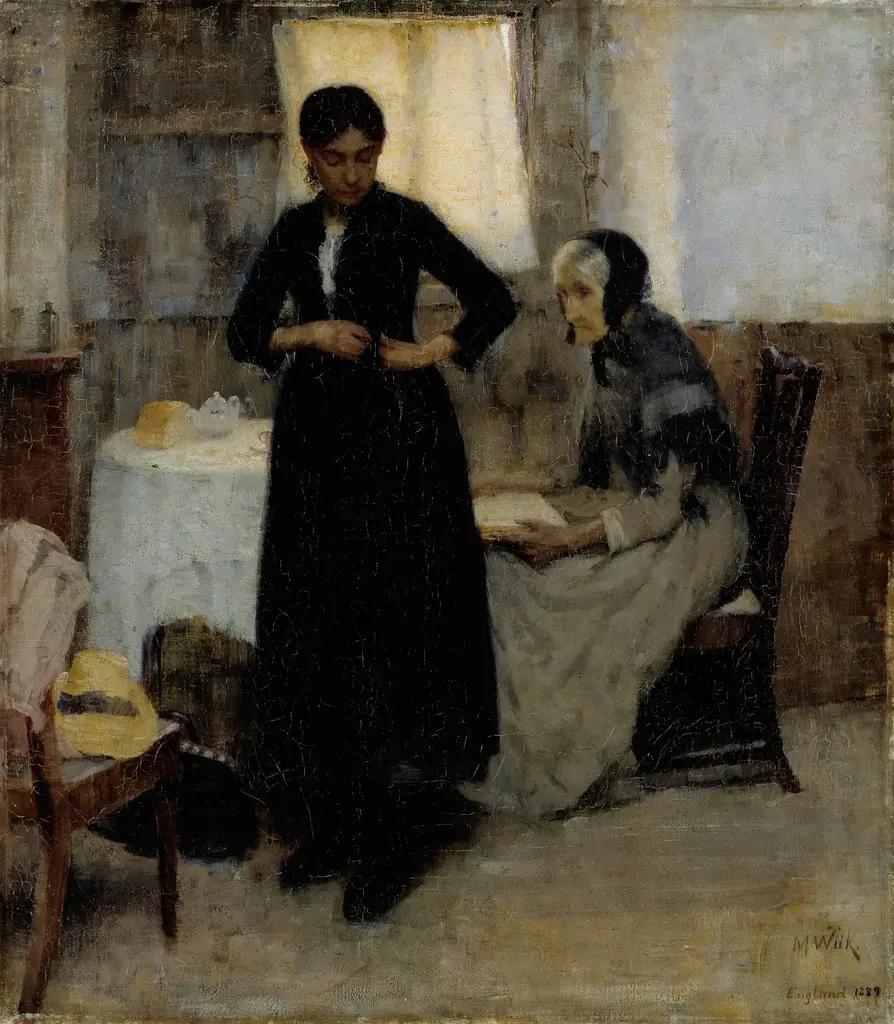 Out into the World
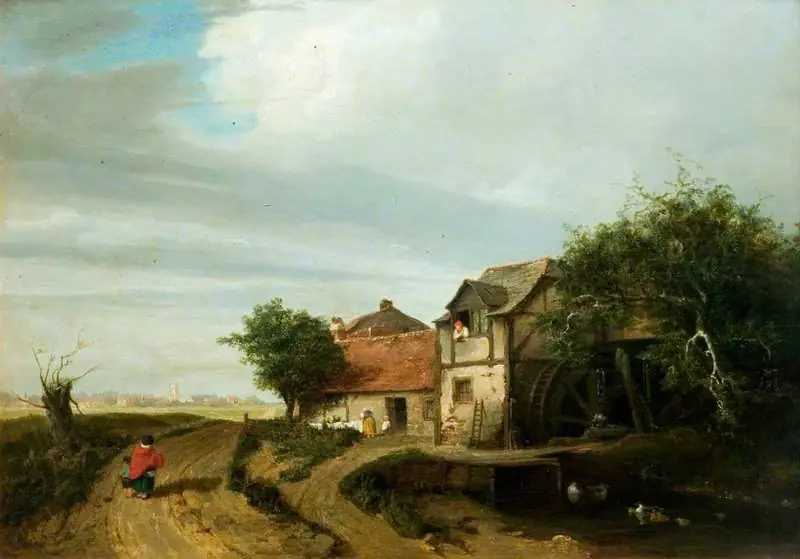 Landscape with a Cottage and a Water-Wheel
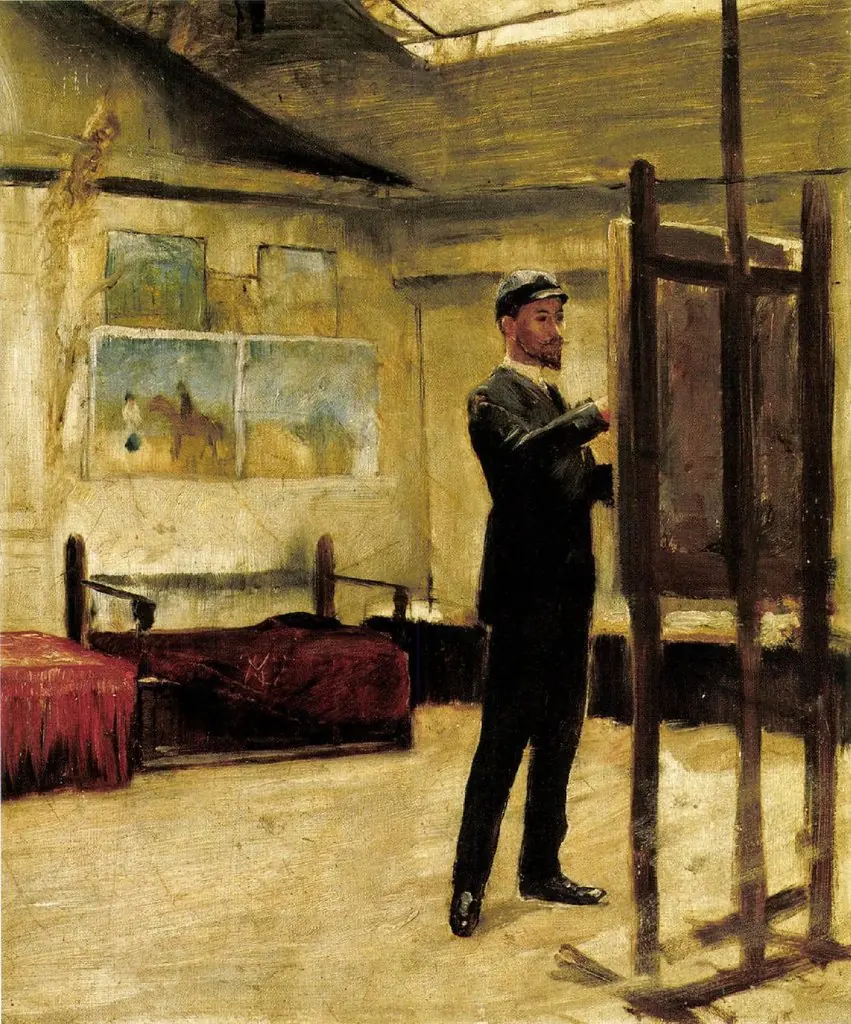 Self-portrait in the Studio
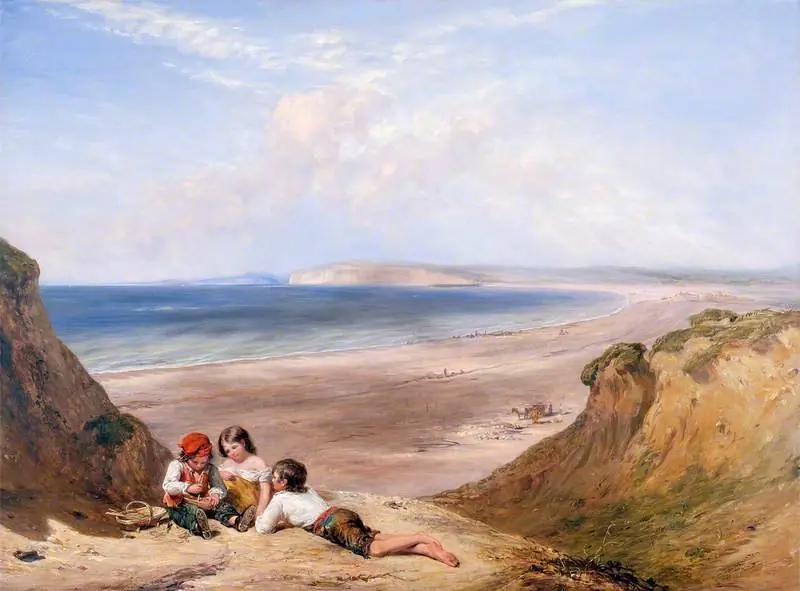 Seaford, Sussex
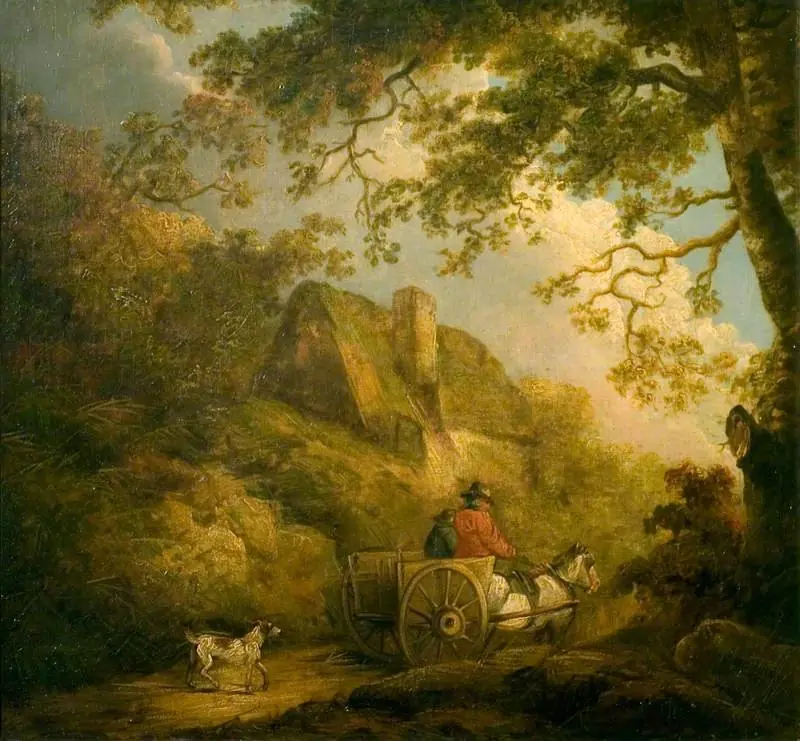 Landscape and a Cottage
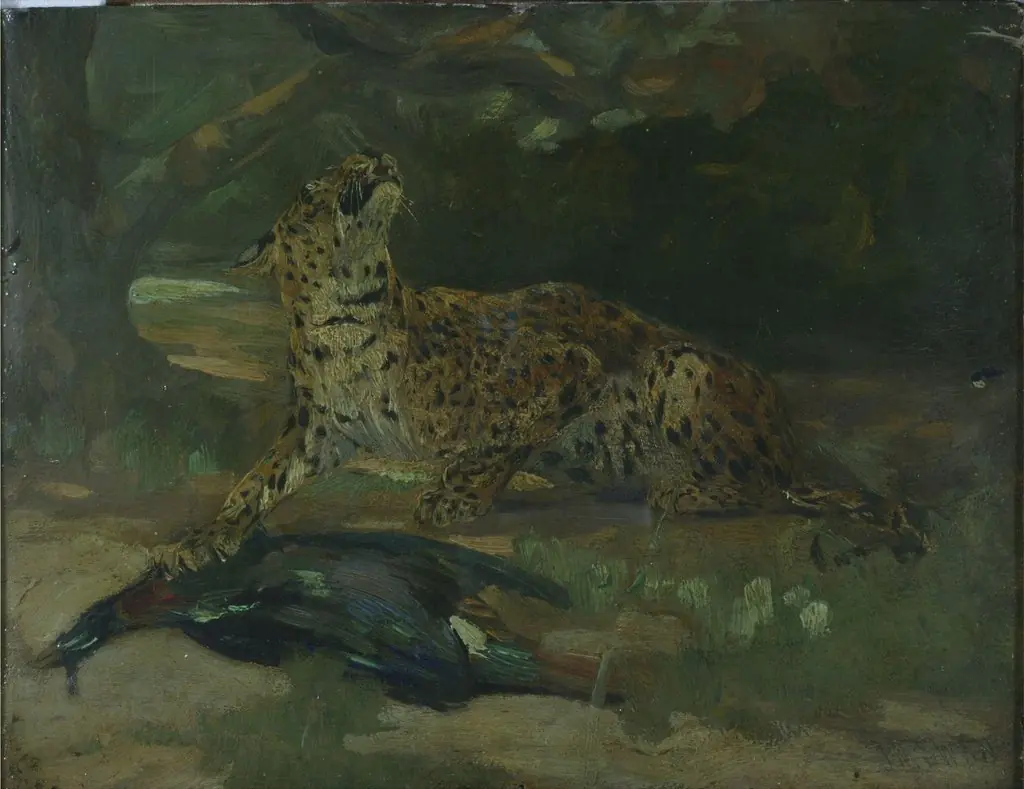 Leopard and Bird
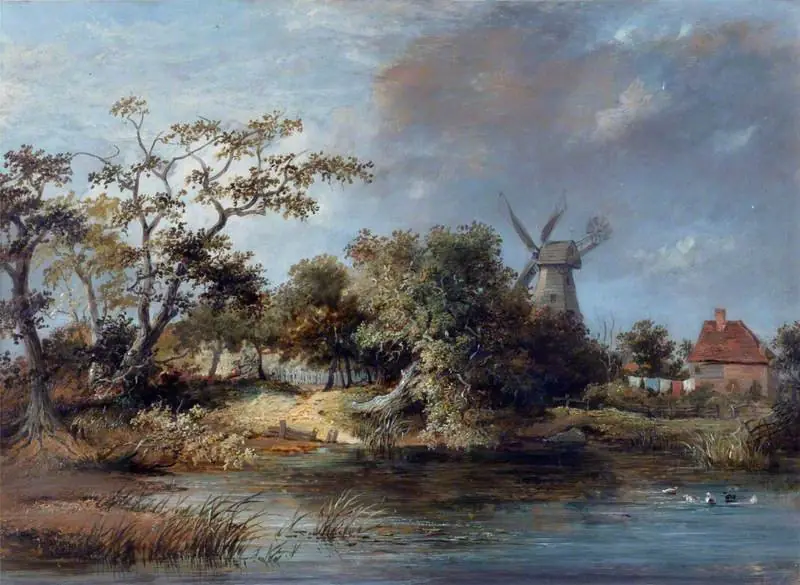 Ponds and a Windmill, Hastings
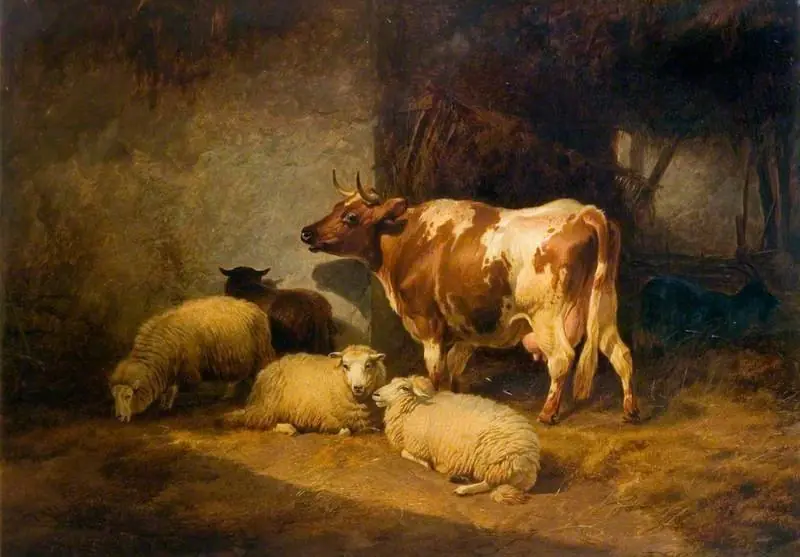 A Cow and Sheep
 Cows in a Landscape
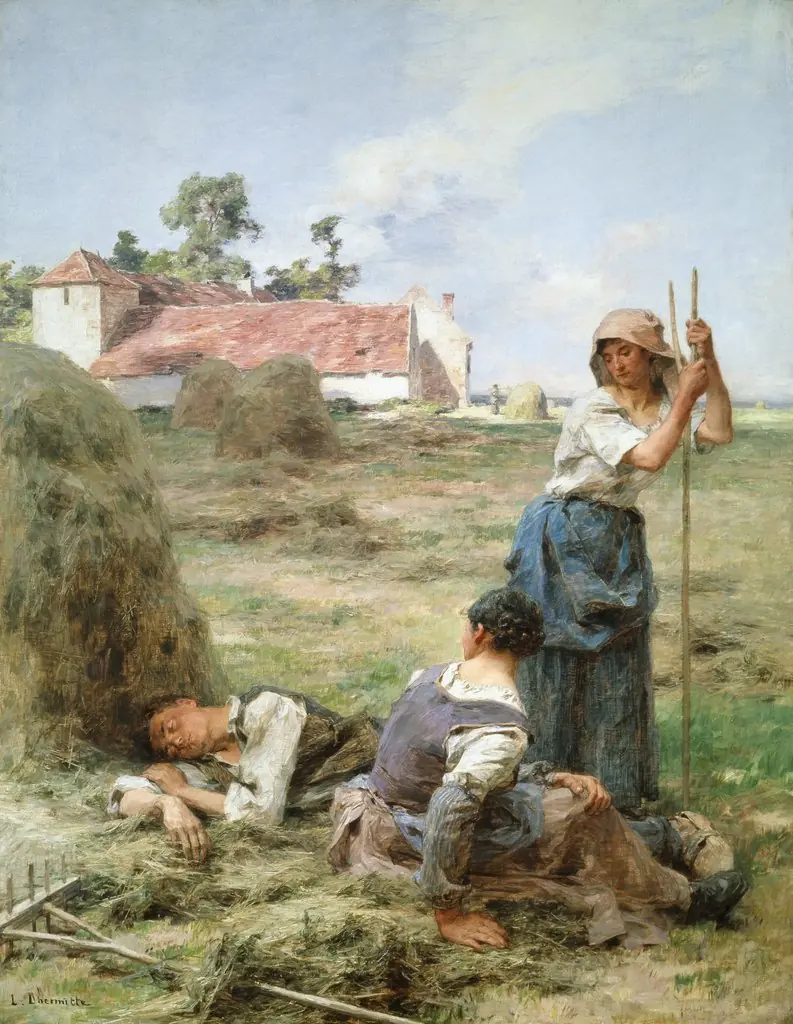 Harvesters at Rest
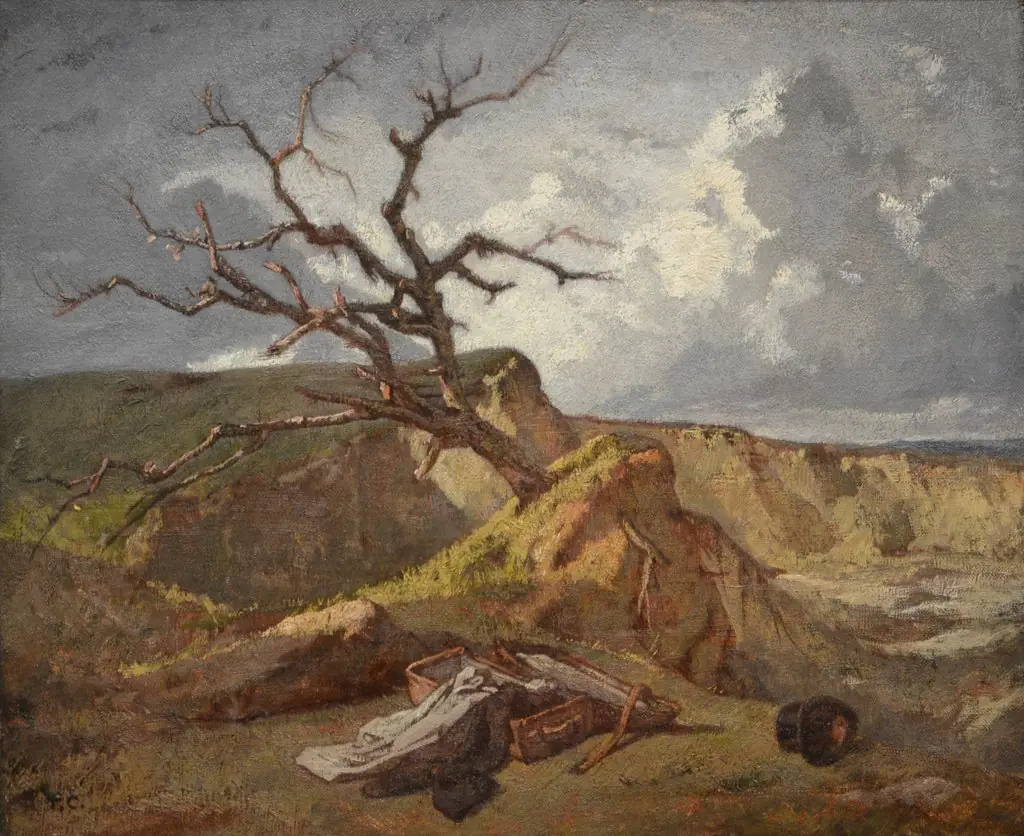 Landscape near the Sea
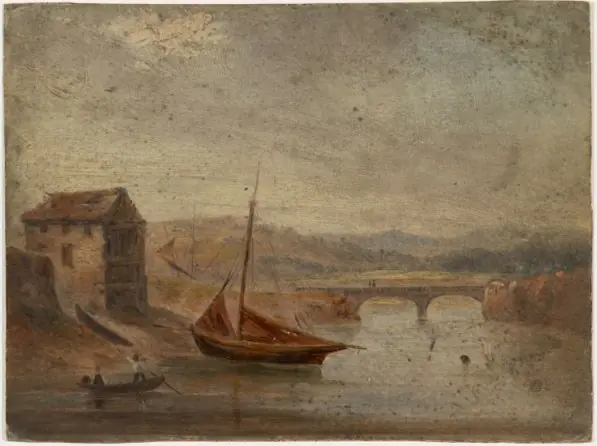 Near Plymouth, Devon
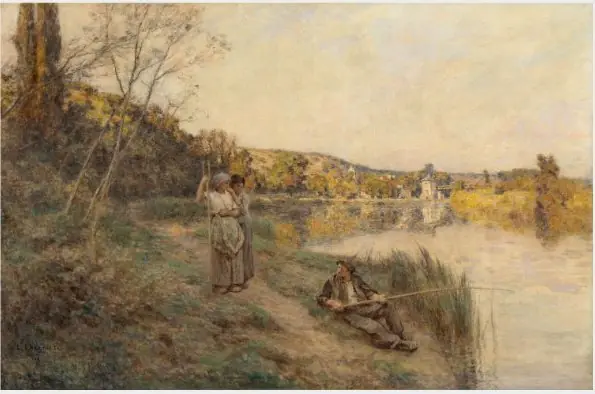 Fin de Belle Journée
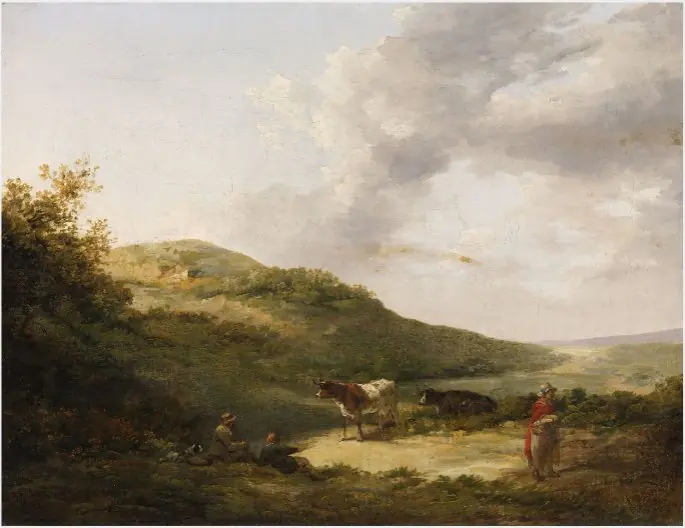 A Landscape with Figures and Cattle
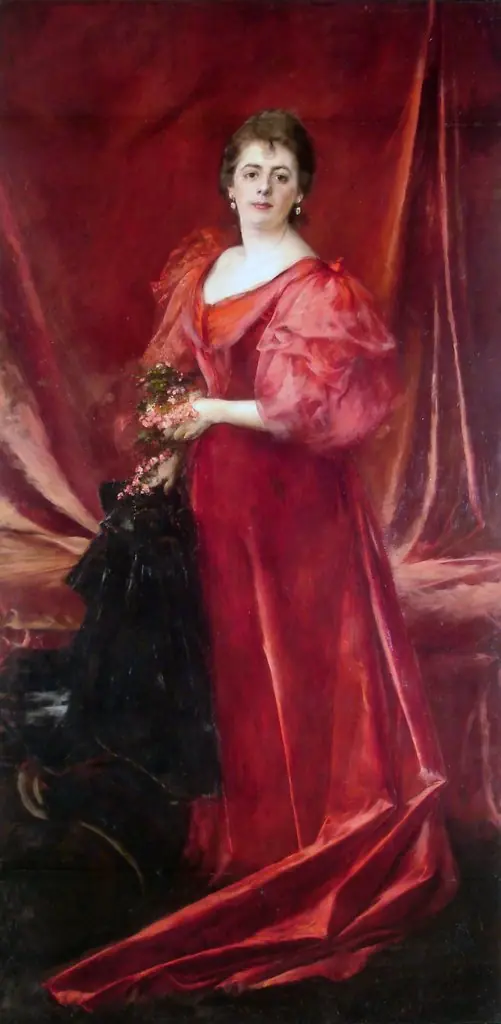 Retrato de la Sra. Maria de la Cárcova de Ferrari
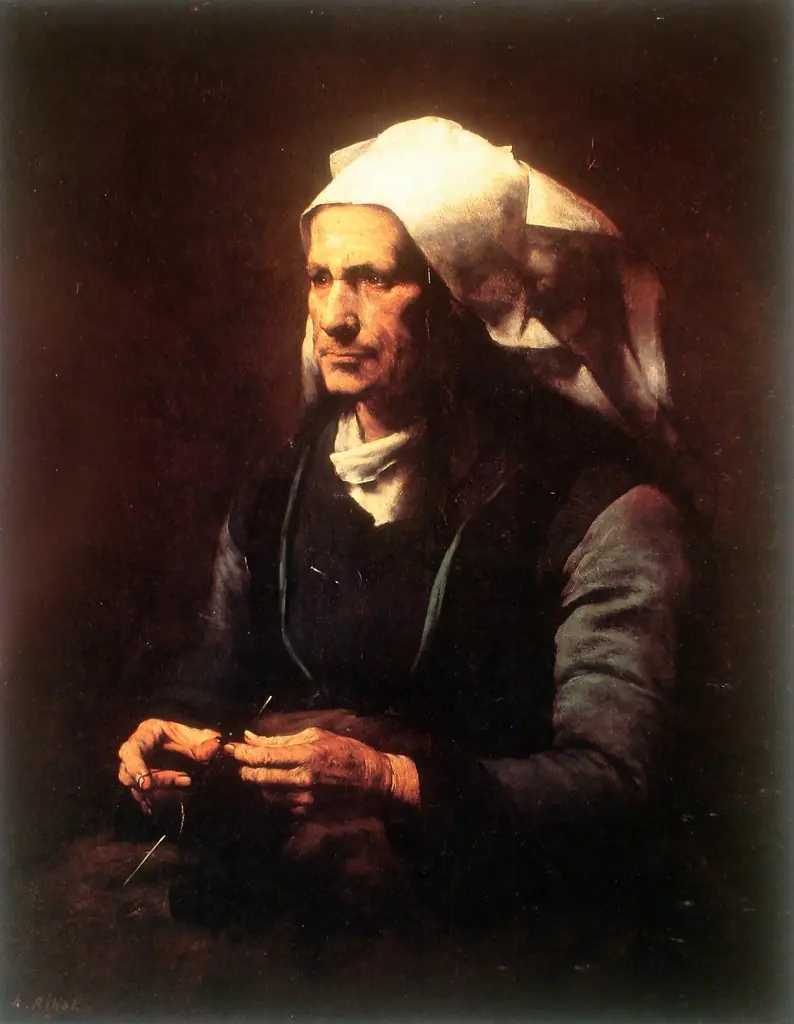 Anciana bretona
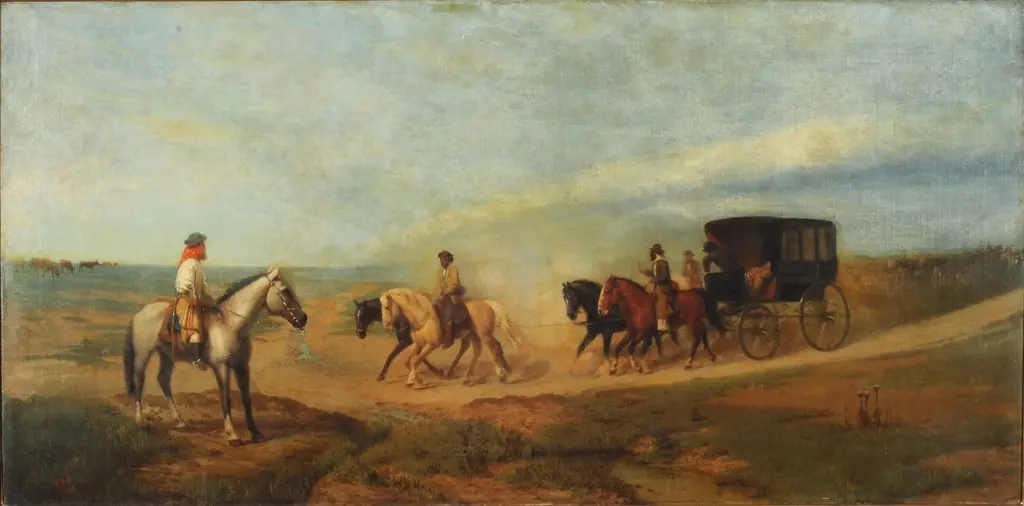 Staying the Walk
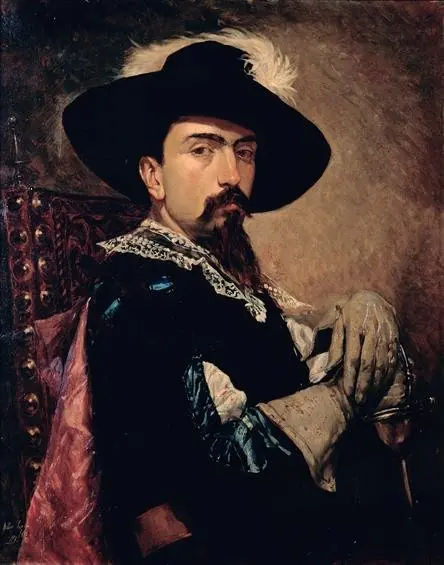 Delfim Guedes, 1st Count of Almedina
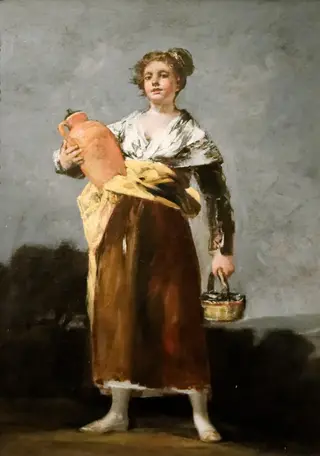 The Water Bearer
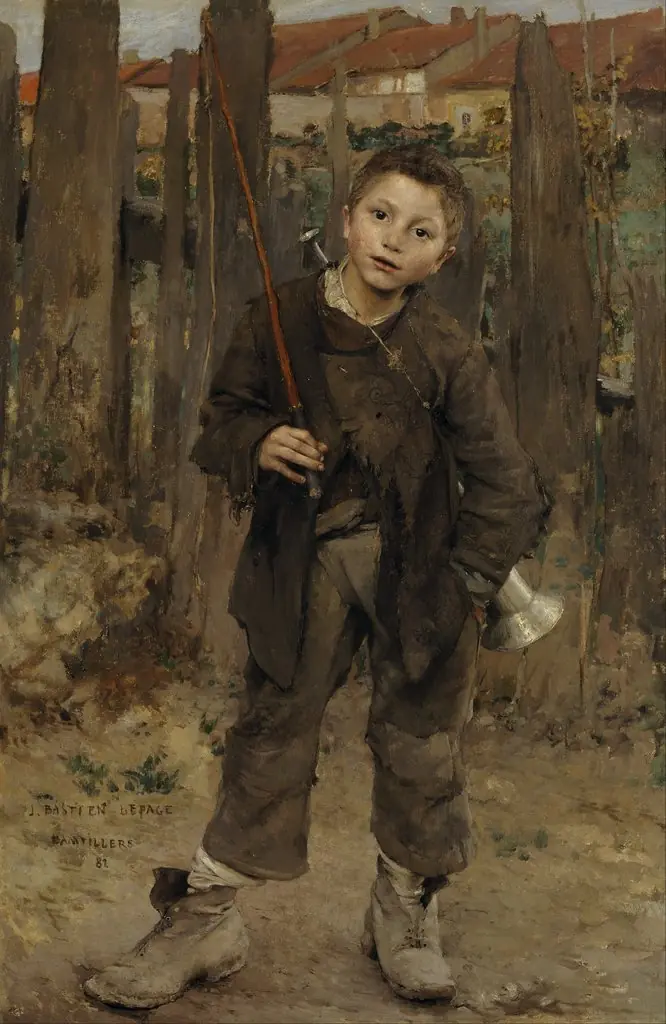 Pas Mèche (Nothing Doing)
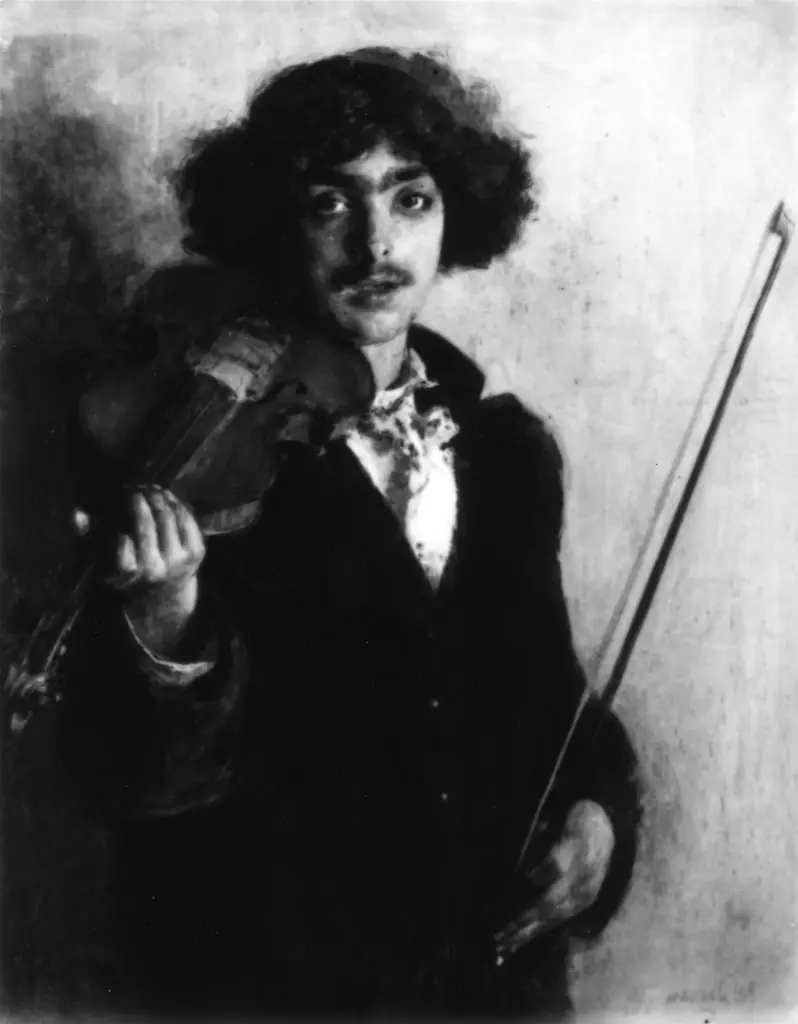 The Musician
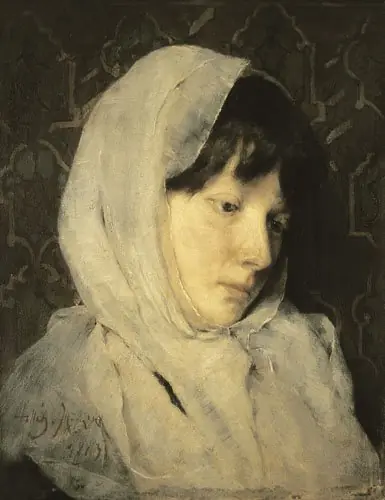 Head of a Girl in Kerchief
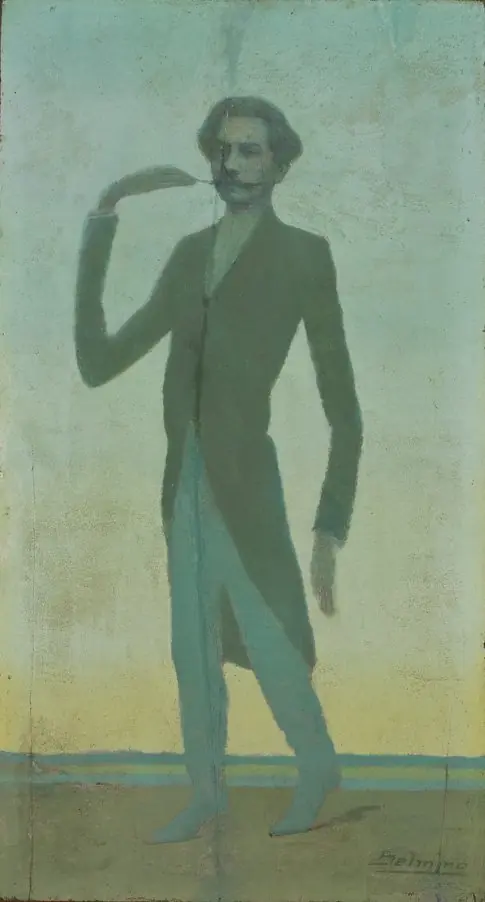 The Poet Alberto de Oliveira
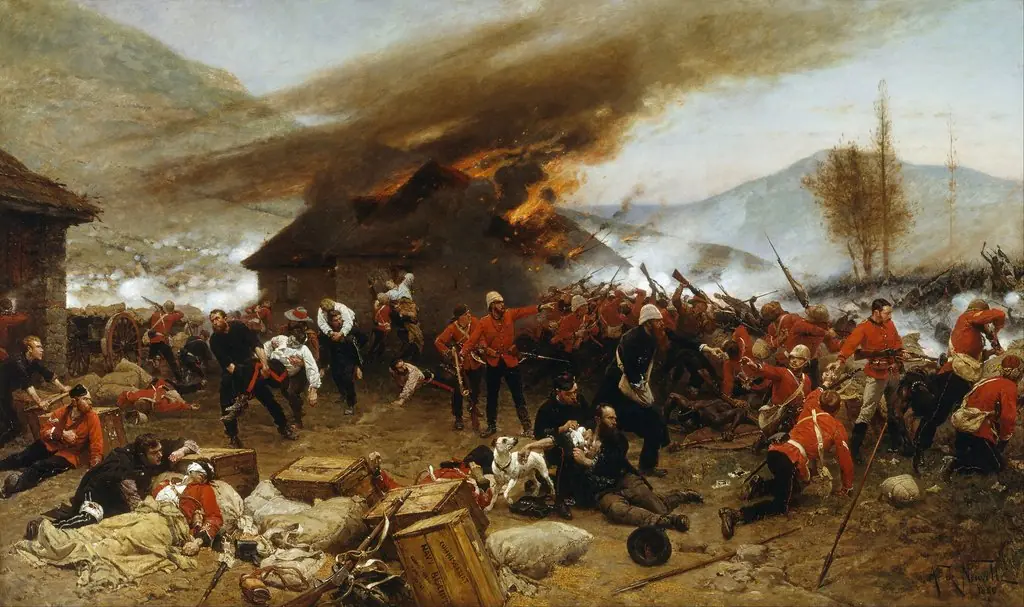 The defence of Rorke's Drift 1879
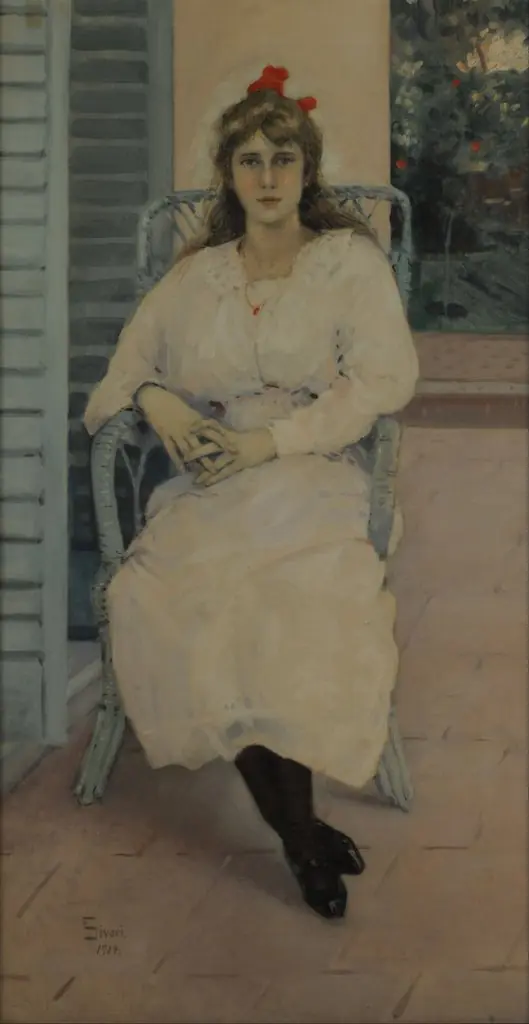 Primavera
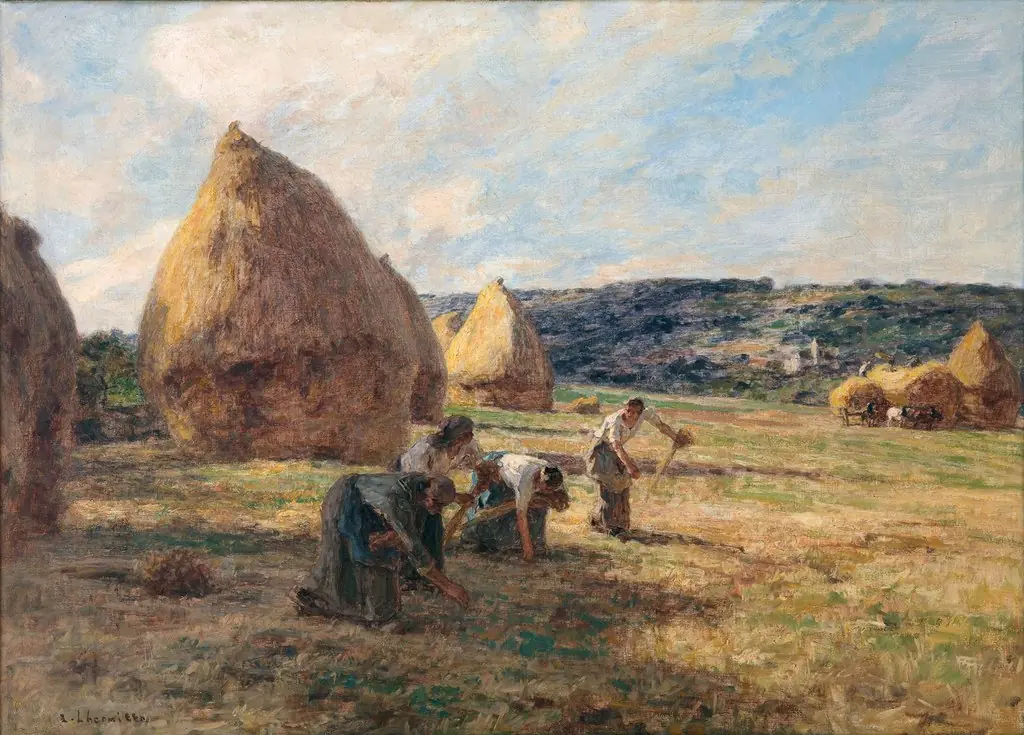 Les Glaneuses (Las espigadoras)
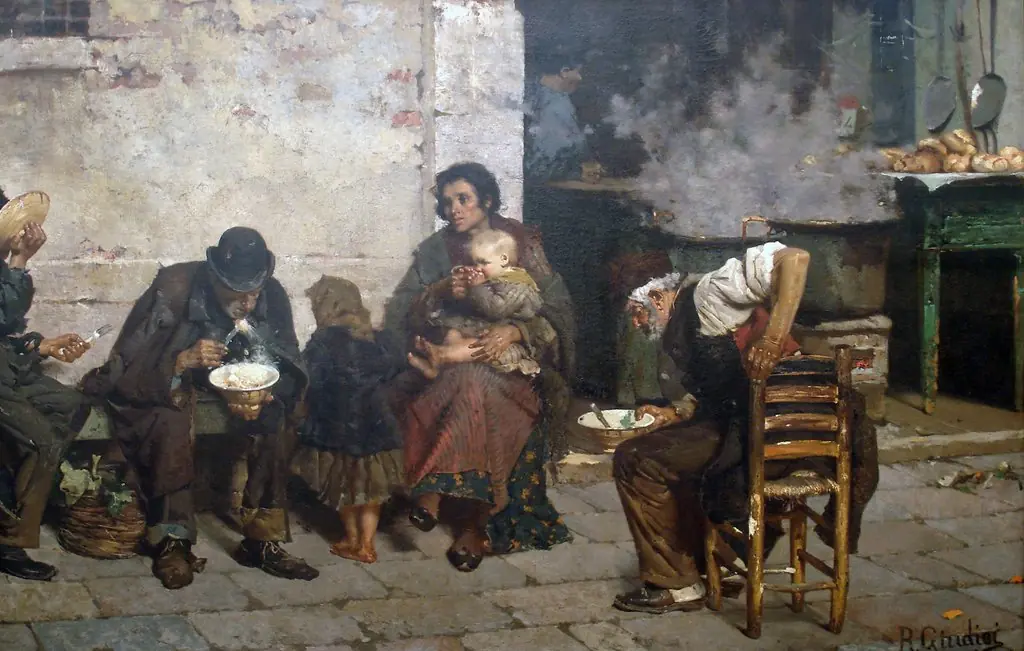 Soup of the poor
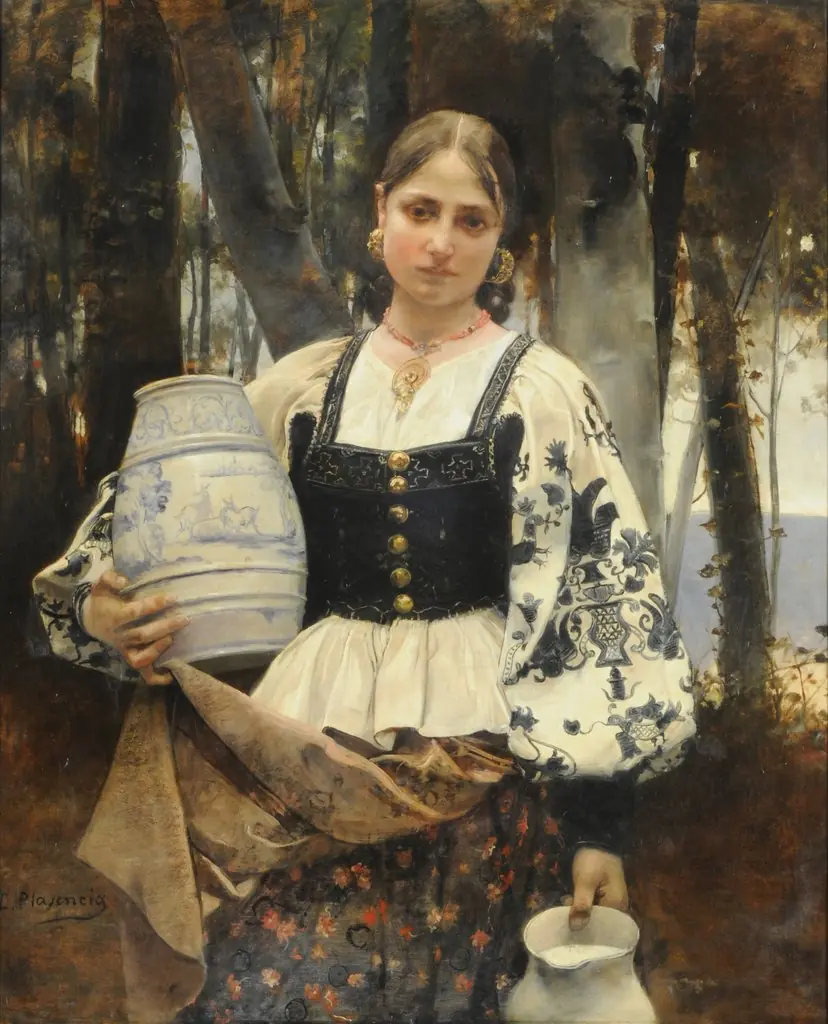 The milkmaid
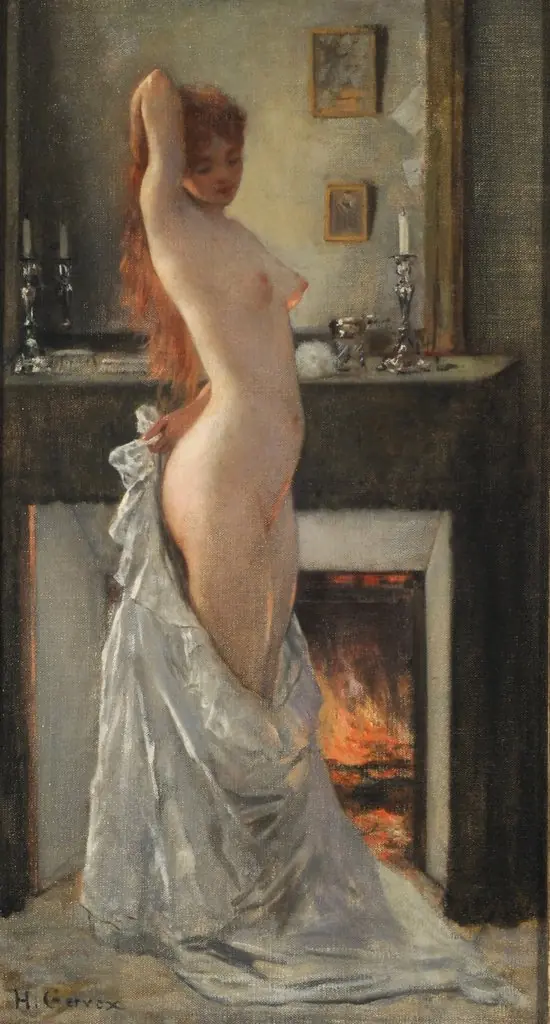 Parisina en su toilette
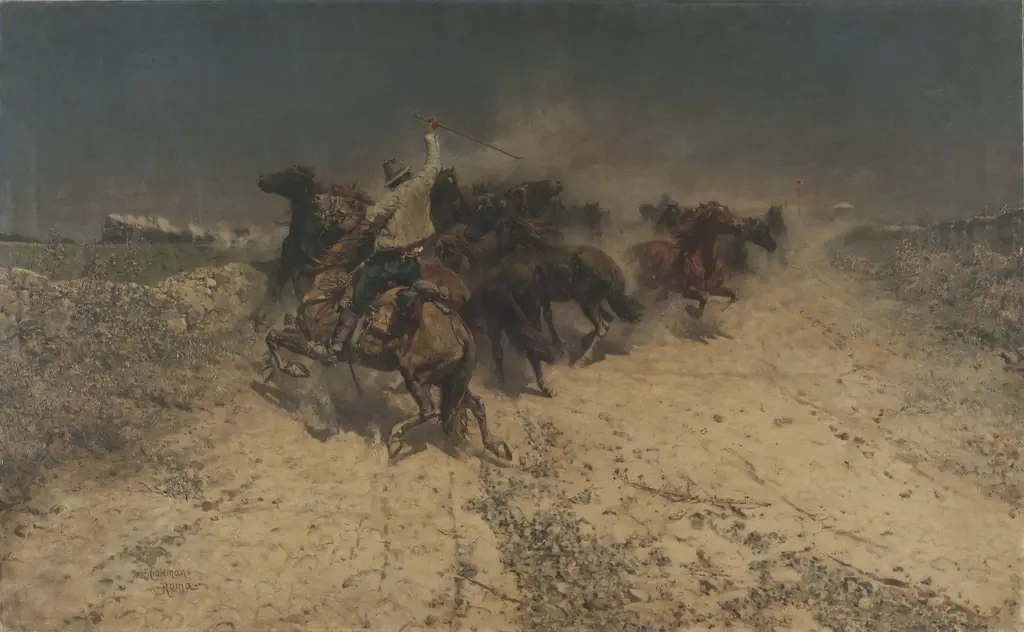 Horses
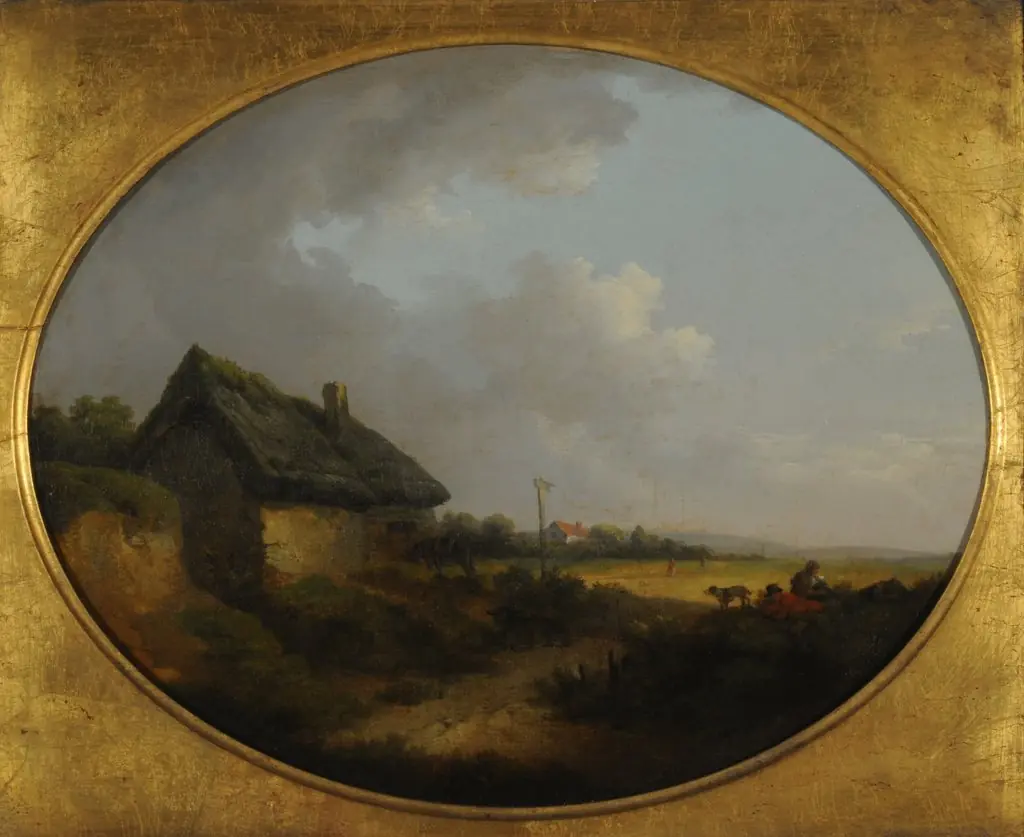 Paisaje
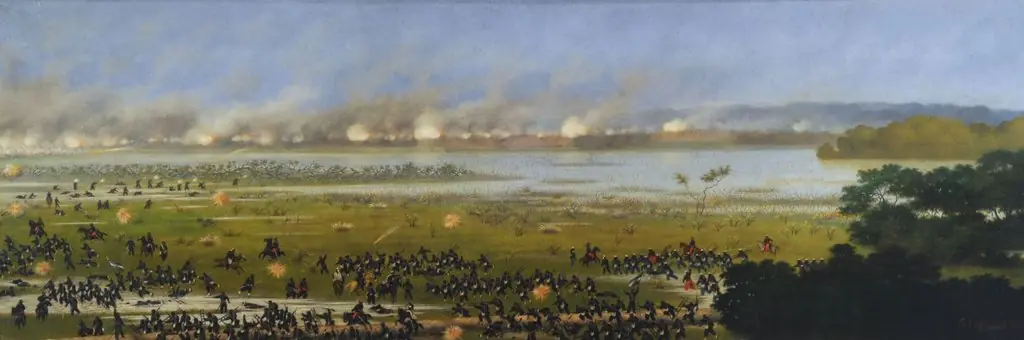 Assault on the 4th column Argentina at the Battle of Curupaity
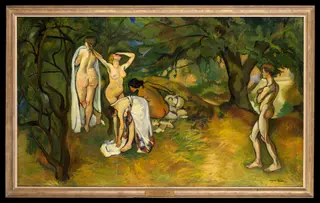
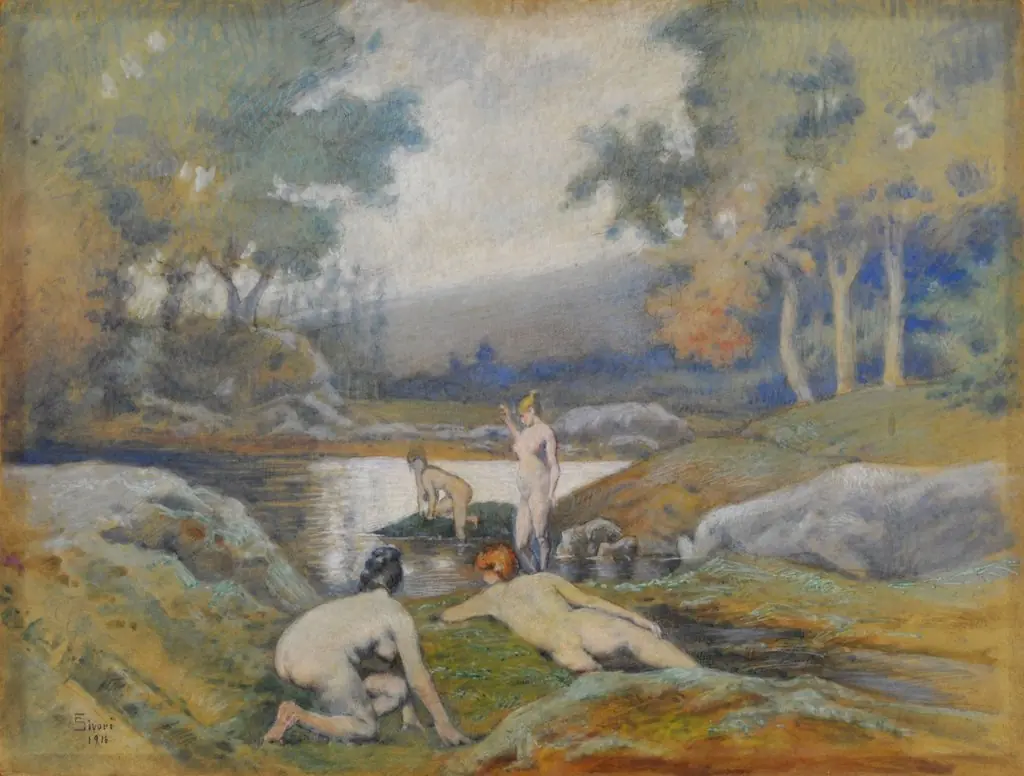 Women bathing
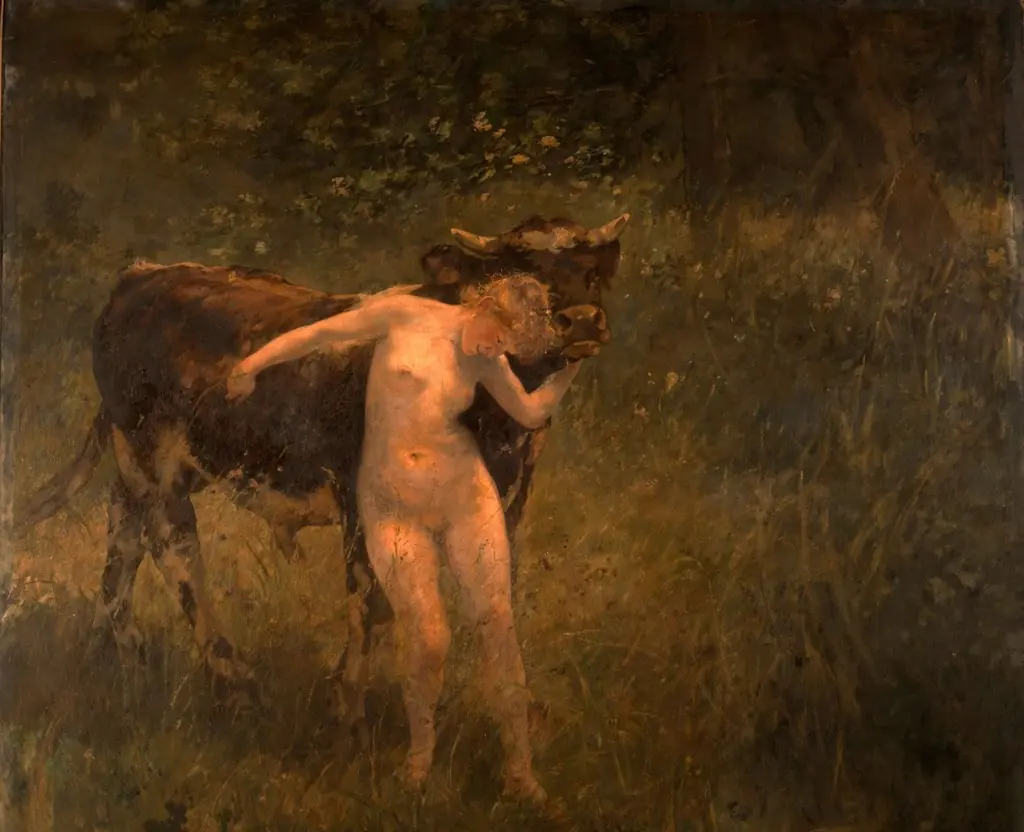 Woman and bull
 The Display on the Return to Dulnon Camp, August 1786
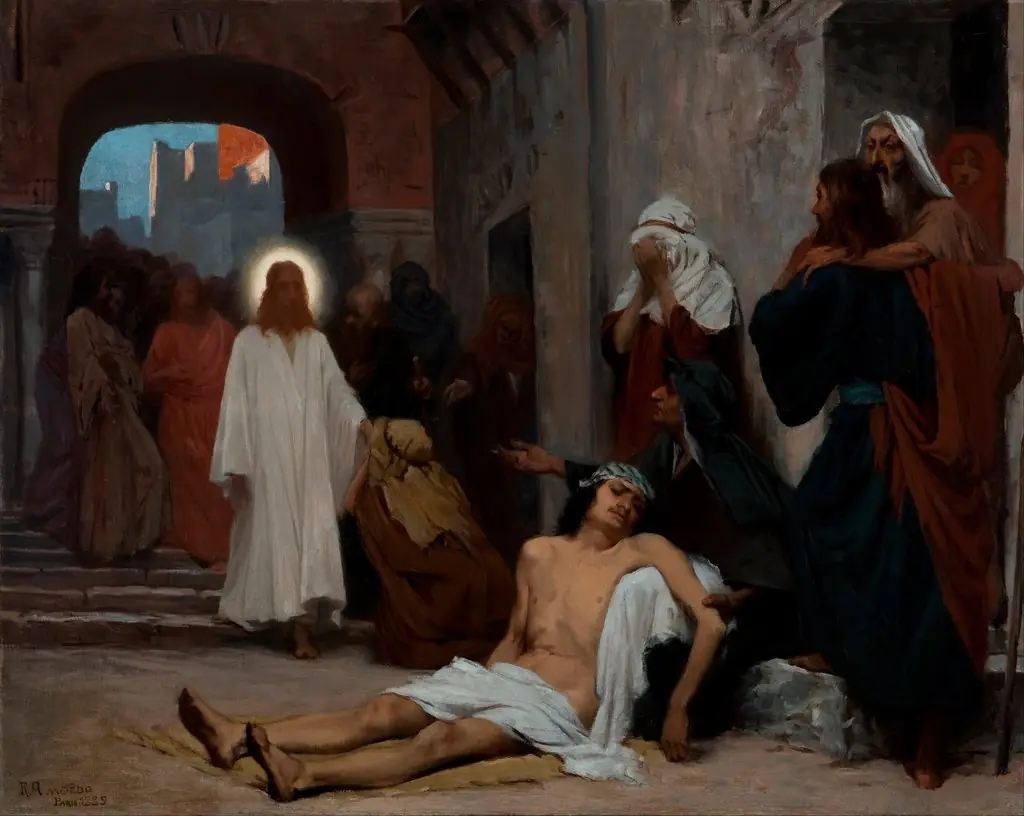 Study for "Jesus in Capernaum"
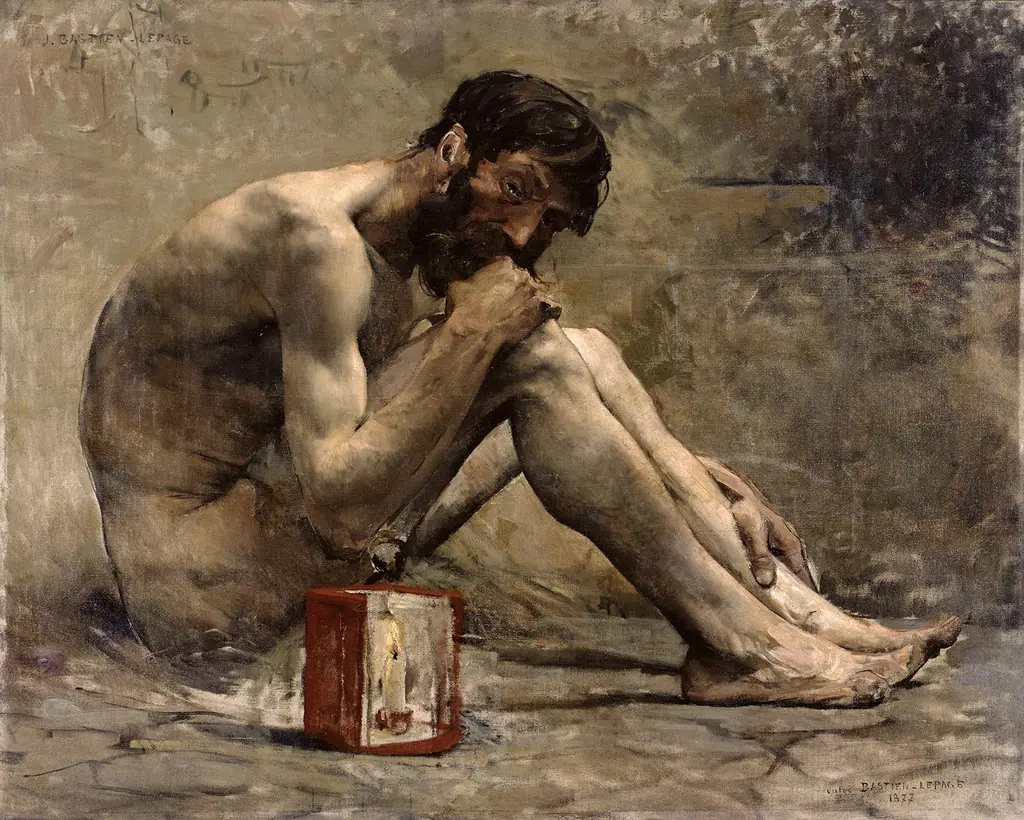 Diogenes
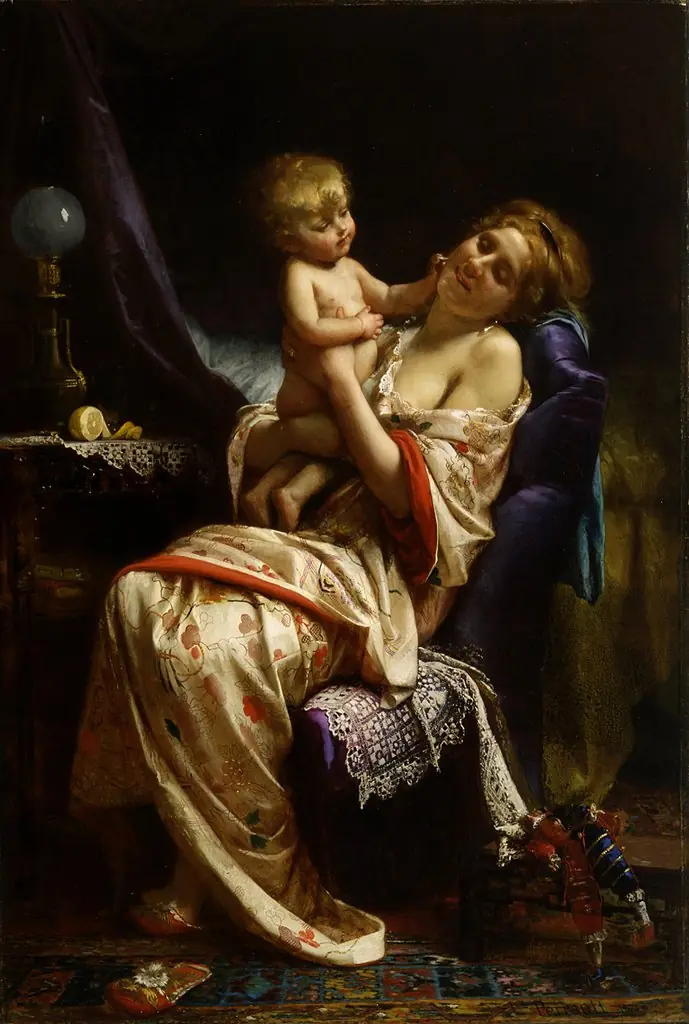 Maternity
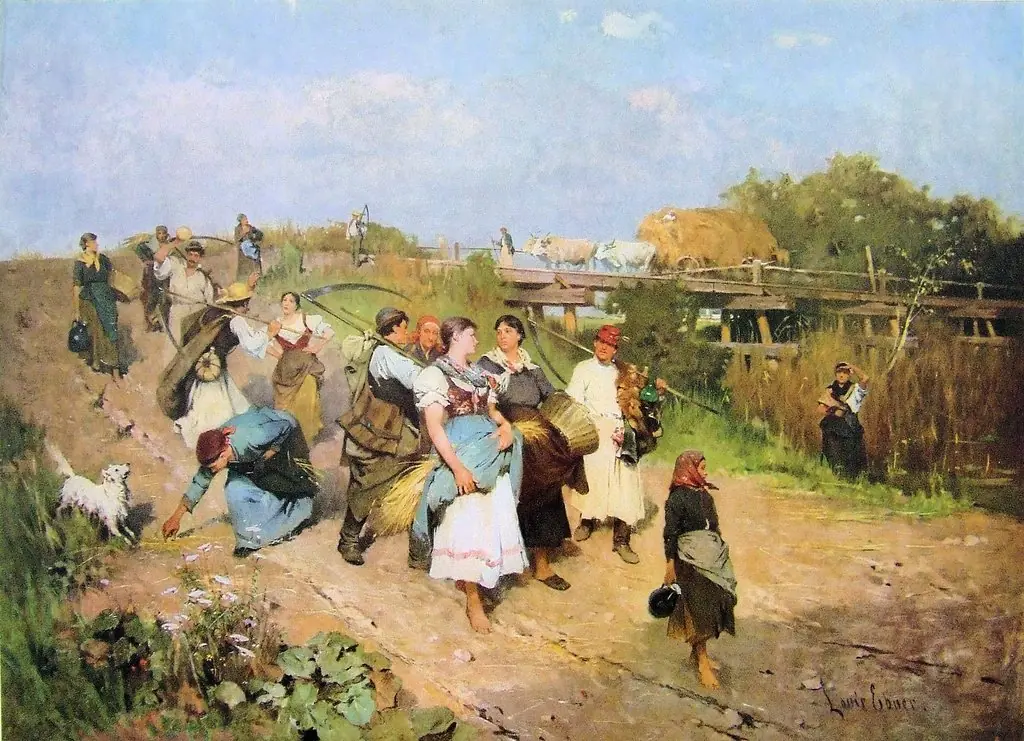 Harvesters Returning Home
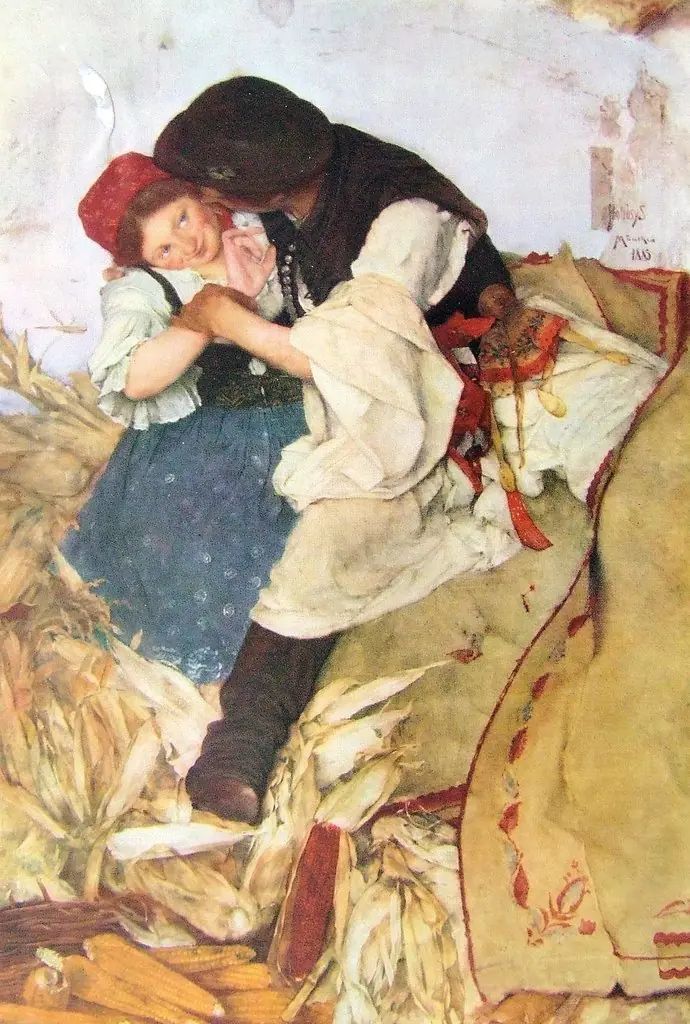 Husking Maize
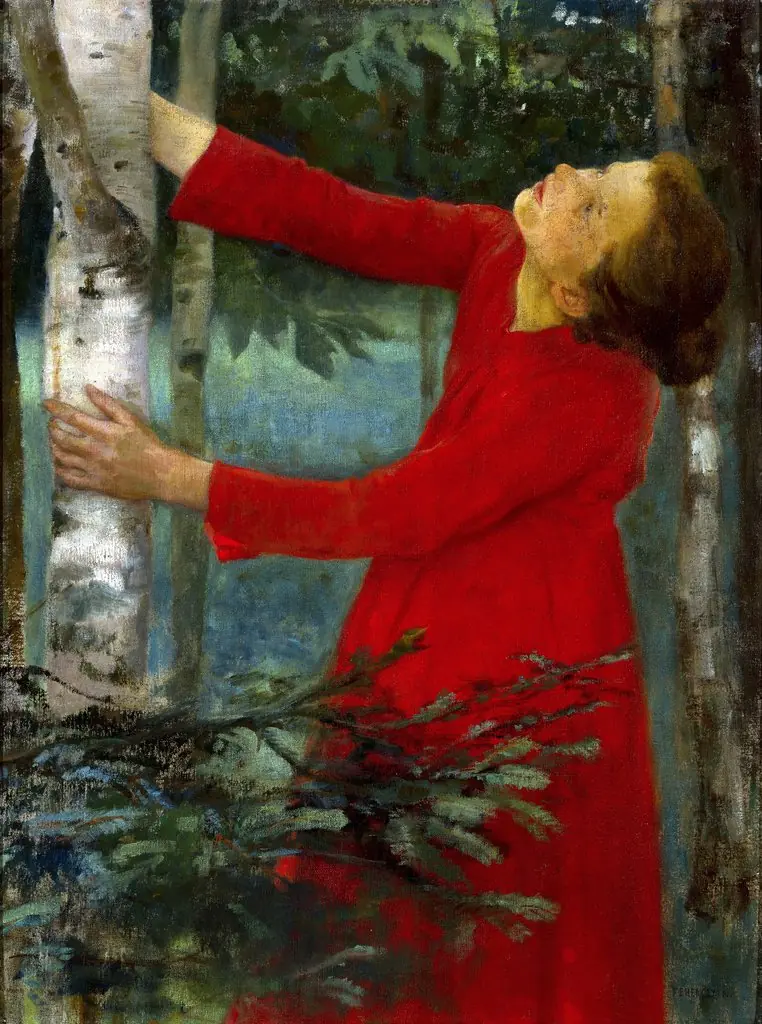 Birdsong
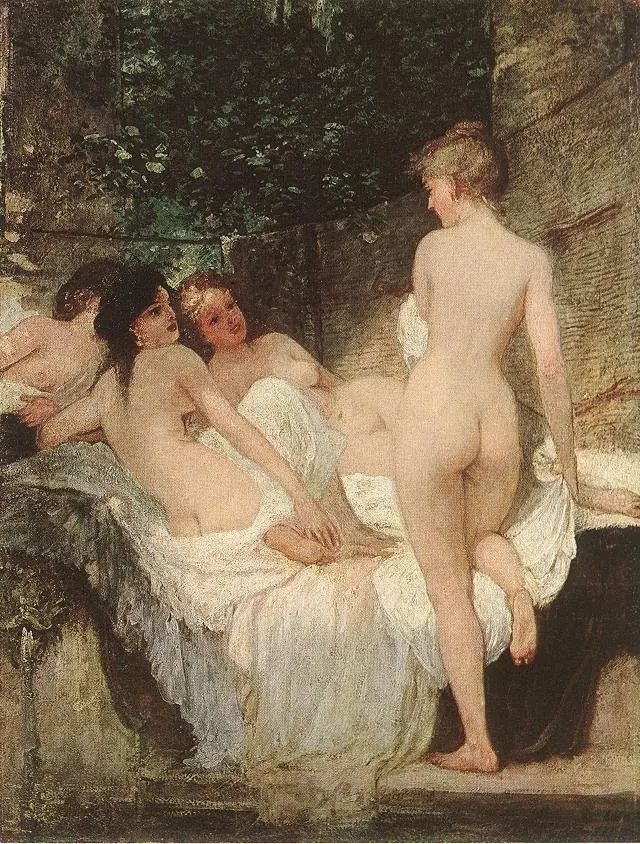 After Bathing
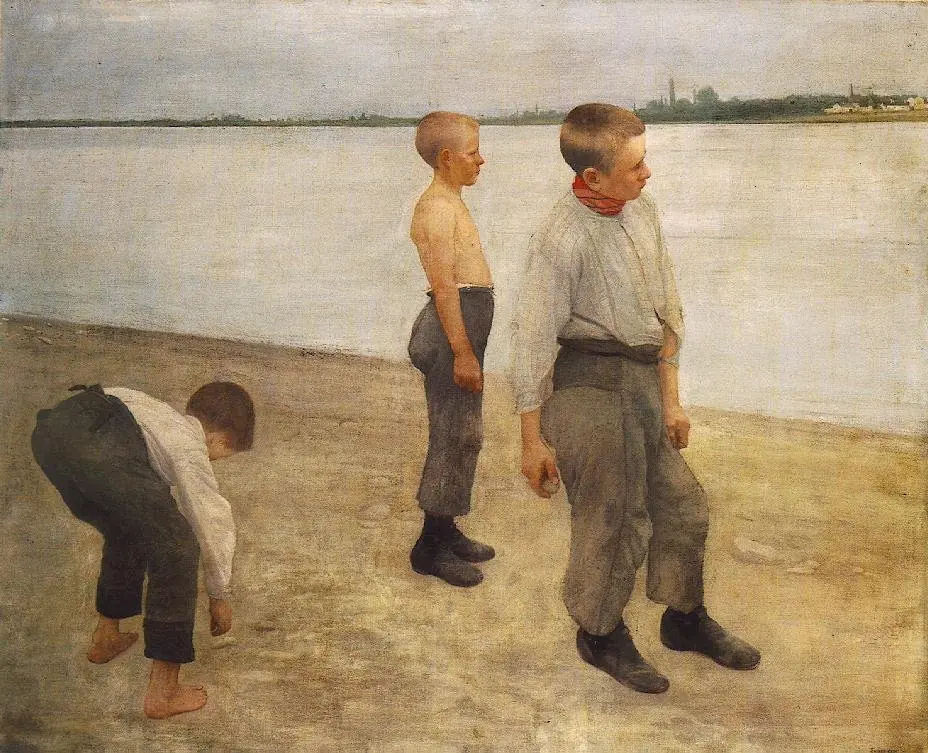 Boys Throwing Stones
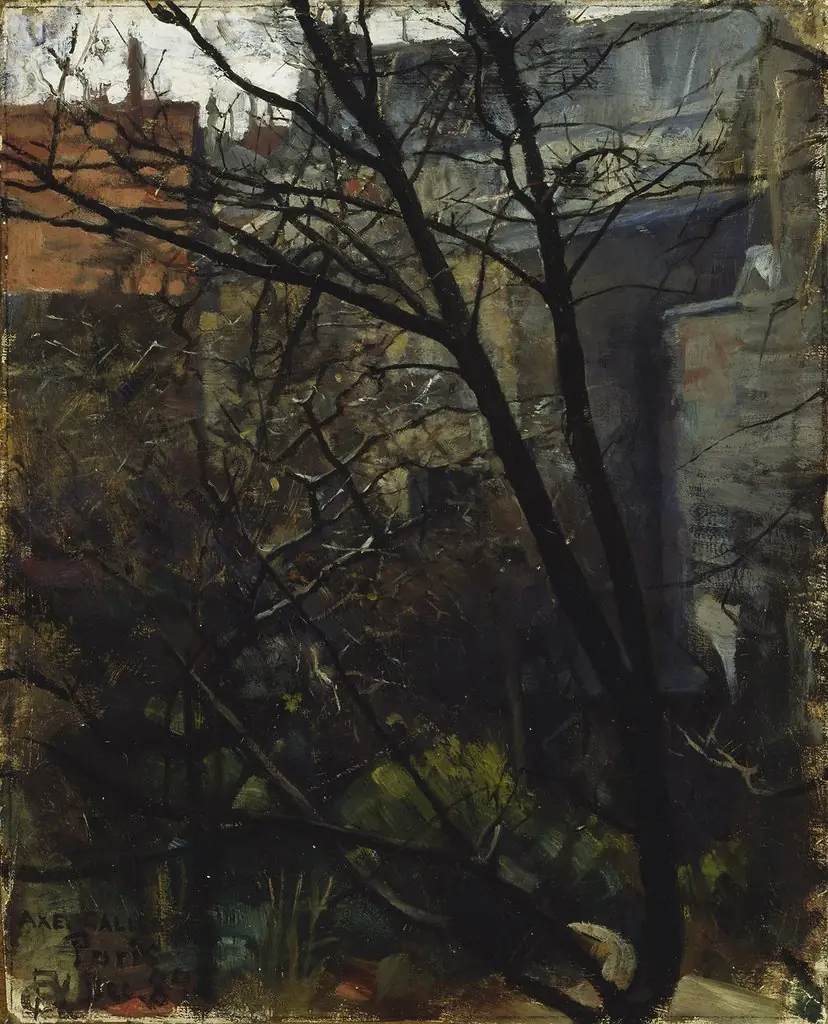 Parisian backyard
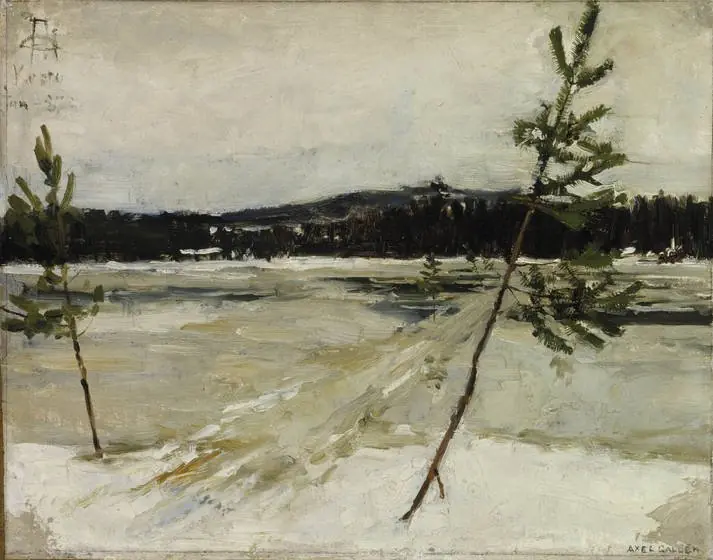 Path on the Ice
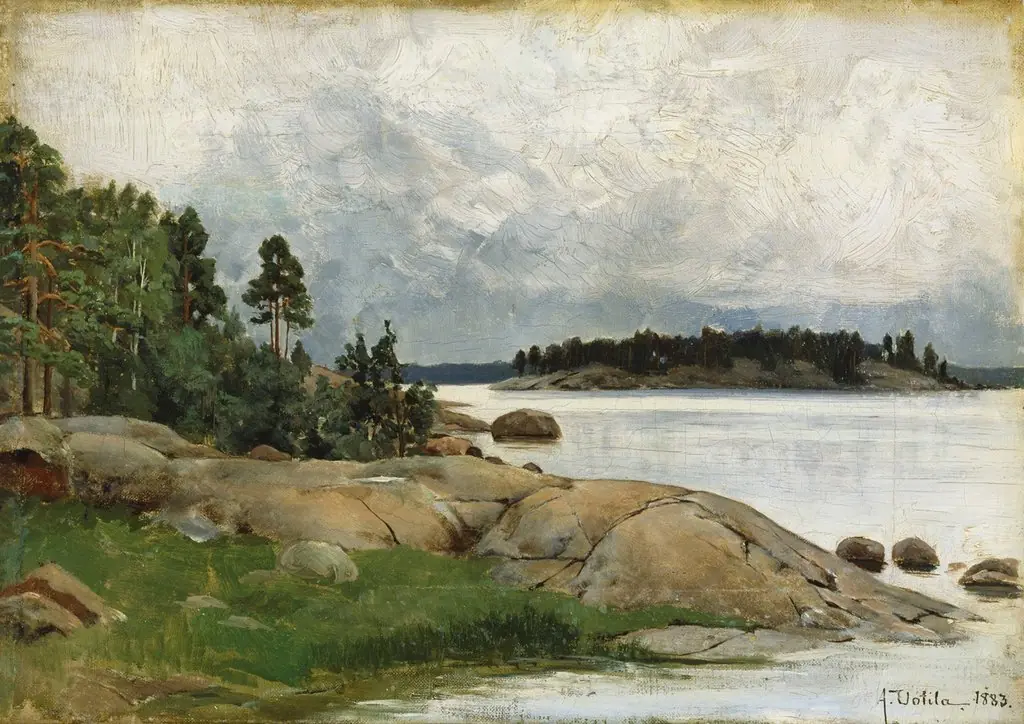 Landscape - Wiasholmen in the Pelling Islands
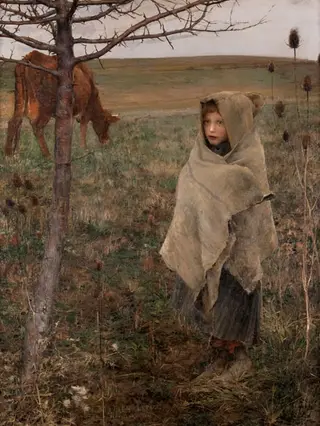 Poor Fauvette
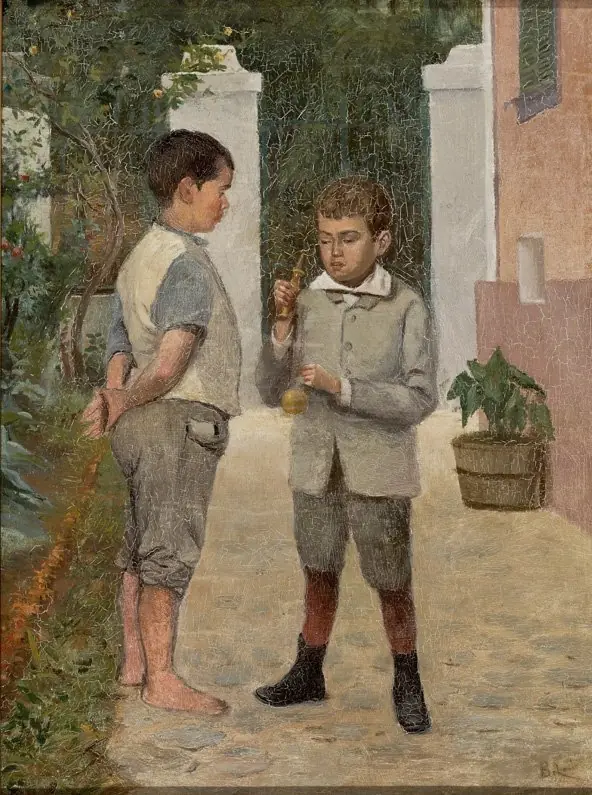 Two Boys Playing with a Kendama Toy
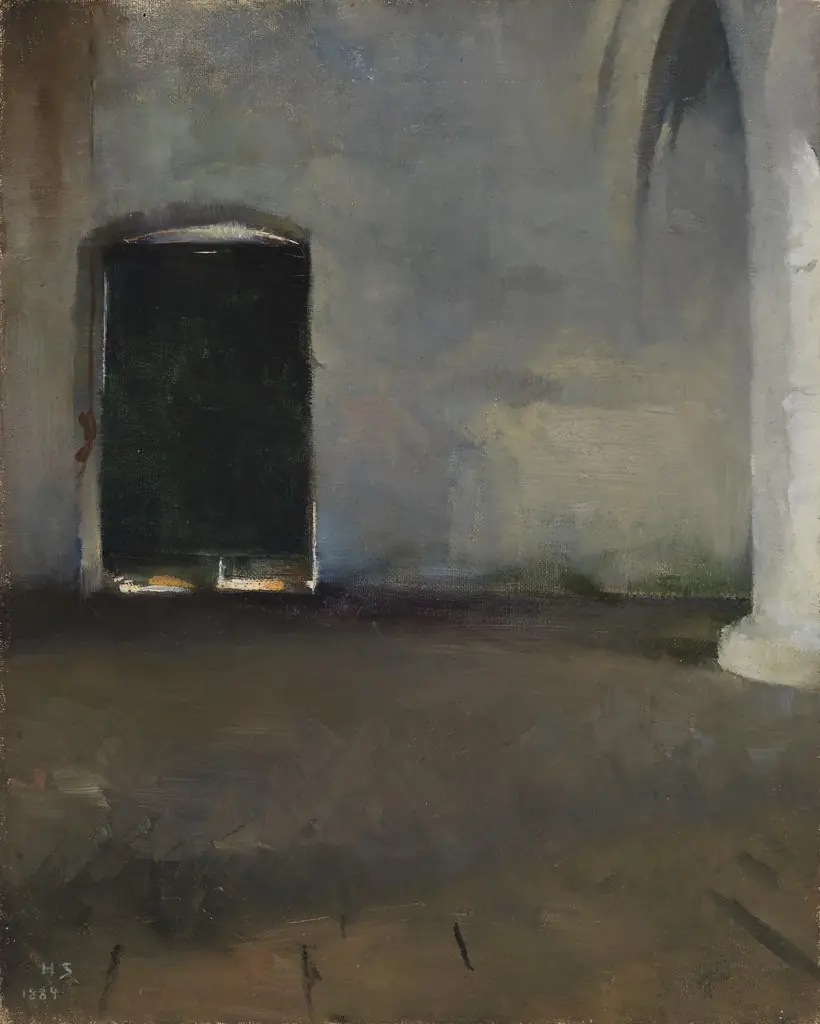 The Door
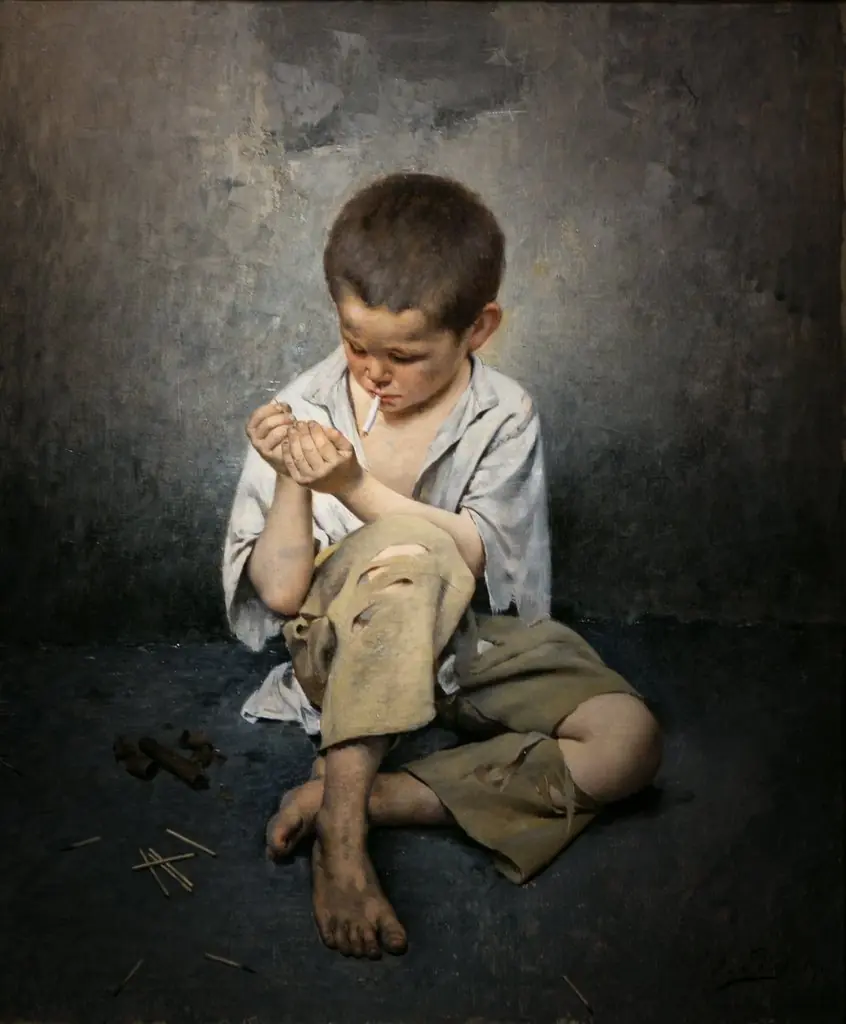 Street Child
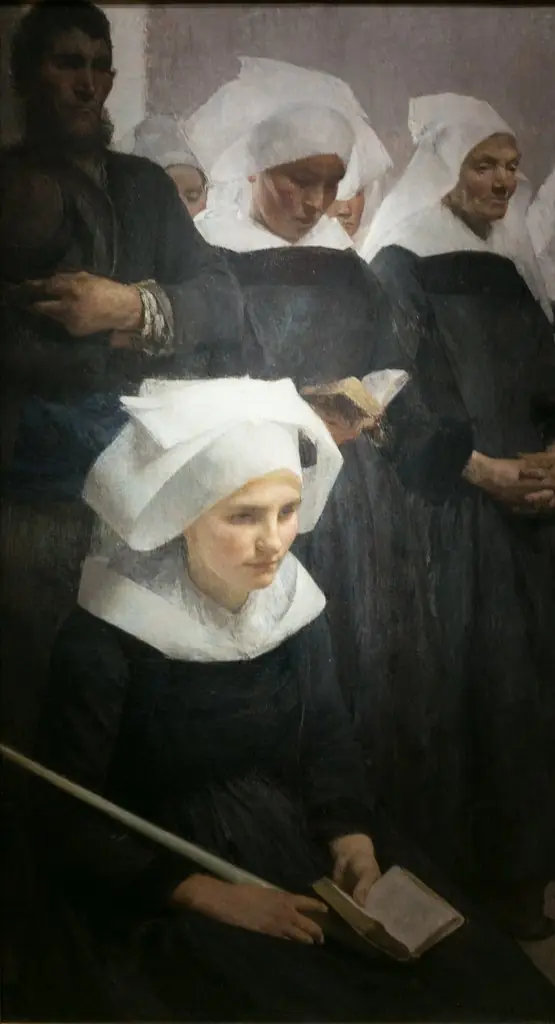 Bretons Praying
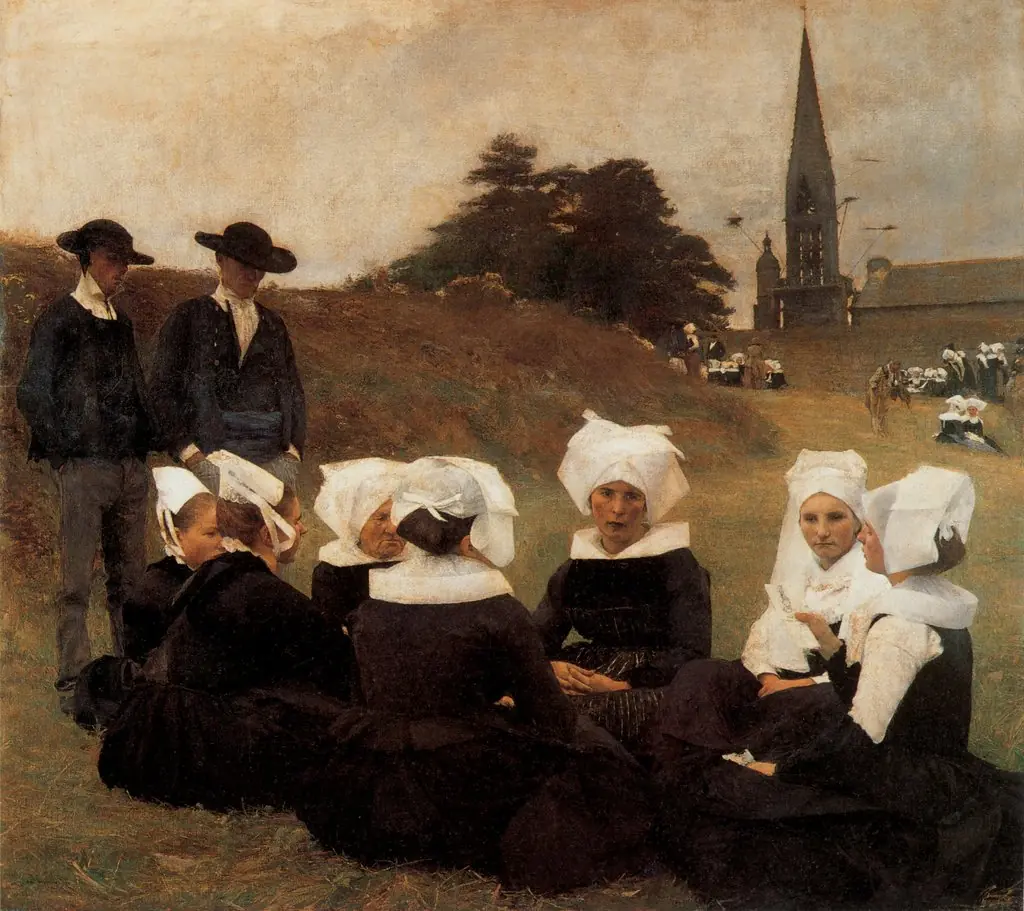 Les Bretonnes au Pardon
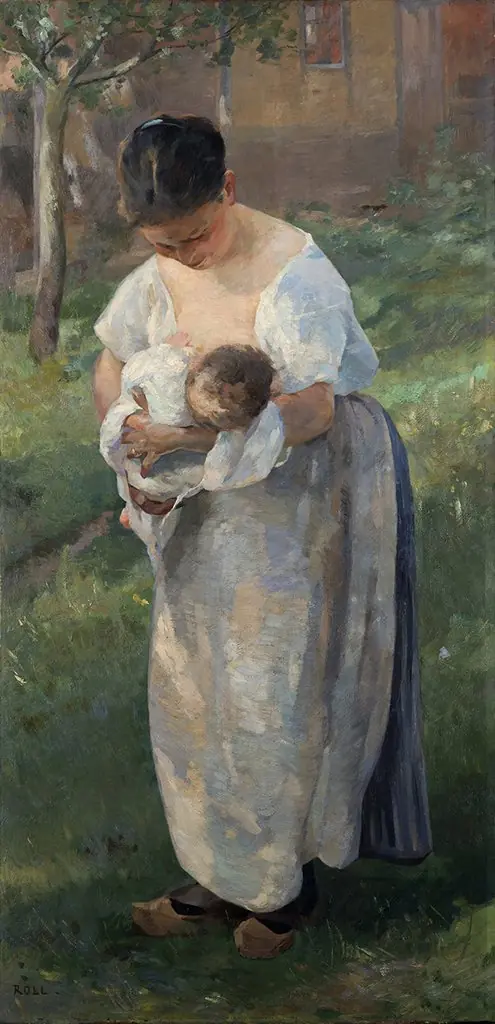 La nodriza
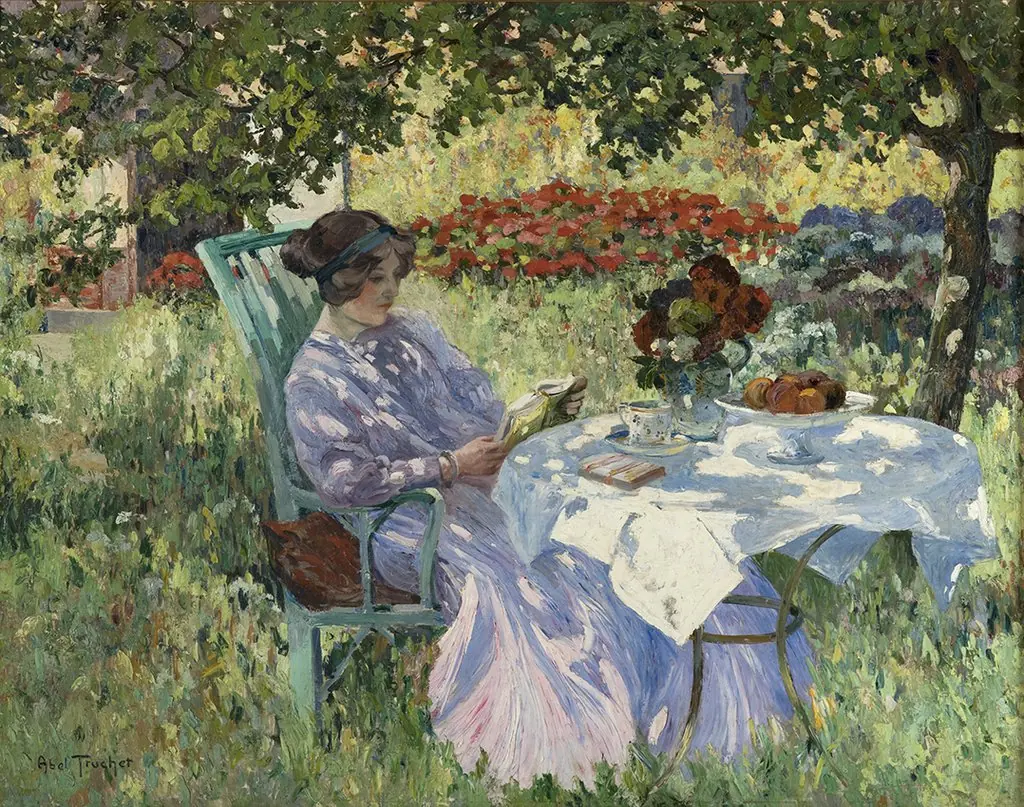 El jardín Asoleado
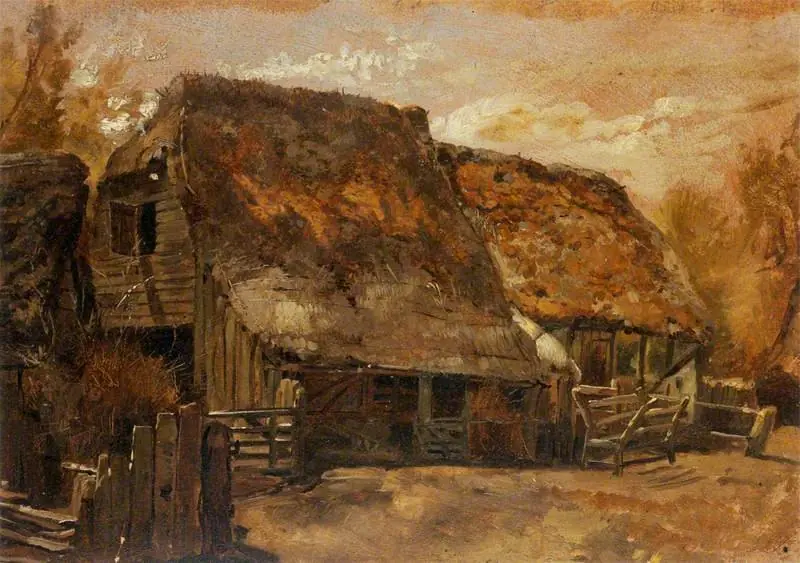 Outbuildings
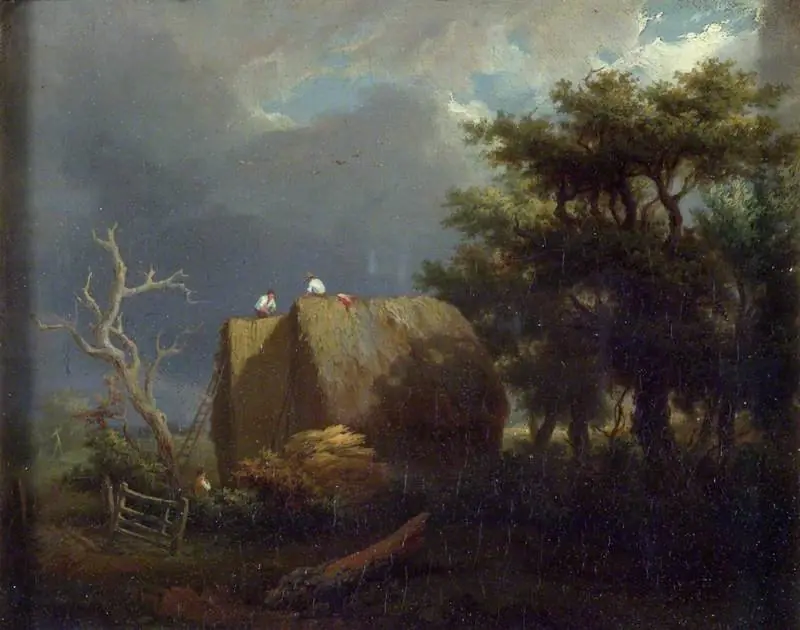 Landscape with a Haystack
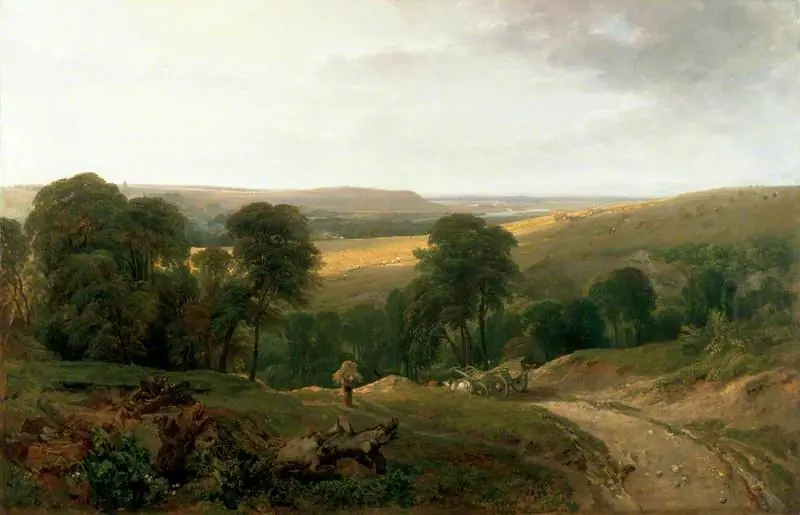 Landscape with a Waggon
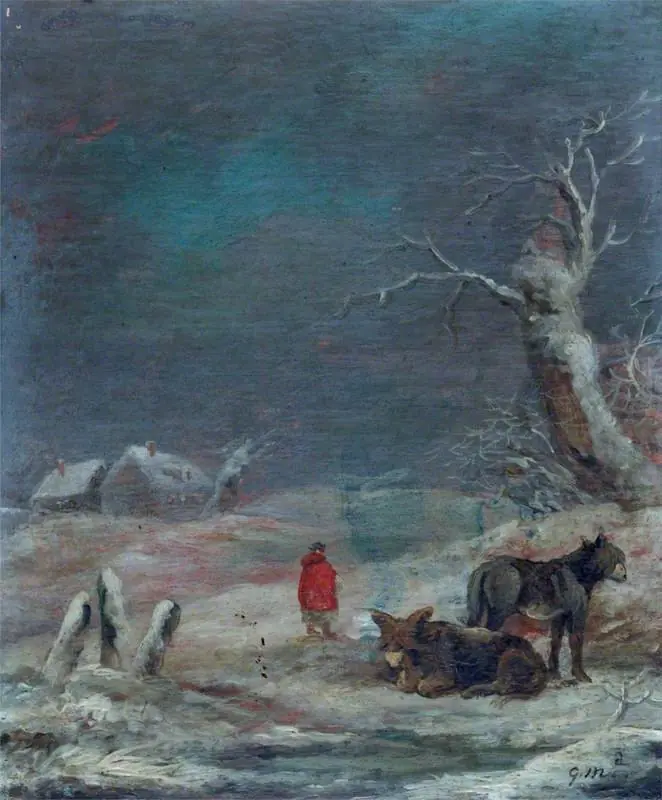 Winter Scene with Women and Donkeys
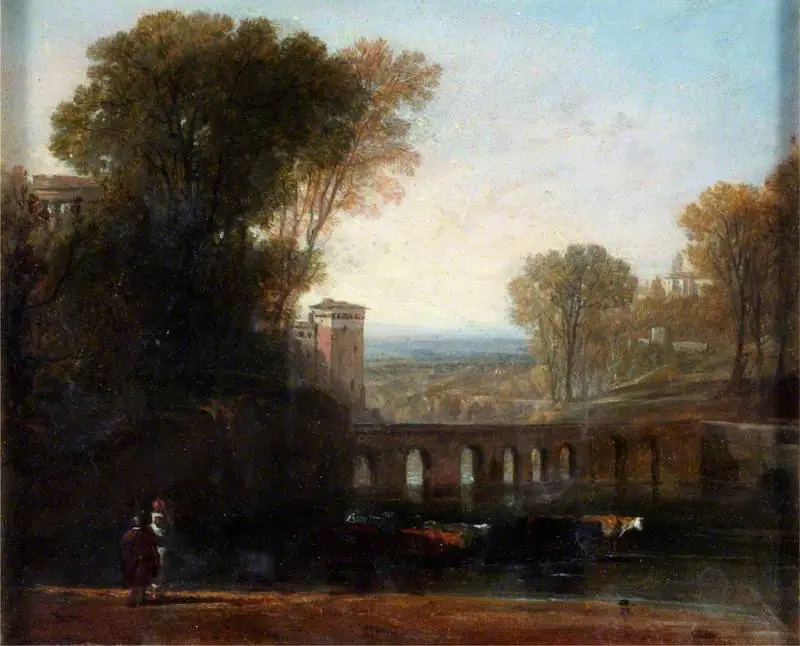 Italian Landscape with Cows Watering
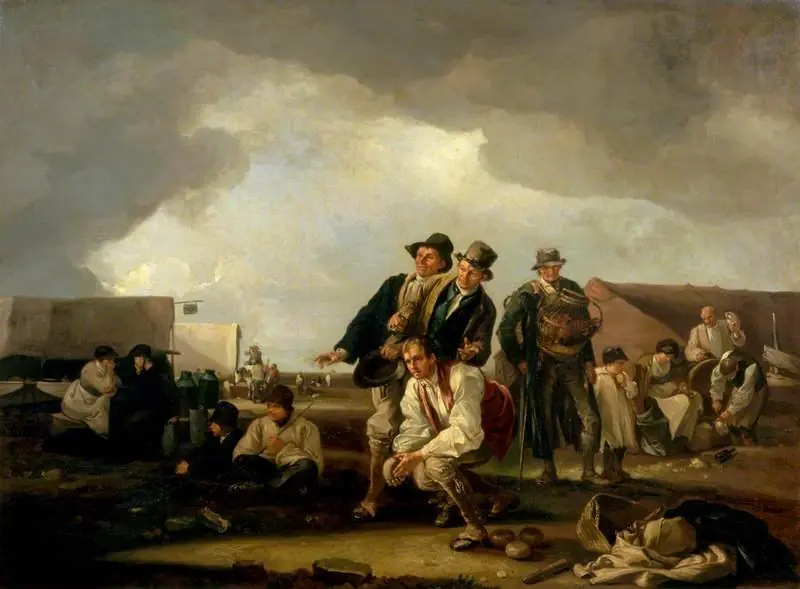 Lansdown Fair, near Bath
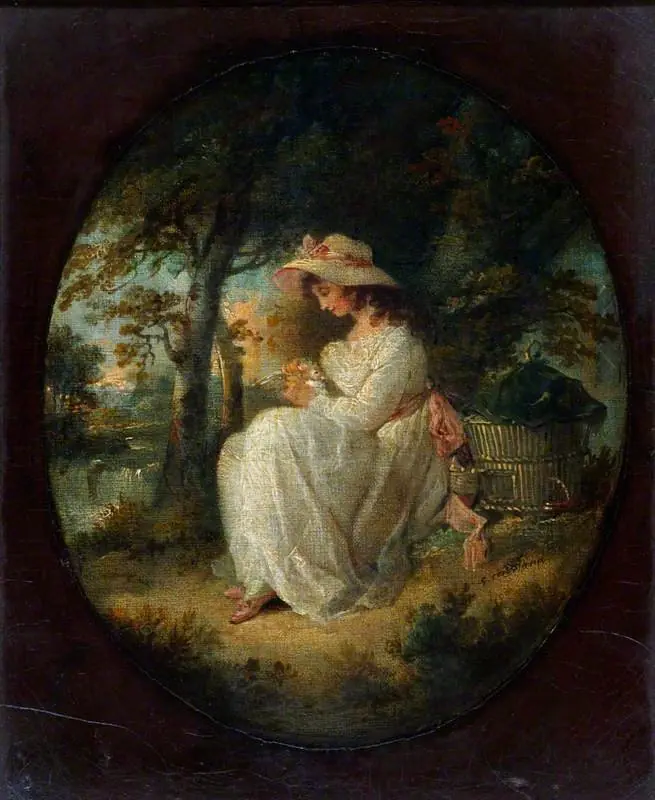 A Girl Seated and Fondling a Dove
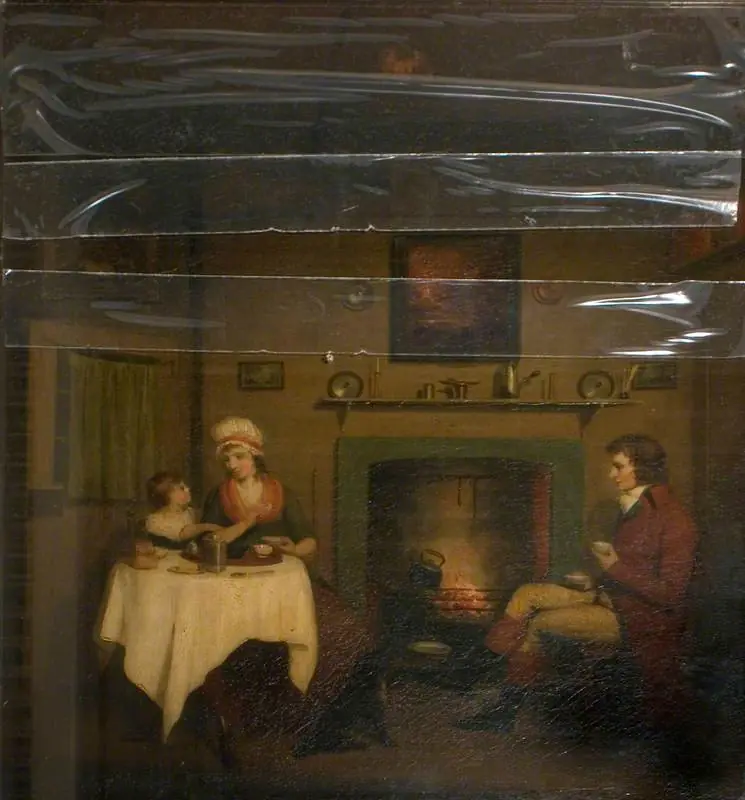 Cottage Interior
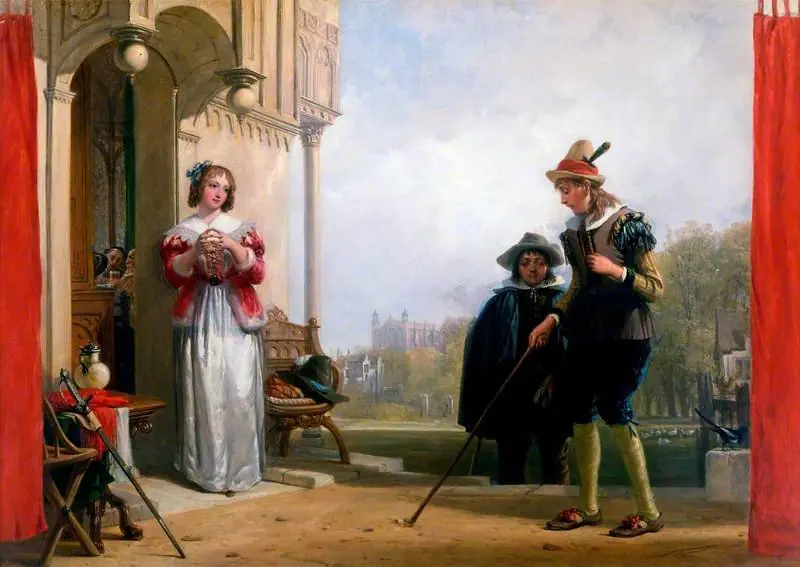 Slender and Anne Page (from 'The Merry Wives of Windsor' by William Shakespeare)
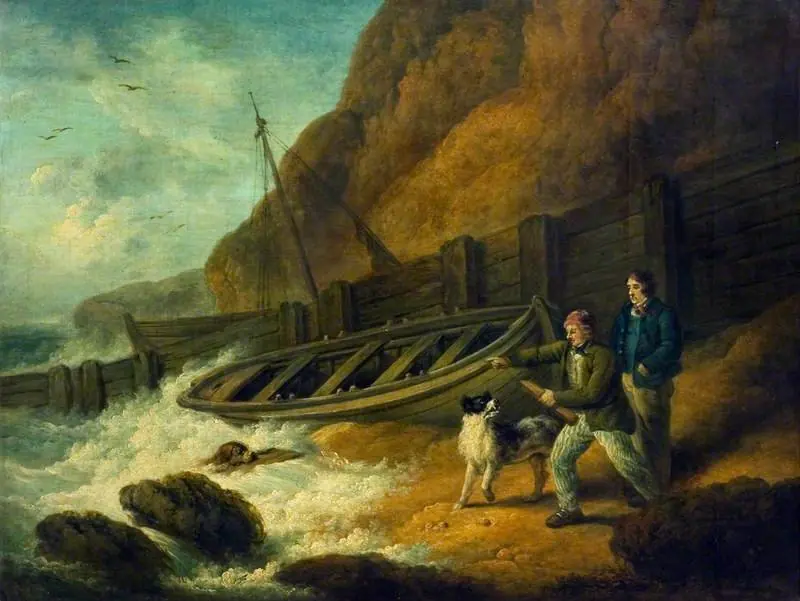 Beach Scene
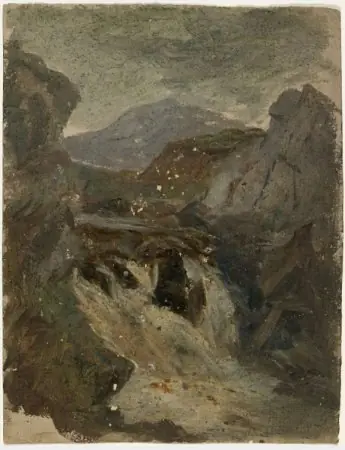 County Donegal Landscape
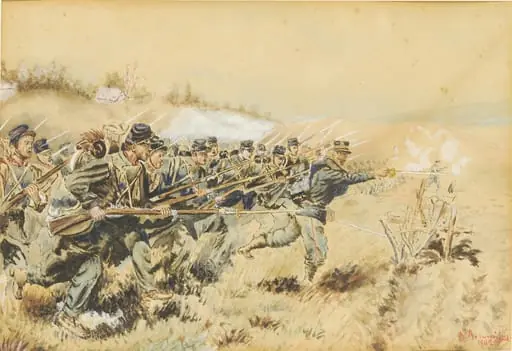 Υδατογραφία του ελληνικού στρατού κατά τον Ελληνοτουρκικό πόλεμο του 1897
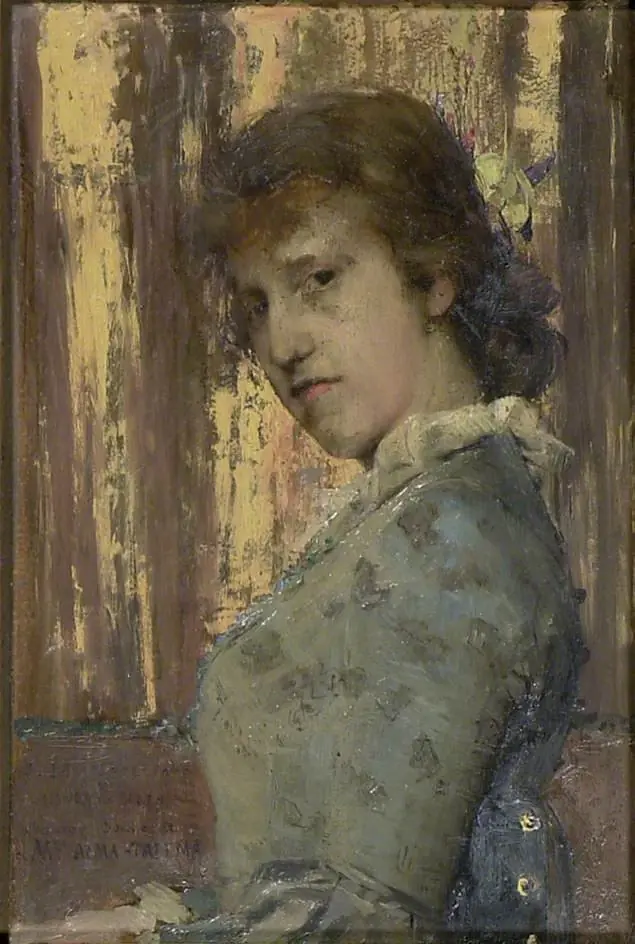 Laura, Lady Alma-Tadema
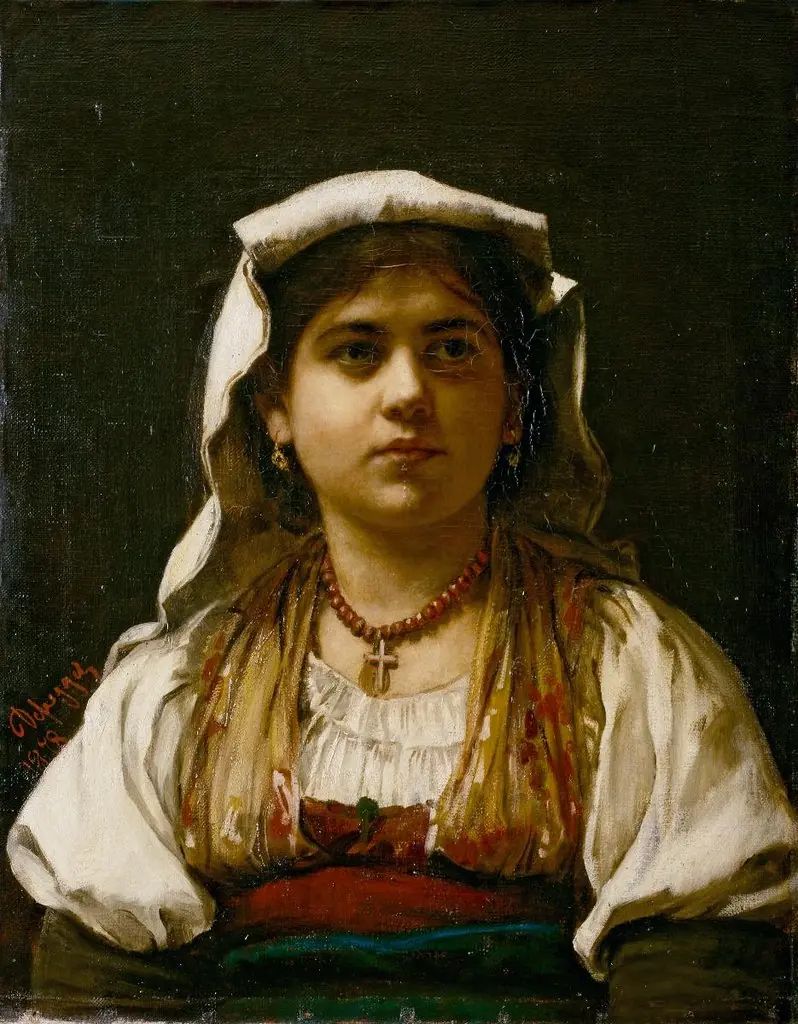 Italienisches Mädchen
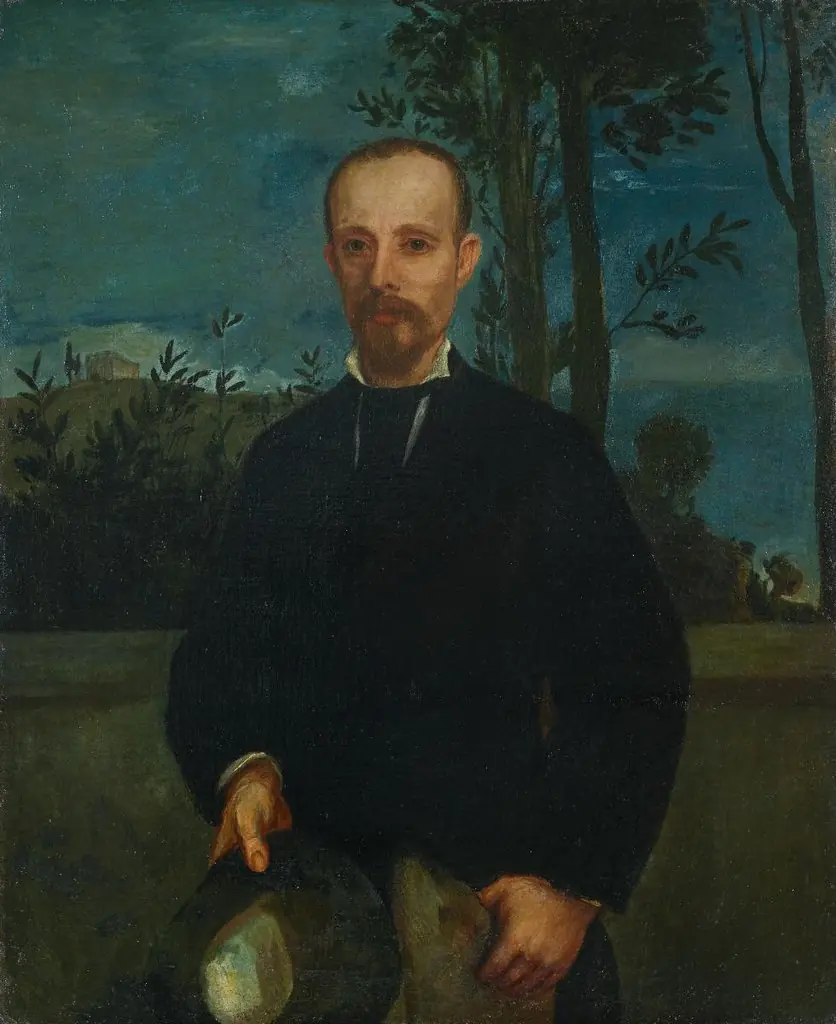 Selbstbildnis mit dem Hut in der Hand
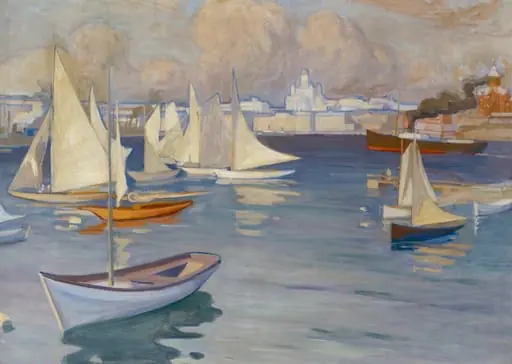 Nyländska Jaktklubbenin soutusatama Helsingissä
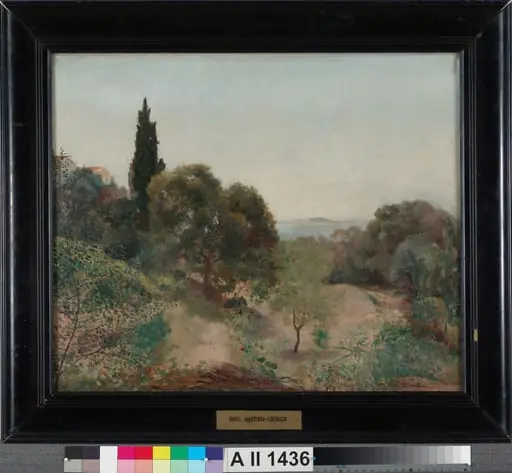 Maisema (Villa Chauve)
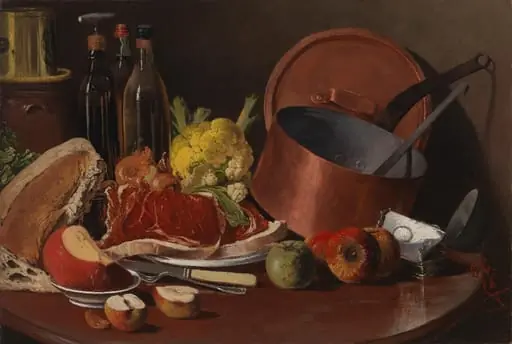 Asetelma
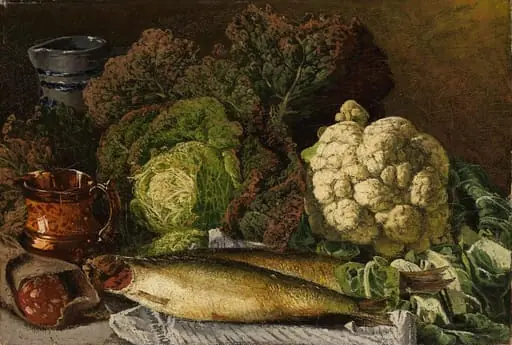 Vihannes- ja kala-asetelma
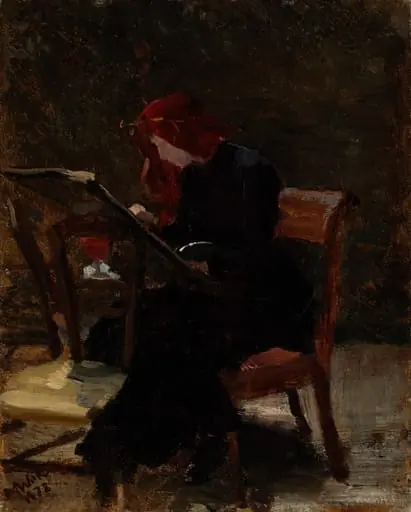 La Polonaise
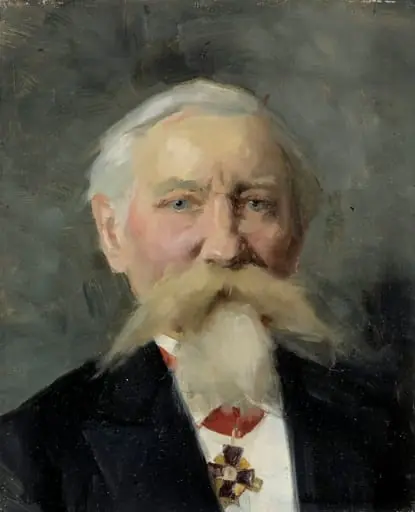 Kenraali Albert Westermarck
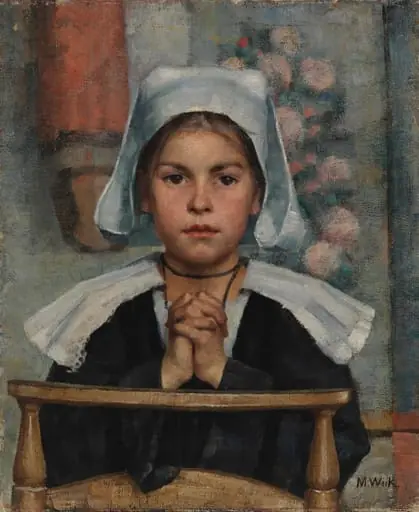 Kirkossa
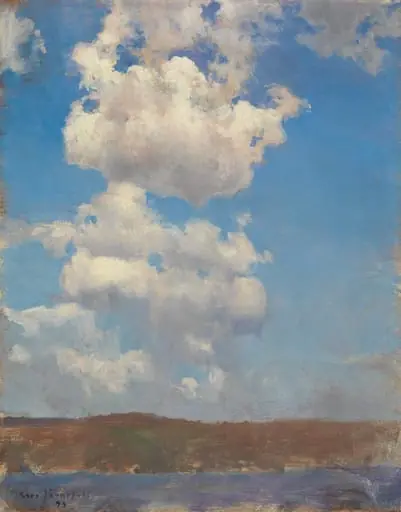 Pilviharjoitelma
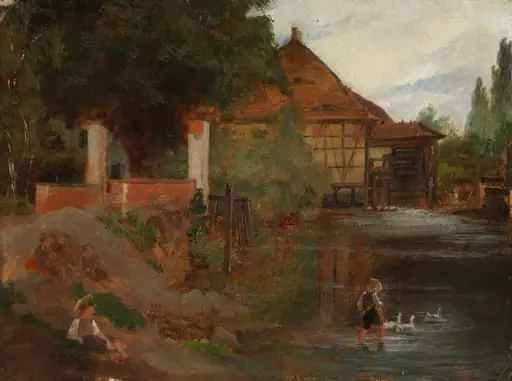 Myllypato, maisema Saksasta
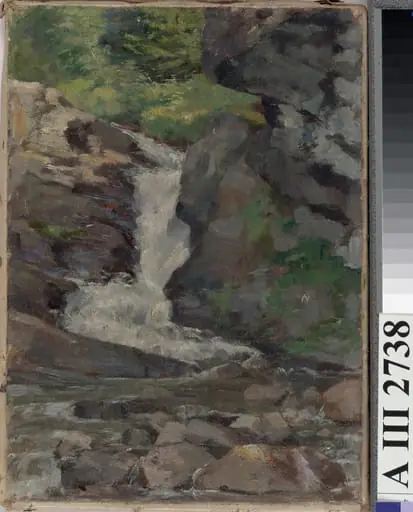 Puro kallioiden välissä
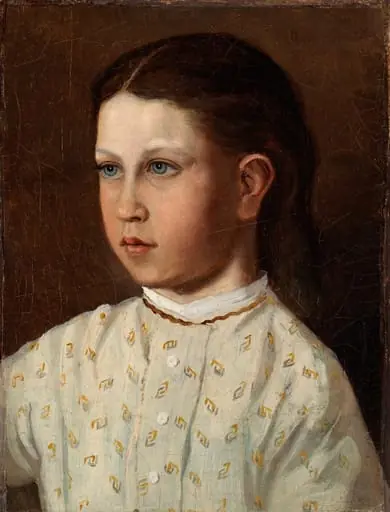 Ellen Edelfelt
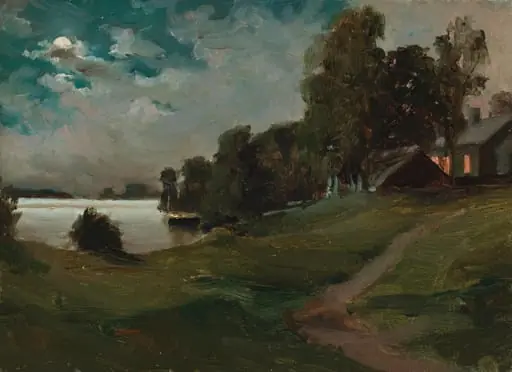 Haikon huvila kuutamossa
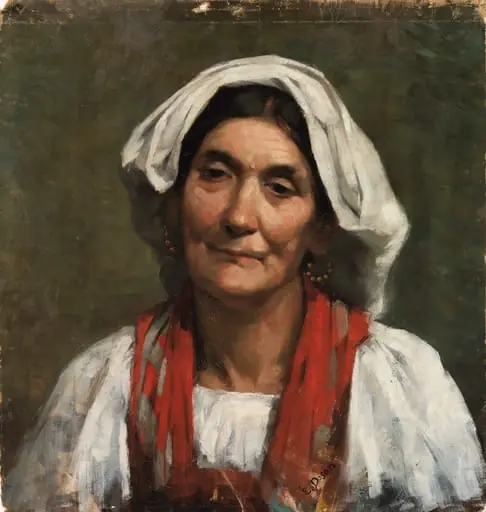 Vanha provencelaisnainen
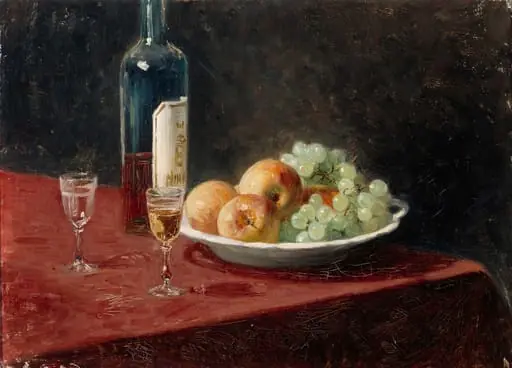 Asetelma
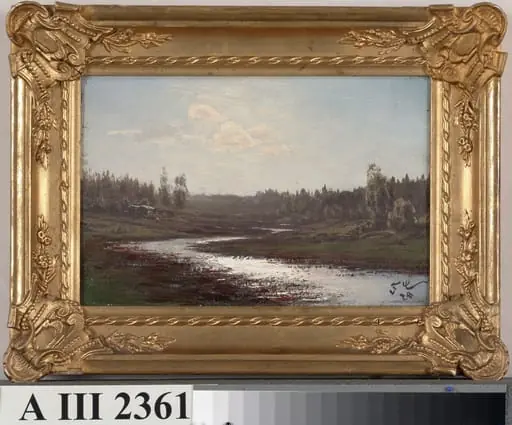 Jokimaisema
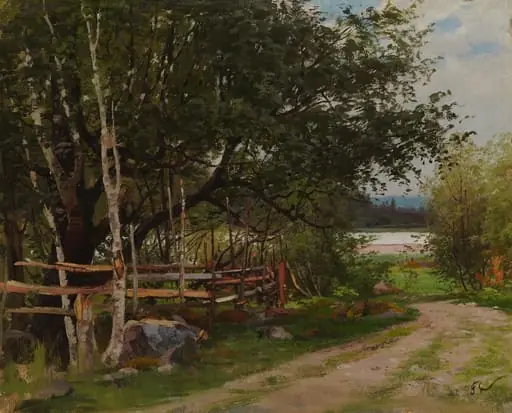 Koivuhaka
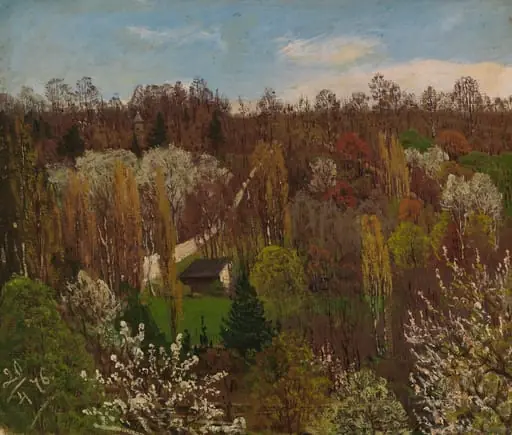 Kevätmaisema
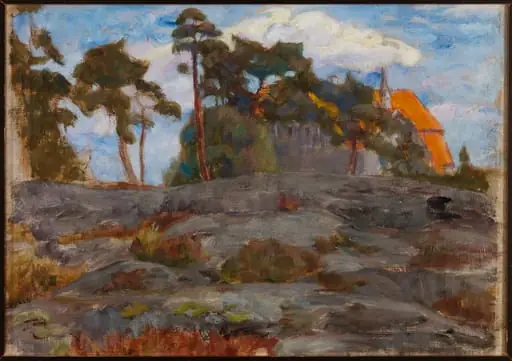 Huvila mäntyjen keskellä
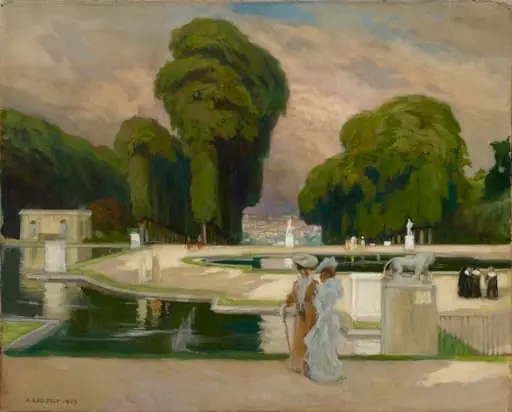 St. Cloud'in puistosta
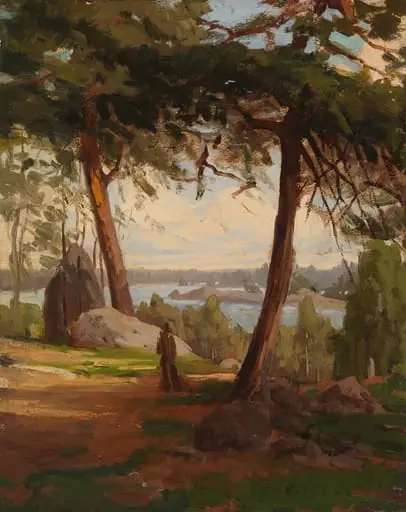 Suomalainen maisema, luonnos
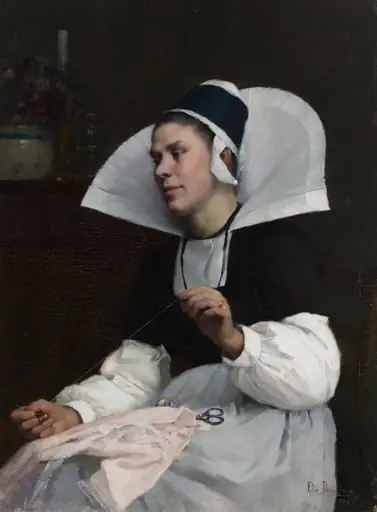 Nuori äiti
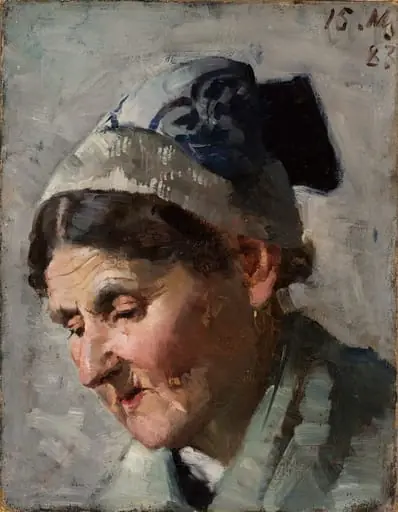 Vanha nainen
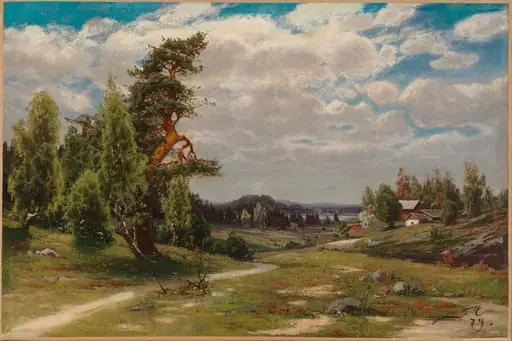 Suomalainen kesämaisema
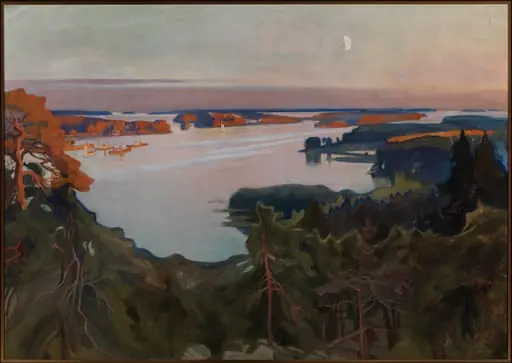 Näköala Haikon yli
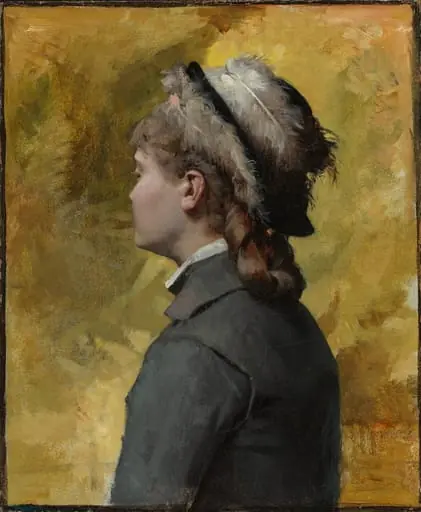 Nuori harmaapukuinen nainen
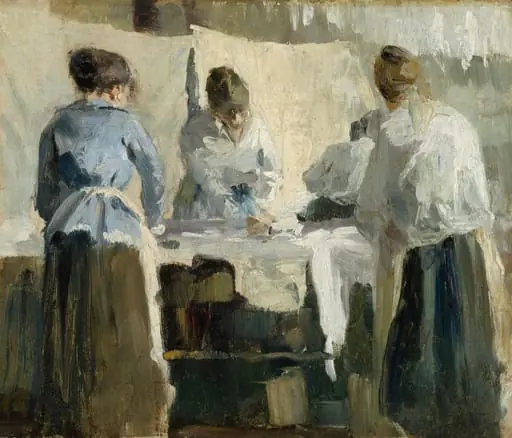 Ranskalaisia silittäjiä
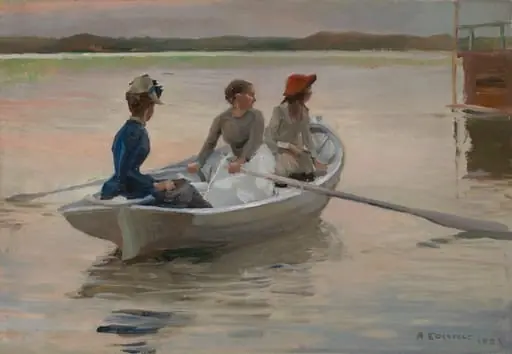 Tyttöjä veneessä (Kesä saaristossa)
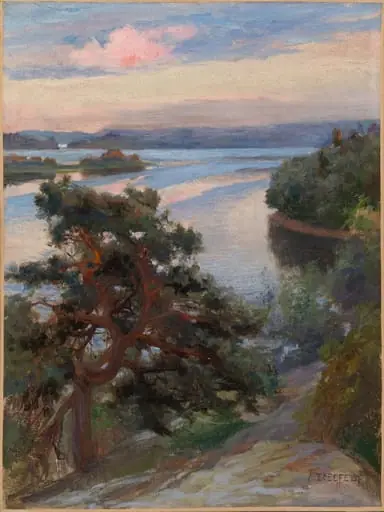 Maisema Haikosta
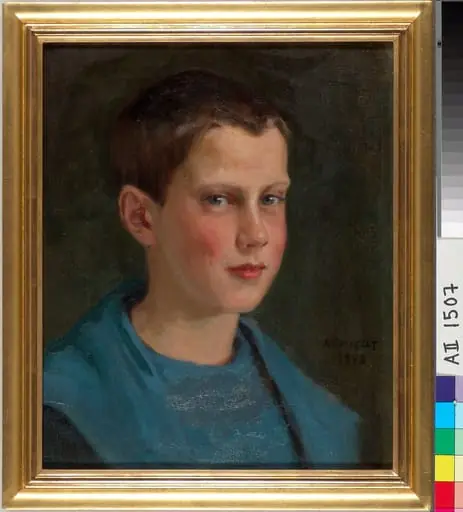 Erik Edelfelt lapsena
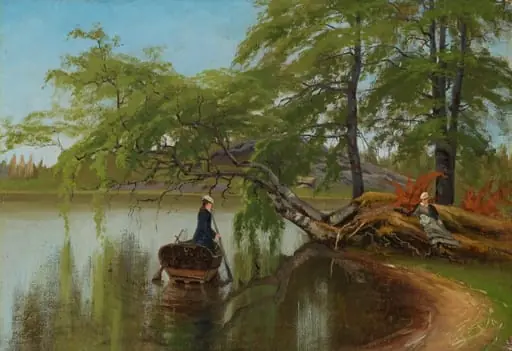 Tyttöjä rannalla
 Talvimaisema
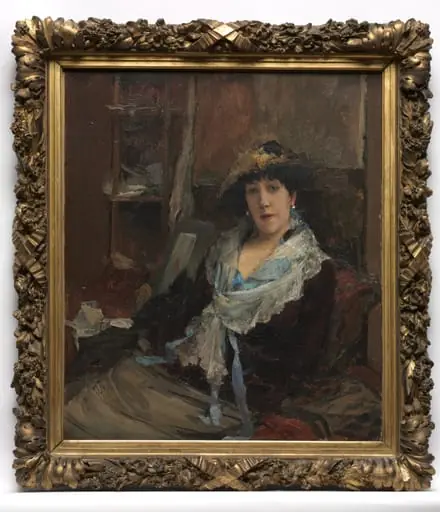 Marie Samary of the Odéon Theater
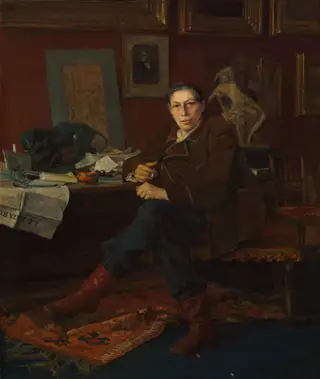 Albert Wolff in His Study
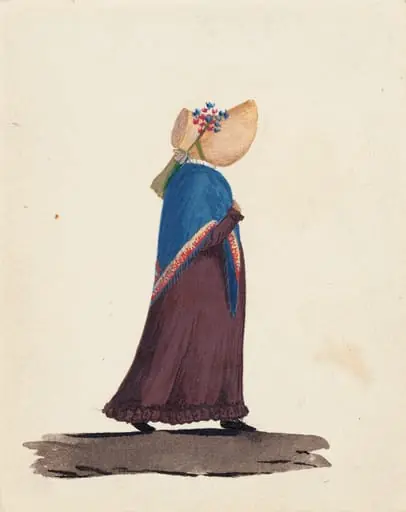 Nainen, saali ja hattu
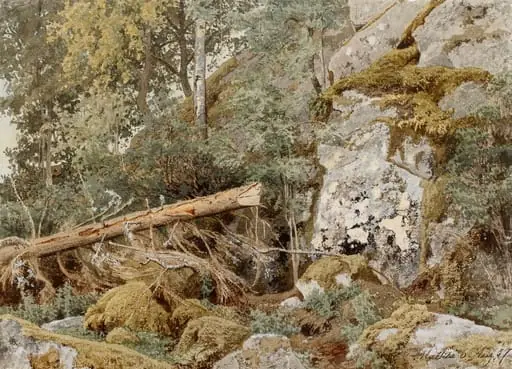 Sammaleinen kallio metsässä
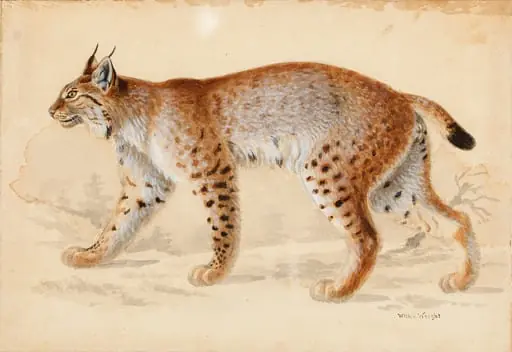 Ilves
Ilves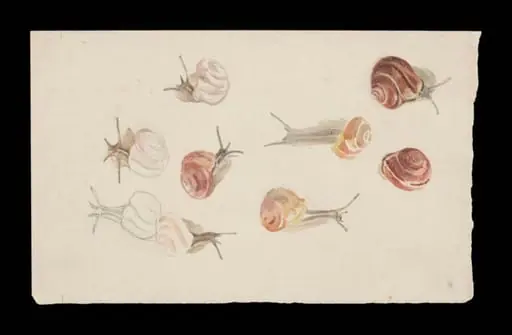 Studies of snails
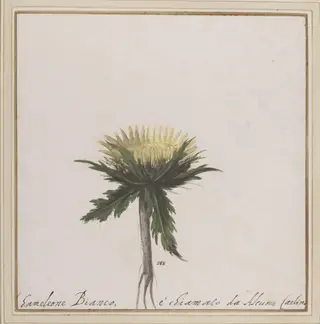 The Carline thistle
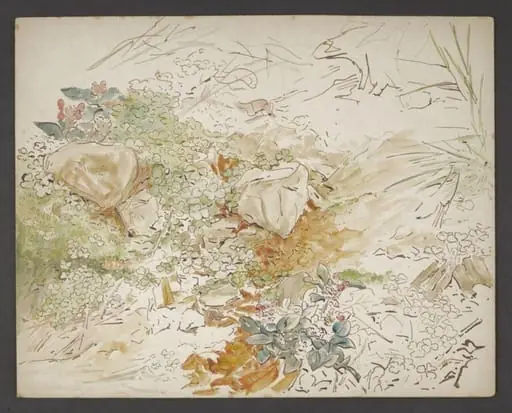 Study of a patch of ground with plants and rocks
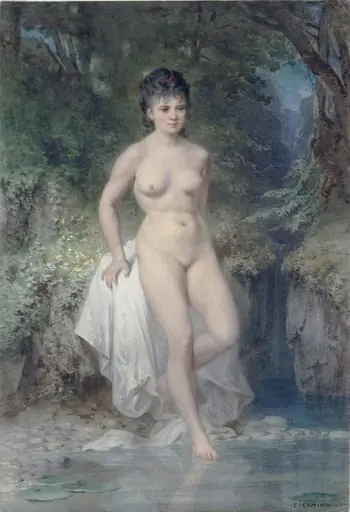 Female nude bathing
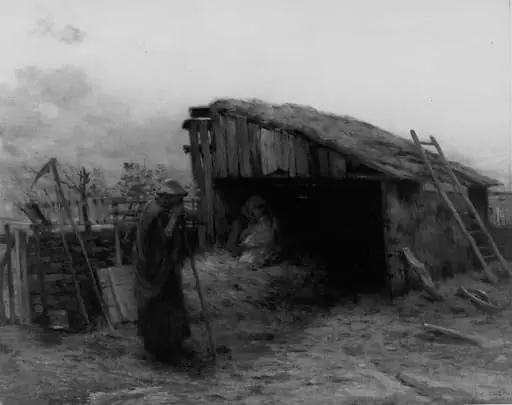 Rest on the Flight into Egypt
Groups & collectives
Frequently asked questions
What is Naturalism?
Naturalism is an art movement. A 19th-century approach to painting committed to depicting the visible world as objectively as possible — without idealization, romanticism, or moral allegory.
How many Naturalism works does Artifact World Gallery have?
Artifact World Gallery holds 167 public-domain Naturalism works, all free to view and download.
Who are the key Naturalism artists?
Key Naturalism artists in the collection include Gari Melchers, Léon Augustin Lhermitte and Joaquín Sorolla.
When did Naturalism take place?
Naturalism dates from 1850–1900.
Where can I see Naturalism works?
Naturalism works in the collection are held by Finnish National Gallery, Statens Museum for Kunst and Victoria and Albert Museum.