Subject
Field
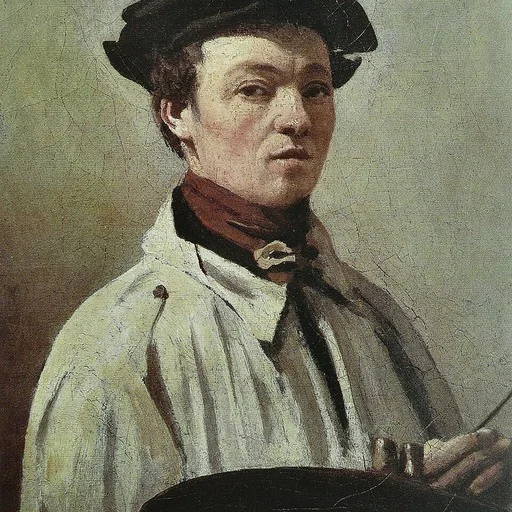
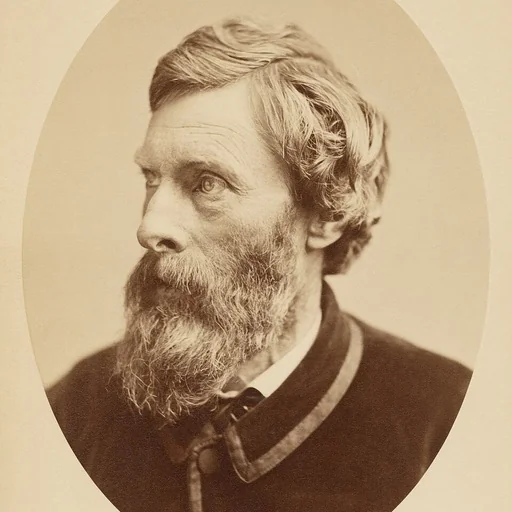
Field is a subject in art. The gallery holds 80 works in this subject in art, including works by Jean Baptiste Camille Corot, Jean Léon Gérôme and Albert Bierstadt.
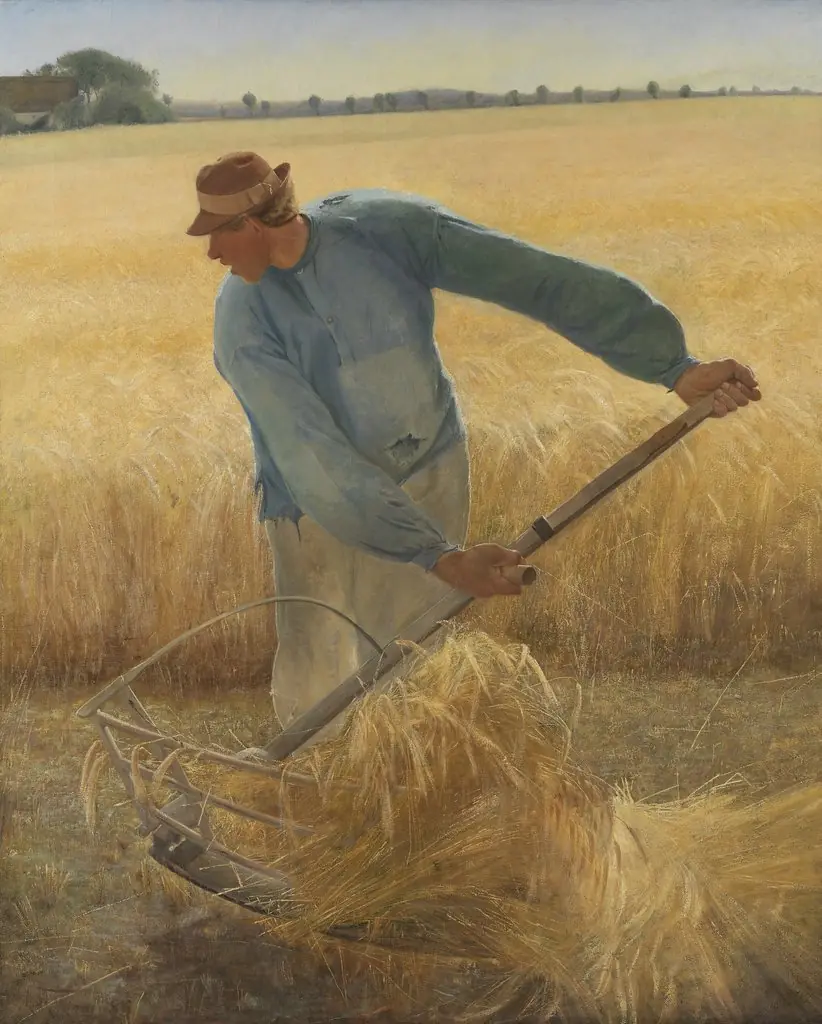
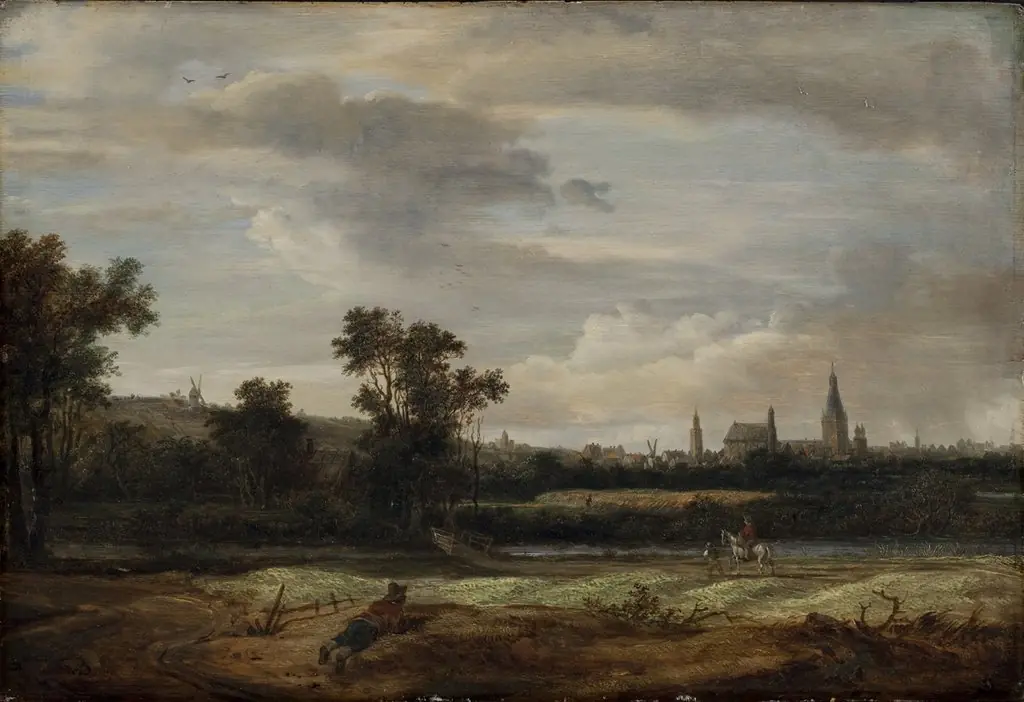
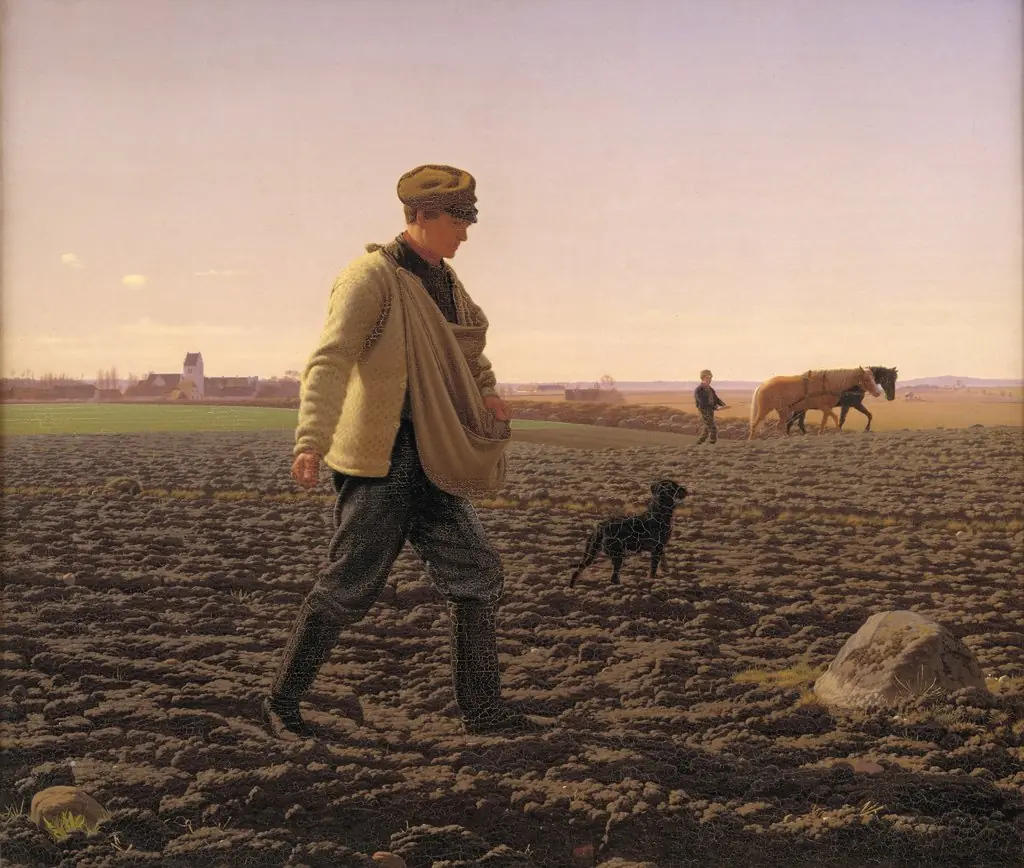
The cultivated field—land shaped by sowing, scything, and harvest—is among the oldest recurring motifs in Western art, but its journey from incidental background to dignified subject defines much of the modern landscape tradition. Tilled fields and seasonal labor first appear systematically in medieval "labors of the months" calendar illuminations, then flower in Netherlandish painting. Pieter Bruegel the Elder's The Harvesters (1565), painted as part of a six-panel cycle of the seasons for the Antwerp banker Nicolaes Jonghelinck, gives the harvested wheat field the whole stage: peasants scythe, eat, and doze beneath a heavy August sky. The Metropolitan Museum, which has held the panel since 1919, calls it a "watershed in the history of Western art" and effectively the first modern landscape.
The field acquired its full moral and aesthetic weight in nineteenth-century France. From the 1830s the Barbizon School—Théodore Rousseau, Jean-François Millet, and their circle—withdrew to the Forest of Fontainebleau to paint en plein air, elevating rural life above its old role as mere setting. Millet in particular heroized agrarian toil in works such as The Gleaners (1857), deliberately bending and hiding the faces of his laborers to convey both their anonymity and the dignity of their work—a quietly radical statement in an age of urban speculation.
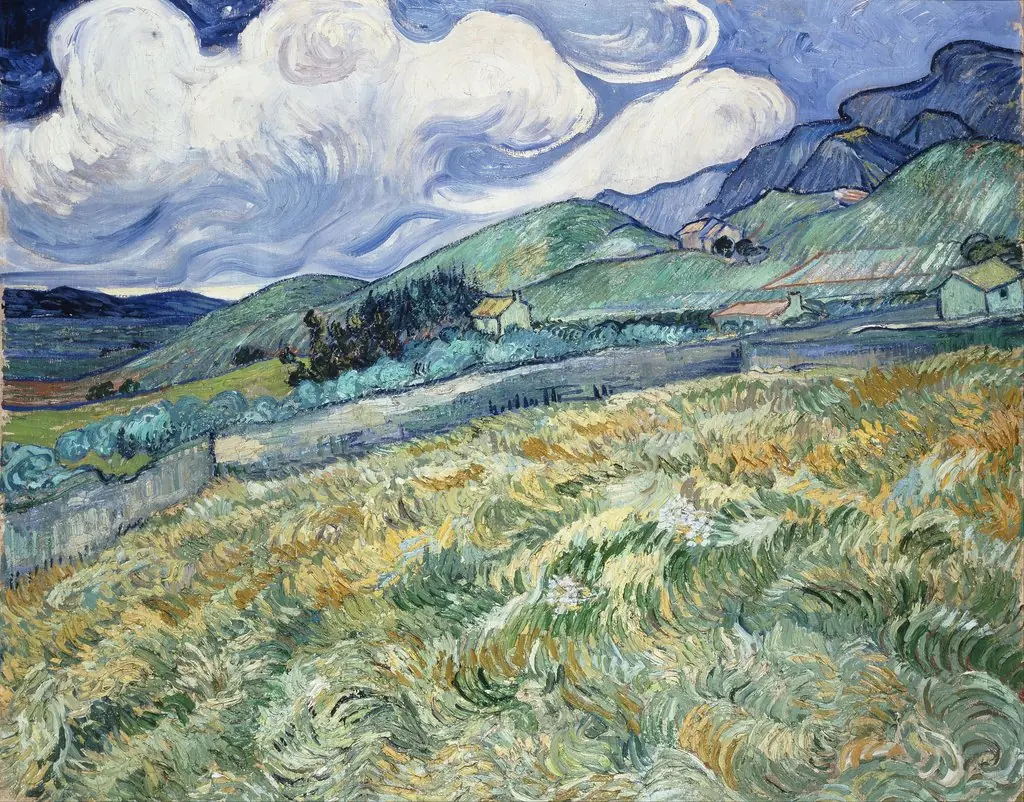
The Impressionists inherited and brightened this terrain. Camille Pissarro, living at Pontoise between 1872 and 1882, painted hundreds of canvases of the surrounding fields, kitchen gardens, and haystacks in short, broken strokes of color, insisting on the worth of humble motifs—his cabbage rows scandalized critics at the first Impressionist exhibition of 1874. Vincent van Gogh, whom Pissarro encouraged, made the wheat field his signature, recording the same Saint-Rémy plain through storm, reaper, and bloom from 1889 to 1890.
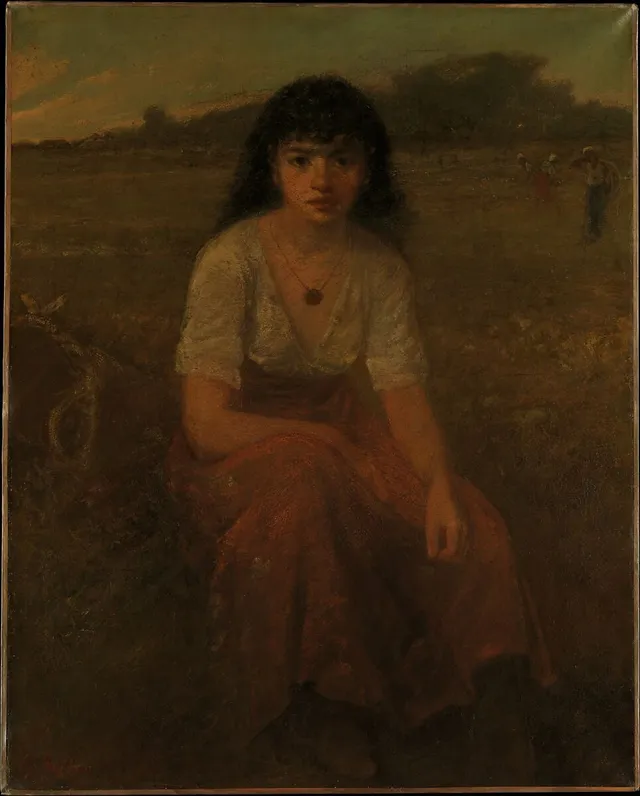
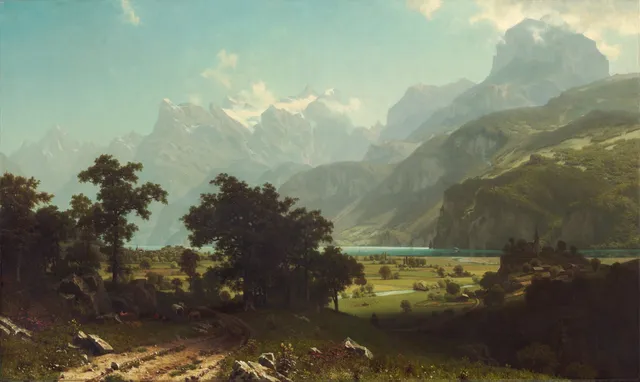
Across the Atlantic the field merged with native traditions: the luminous expanses of Albert Bierstadt and the Hudson River School, and the soft, atmospheric Tonalism of George Fuller, whose The Quadroon (1880) sets an American subject within a French-inflected pastoral. Together these strands made the field a durable bridge between realism, Impressionism, and Post-Impressionism—a place where landscape, labor, and light could be examined at once.
Key artists


Works
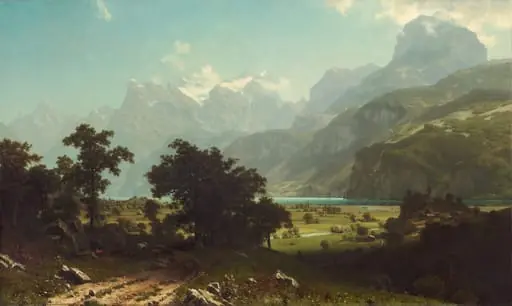 Lake Lucerne
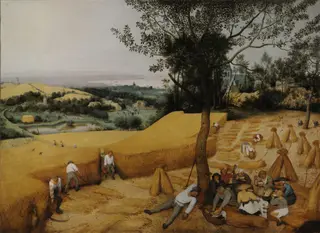 The Harvesters
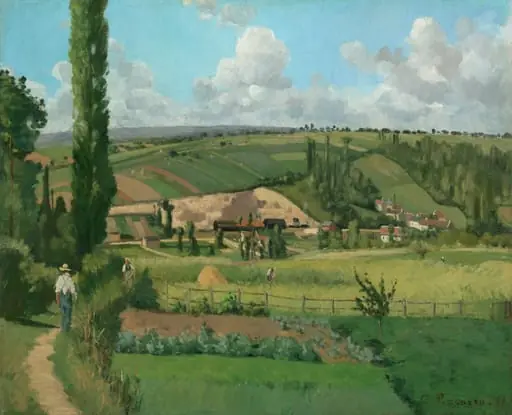 Landscape at Les Pâtis, Pontoise
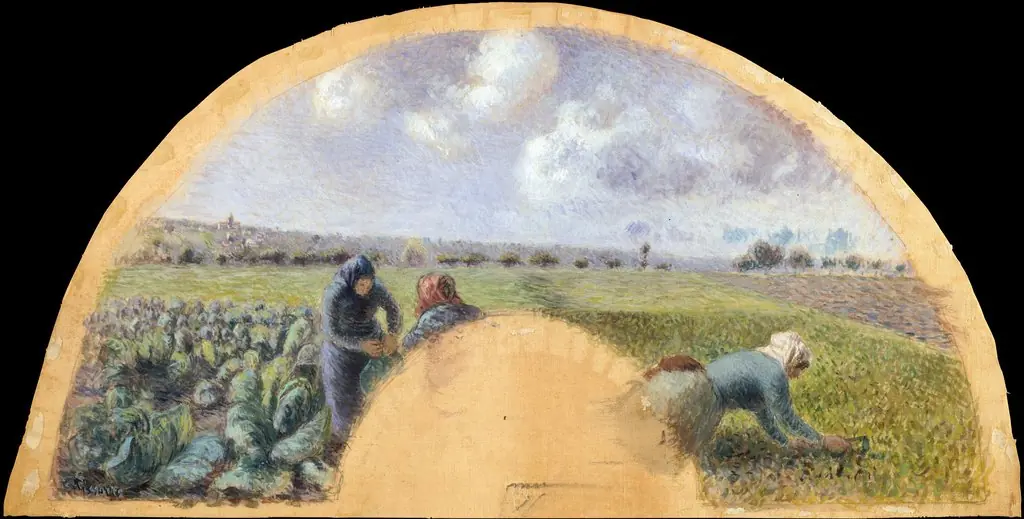 Fan Mount: The Cabbage Gatherers
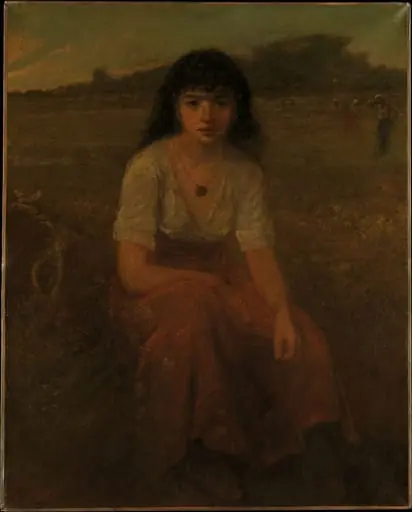 The Quadroon
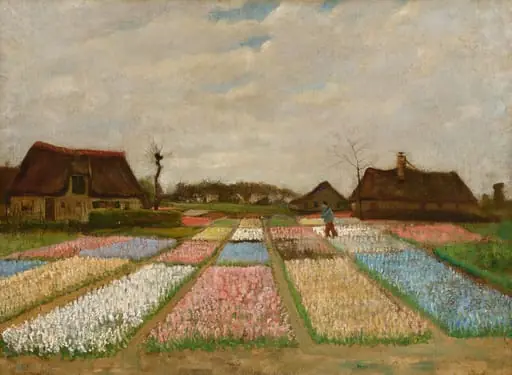 Flower Beds in Holland
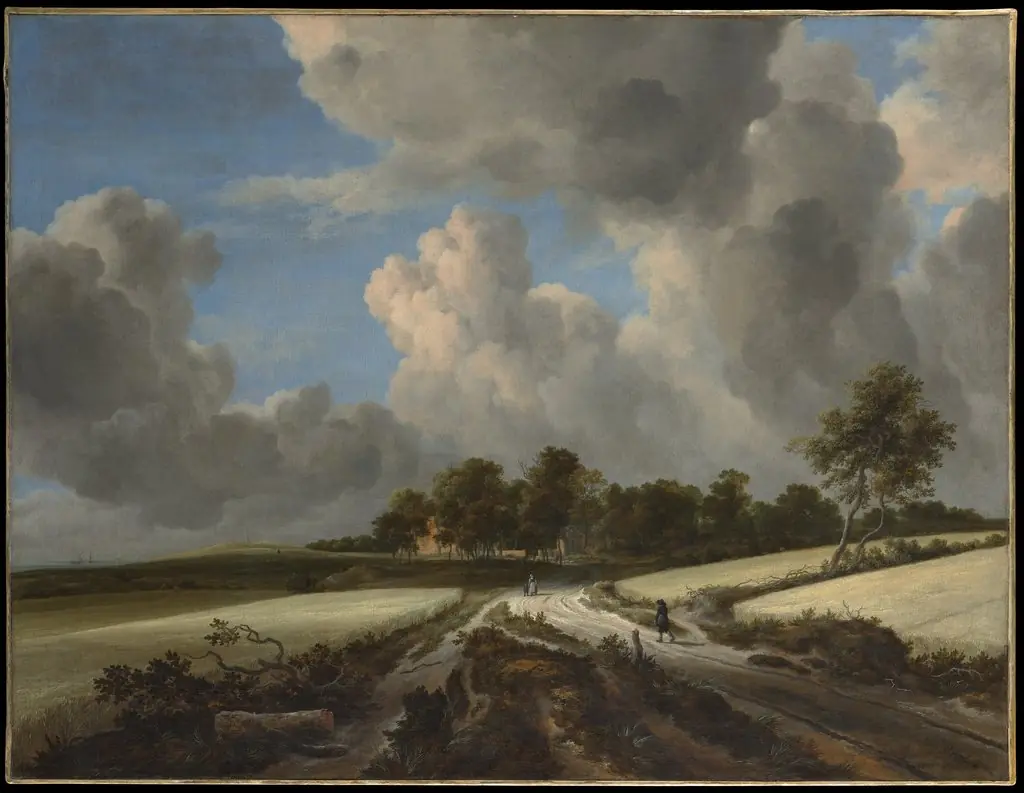 Wheat Fields
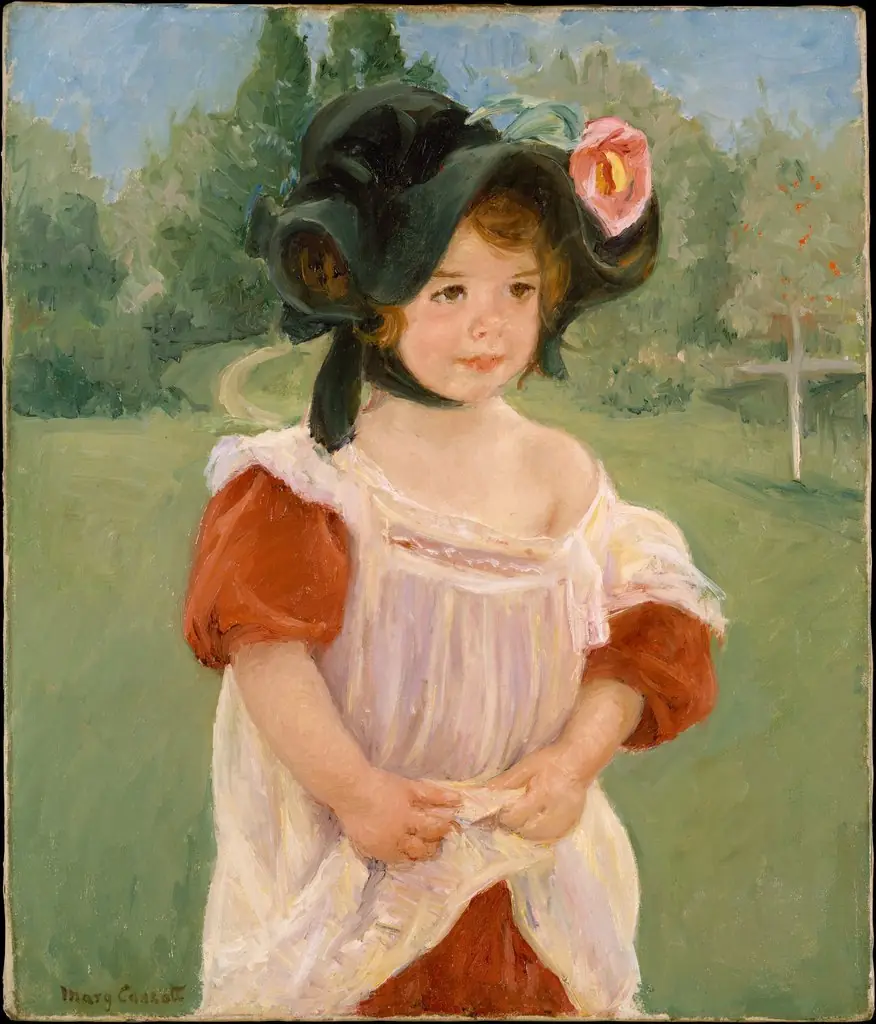 Spring: Margot Standing in a Garden (Fillette dans un jardin)
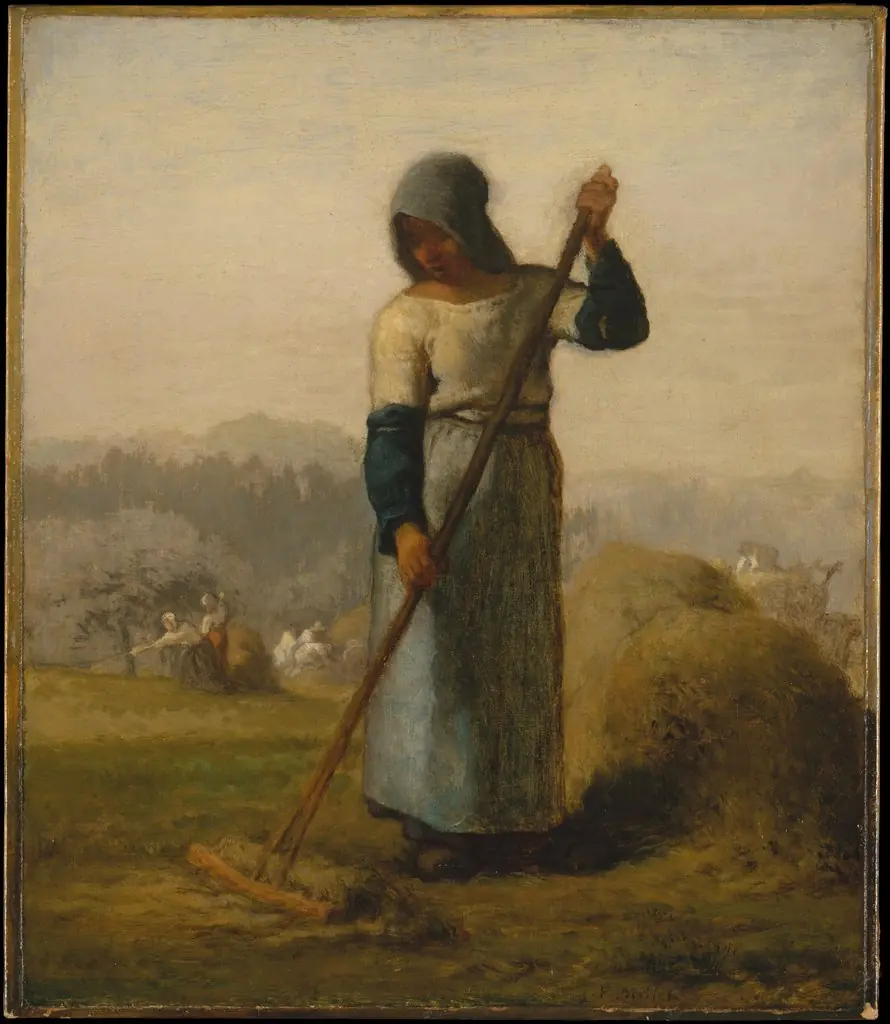 Woman with a Rake
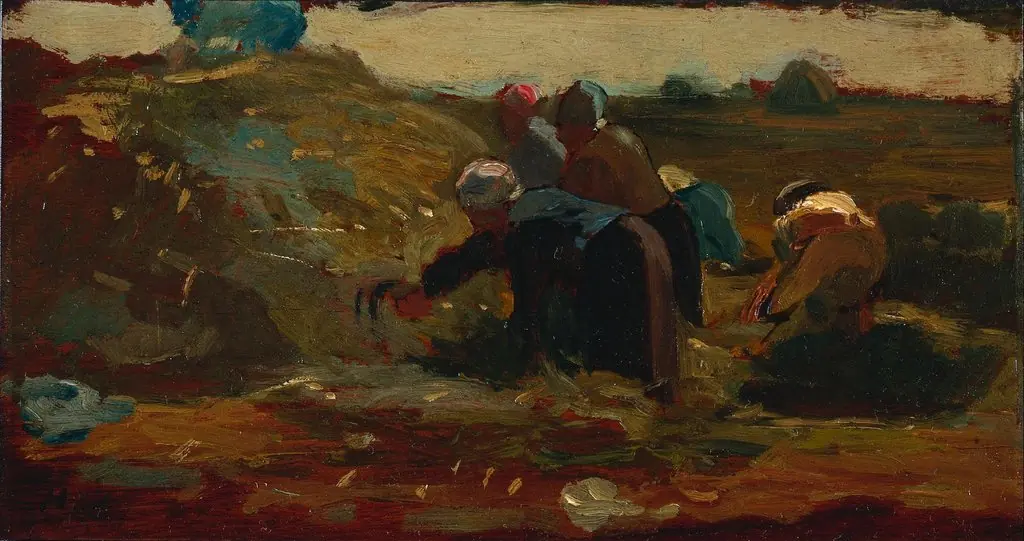 Women Working in a Field
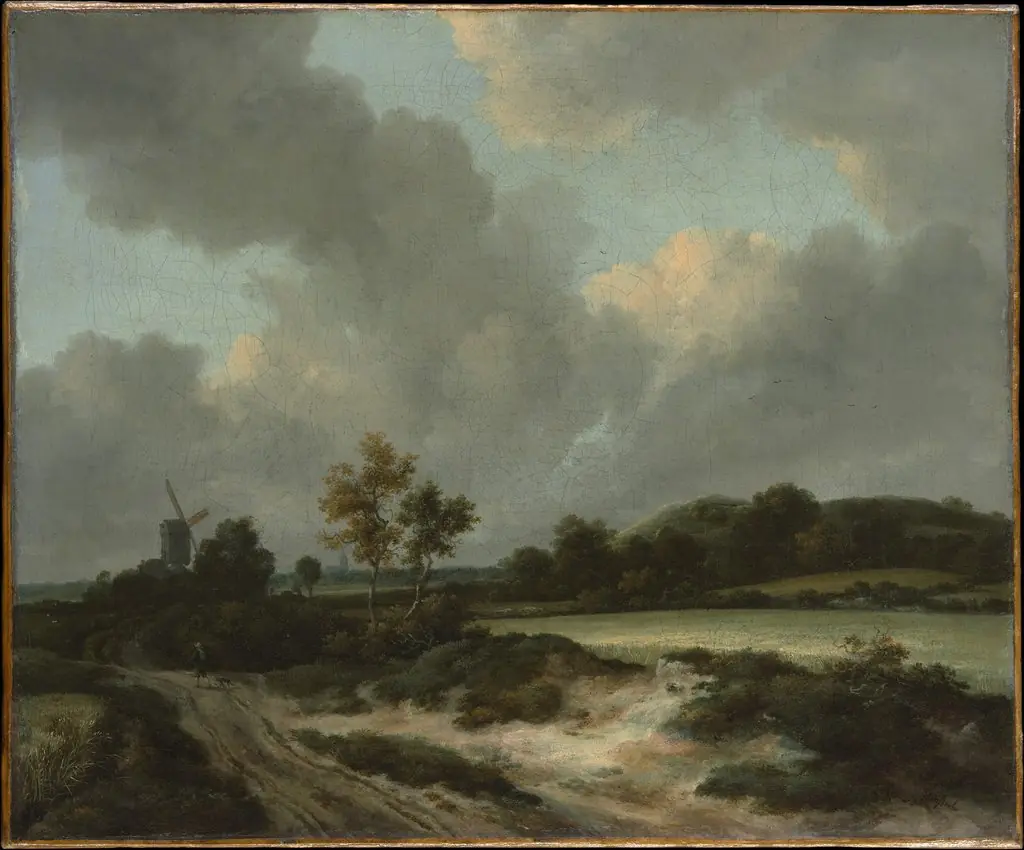 Grainfields
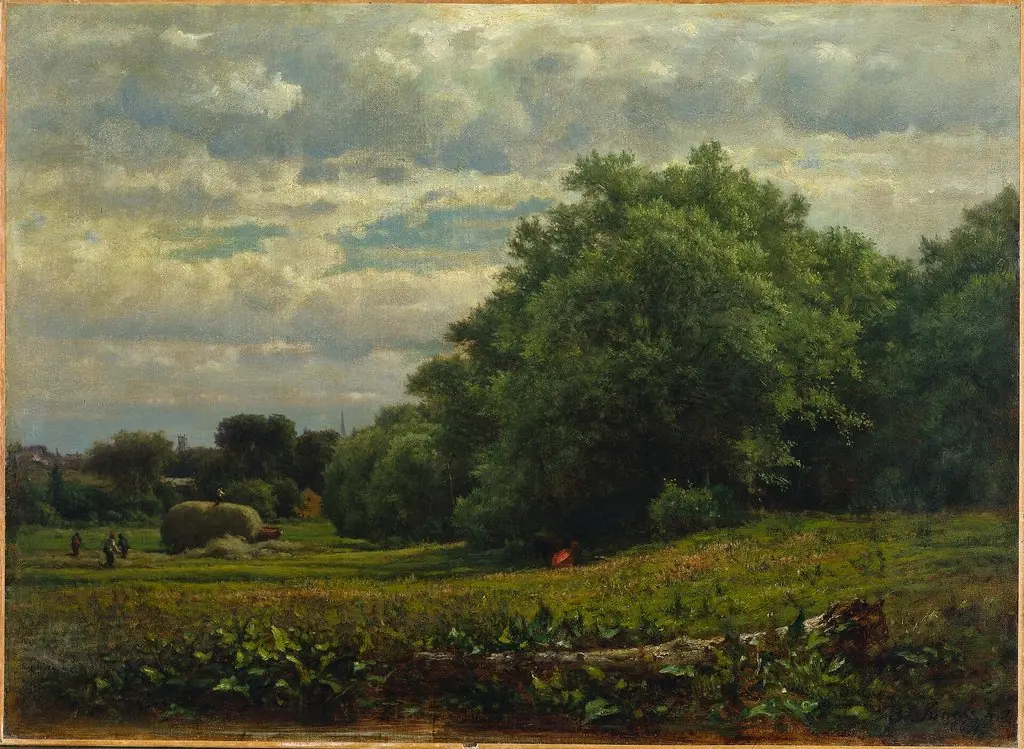 Harvest Time
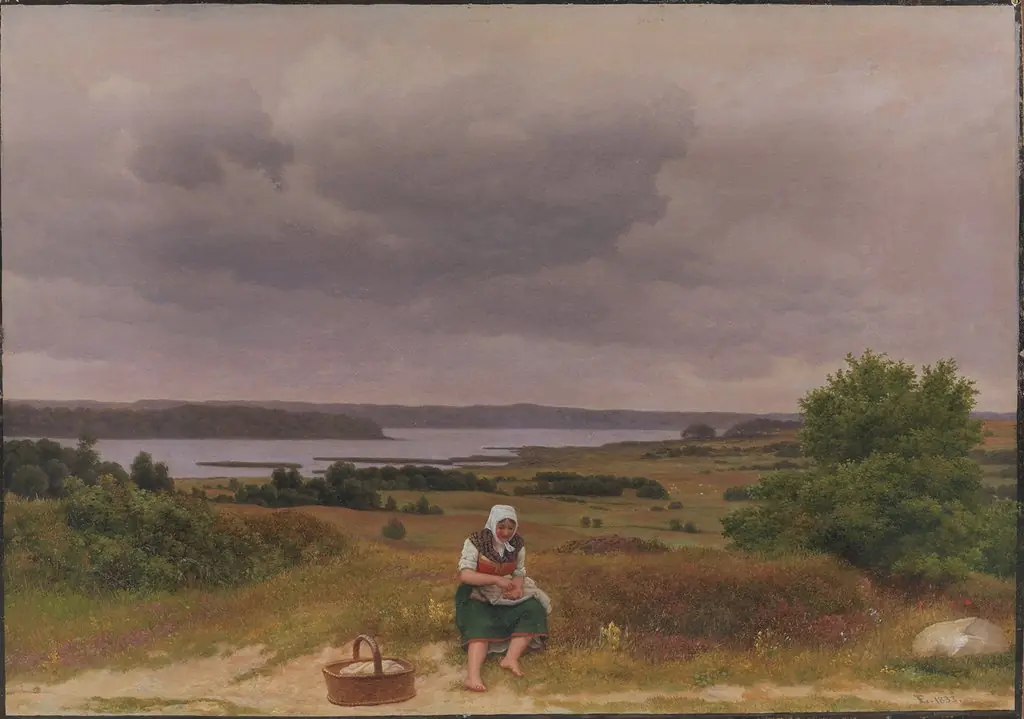 View of Lake Fure near Rudersdal, North Sealand.
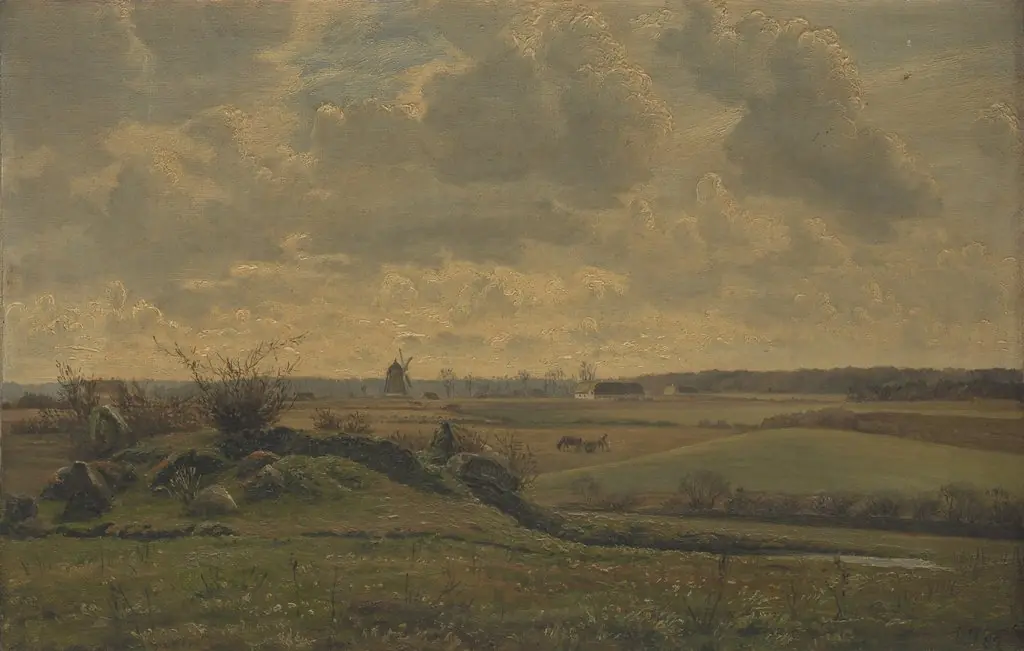 Landskab ved Gyrstinge
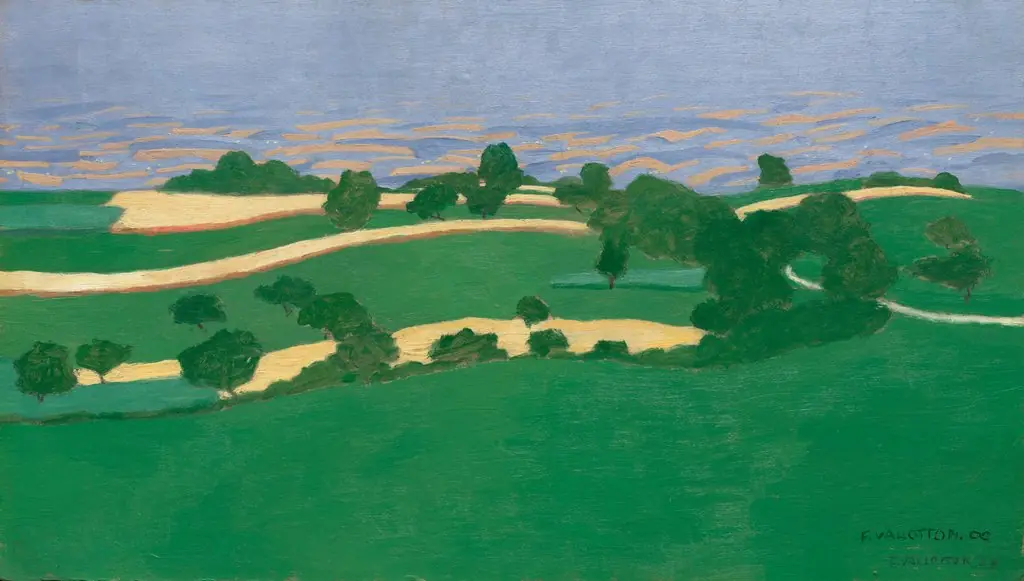 Corn Fields
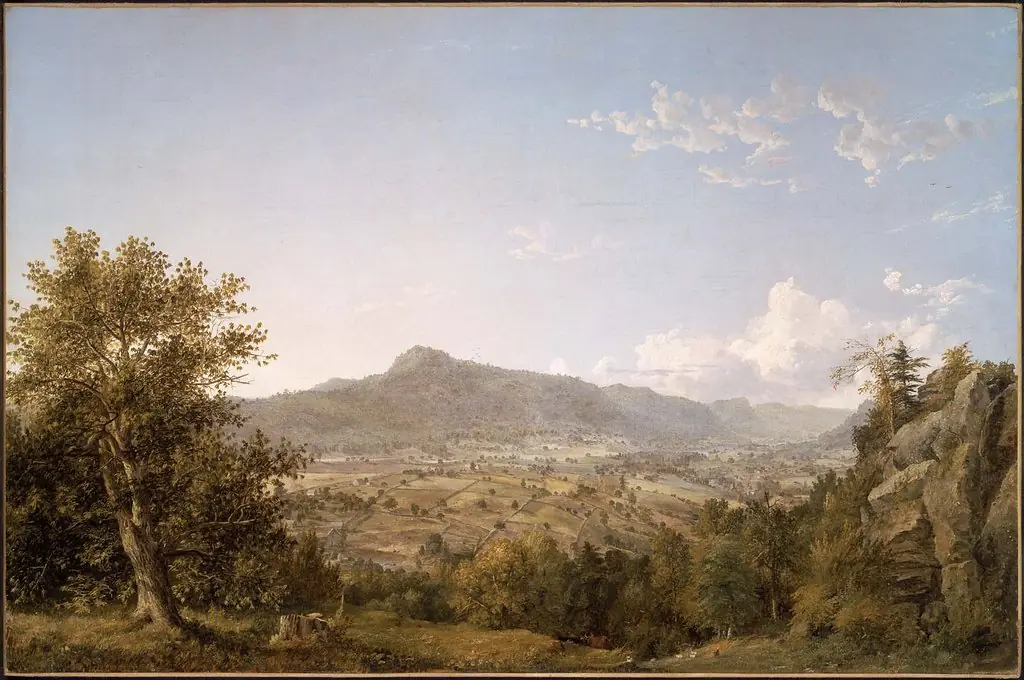 Schatacook Mountain, Housatonic Valley, Connecticut
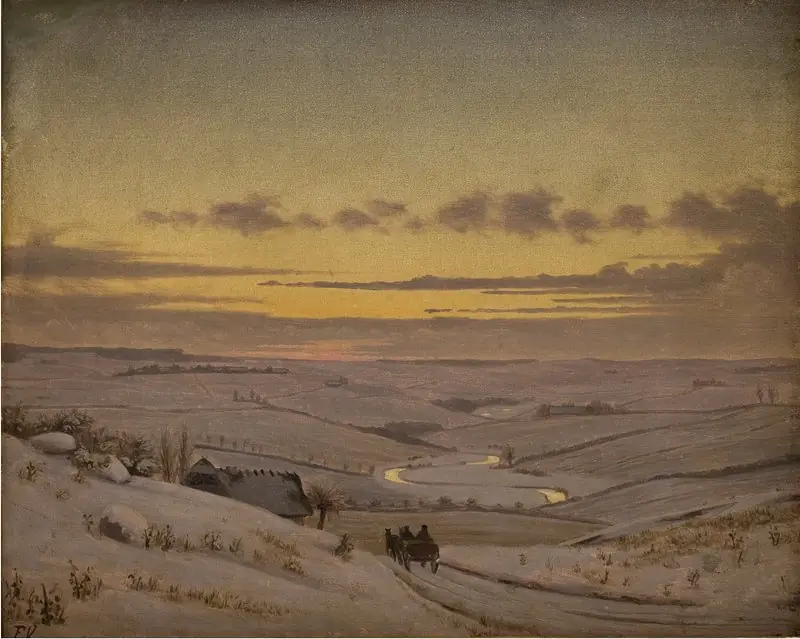 Vinteraften ved Susåen
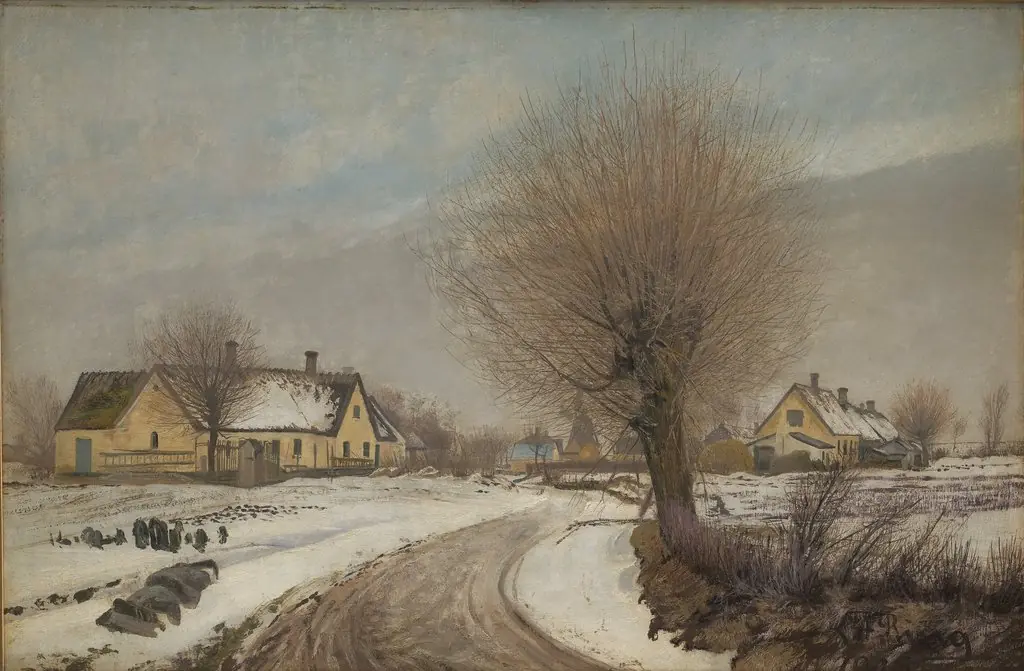 A Sealand Village. Winter
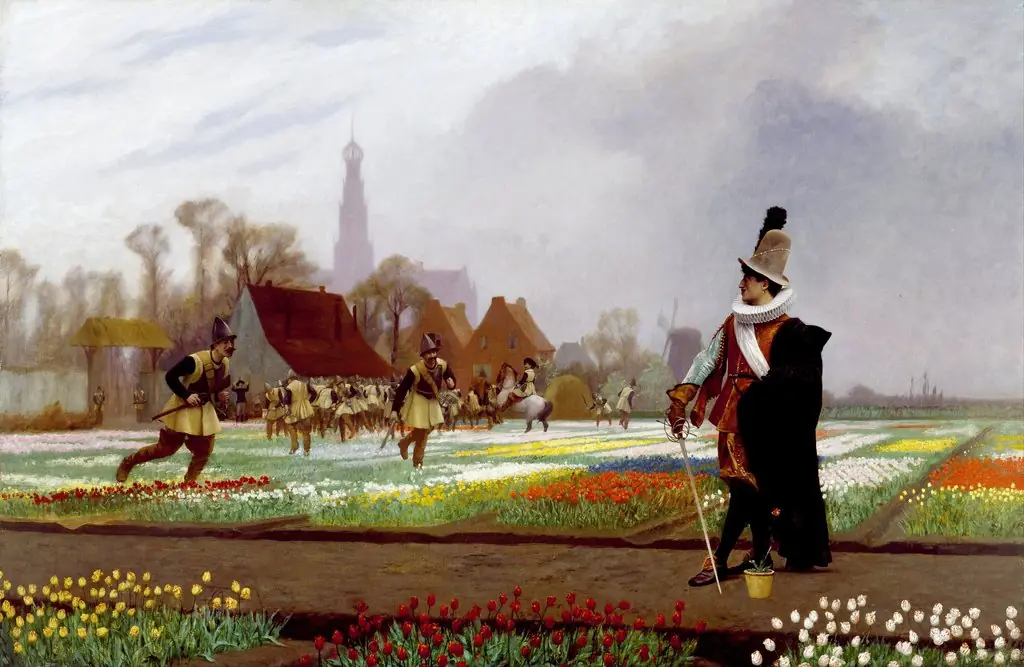 The Tulip Folly
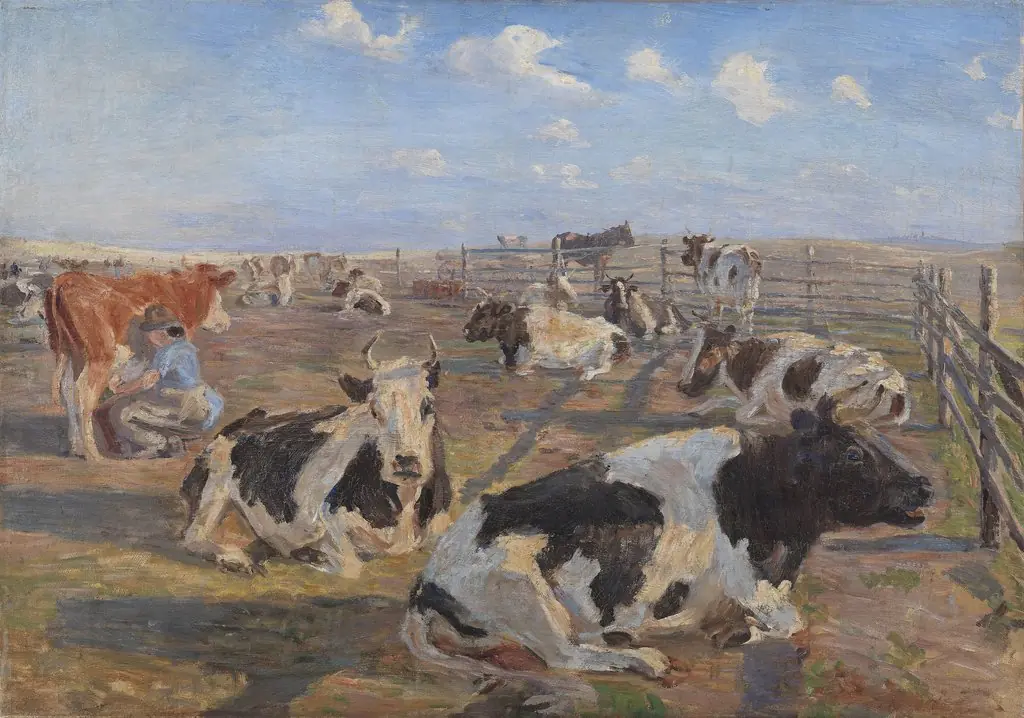 The Milking Place at Meilgård
 Harvest
 Mountainous Landscape Behind Saint-Paul Hospital
 Landscape with a View Towards a Town
 A Sower
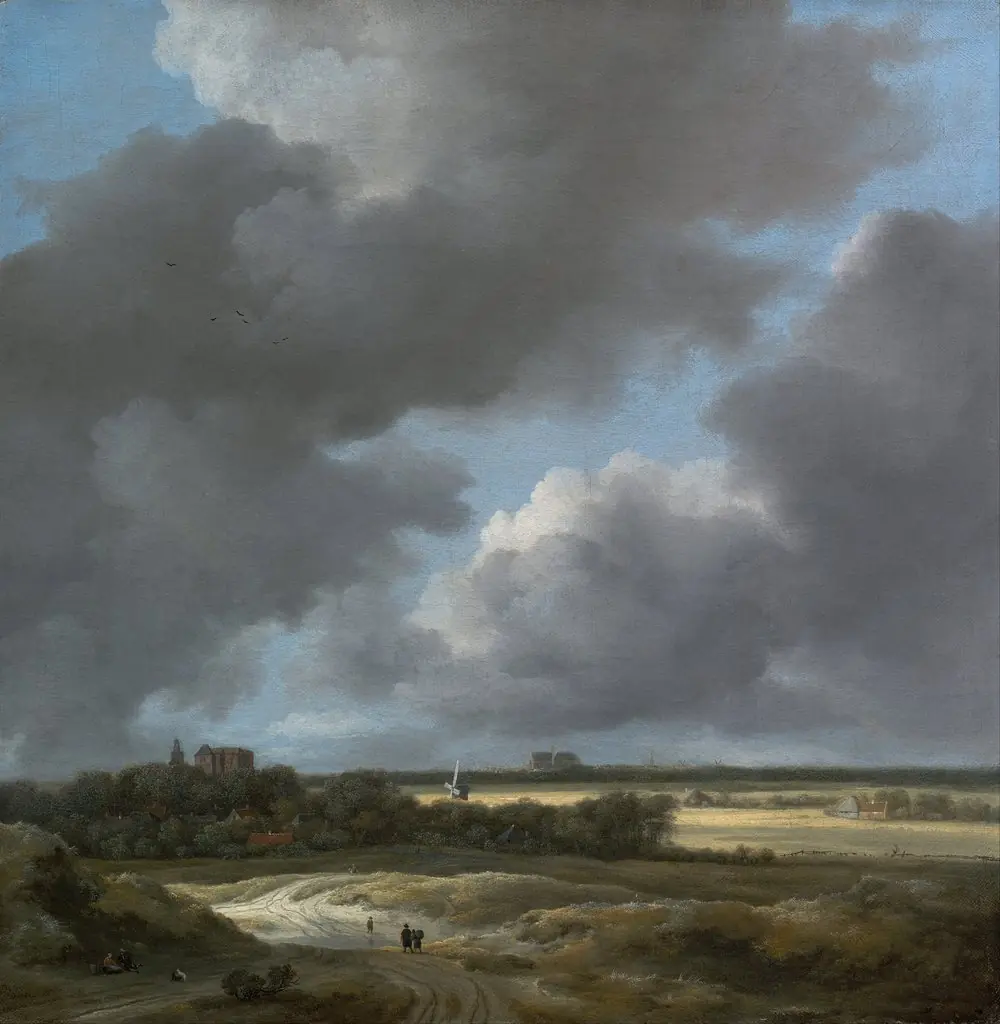 View of Alkmaar
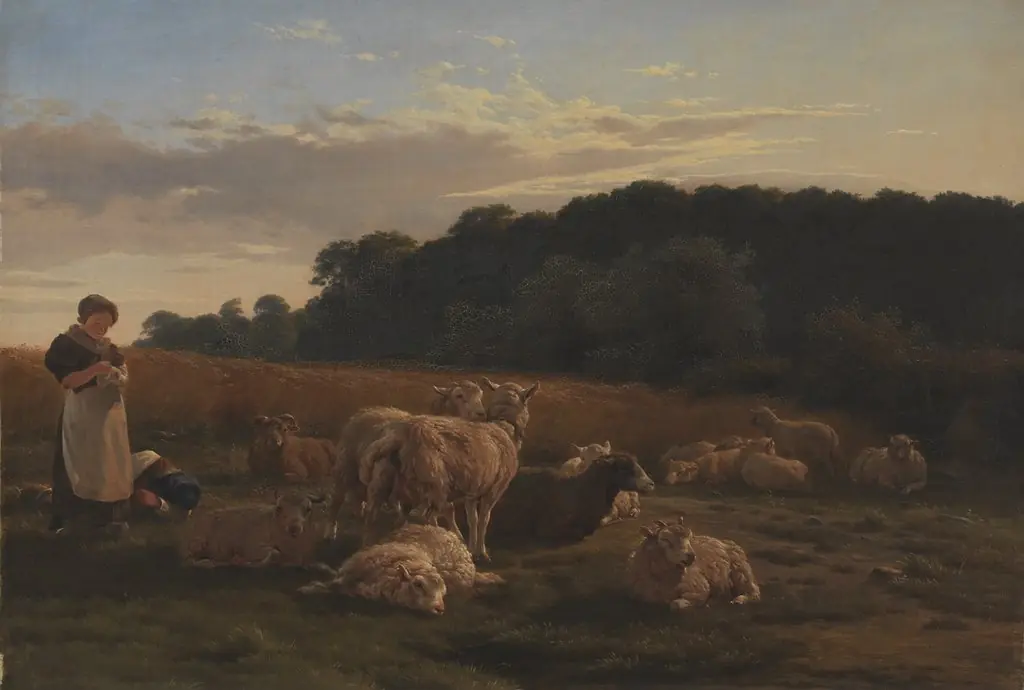 En fåreflok. Motivet fra Faxingeskoven ved Nysø
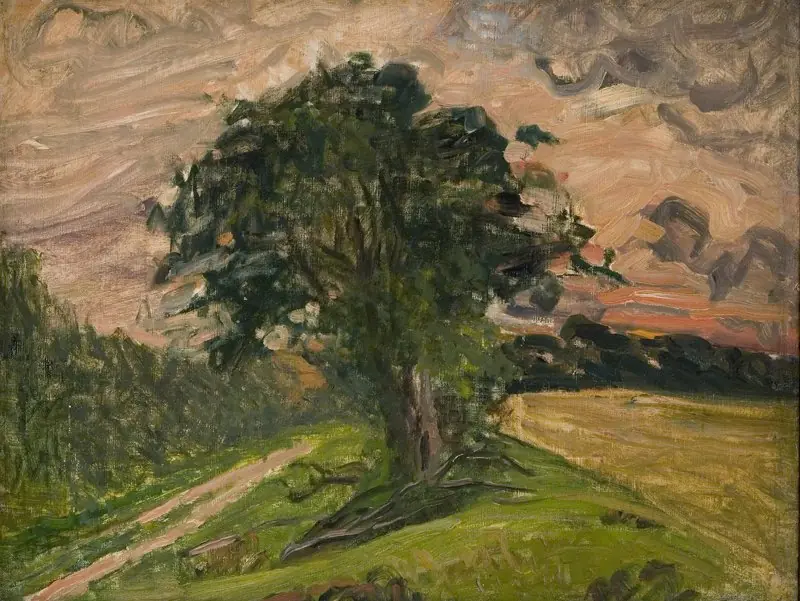 Aftenlandskab. Tisvilde
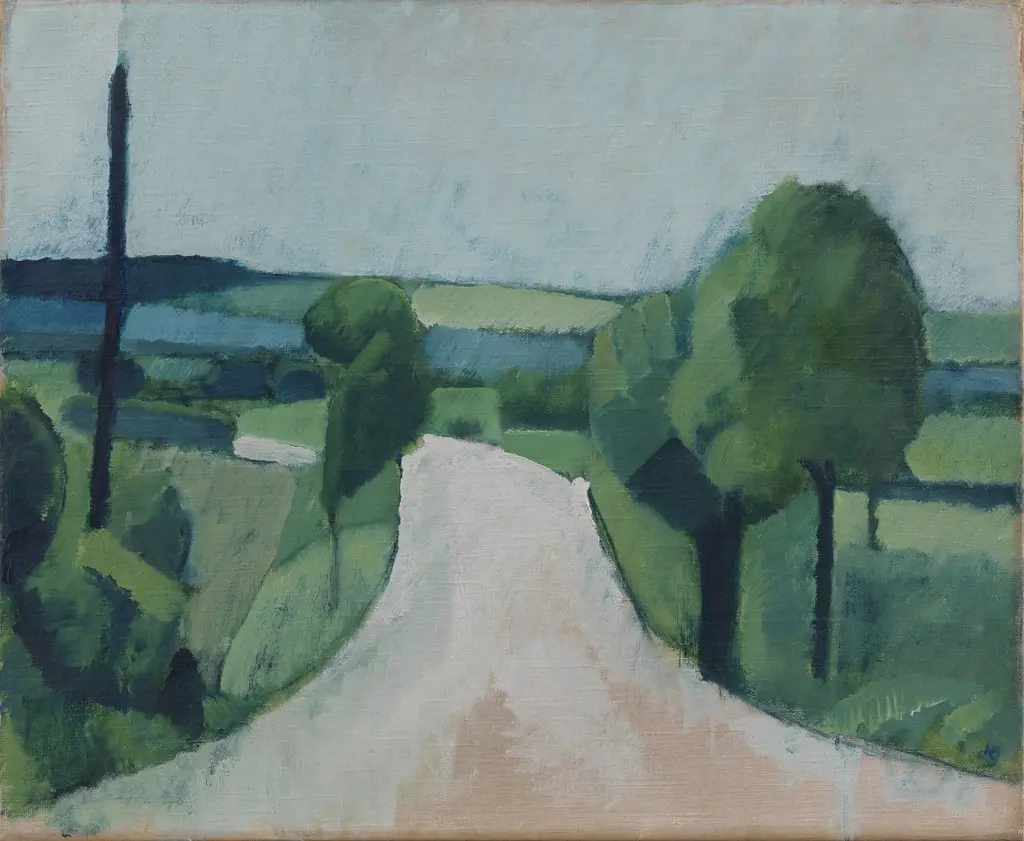 Road near Fåborg on Funen
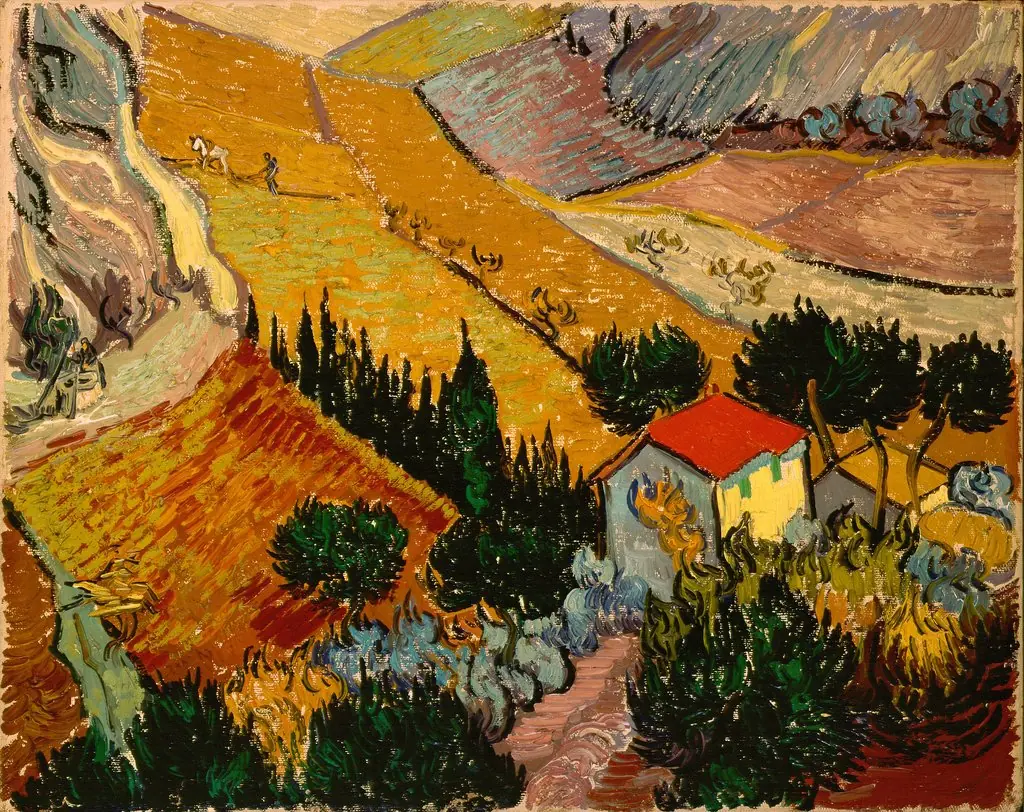 Landscape with House and Ploughman
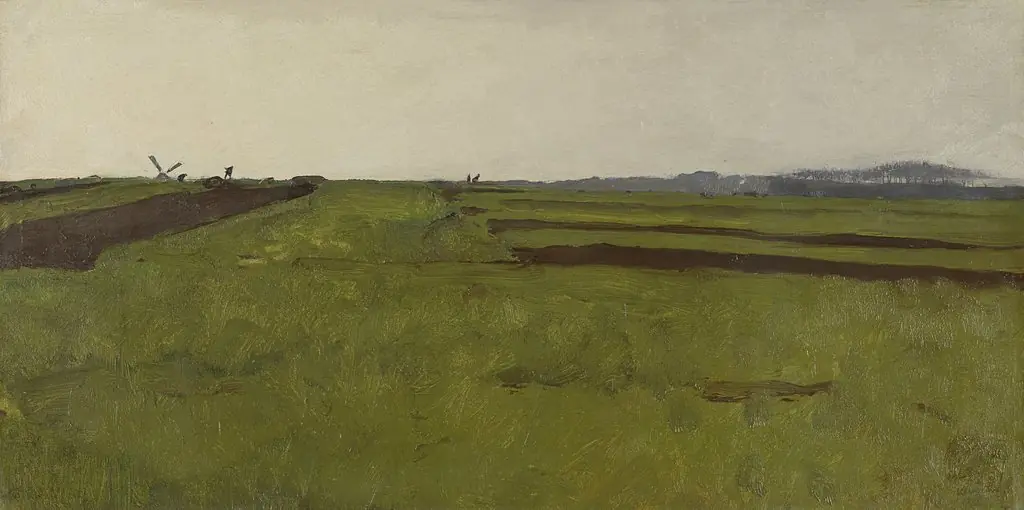 Landscape with fields
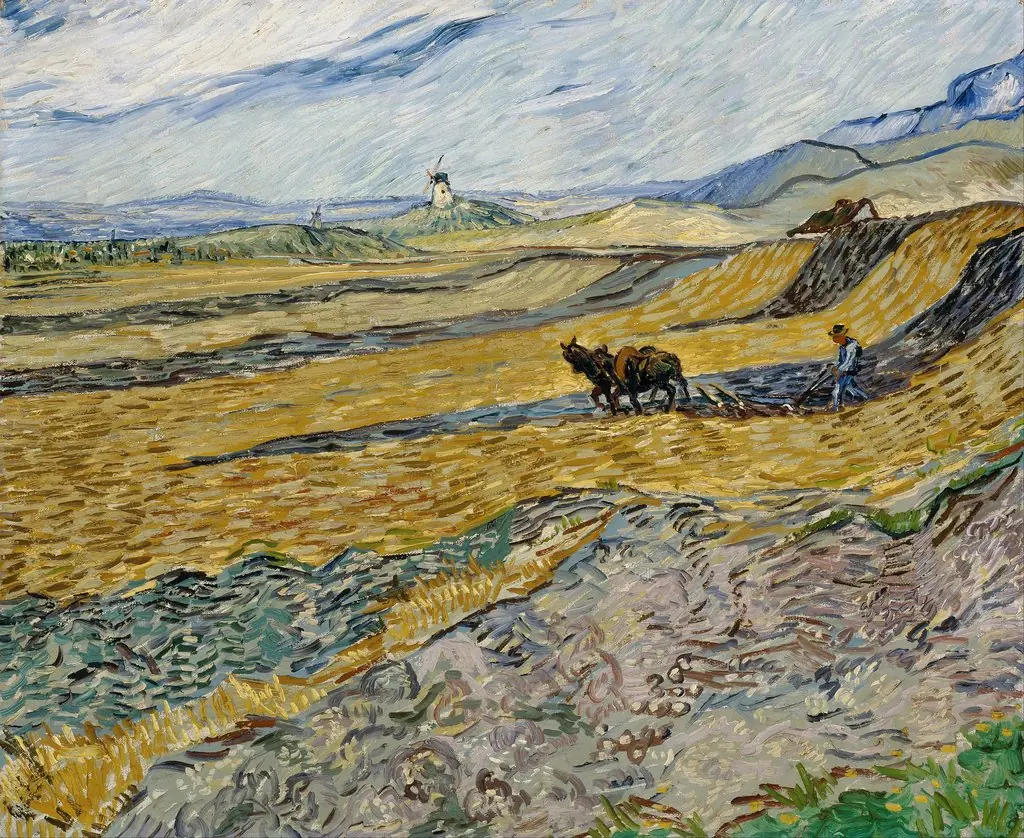 Enclosed Field with Ploughman
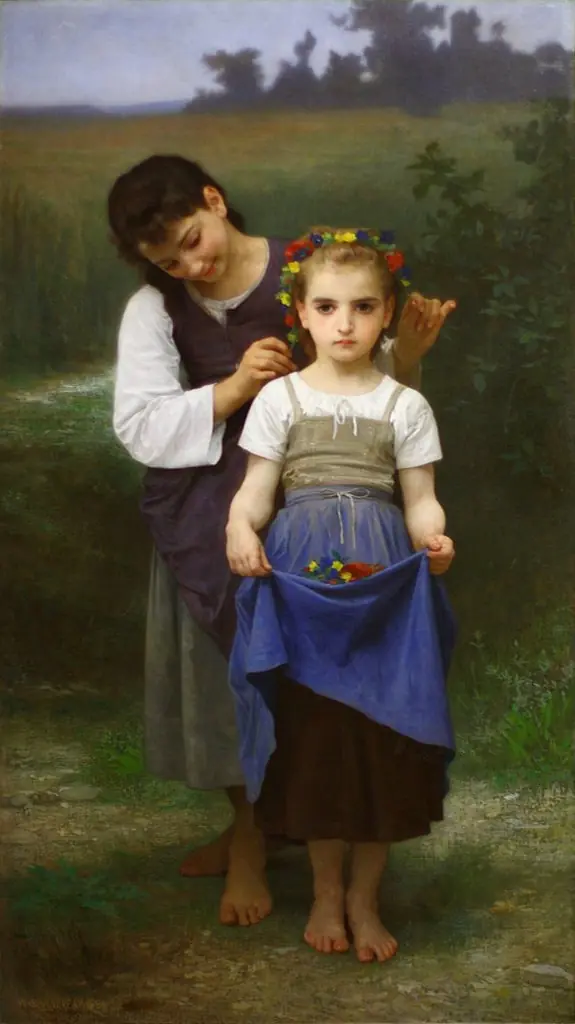 Crown of Flowers
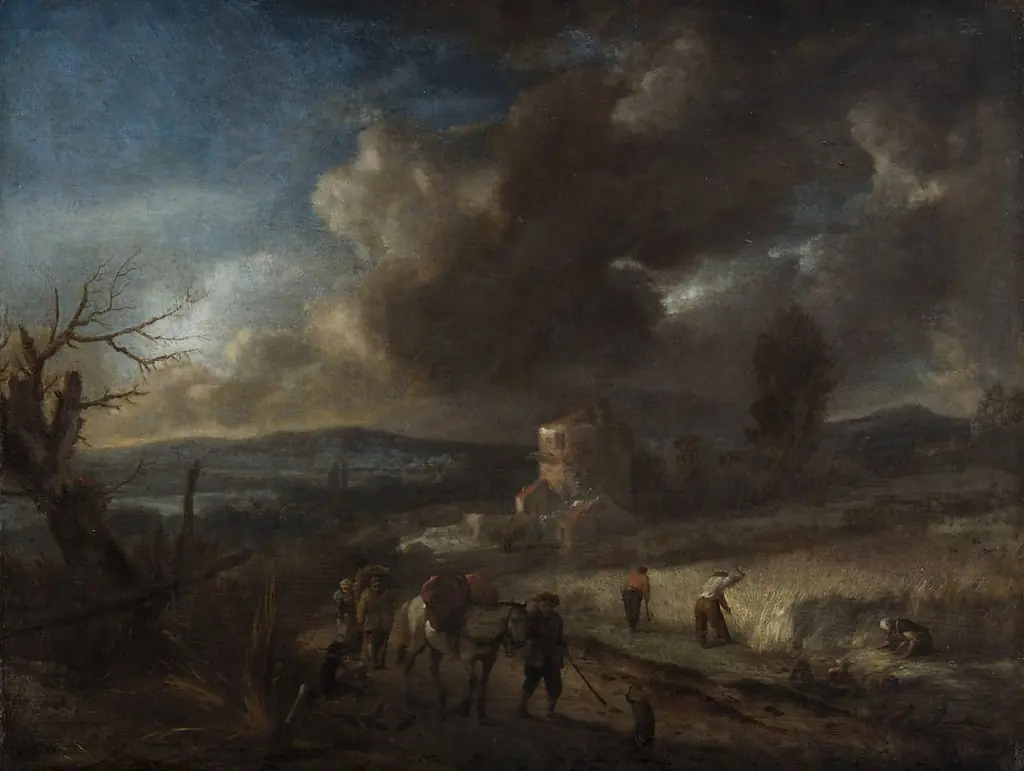 Landscape with Harvesters
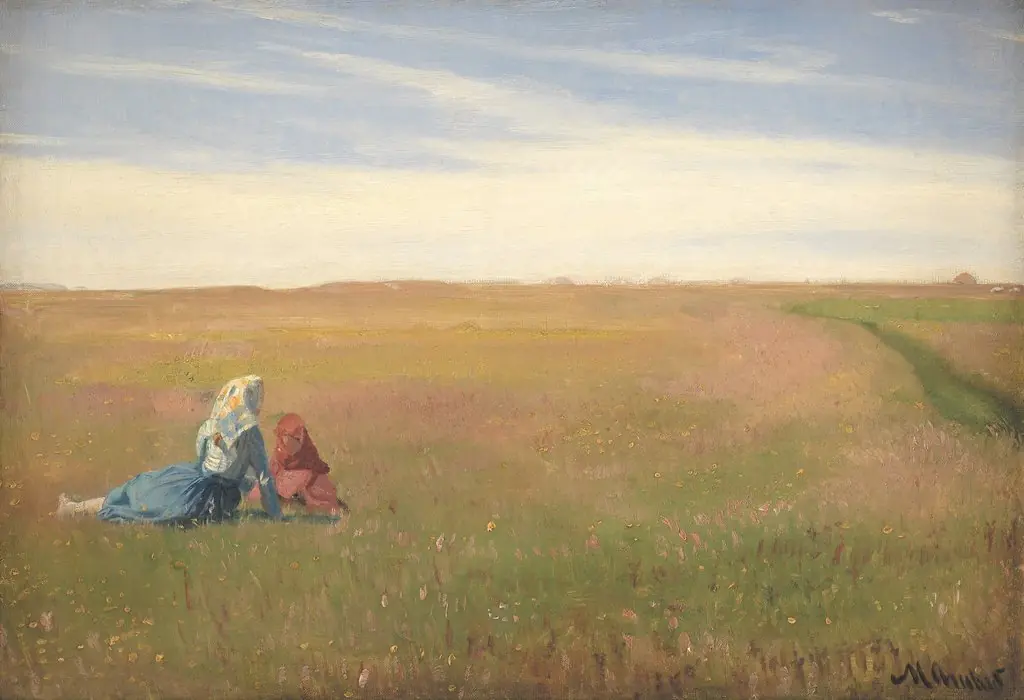 Two Girls in a Field. A Summer’s Day
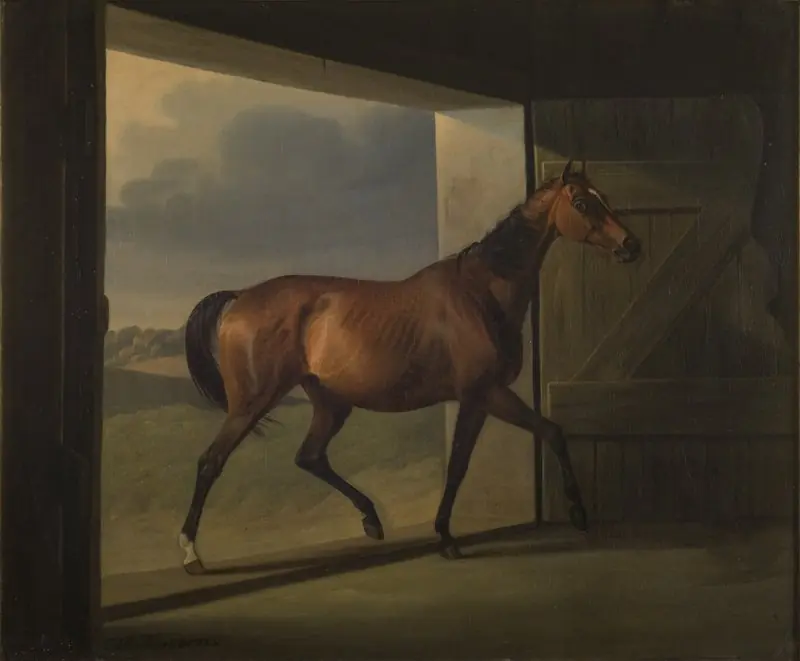 Jutta
Jutta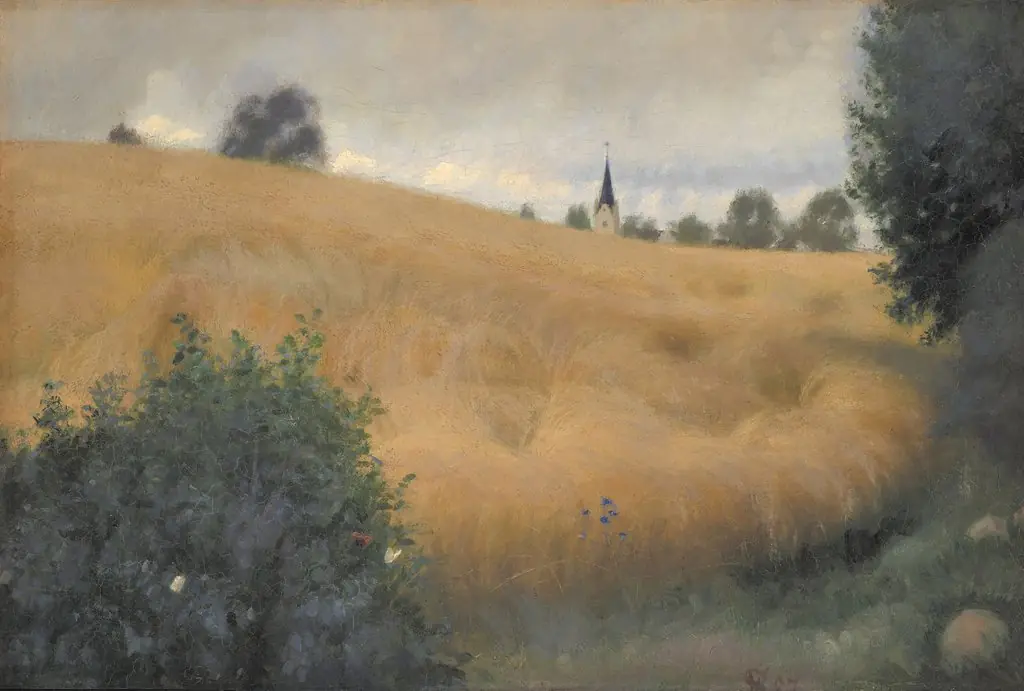 A Rye Field near Svanninge
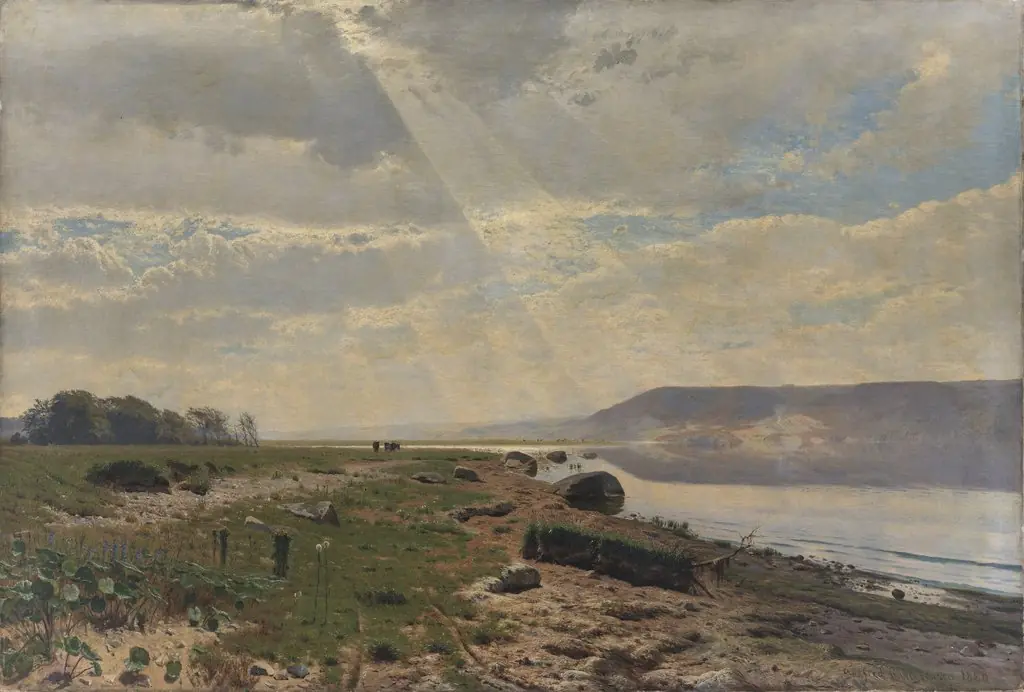 Mariager Fjord
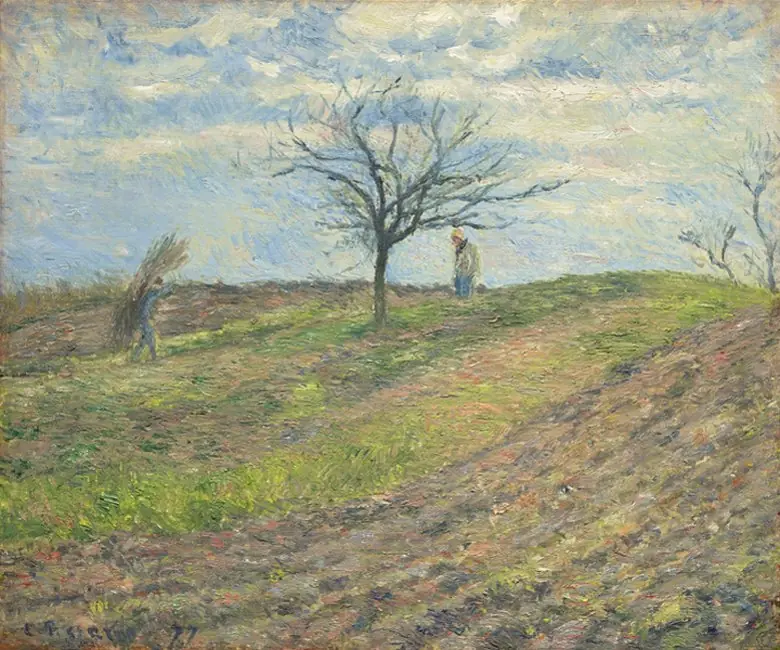 Ploughed Field in Winter with a Man Carrying a Bundle of Sticks
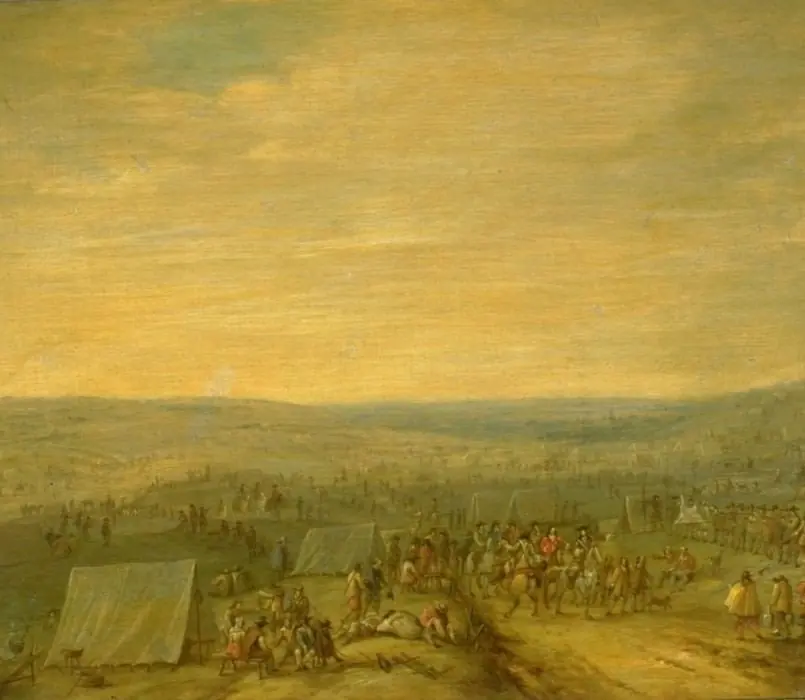 The Encampment
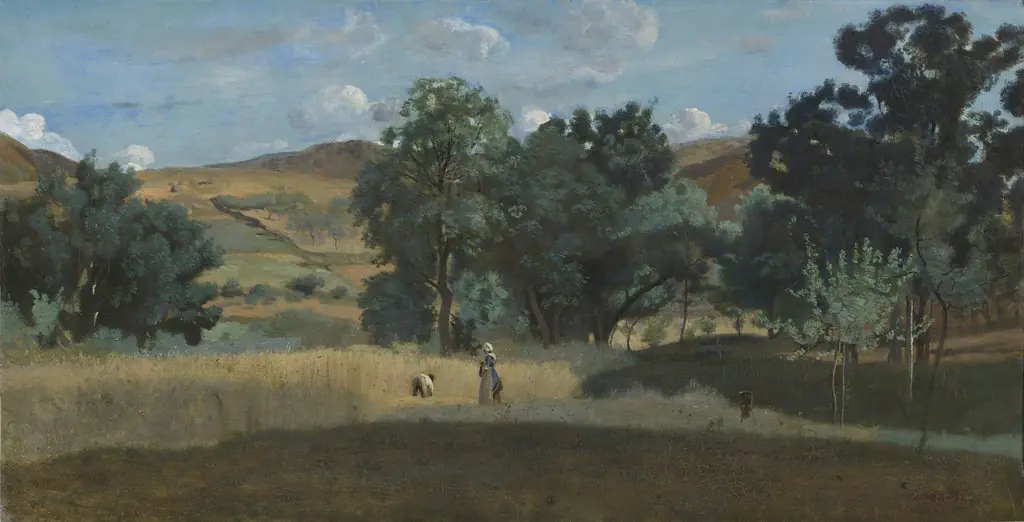 Champ de blé dans le Morvan
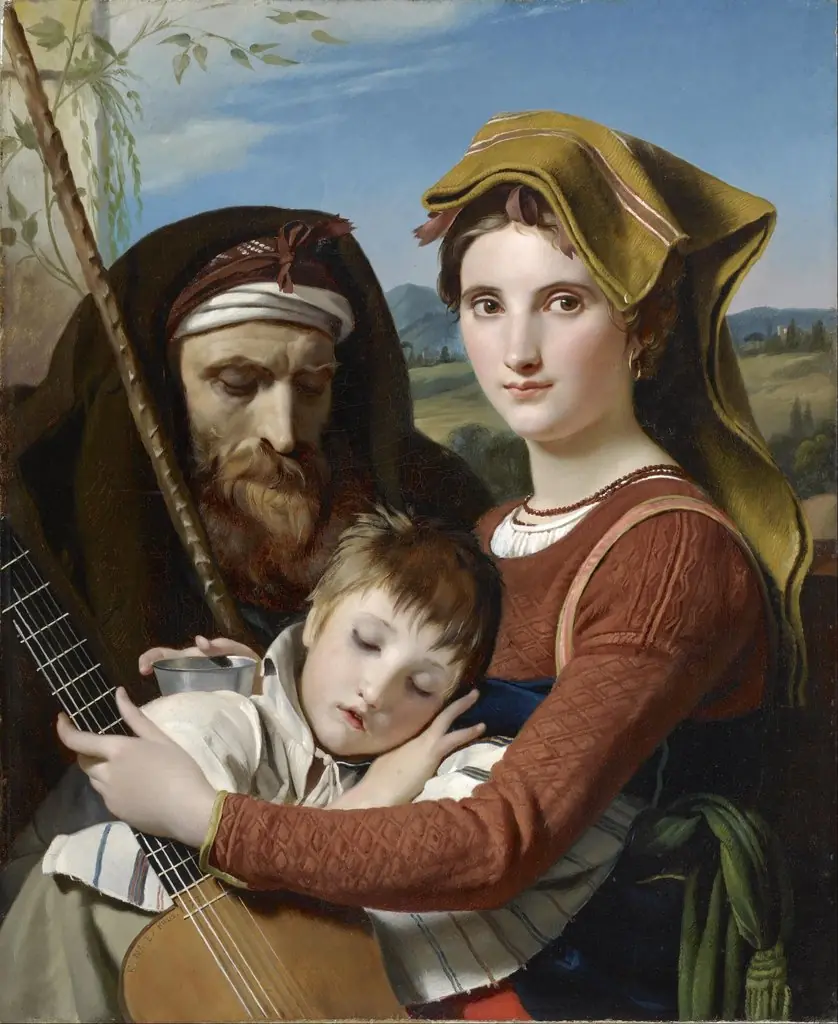 Roman Shepherd Family in the Campagna
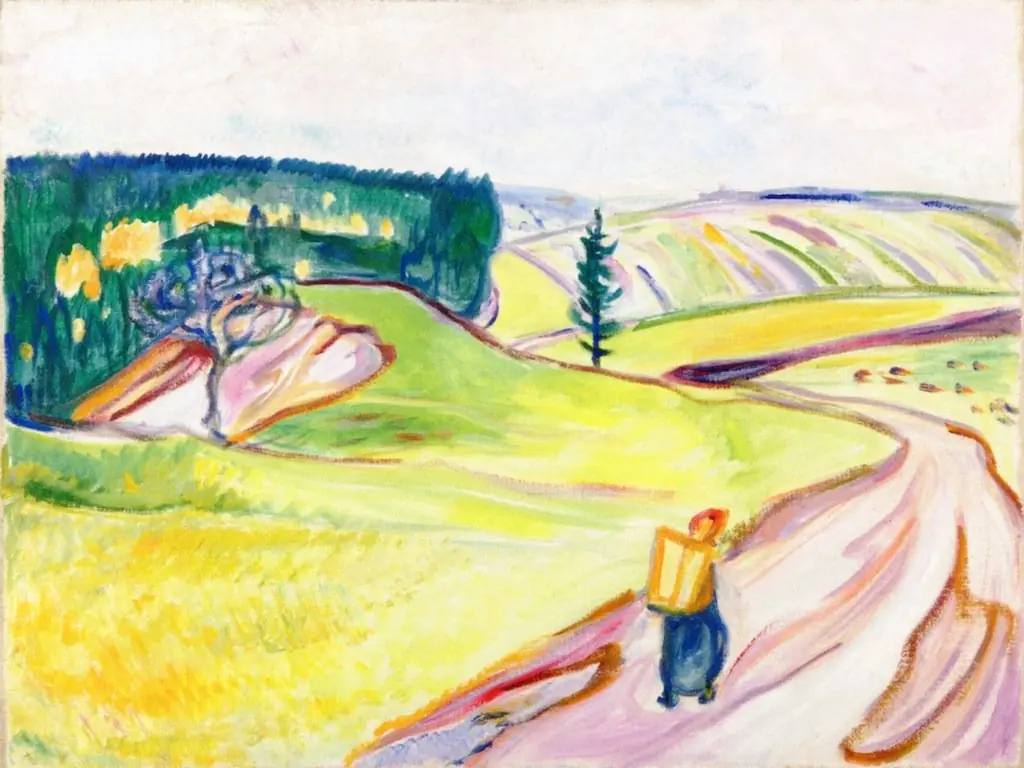 Road in Thüringen
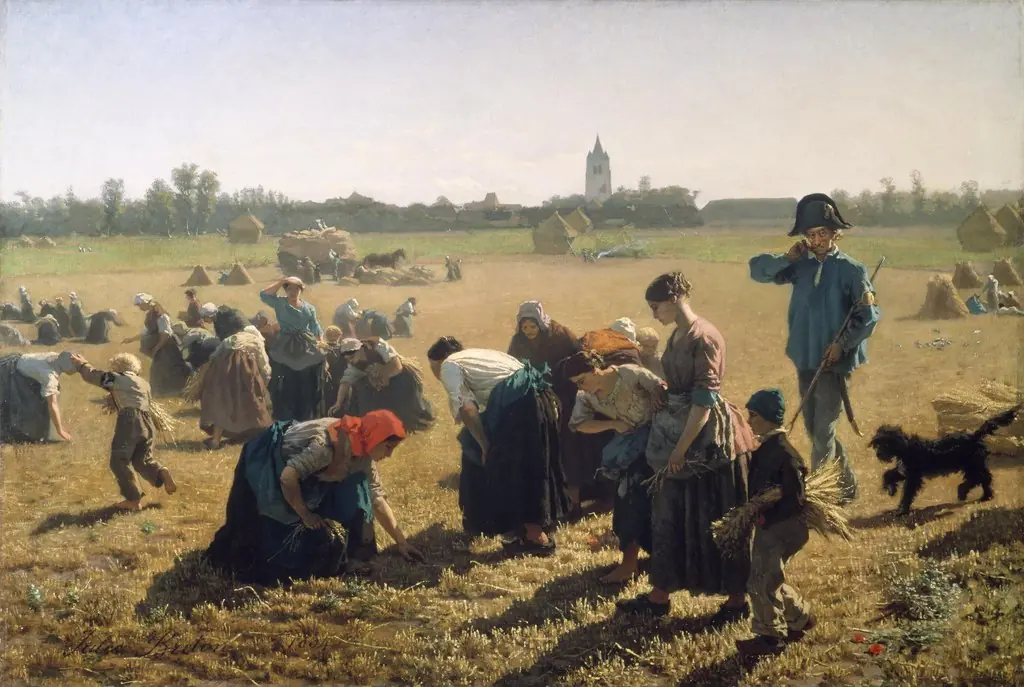 The Gleaners
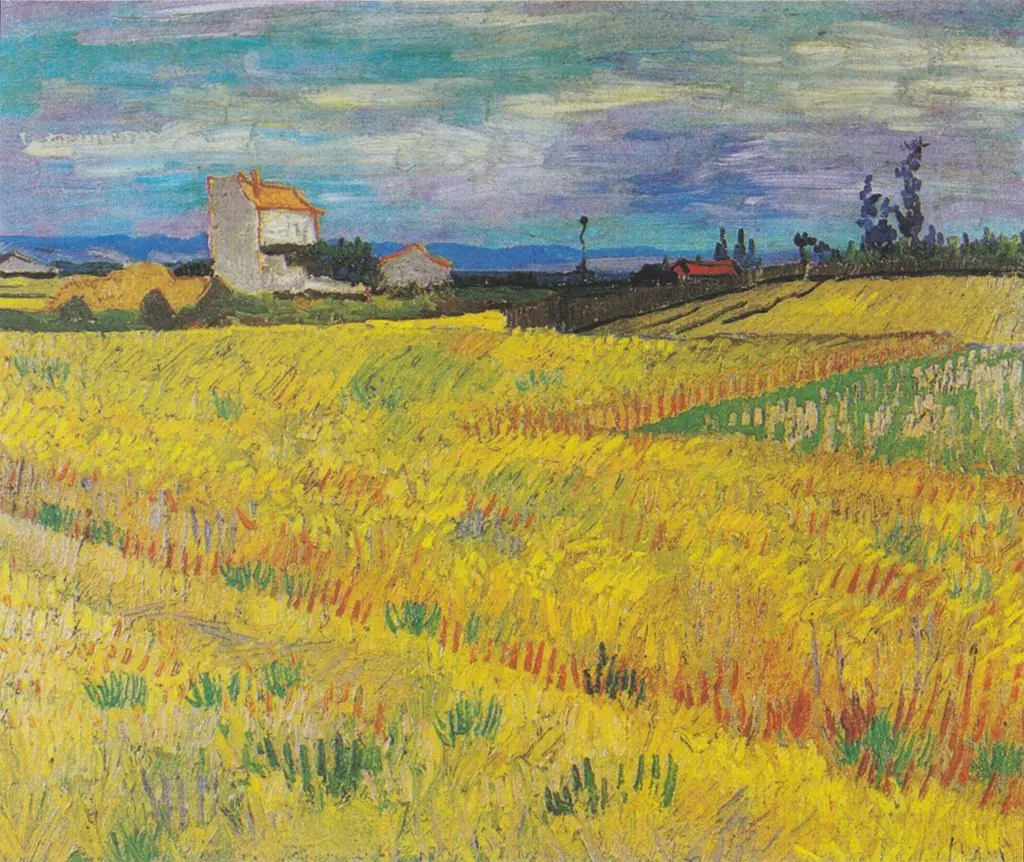 Wheat Field
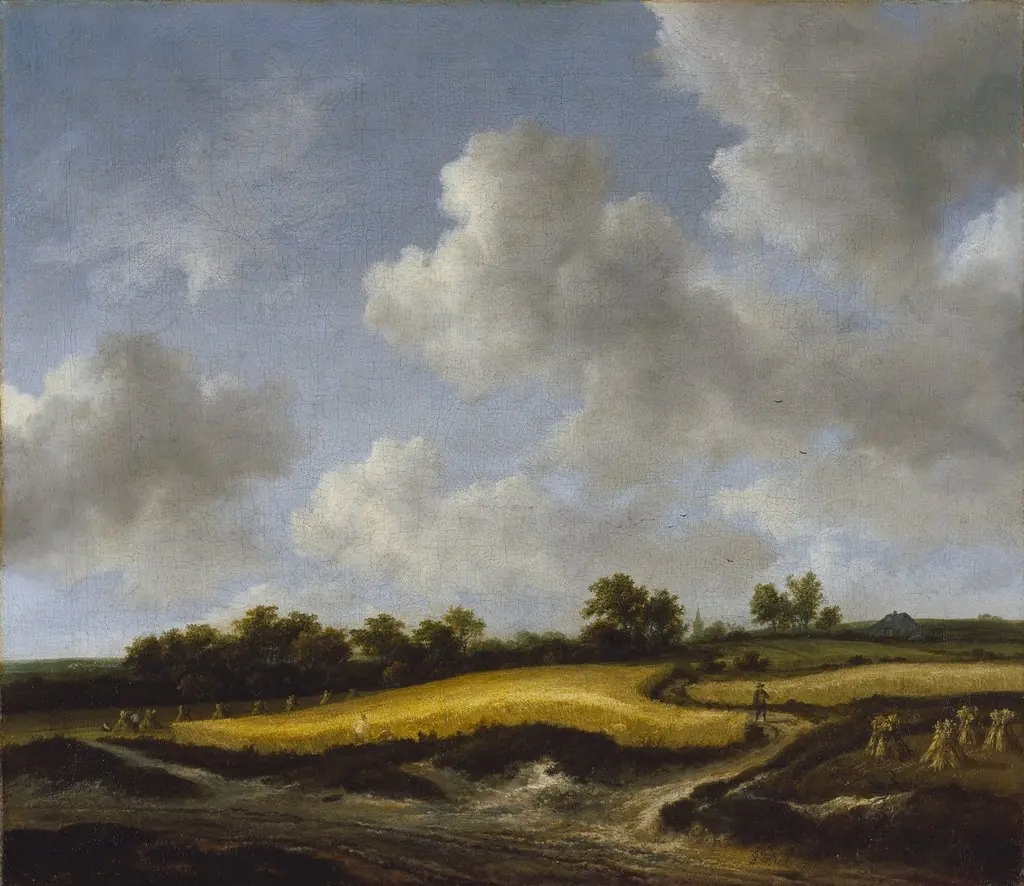 Landscape with a Wheatfield
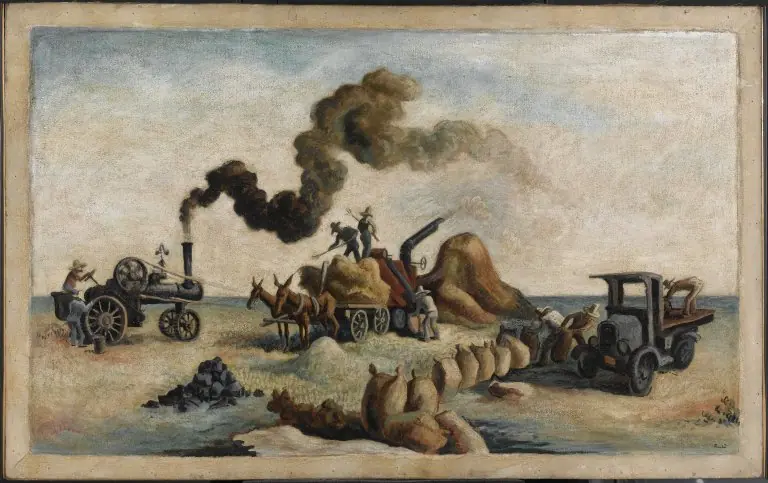 Louisiana Rice Fields
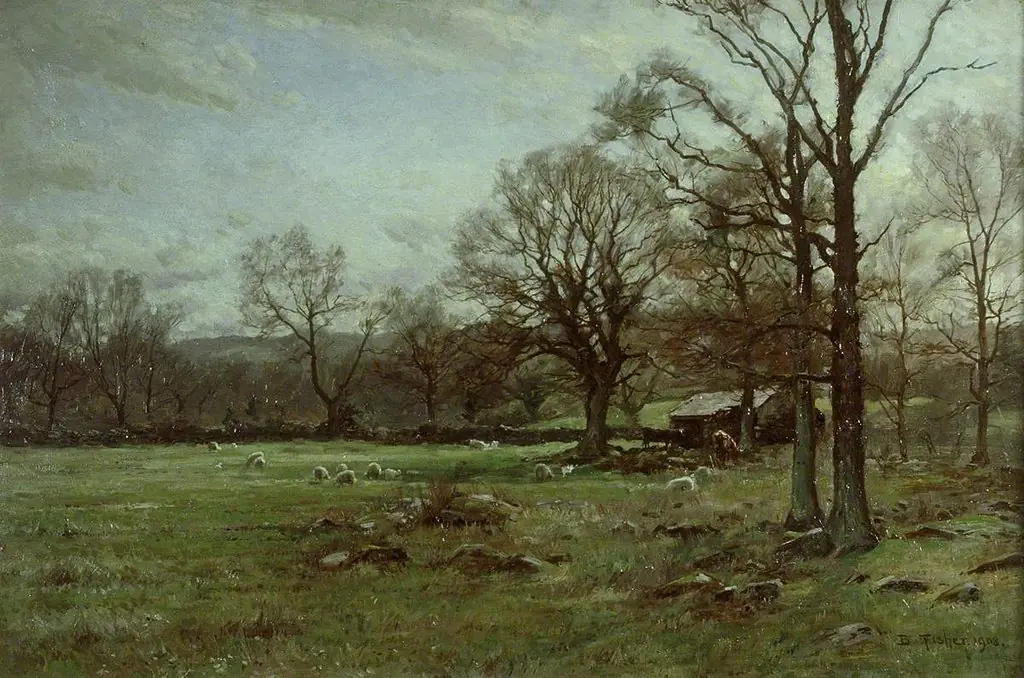 Early Spring, Dolcwm, Talycafn
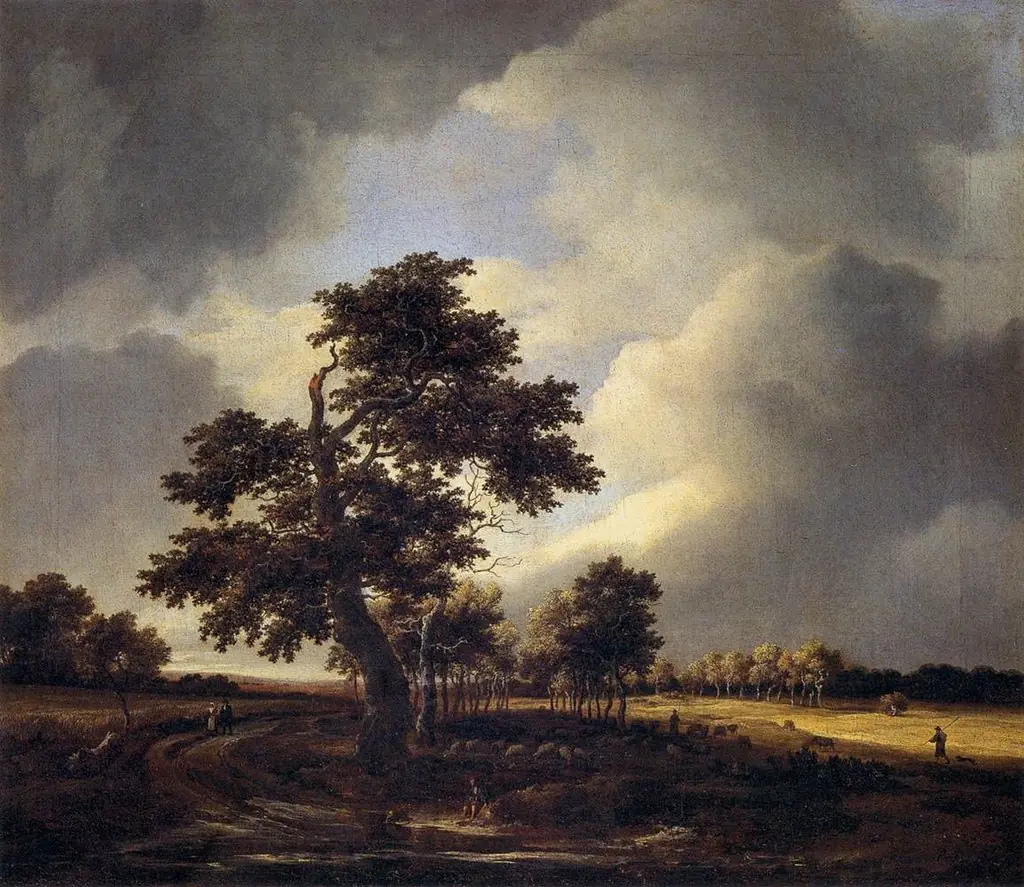 Country Road with Cornfields and Oak Tree
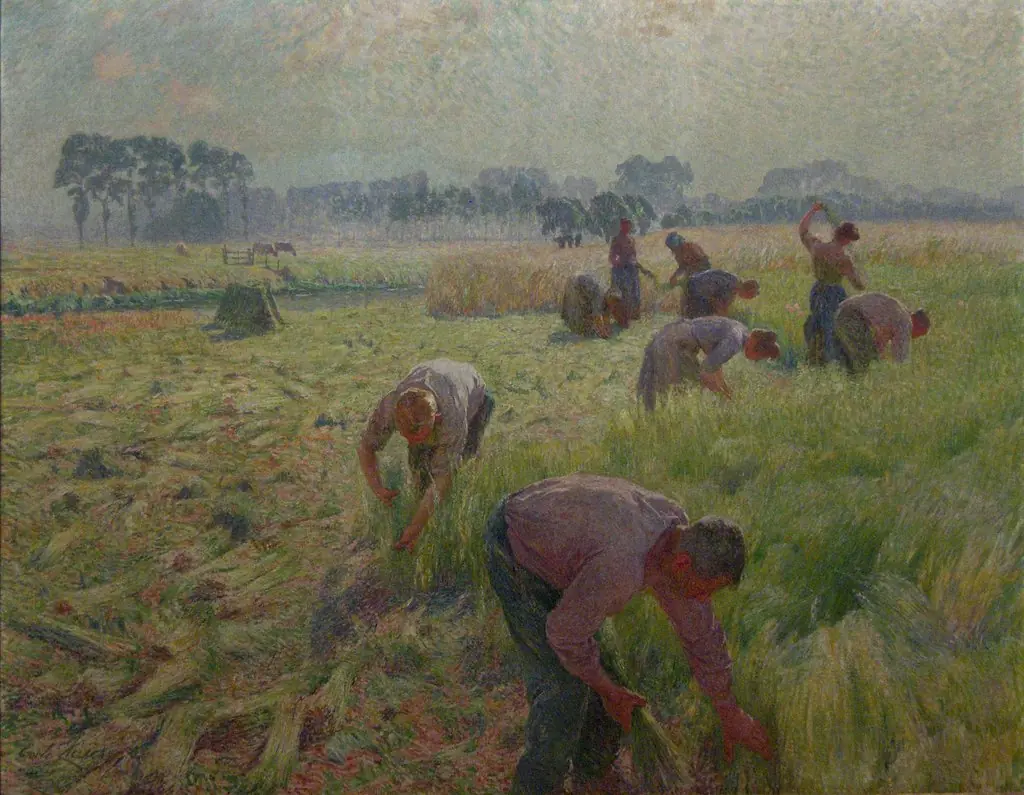 Flax harvesting
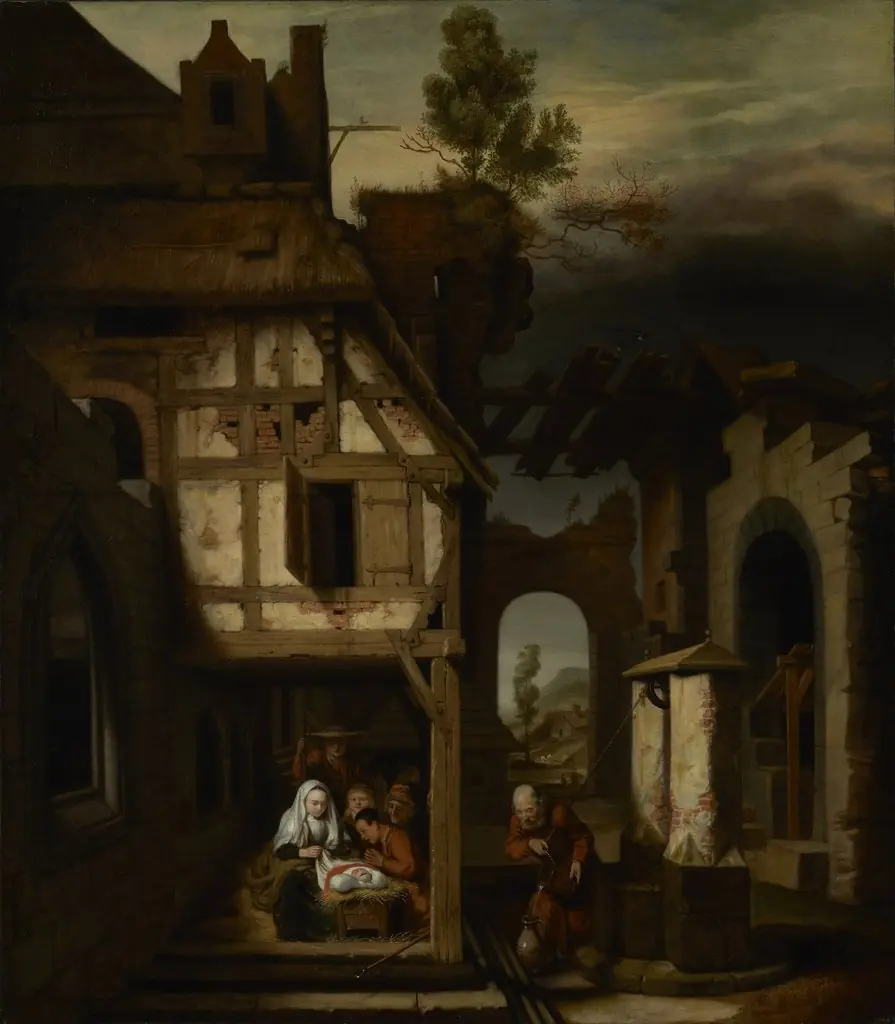 Adoration of the Shepherds
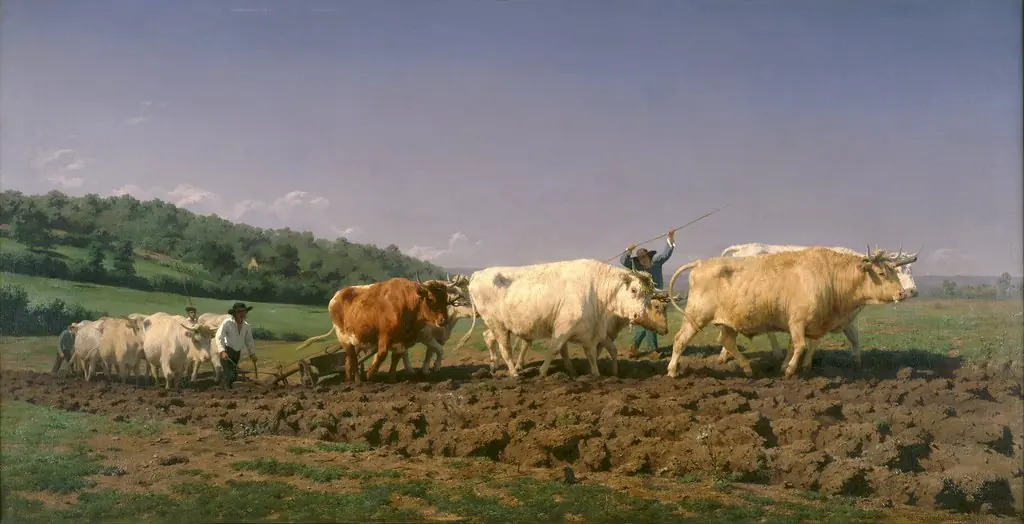 Ploughing in the Nivernais
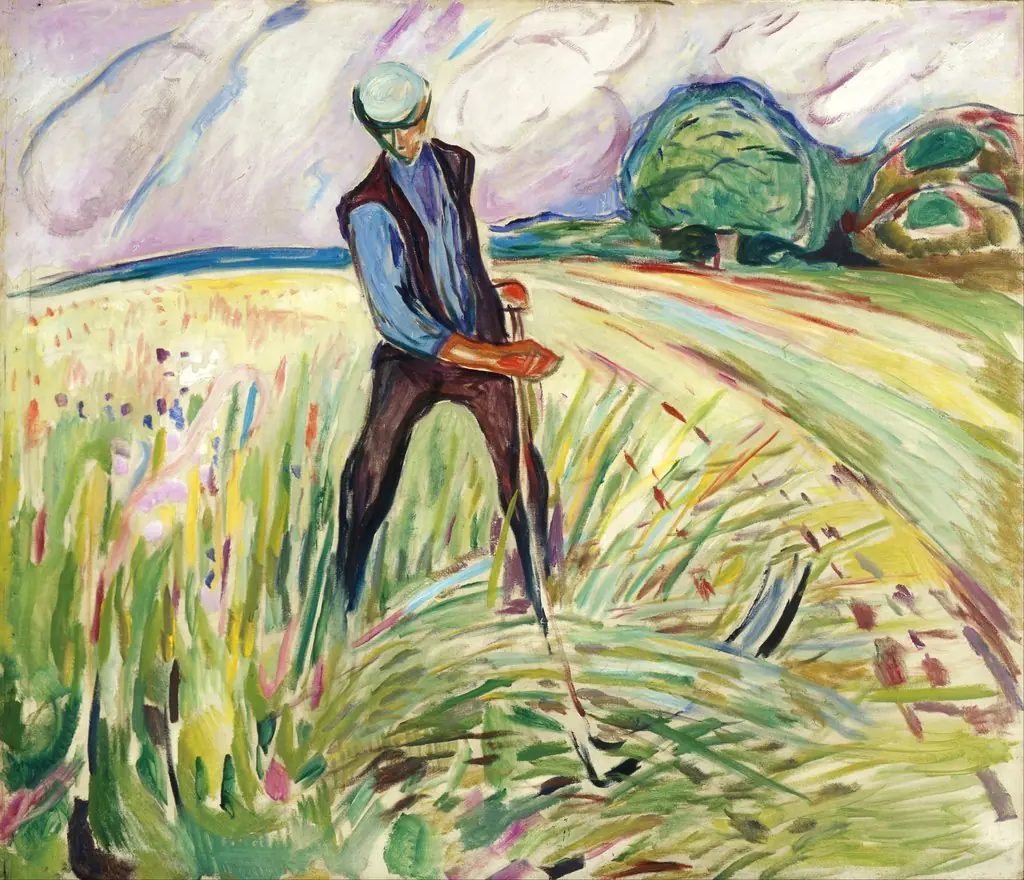 The Haymaker
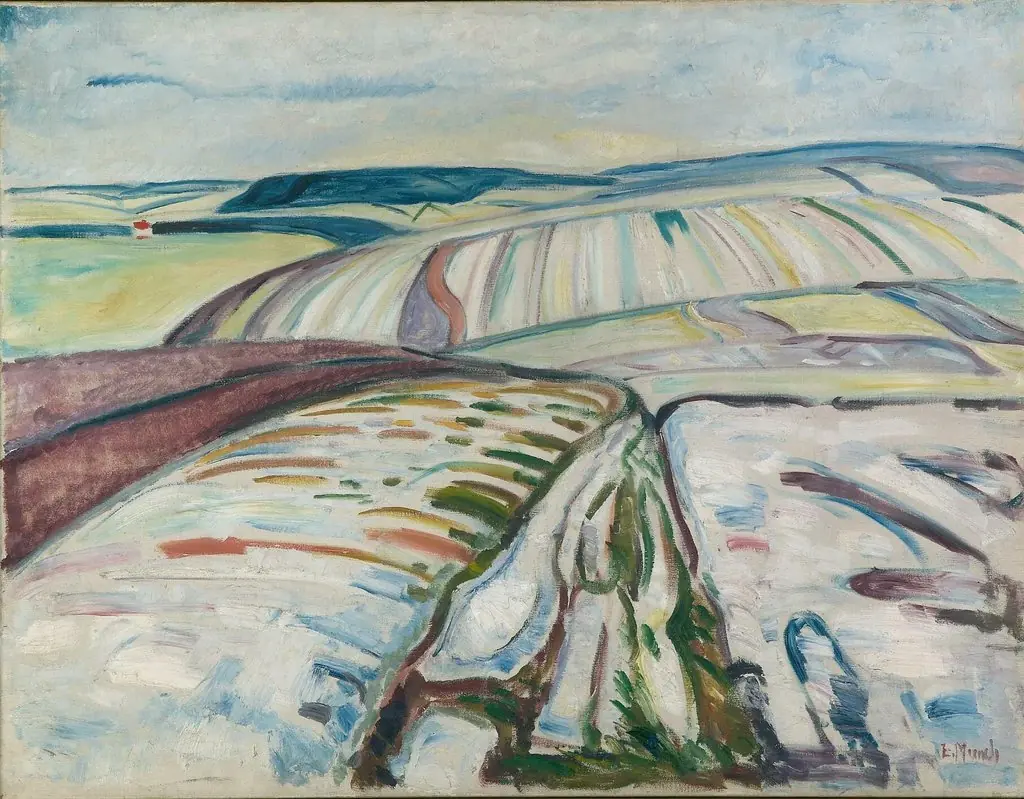 Winter. Elgersburg
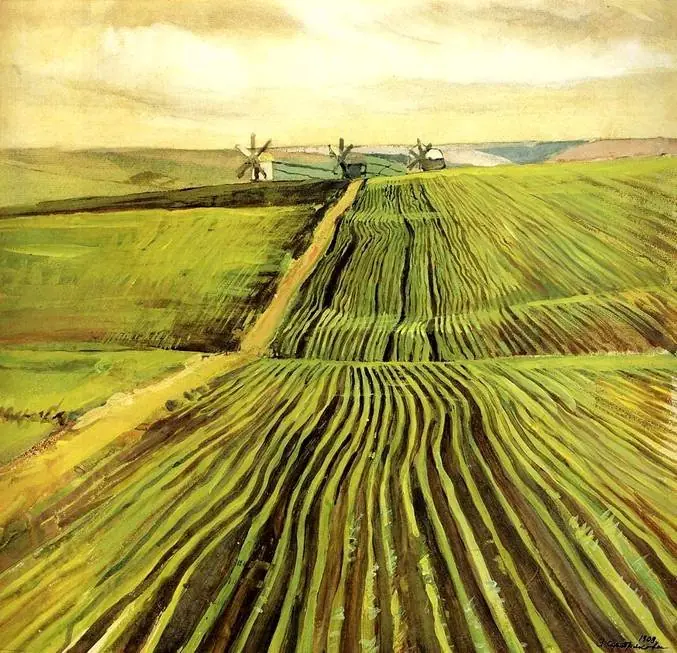 The Shoots of Autumn Crops
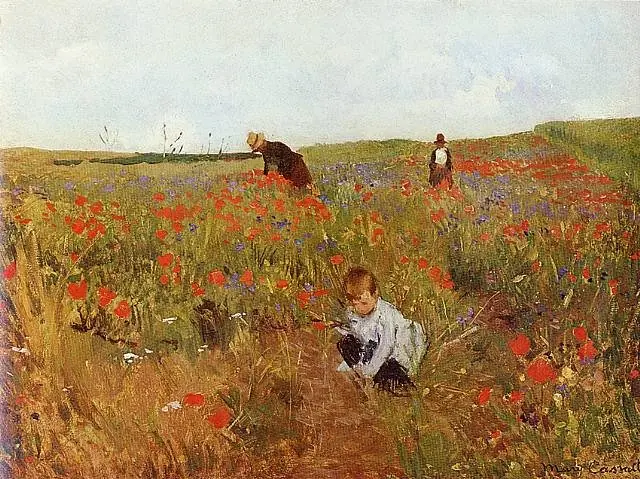 Poppies in a Field
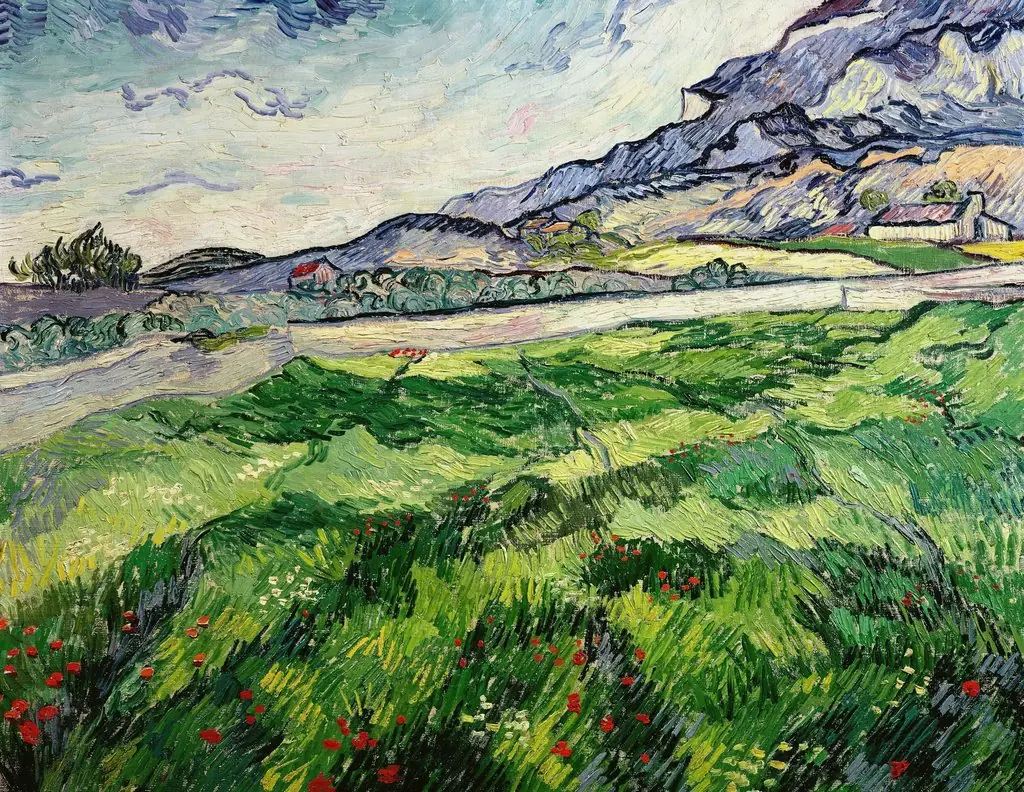 Green Wheat Field
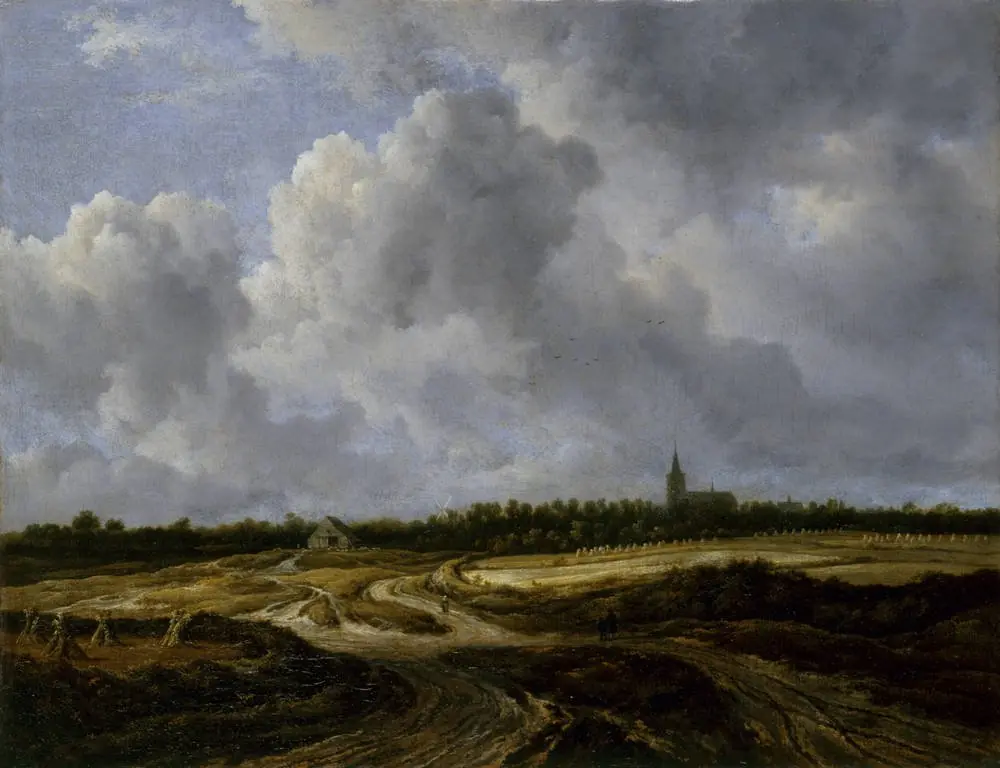 Extensive field landscape with a track and a church in the distance
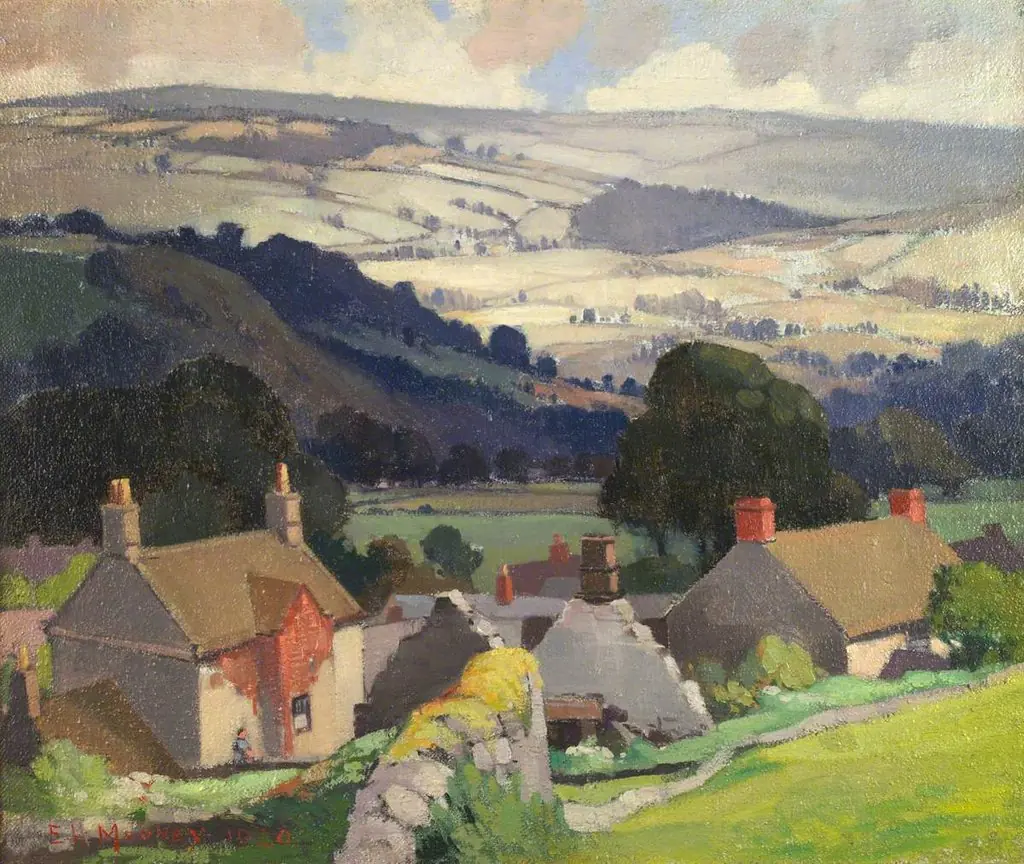 Vale of Clwyd
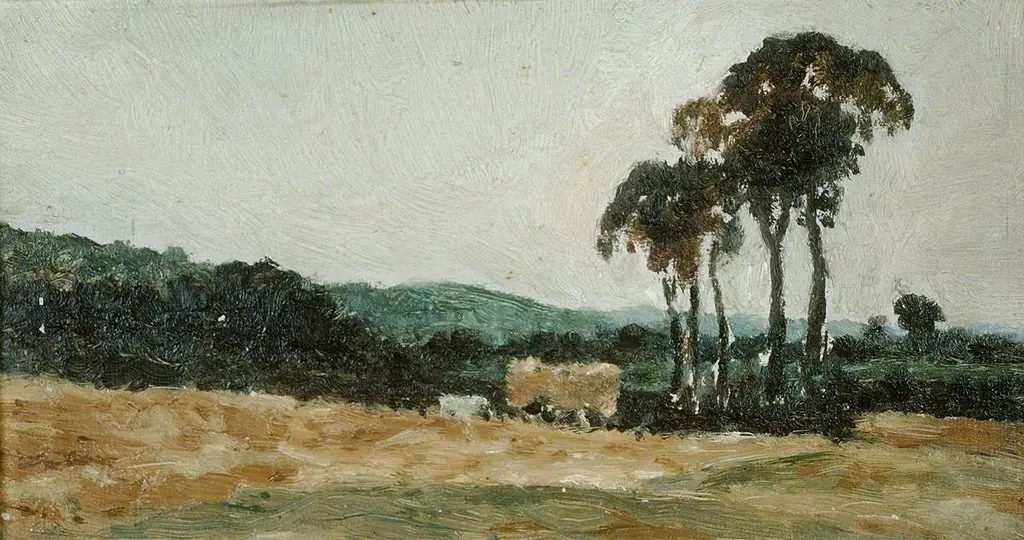 Landscape
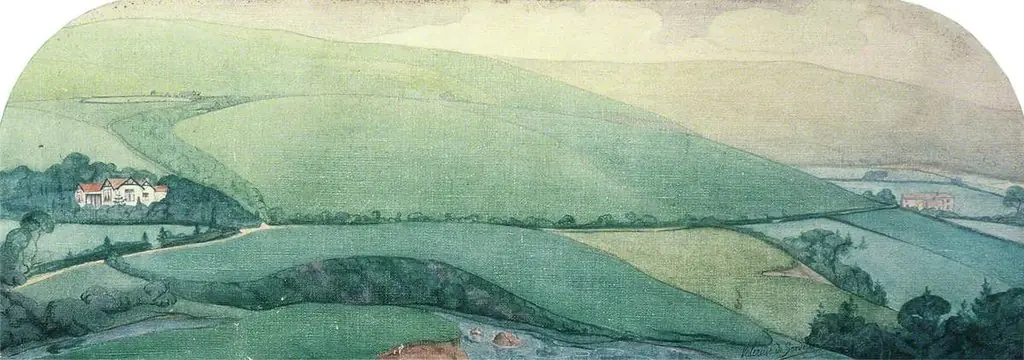 Landscape
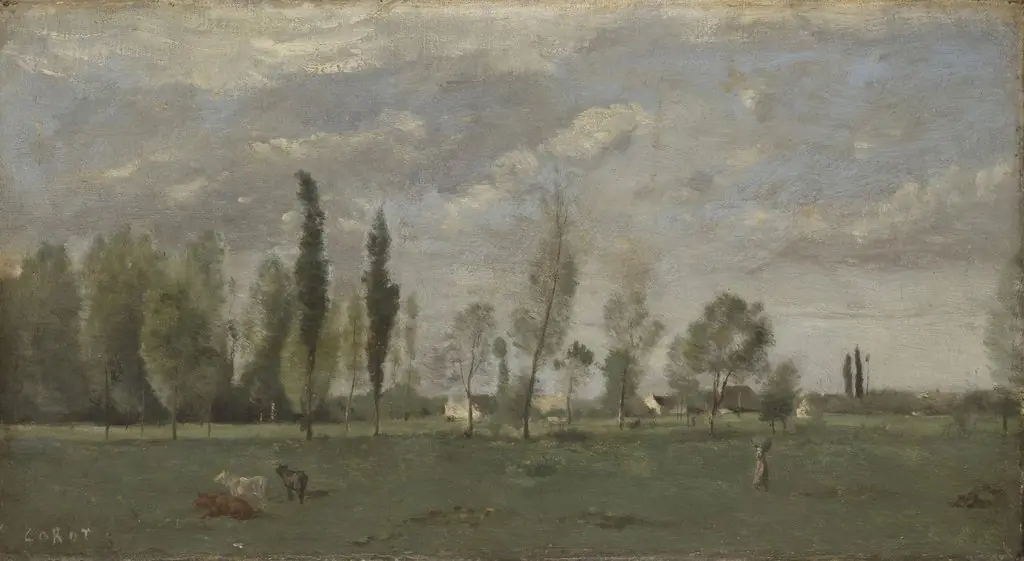 Fields of Saint-Ouen
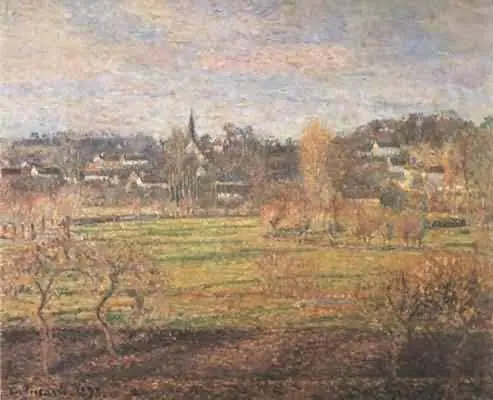 View of Bazincourt, February, Sunrise
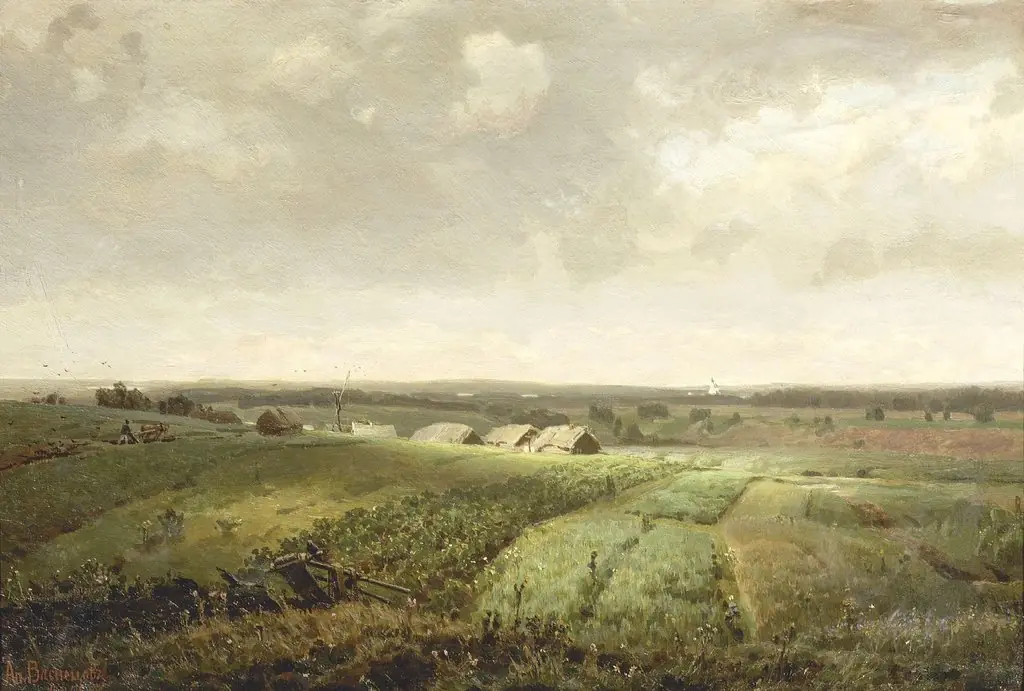 Homeland
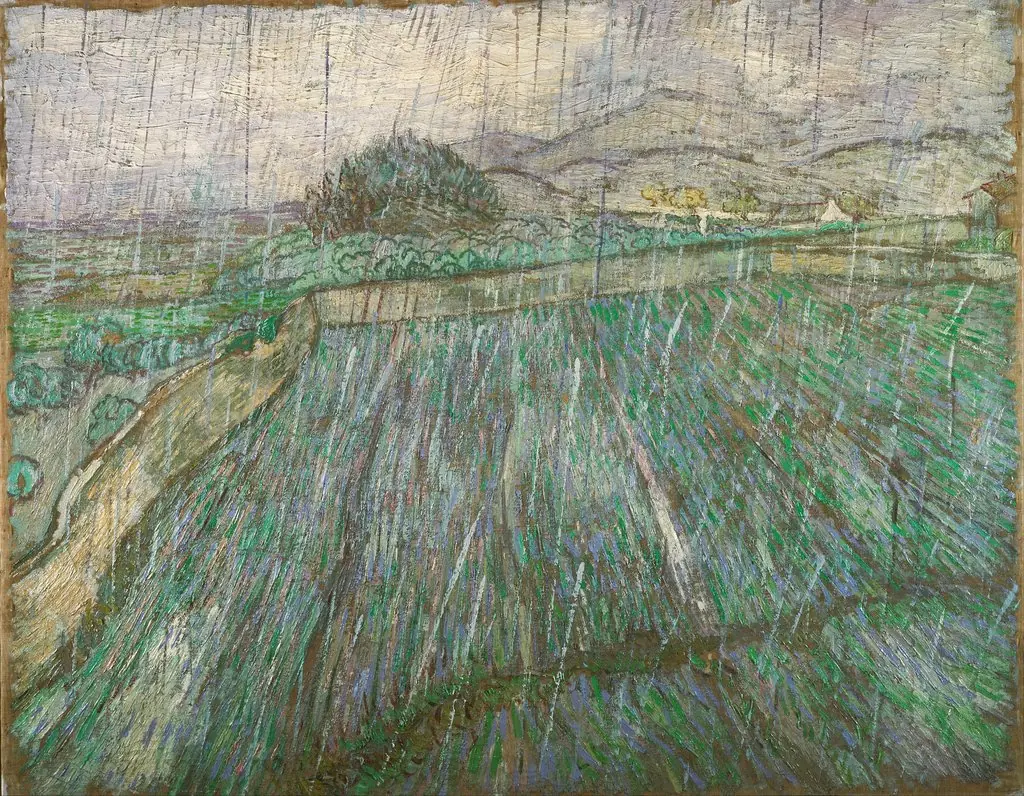 Rain
Rain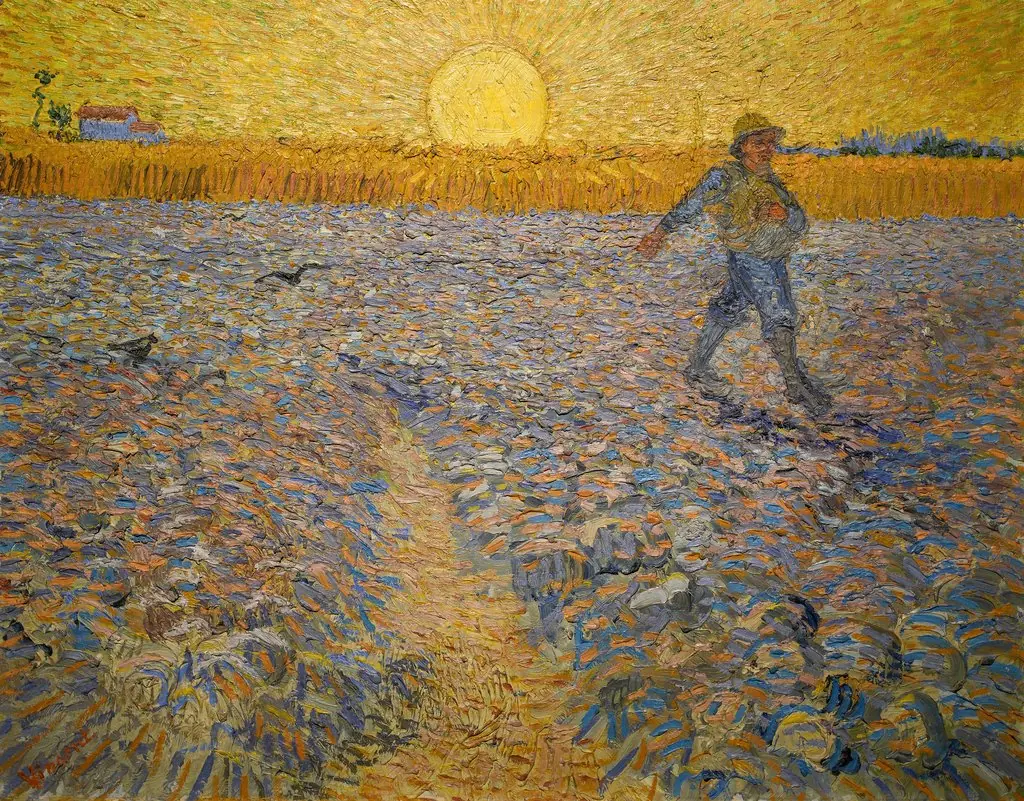 The Sower (Sower at Sunset)
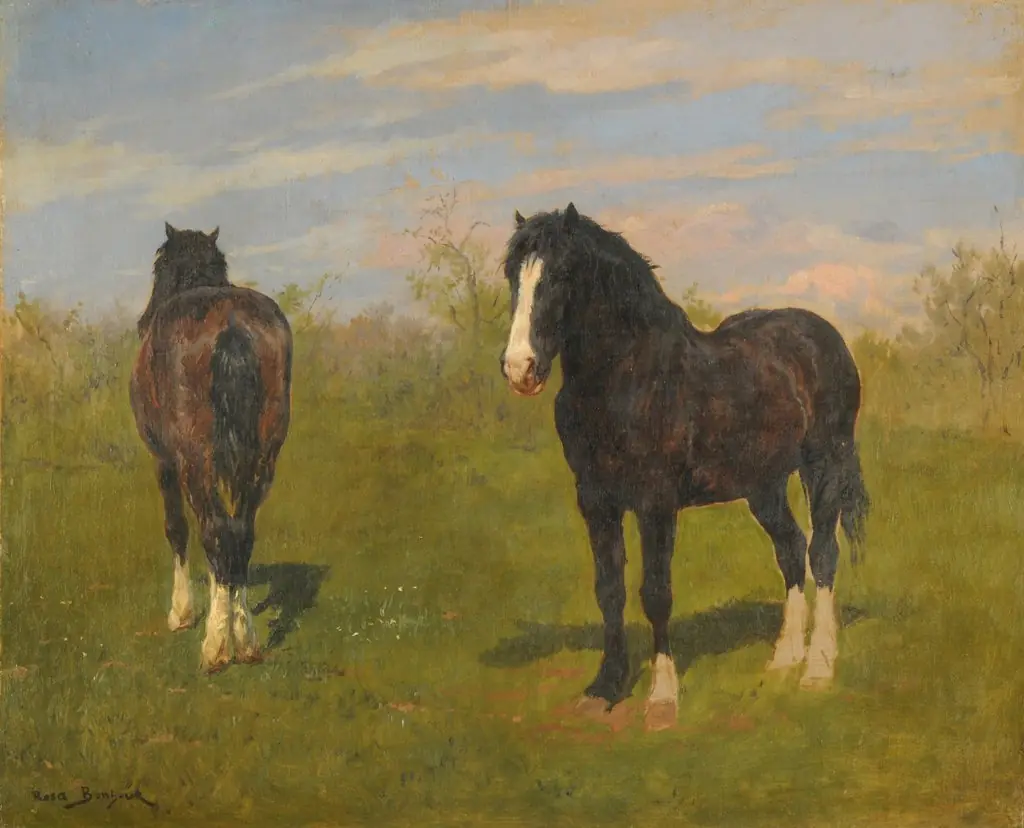 Horses grazing
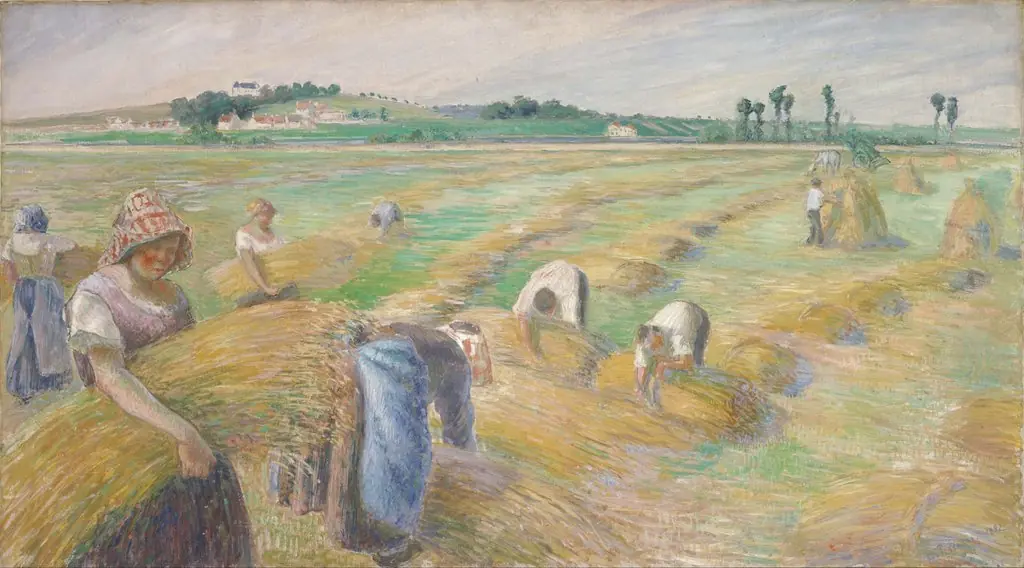 The Harvest
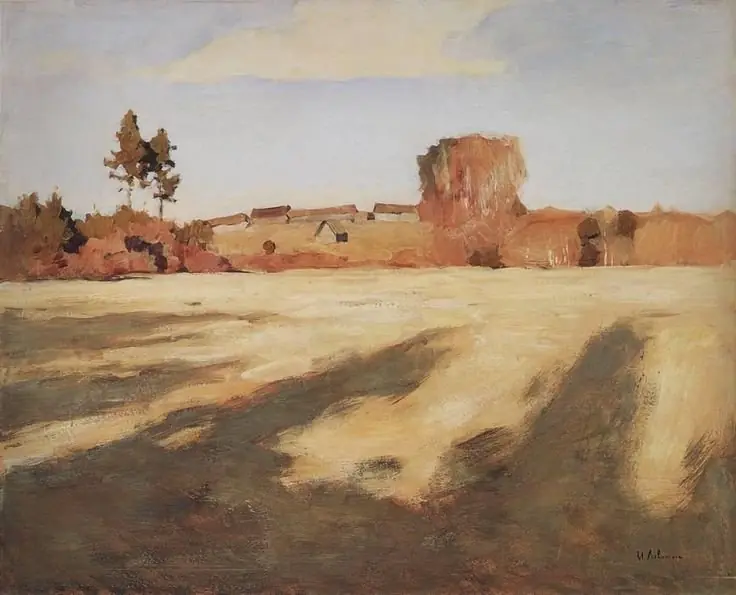 Autumn. Sunny Day
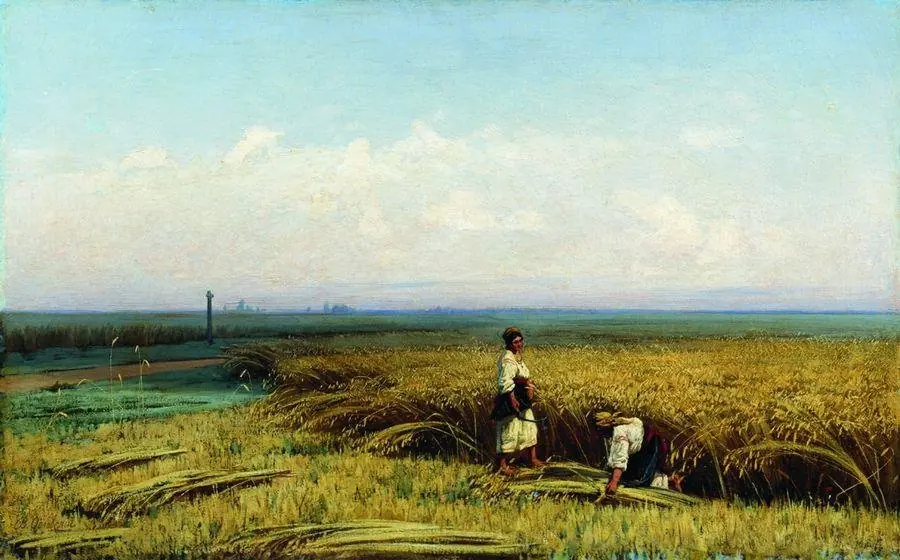 Harvesting
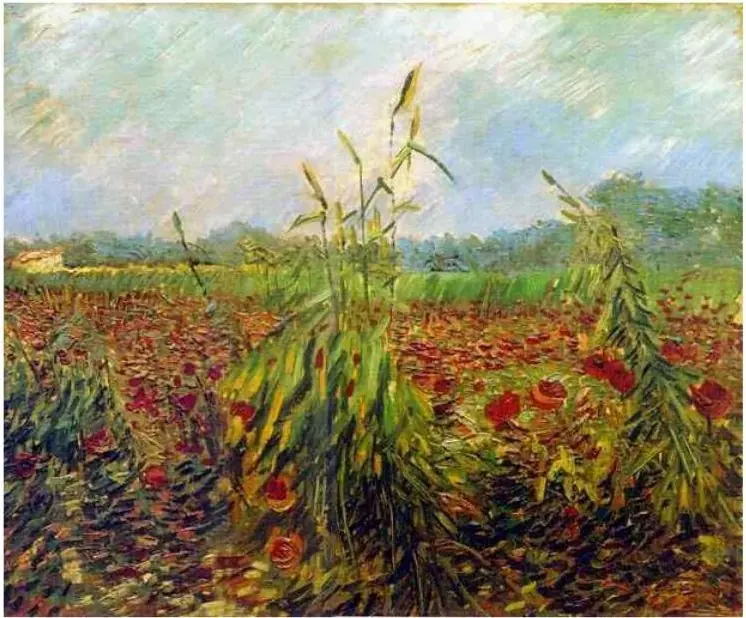 Green Ears of Wheat
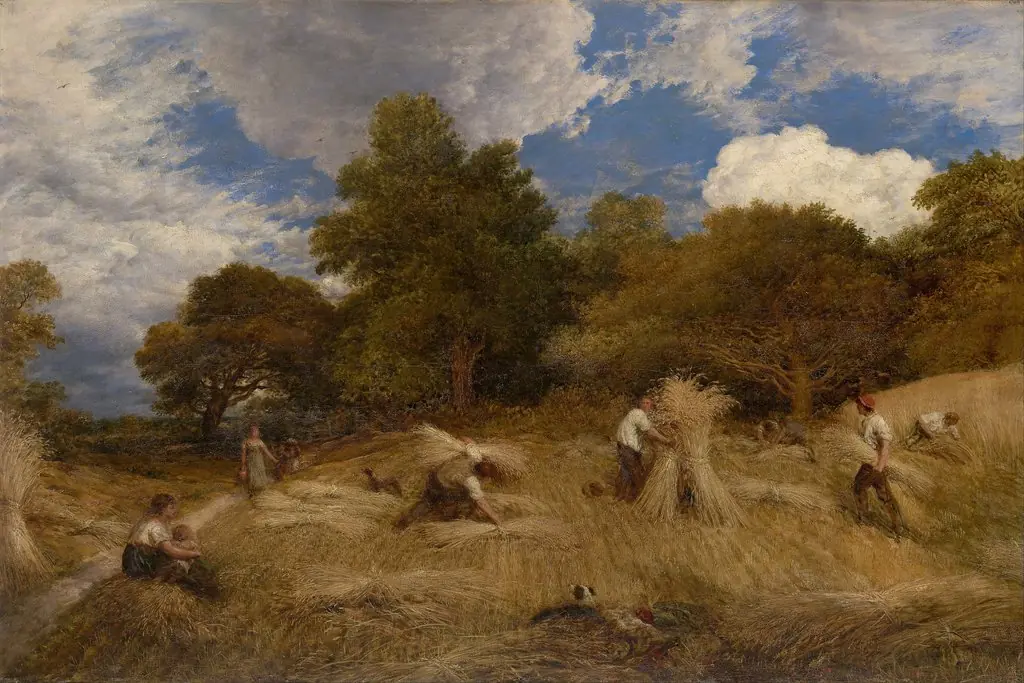 Wheat
Wheat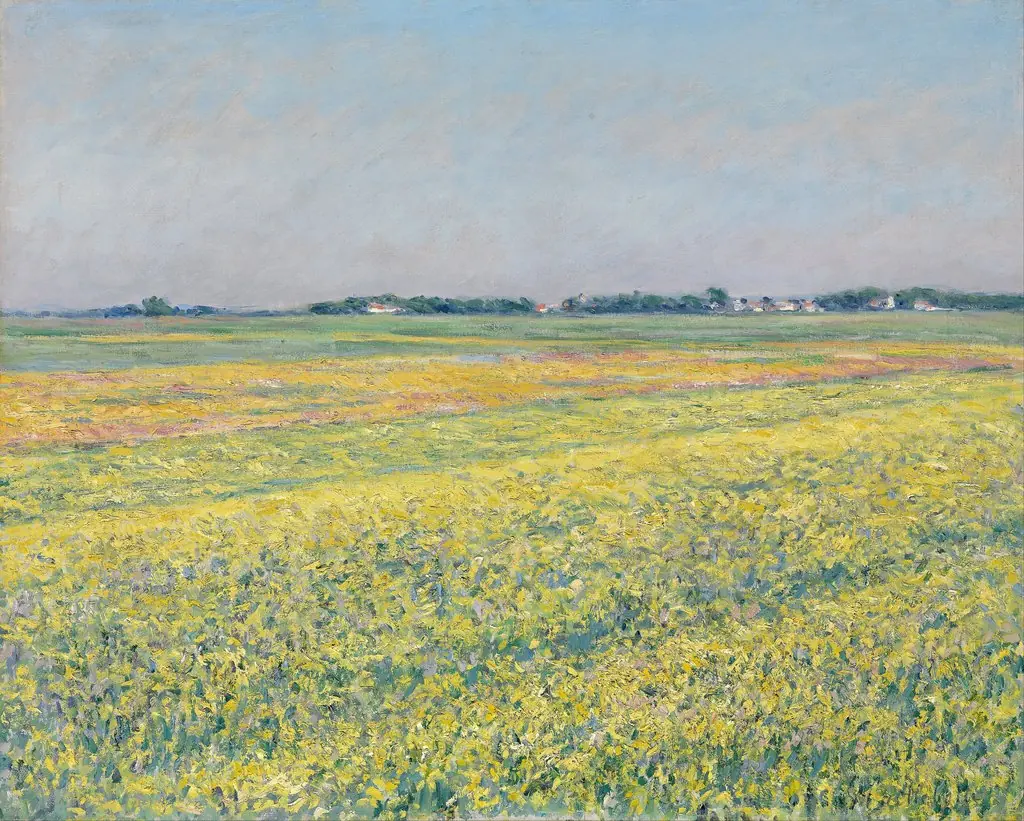 The plain of Gennevilliers, yellow fields
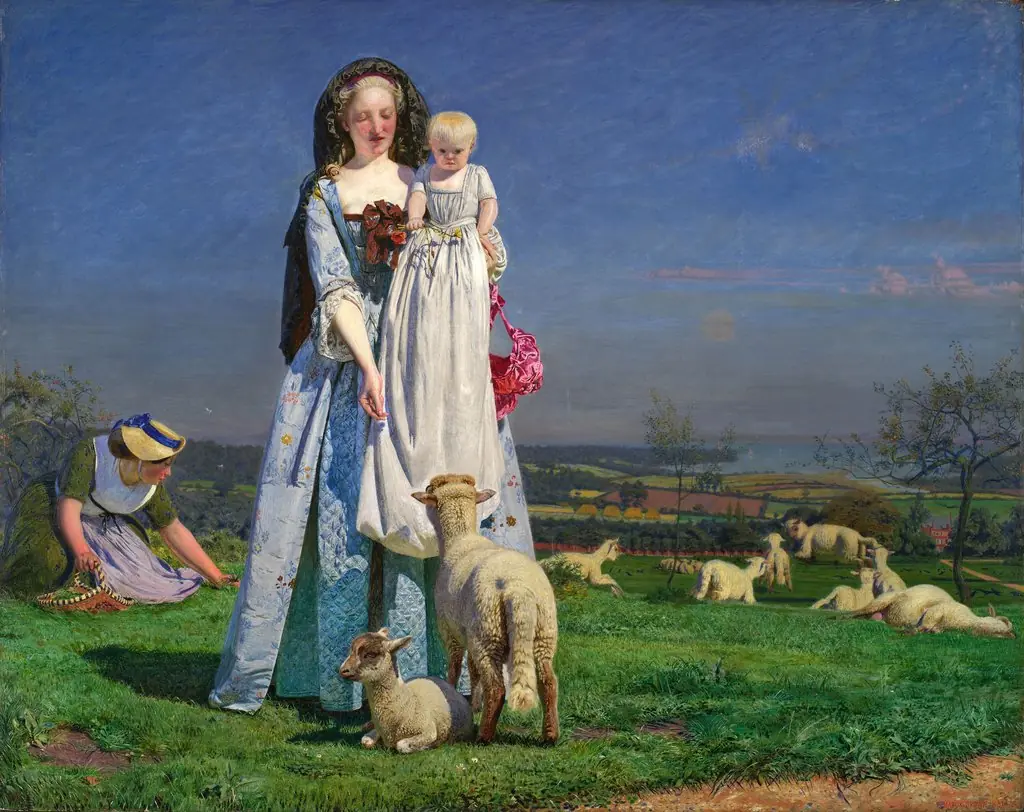 The pretty Baa-Lambs
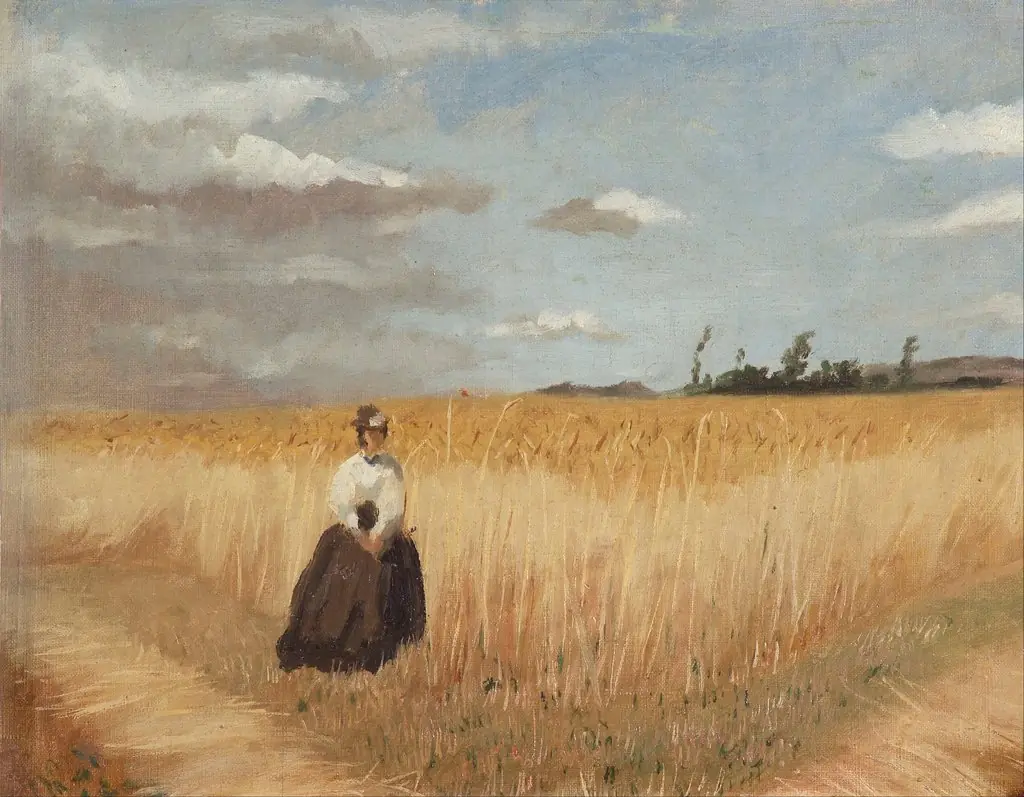 Woman in wheat field
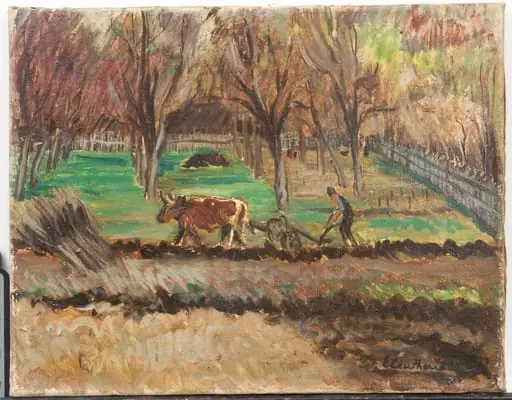 La arat
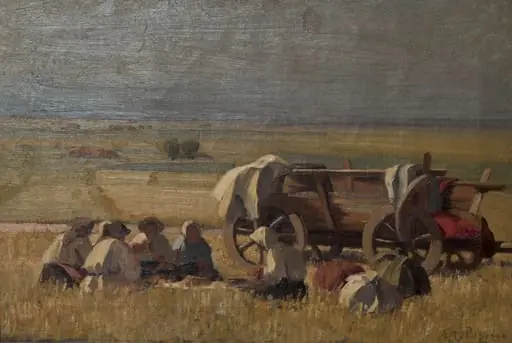 Masă țărănească
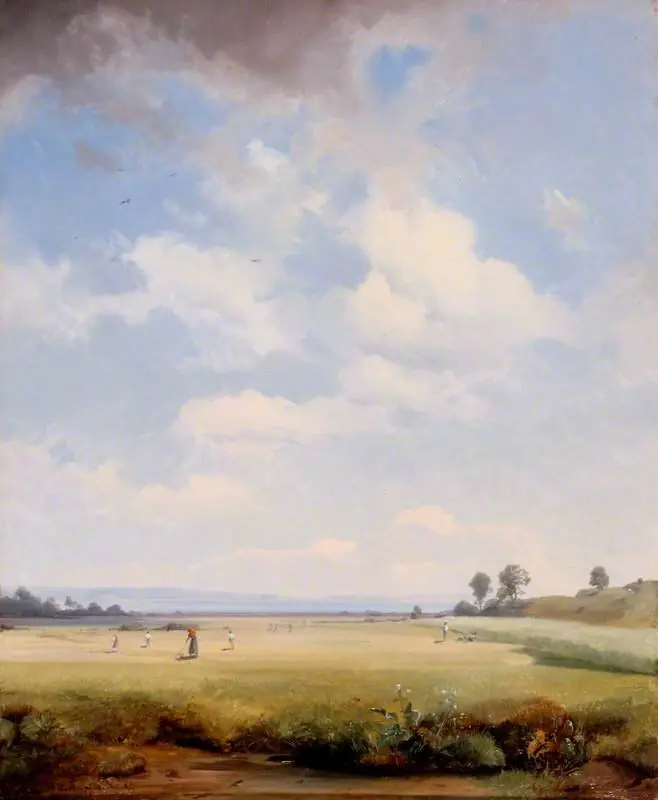 Haymaking
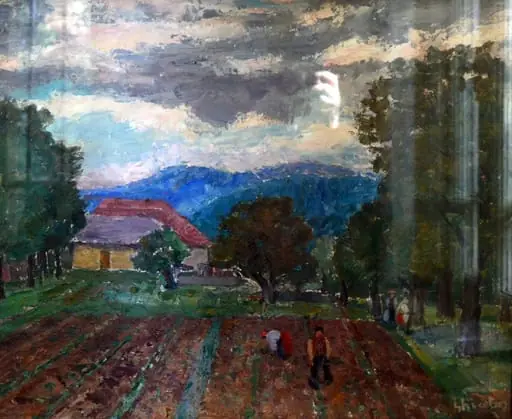 Peisaj la Horezu
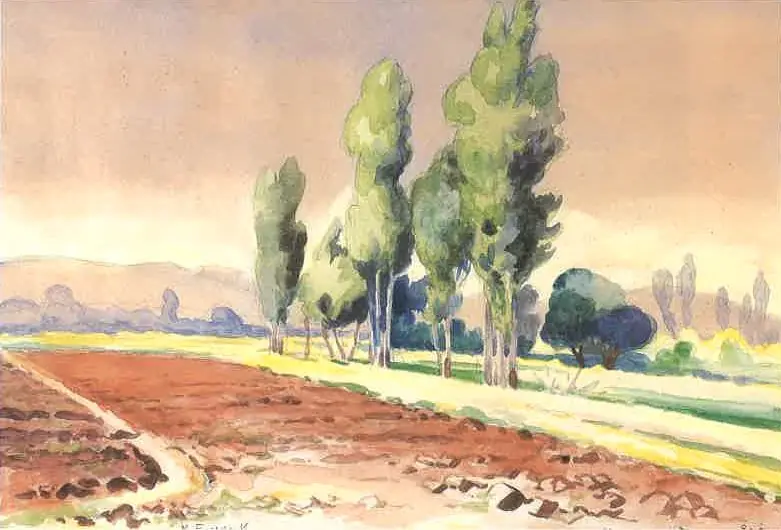 A View From the Bekaa
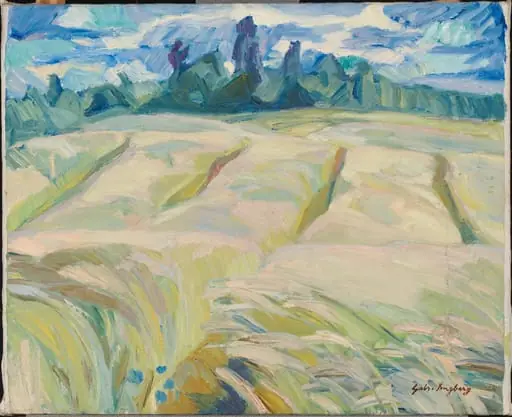 Ruispelto
Frequently asked questions
What is Field?
Field is a subject in art. family name
How many Field works does Artifact World Gallery have?
Artifact World Gallery holds 80 public-domain Field works, all free to view and download.
Who are the key Field artists?
Key Field artists in the collection include Jean Baptiste Camille Corot, Jean Léon Gérôme and Albert Bierstadt.
Where can I see Field works?
Field works in the collection are held by Statens Museum for Kunst, Metropolitan Museum of Art and National Library of Wales.