Artwork
Arabian Sheikhs in the Mountains
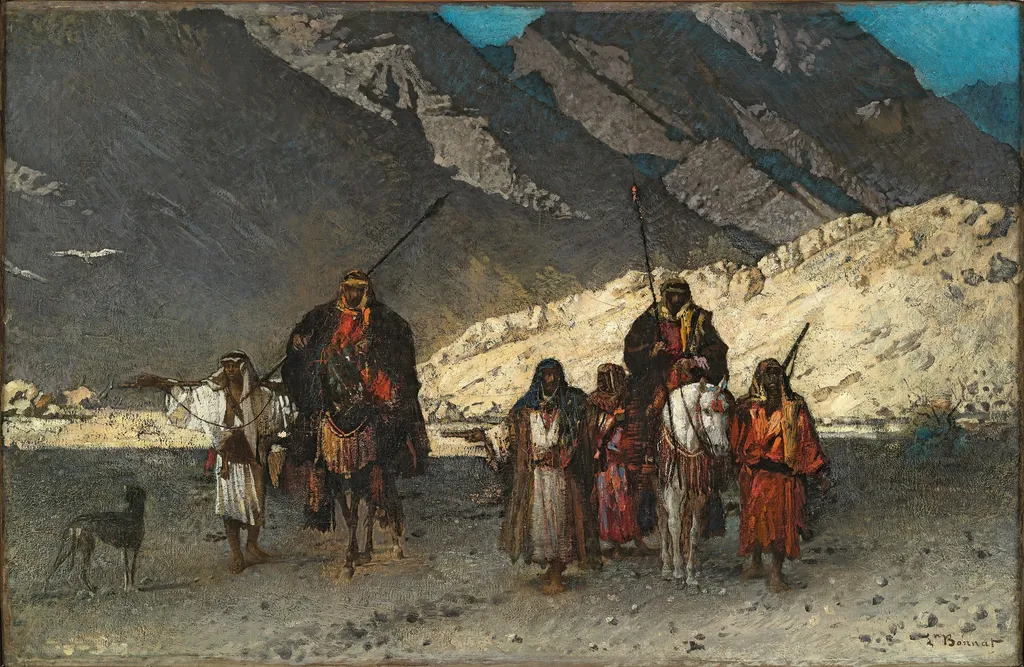
Arabian Sheikhs in the Mountains is an oil painting by the Orientalist artist Léon Bonnat. It dates from 1872 and is held in the collection of the Hermitage Museum.
About this work
Overview
Painted in 1872 by French artist Léon Bonnat, this oil on canvas work portrays a group of Arabian sheikhs in a rugged mountain setting.
Painted in 1872 by French artist Léon Bonnat, this oil on canvas work portrays a group of Arabian sheikhs in a rugged mountain setting. Bonnat, known for his precise draftsmanship and academic training, produced this piece during a period when European artists frequently turned to the Middle East for subject matter. The painting is part of the Hermitage Museum’s collection and reflects the broader 19th-century fascination with Eastern cultures.
Subject & Meaning
The figures are depicted as dignified and composed, dressed in traditional garments and armed with spears, suggesting status and readiness. Their arrangement, some standing, others seated, conveys a sense of quiet authority rather than action. The setting, remote and imposing, reinforces an image of autonomy and endurance.
Bonnat avoids caricature, presenting the sheikhs with a measured solemnity that aligns with Western ideals of noble savagery common in Orientalist art.
Technique & Style
Bonnat employs a controlled use of chiaroscuro to model the figures against the rocky terrain, enhancing volume and spatial depth. Warm ochres, browns, and muted blues dominate the palette, grounding the scene in a tangible environment. Brushwork is precise yet flexible, particularly in the rendering of fabric folds and the texture of stone.
The sky, rendered in pale, even tones, contrasts with the shadowed ground, heightening the figures’ prominence without overt theatricality.
History & Provenance
Completed in 1872, the painting entered the State Hermitage Museum’s collection in the late 19th or early 20th century, likely through acquisition or donation. Bonnat, a respected professor at the École des Beaux-Arts and recipient of the Légion d’honneur, maintained strong institutional ties in France. The work’s journey to Russia reflects the broader exchange of European art between imperial collections during this period.
Context
This painting emerged amid a surge of Orientalist imagery in European art, fueled by colonial expansion and increased travel to North Africa and the Middle East. While many artists exoticized their subjects, Bonnat’s approach leans toward observational realism, informed by his own travels and study of ethnographic detail. The work reflects both curiosity and the cultural hierarchies of its time, presenting the sheikhs as noble but distant figures within a Western frame of reference.
Legacy
Though less widely known than some Orientalist works, the painting remains a representative example of academic realism applied to non-Western subjects. It contributes to the historical record of how European artists interpreted and mediated Eastern cultures. Today, it is studied for its technical discipline and as a document of 19th-century visual politics, rather than as a romanticized fantasy.
Own this work as a print
Artist & collection
Artist
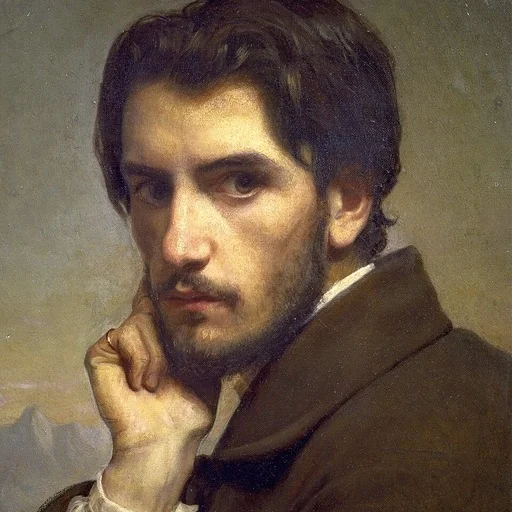
Léon Joseph Florentin Bonnat (French pronunciation:; 20 June 1833 – 8 September 1922) was a French painter, Grand Officer of the Légion d'honneur, art collector and professor at the Ecole des Beaux Arts.

 Pueblo Indian Village
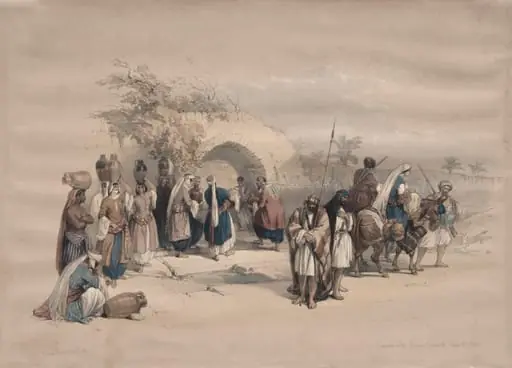 Fountain of the Virgin, Nazareth
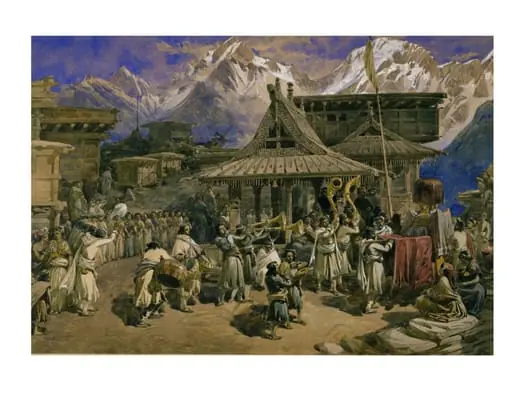 Worship of the Devi at Kothi, near Chini
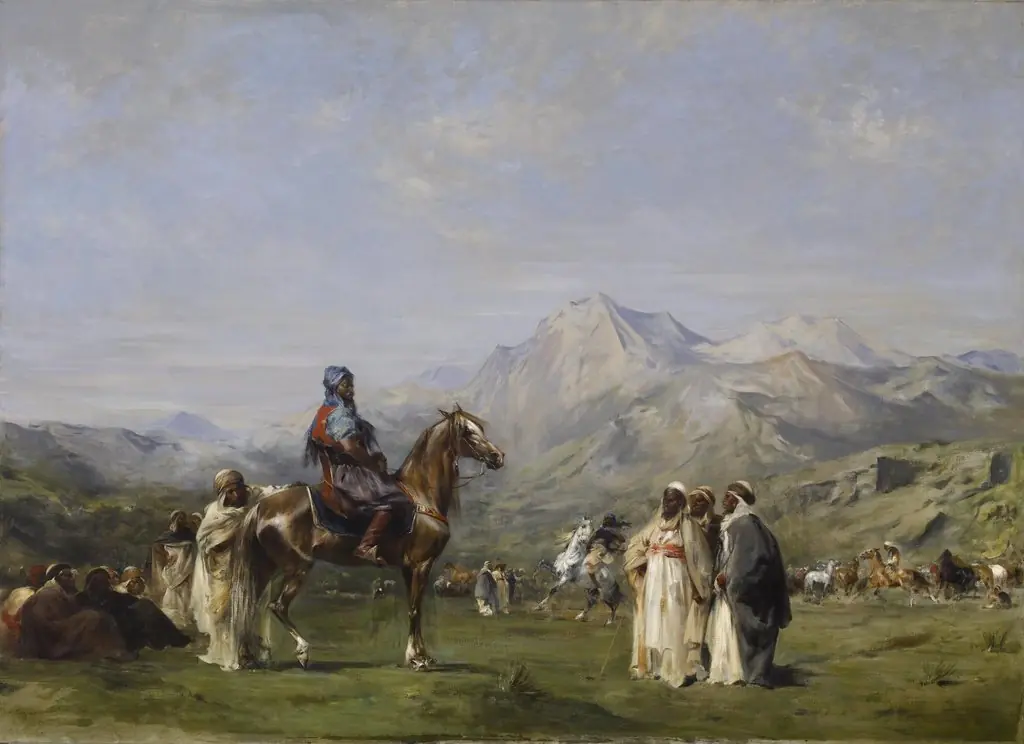 An Encampment in the Atlas Mountains
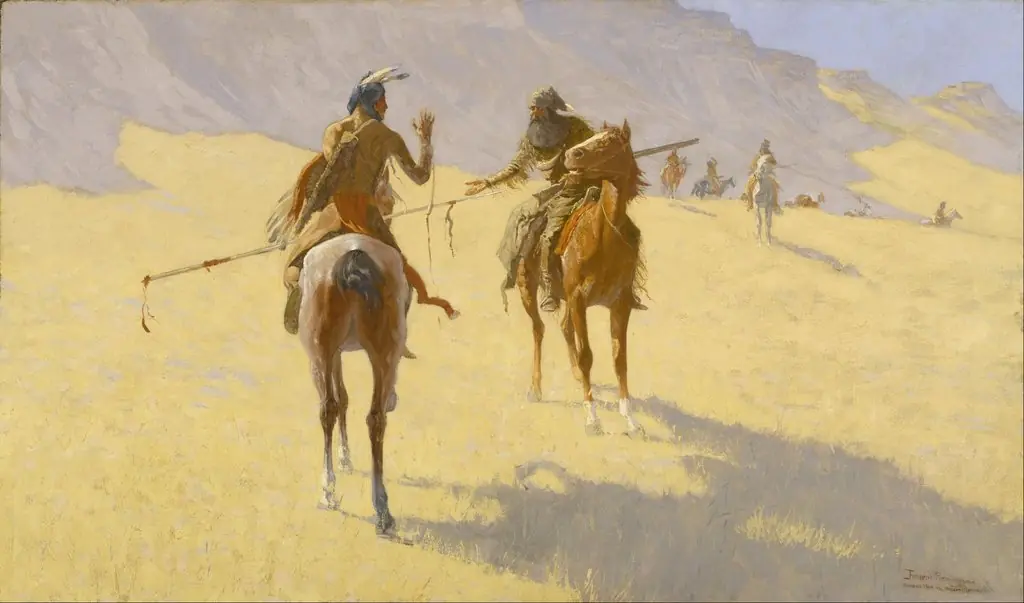 The Parley
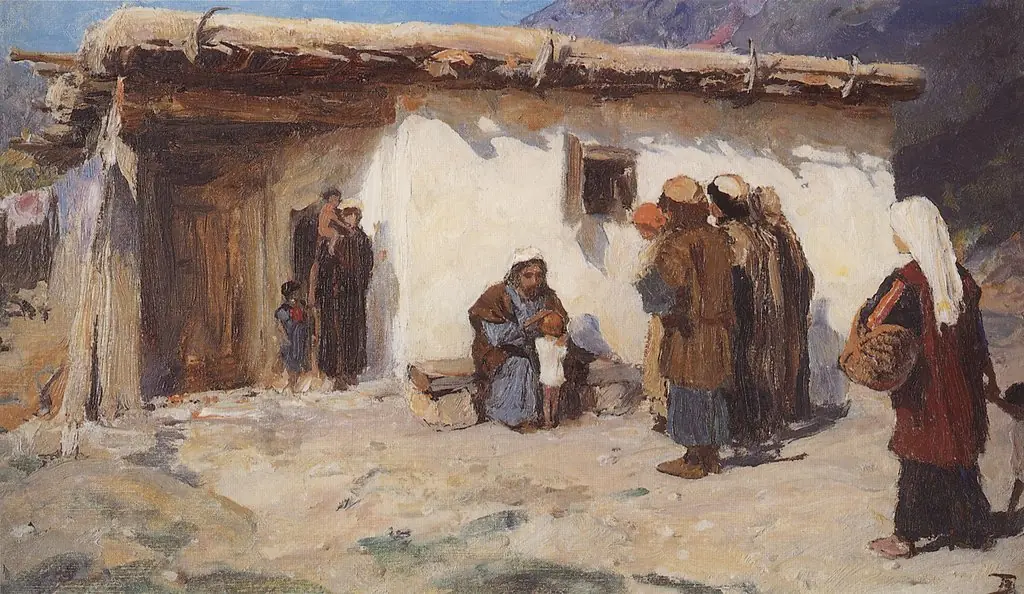 Va rumeik vanstayá
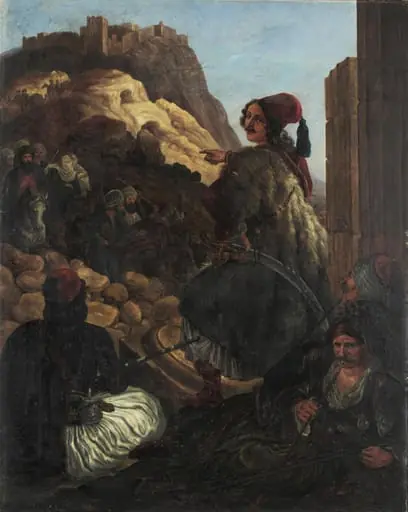 Ο Πανουργιάς Πανουργιάς κυριεύει τον Ακροκόρινθο (Η άλωση του Ακροκορίνθου, Ιανουάριος 1822)
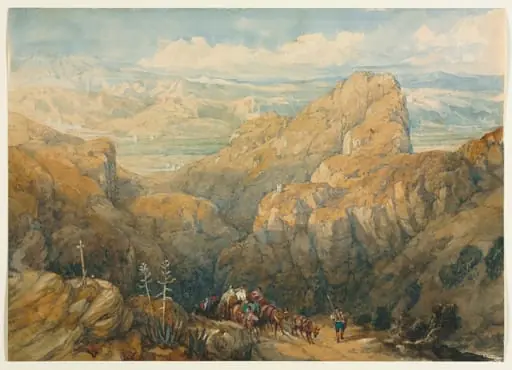 Descent into the Plain of Granada
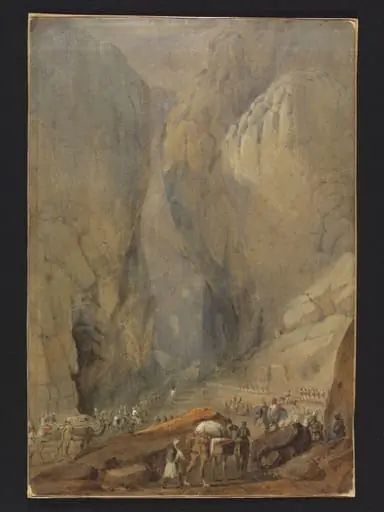 Entrance to the Bolan Pass from Dadur
 Une Caravane en Repos en Kabylie
 Erste Skizze zu «Die Gotthardpost»
- Apache Indians in the Mountains