Artwork
Bas-relief portion of frieze with theatrical masks in terra cotta
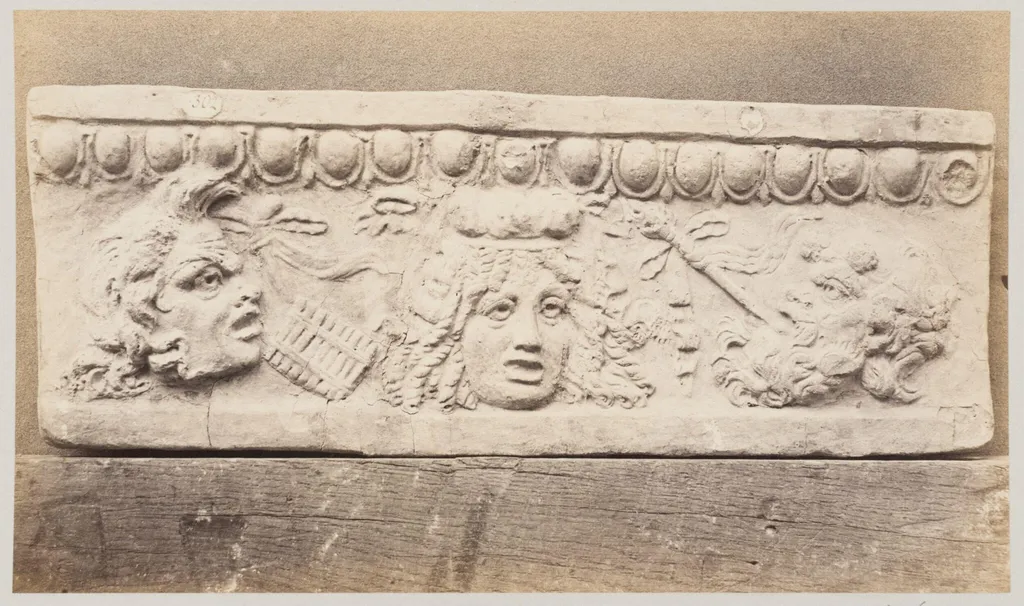
Bas-relief portion of frieze with theatrical masks in terra cotta is a photographic photography by the Impressionist artist Louise Laffon. It dates from 1864 and is held in the collection of the Victoria and Albert Museum. The image is a black‑and‑white photograph of a terra‑cotta bas‑relief that forms part of a larger frieze.
About this work
The Victoria and Albert Museum snapped it up fast, it was one of the first museums to collect and show photographs back in 1858.
This photo shows a bas-relief from a frieze made of terra cotta. The masks hint at theater, but we can’t see the faces.
Made in 1863–64 by Louise Laffon, it’s an early example of photography used for art study. The Victoria and Albert Museum snapped it up fast, it was one of the first museums to collect and show photographs back in 1858.
She’s an overlooked woman behind the camera. Look up Louise Laffon.
Overview
The image is a black‑and‑white photograph of a terra‑cotta bas‑relief that forms part of a larger frieze. The relief features stylised theatrical masks, their faces abstracted, suggesting a connection to performance art. The photograph dates from the mid‑1860s and is held in the Victoria and Albert Museum’s early photography collection.
Subject & Meaning
The relief’s mask motif evokes the conventions of ancient theatre, where stylised faces were used to convey character and emotion. By isolating the masks in a close‑up photograph, the image invites viewers to consider the symbolic role of performance in decorative architectural programmes.
Technique & Style
Captured on glass‑plate negative using wet‑collodion processes typical of the 1860s, the photograph records fine surface detail of the terra‑cotta work. The high contrast of the medium accentuates the shallow carving, rendering the masks in crisp silhouette against a neutral background.
History & Provenance
The photograph was taken by French photographer Louise Laffon in 1863–64. In 1864 the Victoria and Albert Museum acquired a batch of 500 images from Laffon through the dealer Monsieur E. Cappe, adding them to its pioneering photographic collection, which had begun in 1852 and was first exhibited in 1858.
Context
Laffon was among the earliest women to work professionally in photography and the third female member of the Société Française de la Photographie. Her work for the museum served an educational purpose, providing artists and students with accurate visual references of historic objects.
Legacy
The image exemplifies the museum’s early commitment to using photography as a tool for research and teaching. It also highlights the often‑overlooked contributions of women photographers like Laffon to the development of photographic documentation in the 19th century.
Artist & collection
Artist
Louise Laffon (1828–1885), was a French photographer and painter. She was one of the first female professional photographers in France. She had a studio in Paris between 1859 and 1876.

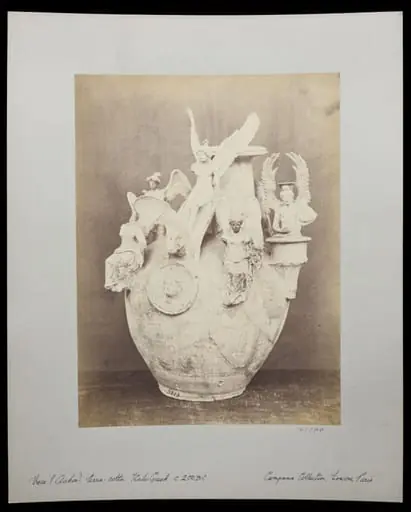 Perfume Burner in terra cotta
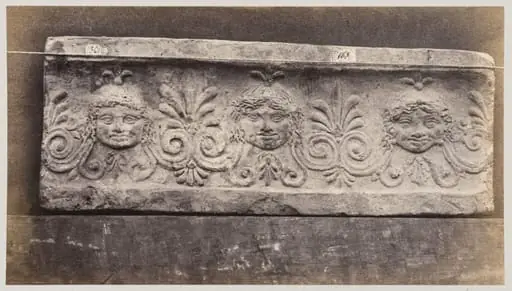 Three masques of gorgons in terra cotta
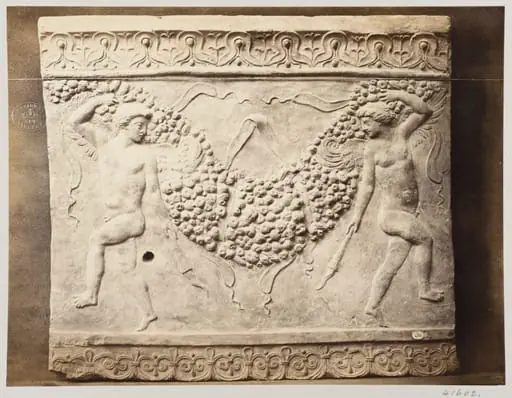 Bas-relief of portion of frieze of dancing figures with torches bearing festoon of fruit in terra cotta
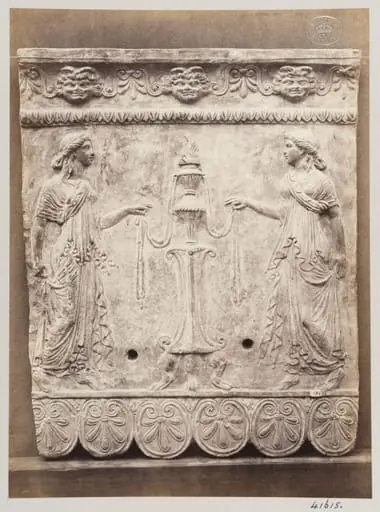 Bas-relief portion of a frieze of two draped females and an altar in terra cotta
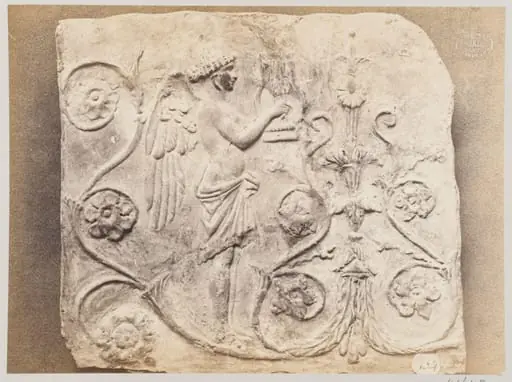 Bas-relief of a geni and a lyre in terra cotta
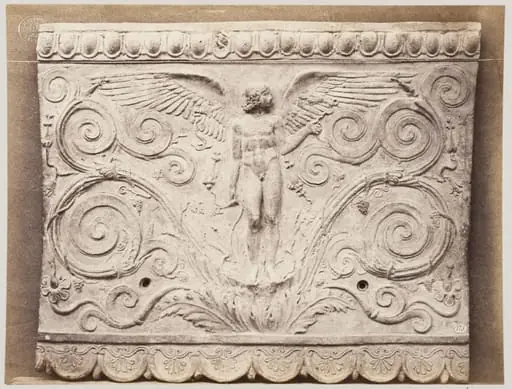 Bas-relief of a portion of frieze of Eros with scrollwork in terra cotta
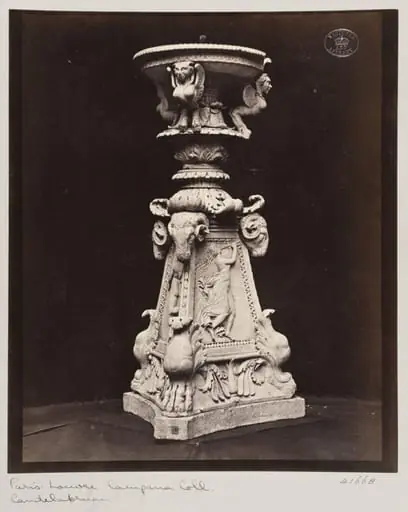 Marble sculptured fountain
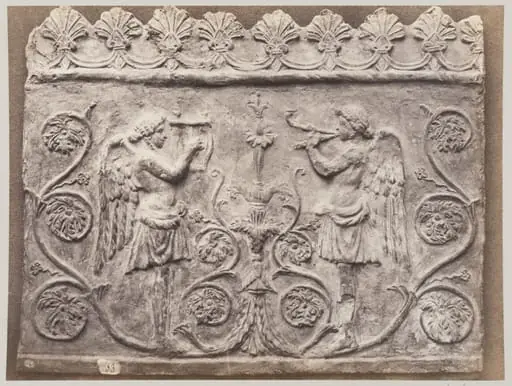 Bas-relief portion of frieze of Genii with double flutes and lyre
- Bas-relief portion of a frieze with a mask in terra cotta
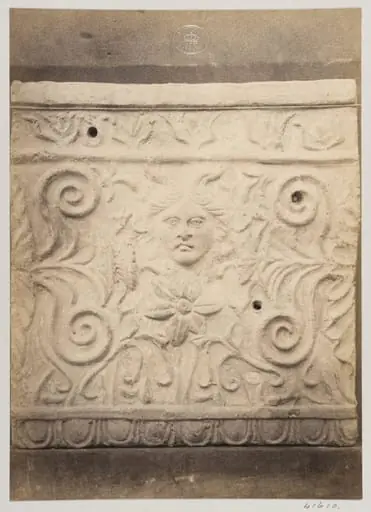
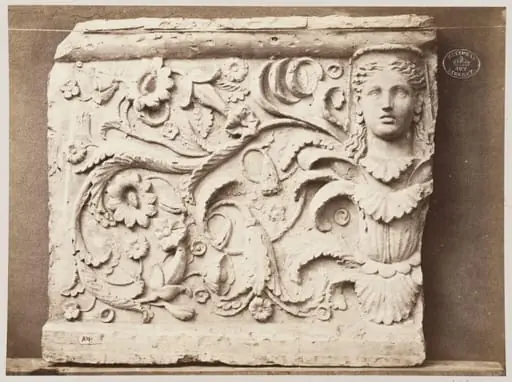 Bas-relief portion of frieze of female head and foliage ornament in terra cotta
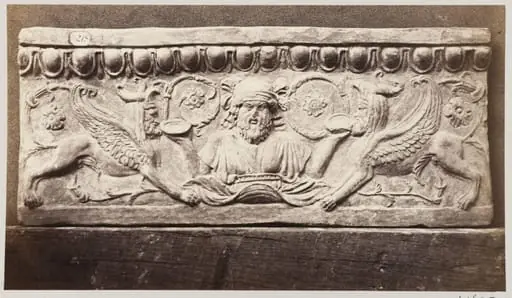 Bas-relief portion of frieze with the 'Libation of Asiatic Sphinx' in terra cotta
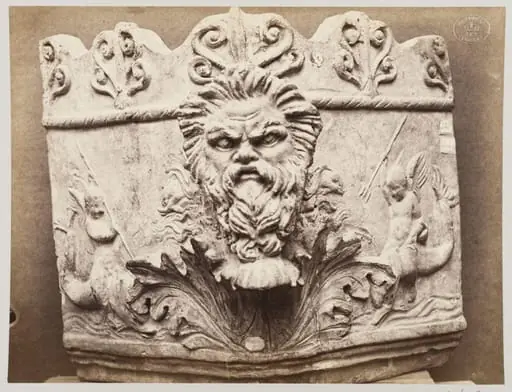 Bas-relief portion of frieze with mask of Satyr in terra cotta
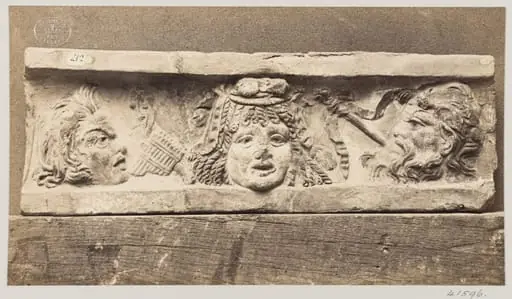 Bas-relief of three masques in terra cotta
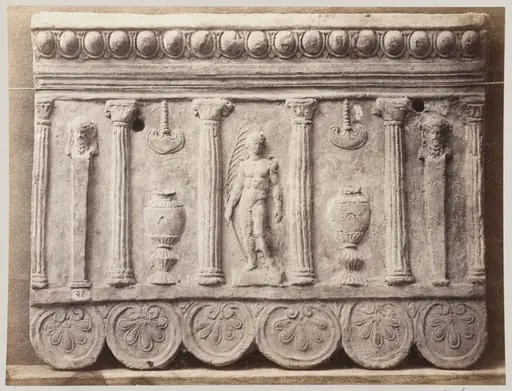 Bas-relief portion of a frieze of Hercules the conqueror in terra cotta
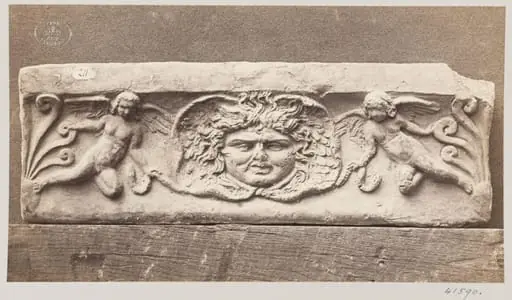 Bas-relief depicting a Gorgon Head in terra cotta
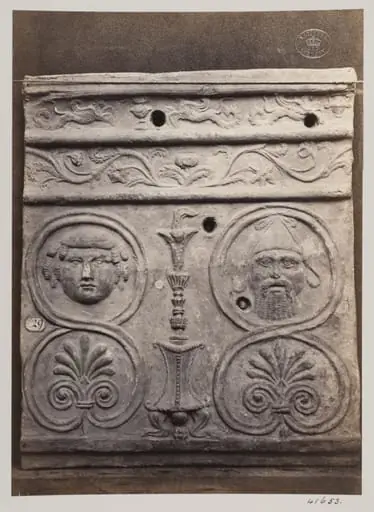 Bas-relief of a portion of a frieze of a thymiaterion and bacanallian masks in terra cotta
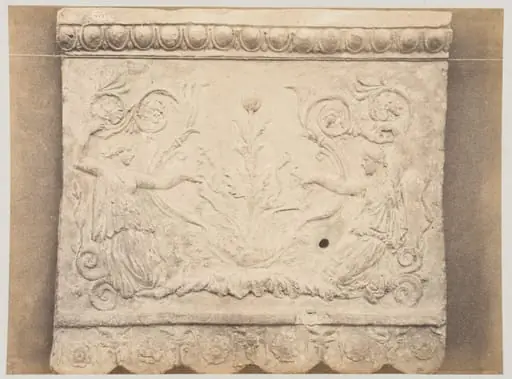 Bas-relief portion of frieze of nymphs with scrollwork in terra cotta
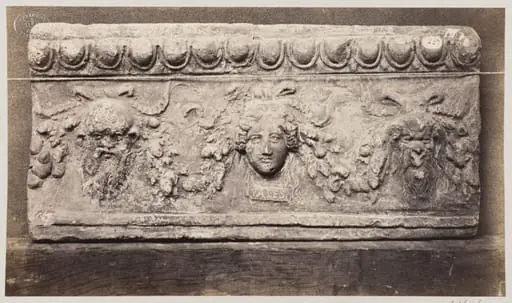 Bas-relief of three baccanalian masques in terra cotta