Subject
Stone
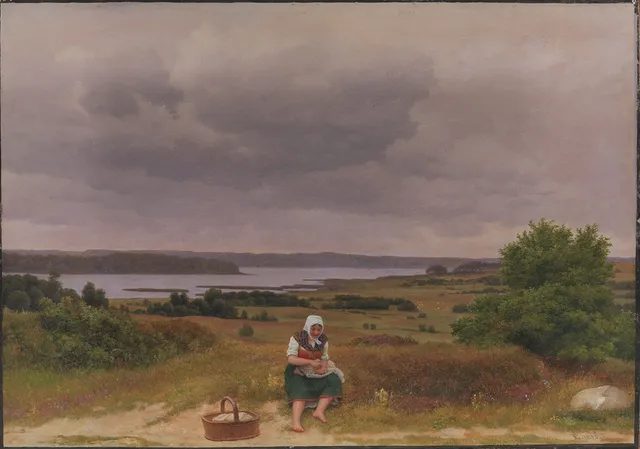
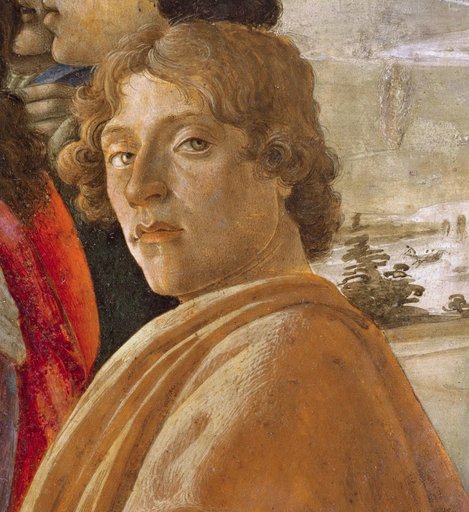
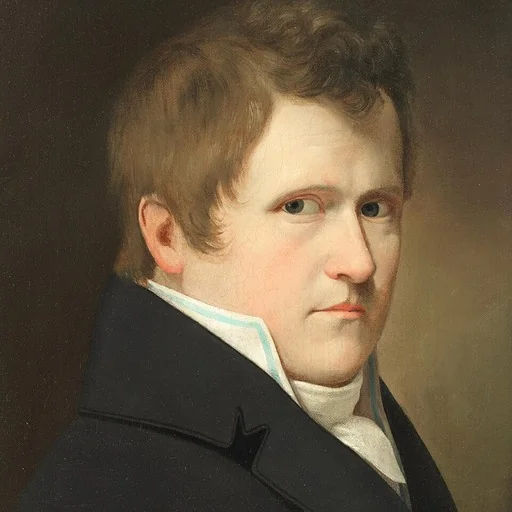
Stone is a subject in art. The gallery holds 159 works in this subject in art, including works by F.M.E. Fabritius de Tengnagel, Sandro Botticelli and Christoffer Wilhelm Eckersberg.
Stone is at once the oldest medium of art and one of its most enduring subjects. Before writing or settled civilization, humans were already incising images into rock walls and carving small figures from soft stone — steatite, limestone, calcite — including the Venus figurines that count among the earliest surviving sculptures, made tens of thousands of years ago. The fundamental method changed little for millennia: a sculptor armed with hammer and chisel coaxing form from a resistant block. From the Greek Archaic period (roughly 650–480 BCE) onward, marble became the prized monumental material, valued because light penetrates a short distance into its surface before scattering, lending carved skin a soft, lifelike glow that limestone, its geological parent, cannot match.
As subject rather than substance, stone entered Western painting most forcefully through the Romantic landscape, where cliffs, boulders and mountains carried the weight of the sublime. Caspar David Friedrich's Chalk Cliffs on Rügen (c.1818) framed the white Baltic rock as a threshold between the earthly and the infinite, its precise observation charged with spiritual unease — a hallmark of early German Romanticism.
The nineteenth century then brought a distinctly geological turn. John Ruskin, a keen amateur geologist, devoted the fourth volume of Modern Painters (1856), 'Of Mountain Beauty', to the truthful rendering of rock and mountain structure. His call was answered most literally by the Pre-Raphaelite John Brett, whose Glacier of Rosenlaui (1856) — painted in the open air in Switzerland after reading Ruskin — records moraine boulders with near-scientific exactitude. Gustave Courbet, meanwhile, gave stone a social charge in his now-lost Stonebreakers (1851) and a raw materiality in his Ornans cliff studies.
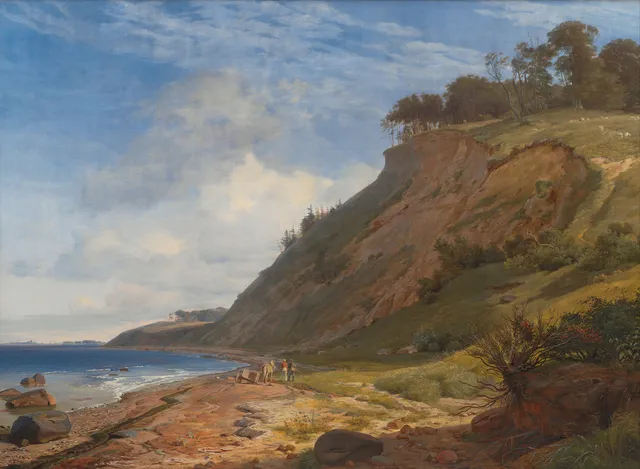
This ethic of disciplined observation also shaped the Danish Golden Age. Christoffer Wilhelm Eckersberg, the 'father of Danish painting', reformed the Copenhagen Academy around outdoor study and topographical accuracy, an approach visible in his lucid View of Lake Fure. His pupils carried it forward: Johan Lundbye fused rocky coast and ancient burial mound into emblems of nation in works such as A Danish Coast, View from Kitnæs. Stone persists across the catalogue's range — from the moonlit masonry of John Atkinson Grimshaw's Old English House by Moonlight to the rocky ground beneath Botticelli's Saint Sebastian — a quiet constant binding sculpture, landscape and symbol.
Key artists
Artist
Works
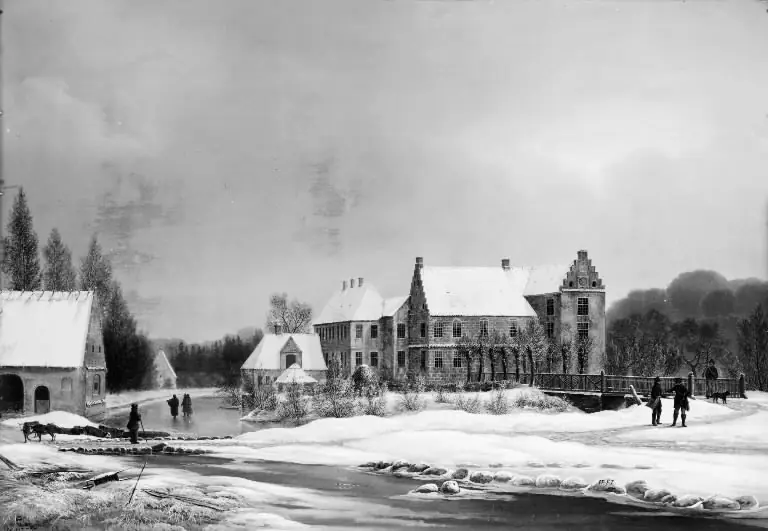 Prospekt af hovedgården Lykkesholm på Fyn. Vinter
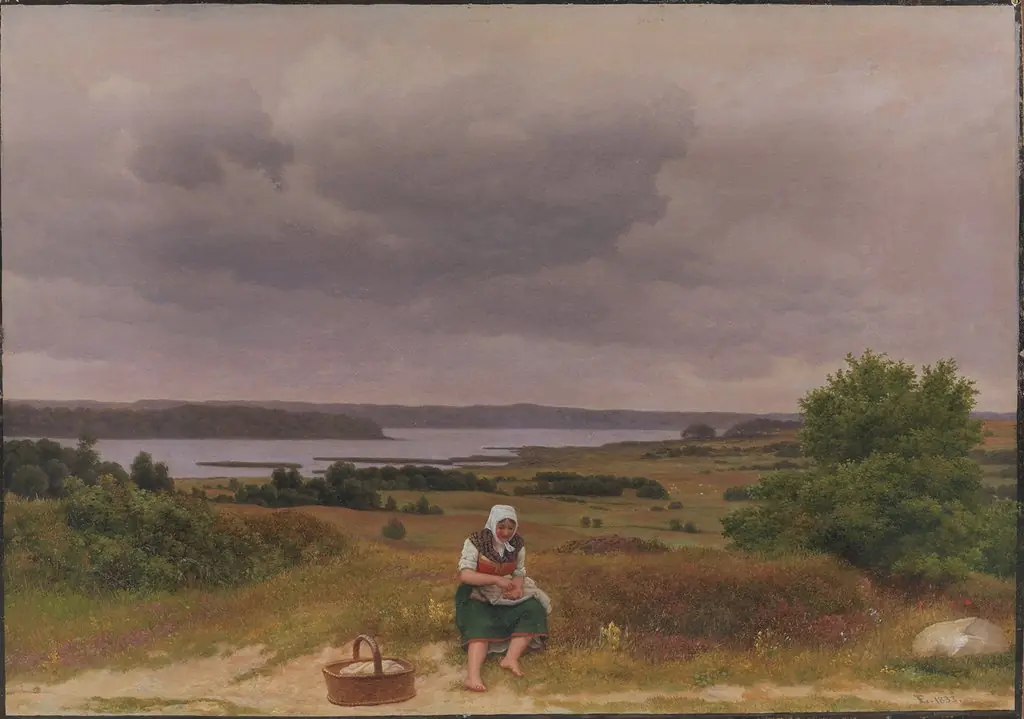 View of Lake Fure near Rudersdal, North Sealand.
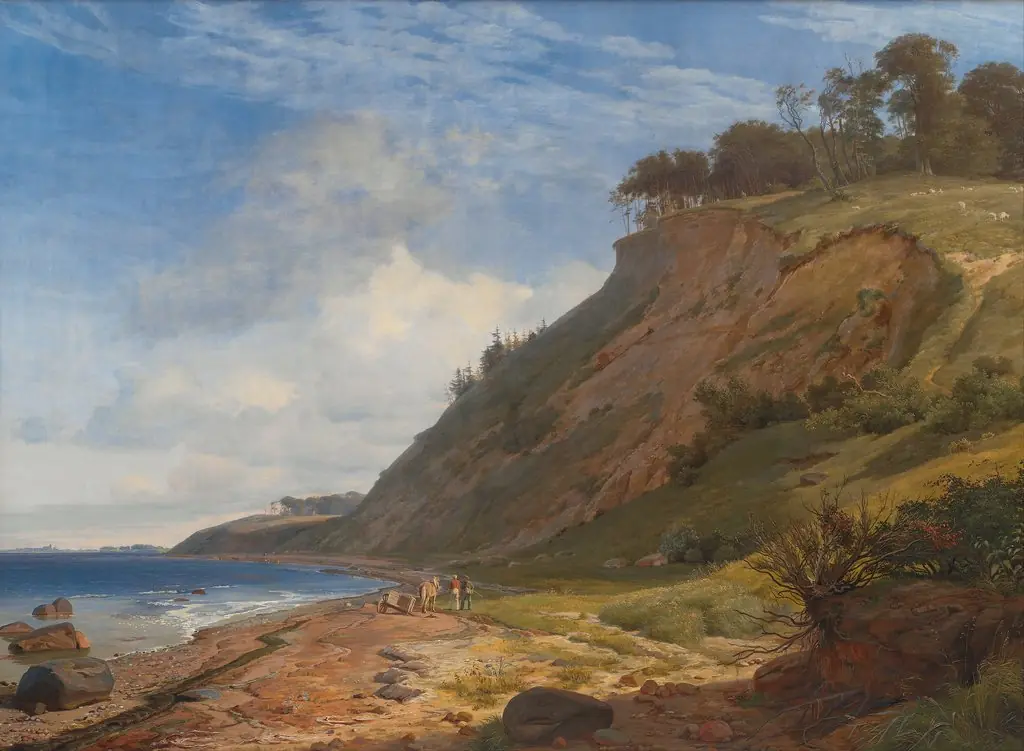 A Danish Coast. View from Kitnæs on Roskilde Fjord. Zealand
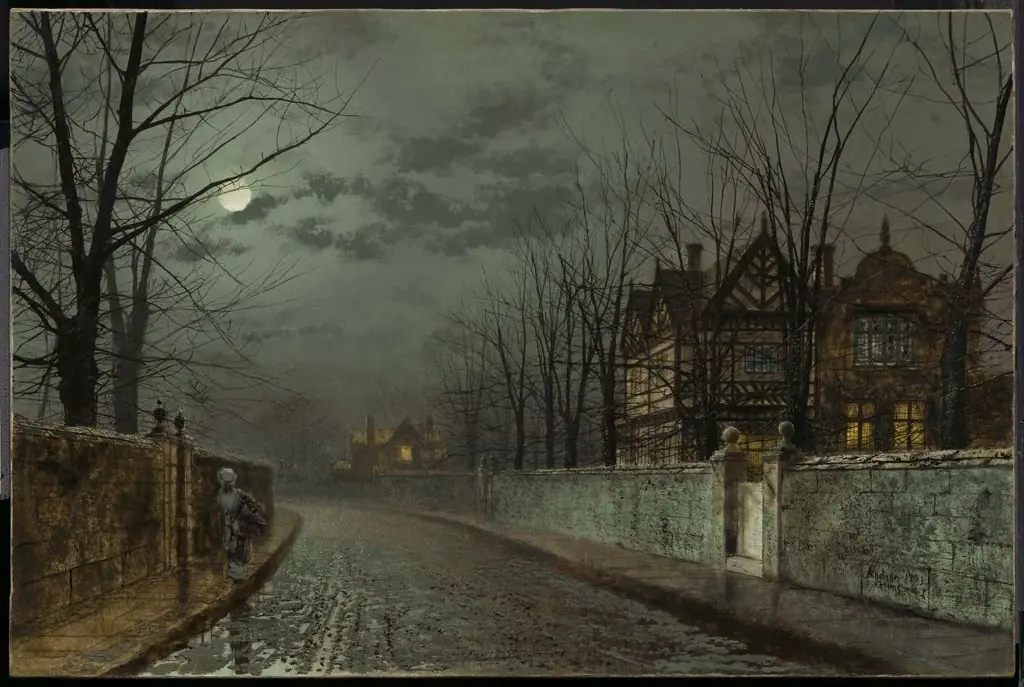 Old English House by Moonlight
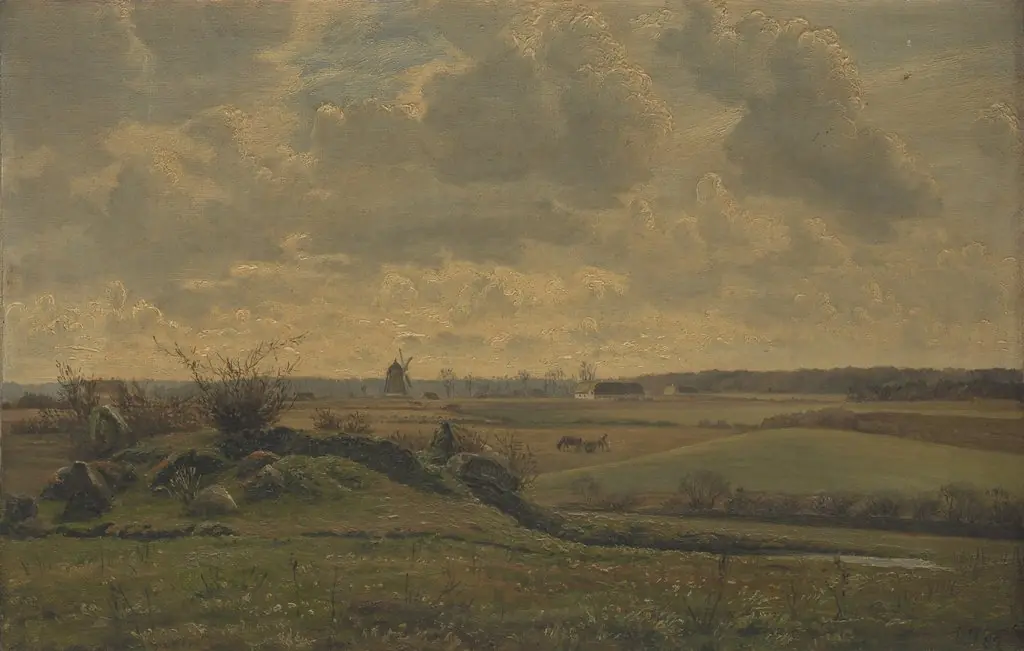 Landskab ved Gyrstinge
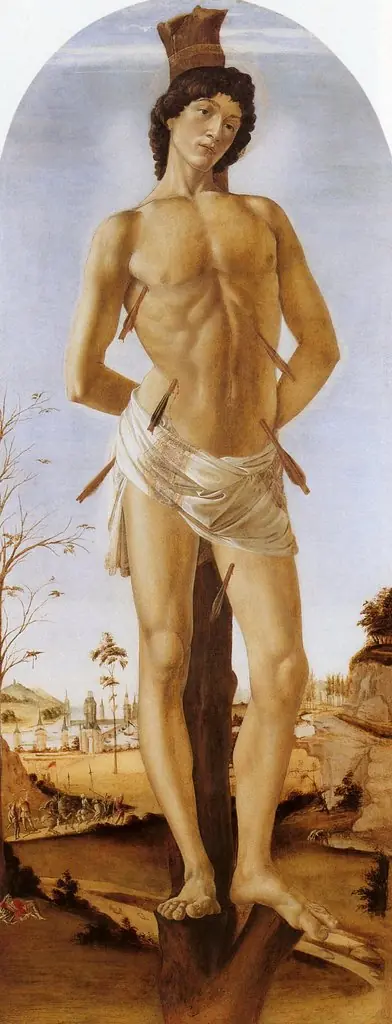 Saint Sebastian
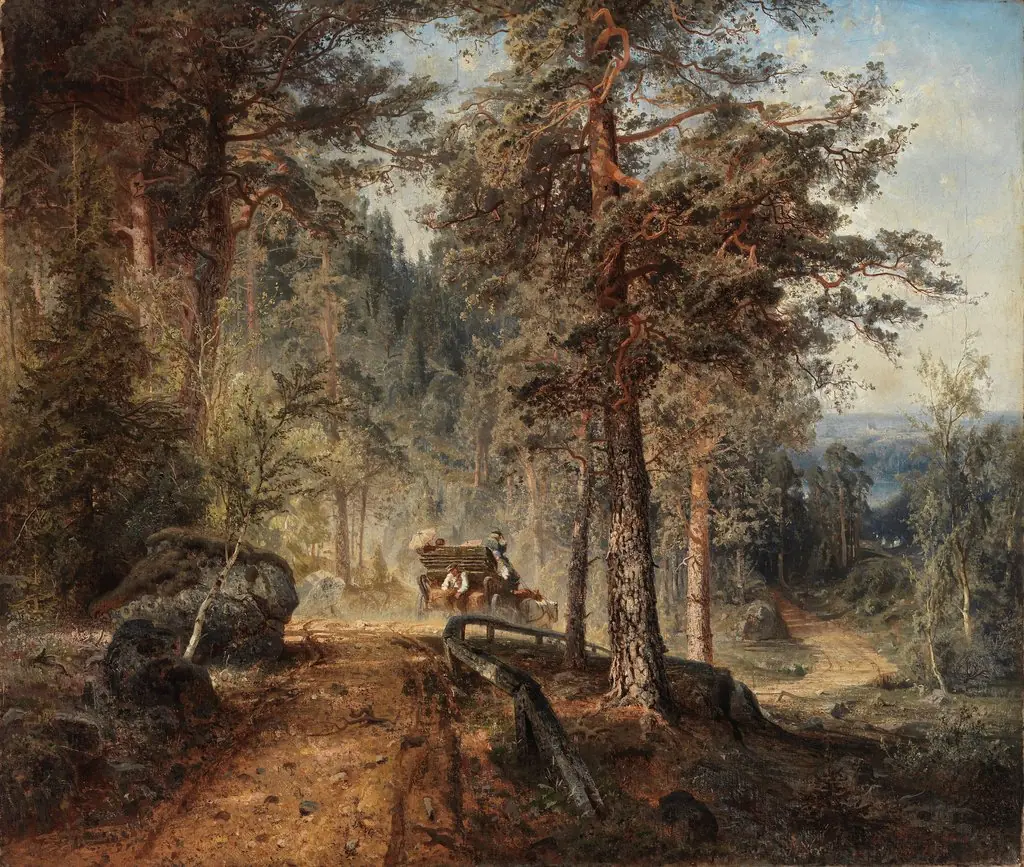 Road in Häme
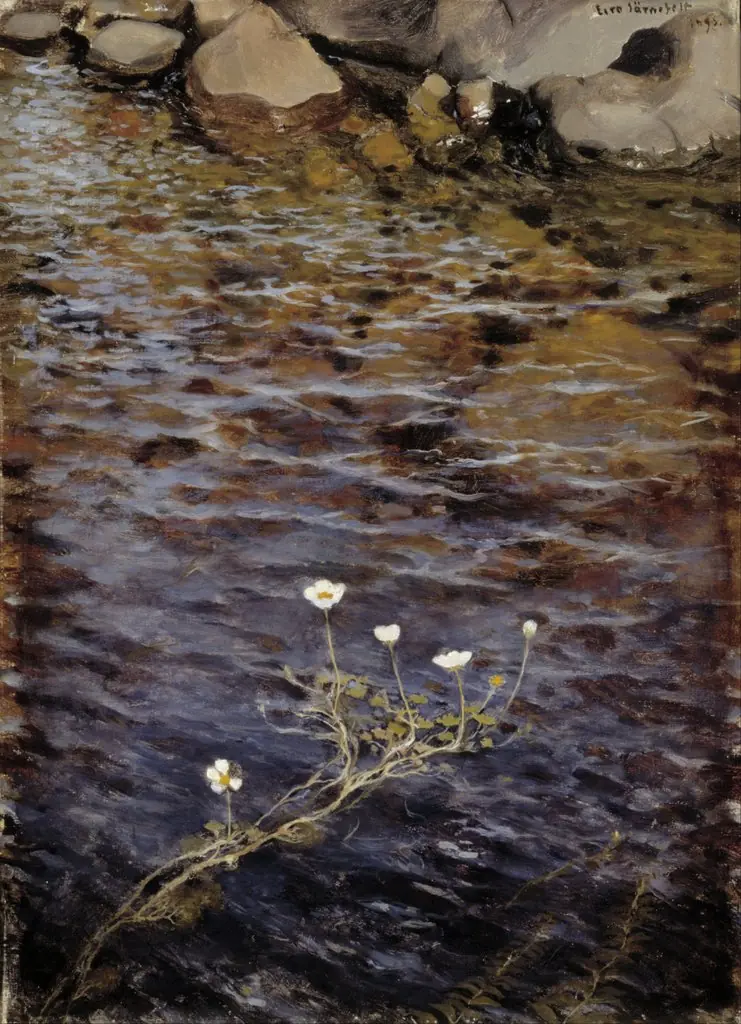 Pond Water Crowfoot ; Pond Weed
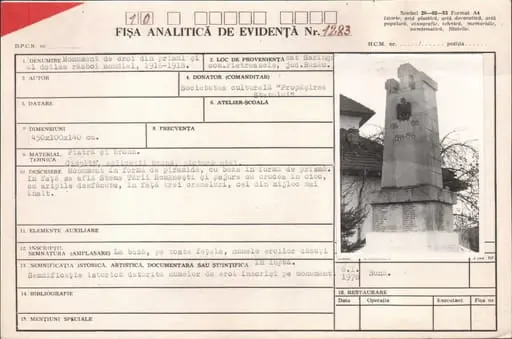 Monument de eroi din Primul și Al Doilea Război Mondial
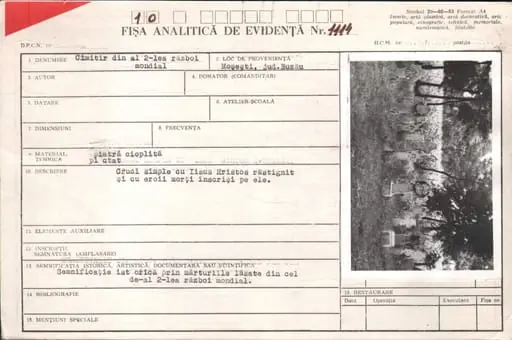 Cimitir din Al Doilea Război Mondial
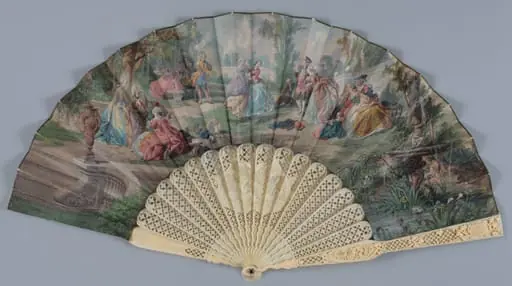 Eventail plié
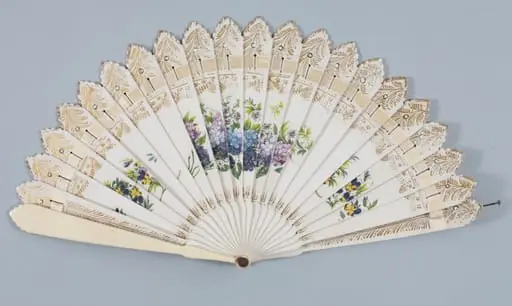 Eventail brisé
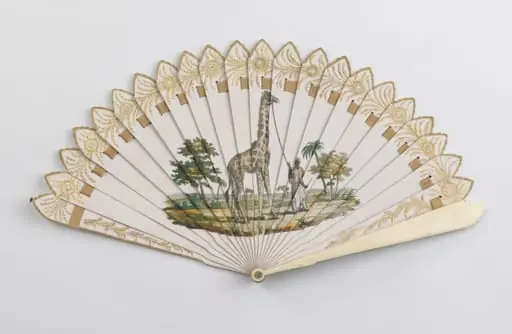 Eventail carnet de bal à la girafe
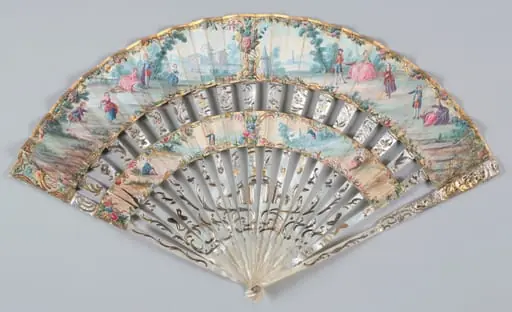 Eventail plié cabriolet
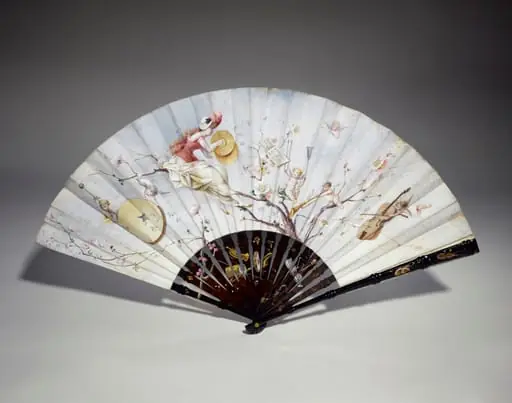 Eventail plié
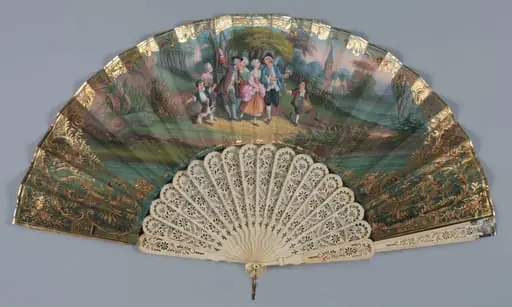 Eventail plié
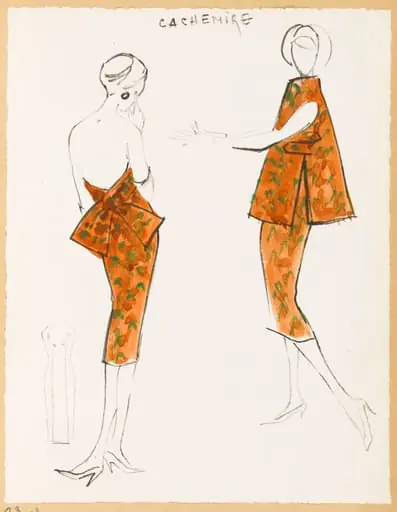 Cachemire
 Eventail plié
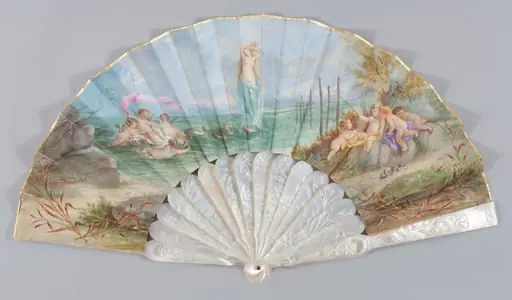 Naissance de Vénus
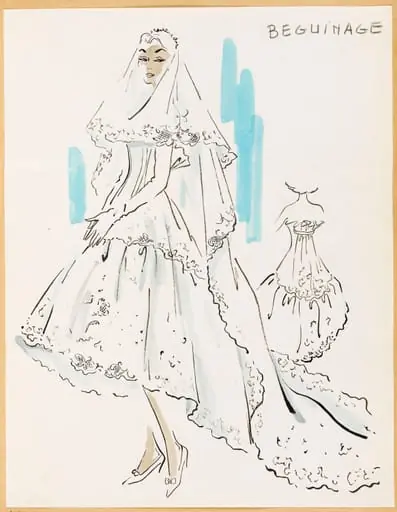 Béguinage
 Jocrisse
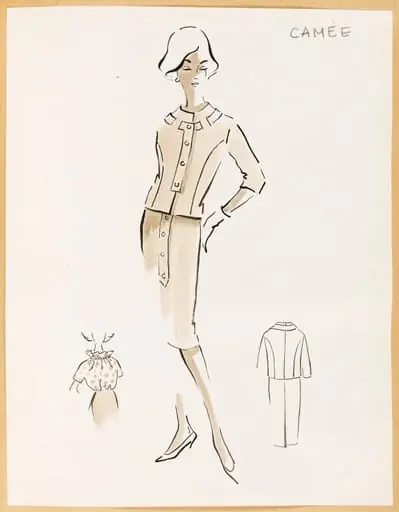 Camée
Camée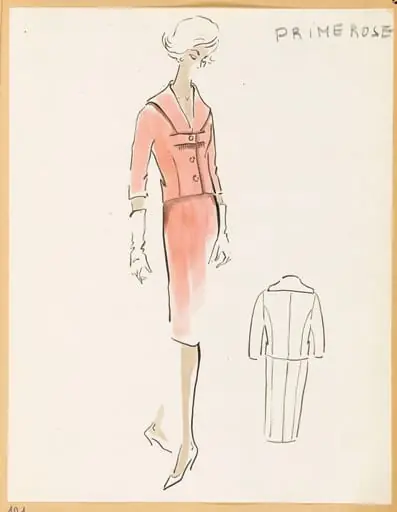 Primerose
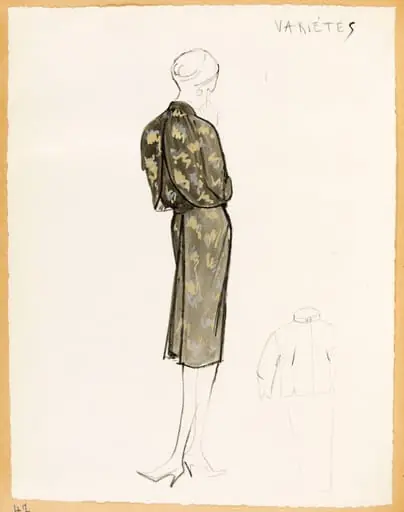 Variétés
 Arcole
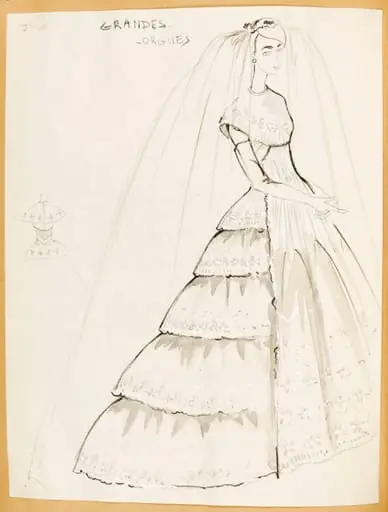 Grandes orgues
 Guinguette
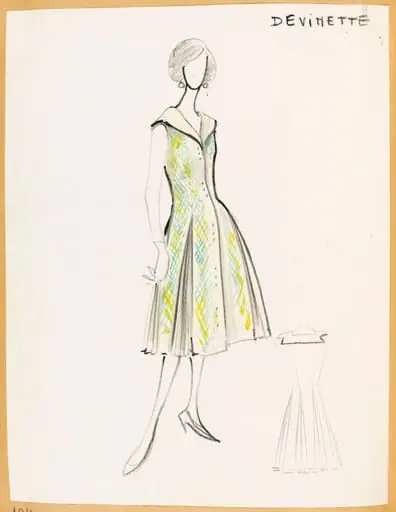 Devinette
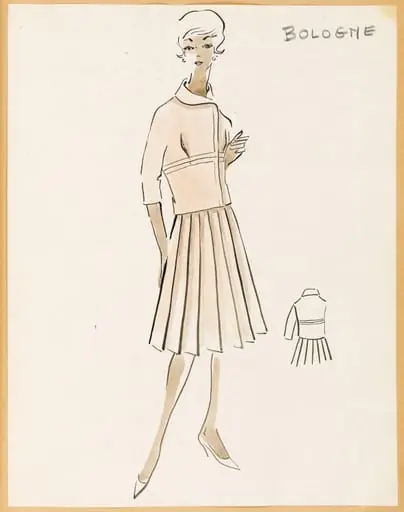 Bologne
 Aspasie
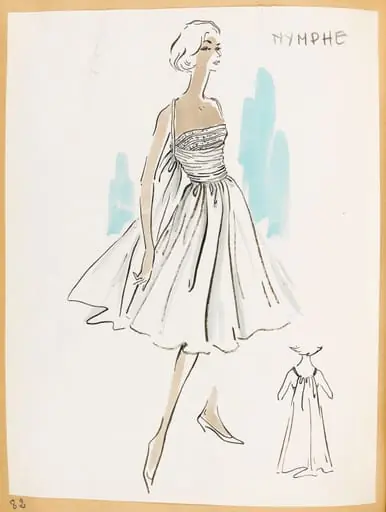 Nymphe
 Saint-Cloud
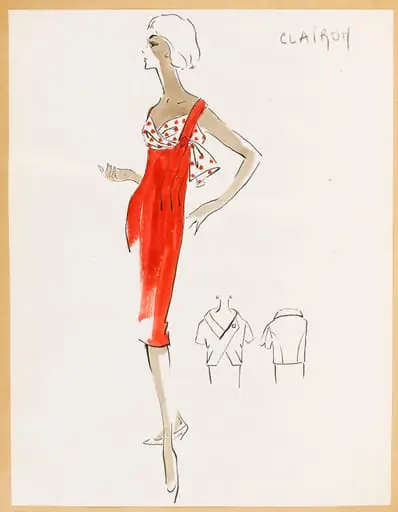 Clairon
 Ange pitou
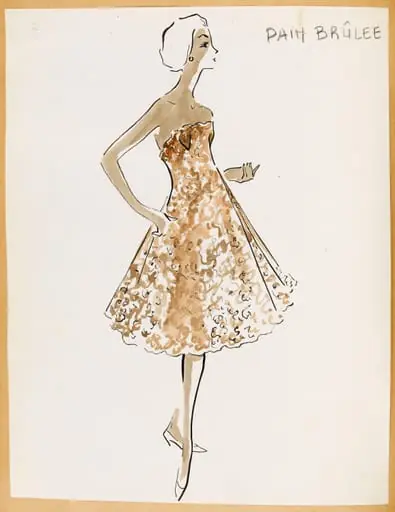 Pain brûlée
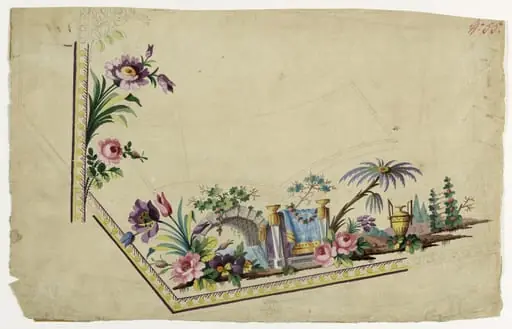 Paysage à pont en pierre, projets de broderies de gilet, XVIIIème siècle
 Gabier
 Directoire
 Trévise
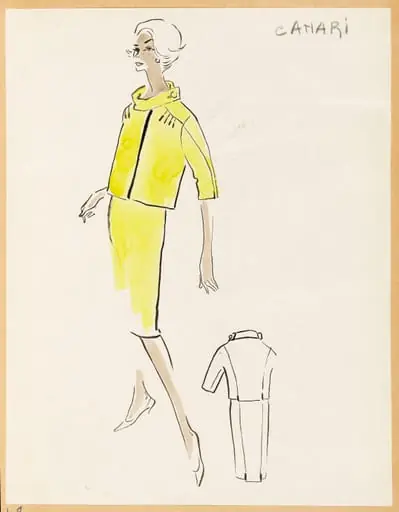 Canari
 Phrymée
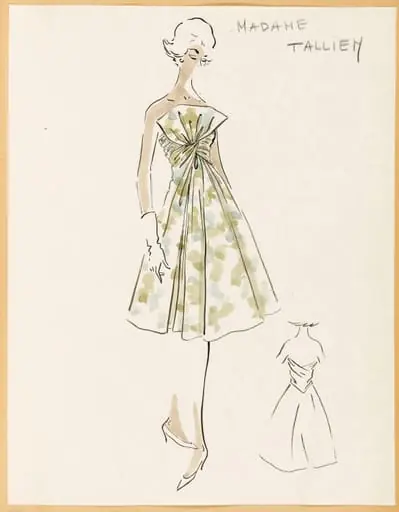 Madame Tallien
 Cothurne
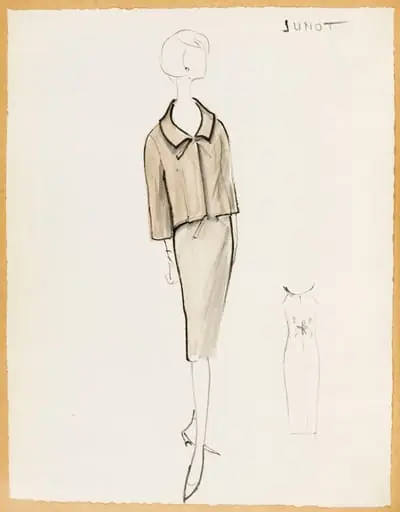 Junot
Junot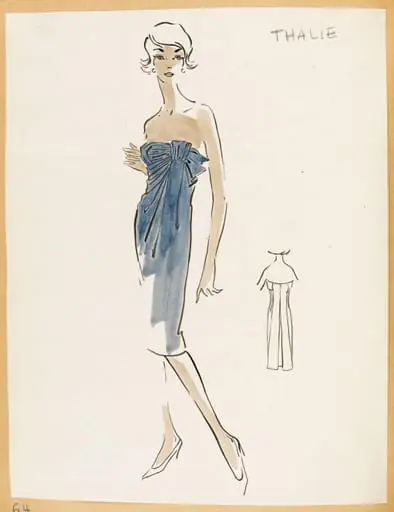 Thalie
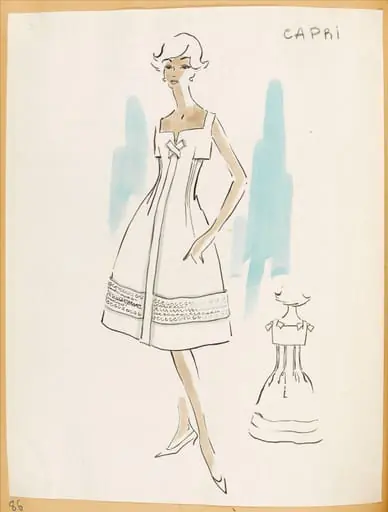 Capri
Capri Draisienne
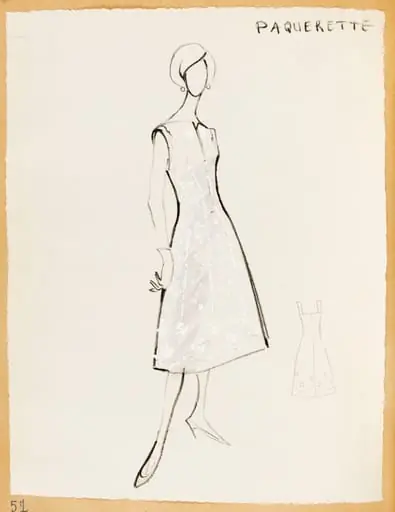 Pâquerette
 Madame
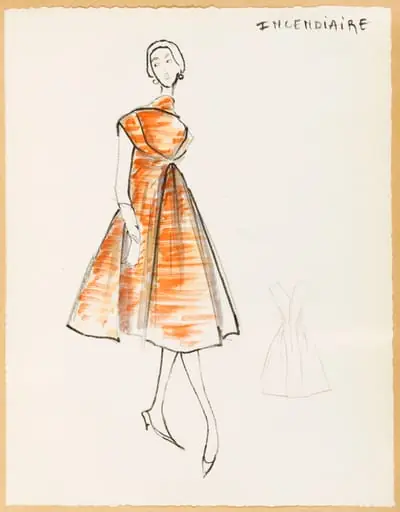 Incendiaire
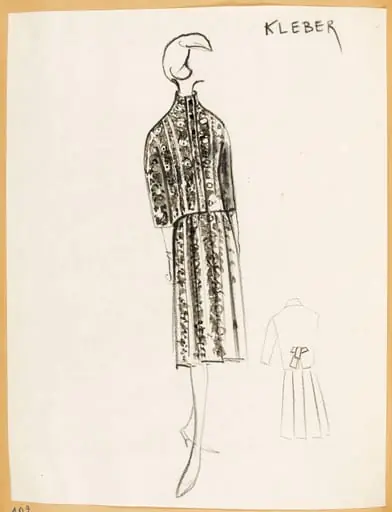 Kléber
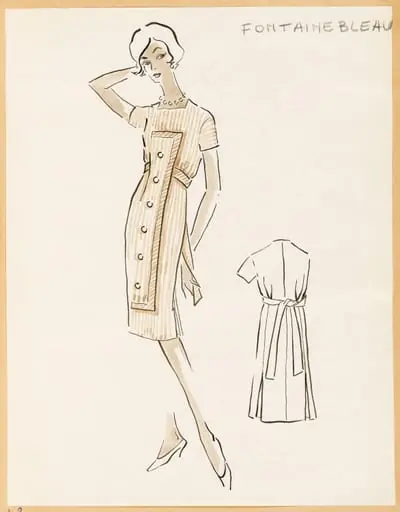 Fontainebleau
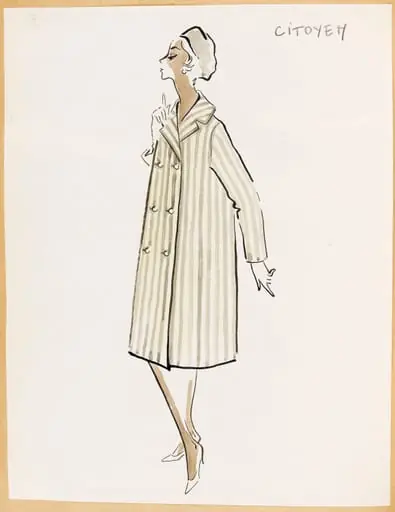 Citoyen
 Jacobin
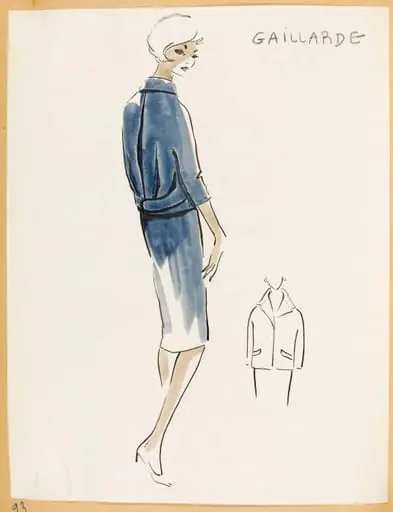 Gaillarde
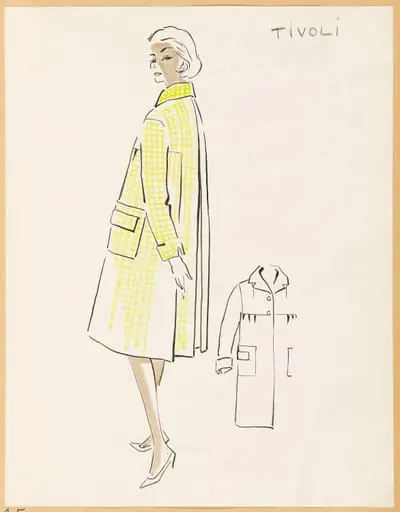 Tivoli
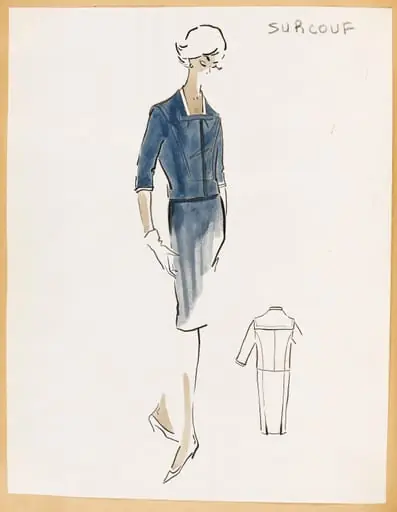 Surcouf
 Champ de mars
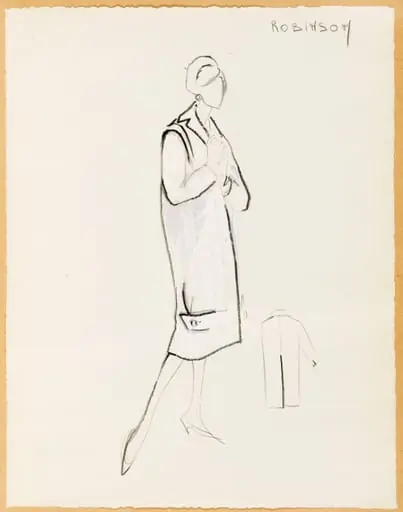 Robinson
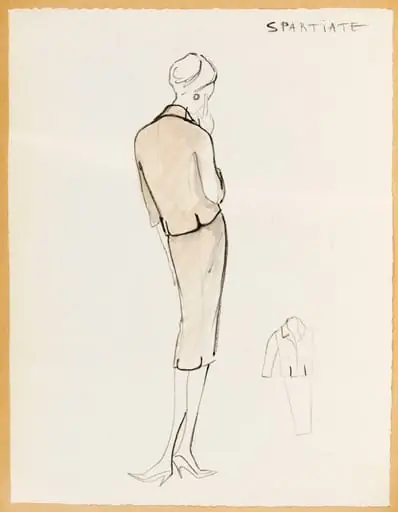 Spartiate
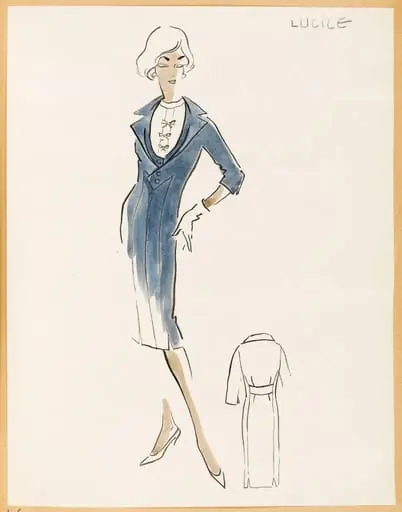 Lucile
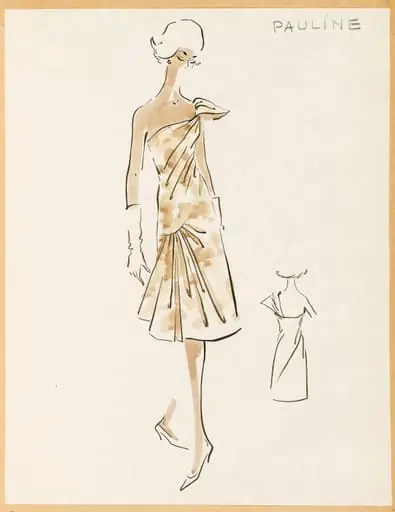 Pauline
 Bon genre
 Agay
Agay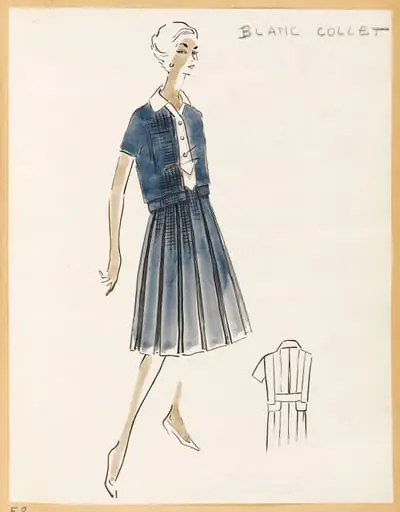 Blanc collet
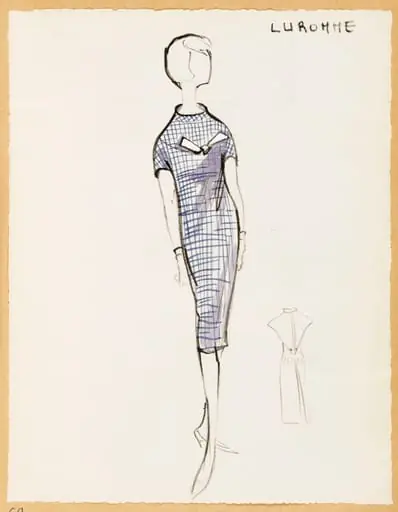 Luronne
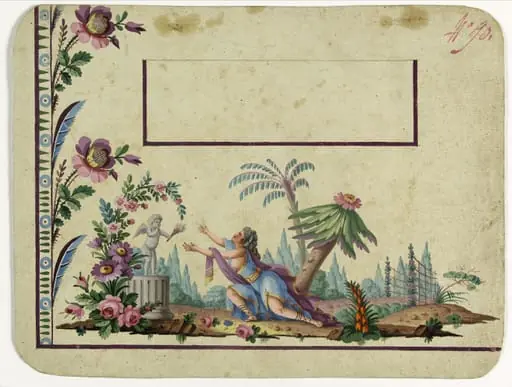 Gilet décor la déesse Flore avec un putti en pierre, projets de broderies de gilet, XVIIIème siècle
 Pantomime
 Sarrau
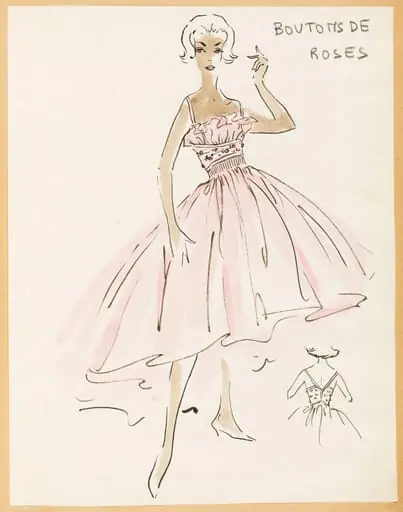 Boutons de roses
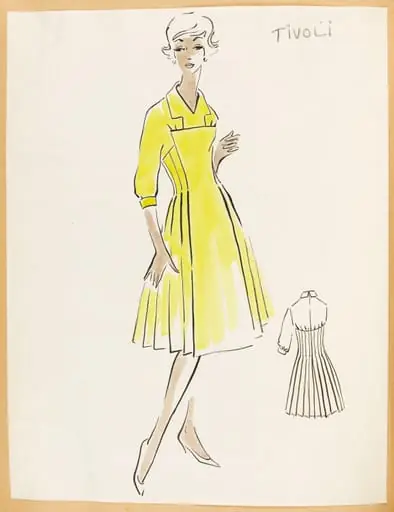 Tivoli
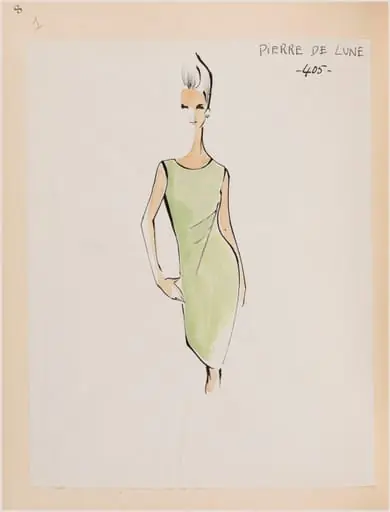 Pierre de lune
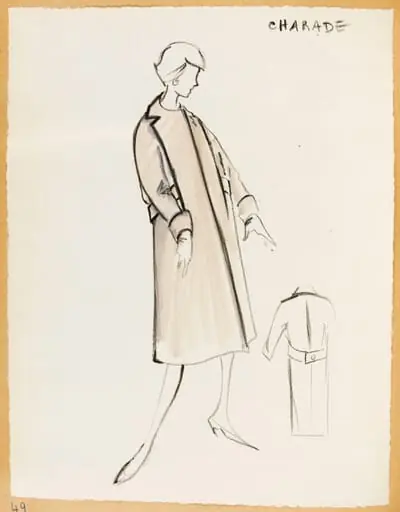 Charade
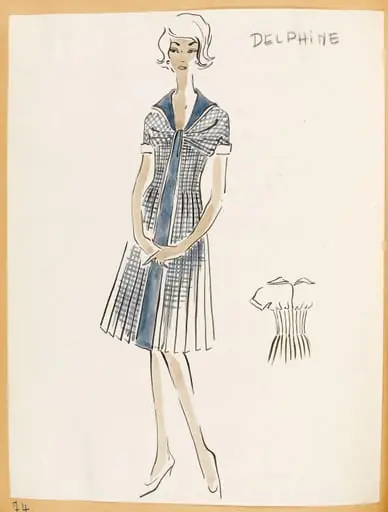 Delphine
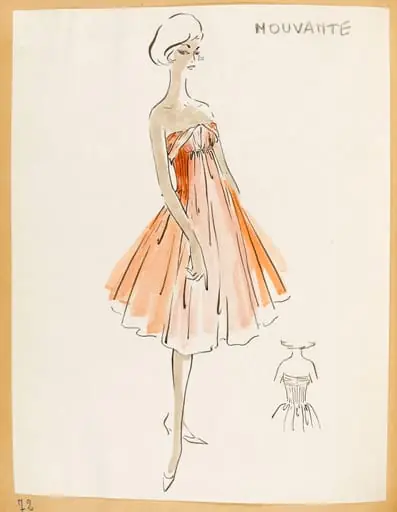 Mouvante
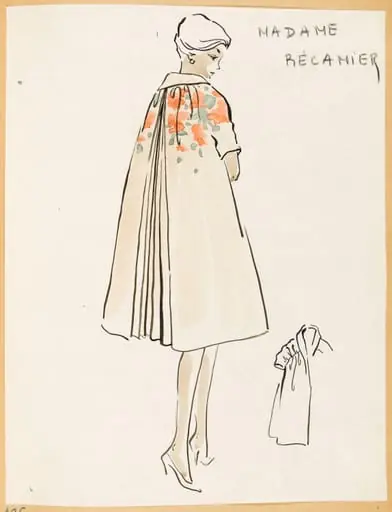 Madame Récamier
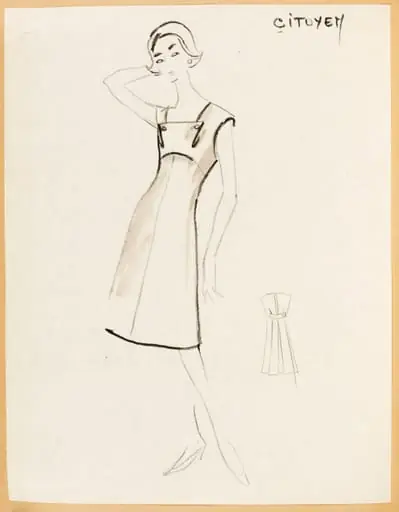 Citoyen
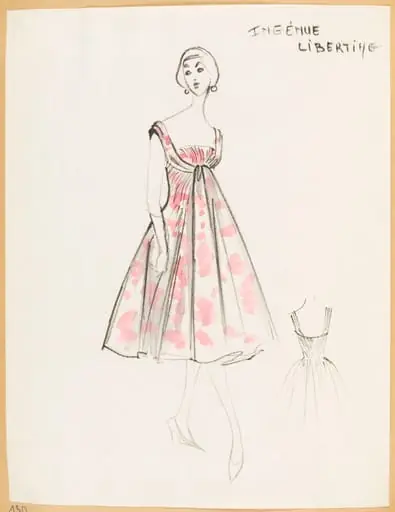 Ingénue libertine
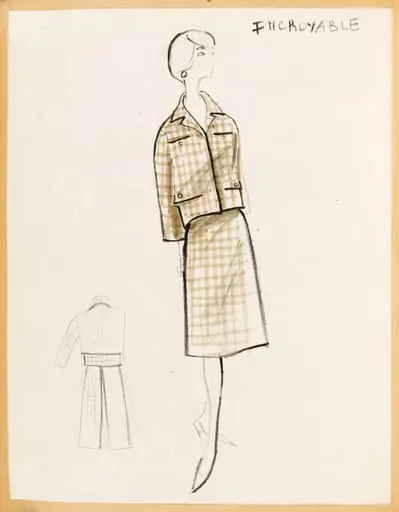 Incroyable
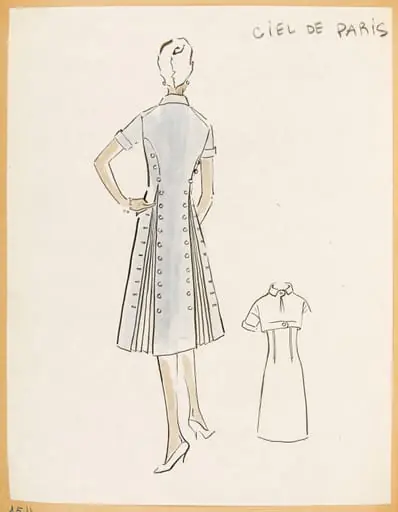 Ciel de Paris
 Iéna
Iéna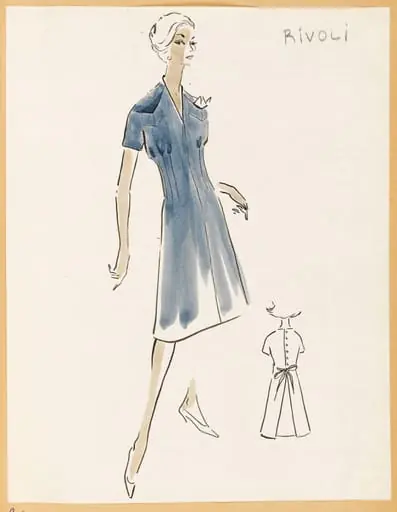 Rivoli
 Amélie
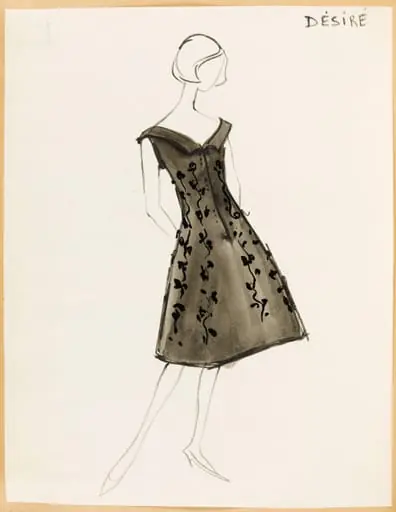 Désiré
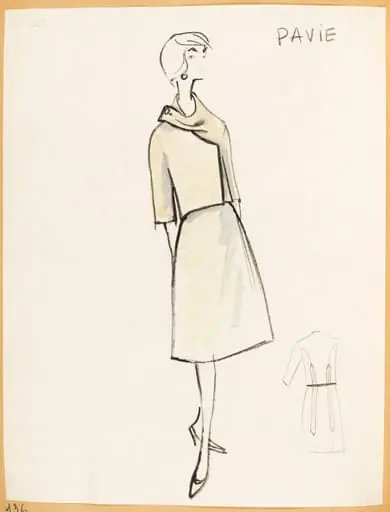 Pavie
Pavie Collet noir
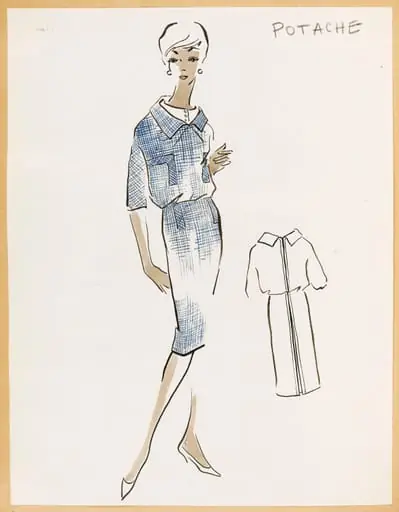 Potache
 Mameluk
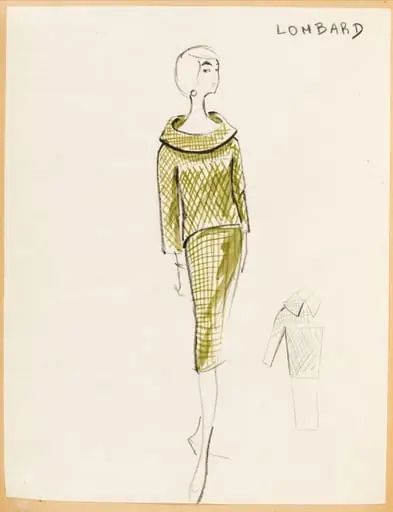 Lombard
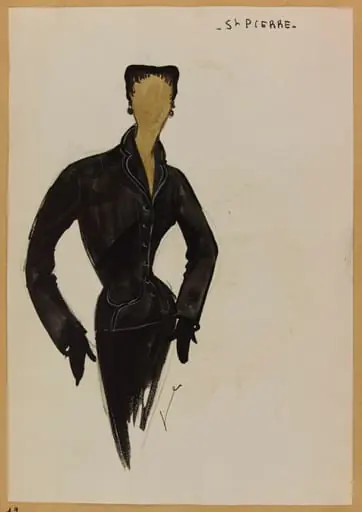 St Pierre
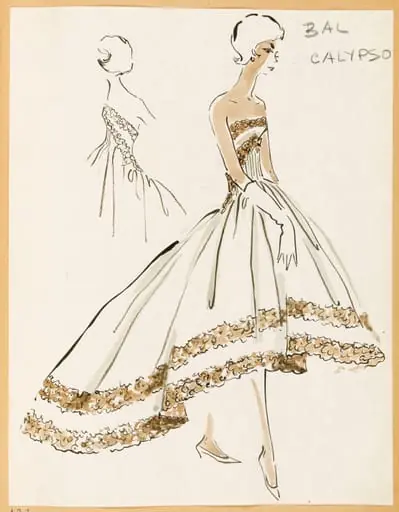 Bal calypso
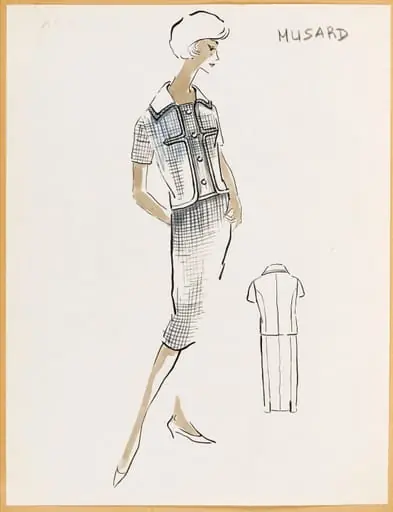 Musard
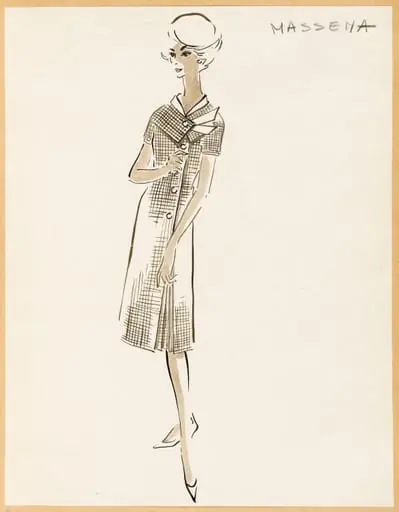 Masséna
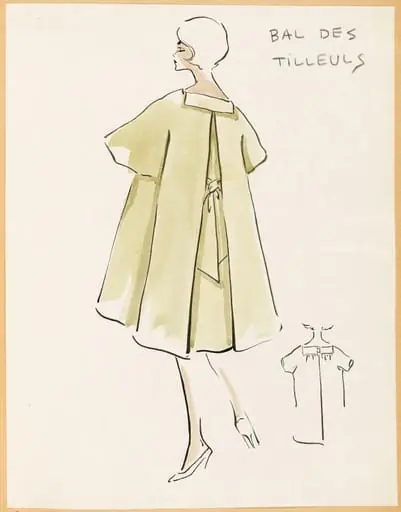 Bal des tilleuls
 Cormélie
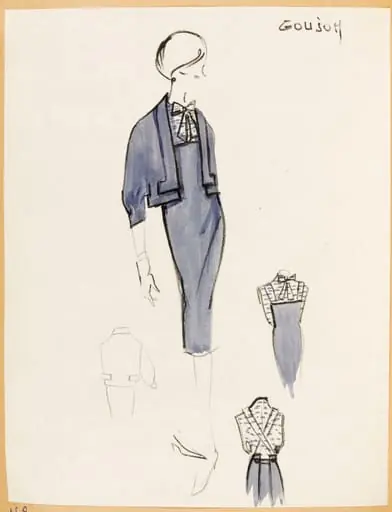 Goujon
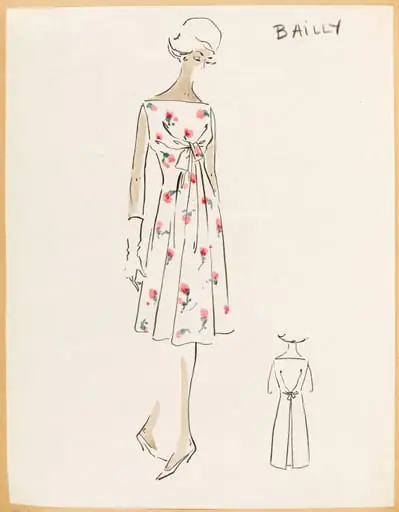 Bailly
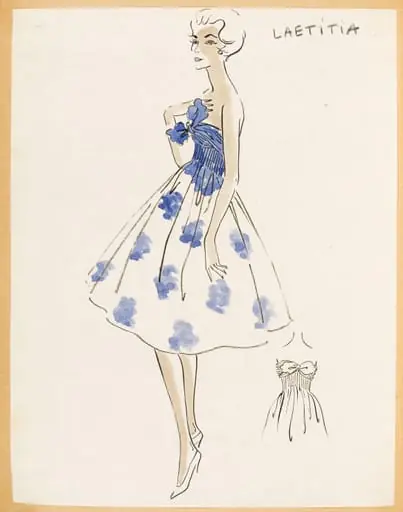 Laetitia
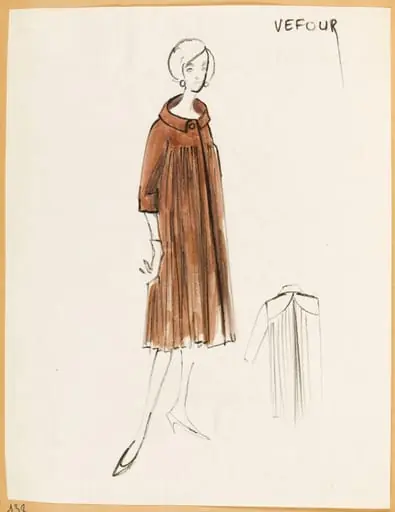 Véfour
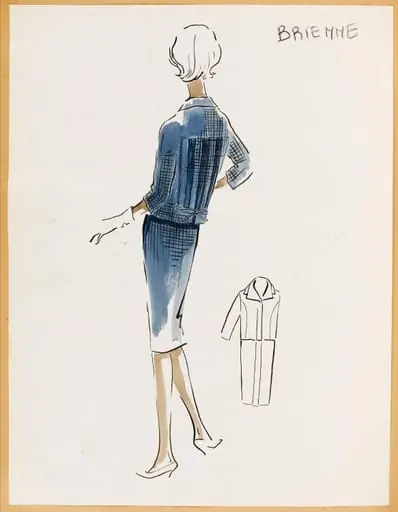 Brienne
 Elisa
Elisa Mademoiselle
 Mandarine
 Club
Club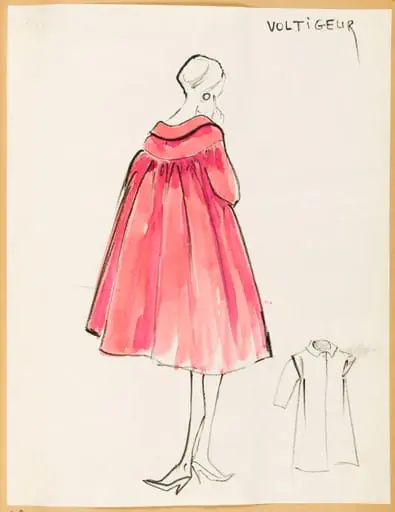 Voltigeur
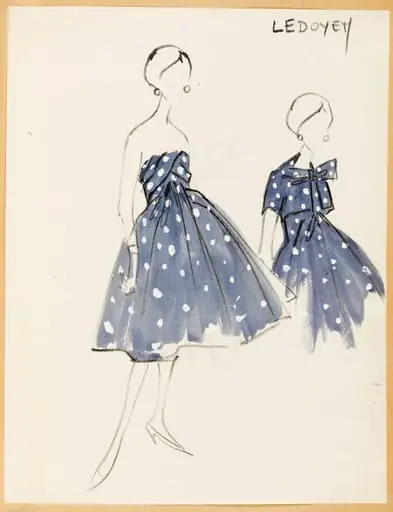 Ledoyen
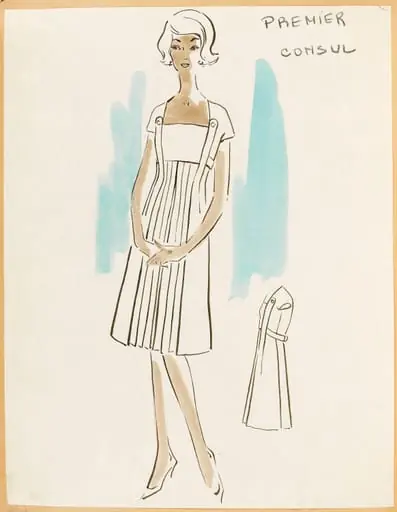 Premier consul
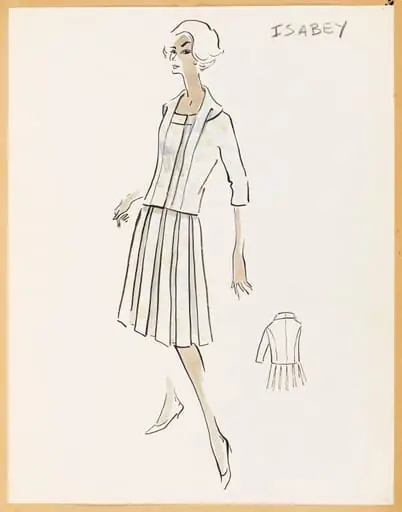 Isabey
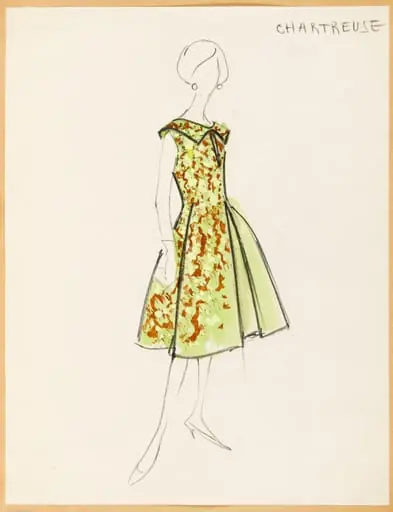 Chartreuse
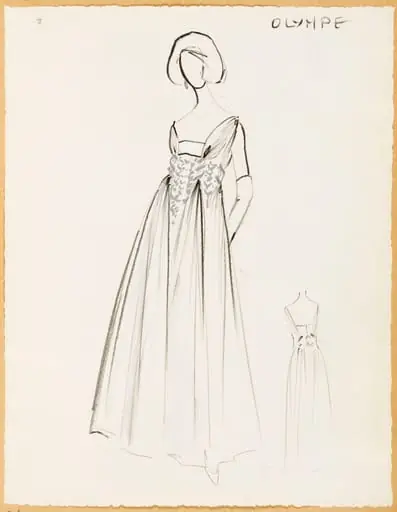 Olympe
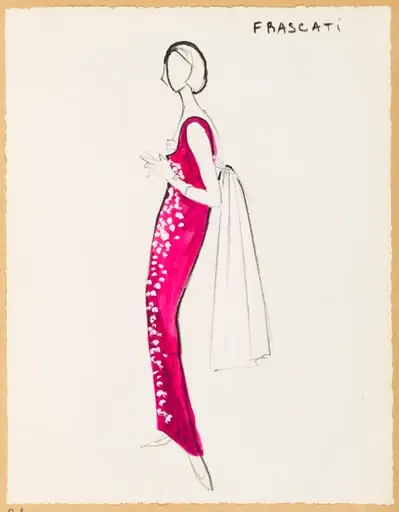 Frascati
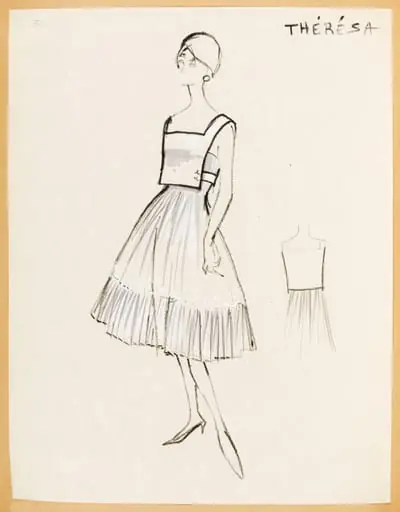 Thérésa
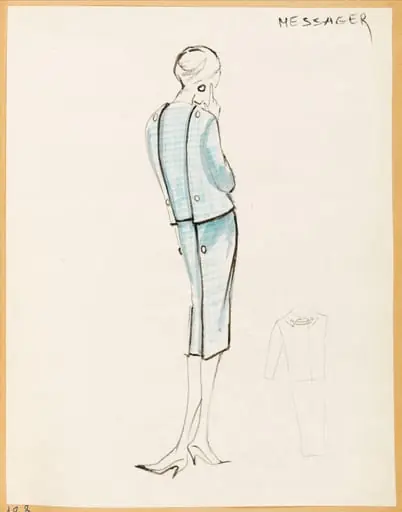 Messager
 Quatre vingt neuf
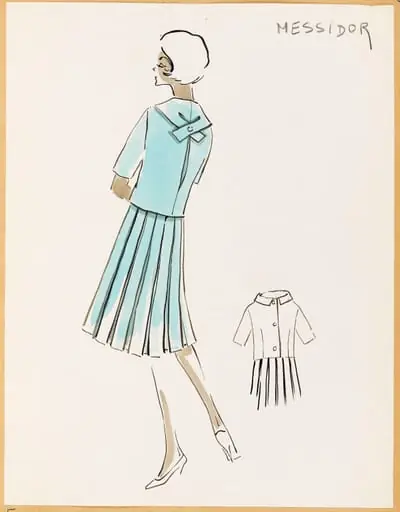 Messidor
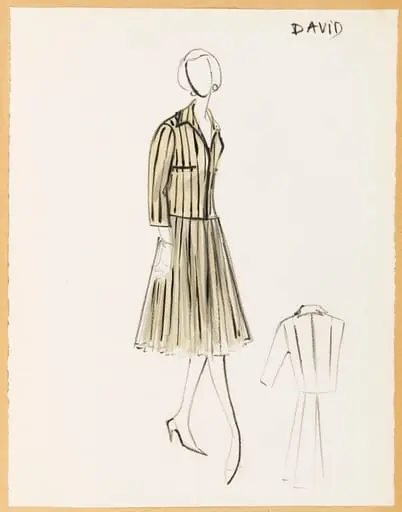 David
David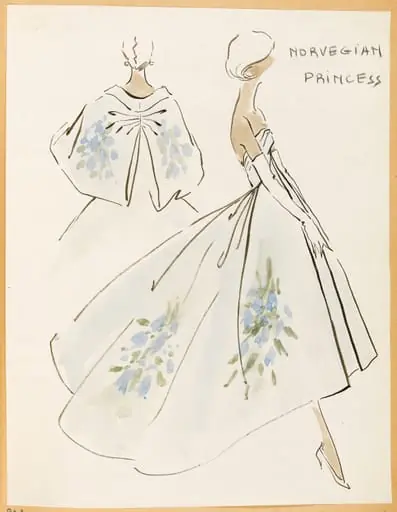 Norvegian princess
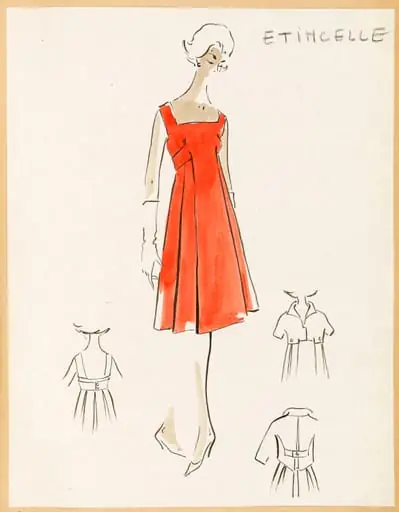 Etincelle
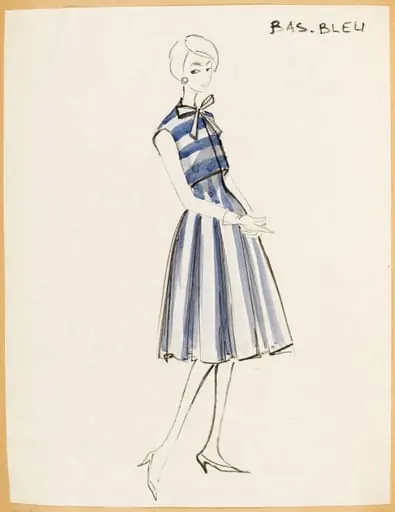 Bas-bleu
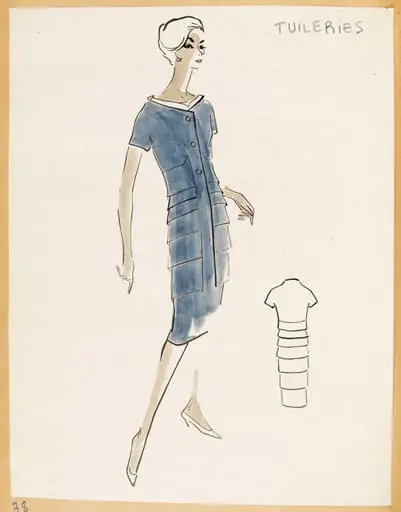 Tuileries
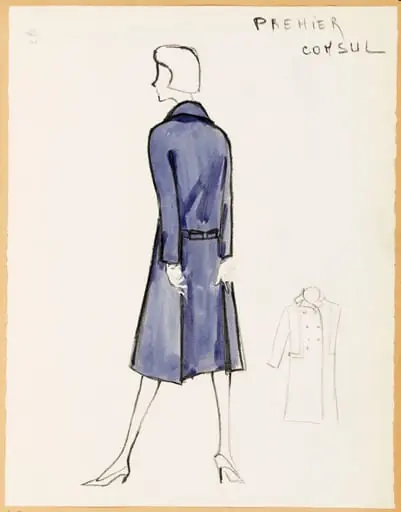 Premier consul
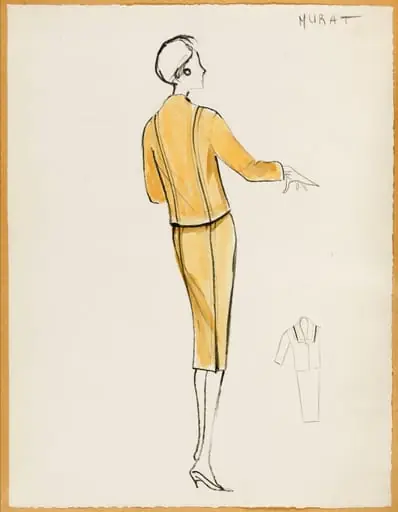 Murat
Murat Coralie
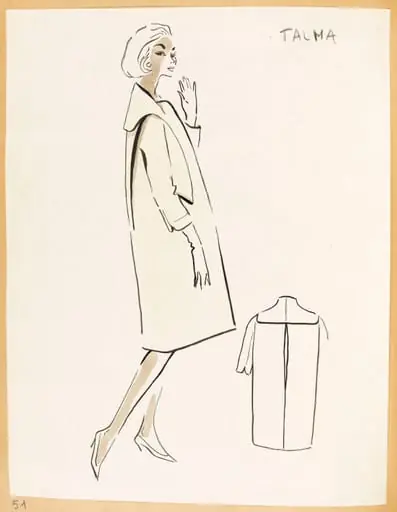 Talma
Talma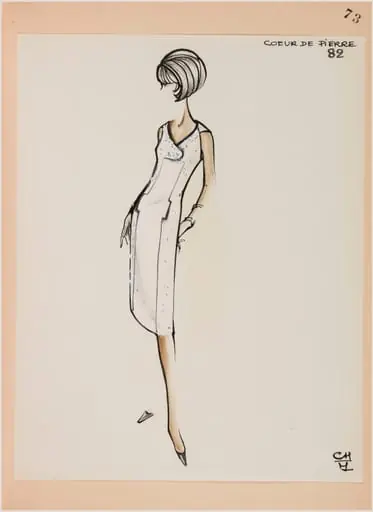 Coeur de Pierre
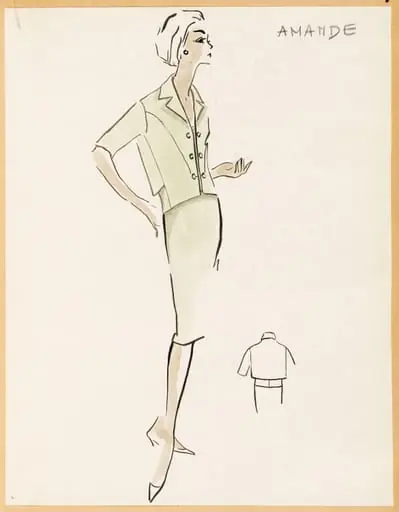 Amande
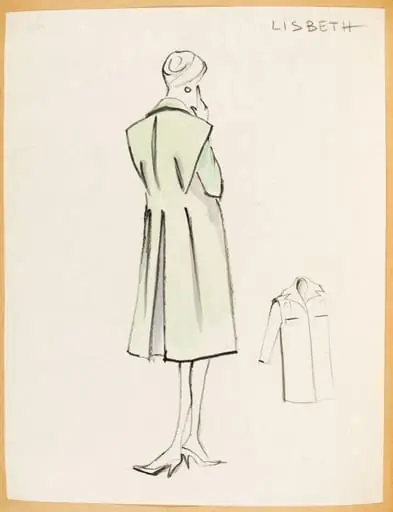 Lisbeth
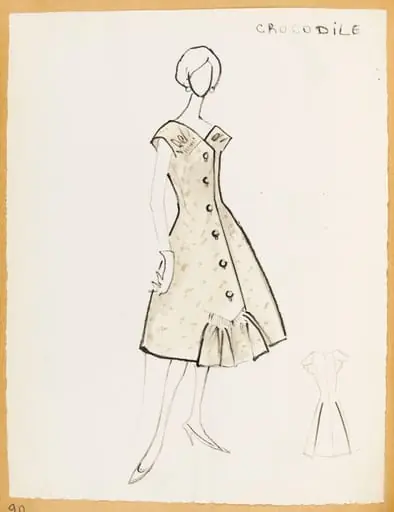 Crocodile
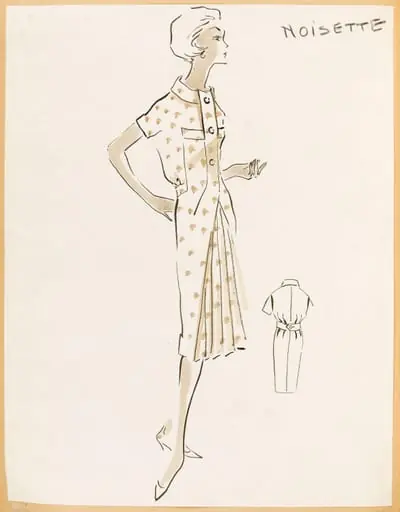 Noisette
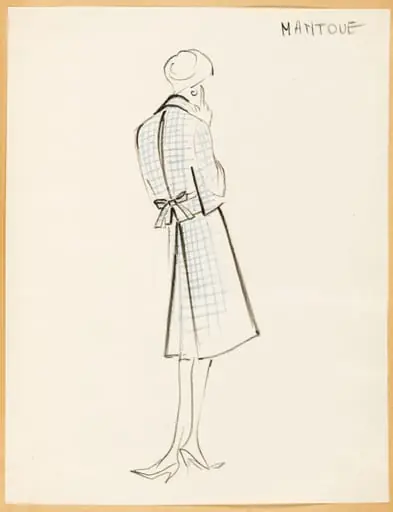 Mantoue
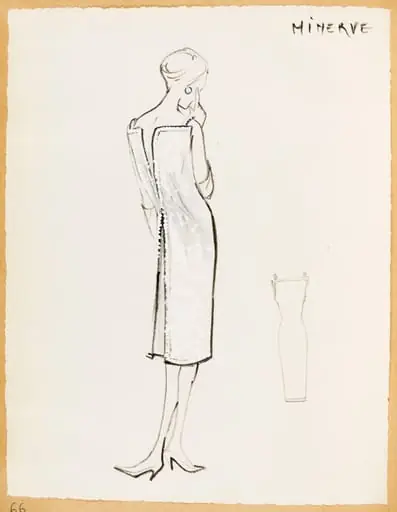 Minerve
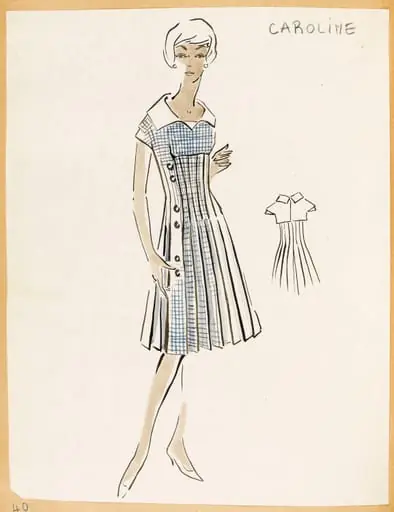 Caroline
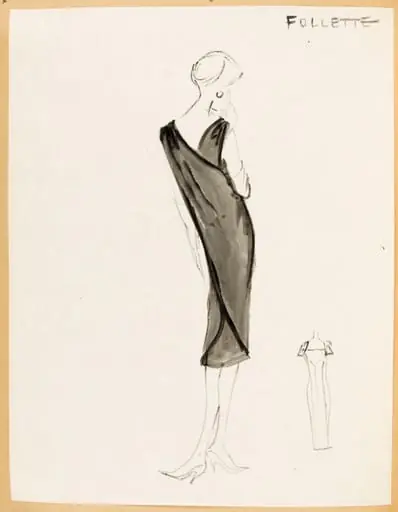 Follette
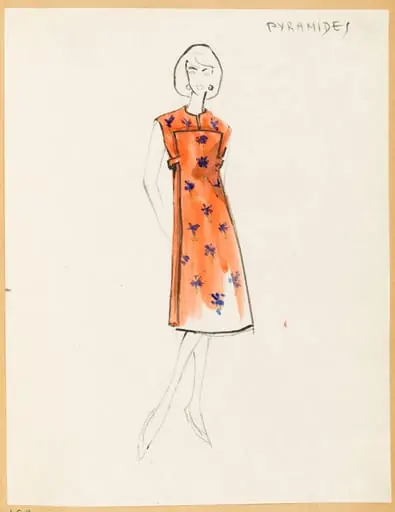 Pyramides
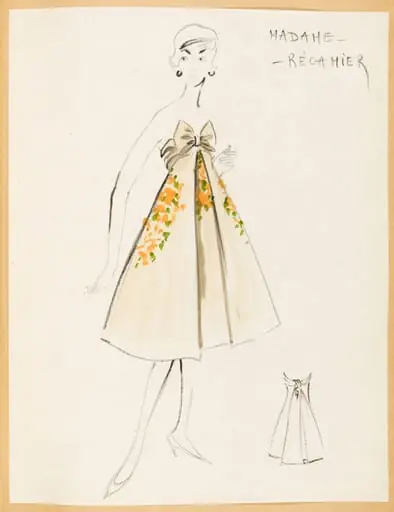 Madame Récamier
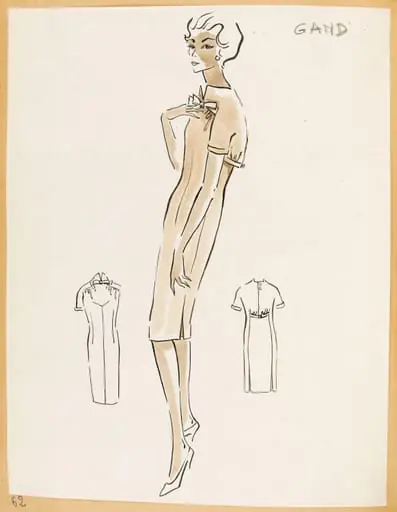 Gand
Gand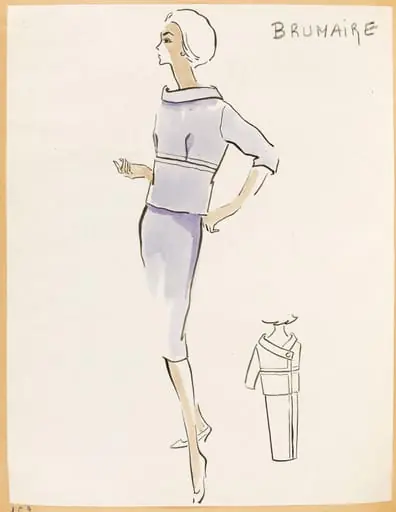 Brumaire
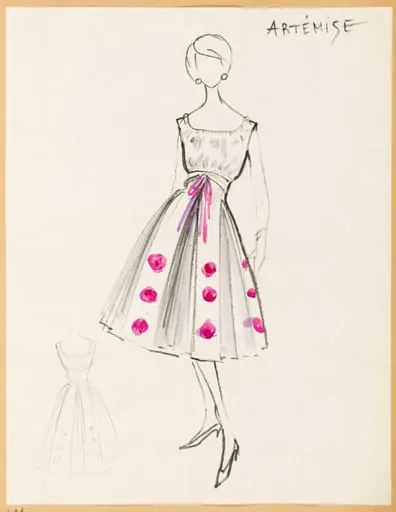 Artémise
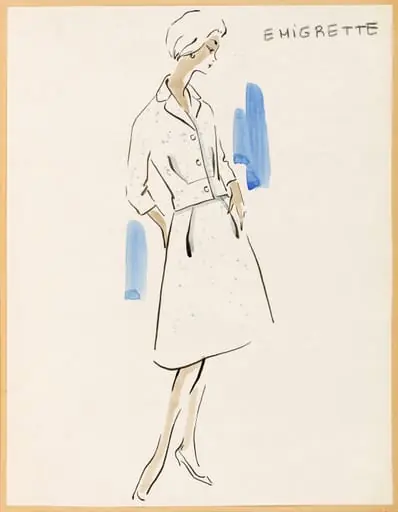 Emigrette
 Effervescent
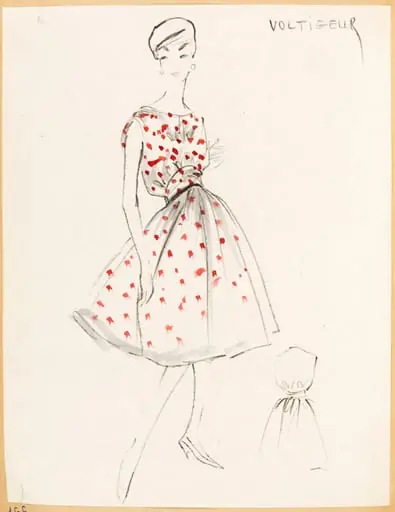 Voltigeur
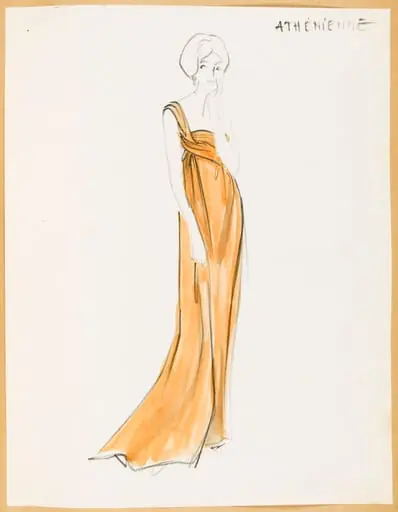 Athénienne
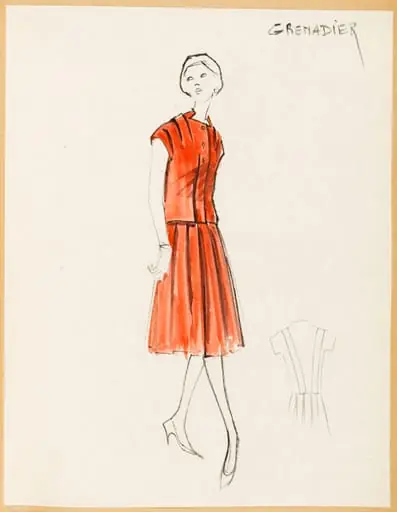 Grenadier
 Champêtre
 Tutti-frutti
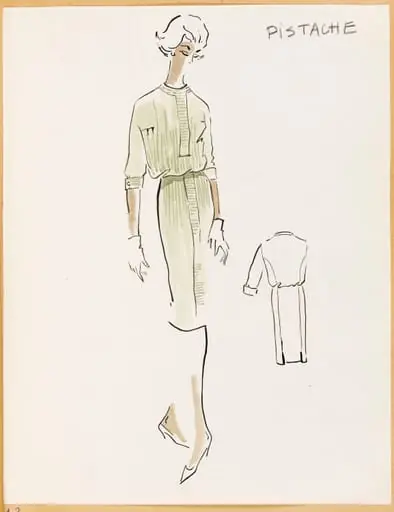 Pistache
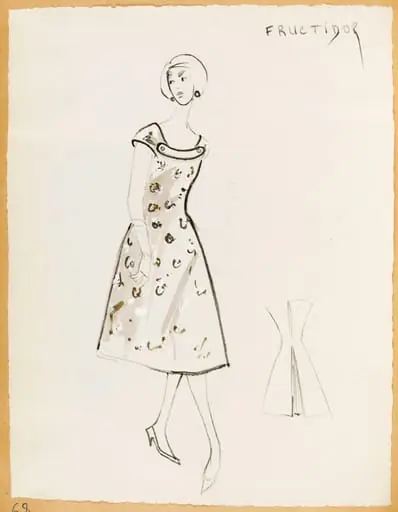 Fructidor
 Lodi
Lodi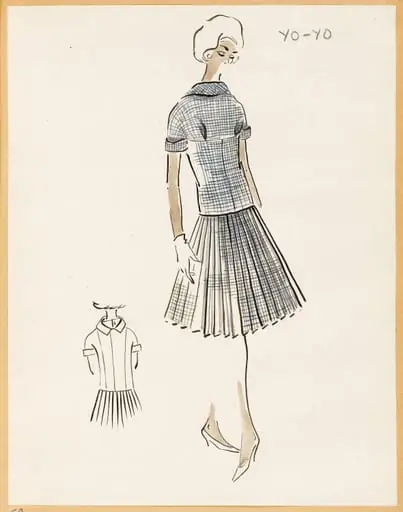 Yo-yo
Yo-yo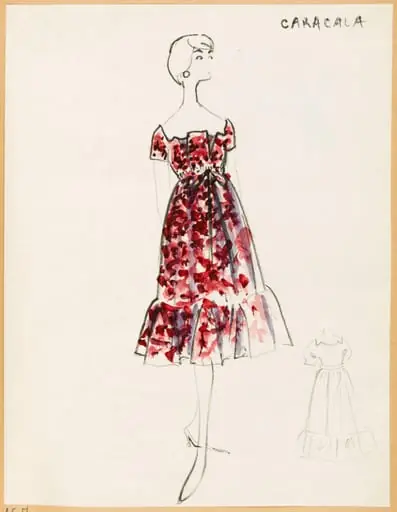 Caracala
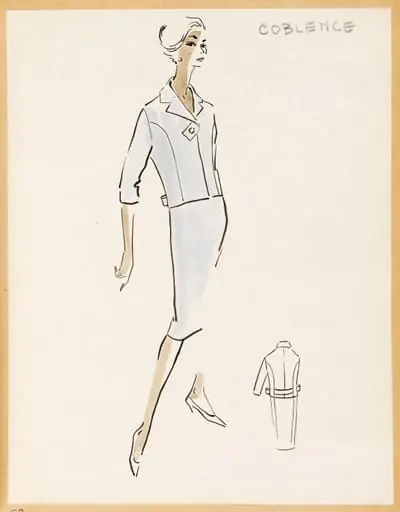 Coblence
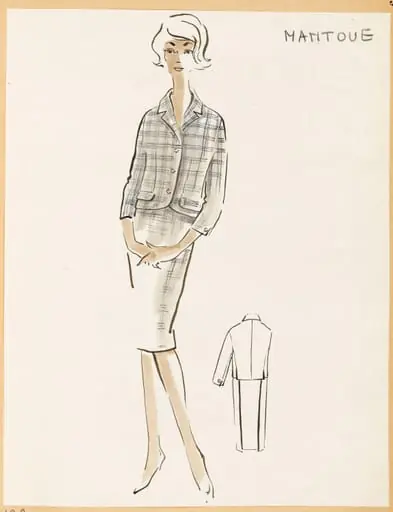 Mantoue
 Conscrit
 Bleuêt
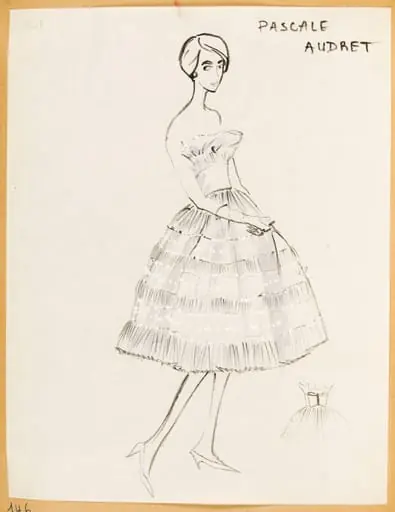 Pascale Audret
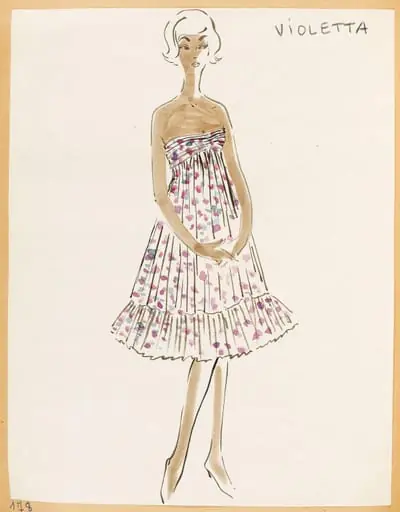 Violetta
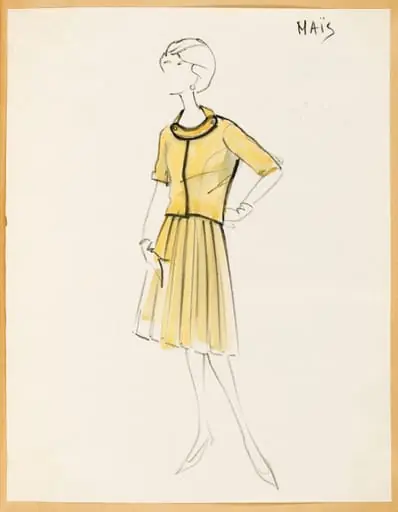 Maïs
Maïs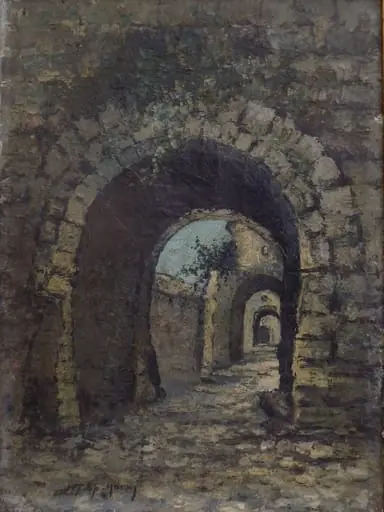 Poarta veche
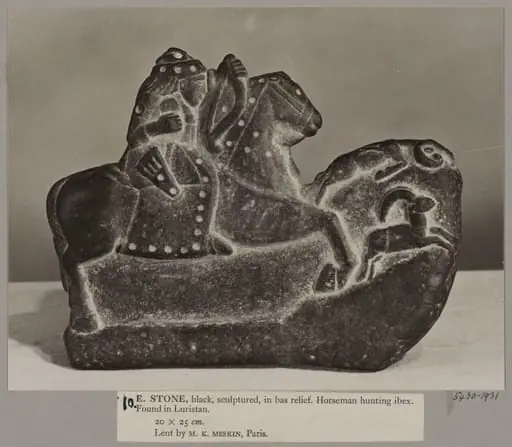 Untitled
Frequently asked questions
What is Stone?
Stone is a subject in art. In geology, a rock (also called a stone) is any naturally occurring solid mass or aggregate of minerals or mineraloid matter.
How many Stone works does Artifact World Gallery have?
Artifact World Gallery holds 159 public-domain Stone works, all free to view and download.
Who are the key Stone artists?
Key Stone artists in the collection include F.M.E. Fabritius de Tengnagel, Sandro Botticelli and Christoffer Wilhelm Eckersberg.
Where can I see Stone works?
Stone works in the collection are held by Palais Galliera - Musée de la Mode de la Ville de Paris, Statens Museum for Kunst and Finnish National Gallery.