Artwork
Luther Martin
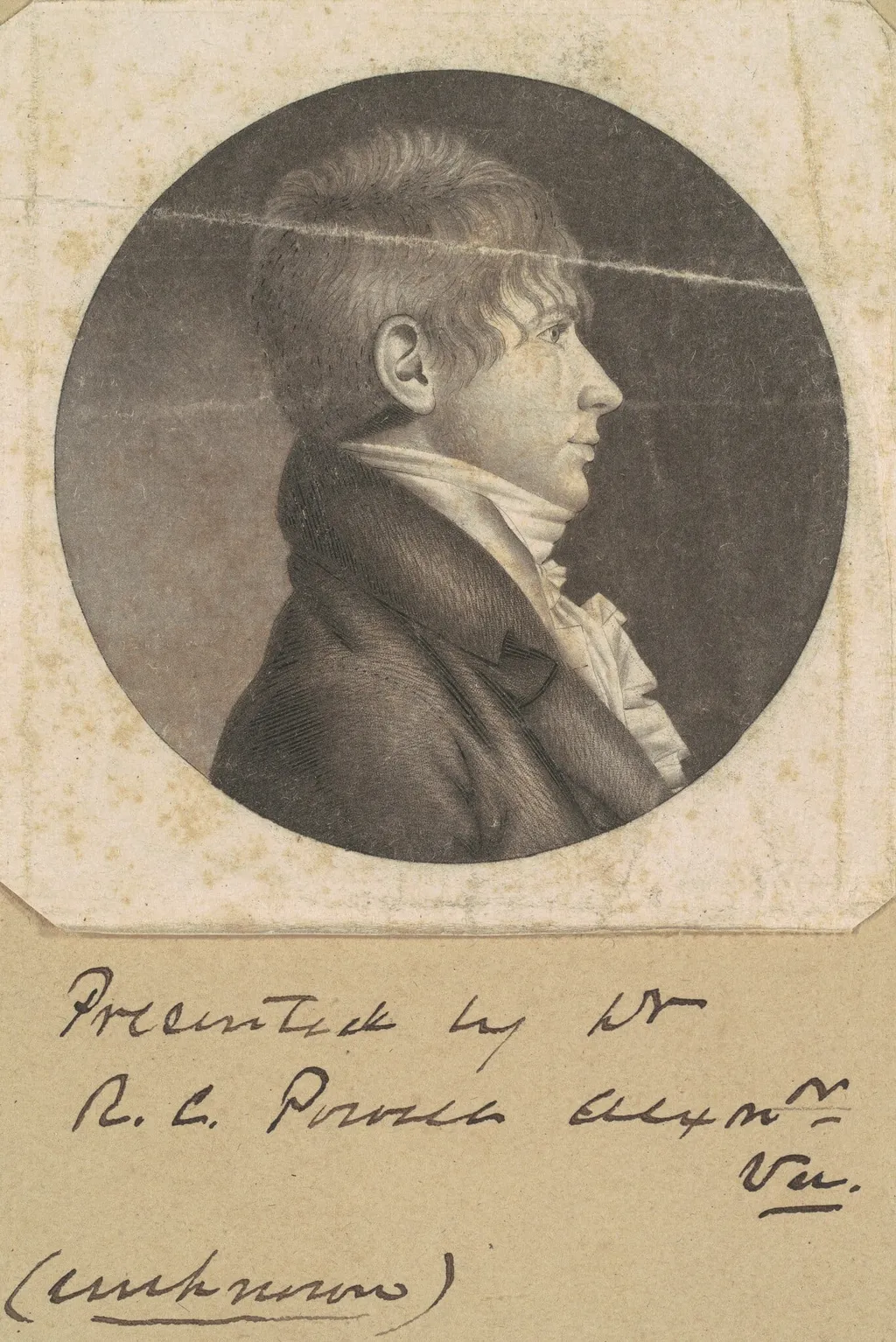
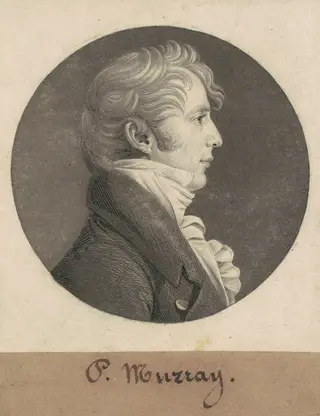
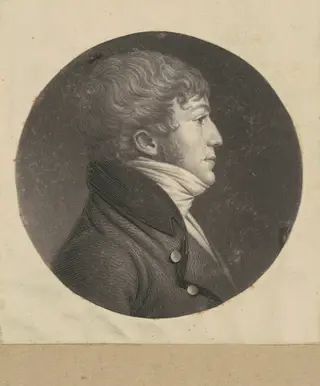
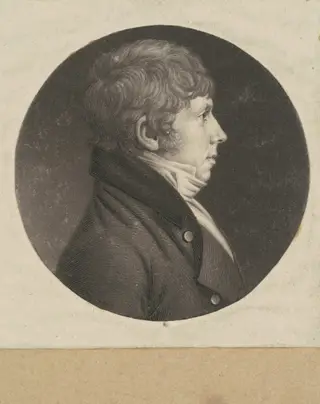
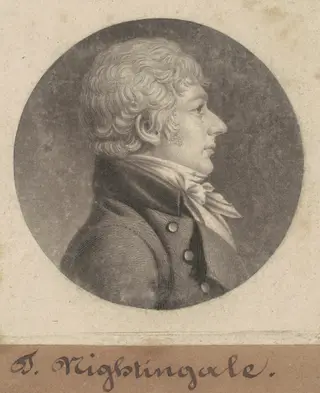
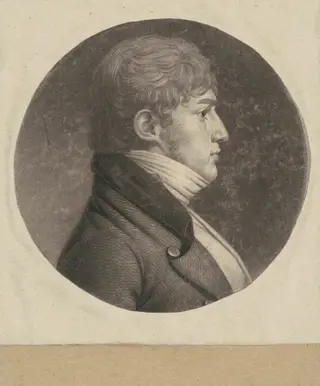
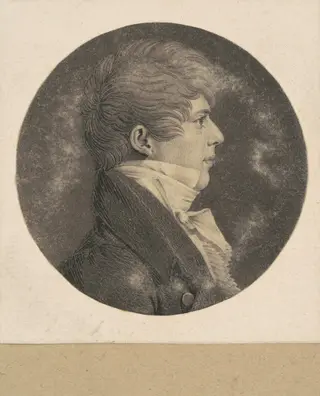
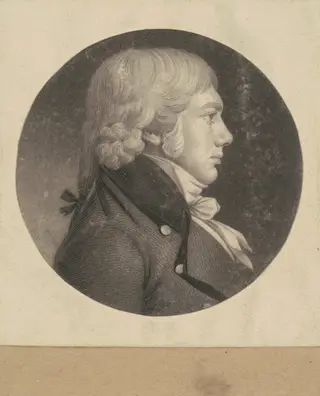
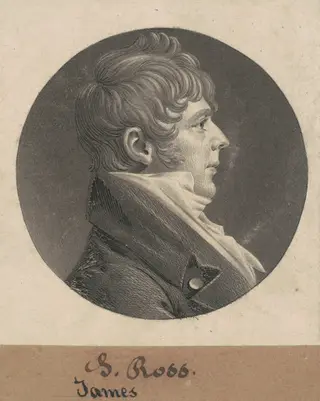
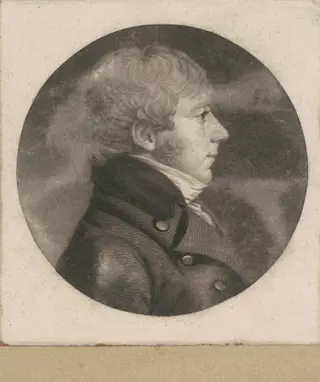
Luther Martin is an ink print by the Romanticist artist Louis Lemet. It dates from 1801 and is held in the collection of the National Gallery of Art.
- Inscription
- Inscribed:lower center mount in black ink by unknown hand: Luther Martin, present- / -ed by Wm. R. Hayden of Balt. / by Lemét
About this work
Overview
The figure is enclosed within a circular border reminiscent of a seal, set against an unadorned background.
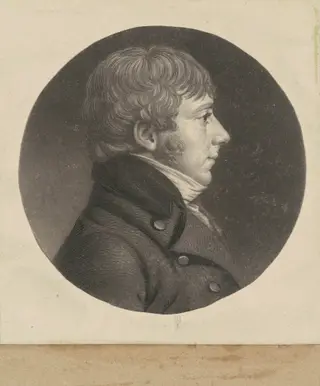
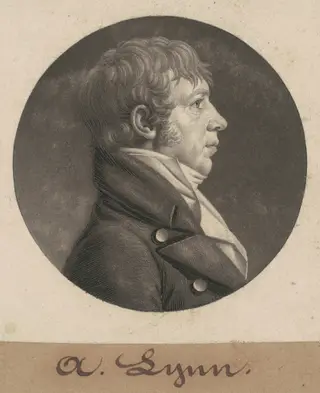
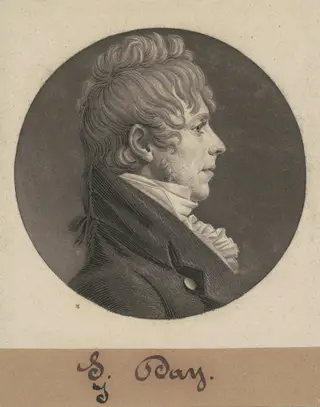
Louis Lemet’s 1801 print presents a profile portrait of a gentleman, rendered in stark black-and-white. The figure is enclosed within a circular border reminiscent of a seal, set against an unadorned background. The subject wears a high‑collared jacket with puffed sleeves, his hair brushed back in a tidy fashion. The work is executed on wove paper, later mounted to a second sheet of brown wove paper.
Subject & Meaning
The image depicts an individual, identified as Luther Martin, positioned in profile to emphasize facial features and attire typical of early‑19th‑century gentlemanly dress. The circular framing suggests a formal, perhaps commemorative intent, akin to a medallion, focusing attention on the sitter’s dignified bearing without narrative context.
Technique & Style
Lemet employed mezzotint combined with engraving, a process that begins with a roughened metal plate and uses fine, pressed lines to achieve subtle tonal gradations. This method allows smooth shading across the portrait, contrasting with the crisp linear details of the jacket and hair, and results in a richly textured monochrome surface.
History & Provenance
Created in 1801, the print was produced on wove paper that has since acquired a slight yellowing at the edges, indicating age. The work is mounted to a brown wove backing, a common conservation practice for preserving delicate prints. No further ownership records are presently documented.
Context
Mezzotint was a favored medium for portraiture in the late 18th and early 19th centuries, valued for its ability to render nuanced light and shadow. Lemet’s choice of this technique aligns with contemporary practices for producing affordable yet high‑quality likenesses of notable individuals.
Own this work as a print
Artist & collection