Artwork
Eighteen Views of Rome: The Piazza Colonna
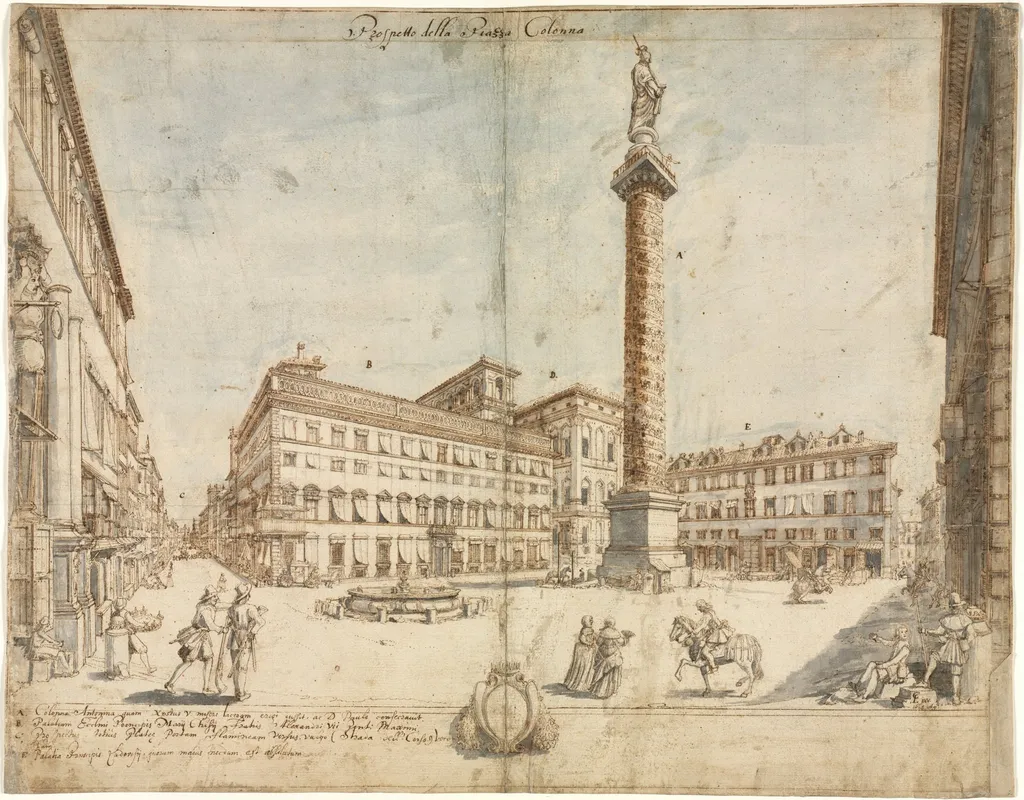
Eighteen Views of Rome: The Piazza Colonna is a drawing by the Baroque artist Lievin Cruyl. It dates from 1664 and is held in the collection of the Cleveland Museum of Art.
- Accession no.
- 1943.258
- Credit line
- Dudley P. Allen Fund
About this work
The tall column in the center stands out, and the buildings around it have the kind of details that make you squint to take it all in.
You’re looking at a busy Roman square, the Piazza Colonna, packed with tiny people, horses, and carriages. The tall column in the center stands out, and the buildings around it have the kind of details that make you squint to take it all in.
Cruyl made this in 1664, but he wasn’t Italian, he was Flemish, working far from home. He drew eighteen views of Rome like this one, almost like a tourist’s sketchbook, but with a draftsman’s sharp eye. The way he fits so much life into one scene feels almost like a snapshot.
If you like this, check out other works in the subject: flanders, they often mix faraway places with homegrown precision.
Overview
Eighteen Views of Rome: The Piazza Colonna is a 1664 etching by the Flemish artist Lievin Cruyl, depicting the bustling urban life of Rome's Piazza Colonna. The composition centers on the Column of Marcus Aurelius, which rises vertically to anchor the scene, surrounded by the Palazzo Colonna and adjacent structures. Cruyl populates the square with a dense array of miniature figures, horses, and carriages, capturing the dynamic movement and social diversity of the city.
Executed during Cruyl's stay in Rome, this work is part of a series of eighteen views that document the city's topography and monuments with remarkable precision. The artist, who traveled to Italy in the early 1660s, utilized his training as a draftsman to create detailed, topographically accurate representations that served as both artistic records and practical guides for travelers. This piece exemplifies Cruyl's contribution to the genre of the veduta, bridging the gap between the earlier, more imaginative Roman views and the later, more systematic documentation by artists like Piranesi.
The work stands as a significant historical document of 17th-century Rome, reflecting the artist's keen observation of architectural details and daily life.
Subject & Meaning
The composition presents a lively snapshot of daily life in 17th‑century Rome, emphasizing the spatial organization of the piazza around the monumental column. By populating the scene with a multitude of tiny figures, Cruyl conveys the vibrancy of public space while foregrounding the architectural landmark that defines the locale.
Technique & Style
Cruyl employs a precise linear draftsmanship, using fine hatching to suggest texture and depth. The drawing balances detailed architectural rendering with a more schematic treatment of crowds, creating a layered perspective that guides the eye from the foreground activity to the distant façades.
History & Provenance
Part of a series of eighteen views of Rome, the drawing reflects Cruyl’s practice of documenting the city for a foreign audience. After changing hands among private collectors, it entered the Cleveland Museum of Art, where it remains on view as an example of Flemish travel drawing from the mid‑1600s.
Own this work as a print
Artist & collection

Artist
Lievin Cruyl or Lieven Cruyl was a Flemish priest and a draughtsman and etcher of landscapes, seascapes, and architectural views.

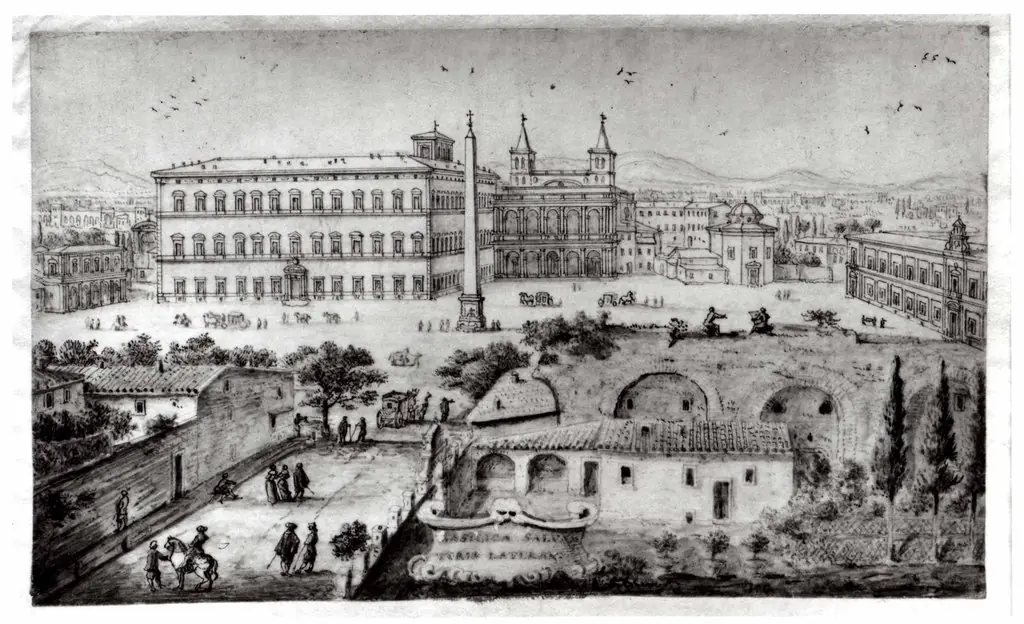 View of Lateran, Rome
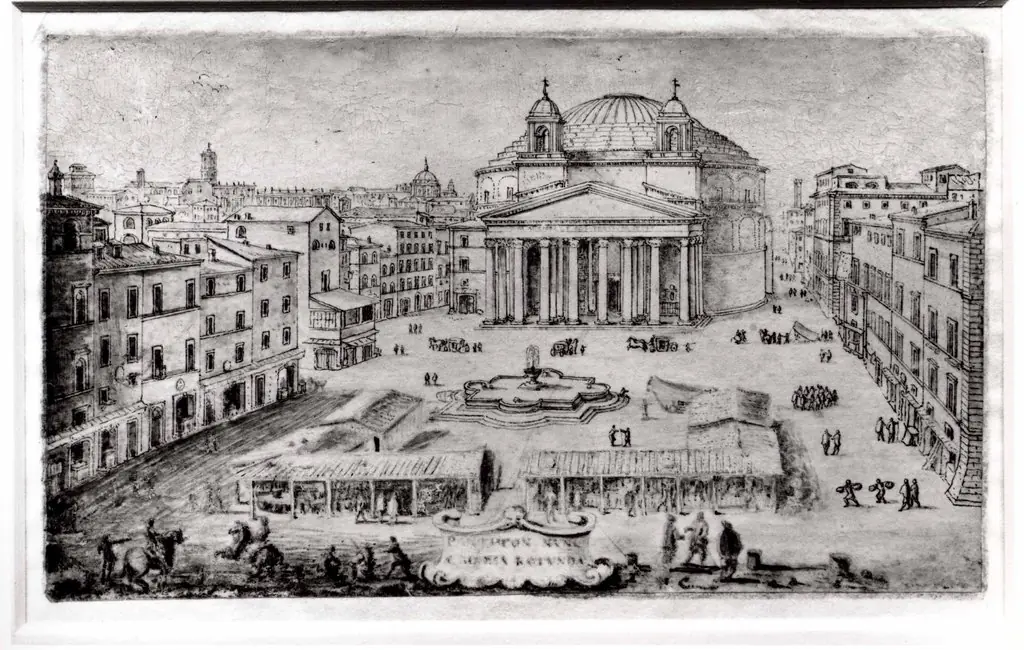 View of the Pantheon, Rome
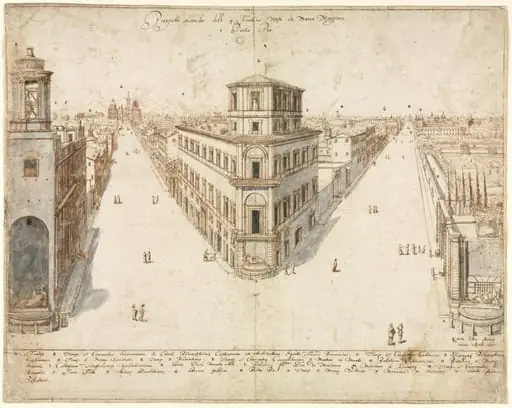 Eighteen Views of Rome: The Quattro Fontane Looking Toward Santa Maria Maggiore
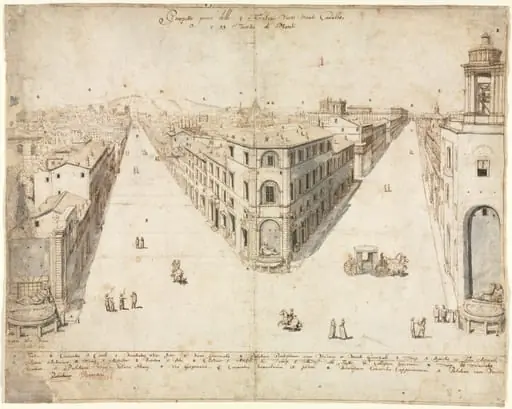 Eighteen Views of Rome: The Quattro Fontane Looking Toward Monte Cavallo
 Sketch for San Giovanni in Laterano (verso)
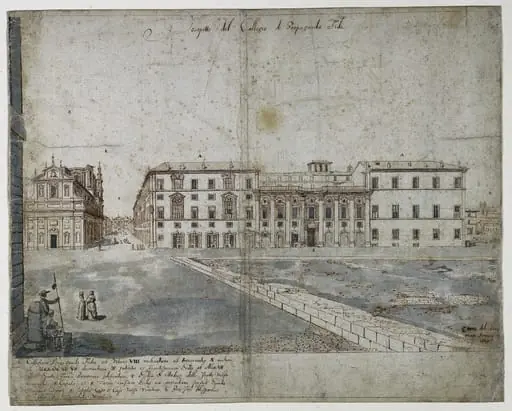 Eighteen Views of Rome: The Collegio di Propaganda Fide (recto)
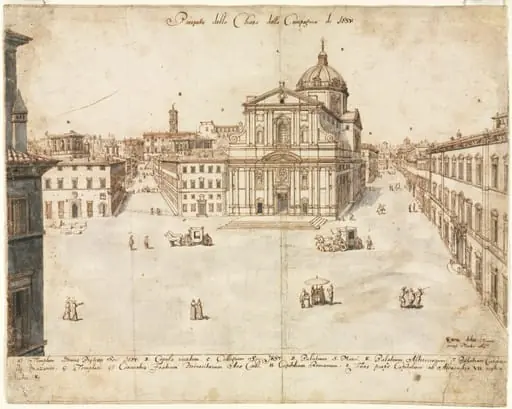 Eighteen Views of Rome: The Church of the Gesù
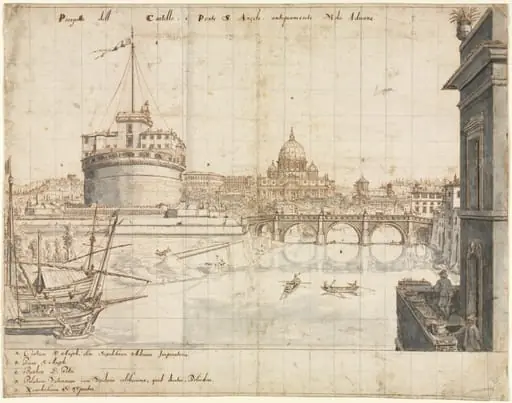 Eighteen Views of Rome: The Castel Sant'Angelo
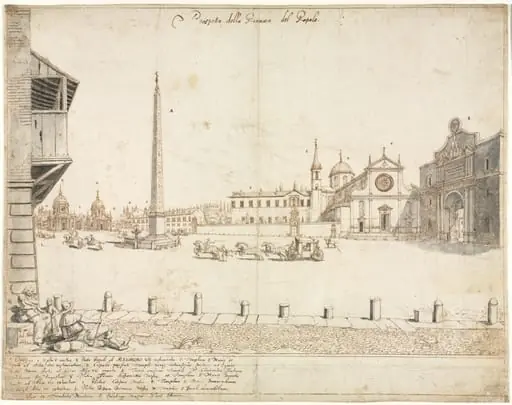
- Eighteen Views of Rome: The Piazza del Popolo (recto)
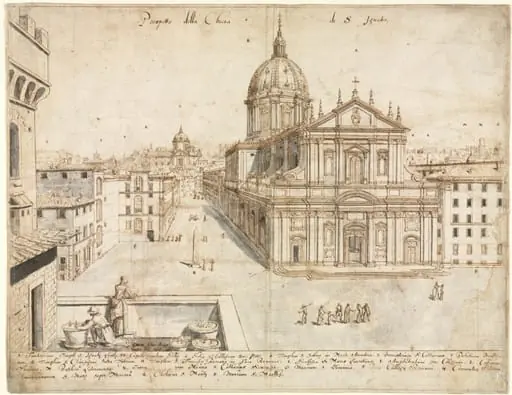 Eighteen Views of Rome: The Church of Sant'Ignazio
![Piazza Colonna from "Prospectus Locurum Urbis Romae Insign[ium]", by Lievin Cruyl](https://artifactworldgallery.com/img/lievin-cruyl--piazza-colonna-from-prospectus-locurum-urbis-romae-insign-iu--4b674f0f1b994d08-w320.webp) Piazza Colonna from "Prospectus Locurum Urbis Romae Insign[ium]"
Piazza Colonna from "Prospectus Locurum Urbis Romae Insign[ium]"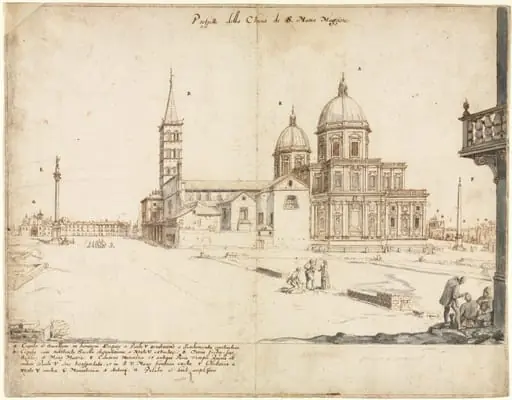 Eighteen Views of Rome: The Basilica of Santa Maria Maggiore
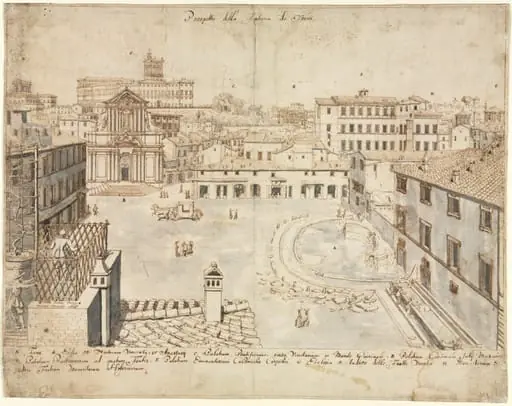 Eighteen Views of Rome: The Trevi Fountain
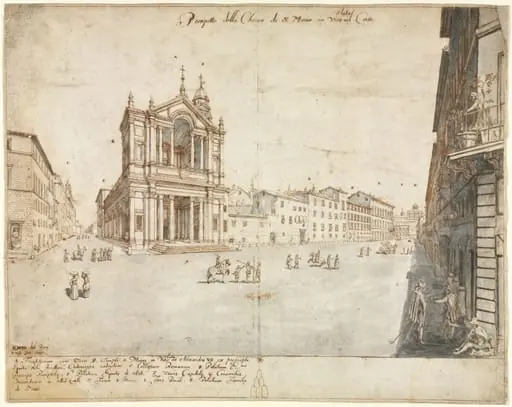 Eighteen Views of Rome: Santa Maria in Via Lata
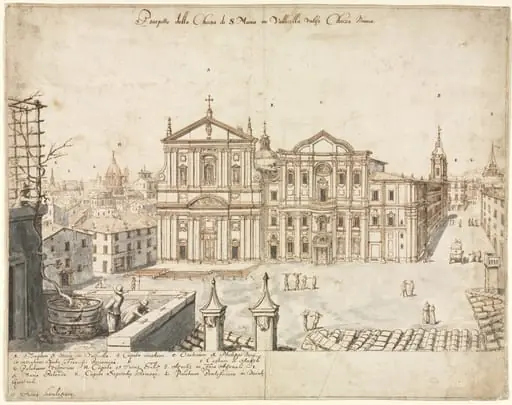 Eighteen Views of Rome: The Church of Santa Maria in Vallicella
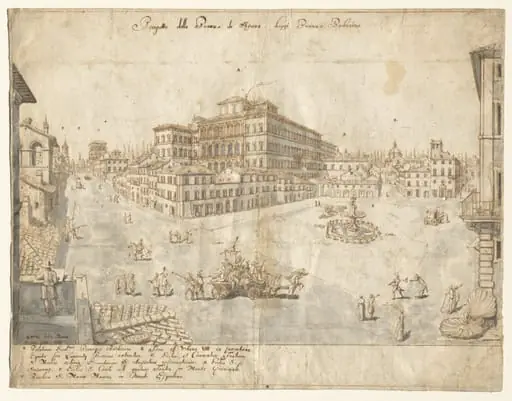 Eighteen Views of Rome: The Piazza Barberini (recto)