Genre
Cityscape
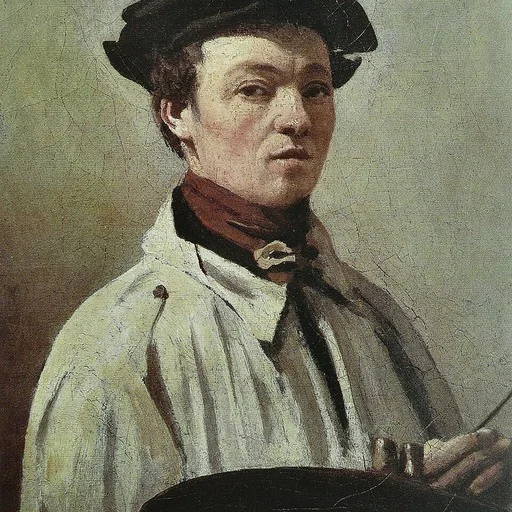
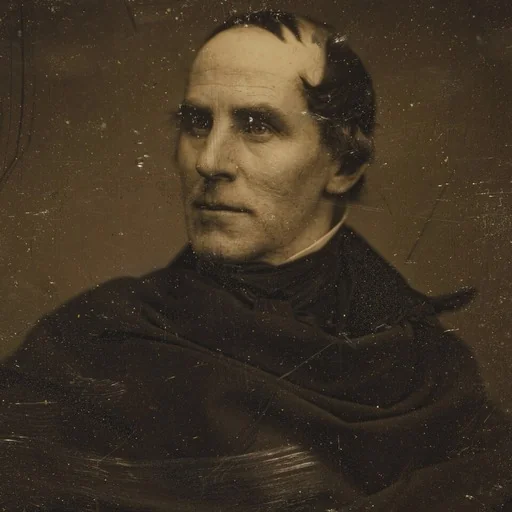
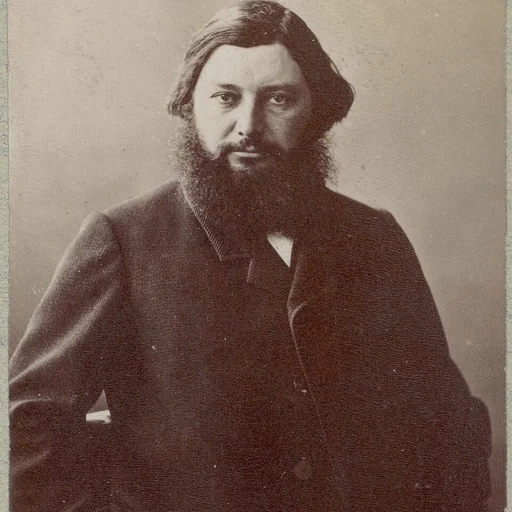
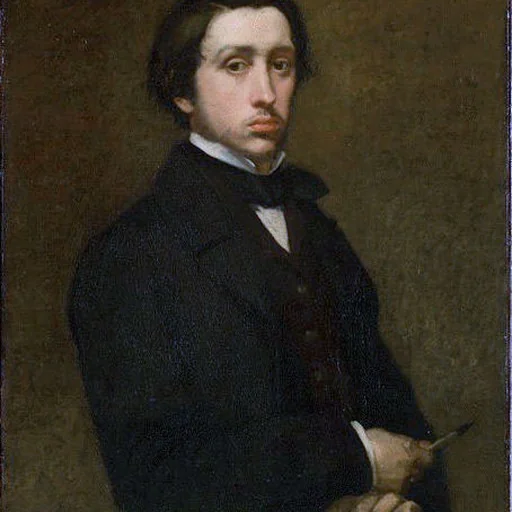
Cityscape is an art genre. The gallery holds 3,202 works in this genre, including works by Jean Baptiste Camille Corot, Thomas Cole and Gustave Courbet.
The cityscape is the genre of painting devoted to the urban landscape — streets, squares, harbours, skylines, and the architecture and bustle of city life. Though views of towns appear as backgrounds in medieval and Renaissance art, the cityscape emerged as an independent genre only in the seventeenth-century Dutch Republic. Its rise was driven by a booming mercantile economy and an affluent, civic-minded urban middle class who prized accurate, recognisable images of their own towns as expressions of local pride. Working chiefly in Amsterdam, Haarlem, and Delft, painters such as Jan van der Heyden, Gerrit Berckheyde, and Pieter Saenredam produced meticulous renderings of brick façades, canals, and church interiors; Johannes Vermeer's luminous View of Delft (c. 1660–61) stands as the archetypal masterpiece of the form.
Defining the genre are topographical fidelity, command of linear perspective, and close attention to how light and weather animate masonry, water, and sky. A parallel current, the Italian veduta — literally a 'view' — had roots in Flemish artists like Paul Bril working in Rome around 1600. It reached its apogee in eighteenth-century Venice, where Canaletto (Giovanni Antonio Canal, 1697–1768) elevated the panoramic city view to dazzling precision, often aided by the camera obscura to fix complex architecture and perspective before refining the composition by hand. His nephew Bernardo Bellotto carried the manner to Dresden and Warsaw — his exact Warsaw views later guided the city's post-war reconstruction — while Francesco Guardi dissolved topography into shimmering, freely brushed atmosphere.
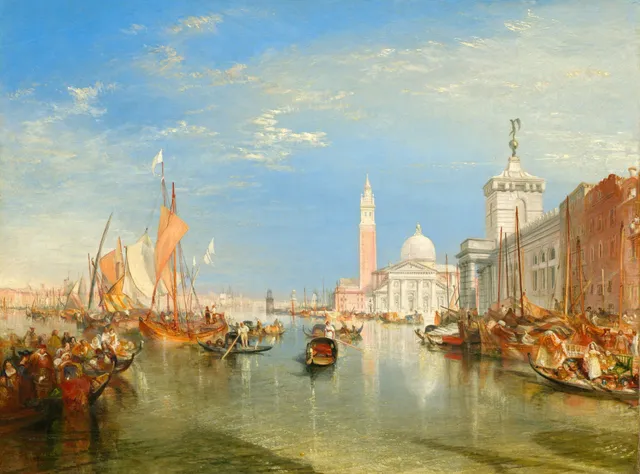
These vedute flourished as prized souvenirs for aristocrats on the Grand Tour, a demand reflected in works the collection holds: Canaletto's Entrance to the Grand Canal from the Molo and Antonio Joli's Procession of Gondolas in the Bacino di San Marco. In the nineteenth century J. M. W. Turner pushed the Venetian view toward radiant abstraction, as in Venice: The Dogana and San Giorgio Maggiore.
The genre was transformed again by Impressionism. From a Louvre balcony in 1867 Claude Monet painted some of the first modern city views, and Camille Pissarro, Gustave Caillebotte, and Jean Béraud captured the rebuilt, Haussmannised Paris of grand boulevards, rain-slicked pavements, and fleeting crowds — seen in Pissarro's The Louvre, Afternoon, Rainy Weather and Béraud's Paris, rue du Havre. Closely allied to landscape and topographical drawing, the cityscape remained central to modern art, feeding Futurism, the Ashcan School, and photography's documentary eye.
Key artists
Works
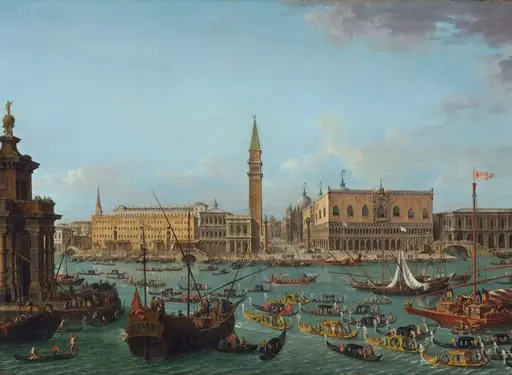 Procession of Gondolas in the Bacino di San Marco, Venice
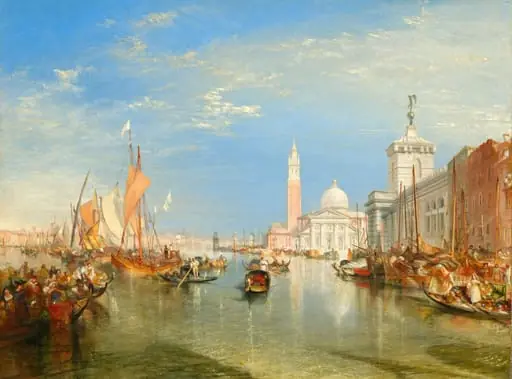 Venice: The Dogana and San Giorgio Maggiore
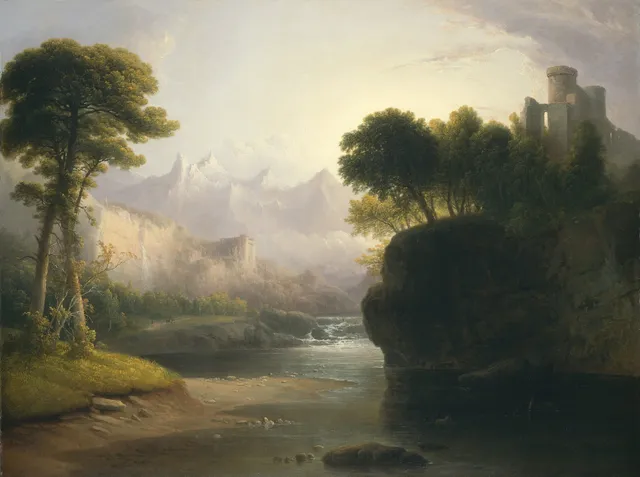
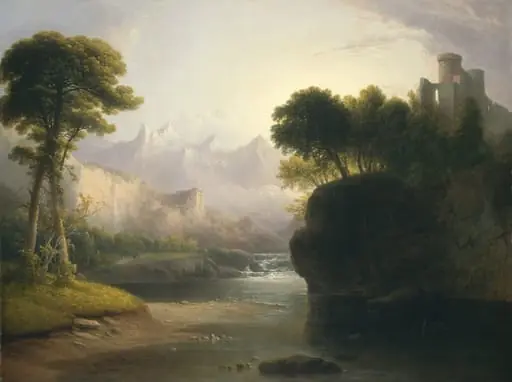 Fanciful Landscape
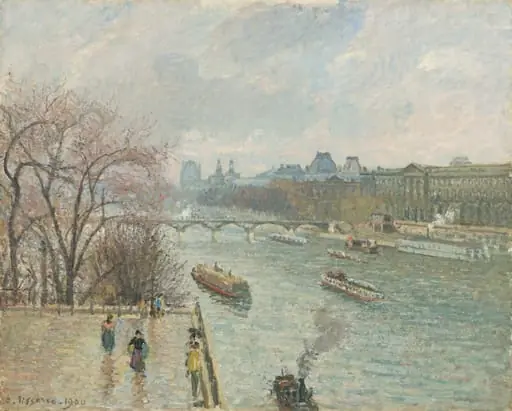 The Louvre, Afternoon, Rainy Weather
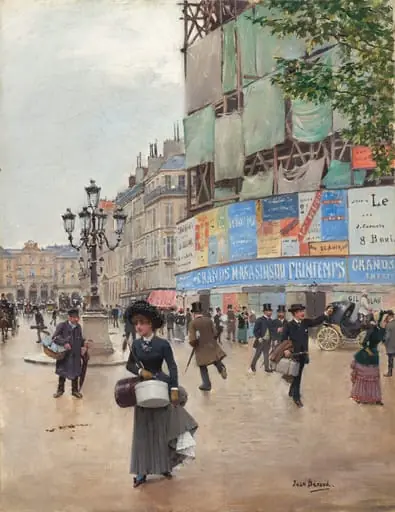 Paris, rue du Havre
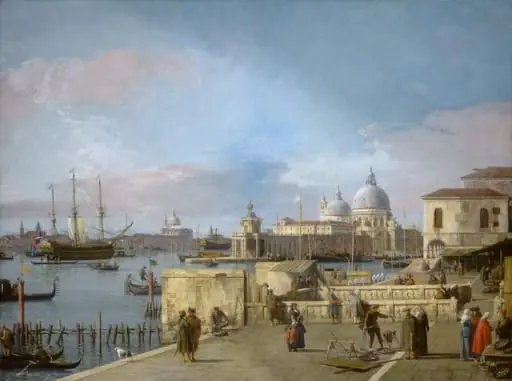 Entrance to the Grand Canal from the Molo, Venice
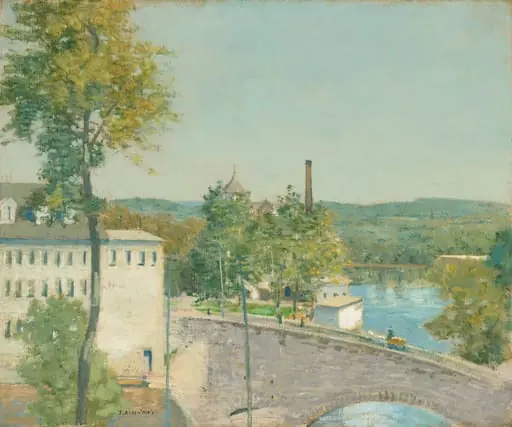 U.S. Thread Company Mills, Willimantic, Connecticut
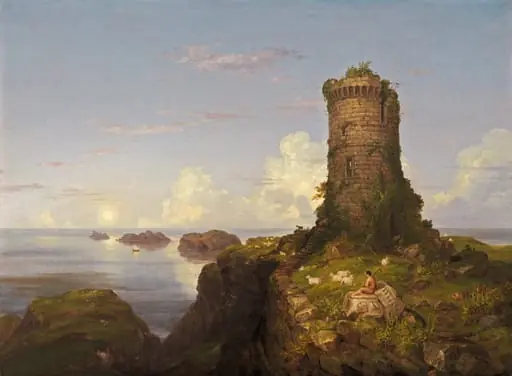 Italian Coast Scene with Ruined Tower
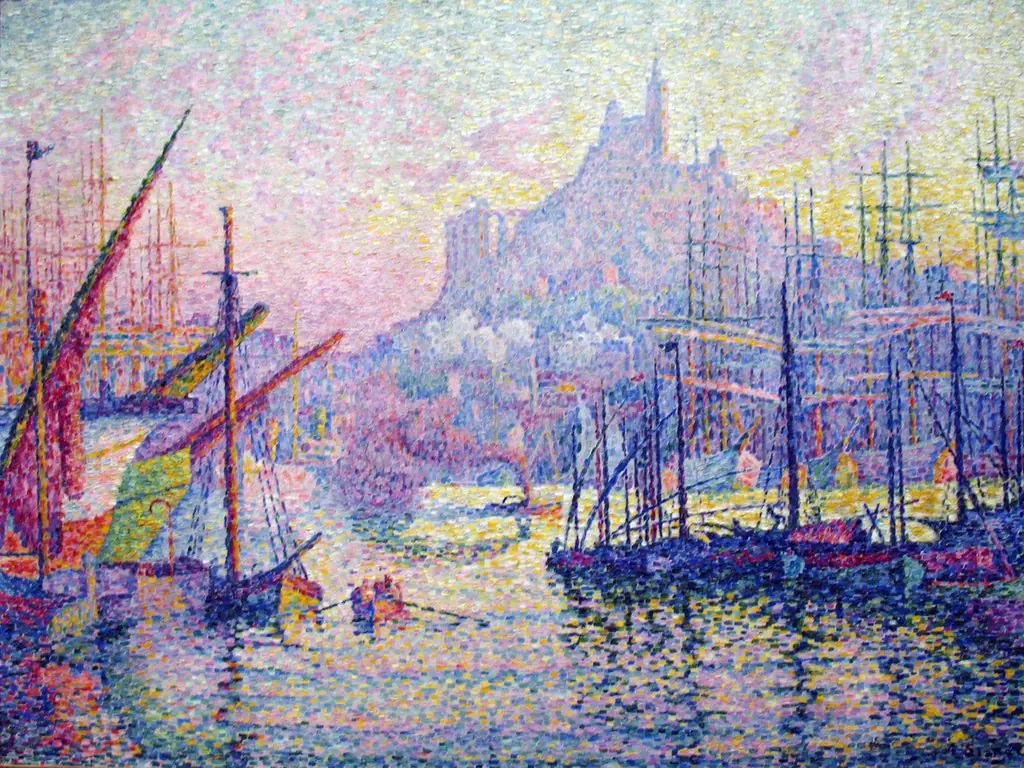 Notre-Dame-de-la-Garde (La Bonne-Mère), Marseilles
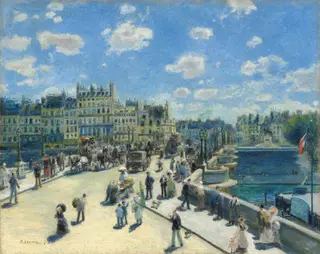 Pont Neuf, Paris
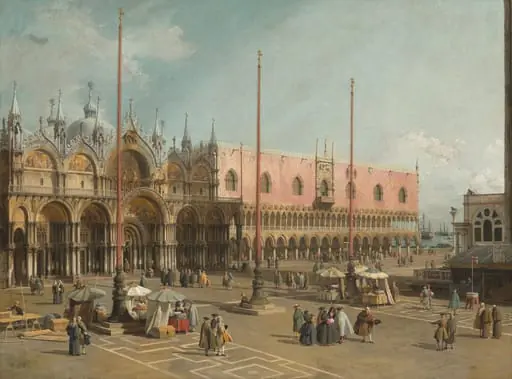 The Square of Saint Mark's, Venice
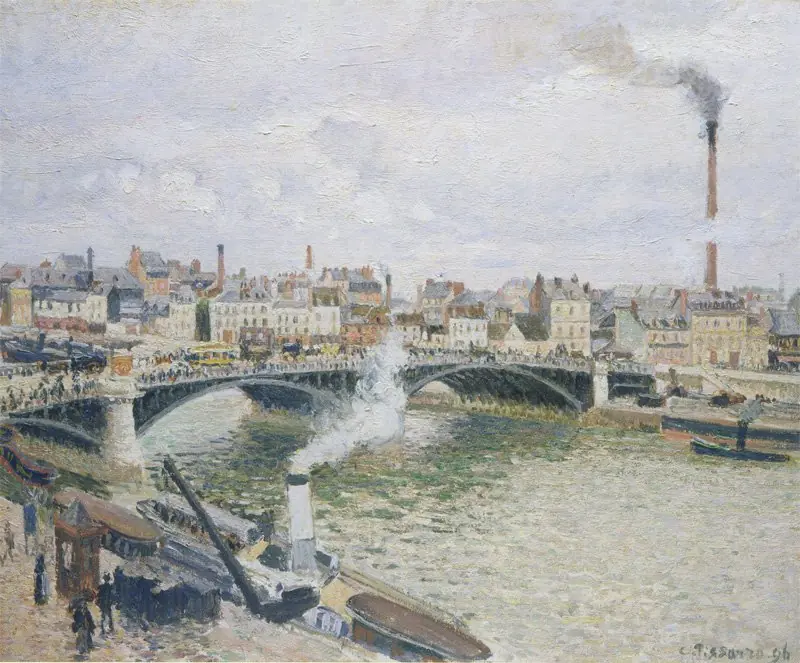 Morning, An Overcast Day, Rouen
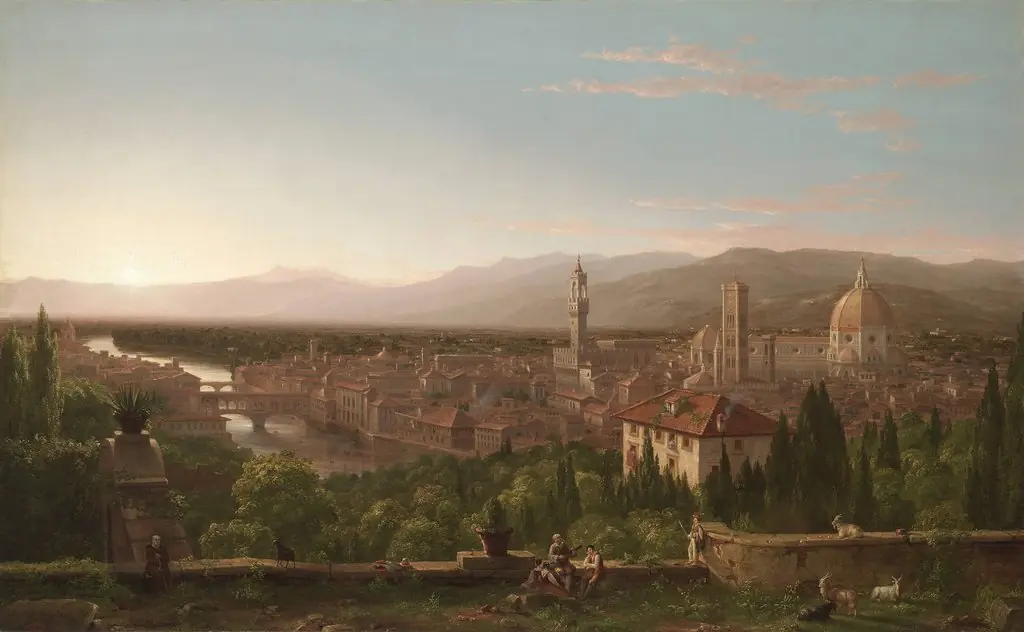 View of Florence
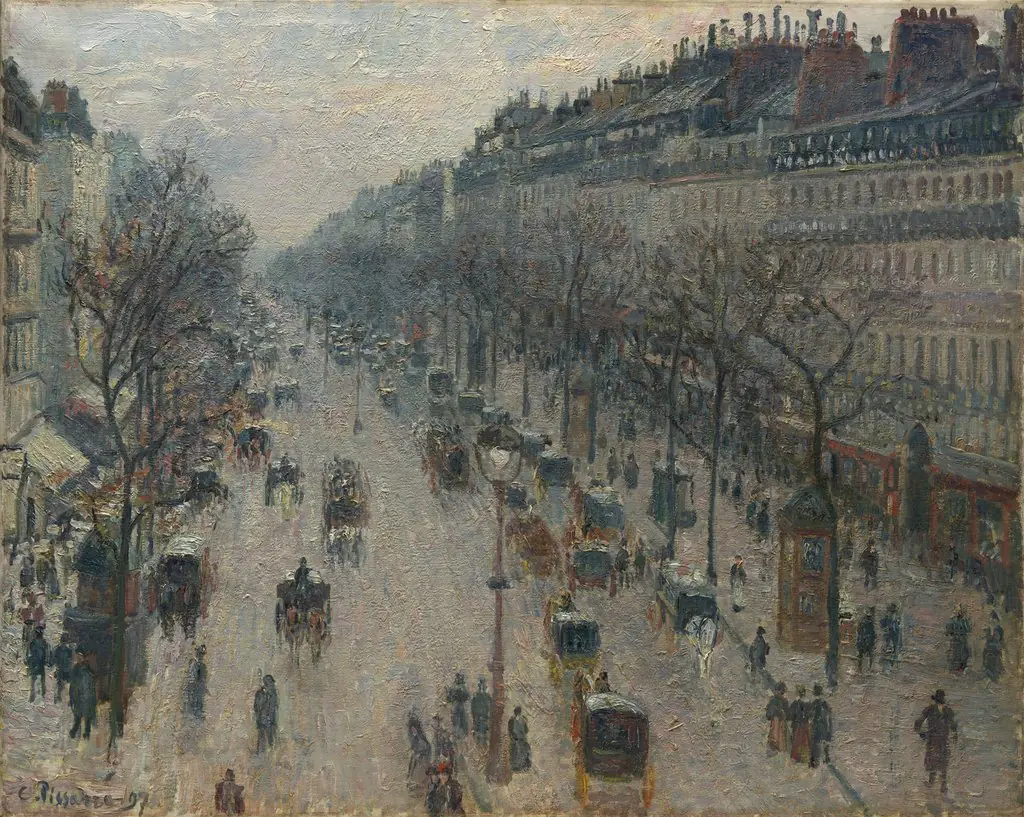 The Boulevard Montmartre on a Winter Morning
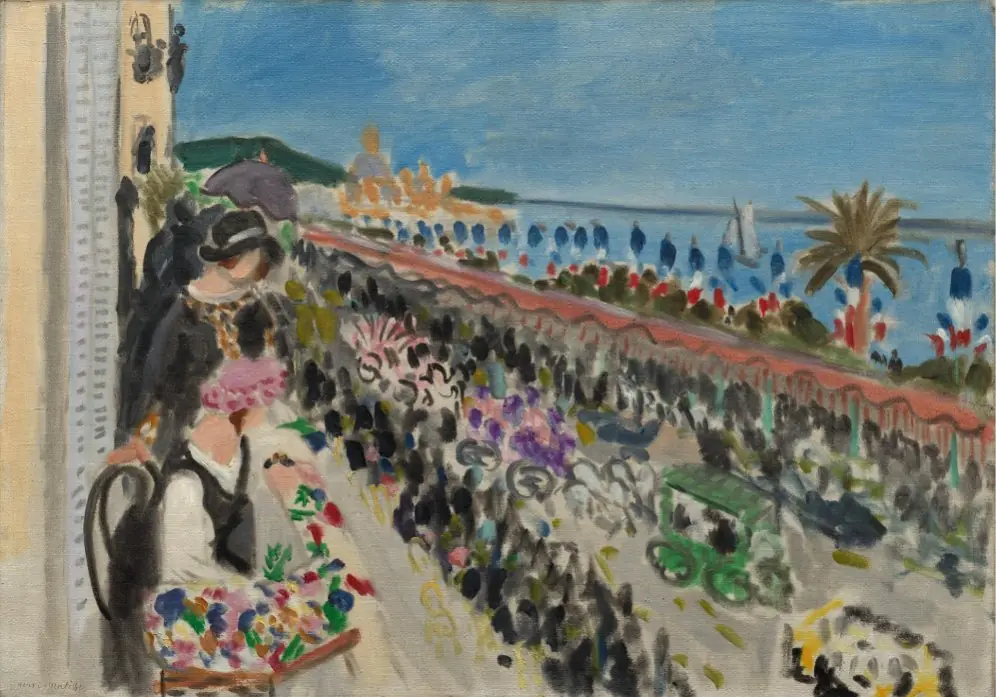 Festival of Flowers, Nice (Fête des fleurs)
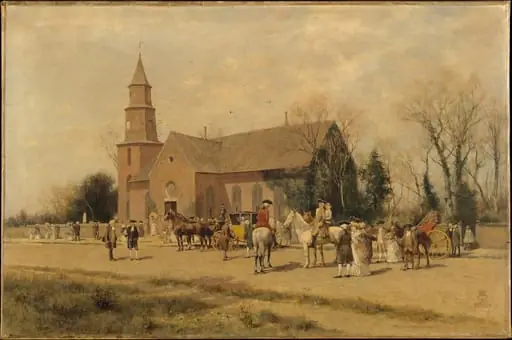 Old Bruton Church, Williamsburg, Virginia, in the Time of Lord Dunmore
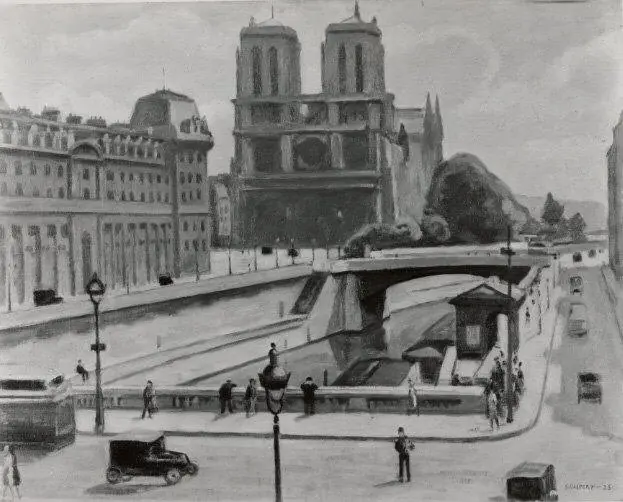 Notre Dame, Paris
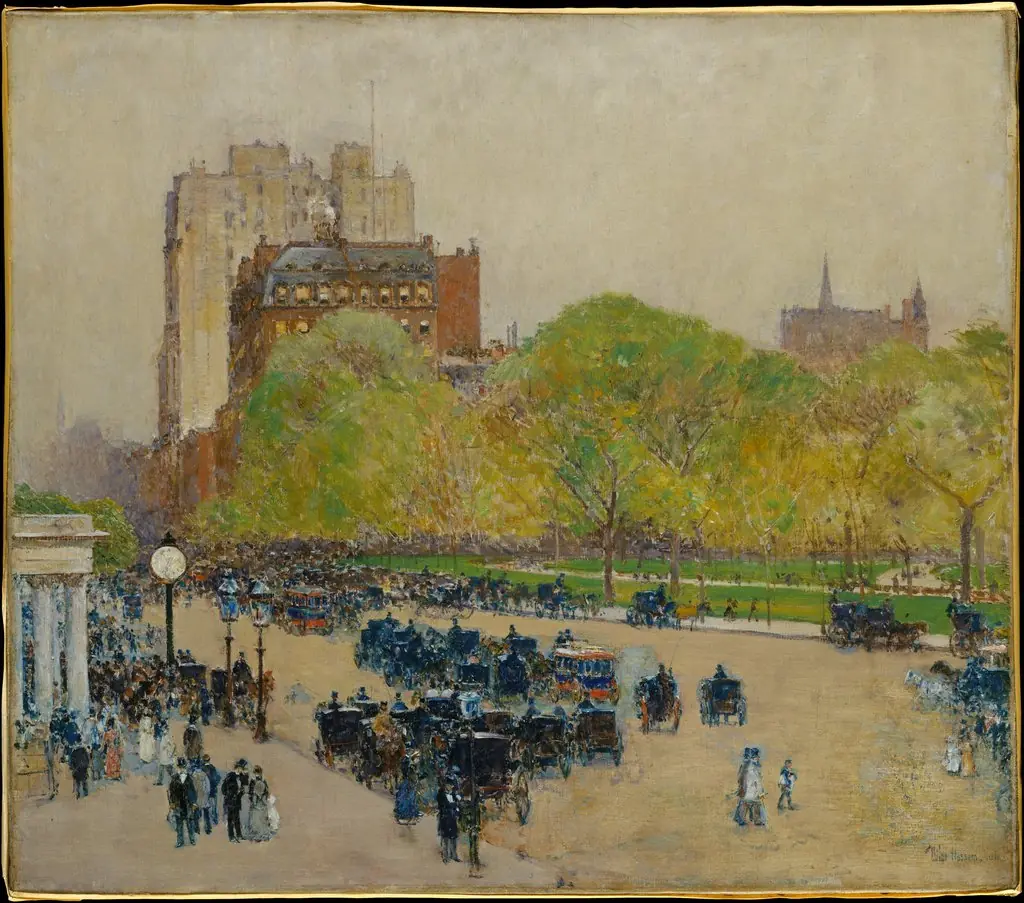 Spring Morning in the Heart of the City
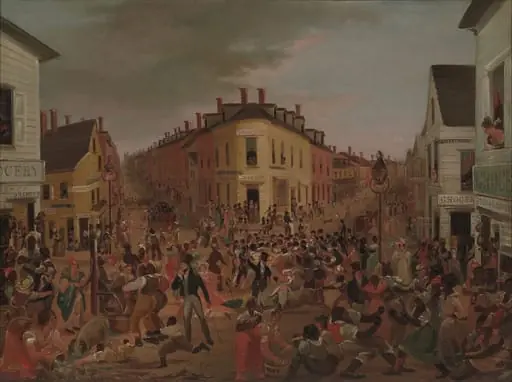 The Five Points
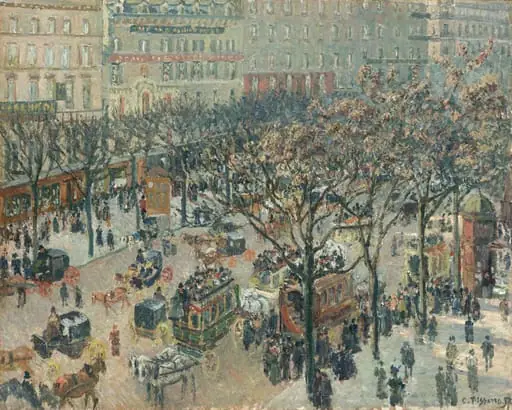 Boulevard des Italiens, Morning, Sunlight
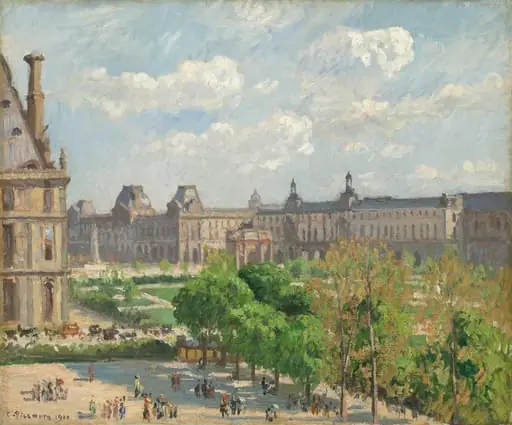 Place du Carrousel, Paris
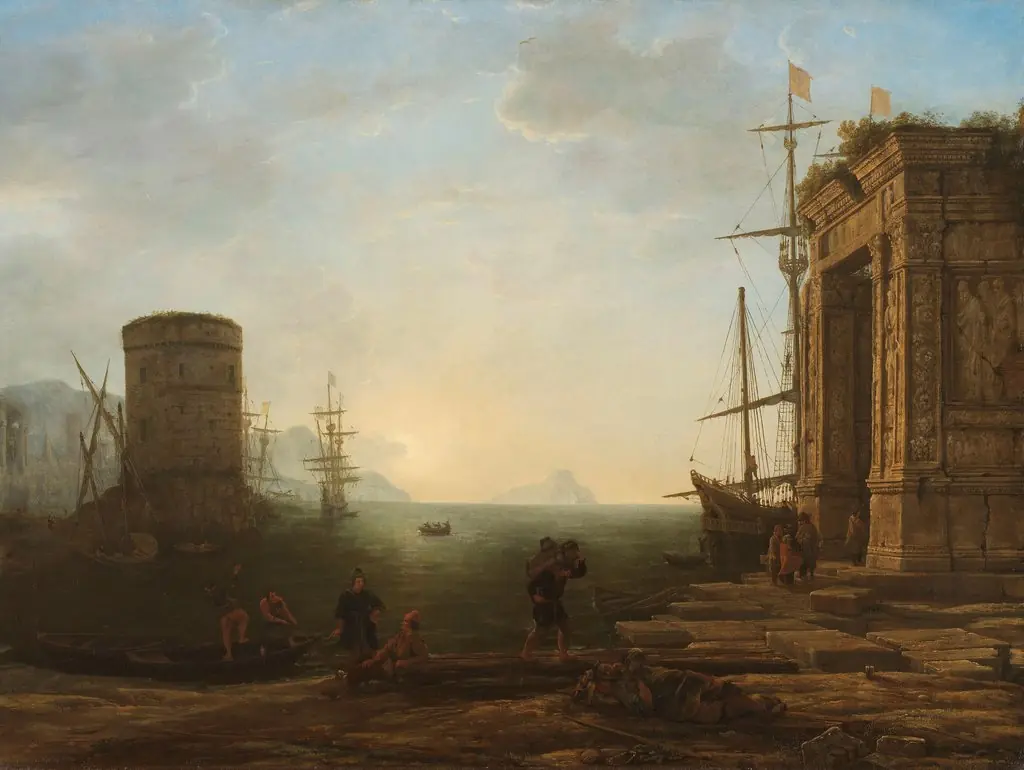 Harbour at Sunrise
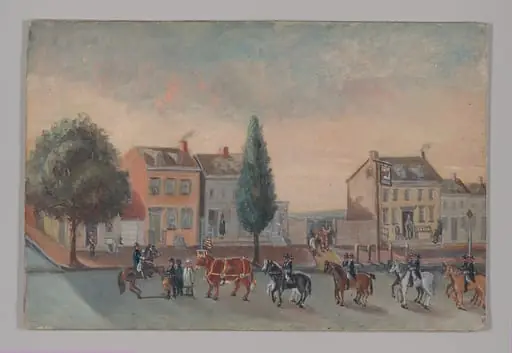 Bull's Head Tavern
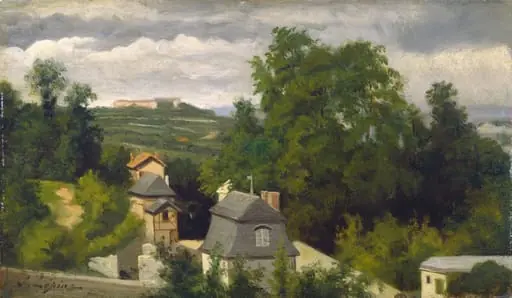 View on the Outskirts of Caen
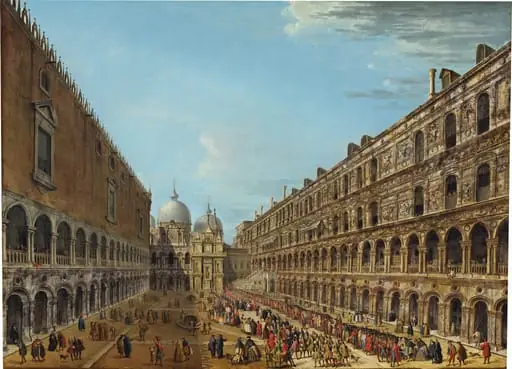 Procession in the Courtyard of the Ducal Palace, Venice
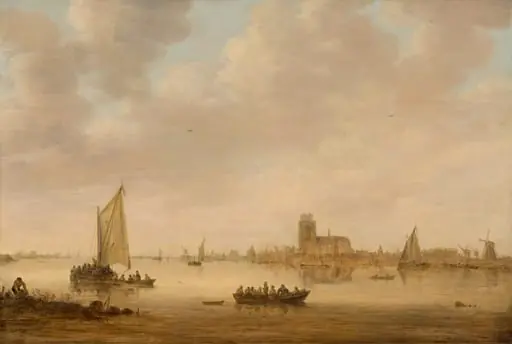 View of Dordrecht from the Dordtse Kil
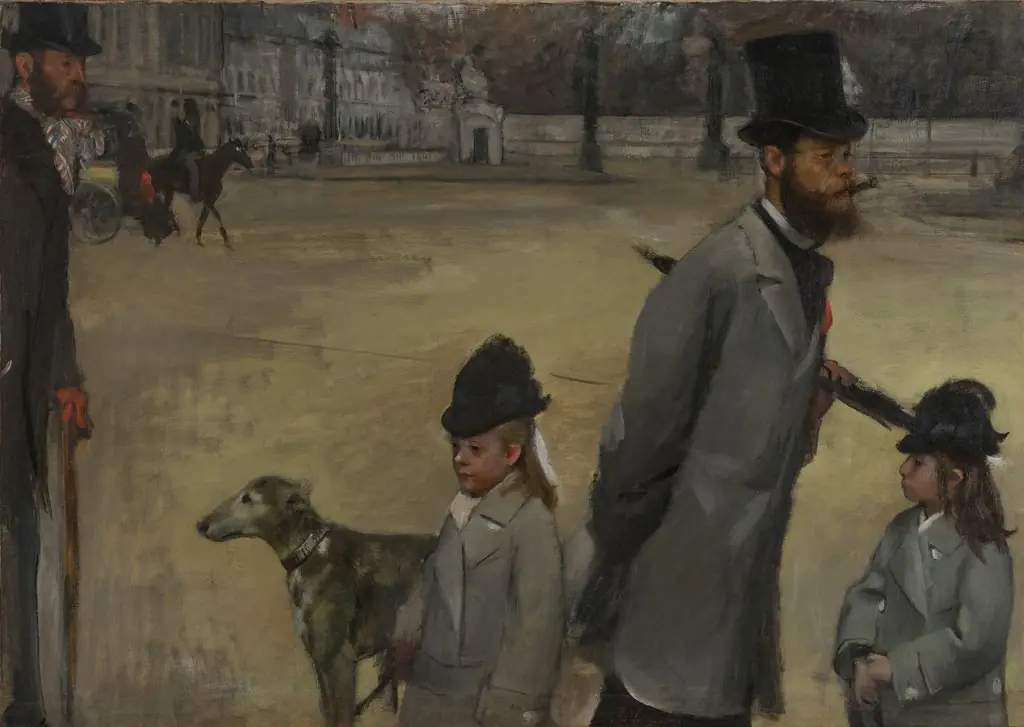 Place de la Concorde
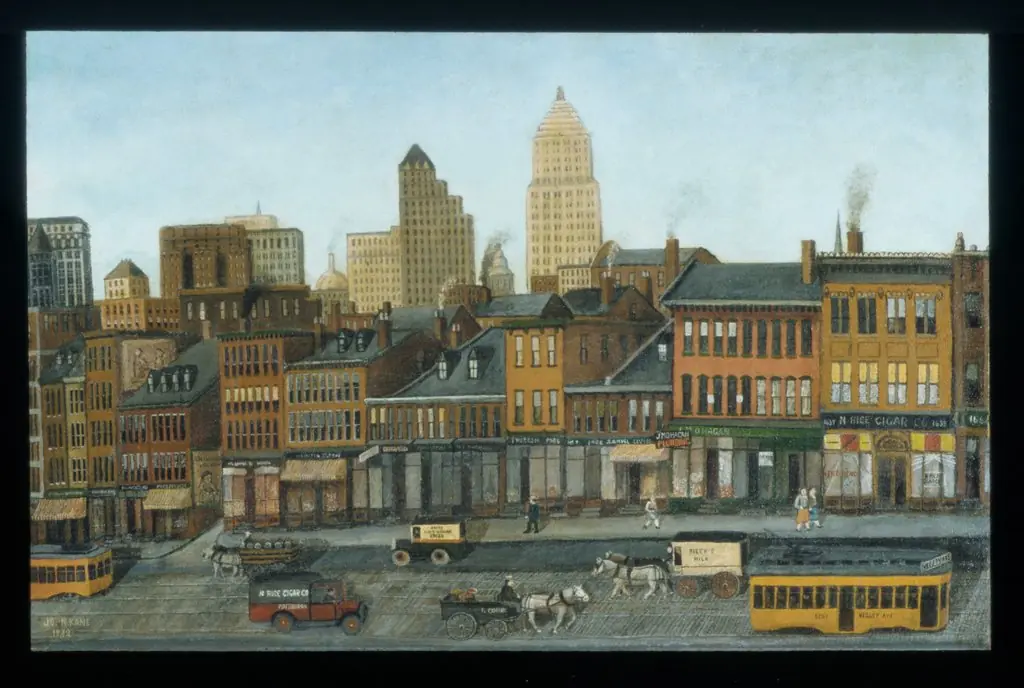 From My Studio Window
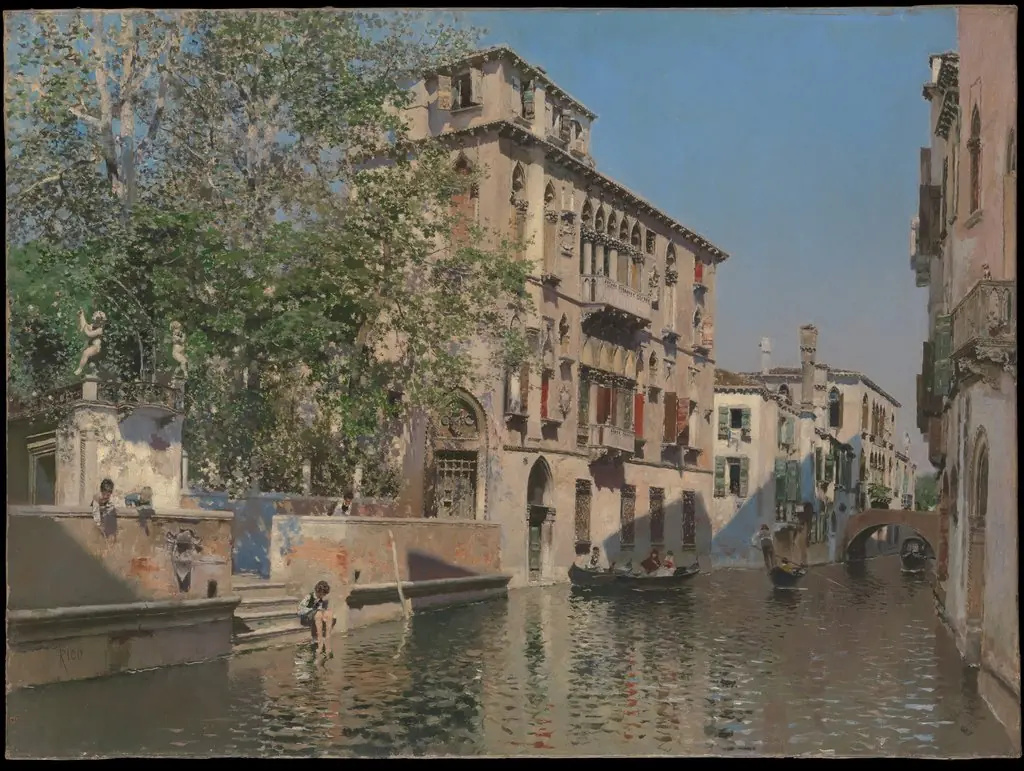 A Canal in Venice
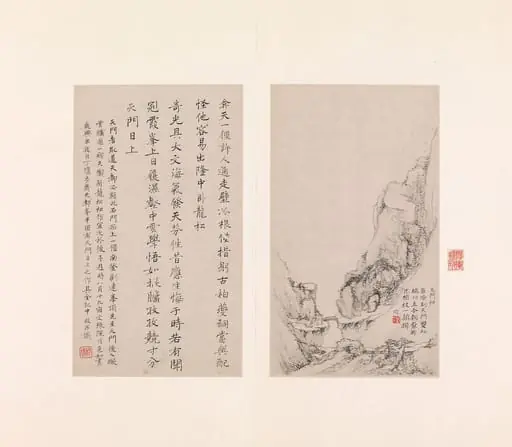 鄭旼 黃山八景 水墨紙本 九開冊|Eight views of the Yellow Mountains
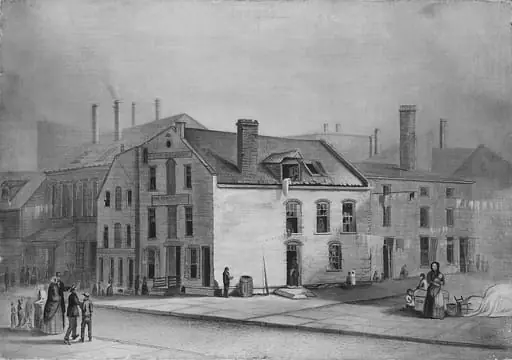 Old Brewery, Five Points Mission, New York
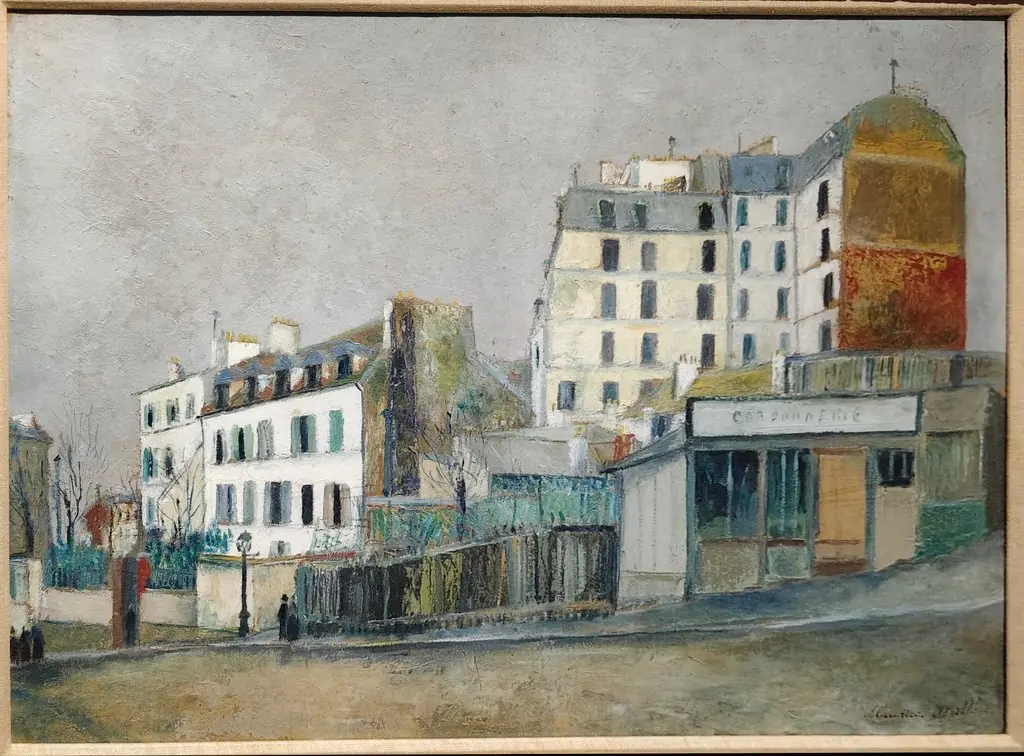 40, Rue Ravignan
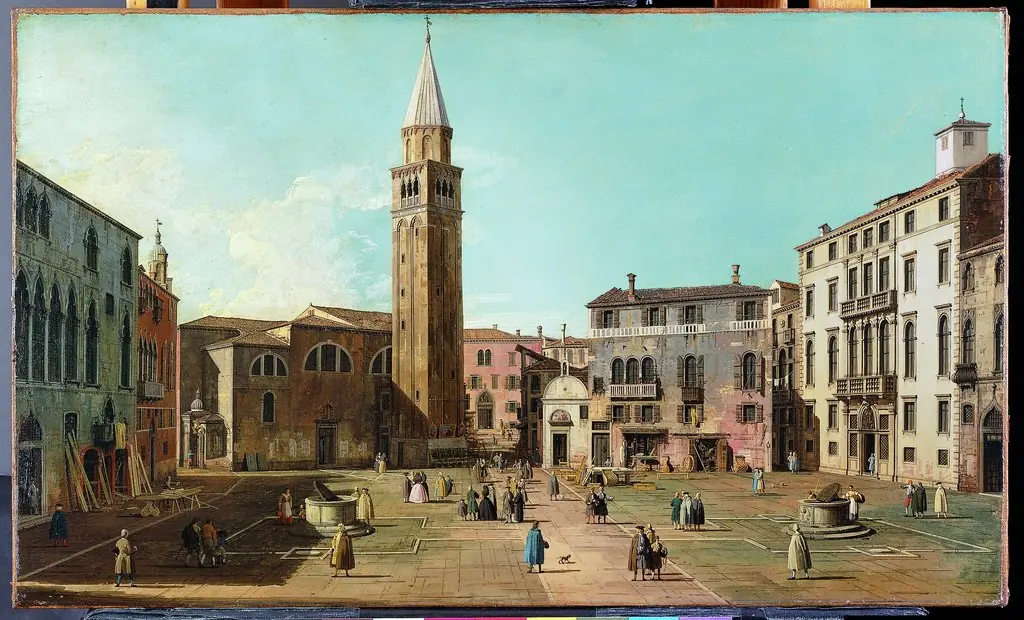 Campo Sant'Angelo
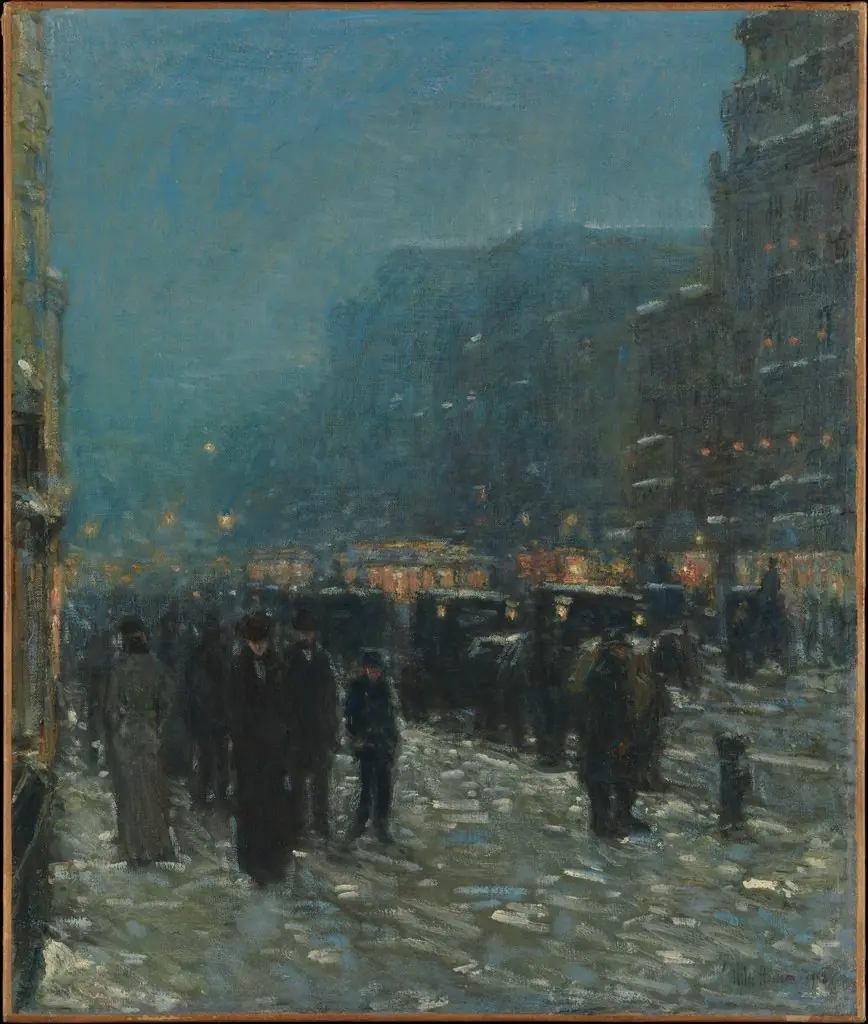 Broadway and 42nd Street
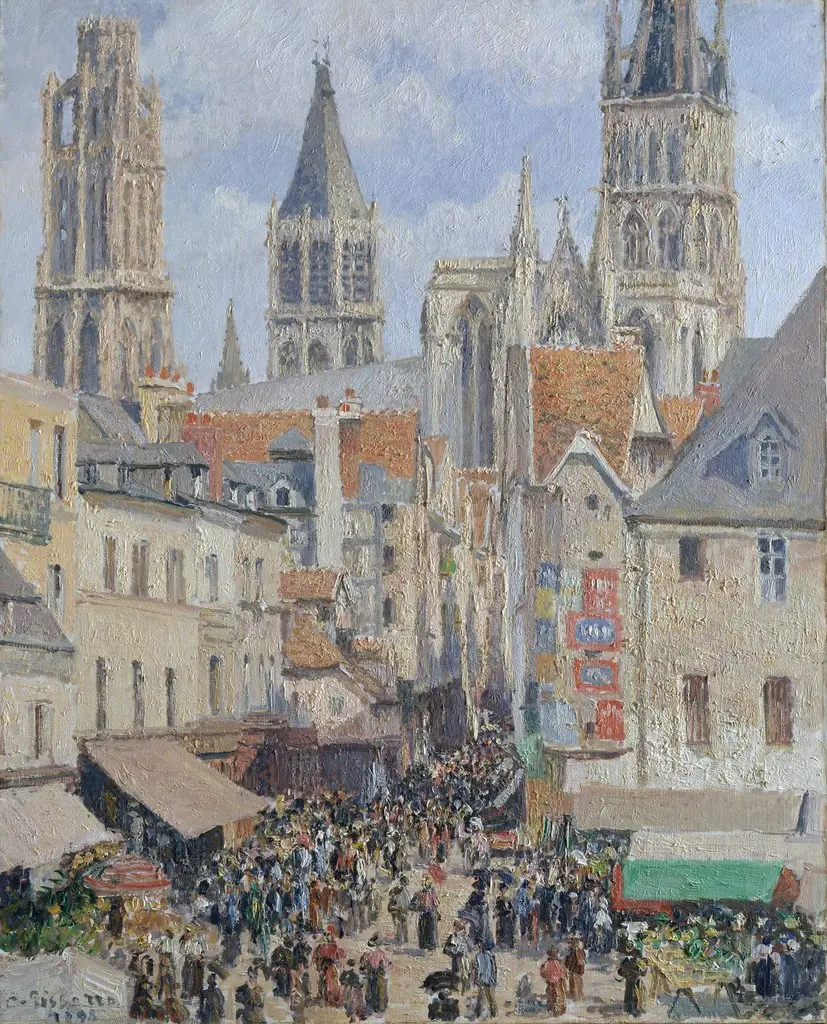 Rue de l'Épicerie, Rouen (Effect of Sunlight)
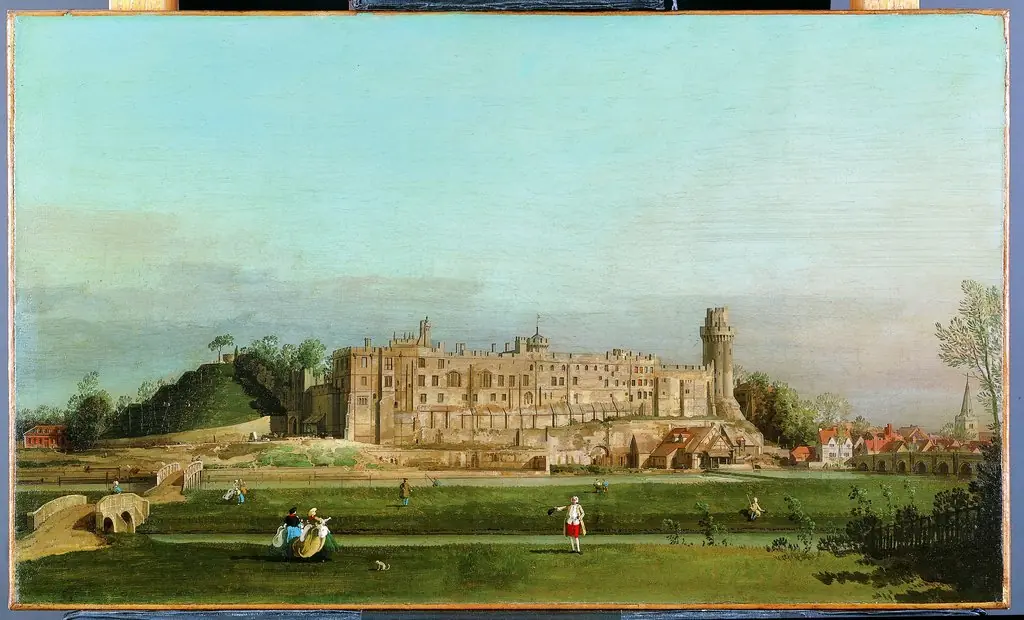 Warwick Castle
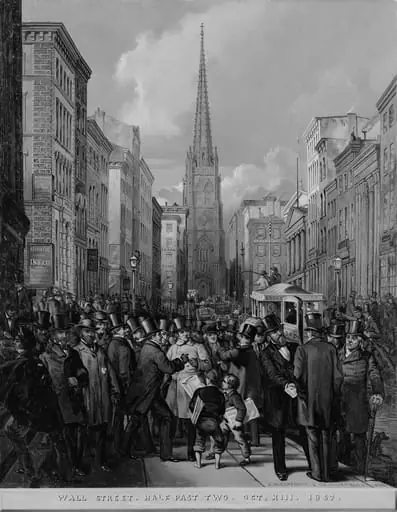 Wall Street, Half Past Two, October 13, 1857
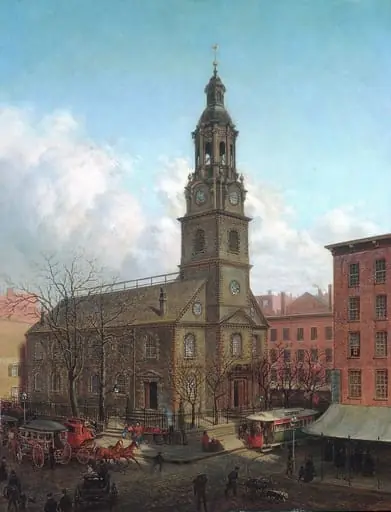 The North Dutch Church, Fulton and William Streets, New York
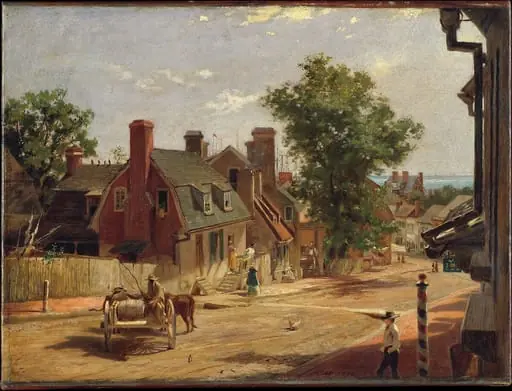 Old Annapolis, Francis Street
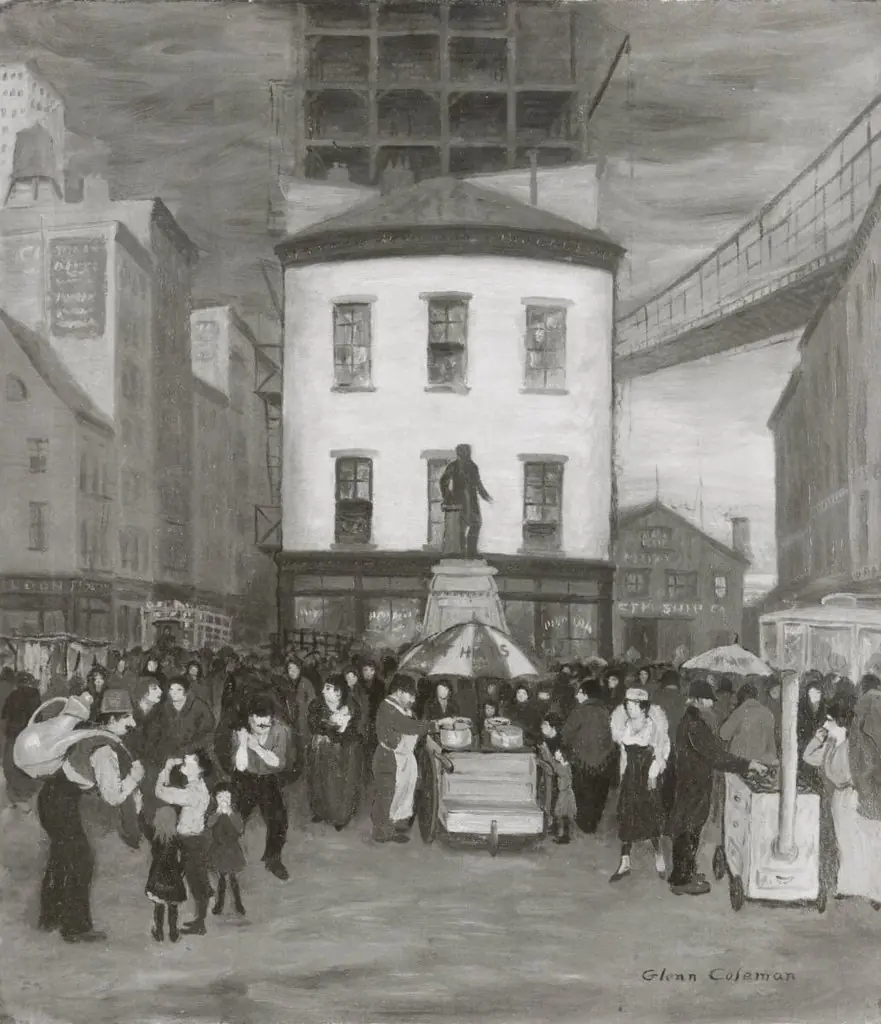 New York Street Scene
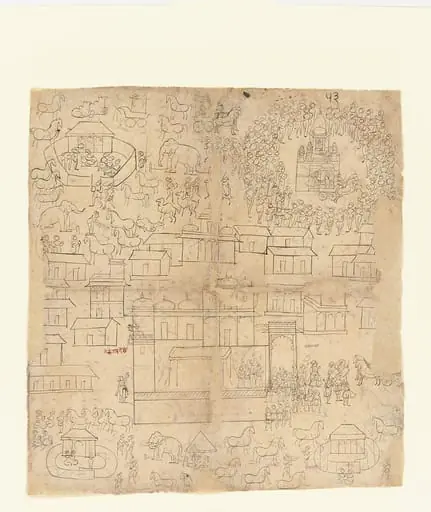 Untitled
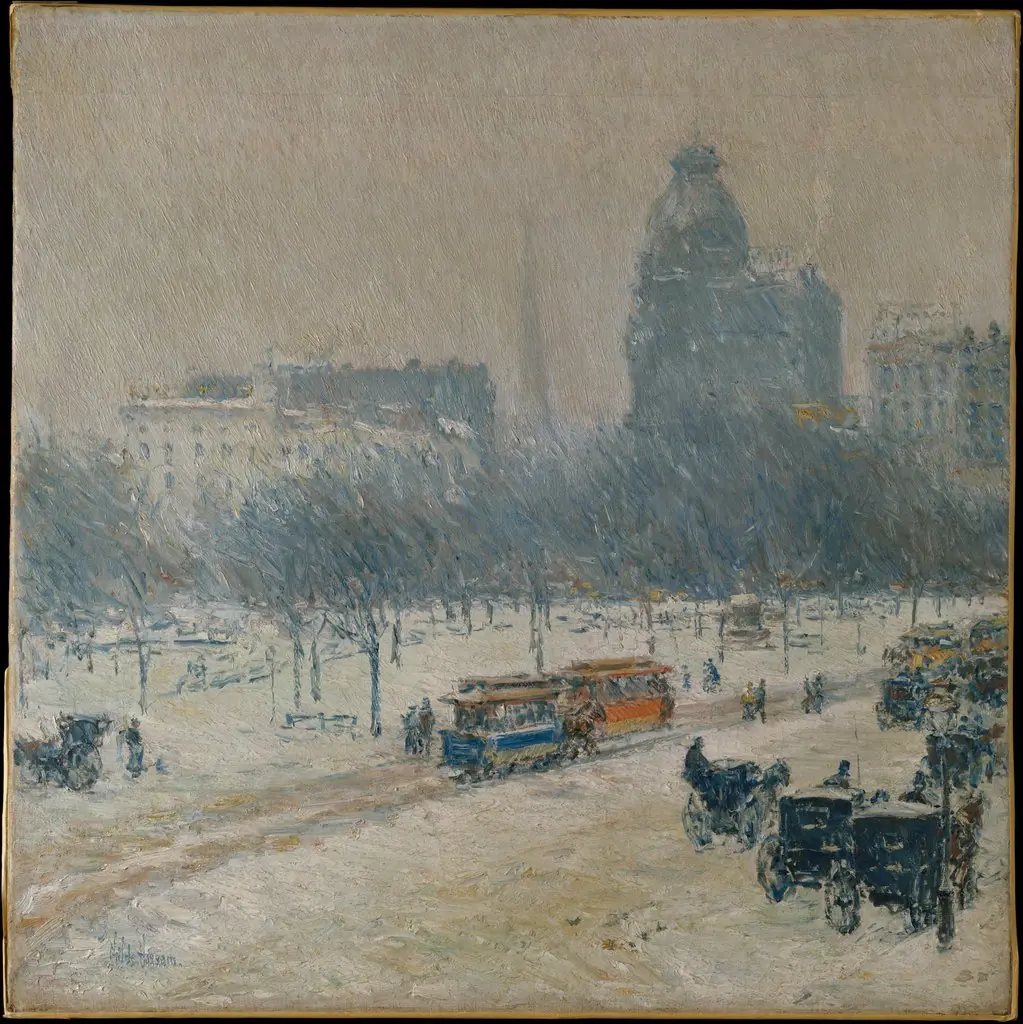 Winter in Union Square
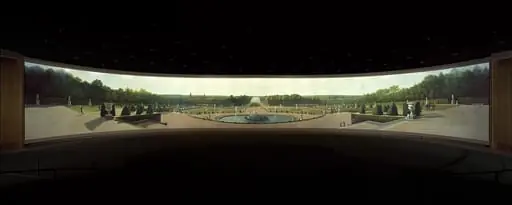 Panoramic View of the Palace and Gardens of Versailles
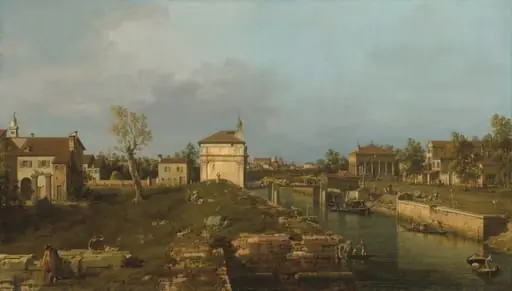 The Porta Portello, Padua
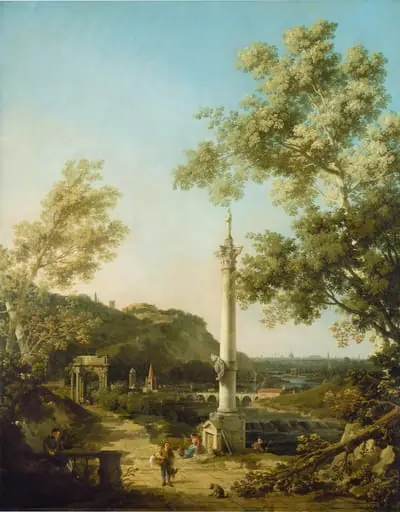 English Landscape Capriccio with a Column
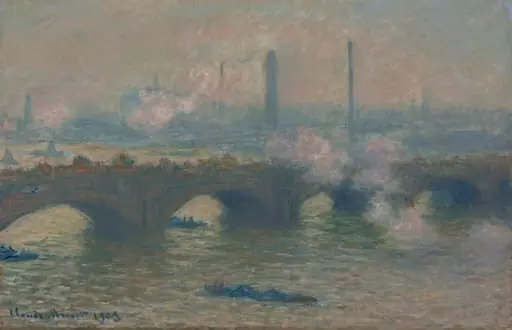 Waterloo Bridge, Gray Day
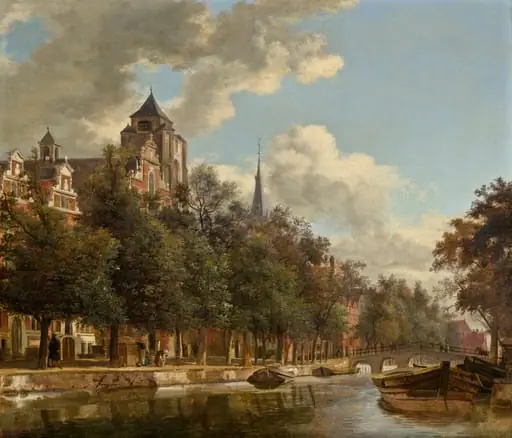 View Down a Dutch Canal
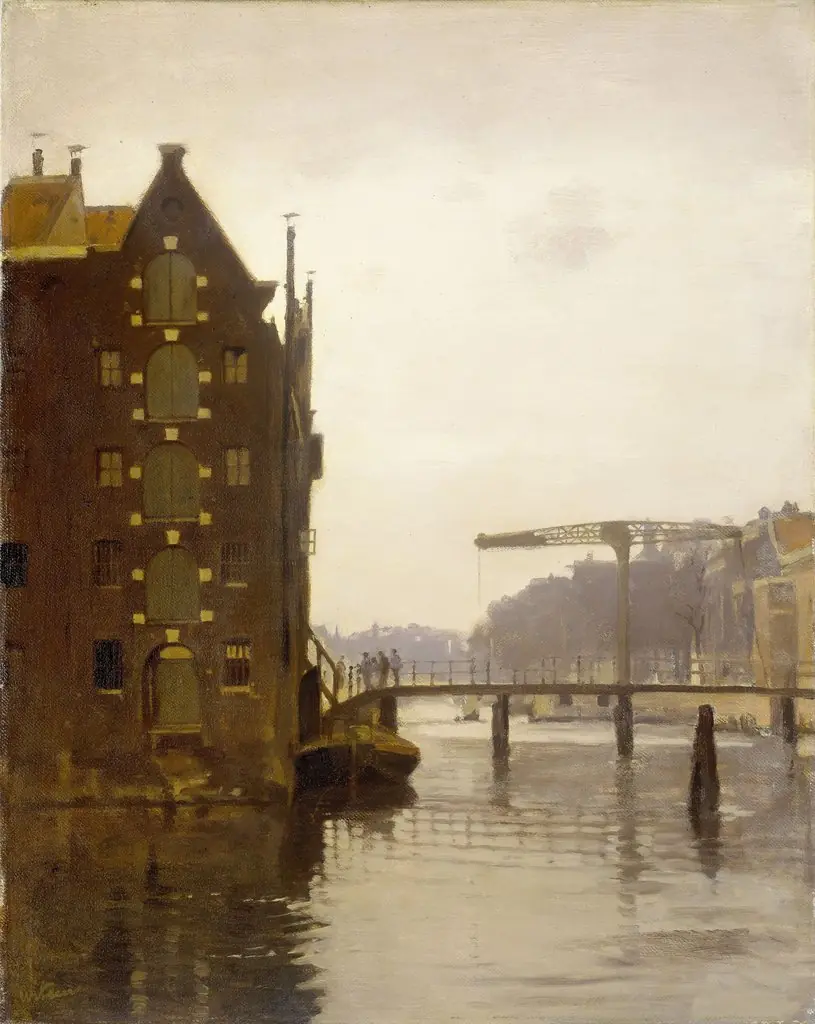 Pakhuizen aan een Amsterdamse gracht op Uilenburg
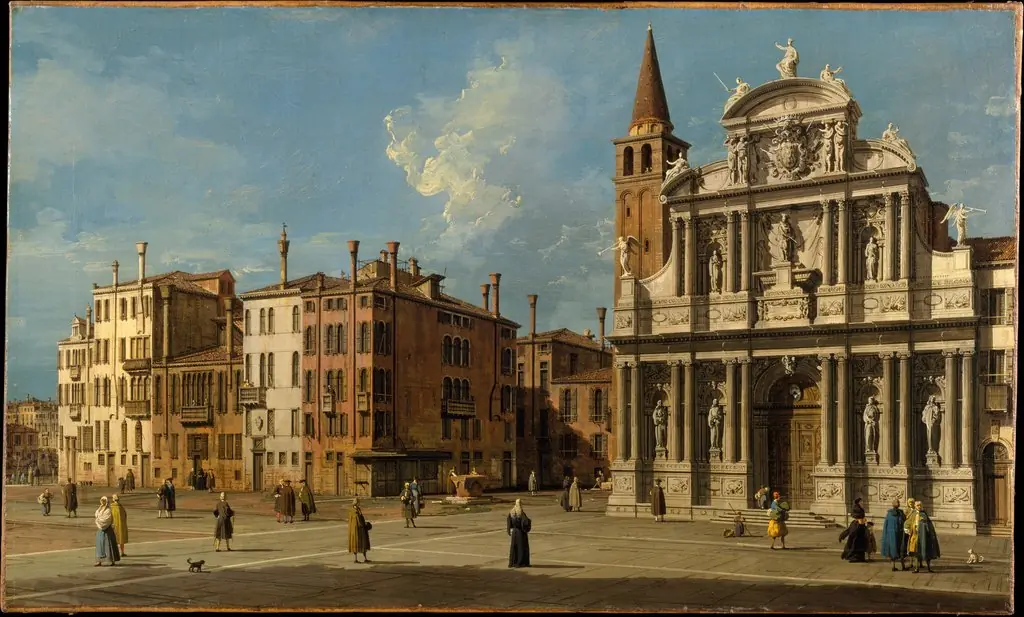 Campo Santa Maria Zobenigo, Venice
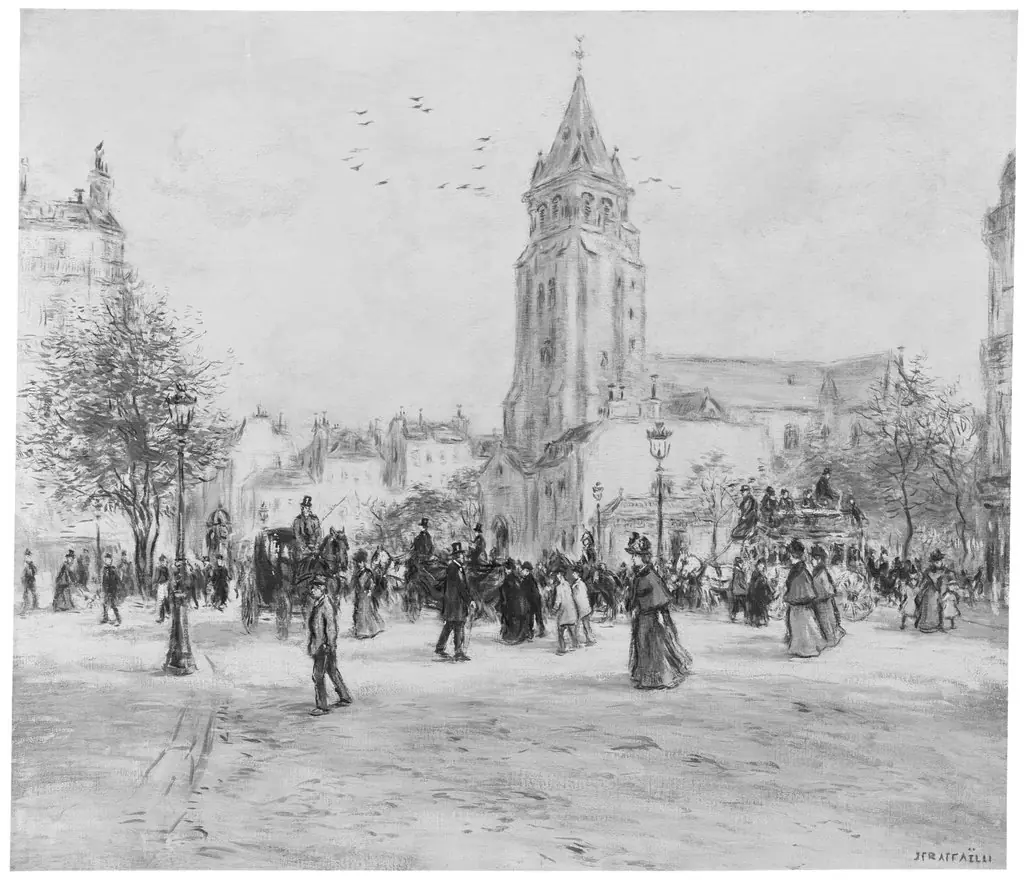 Place Saint-Germain-des-Prés, Paris
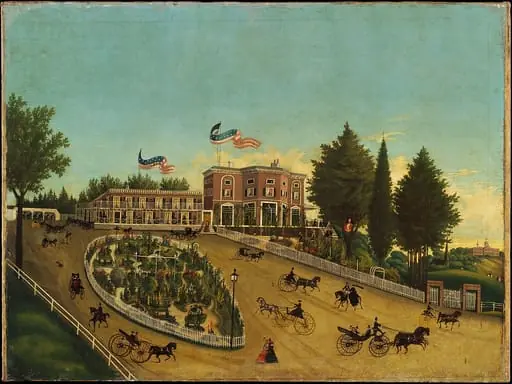 The Claremont
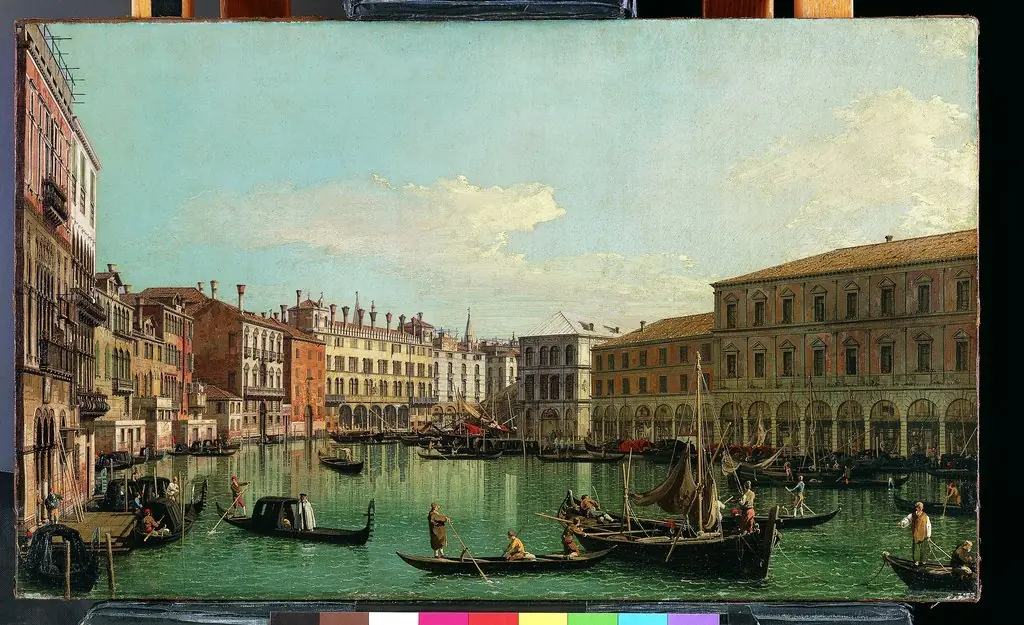 The Grand Canal, Venice, Looking South toward the Rialto Bridge
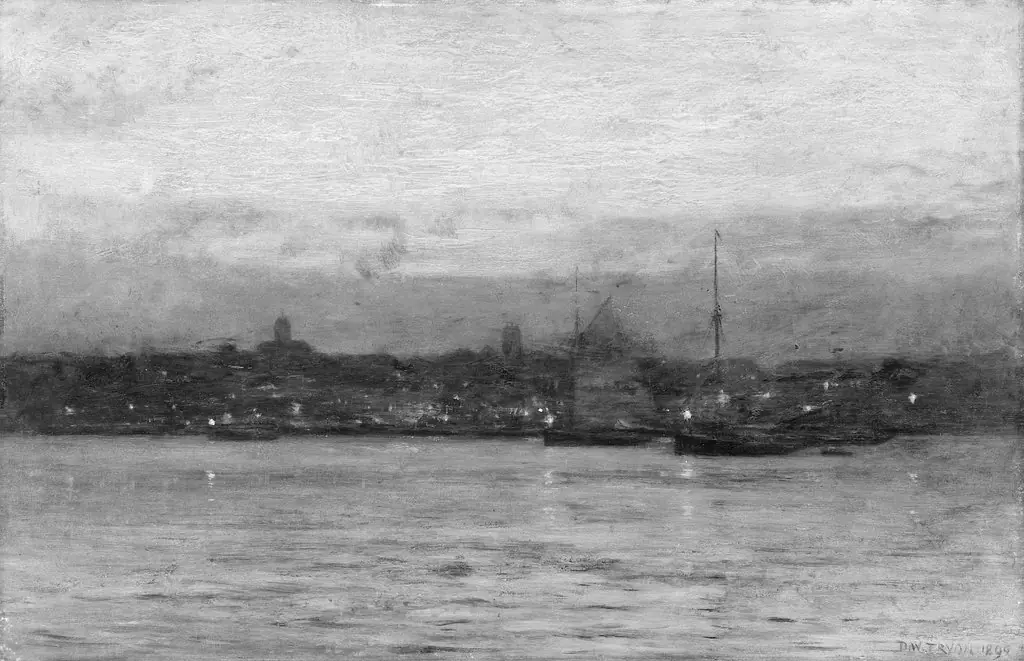 Evening, New Bedford Harbor
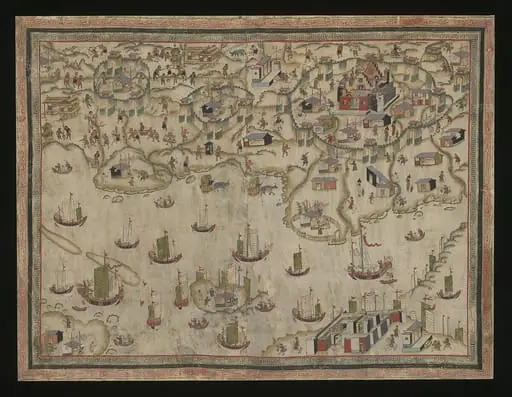 清 佚名 台南地區荷蘭城堡|Forts Zeelandia and Provintia and the City of Tainan
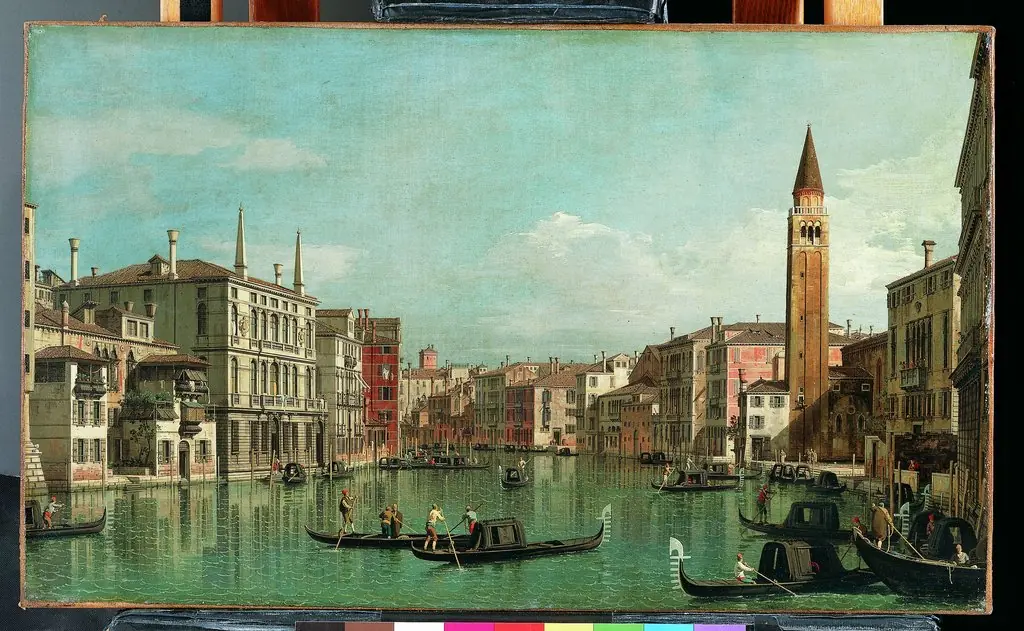 The Grand Canal, Venice, Looking Southeast, with the Campo della Carità to the Right
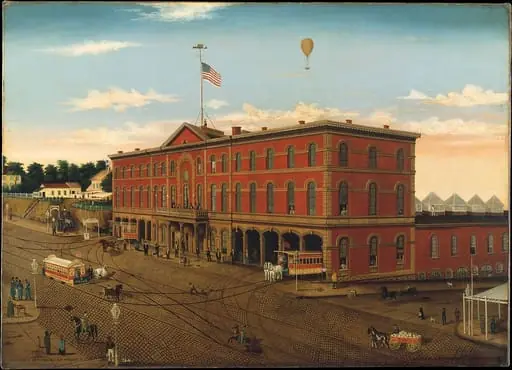 The Third Avenue Railroad Depot
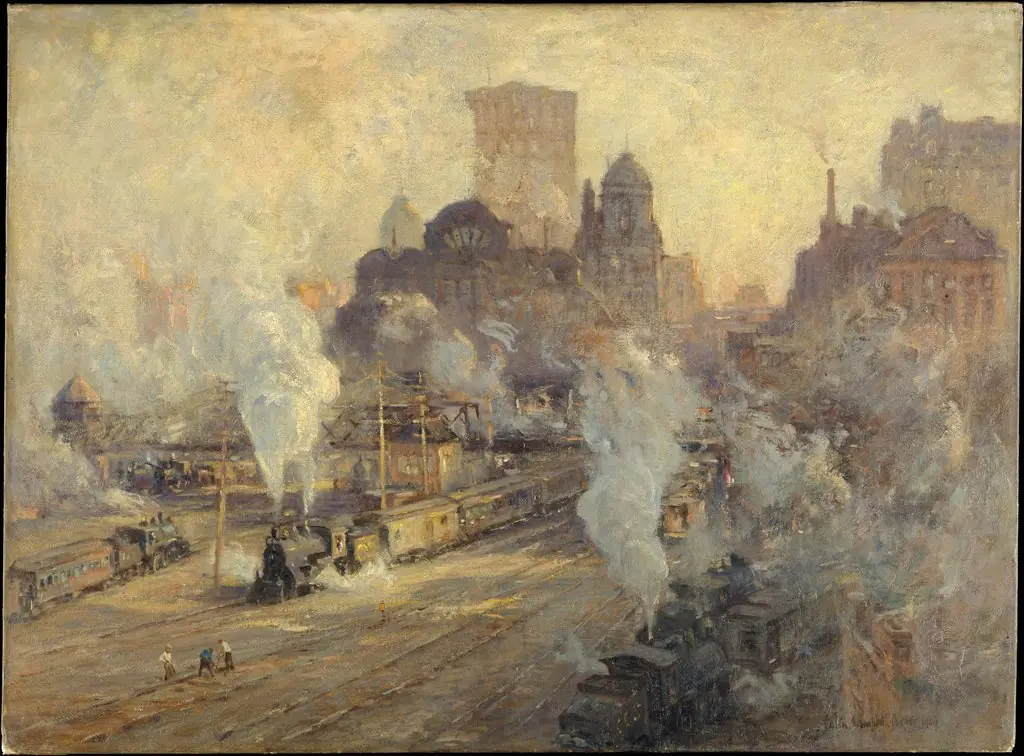 Grand Central Station
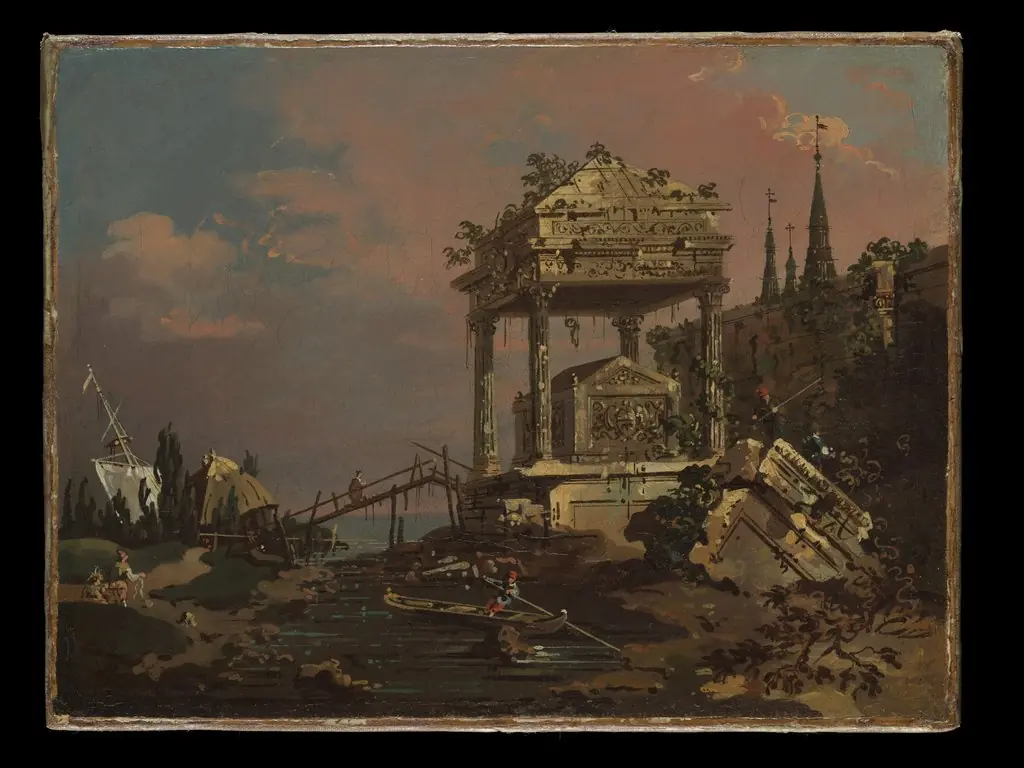 Imaginary View with a Tomb by the Lagoon
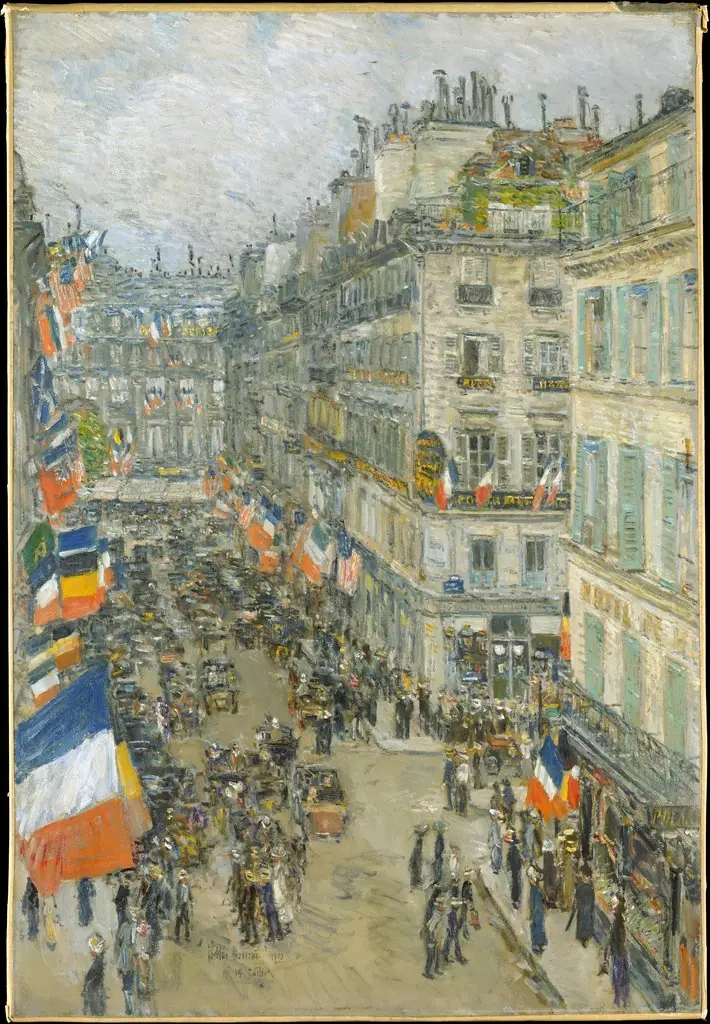 July Fourteenth, Rue Daunou, 1910
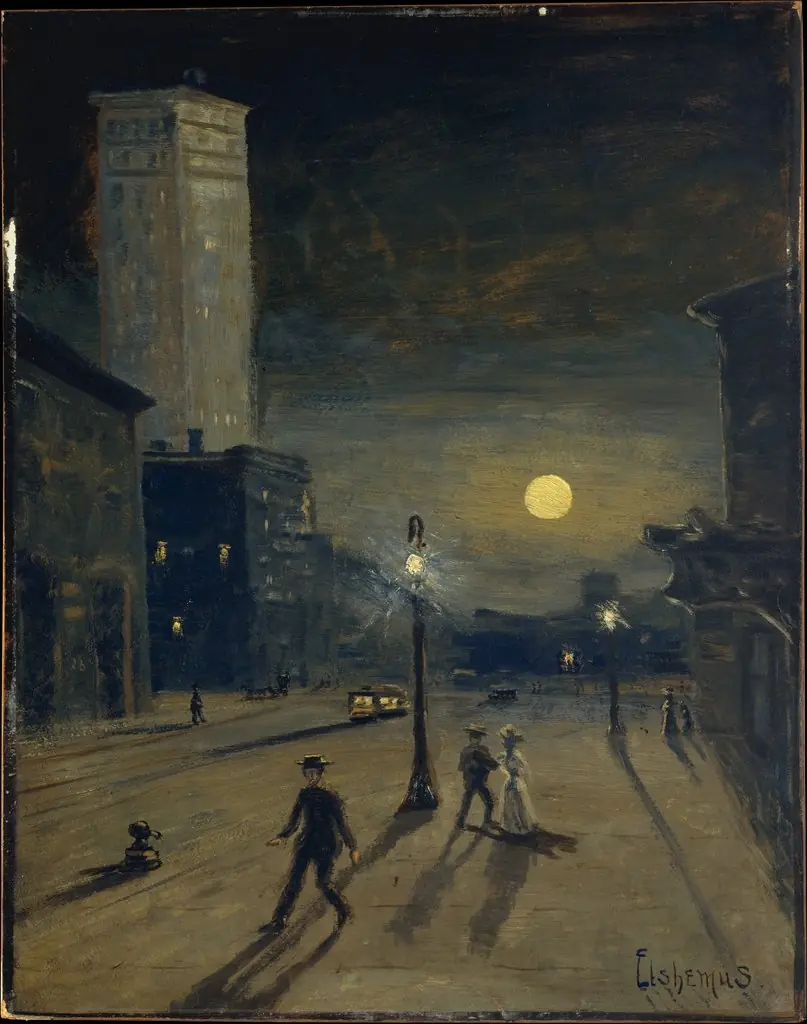 New York at Night
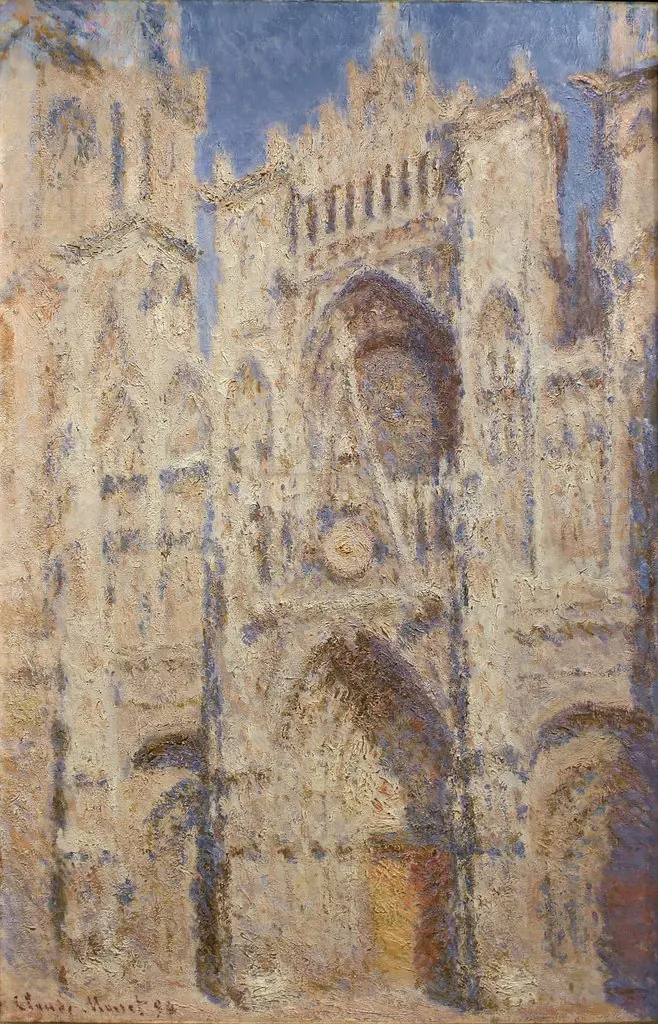 Rouen Cathedral: The Portal (Sunlight)
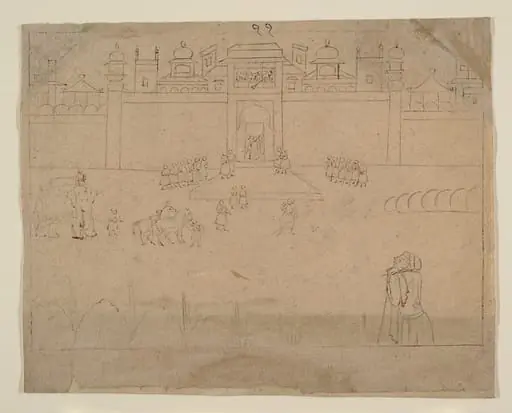 Untitled
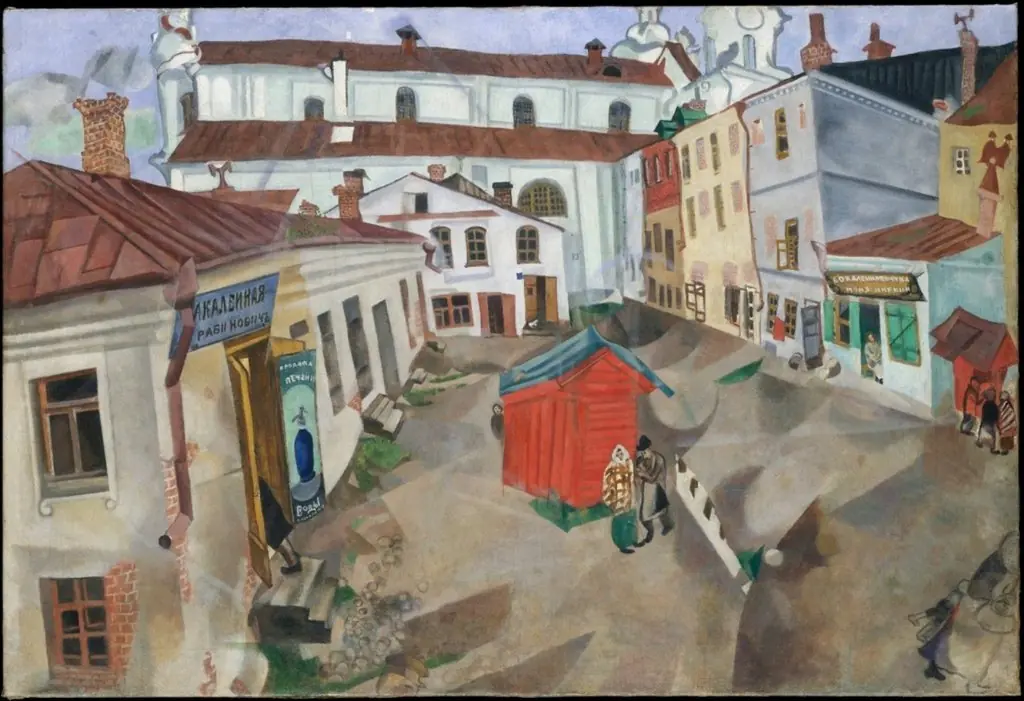 The Marketplace, Vitebsk
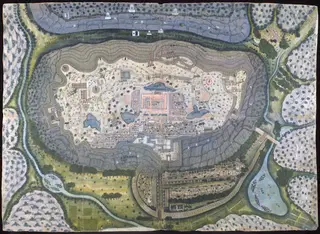 Untitled
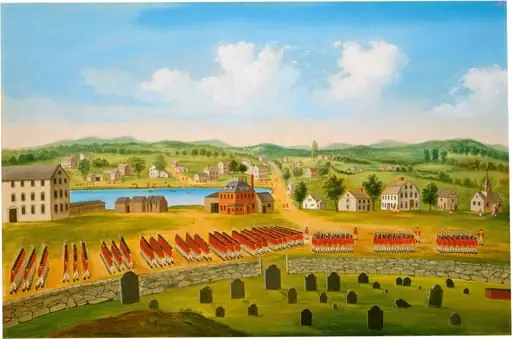 View of Concord
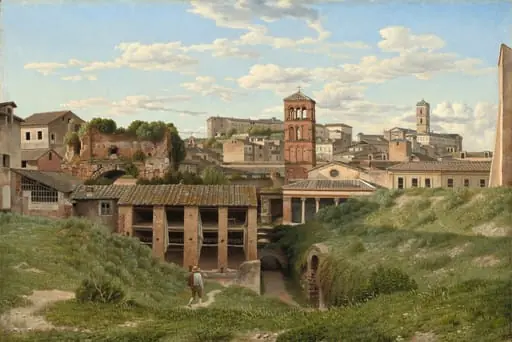 View of the Cloaca Maxima, Rome
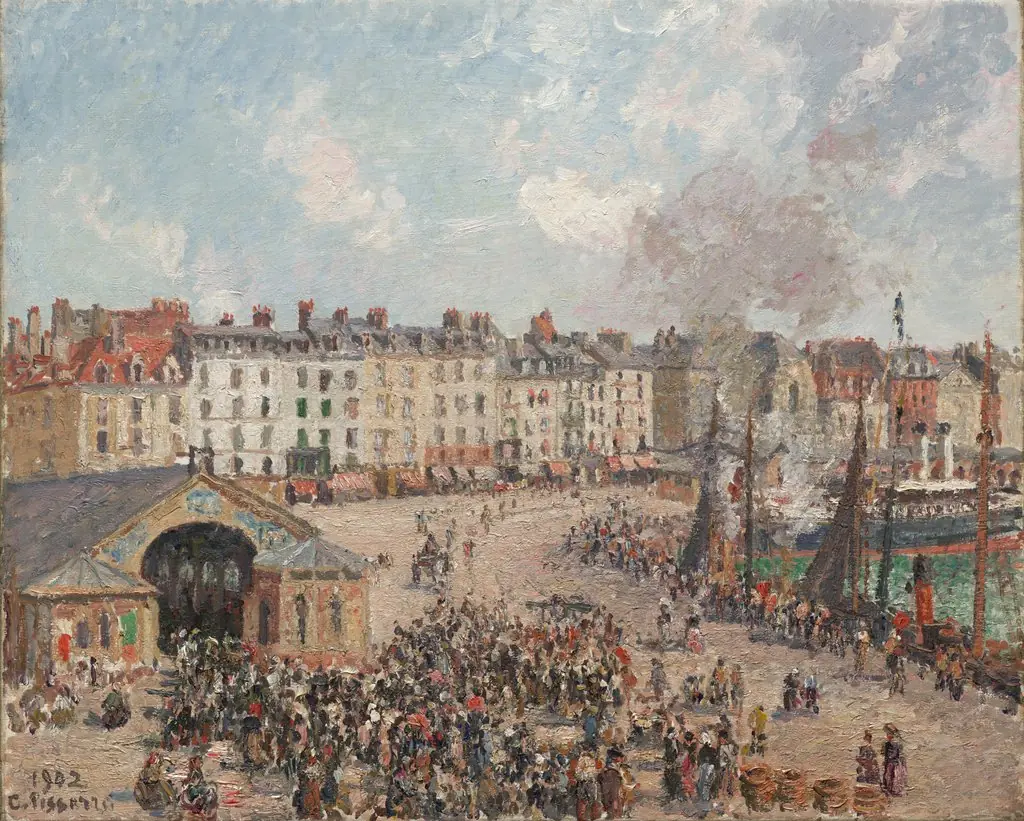 Fishmarket
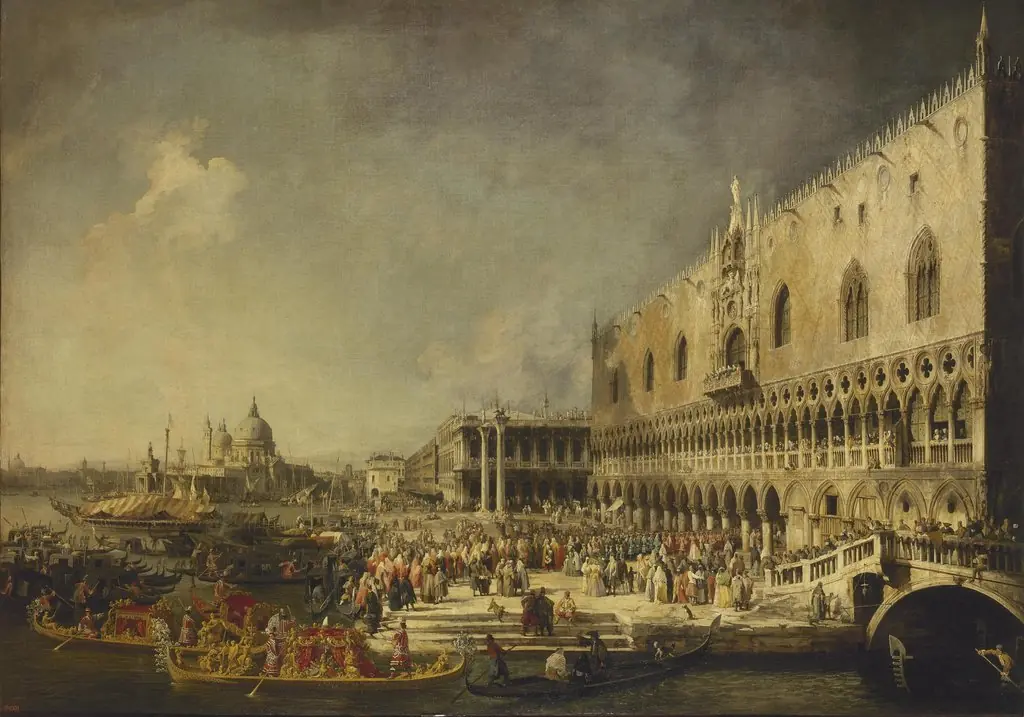 Arrival of the French Ambassador in Venice
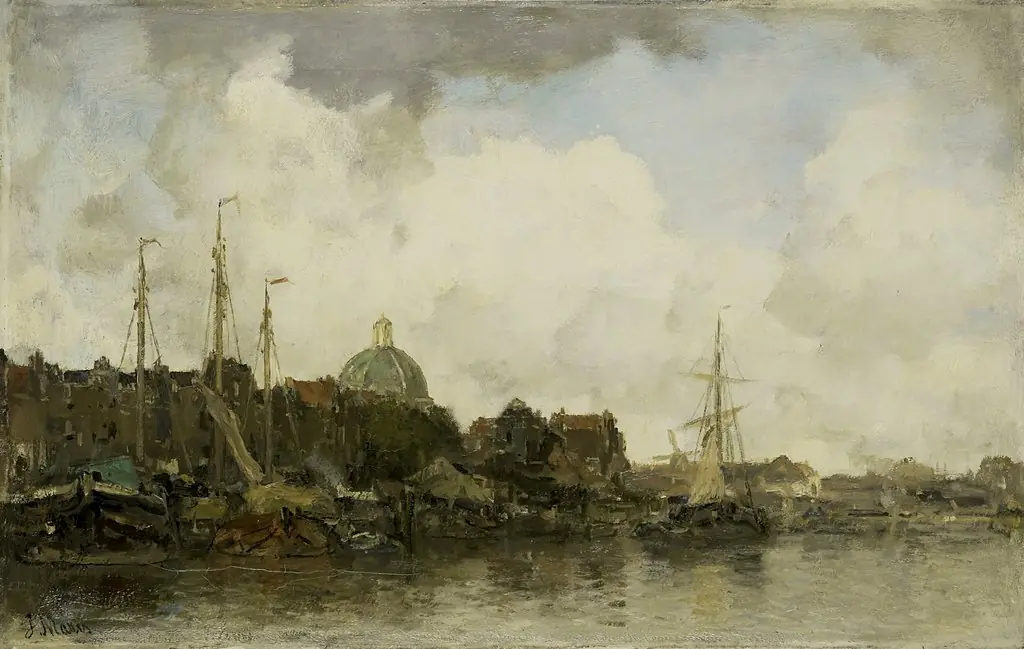 Townscape with a Domed Church
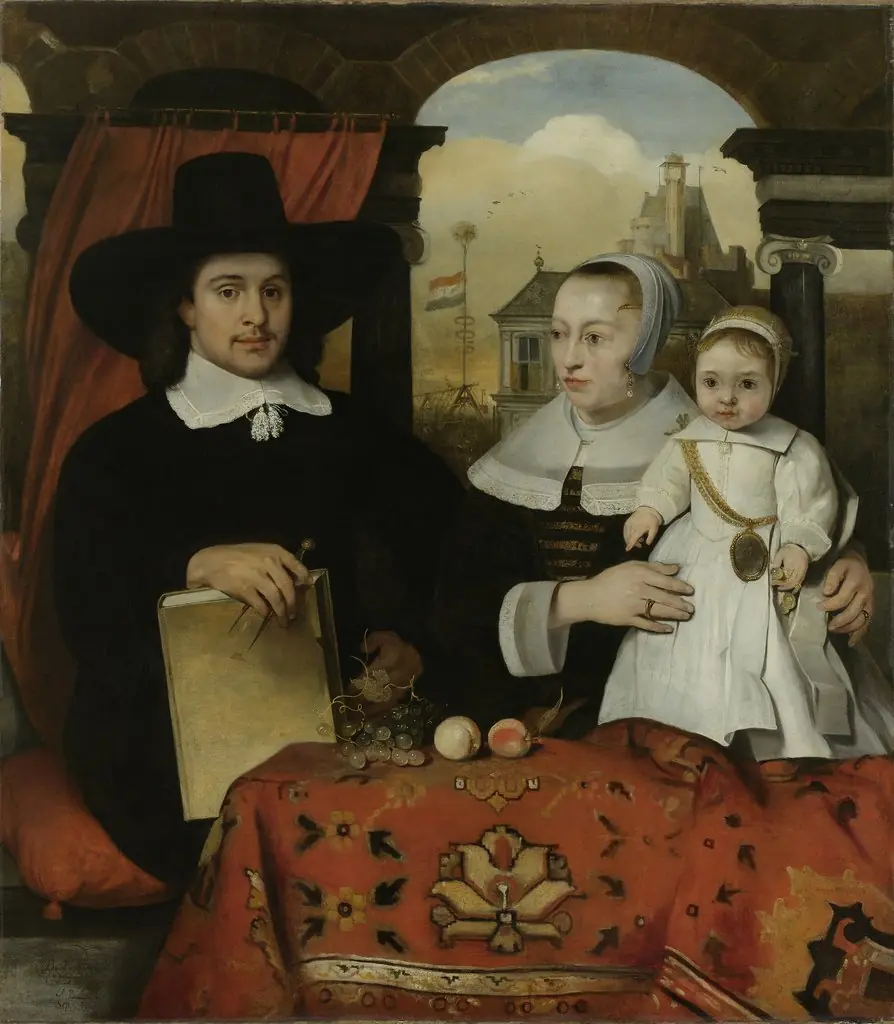 Willem van der Helm (ca 1625-75). Municipal architect of Leiden, with his wife Belytgen Cornelisdr van de Schelt and their son Leendert
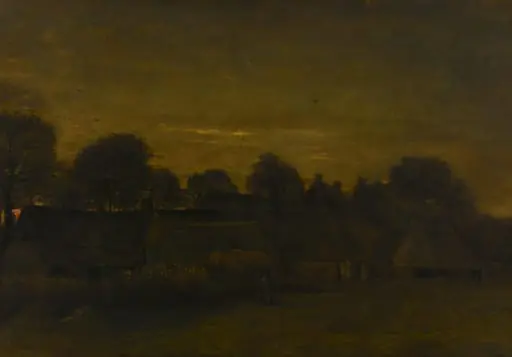 Farming Village at Twilight
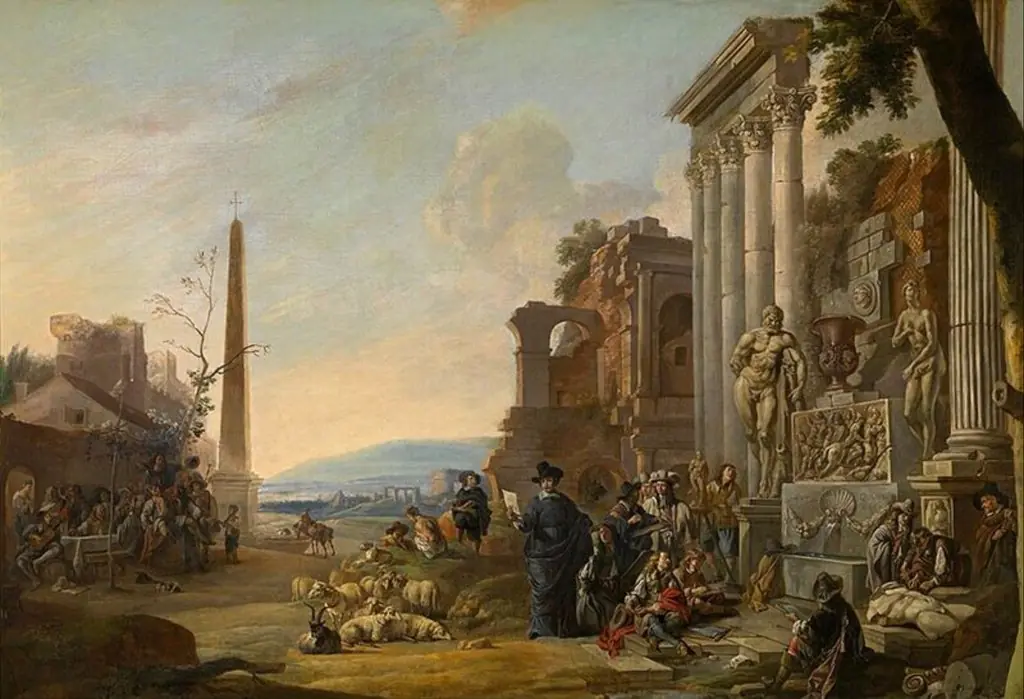 The Study of Art in Rome
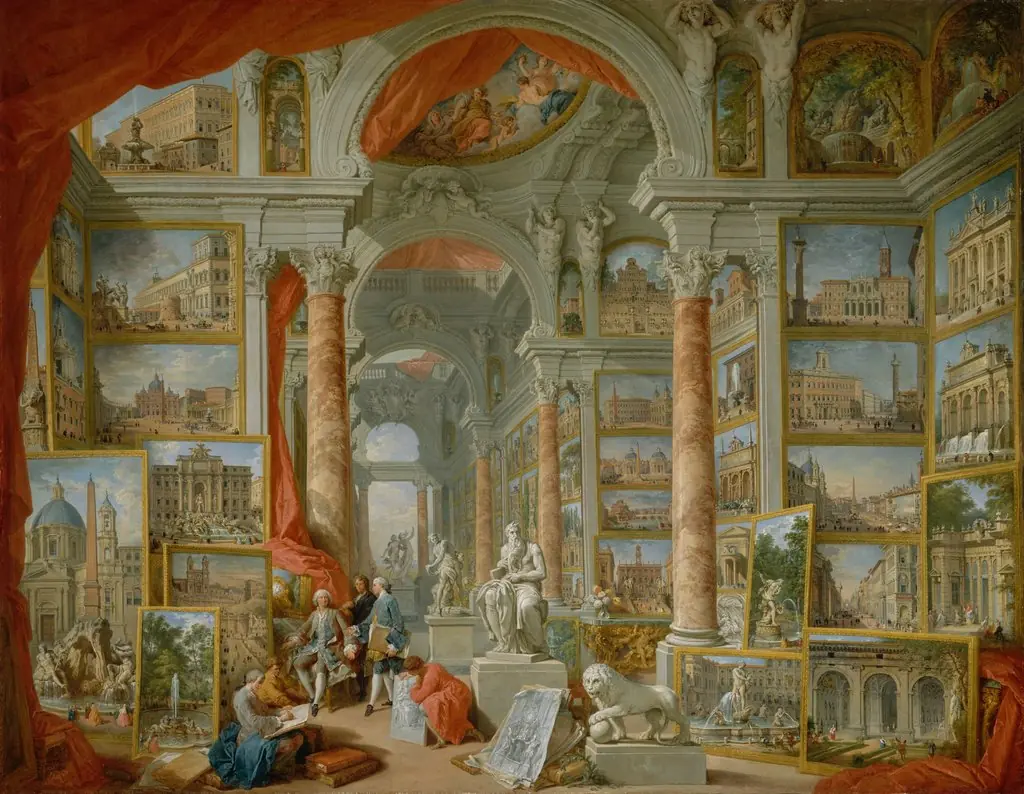 Modern Rome
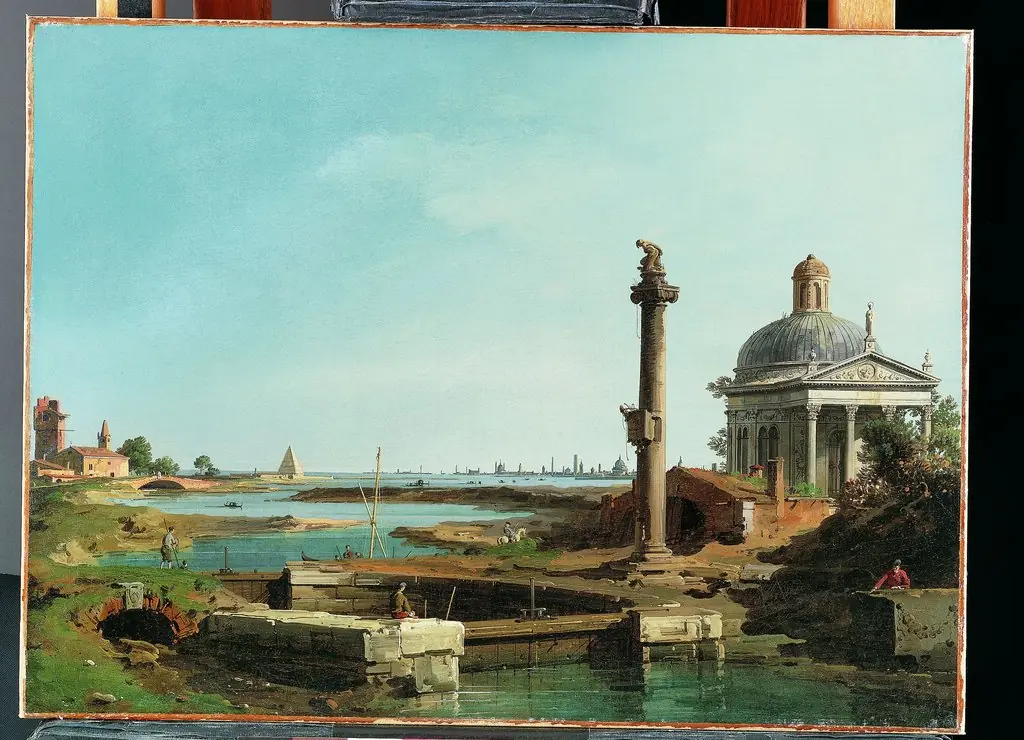 A Lock, a Column, and a Church beside a Lagoon
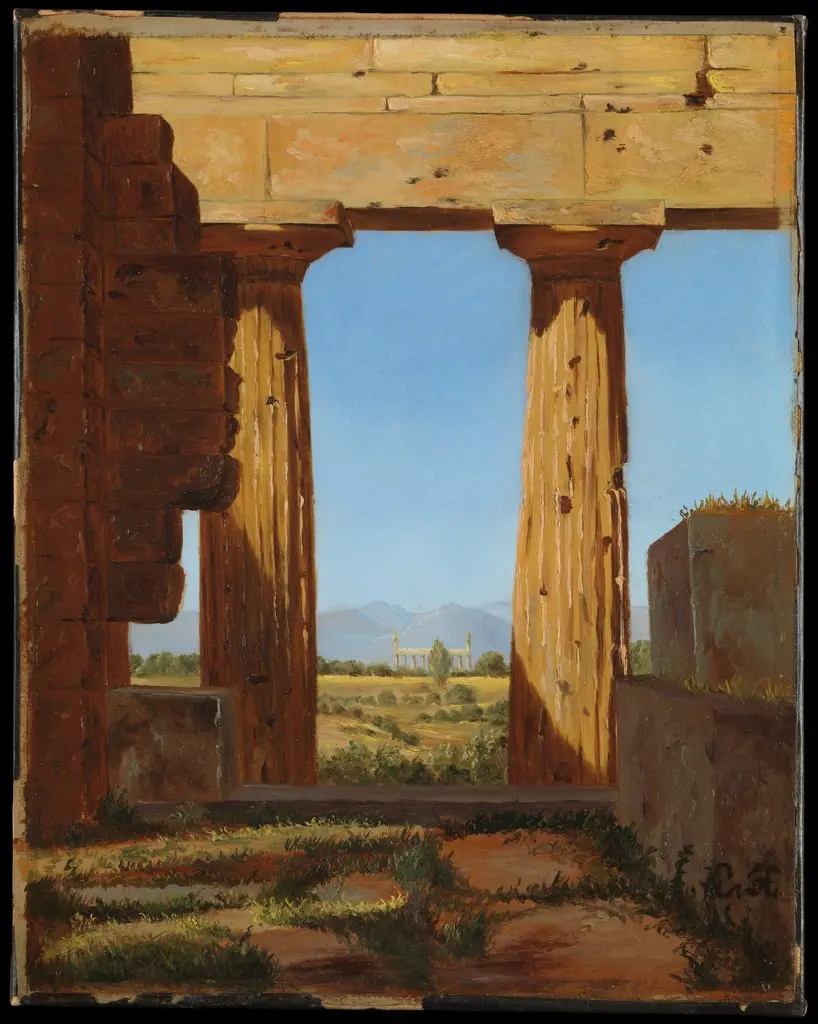 Columns of the Temple of Neptune at Paestum
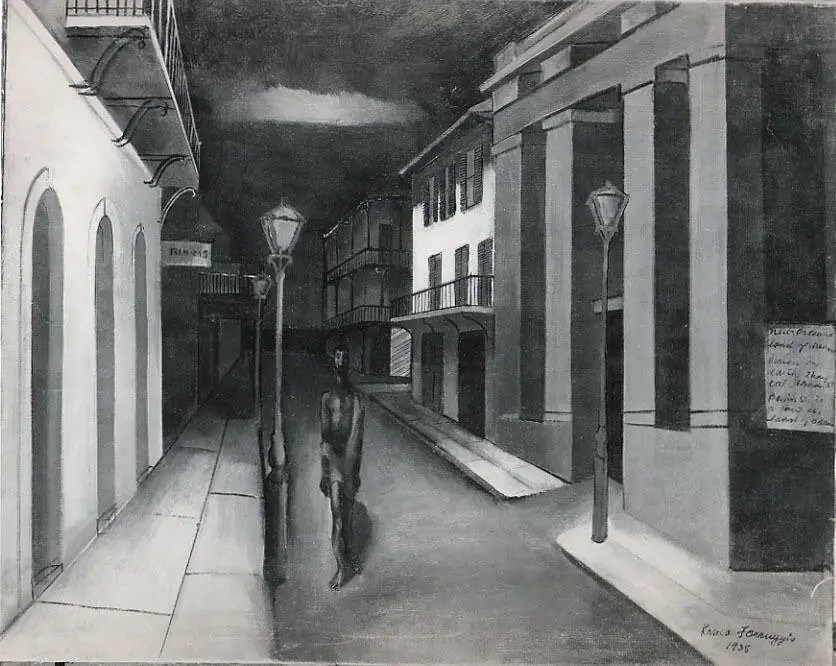 Basin Street
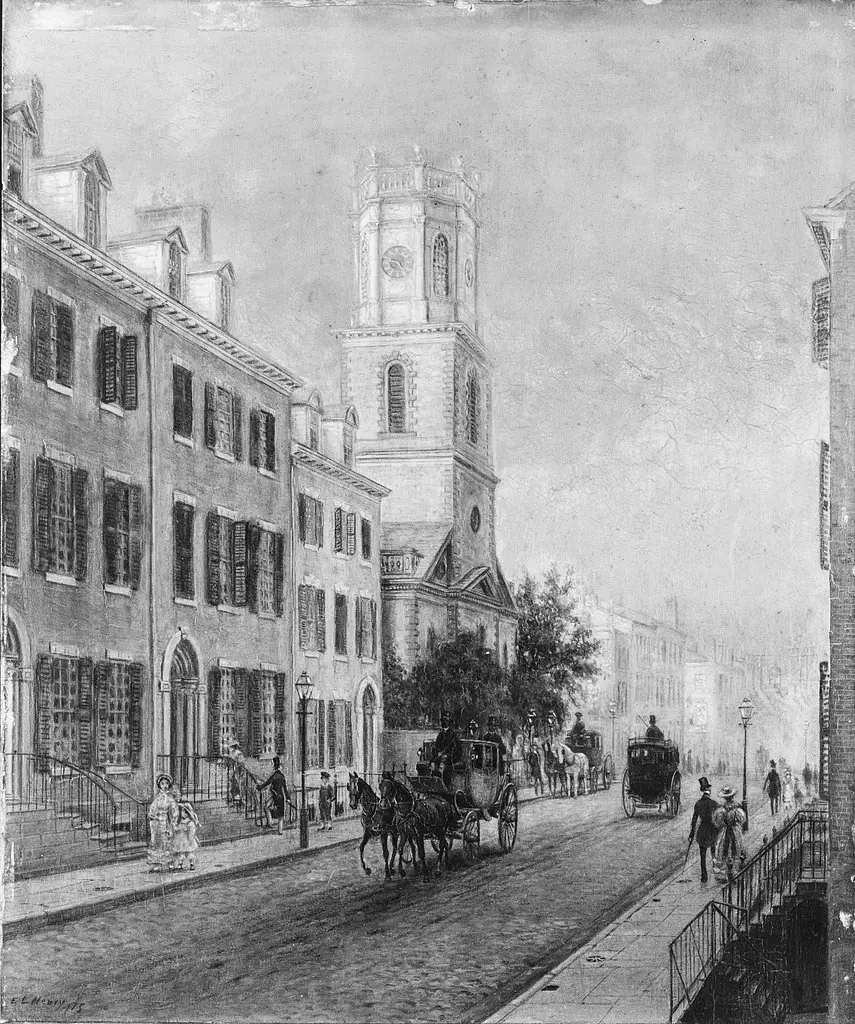 Saint George's Church, New York
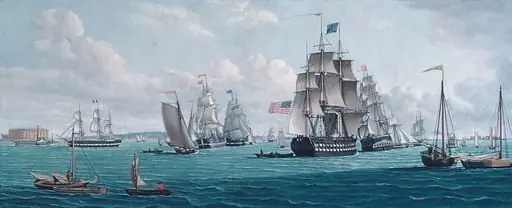 The U. S. Ship Franklin, with a View of the Bay of New York
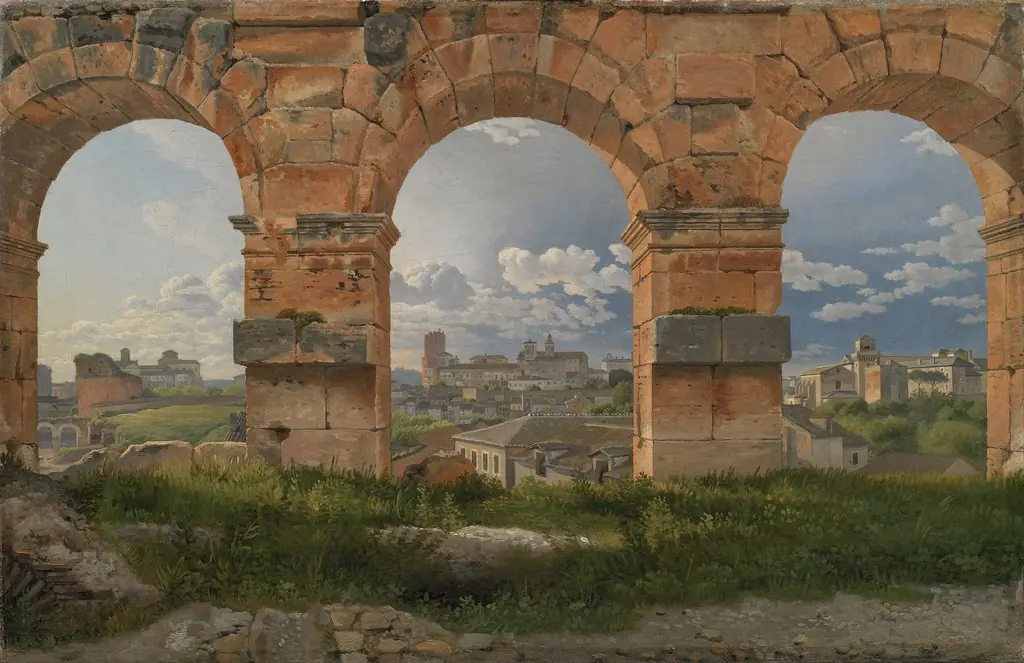 A View through Three of the North-Western Arches of the Third Storey of the Coliseum
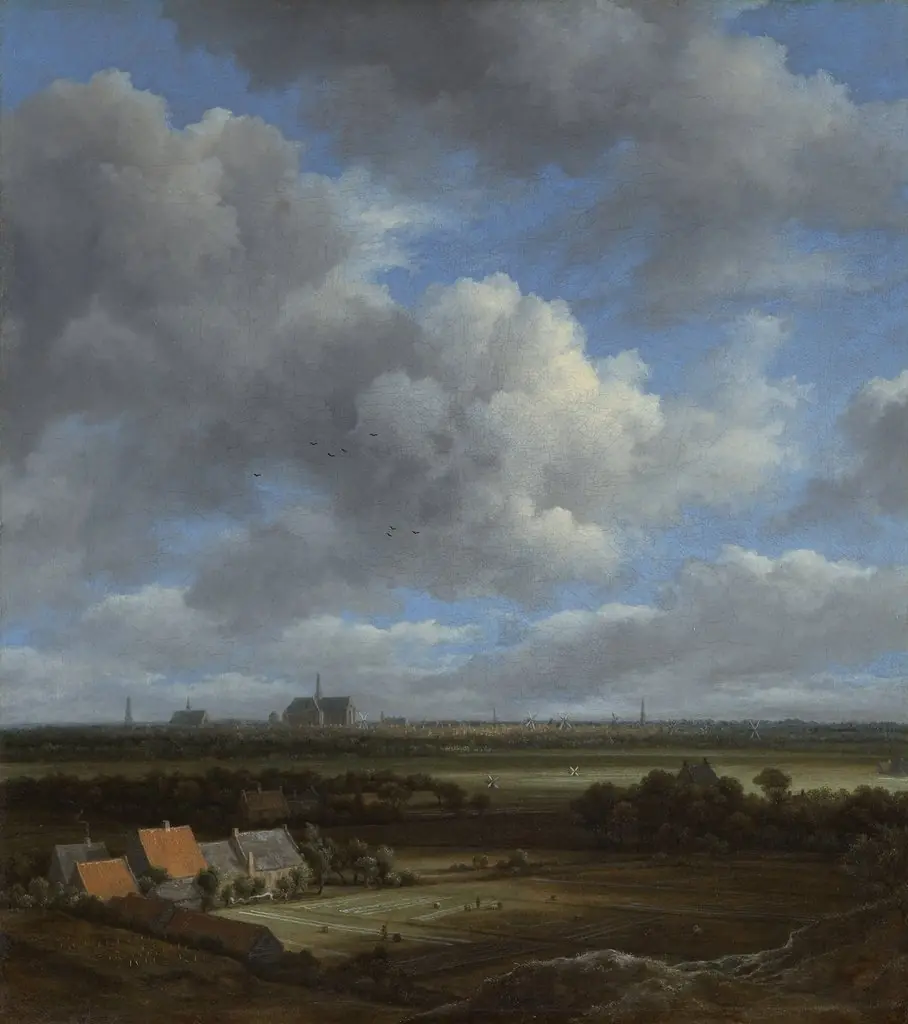 View of Haarlem from the Northwest, with the Bleaching Fields in the Foreground
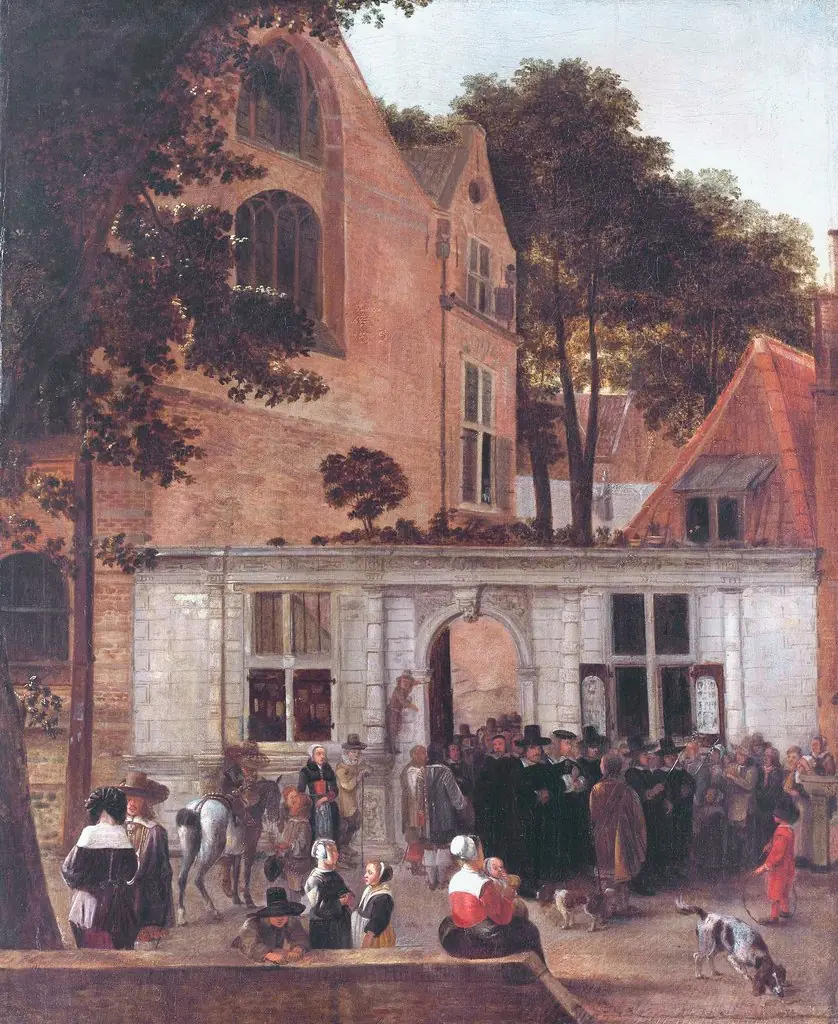 The conferring of a degree at the University of Leiden around 1650
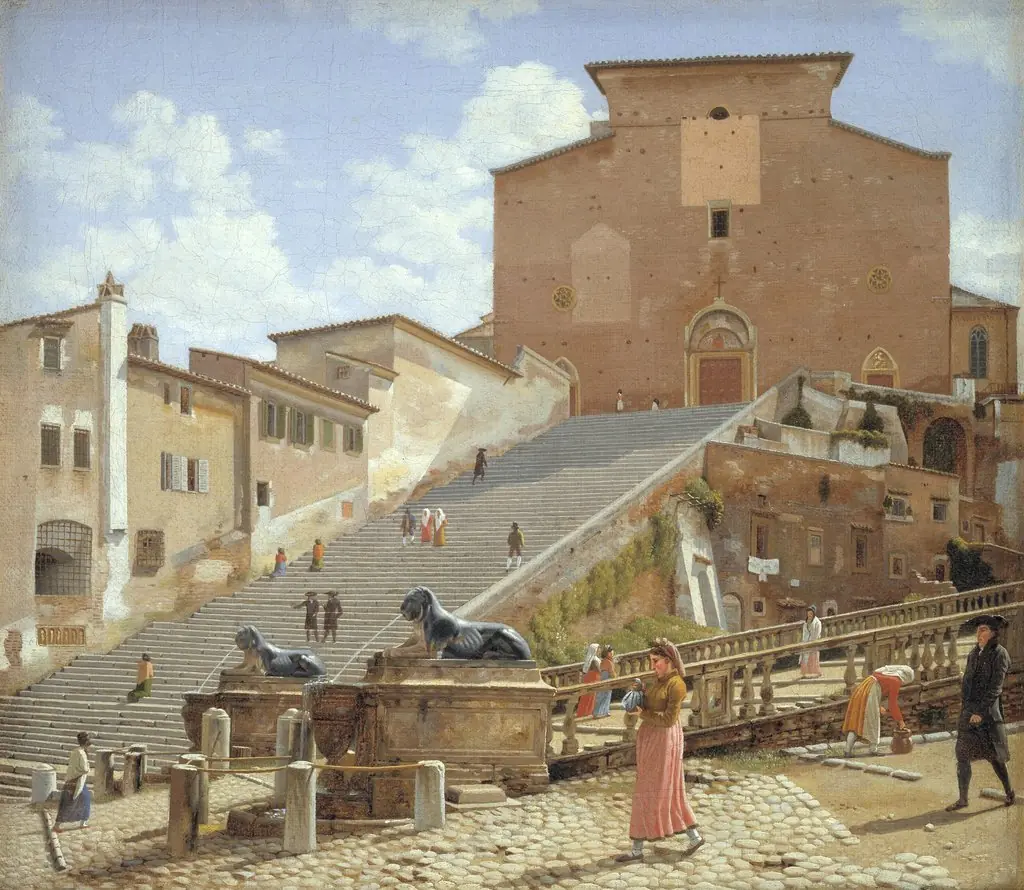 The Marble Steps Leading to the Church of Santa Maria in Aracoeli in Rome
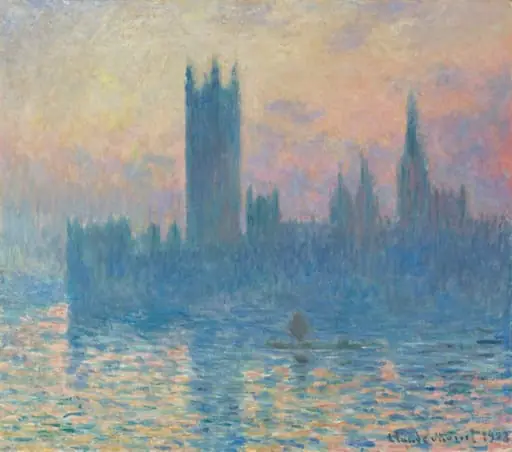 The Houses of Parliament, Sunset
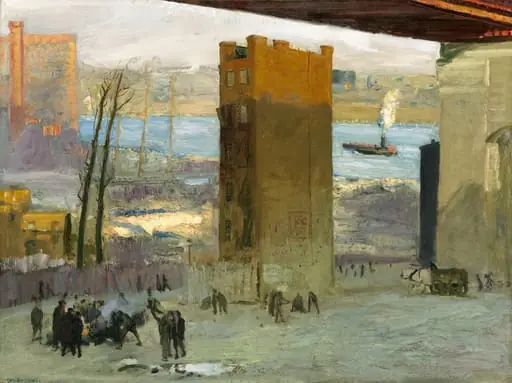 The Lone Tenement
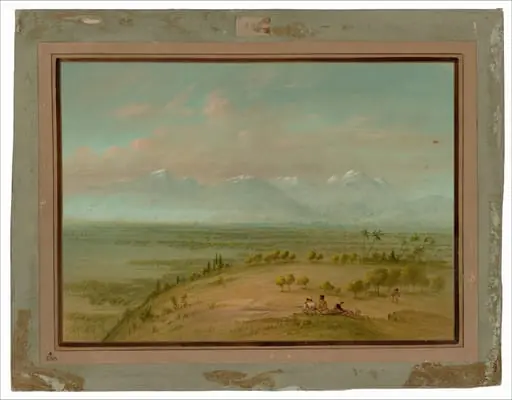 View of the Pampa del Sacramento
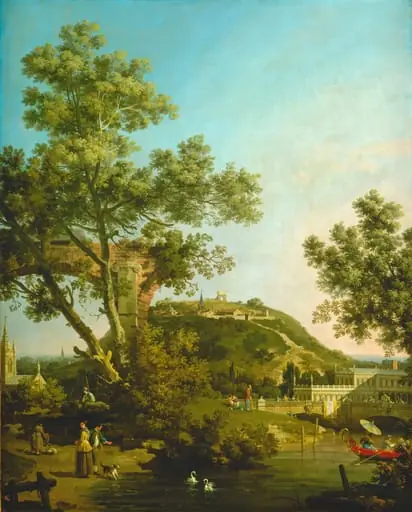 English Landscape Capriccio with a Palace
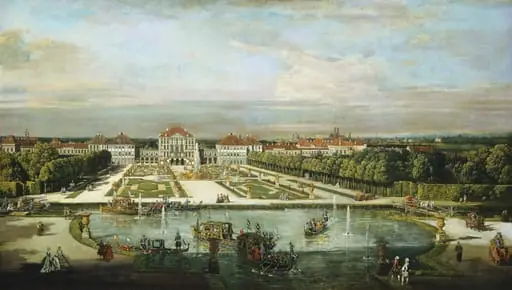 Nymphenburg Palace, Munich
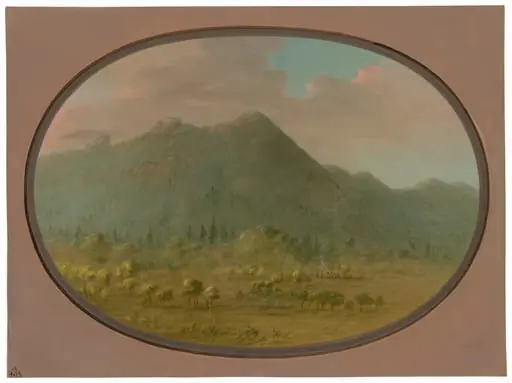 View in the Crystal Mountains
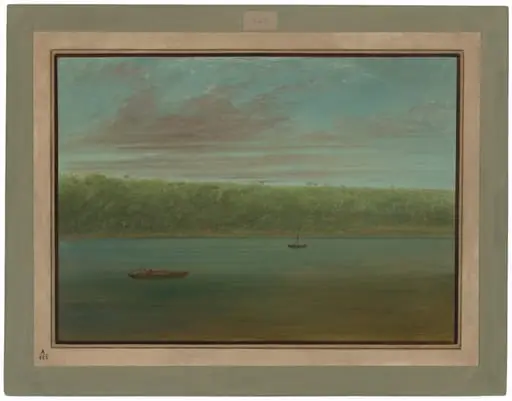 View of the Shore of the Amazon - Boat Sketch
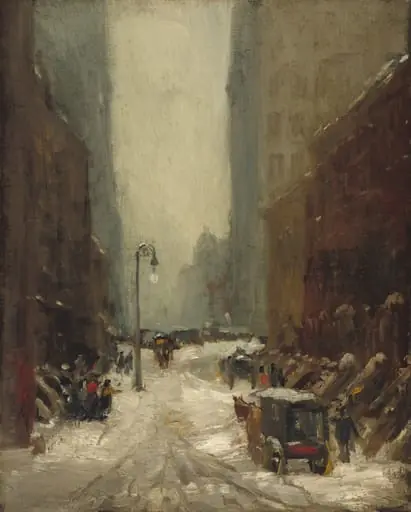 Snow in New York
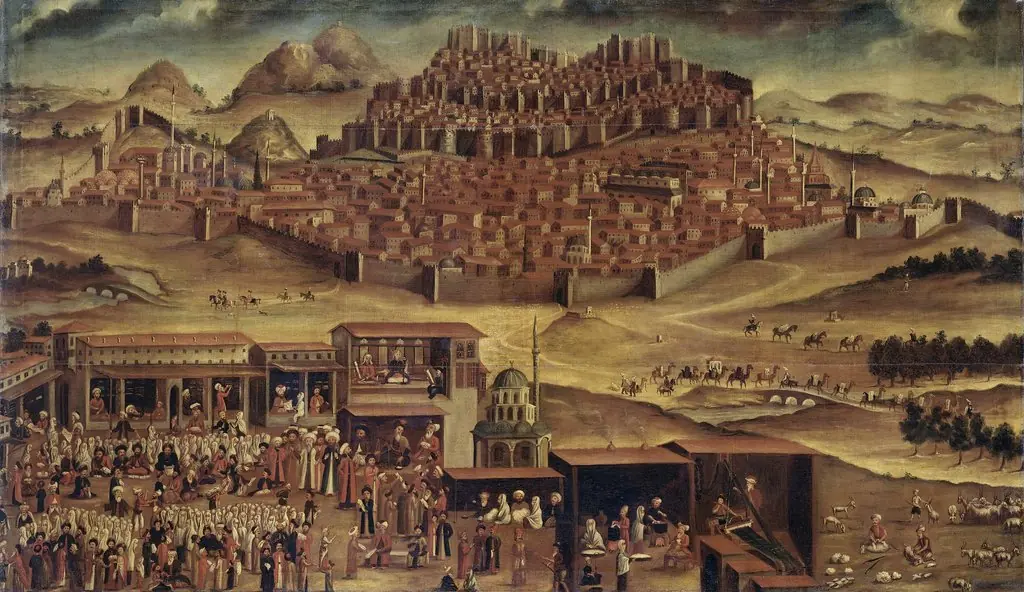 View of Ankara
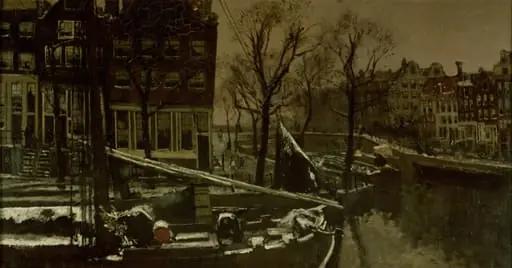 Winter in Amsterdam
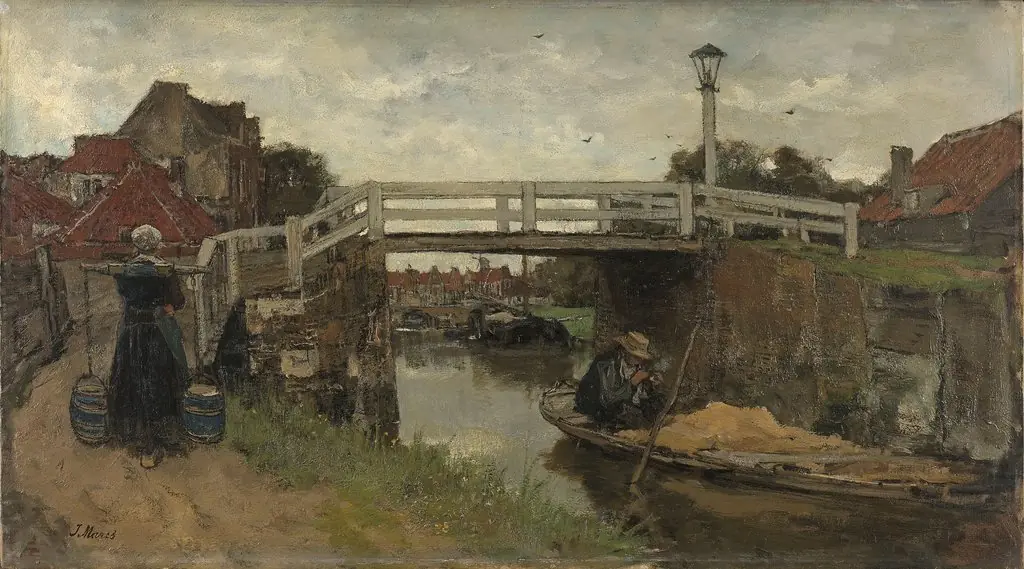 The Bridge
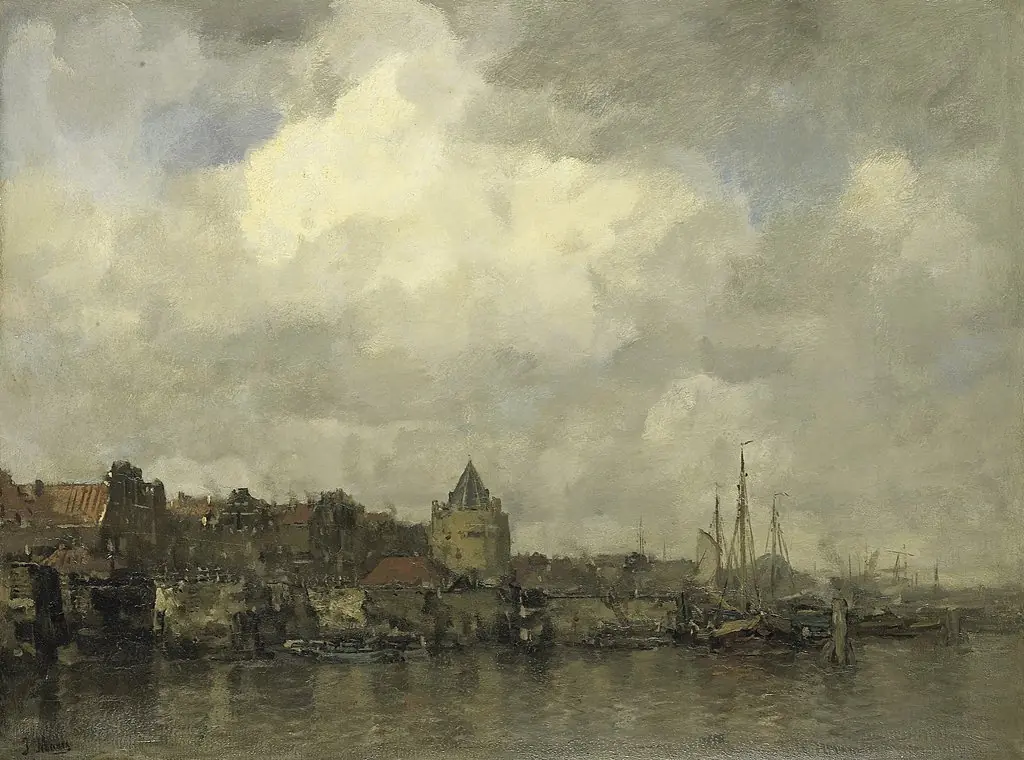 De Schreierstoren aan de Buitenkant te Amsterdam
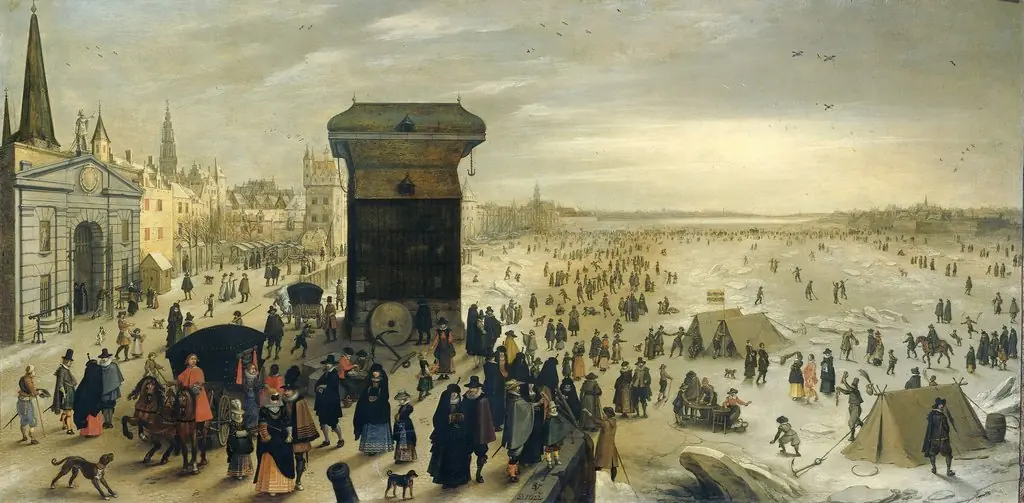 The Kranenhoofd on the Schelde, Antwerp
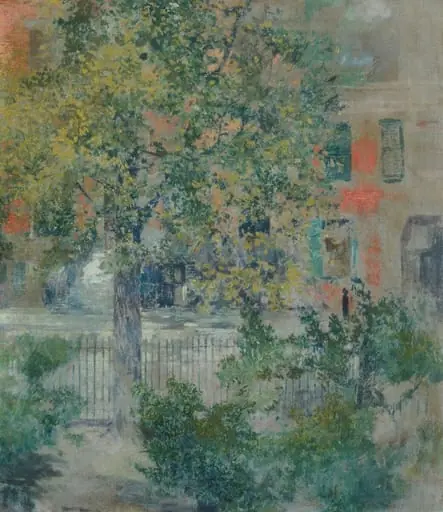 View from the Artist's Window, Grove Street
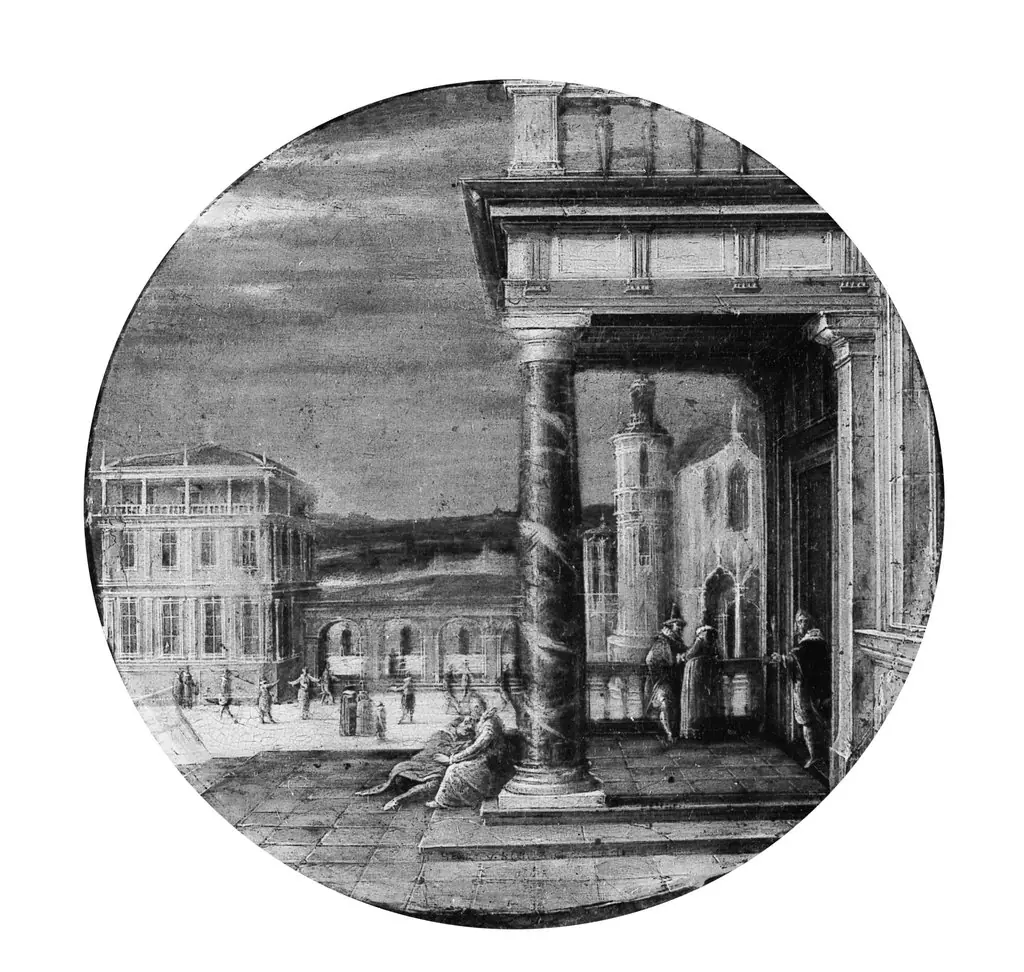 A Renaissance Portico with Elegant Figures
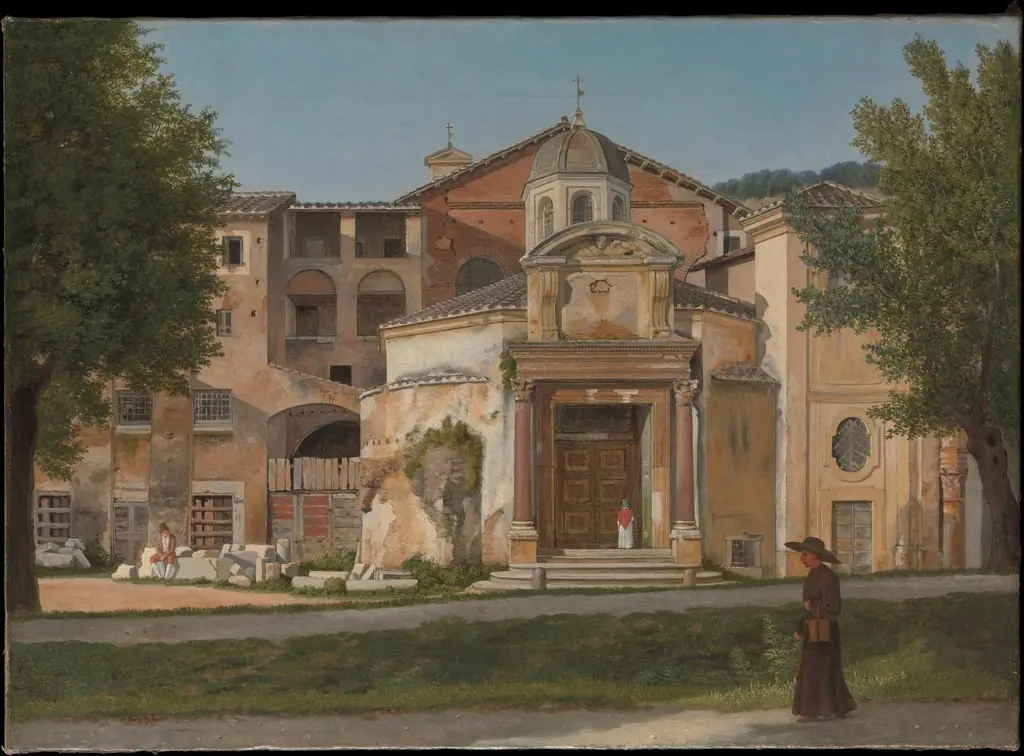 A Section of the Via Sacra, Rome (The Church of Saints Cosmas and Damian)
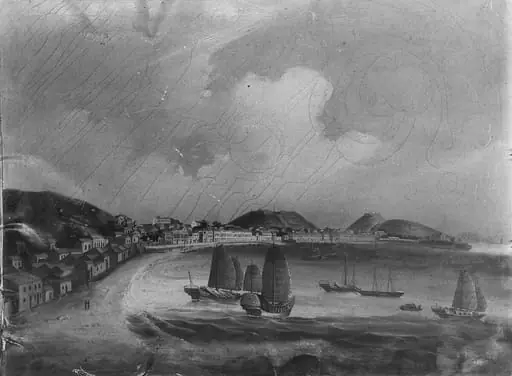 View of Macau
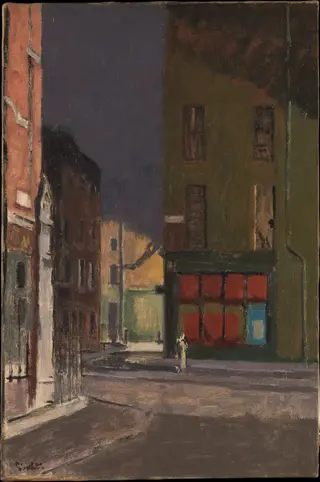 Maple Street, London
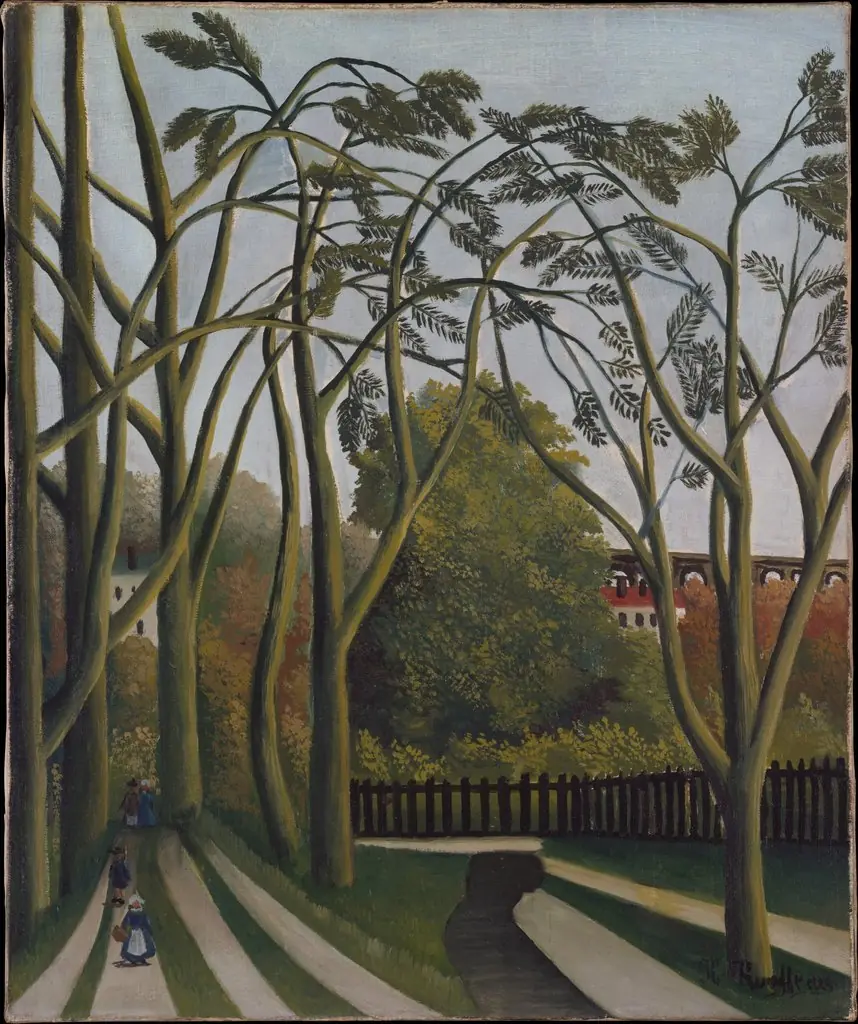 The Banks of the Bièvre near Bicêtre
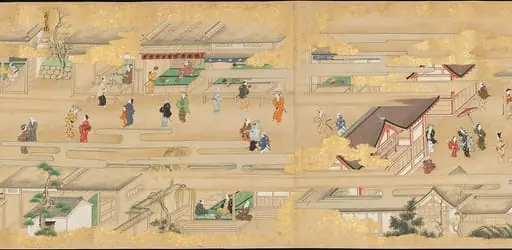 Untitled
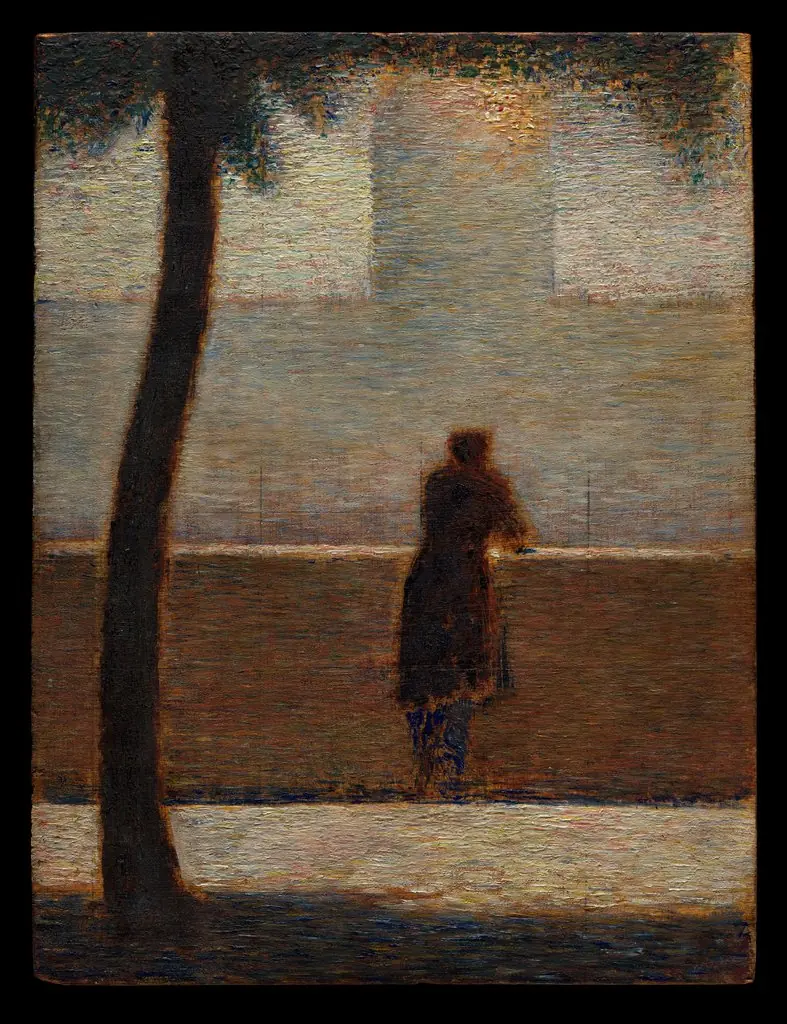 A Man Leaning on a Parapet
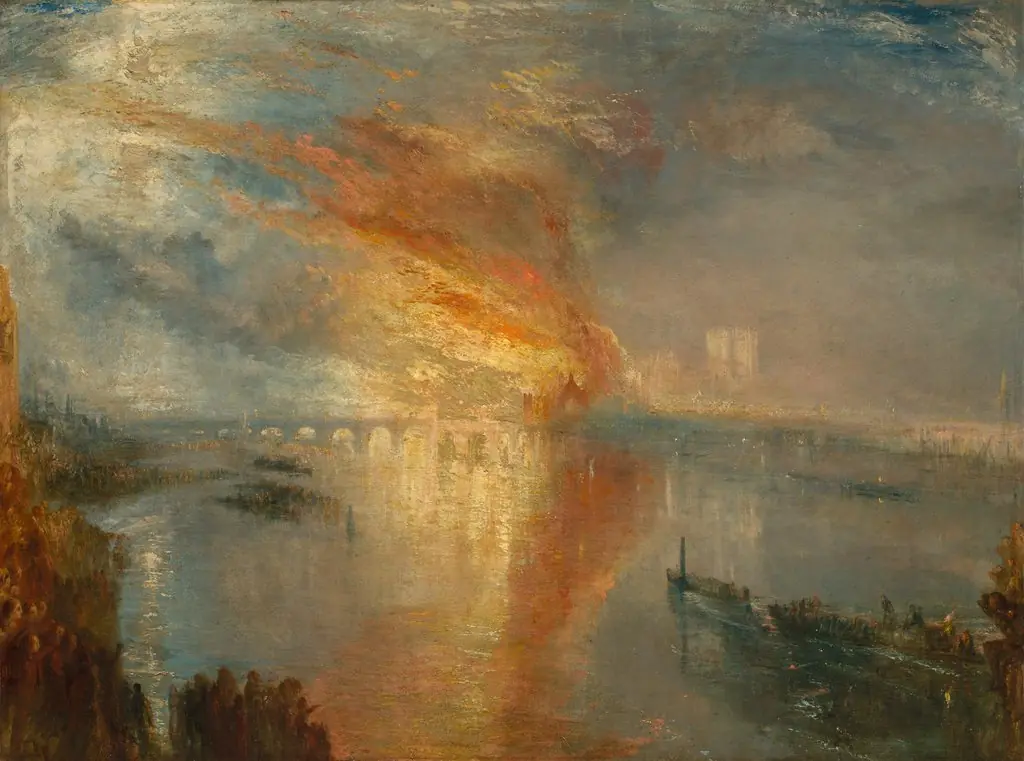 The Burning of the Houses of Lords and Commons, 16 October 1834
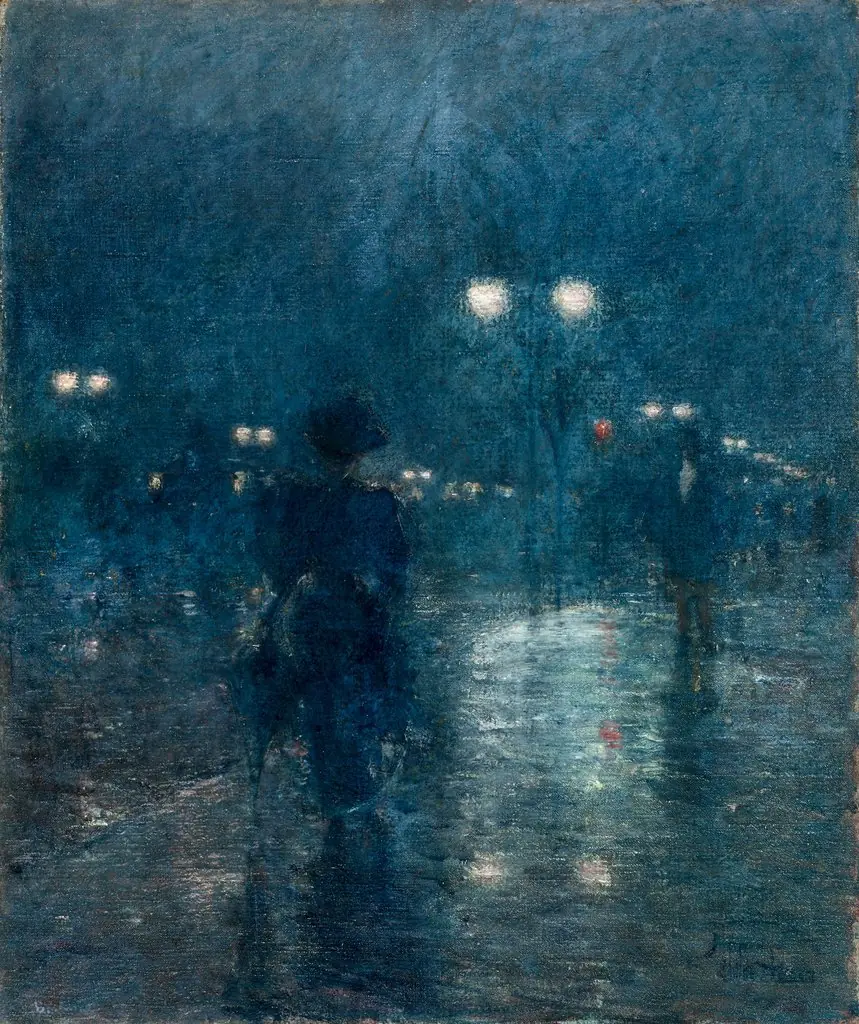 Fifth Avenue Nocturne
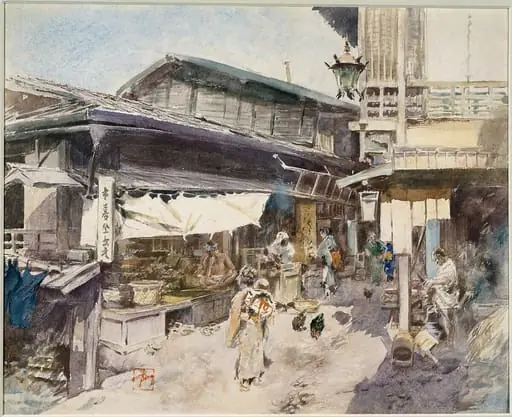 Street Scene in Ikao, Japan
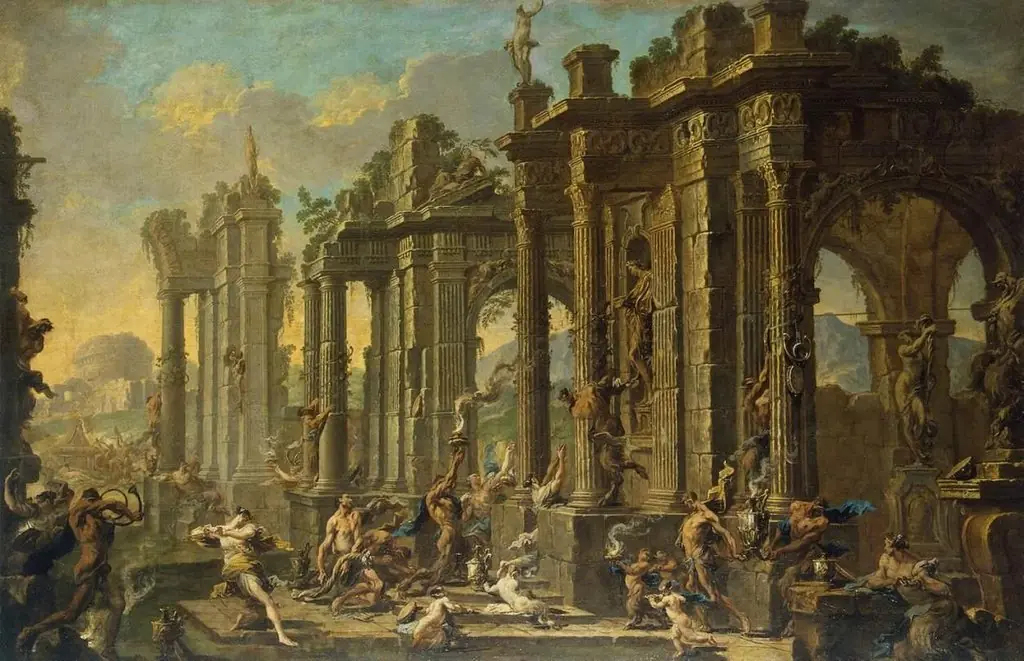 Bacchanalia
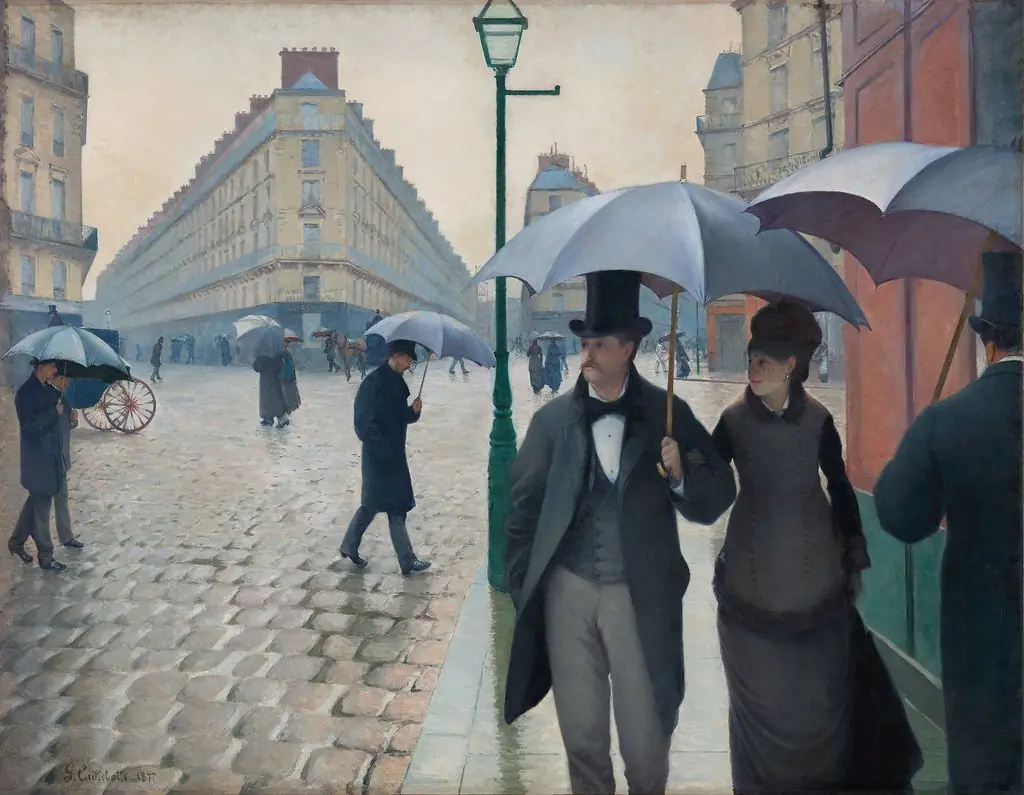 Paris Street; Rainy Day
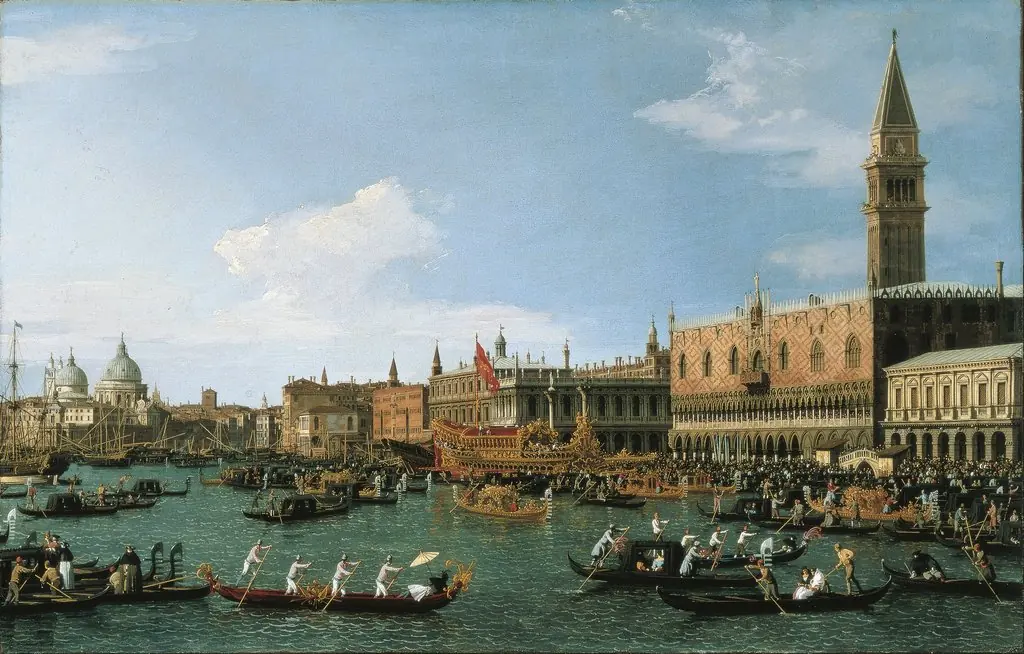 The Bucintoro
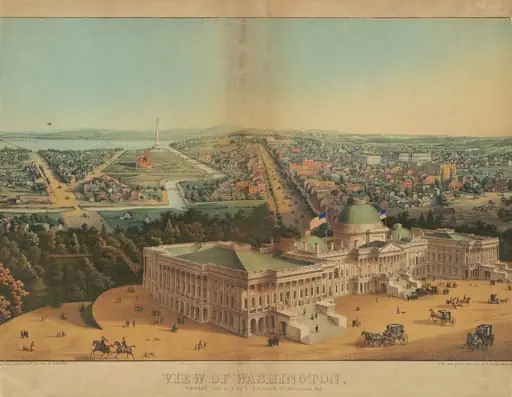 View of Washington
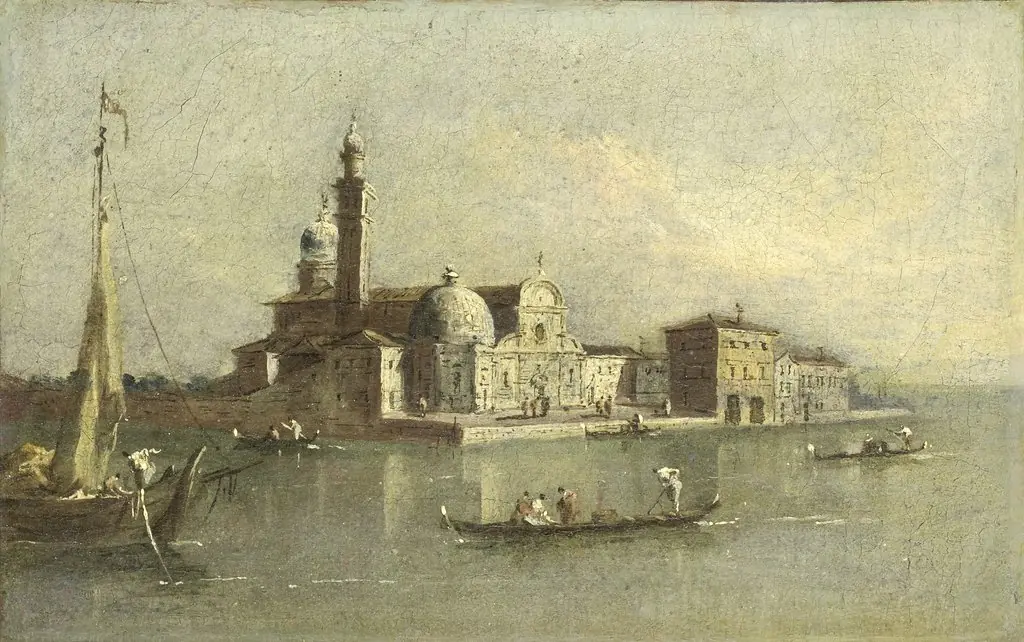 View of the Isola di San Michele in Venice
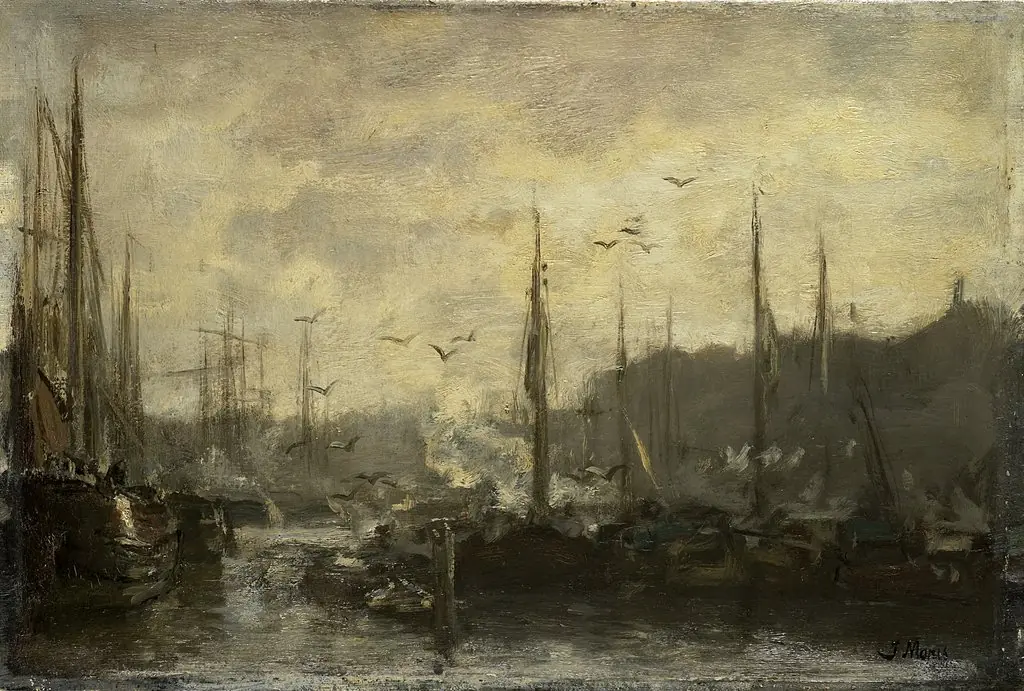 Harbor View
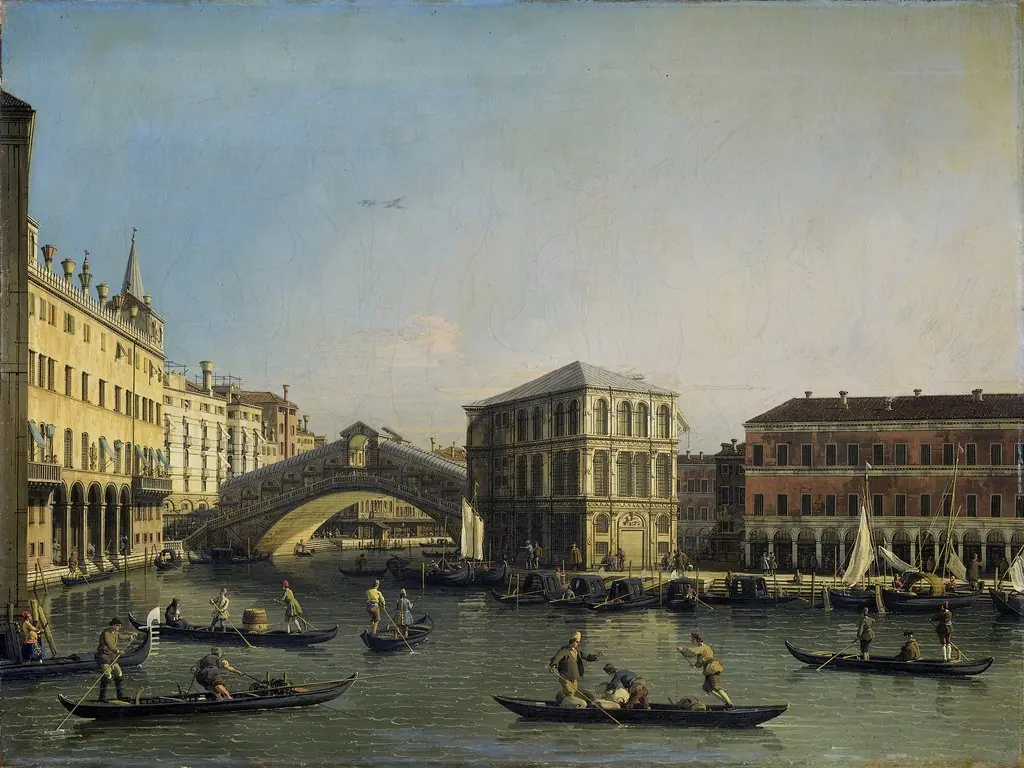 The Grand Canal with the Rialto Bridge and the Fondaco dei Tedeschi
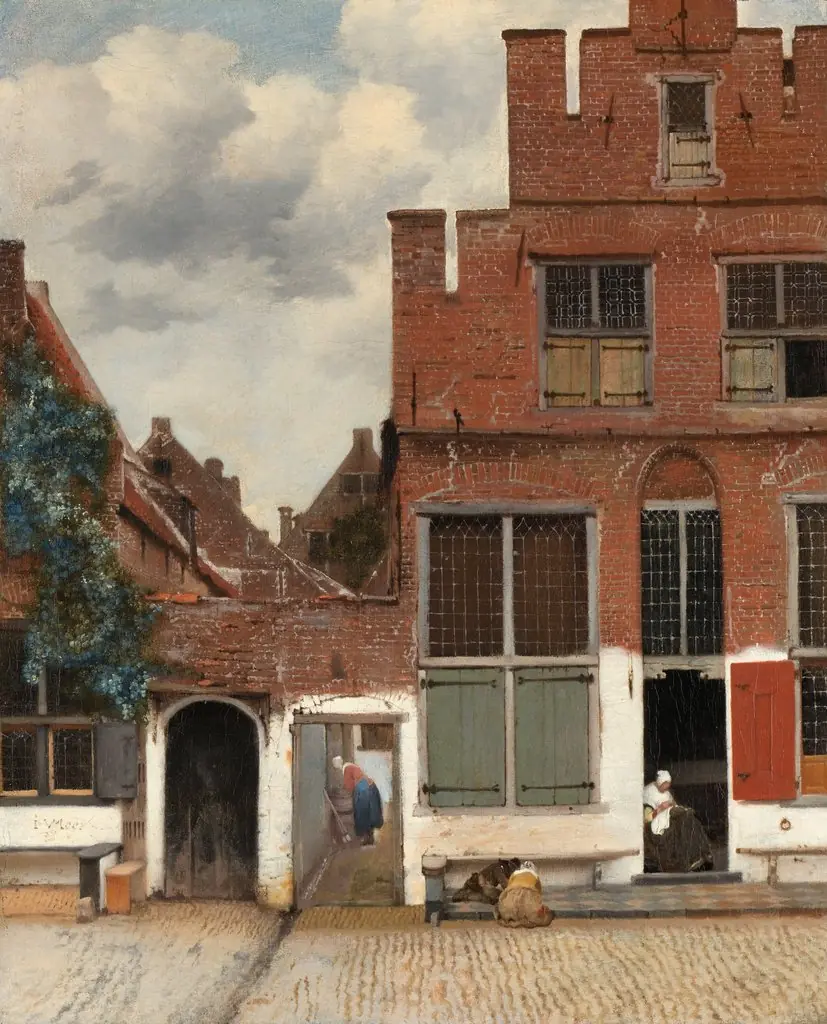 The Little Street
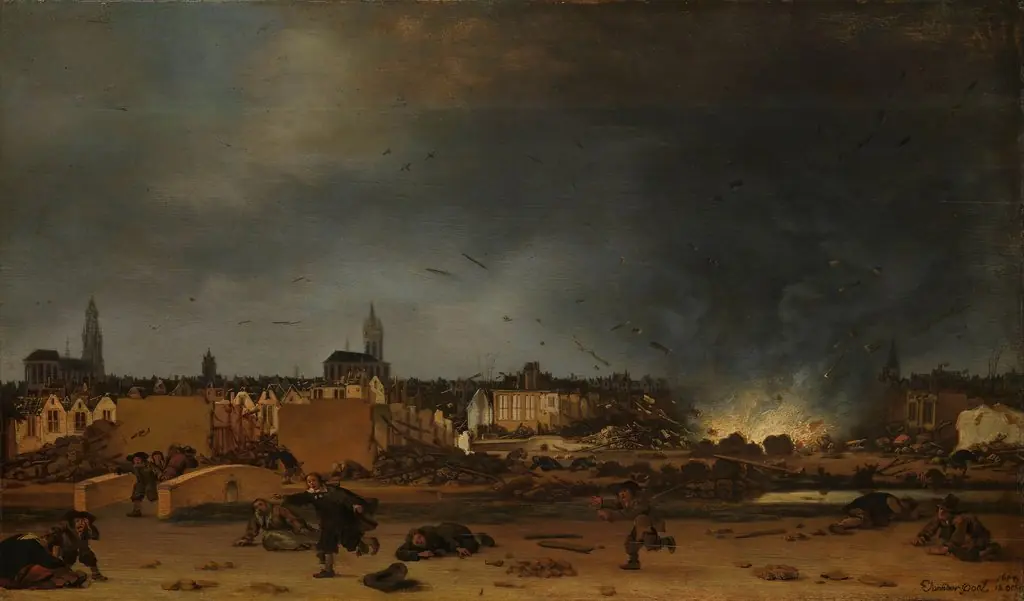 The explosion of the powder magazine in Delft, 12 October 1654
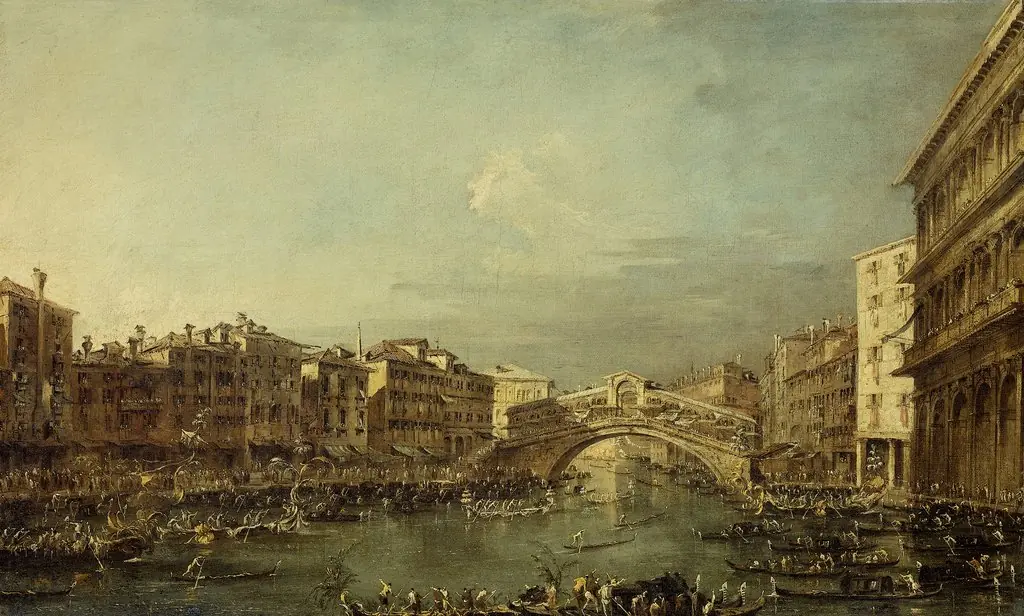 A Regatta on the Grand Canal with the Rialto Bridge in Venice
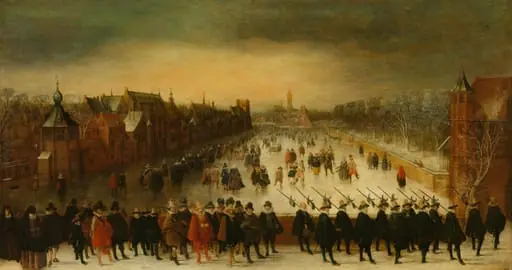 Untitled
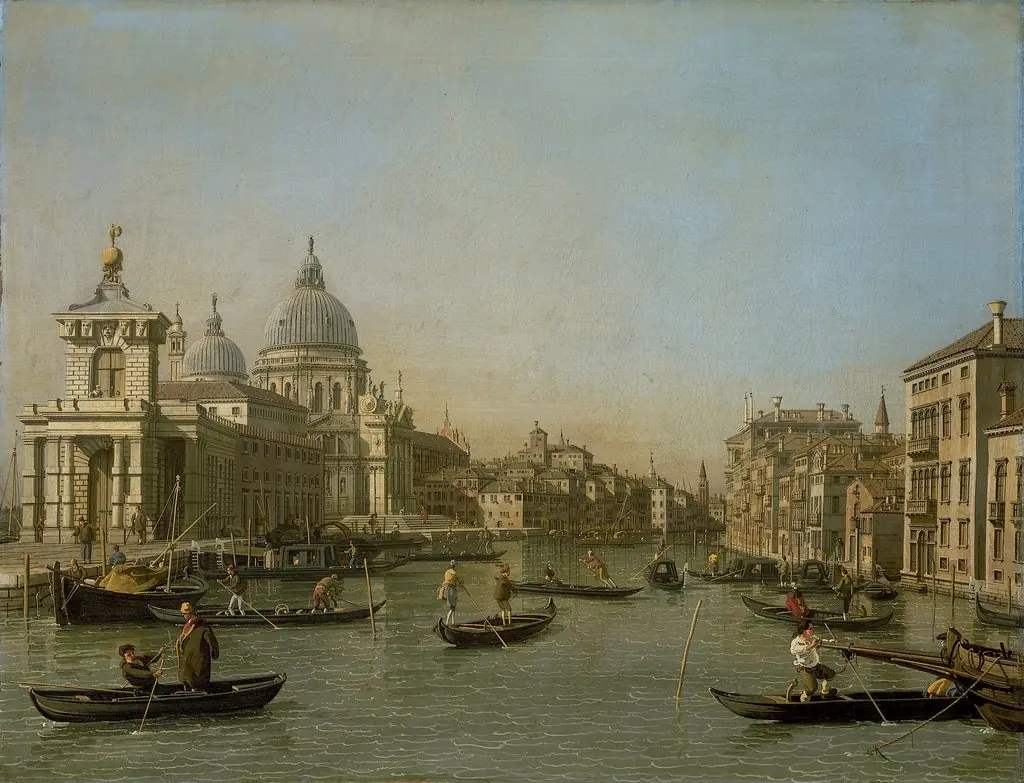 The Entrance to the Grand Canal at the Punta della Dogana and Santa Maria della Salute
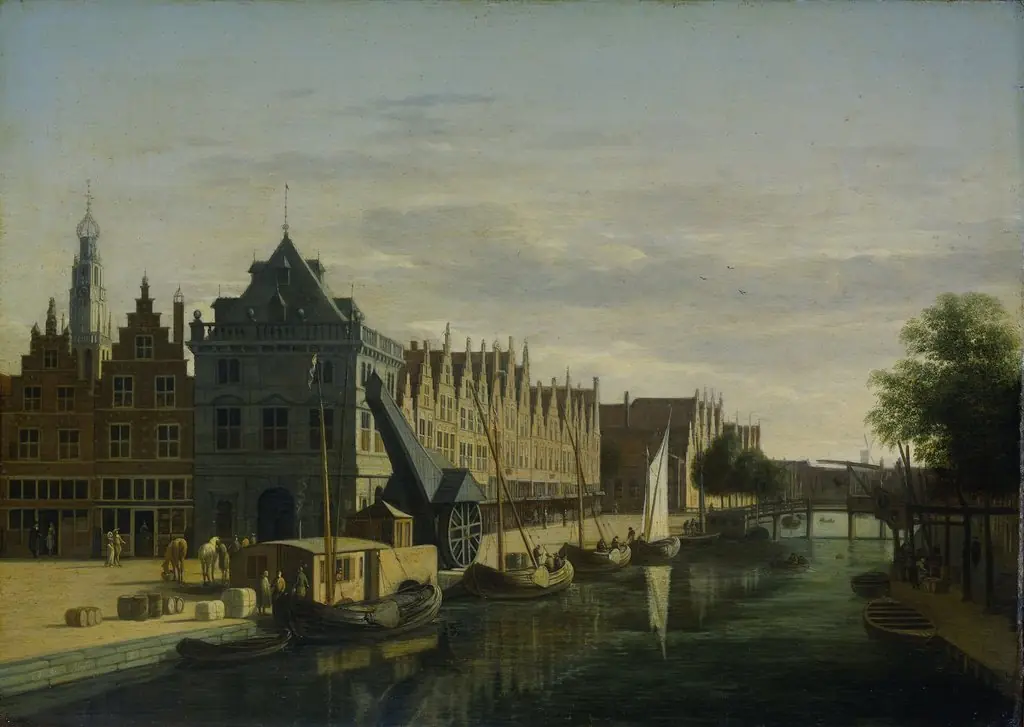 The Waag (weigh-house) and Crane on the Spaarne, Haarlem
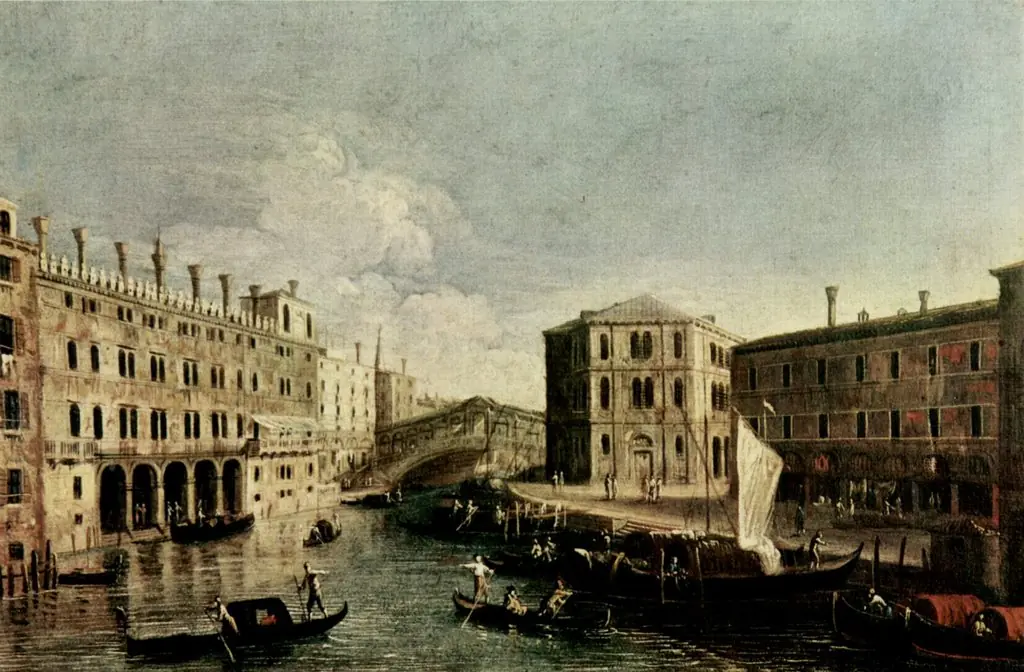 The Grand Canal at the Rialto
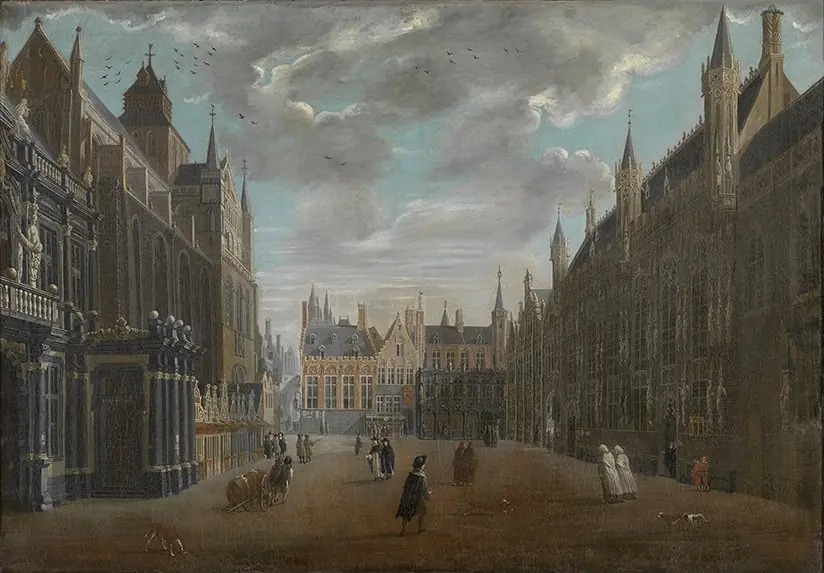 The Burg in Bruges
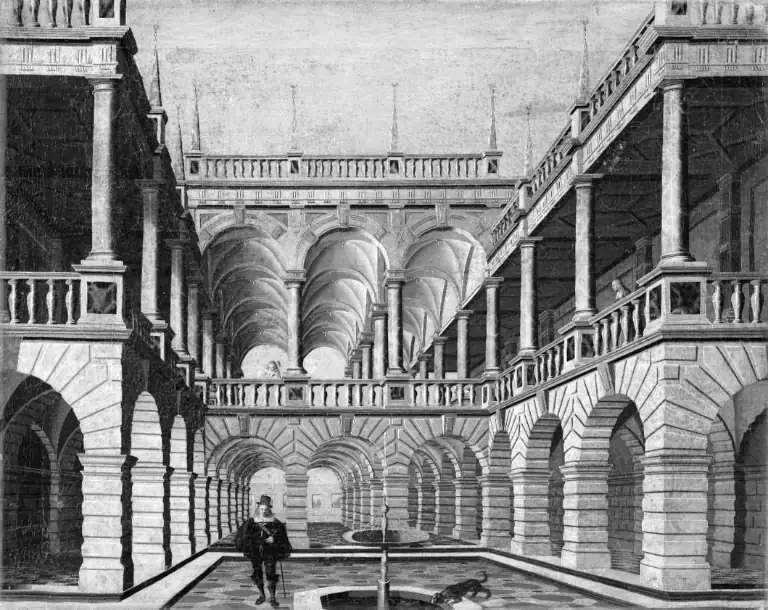 Coutyard with Arcades
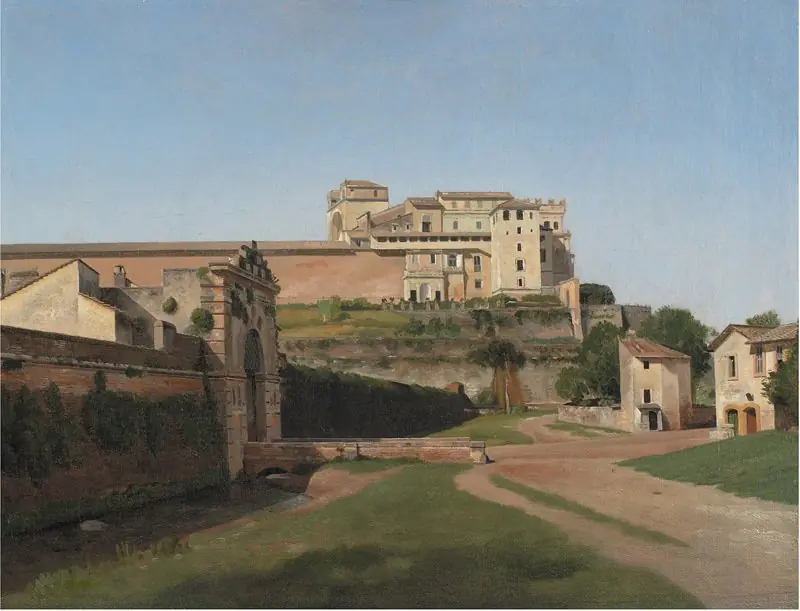 Porta Angelica and Part of the Vatican
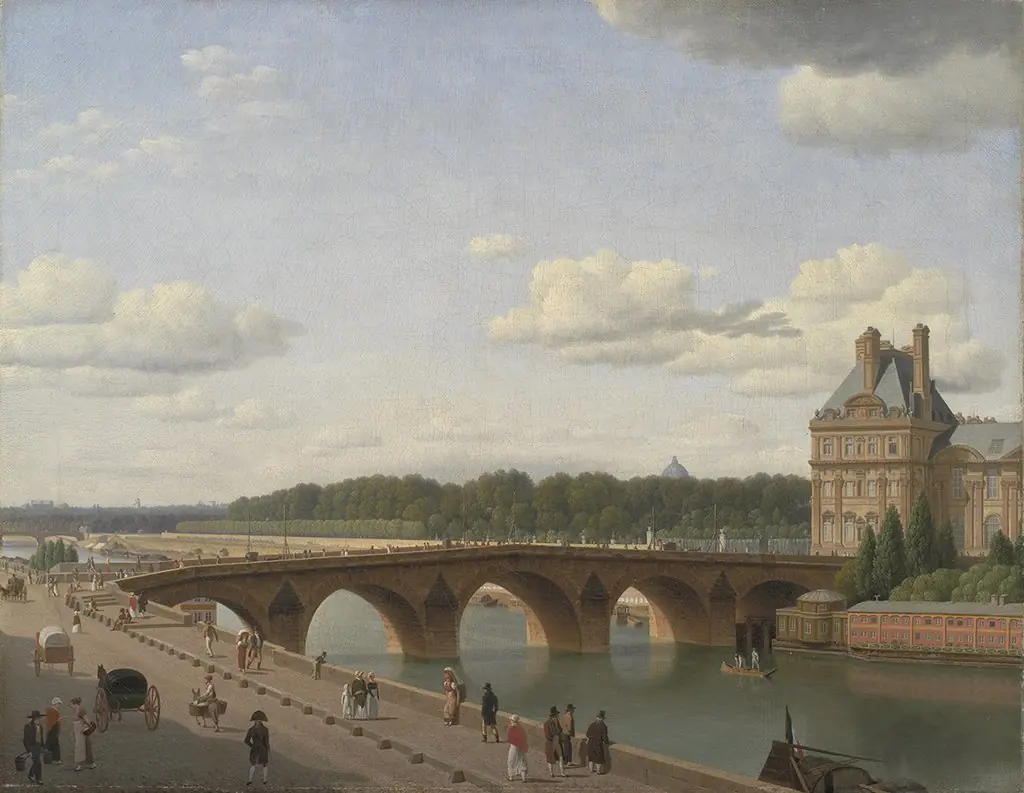 Pont Royal seen from Quai Voltaire
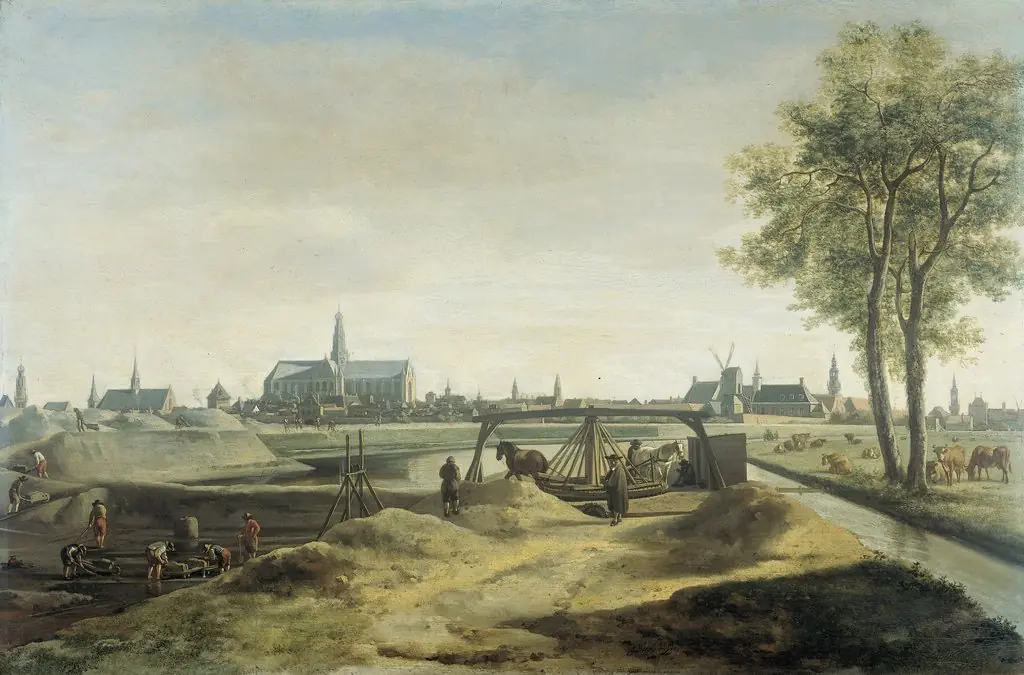 The Nieuwe Gracht at Haarlem, being built with New City Wall
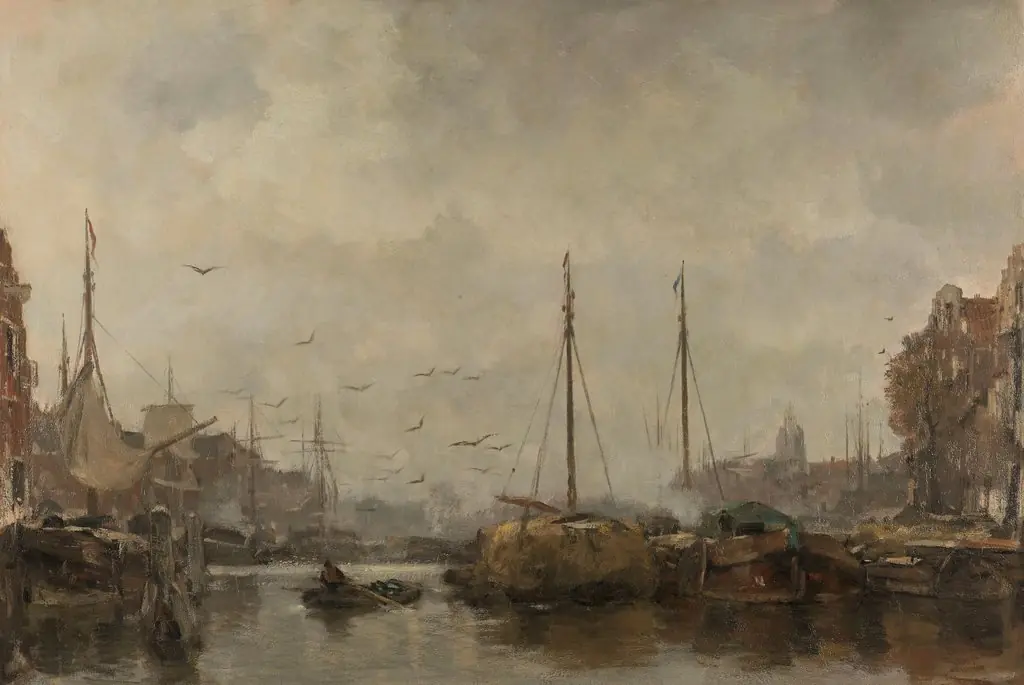 Cityscape
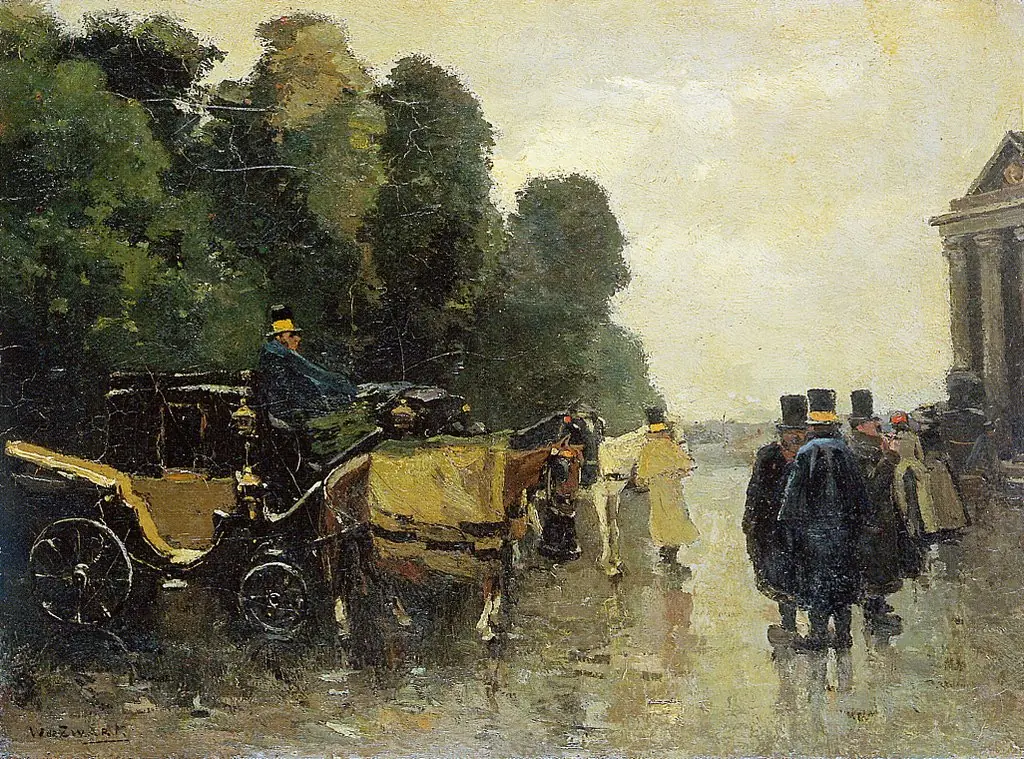 Carriages Waiting
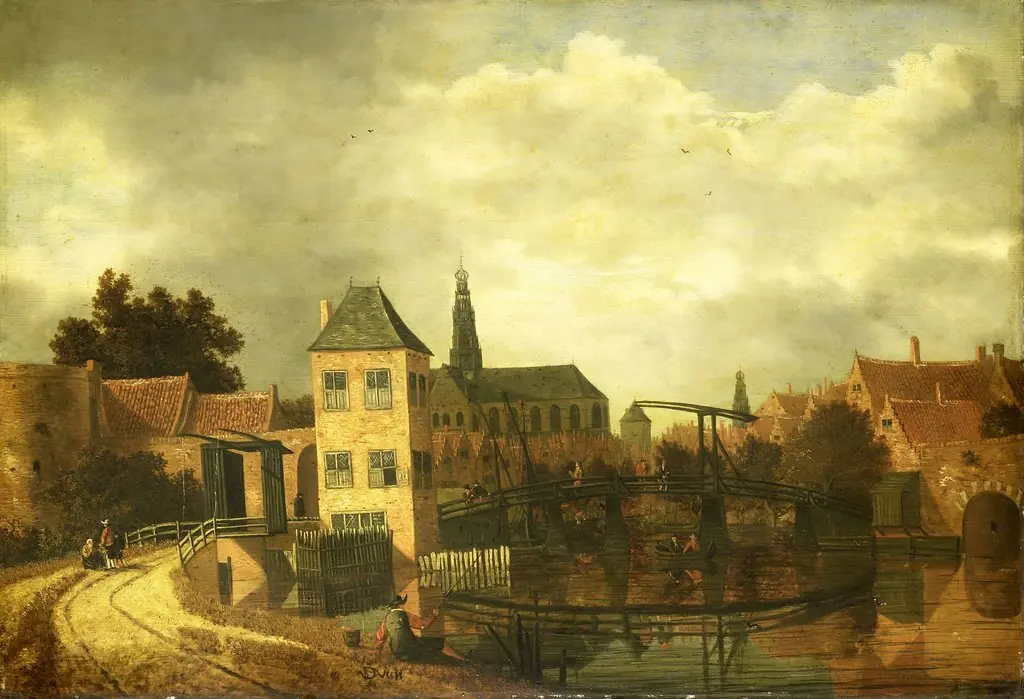 View of Haarlem from across the Spaarne, near the Eendjespoort
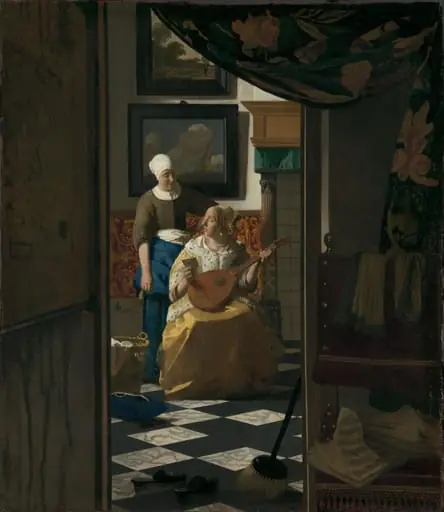 De liefdesbrief
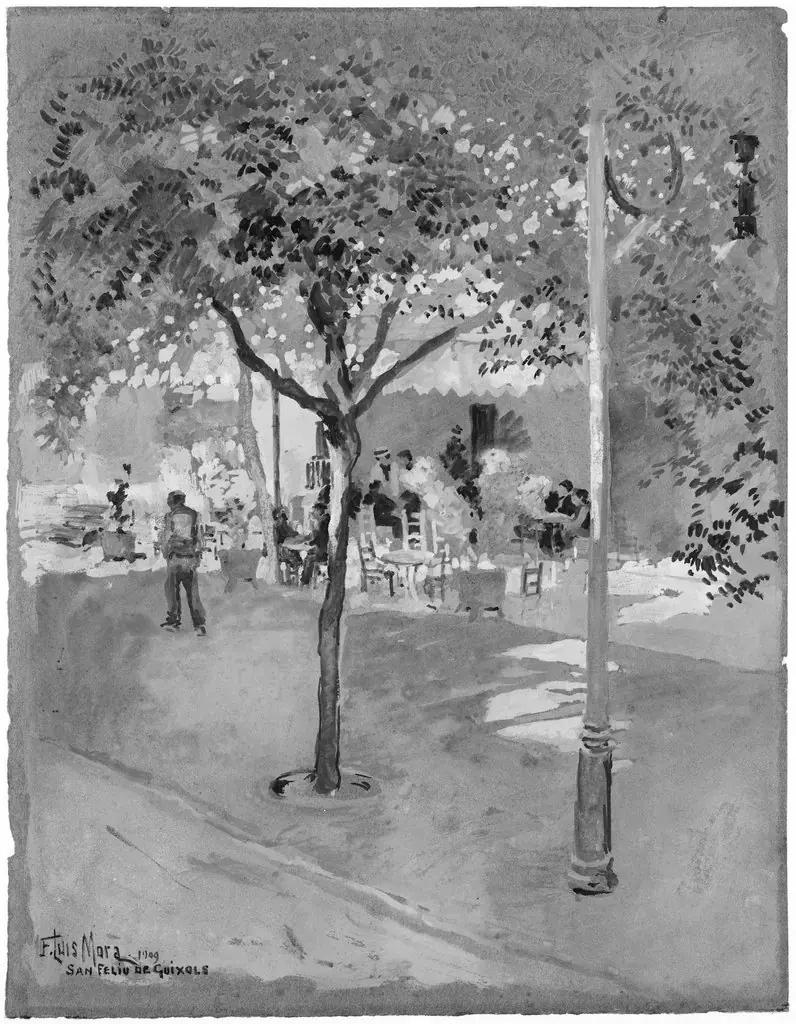 Street Cafe—San Felio de Quixols
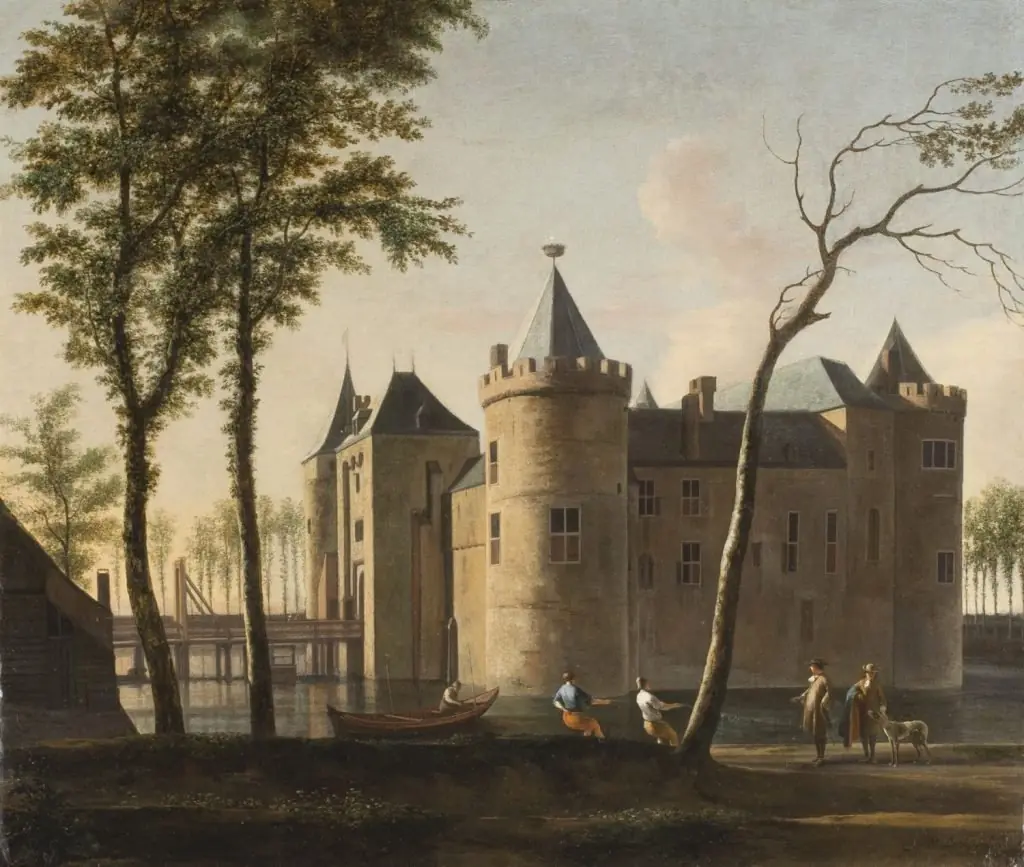 View of Muiderslot
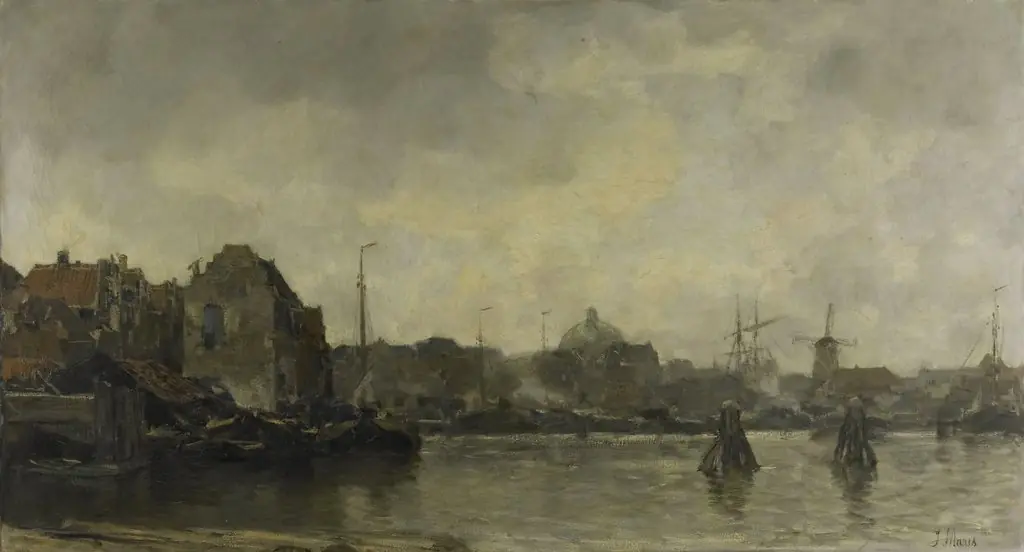 Cityscape
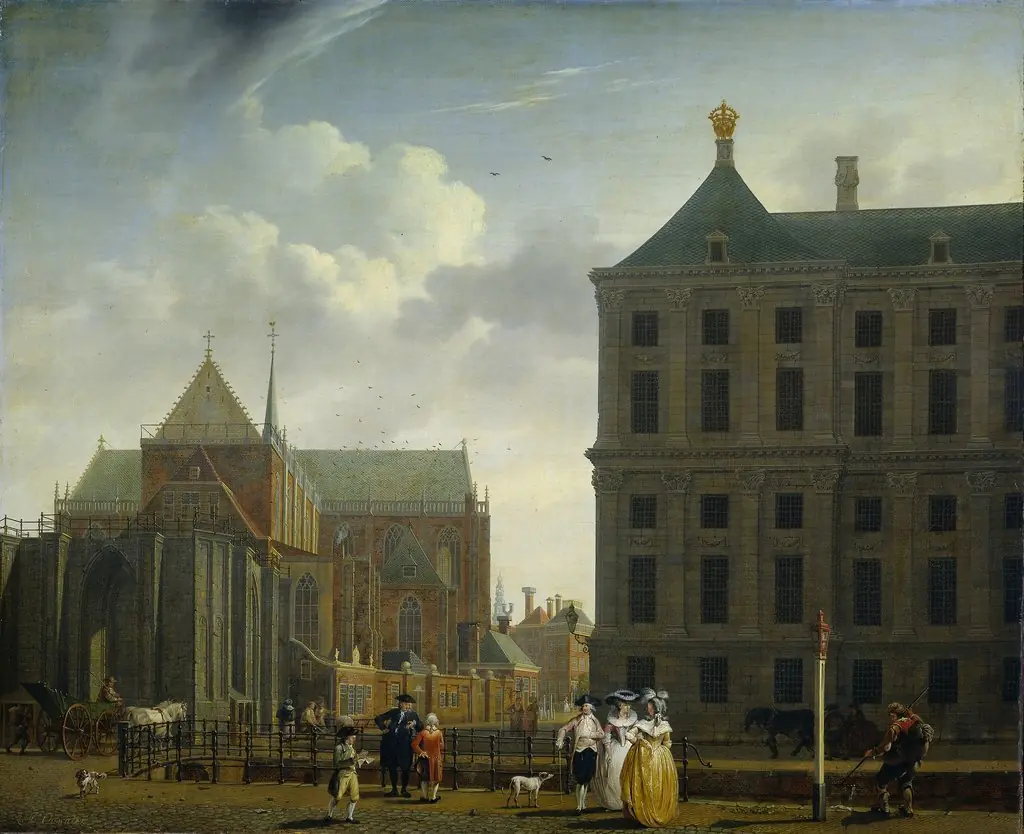 The Nieuwe Kerk and the Town Hall on the Dam in Amsterdam
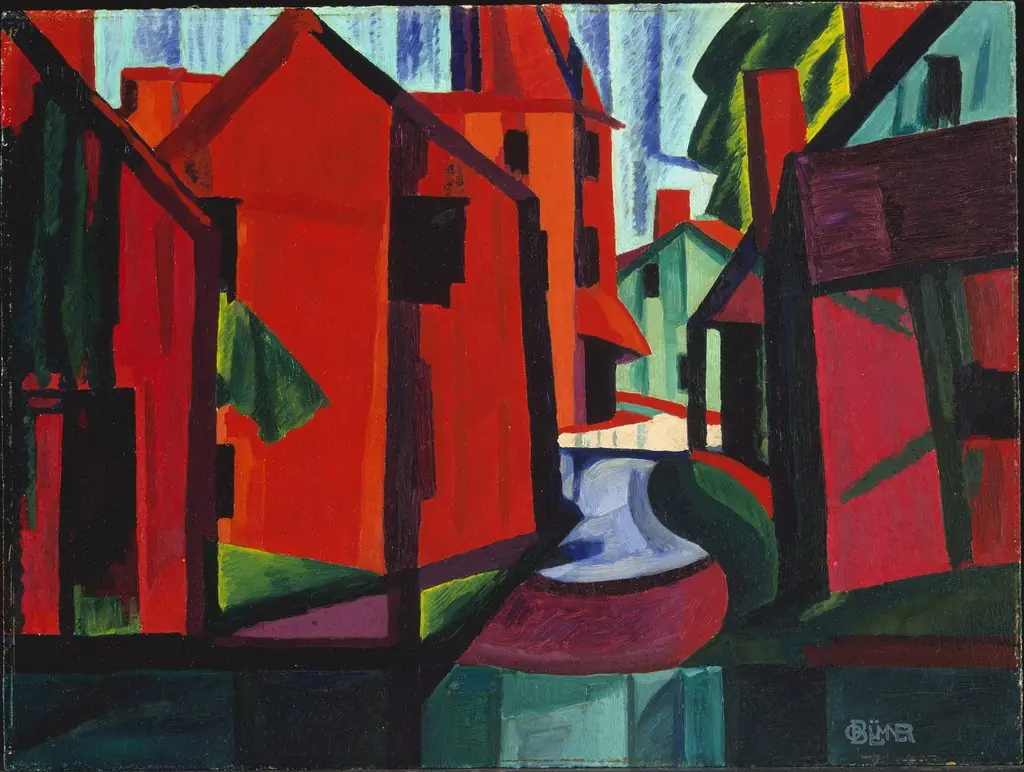 Little Falls, New Jersey
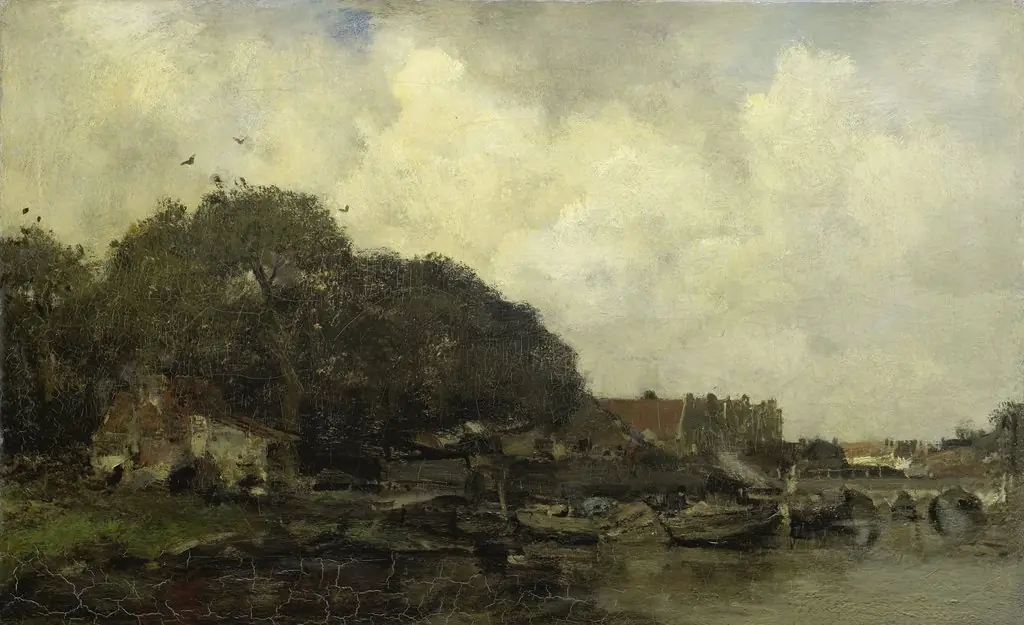 View of a port
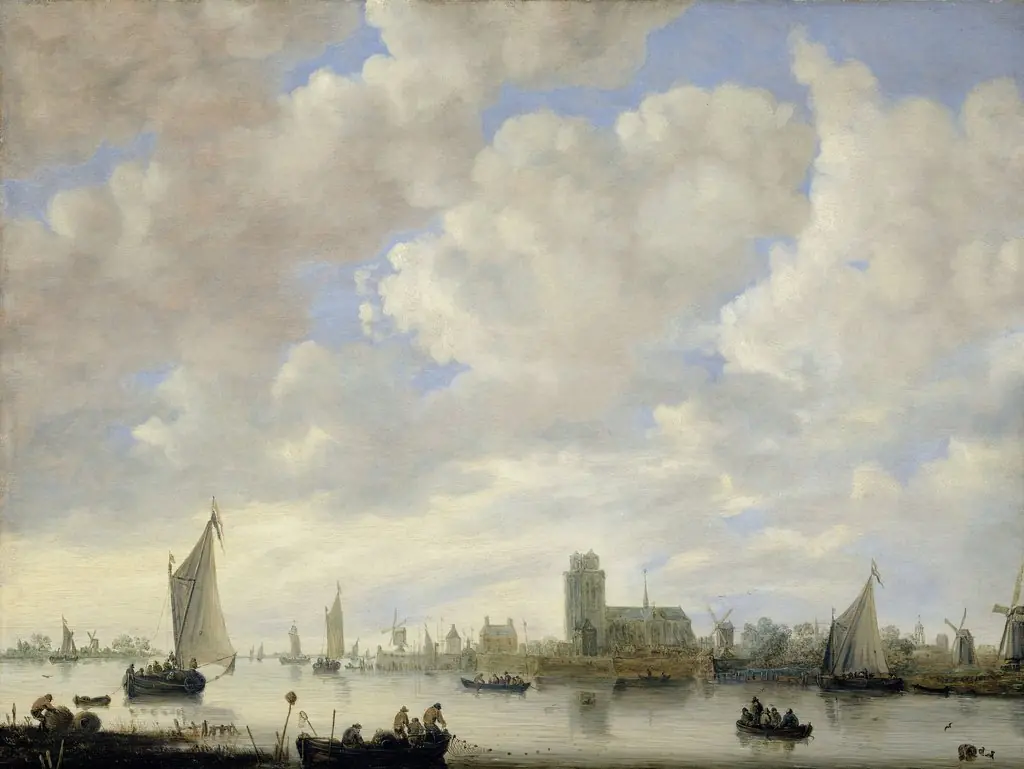 View of the Merwede off Dordrecht
 View of the Whampoa Anchorage
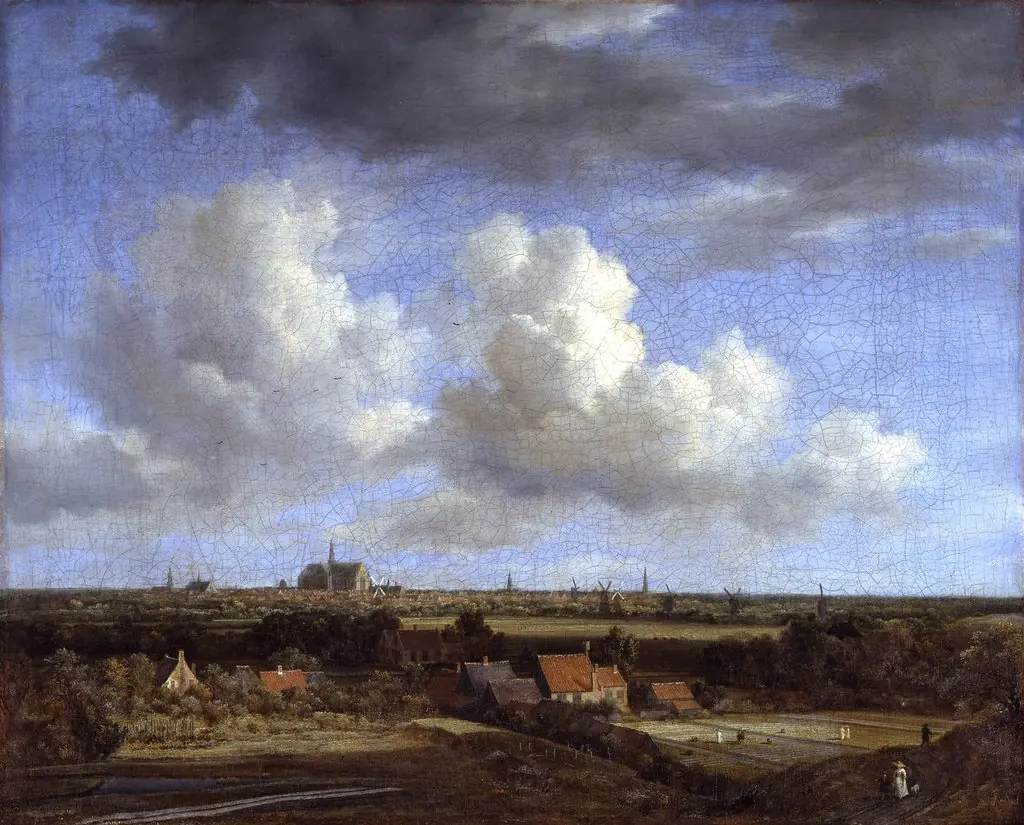 View of Haarlem from the Northwest
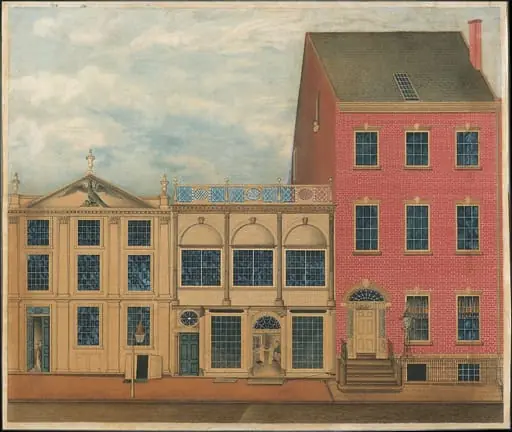 Shop and Warehouse of Duncan Phyfe, 168–172 Fulton Street, New York City
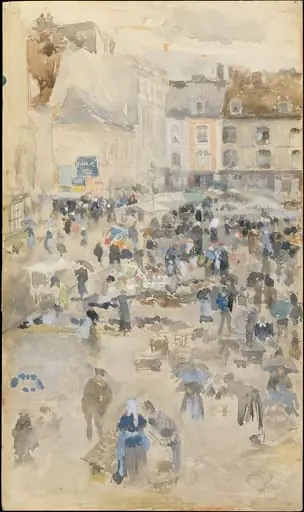 Variations in Violet and Grey—Market Place, Dieppe
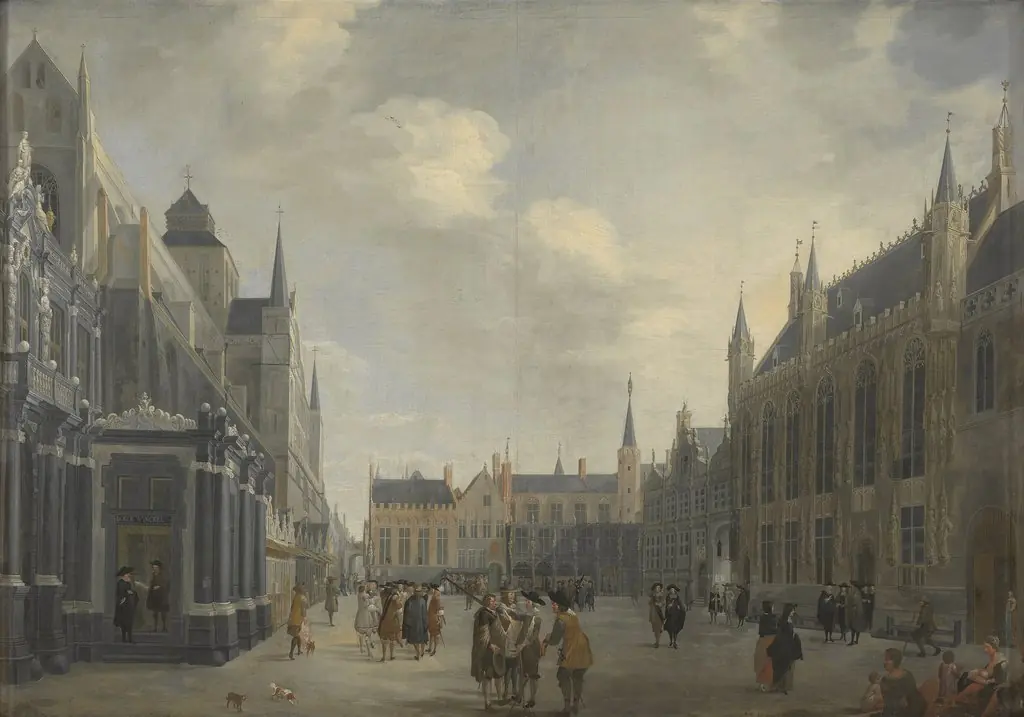 The Burg in Bruges
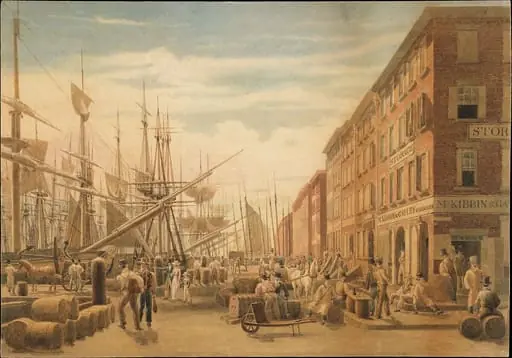 View of South Street, from Maiden Lane, New York City
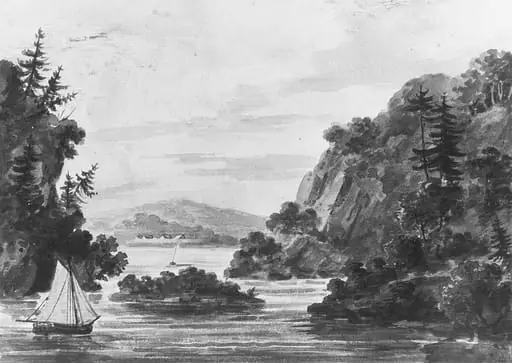 View on the Hudson River (Copy after Engraving by Weld and S. Springsguth in Weld, Travels Through the States of North America, 1807)
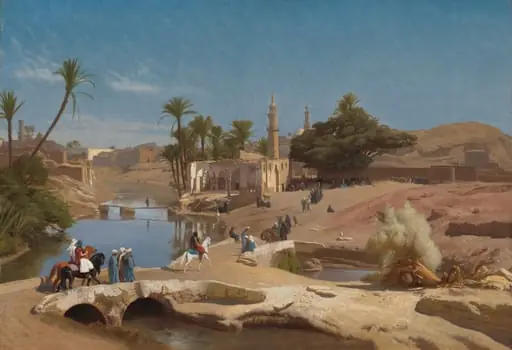 View of Medinet El-Fayoum
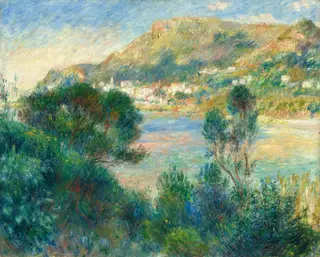 View of Monte Carlo from Cap Martin
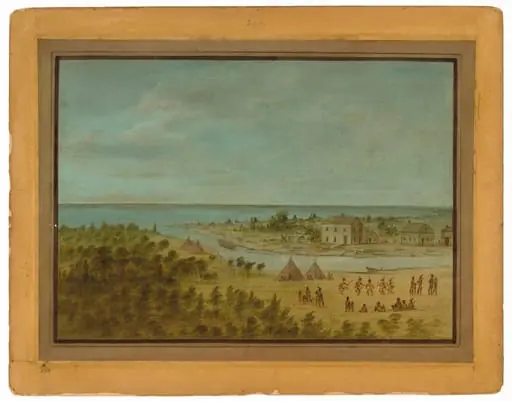 View of Chicago in 1837
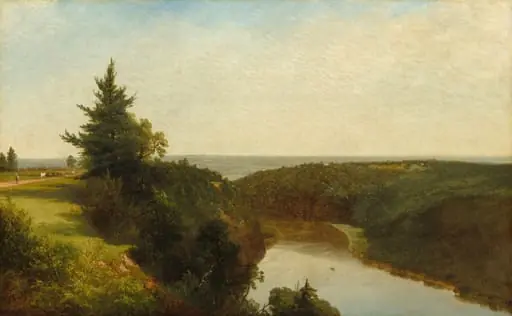 View on the Genesee near Mount Morris
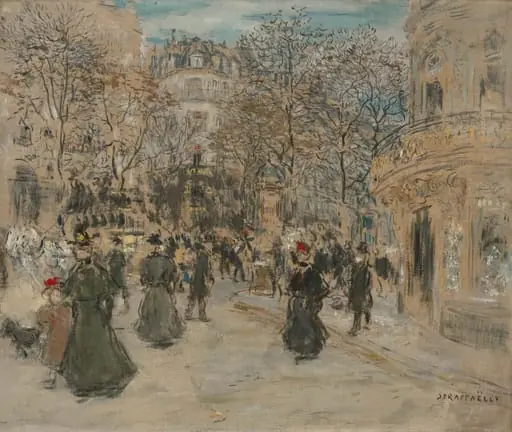 The Boulevard
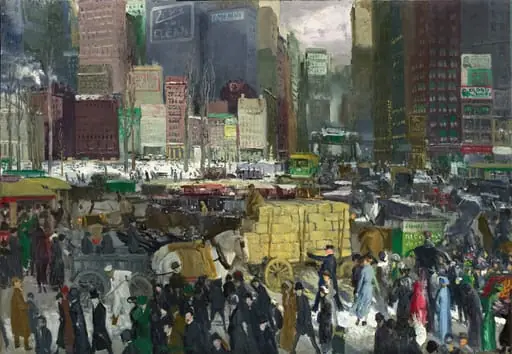 New York
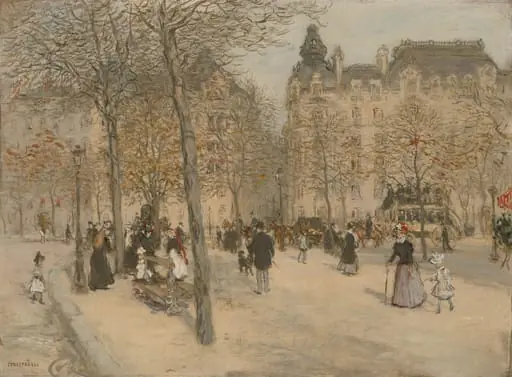 Square in Paris
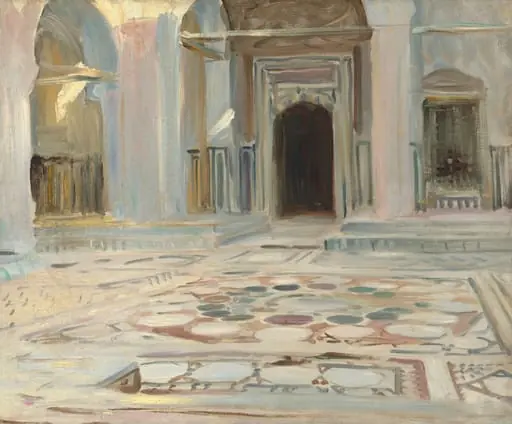 Pavement, Cairo
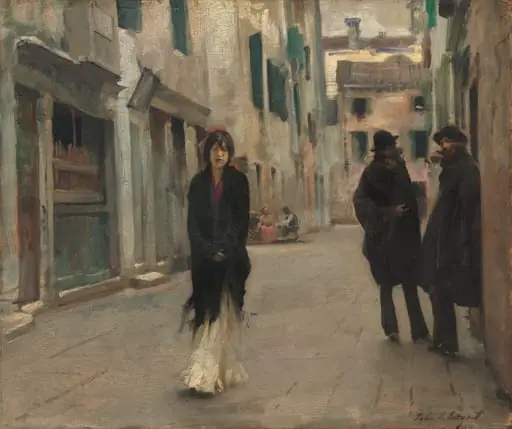 Street in Venice
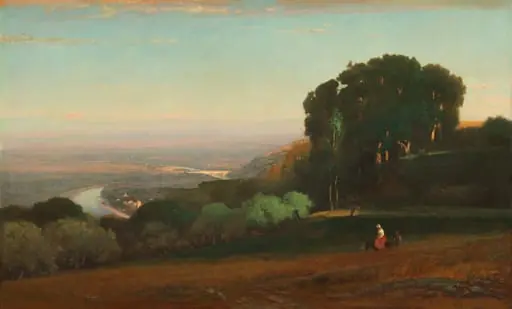 View of the Tiber near Perugia
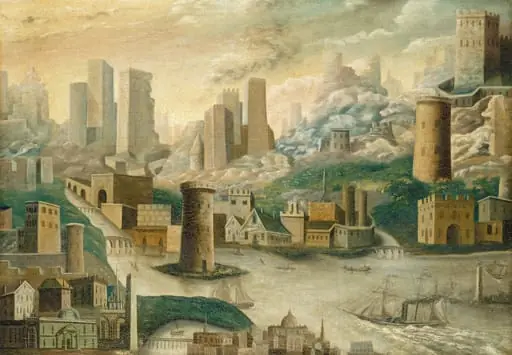 A City of Fantasy
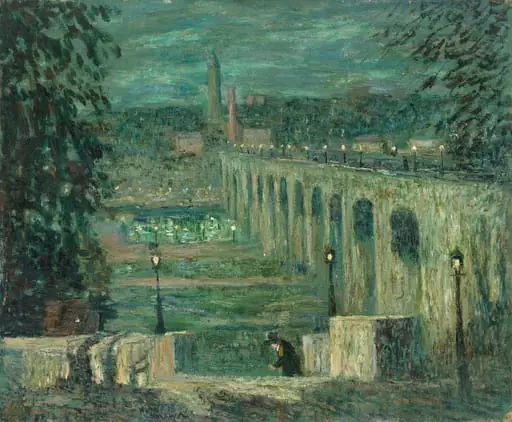 High Bridge at Night, New York City
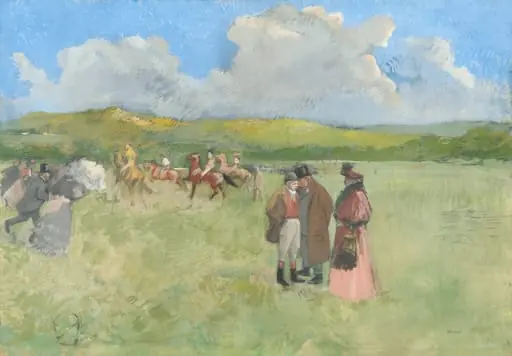 The Race Track
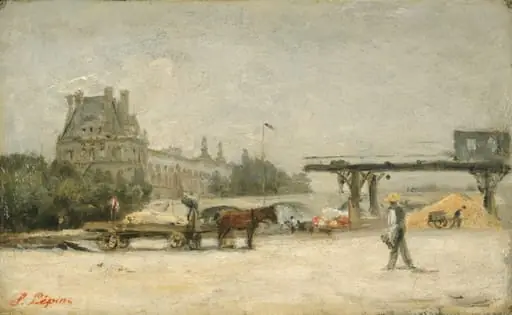 View of the Louvre
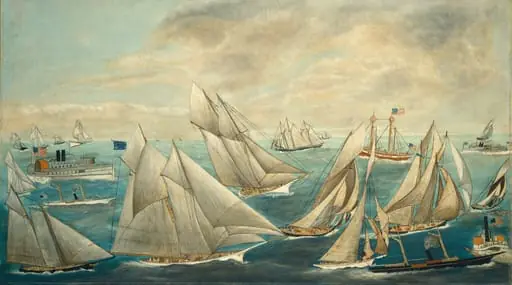 Imaginary Regatta of America's Cup Winners
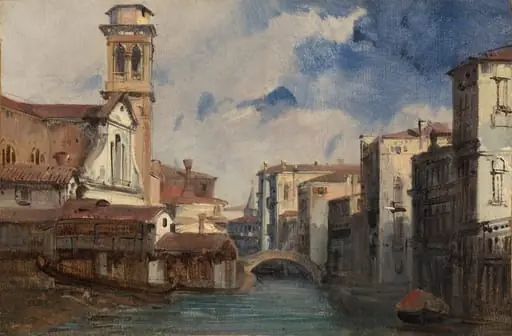 The Church of San Trovaso, Venice
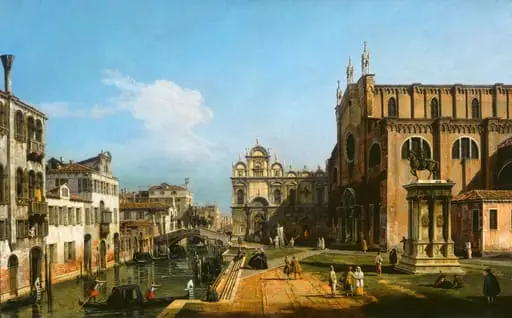 The Campo di SS. Giovanni e Paolo, Venice
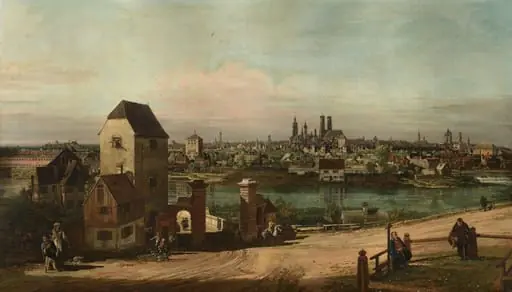 View of Munich
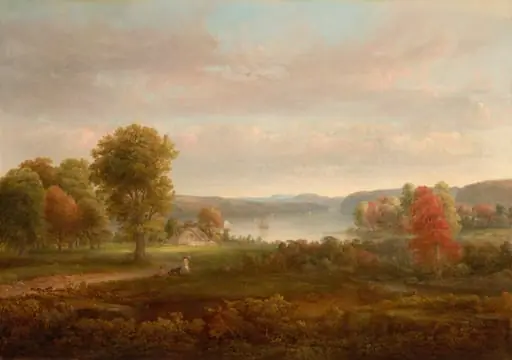 View on the Hudson in Autumn
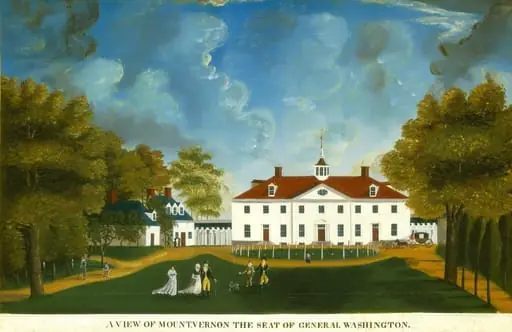 A View of Mount Vernon
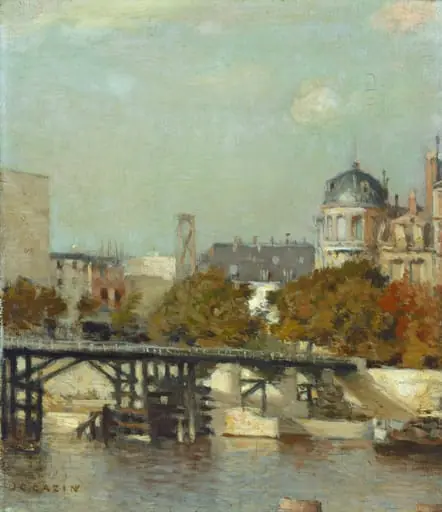 Paris Scene with Bridge
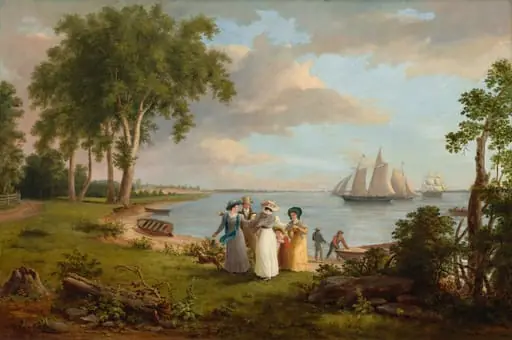 View of the Delaware near Philadelphia
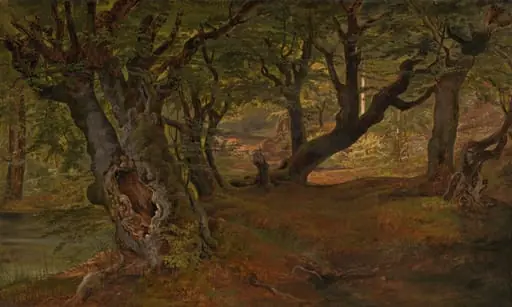 View of Bregentved Forest, Sjaeeland
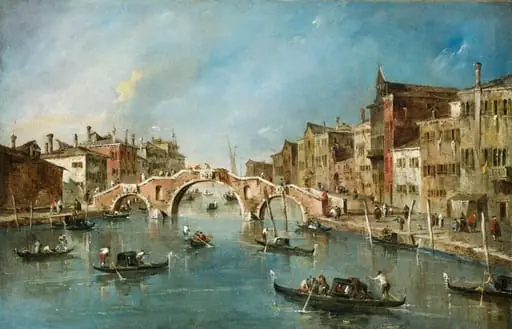 View on the Cannaregio Canal, Venice
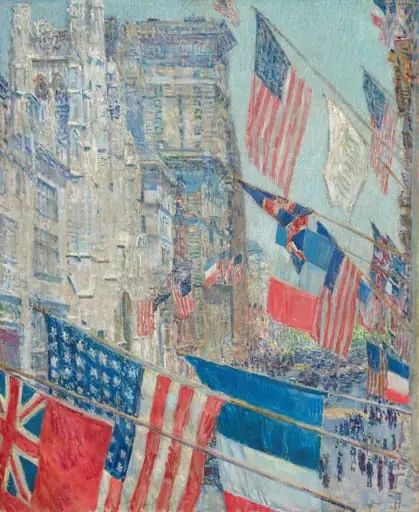 Allies Day, May 1917
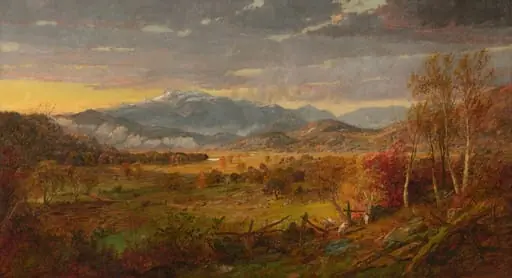 View of Mt. Washington
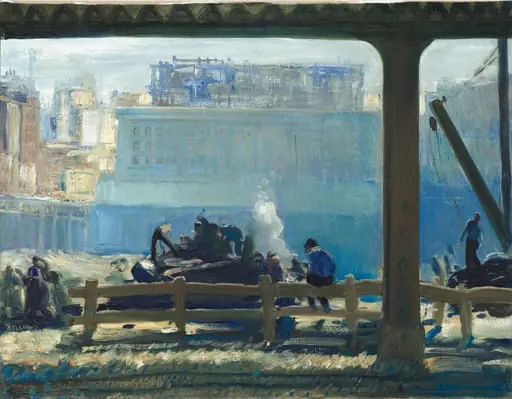 Blue Morning
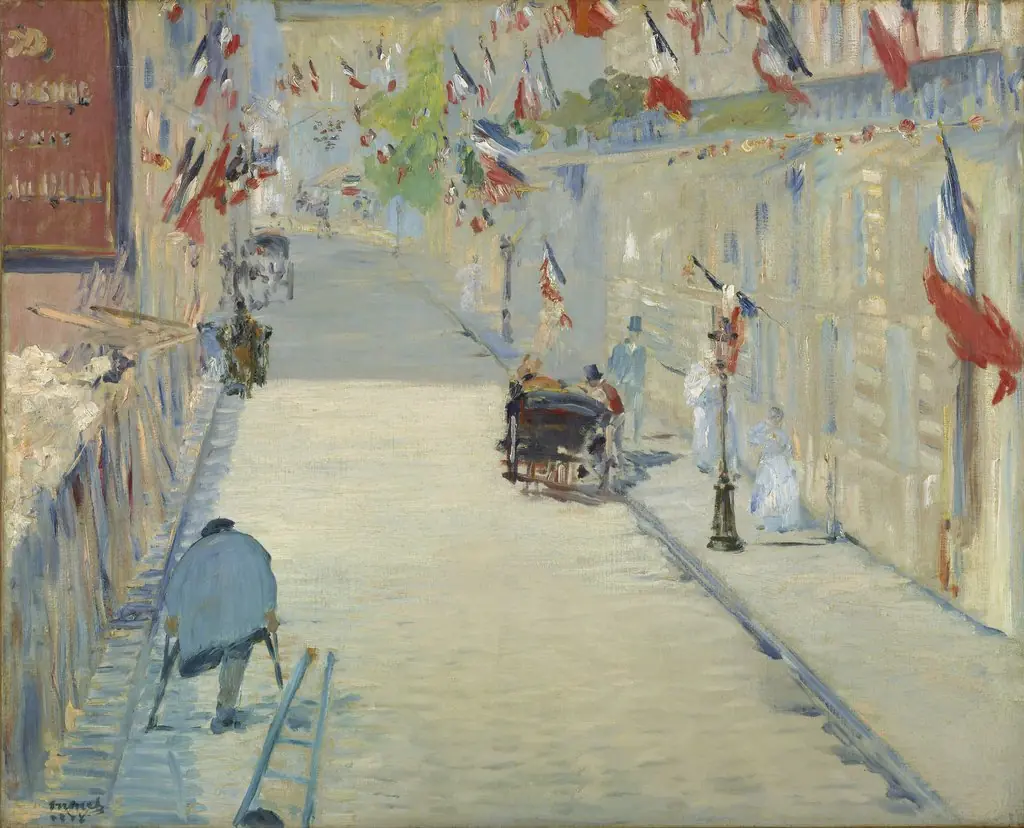 The Rue Mosnier Dressed with Flags
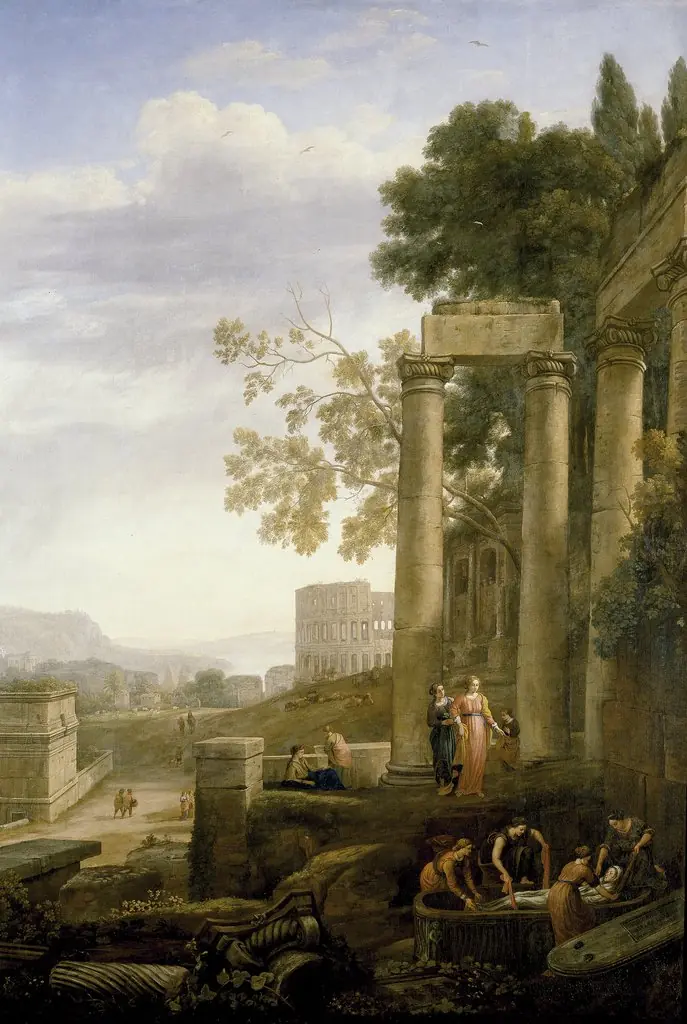 Landscape with the Burial of Saint Serapia
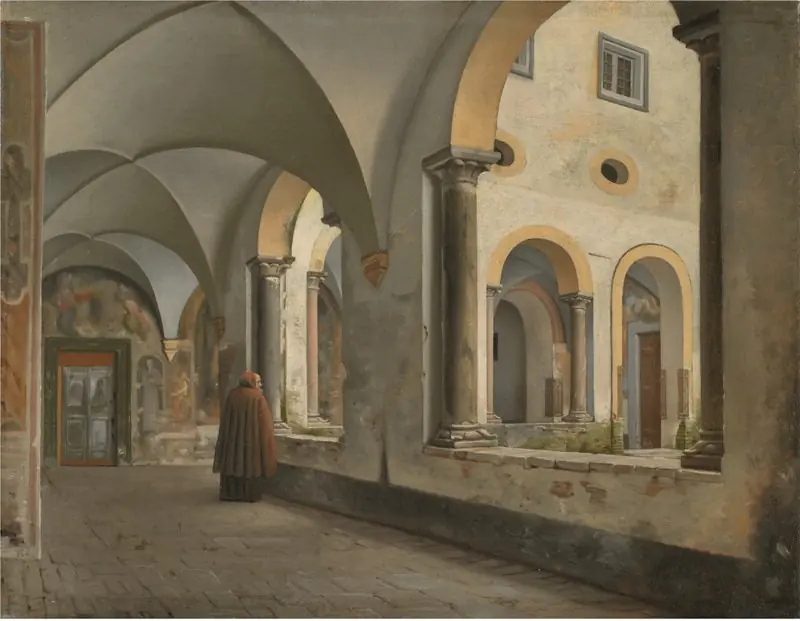 The Cloisters of the Franciscan Monastery Santa Maria in Aracoeli in Rome
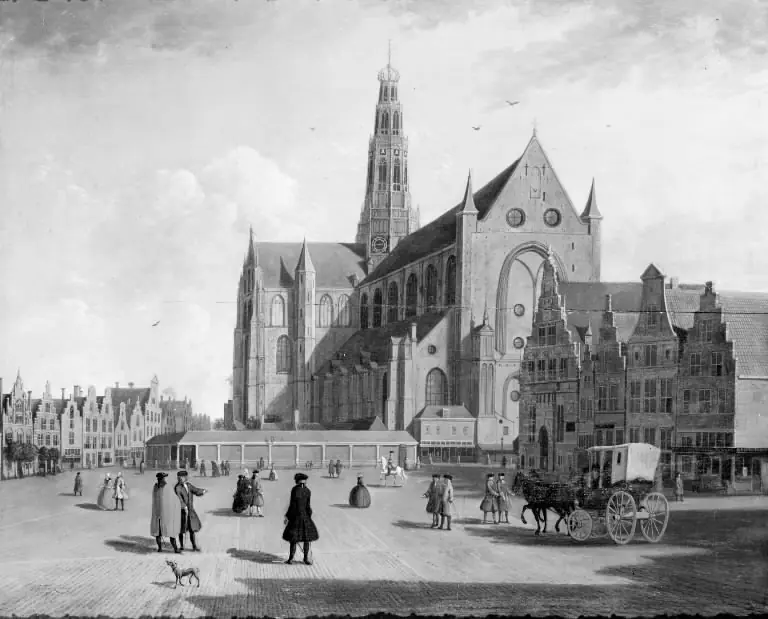 Grootekerk at Haarlem
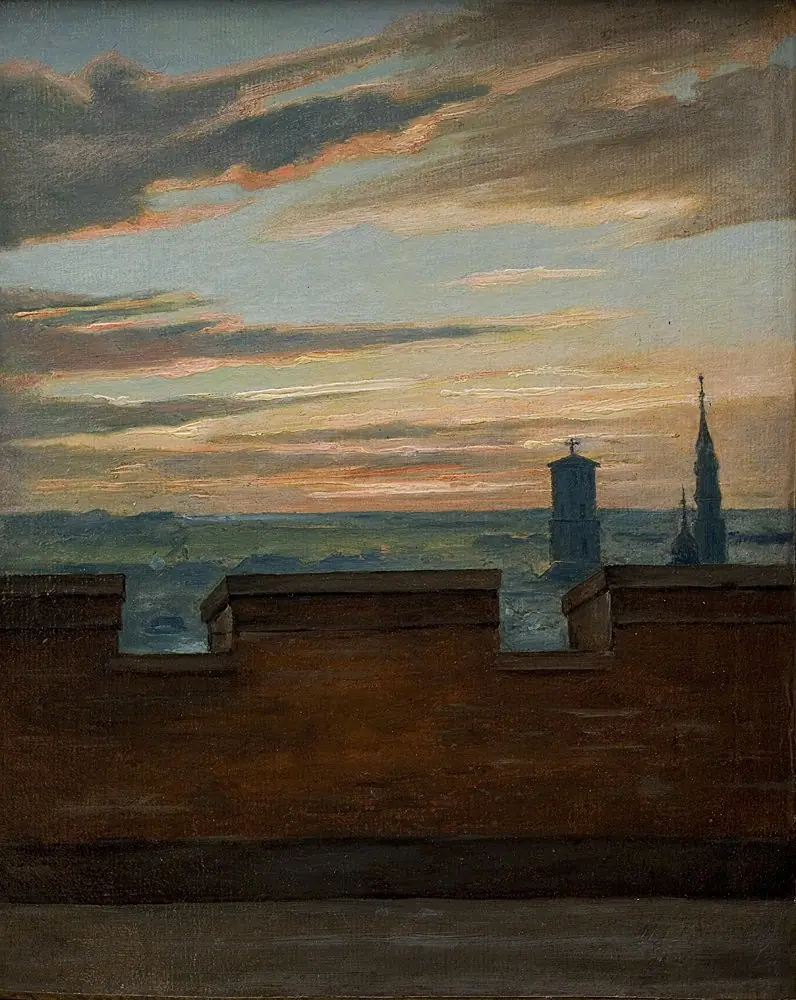 View of Copenhagen at Sunset
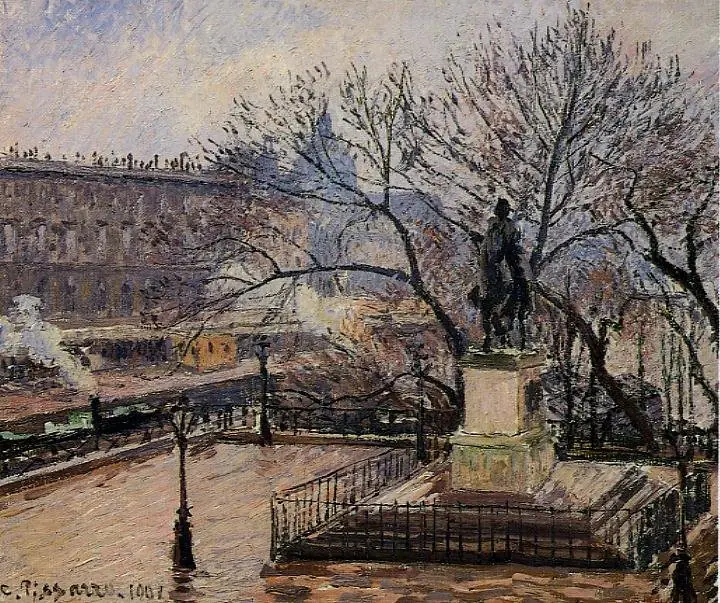 View of Pont-Neuf with Statue of Henri IV
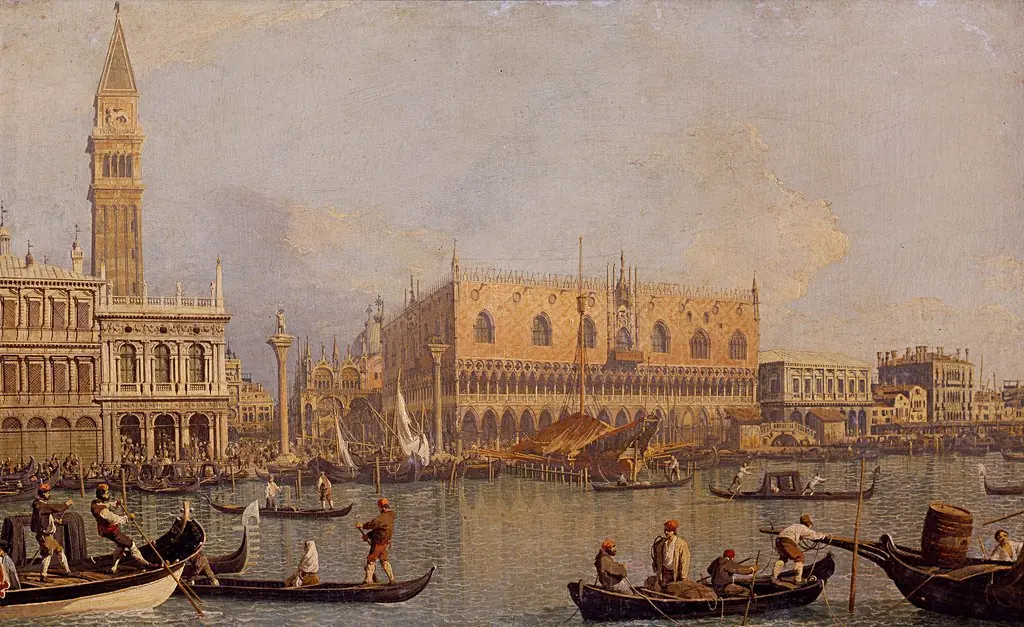 View of the Ducal Palace in Venice
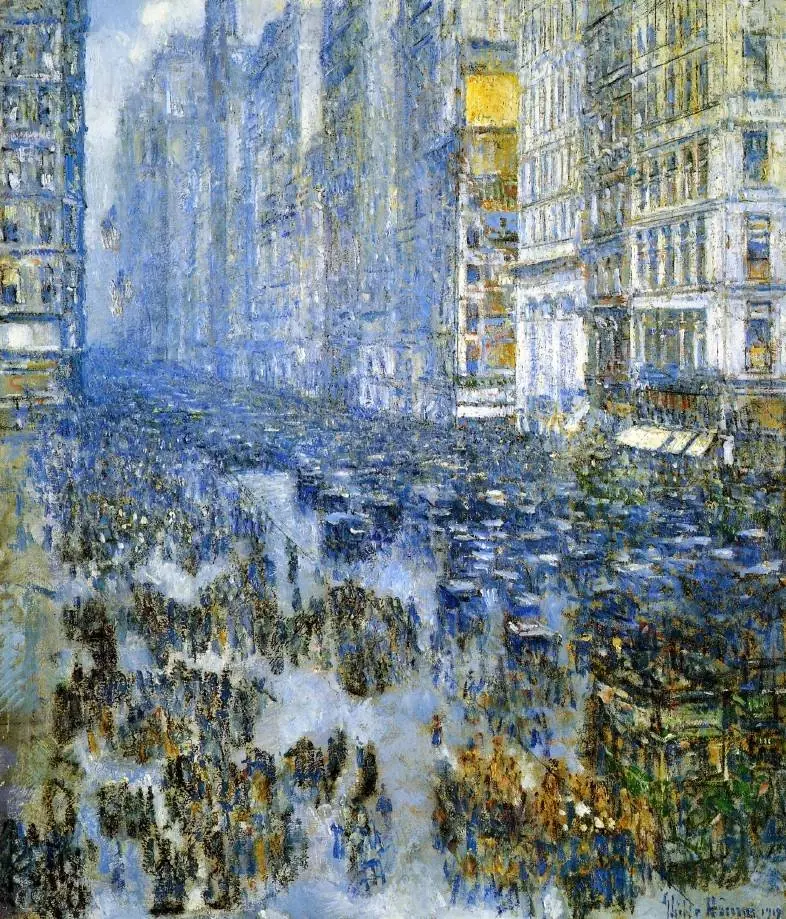 Fifth Avenue
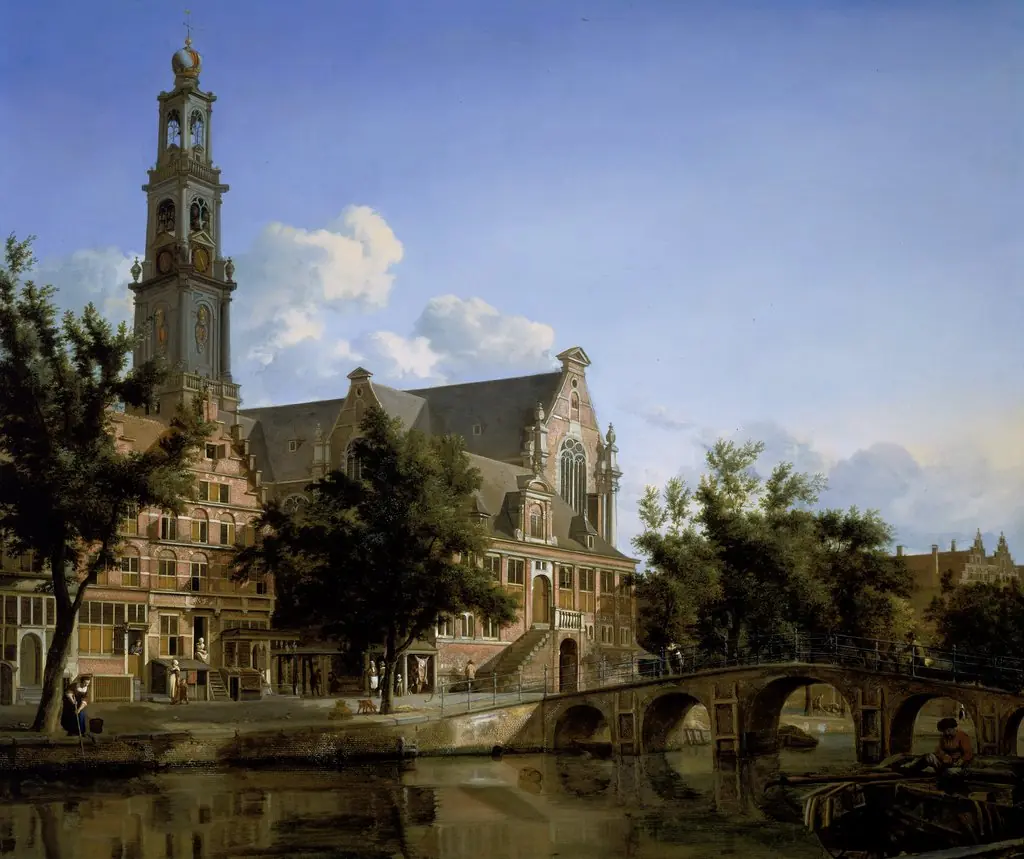 View of the Westerkerk, Amsterdam
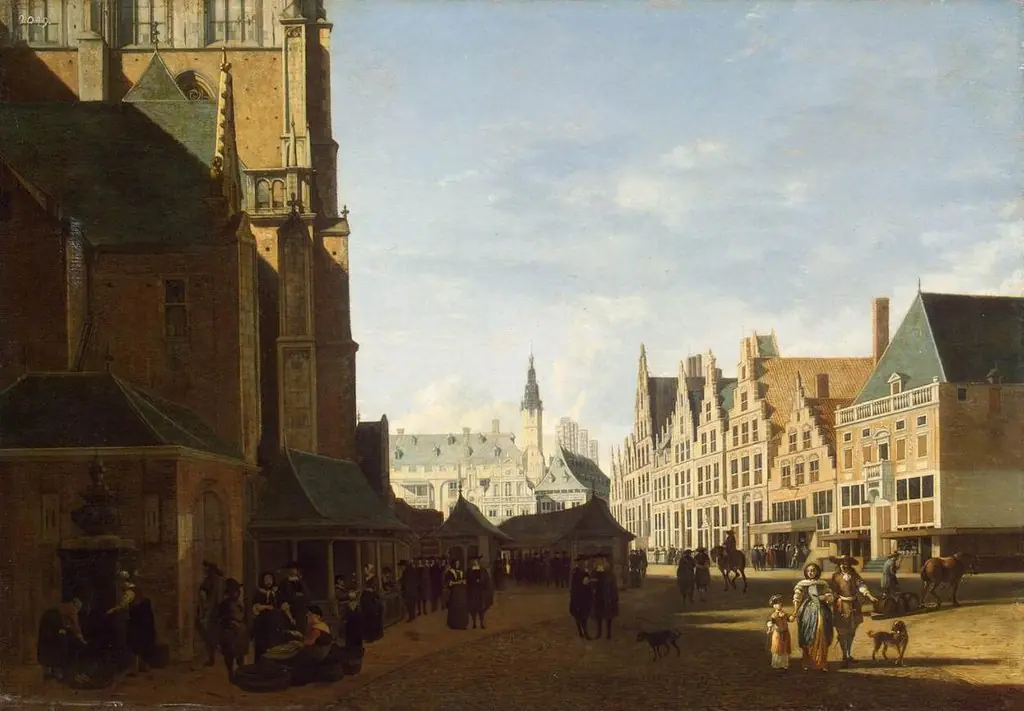 Groote Market in Haarlem
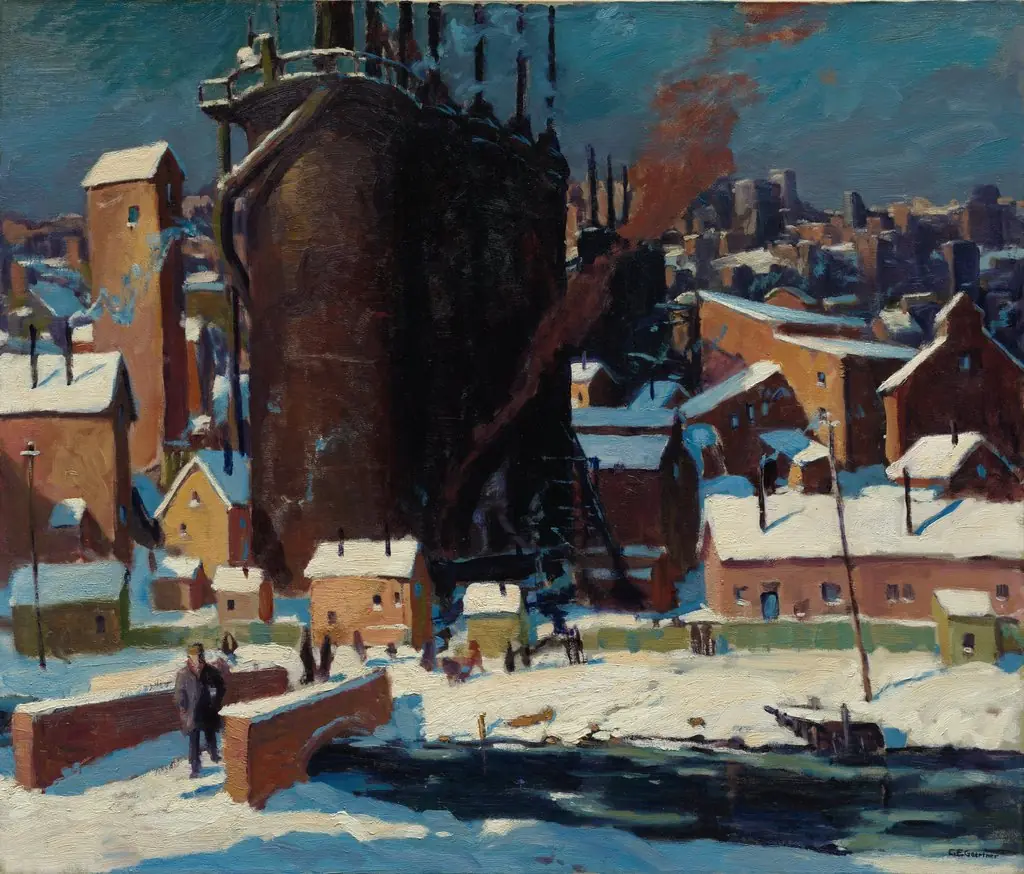 The Furnace
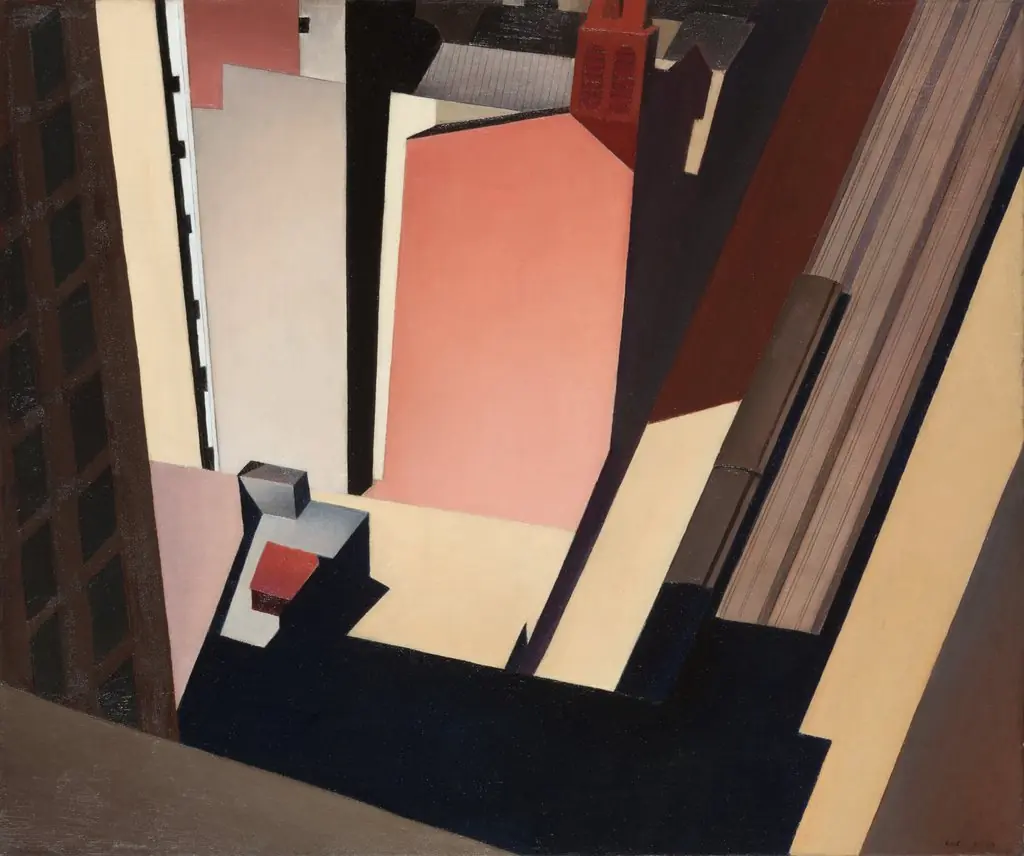 Church Street El
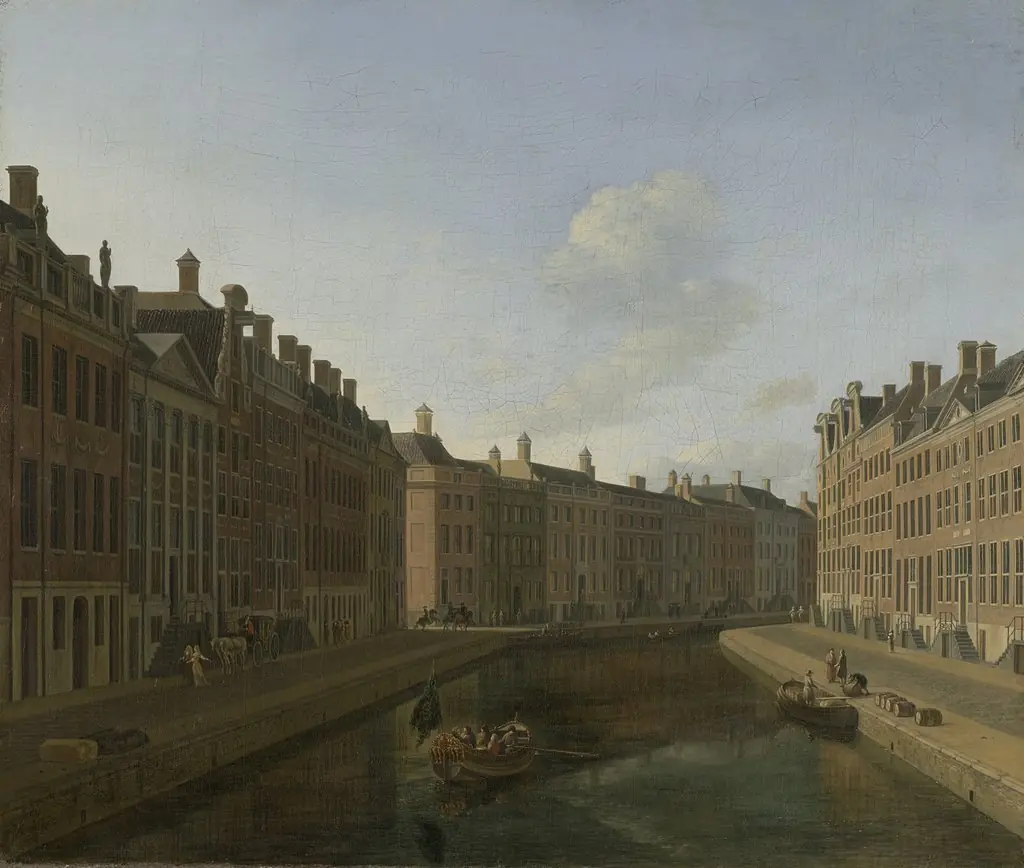 The Herengracht Bend
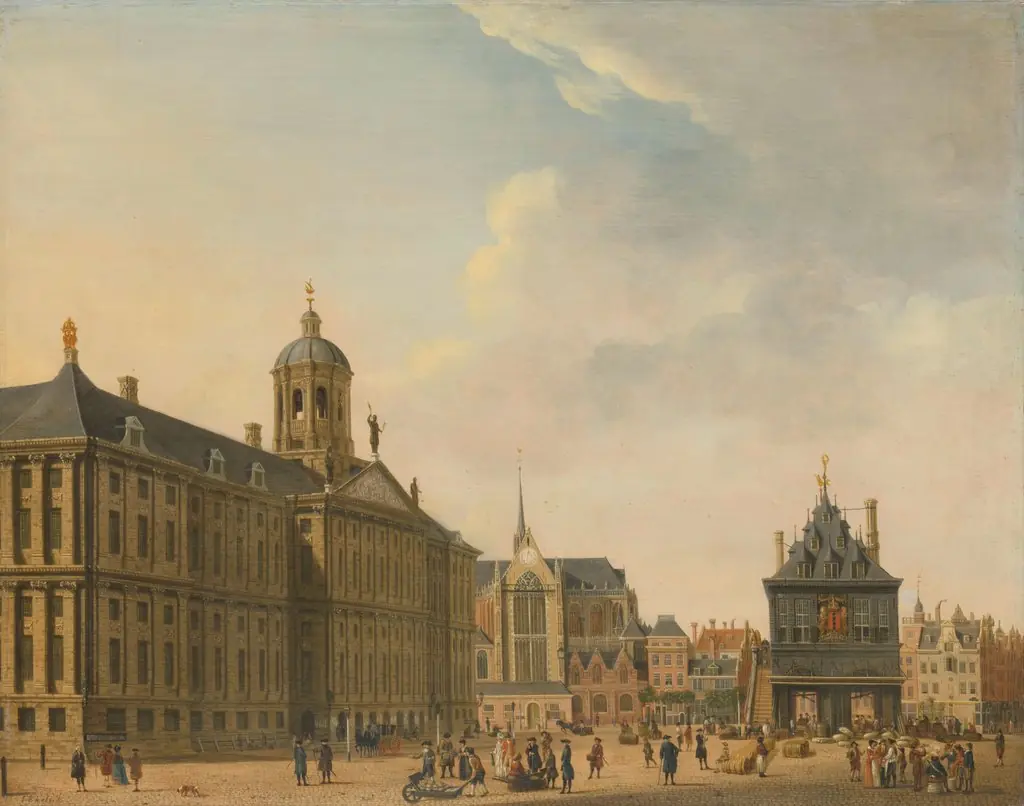 View of the Dam in Amsterdam
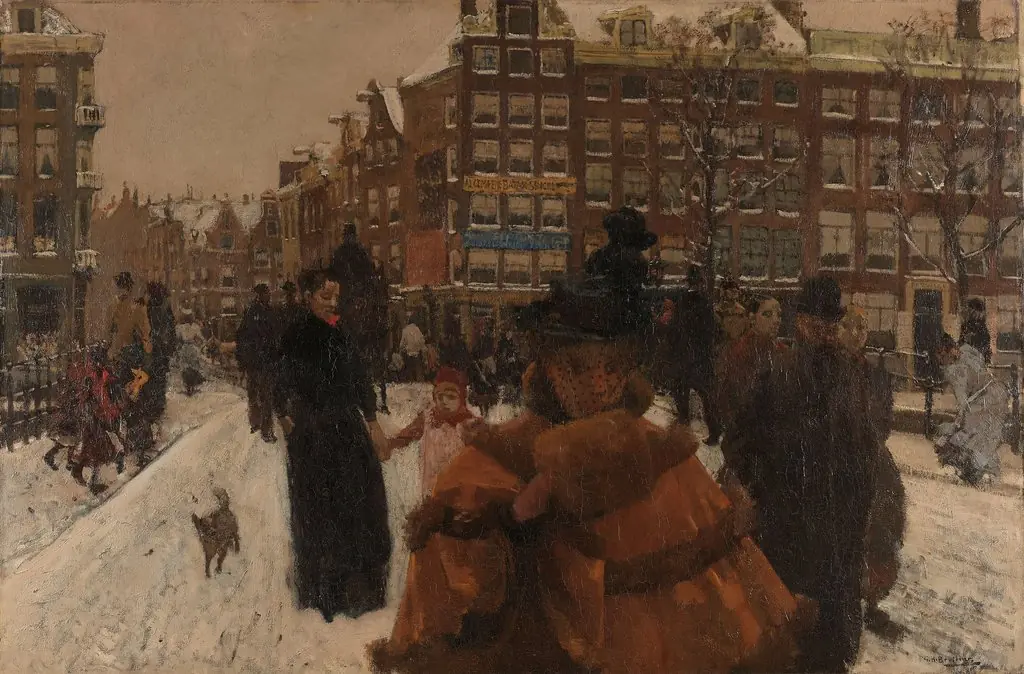 The Singel Bridge at the Paleisstraat in Amsterdam
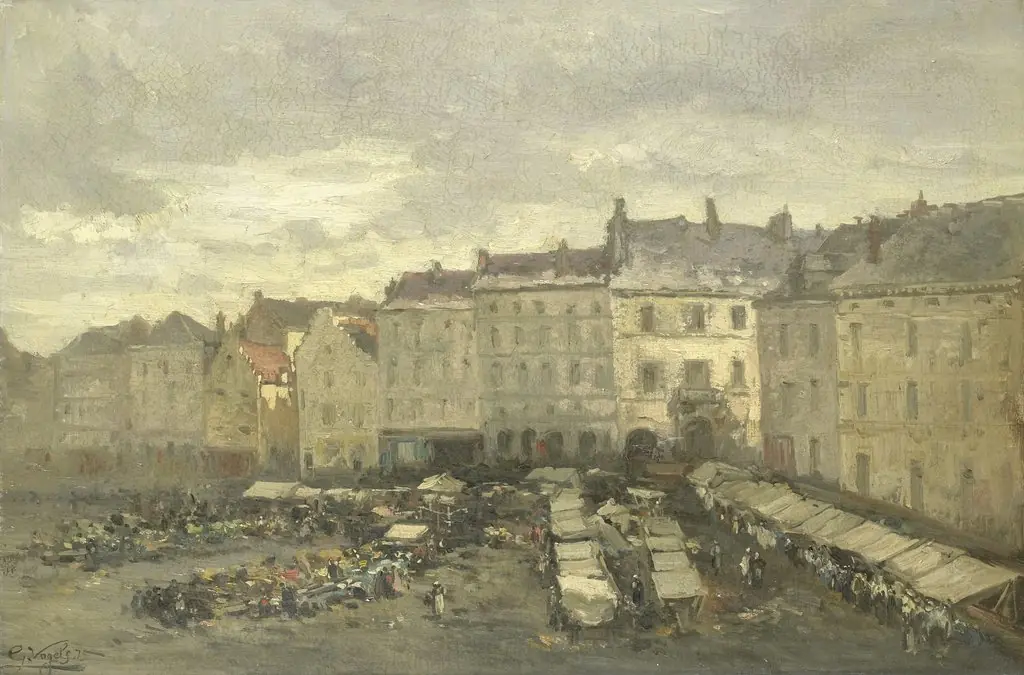 The Grote Zavel (Grand Sablon), Brussels
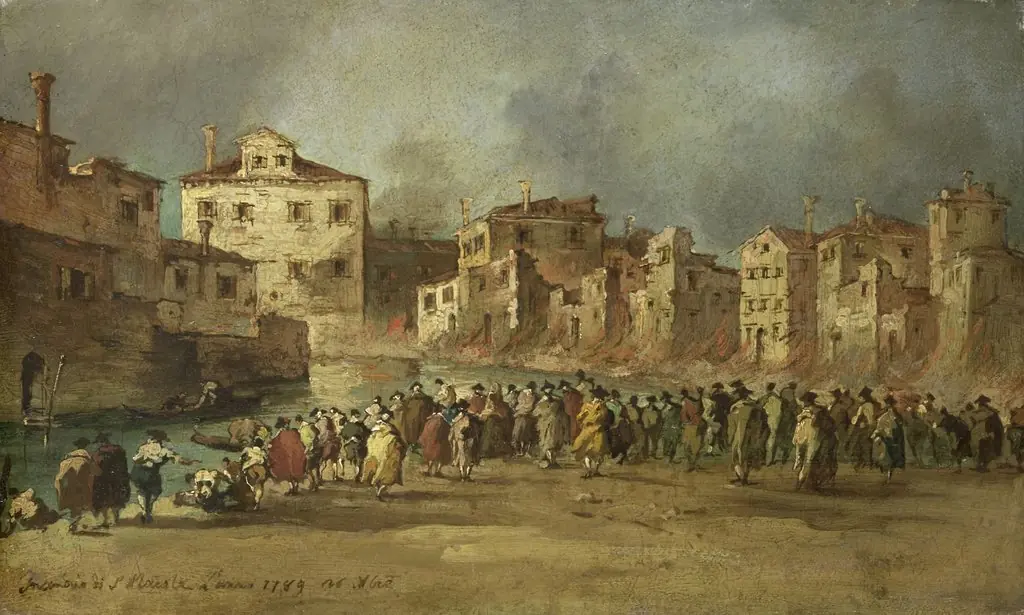 Fire in the San Marcuola Oil Depot, Venice, 28 November 1789
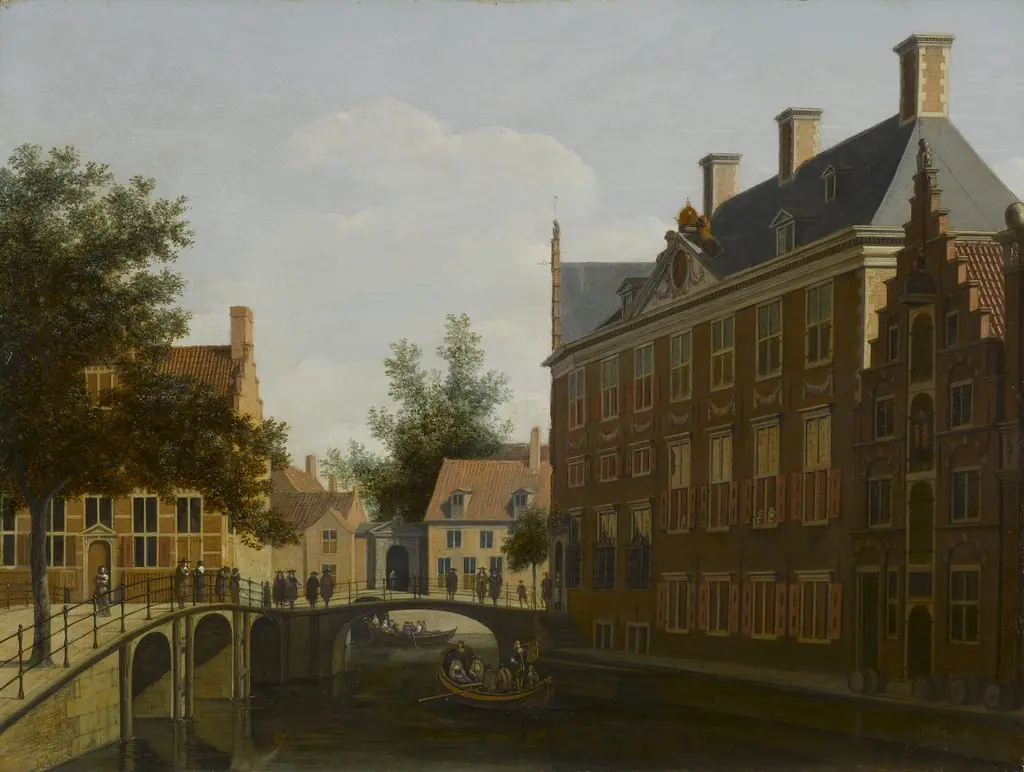 The Oude Zijds Herenlogement (gentlemen's hotel) in Amsterdam
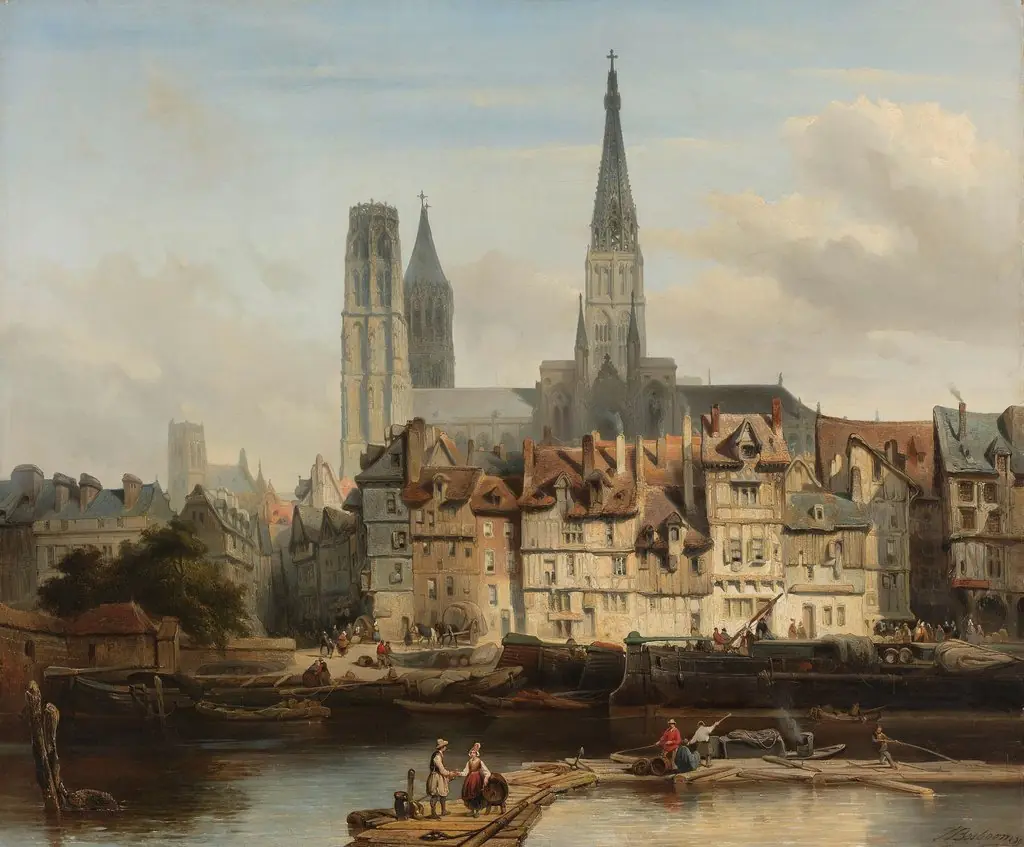 The Quay de Paris in Rouen
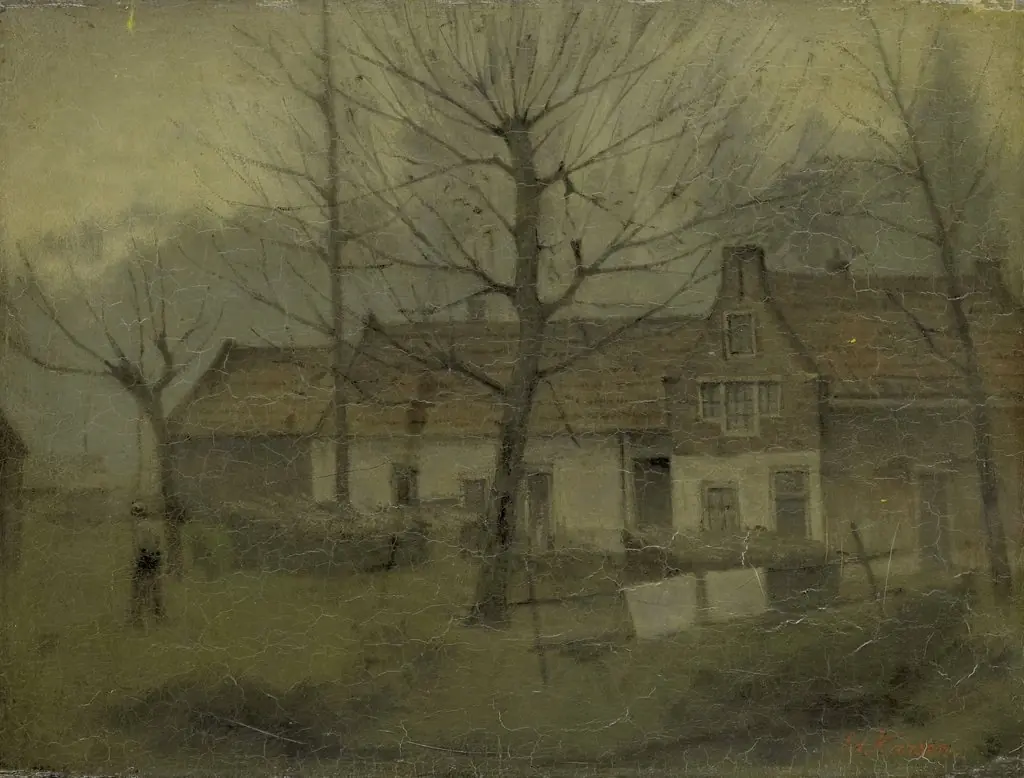 Houses in a Village
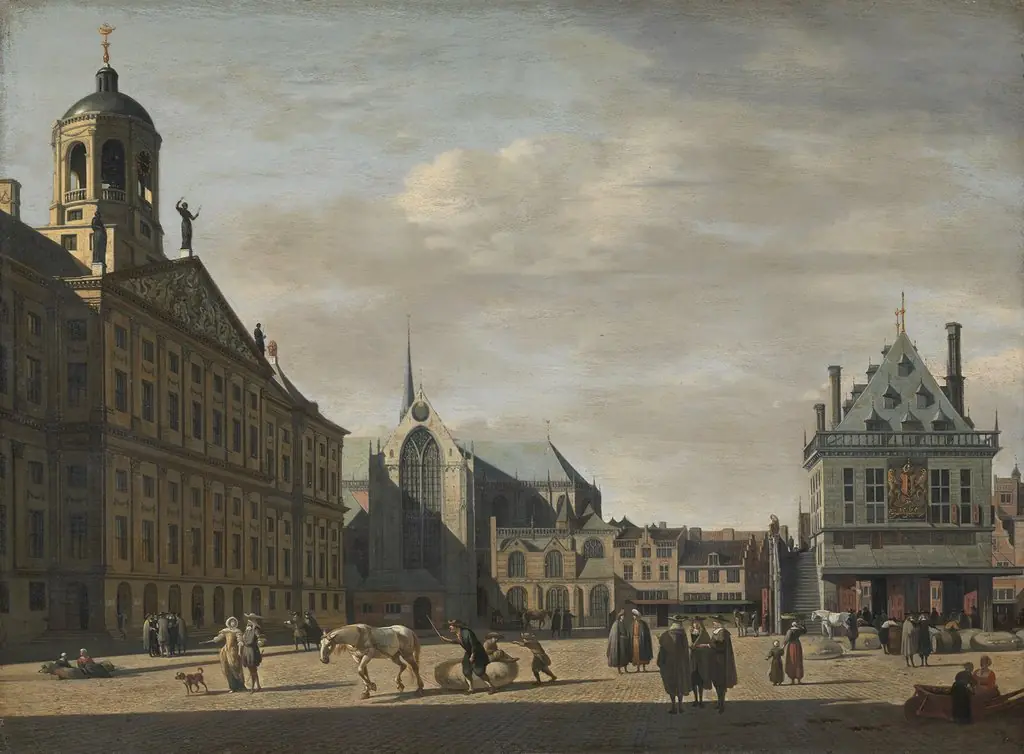 View of Dam Square, with the Old Weigh House
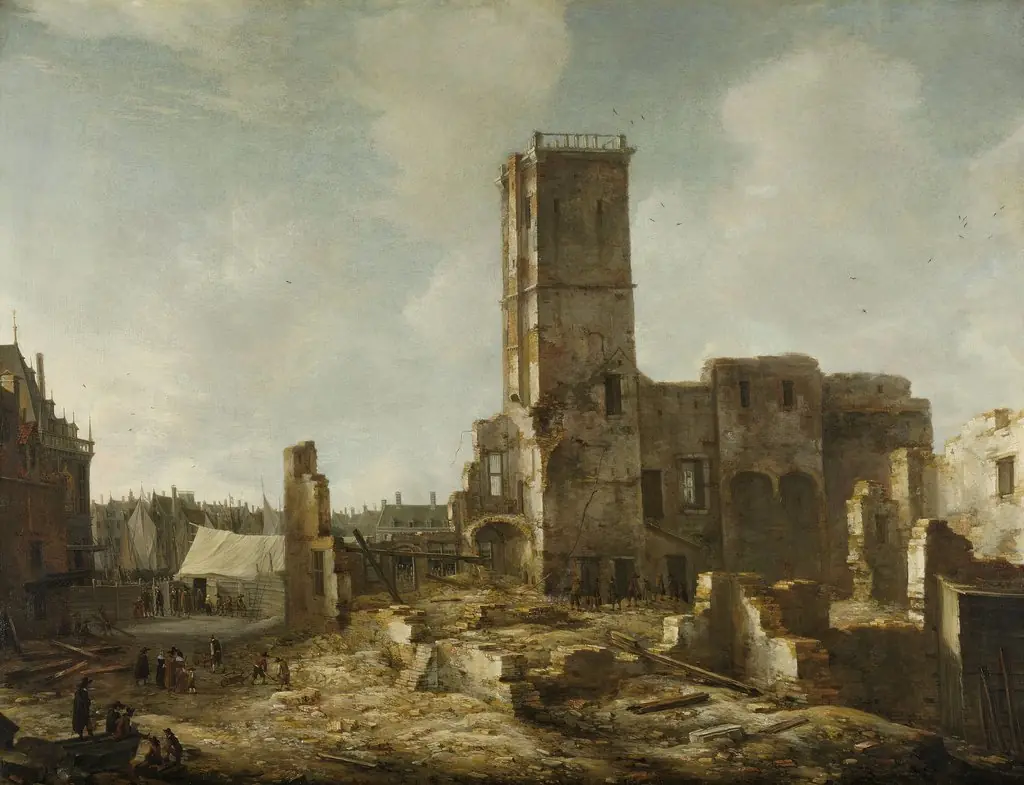 The ruins of the old town hall of Amsterdam after the fire of 7 July 1652
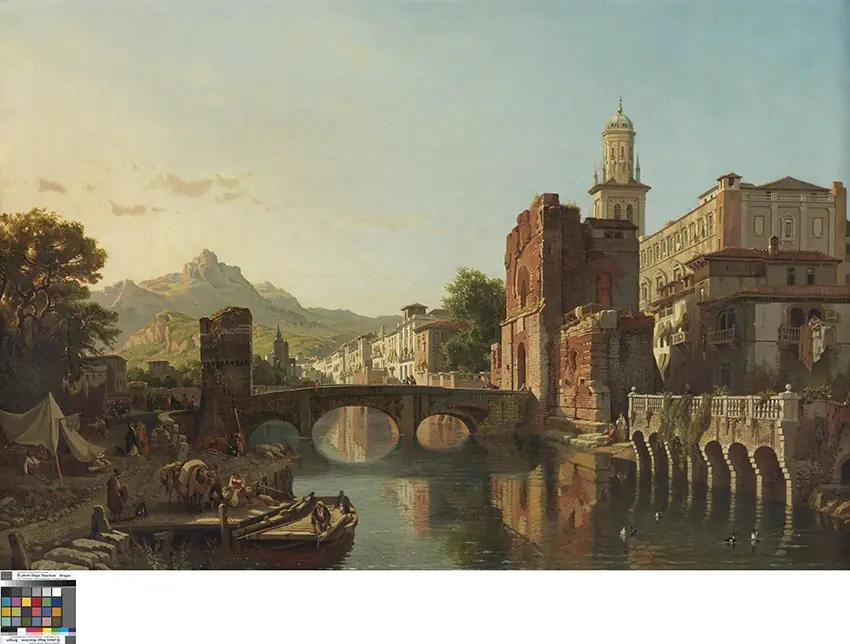 Stadsgezicht in Spanje
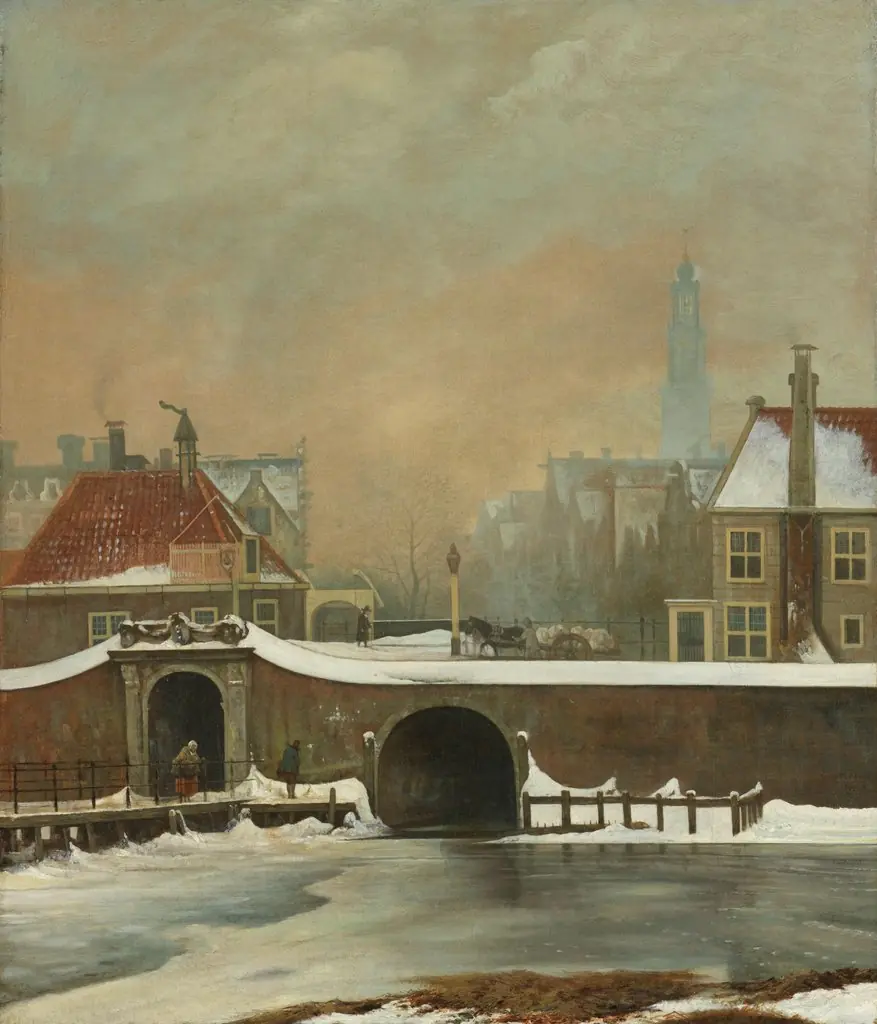 The Raampoortje in Amsterdam
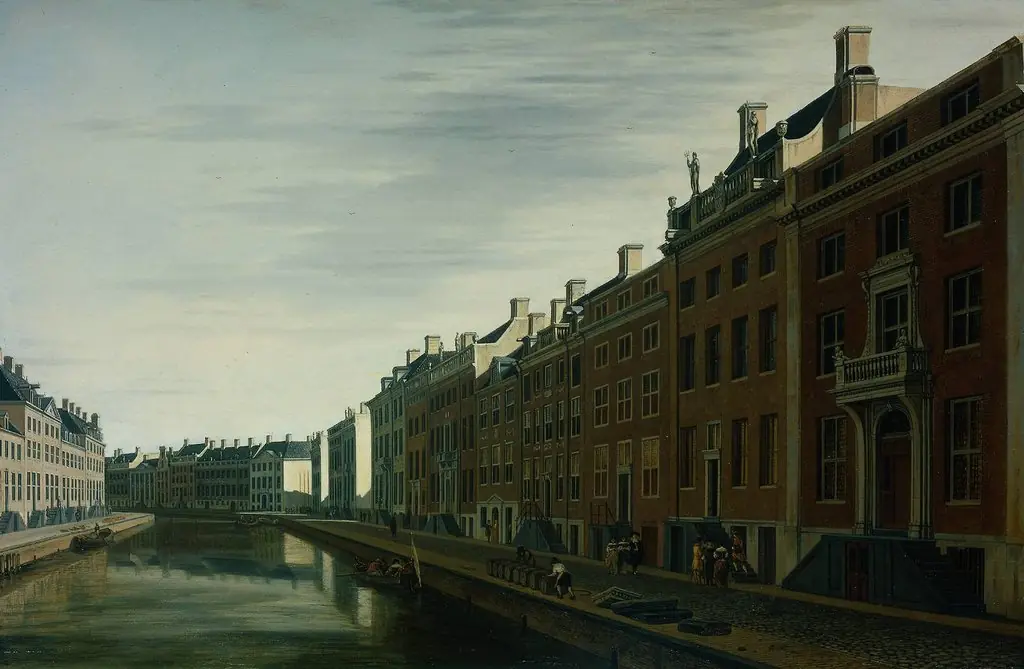 The ‘Golden Bend’ in the Herengracht, Amsterdam, Seen from the West
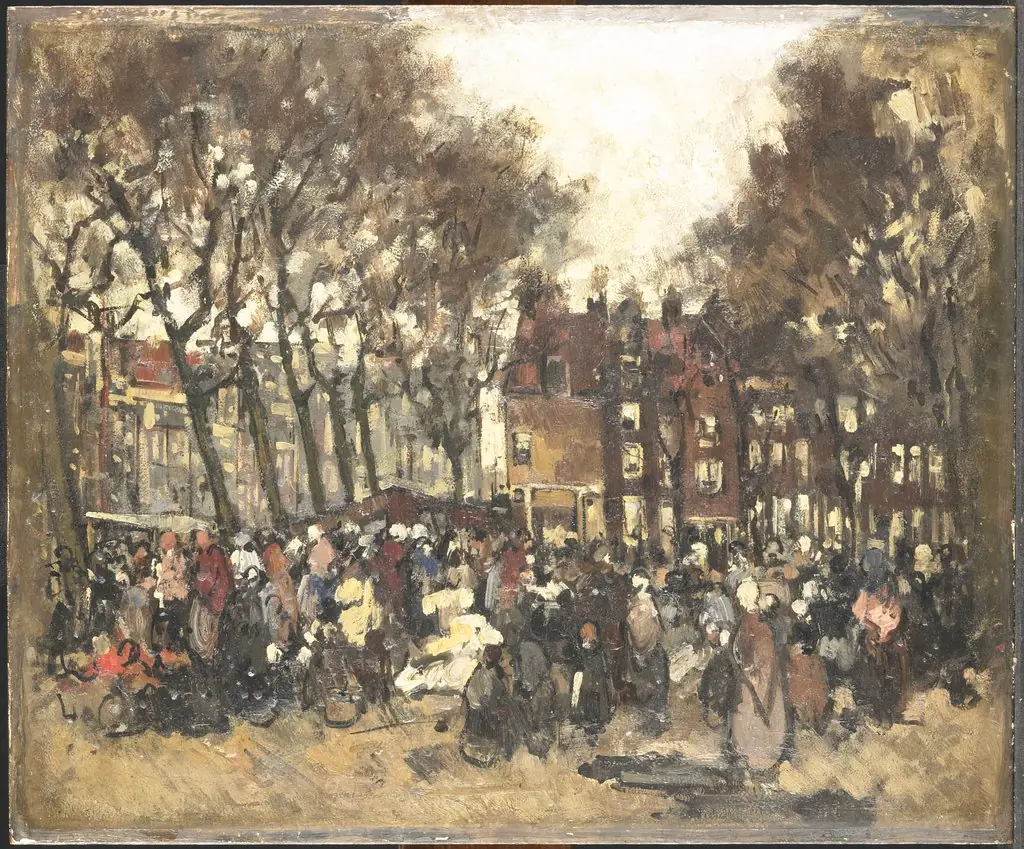 De Noordermarkt te Amsterdam
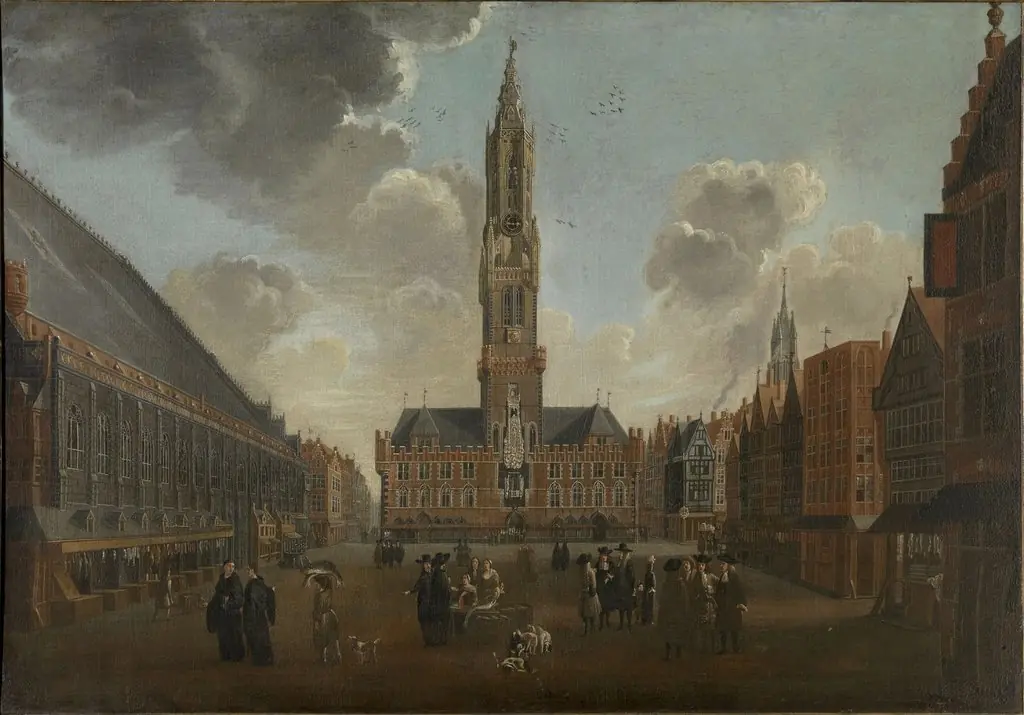 The Market Square in Bruges
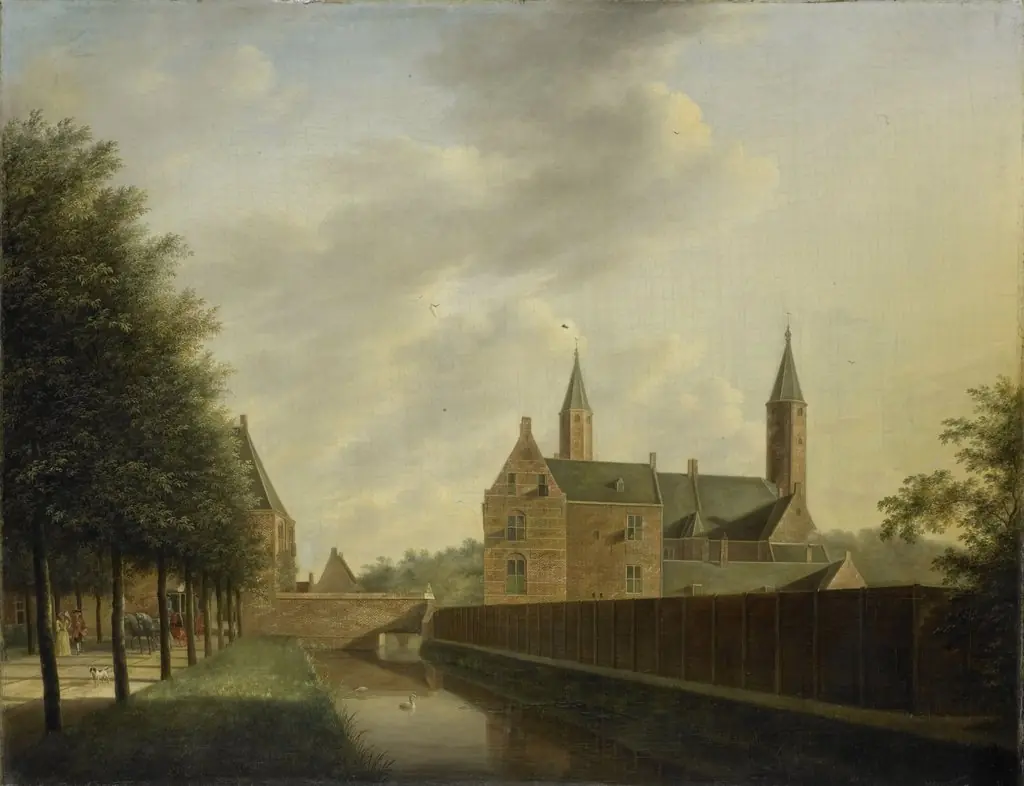 Heemstede Castle
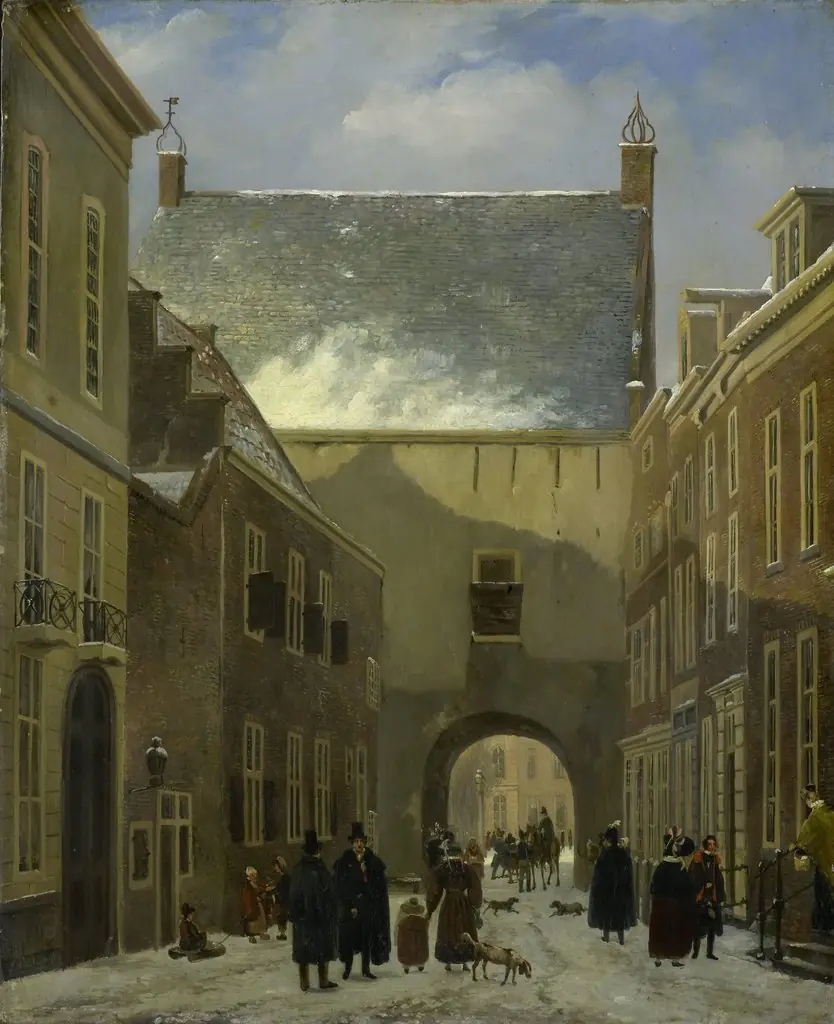 The Gevangenpoort, The Hague
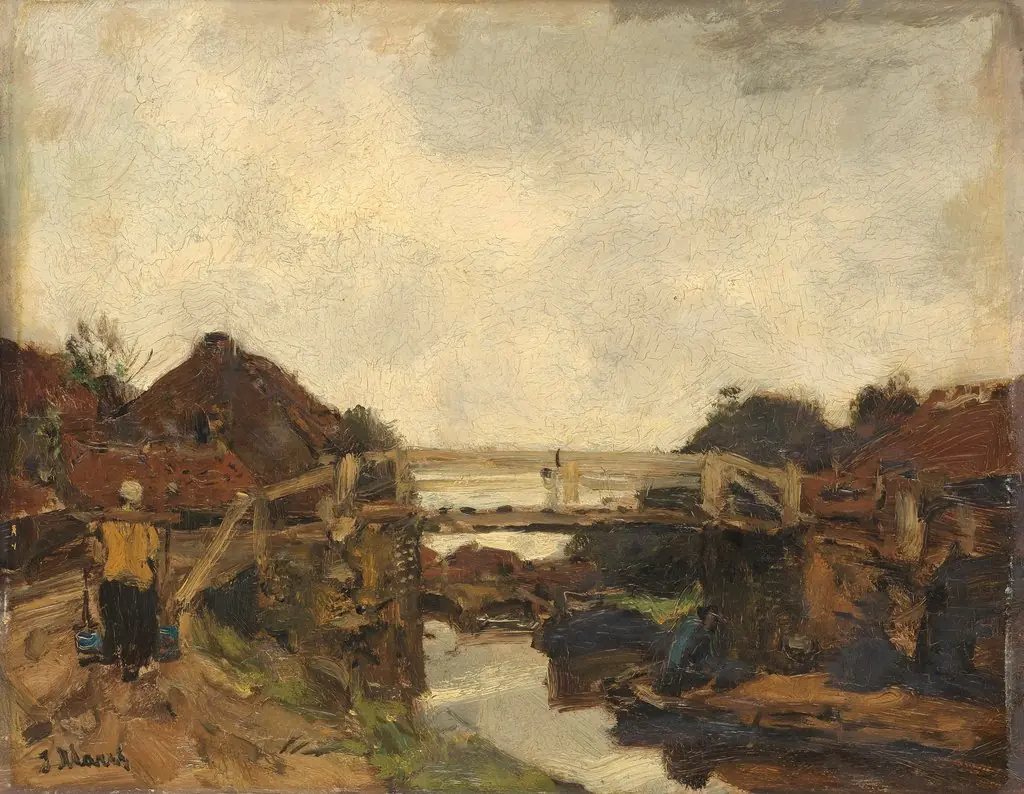 Wooden Bridge across a Canal at Rijswijk
Frequently asked questions
What is Cityscape?
Cityscape is an art genre. Paintings that take the built urban environment as their subject — streets, bridges, squares, and skylines.
How many Cityscape works does Artifact World Gallery have?
Artifact World Gallery holds 3,202 public-domain Cityscape works, all free to view and download.
Who are the key Cityscape artists?
Key Cityscape artists in the collection include Jean Baptiste Camille Corot, Thomas Cole and Gustave Courbet.
Where can I see Cityscape works?
Cityscape works in the collection are held by National Gallery of Art, Cleveland Museum of Art and Victoria and Albert Museum.