Artwork
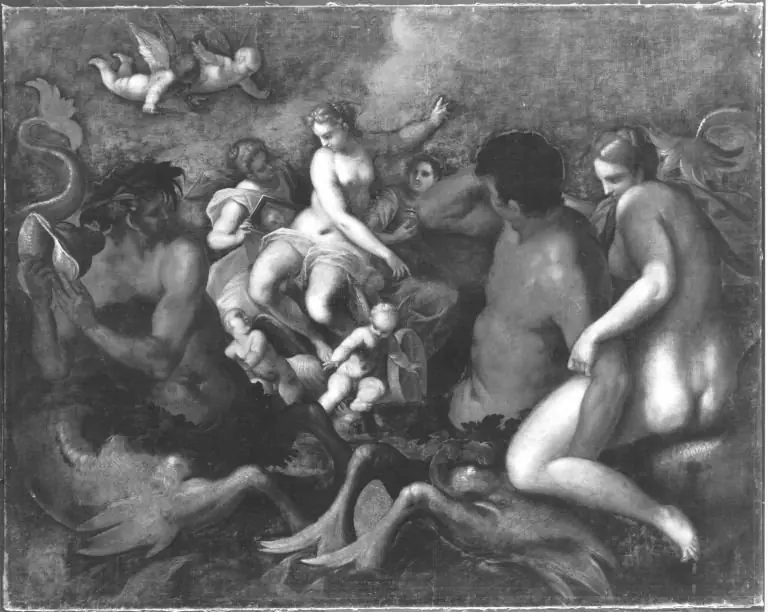
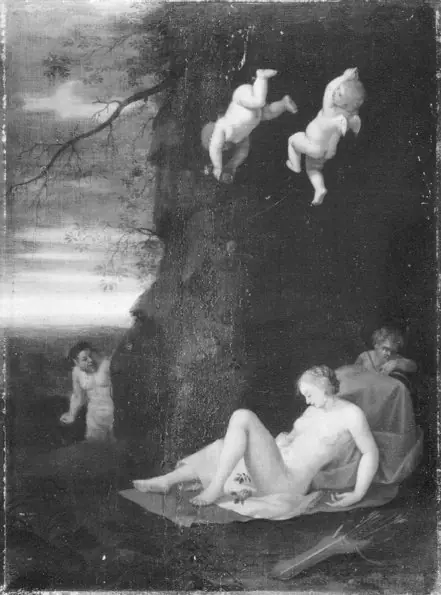
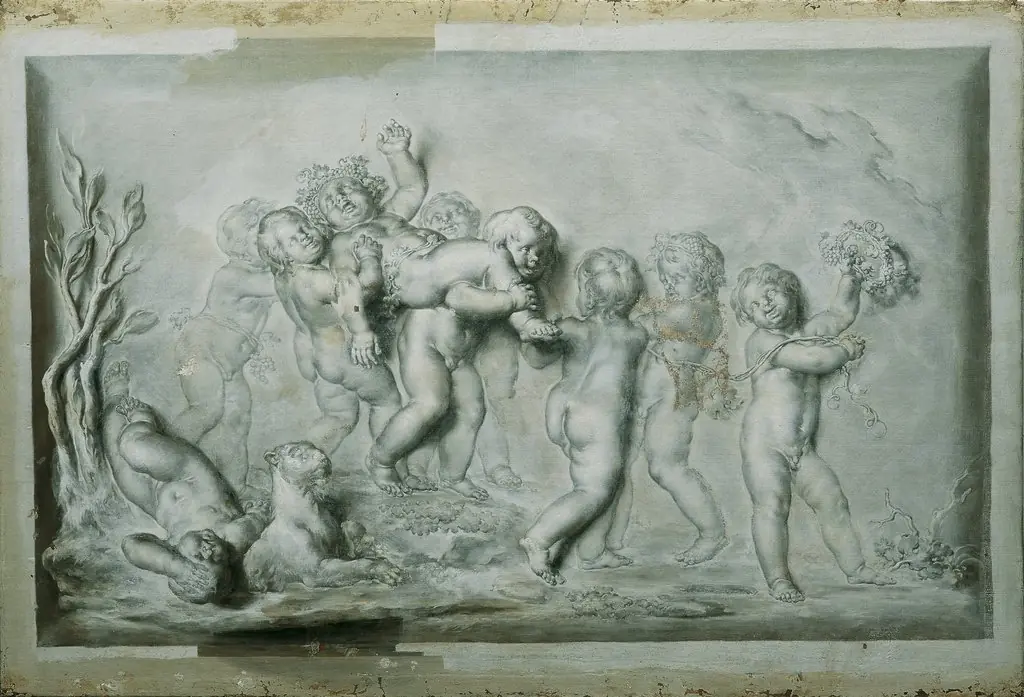
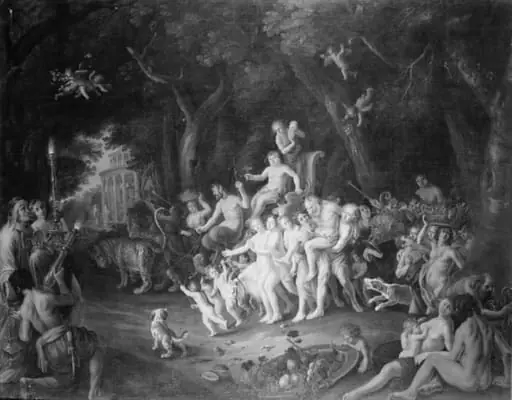
Woodland Deities Sourrounded by Dancing Bacchantes and Children Playing
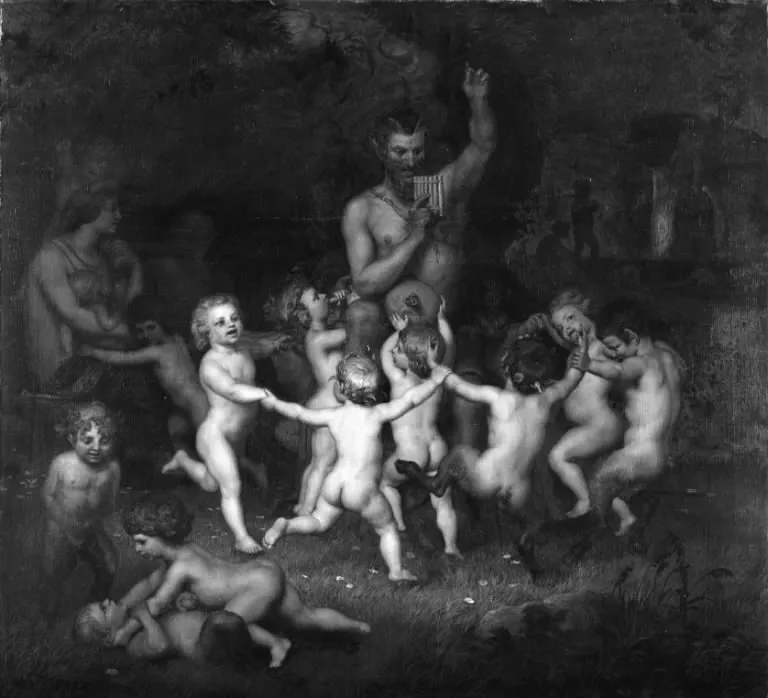
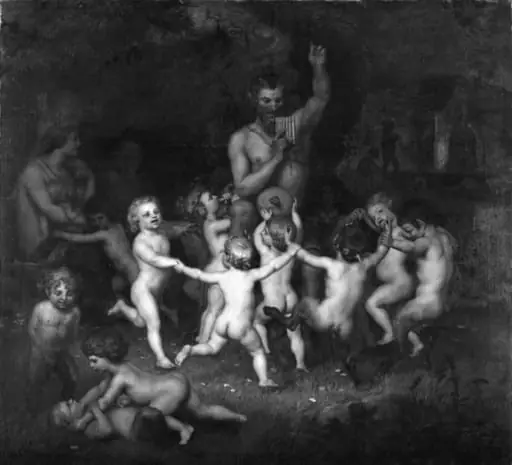
Woodland Deities Sourrounded by Dancing Bacchantes and Children Playing is an oil painting by Lorenz Frølich. It dates from 1848 and is held in the collection of the Statens Museum for Kunst.
About this work
Overview
The composition conveys a sense of spontaneous revelry, blending classical motifs with a naturalistic woodland setting.
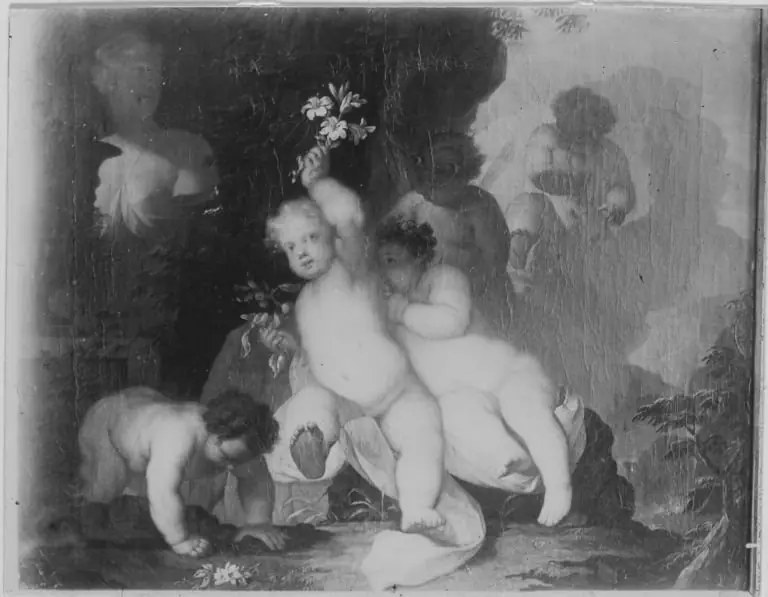
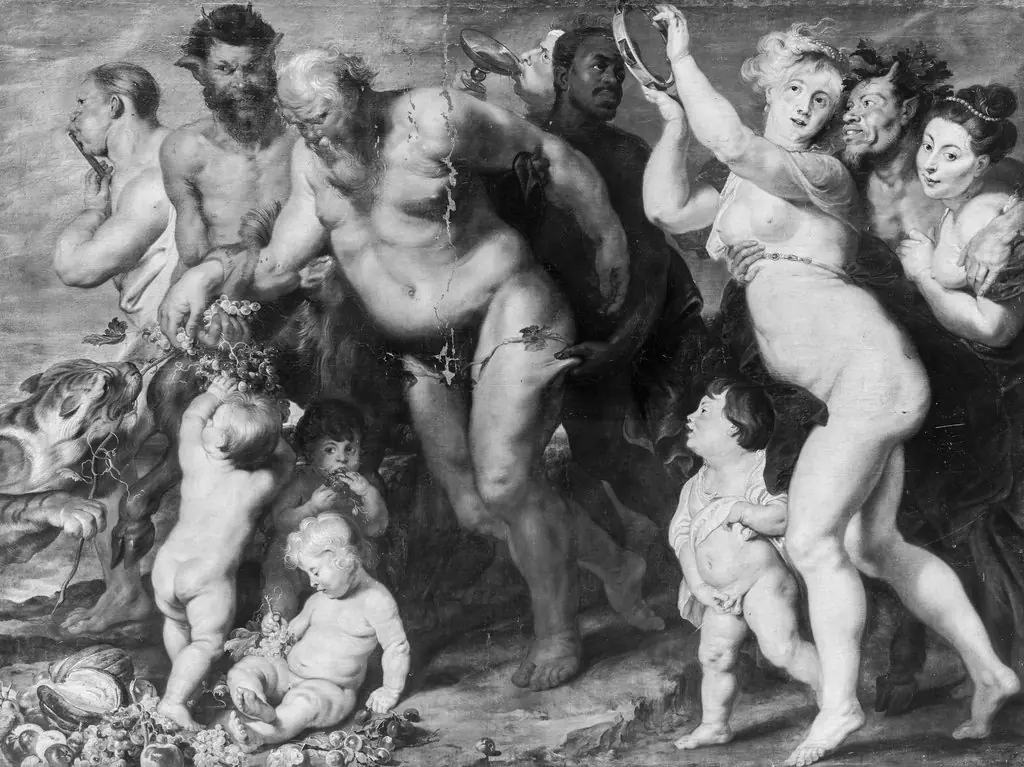
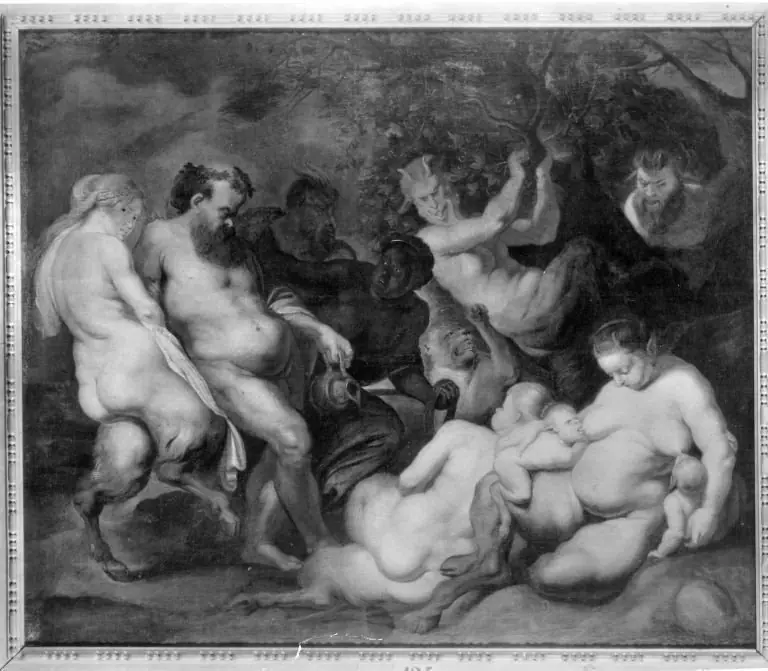
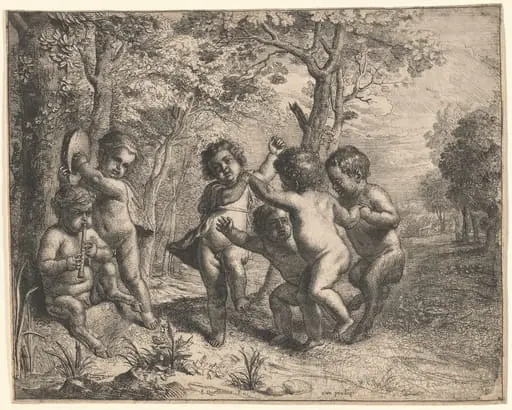
Painted in 1848 by Danish artist Lorenz Frølich, this oil work depicts a mythological scene set within a dense forest. It features a bearded male figure playing a pan flute, surrounded by nude children and dancing bacchantes. The composition conveys a sense of spontaneous revelry, blending classical motifs with a naturalistic woodland setting. The painting resides in the collection of Statens Museum for Kunst in Copenhagen.
Subject & Meaning
The scene evokes ancient pagan rituals associated with nature deities and Dionysian worship. The central figure, likely a satyr or silenus, is accompanied by bacchantes, female followers of Dionysus, and playful children, symbolizing innocence and untamed vitality. The absence of clothing suggests a return to primal harmony with nature, while the music implies a sacred, ecstatic rhythm uniting all figures in communal celebration.
Technique & Style
Frølich employed soft, blended brushwork to render the dappled light filtering through trees, creating a luminous, atmospheric depth. The figures are rendered with gentle realism, their forms subtly modeled to suggest volume without harsh contours. The palette favors earthy greens and warm skin tones, reinforcing the organic setting.
The composition is loosely circular, guiding the viewer’s eye through the dancers and musicians in a rhythmic flow.
History & Provenance
Commissioned during Frølich’s early career, the painting reflects his engagement with Nordic romanticism and classical antiquity. It entered the collection of Statens Museum for Kunst shortly after its completion and has remained in Danish public ownership since. No significant alterations or reattributions are recorded; its provenance is well-documented through museum archives.
Context
Created amid a European revival of mythological themes in art, the painting aligns with Romantic-era interests in nature, folklore, and pre-Christian spirituality. Frølich, influenced by German and Danish academic traditions, sought to reconcile classical subjects with a distinctly Nordic sensibility. The work stands apart from more theatrical mythological paintings of the time by emphasizing quiet, intimate celebration over grandeur.
Legacy
Though not widely reproduced, the painting is recognized within Danish art history as an early example of Frølich’s synthesis of myth and naturalism. It influenced later Nordic artists exploring pagan symbolism in domestic settings. Its quiet, unidealized portrayal of mythic figures contributed to a more humanized approach to classical themes in 19th-century Scandinavian painting.
Artist & collection

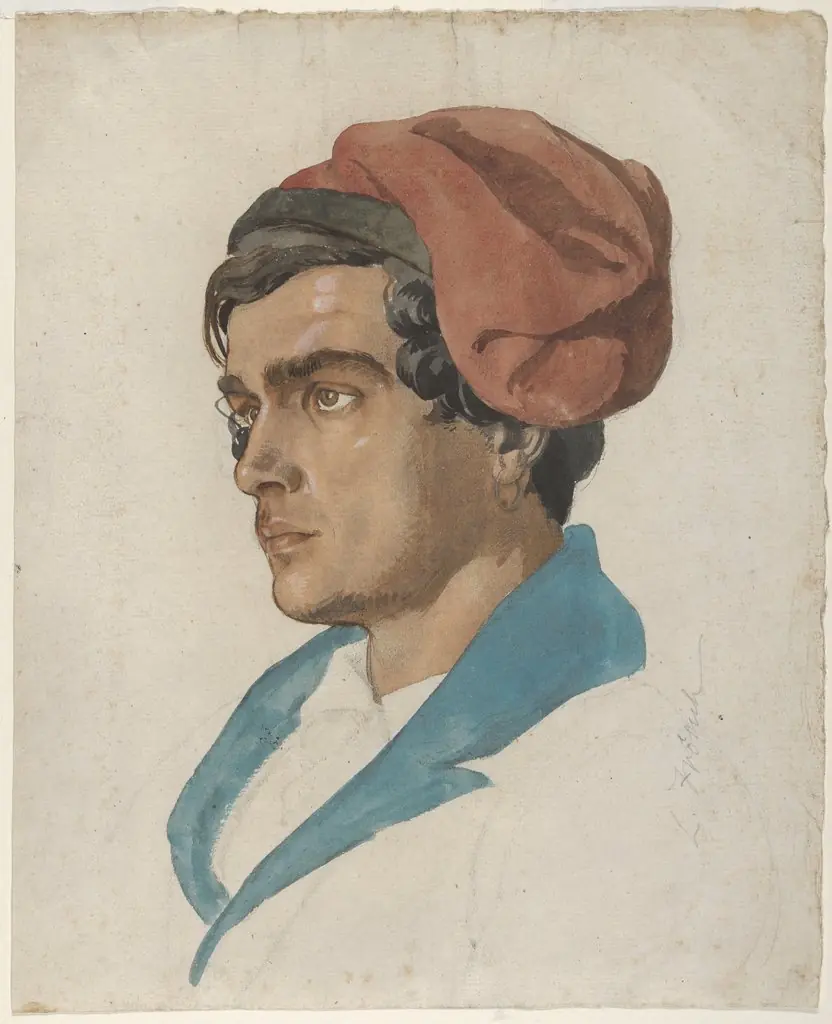 Head Study of a Fisherman from Capri
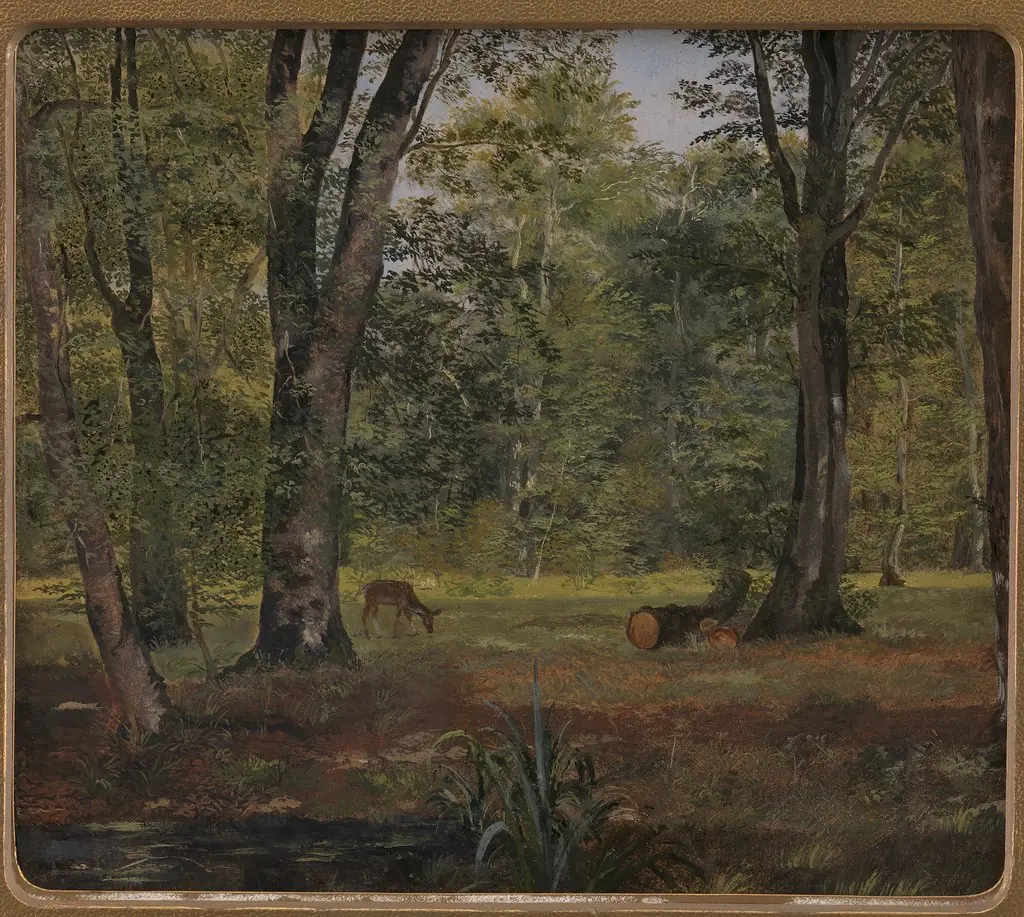 Charlottenlund Wood, North of Copenhagen
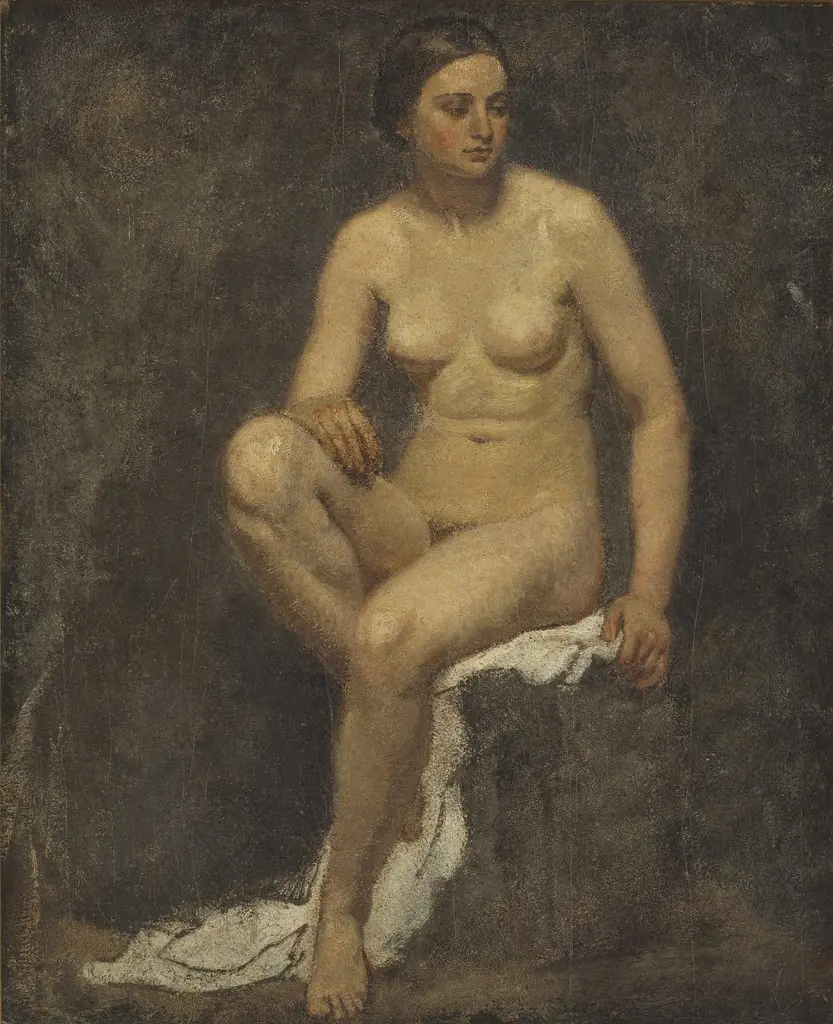 Female Nude in the Studio of Thomas Couture
 Landscape with Hills
 Landscape (in the Barbizon district?)
 Still Life in White and Grey
 Landscape near Holmstrup, Zealand
 Ludvig Holberg Attending a Rehearsal of his Play Erasmus Montanus, Act IV, Scene 2