Artwork
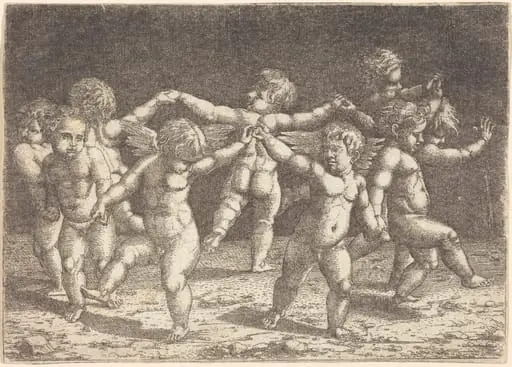
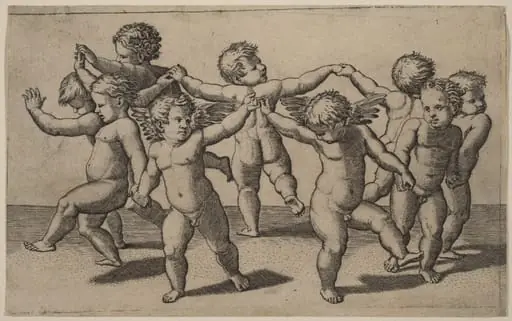
Four Dancing Children and Two Making Music
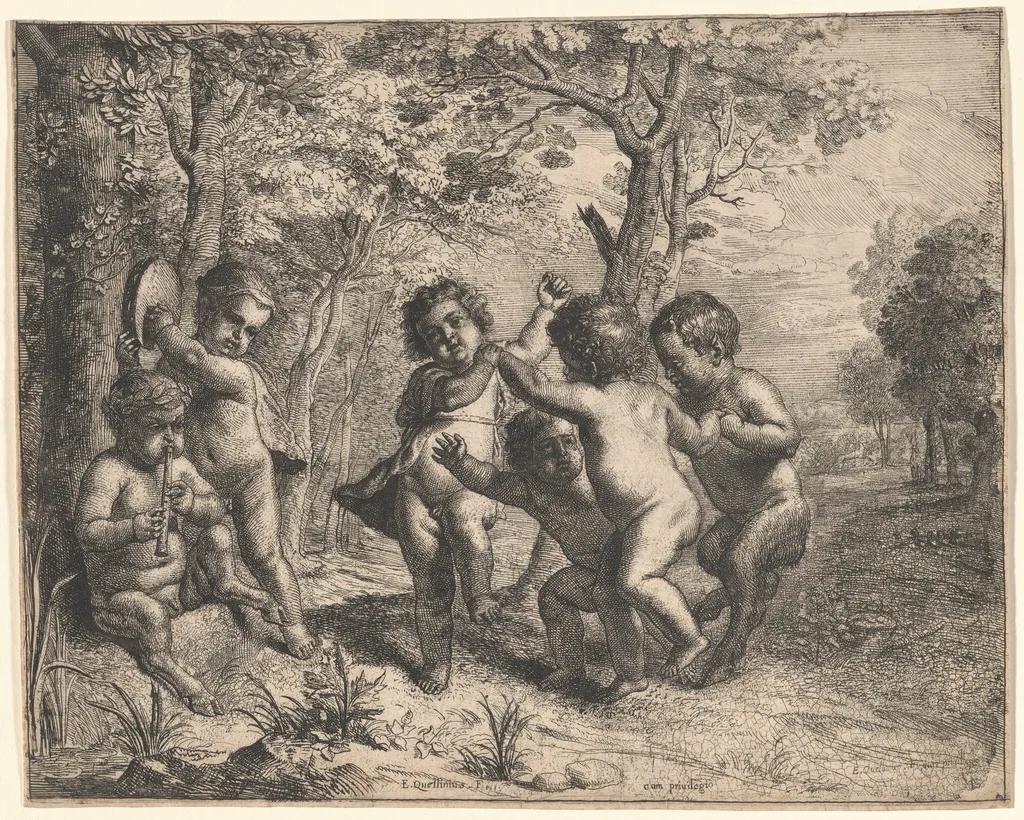
Four Dancing Children and Two Making Music is an ink print by the Baroque artist Erasmus Quellinus II. It dates from 1645 and is held in the collection of the National Gallery of Art.
- Inscription
- Inscribed:in plate, in image, at lower center: E. Quellinius F. cum privilegio; in plate, in image, at lower right: E. Quellinius F. cum privlegio; by later hand, lower left verso in graphite: FV [not deciphered] / ASHeyden 4
- Markings
- Marked:Franz Rechberger [1771-1843], Vienna (Lugt 2133), dated 1800
About this work
Overview
Four Dancing Children and Two Making Music is a 17th-century etching on laid paper, attributed to Erasmus Quellinus II and dated circa 1645. The work is part of the collection at the National Gallery of Art in Washington.
Subject & Meaning
The etching depicts six barefoot children in a wooded landscape. Four are engaged in a circular dance with arms raised, while two others play musical instruments, identified as a lute and a small drum. The scene conveys a sense of lively, somewhat untamed, youthful joy within a fantastical, forested setting.
Technique & Style
Quellinus II employed fine etching lines to capture dynamic movement and texture. Notable details include the intricate rendering of the children’s curly hair and the rugged bark of twisted trees in the background, set against a rocky hillside and dense bushes.
History & Provenance
Created around 1645, the etching is now held in the permanent collection of the National Gallery of Art in Washington, D.C., though specific details of its provenance prior to acquisition are not provided here.
Context
This work reflects the Baroque period’s fascination with capturing movement and emotion. The use of etching as a medium allowed for widespread dissemination of such scenes, potentially influencing or reflecting contemporary views on youth and nature.
Legacy
While specific legacy details are not emphasized, the etching remains a characteristic example of 17th-century etching techniques and the artistic portrayal of youthful innocence in a natural, idyllic setting.
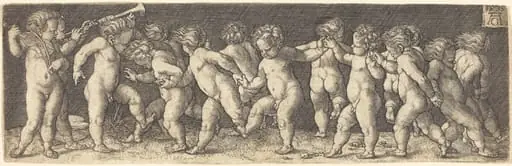
Own this work as a print
Artist & collection
Artist
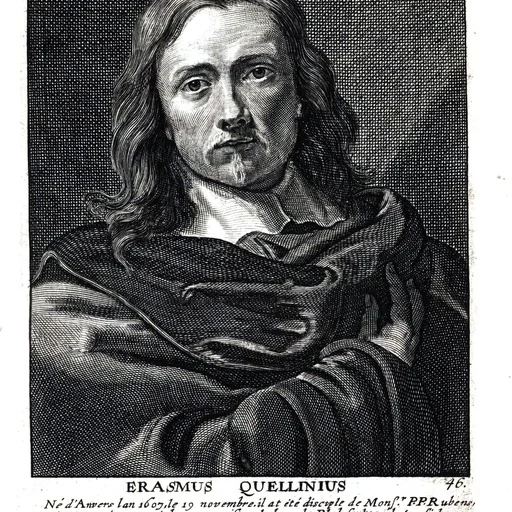
Erasmus Quellinus the Younger or Erasmus Quellinus II (November 19, 1607 – November 11, 1678) was a Flemish painter, engraver, draughtsman and tapestry designer who worked in various genres including history, portrait, allegorical, battle…

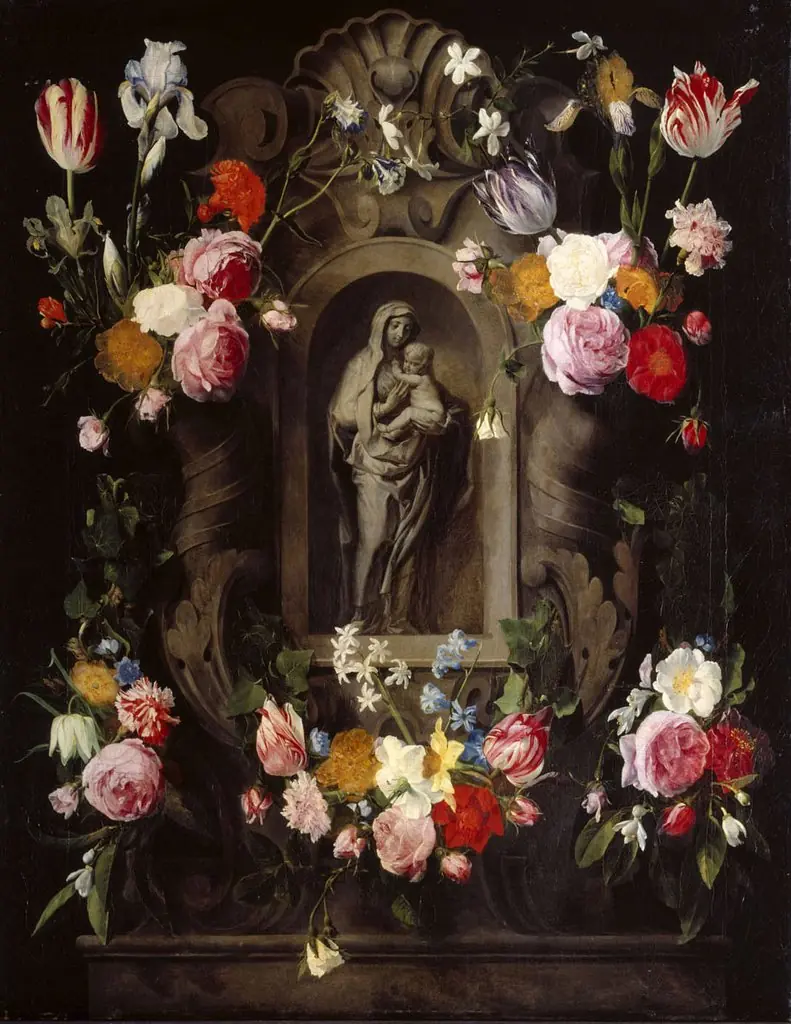 Madonna & Child Statuette in a Niche surrounded by a Garland of Flowers
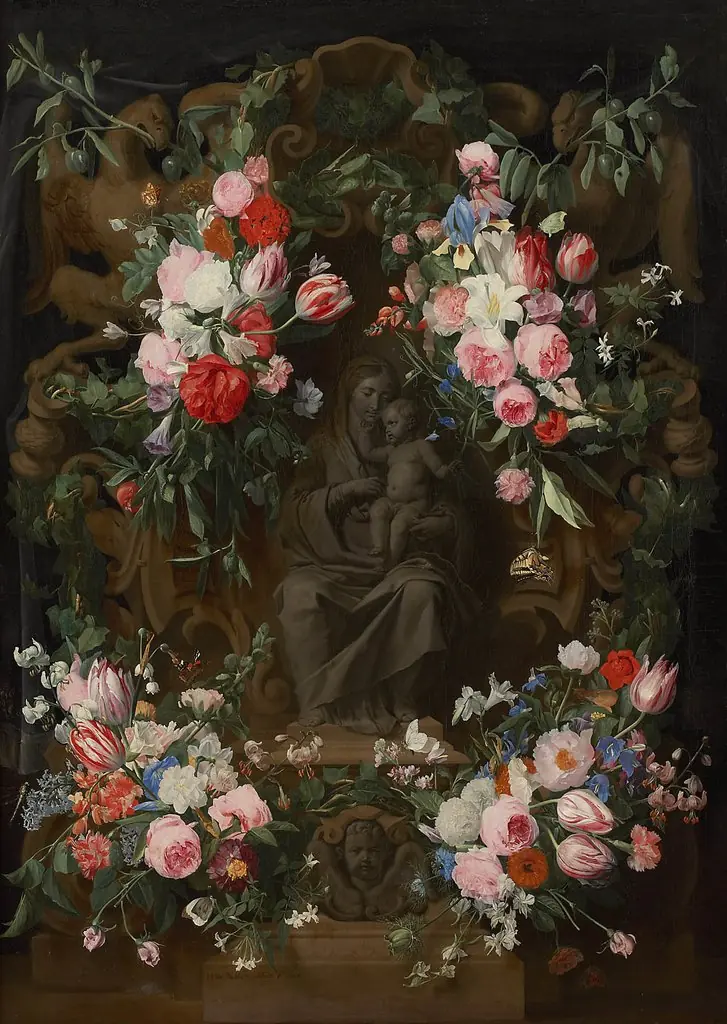 Seated Maria in a Flower Garland
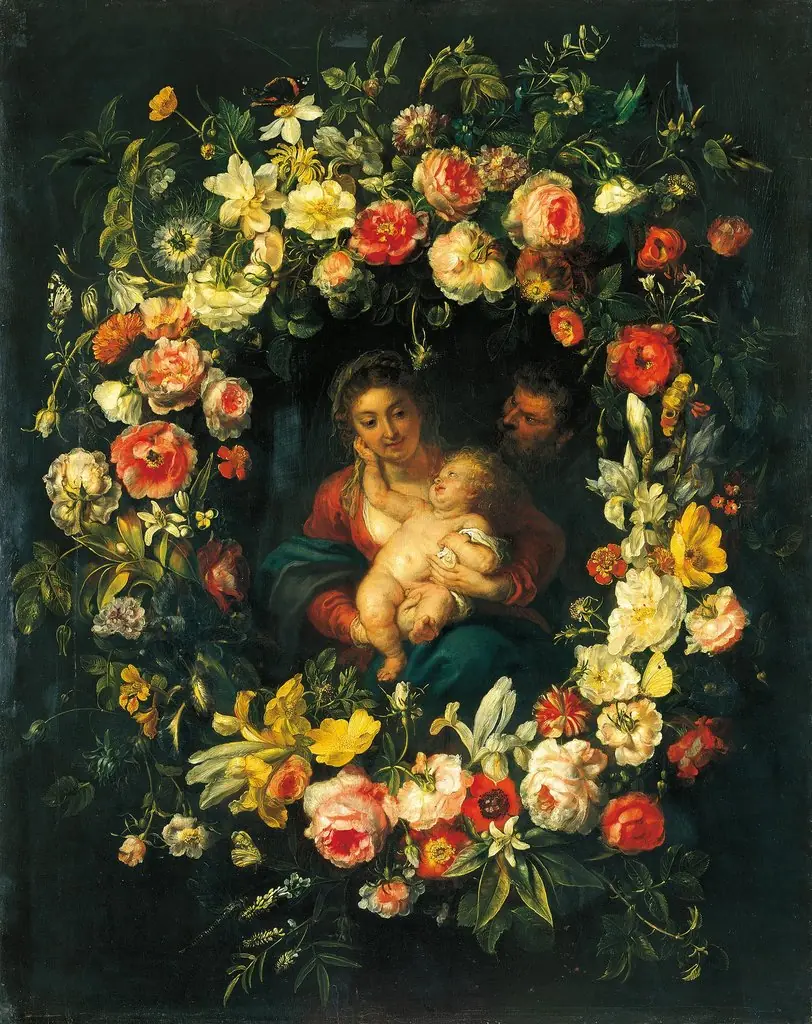 Holy Family in a Wreath of Flowers
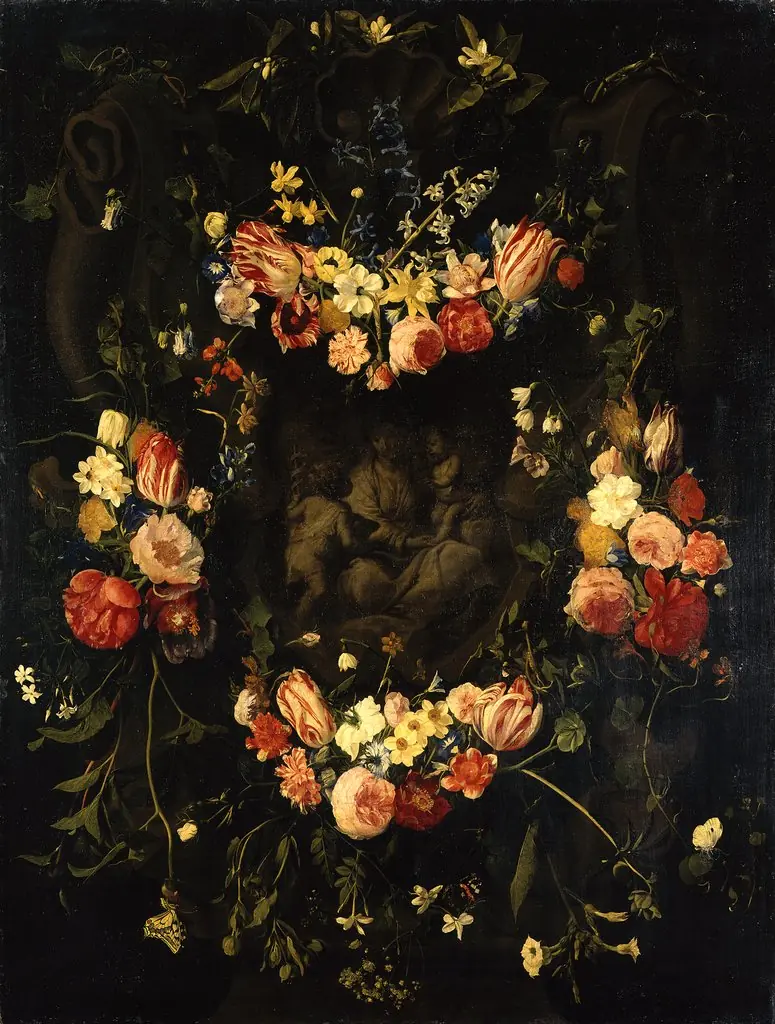 Cartouche addorned with flowergarlands surrounding a depiction of the Holy Family with the infant Saint John the Baptist
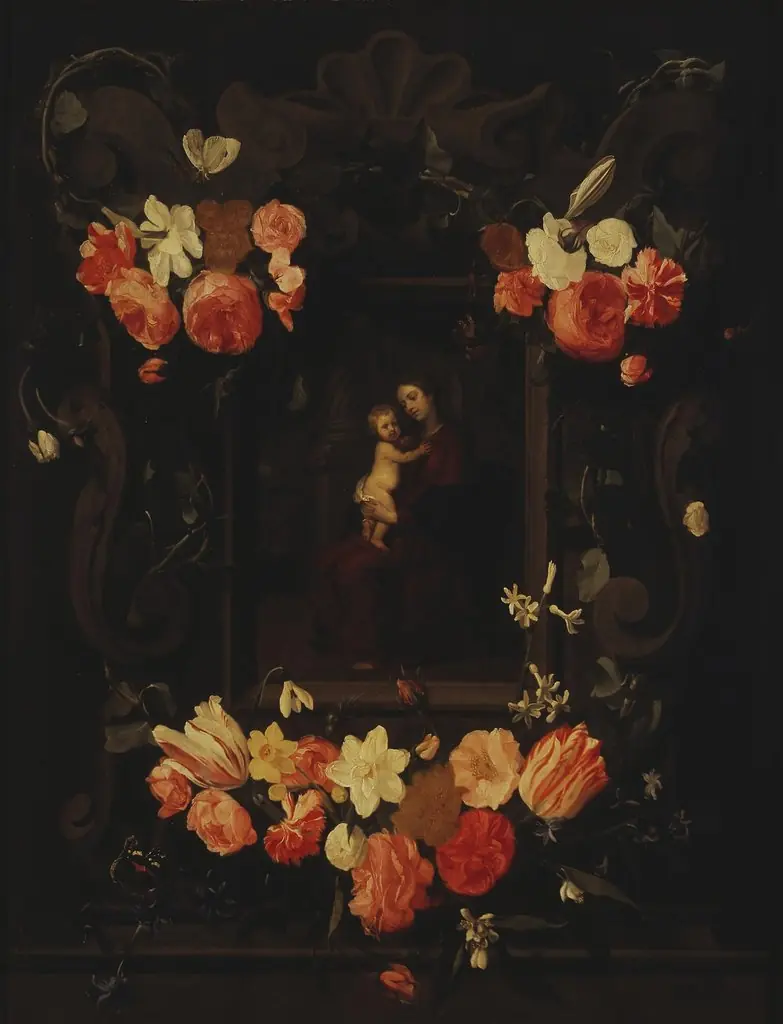 Madonna and Child Framed a Garland of Flowers
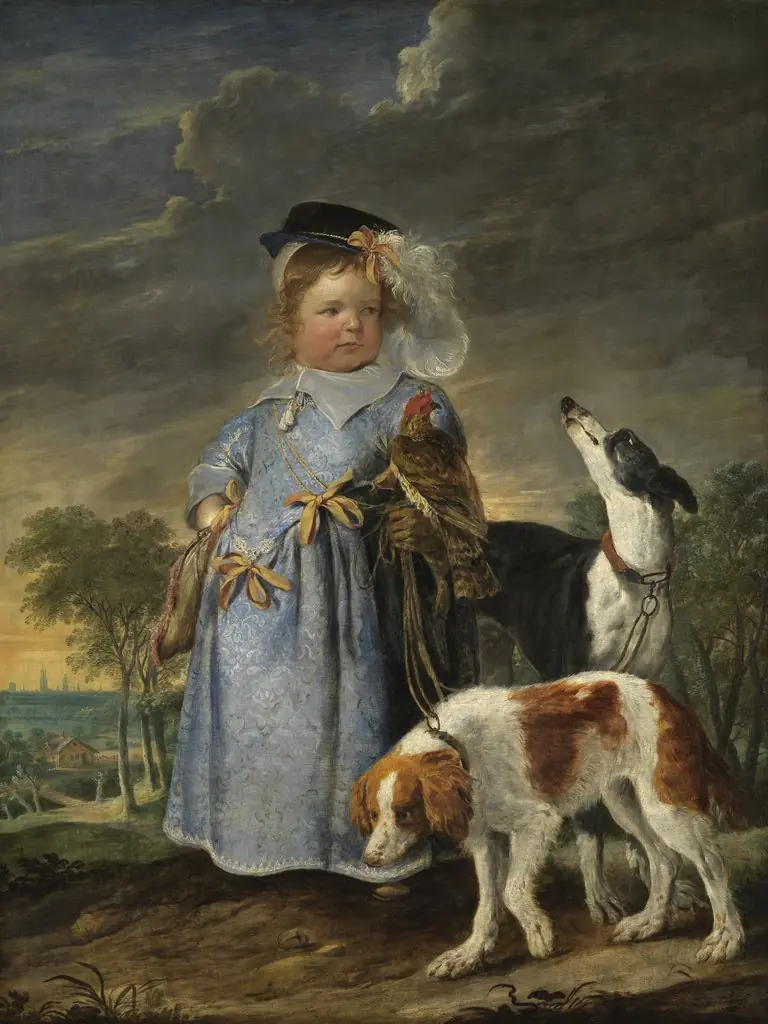 Portrait of a Boy
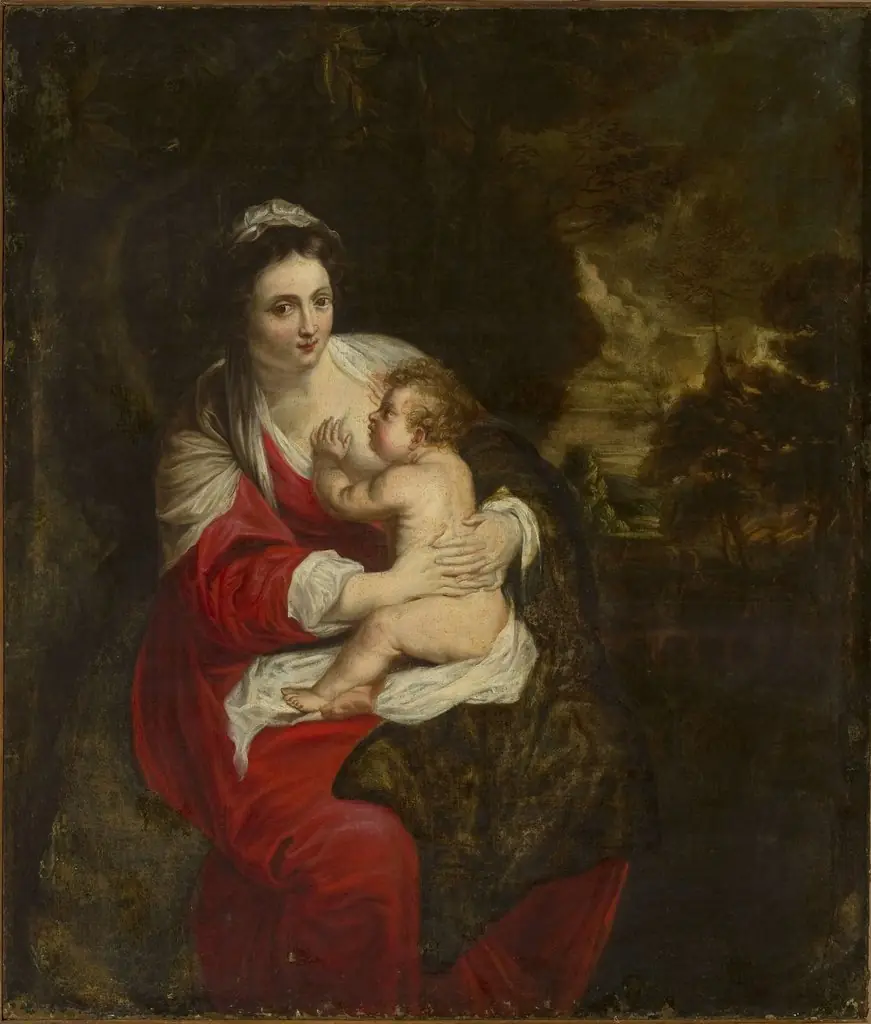 Madonna with Child Jesus
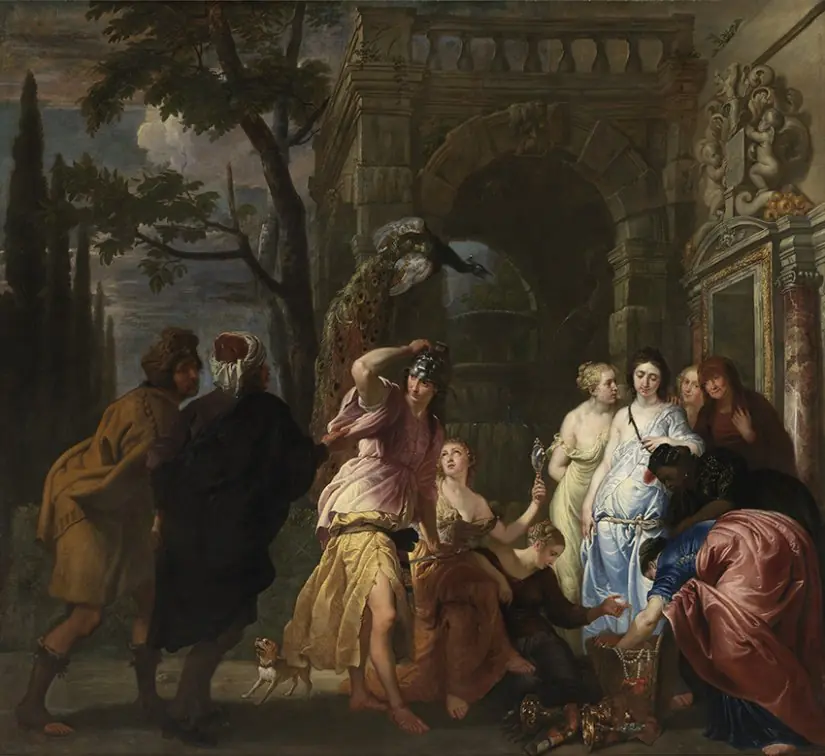 Achilles among the Daughters of Lycomedes