Artwork
Portrait of Willem II van Oranje- Nassau (1792-1849)
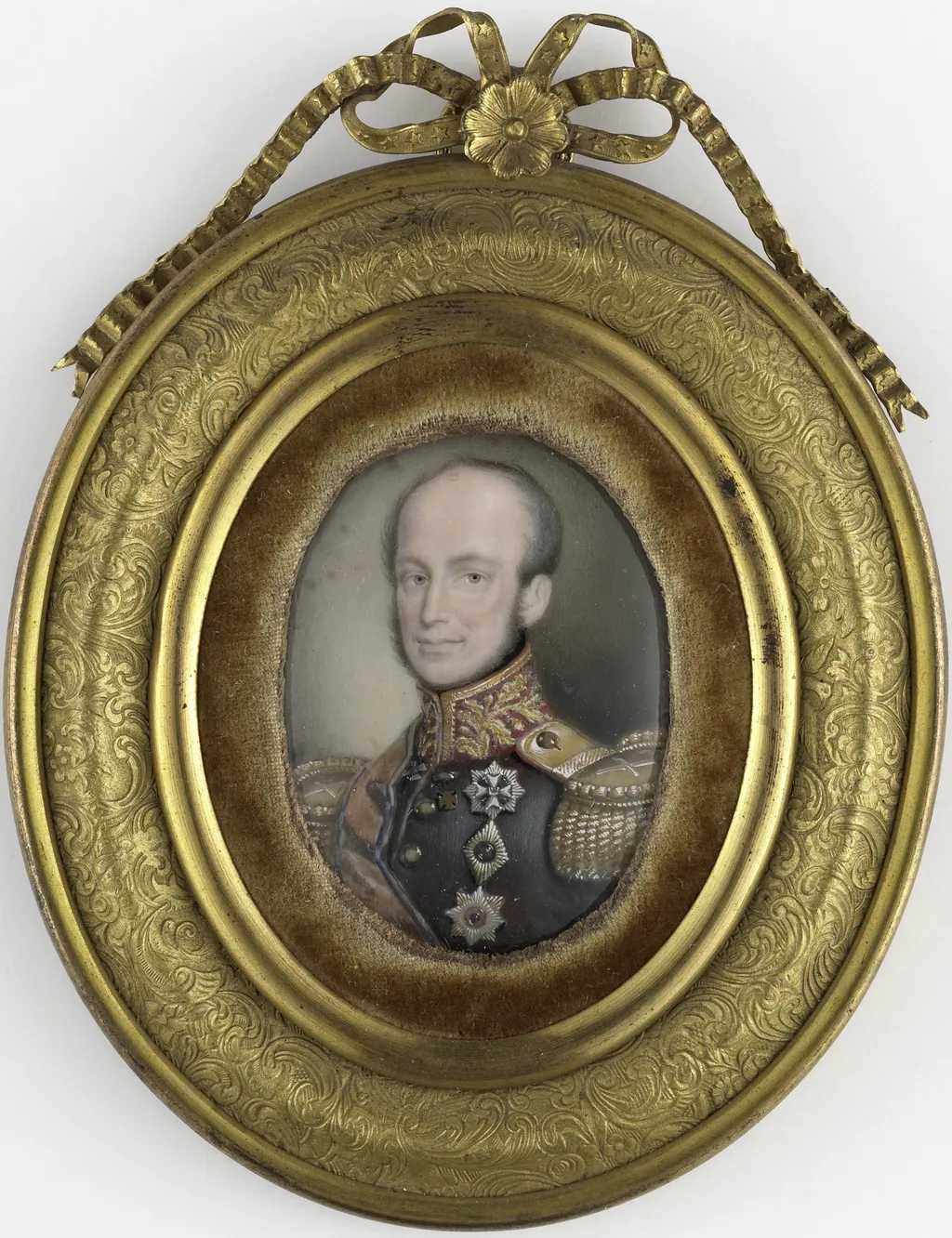
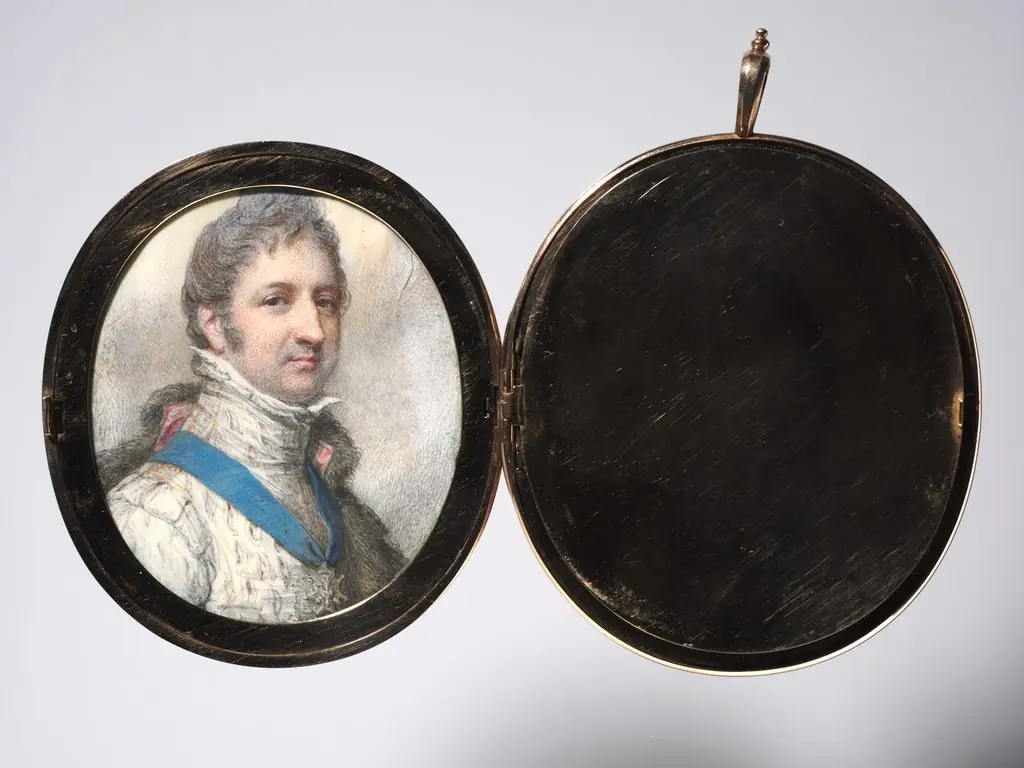
Portrait of Willem II van Oranje- Nassau (1792-1849) is an ivory painting by Louis Henri de Fontenay. It dates from 1840 and is held in the collection of the Rijksmuseum.
About this work
Subject & Meaning
The work's meaning lies in its function as a likeness of a reigning monarch of the House of Orange-Nassau, produced in Holland during his lifetime.
The portrait depicts William II of the Netherlands (1792–1849), the Dutch king and member of the House of Orange-Nassau. Painted by Louis Henri de Fontenay in 1840, the work presents its royal subject as the central focus, with the sitter identified as the main subject of the composition. As a portrait miniature executed on ivory, the small-scale format was historically associated with intimate, often courtly depictions of nobility and royalty, lending the image a personal character despite its official subject.
The work's meaning lies in its function as a likeness of a reigning monarch of the House of Orange-Nassau, produced in Holland during his lifetime. By portraying William II on ivory, a precious support, Fontenay created a refined commemorative image of the Dutch king, preserved today in the Rijksmuseum collection.
Technique & Style
The miniature is executed in ivory, a common support for portrait miniatures of the period. The handling is delicate, with fine brushwork and subtle modeling of features that convey the sitter’s likeness. The composition is tightly framed, focusing attention on the head and shoulders against a neutral background, consistent with portrait conventions of the time.
The work dates to 1840 and reflects the refined technique associated with European miniature painting in the first half of the nineteenth century.
History & Provenance
The ivory portrait of Willem II van Oranje-Nassau was created in 1840 by the artist Louis Henri de Fontenay. Executed in Holland, the work measures 5.2 cm in height and 4 cm in width. It depicts William II of the Netherlands, who reigned from 1840 until his death in 1849. The painting is currently held in the collection of the Rijksmuseum.
The ivory portrait of Willem II van Oranje-Nassau, painted by Louis Henri de Fontenay in 1840, is held in the collection of the Rijksmuseum in Amsterdam. The work is cataloged within the museum's holdings as a portrait depicting William II of the Netherlands. While the source confirms the institution and the subject, it does not provide a specific inventory or accession number for the piece. Additionally, the available documentation does not record any exhibition history for this miniature.
Overview
Louis Henri de Fontenay, a Dutch artist active in the early‑mid‑19th century, produced a portrait of King William II of the Netherlands in 1840. Executed on a sheet of ivory, the work is held in the Rijksmuseum’s collection and presents the monarch in full military regalia.
Context
The portrait reflects the broader 19th‑century Dutch practice of commemorating monarchs through intimate, highly finished miniatures. Ivory as a support was favored for its durability and the refined finish it afforded, aligning with the era’s emphasis on personal, portable representations of power.
Own this work as a print
Artist & collection
Artist
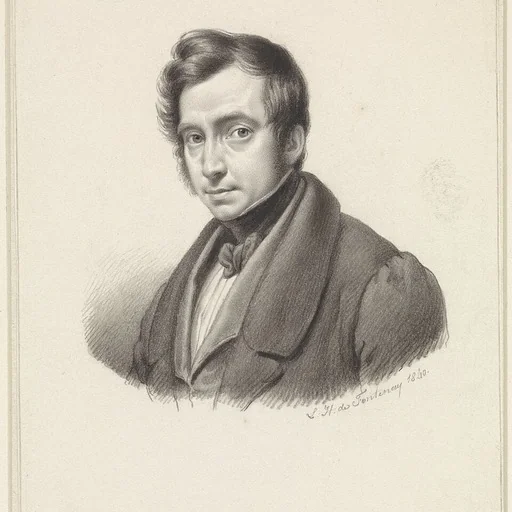
Louis Henri de Fontenay, also known as Ludovicus Henricus de Fontenaij, (15 May 1800, Amsterdam - after 1852, Paris?) was a Dutch painter, draftsman, and lithographer.

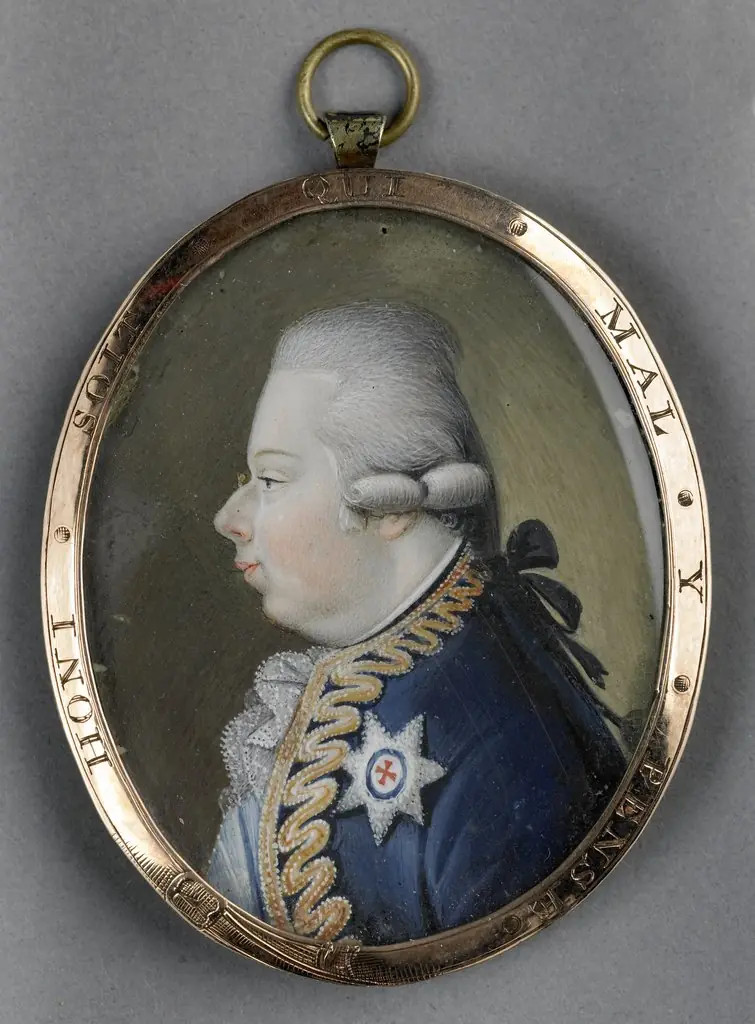
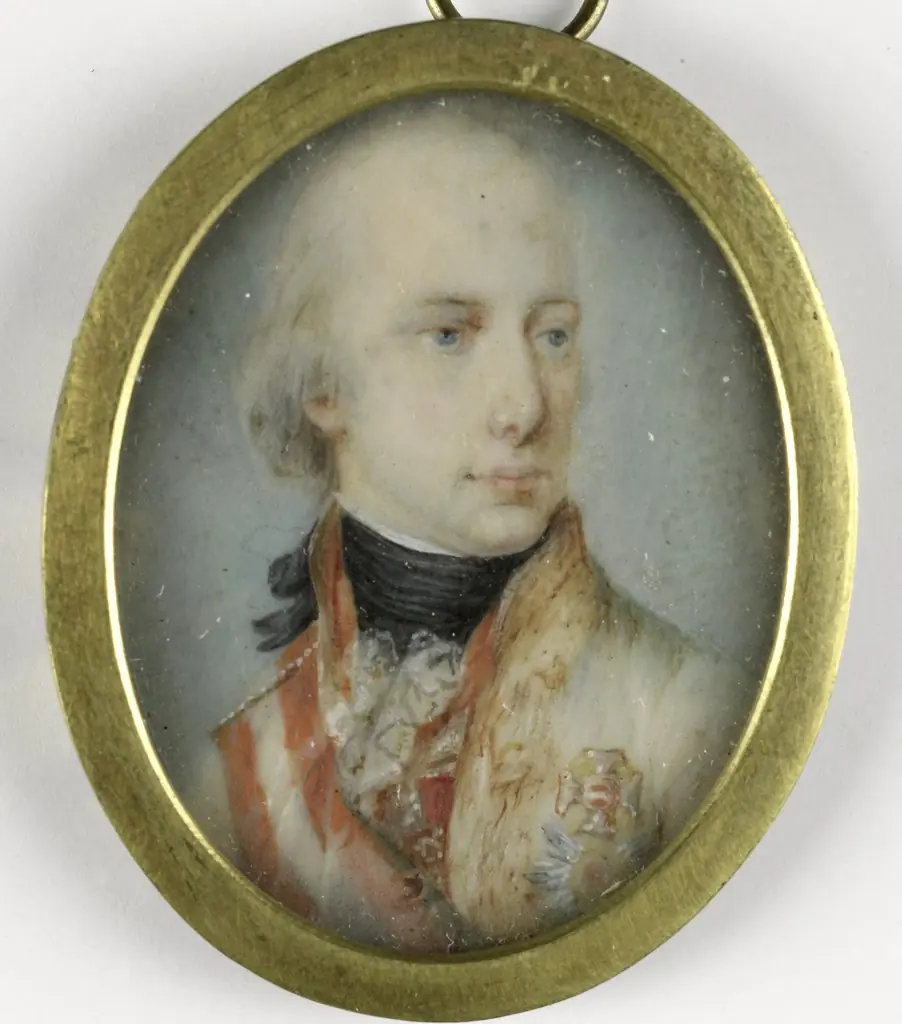 Portrait of Frans I van Habsburg (1768-1835), emperor of Austria
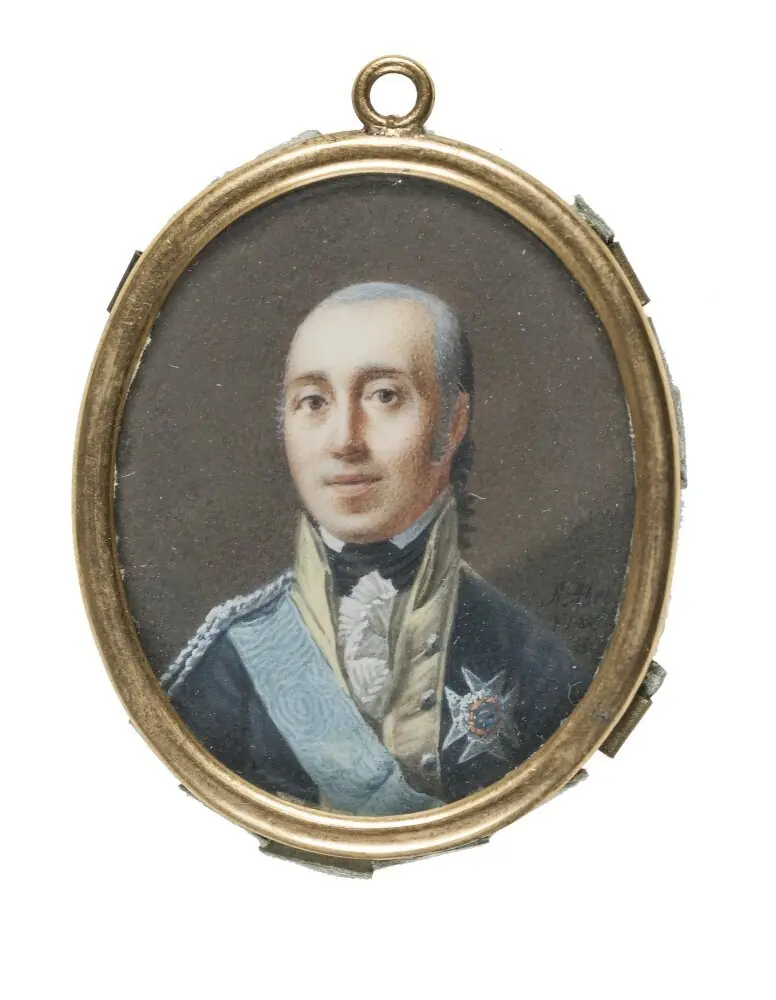 Friedrich Franz, Duke of Mecklenburg-Schwerin
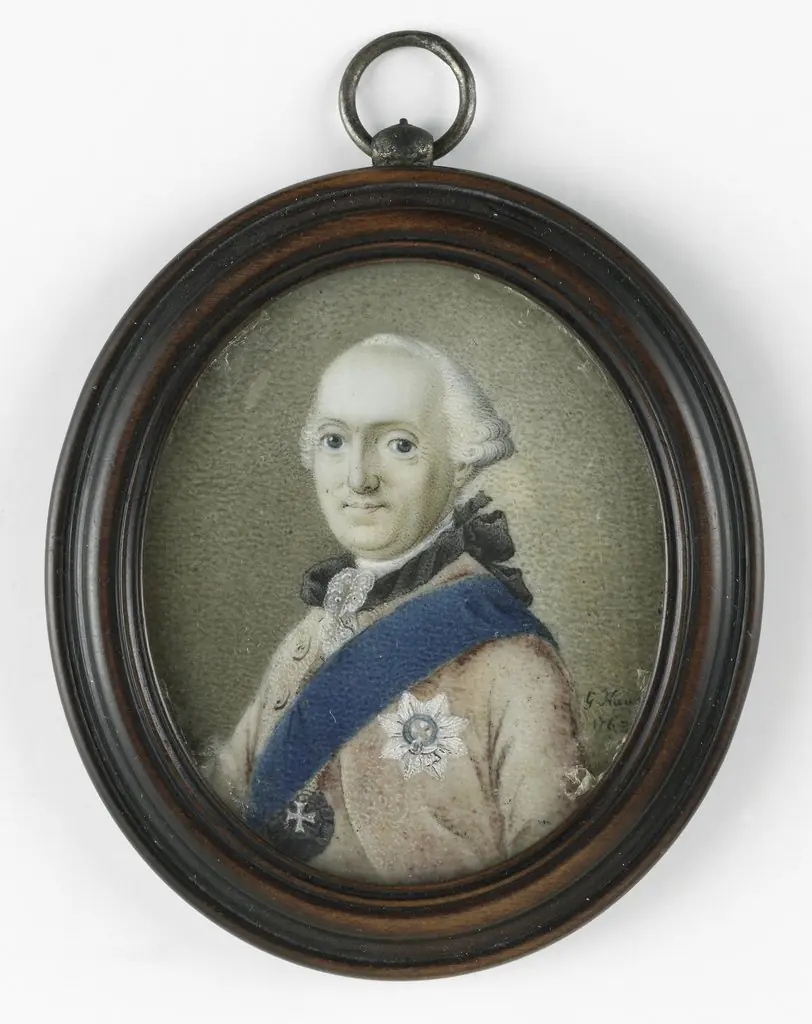 Karl Wilhelm Ferdinand (1735-1806), Duke of Brunswick-Luneburg
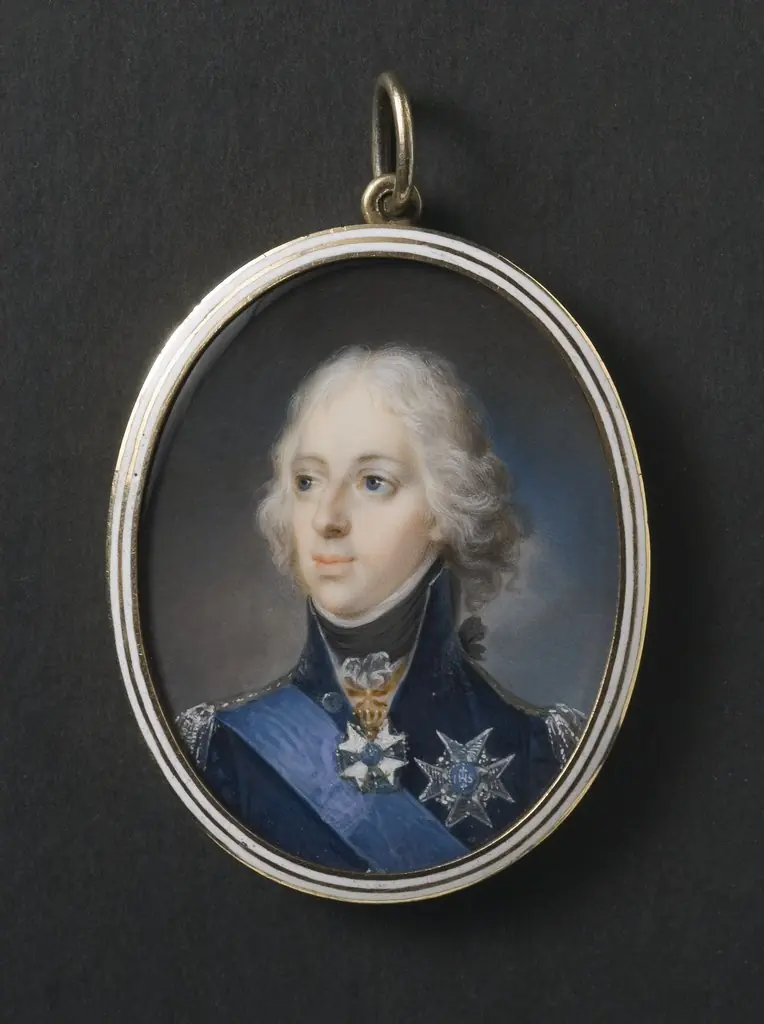 Gustav IV Adolf (1778-1837)
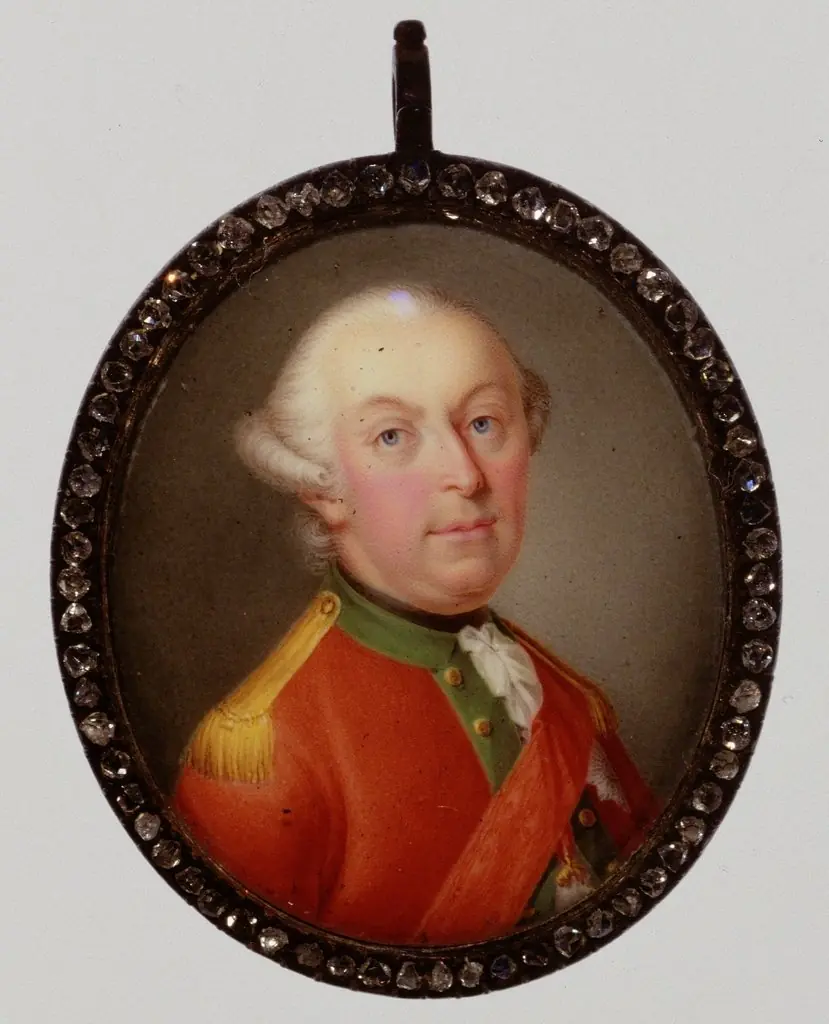 Joseph II (1741–1790), Emperor of Austria
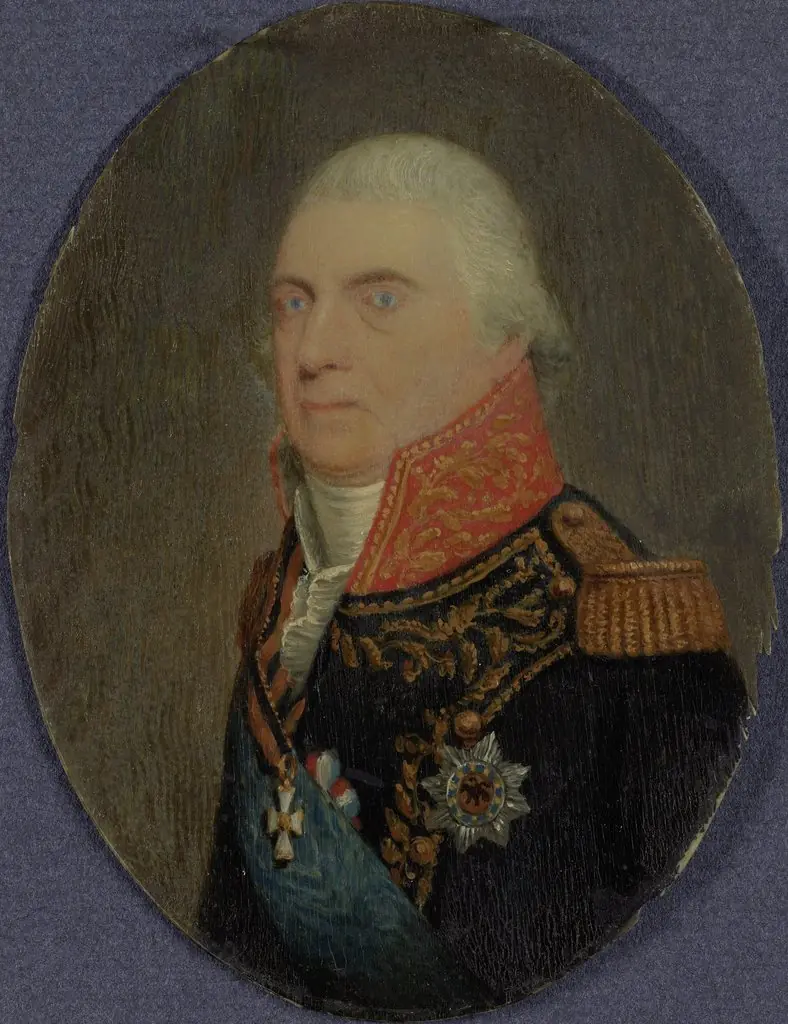 Jan Hendrik van Kinsbergen (1735-1819). Vice-admiraal, buitengewoon maarschalk der Hollandse zeemacht
 Portrait of Prince Alexander Bezborodko
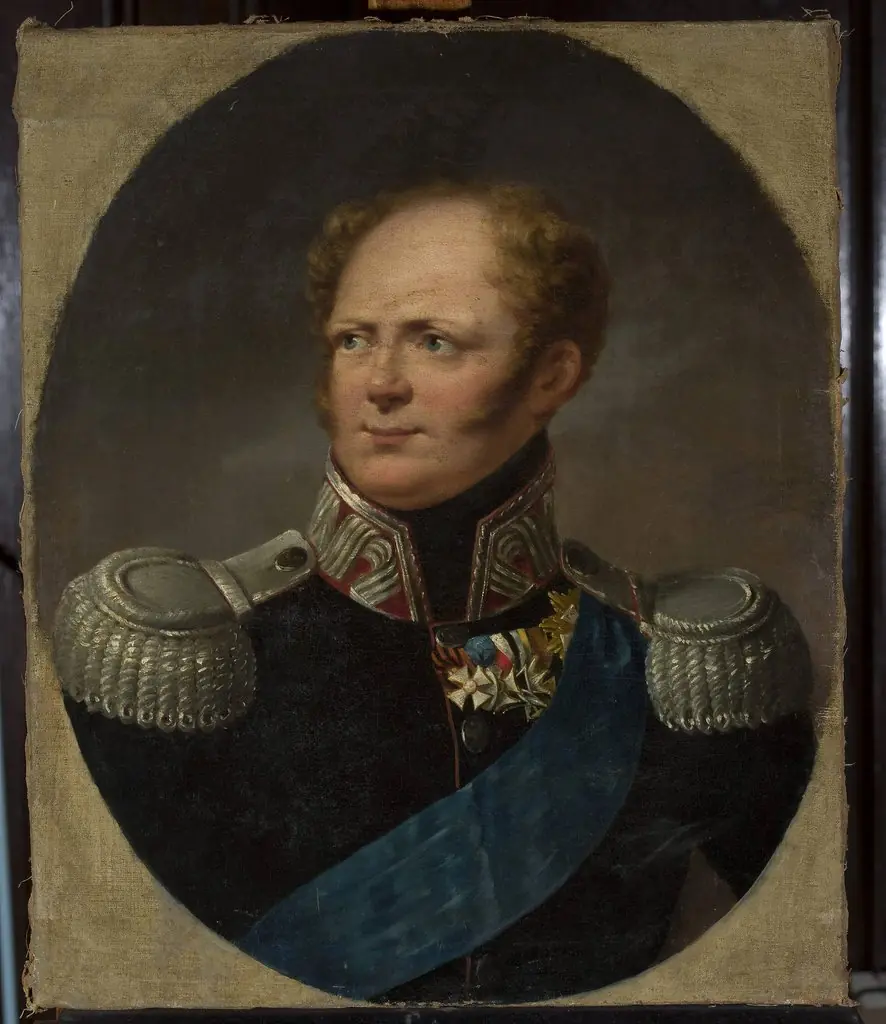 Portrait of Tsar Alexander I
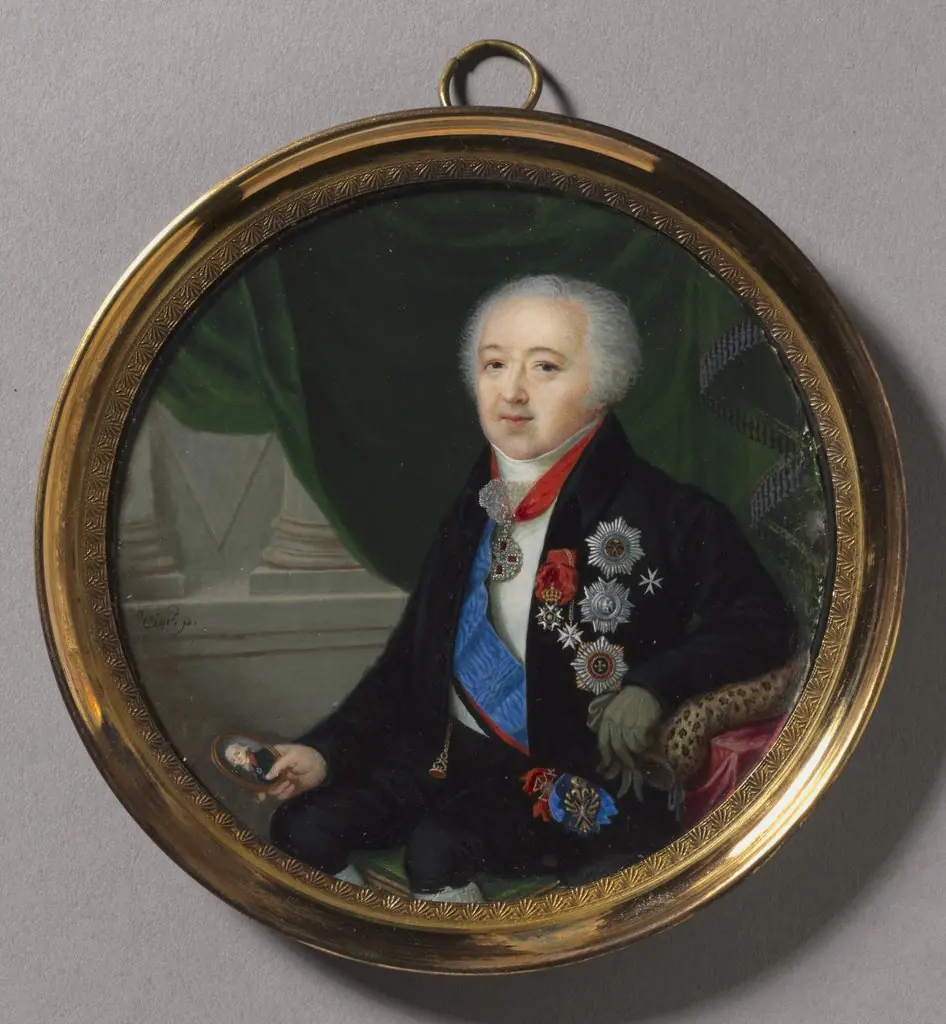 Portrait of Prince Alexander Bezborodko
 Portrait of Louis-Philippe, Duke of Orléans, later King of the French