Artwork
Portrait of Willem V van Oranje- Nassau (1748-1806)
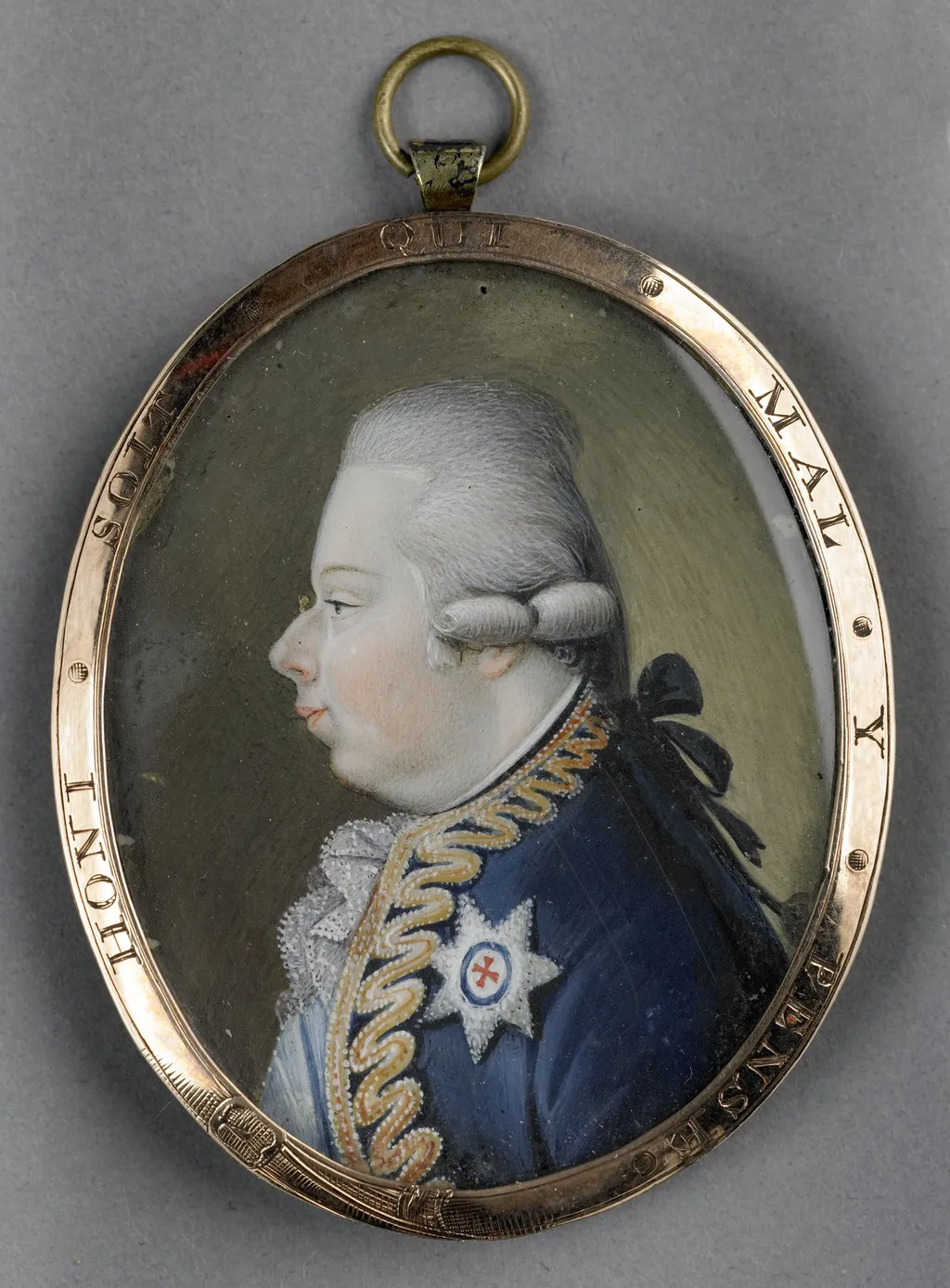
Portrait of Willem V van Oranje- Nassau (1748-1806) is an ivory painting. It dates from 1790 and is held in the collection of the Rijksmuseum.
About this work
Subject & Meaning
The subject is the central iconographic element, with no additional symbolic attributes or allegorical figures mentioned in the available records.
The work depicts William V, Prince of Orange, serving as a formal portrait of the Dutch stadtholder. Created in 1780, the piece identifies the subject as the primary focus of the composition. As a miniature executed in ivory, the artwork functions as an intimate representation of the ruling figure, emphasizing his status through the detailed rendering of his likeness.
The subject is the central iconographic element, with no additional symbolic attributes or allegorical figures mentioned in the available records.
History & Provenance
The ivory miniature portrait of Willem V van Oranje-Nassau was created in 1780, as indicated by its dated inception in the object record.
The work entered the collection of the Rijksmuseum, where it remains located. Its genre is documented as a portrait, and the subject is identified as William V, Prince of Orange, depicted at a height of 4.4 cm and a width of 3.5 cm.
The painting is part of the Rijksmuseum collection and is cataloged under the inventory number SK-A-1865. It was created in 1780 and is displayed in the museum's main gallery as part of the Dutch Republic portrait series. The work has been featured in exhibitions focusing on Dutch portraiture from the late 18th century, including a 2018 showcase of Dutch royal imagery.
Context
The 1780 ivory portrait of Willem V van Oranje-Nassau, housed in the Rijksmuseum, exemplifies Dutch portraiture of the late 18th century. Depicting the Prince of Orange, the work reflects contemporary interest in royal symbolism during a period of political transition in the Netherlands. Scholarship emphasizes its role within the artist's oeuvre as a study of aristocratic identity amid Enlightenment-era shifts, situating it alongside other formal depictions of Dutch stadtholders.
The painting's medium and scale align with miniature portrait traditions of the period, underscoring its technical and cultural significance within the broader trajectory of European portraiture.
Overview
This small oval portrait, carved directly into ivory, depicts Willem V van Oranje-Nassau in profile, emphasizing his face and ornate military attire against a dark background.
Technique & Style
The use of ivory as the medium, a rare and expensive material, highlights the artist's skill in carving tiny, intricate details such as the gold braid and the medal's red cross, achieving remarkable clarity and depth.
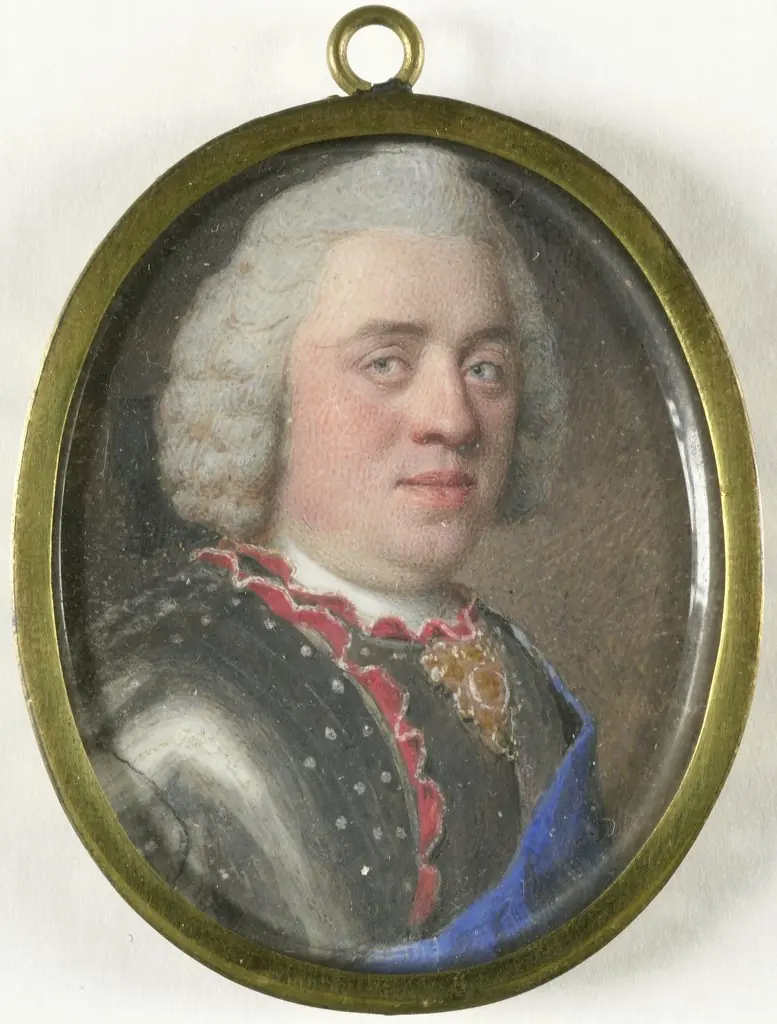
Artist & collection

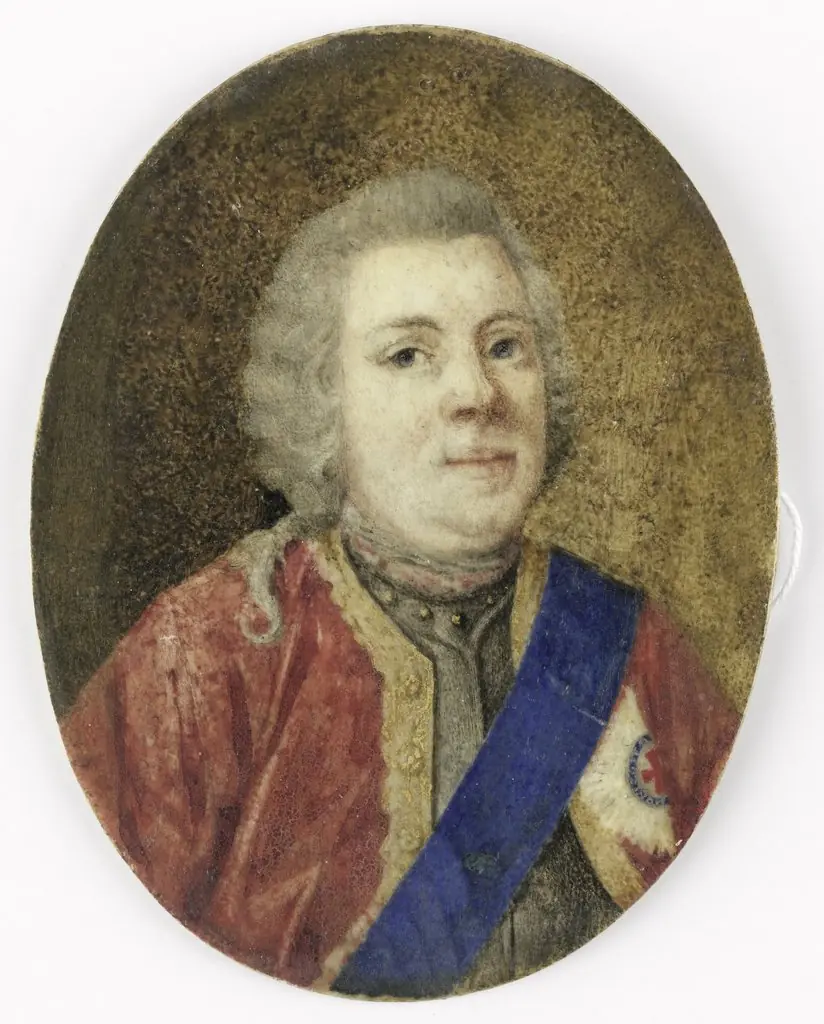 Portrait of Prince Willem IV (1711-51)
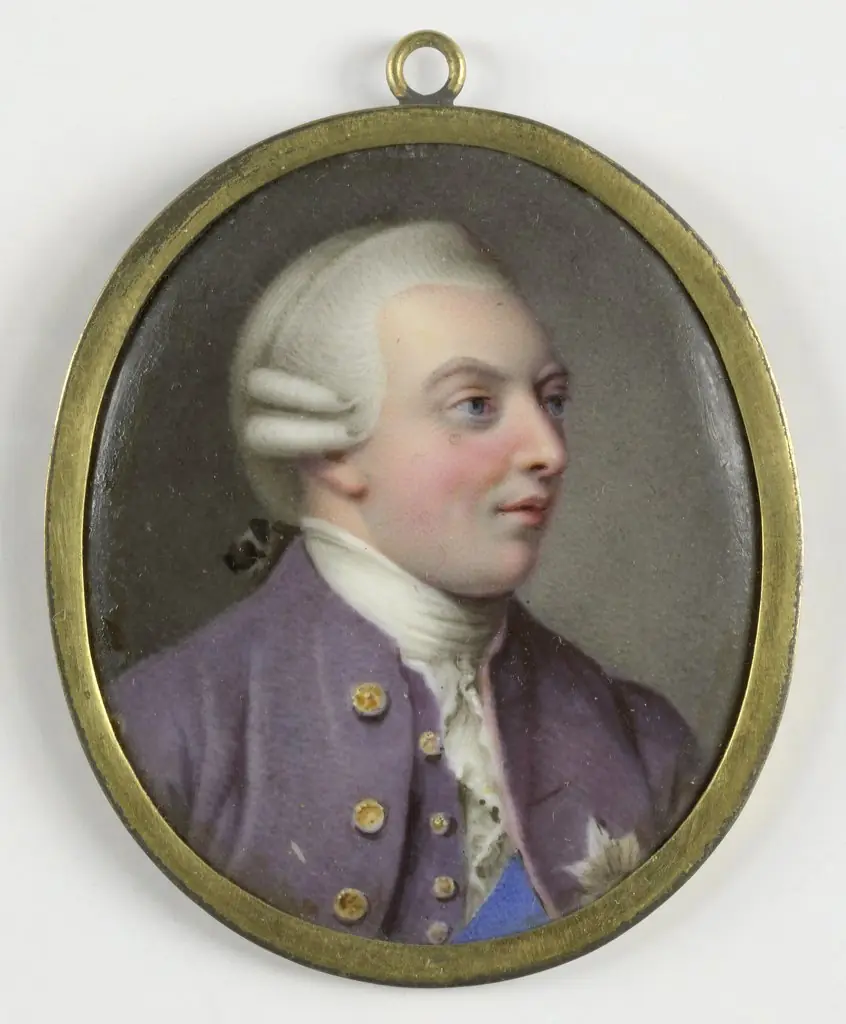 George III (1738-1820), koning van Engeland
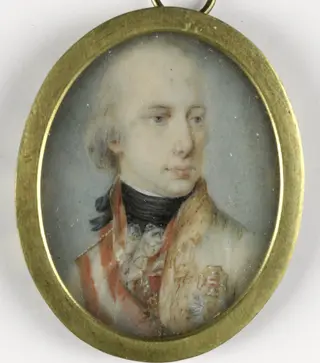 Portrait of Frans I van Habsburg (1768-1835), emperor of Austria
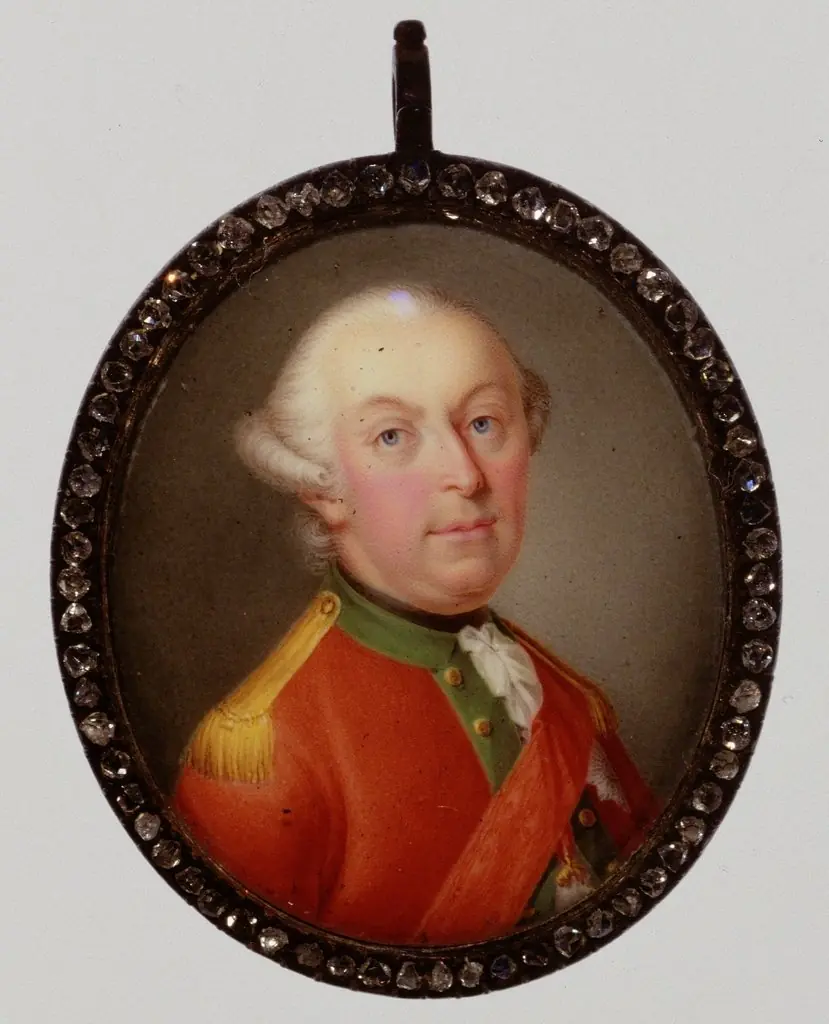 Joseph II (1741–1790), Emperor of Austria
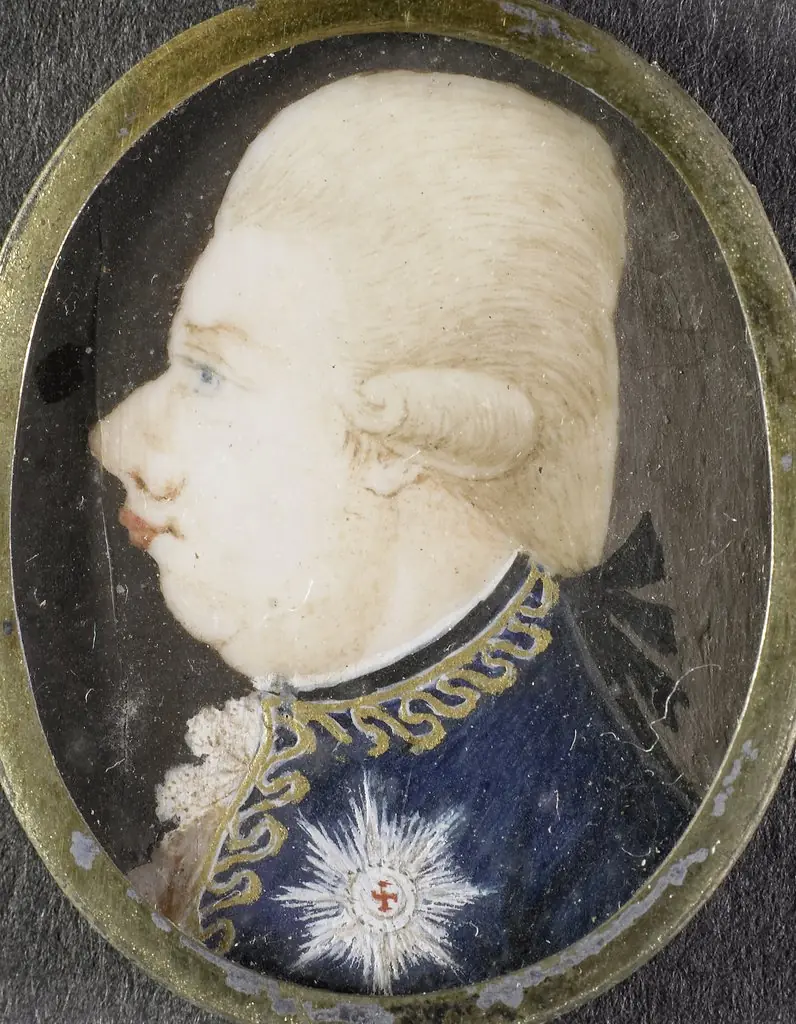 Willem V (1748-1806), prins van Oranje-Nassau
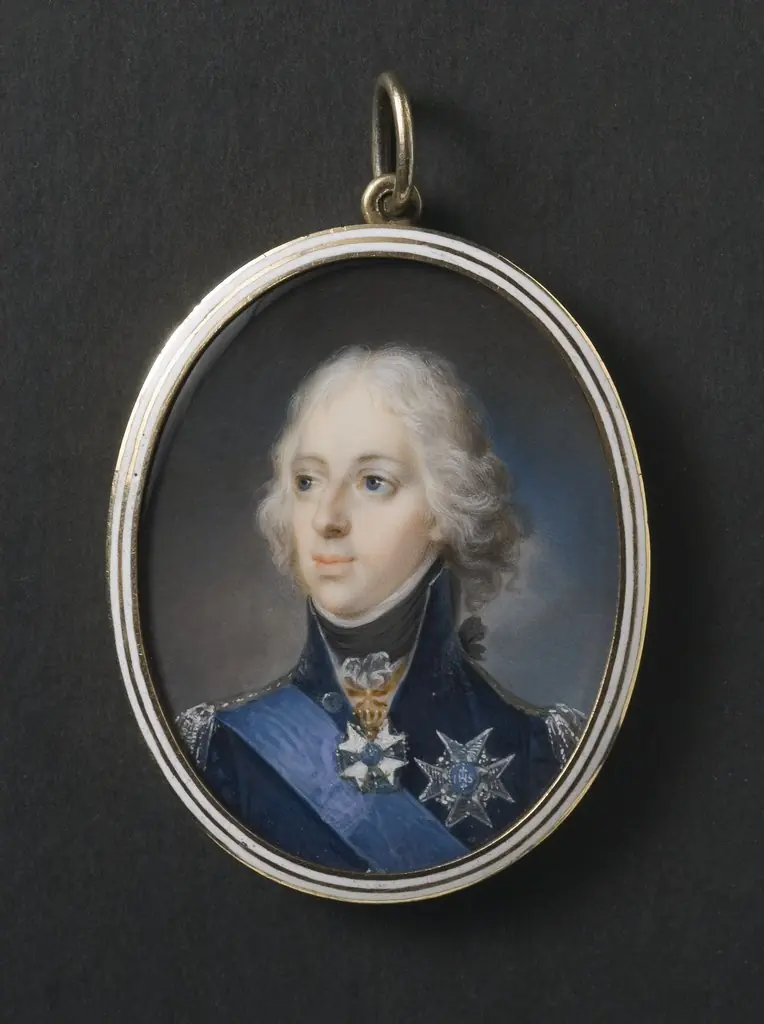 Gustav IV Adolf (1778-1837)
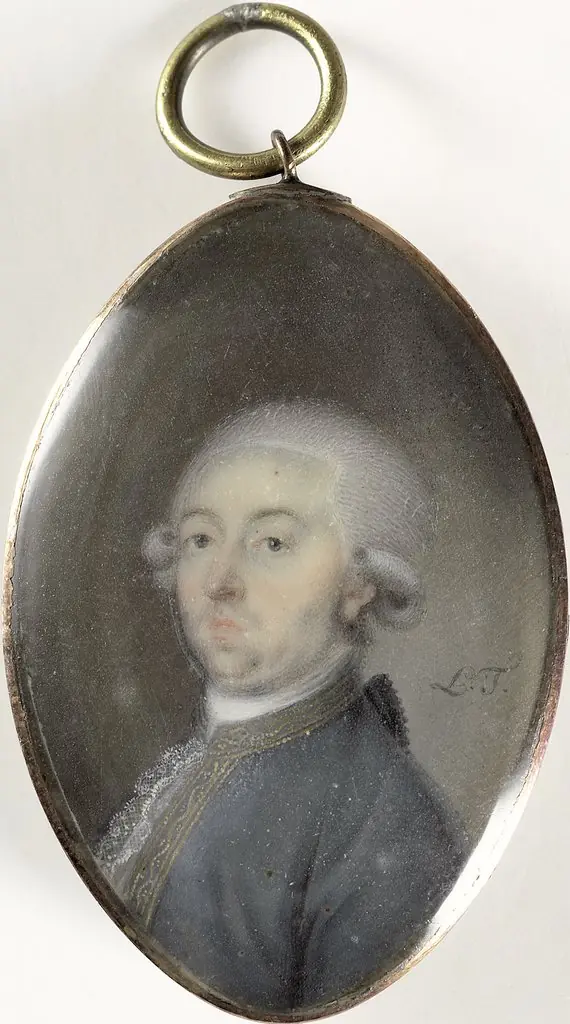 Portrait of Roedolph van Olden (1752-1828)
- Portrait of Willem IV van Oranje- Nassau (1711-1751)
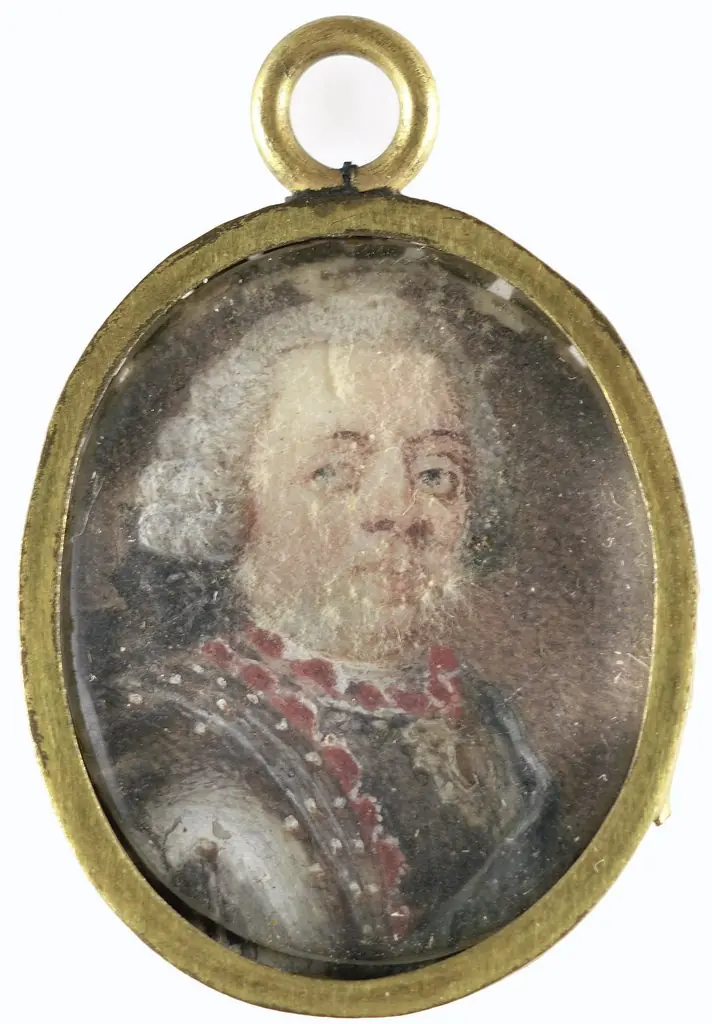 Portrait of Willem IV van Oranje- Nassau (1711-1751)
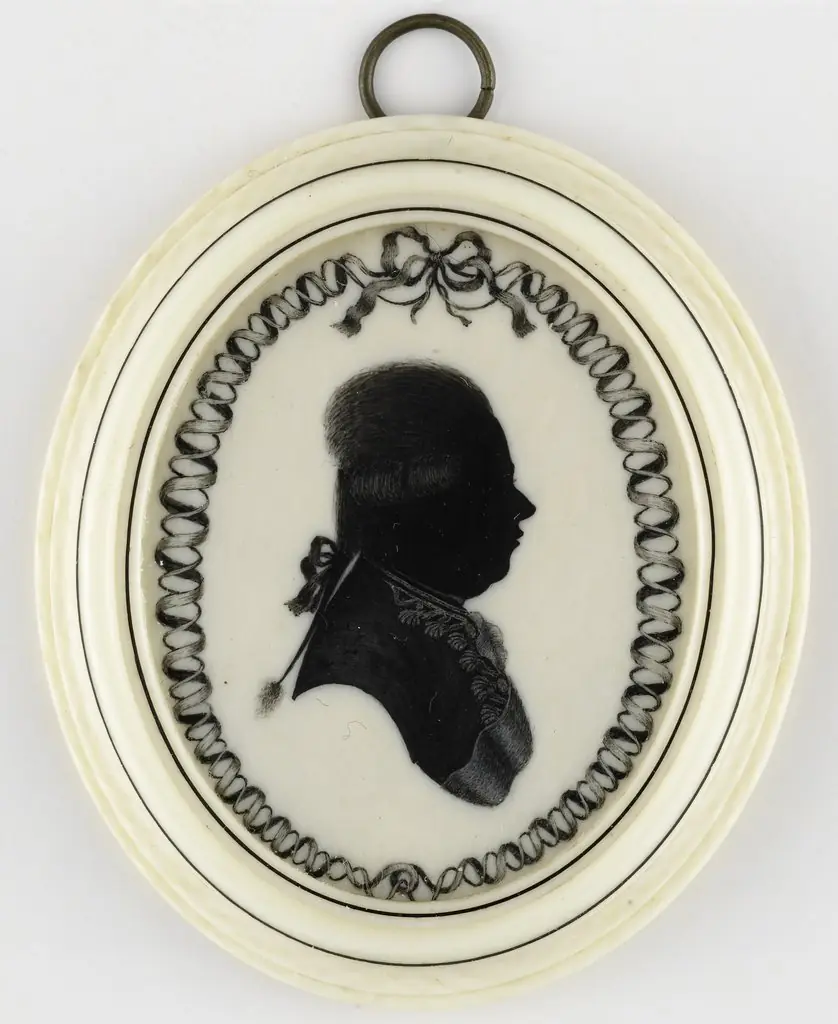 Portrait of Willem V van Oranje-Nassau (1748-1806)
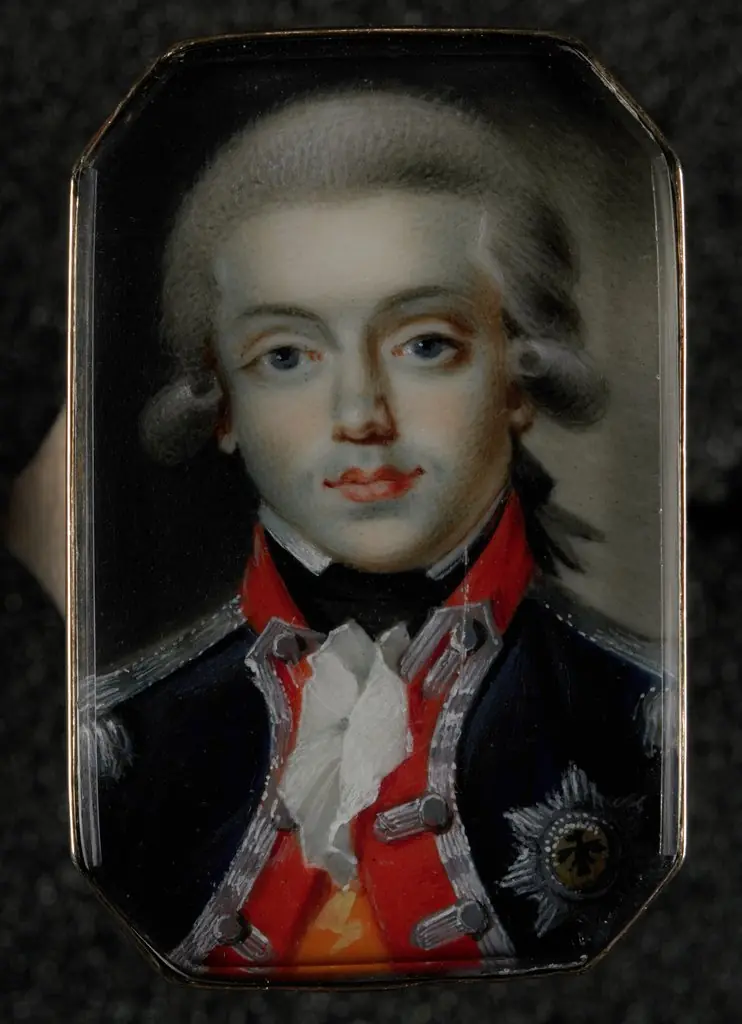 Portrait of Frederik van Oranje-Nassau (1774-1799)
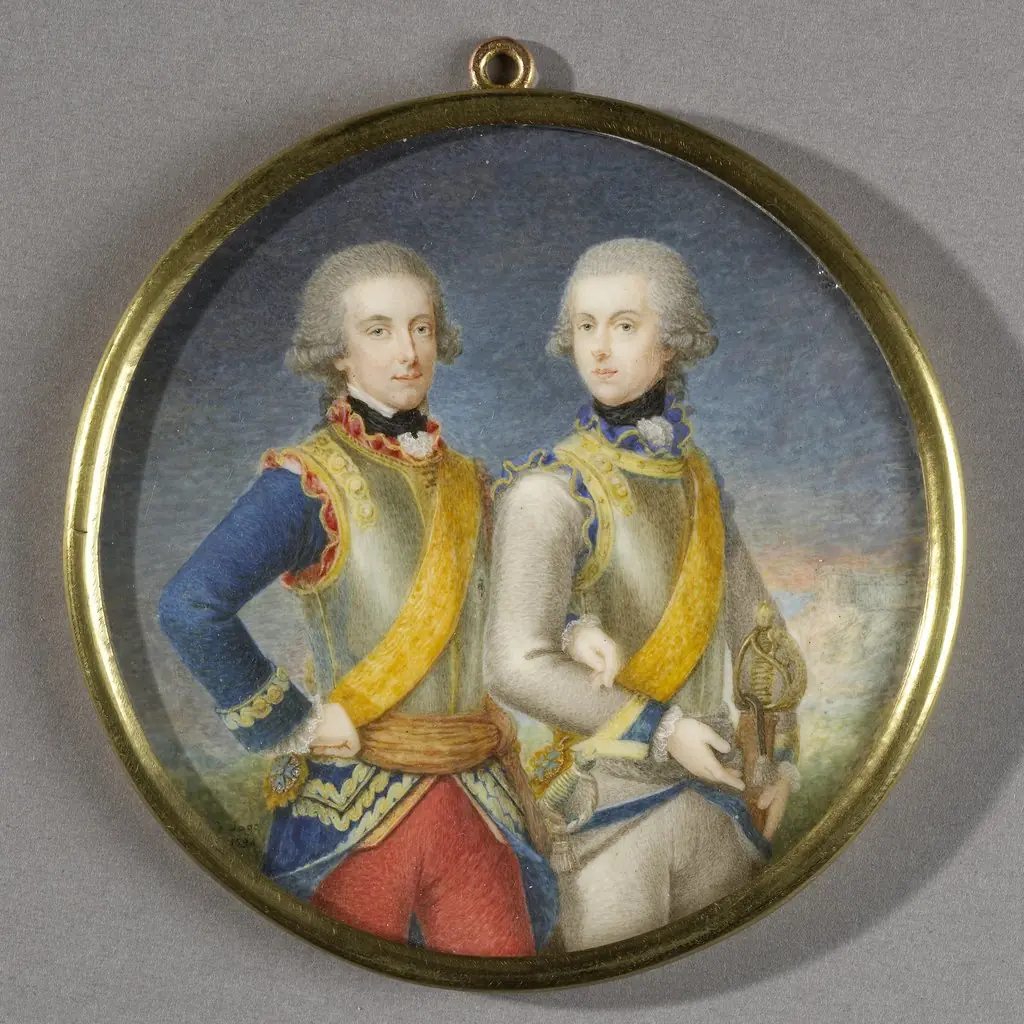 Double portrait of prince Willem I van Oranje- Nassau (1772-1843) and Ludwig Ferdinand van Pruisen (1772-1806)