Artwork
Joseph II (1741–1790), Emperor of Austria
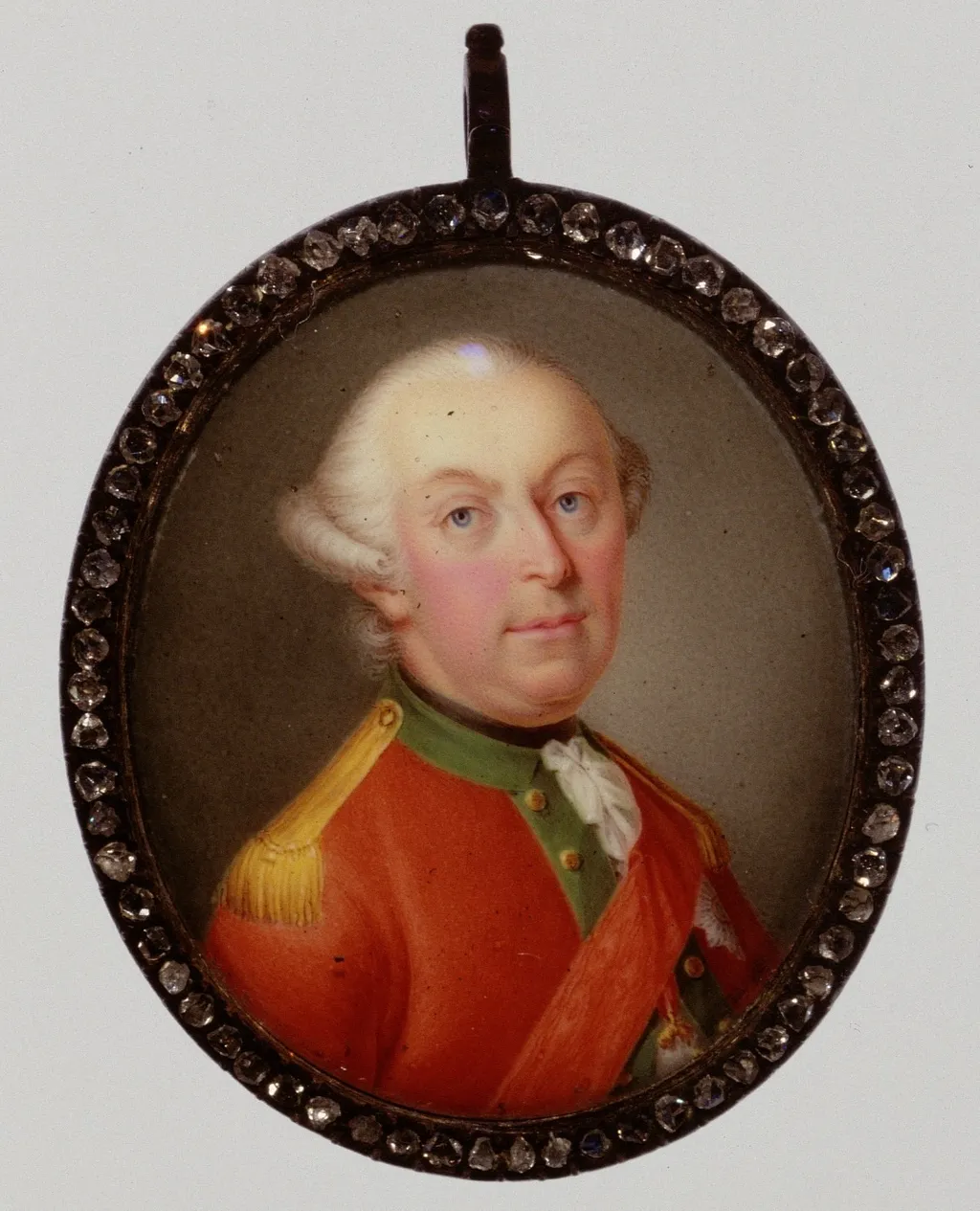
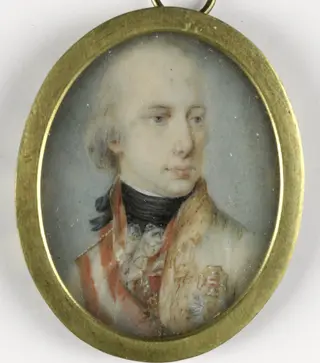
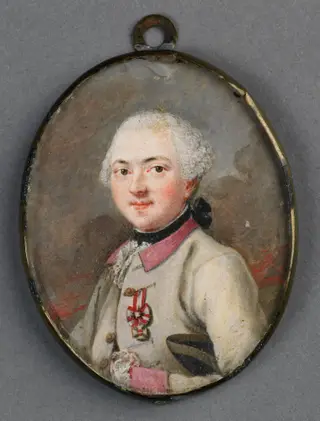
Joseph II (1741–1790), Emperor of Austria is an unspecified painting by the Rococo painting artist Adam Ludwig d'Argent. It dates from 1790 and is held in the collection of the Metropolitan Museum of Art.
About this work
Subject & Meaning
As a portrait, it documents the appearance and presence of the ruler, presenting him within the formal conventions of late-eighteenth-century royal portraiture.
The work is a portrait miniature depicting Joseph II, Holy Roman Emperor, capturing the monarch as a man of state. Created in 1790 by Adam Ludwig d'Argent, the piece focuses on the imperial subject's likeness rather than elaborate allegorical symbolism. As a portrait, it documents the appearance and presence of the ruler, presenting him within the formal conventions of late-eighteenth-century royal portraiture.
The subject is identified as the Holy Roman Emperor, highlighting his sovereign status through the straightforward presentation of his person.
Technique & Style
The work is classified as a portrait by Adam Ludwig d'Argent, dated 1790, and is described as a miniature, a small-scale format consistent with the finely detailed handling typical of late-eighteenth-century court portraiture. The recorded dimensions are 32 cm in height and 26 cm in width, consistent with a cabinet-scale picture rather than a full-length state portrait. Held in the collection of the Metropolitan Museum of Art, the work depicts Joseph II, Holy Roman Emperor. No further technical information regarding medium, support, or condition is documented in the available sources.
History & Provenance
The miniature portrait of Joseph II (1741–1790), Emperor of Austria, by Adam Ludwig d'Argent (1790) is held by the Metropolitan Museum of Art, where it is recorded with the accession number 1975.1.1242. The work has not been exhibited publicly according to available records.
Legacy
The 1780 portrait by Adam Ludwig d'Argent, housed in the Metropolitan Museum of Art, established a canonical visual record of Joseph II that later artists and historians referenced when depicting the Habsburg ruler. Its realistic rendering and the emperor’s direct gaze reinforced the image of an enlightened monarch, influencing subsequent state commissions and popular prints. Scholars cite the work as a primary source for understanding the visual propaganda of the Austrian monarchy in the late eighteenth century, while museum displays continue to present it as emblematic of Joseph II’s reformist legacy.
The painting’s provenance, documented in both the artist’s catalogue entry and the museum’s collection database, underscores its enduring scholarly and cultural significance.
Overview
Adam Ludwig d'Argent's 1790 portrait depicts Joseph II, the Holy Roman Emperor, in a small, circular format. This painting, now housed at The Metropolitan Museum of Art, captures the monarch in official attire, reflecting his status and the period's artistic conventions for royal portraiture. The work's intimate scale and detailed presentation suggest it may have served a personal or commemorative purpose.
Artist & collection

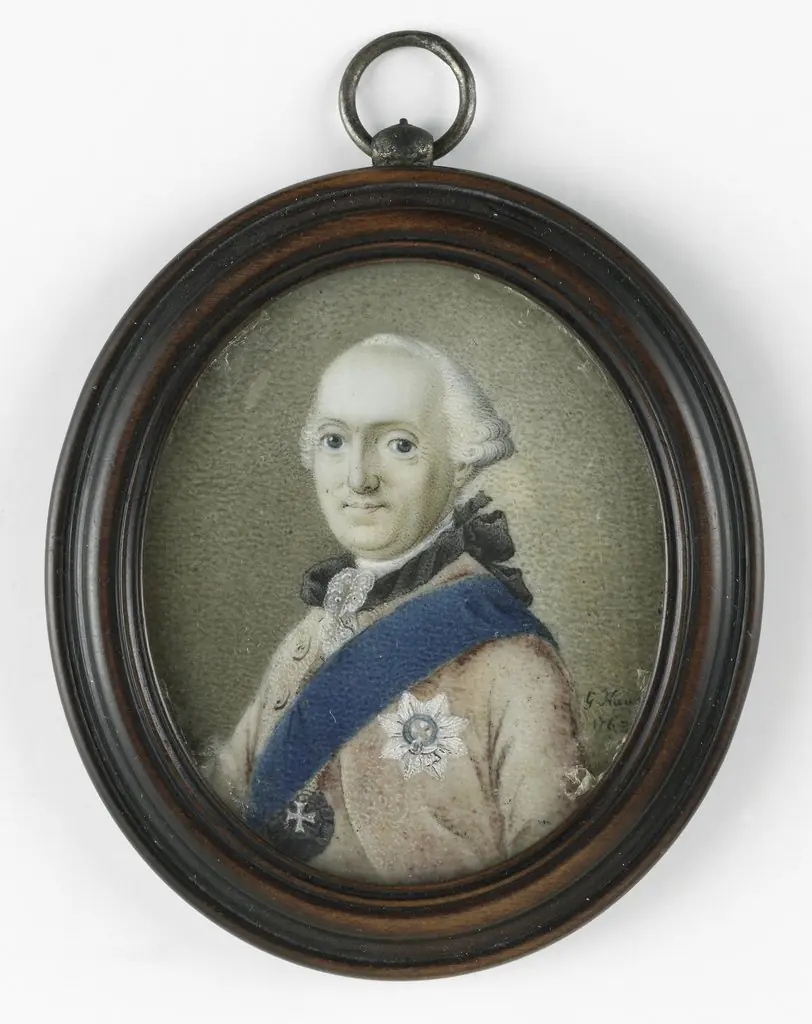 Karl Wilhelm Ferdinand (1735-1806), Duke of Brunswick-Luneburg
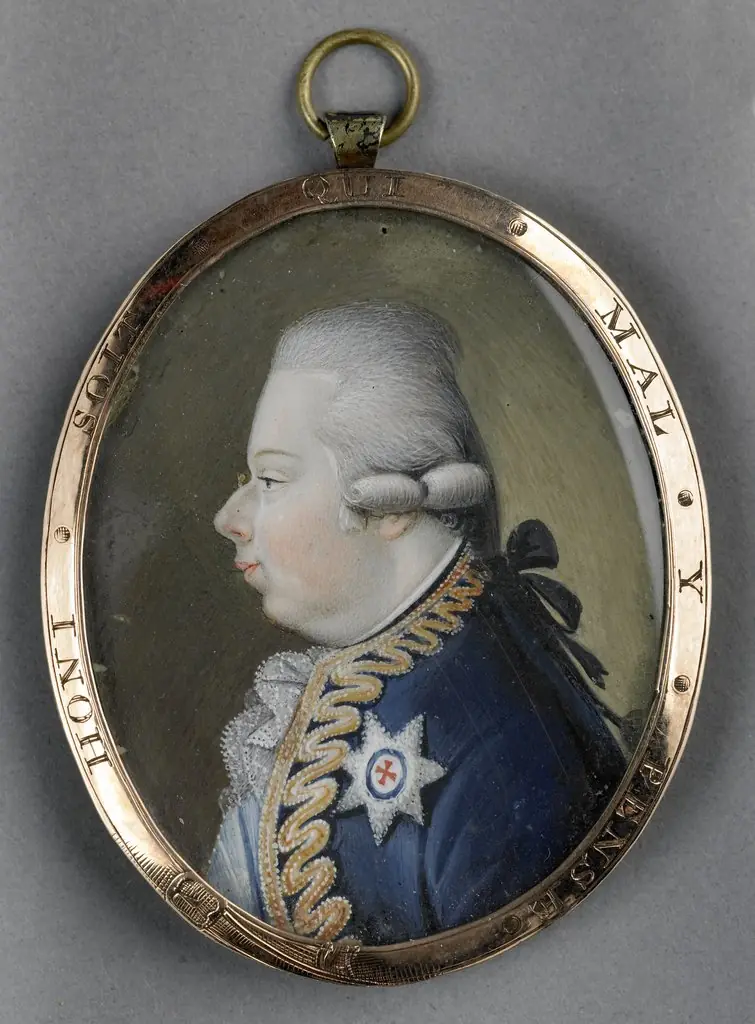 Portrait of Willem V van Oranje- Nassau (1748-1806)
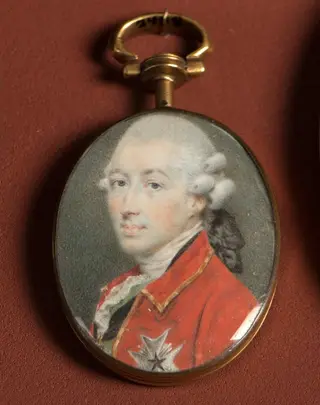 Baron Gustaf Adam von Nolcken
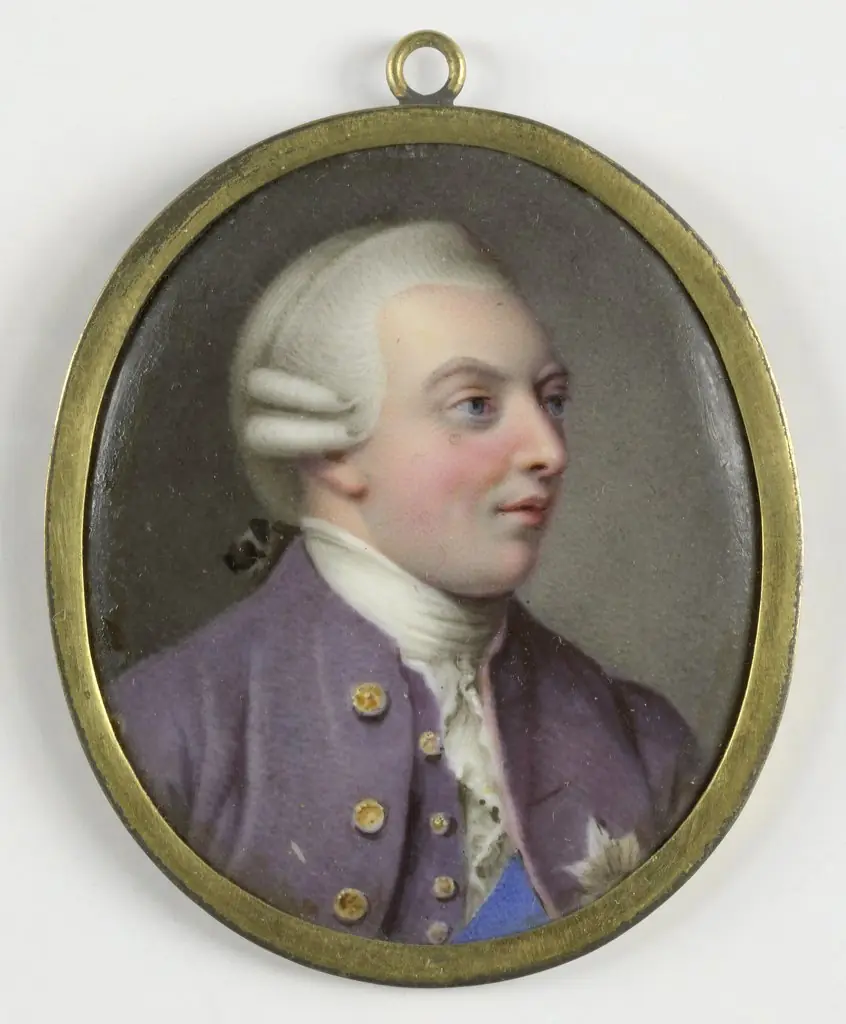 George III (1738-1820), koning van Engeland
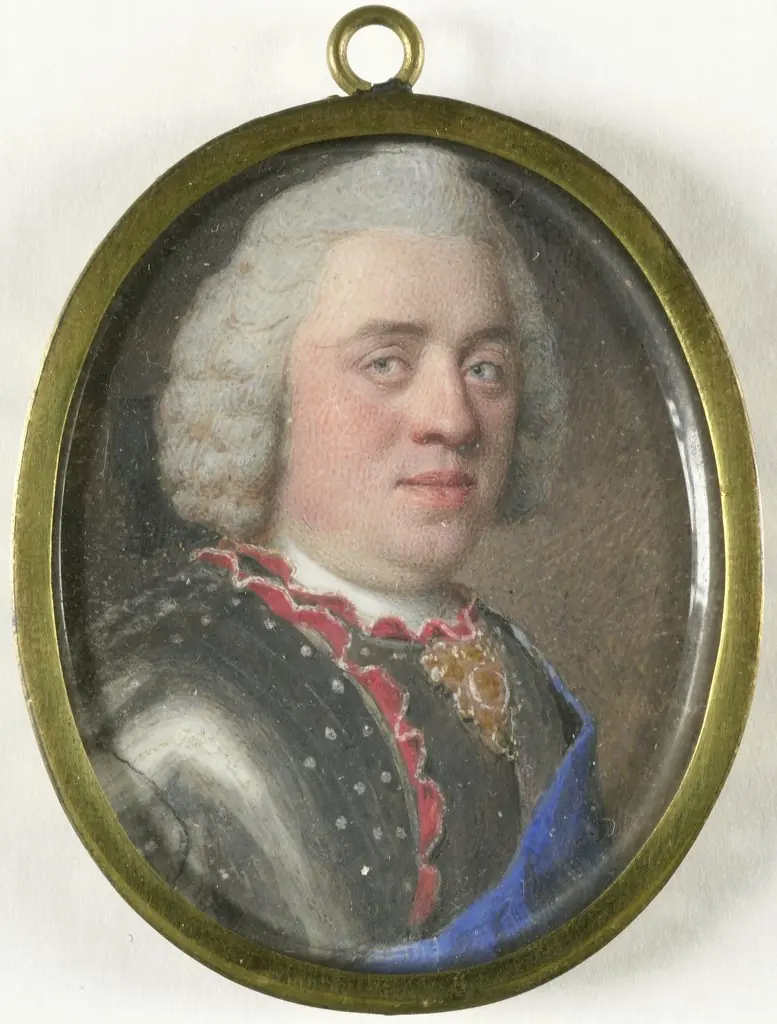 Portrait of Willem IV van Oranje- Nassau (1711-1751)
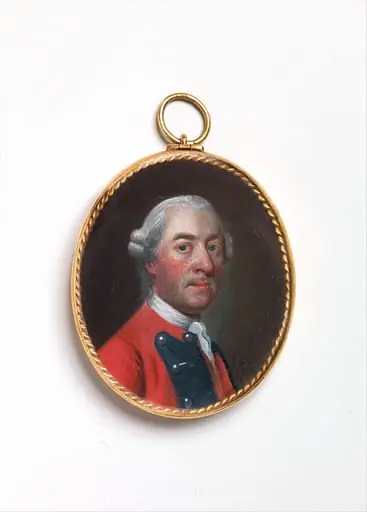 John St. Clair
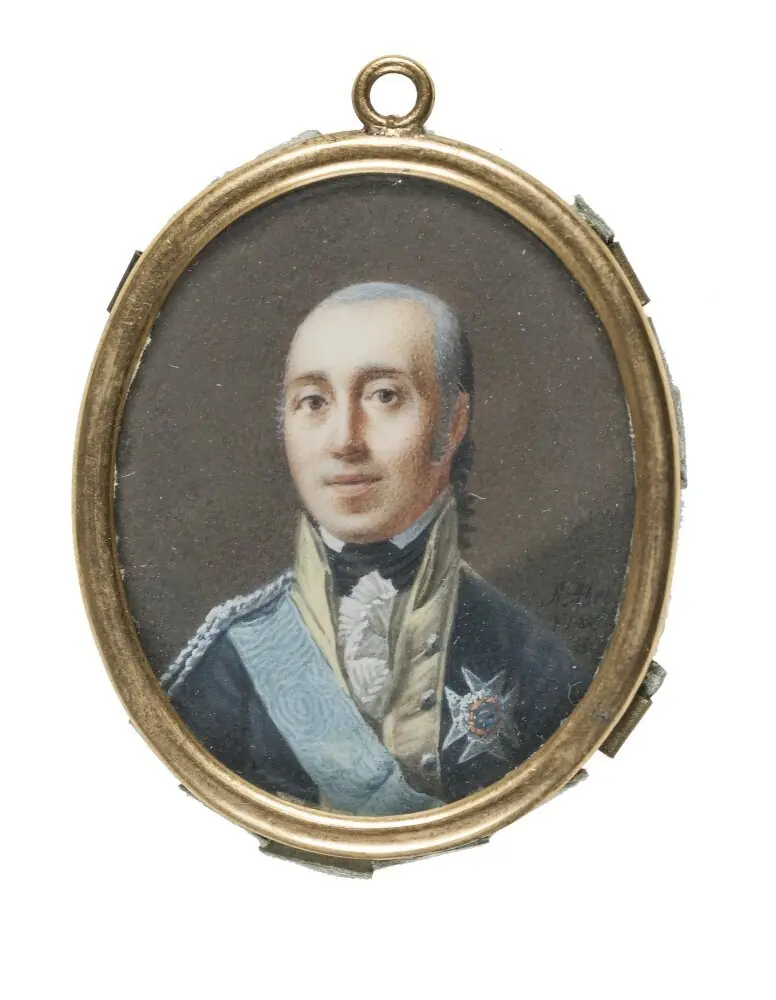 Friedrich Franz, Duke of Mecklenburg-Schwerin
 Portrait of an Austrian officer