Artwork
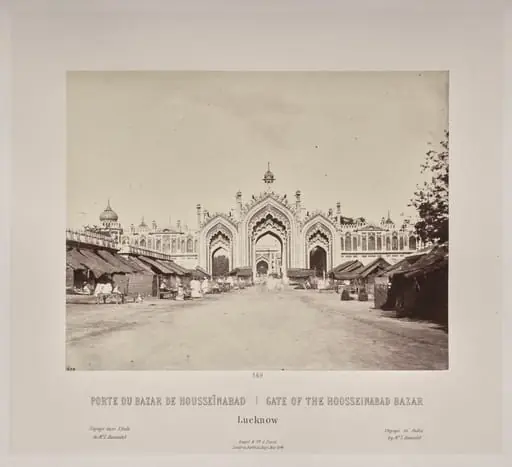
The Hoosseinabad Imambara, Lucknow
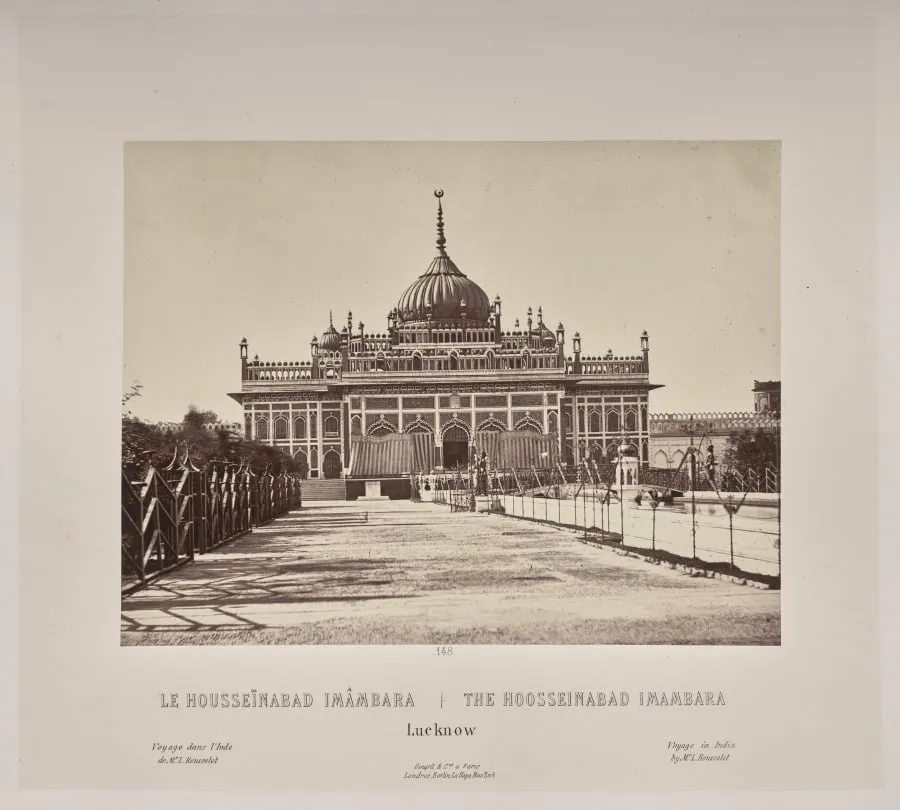
The Hoosseinabad Imambara, Lucknow is a photography by the Impressionist artist Louis-Théophile Marie Rousselet. It dates from 1866 and is held in the collection of the Cleveland Museum of Art.
- Accession no.
- 2022.58.27
- Credit line
- Alma Kroeger Fund
About this work
Overview
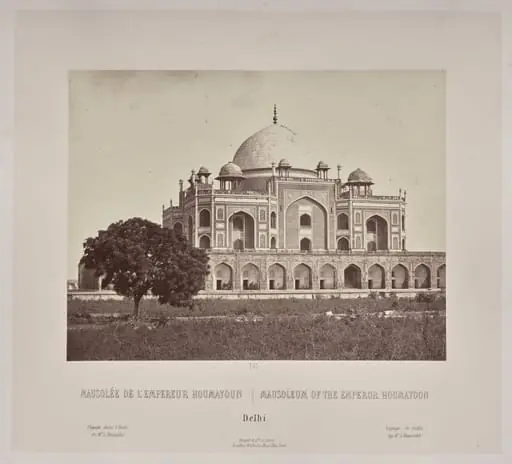
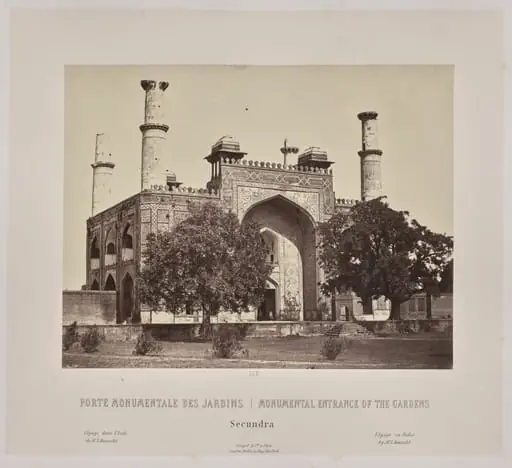
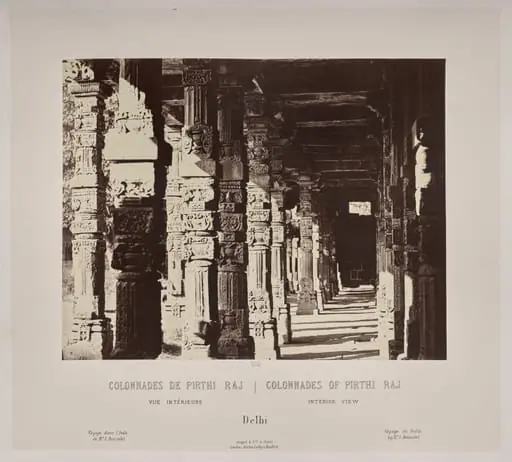
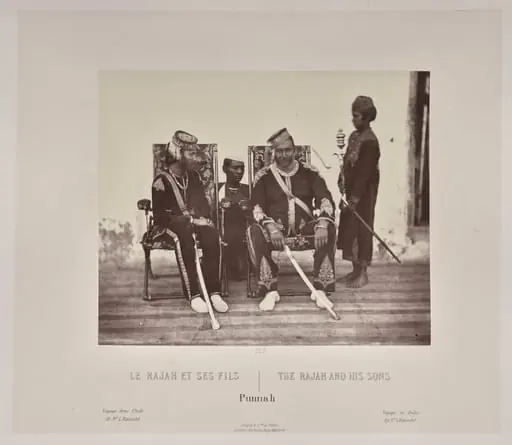
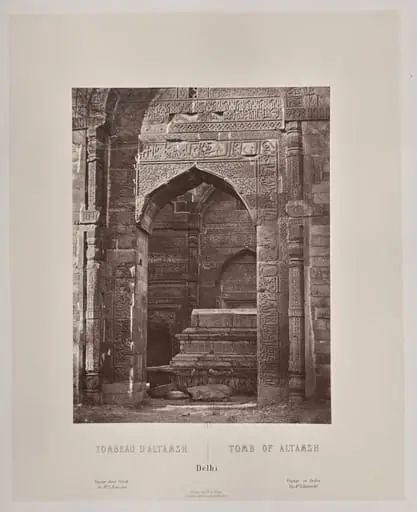
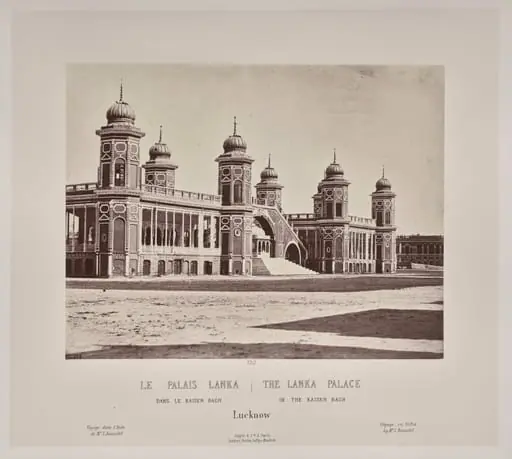
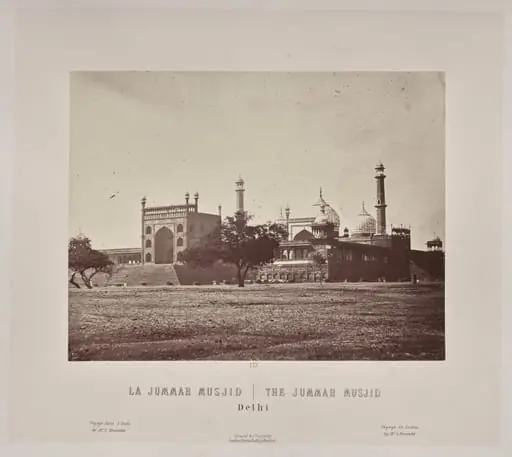
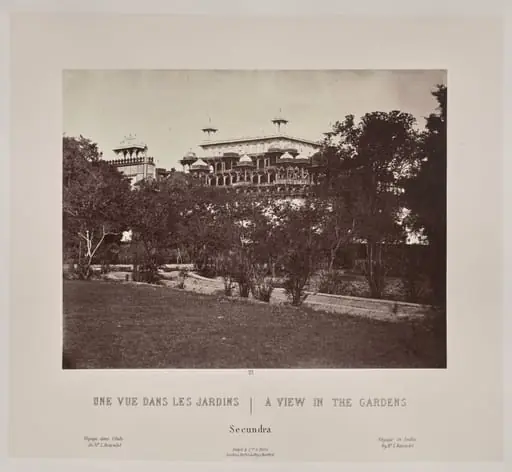
The Hoosseinabad Imambara, Lucknow is a photograph by Louis Rousselet, a European traveler who documented Indian architecture and culture.
Technique & Style
Rousselet learned photography during his time in India, a notable achievement for a European at the time. His photographs, including this one, showcase a sophisticated sense of composition.
Subject & Meaning
The photograph depicts the Hoosseinabad Imambara in Lucknow, a tall, white building with arches and domes. Figures in loose robes are seen walking in the courtyard, adding a sense of scale and context to the architectural subject.
History & Provenance
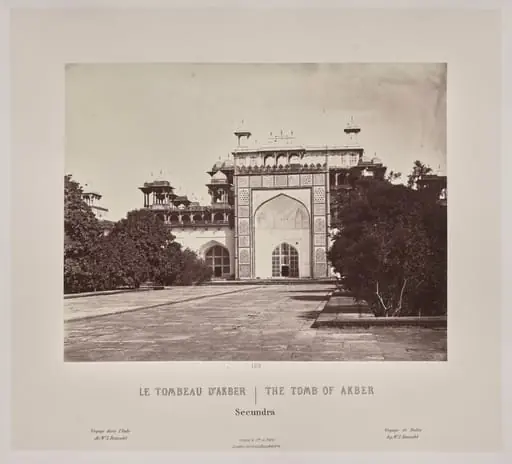
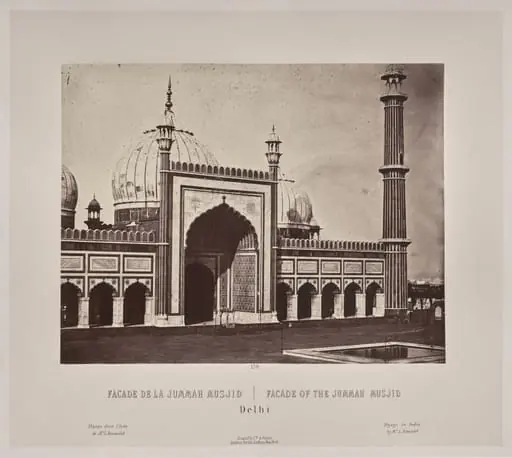
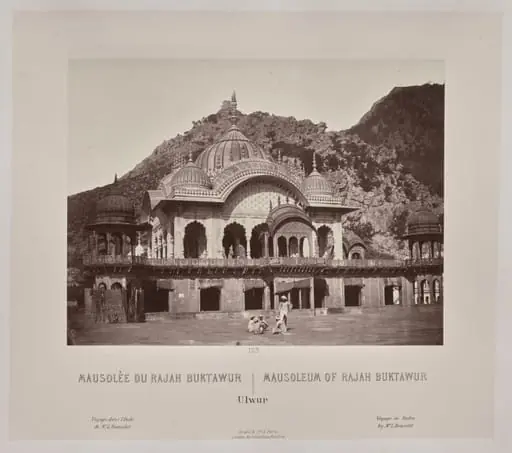
Rousselet's photographs were part of a larger documentation of Indian sites, including locations associated with Sultanate, Rajput, and Mughal power in northern India.
Legacy
Rousselet's photographs helped shape Western perceptions of Indian architecture and culture.
Artist & collection
Artist
Louis-Théophile Marie Rousselet
Louis-Théophile Marie Rousselet (1845–1929) was a French artist.