Artwork
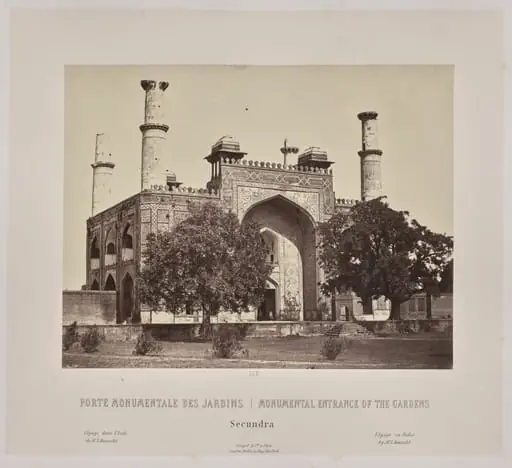
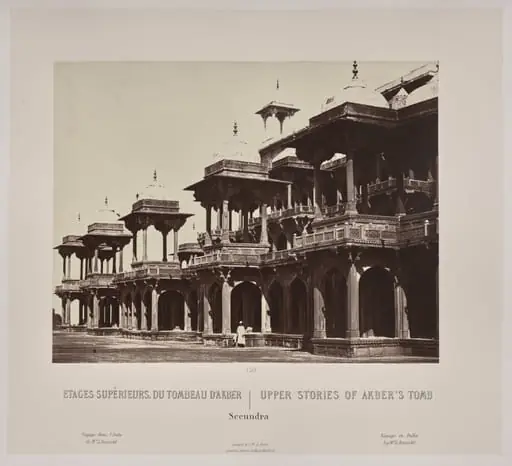
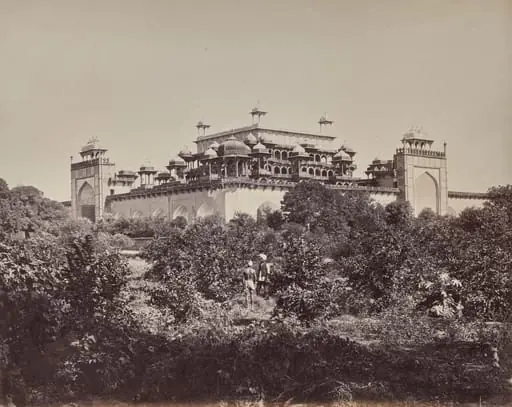
The Tomb of Akber, Secundra
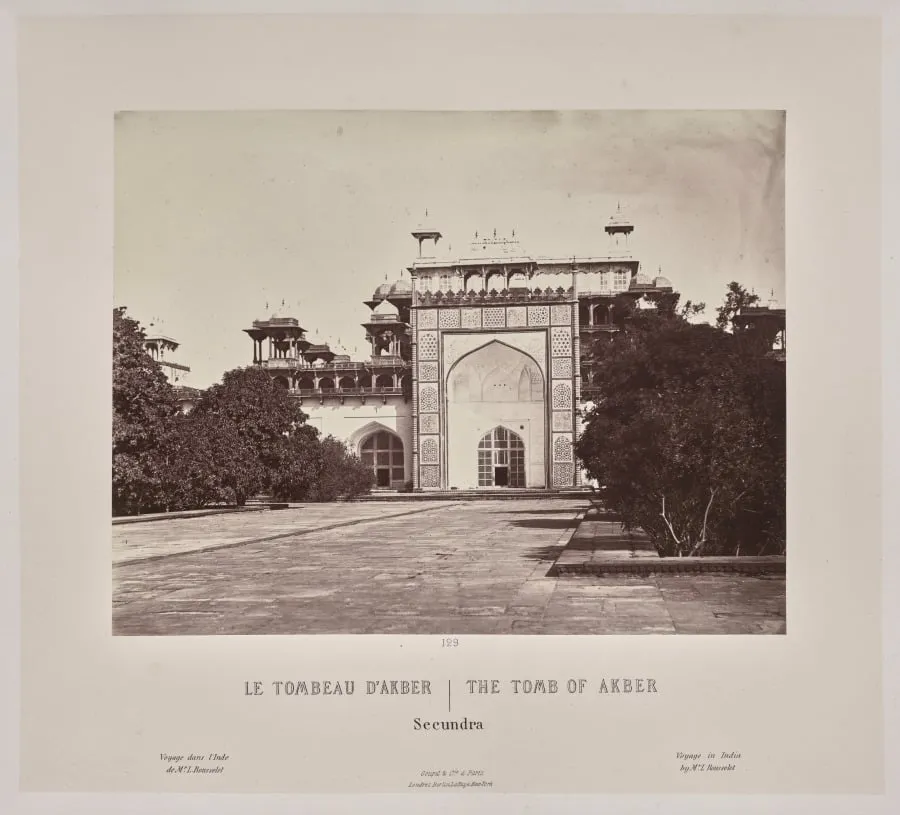
The Tomb of Akber, Secundra is a photography by the Impressionist artist Louis-Théophile Marie Rousselet. It dates from 1866 and is held in the collection of the Cleveland Museum of Art.
- Accession no.
- 2022.58.9
- Credit line
- Alma Kroeger Fund
About this work
Overview
The Tomb of Akber, Secundra is a photograph by Rousselet, capturing a serene dusk scene of a white marble tomb in a quiet courtyard under a pale sky.
Subject & Meaning
The image focuses on the tomb's architectural splendor, highlighting the play of soft light and sharp shadows on its marble surface, evoking a sense of tranquility.
Technique & Style
Rousselet employed photography, a newly acquired skill in India, to better convey the monument's grandeur. The work showcases his adept composition and effective use of chiaroscuro.
History & Provenance
Originally drawn by Rousselet during his Indian travels, the subject was re-captured photographically due to his dissatisfaction with the initial sketches, reflecting his adaptive approach to artistic representation.
Context
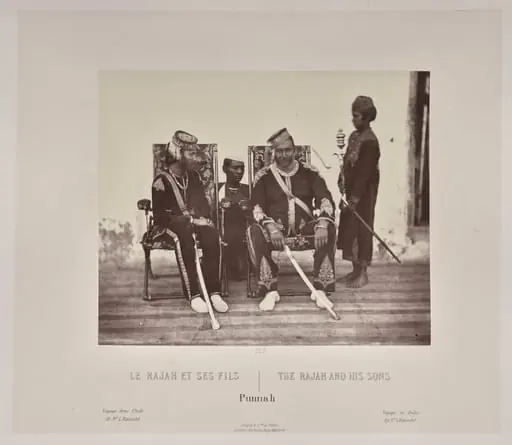
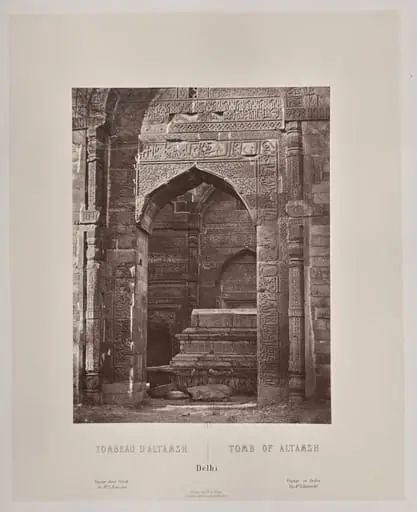
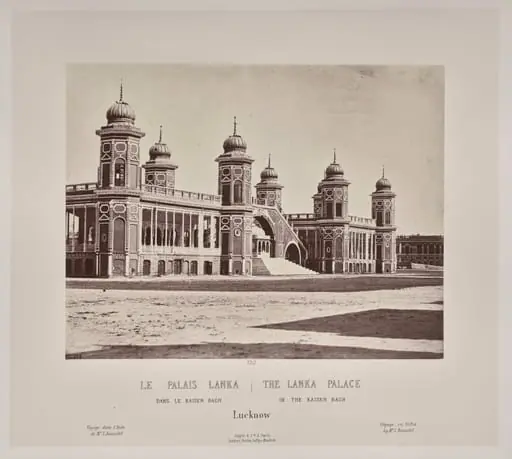
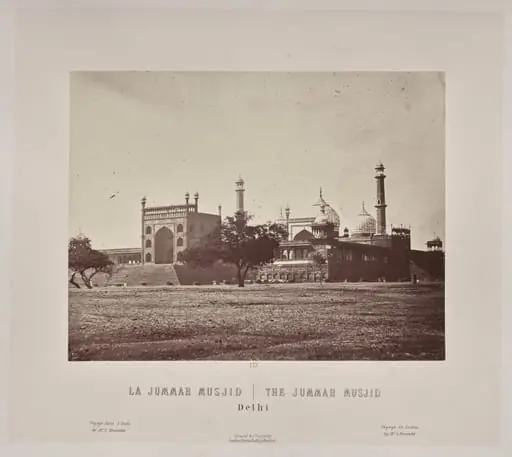
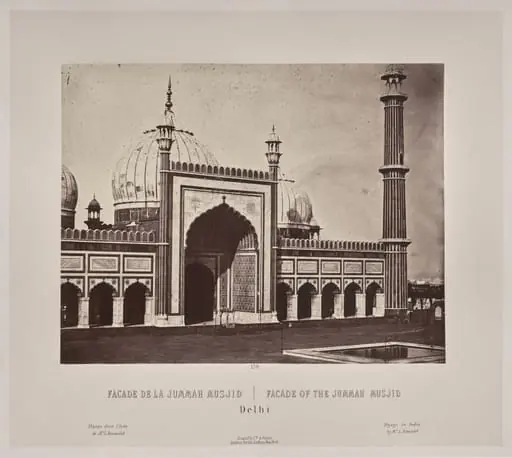
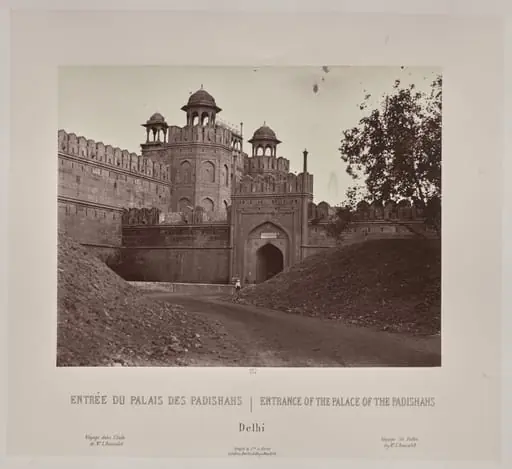
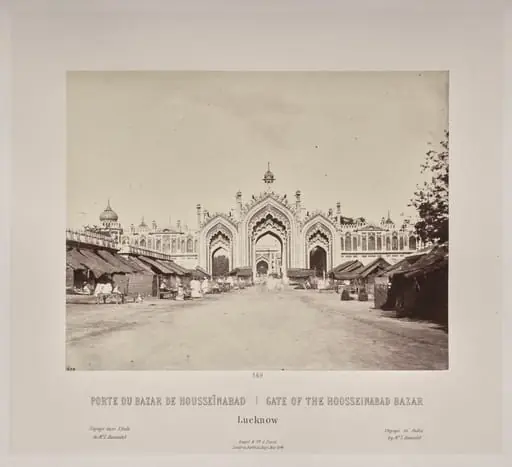
Part of a collection documenting northern India's architectural and cultural heritage, spanning Sultanate, Rajput, and Mughal sites, as well as local industries and rulers.
Artist & collection
Artist
Louis-Théophile Marie Rousselet
Louis-Théophile Marie Rousselet (1845–1929) was a French artist.