Artwork
Flight into Egypt
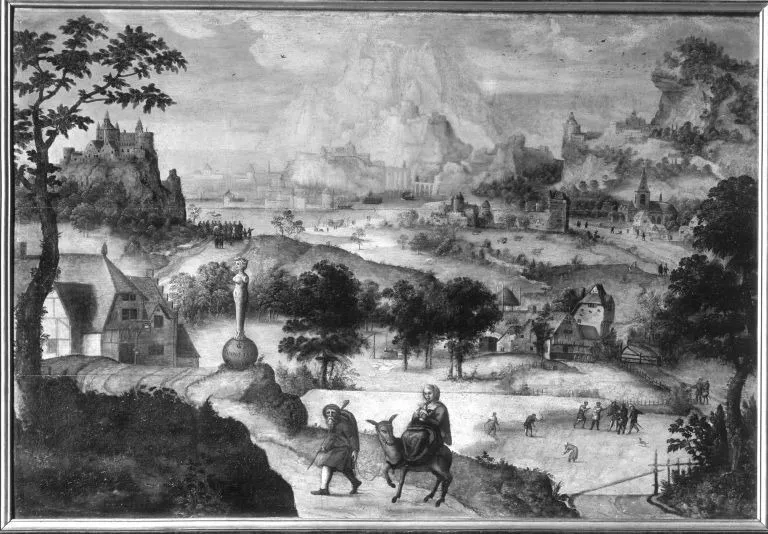
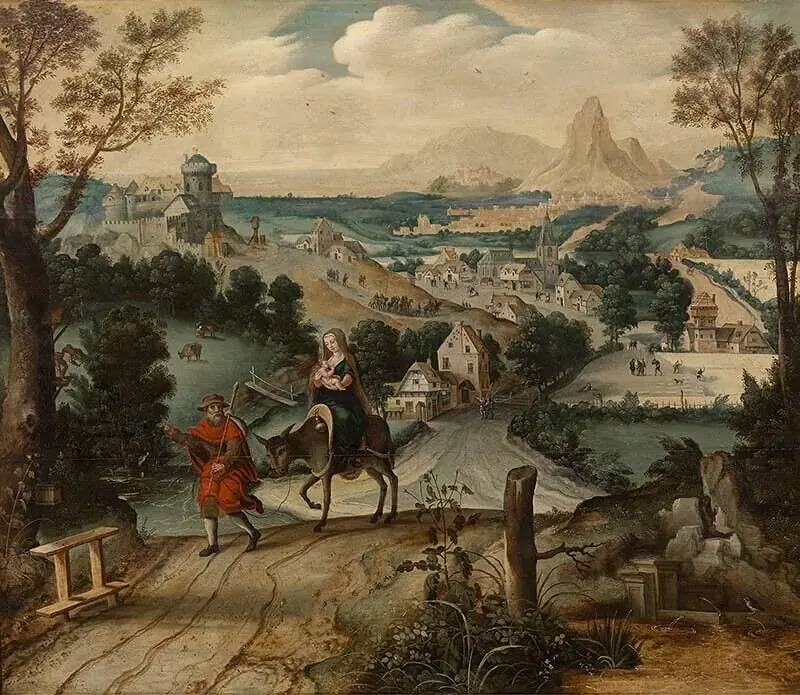
Flight into Egypt is an oil painting by the Northern Renaissance artist Lucas Gassel. It dates from 1540 and is held in the collection of the Bavarian State Painting Collections.
About this work
Technique & Style
The work is executed in oil on wooden panel, a format typical of early sixteenth-century German religious painting.
The work is executed in oil on wooden panel, a format typical of early sixteenth-century German religious painting. The surface bears the characteristic handling of Lucas Gassel, whose style combines meticulous linear drawing with richly layered pigments to convey depth in drapery and landscape. Formal elements include a restrained, pyramidal composition that directs focus toward the central figures of the Holy Family and their protectors, while the muted tonal range and subtle gradations of light reflect a transitional phase between late Gothic narrative clarity and the emerging naturalism of the Northern Renaissance.
History & Provenance
Flight into Egypt was painted by Lucas Gassel in 1540, executed in oil on panel. The work entered the Bavarian State Painting Collections and is now held at the Alte Pinakothek in Munich, where it remains part of that institution's holdings of religious art.
The sources do not document an earlier ownership chain, a specific commissioner, or any intermediate provenance between the work's creation and its accession by the Bavarian State Painting Collections.
The painting Flight into Egypt by Lucas Gassel is held in the collection of the Bavarian State Painting Collections. It is housed at the Alte Pinakothek in Munich. Created in 1540, the work is executed in oil on panel and measures 66.6 cm in height by 94.7 cm in width.
The provided sources do not contain information regarding a specific inventory number or any exhibition history for this artwork.
Context
Lucas Gassel's 1540 oil painting Flight into Egypt, housed in Munich's Alte Pinakothek, exemplifies Northern Renaissance religious art through its meticulous composition and devotional subject matter. The work's significance lies in its representation of early Netherlandish influences within German Renaissance painting, as documented in major art historical references. Its precise dimensions of 66.6 cm by 94.7 cm and oil-on-panel technique underscore the technical conventions of 16th-century Central European art workshops.
Scholarly analysis positions this painting within Gassel's broader oeuvre as a key example of transitional religious imagery preceding the shift toward Mannerist stylization in German art. The piece remains a cornerstone for studying devotional practices in pre-Reformation Central Europe, with its iconography frequently cited in examinations of Counter-Reformation visual culture. Current scholarship emphasizes its role in contextualizing regional artistic identities within the broader European Renaissance movement.
Legacy
Lucas Gassel's 1540 painting Flight into Egypt entered the Bavarian State Painting Collections and is housed in the Alte Pinakothek, where it remains on view. The work influenced later religious painters who adapted its composition and narrative treatment, particularly in Counter-Reformation art. Its status as an early Netherlandish depiction of the Holy Family contributed to evolving visual interpretations of the subject in 16th-century European art.
The painting's provenance and physical details are documented in the Bavarian State Painting Collections' records, which note its medium as oil on panel and its dimensions of 66.6 cm by 94.7 cm.
Overview
The painting 'Flight into Egypt' is a 1540 oil-on-panel work by Lucas Gassel, a Flemish artist known for his landscapes and print designs.
Subject & Meaning
The work depicts the biblical scene of the Flight into Egypt, showing a group of travelers, led by two horsemen, journeying through a rolling landscape with a distant castle or large building.
Artist & collection
Artist
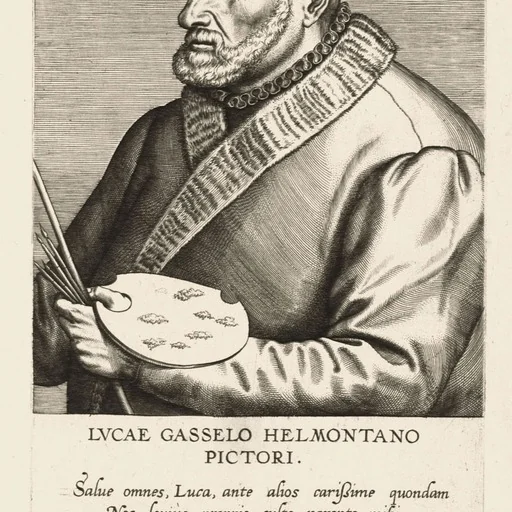
Lucas Gassel or Lucas van Gassel (Deurne, c. 1485 – Brussels, 1568 or 1569) was a Flemish Renaissance painter and draughtsman known for his landscapes. He helped further develop and modernize the landscape tradition in…

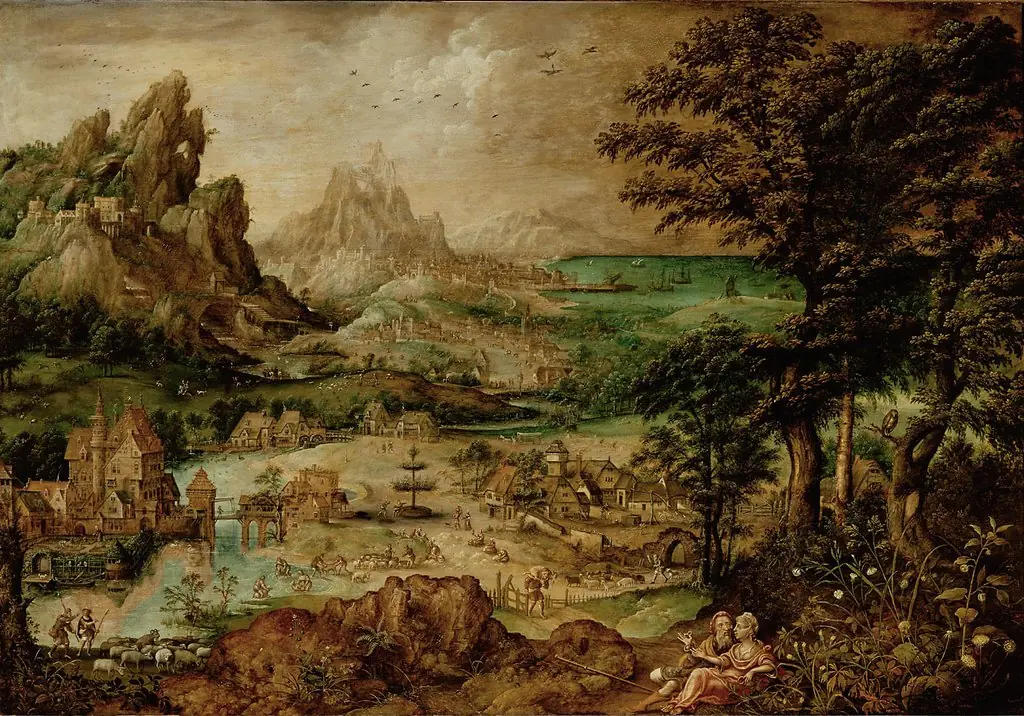
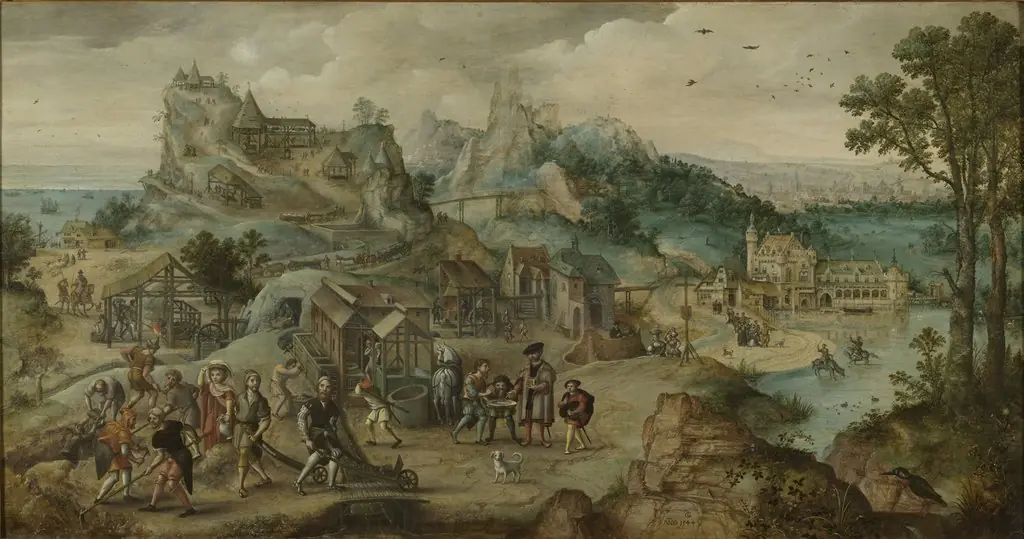
- Landscape with the devil who sows weeds
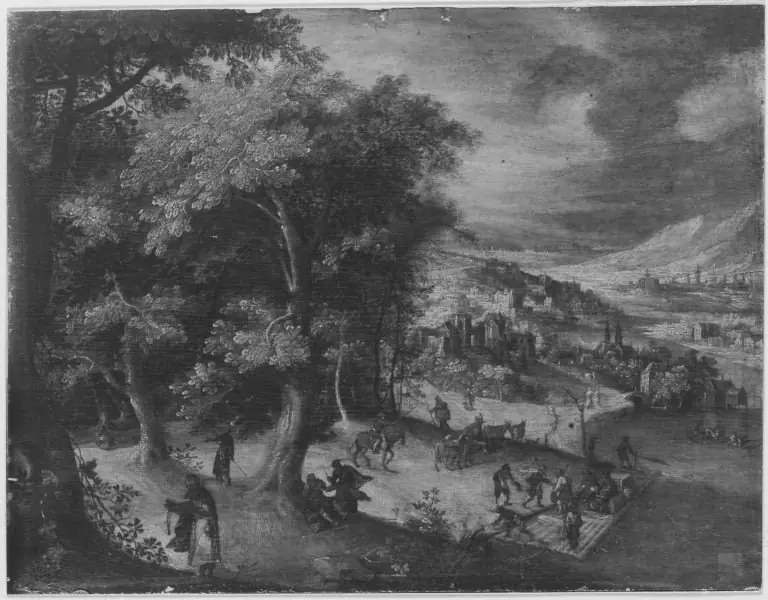 Flusslandschaft
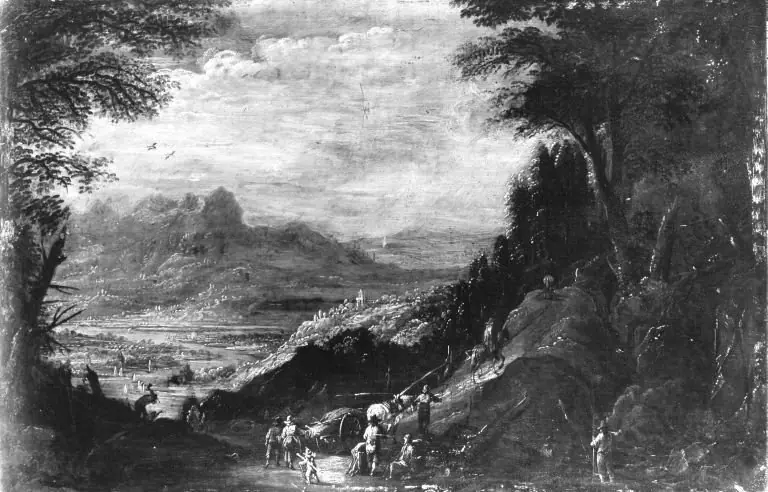 Landschaft (Nachahmer)
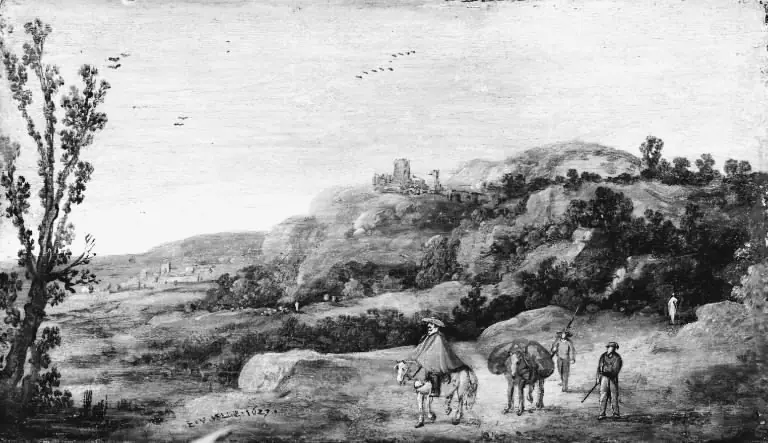 Hilly Landscape
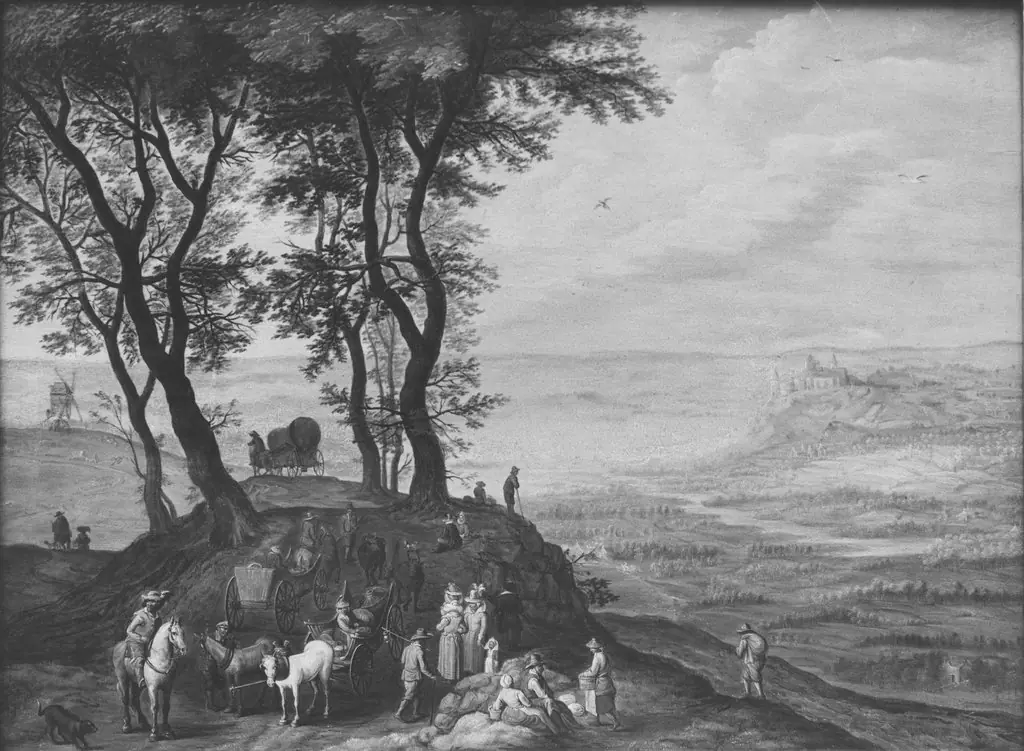 The Road to the Market
 Hilly Landscape
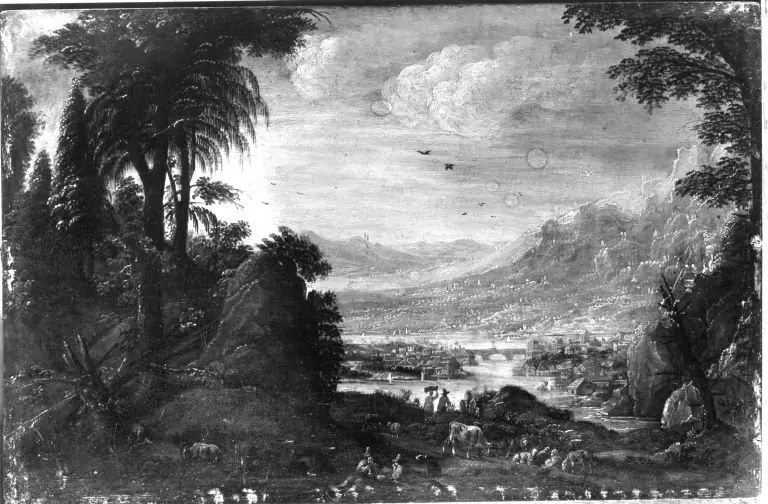 Landschaft (Nachahmer)
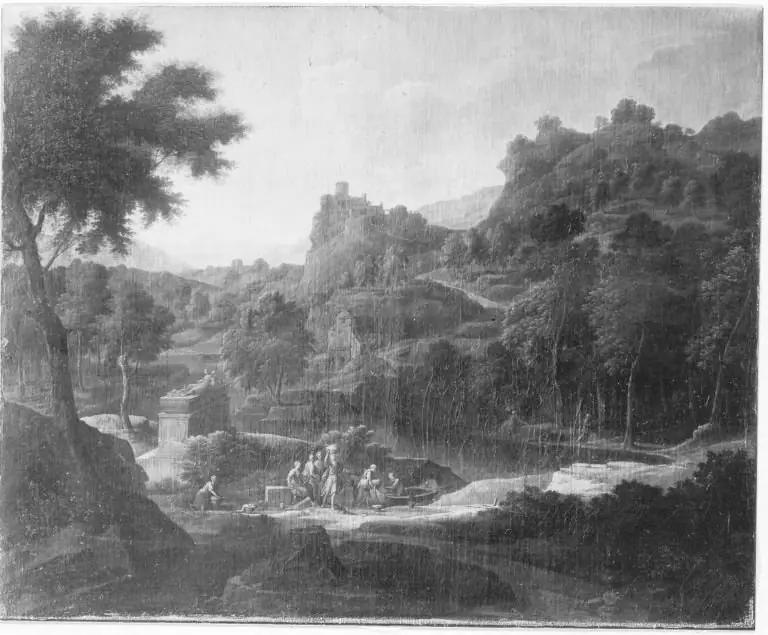 Ideallandschaft italienischen Charakters
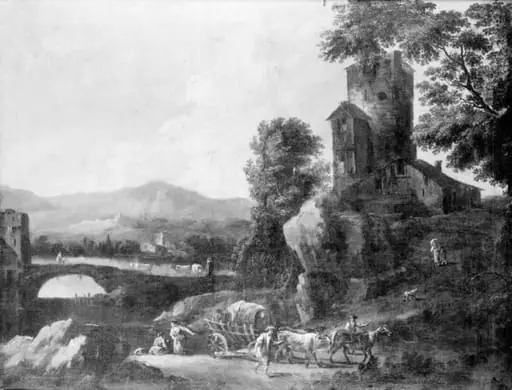 Mountain Landscape with Picturesque Buildings
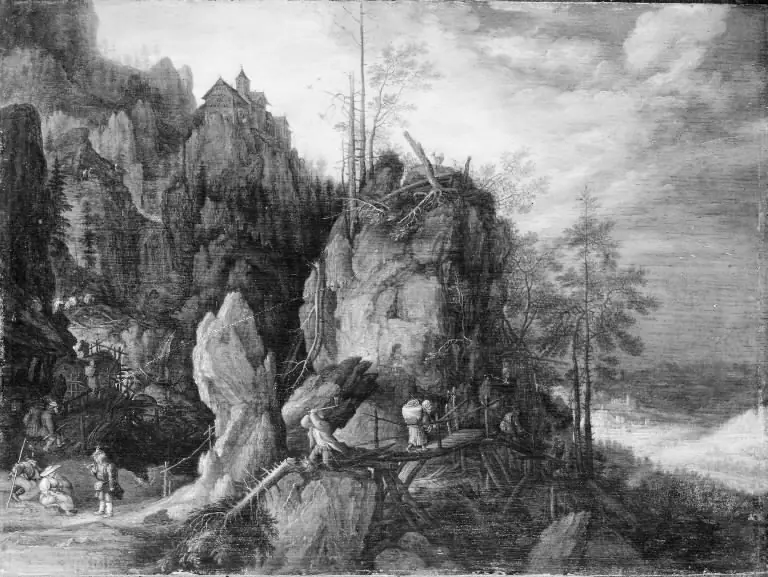 Mountain Landscape with Woodcutters
 Hollandsk landsby
 Mountain Landscape with Woodcutters