Artwork
Abraham and the Angels
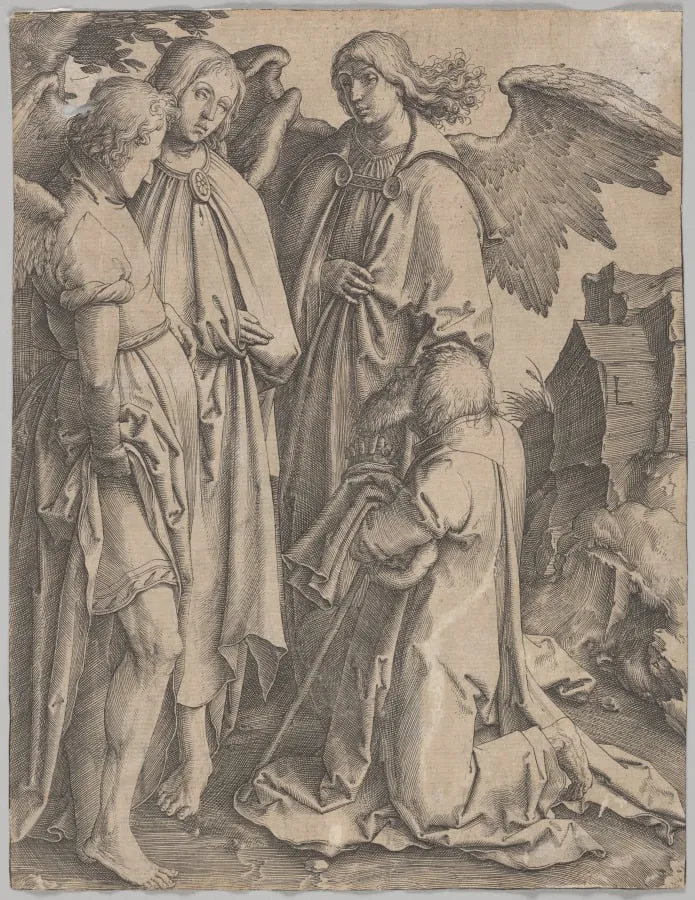
Abraham and the Angels is a print by the Renaissance artist Lucas van Leyden. It dates from 1513 and is held in the collection of the Cleveland Museum of Art.
- Accession no.
- 2025.186
- Credit line
- Gift of Edward Olszewski
About this work
Overview
Abraham and the Angels is a small, intricately detailed print by Lucas van Leyden, created at the age of nineteen. The work depicts a serene biblical scene with meticulous textures and subtle visual effects.
Subject & Meaning
Based on Genesis 18, the print shows Abraham kneeling before three angelic travelers, one holding a walking stick, under a tree in Mamre. This encounter precedes the announcement that Abraham's wife, Sarah, will bear a son.
Technique & Style
The composition is compact, with delicate textures characteristic of van Leyden's engraving technique. The artwork features fine, careful strokes for details like leaves and clothing, and employs a soft, blurred edge effect reminiscent of sfumato.
History & Provenance
Created when van Leyden was nineteen, the print's early provenance details are not specified here, highlighting only its youthful creation.
Context
While rooted in a biblical narrative, the scene conveys a quiet, intimate atmosphere, suggesting a personal, everyday moment rather than a grand religious tableau.
Artist & collection

Artist
Lucas van Leyden (1494 – 8 August 1533), was a Dutch painter and printmaker in engraving and woodcut. Lucas van Leyden was among the first Dutch exponents of genre painting and was a very accomplished engraver.

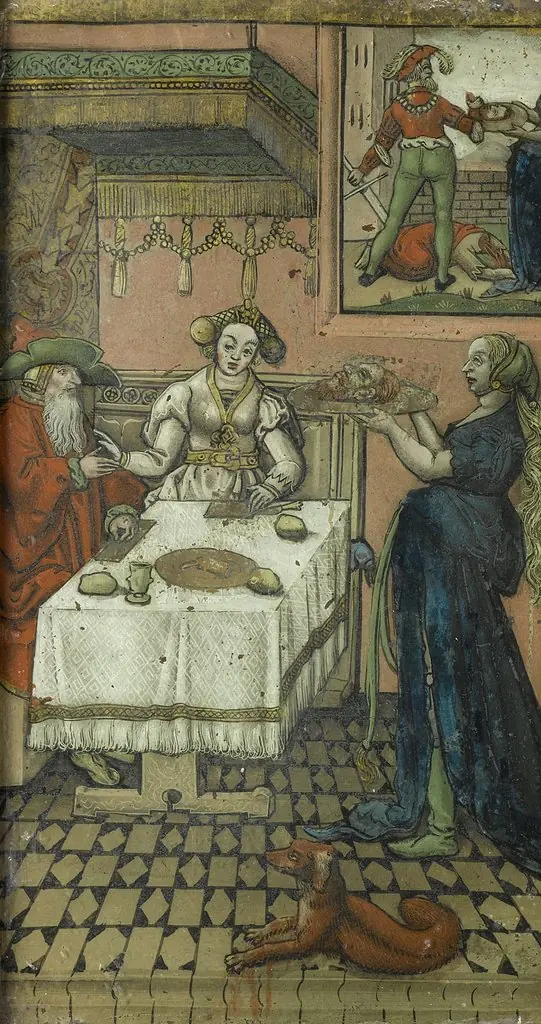 Salome with the head of St John the Baptist
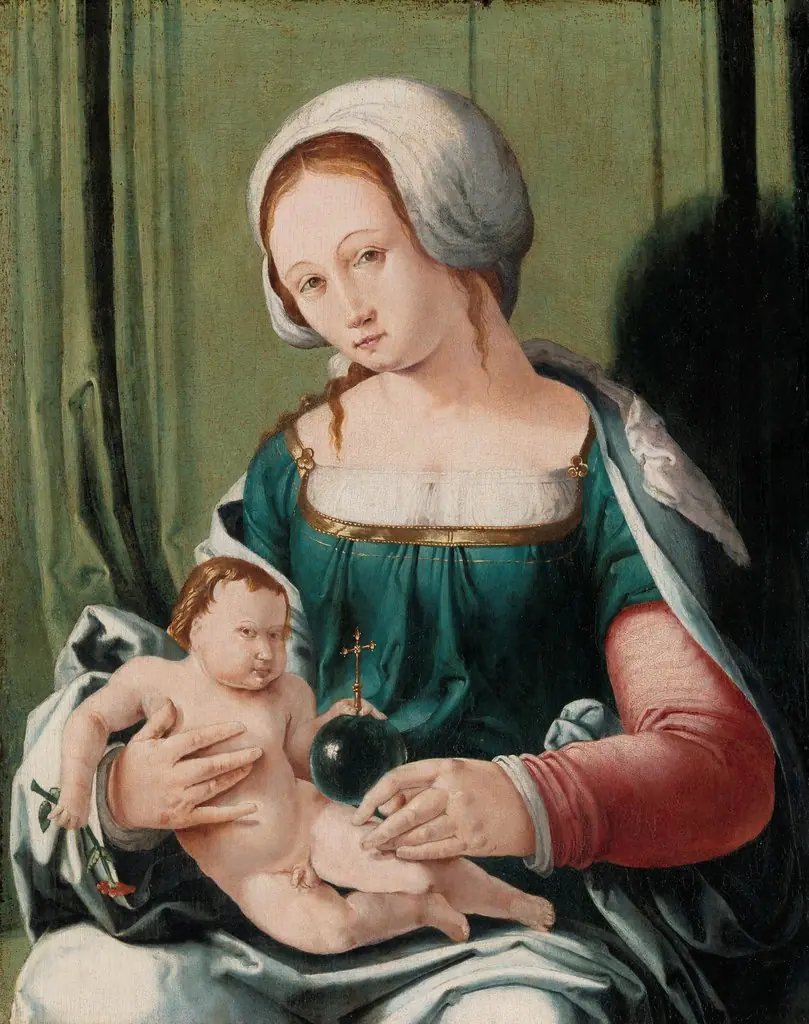 The Virgin and Child
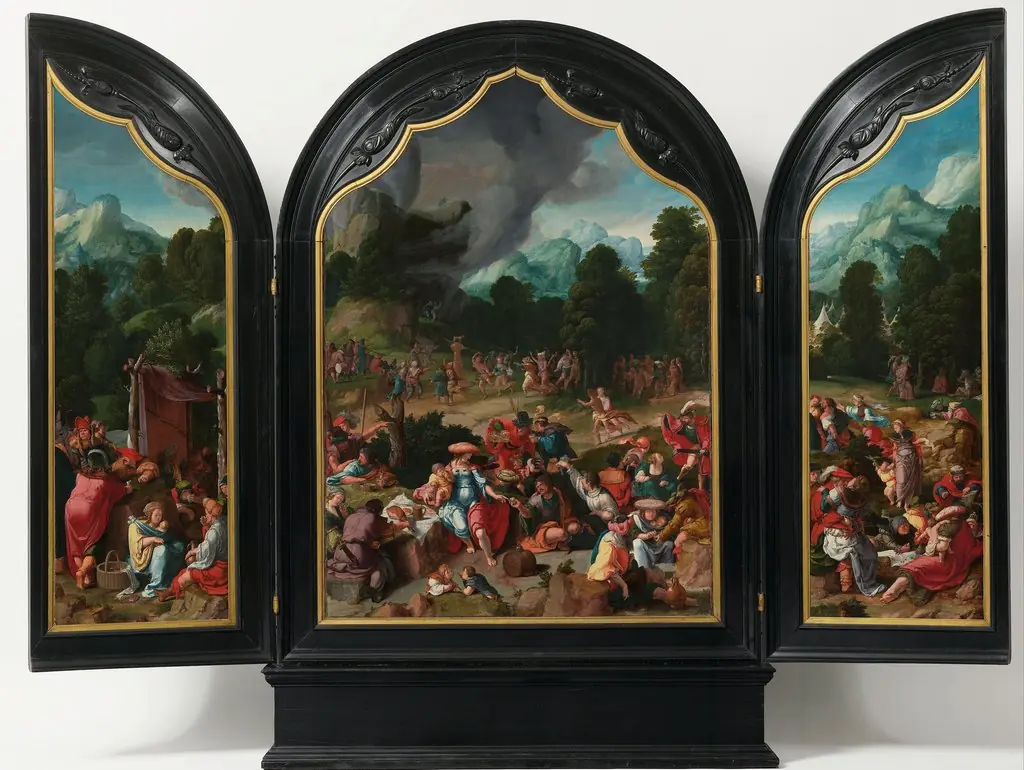 Worship of the Golden Calf
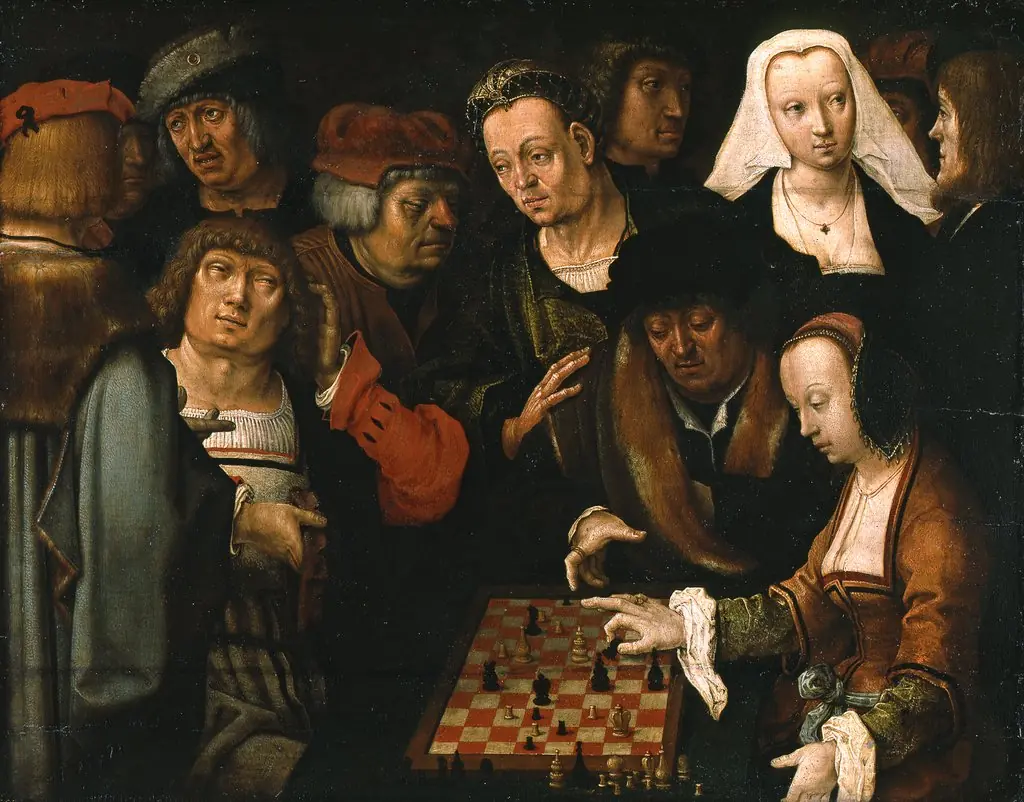 A Game of Chess
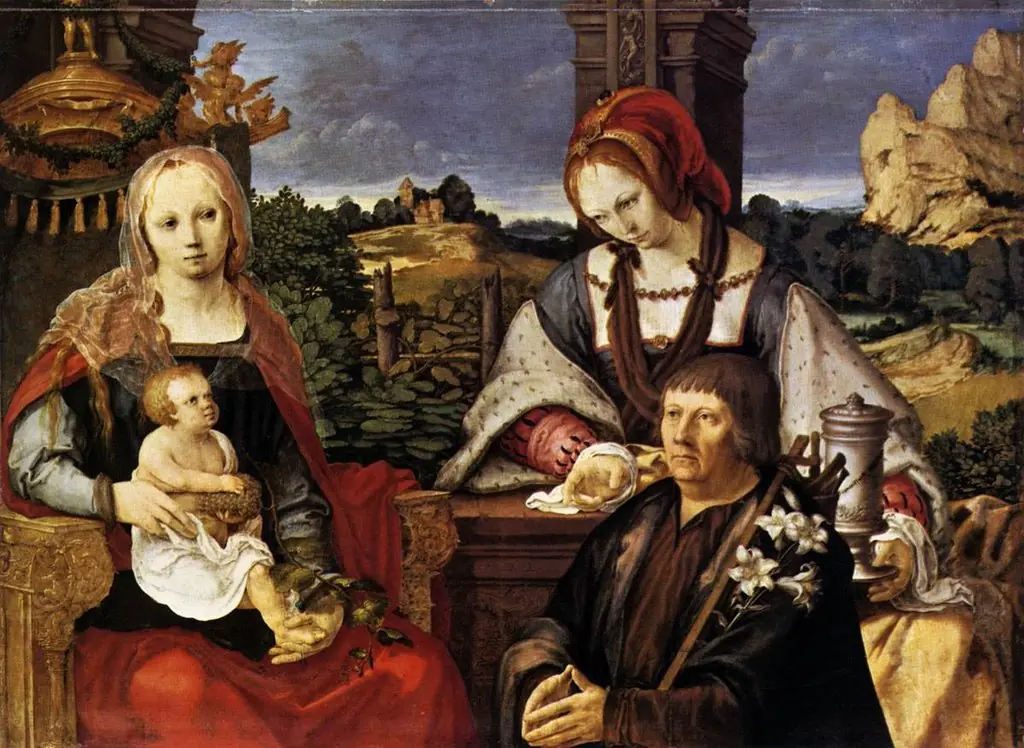 Mary with Child, St. Maria Magdalena and founder (separate outside, Inv. No. 7713)
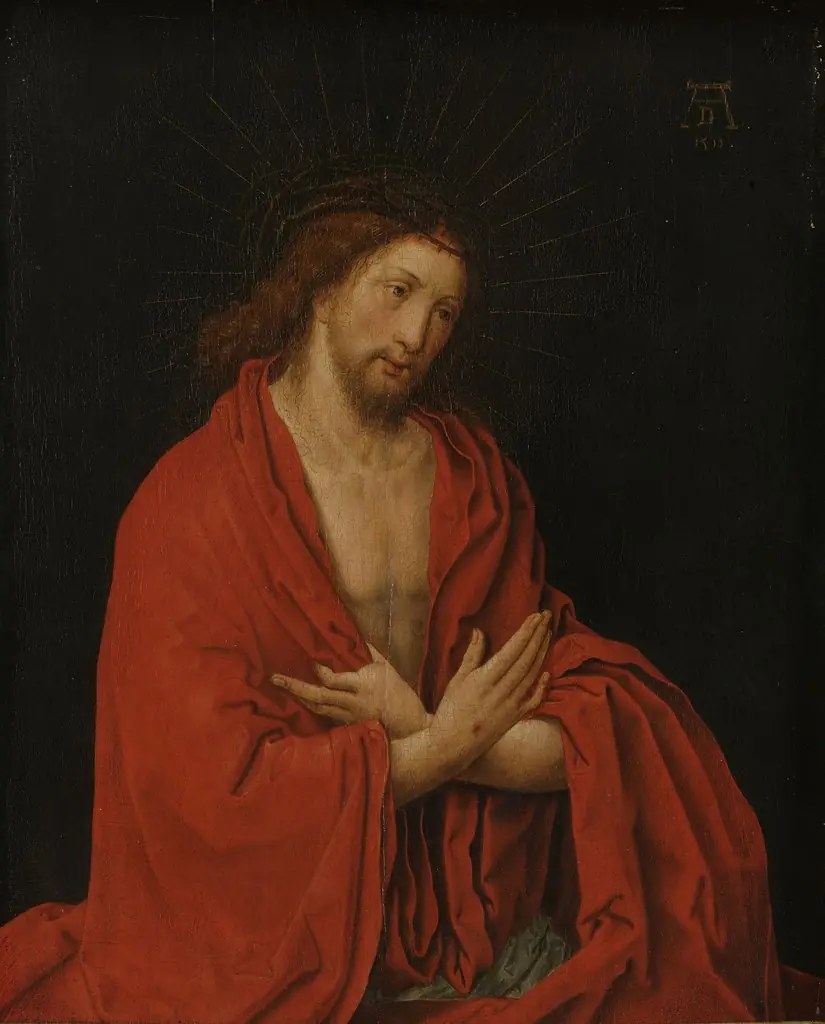 Inner left wing of a diptych with Christ as the Man of Sorrows
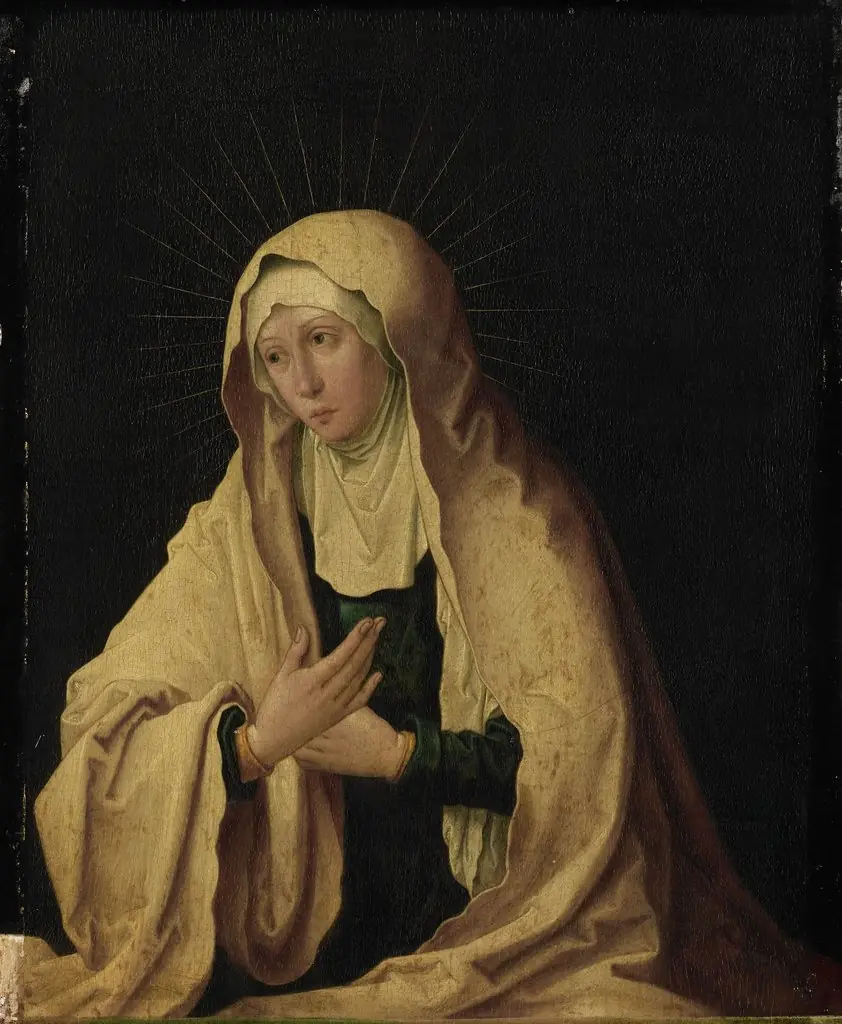 Inner right wing of a diptych with the Virgin as Mater Dolorosa
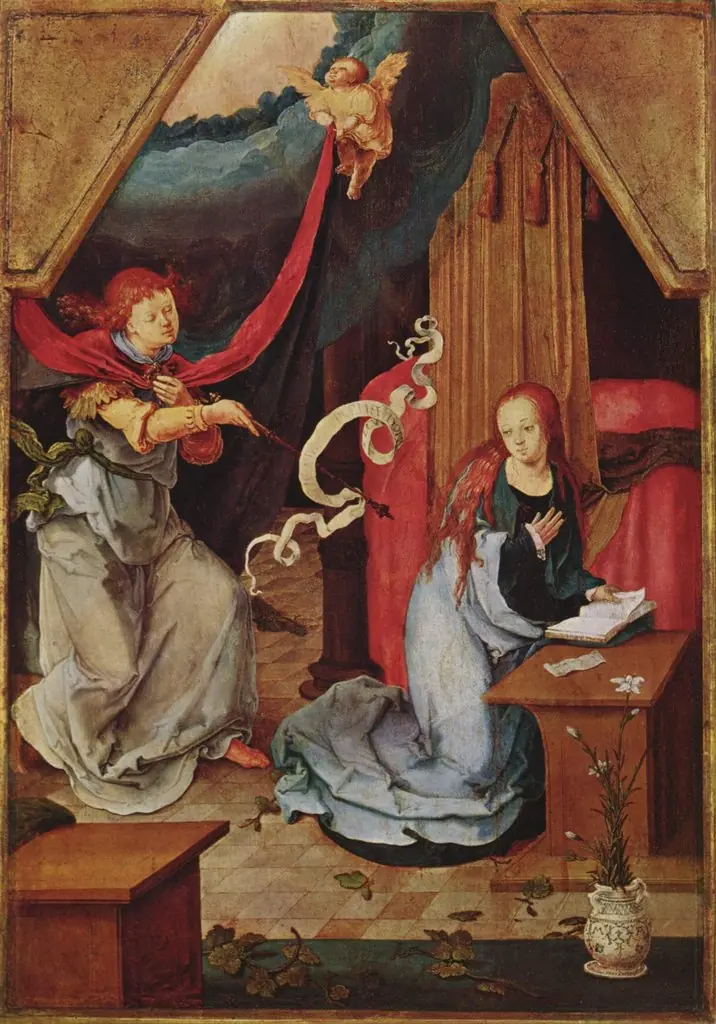 Annunciation
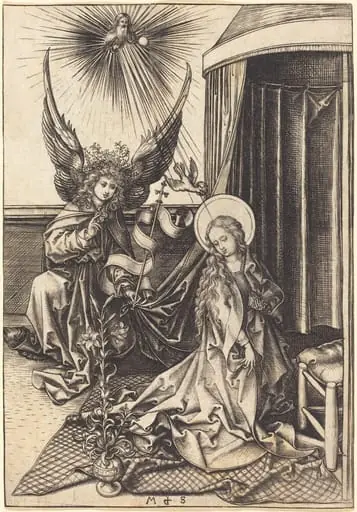 The Annunciation
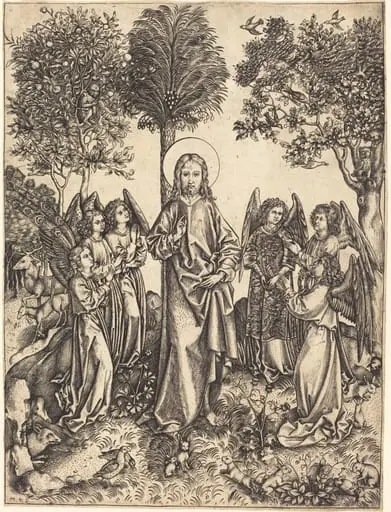 Christ in the Wilderness Served by Angels
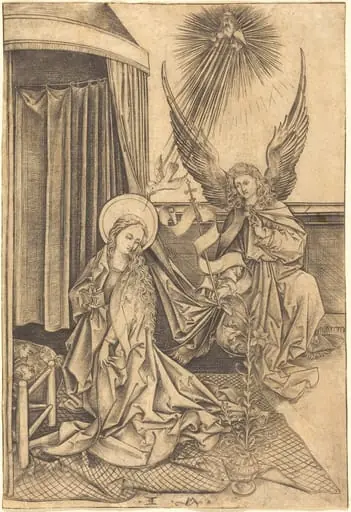 The Annunciation
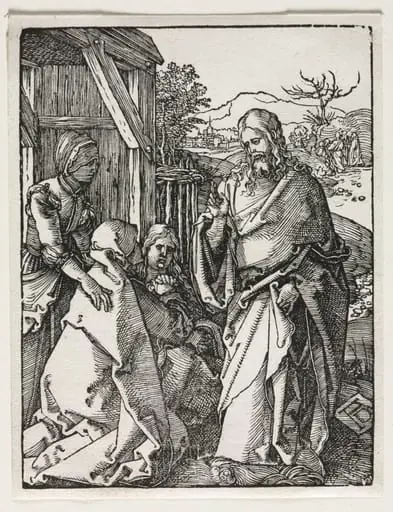 The Small Passion: Christ Taking Leave of the Virgin
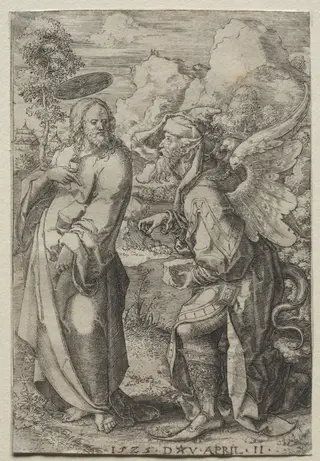 Temptation of Christ
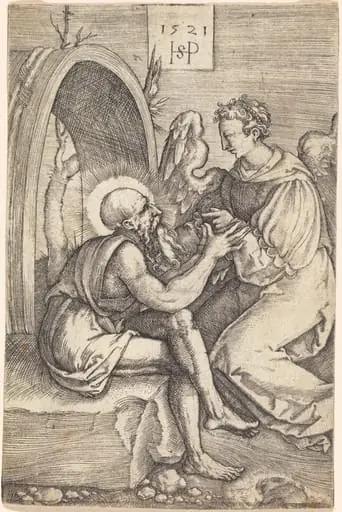 Saint Jerome with the Angel
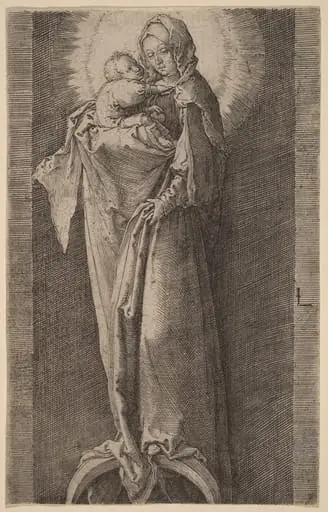 The Virgin in the Niche
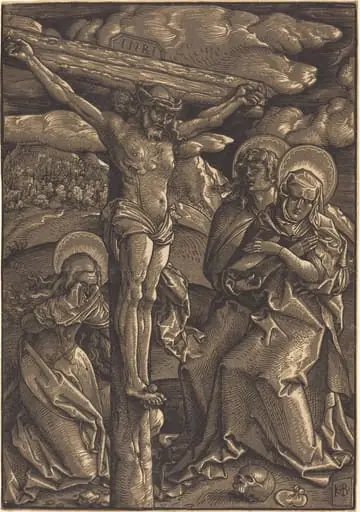 The Crucifixion
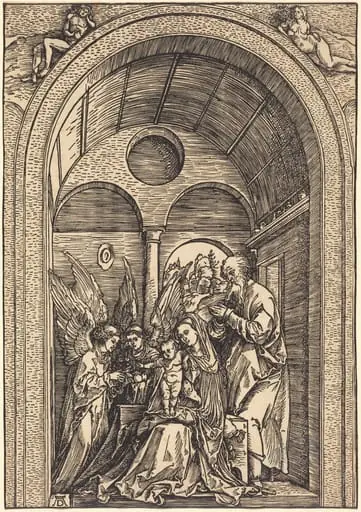 The Holy Family with Two Angels in a Vaulted Hall
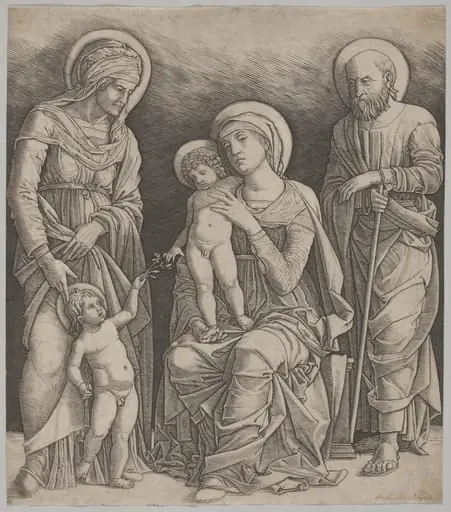 Holy Family with St. Elizabeth and the Infant St. John the Baptist
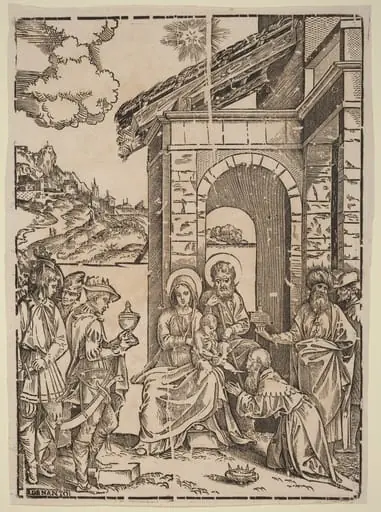 The Adoration of the Magi
- Abraham and the Three Angels