Artwork
Curtezane din Shimbara
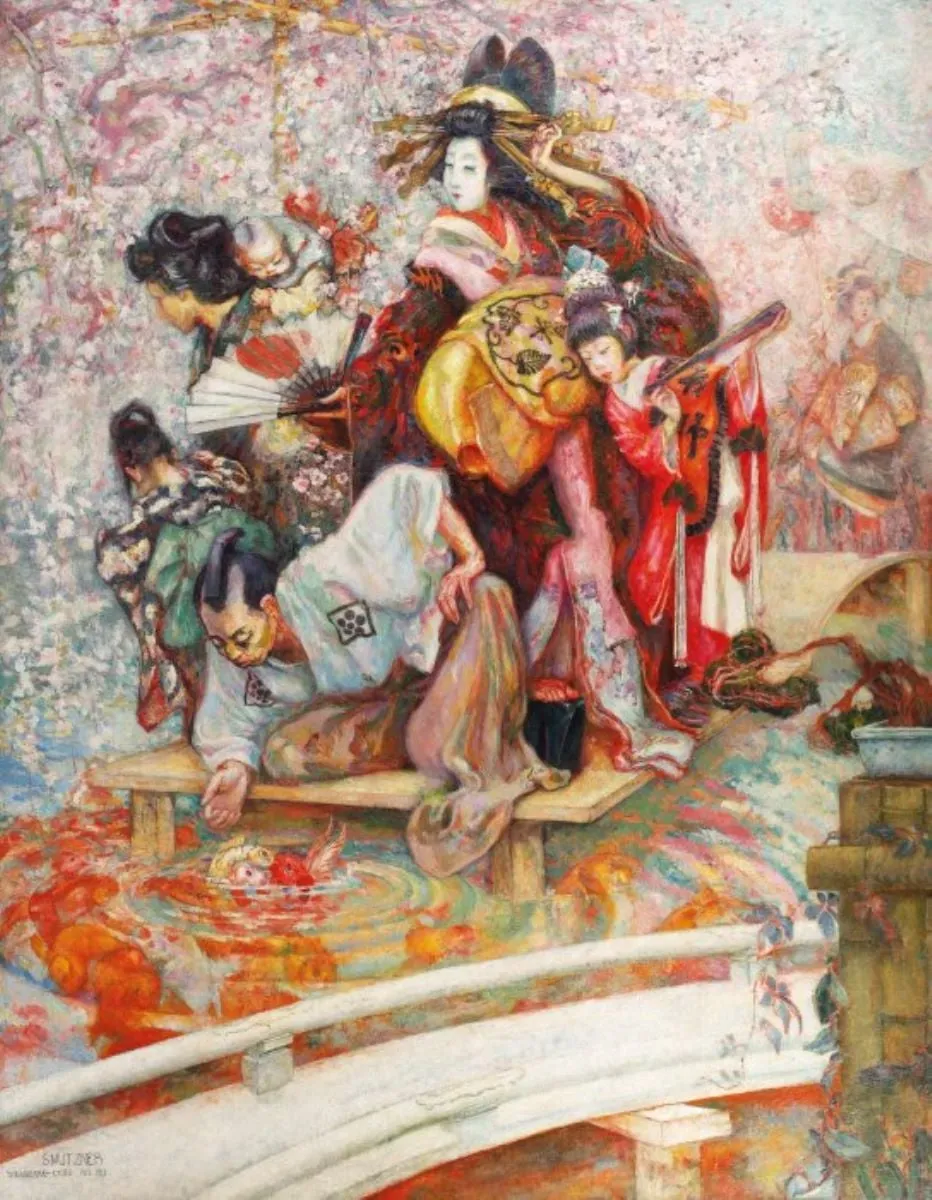
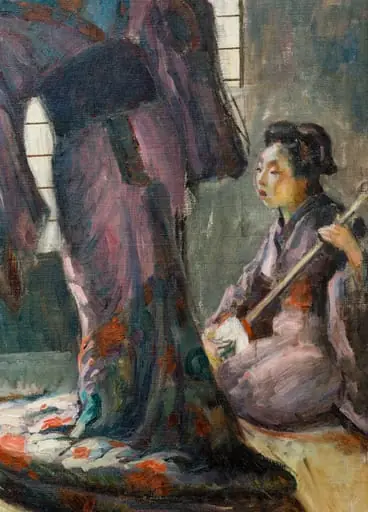
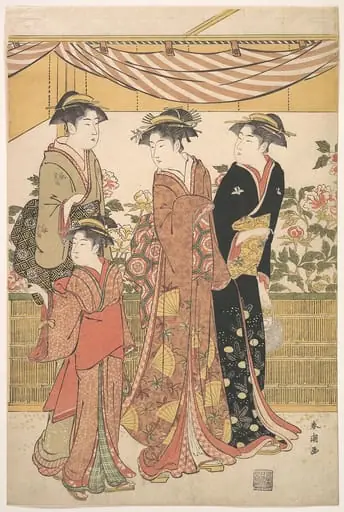
Curtezane din Shimbara is an unspecified painting by Samuel Mützner. It dates from 1912 and is held in the collection of the Colecție particulară - București.
About this work
Overview
The composition is set against a softly colored backdrop that includes hints of pink and white blossoms, contributing to an overall tranquil atmosphere.
Curtezane din Shimbara, executed around 1912 by Samuel Mützner, is part of the collection of the Museum of Ethnography. The work is an image that portrays a small gathering of figures dressed in traditional Japanese attire, arranged around a low table. The composition is set against a softly colored backdrop that includes hints of pink and white blossoms, contributing to an overall tranquil atmosphere.
Subject & Meaning
The scene captures a leisurely social moment: participants are either seated or standing, some holding fans or similar accessories, while one figure leans forward over the table. The relaxed postures and gentle interaction suggest a communal activity, perhaps a tea ceremony or informal gathering, emphasizing harmony and calm within the group.
Technique & Style
Mützner employs a muted palette and delicate brushwork to render the figures and their garments, allowing the subtle variations in color to suggest texture without overt detail. The background’s blended hues and stylized floral motifs create a sense of depth while maintaining a decorative quality typical of early twentieth‑century depictions of East Asian subjects by European artists.
History & Provenance
Created circa 1912, Curtezane din Shimbara entered the Museum of Ethnography’s holdings at an unspecified date, where it remains part of the institution’s representation of cross‑cultural visual records. The work reflects Mützner’s interest in documenting non‑Western cultures during a period of heightened European curiosity about Japan.
Context
The early 1900s saw a surge of interest in Japanese aesthetics among European artists, a phenomenon often termed Japonisme. Mützner’s image aligns with this trend, offering a Western perspective on Japanese domestic life. By situating the figures in a serene setting, the work mirrors contemporary ideals of cultural refinement and the exotic appeal of Eastern customs.
Artist & collection

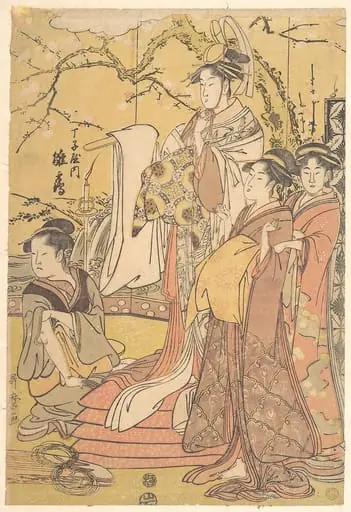
- 丁子屋内雛鶴|The Oiran Hinazuru of Chojiya Standing upon a Pile of Futon
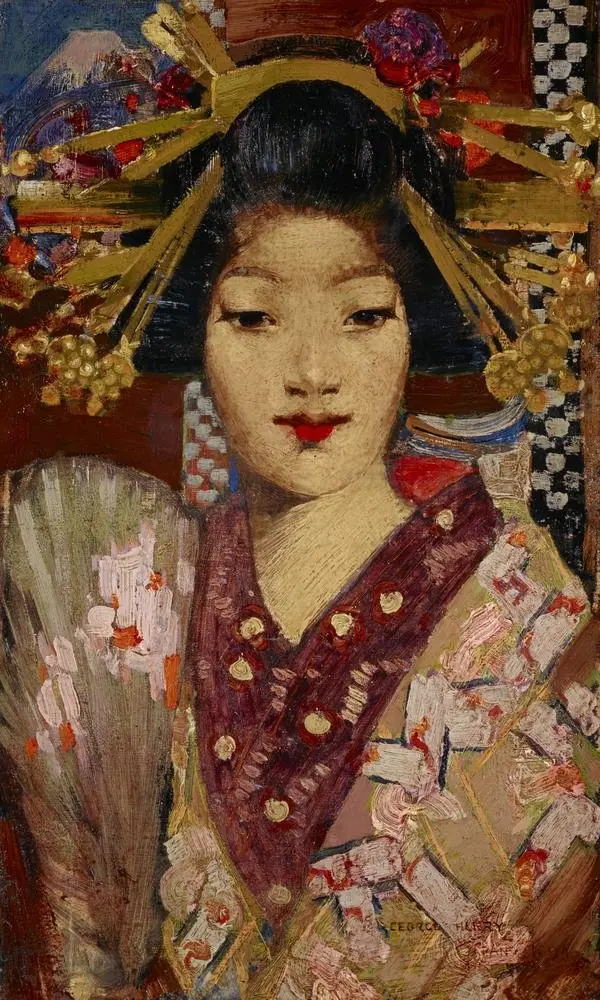 Geisha Girl
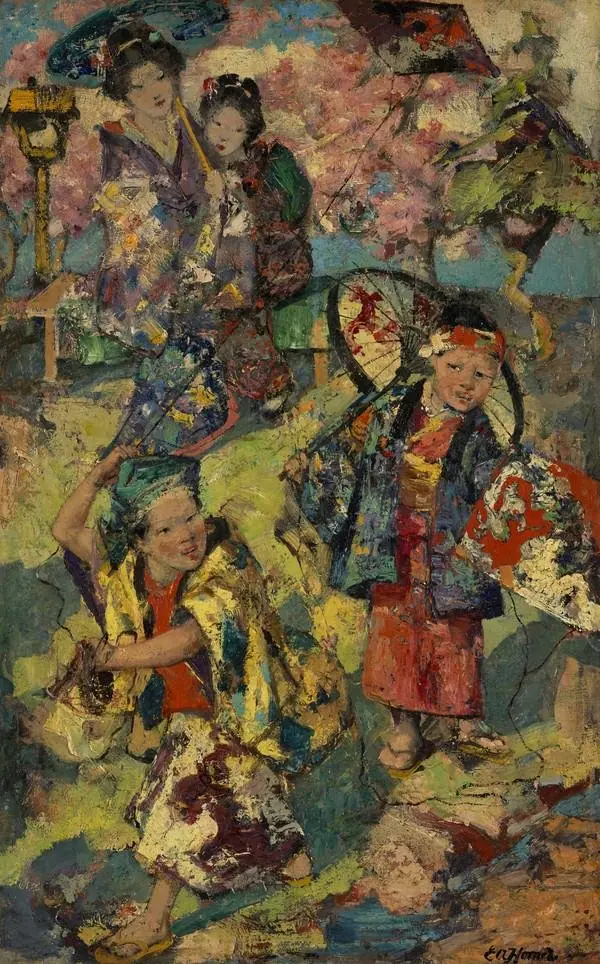 Kite Flying, Japan
 Japoneze
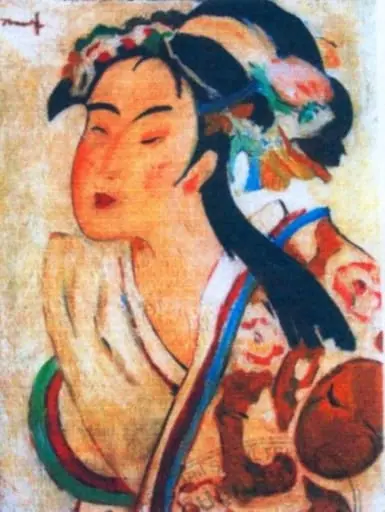 Japoneză
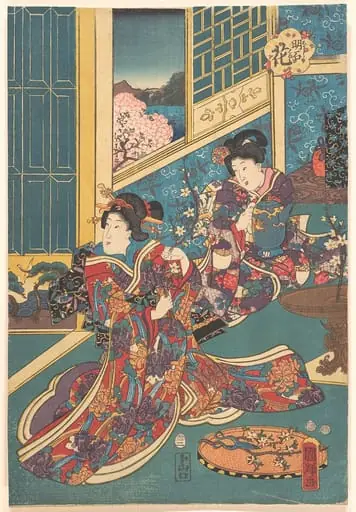 Untitled
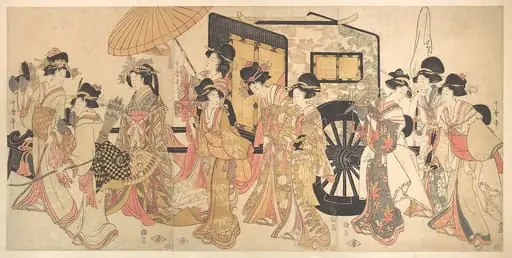 喜多川歌麿画 御所車見立て行列|Courtesans Imitating a Court Procession
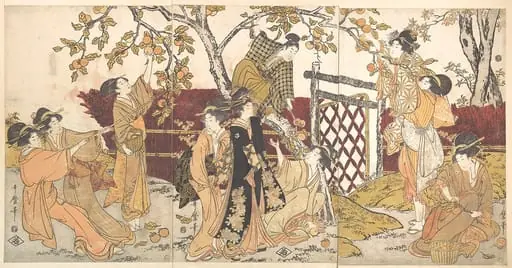 喜多川歌麿画 柿捥ぎ|Picking Persimmons (Kaki-mogi)
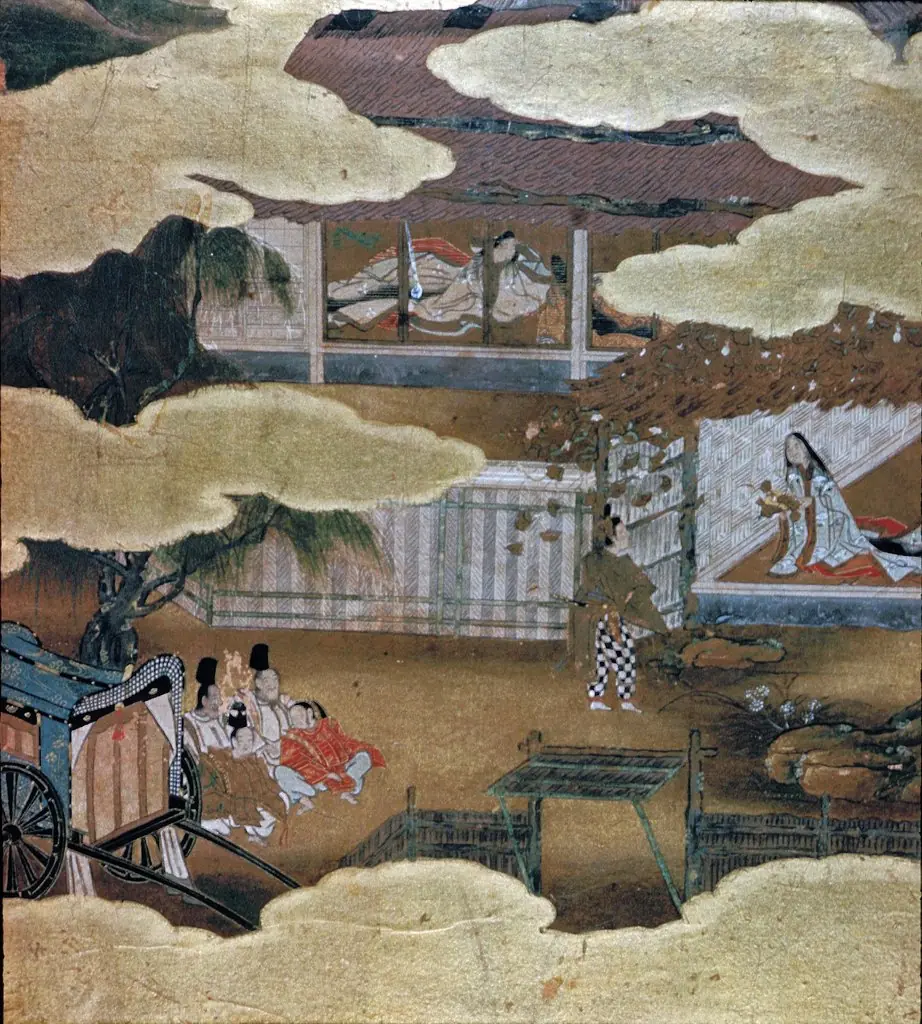 Tales of Genji
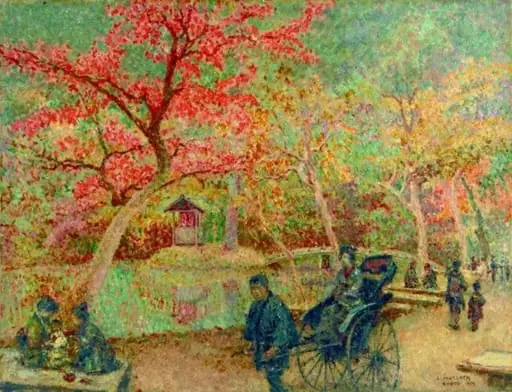 Cu ricșa
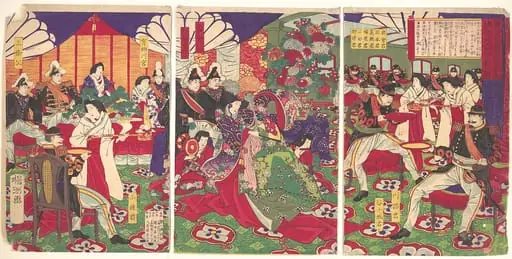 『鹿児島賊徒鎮静依諸将 天杯頂戴之図』|Leaders of the Pacification of the Kagoshima Rebels Celebrating with Cups of Wine from the Emperor (Kagoshima zokuto chinsei ni yotte shoshō tenhai chōdai no zu)
 Untitled