Subject
Bridge
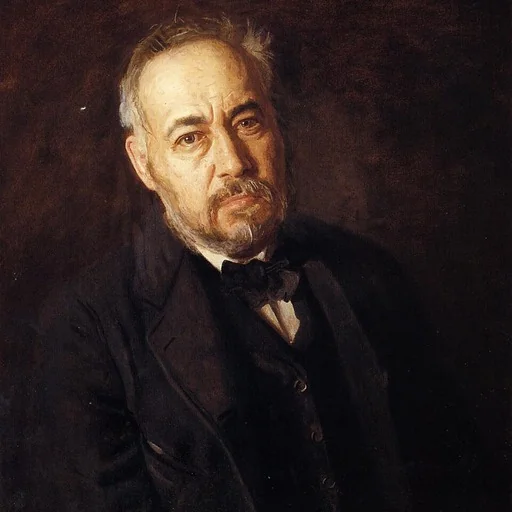
Bridge is a subject in art. The gallery holds 200 works in this subject in art, including works by Thomas Eakins, Paolo Veronese and Jean Baptiste Camille Corot.
A bridge is a structure designed to span an obstacle such as a river, valley, or railway, allowing people, vehicles, and goods to pass across. Most bridges consist of a flat deck supported by beams, arches, or cables. As a subject in art, the bridge has always carried meaning beyond its engineering: it is a threshold and a connector, joining banks, towns, and ways of life, and artists have prized it for the human bustle it gathers and the way it imposes geometry on a natural scene. Bridges first appear as emblems within larger views—El Greco's *View of Toledo* (c. 1595–1600), held in our collection, sweeps the Roman Alcántara bridge over the Tagus into a stormy portrait of the city's essence rather than its literal topography.
No tradition celebrated the bridge more single-mindedly than Japanese ukiyo-e. Utagawa Hiroshige returned to it repeatedly in *One Hundred Famous Views of Edo* (1856–58), framing high, semicircular arches crowded with travellers, porters, and fishermen caught in sudden rain. These prints reached Paris in the later nineteenth century and ignited a fascination among Western artists known as Japonisme.
The Impressionists embraced the bridge as a sign of modern life. Newly built iron and stone structures, emblems of industrial progress, recur across the period: Alfred Sisley's *The Bridge at Villeneuve-la-Garenne* (1872), in our holdings, depicts a cast-iron suspension bridge of 1844 in flat, high-keyed strokes, while Camille Pissarro's *The Louvre, Afternoon, Rainy Weather* sets the Seine's spans amid weather and traffic. Claude Monet built a Japanese footbridge at Giverny inspired by Hiroshige's prints, and Vincent van Gogh both copied Hiroshige directly in *Bridge in the Rain* (1887) and painted the drawbridge of his *Langlois Bridge at Arles* (1888).
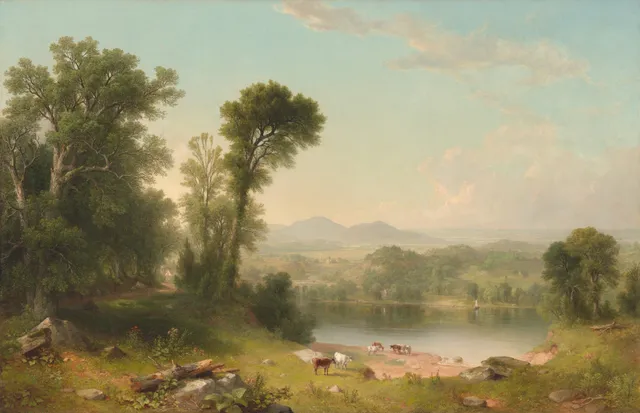
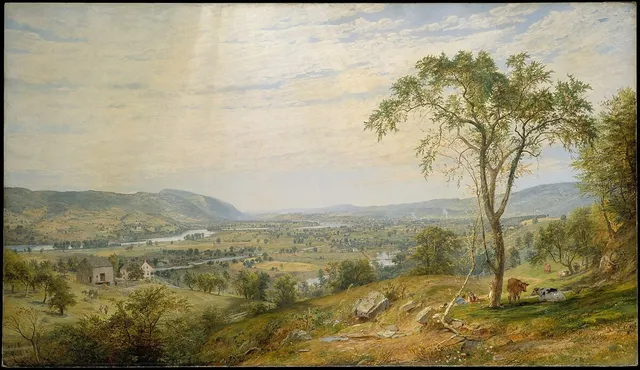
Beyond the modern current, the bridge served older pastoral and Romantic visions. François Boucher's *Washerwomen* and Asher Brown Durand's *Pastoral Landscape* use it to harmonize civilization with nature, while Jasper Francis Cropsey's *The Valley of Wyoming* threads it through a luminous Hudson River School panorama. From Canaletto's Venetian vedute to Turner's *Rain, Steam and Speed* (1844), the bridge endures as one of art's most resonant motifs—at once structure, symbol, and stage.
Key artists
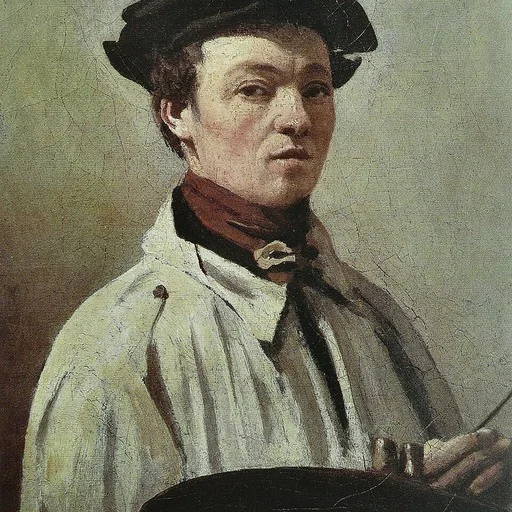
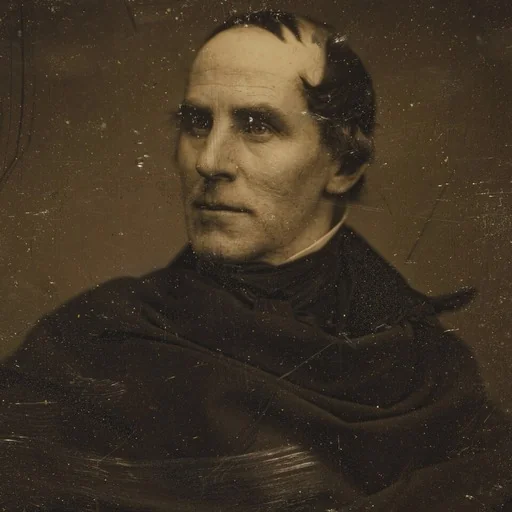
Overview
The bridge, a structure engineered to span obstacles such as rivers, valleys, railways, or roads, ranks among the most recurrent and symbolically charged motifs in art history. Appearing in 399 works within this collection alone, the bridge transcends its utilitarian function as a passage for vehicles and pedestrians to become a powerful visual metaphor. Artists have depicted bridges in diverse contexts, from serene pastoral landscapes to rain-slicked urban thoroughfares, exploiting the form's capacity to suggest transition, connection, and the mediation between disparate spaces. The motif's persistence across cultures and periods reflects both the ubiquity of actual bridge construction in human environments and the structure's deep resonance as an emblem of human ingenuity and aspiration.
Iconography & meaning
In art and literature, bridges function primarily as metaphors for connection and transition, embodying passage from one state, place, or condition to another. The symbolic weight of the bridge derives from its literal purpose: it joins what nature or human artifice has separated, whether riverbanks, cliffs, or urban districts. This liminal quality has made the bridge a vehicle for expressing themes of transformation, journey, and the bridging of social or psychological divides. In European tradition, the bridge could signify commerce and communication, while in more contemplative contexts it suggests the precarious span between earthly existence and transcendence. The French encyclopedic tradition notes that bridges entered artistic representation rather late as primary subjects, initially carrying symbolic weight in folklore and literature before becoming central pictorial motifs. When depicted in inclement weather, as in rainy urban scenes, bridges underscore human resilience and the sheltering function of architecture. The modernist period particularly exploited the bridge as symbol of technological progress and modernity, with steel constructions celebrated as emblems of industrial achievement.
Across movements & periods
The treatment of bridges in art has evolved considerably across movements and cultures, reflecting changing technological capabilities and aesthetic priorities. In antiquity, Roman engineering produced monumental stone arch bridges and aqueducts that became subjects of admiration and later artistic documentation; the Pont du Gard and Alcántara Bridge exemplify structures that have persisted as cultural touchstones. Medieval European bridge building declined after Rome's fall, though surviving examples like Florence's Ponte Vecchio acquired iconic status that artists would later exploit. The Renaissance brought renewed scientific attention to bridge engineering, with figures such as Andrea Palladio contributing treatises that informed both construction and representation; the Rialto Bridge and Pont Neuf became celebrated subjects. The Industrial Revolution fundamentally transformed both bridge construction and its artistic treatment. The introduction of cast iron, exemplified by Abraham Darby III's Iron Bridge of 1779, and subsequently steel, enabled unprecedented spans that artists celebrated as symbols of progress. Thomas Telford's Menai Bridge and later suspension structures offered new visual possibilities. By the late nineteenth and early twentieth centuries, modernist artists embraced the bridge as an emblem of the modern condition. Eileen Agar's 1930 painting Three Symbols employed an Eiffel Tower bridge as symbol of modernity, representing the motif's full emergence as a vehicle for contemporary artistic statement. Postwar developments in prestressed concrete and cable-stayed design, such as the 1957 Theodor-Heuss-Brücke in Düsseldorf, continued to provide artists with ever more dramatic structural forms.
Legacy
The bridge motif has maintained remarkable currency in visual culture, its significance extending far beyond the specific works in which it appears. As actual bridge engineering has advanced from Roman stone arches through cast iron, steel, and contemporary composite materials, artists have consistently found in these structures compelling subjects for aesthetic contemplation. The longest bridge spans reached two kilometers by 2022, yet even modest crossings retain their power as visual metaphors. The bridge's afterlife in art reflects broader cultural investments in connectivity, progress, and the human capacity to overcome natural obstacles. In popular expression and literature, bridges continue to symbolize transition and reconciliation, while in the built environment they function as landmarks that confer identity upon communities. The collection's extensive holdings testify to the enduring capacity of this fundamentally utilitarian structure to generate meaning across diverse artistic programs, from the documentation of regional scenery to the evocation of modernity's transformative force.
Works
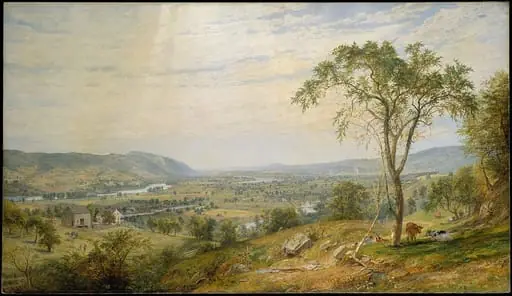 The Valley of Wyoming
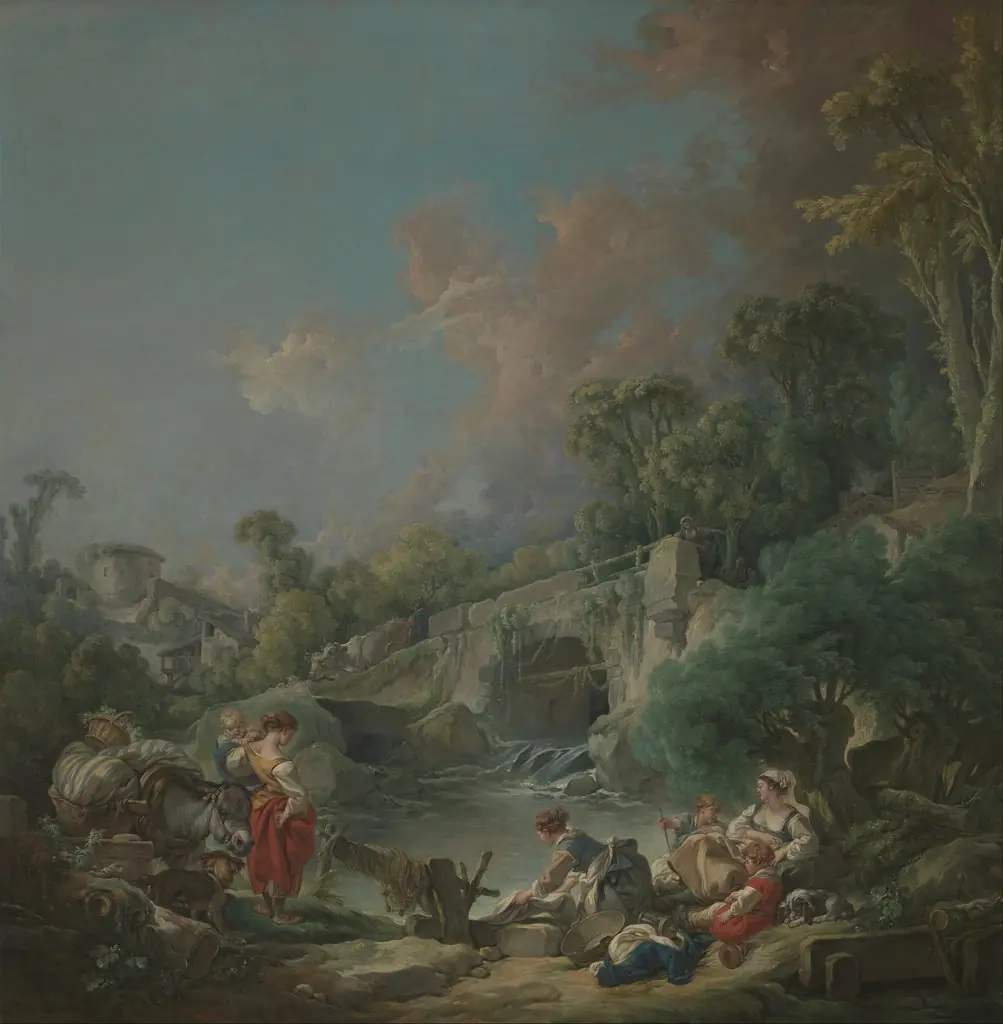 Washerwomen
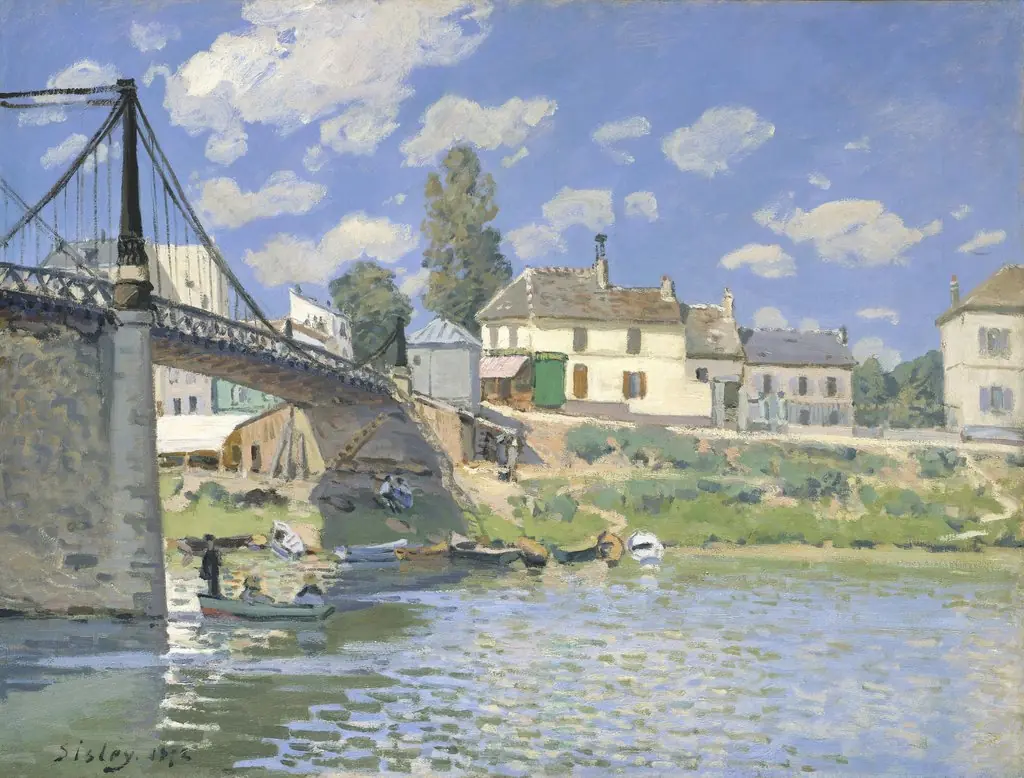 The Bridge at Villeneuve-la-Garenne
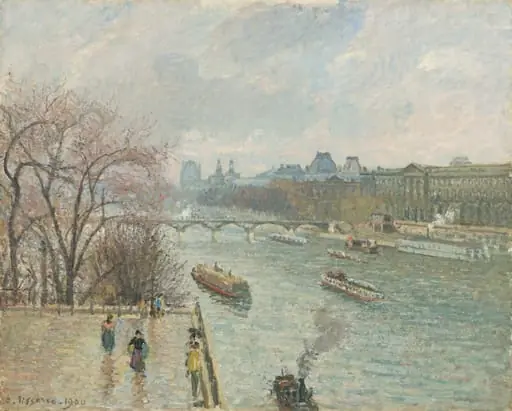 The Louvre, Afternoon, Rainy Weather
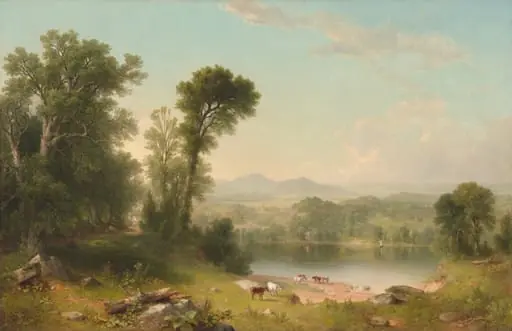 Pastoral Landscape
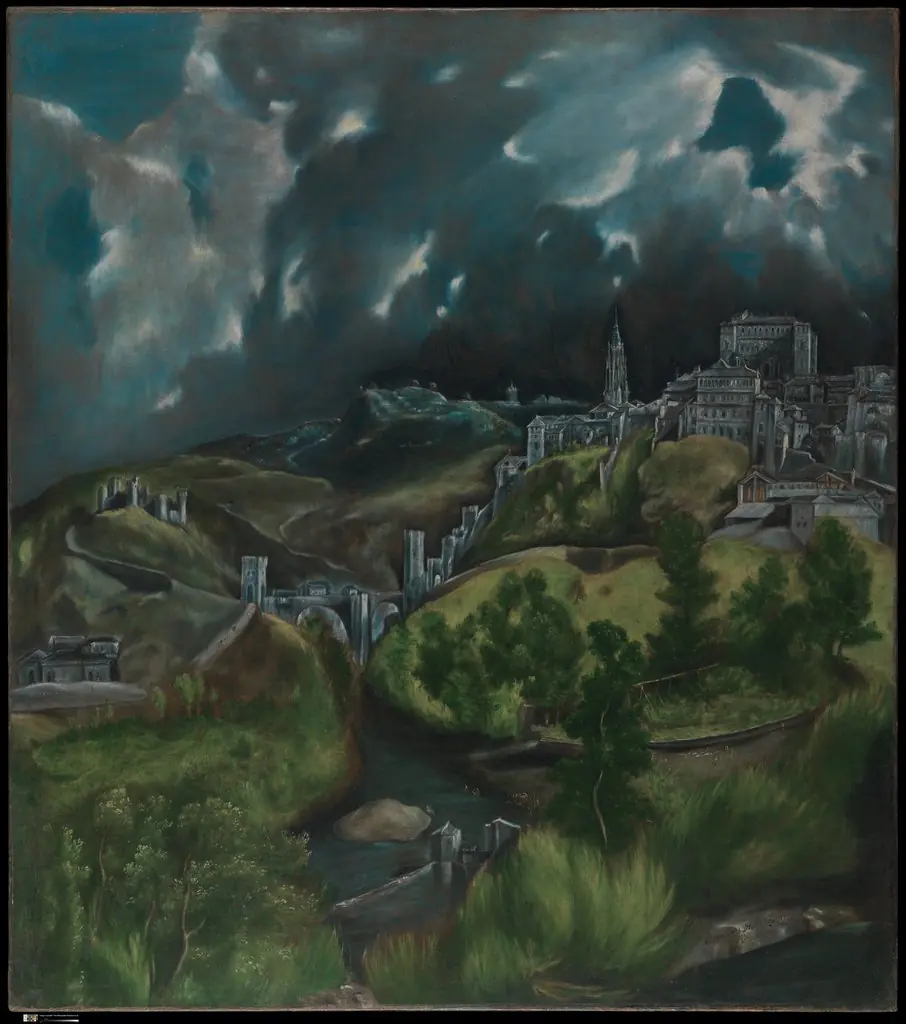 View of Toledo
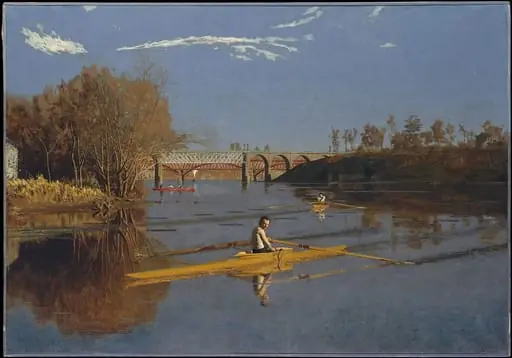 The Champion Single Sculls (Max Schmitt in a Single Scull)
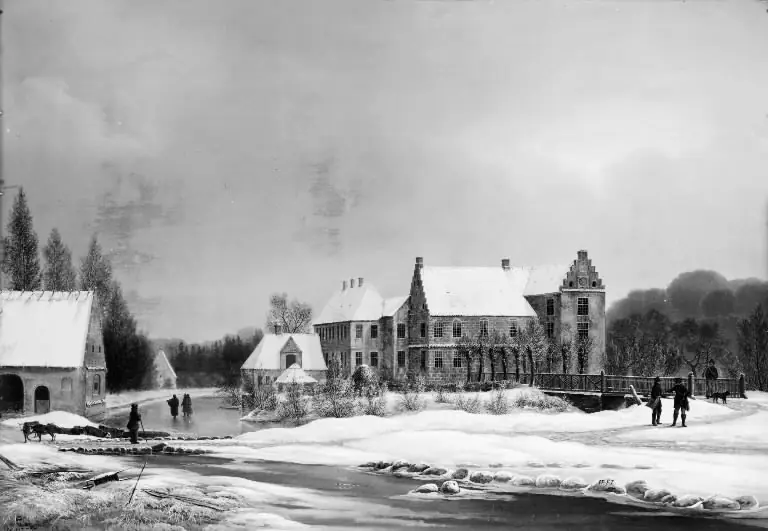 Prospekt af hovedgården Lykkesholm på Fyn. Vinter
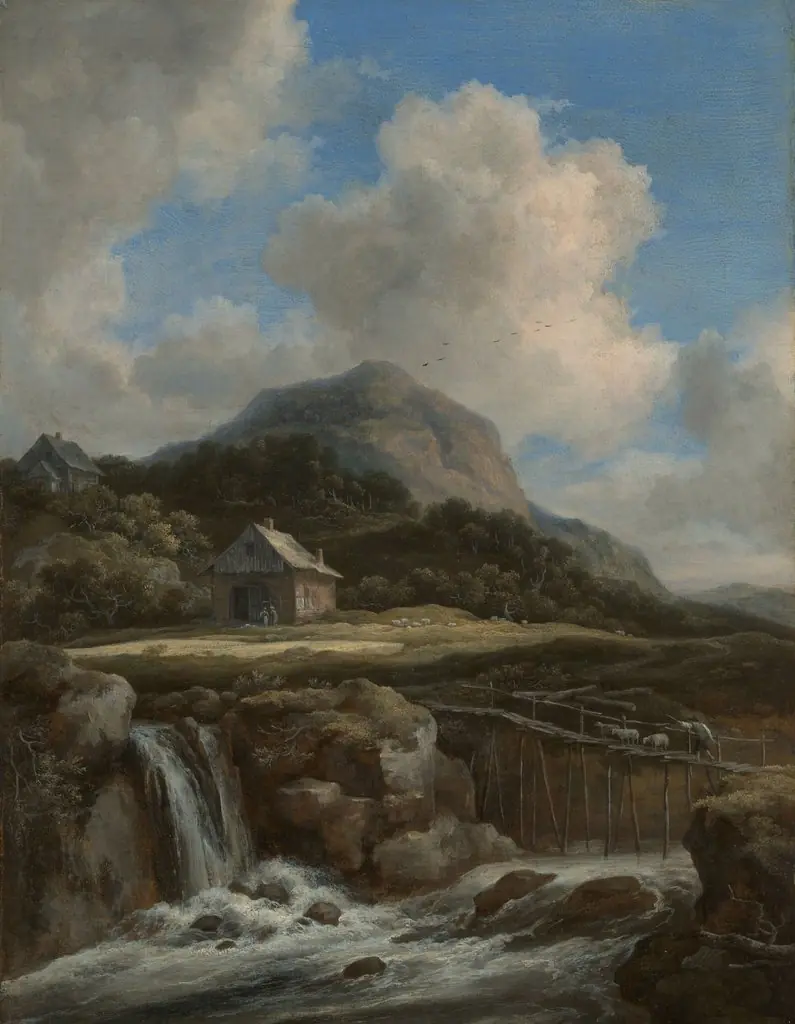 Mountain Torrent
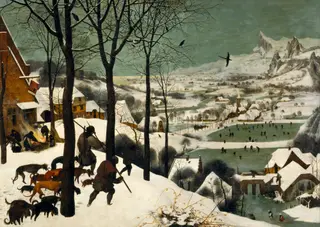 The Hunters in the Snow
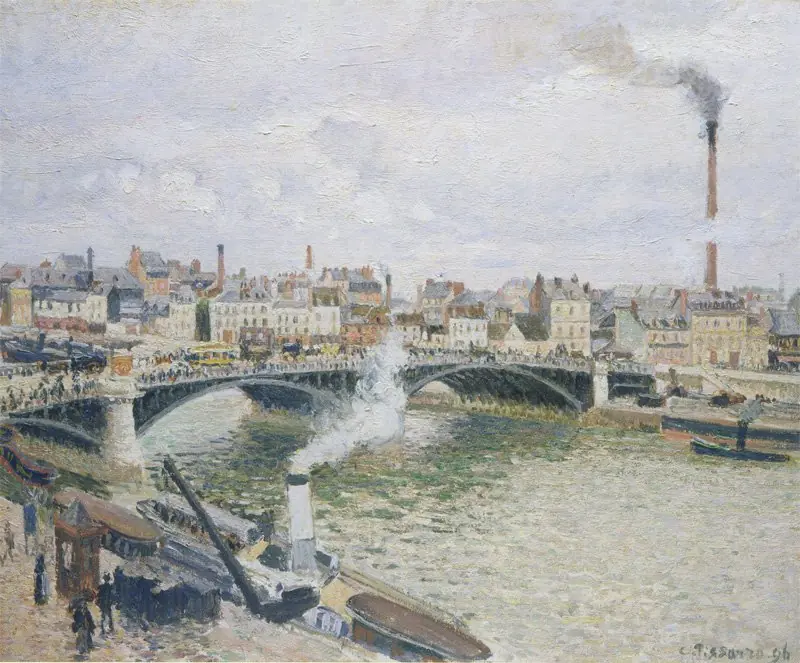 Morning, An Overcast Day, Rouen
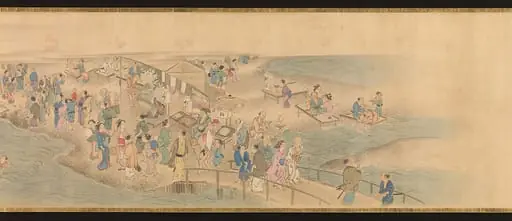 源琦筆 華洛四季遊楽図巻|Scenes of the Four Seasons in Kyoto
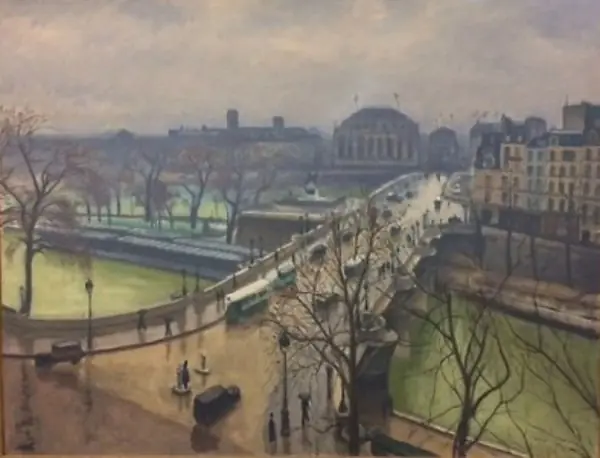 The Pont Neuf, Paris
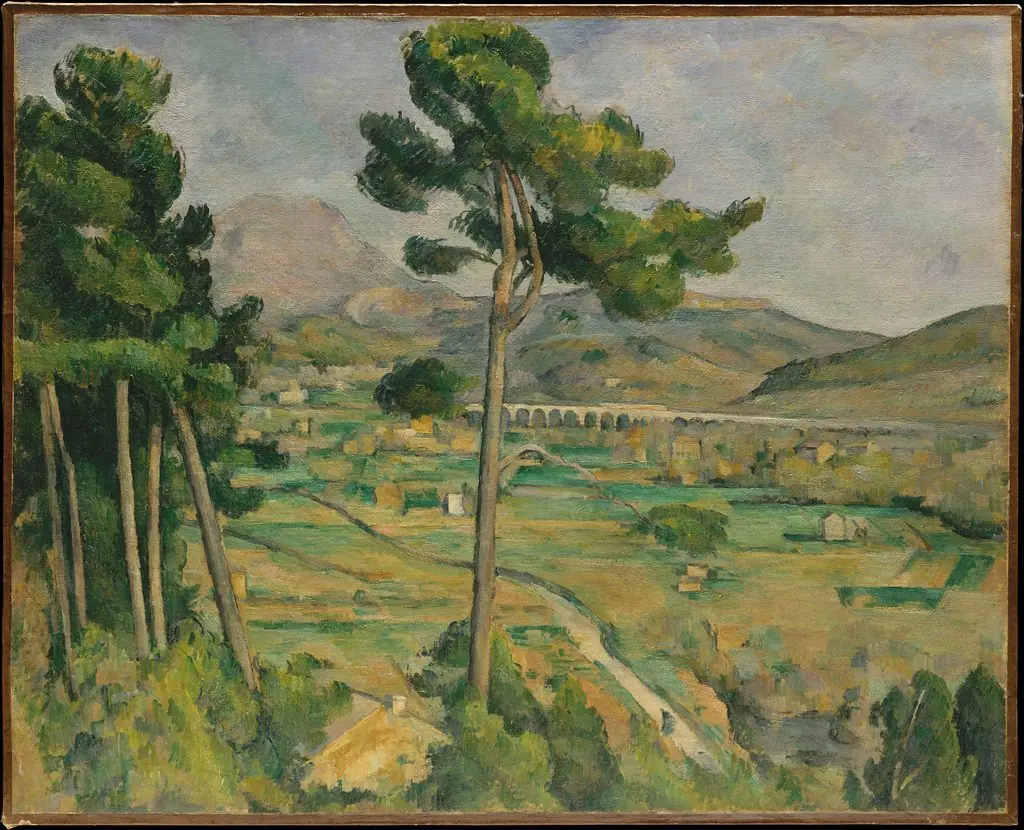 Mont Sainte-Victoire and the Viaduct of the Arc River Valley
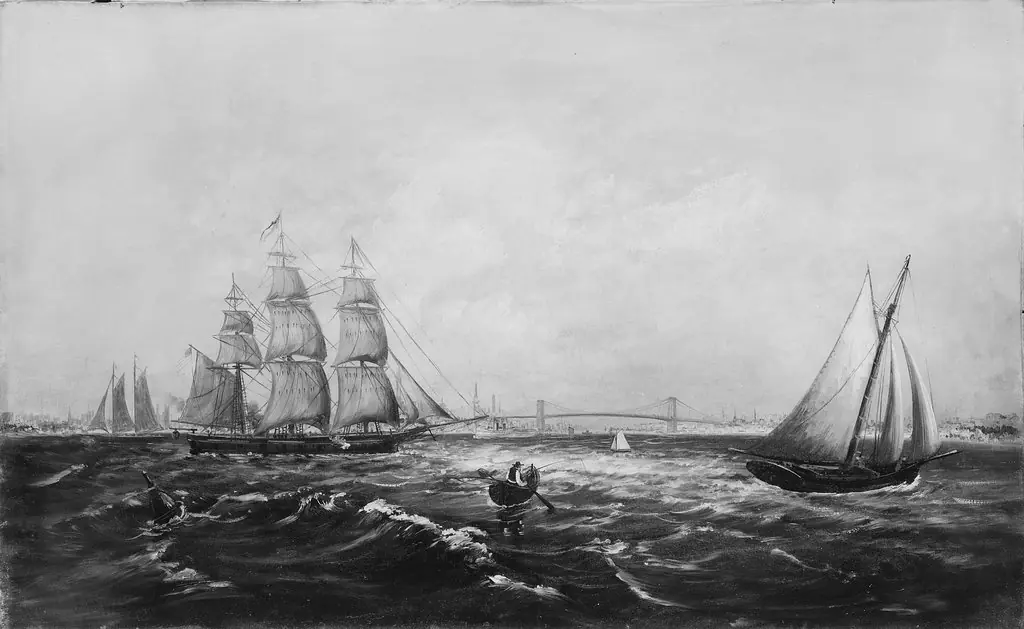 New York Bay and Harbor
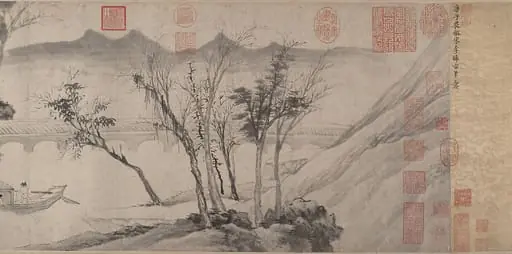 Untitled
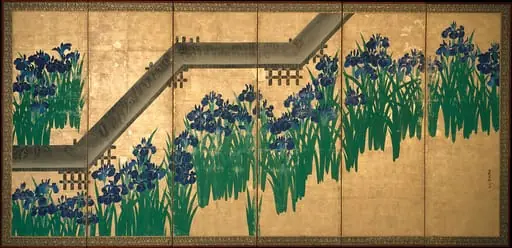 八橋図屏風 |Irises at Yatsuhashi (Eight Bridges)
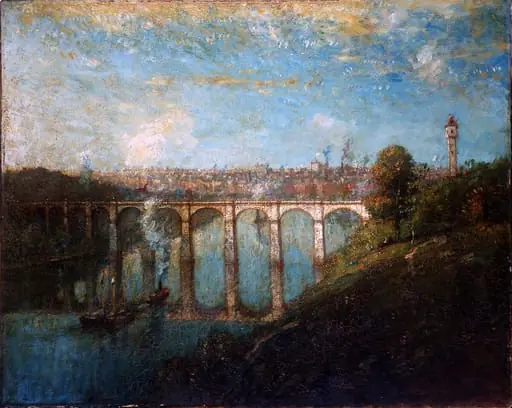 High Bridge, New York
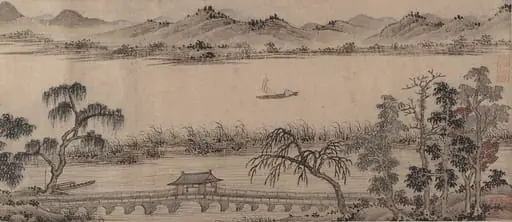 明 佚名 仿趙孟頫 垂虹亭圖 卷|Pavilion of the Hovering Rainbow Bridge
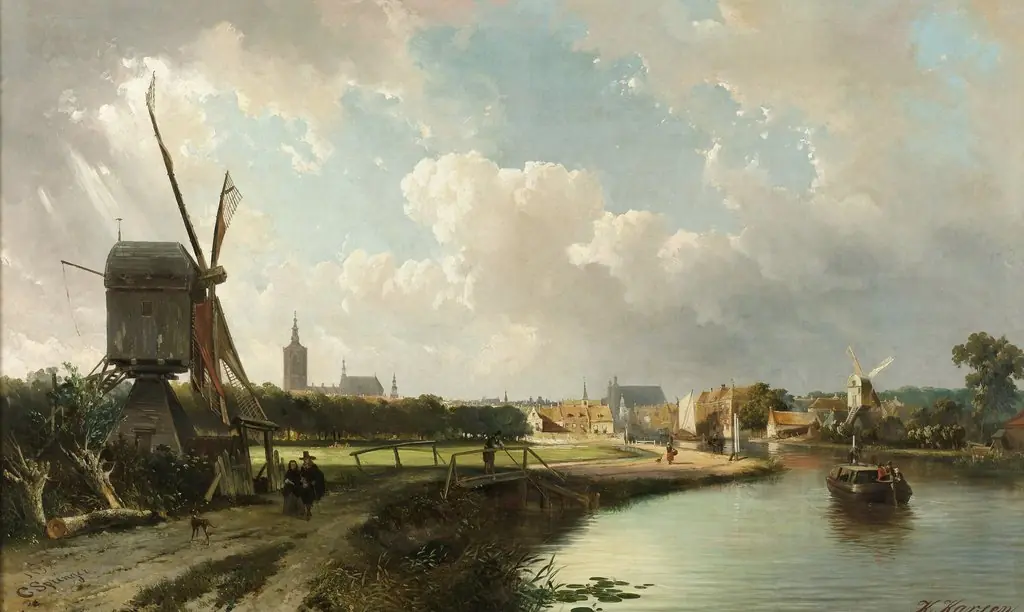 View of The Hague from the Delftse Vaart in the 17th Century
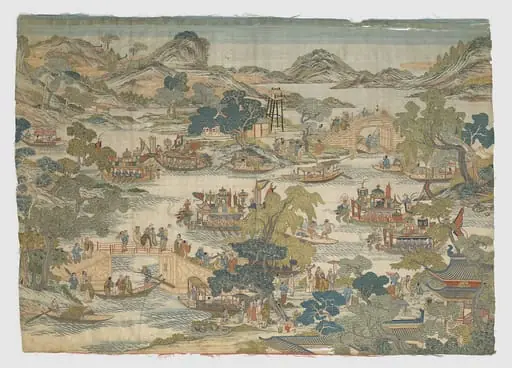 清 緙絲龍舟競渡圖|Dragon-boat festival performance
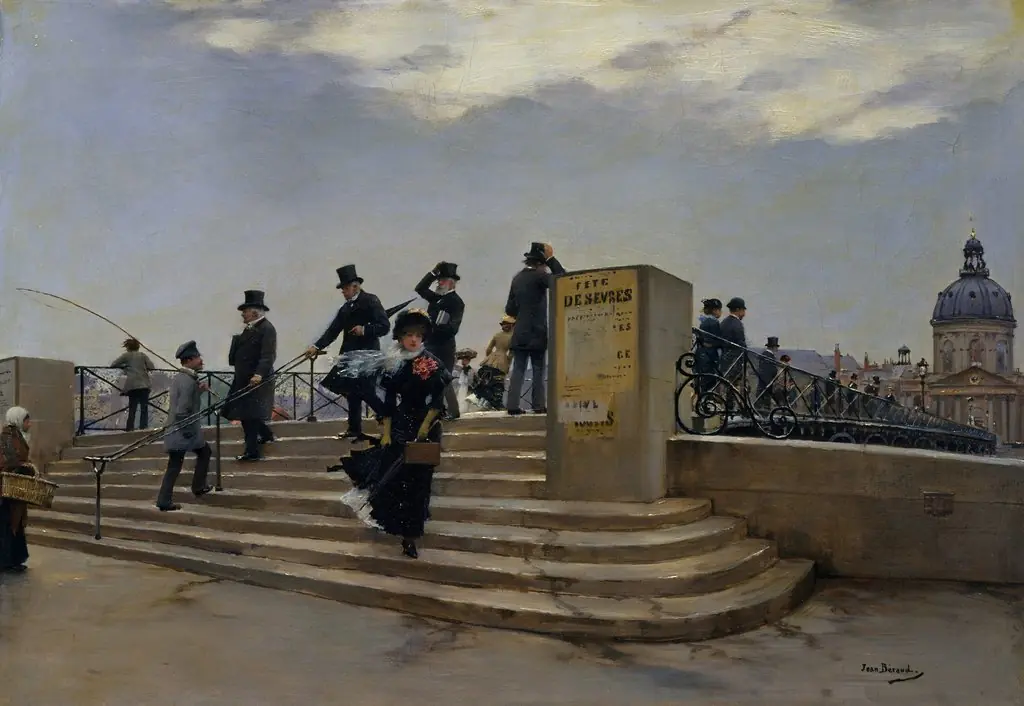 A Windy Day on the Pont des Arts
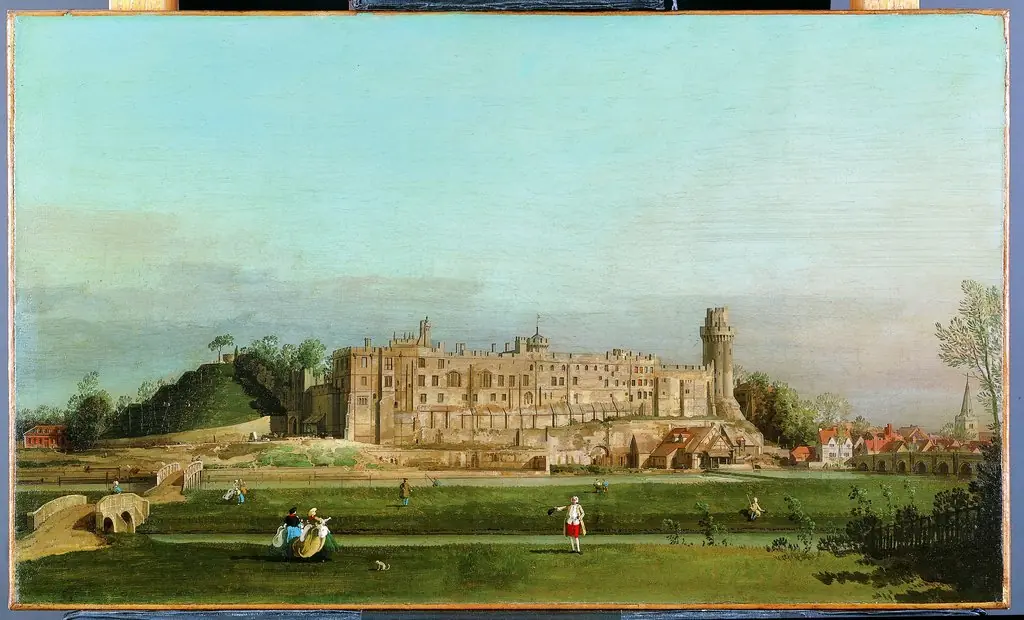 Warwick Castle
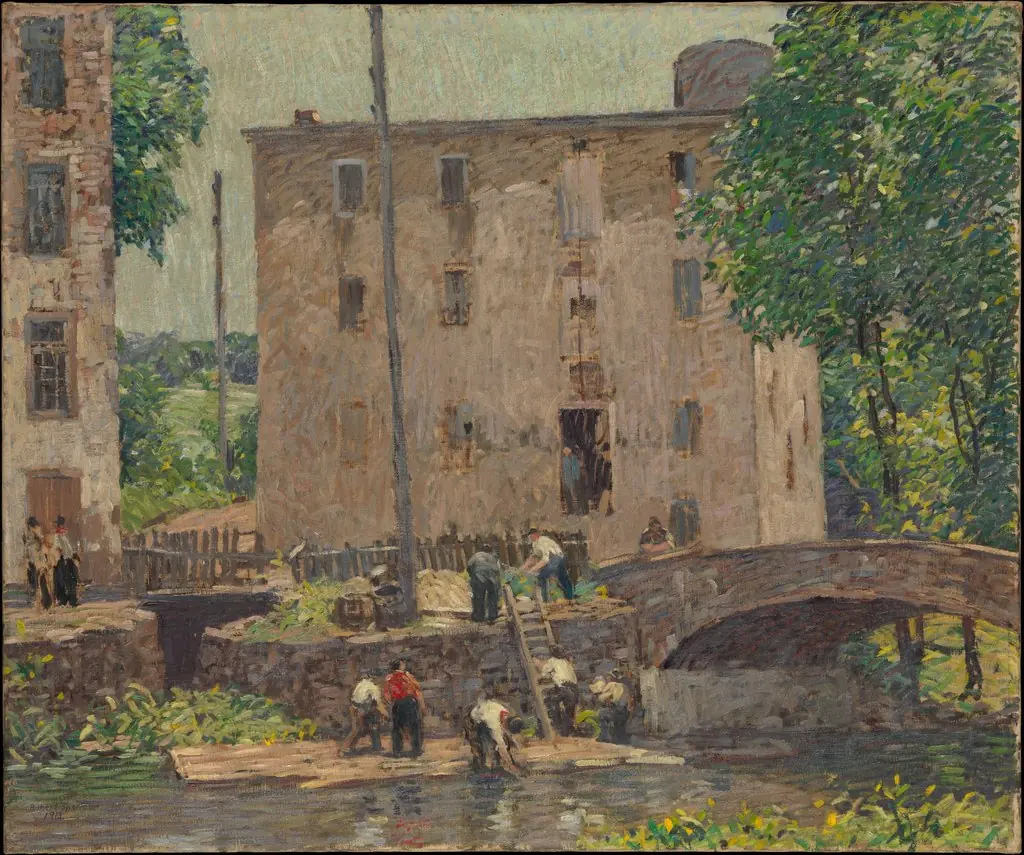 Repairing the Bridge
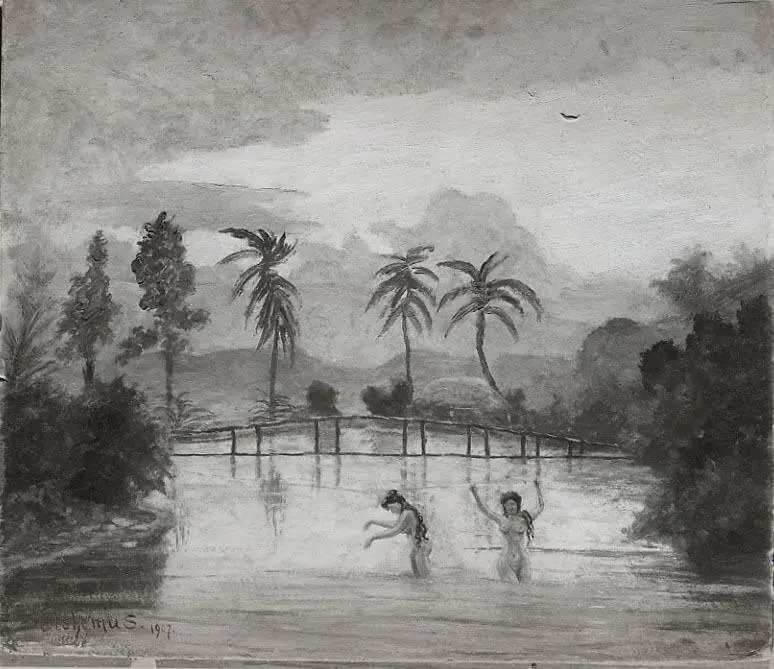 Samoa
Samoa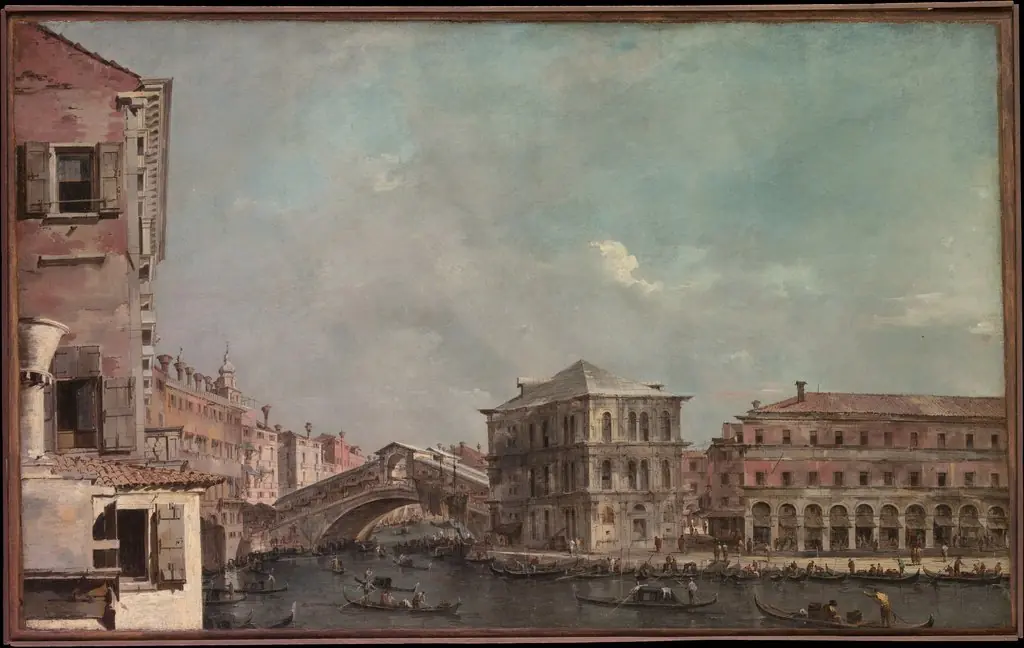 The Grand Canal above the Rialto
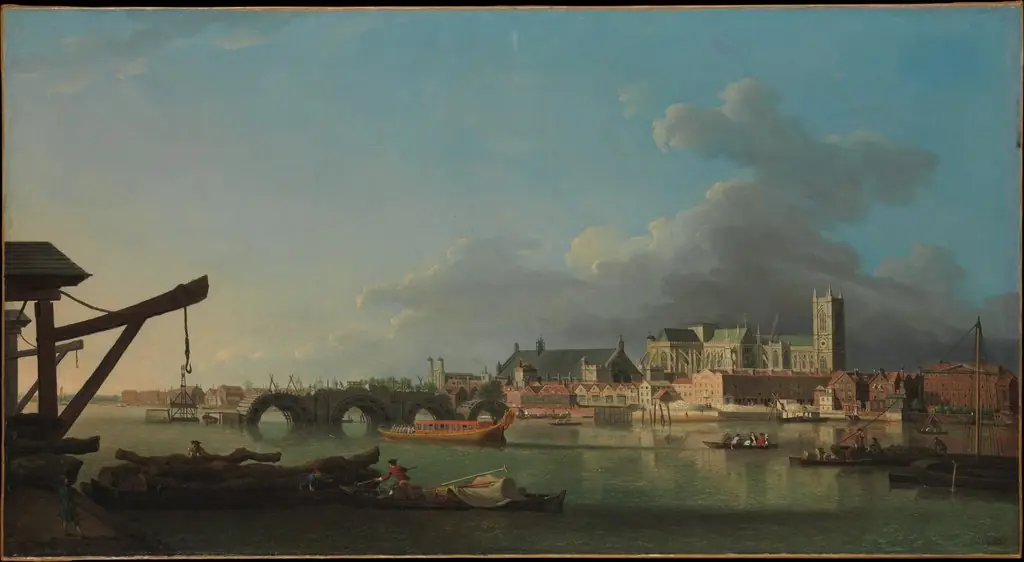 The Building of Westminster Bridge
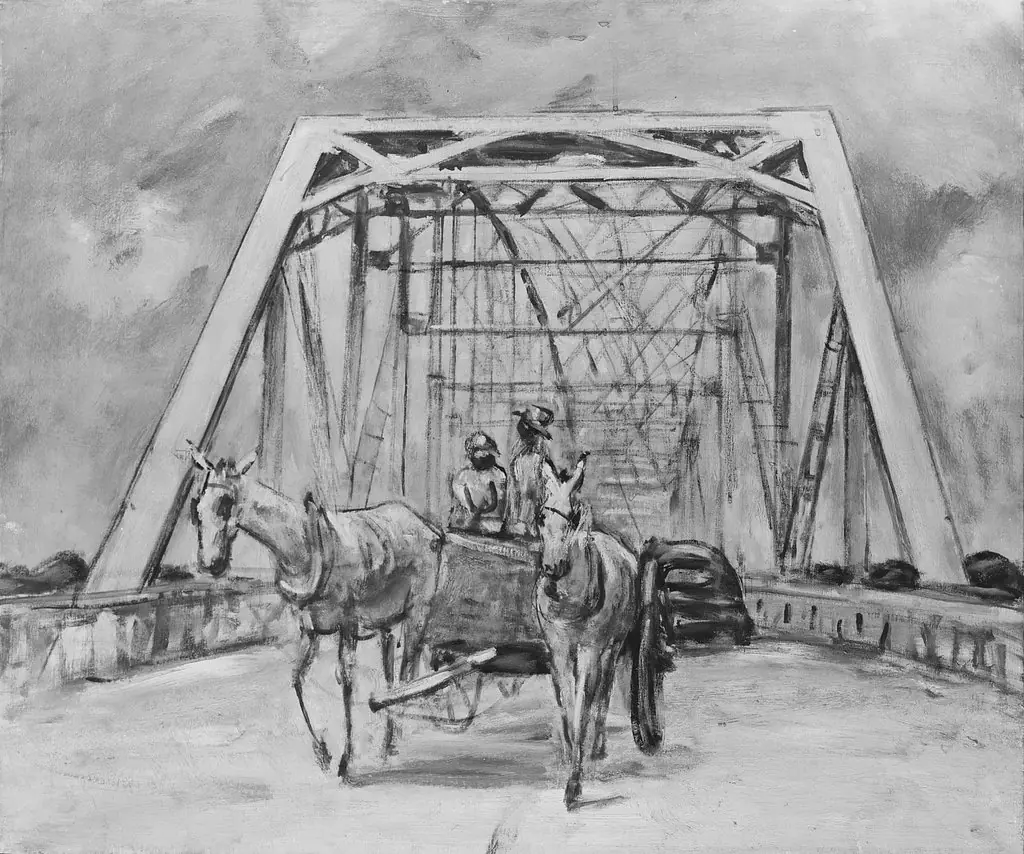 White Mules on a Bridge
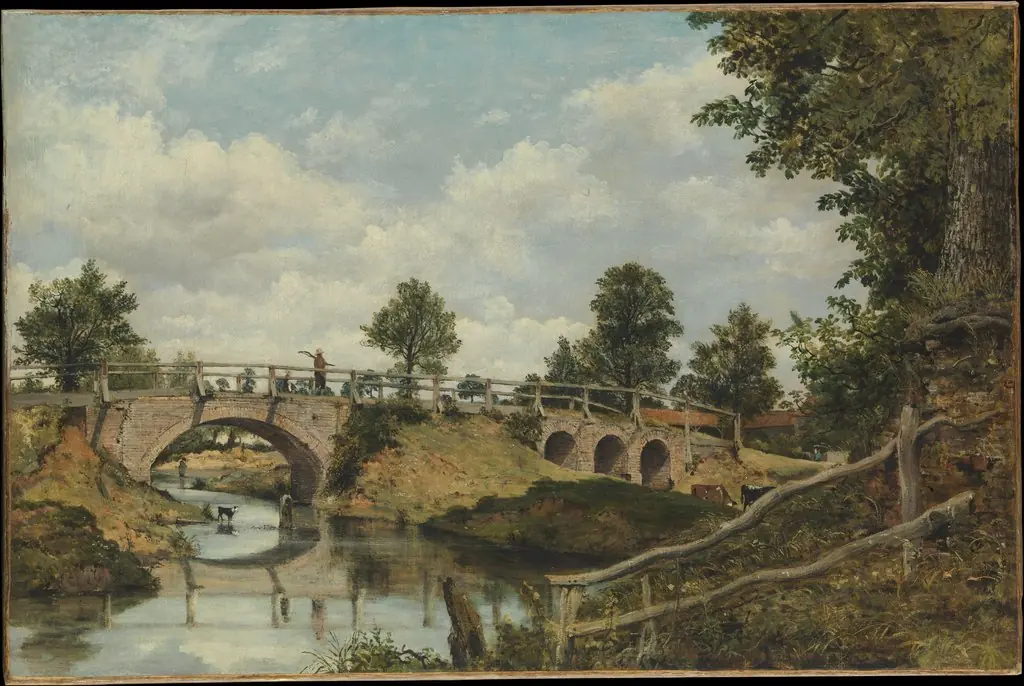 An Old Bridge at Hendon, Middlesex
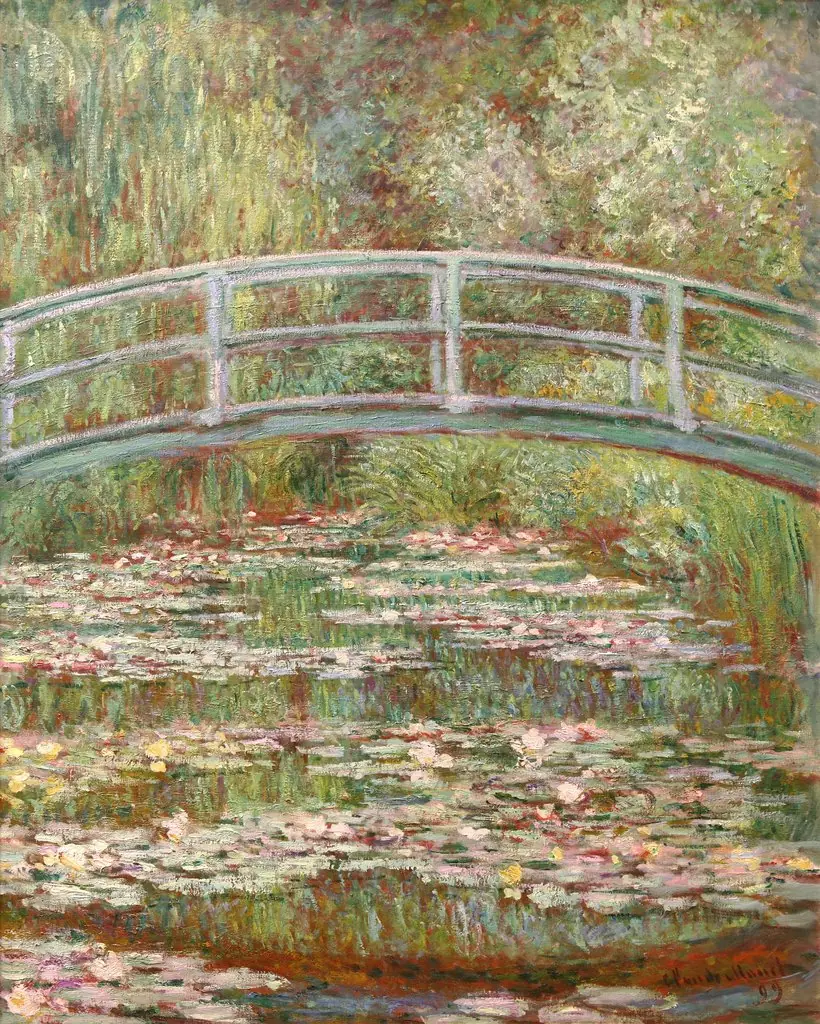 Bridge over a Pond of Water Lilies
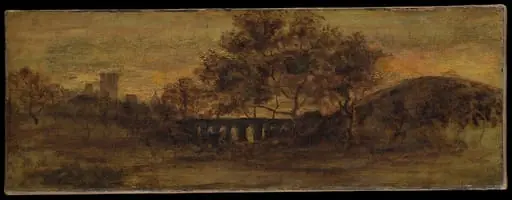 The Bridge
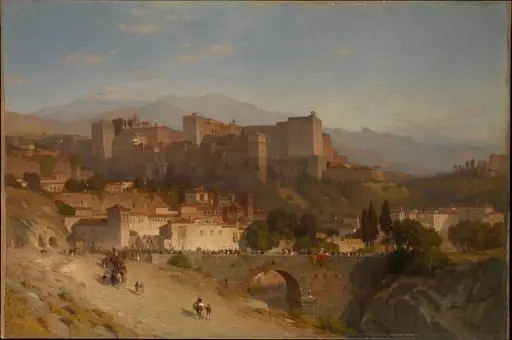 The Hill of the Alhambra, Granada
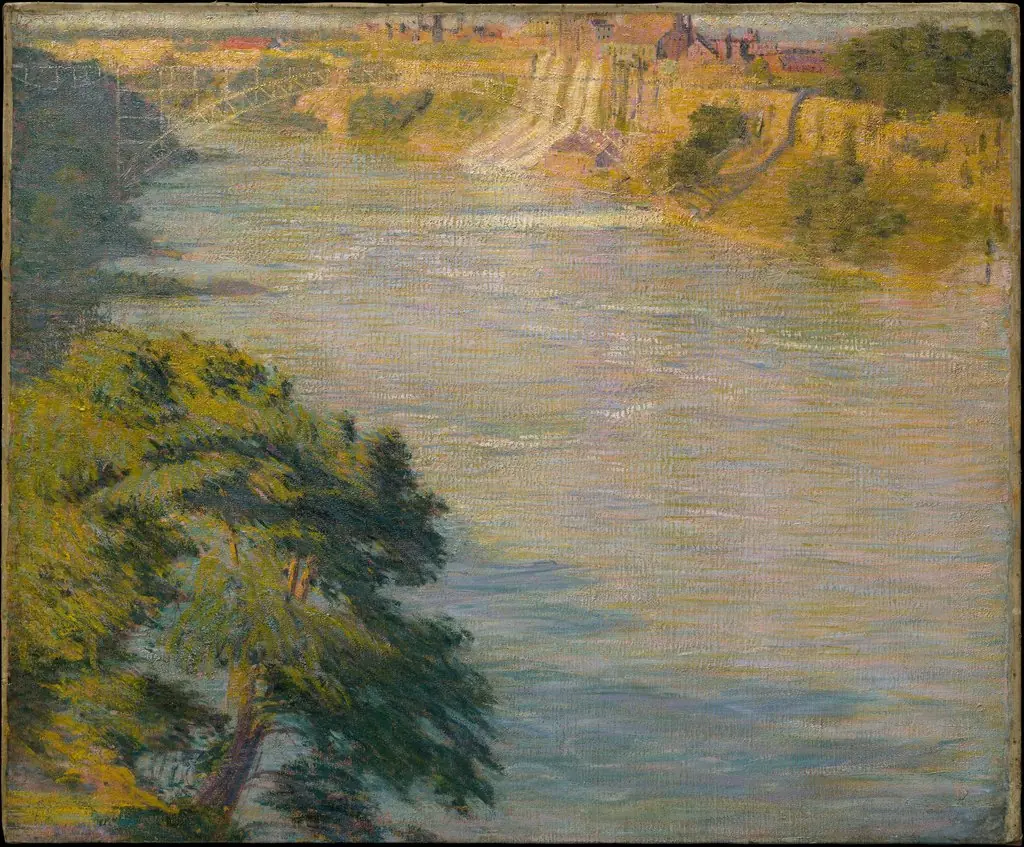 Niagara Falls
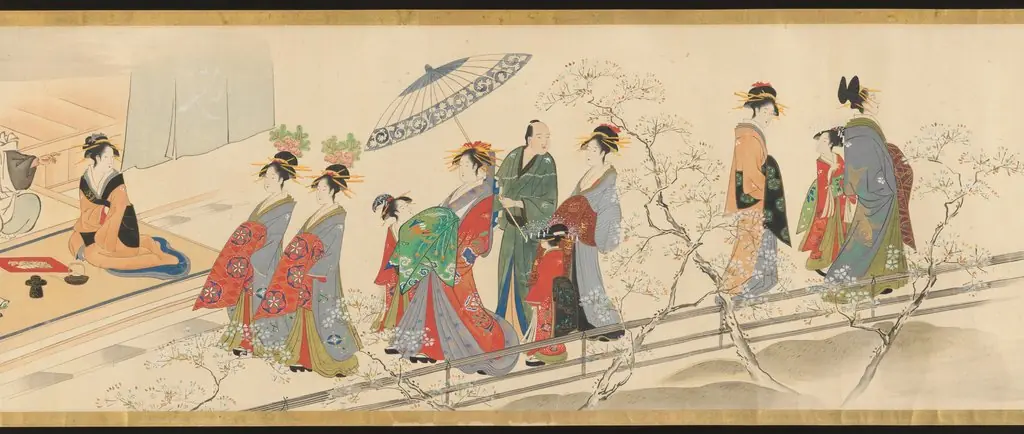 Three Gods of Good Fortune Visit the Yoshiwara; or “Scenes of Pleasure at the Height of Spring”
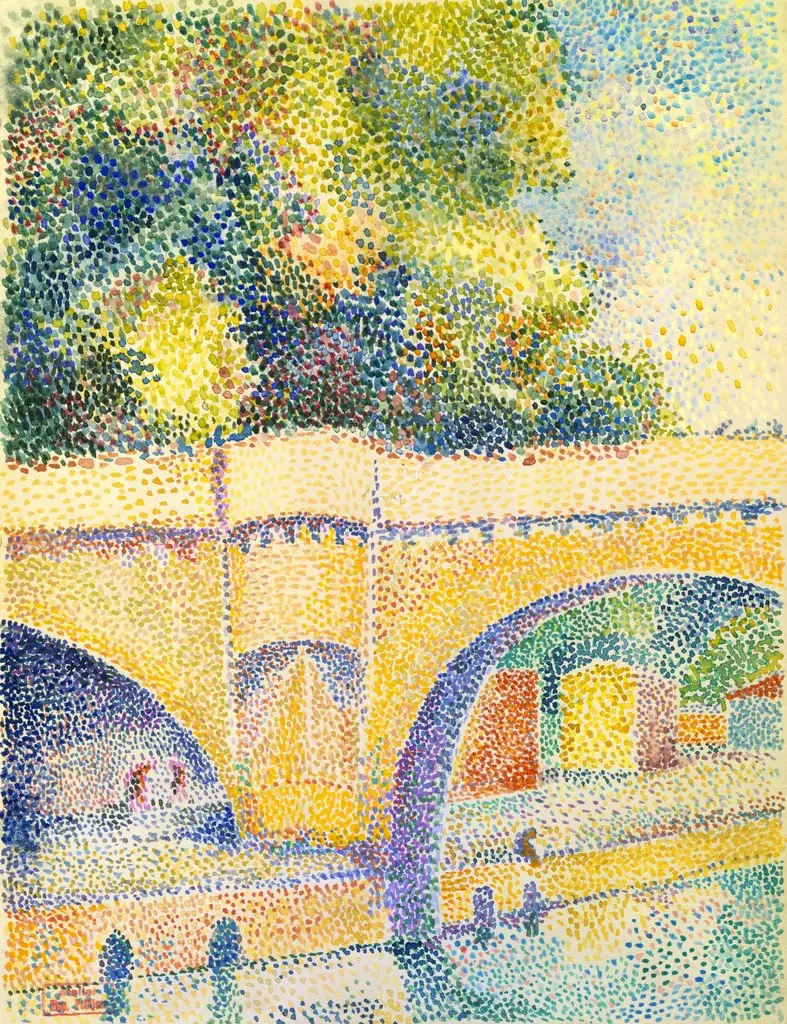 Le Pont Neuf
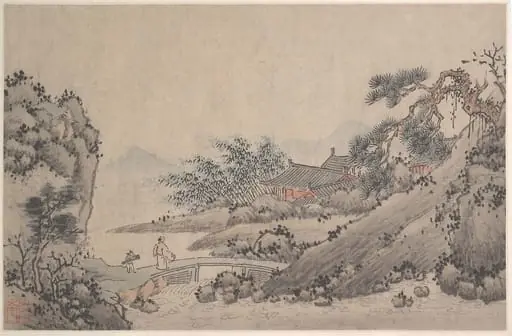 Untitled
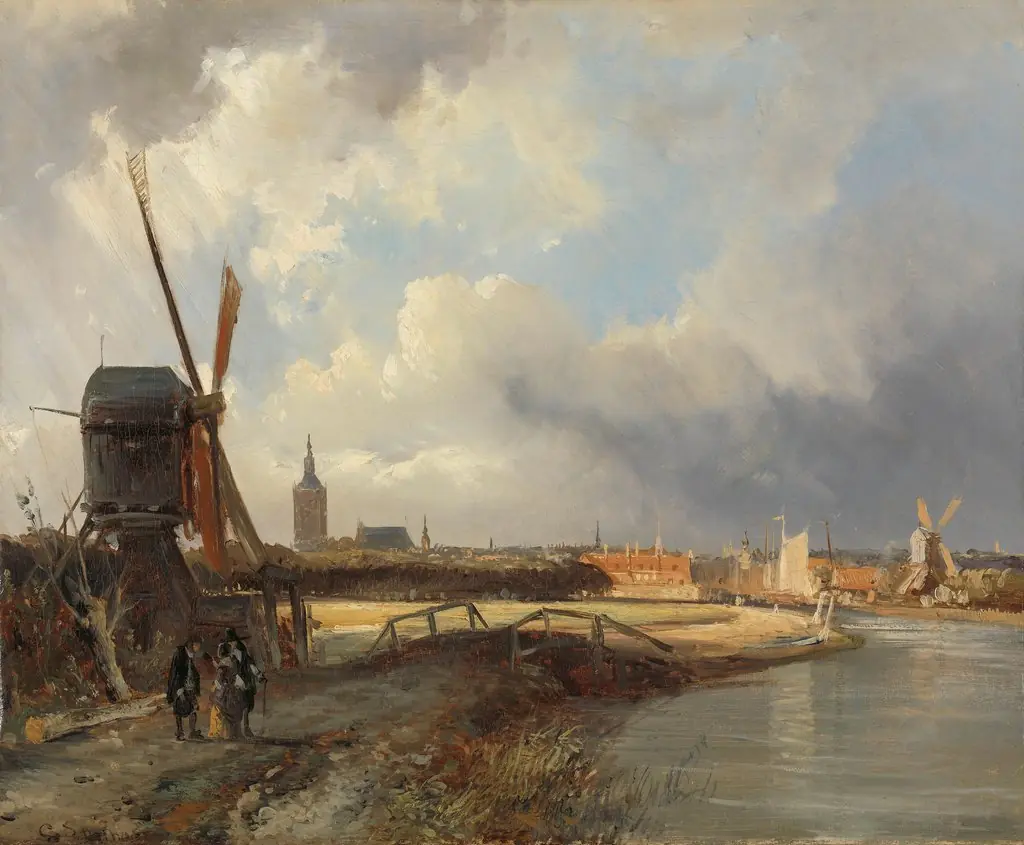 View of The Hague
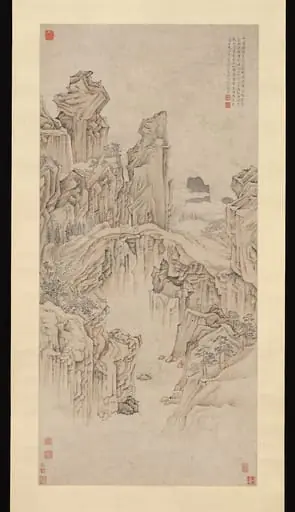 Untitled
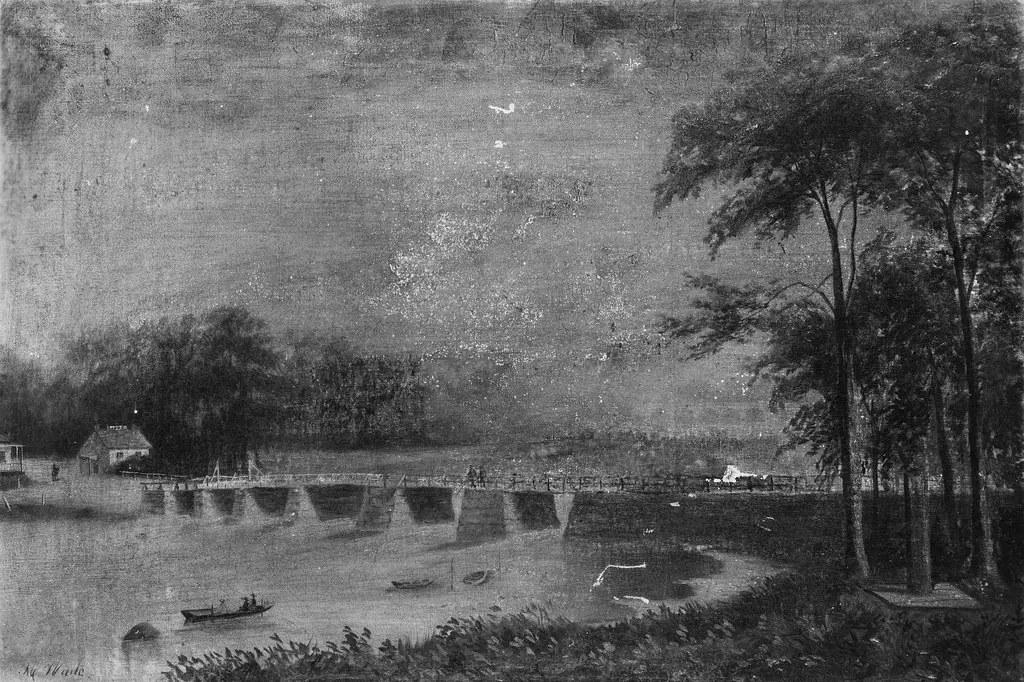 Harlem Bridge, New York
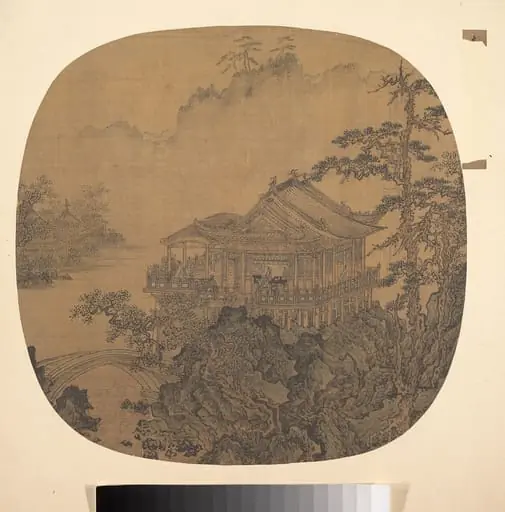 明? 佚名 舊傳李嵩 溪山樓閣圖 扇|Pavilion on a pond
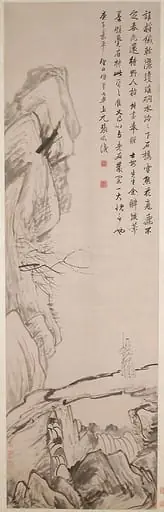 清 倣張風 石橋圖 軸|The Stone Bridge
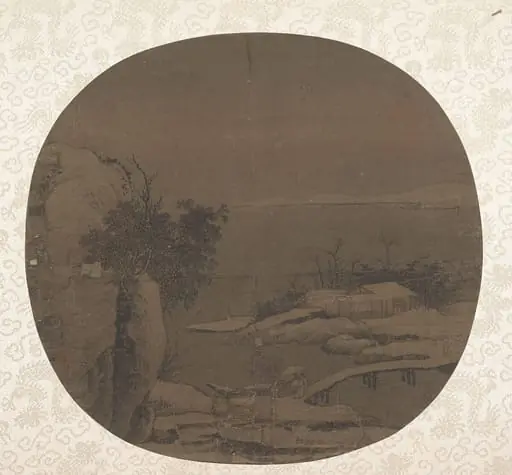 明? 佚名 舊傳燕文貴 雪橋送別 扇|Bridge in Snow
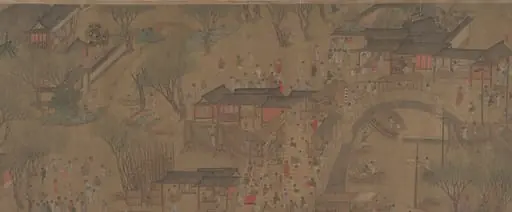 清 佚名 清明上河圖|Going Upriver on the Qingming Festival
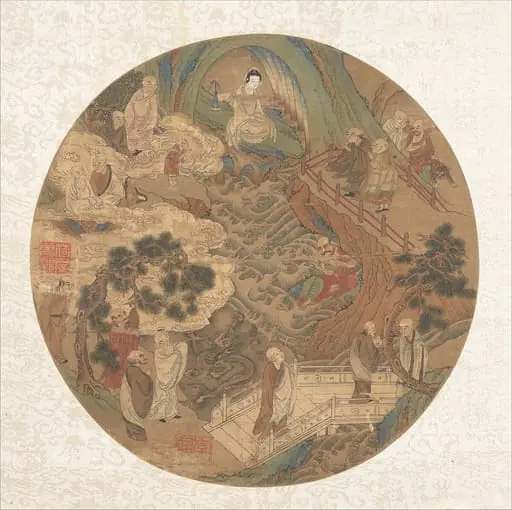 明 佚名 觀音羅漢圖 扇|Guanyin and the sixteen luohans
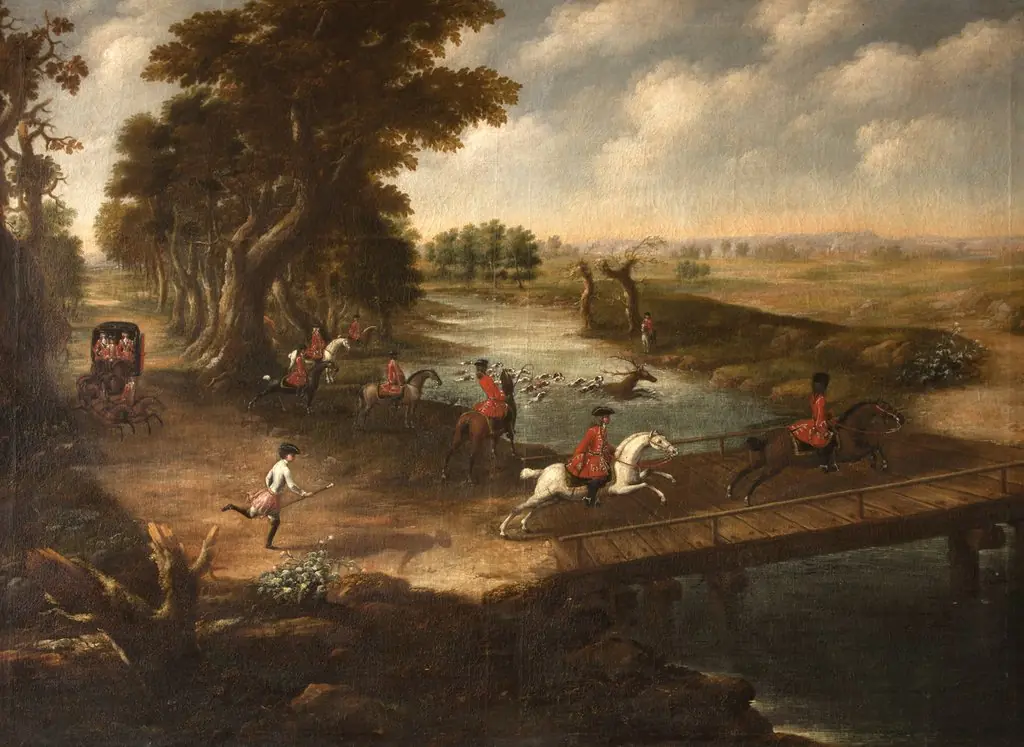 En jagt af kongelige personer
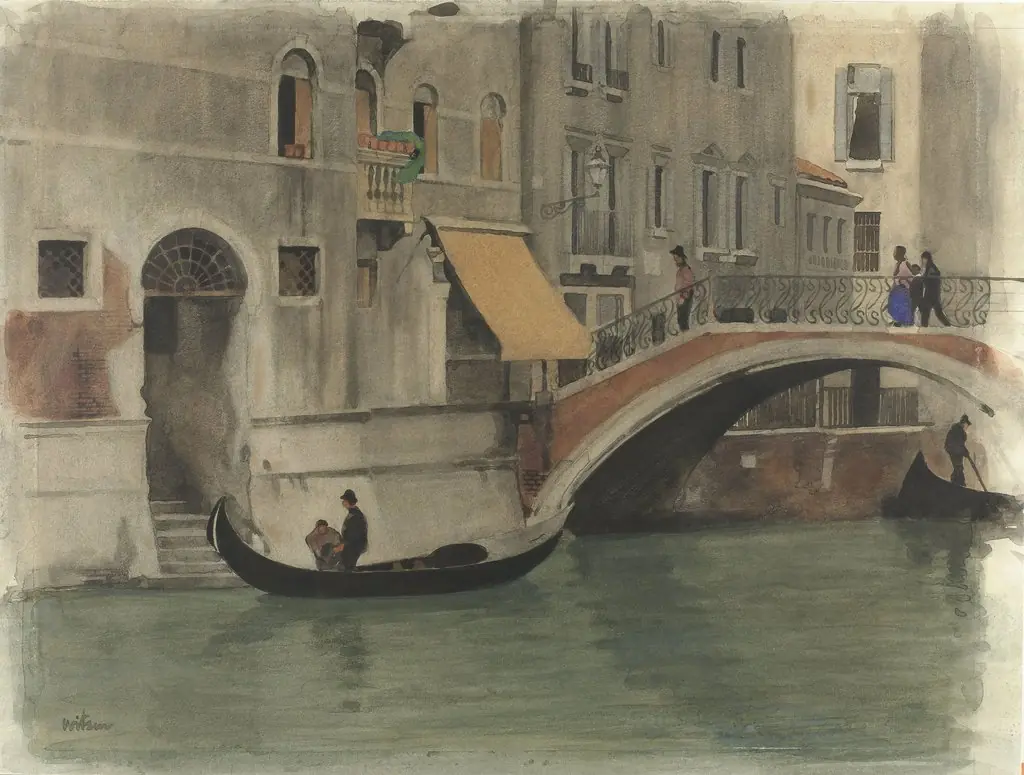 Bridge over a canal in Venice
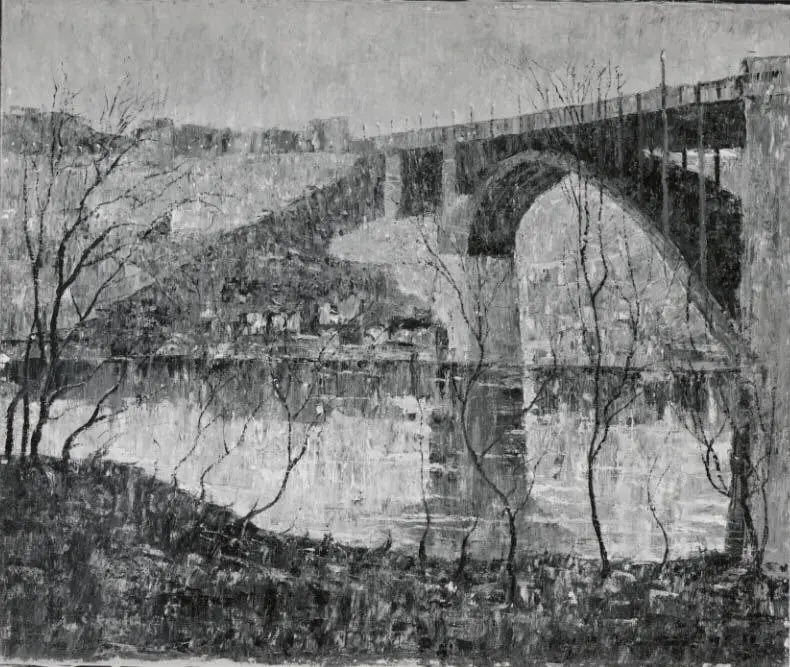 Harlem River
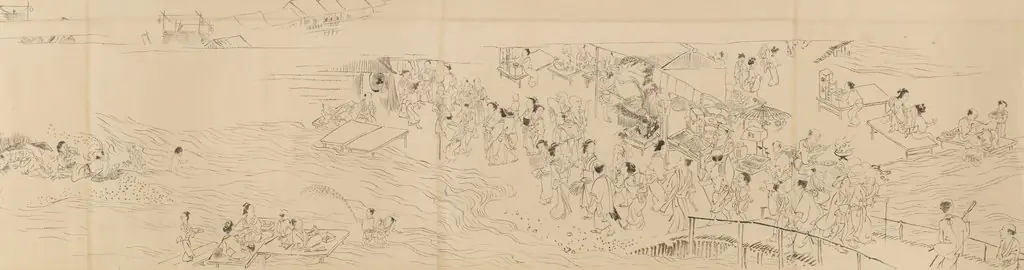 Amusements in Kyoto in the Four Seasons
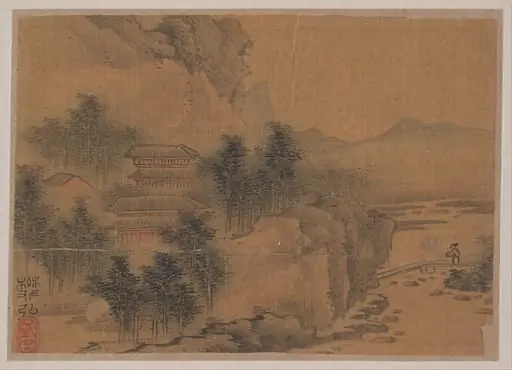 Untitled
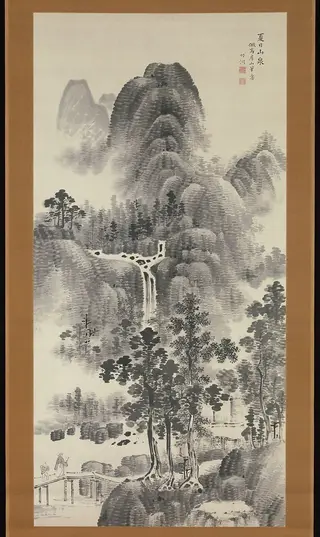 中林竹洞筆 夏日山泉図|Mountain Stream on a Summer Day
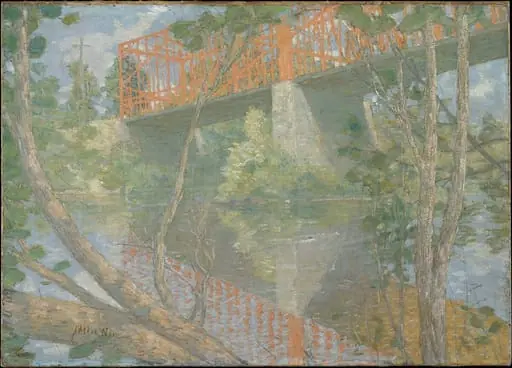 The Red Bridge
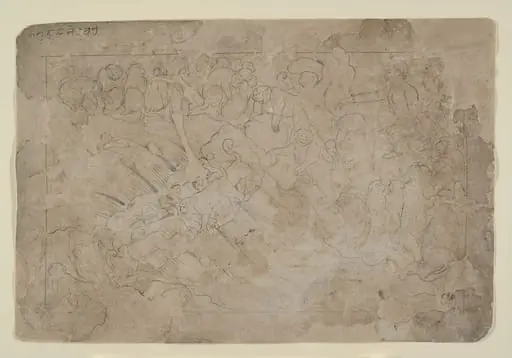 Untitled
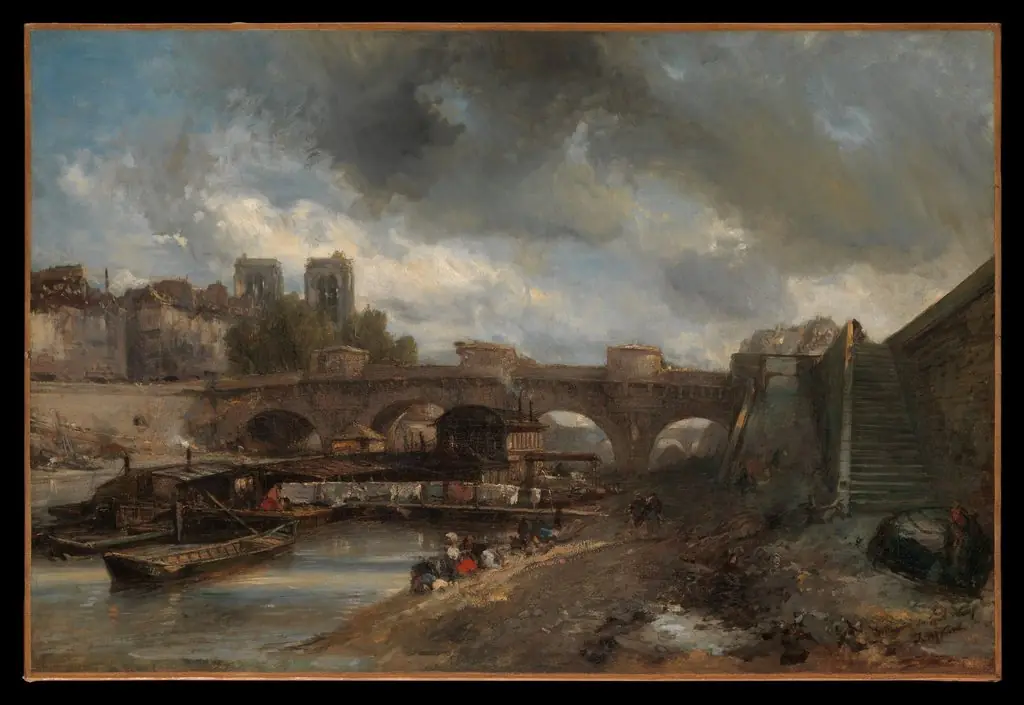 The Pont Neuf
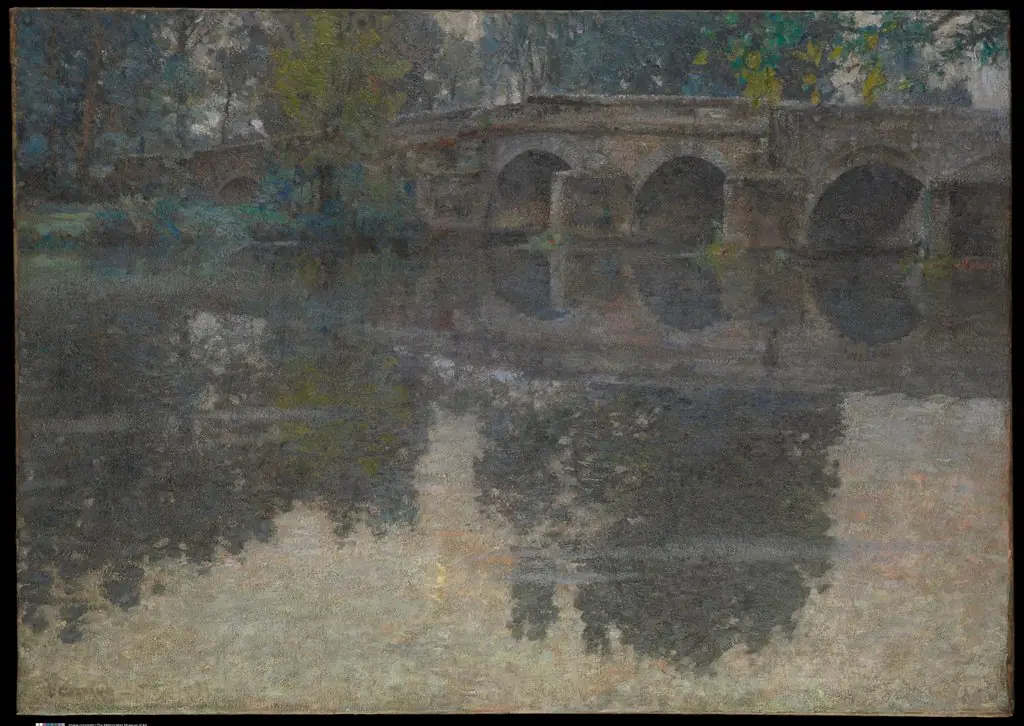 The Bridge at Grez
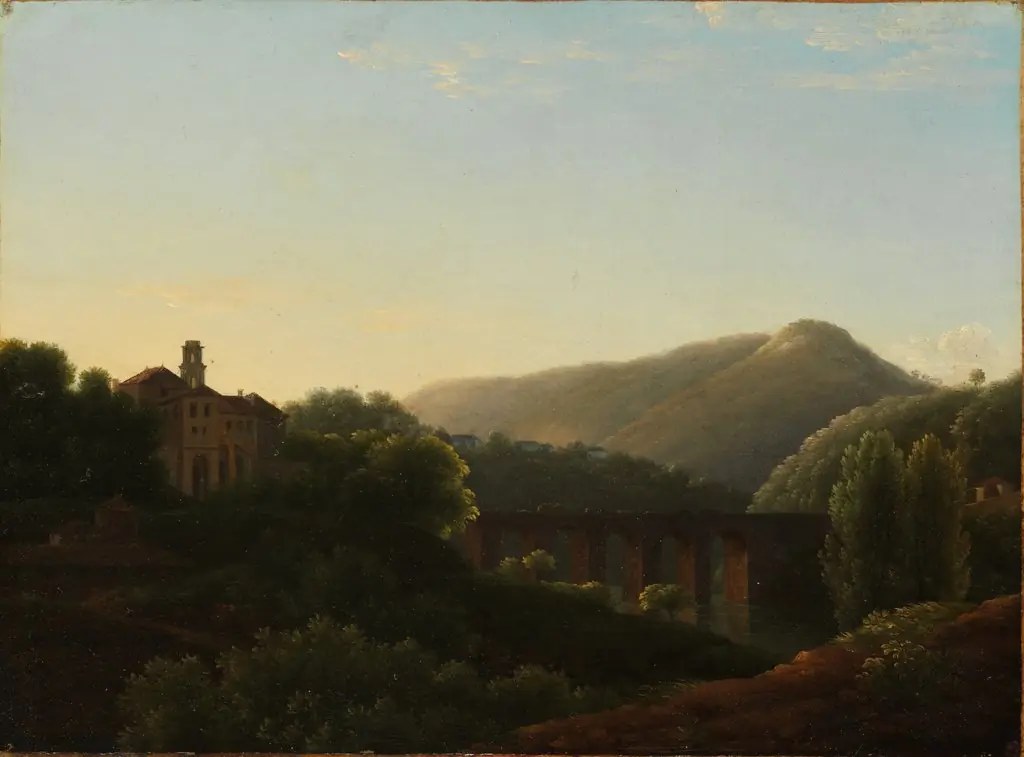 The Bridge at La Cava, Kingdom of Naples
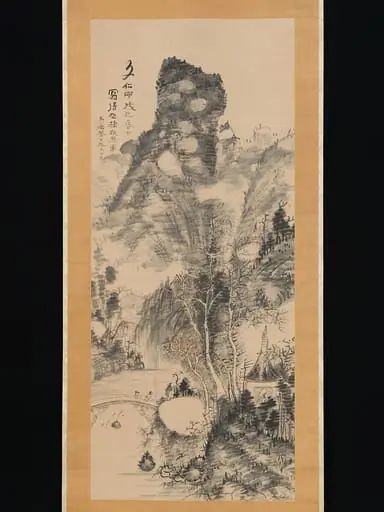 Untitled
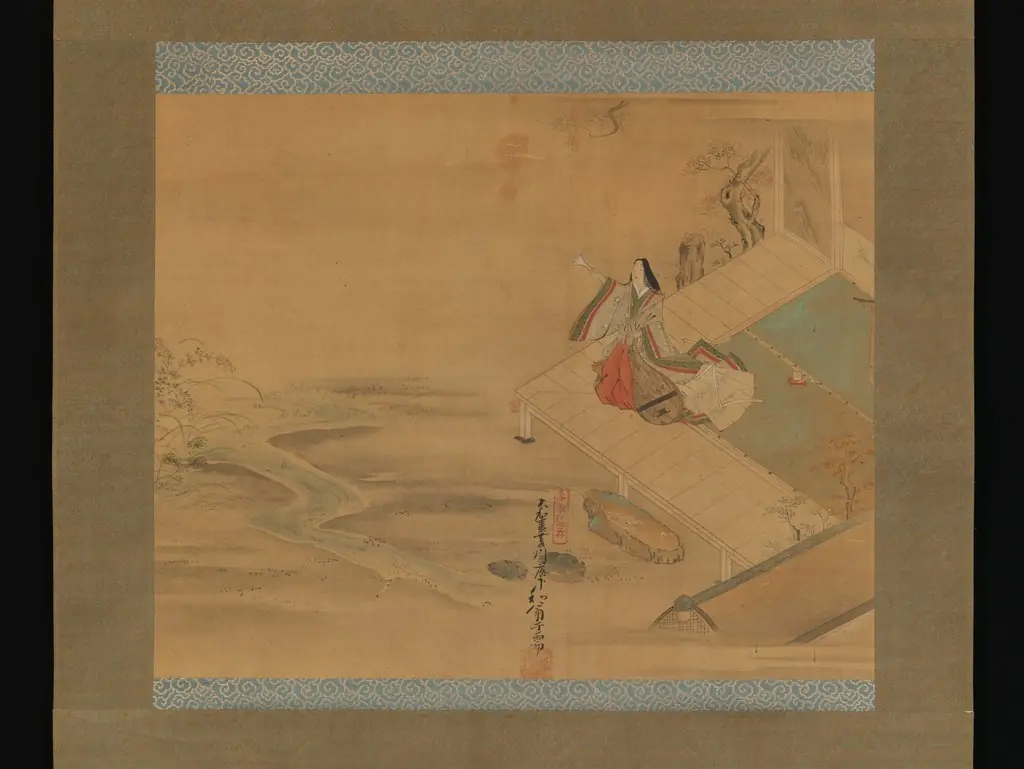 Princess Ogimi from the "Bridge Maiden" (Hashihime) chapter from The Tale of Genji (Genji Monogatari)
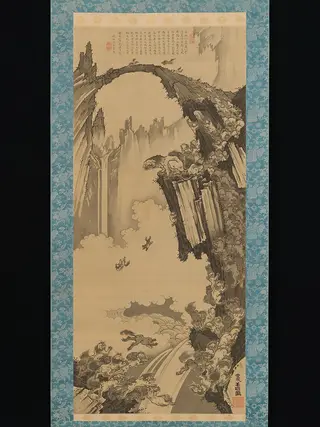 曽我蕭白筆 峨山南宗賛 天台山石橋図|Lions at the Stone Bridge of Mount Tiantai
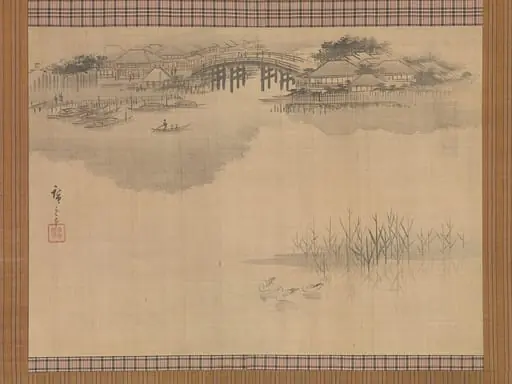 Untitled
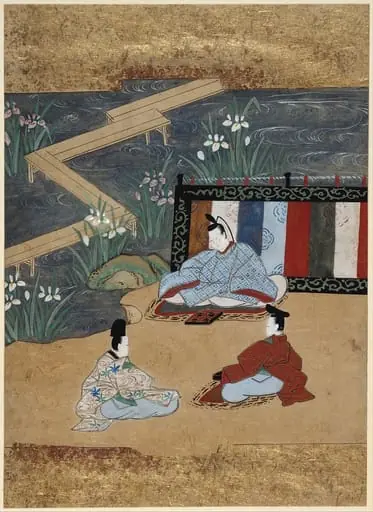 Untitled
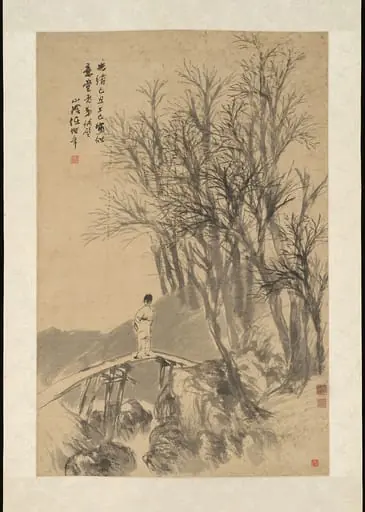 清 任頤 軸|Man on a Bridge
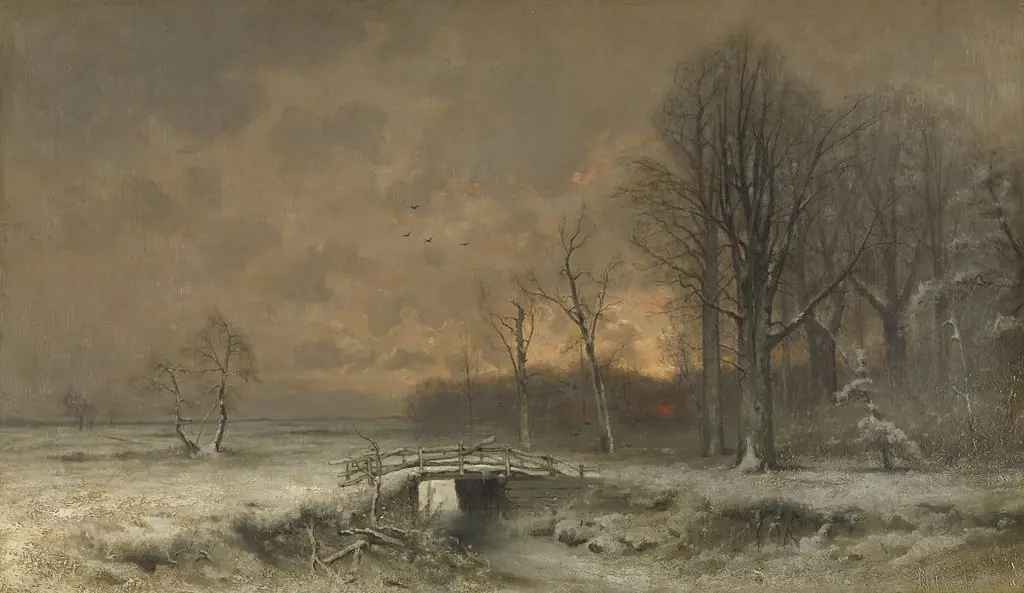 Winter Scene with the Sun Setting Behind Trees
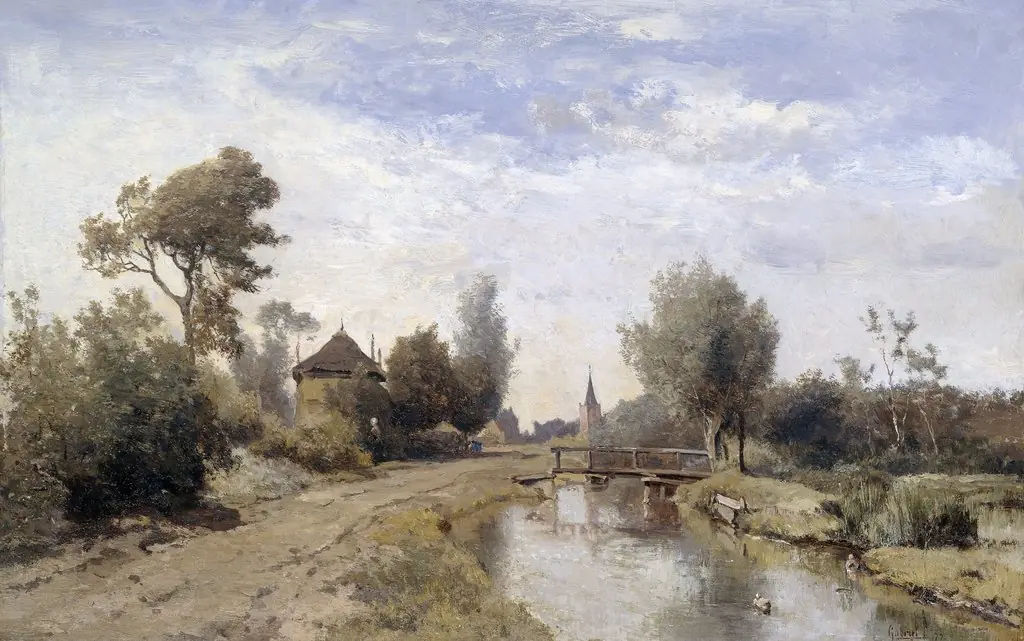 Landscape at Kortenhoef
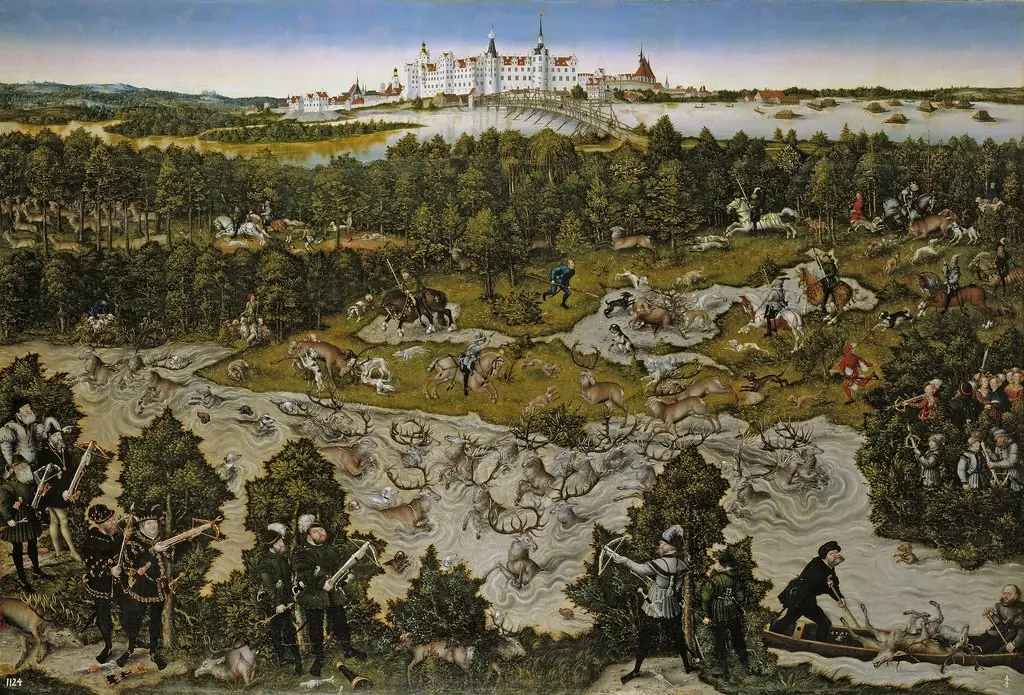 Hunt at the Castle of Torgau in honour of Ferdinand I
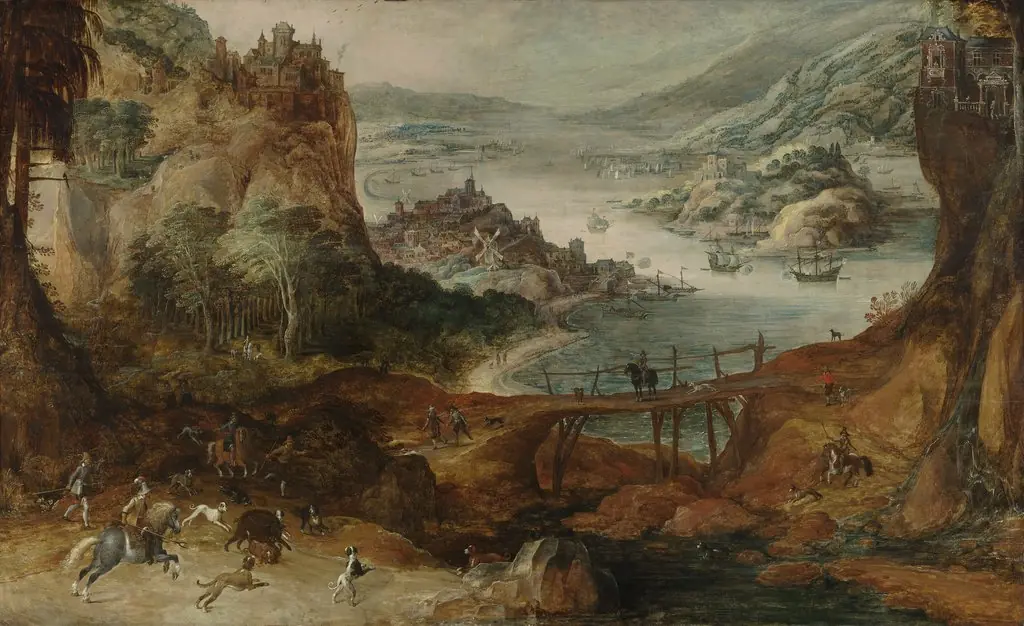 River landscape with boar hunt
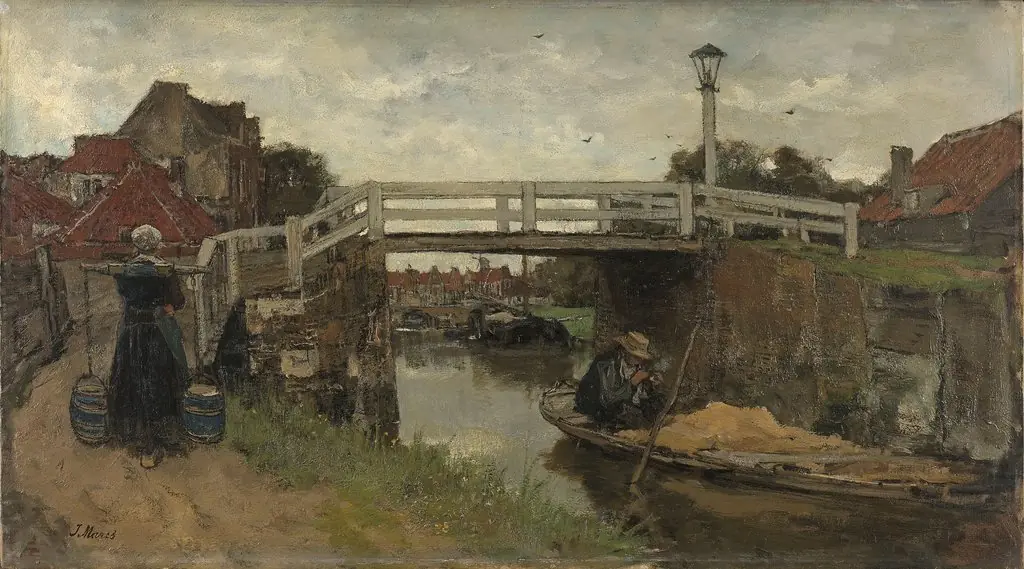 The Bridge
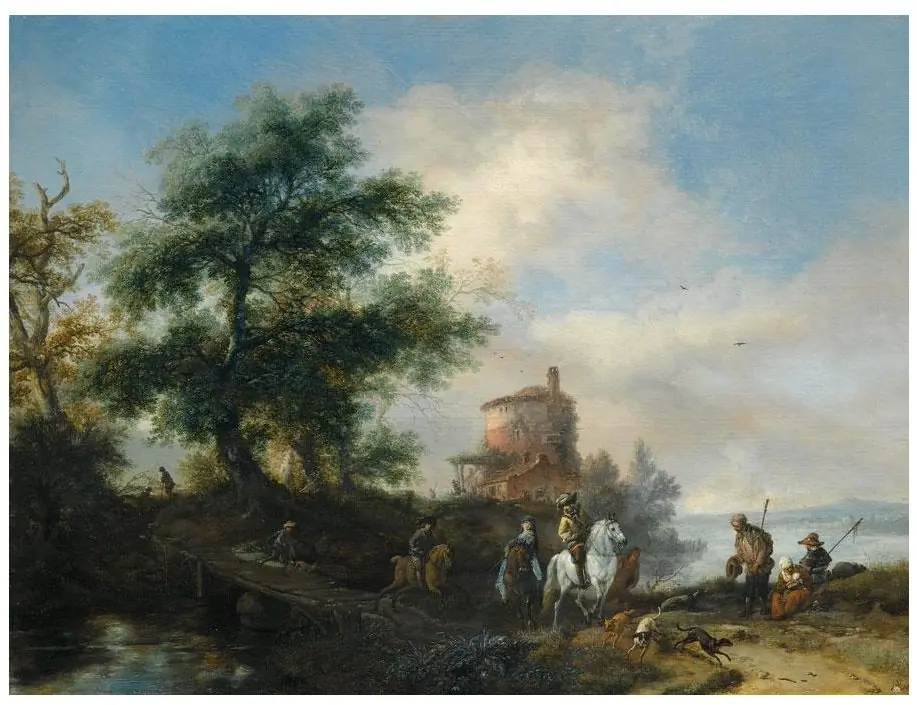 Departure of the hunt
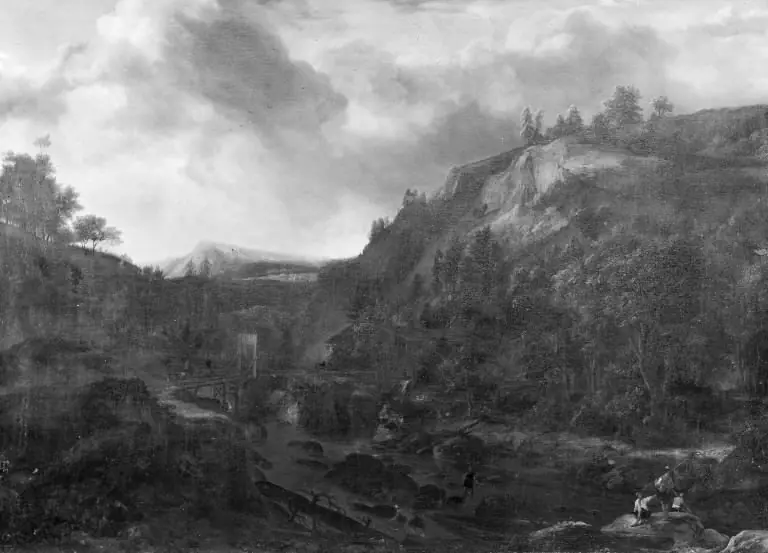 Mountain Scenery with a River
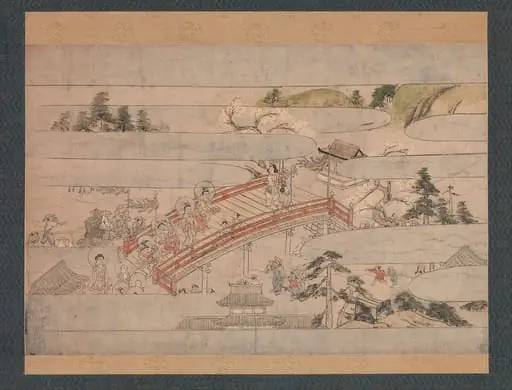 秋夜長物語絵巻断簡|The Final Scene from A Long Tale for an Autumn Night (Aki no yonaga monogatari)
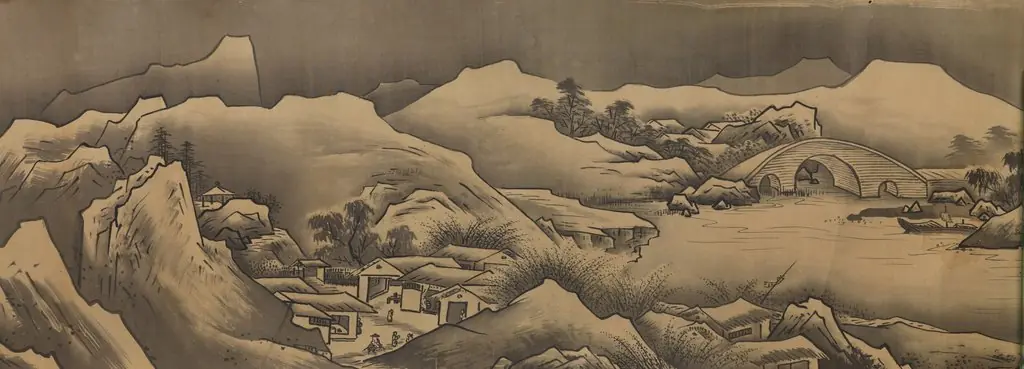 Landscape
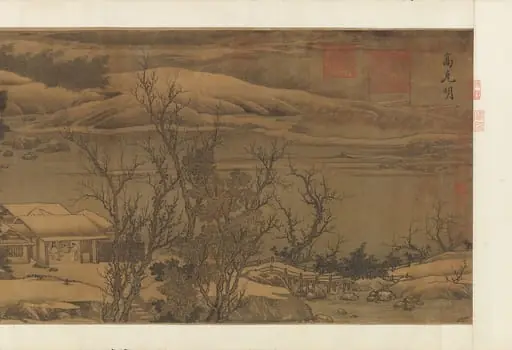 南宋 傳 劉松年 溪山雪意圖 卷|Snowy landscape with rustic riverside retreat
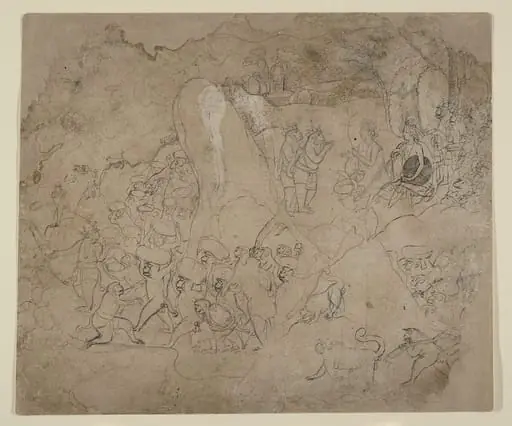 Untitled
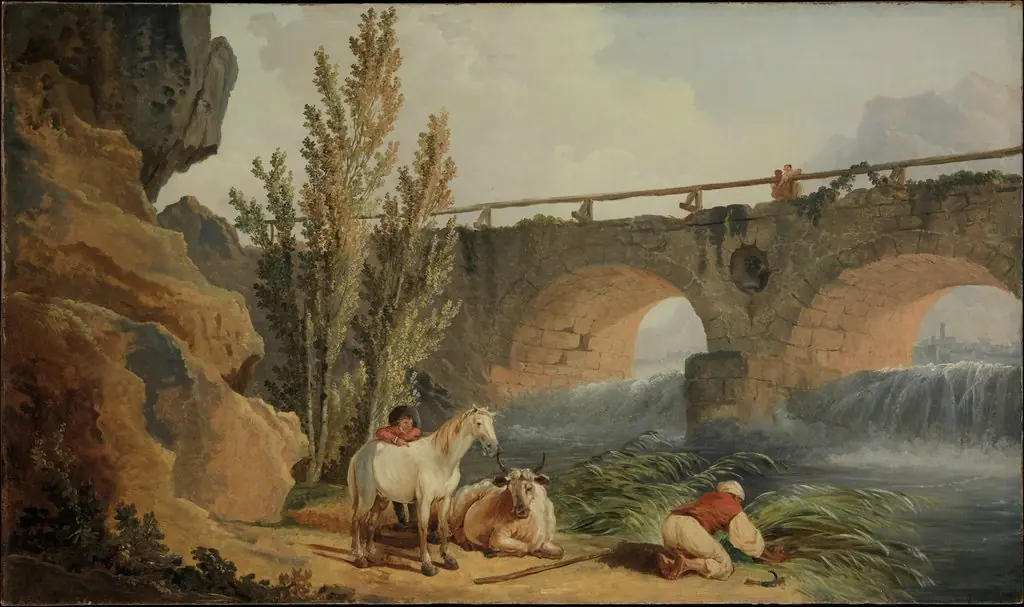 Bridge over a Cascade
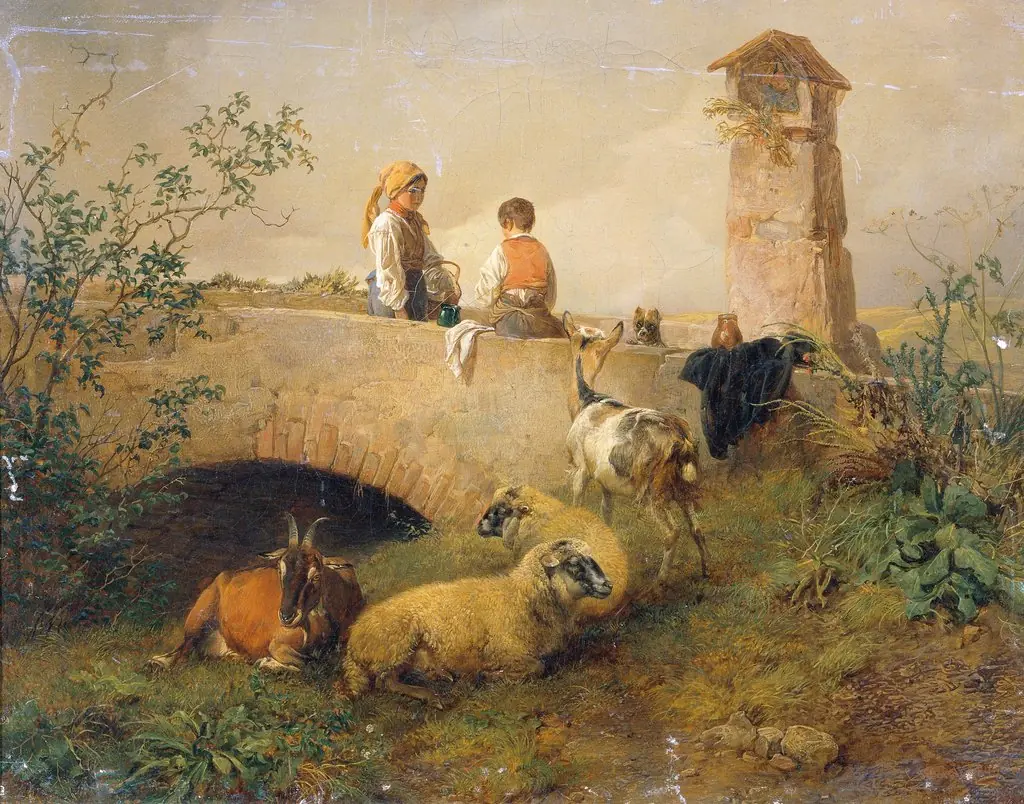 Boy and Girl with Sheep and Goats
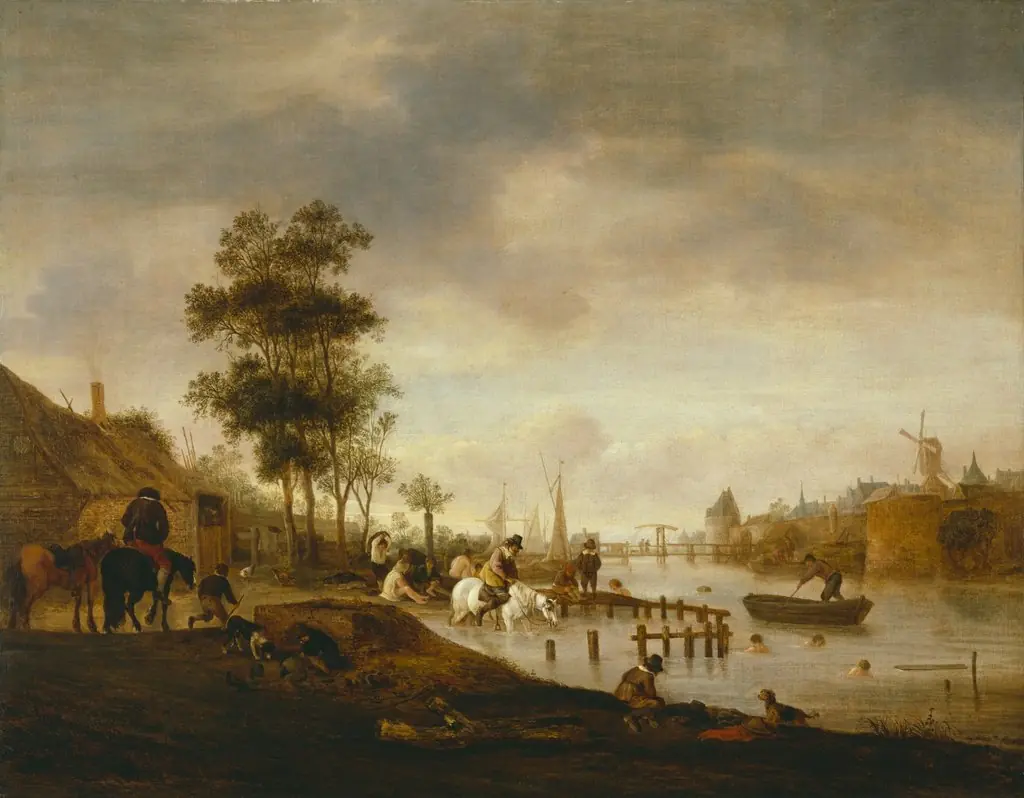 River Landscape with Swimmers
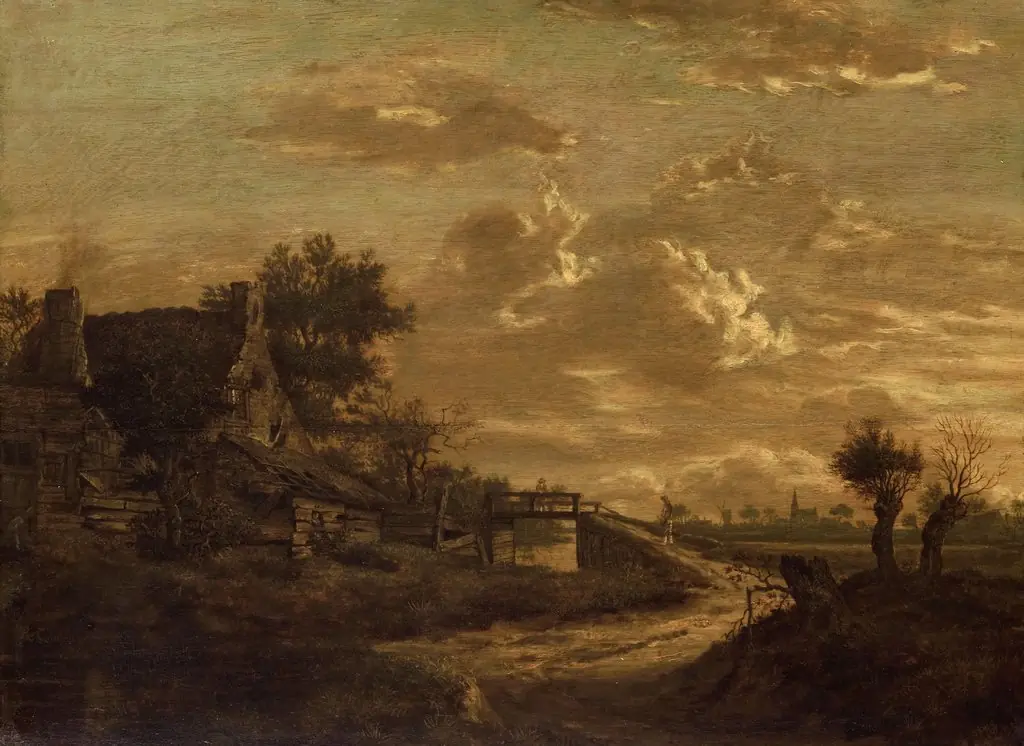 Landscape at sunset
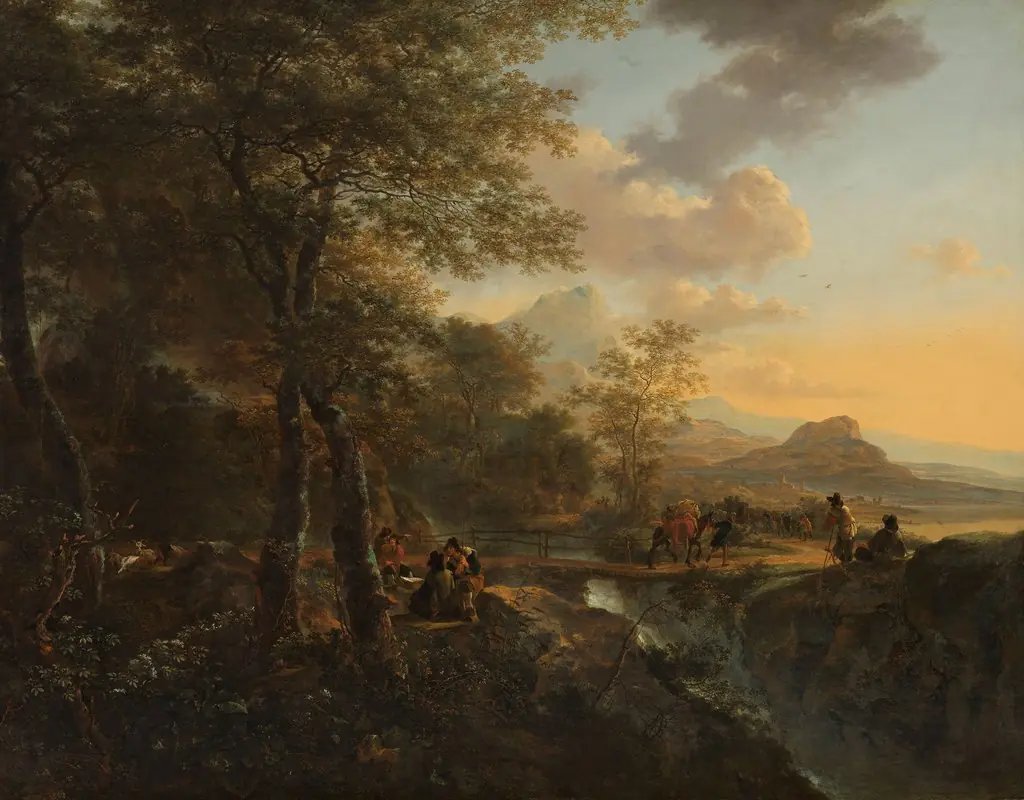 Italian Landscape with a Draughtsman
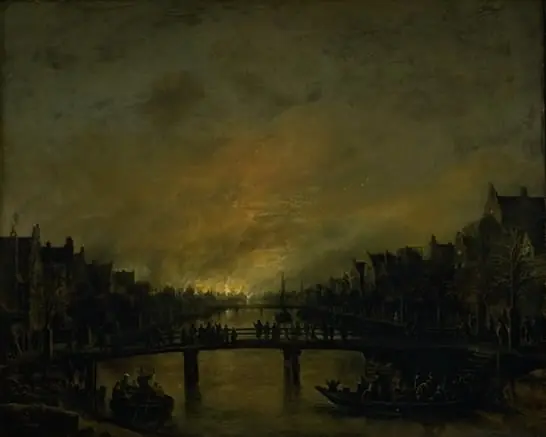 Fire at Amsterdam by Night
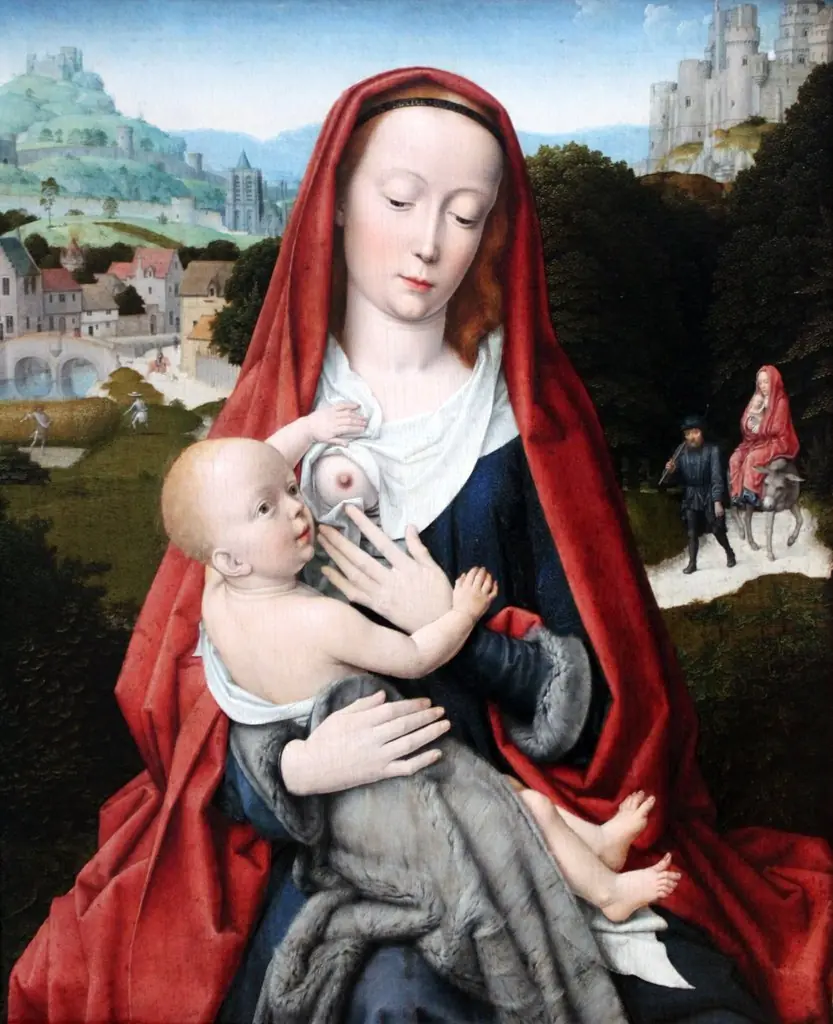 Madonna and Child
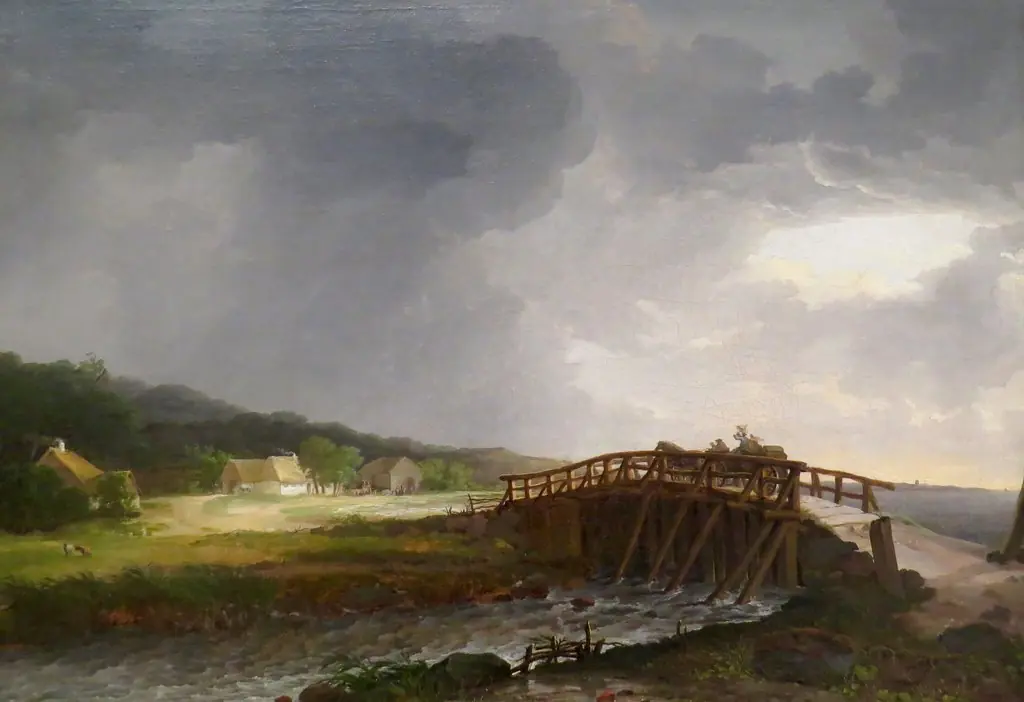 The Bridge across Tryggevælde River with a View of Køge, Zealand
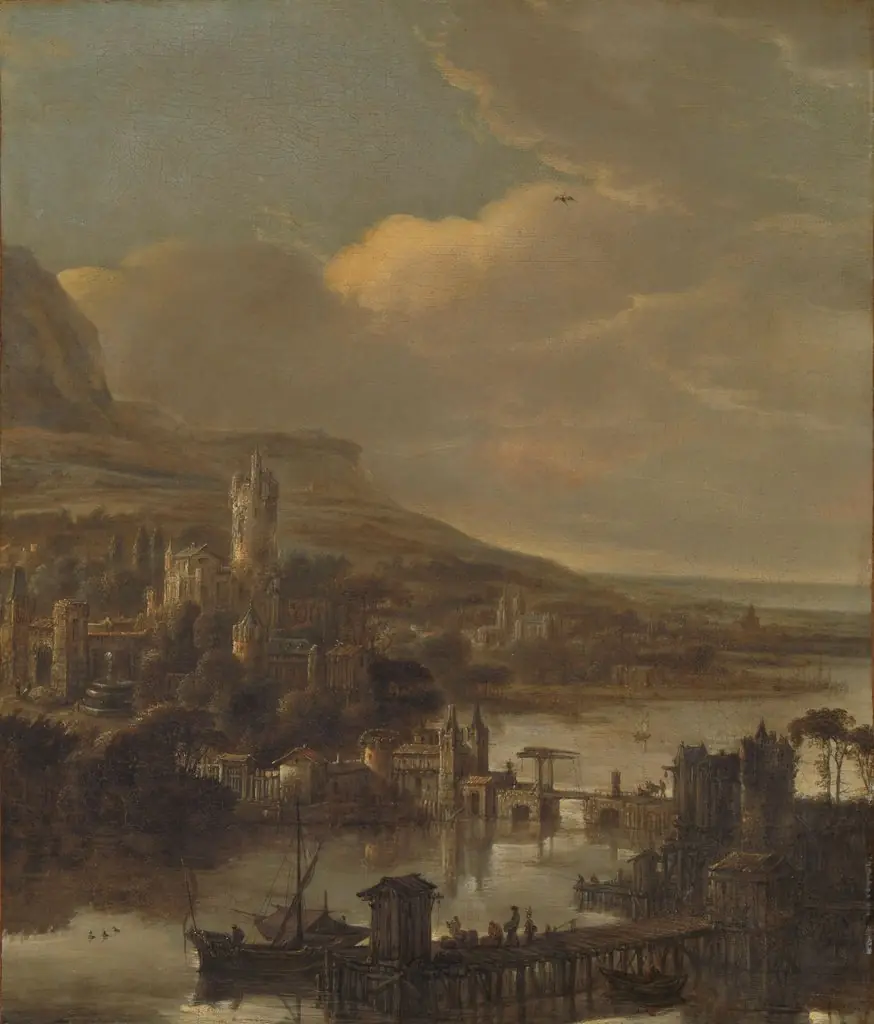 River view
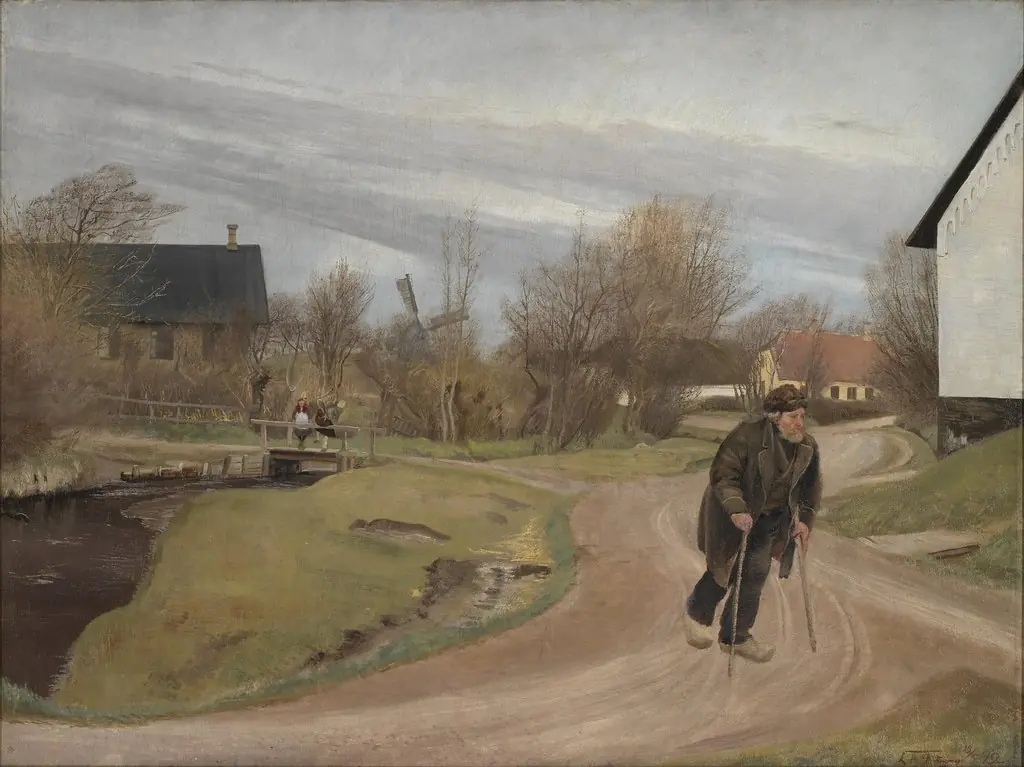 Springtime in Hals, Jutland
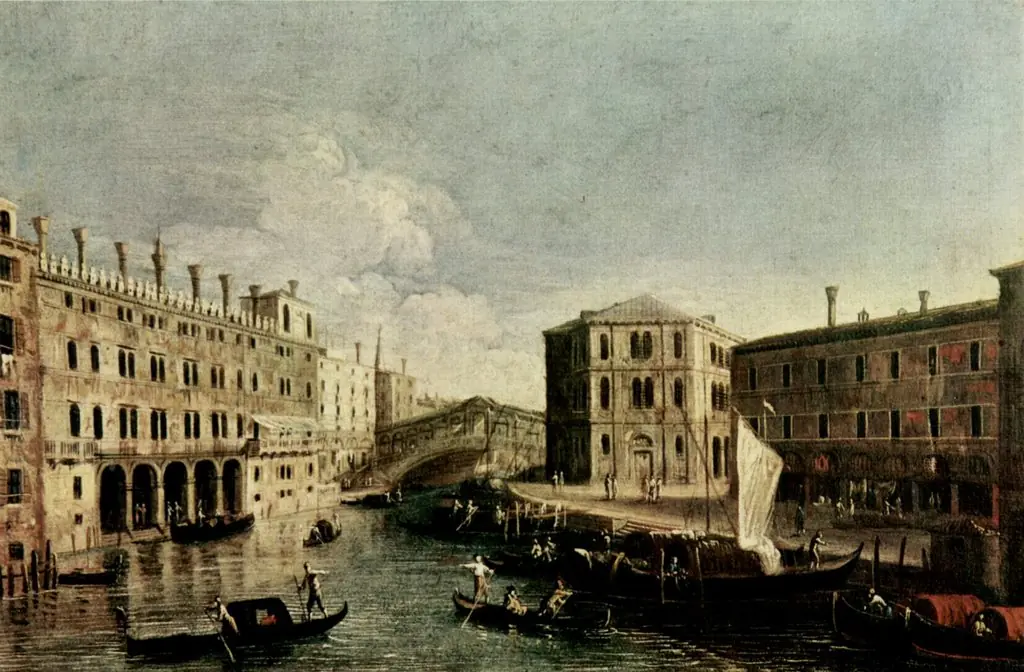 The Grand Canal at the Rialto
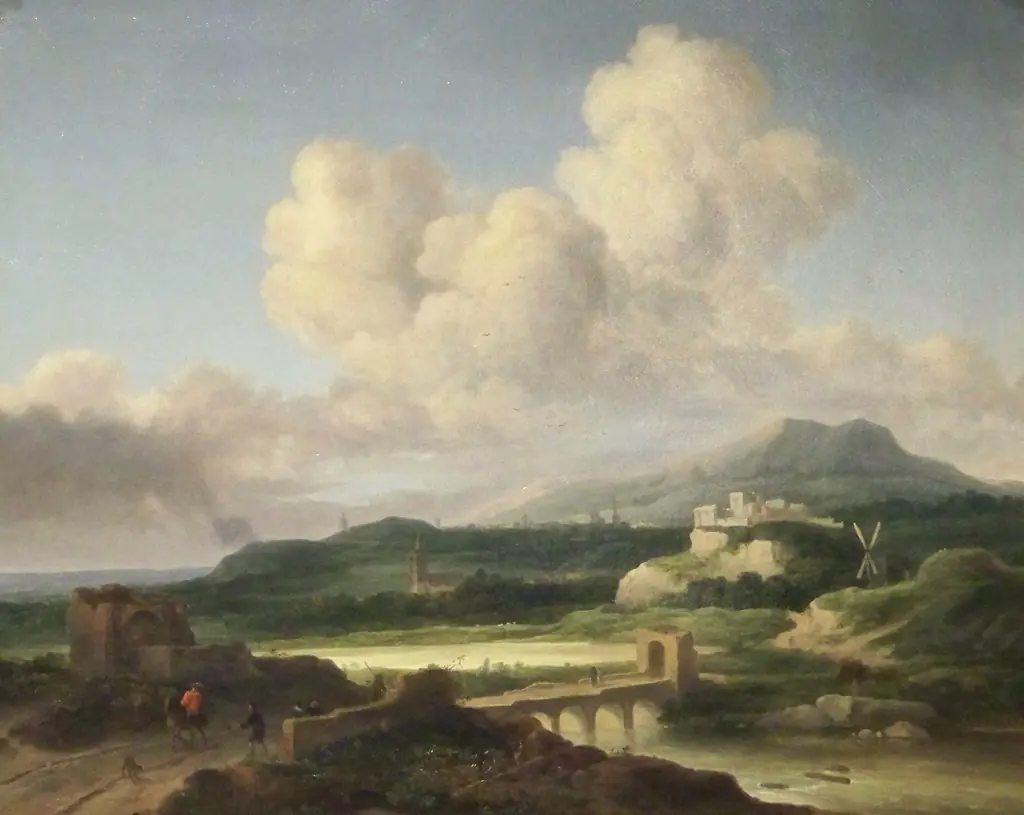 Landscape after Ruisdael
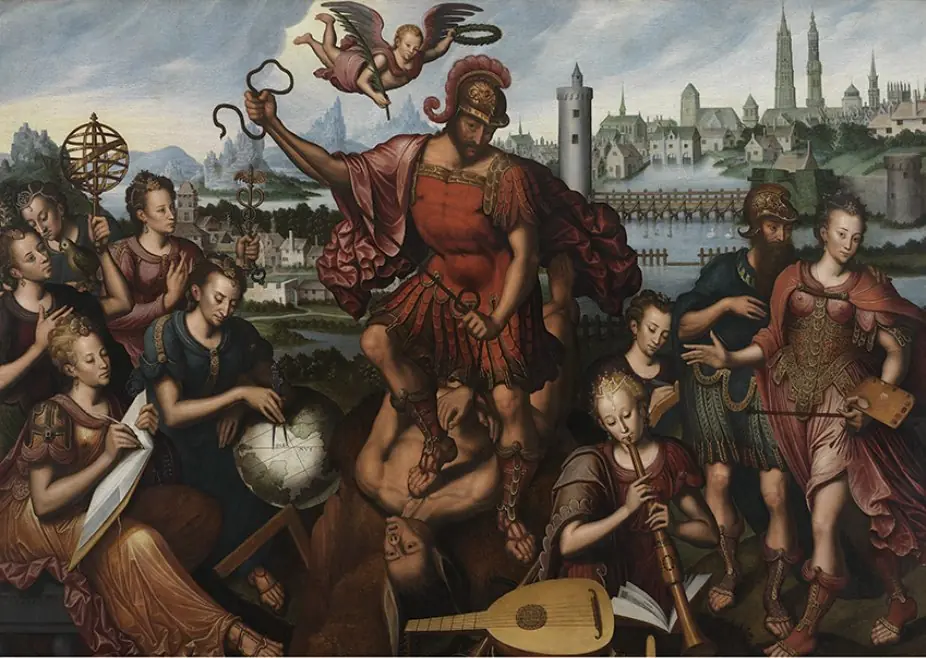 Mars, surrounded by the Arts and Sciences, conquers Ignorance
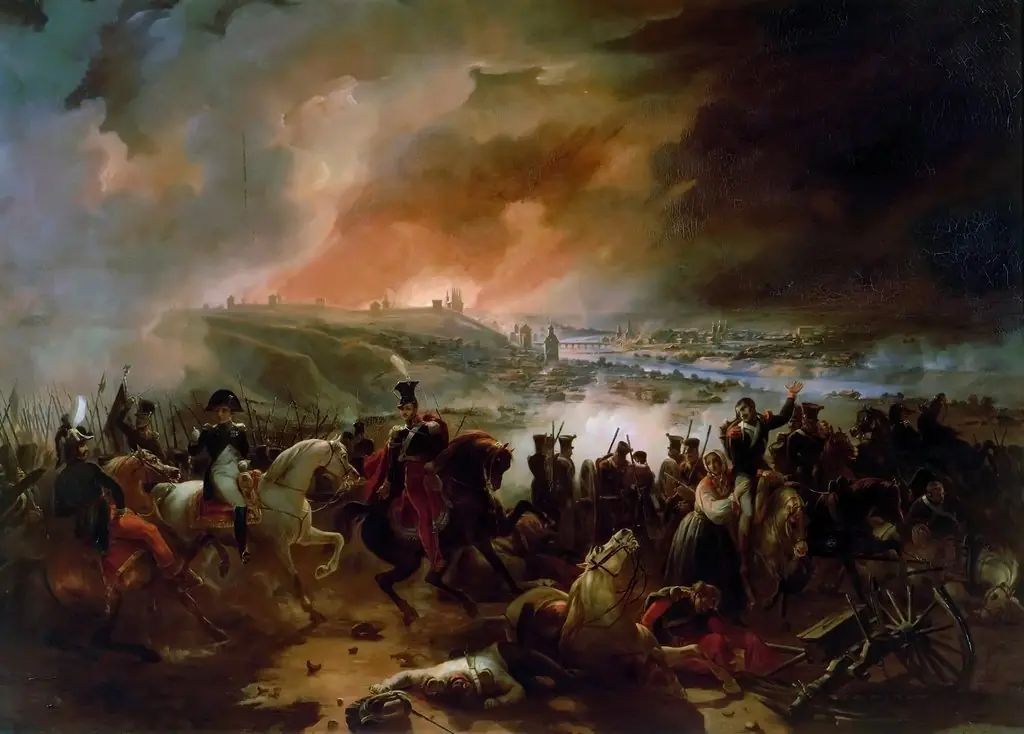 The Battle of Smolensk, 17th August 1812
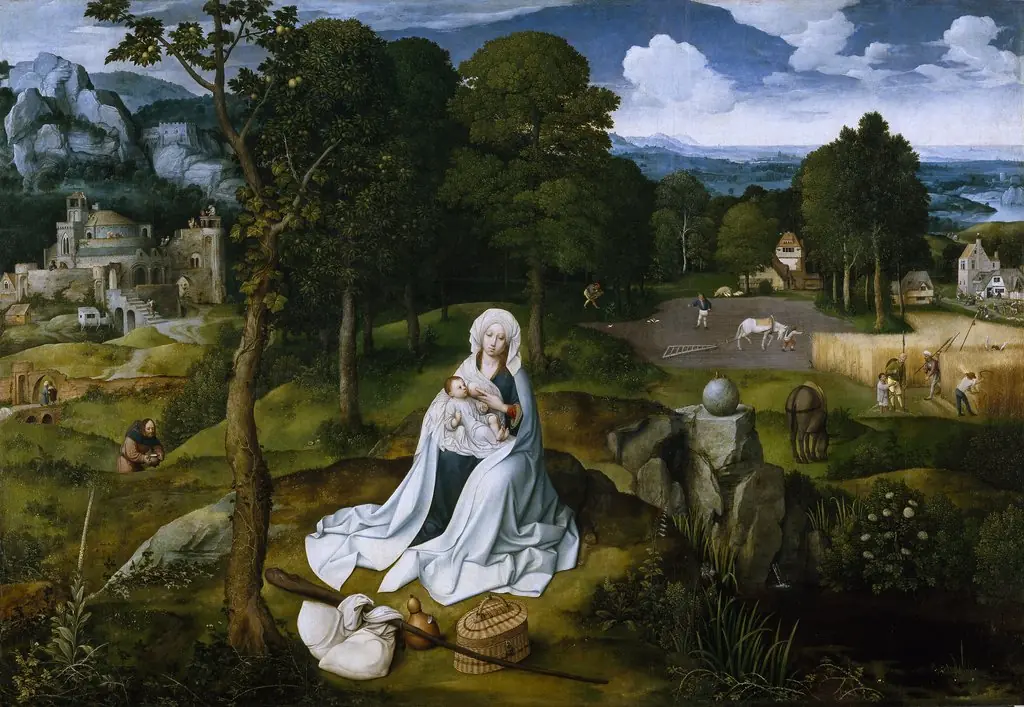 Rest during the Flight to Egypt
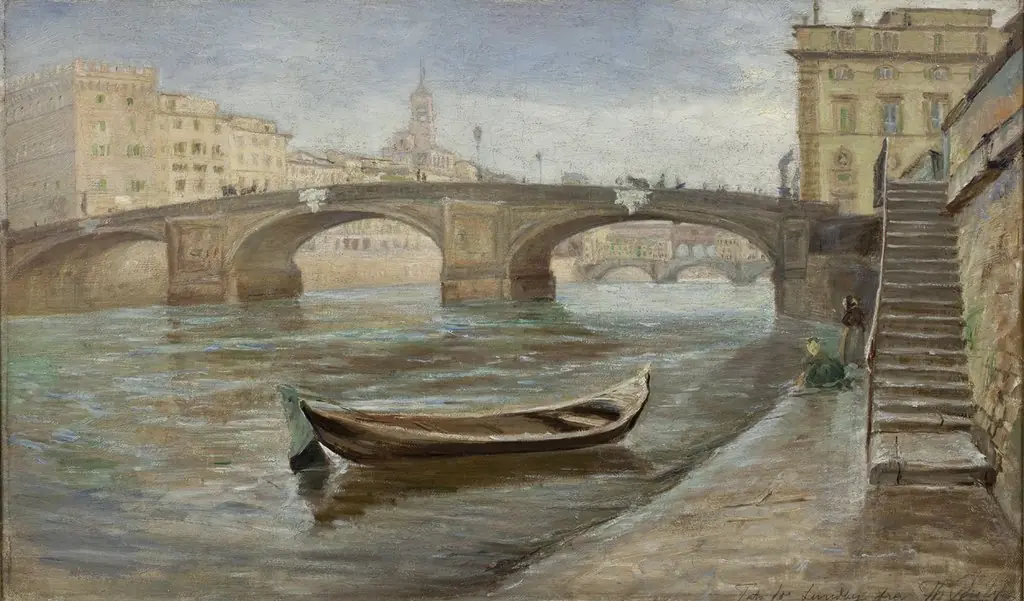 An Overcast Day in Florence near Ponte Santa Trinità
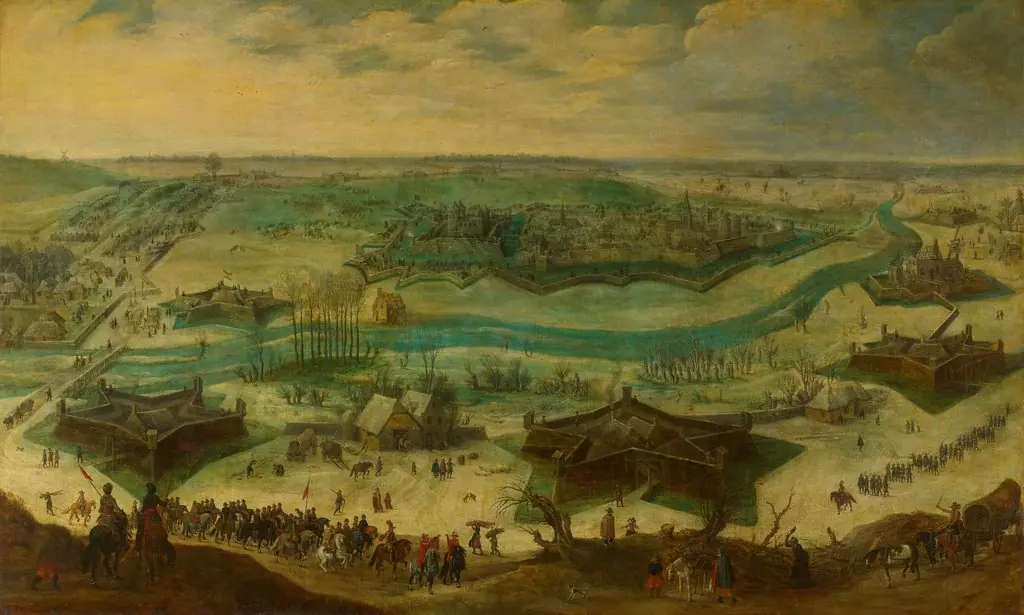 A siege of a city, thought to be the siege of Gulik by the Spanish under the command of Hendrik van den Bergh, 5 September 1621-3 February 1622
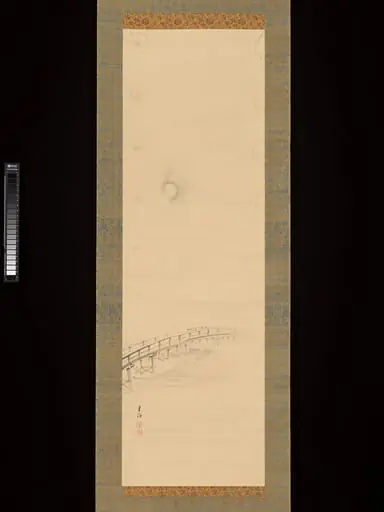 Untitled
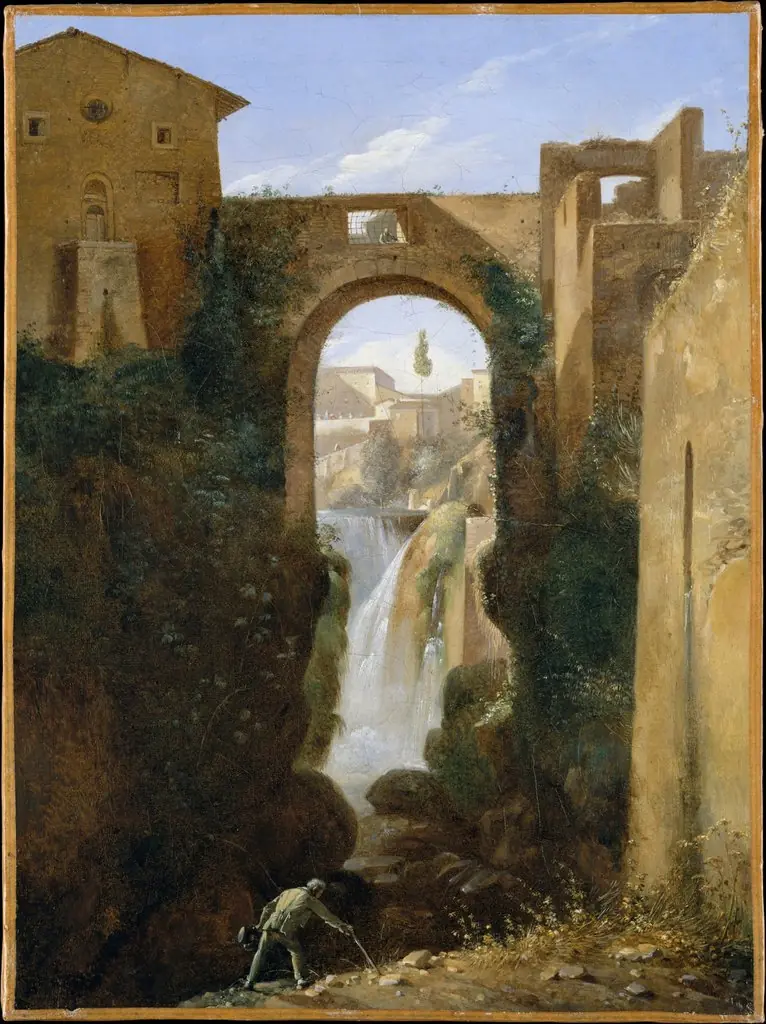 Ponte San Rocco and Waterfalls, Tivoli
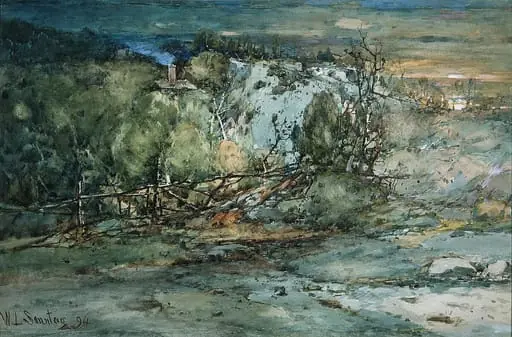 Frontier Cabin
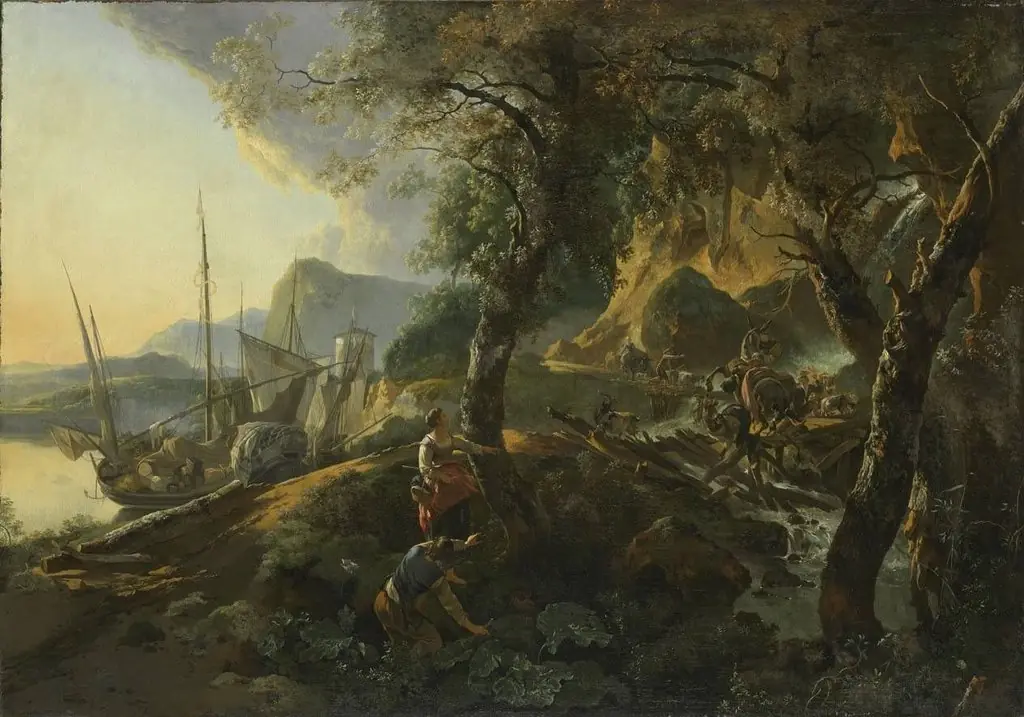 Landscape with Collapsing Bridge
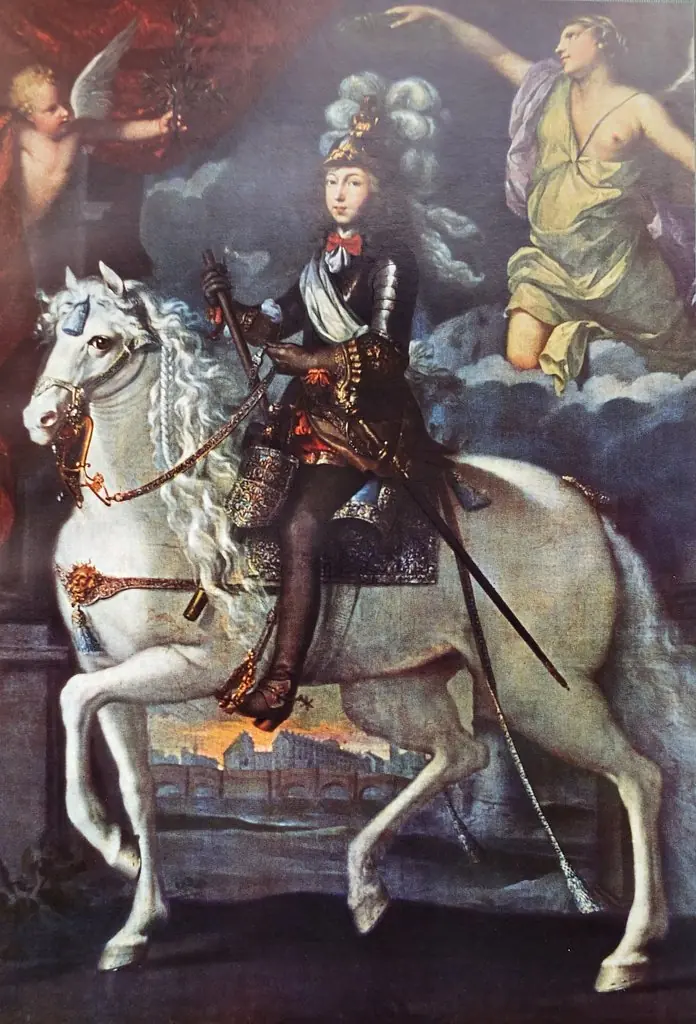 Louis XIV, King of France
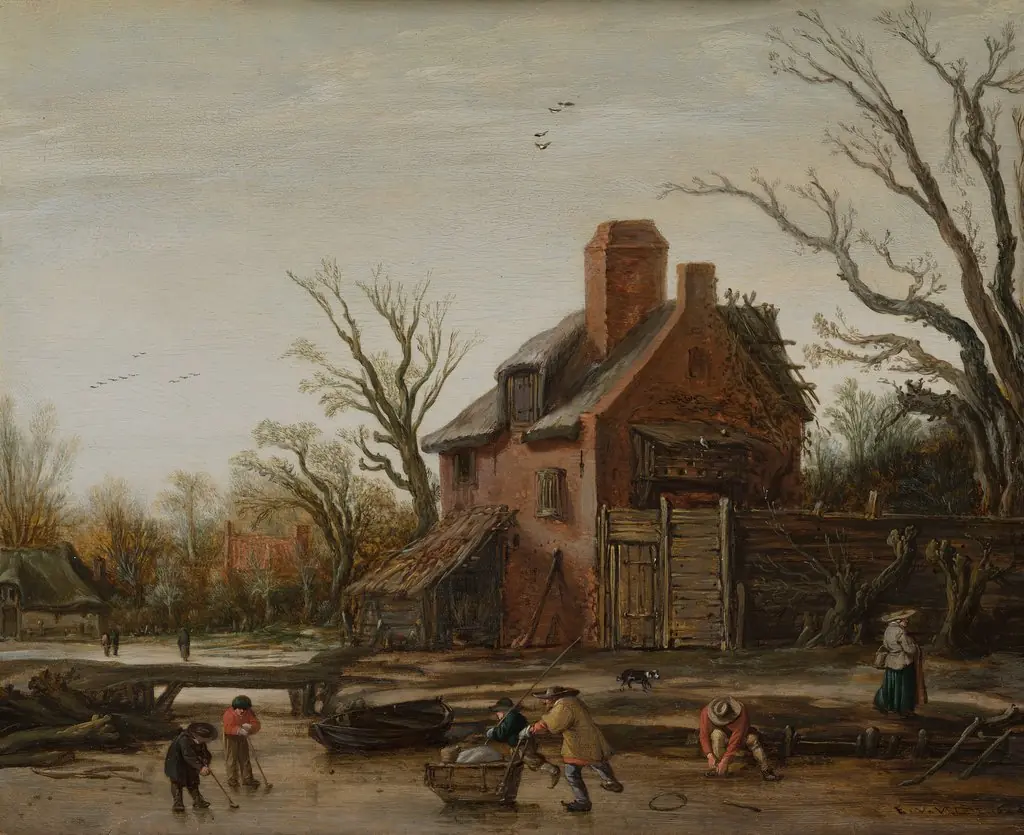 Winter landscape with farmhouse
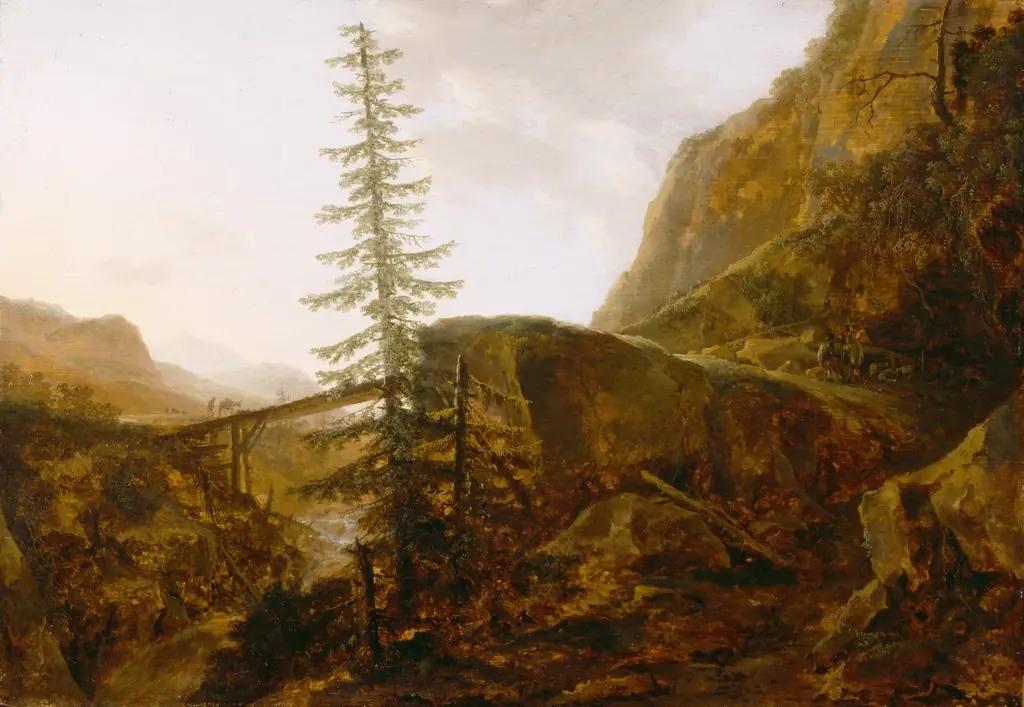 A Pass in the Apennines
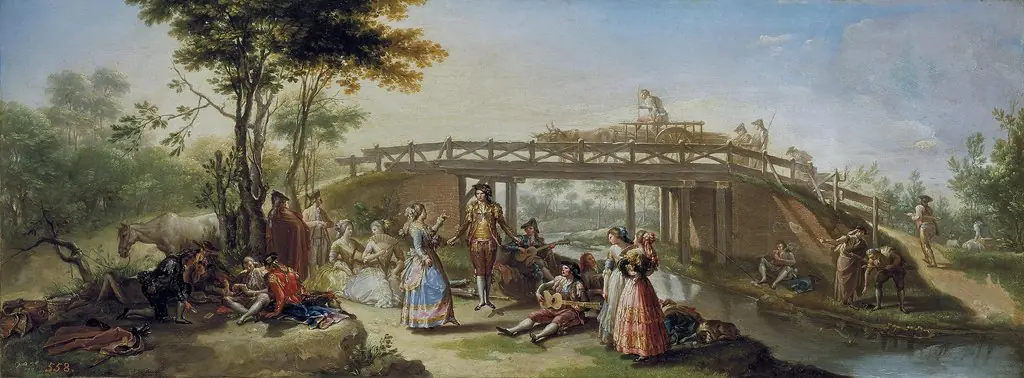 Bridge over the Madrid Canal
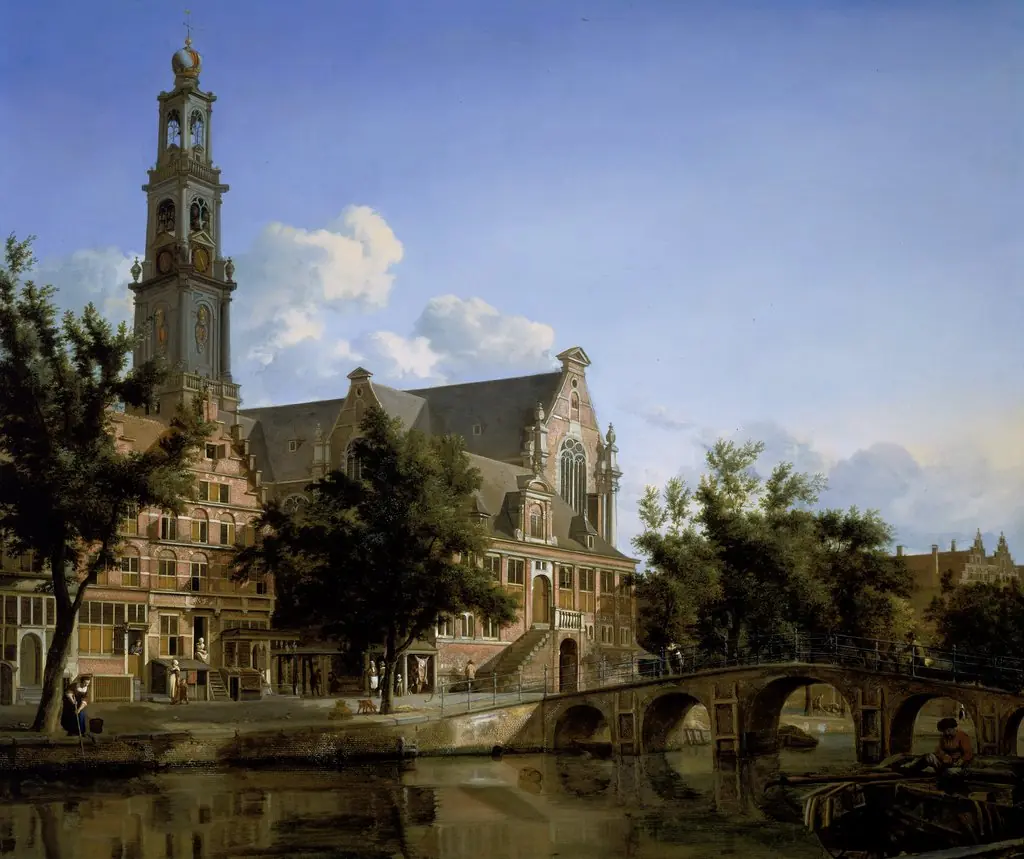 View of the Westerkerk, Amsterdam
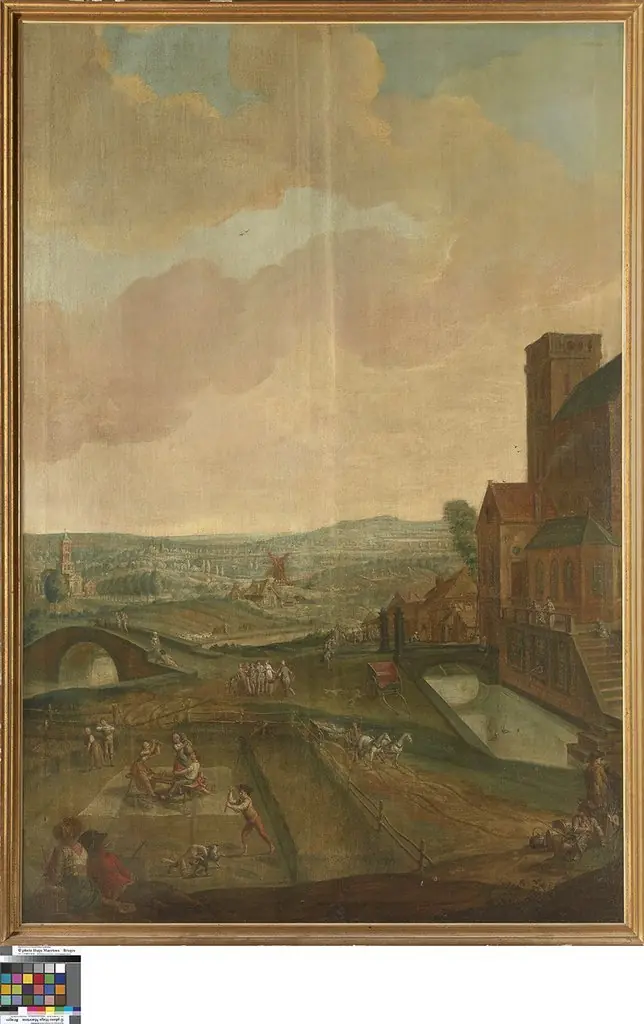 Vlasfeest
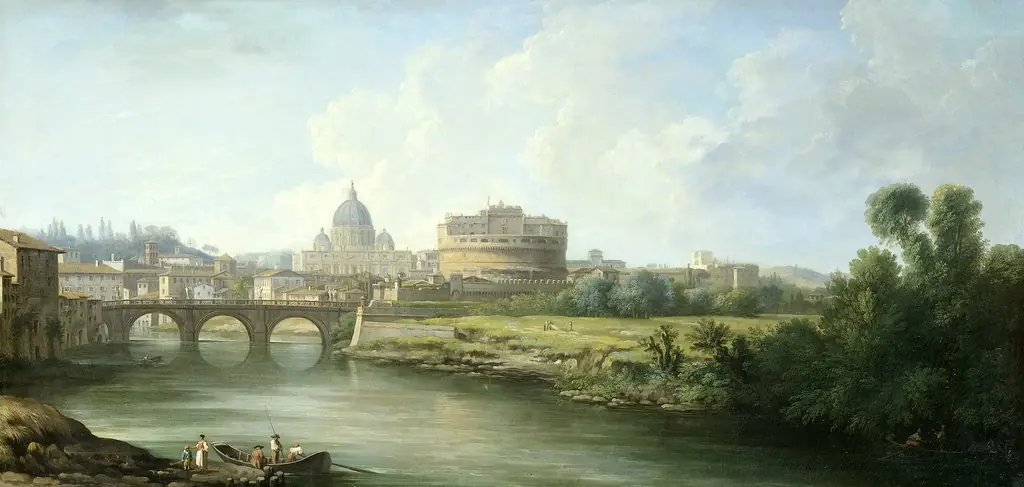 View of the Castel Sant'Angelo in Rome
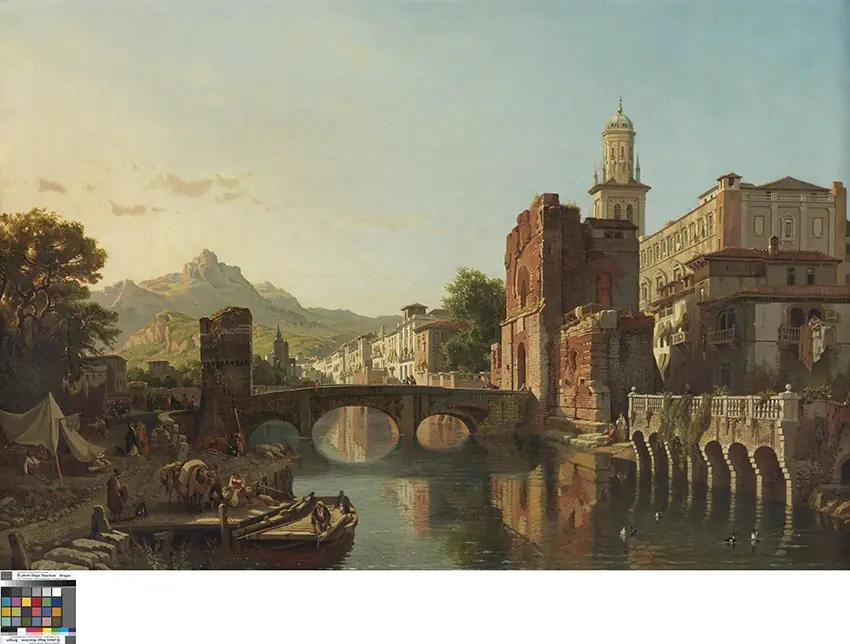 Stadsgezicht in Spanje
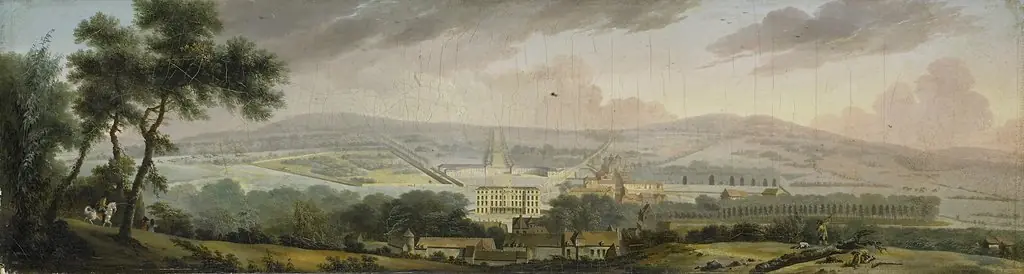 View of the back of a Palace
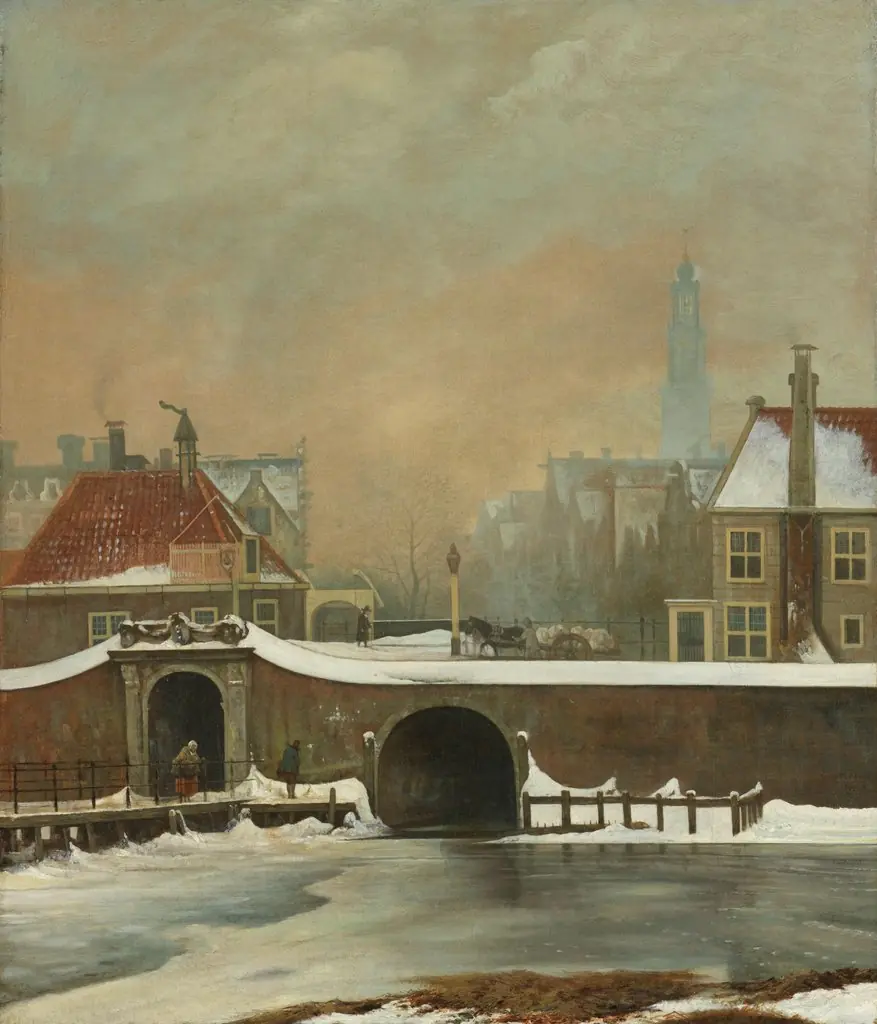 The Raampoortje in Amsterdam
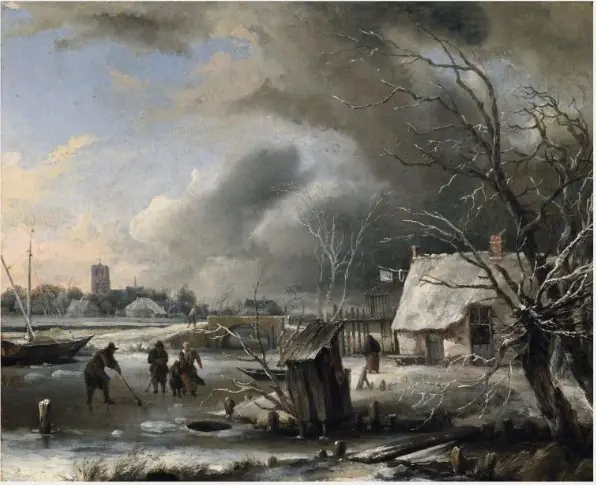 A River Scene in Winter
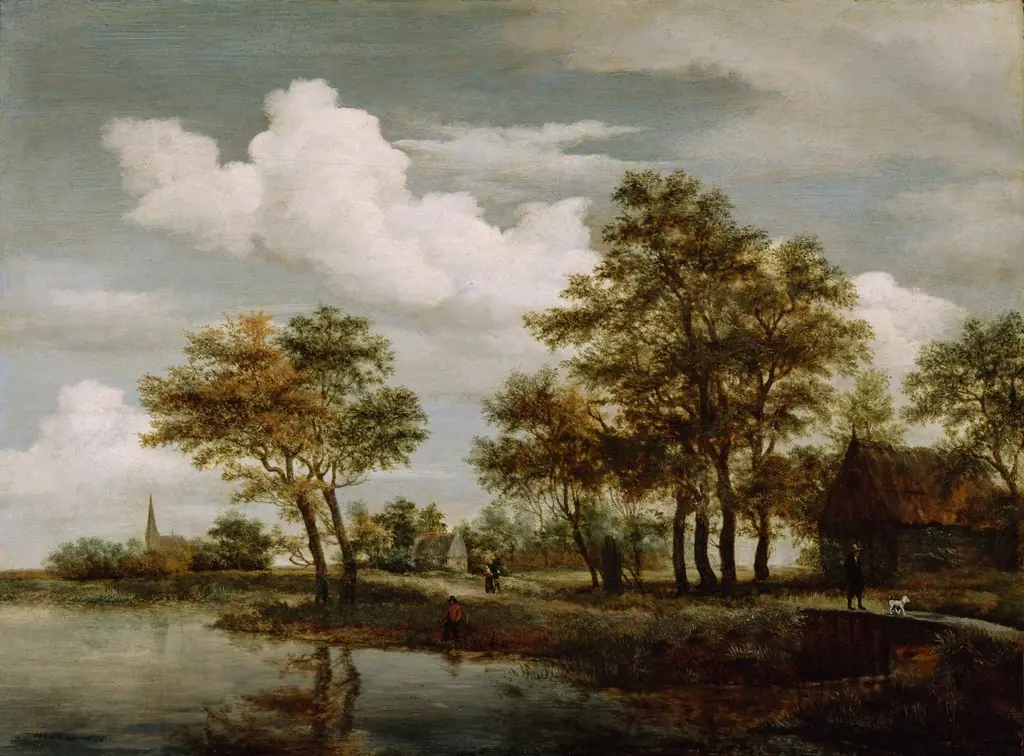 A River Scene
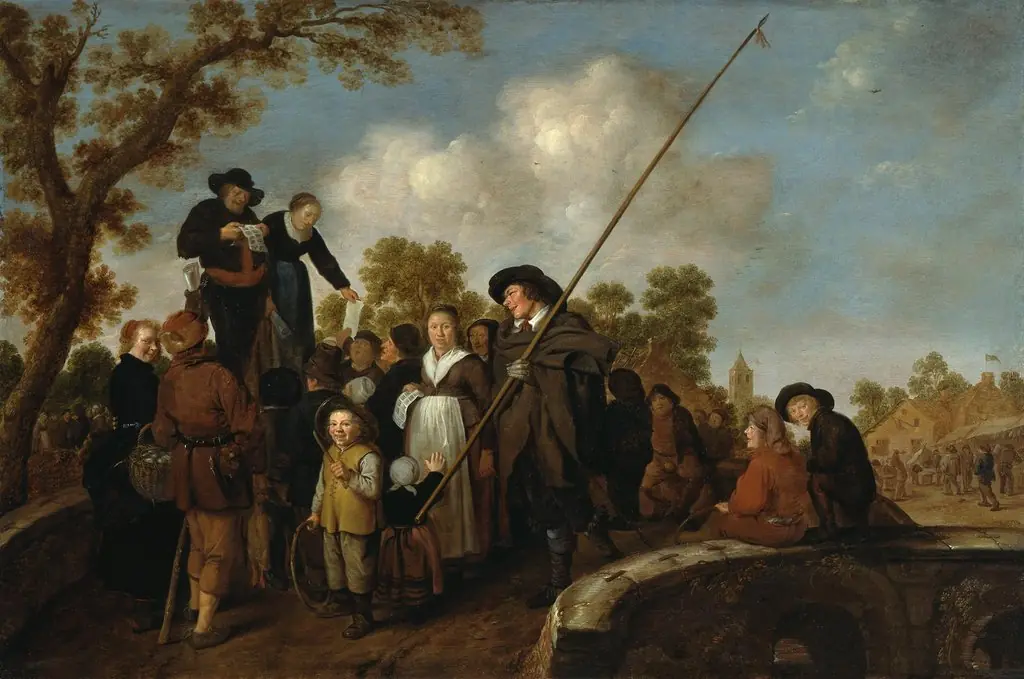 Itinerant Hawkers at a Fair
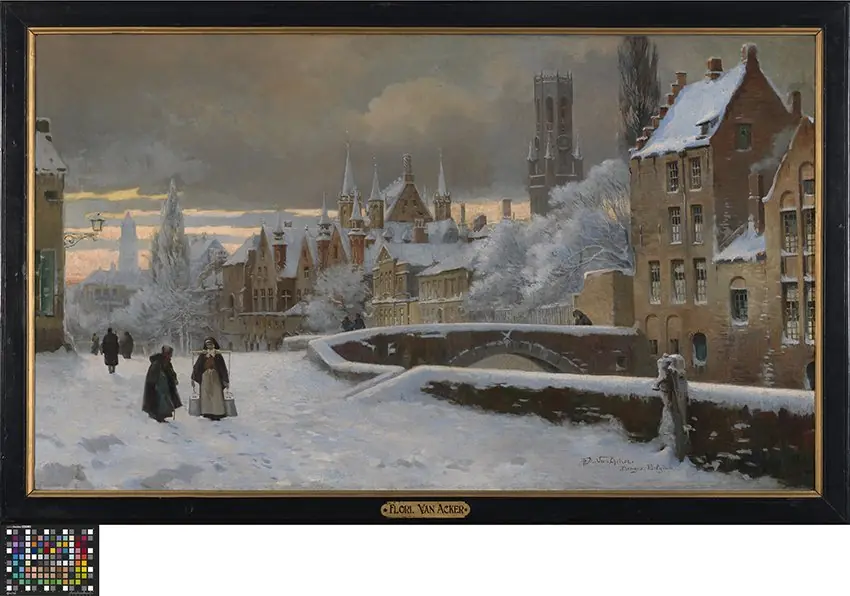 Meebrug in Brugge onder de sneeuw
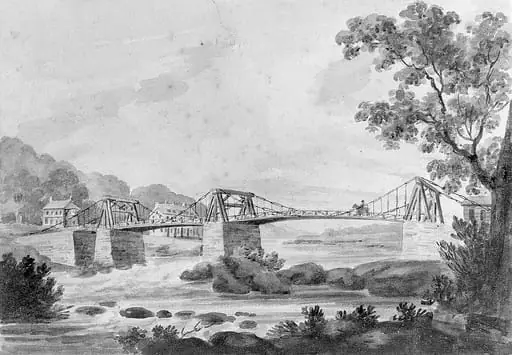 The Falls of the Schuylkill and Chain Bridge
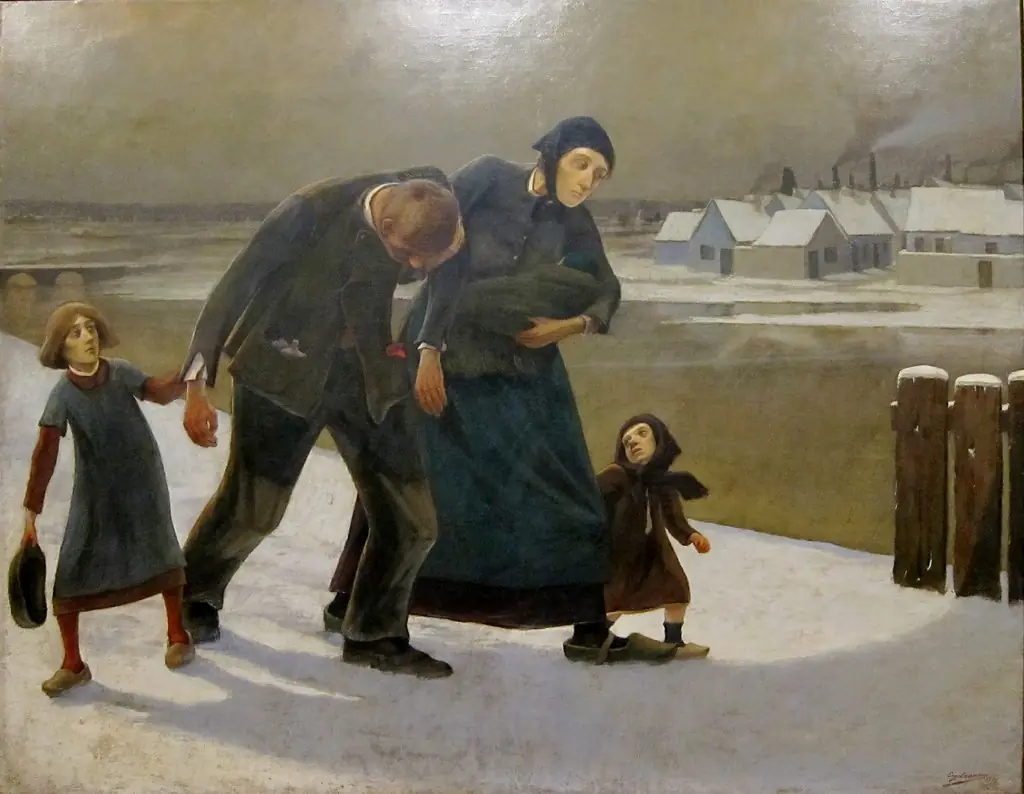 The Drunkard
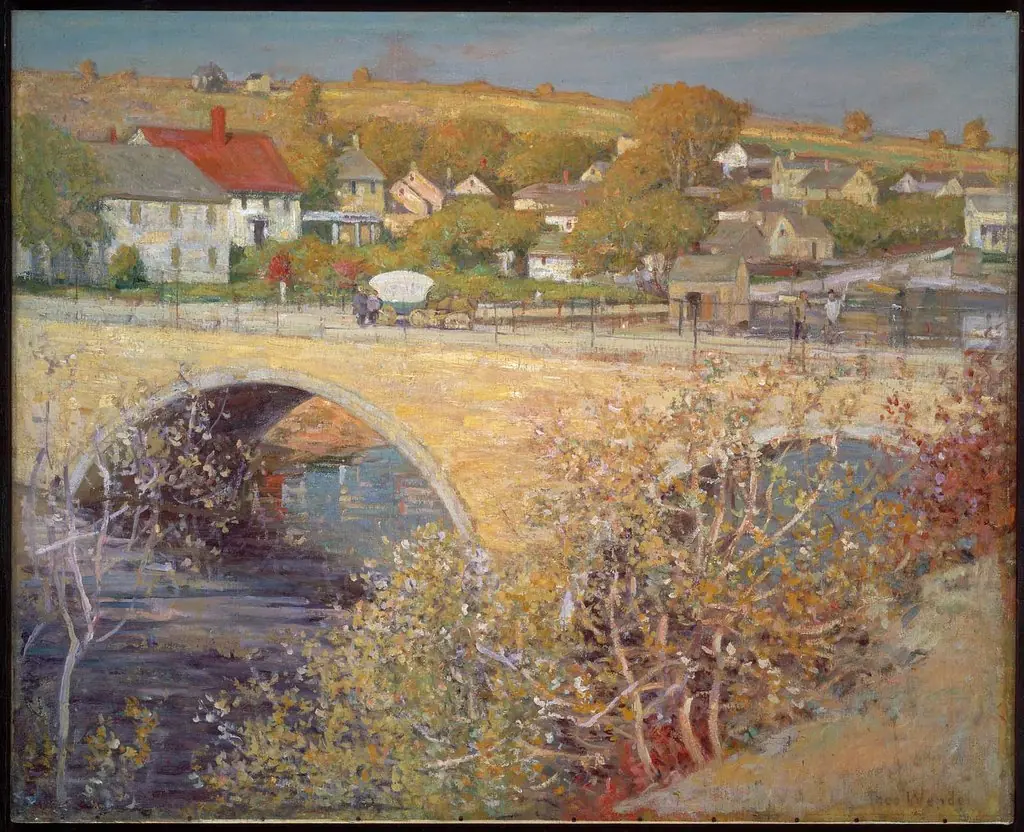 Bridge at Ipswich
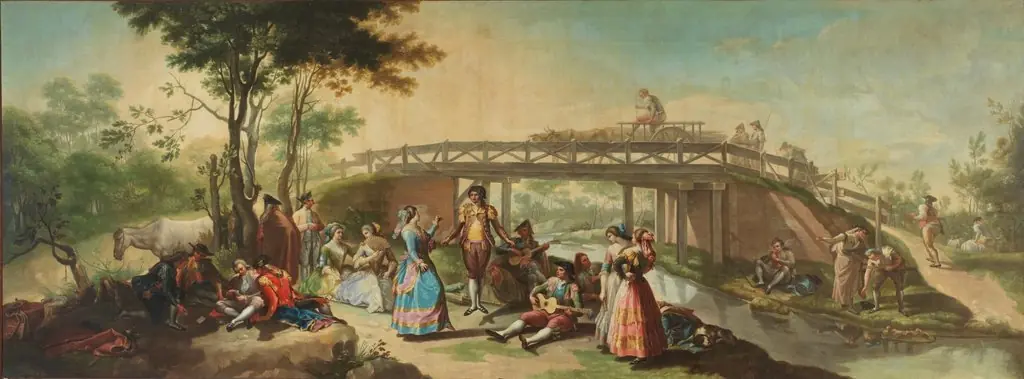 Un baile junto a un puente del canal del Manzanares
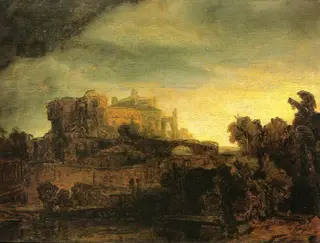 Landscape with Castle
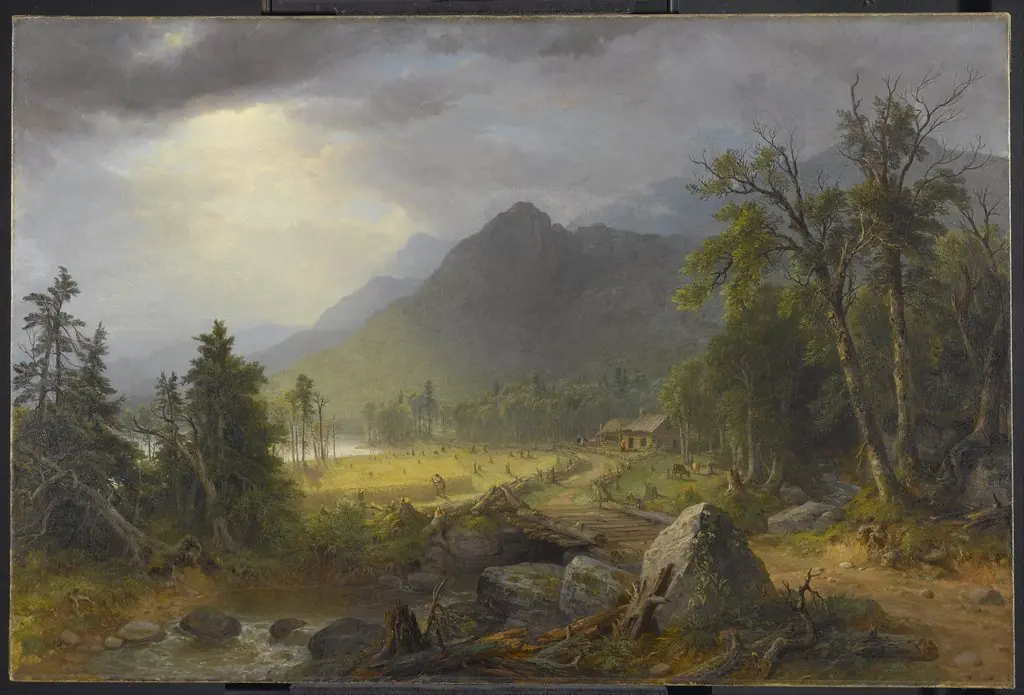 The First Harvest in the Wilderness
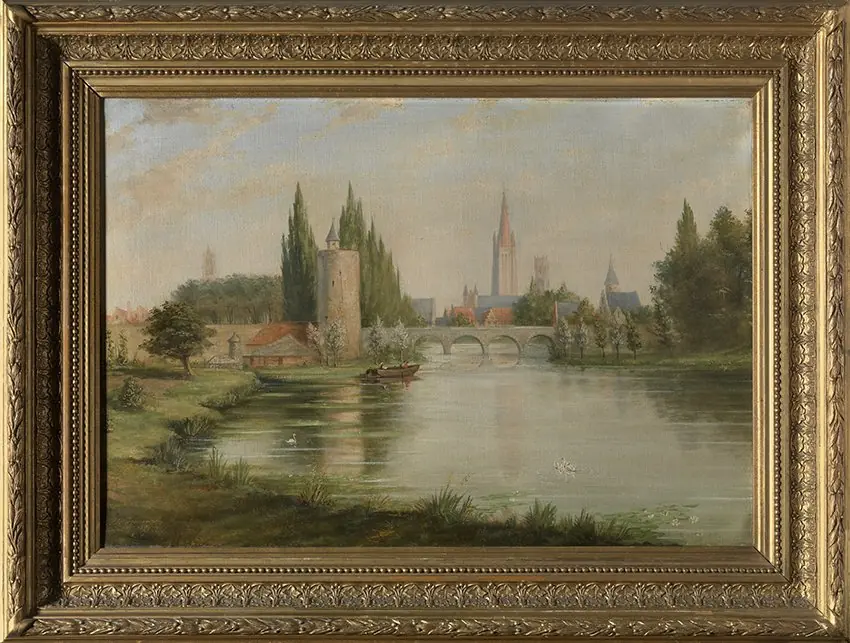 Het Minnewater met zicht op Brugge
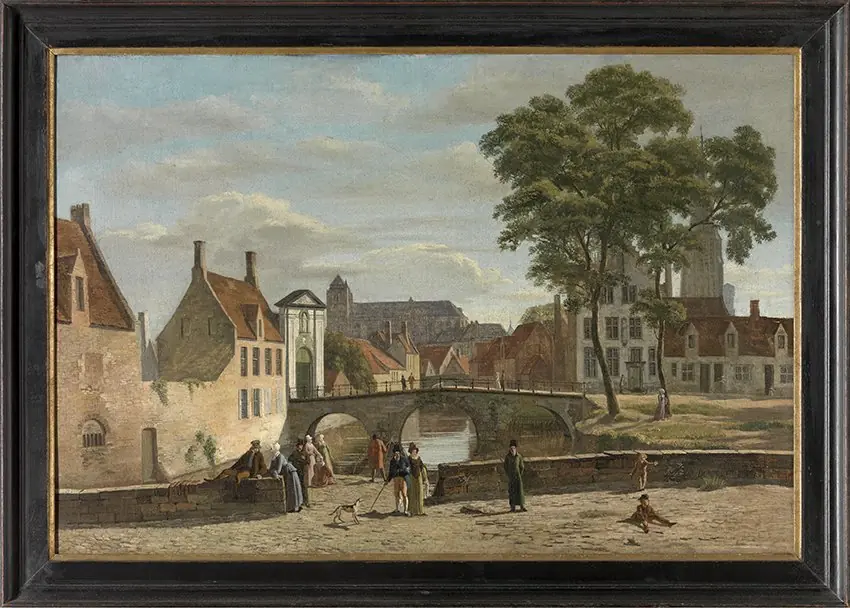 Ingang van het Begijnhof in Brugge
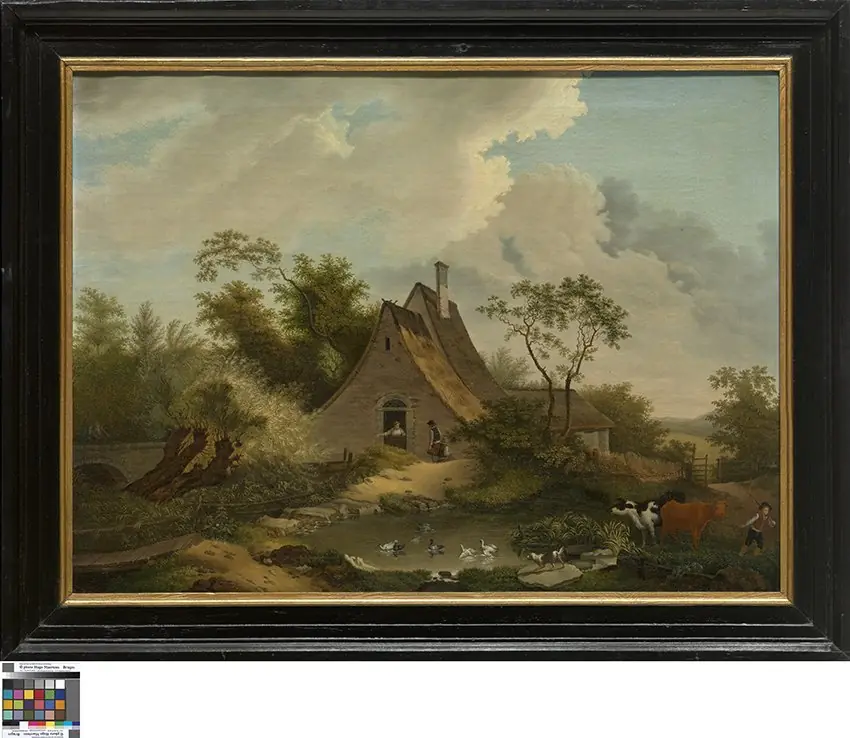 Landschap met hoeve
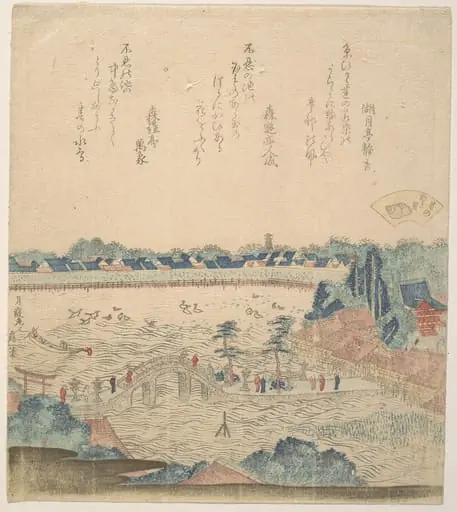 Untitled
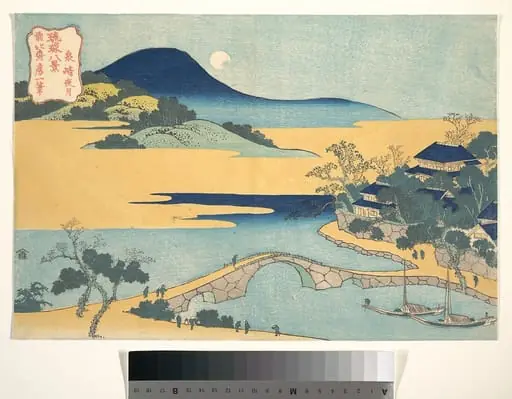 琉球八景 泉崎夜月|Evening Moon at Izumizaki (Izaumizaki yagetsu), from the series Eight Views of the Ryūkyū Islands (Ryūkyū hakkei)
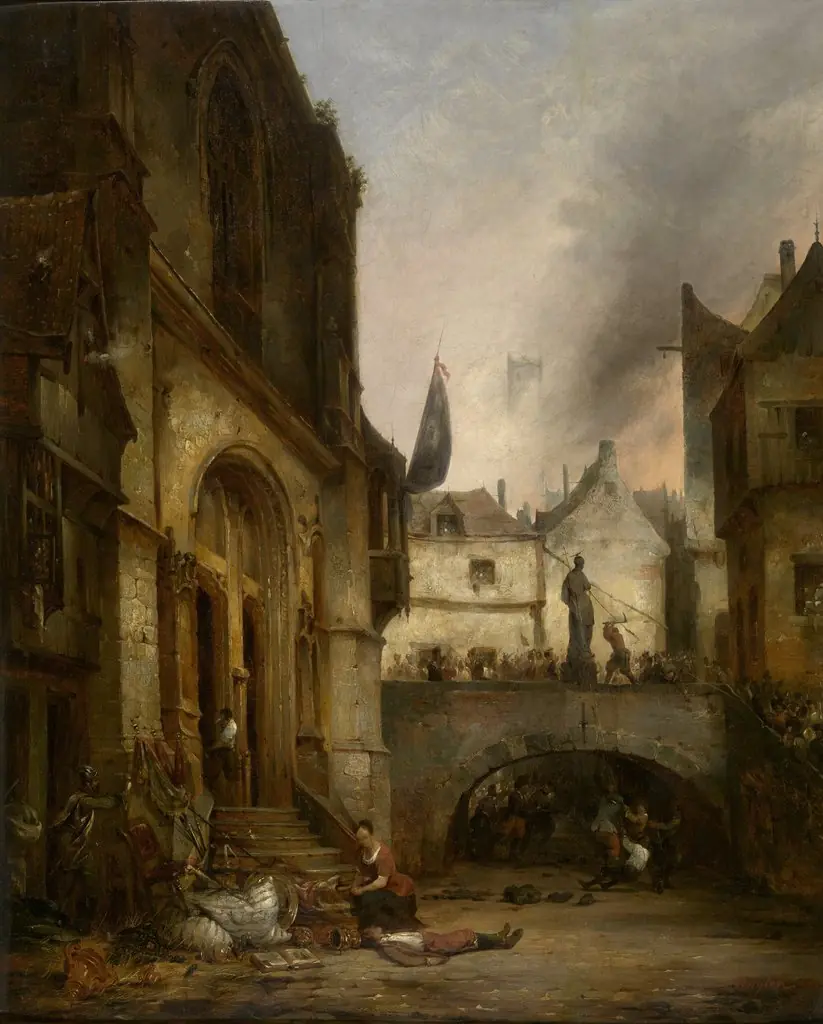 De beeldenstormers
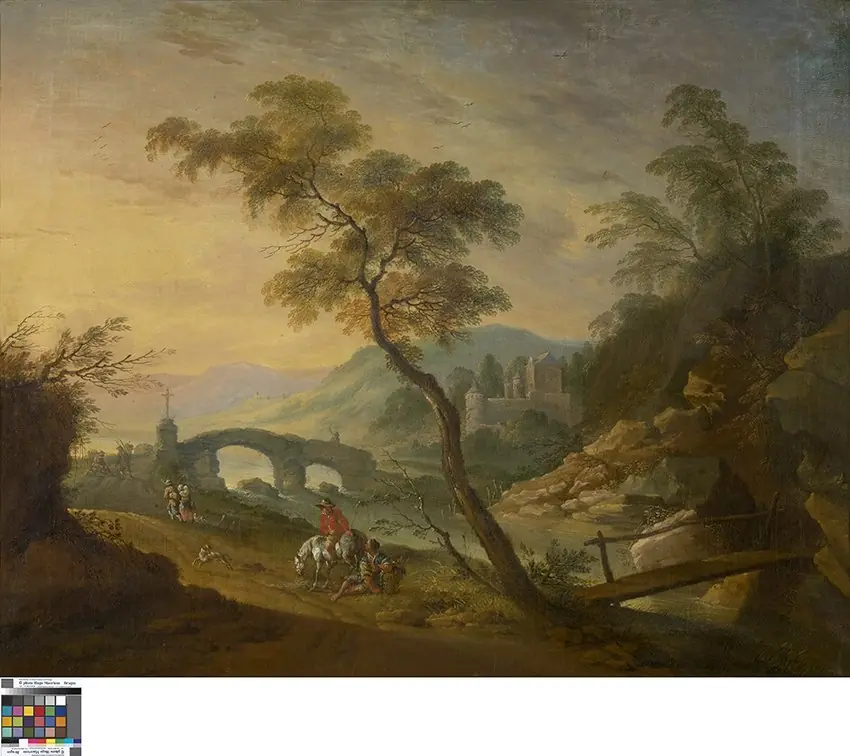 Landscape
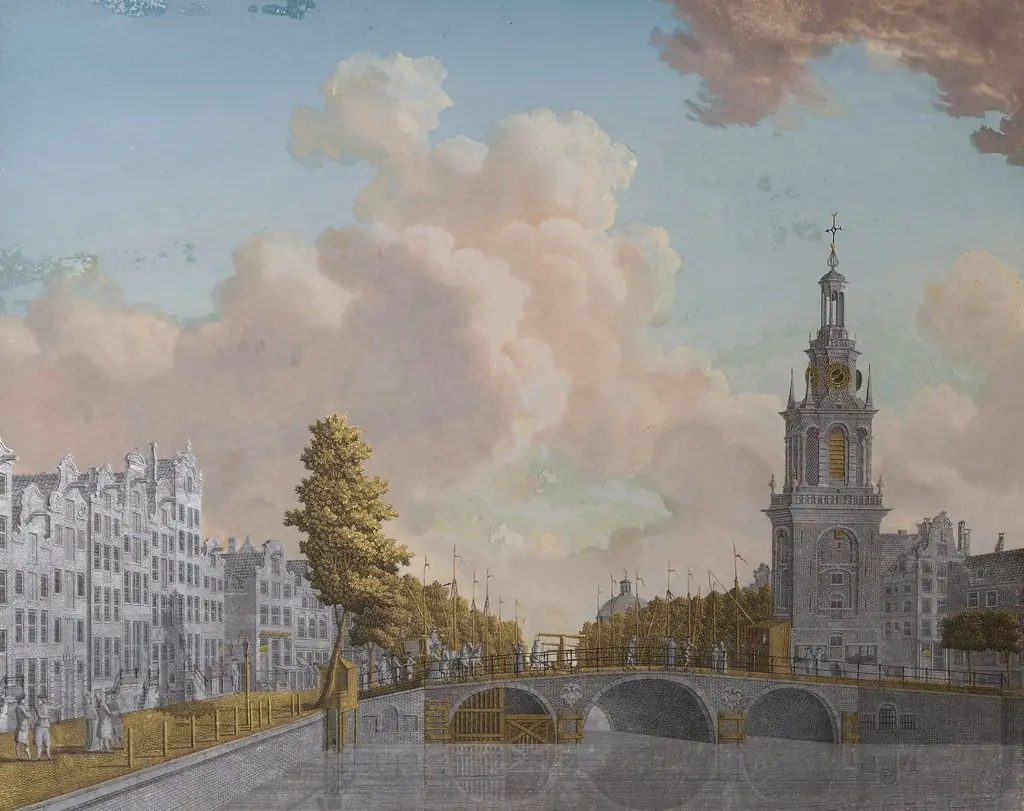 The Jan Roodenpoortstoren, Amsterdam
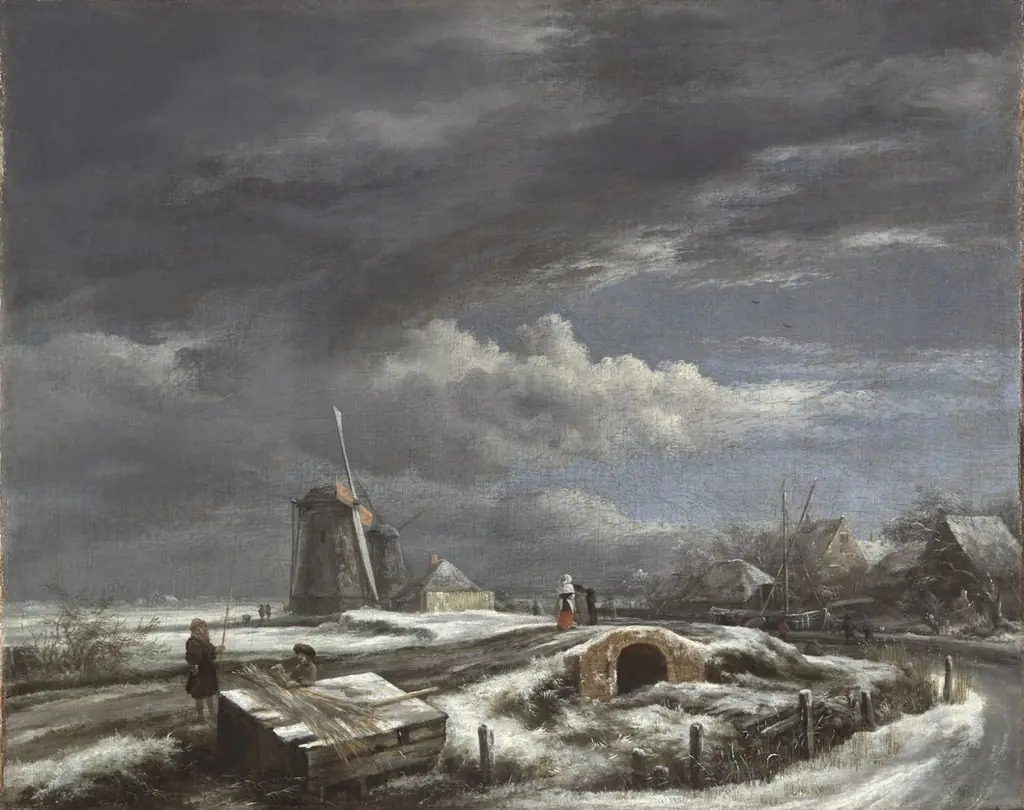 Winter Landscape
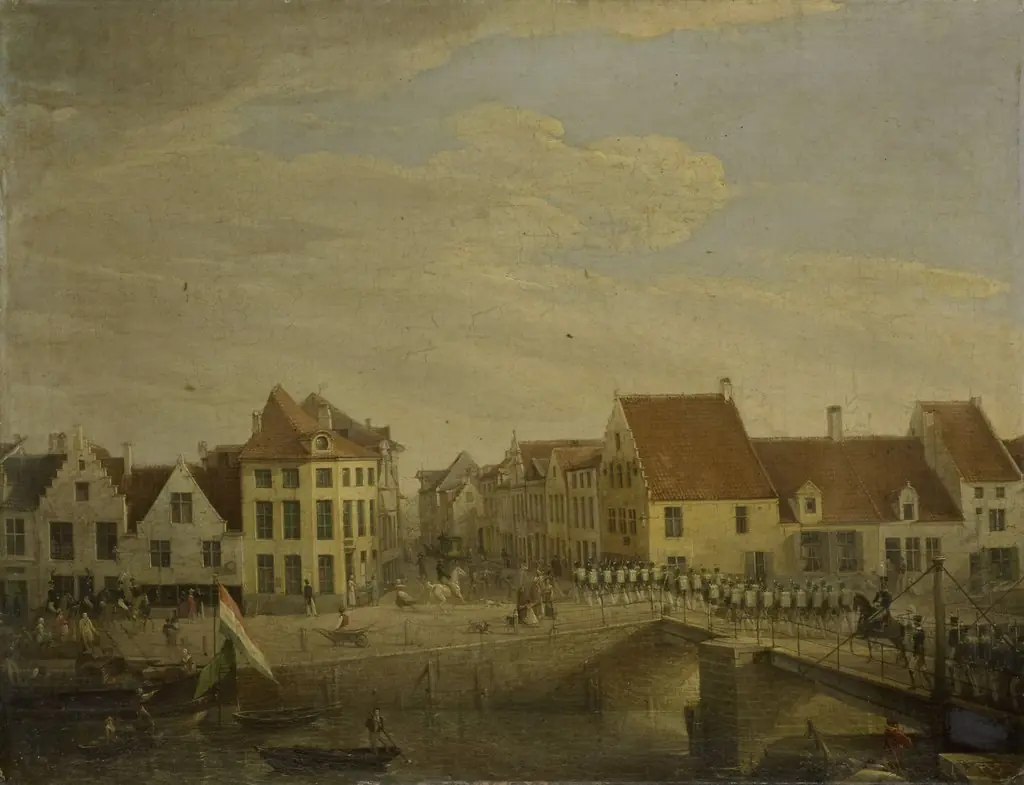 Dutch Troops passing through the Fortress of Dendermonde
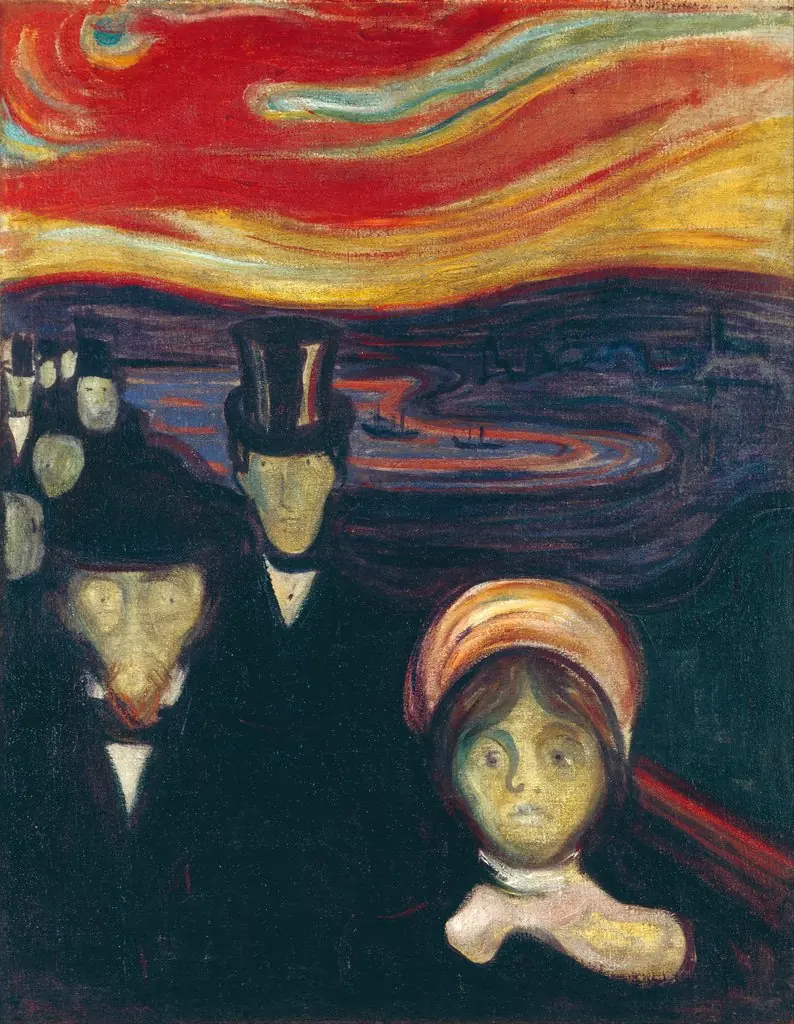 Anxiety
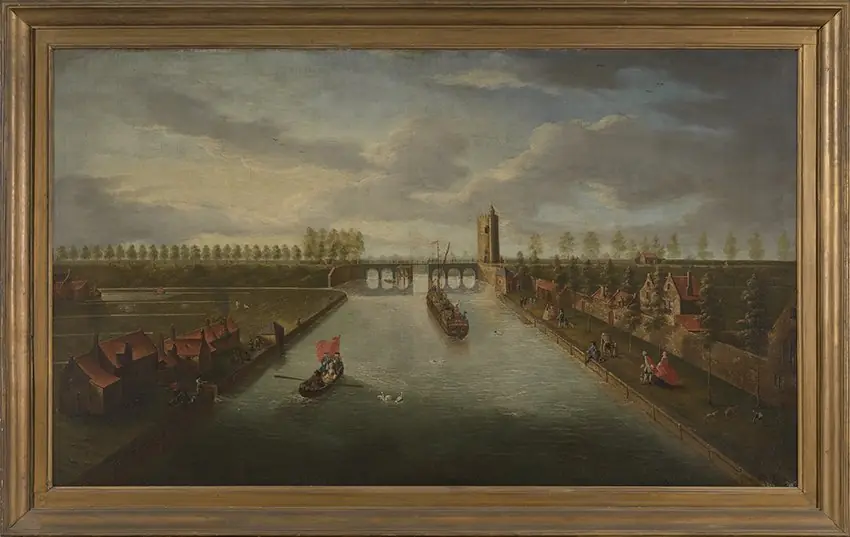 Het Minnewater in Brugge
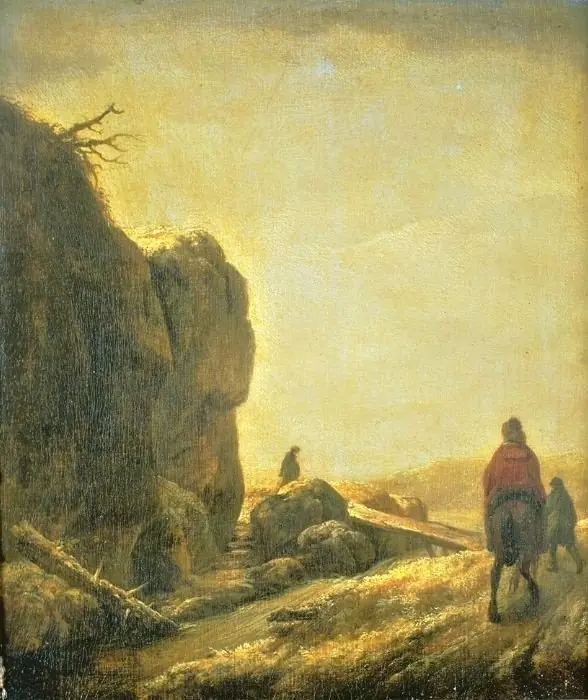 Winter Landscape
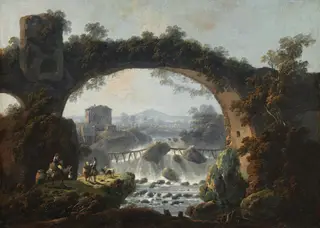 Landscape with Muleteers and Peasants
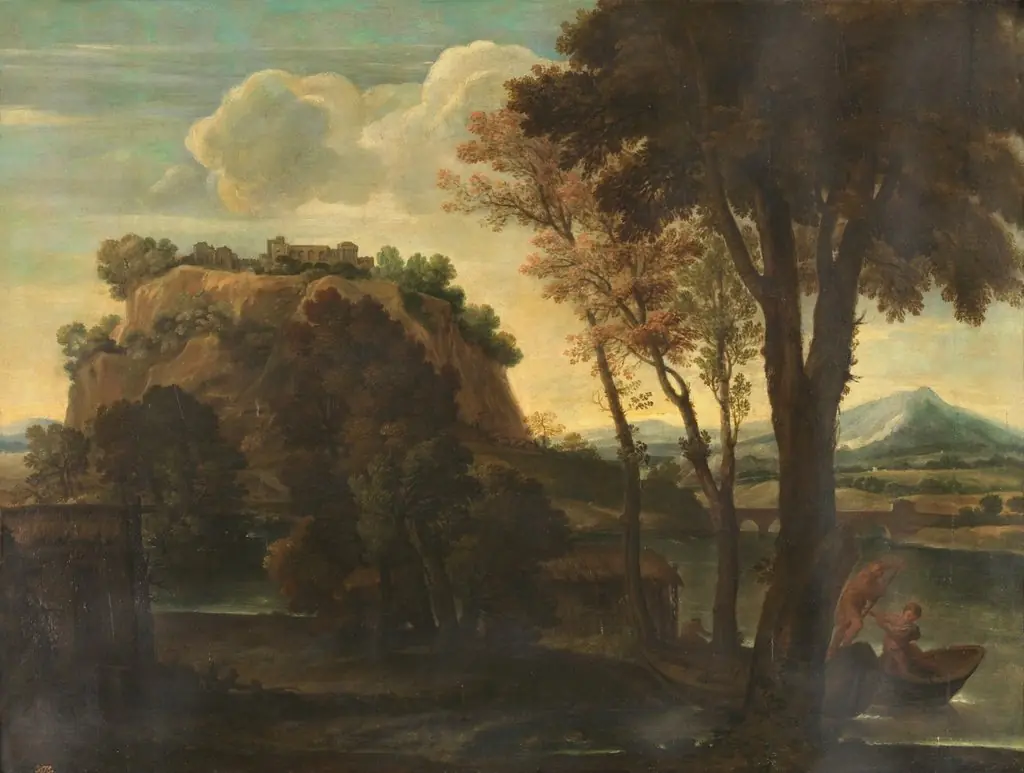 Landscape with River and Boats
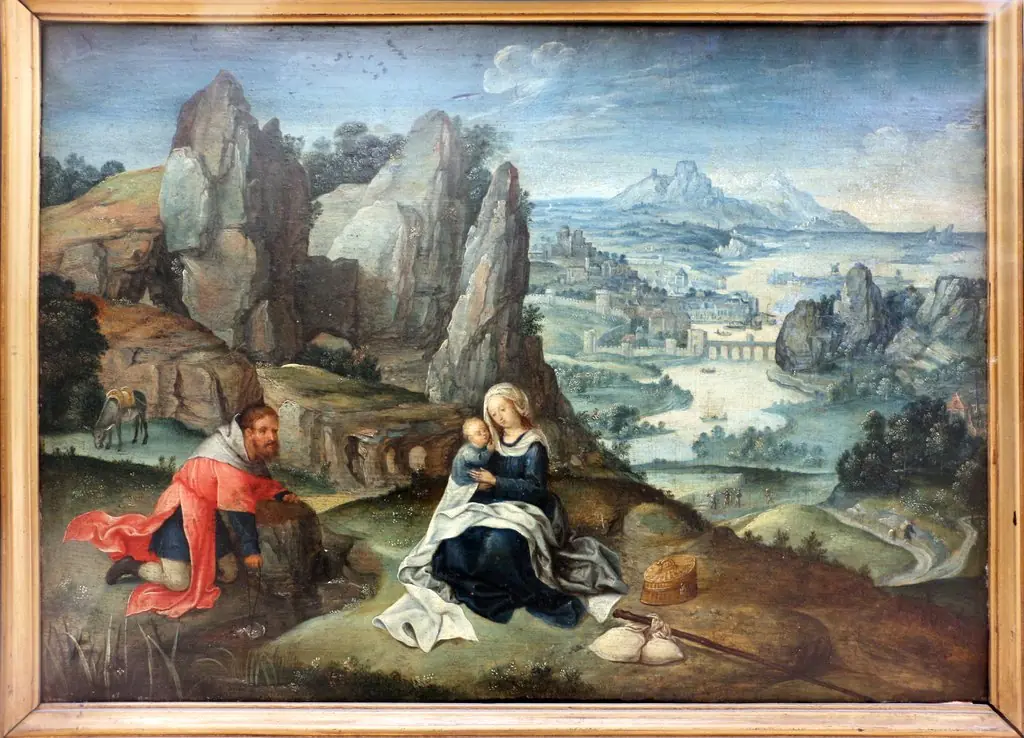 Rest on the Flight into Egypt
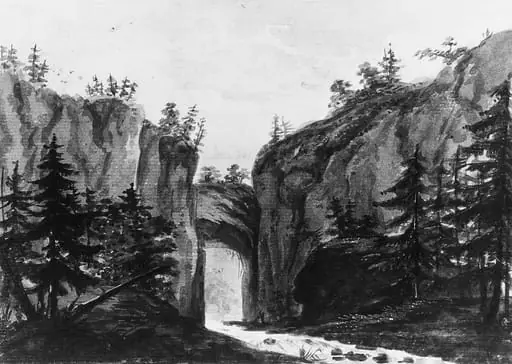 Natural Bridge, Virginia (Copy after an Engraving in François Jean, Marquis de Chastellux, Travels in North America, 1787)
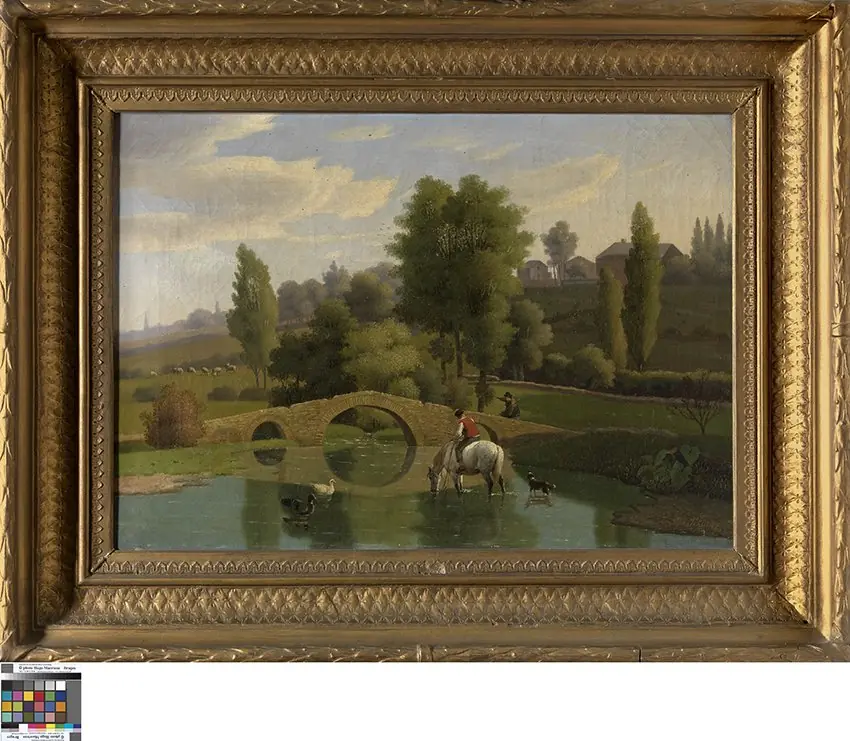 Landschap met brug
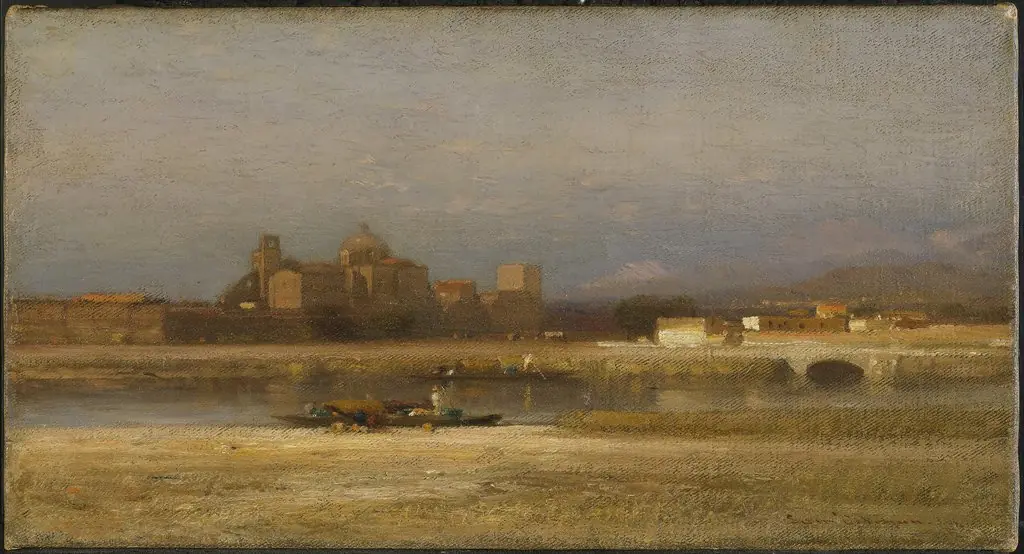 On the Viga, Outskirts of the City of Mexico
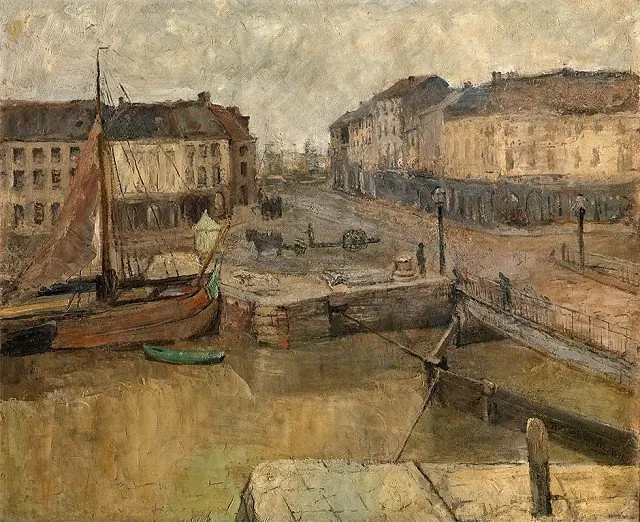 Kattendijkdok in Antwerp
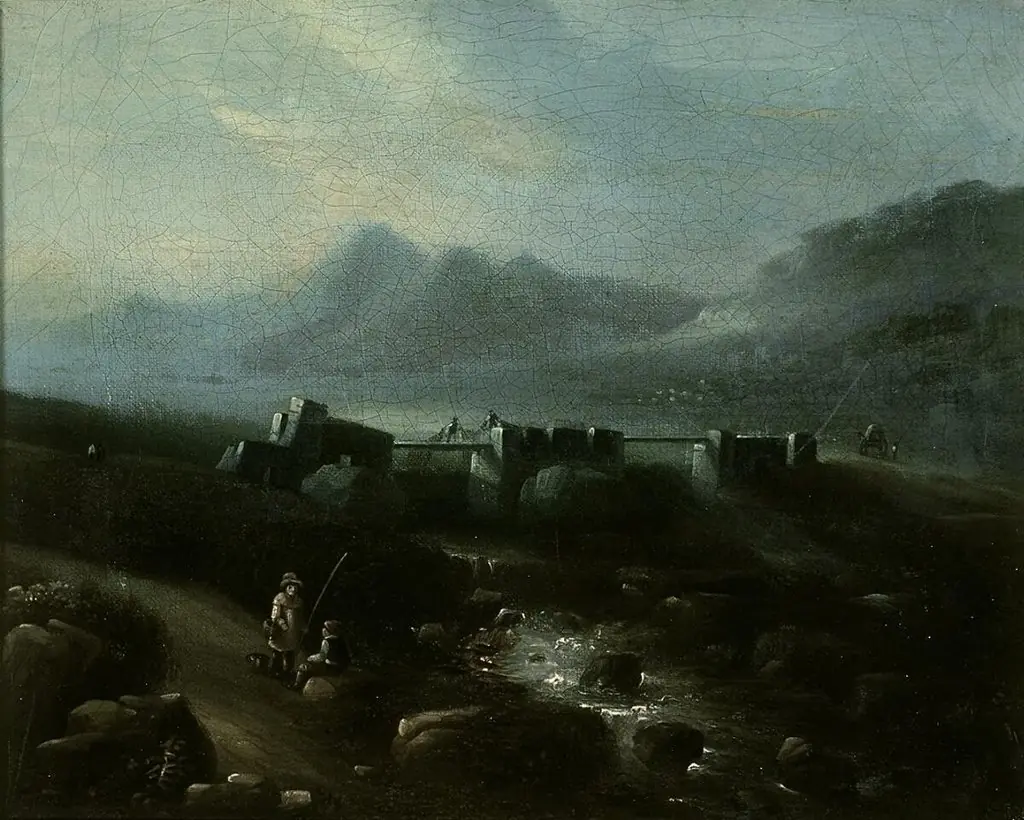 Pont Gwryd, Snowdon in the distance
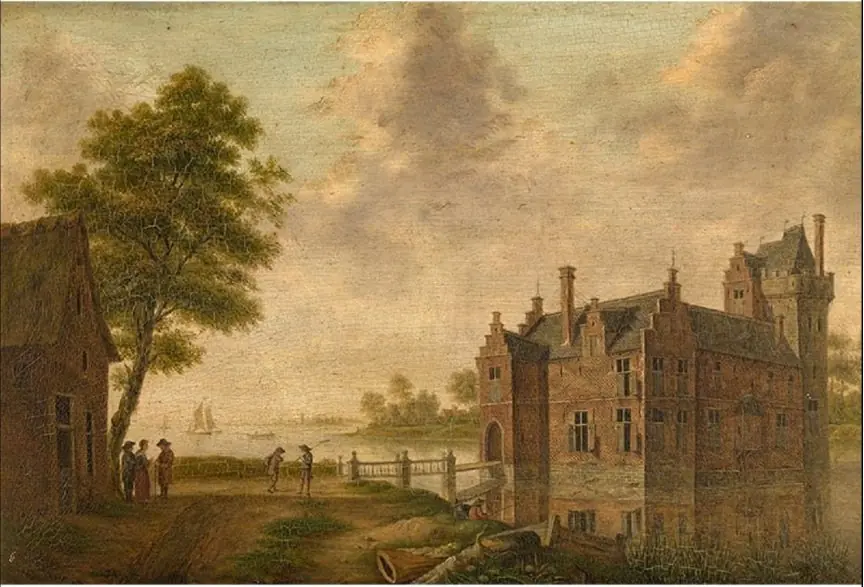 View of Carmosteyn Castle in Hombeek
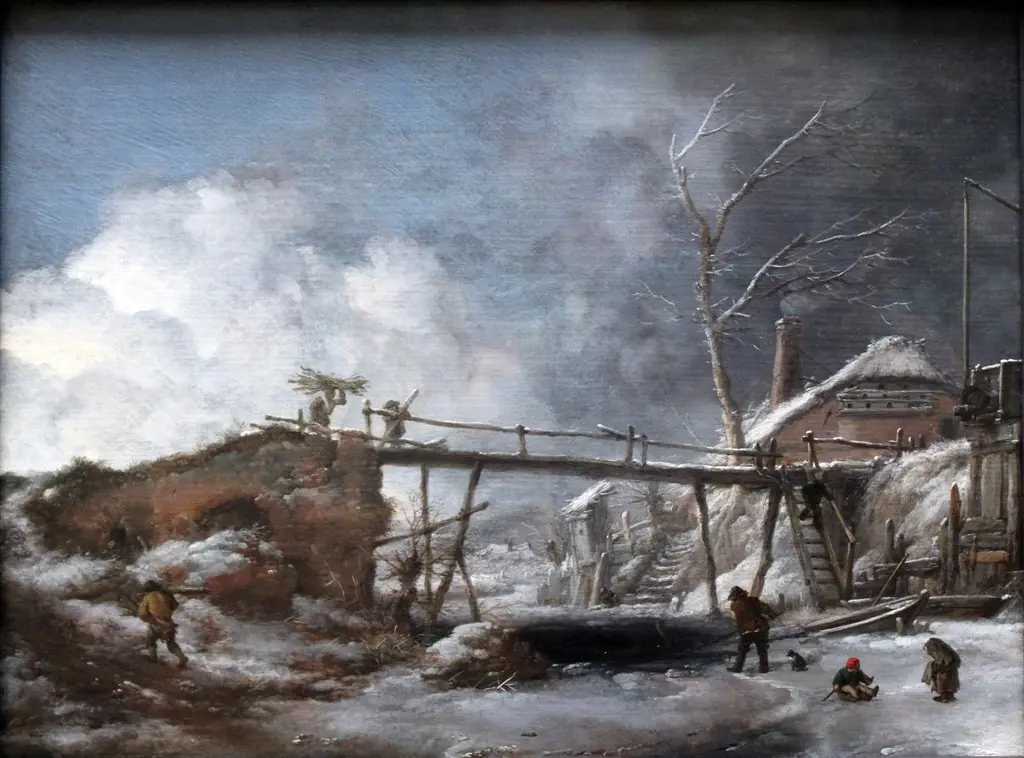 Winter Landscape with Wooden Bridge
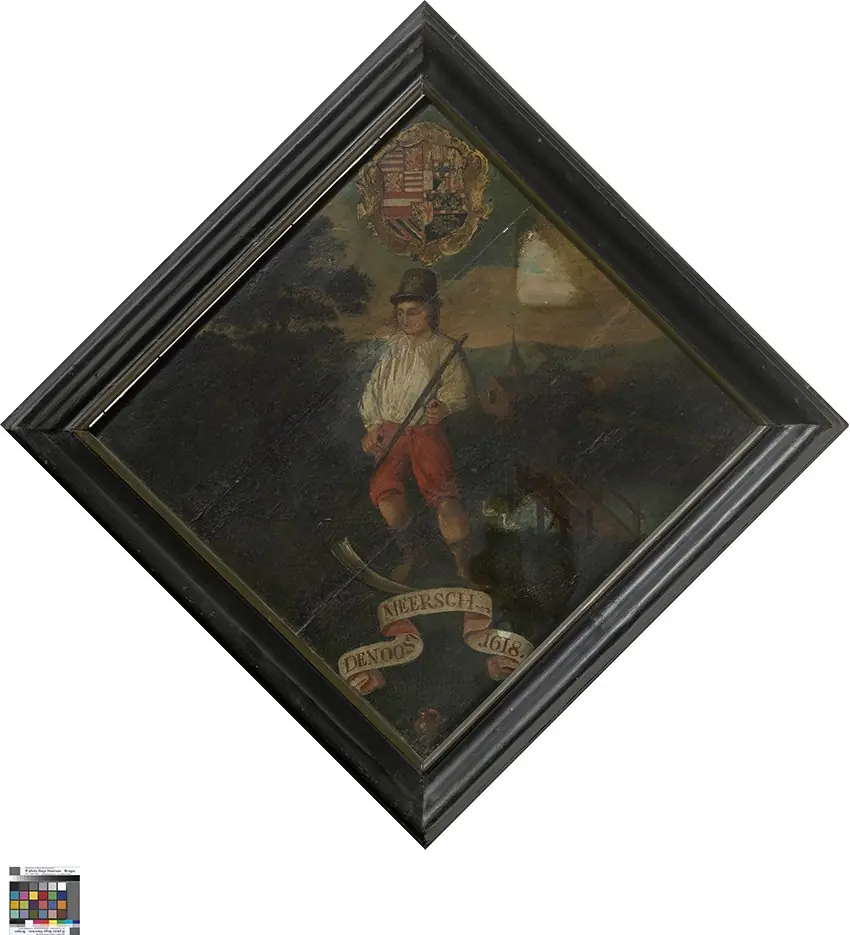 Boer in een landschap
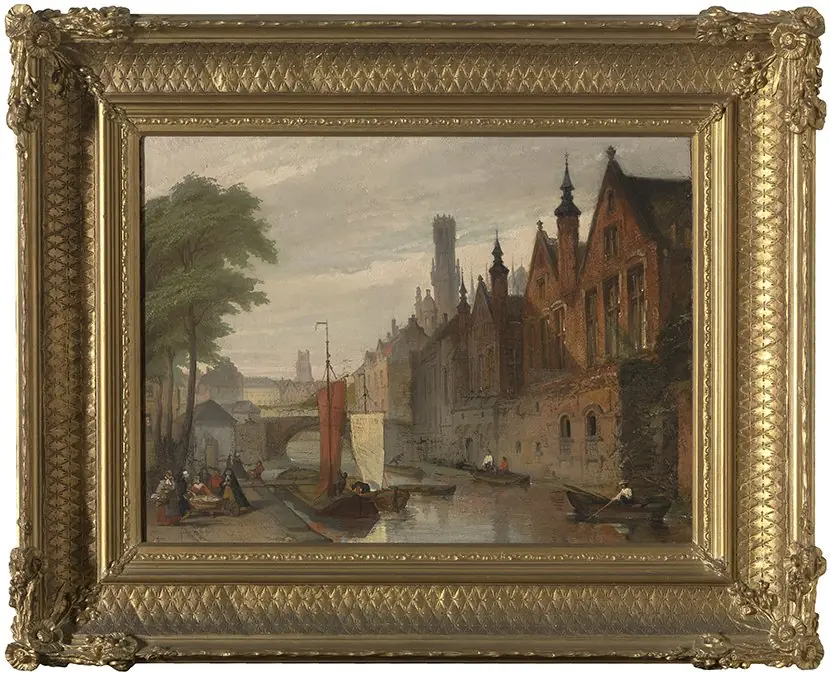 Het Brugse Vrije vanop de Steenhouwersdijk
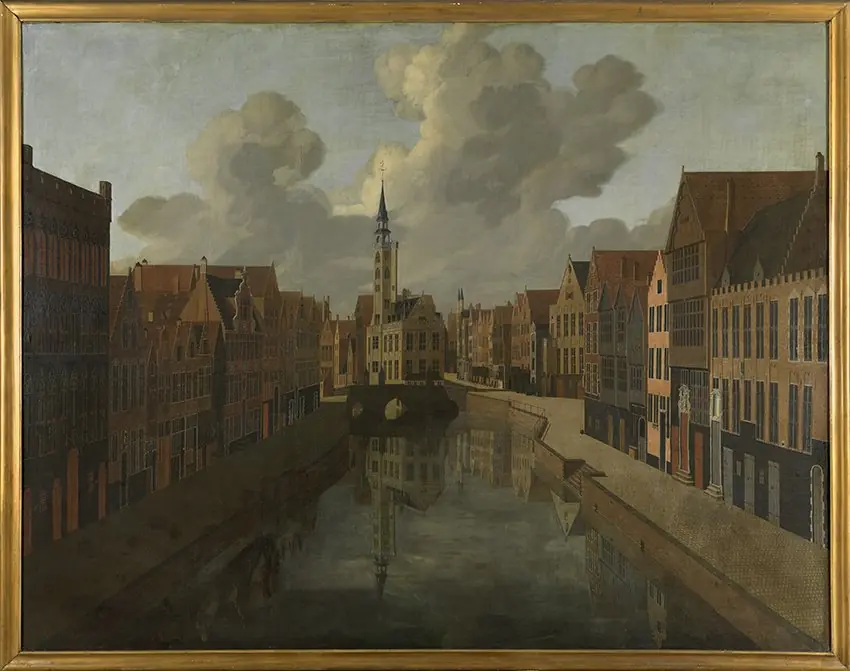 De Spiegelrei in Brugge
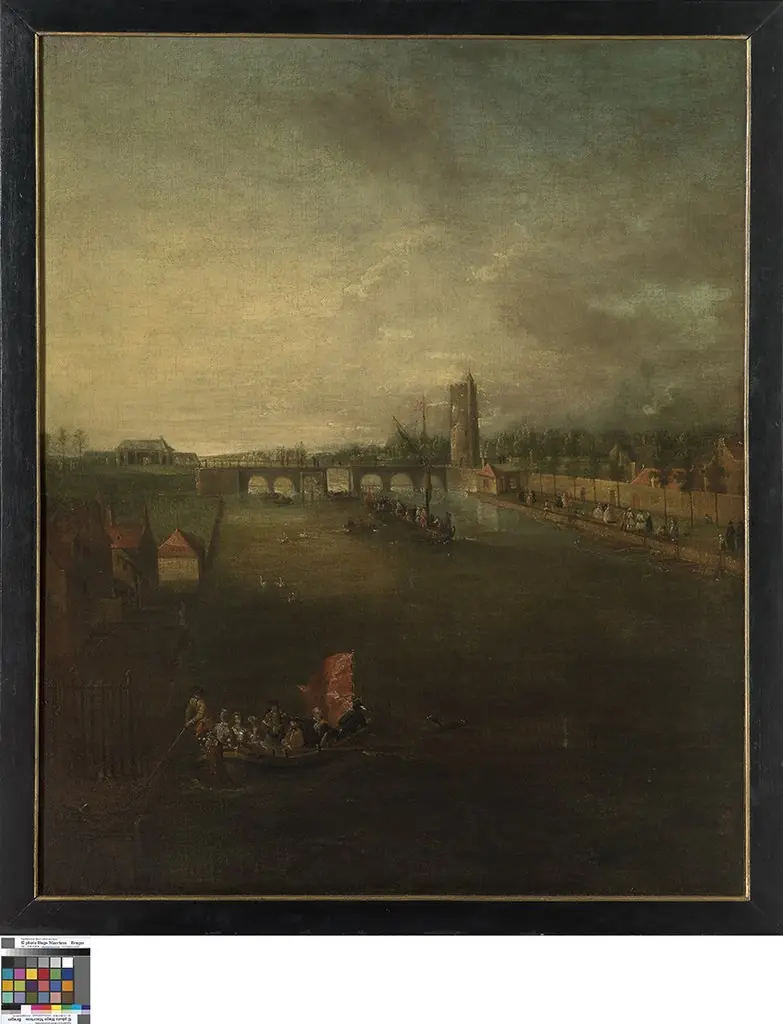 Het Minnewater in Brugge
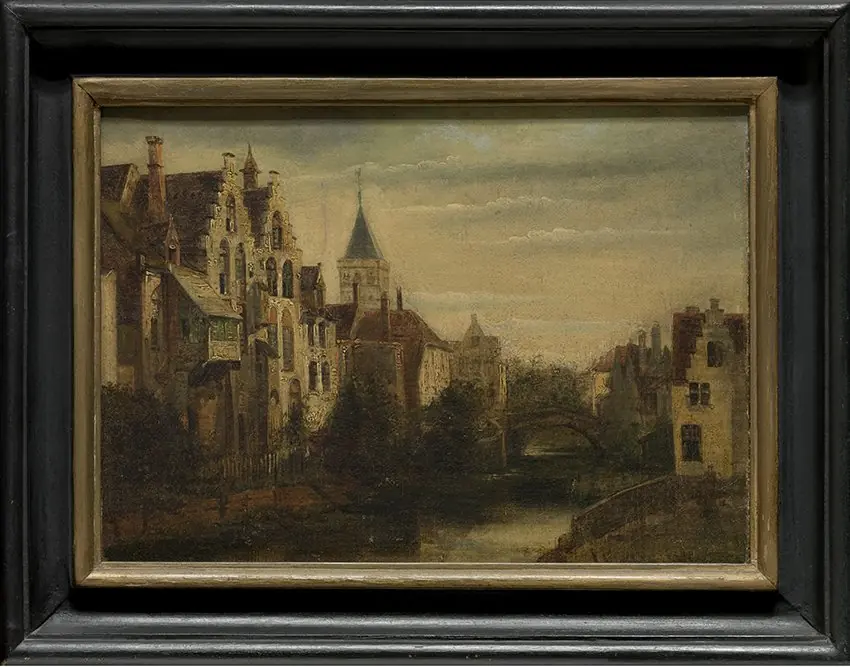 De Pottenmakersstraat in Brugge
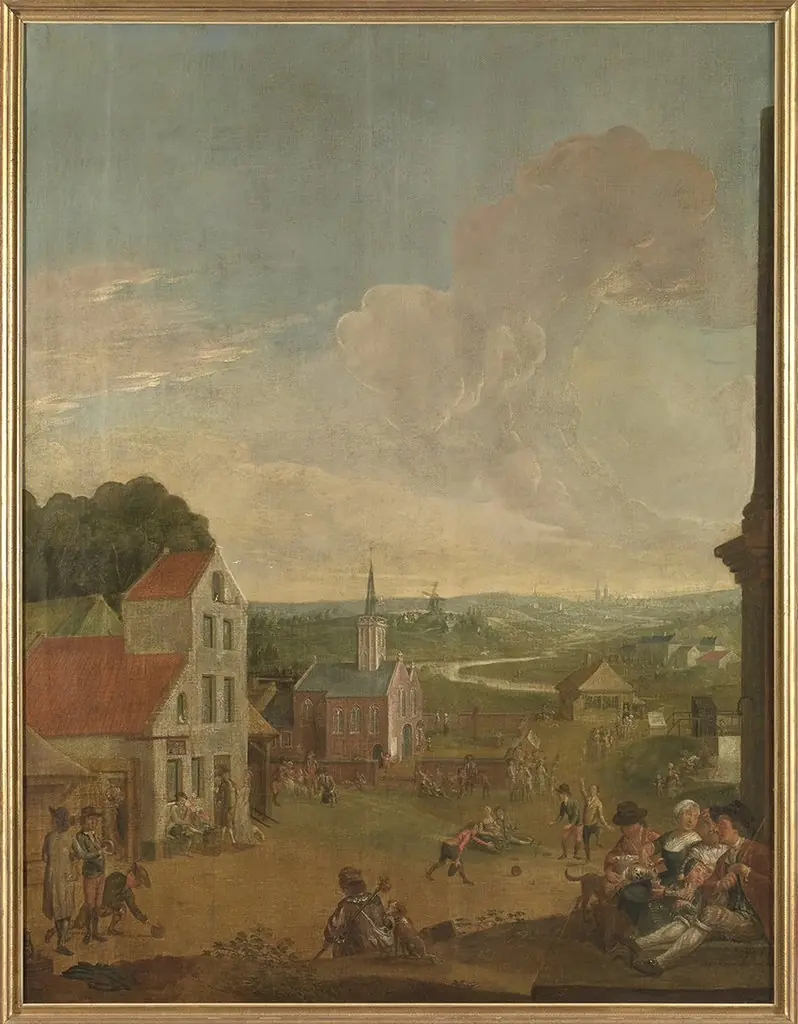 Gezicht op Sint-Michiels
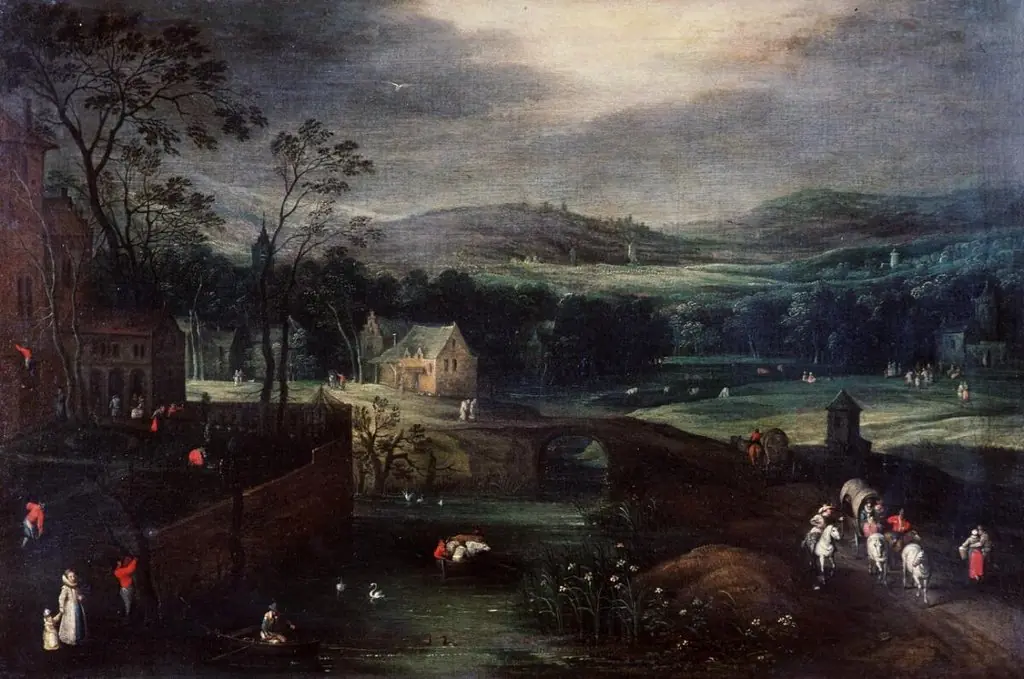 Townscape with extensive landscape
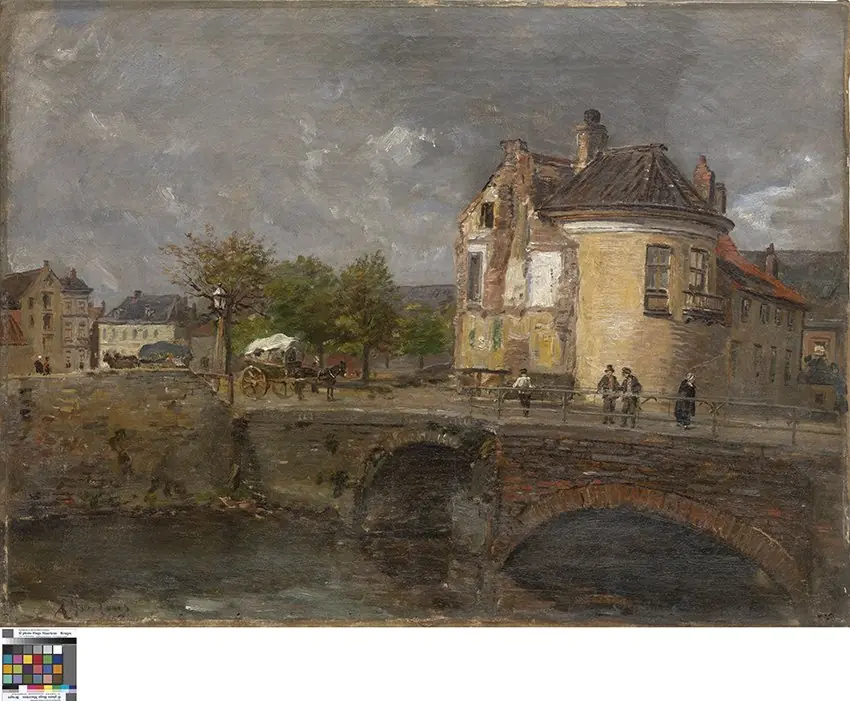 De Dampoort in Brugge
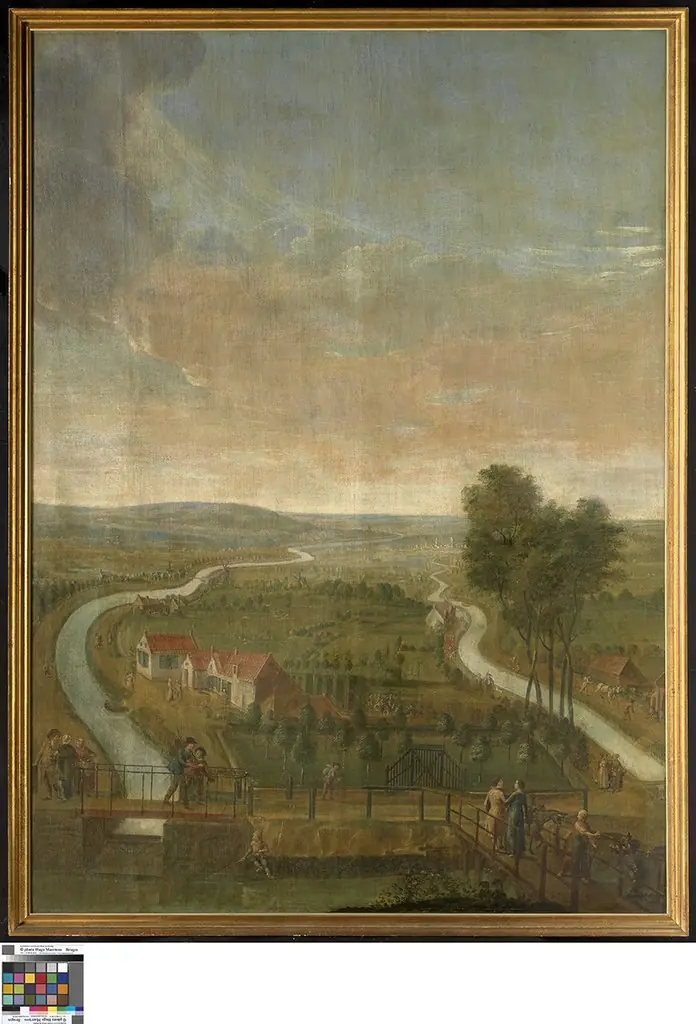 De Handelskom in Brugge
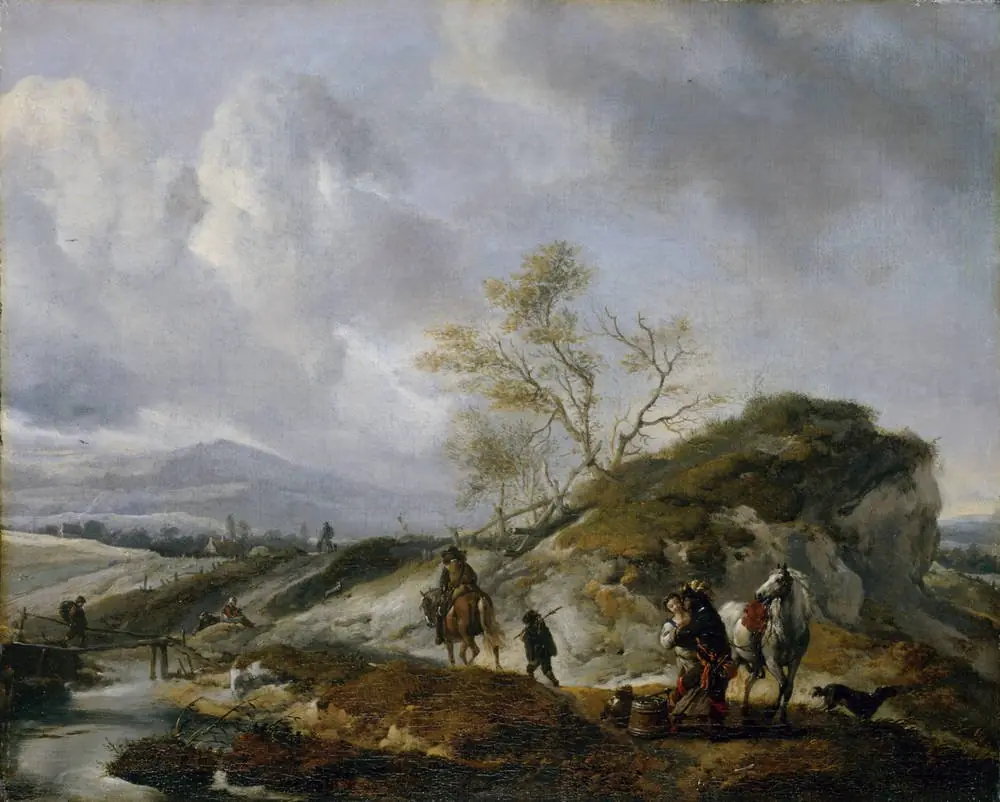 A Cavalier Embraces a Girl
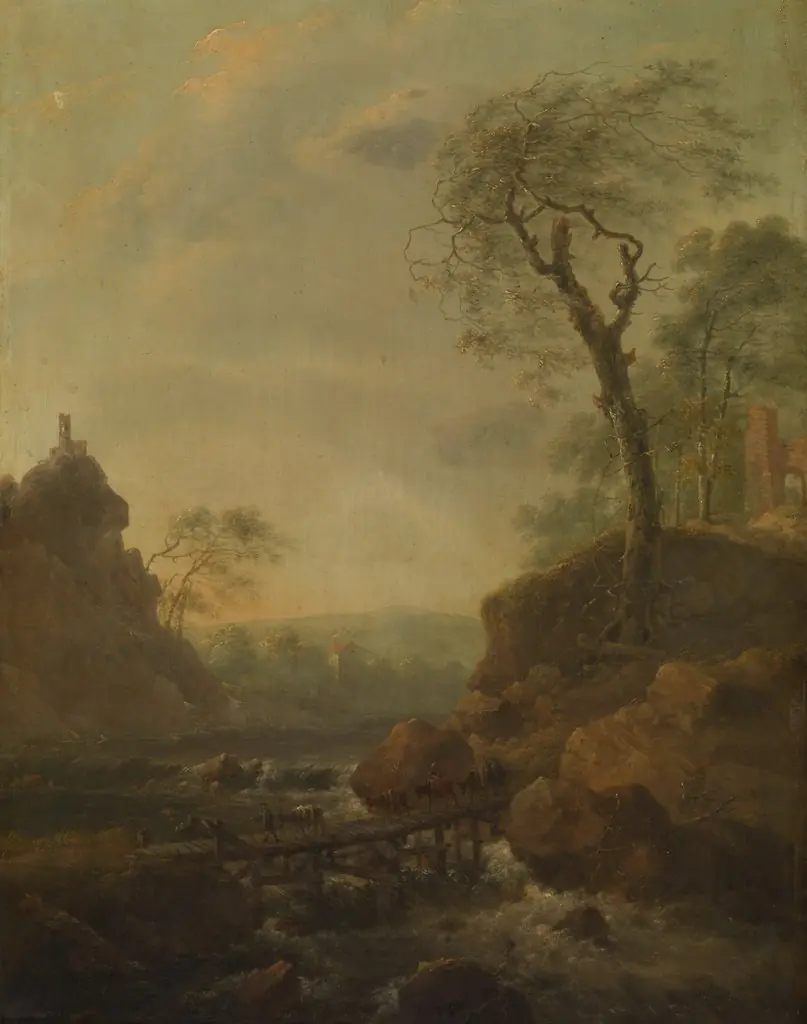 Landscape
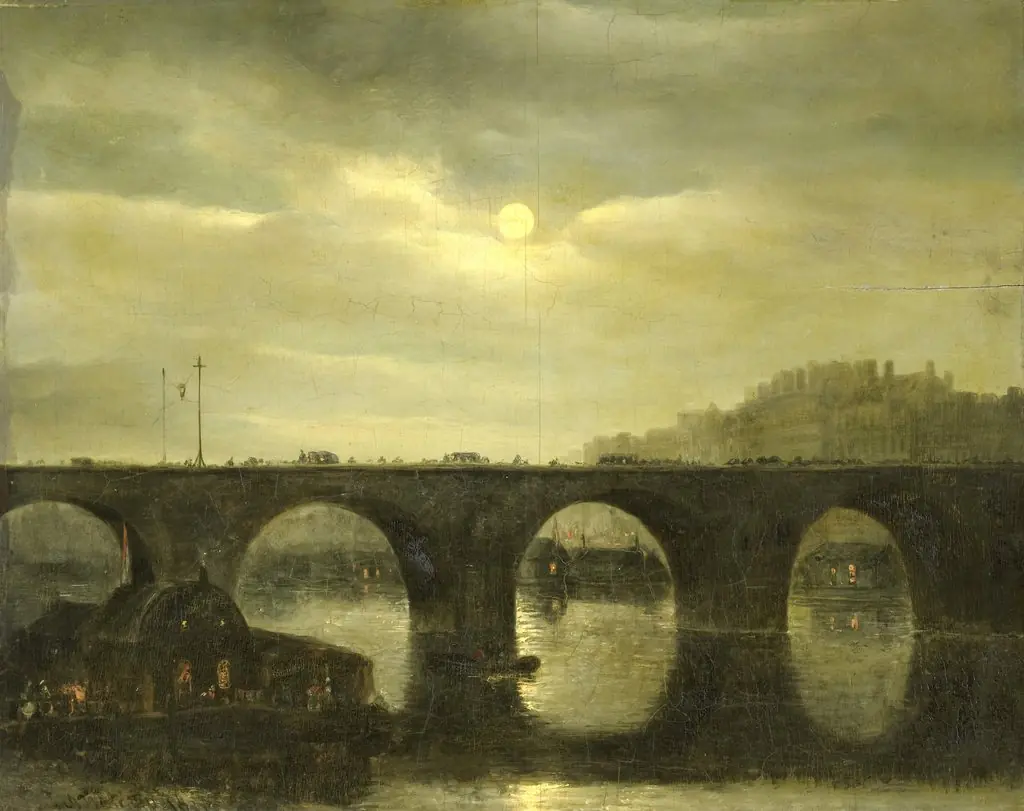 View of a Bridge of the Seine in Paris by Moonlight
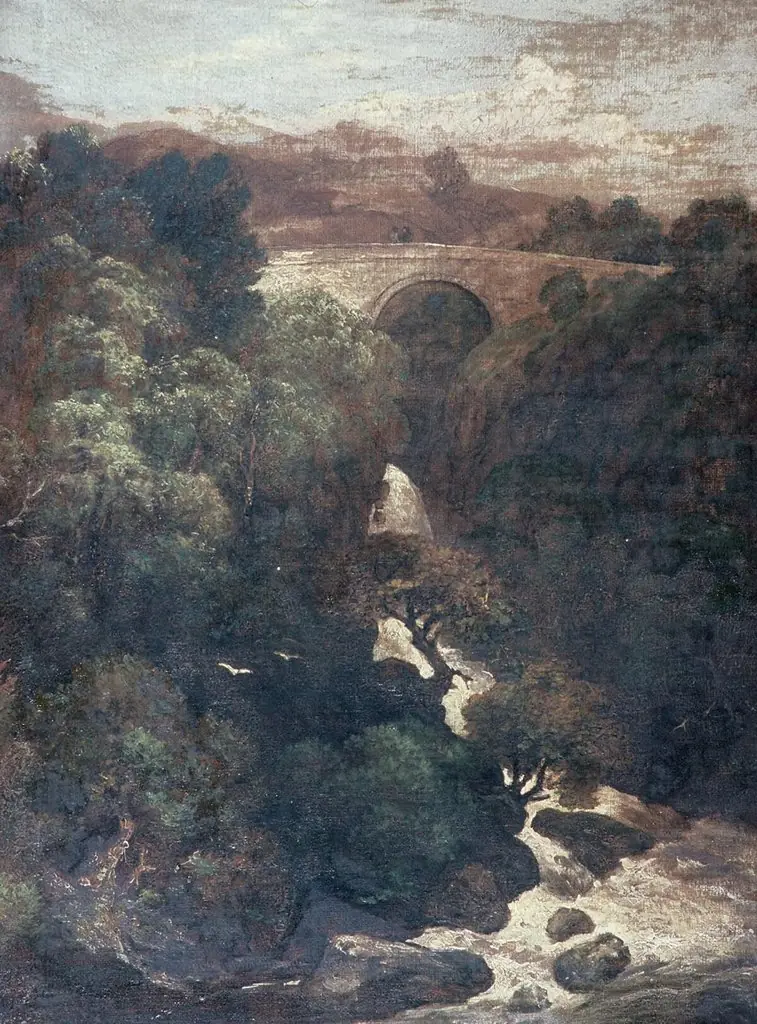 Pont y Gyfyng
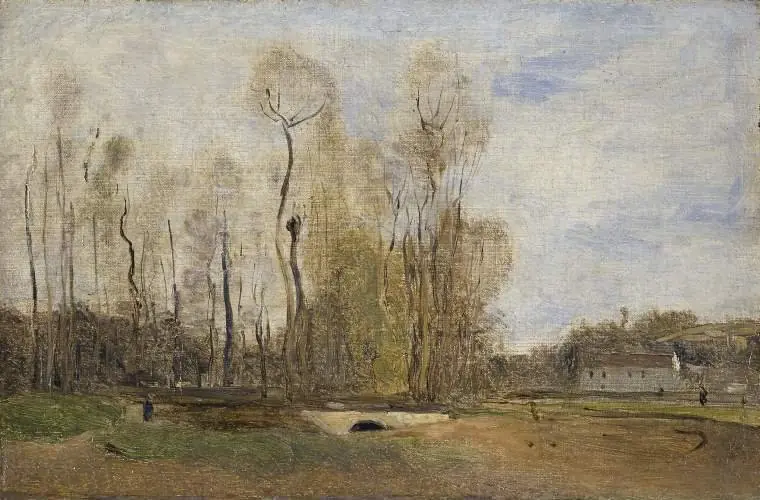 Auvers-sur-Oise: La mare à Daubigny
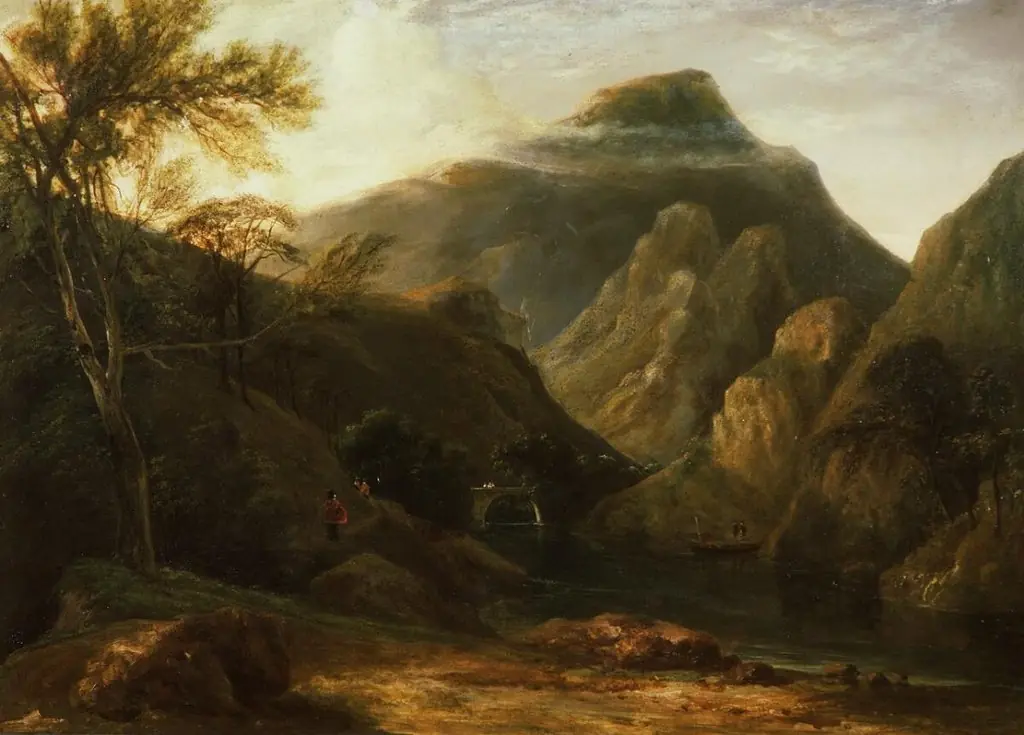 Aberglaslyn
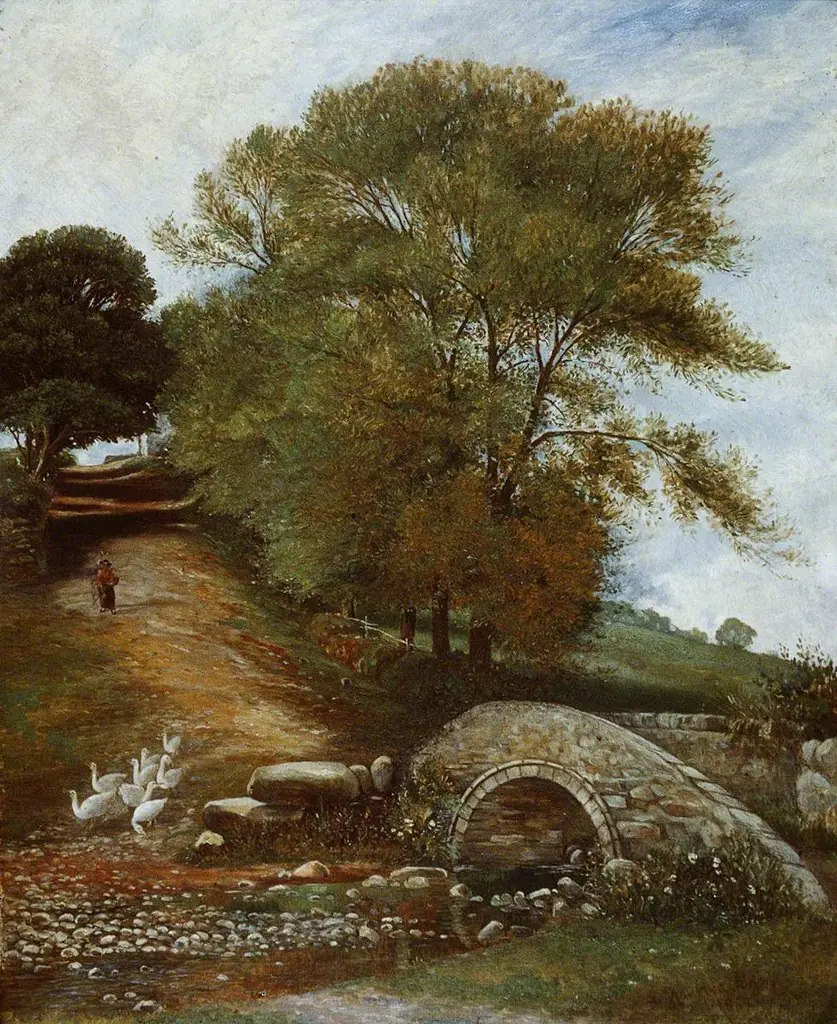 Maesincla Road, near Caernarvon
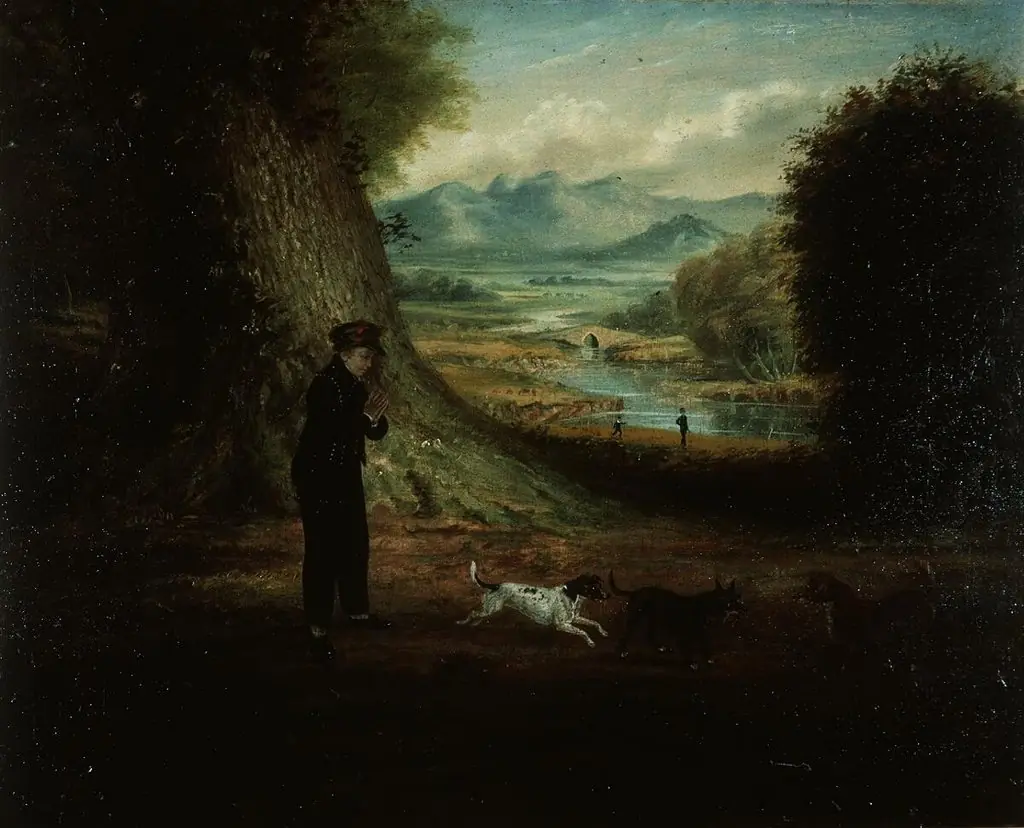 view near Gogerddan
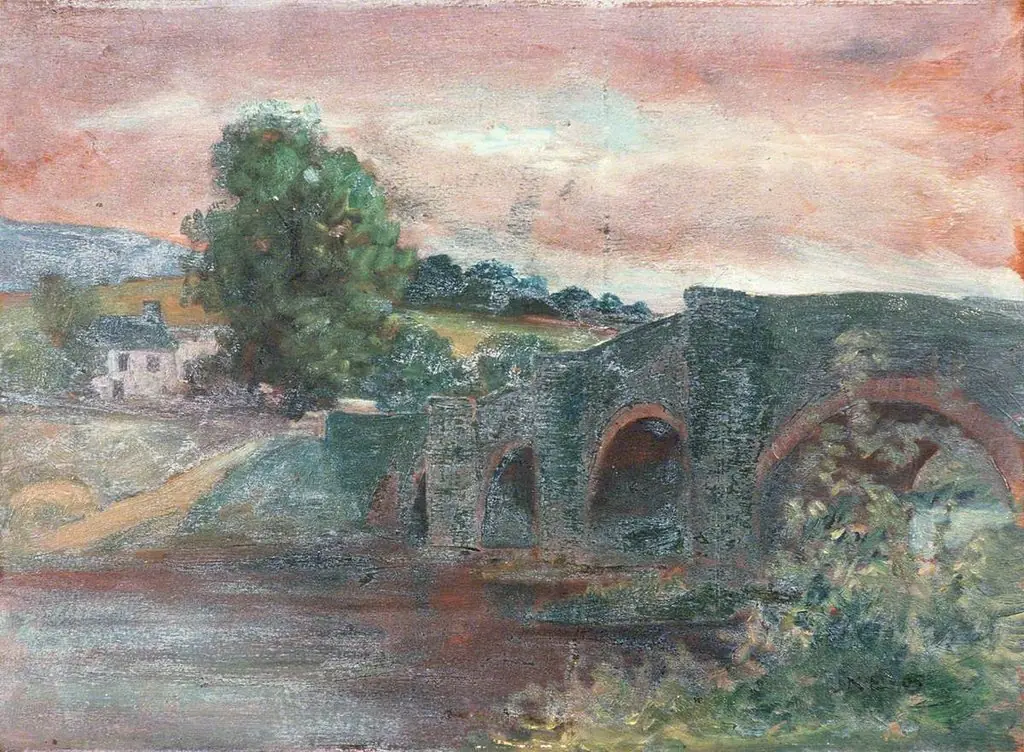 Dee Bridge at Cynwyd
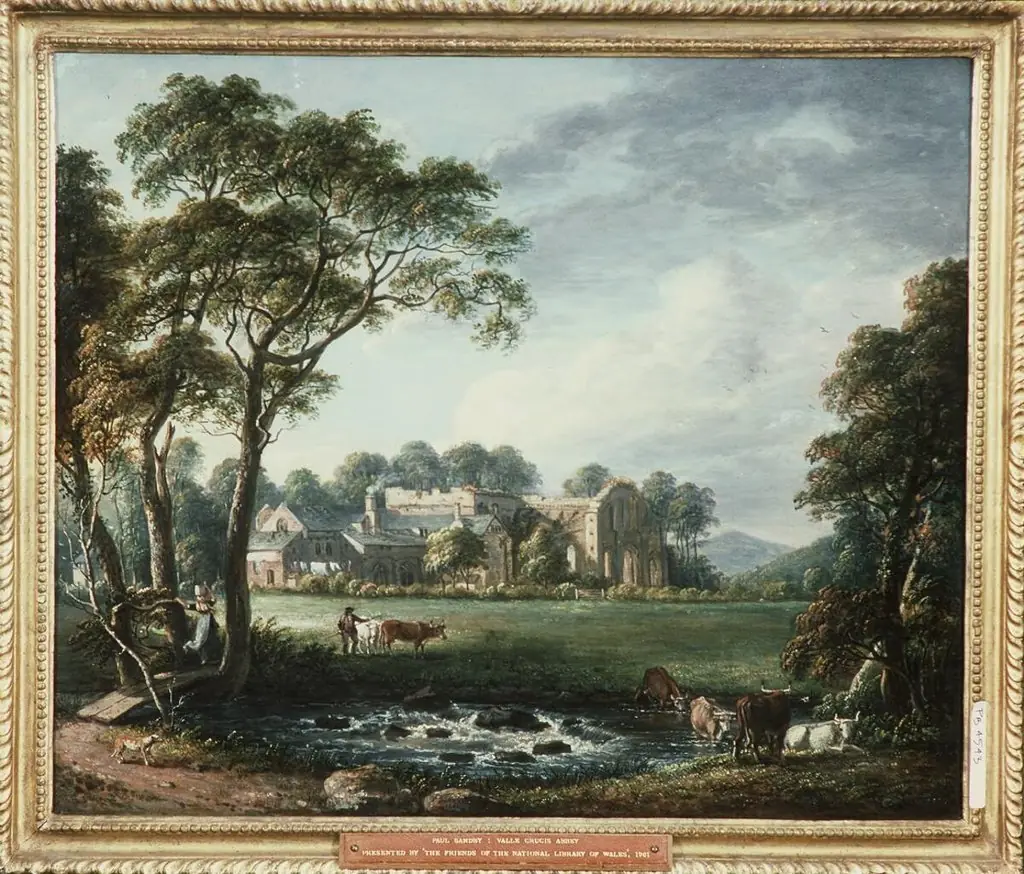 Valle Crucis Abbey
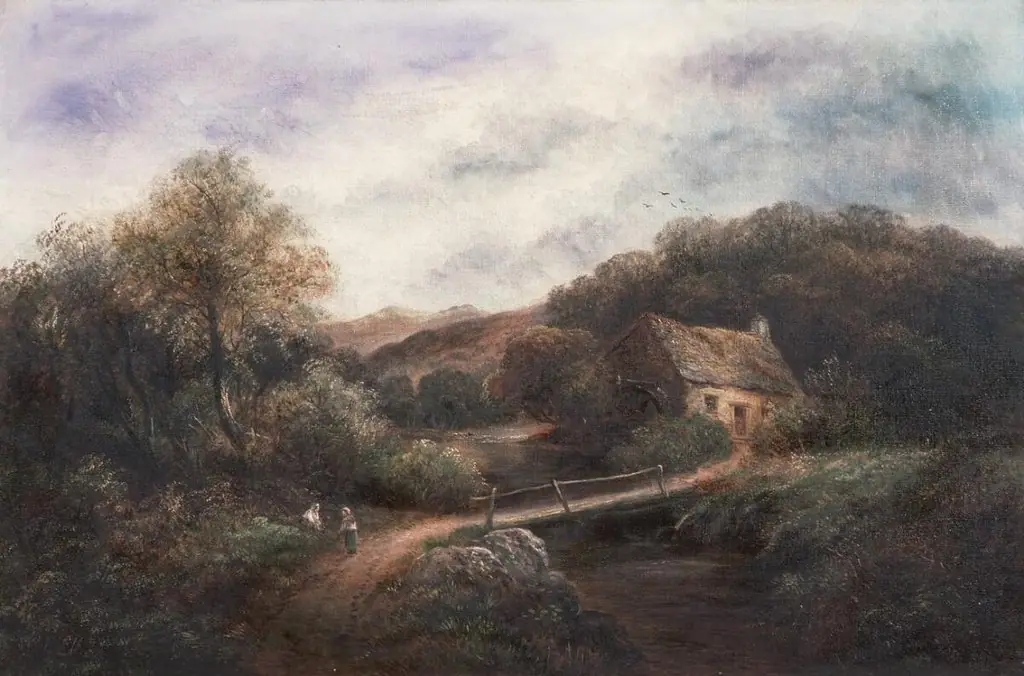 Old Pandy Mill, Dolgellau
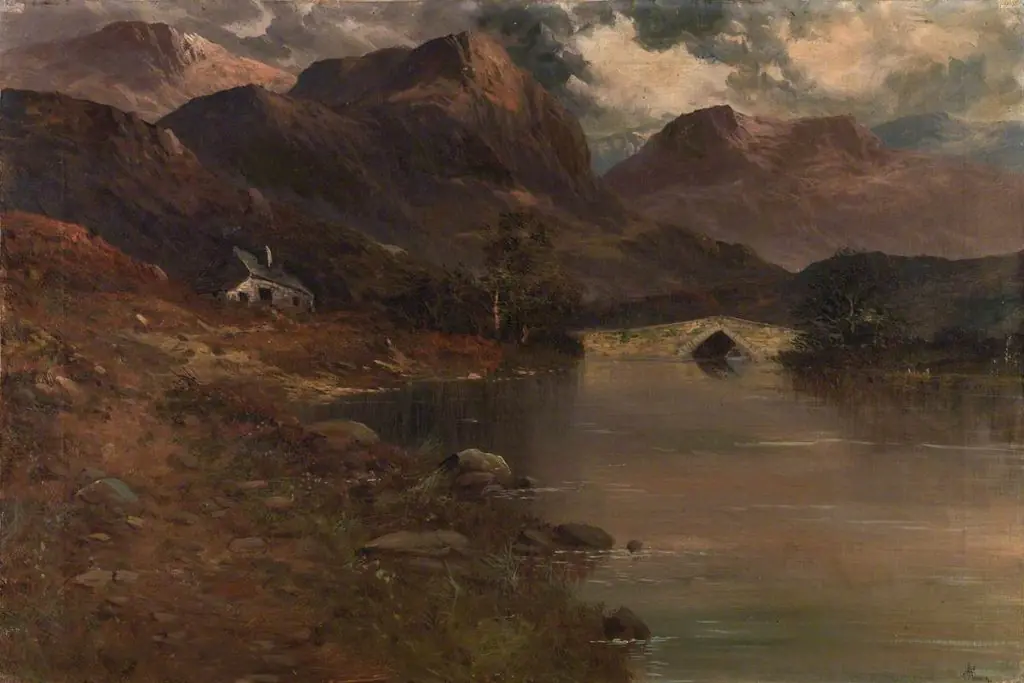 Landscape, Snowdonia
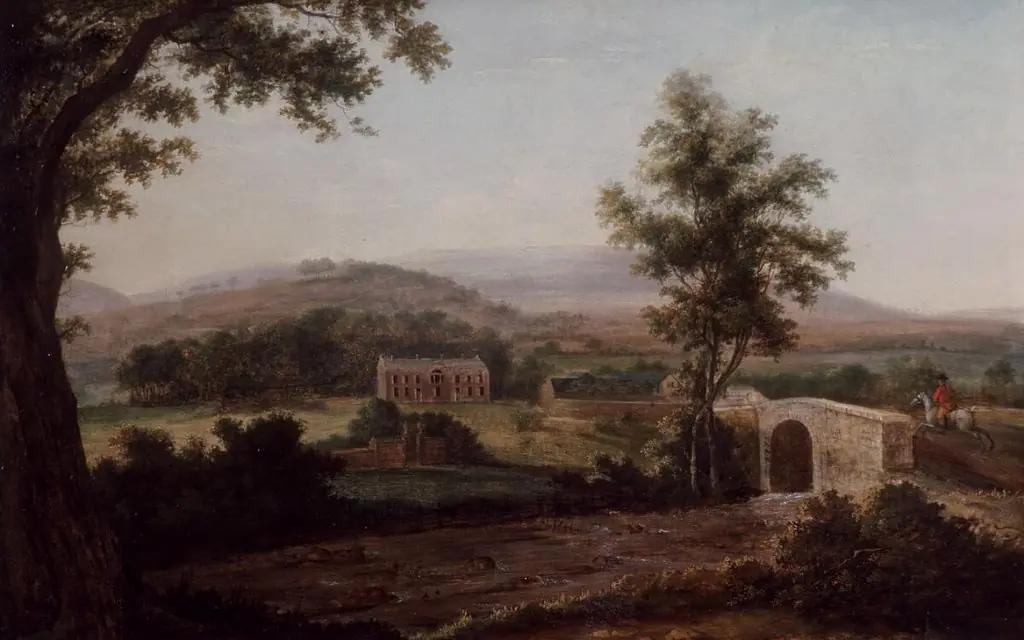 Aberpergwm Manor
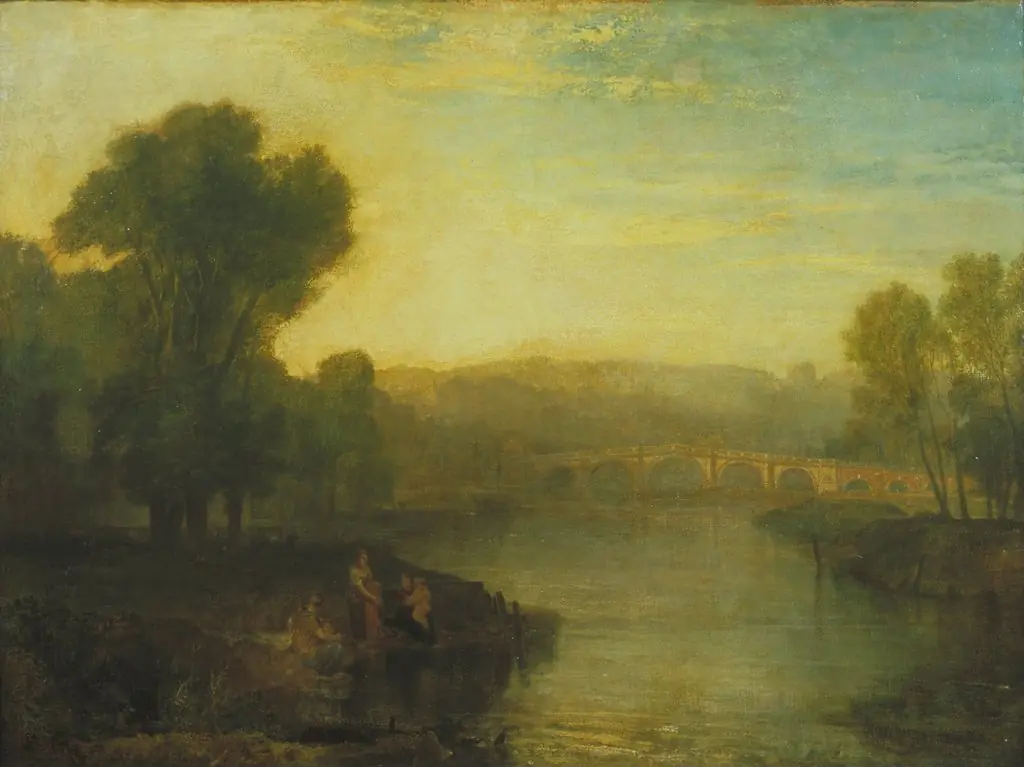 View of Richmond Hill and Bridge
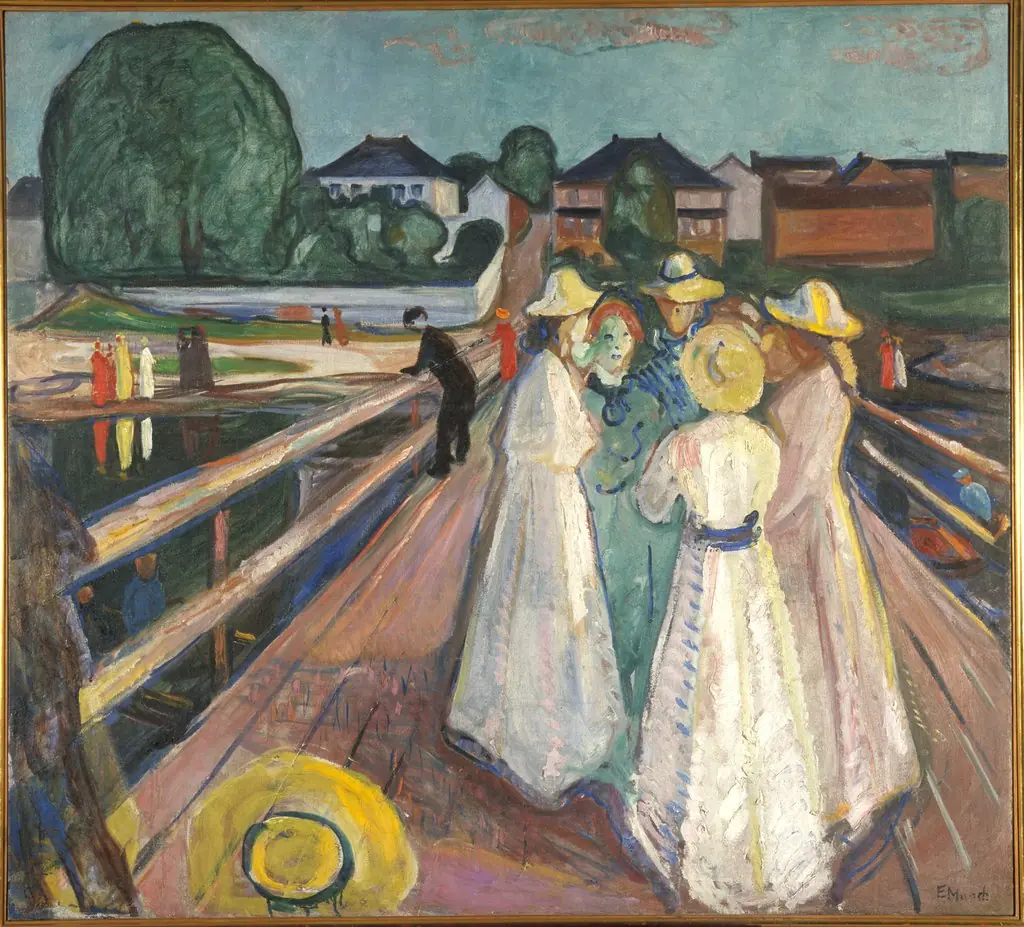 The Women on the Bridge
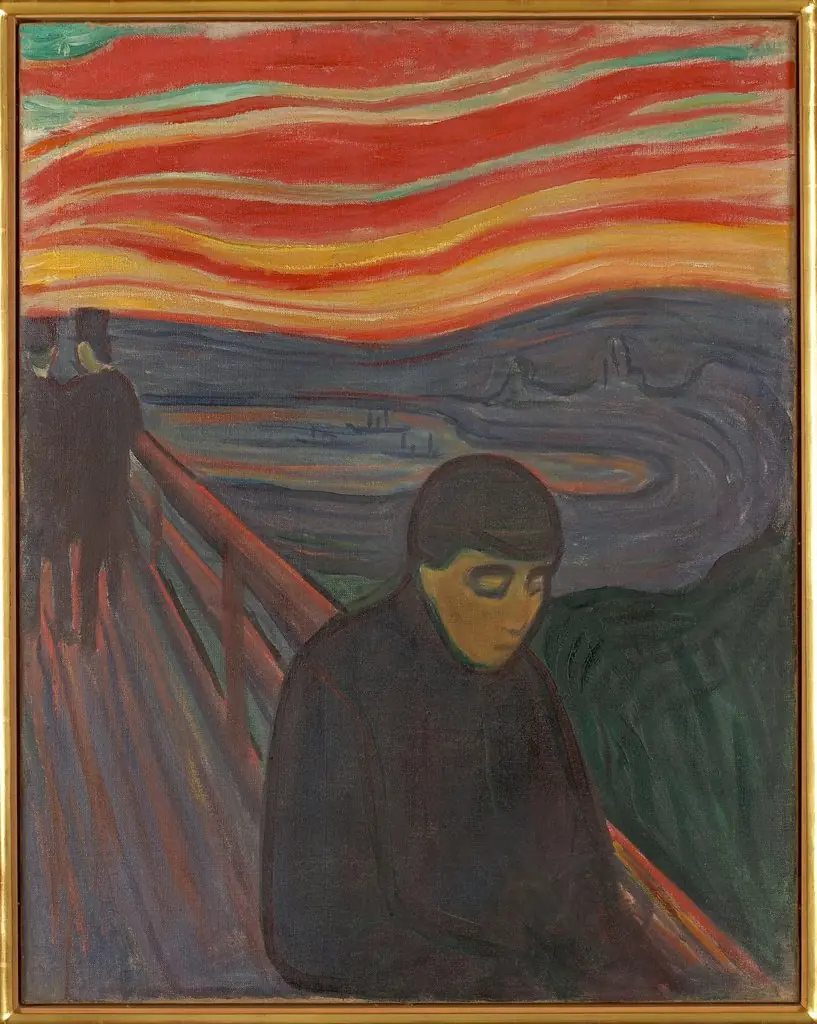 Despair
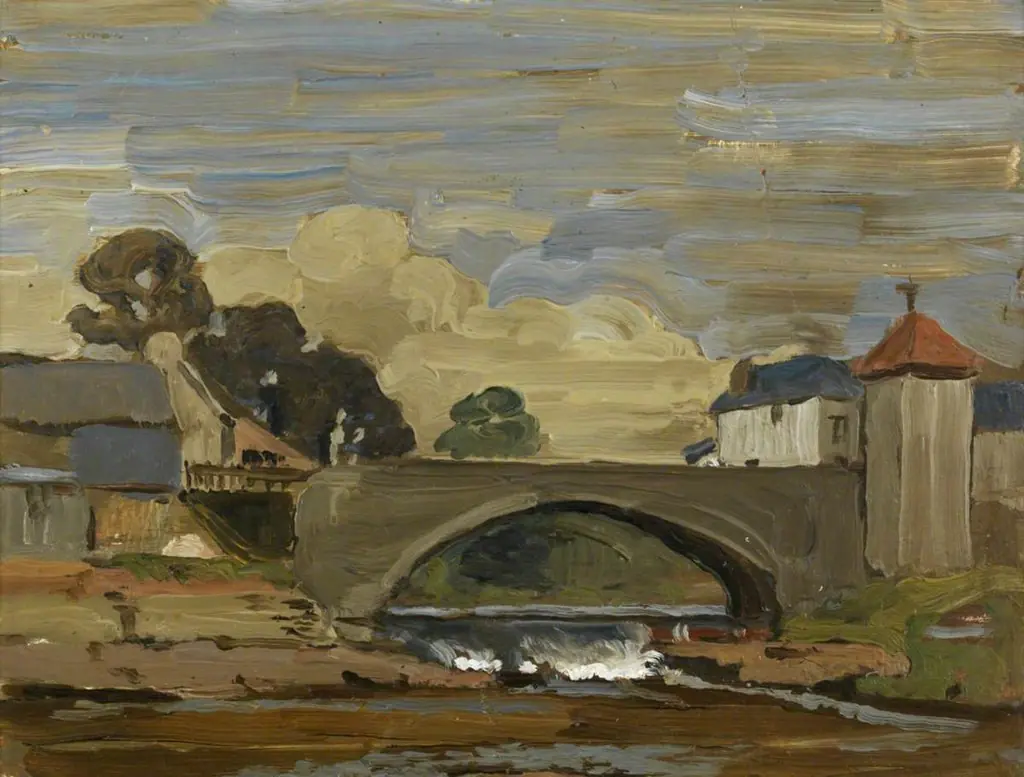 Senny Bridge, Brecon
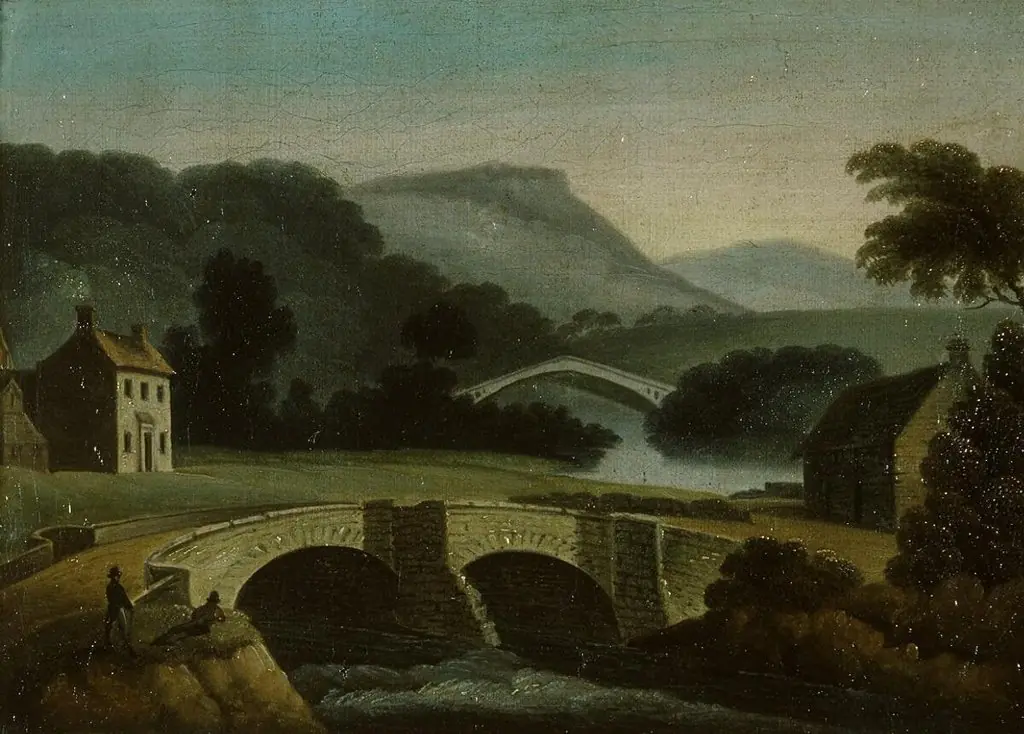 Pontypridd, Glamorgan
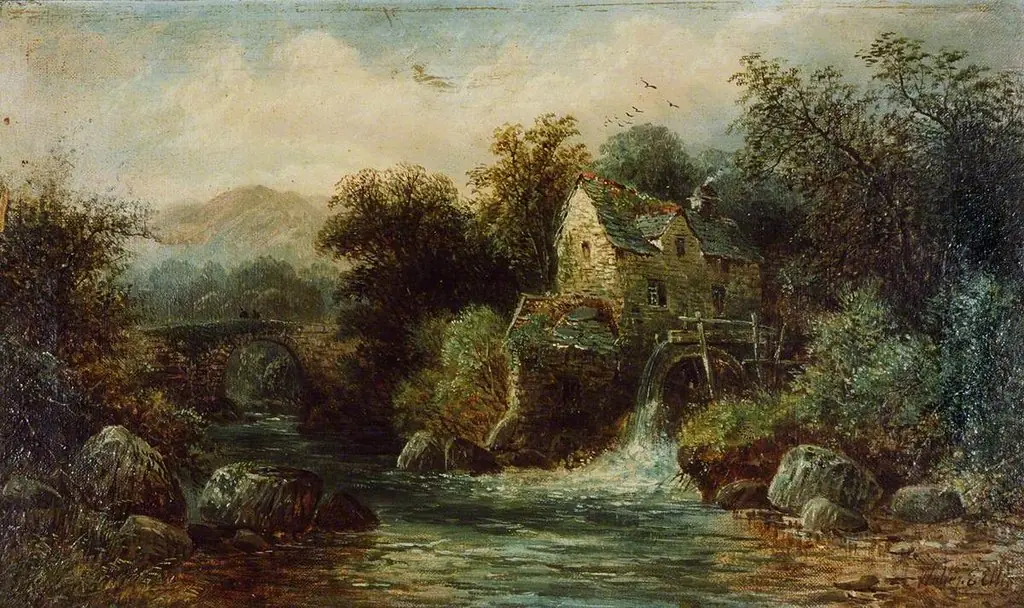 Pandy Mill, Betws-y-Coed
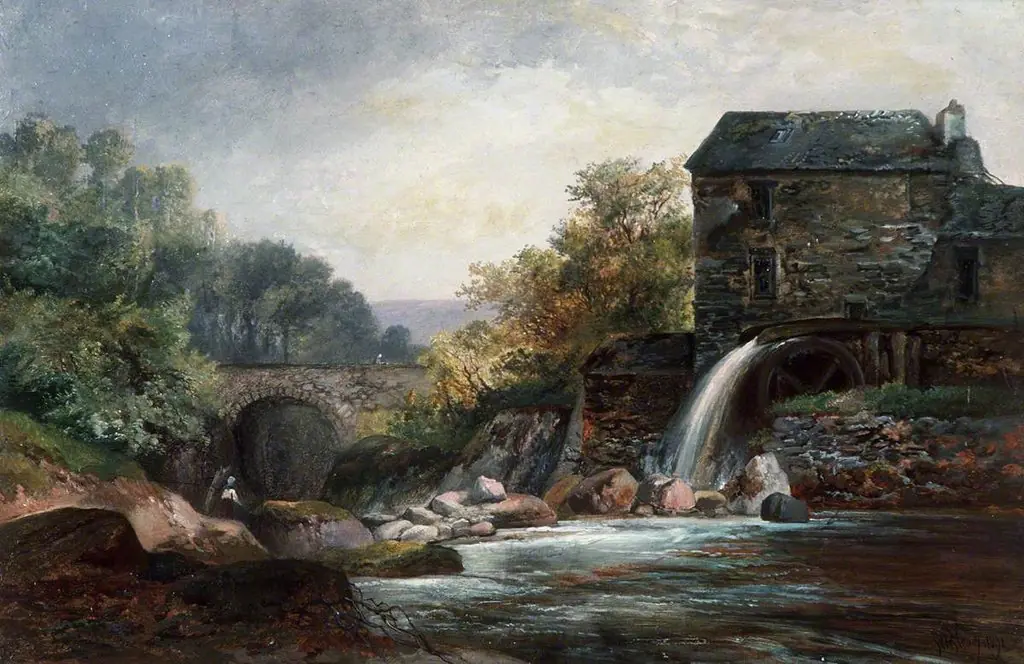 Pandy Mill, North Wales
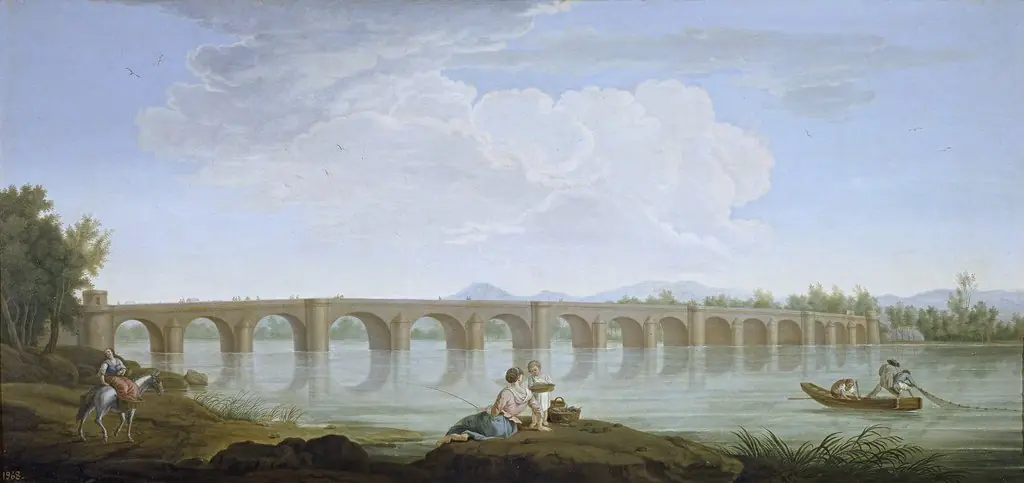 The Bridge at Molins de Rey
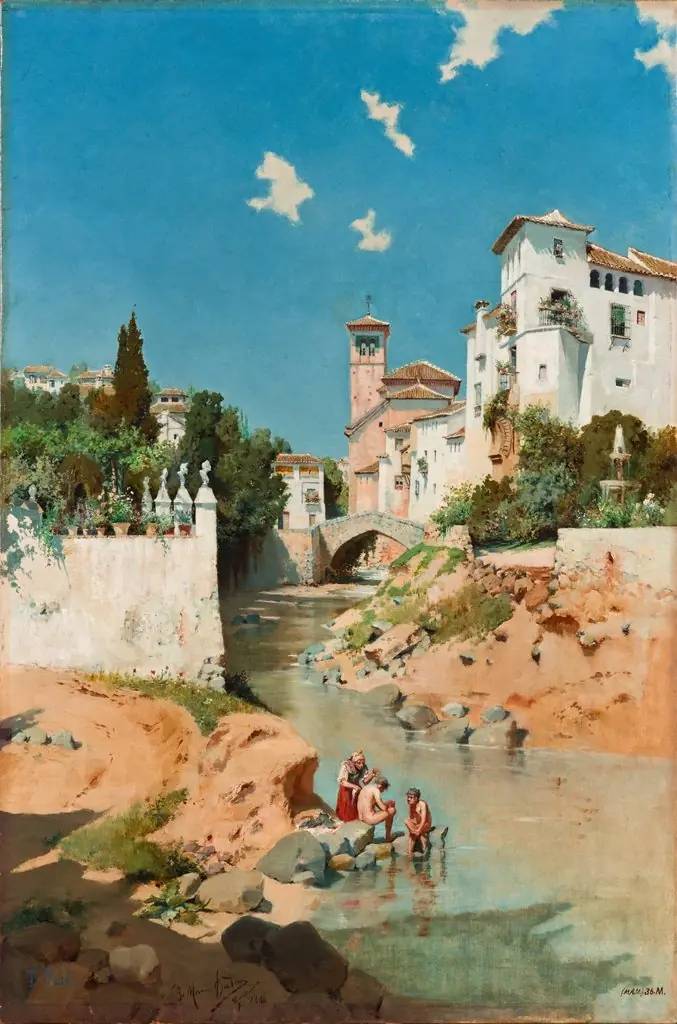 El Darro (Recuerdos de Granada)
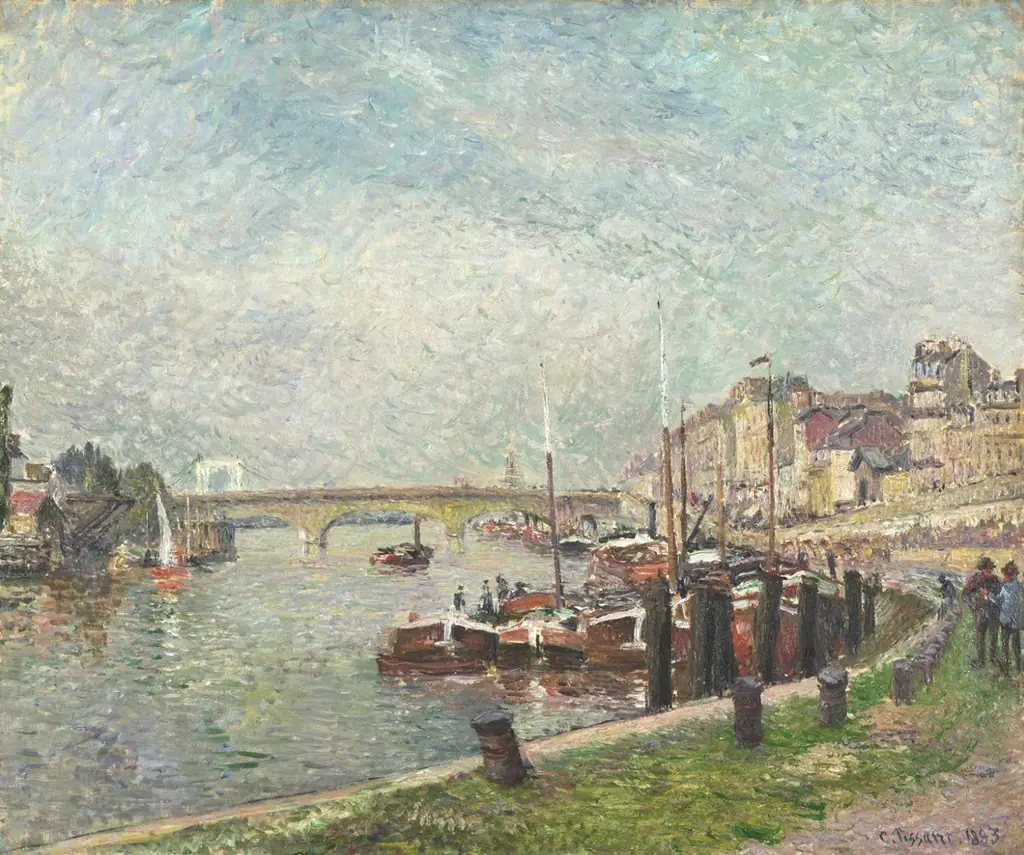 Quai Napoléon, Rouen
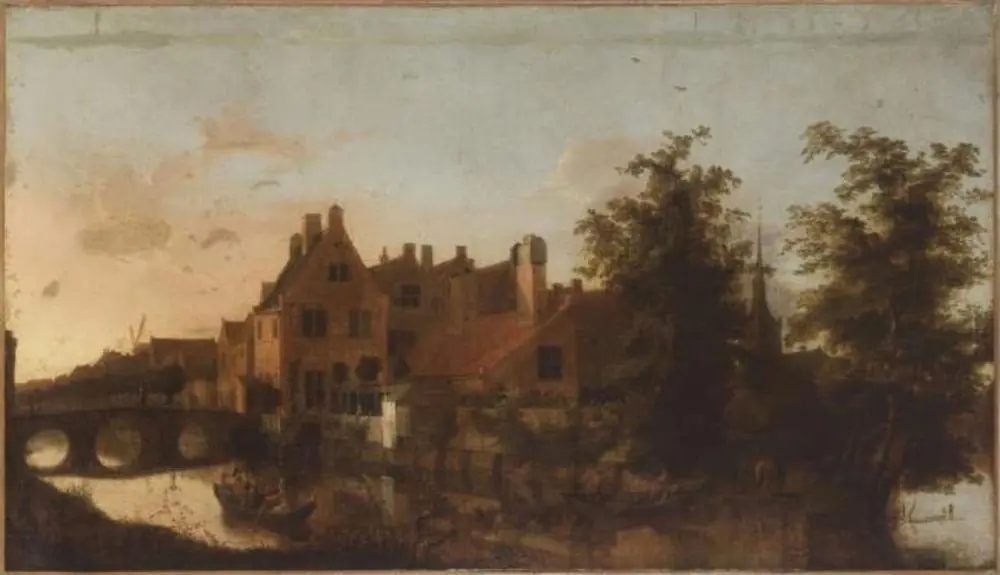 Houses beside a Canal
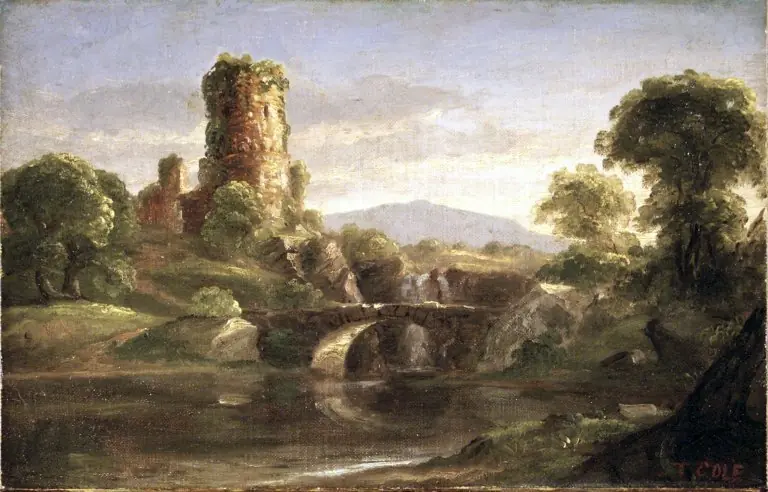 Ruined Castle and River
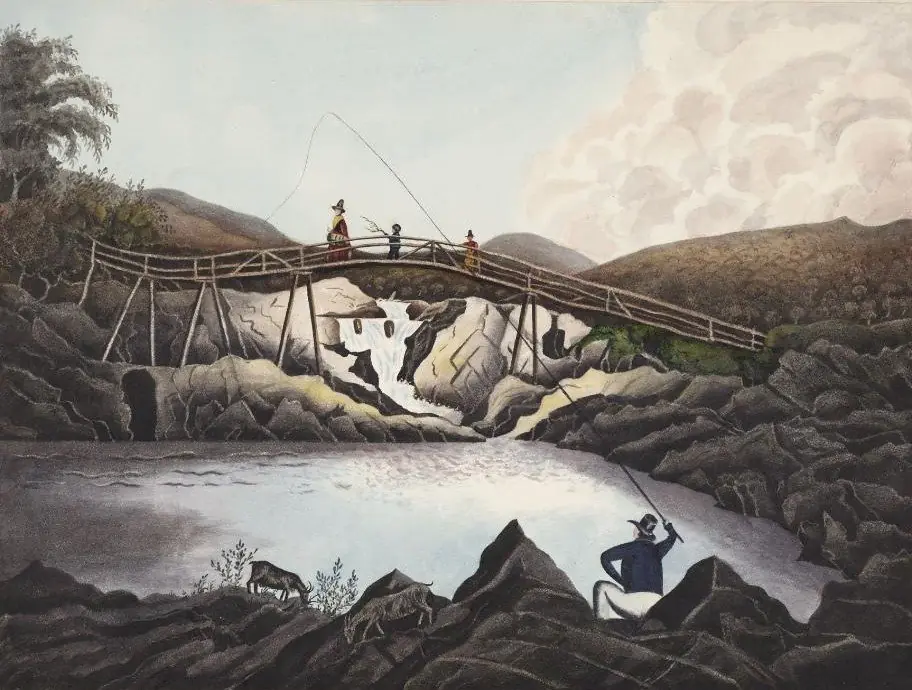 A Bridge over the Rhydol
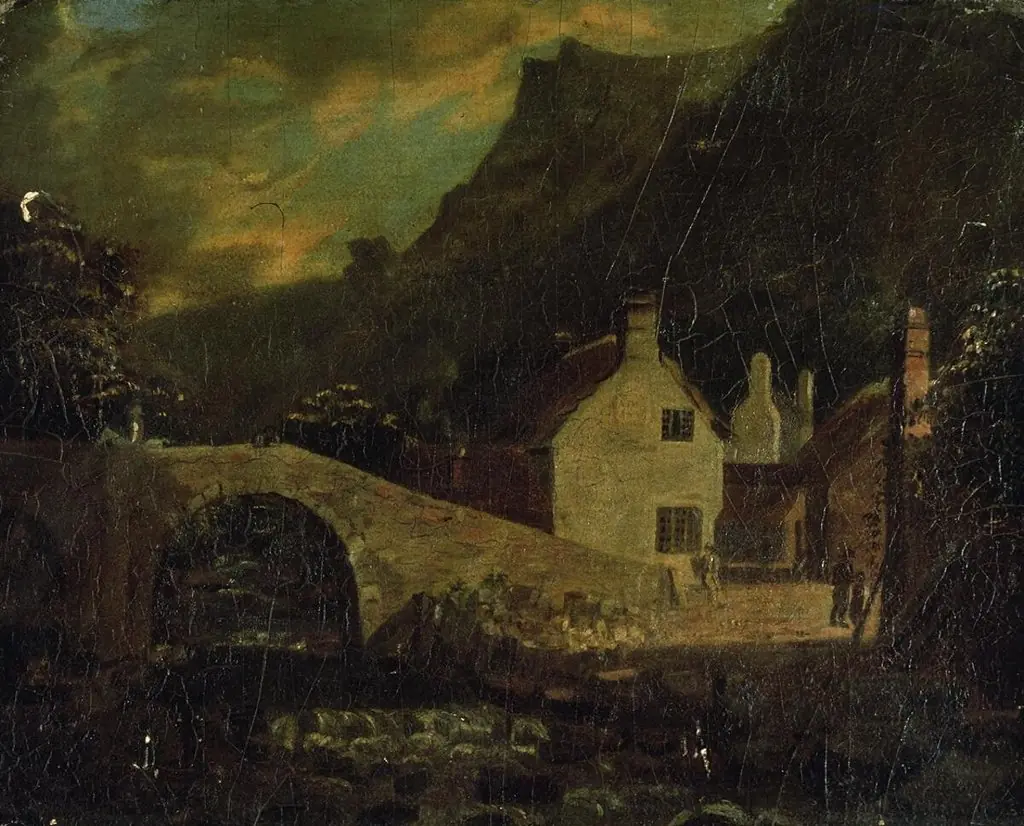 New Inn, Lynmouth, North Devon
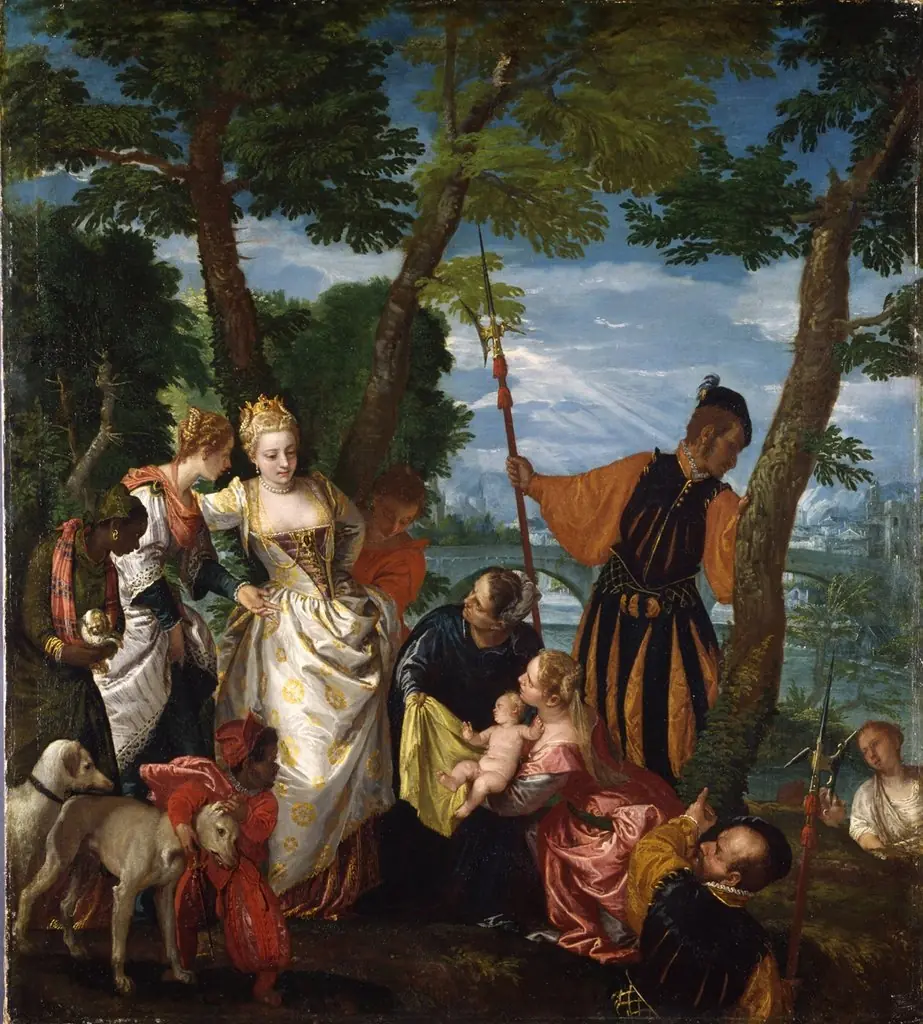 The Finding of Moses
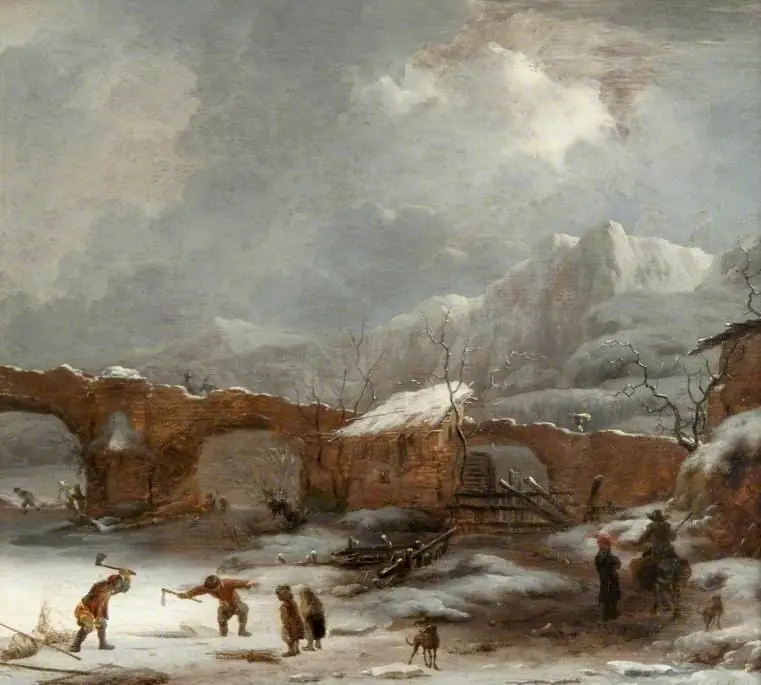 A Winter Landscape with the Pont du Rhône
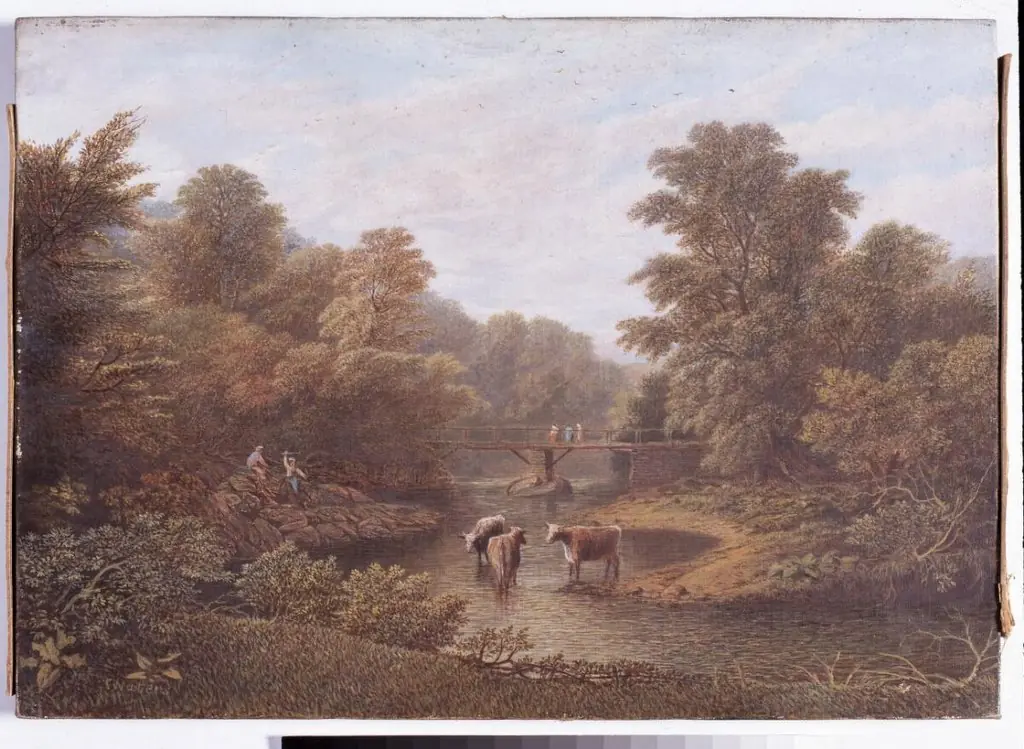 View taken form Pwllypant house
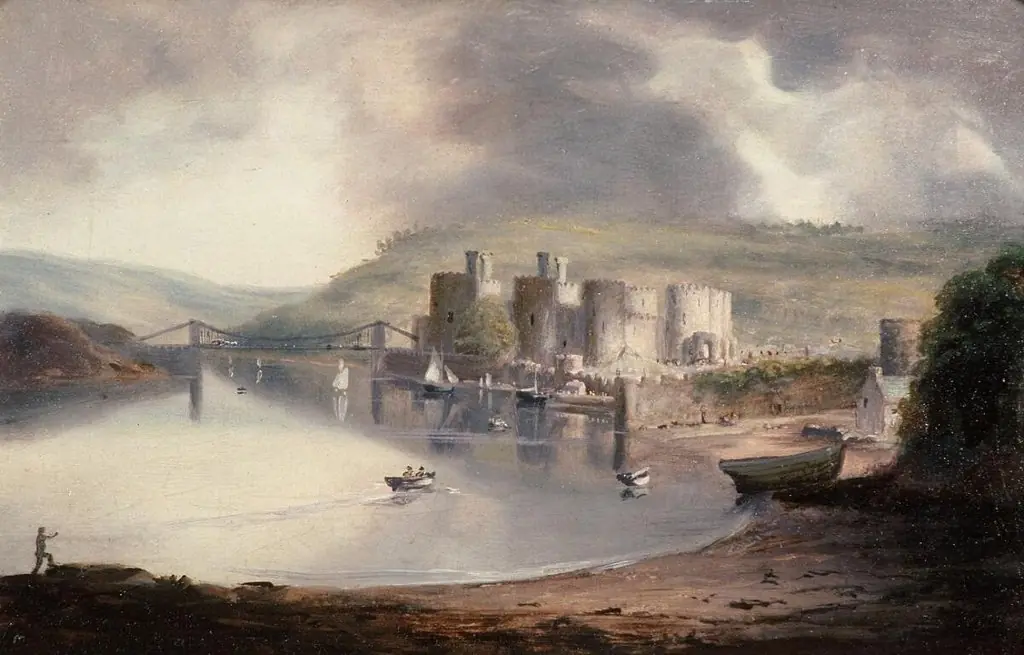 Conwy Castle
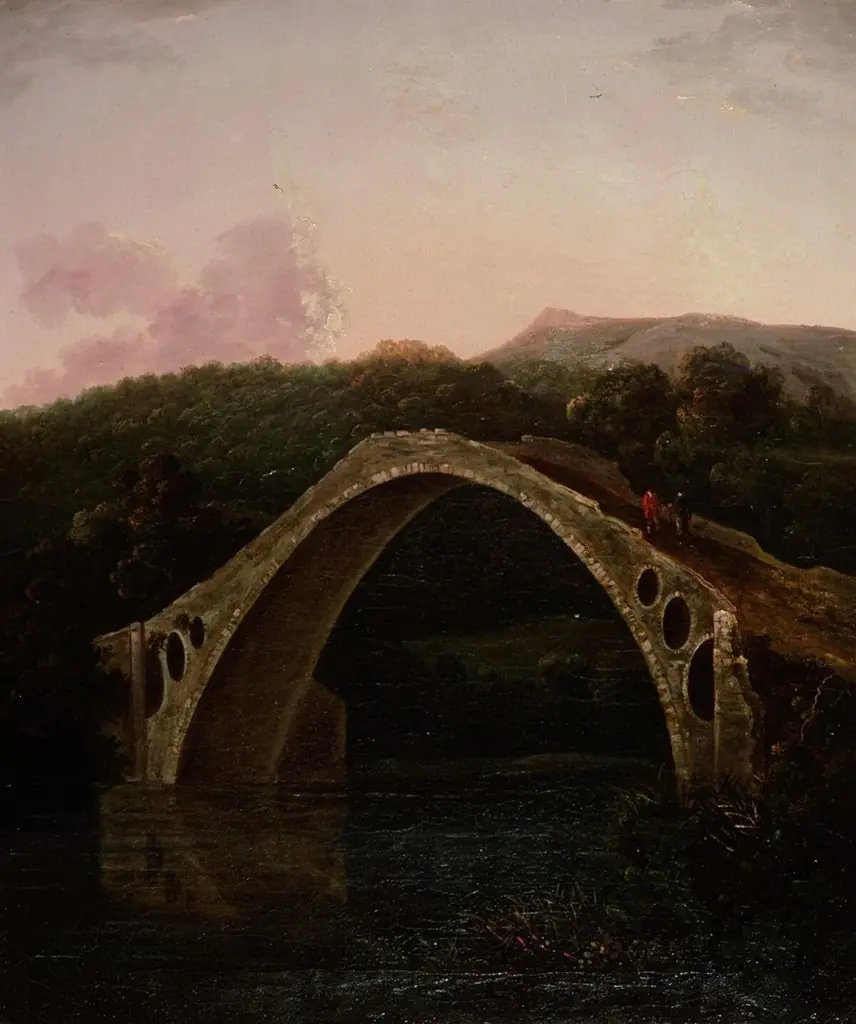 bridge at Pontypridd
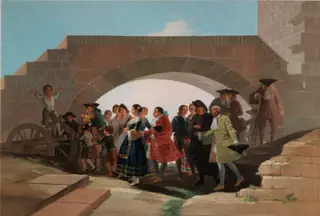 The wedding
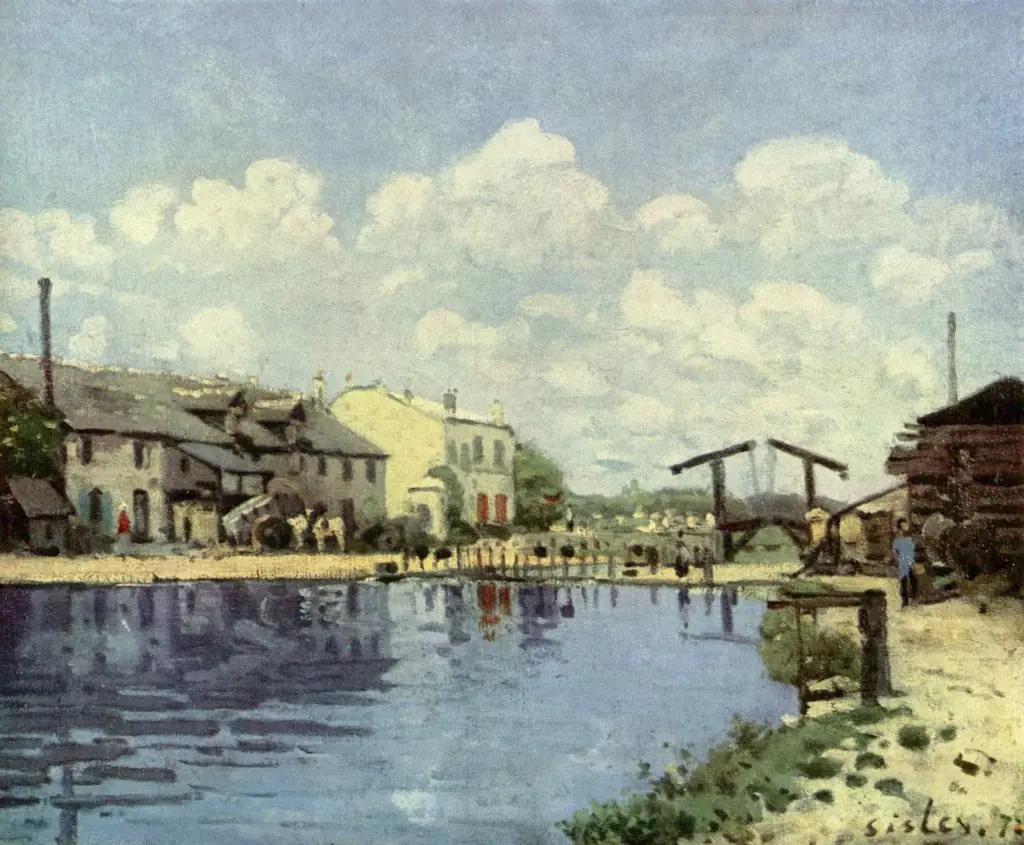 Le Canal Saint-Martin
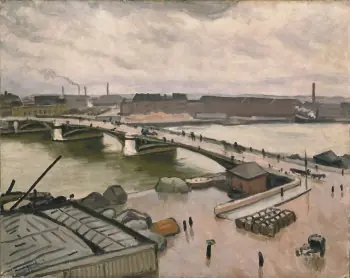 Rouen, quay of Paris
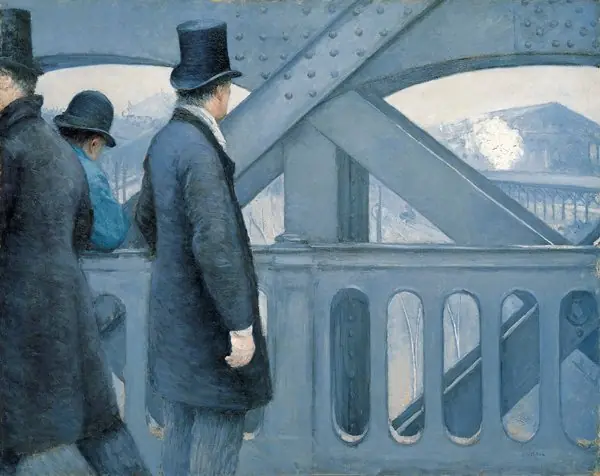 On the Pont de l’Europe
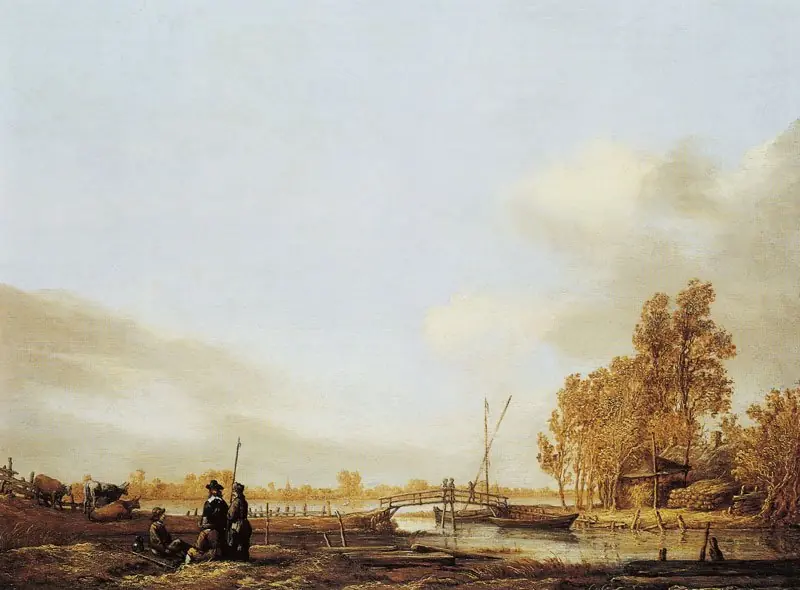 River Landscape with Bridge
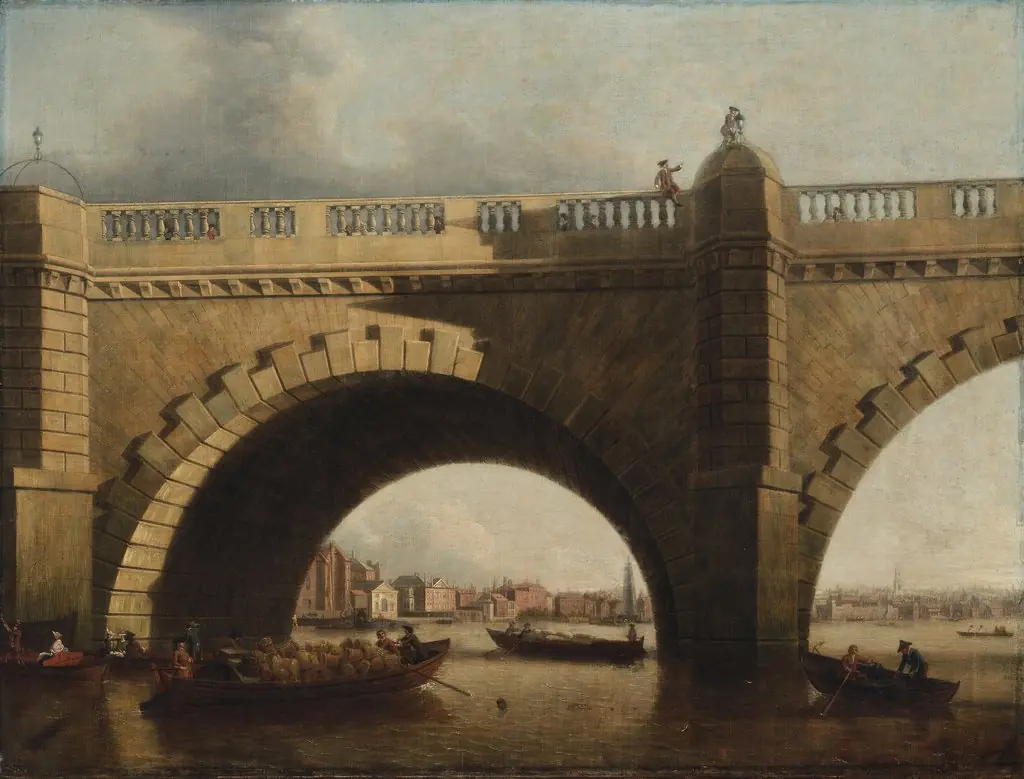 An Arch of Westminster Bridge, London
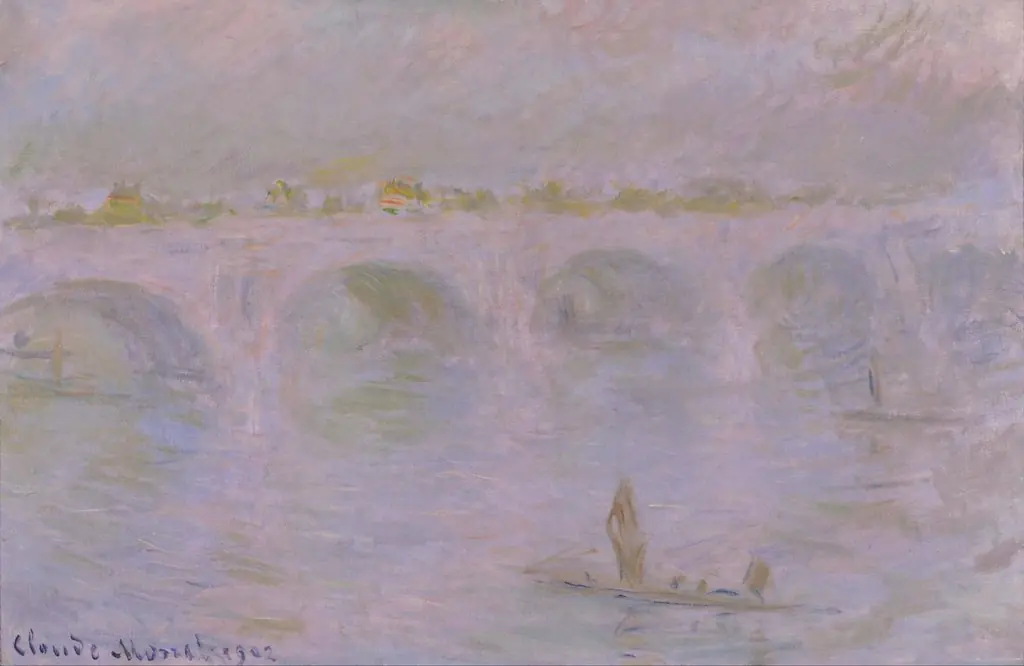 Waterloo Bridge in London
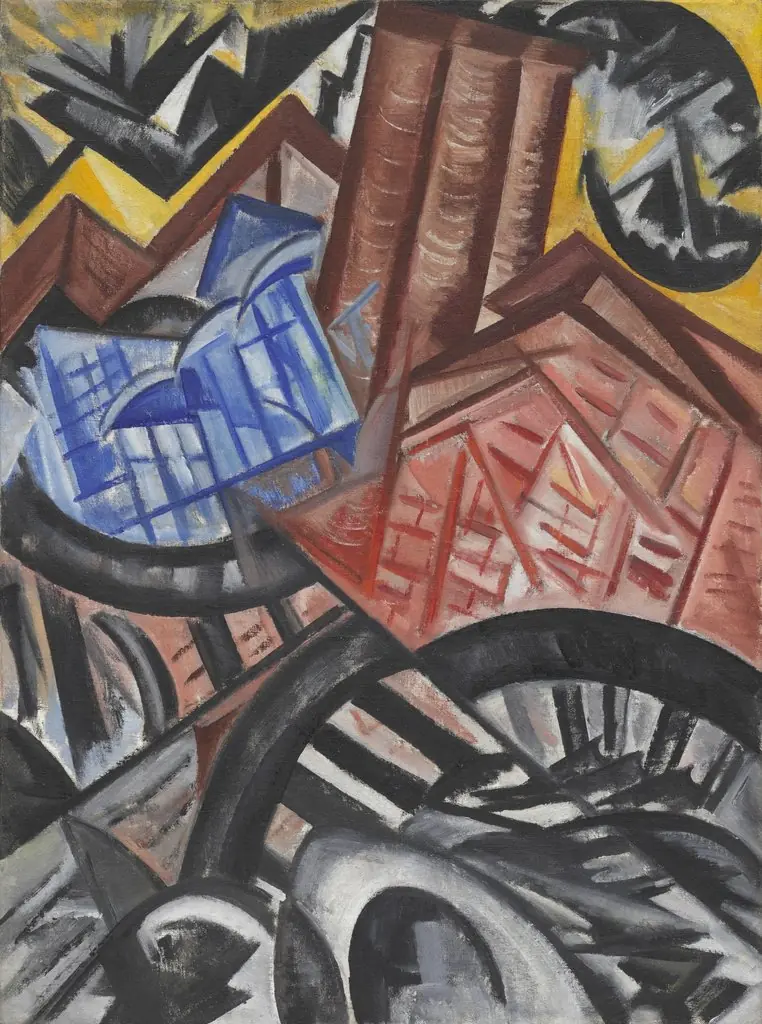 Factory and the Bridge
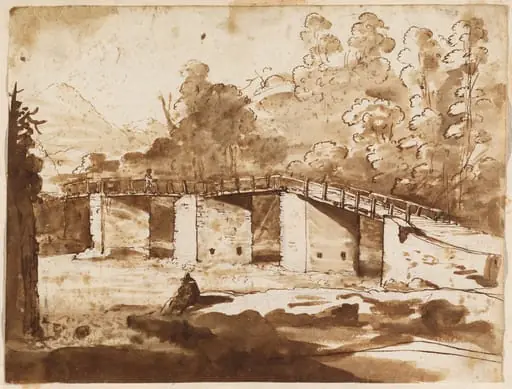 Landscape with a Bridge
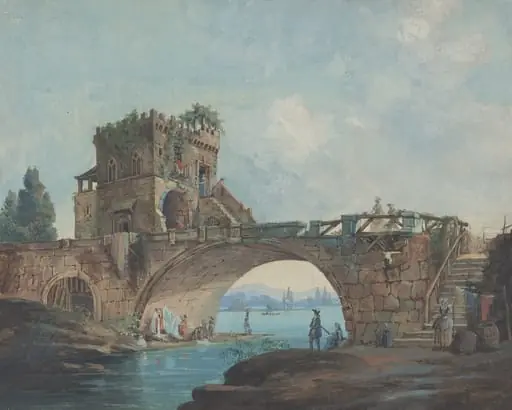 The Ponte Salario with Laundresses
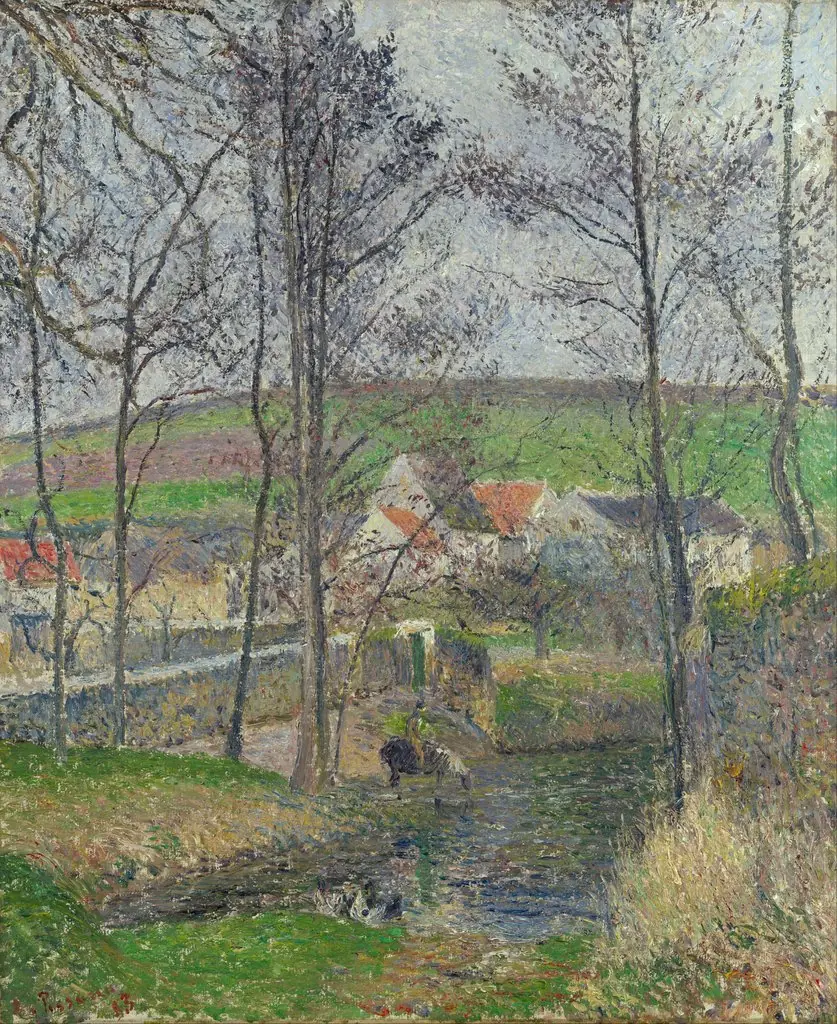 The banks of the Viosne at Osny in grey weather, winter
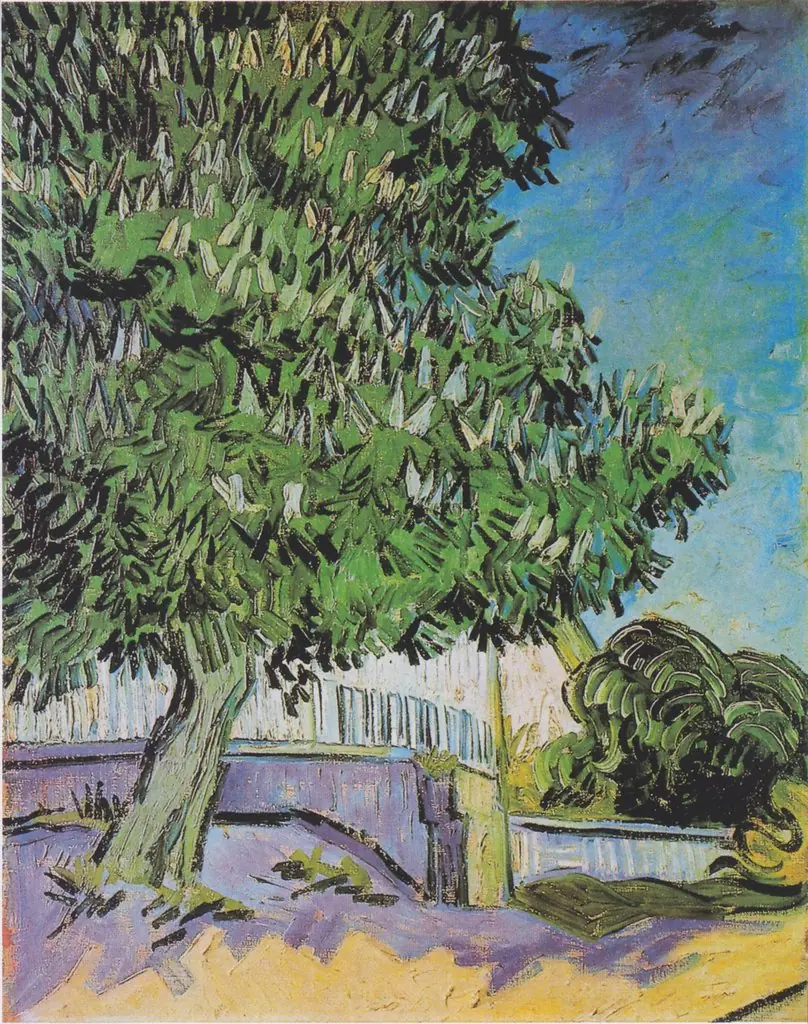 Blossoming chestnut trees
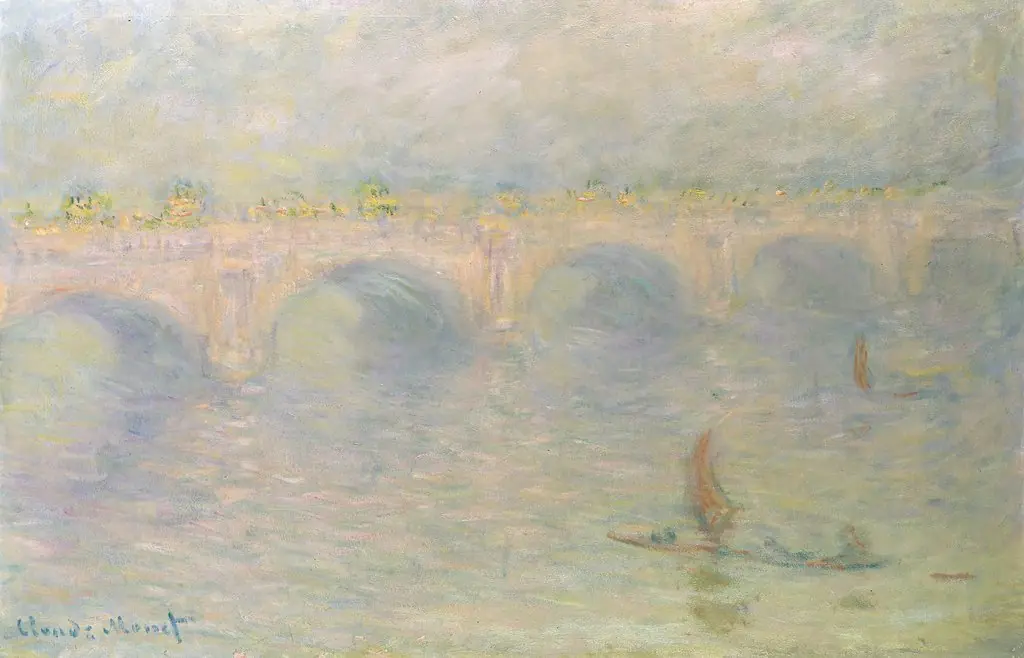 Waterloo Bridge, London, Sun Effect
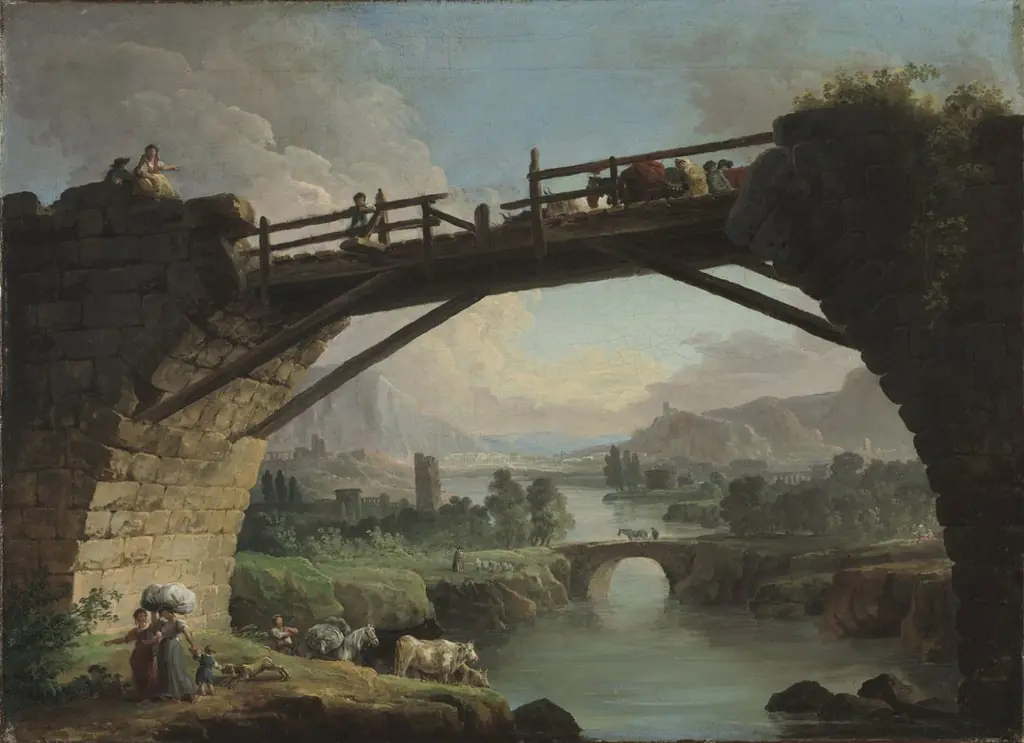 Ruined Bridge with Figures Crossing
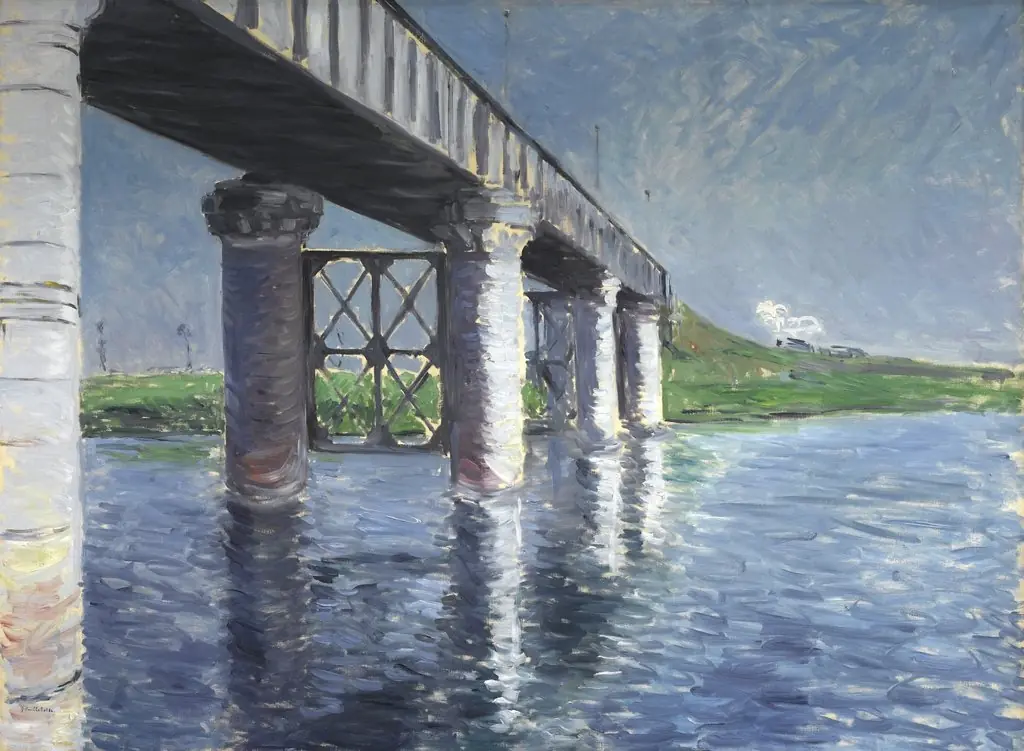 The Seine and the Railroad Bridge at Argenteuil
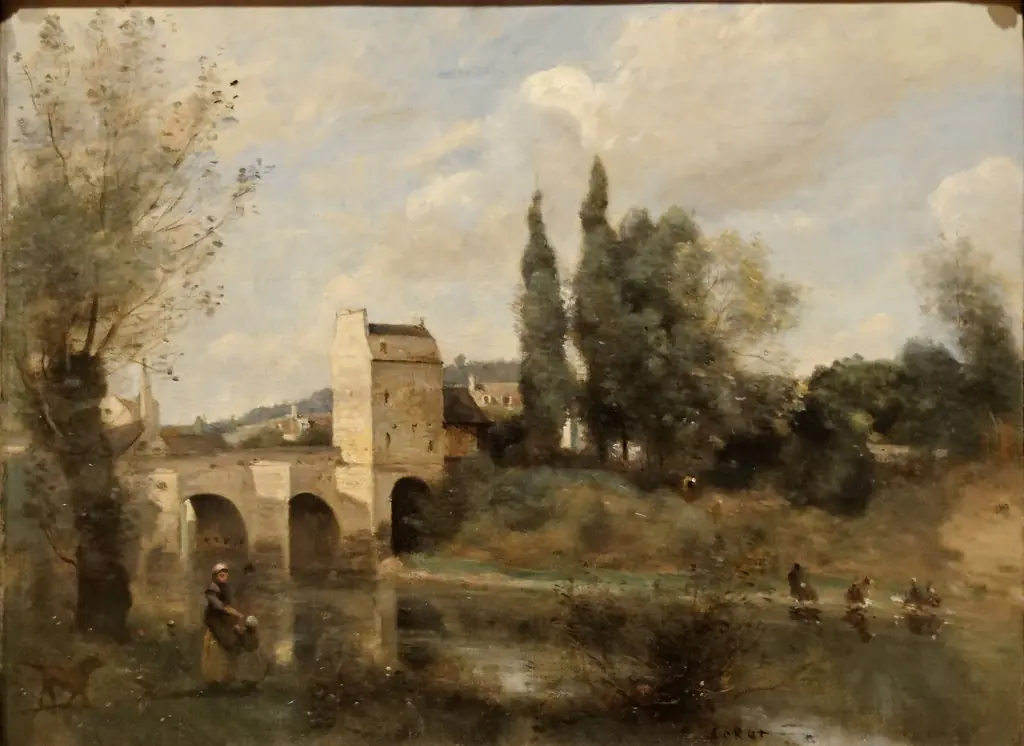 The Bridge at Mantes
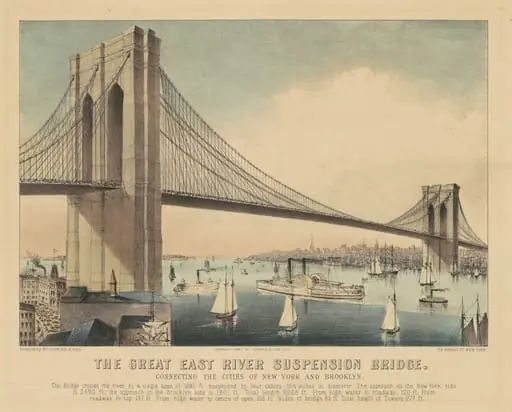 The Great East River Suspension Bridge: Connecting the Cities of New York and Brooklyn
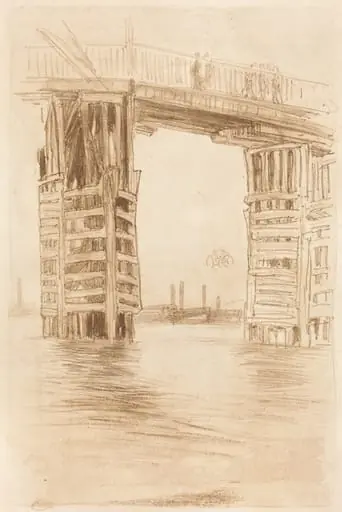 The Tall Bridge
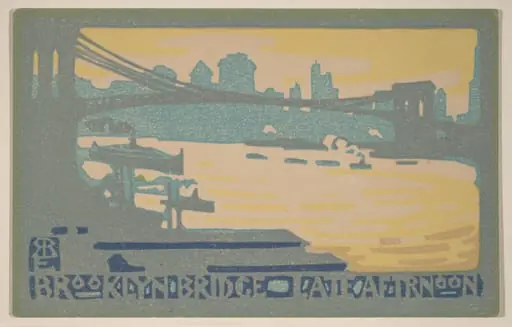 Brooklyn Bridge Late Afternoon
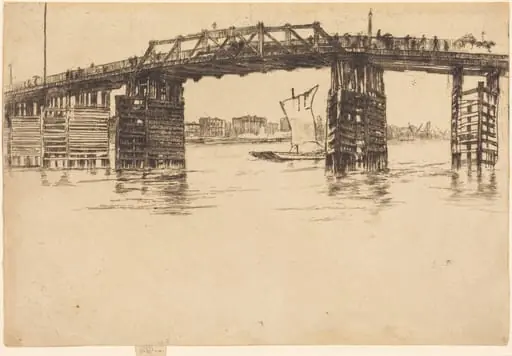 Old Battersea Bridge
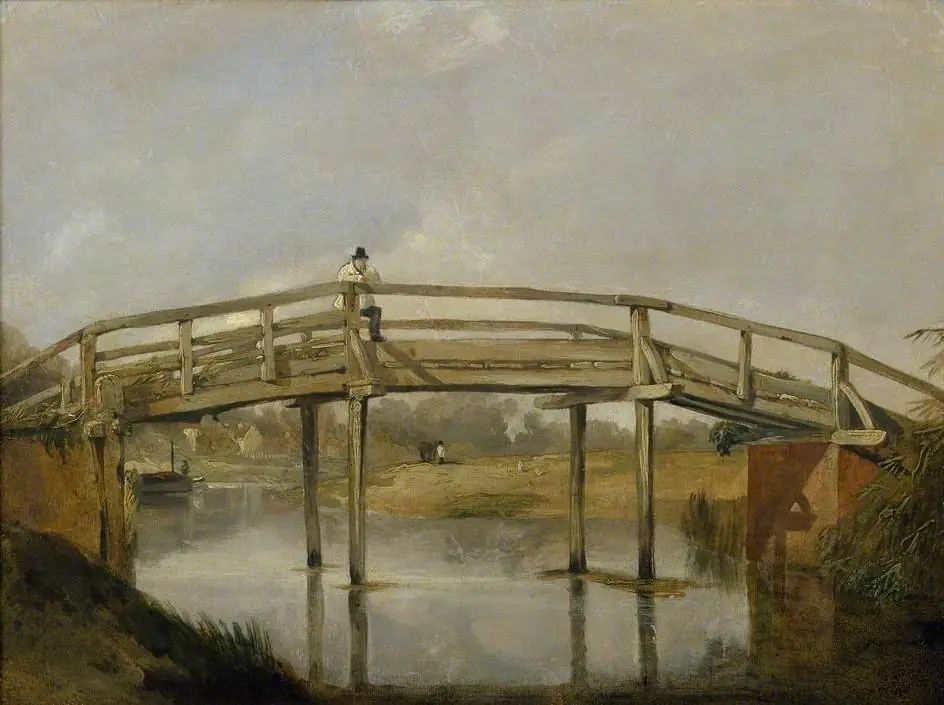 Landscape with a River and Bridge
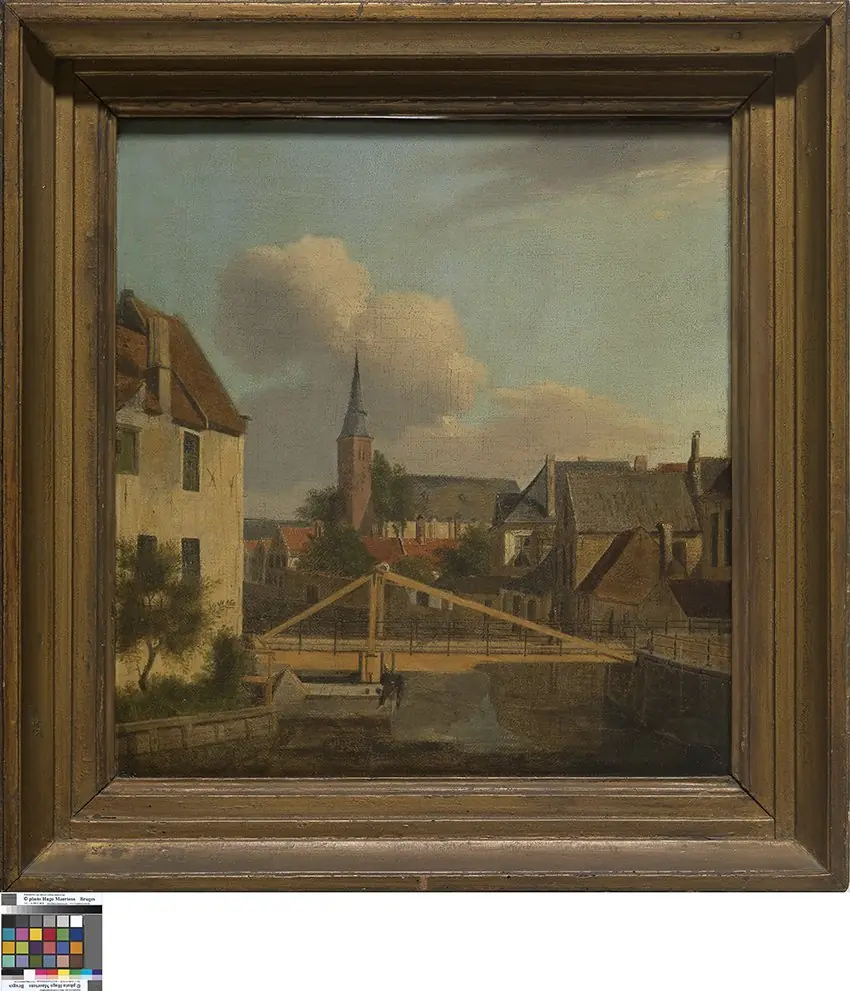 De Molenbrug in Brugge
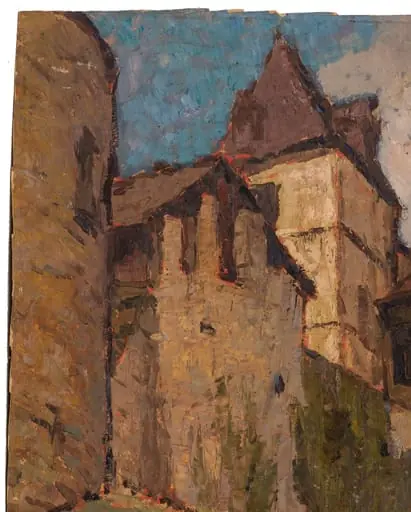 Peisaj
Frequently asked questions
What is Bridge?
Bridge is a subject in art. A bridge is a structure designed to span an obstacle, such as a river or railway, allowing vehicles, pedestrians, and other loads to pass across.
How many Bridge works does Artifact World Gallery have?
Artifact World Gallery holds 200 public-domain Bridge works, all free to view and download.
Who are the key Bridge artists?
Key Bridge artists in the collection include Thomas Eakins, Paolo Veronese and Jean Baptiste Camille Corot.
Where can I see Bridge works?
Bridge works in the collection are held by Metropolitan Museum of Art, Victoria and Albert Museum and National Library of Wales.