Artwork
View from the Artist's Window
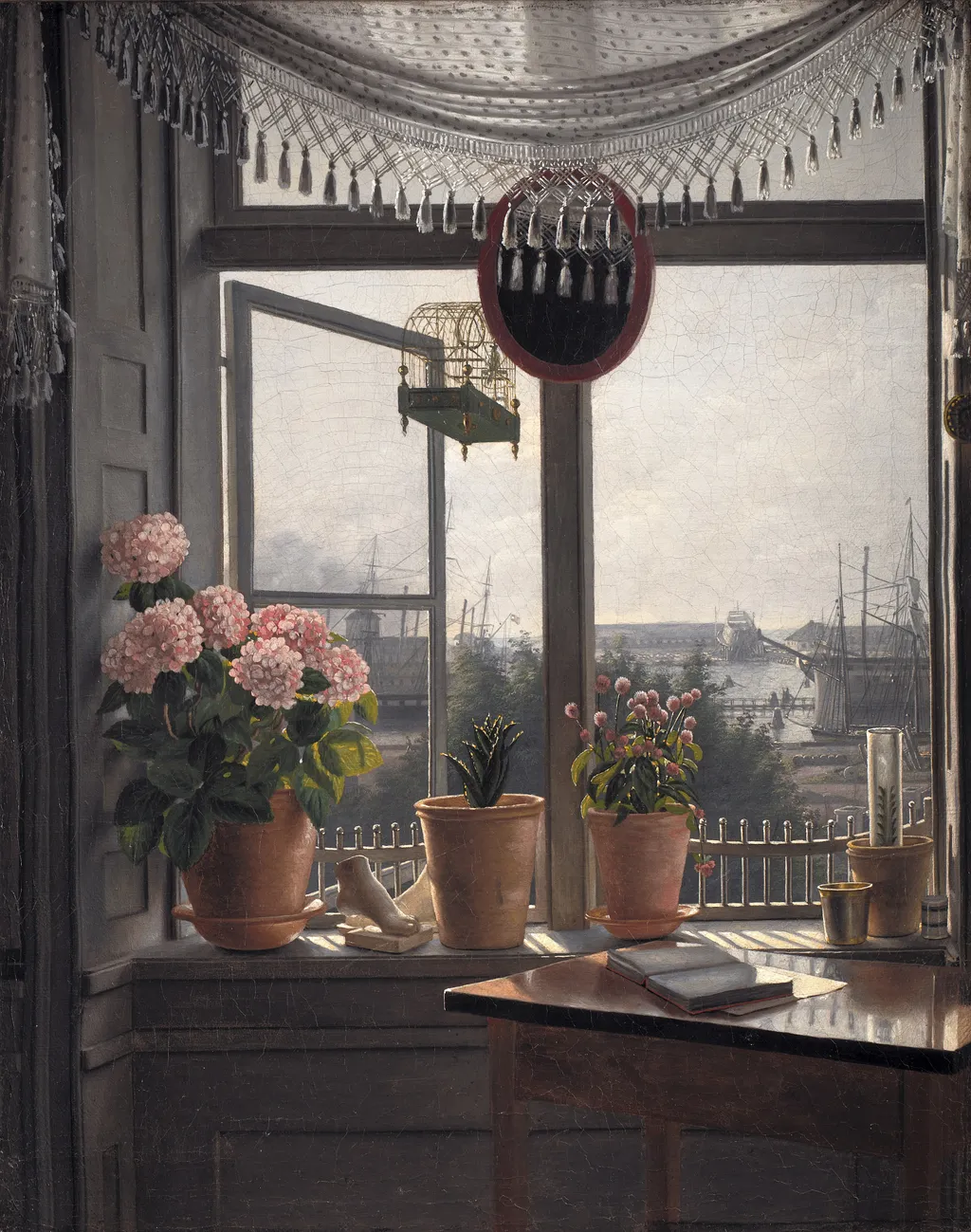
View from the Artist's Window is an oil painting by Martinus Rørbye. It dates from 1825 and is held in the collection of the Statens Museum for Kunst.
About this work
This is a small oil painting from 1825. Martinus Rørbye shows the view outside his childhood home on Amaliegade in Copenhagen. It sits today at Statens Museum for Kunst.
Rørbye grew up here. The painting quietly marks that spot with care. It carries themes that Danish audiences in the 1820s connected with.
Check out the houseplant in the room for a close look at Danish Golden Age detail.
Subject & Meaning
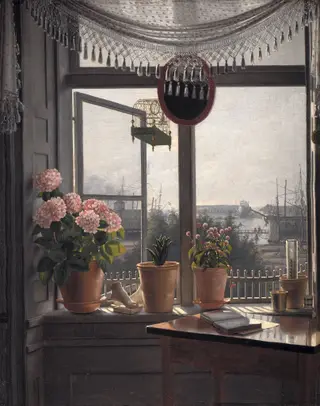
Martinus Rørbye's 1825 painting depicts the view from his childhood home at Amaliegade 45 in Copenhagen, looking out toward the Holmen naval dockyard.
Martinus Rørbye's 1825 painting depicts the view from his childhood home at Amaliegade 45 in Copenhagen, looking out toward the Holmen naval dockyard. The scene includes a ketch, four warships, and a vessel under construction, framed by a windowsill holding potted plants, plaster casts of a child's and adult's foot, a sketchbook with blank pages, and a birdcage. These elements function as complex Romantic symbols of the artist's transition from youth to maturity and his longing for exploration.
The open window and ships bound for foreign ports represent the call to an unknown vocation, while the caged bird signifies the tension between the safety of the parental home and the desire to leave. The plants illustrate the cycle of human growth and creative genius, and the empty sketchbook suggests both artistic potential and the uncertainty of the future. The oval mirror reflects the interior, emphasizing the contrast between the familiar domestic space and the distant, beckoning world outside.
Technique & Style
Executed in oil on canvas in 1825, View from the Artist's Window measures 48.9 cm in height and 40.8 cm in width.
The composition is rendered in a tight, realist manner shaped by Rørbye’s training under Christoffer Wilhelm Eckersberg, while also incorporating Romantic allegory. The view through the open window is framed by a ledge holding potted plants, two plaster foot casts, and an oval mirror reflecting the interior. On the sill, a cutting encased in glass signals both fragility and potential growth.
A sketchbook lies ready, evoking the artist’s readiness to record experience. The distant harbor shows a ketch and four warships, one on the slips, rendered with clear, descriptive handling that balances factual topography with symbolic resonance.
History & Provenance
View from the Artist's Window is an 1825 oil painting by Martinus Rørbye, created while the artist was still residing at his family’s house on Amaliegade 45 in Copenhagen. The canvas, measuring 48.9 × 40.8 cm, portrays the view from his window toward the naval station at Holmen and was painted shortly before he left the family home, a period marked by his formal studies with Eckersberg and growing Romantic influences. The work entered the collection of Statens Museum for Kunst in Copenhagen, where it remains on display.
It is regarded as a hallmark of the Danish Golden Age and was highlighted in the Europeana 280 initiative.
View from the Artist's Window is held in the collection of the Statens Museum for Kunst (National Gallery of Denmark) in Copenhagen. Executed in 1825, the oil painting measures 48.9 by 40.8 centimeters.
The work has been featured in several significant exhibitions, including L'Âge d'or de la peinture danoise (1801-1864) and Dansk Guldalder - Verdenskunst mellem to katastrofer. In April 2016, the painting was selected as one of the ten most important Danish artworks for the Europeana 280 project.
Context
View from the Artist's Window (1825) is widely recognized as a hallmark of the Danish Golden Age, noted for its precise realism and layered symbolism that resonated with contemporary audiences. Art historians view the work as emblematic of Martinus Rørbye’s transition from his childhood home to a broader artistic career, reflecting his training under Christoffer Wilhelm Eckersberg and the Romantic currents influencing his generation. The painting’s depiction of a naval dockyard, potted plants, and a caged bird has been interpreted as metaphors for aspiration, growth, and the tension between domestic confinement and the desire for exploration.
Today it remains a key reference point for studies of 19th‑century Danish landscape painting and the interplay of realism and romantic allegory.
Legacy
View from the Artist's Window is widely regarded as a highlight of the Danish Golden Age, recognized for incorporating themes and symbols that resonated deeply with its contemporary audience. The work's enduring significance was formally acknowledged in April 2016 when it was selected as one of the ten most important artworks from Denmark by the Europeana 280 project. Beyond this specific digital initiative, the painting has been featured in major exhibitions dedicated to the era, including "Dansk Guldalder - Verdenskunst mellem to katastrofer" and "L'Âge d'or de la peinture danoise (1801-1864)."
Its reputation as a seminal piece of the period stems from its synthesis of strict realism and Romantic allegory, serving as a key example of the cultural flowering in early nineteenth-century Denmark.
Overview
Martinus Rørbye's 1825 oil painting, View from the Artist's Window, presents a personal glimpse from his childhood residence at Amaliegade 45 in Copenhagen. This small-scale work is recognized as a significant example of Danish Golden Age art. It currently resides in the collection of the Statens Museum for Kunst, where it offers insight into the period's artistic concerns and the artist's early life.
Own this work as a print
Artist & collection
Artist
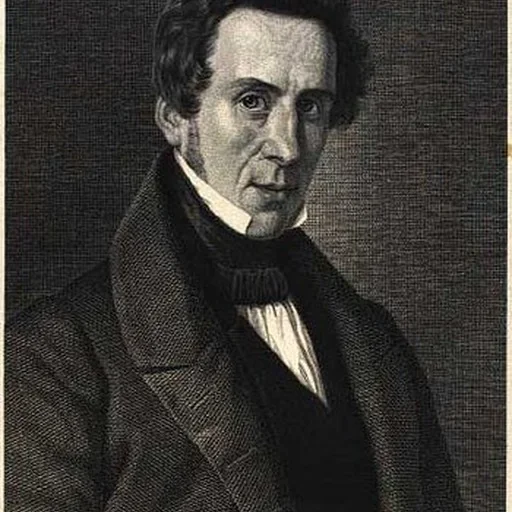
Martinus Christian Wesseltoft Rørbye (Danish:; 17 May 1803 – 29 August 1848) was a Danish painter, known both for genre works and landscapes.

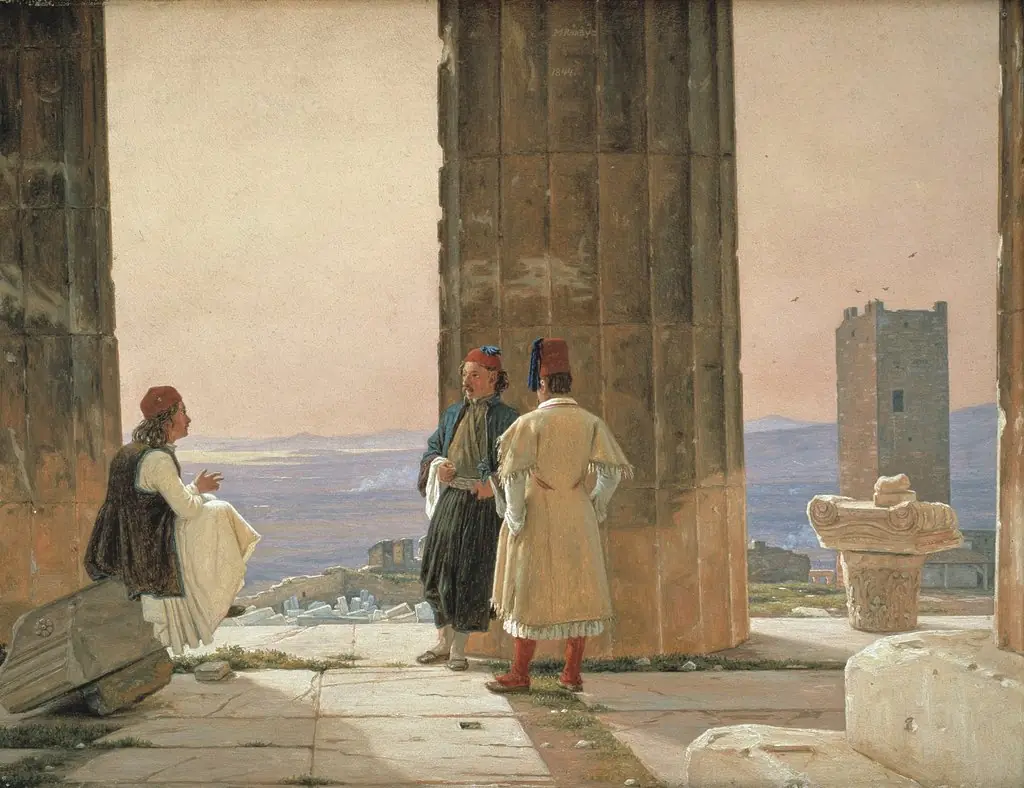 The View from the Temple of Athena on the Acropolis
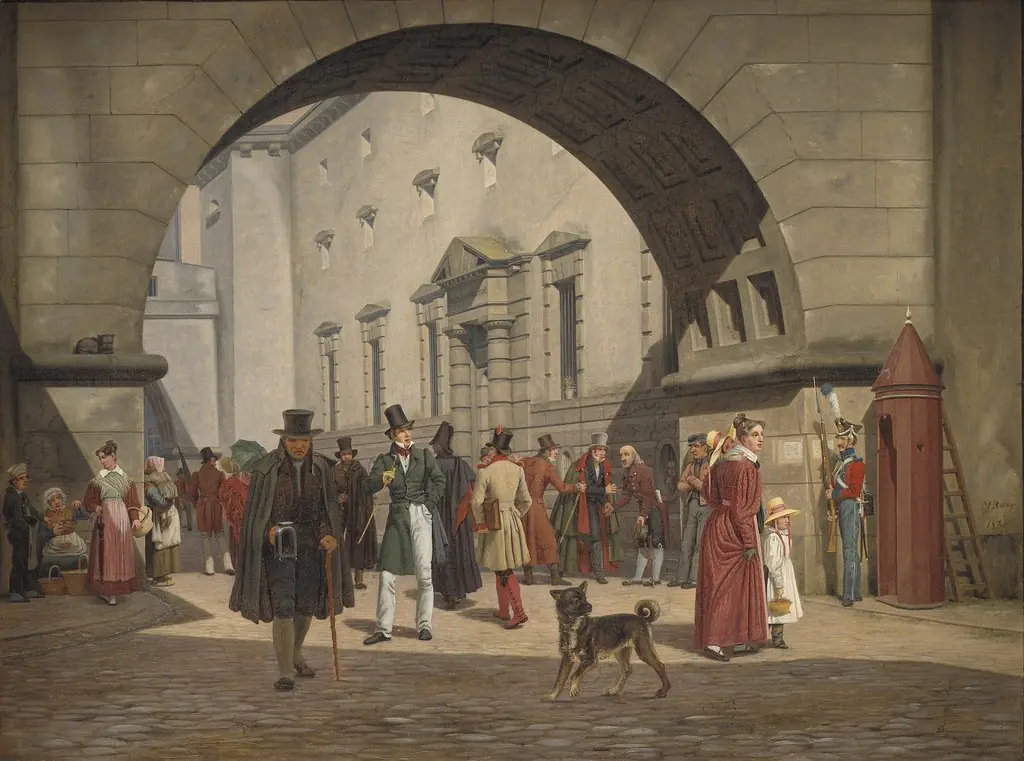 The Prison of Copenhagen
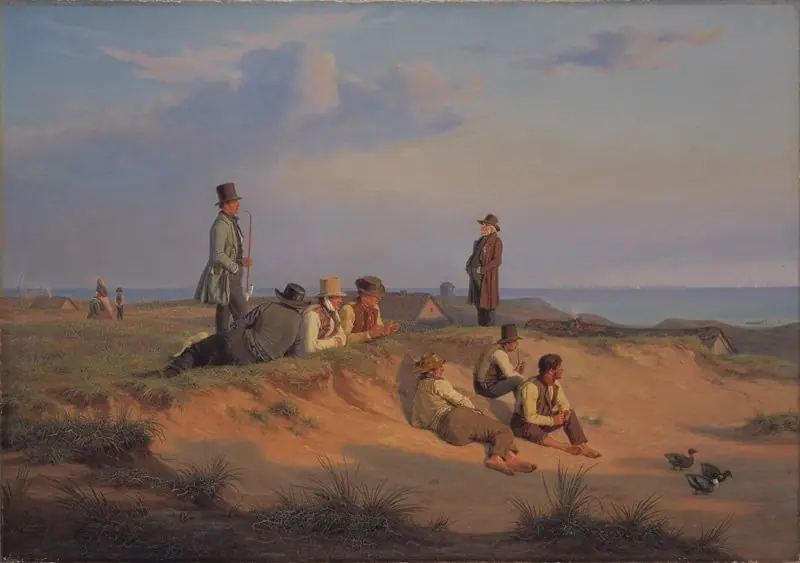 Men of Skagen on a Summer Evening in Fair Weather
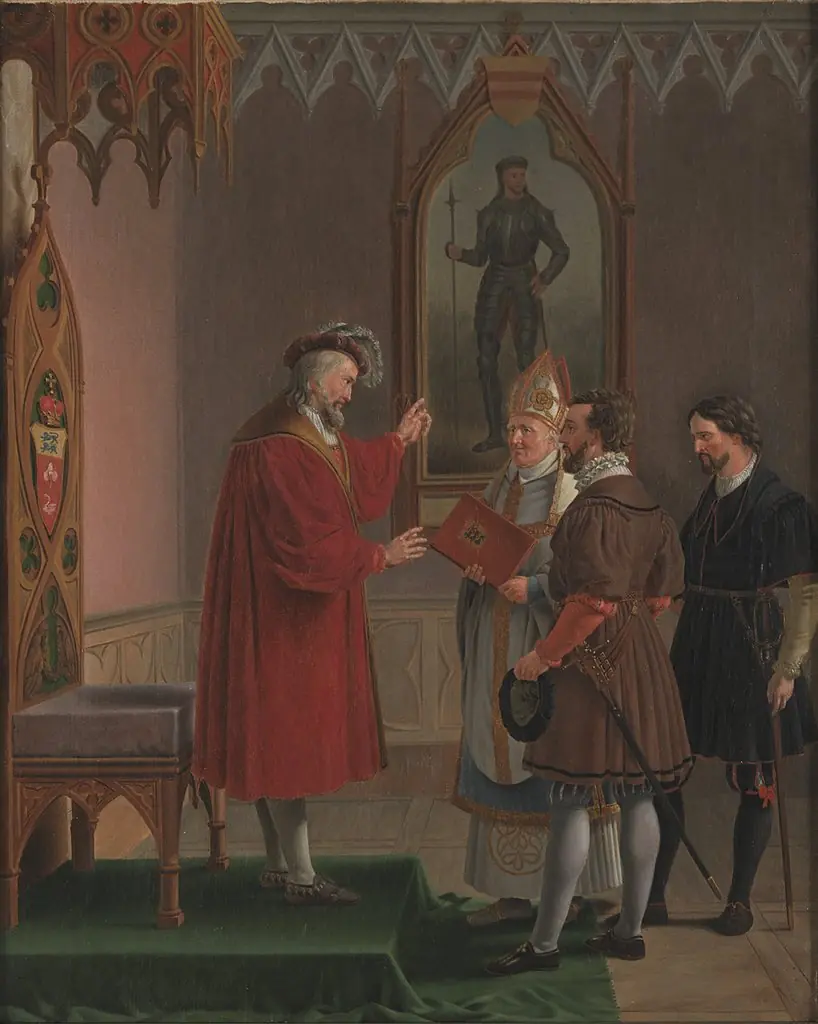 Adolf, Duke of Schleswig-Holstein, Declines the Offer to Accede to the Danish Throne. Copy after C. W. Eckersberg
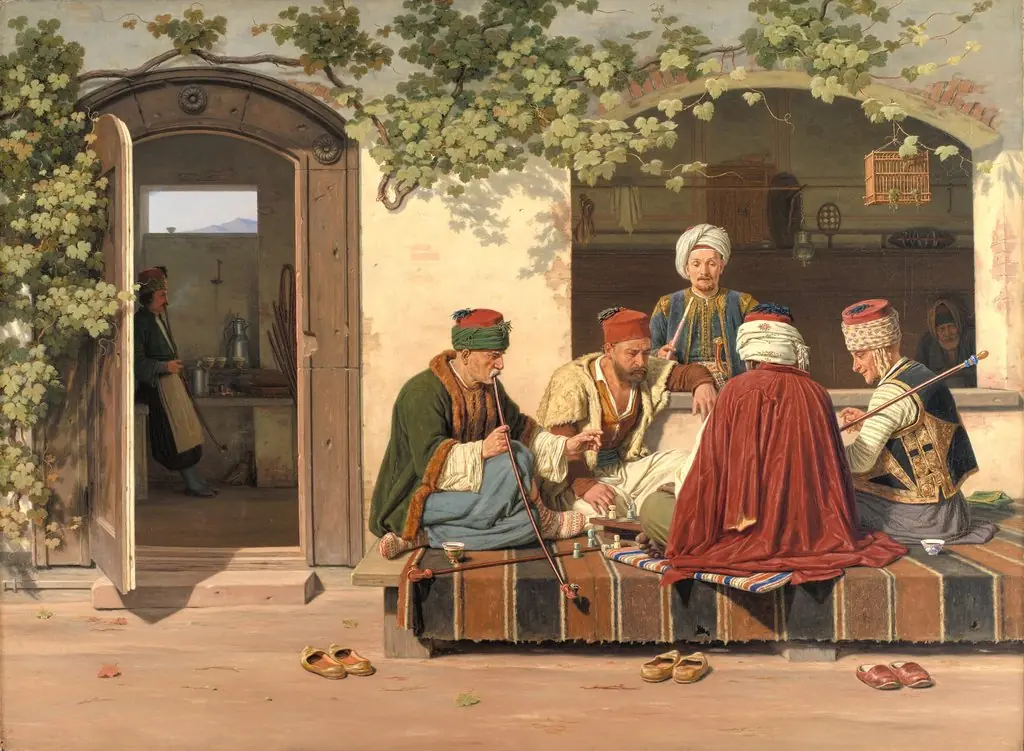 A party of chess players outside a Turkish coffeehouse and barbershop
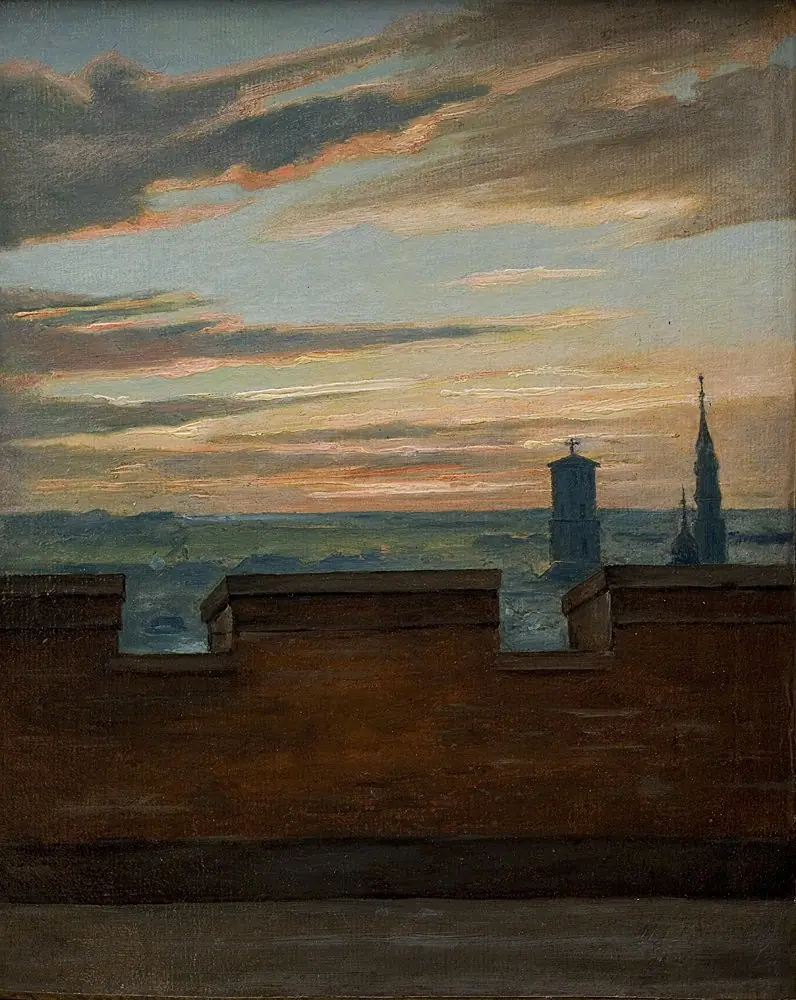 View of Copenhagen at Sunset
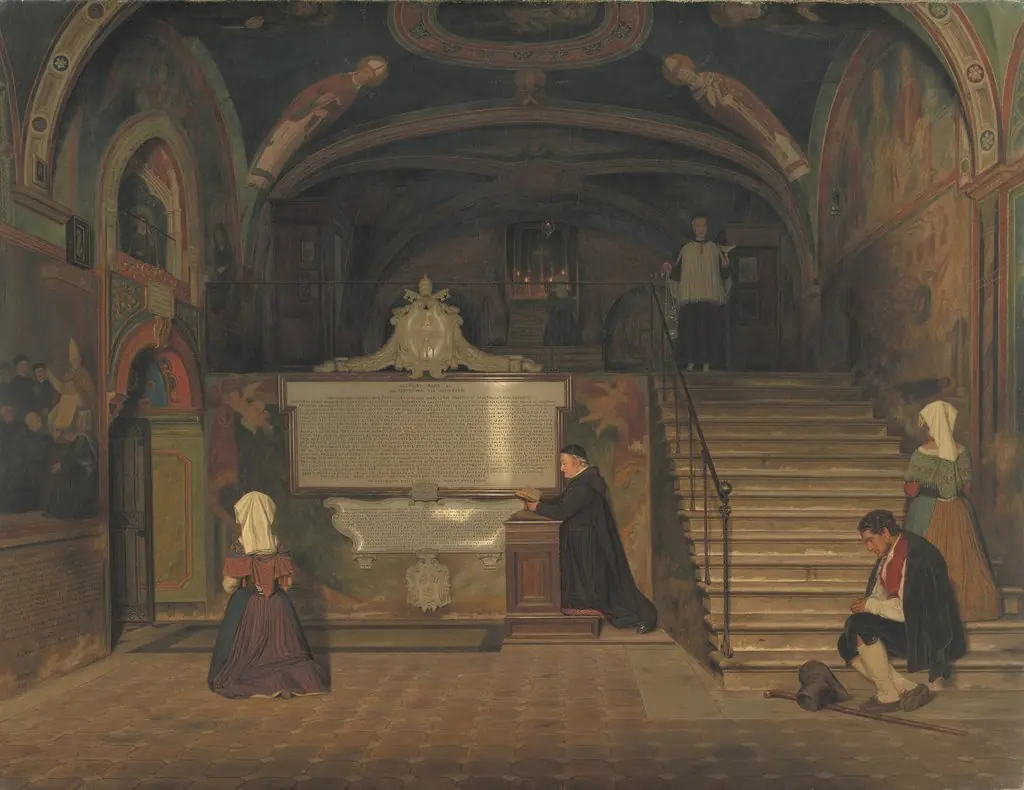 The Crypt in the Monastry of San Benedetto in Subiaco, Italy
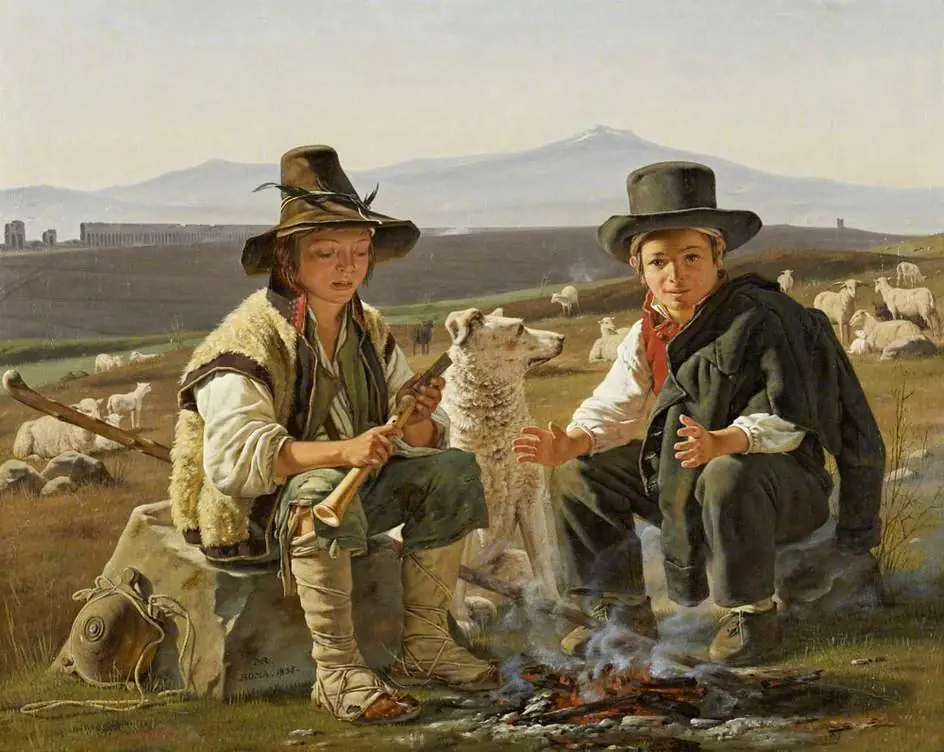 Two Shepherd Boys in the Roman Campagna