Artwork
The Crucifixion
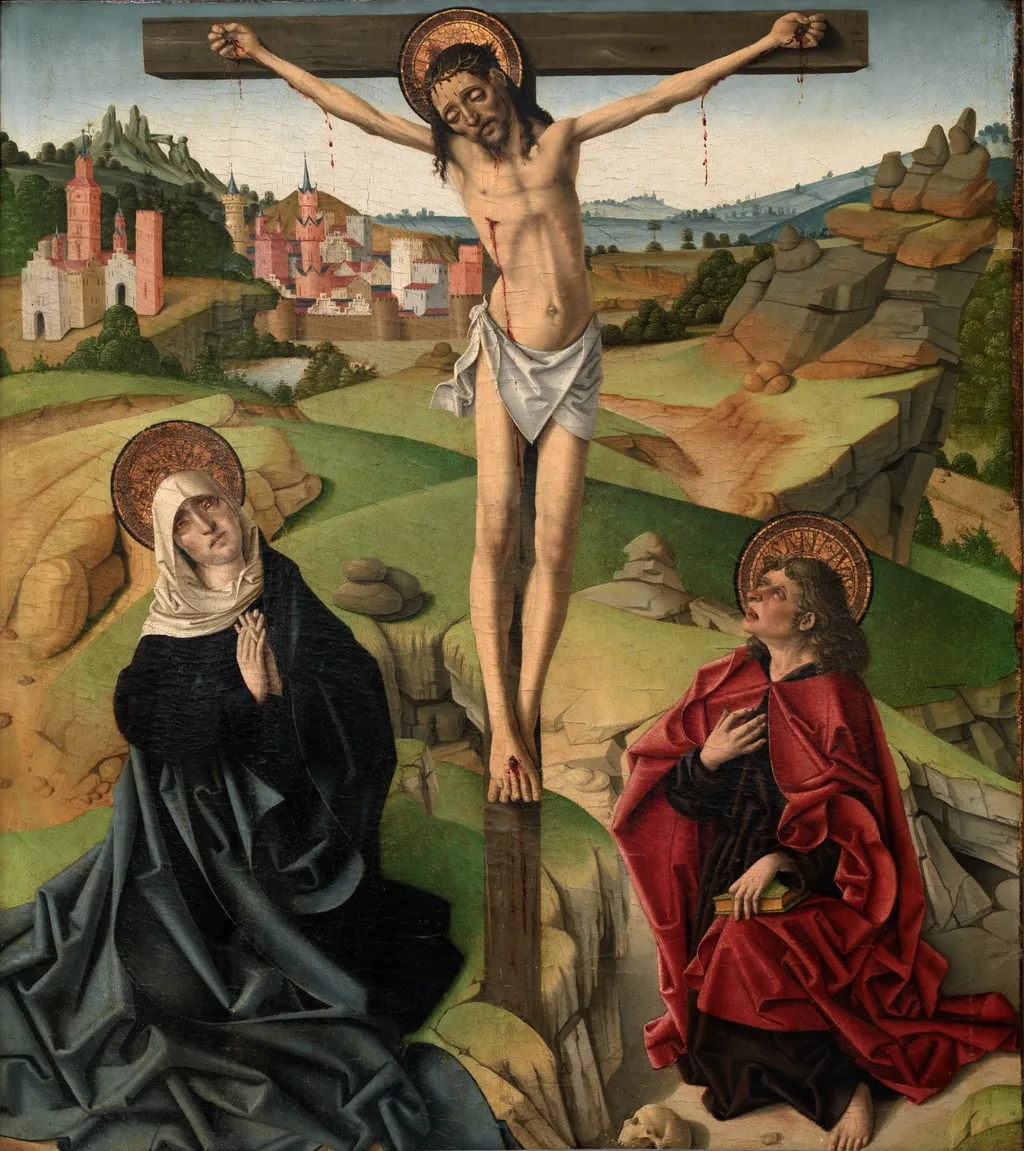
The Crucifixion is an unspecified painting by the Early Renaissance artist Master of Avila. It dates from 1496 and is held in the collection of the Museo del Prado.
About this work
Subject & Meaning
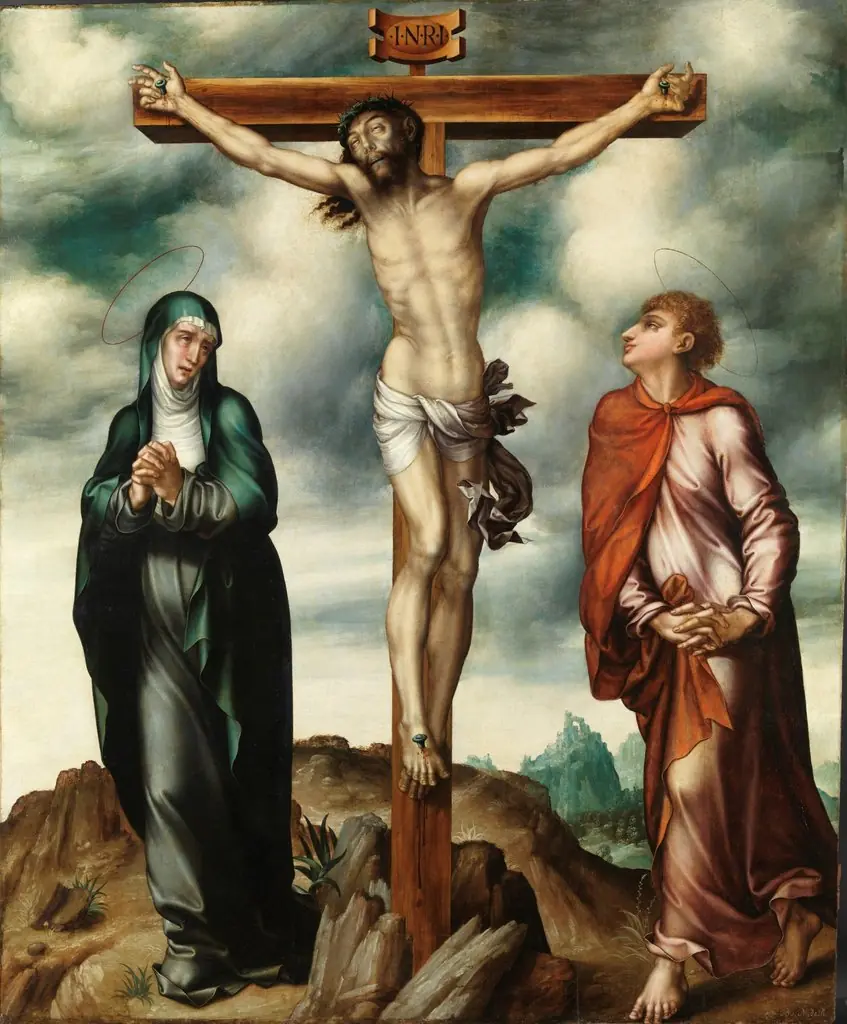
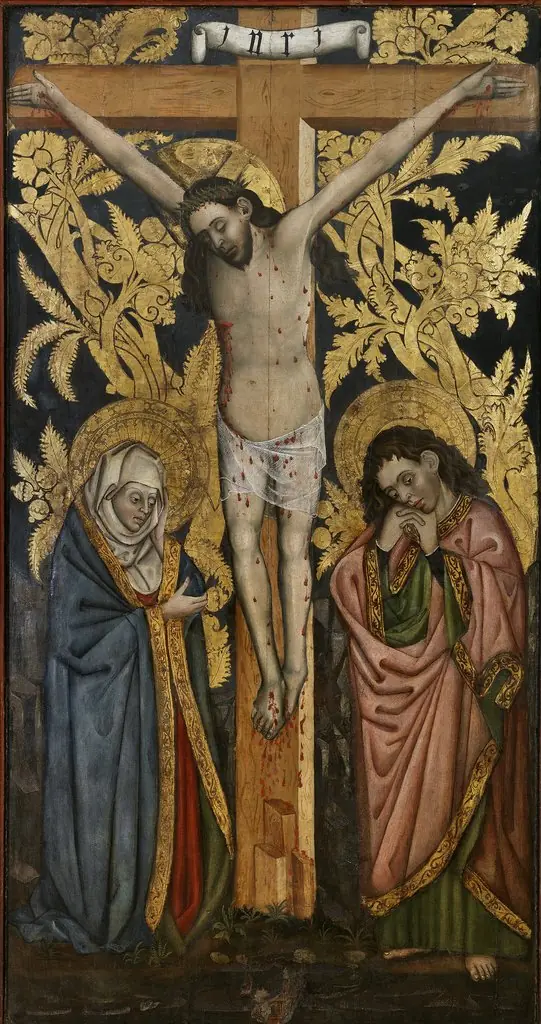
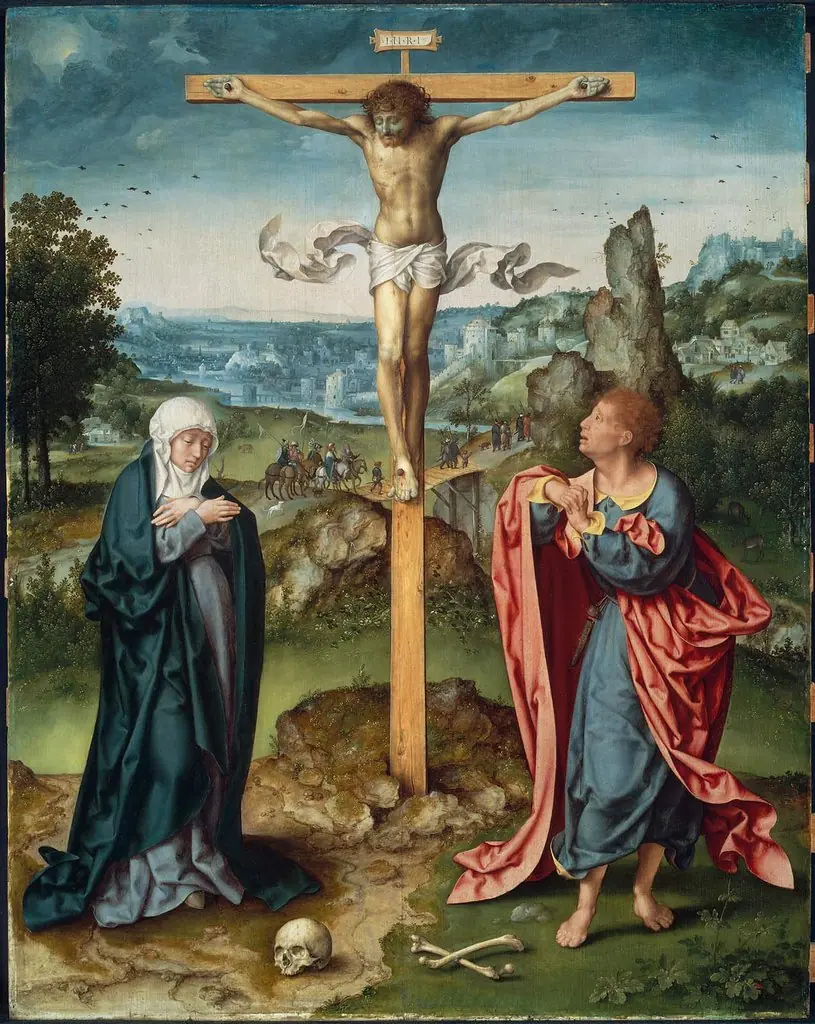
The composition includes the Virgin Mary and John the Evangelist standing alongside the cross, representing key figures present at the event.
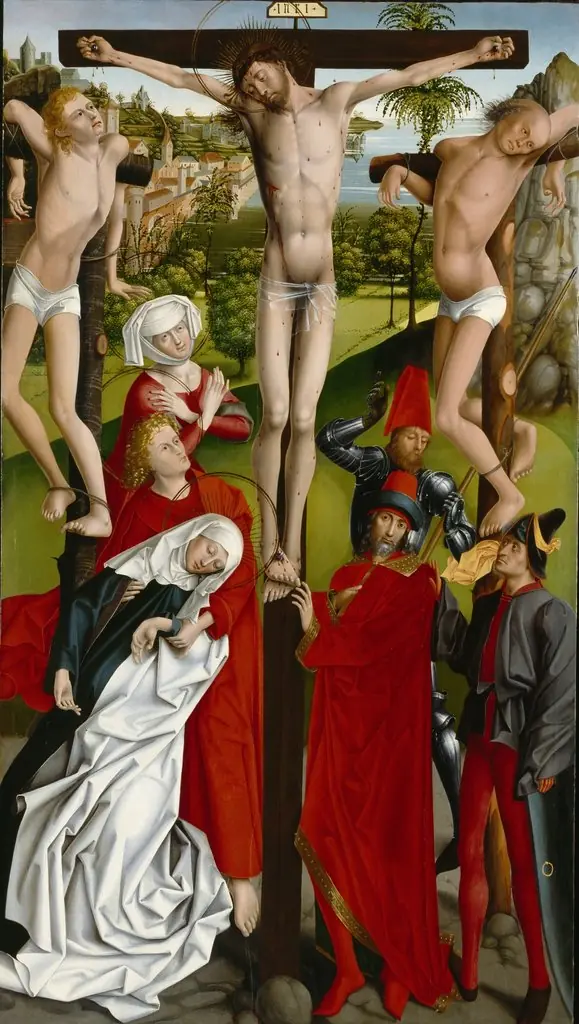
The work depicts the crucifixion of Jesus Christ as its central subject, set within the broader genre of religious art. The composition includes the Virgin Mary and John the Evangelist standing alongside the cross, representing key figures present at the event. Created by the Master of Avila in 1490, the painting serves as a visual representation of this pivotal biblical moment, focusing on the suffering and sacrifice of Jesus.
As a religious artwork, it functions as an object of devotion and meditation on the Passion, emphasizing the theological significance of the scene rather than narrative complexity.
History & Provenance
The Crucifixion is a religious painting attributed to the Master of Avila, created in 1490. It has been part of the collection of the Museo del Prado since its inception, where it remains on display. The work depicts the crucifixion of Jesus alongside Mary and John the Evangelist, reflecting the devotional practices of the late 15th century in Spain.
The Crucifixion by the Master of Ávila is held in the collection of the Museo del Prado. The work, dated 1490, is catalogued within the museum's holdings of religious paintings. No specific inventory or accession number is recorded in the available documentation, and no exhibition history beyond its presence in the Prado's collection is documented.
The painting, measuring 92 cm in height and 83 cm in width, is classified as a religious work depicting the Crucifixion of Jesus, along with Mary and John the Evangelist.
Context
The Crucifixion by the Master of Avila reflects late 15th-century Spanish religious art, merging intense devotional focus with regional stylistic traits. Its composition, featuring the crucifixion of Jesus alongside Mary and John the Evangelist, aligns with contemporary Spanish iconography while demonstrating the artist's engagement with broader Iberian devotional practices. Scholarship emphasizes its significance within the Master of Avila's oeuvre as a representative example of Castilian artistic identity circa 1490, situating the work within evolving trends of Spanish Renaissance spirituality and regional workshop traditions.
The painting's provenance at the Museo del Prado underscores its recognized cultural value, where it remains part of a distinguished collection of Spanish religious artworks.
Overview
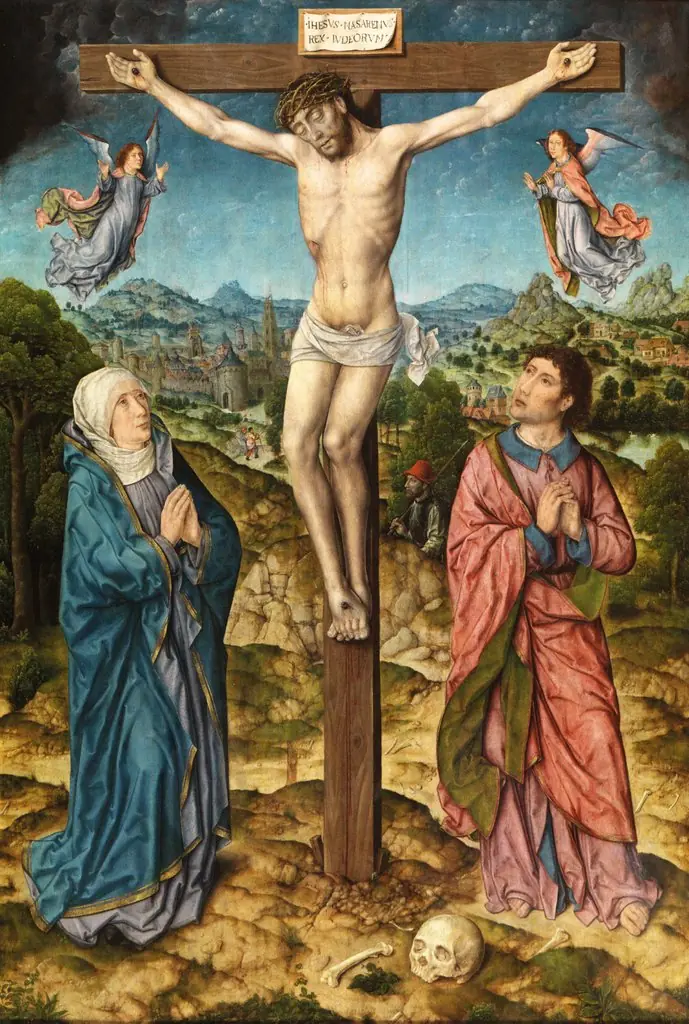
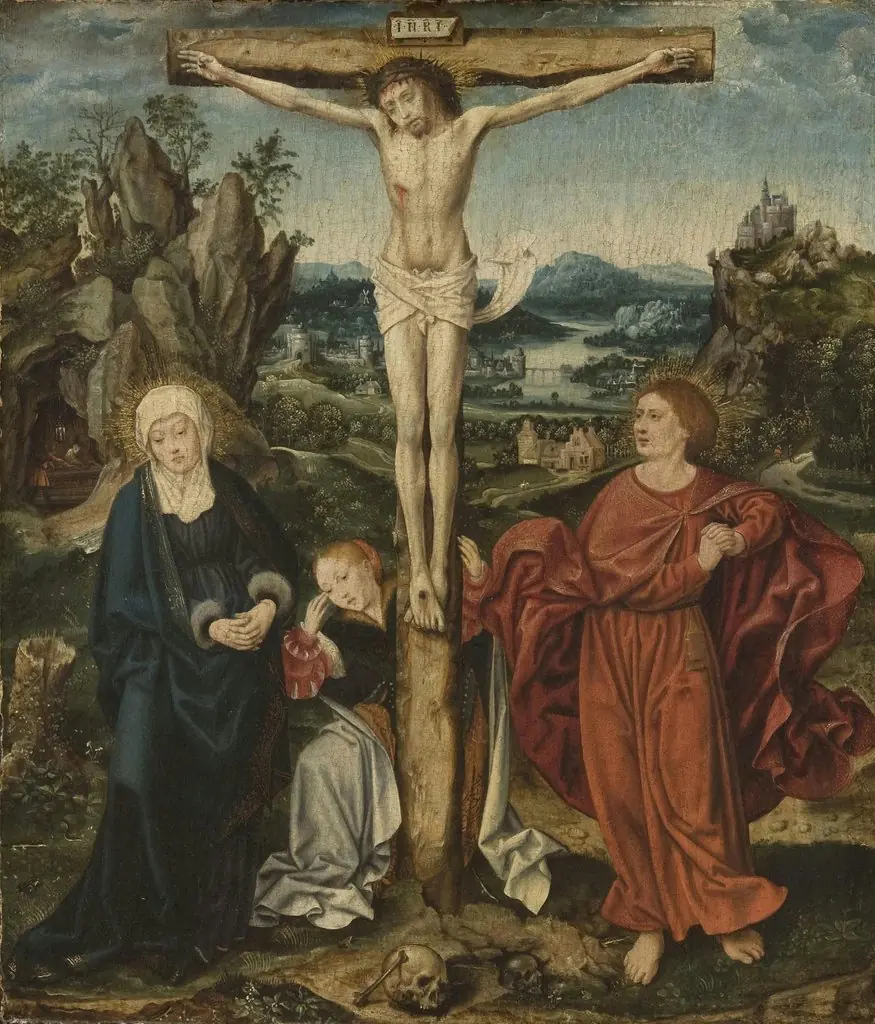
Created in 1496, this panel portrays the crucifixion of Jesus Christ, positioned centrally on a rugged hill. Flanking the cross are two kneeling figures, one clothed in dark blue with a head covering, the other in vivid red, his hand resting on a book. A modest settlement rises behind them, set on a hilltop above a river and cultivated fields.
Technique & Style
Executed in the early Renaissance, the work reflects a Flemish influence evident in its detailed landscape and careful modeling of flesh. The artist employs a restrained palette, contrasting the starkness of the cross with the rich reds and blues of the figures, and renders the surrounding terrain with a naturalistic attention to light and texture.
Own this work as a print
Artist & collection
Artist
The Master of Ávila is the name given to an anonymous painter who was active in Ávila and its surroundings in the middle of the 15th century.