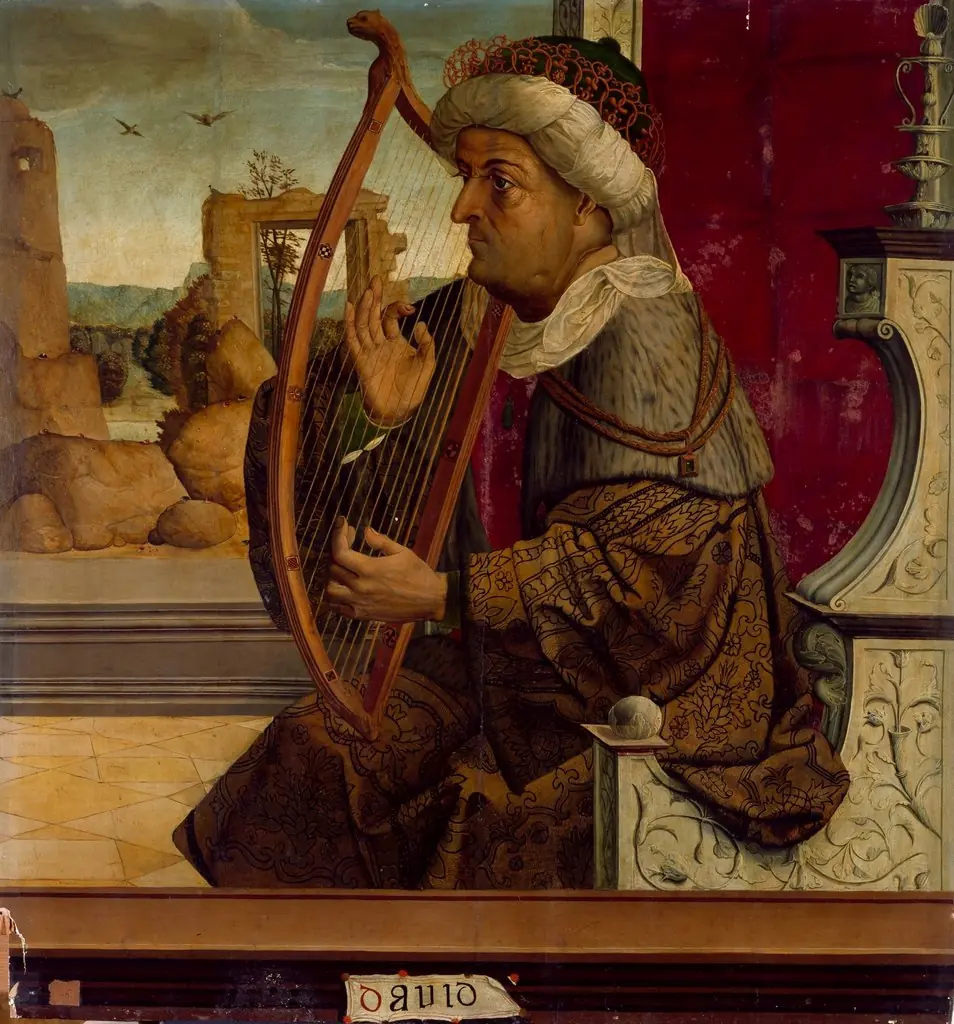
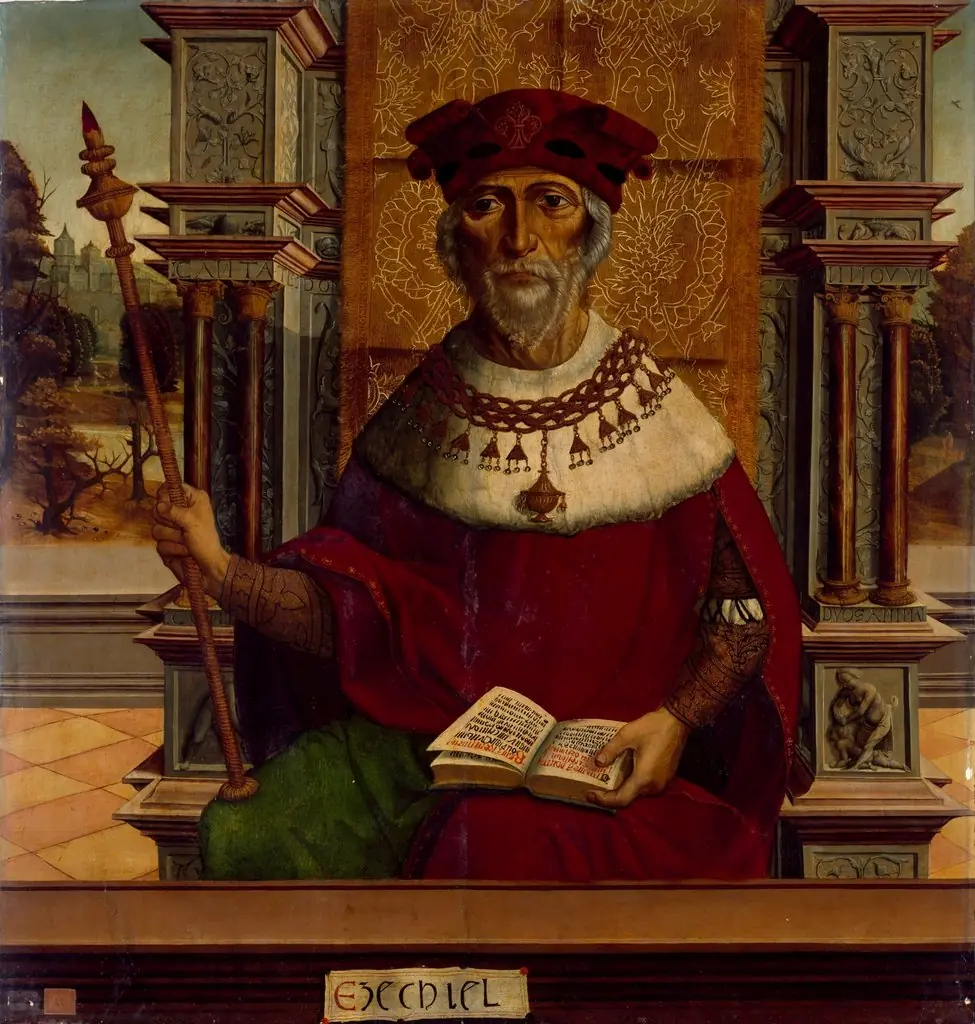
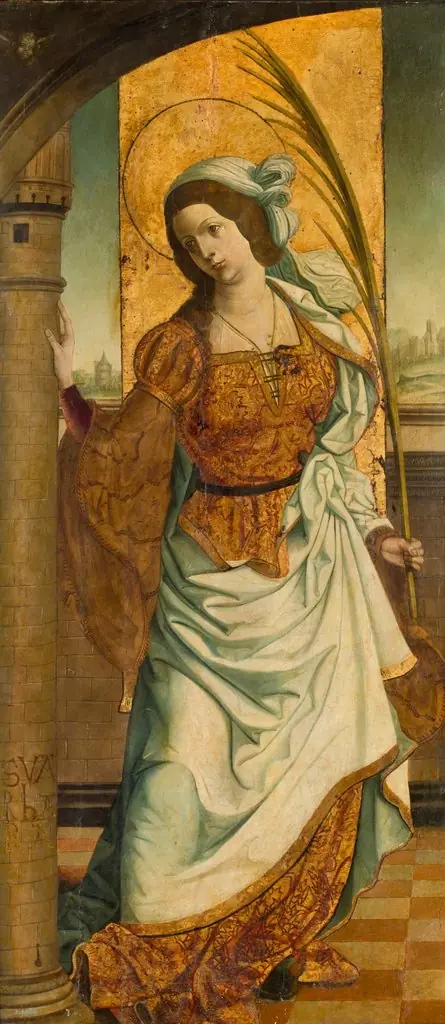
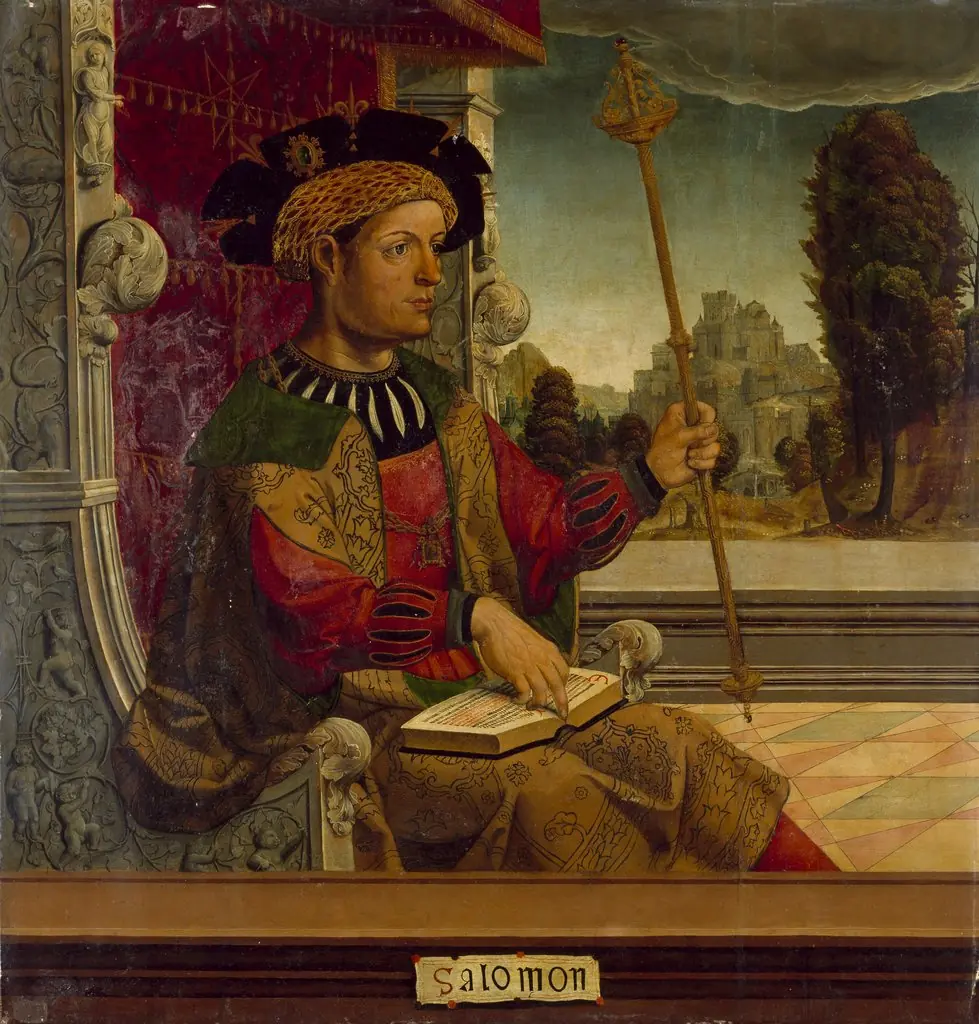
Artwork
Isaiah
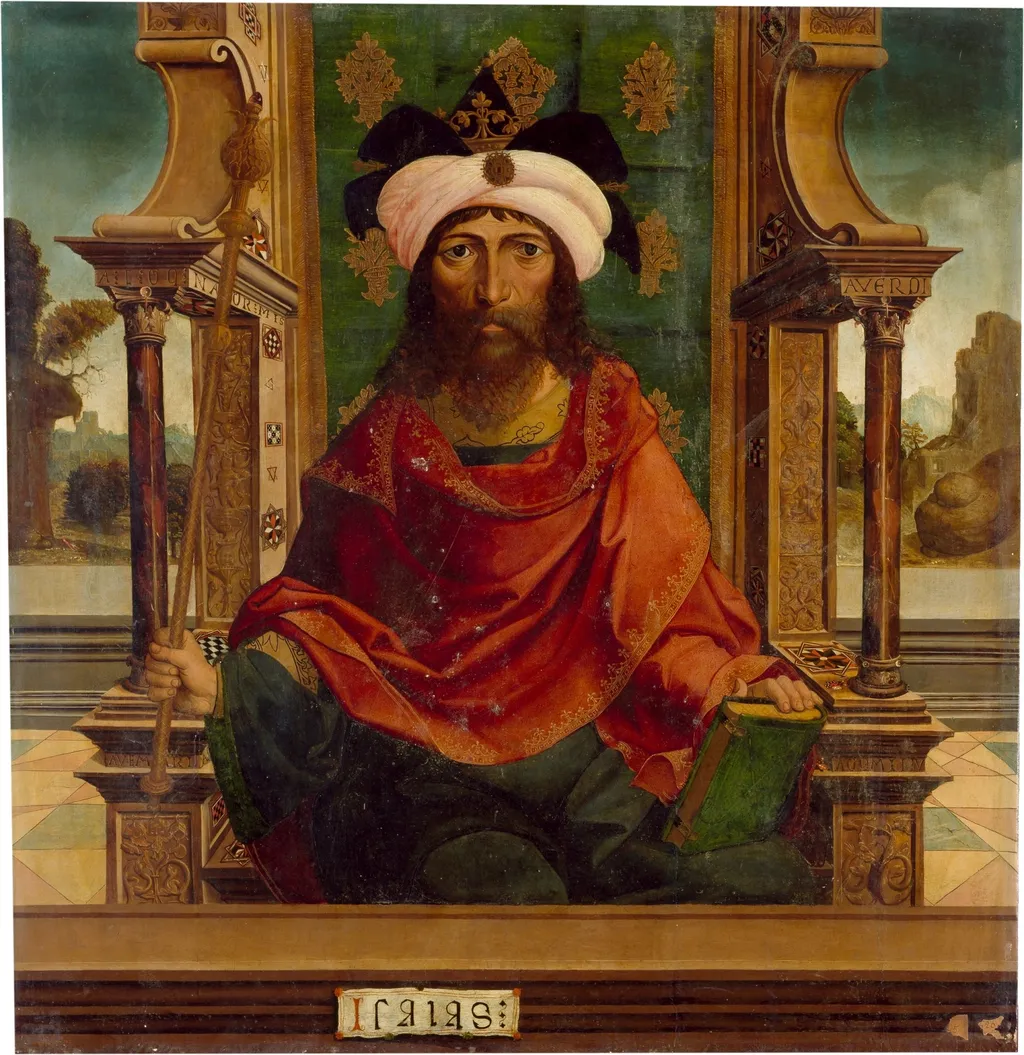
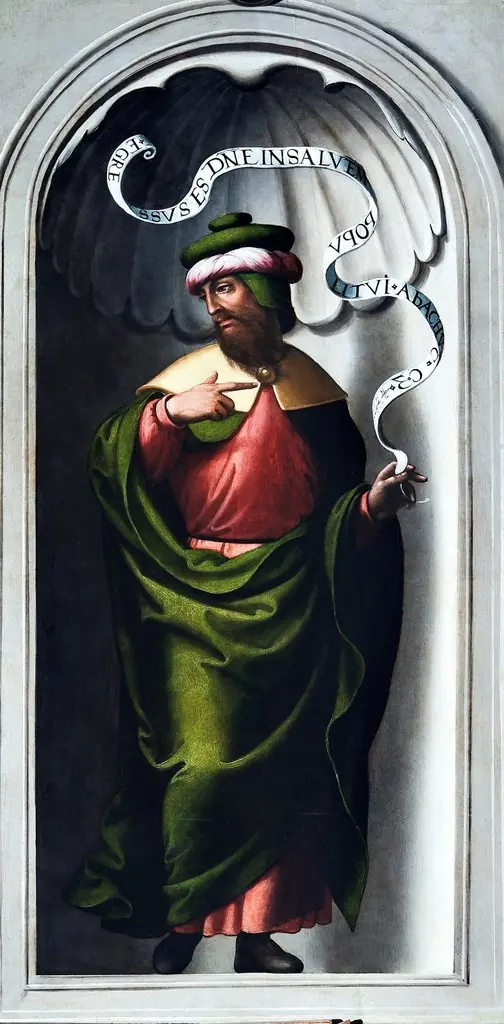
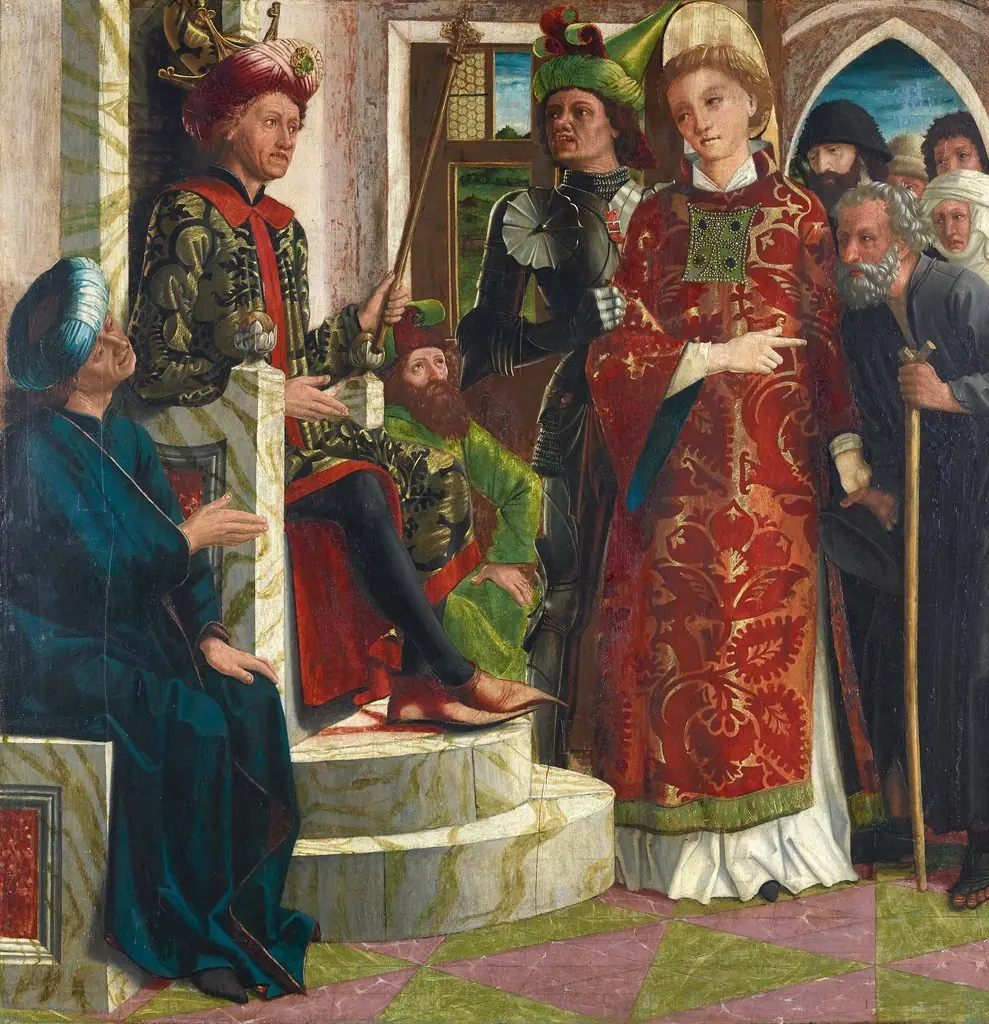
Isaiah is an oil painting by the Early Baroque Italian artist Master of Becerril. It dates from 1525 and is held in the collection of the Museo del Prado.
About this work
Subject & Meaning
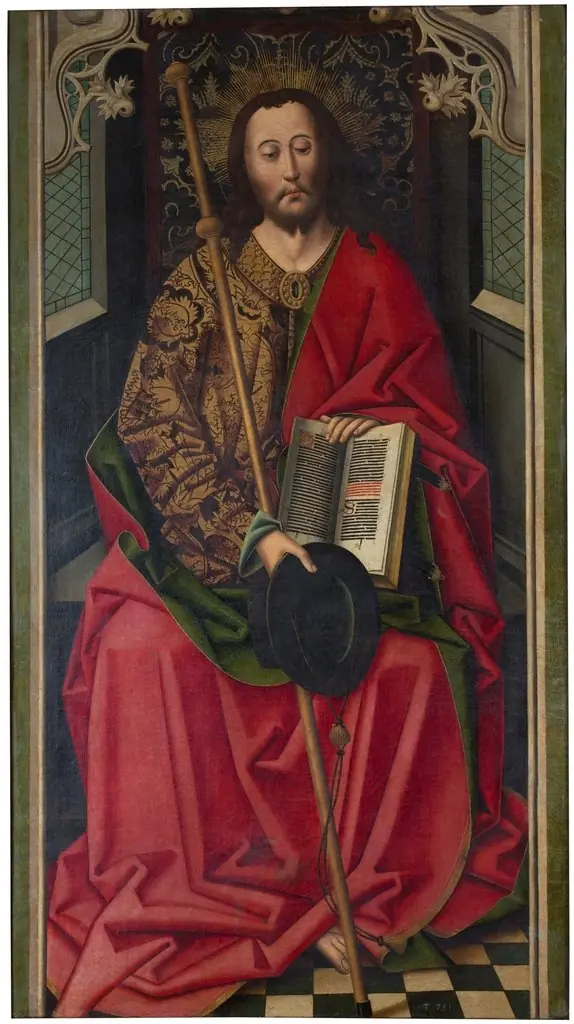
The painting portrays the biblical prophet Isaiah, a figure drawn from the Old Testament, signifying a direct religious reference within a Christian devotional context. Isaiah is traditionally associated with the prediction of the coming Messiah, making his depiction a symbolic foretelling of Christ's arrival and a cornerstone of prophetic iconography in sacred art. The work functions as a visual sermon, emphasizing divine revelation and the role of the prophet as an intermediary of God's word, thereby reinforcing theological narratives of salvation history.
Technique & Style
The palette is restrained yet luminous, featuring muted earth tones punctuated by touches of deeper crimson and gold in the prophet’s accoutrements.
The painting is executed in oil on a wooden panel support, adhering to the Castilian tradition of the early sixteenth century. Handling is characterized by smooth, blended modeling of the figure’s drapery and flesh, with careful attention to the subtle gradations of light that articulate the folds of Isaiah’s robe. The palette is restrained yet luminous, featuring muted earth tones punctuated by touches of deeper crimson and gold in the prophet’s accoutrements.
Formal qualities include a balanced, slightly arched composition that directs the viewer’s gaze toward the central figure, whose serene expression and downward glance convey contemplative piety. The Master of Becerril’s style emphasizes volumetric form through delicate sfumato, while the restrained emotional tenor aligns with contemporaneous Castilian religious conventions.
History & Provenance
The painting Isaiah by the Master of Becerril is dated to 1525, which constitutes the canonical dating for the work.
The painting entered the collection of the Museo del Prado, where it is currently held. The work is listed under the museum’s holdings with dimensions of 90.8 cm in height and 87.7 cm in width.
The work is held by the Museo del Prado in Madrid, where it is inventoried as Isaiah by the Master of Becerril with accession dimensions of 90.8 cm in height and 87.7 cm in width.
No exhibition history is recorded in the cited sources.
Context
The work titled Isaiah was created circa 1525 by the Master of Becerril, a Spanish painter active in the early sixteenth century. Executed in oil on panel, the painting measures 90.8 cm in height and 87.7 cm in width. It depicts the biblical prophet Isaiah and belongs to the religious genre, reflecting the devotional emphasis of Iberian art during this period.
The Master of Becerril is recognized for his contributions to Spanish Renaissance painting, a context explored in scholarship on Iberian artistic production. The painting is housed in the collection of the Museo del Prado, where it is part of the museum's holdings of early Spanish religious artworks.
Overview
Isaiah is a 16th-century religious oil painting attributed to the Master of Becerril, dated to 1525. The work is part of the collection at the Museo del Prado.
Own this work as a print
Artist & collection
Artist
This anonymous Spanish painter from the early 1500s made small religious panels with bold colors.