Artwork
The Prophet Habakkuk
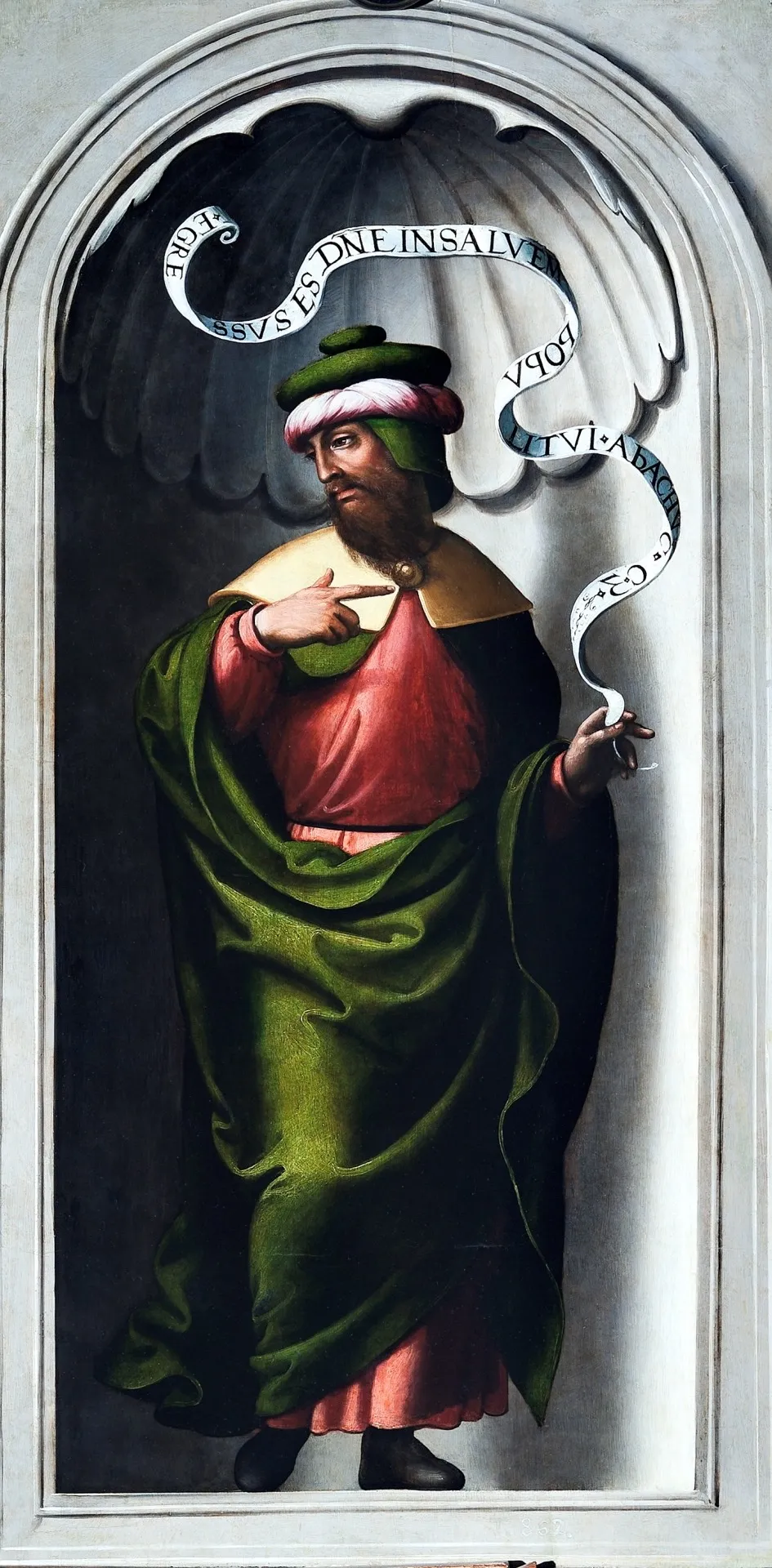
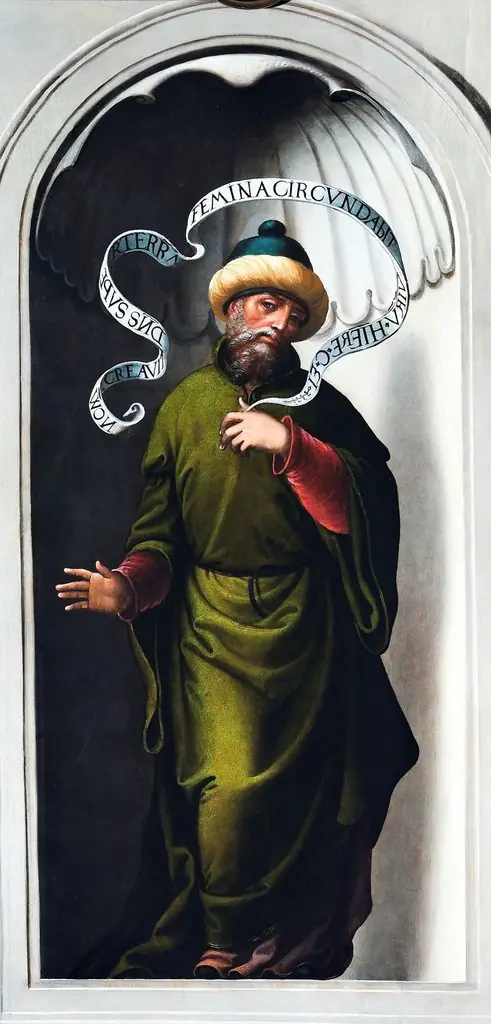
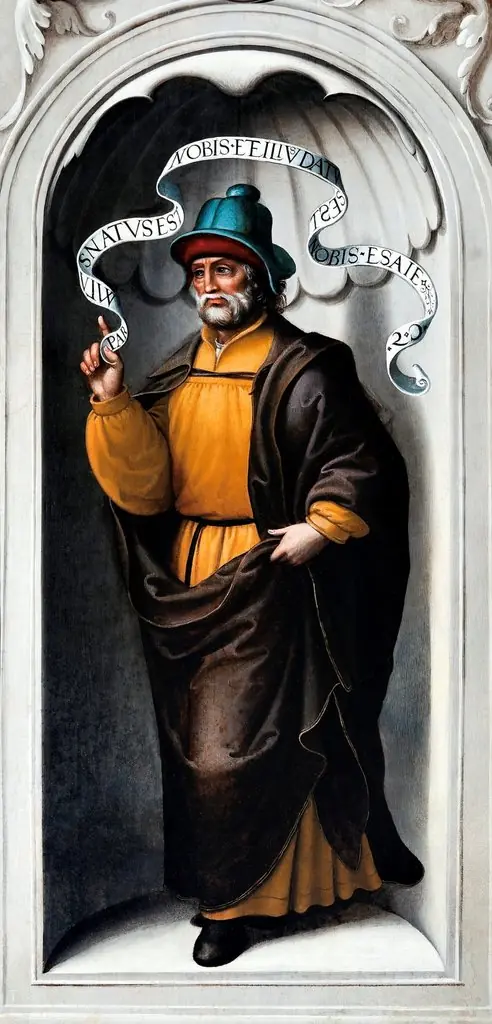
The Prophet Habakkuk is an oil painting by the Mannerist artist Juan Correa de Vivar. It dates from 1530 and is held in the collection of the Museo del Prado.
About this work
Subject & Meaning
The depiction serves to represent the prophet Habakkuk within a devotional context, utilizing oil paint on panel to visualize the scriptural character.
The work depicts the biblical figure Habakkuk, identified as the main subject of this religious painting. Created by Juan Correa de Vivar, the piece falls within the genre of religious art, focusing on the prophet as its central iconographic element. The depiction serves to represent the prophet Habakkuk within a devotional context, utilizing oil paint on panel to visualize the scriptural character.
The artwork functions as a religious representation, centering entirely on the identity and presence of Habakkuk without additional narrative figures mentioned in the available records.
Technique & Style
The painting was executed in oil on a wooden panel, a technique typical of early sixteenth‑century Spanish religious art. The work measures 89 cm in height by 44 cm in width, reflecting the modest scale often employed for devotional panels. Correa de Vivar’s handling of light and composition emphasizes the prophet’s contemplative stance, while the restrained palette and delicate modeling of form demonstrate a restrained naturalism characteristic of the period.
History & Provenance
Juan Correa de Vivar painted The Prophet Habakkuk in 1530 as an oil on panel work. The painting entered the collection of the Museum of Santa Cruz and later was held by both the Museo del Prado and the Museo de la Trinidad. Its creation is dated to the early 1530s, with inception recorded between 1530 and 1533.
The Prophet Habakkuk by Juan Correa de Vivar is held at the Museum of Santa Cruz. According to the Wikidata record, the work is associated with the collections of the Museo del Prado and the Museo de la Trinidad, indicating institutional custody and provenance links to these Spanish holdings. The painting, executed in oil on panel, measures 89 cm in height by 44 cm in width.
No specific accession number is recorded in the available sources, and no exhibition history is documented.
Overview
Juan Correa de Vivar’s oil painting titled The Prophet Habakkuk dates from 1530 and is part of the collection of the Museo del Prado. The work presents a solitary, bearded figure dressed in a green robe over a red tunic, topped with a pink hat. He stands before a dark backdrop, holding a scroll in one hand and gesturing with the other, while a cloud bearing Latin text curls above his head.
Context
The work reflects the period’s interest in biblical subjects rendered with heightened realism and emotional intensity. By portraying Habakkuk with a direct, instructional pose, Correa de Vivar aligns the painting with contemporary devotional art that sought to make scriptural figures accessible and didactic for viewers.
Artist & collection