Artwork
The Beheading of Saint John the Baptist
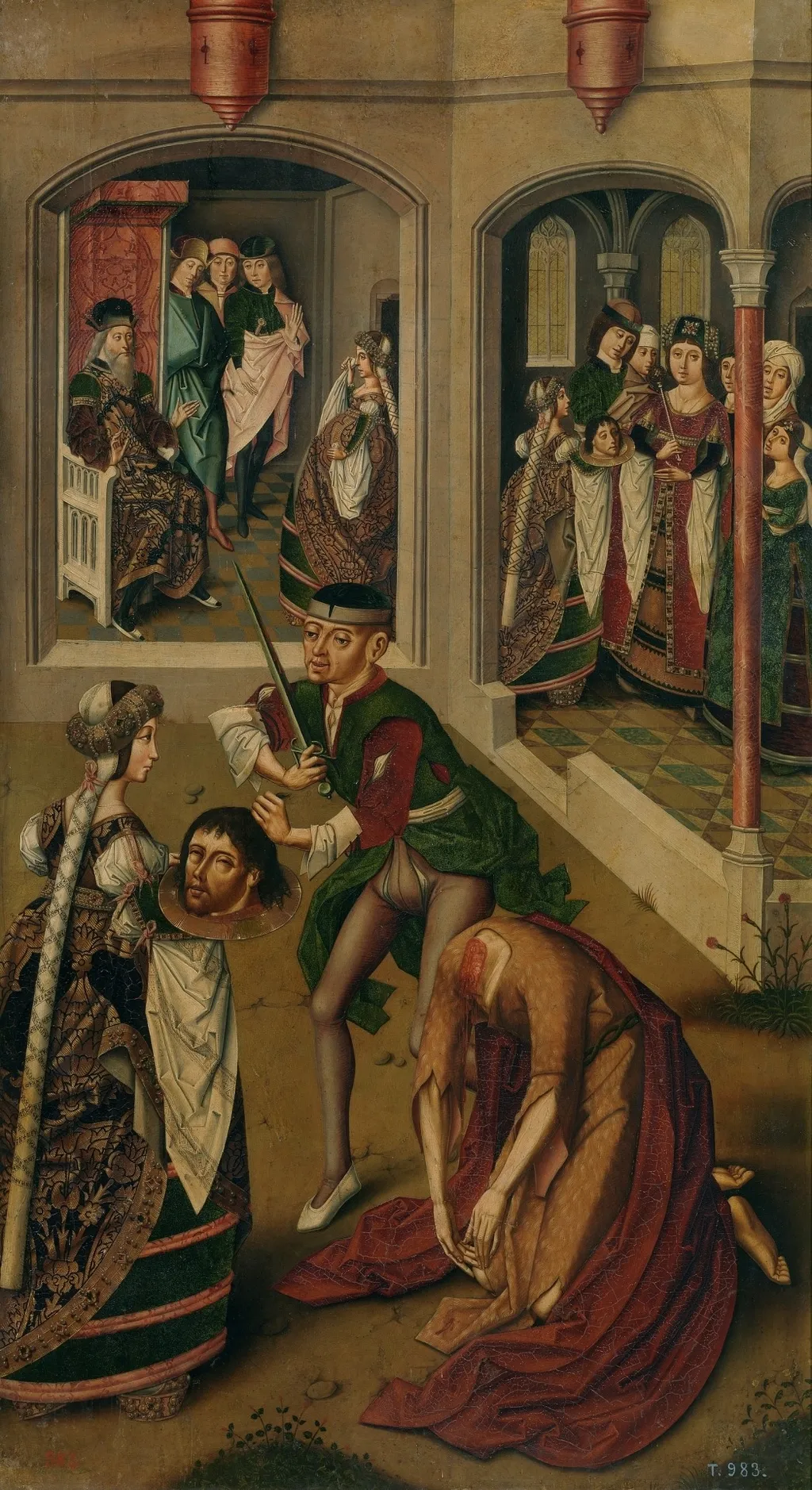
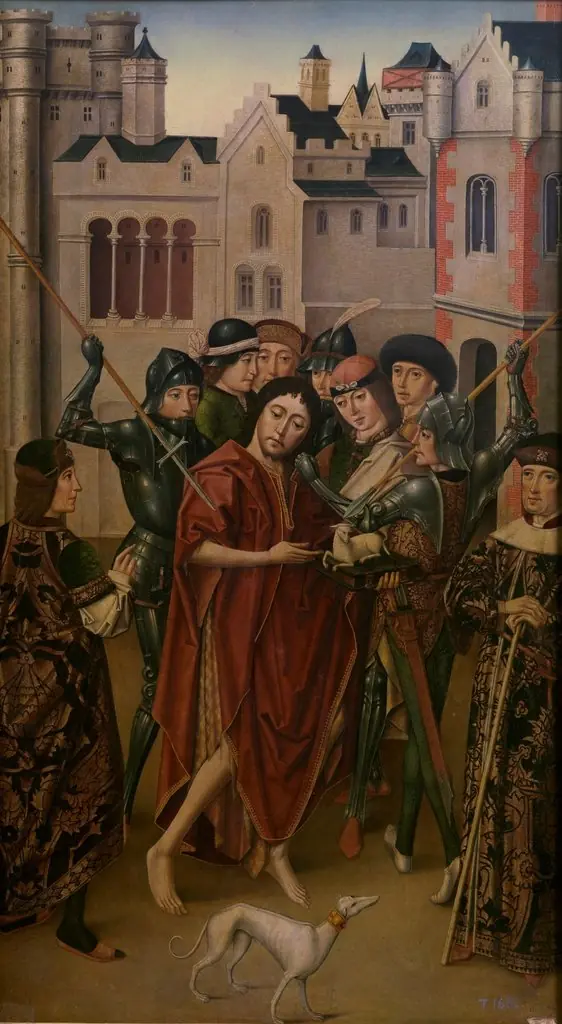
The Beheading of Saint John the Baptist is an unspecified painting by the Northern Renaissance artist Master of Miraflores. It dates from 1496 and is held in the collection of the Museo del Prado.
About this work
Subject & Meaning
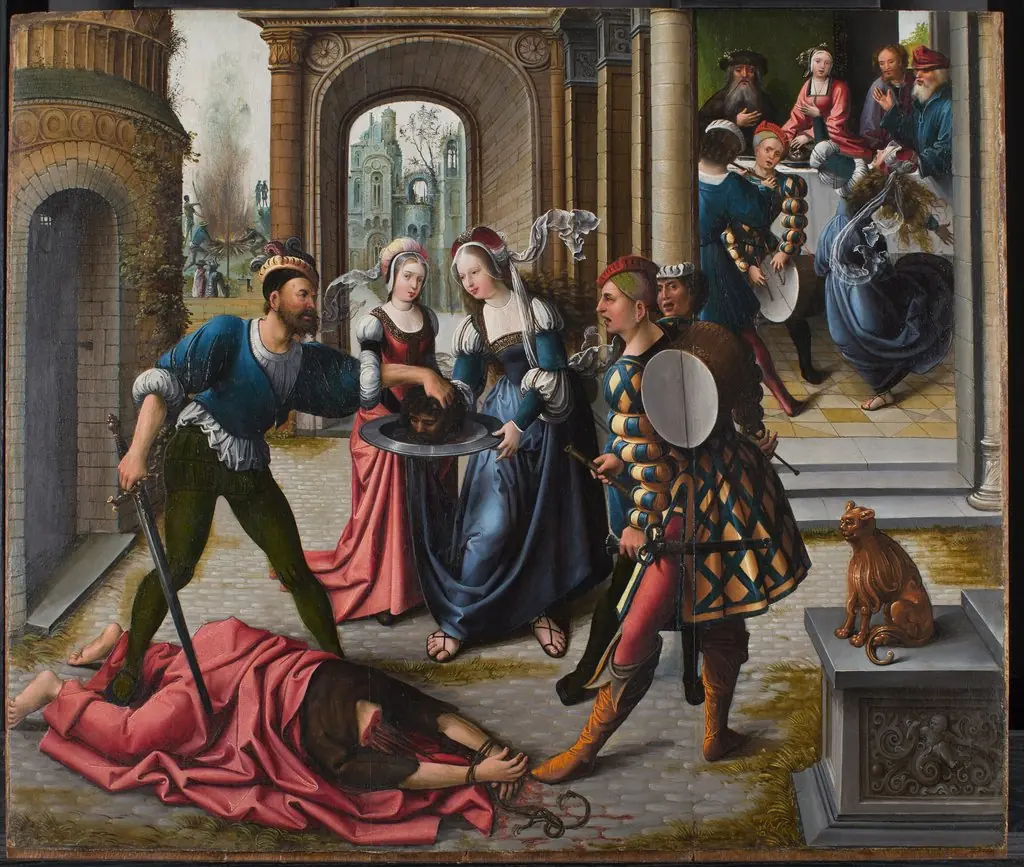
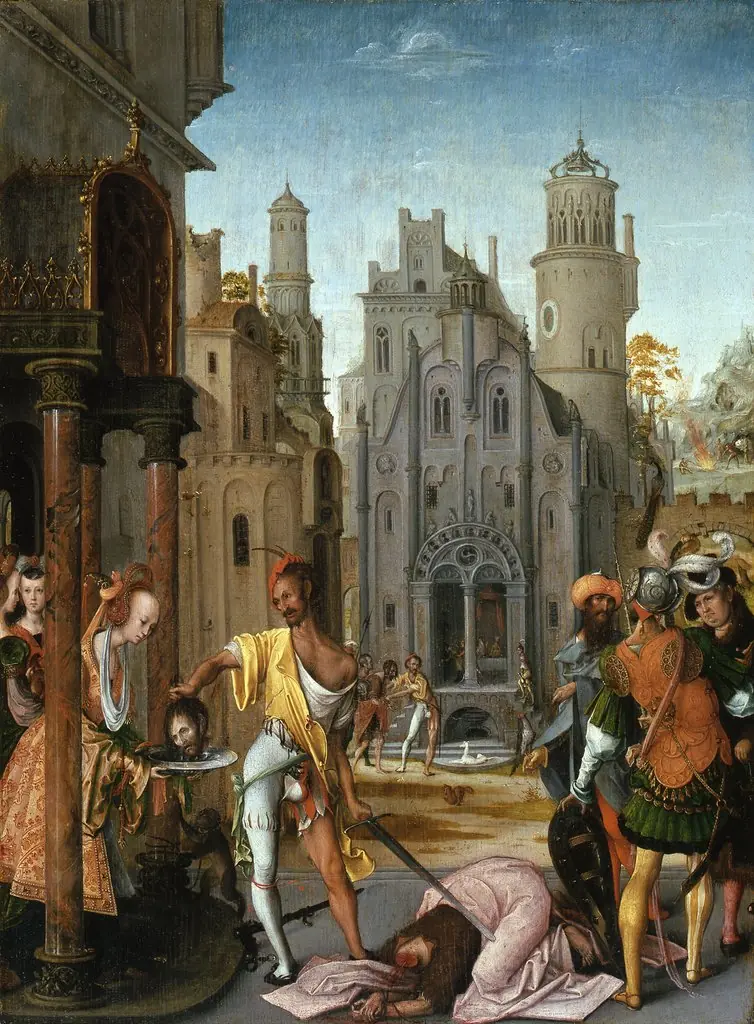
The scene centers on the severed head of the Baptist on a platter, flanked by executioners and onlookers, with Salome often shown receiving the grisly offering.
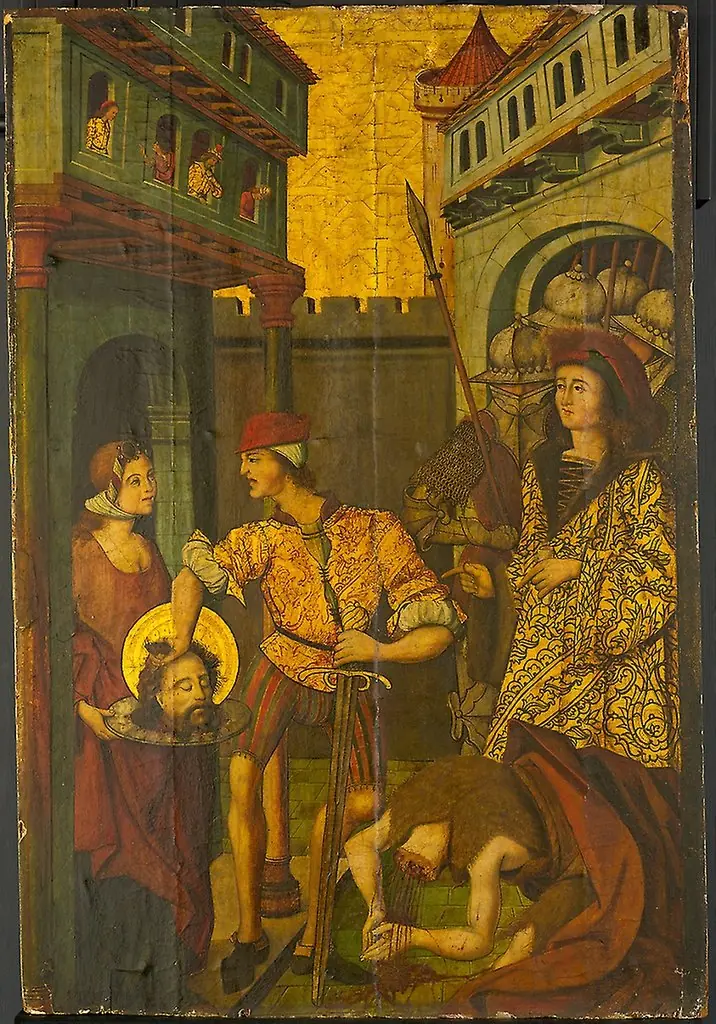
The painting depicts the biblical execution of Saint John the Baptist, a moment recorded in the Gospels when Herod Antipas orders his death at the request of Salome. The scene centers on the severed head of the Baptist on a platter, flanked by executioners and onlookers, with Salome often shown receiving the grisly offering. Blood spurts from the neck as the executioner completes the beheading, while Herod and Herodias appear in the background, indicating their complicity in the act.
Symbolically, the scene underscores themes of martyrdom, divine justice, and the cost of righteous witness. The severed head on a platter became an emblem of John’s prophetic role and ultimate sacrifice, reinforcing Christian teachings on moral courage and the triumph of faith over temporal power.
History & Provenance
The Beheading of Saint John the Baptist is a religious painting created in 1490 by the Master of Miraflores. The work depicts the execution of John the Baptist and includes a sword as a key visual element. Currently, the piece is held in the collection of the Museo del Prado in Madrid. It was previously associated with the Museo de la Trinidad before its transfer to its present location.
Overview
Created in 1496, this panel by the anonymous Master of Miraflores portrays the execution of Saint John the Baptist. The work is part of the Museo del Prado’s collection and presents a tightly arranged scene centered on the moment of the saint’s decapitation, rendered with a careful balance of figures and space.
Technique & Style
The painter employs a restrained palette, contrasting the executioner’s green tunic and white shoes with the deep reds and shadows that envelop the scene. Light falls on the sword and the saint’s head, creating a chiaroscuro effect that models forms and heightens the emotional tension without excessive ornamentation.
Context
The beheading of John the Baptist was a common theme in Iberian devotional art of the period, reflecting contemporary interest in martyr narratives. The work aligns with other late‑Gothic to early‑Renaissance pieces that combine narrative clarity with emerging naturalistic treatment of light and space.
Artist & collection
Artist
This anonymous painter from the late 1400s made dramatic religious scenes full of rich colors and fine details.