Artwork
The Birth of Saint John the Baptist
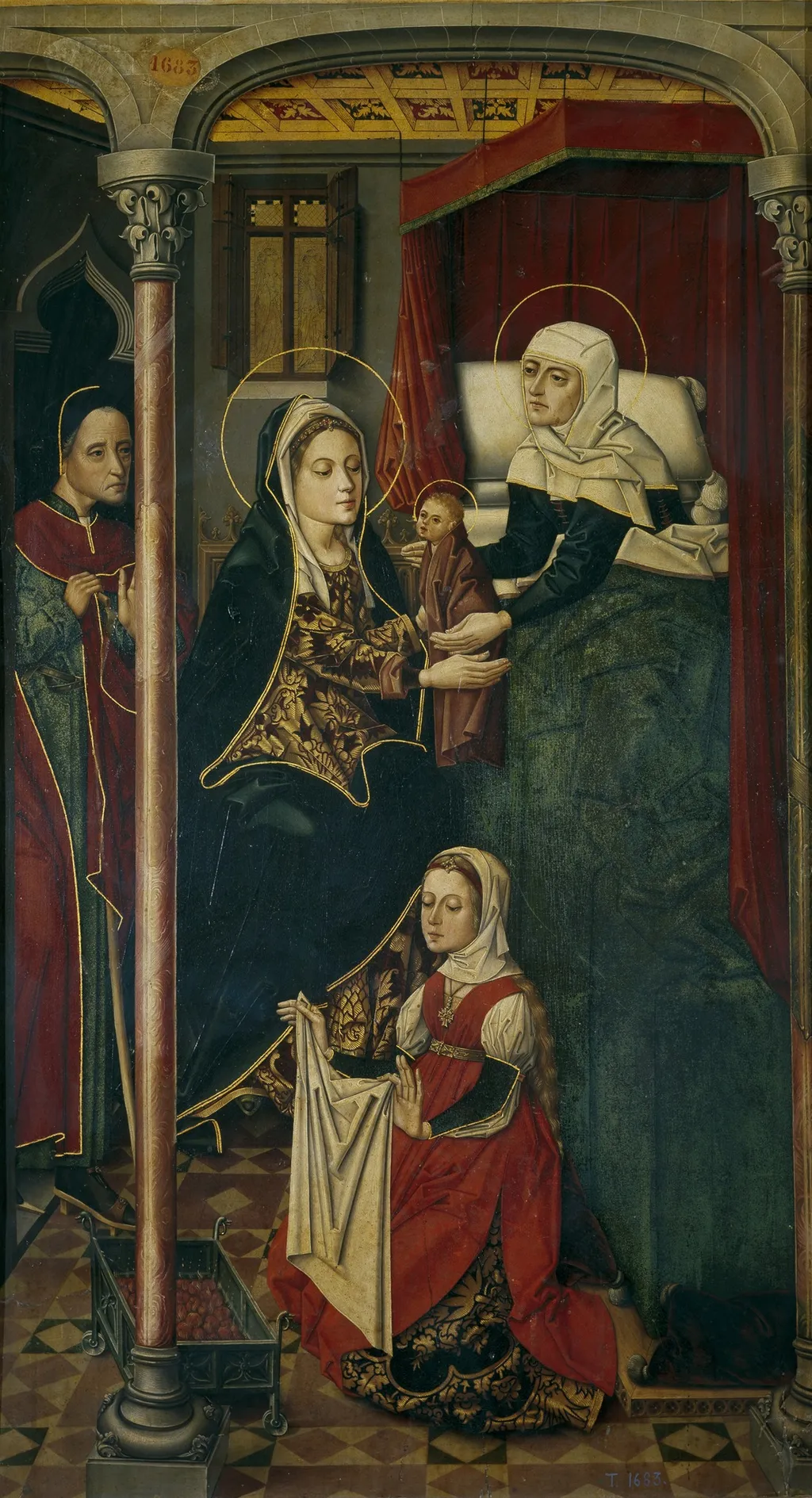
The Birth of Saint John the Baptist is an unspecified painting by the Northern Renaissance artist Master of Miraflores. It dates from 1496 and is held in the collection of the Museo del Prado.
About this work
Subject & Meaning
The painting represents the birth of John the Baptist, a prominent religious subject. The iconography centers on the nativity scene of the saint, with a bed explicitly depicted as a key element of the setting. This focus on the physical birth event and the inclusion of the bed emphasize the human and domestic aspects of the biblical narrative within a religious context.
History & Provenance
While the source material confirms the museum location and the previous holding, it does not provide a specific inventory or accession number for the piece.
The panel was painted around 1490 by the Master of Miraflores, as recorded in both the Prado’s internal documentation and the work’s Wikidata entry, which lists its inception year as 1490 and gives its dimensions as 90 cm high by 55 cm wide.
The painting entered the Museo del Prado via the 1872 transfer of holdings from the Museo de la Trinidad, where it had previously been held.
The painting The Birth of Saint John the Baptist by the Master of Miraflores is currently held in the collection of the Museo del Prado in Madrid. The work originated from the Museo de la Trinidad, indicating a transfer of custody to its present institution. While the source material confirms the museum location and the previous holding, it does not provide a specific inventory or accession number for the piece. Furthermore, no details regarding the artwork's exhibition history are recorded in the available documentation.
Overview
Created in 1496, this panel painting by the anonymous Master of Miraflores portrays the nativity of Saint John the Baptist. The work is part of the collection of the Museo del Prado, where it is displayed among other late‑15th‑century Spanish religious pieces.
Technique & Style
The painter employs a restrained chiaroscuro, allowing light to fall gently on the central figures and recede into shadowed corners, creating a sense of depth and intimacy. The muted palette, careful modeling of drapery, and the tiled floor’s linear perspective reflect the transitional aesthetics of late Gothic Spain moving toward early Renaissance sensibilities.
Artist & collection
Artist
This anonymous painter from the late 1400s made dramatic religious scenes full of rich colors and fine details.

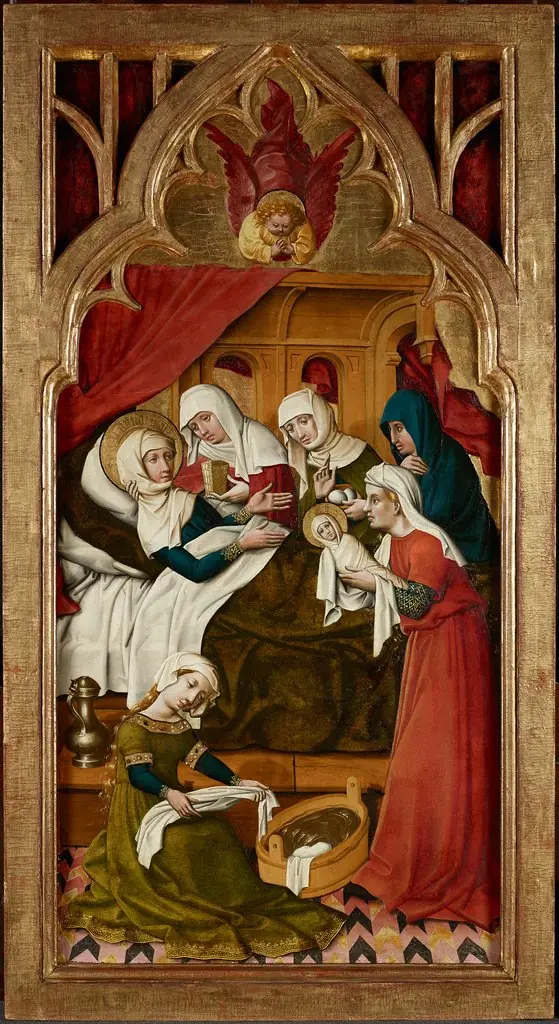 Geburt Mariens
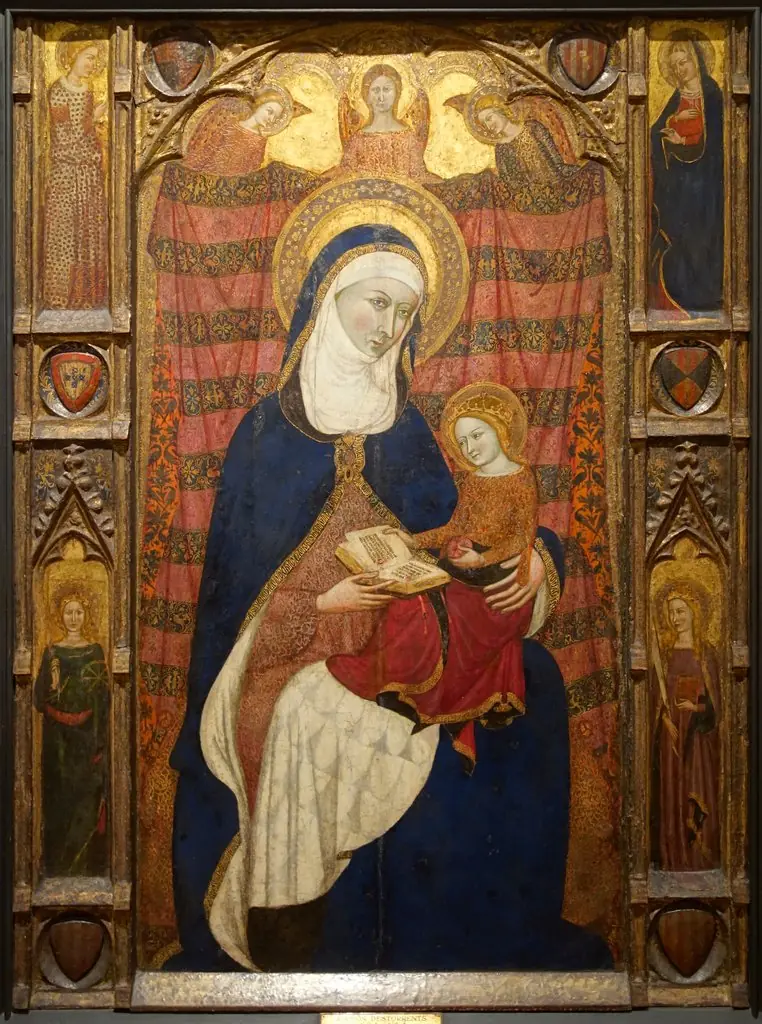 Retaule de Santa Anna i la Mare de Déu
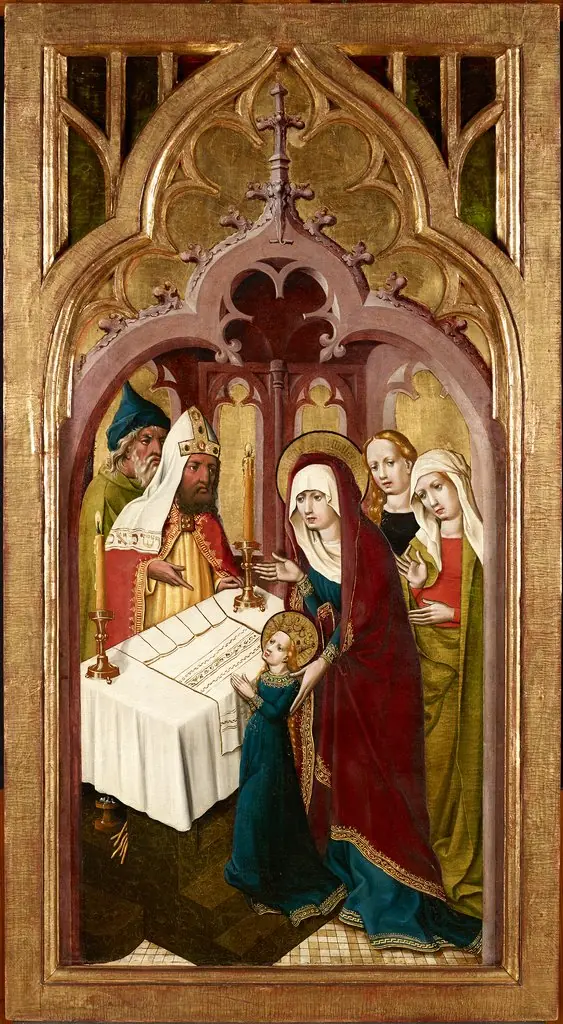 Tempelgang Mariens
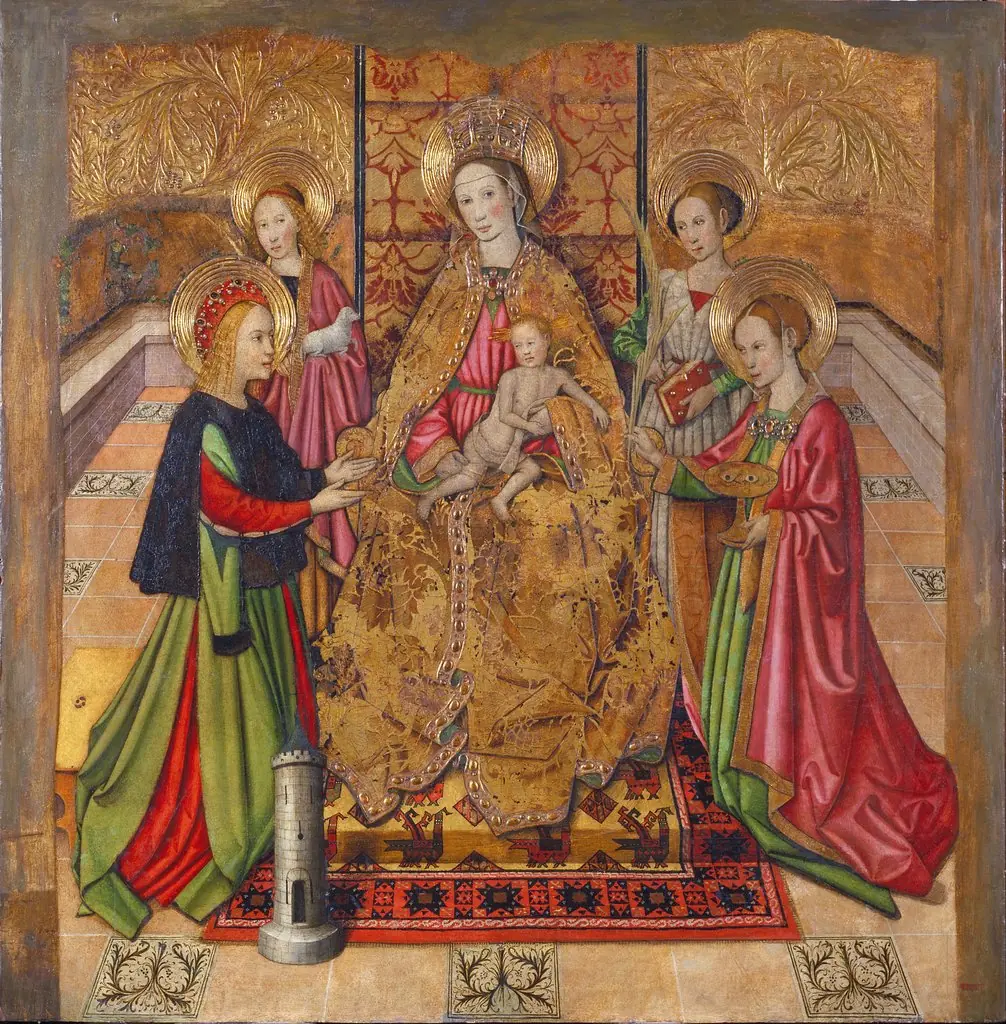 Virgin and Saints
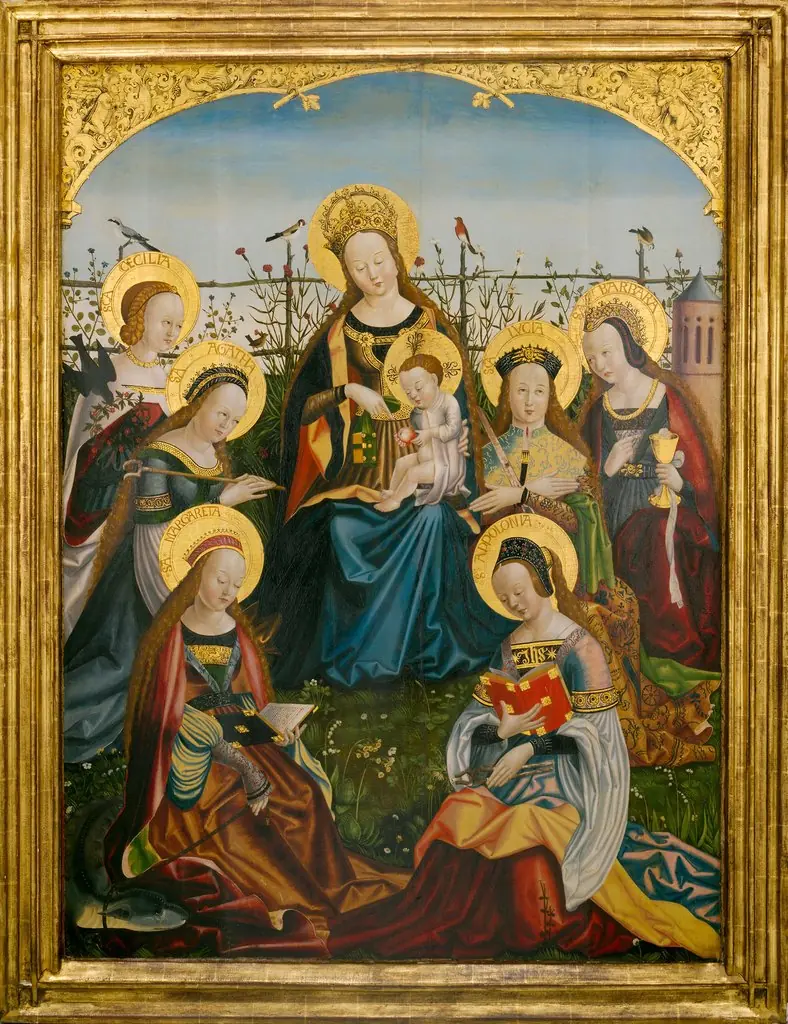 Triptych of the Virgin and Child with Saints
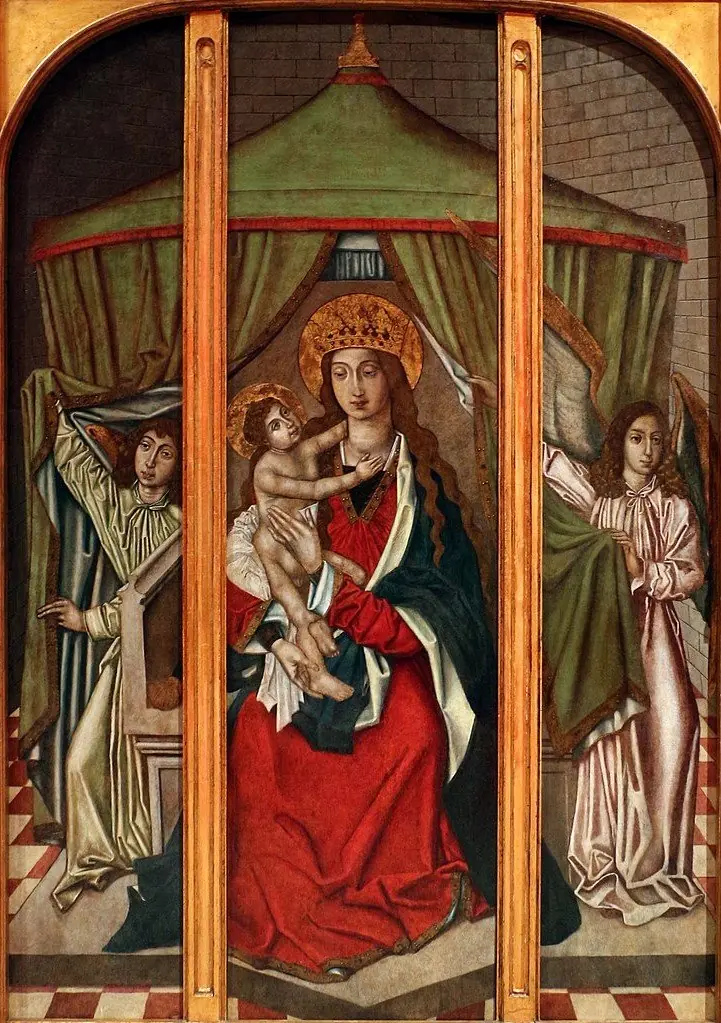 A Virgem Maria e o Menino Jesus com dois Anjos
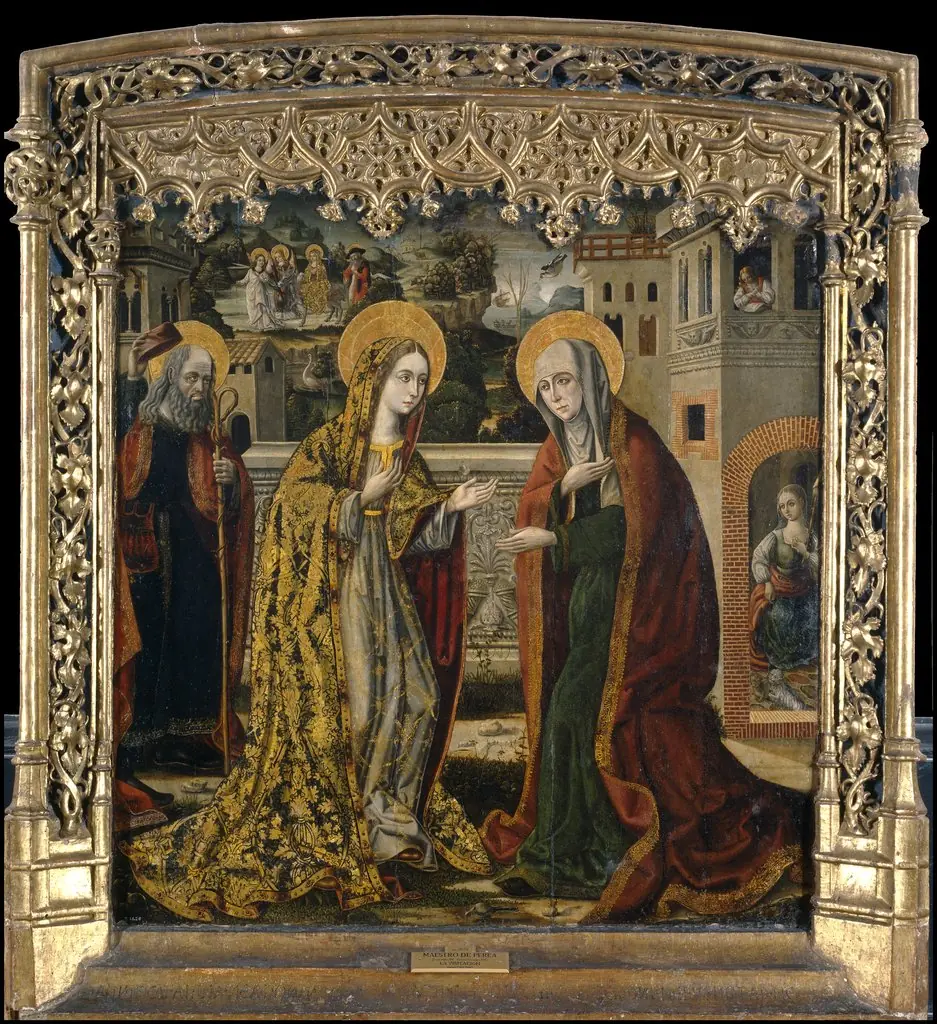 The Visitation
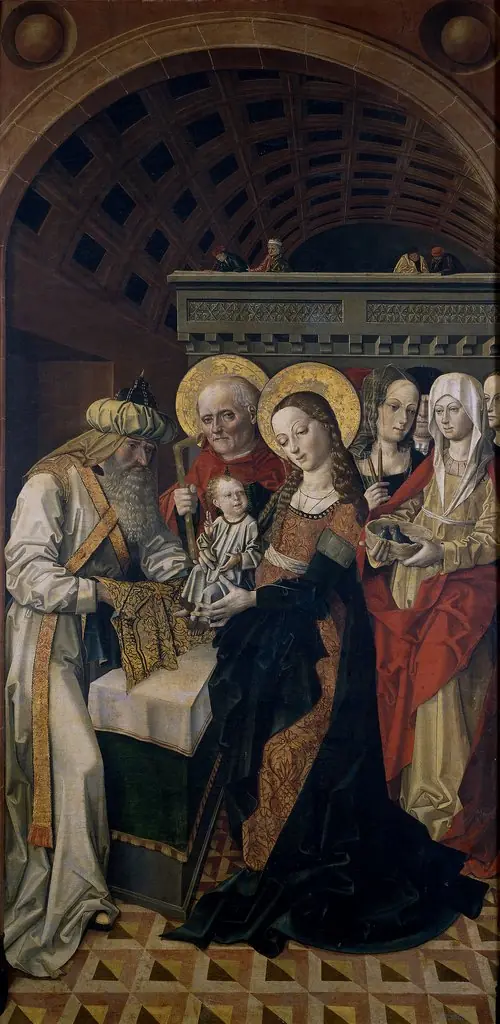 The Presentation of Jesus in the Temple
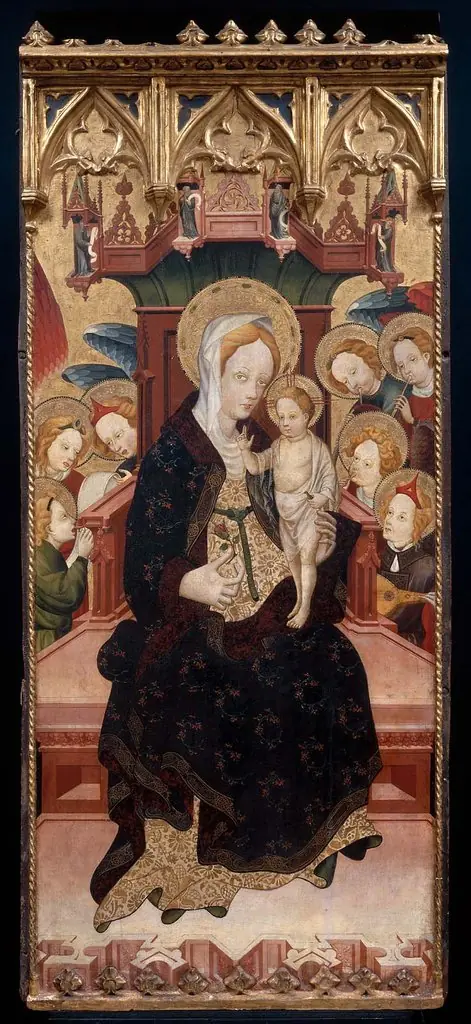 Virgin and Child Enthroned
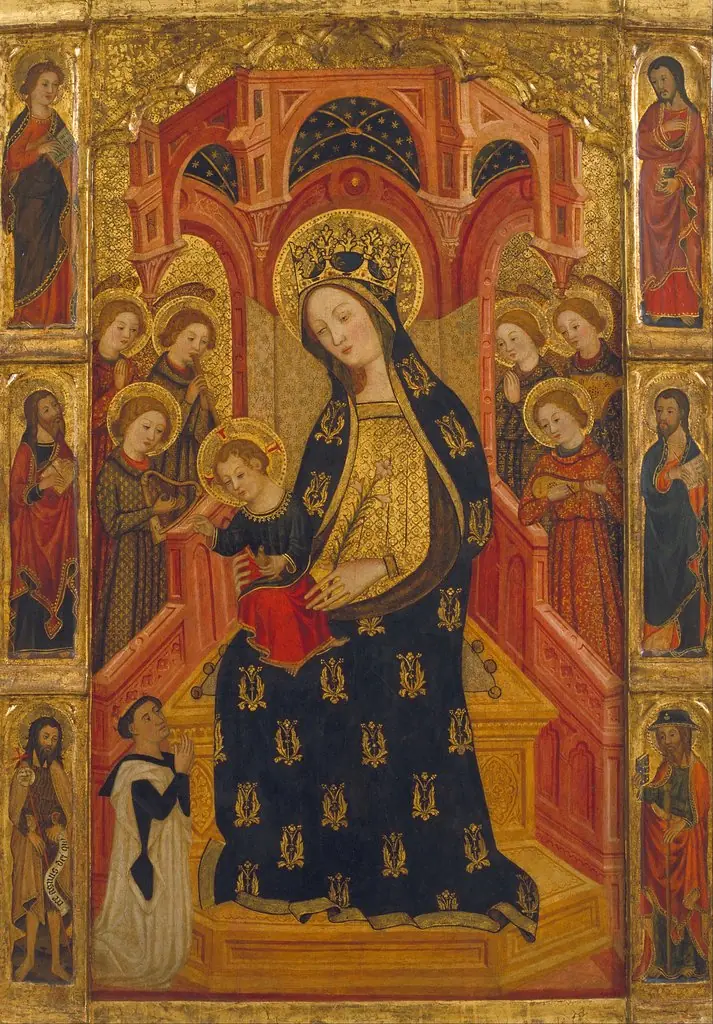 Virgin of the Angels
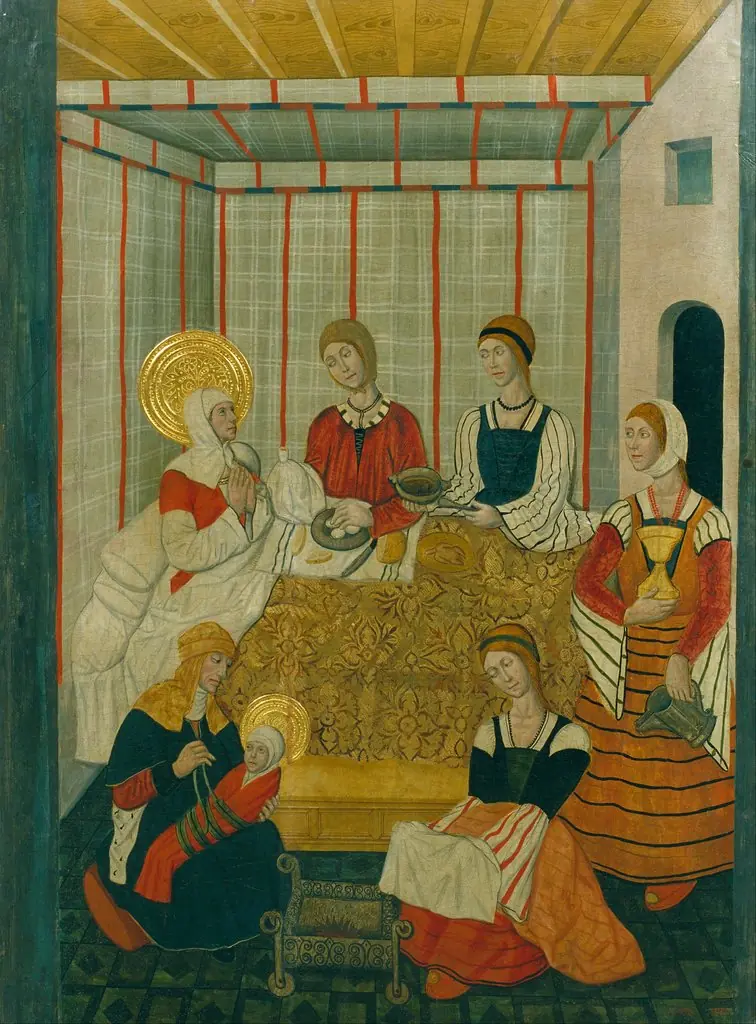 Birth of the Virgin
- Birth of John the Baptist