Artwork
Capital and seated layman from Santa Maria de Taüll
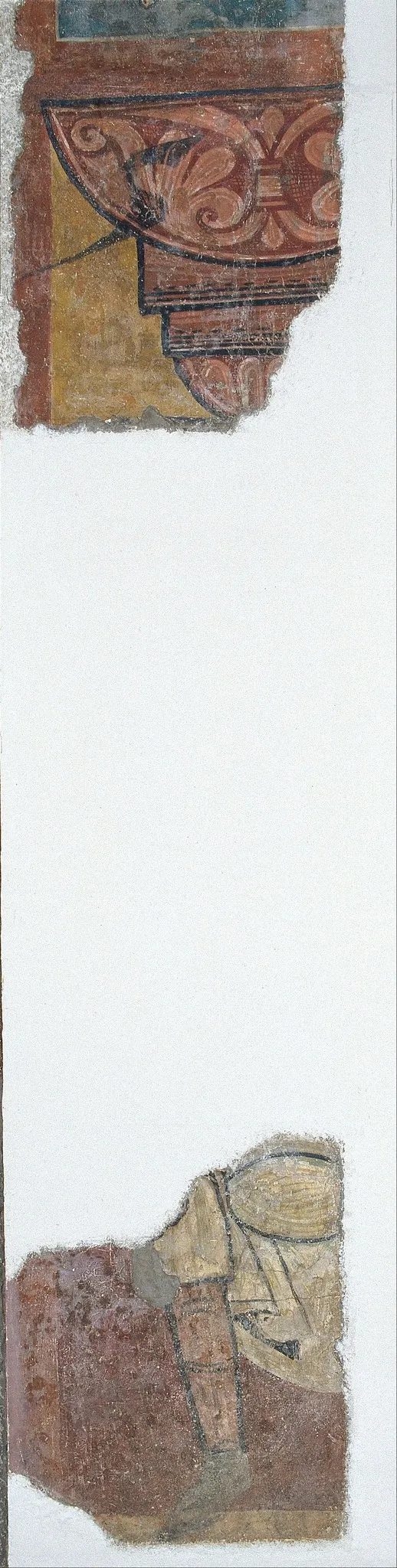
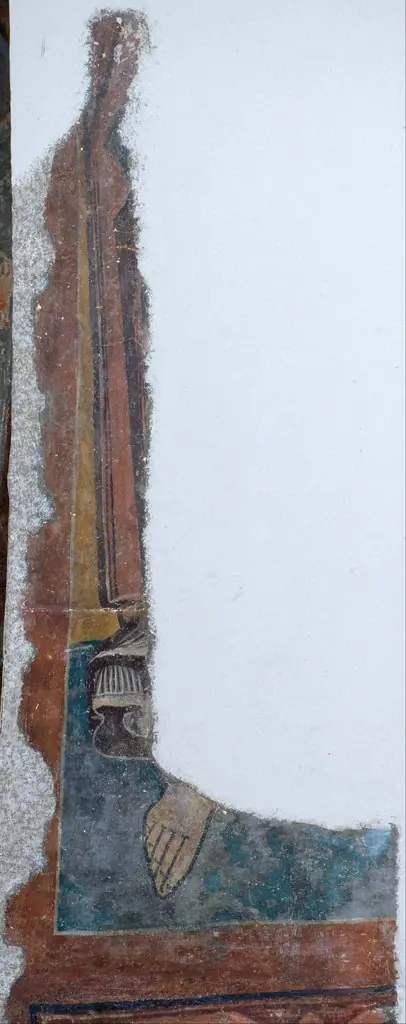
Capital and seated layman from Santa Maria de Taüll is an unspecified painting by the Romanesque artist Master of Taüll. It dates from 1123 and is held in the collection of the Museu Nacional d'Art de Catalunya. Created in 1123, the work known as Capital and Seated Layman originates from the church of Santa Maria de Taüll.
About this work
This painting is called Capital and seated layman from Santa Maria de Taüll. It was made by the Master of Taüll in 1123. The artist worked a long time ago, and we don't know much about the medium used to create this piece. To learn more about where this painting is held, check out the Museu Nacional d'Art de Catalunya.
Overview
Created in 1123, the work known as Capital and Seated Layman originates from the church of Santa Maria de Taüll. Attributed to the anonymous figure commonly called the Master of Taüll, the piece forms part of the Romanesque artistic output associated with the Pyrenean region. It is presently conserved in the Museu Nacional d'Art de Catalunya, where it is displayed among other medieval works.
Subject & Meaning
The composition depicts a sculptural capital, a decorative column top, paired with a figure of a layperson seated in a contemplative pose. The juxtaposition reflects the integration of architectural ornamentation and human devotion typical of Romanesque church decoration, emphasizing the role of the faithful within the sacred space.
Technique & Style
Executed in the Romanesque visual language, the painting employs a flat, stylized rendering of forms, with limited modeling and a strong emphasis on outline. Although the precise medium is not documented, the work likely follows the fresco or tempera techniques common to early twelfth‑century Catalan mural painting.
History & Provenance
Originally installed in the interior of Santa Maria de Taüll, the piece survived the dissolution of monastic holdings and was transferred to the national collection in the early twentieth century. Its relocation to the Museu Nacional d'Art de Catalunya ensures its preservation and scholarly access within a broader context of medieval Iberian art.

Artist & collection
Artist
A fresco painter from the 12th century, this anonymous artist decorated the walls of two small churches in a remote Catalan valley.

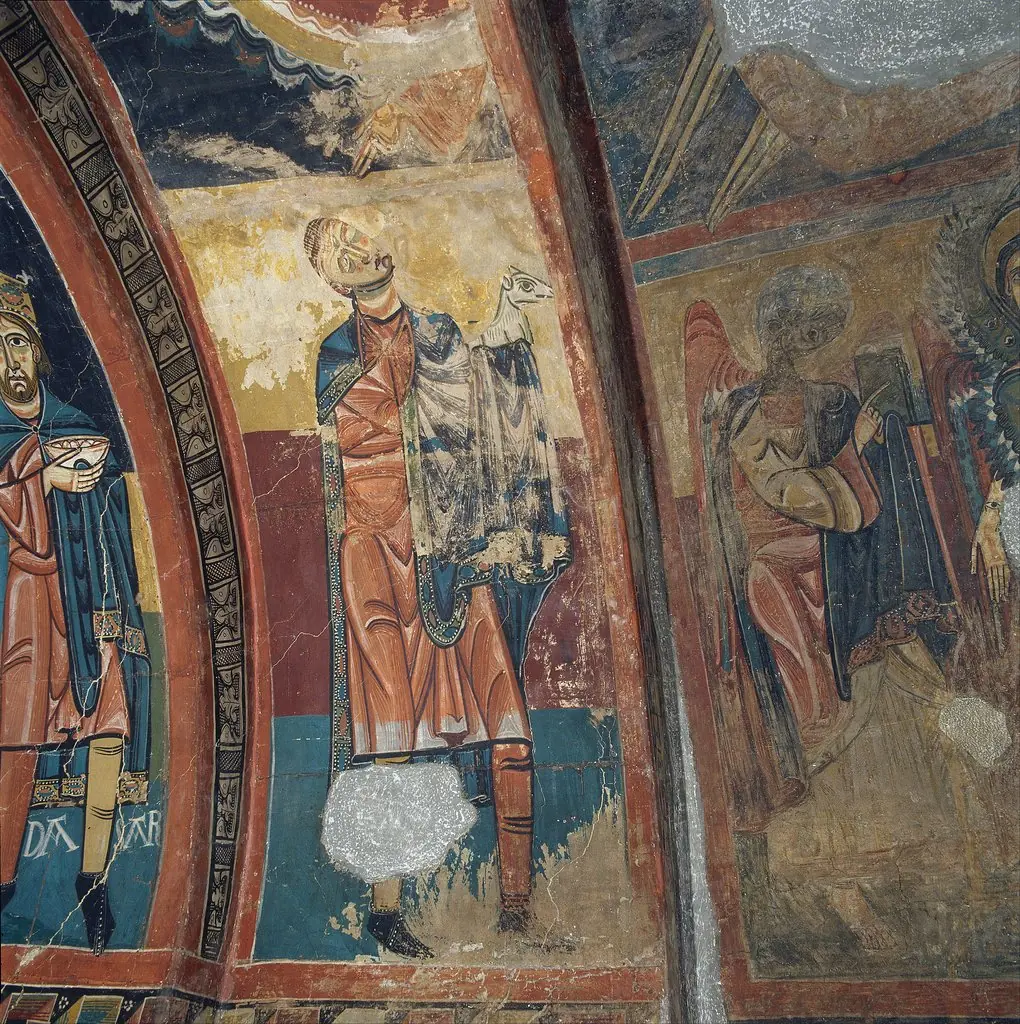 Arch of Abel's Offering from Santa Maria de Taüll
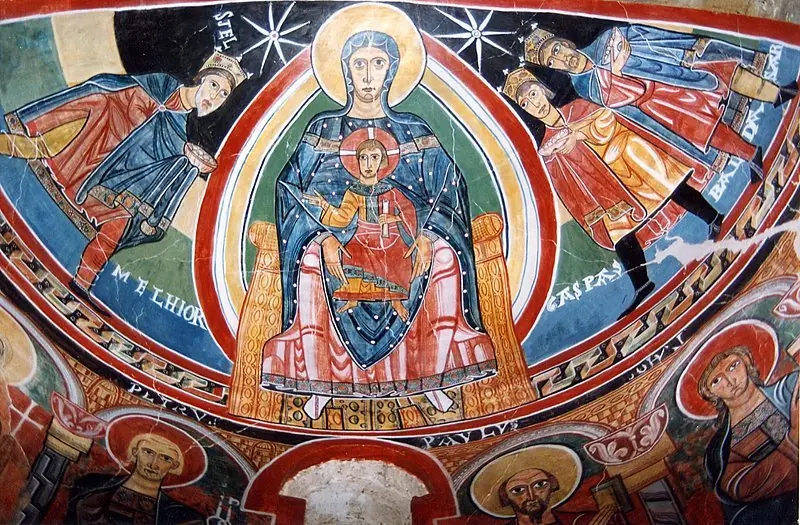 Apse of Santa Maria de Taüll
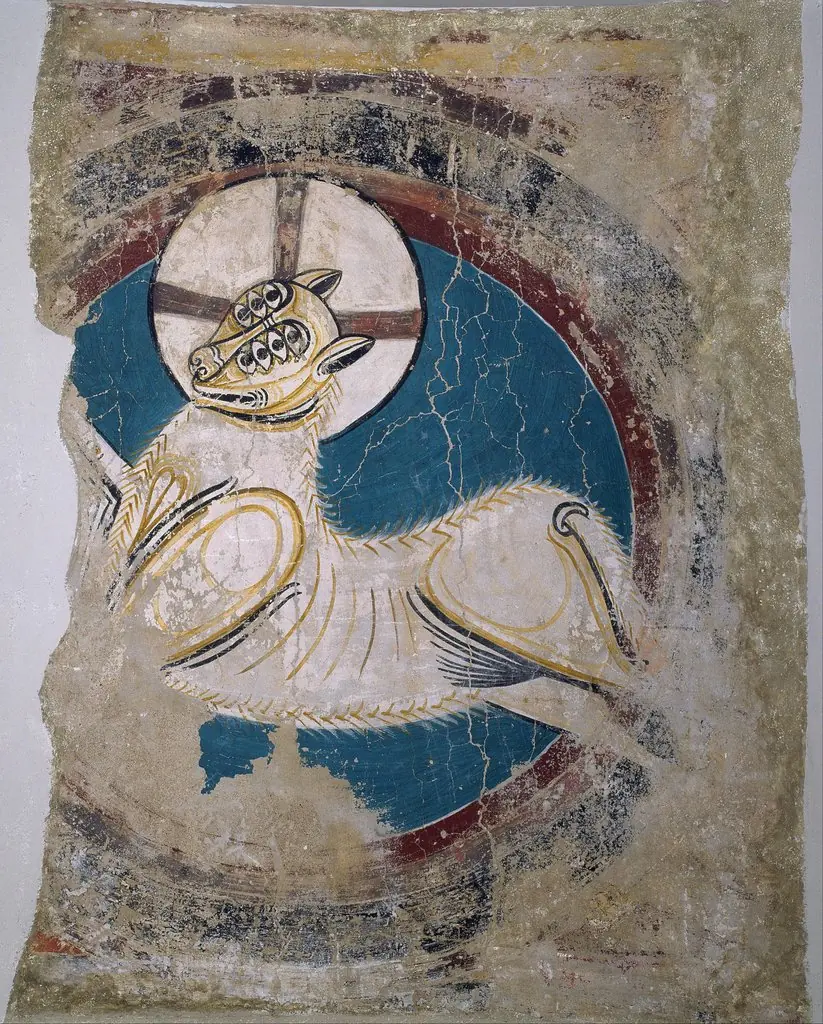 Arch of the Apocalyptic Lamb from Sant Climent de Taüll
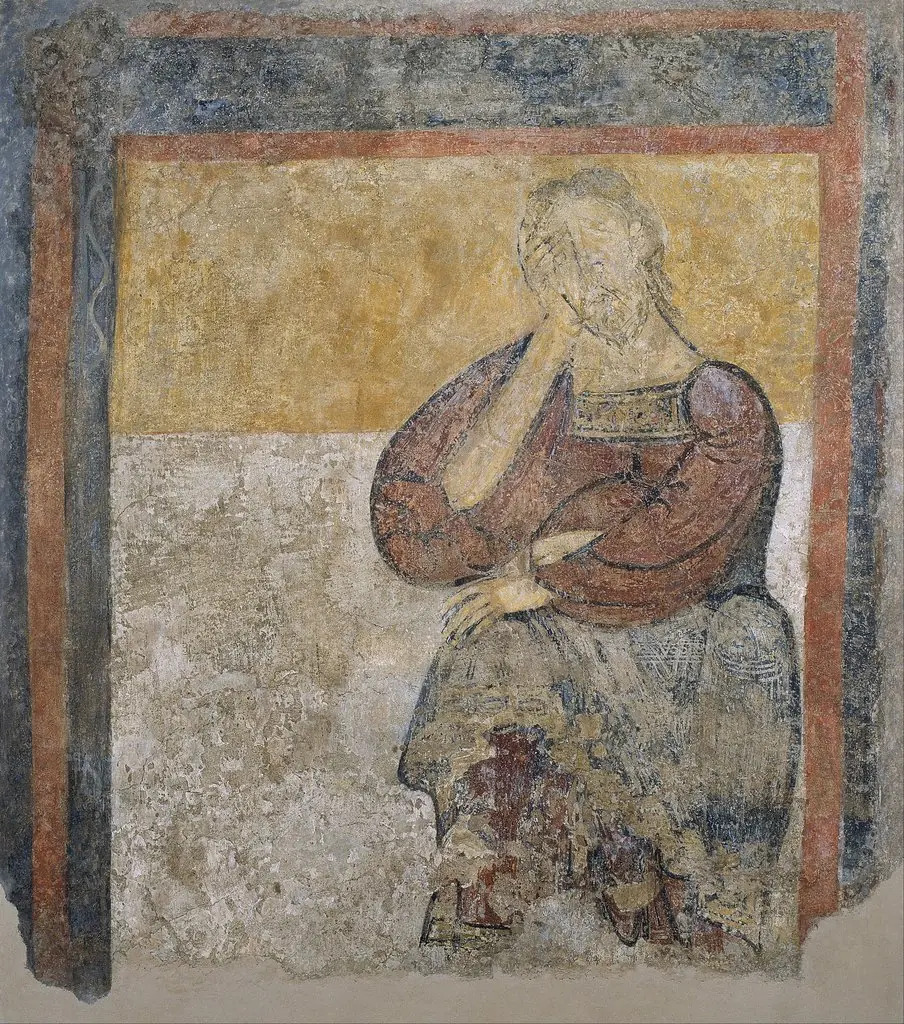 Distressed man from Sant Climent de Taüll
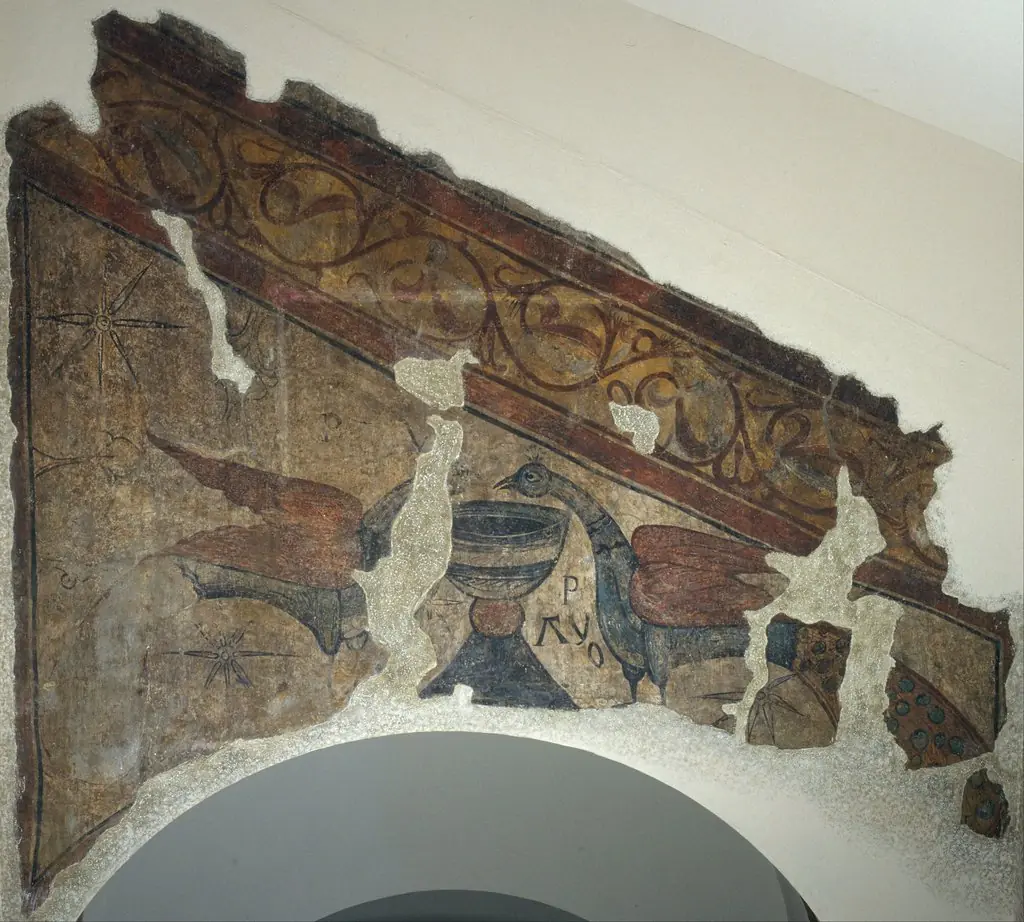 Peacocks drinking from a chalice from Santa Maria de Taüll
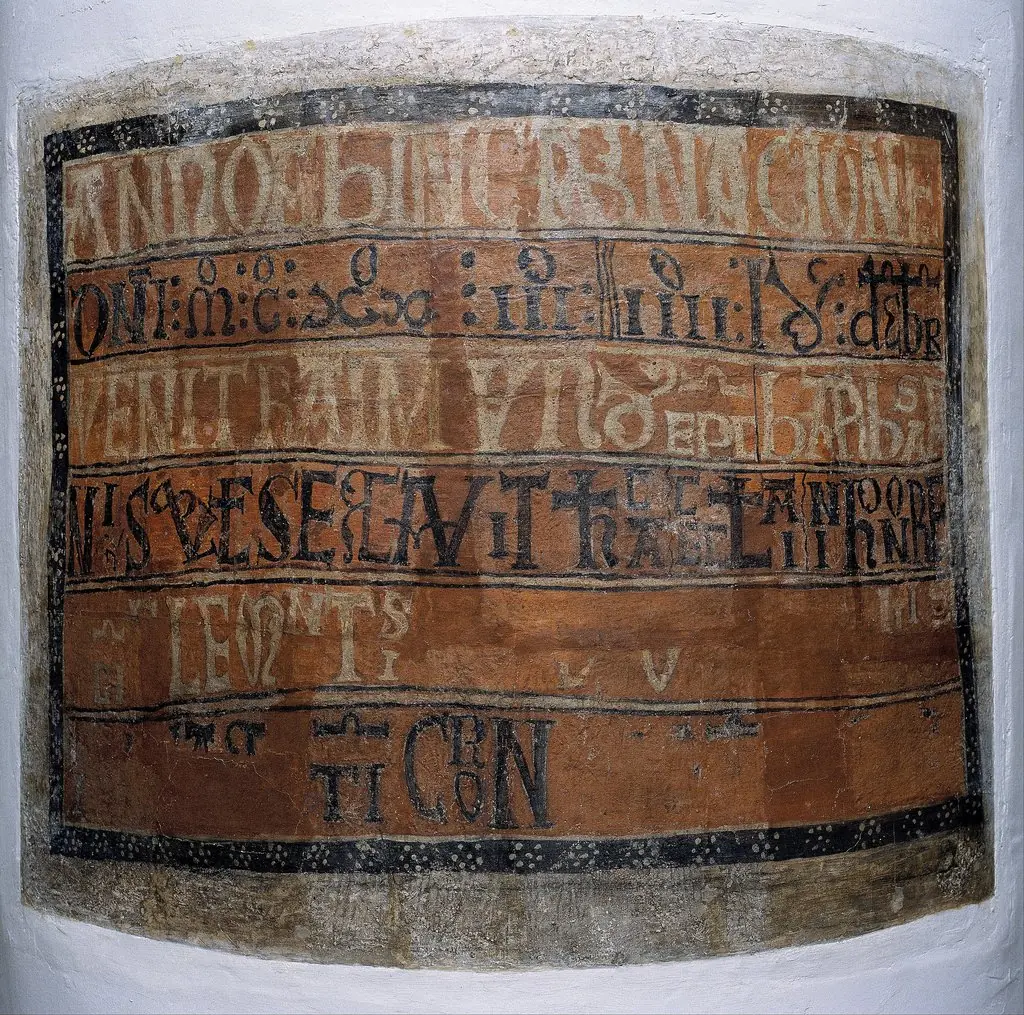 Consecration inscription from Sant Climent de Taüll
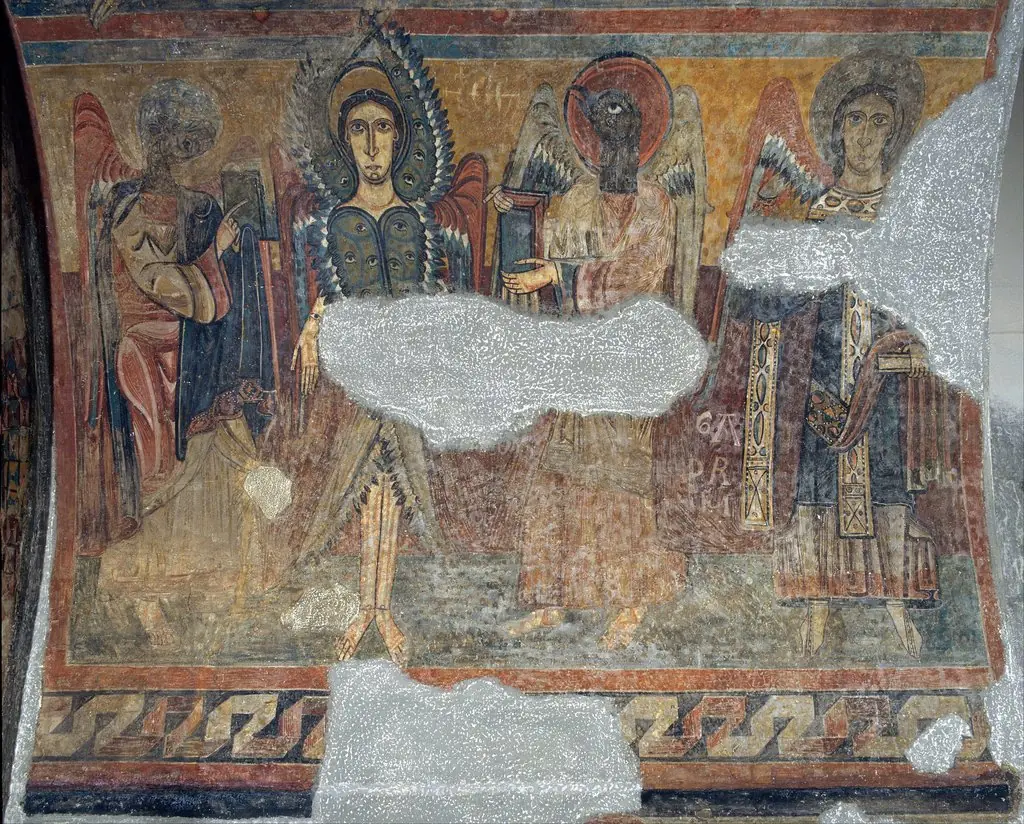 Arch of the Tetramorph with Seraph and Archangel from Santa Maria de Taüll
 Remains of a figure from Santa Maria de Taüll