
Subject
Column
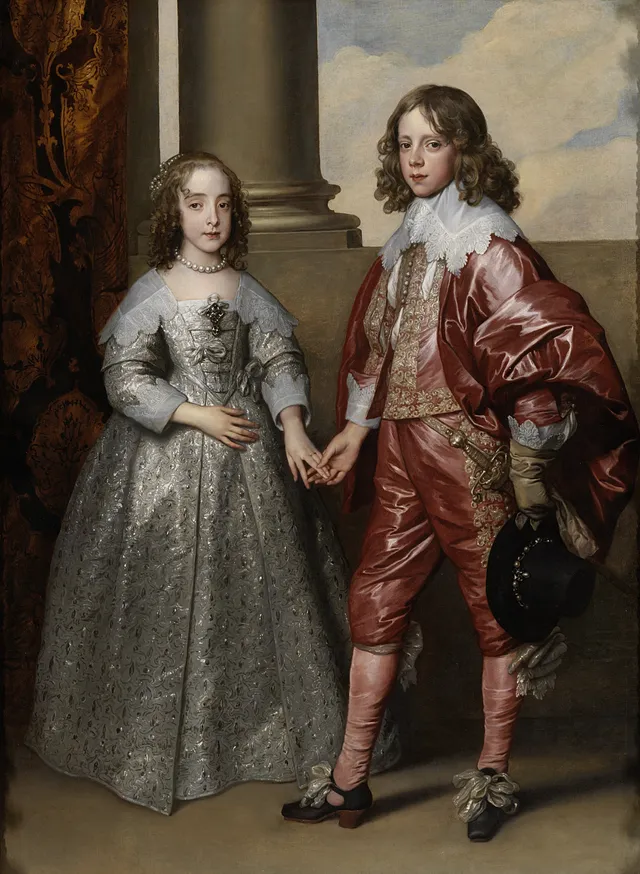
Column is a subject in art. The gallery holds 166 works in this subject in art, including works by Titian, Paolo Veronese and Raphael.
In architecture and structural engineering a column is a compression member: a vertical element that carries the load of the structure above and transmits it downward to the foundation. Yet long before it was theorised as pure structure, the column was the West's most enduring carrier of meaning. Stone columns with plant-derived capitals were raised in ancient Egypt, but it was Greece that codified the form into the classical orders. The Doric, simplest and sturdiest, emerged on the mainland around the 7th century BCE; the more slender, volute-capped Ionic developed in the Greek cities of Ionia in the 6th century; and the foliate Corinthian appeared in the 5th century and flourished in the Hellenistic and Roman periods. Each order fixed a system of proportion—a Doric shaft roughly seven diameters tall, an Ionic eight, a Corinthian nine—that governed Western building for two millennia.
The column also stood alone as a monument and a subject in its own right. Trajan's Column in Rome, dedicated in 113 CE and built of Carrara marble drums under Apollodorus of Damascus, was the first triumphal column to carry a continuous spiralling narrative relief, its frieze winding some twenty-three times around the shaft with over 2,600 figures recording the Dacian Wars. Its design seeded victory columns for centuries. A second tradition, the twisted "Solomonic" or barley-sugar column—a Late Roman type believed in the Middle Ages to have come from the Temple of Jerusalem—was revived spectacularly by Bernini, whose colossal bronze columns for the Baldacchino at St Peter's (completed 1633) gave the form its Baroque dynamism.
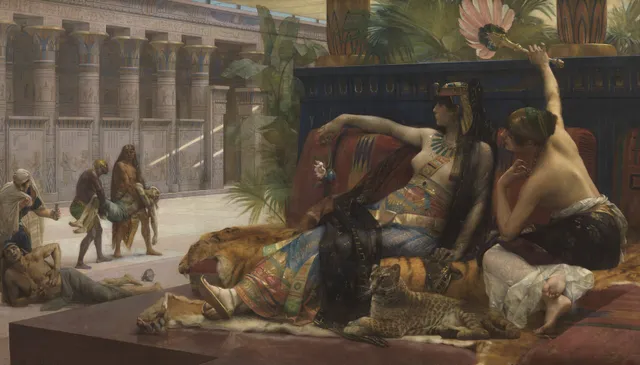
In painting the column became a sign of permanence, order and authority. It frames the classical gods in Jan Gossaert's Neptune and Amphitrite (1516), an early Netherlandish exercise in Vitruvian architecture, and lends dynastic gravity to Baroque state portraiture such as Van Dyck's William II of Orange and Mary Stuart. Architectural painters made columns their very subject—seen in Gerard Houckgeest's church interiors and the loggias of Velázquez's View of the Garden of the Villa Medici—while history pictures by Sebastiano Ricci and Alexandre Cabanel deploy them as stage machinery for narrative grandeur. Through the Neoclassical revival the column remained the visual shorthand for civilisation itself.
Key artists


Overview
A column, or pillar, is a vertical structural element in architecture and engineering that transmits the weight of a structure above to elements below through compression. In art, the column is far more than a functional support: it is a recurring motif that carries rich architectural, symbolic, and narrative significance. The collection holds 191 works that depict columns, ranging from portraiture and biblical scenes to church interiors and mythological subjects. These appearances testify to the column's enduring role as a signifier of power, space, and classical learning, as well as its practical function in defining architectural settings within painted compositions.
Iconography & meaning
The column possesses a layered iconography that extends well beyond its structural purpose. In classical antiquity, columns embodied the architectural orders, Doric, Ionic, and Corinthian, each with distinct proportional and decorative rules that signified cultural identity and civic pride. The column could symbolize strength, permanence, and authority; triumphal columns such as Trajan's Column in Rome were erected as freestanding monuments to military victory, bearing no structural role at all. In Christian iconography, the column became associated with the Church itself, sometimes surmounted by a dove to represent the Holy Spirit. The biblical story of Lot's wife, transformed into a pillar of salt, added a cautionary dimension to the motif. Columns also denoted learning and antiquarian interest, as in cabinets of curiosities where classical architectural elements framed displays of natural and artificial wonders. In painted interiors, columns organized space, created depth, and signaled the wealth or piety of patrons through the evocation of grand architectural settings.
Across movements & periods
The treatment of the column in art evolved substantially across movements and cultures. In ancient Egypt, columns derived from organic forms, papyriform and lotus columns at Karnak reached 24 metres in height and were densely carved with hieroglyphs and ritual imagery. Minoan Crete employed wooden columns painted with vivid patterns, while Mycenaean Greece used columns as heraldic symbols of authority, as seen in the Lion Gate. Greek and Roman antiquity developed the column as an exterior architectural element governed by strict orders, with the Greeks favoring Doric, Ionic, and Corinthian forms and the Romans adding Tuscan and Composite variants. Persian architecture at Persepolis produced some of the most elaborate columns of the ancient world, with double-bull capitals and heights reaching 20 to 24 metres. In South Asia, Indo-Corinthian capitals merged Hellenistic and Indian elements in Greco-Buddhist contexts. Medieval European architecture developed bundle columns and other distinctive forms, though these were later supplanted by renewed classical study from the sixteenth century. Baroque and Renaissance artists exploited the column's dramatic and spatial possibilities, while nineteenth-century innovations briefly introduced cast-iron columns before concrete prevailed.
Works
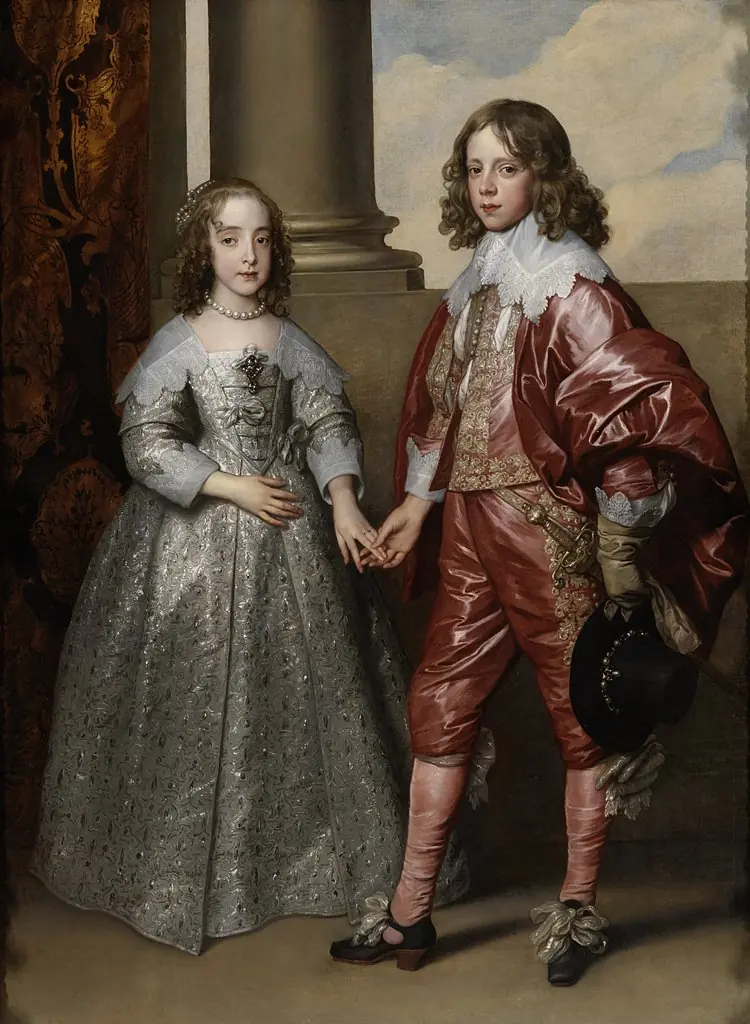 William II, Prince of Orange, and his Bride, Mary Stuart
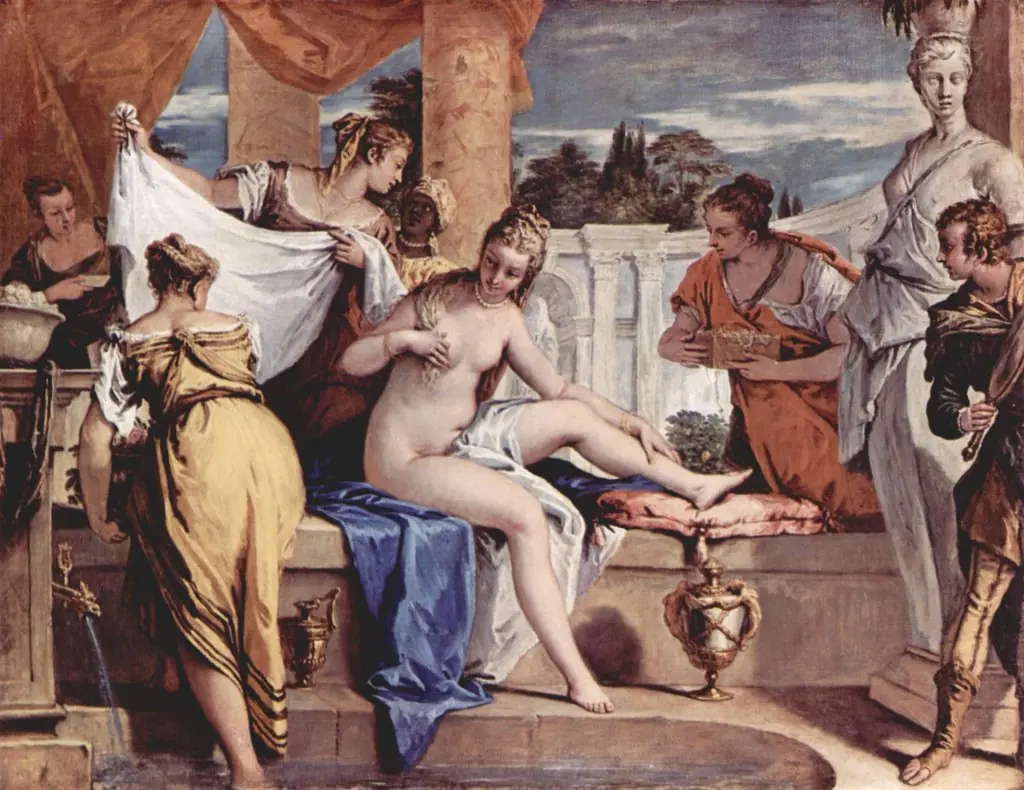 Bathsheba at her bath
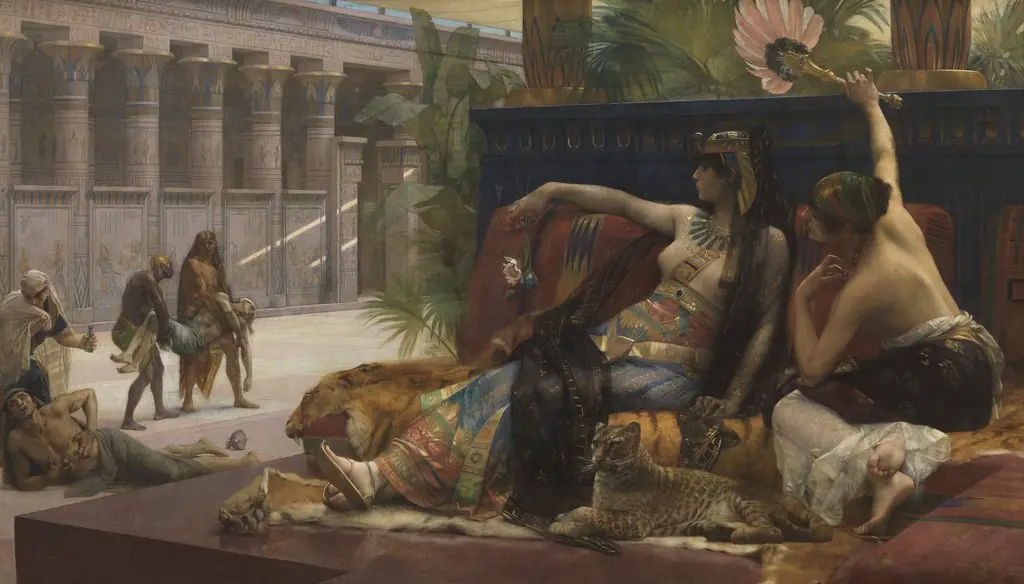 Cleopatra Testing Poisons on Condemned Prisoners
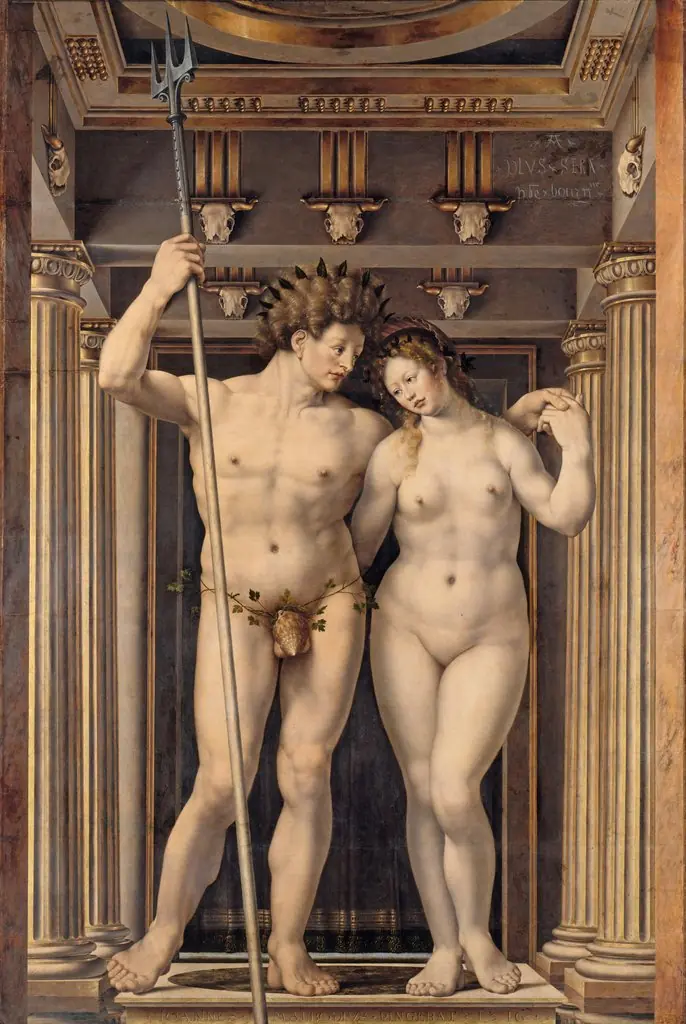 Neptune and Amphitrite
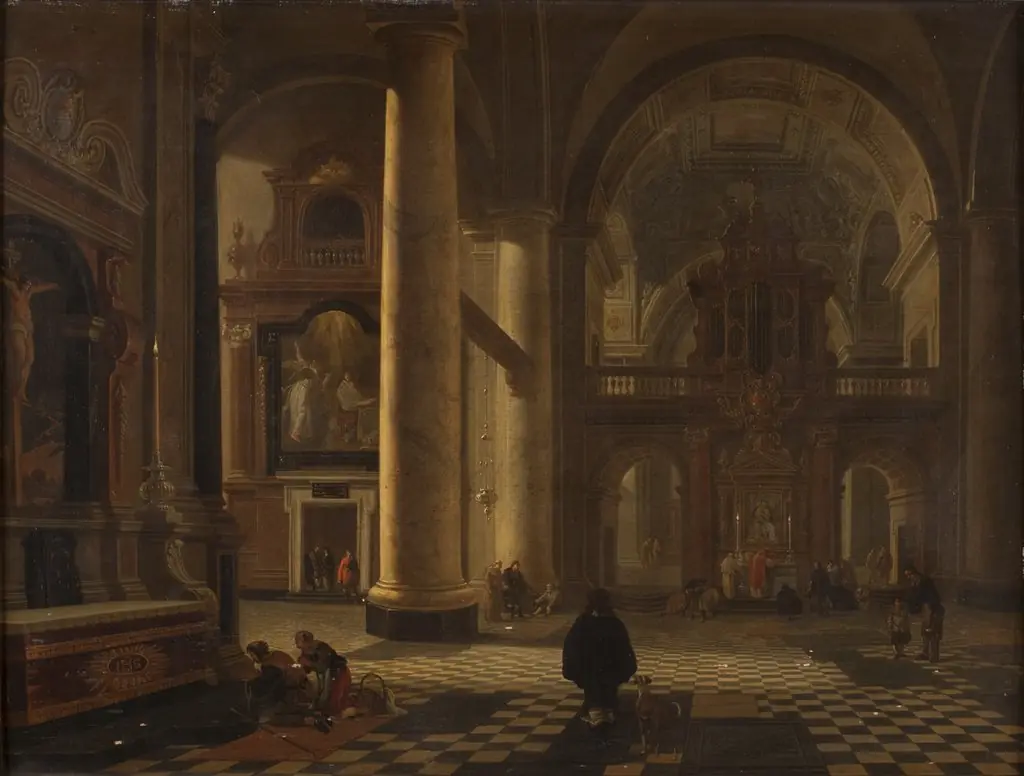 Interior of a Catholic Church
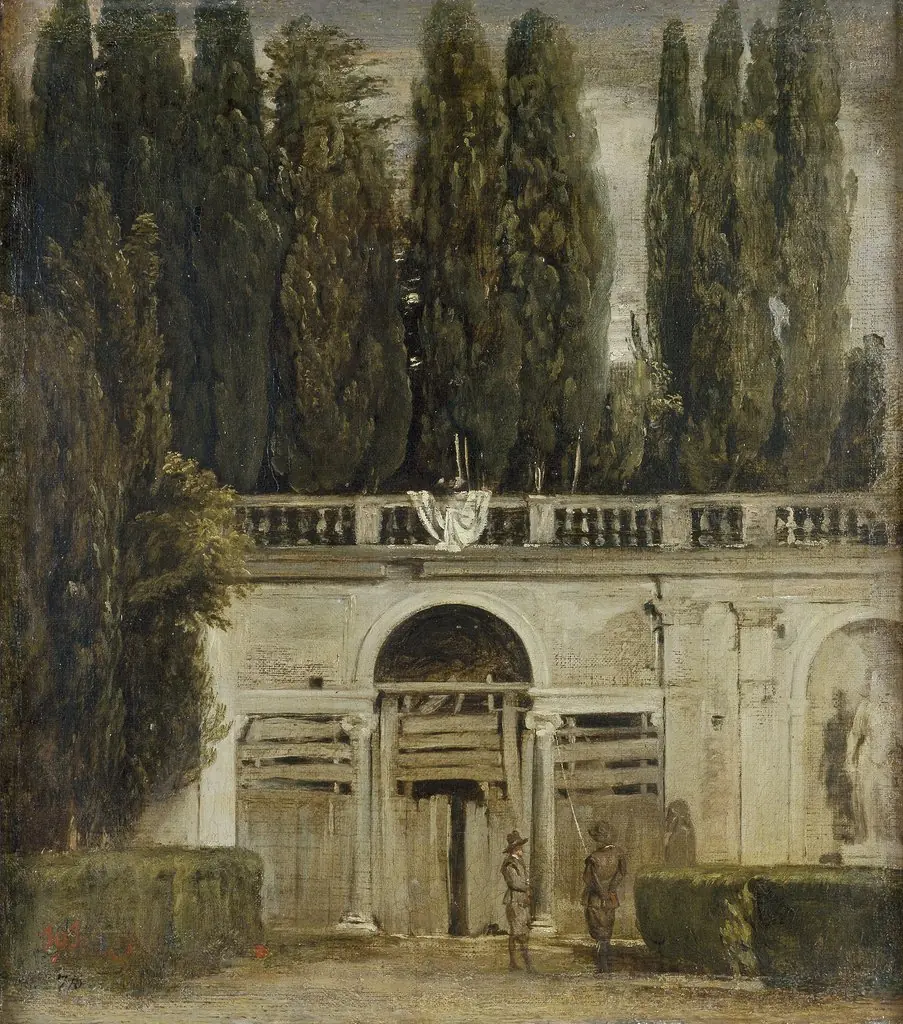 View of the Garden of the Villa Medici
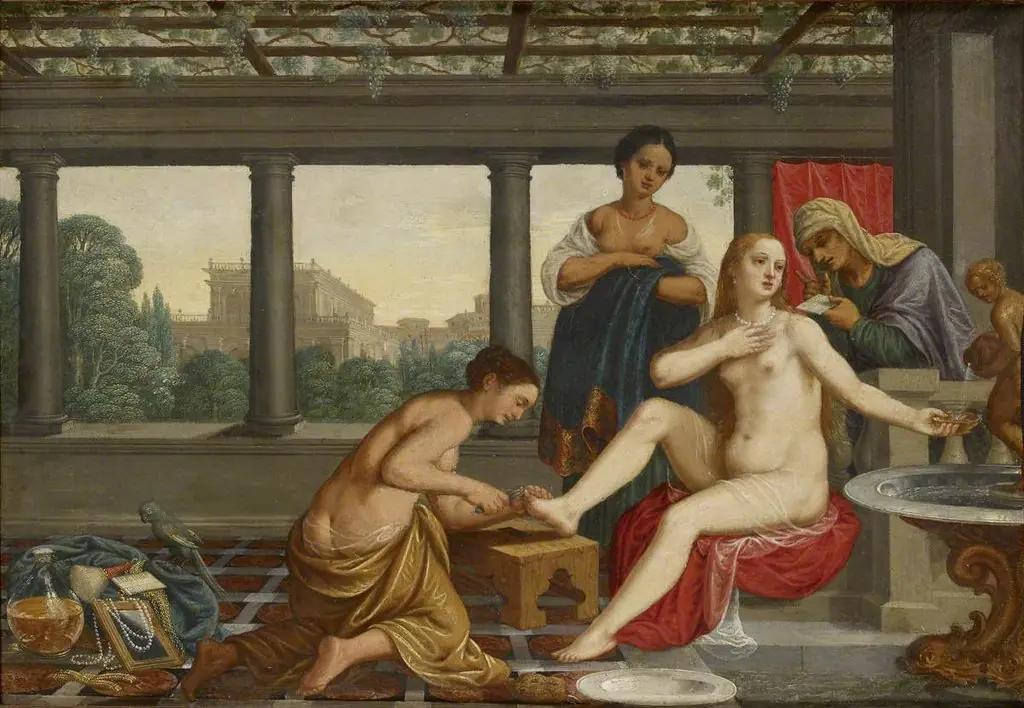 Bathsheba's Bath
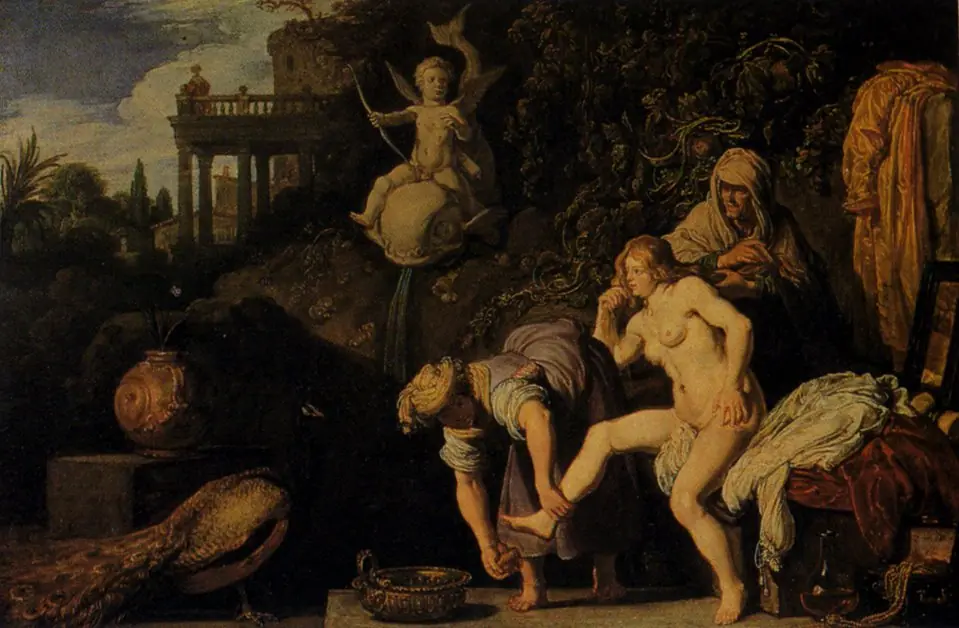 Bathsheba at her Toilette
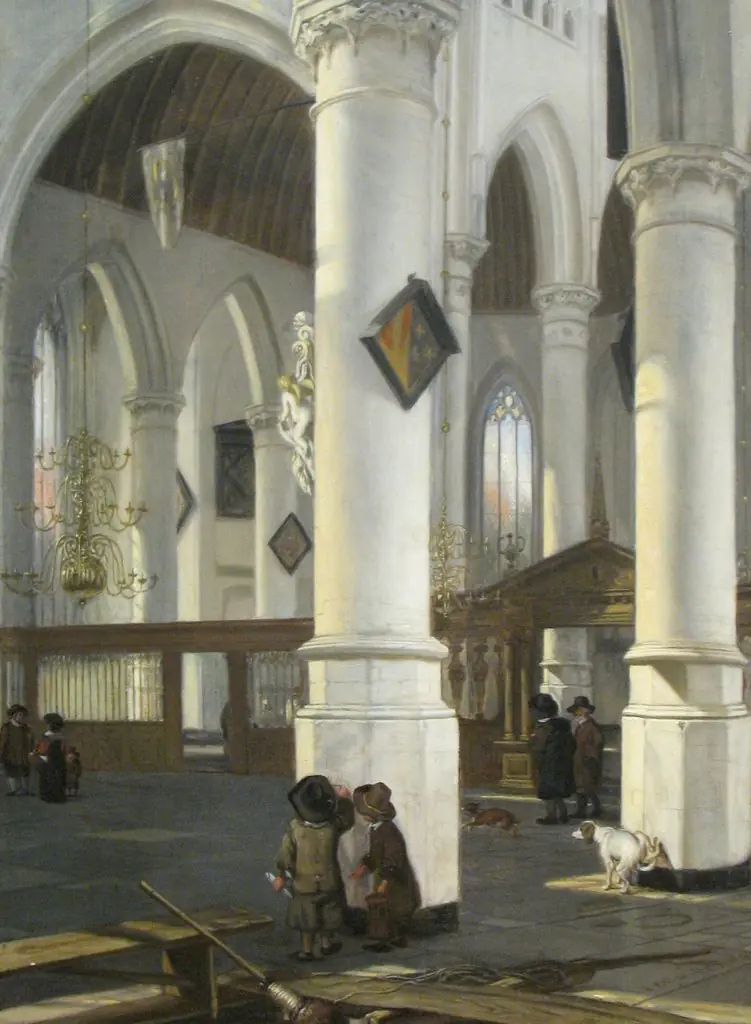 Interior of the Oude Kerk, Delft
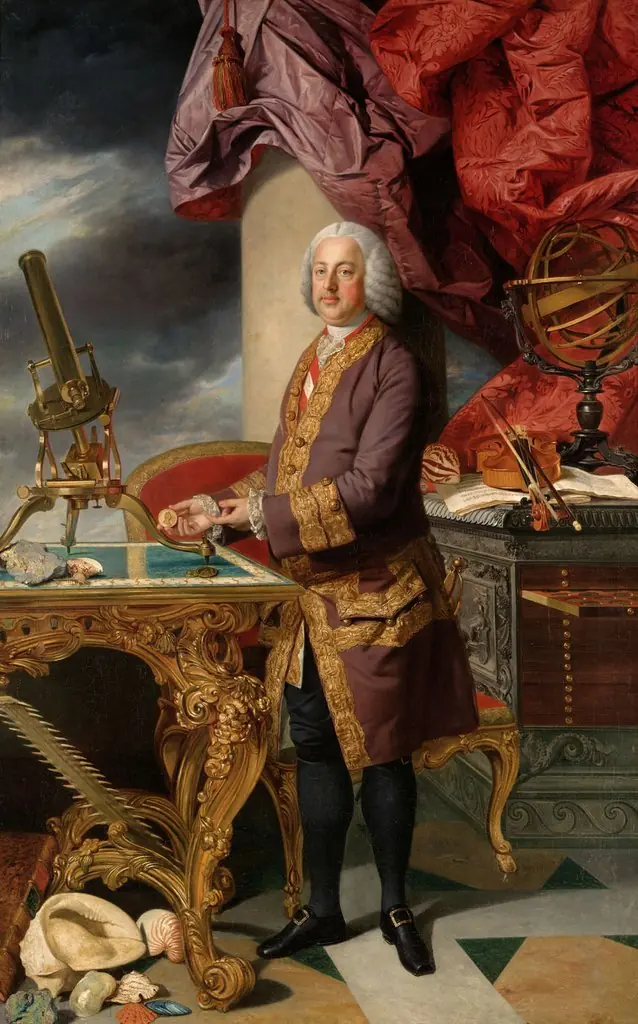 François Ier du Saint-Empire et sa collection d'histoire naturelle
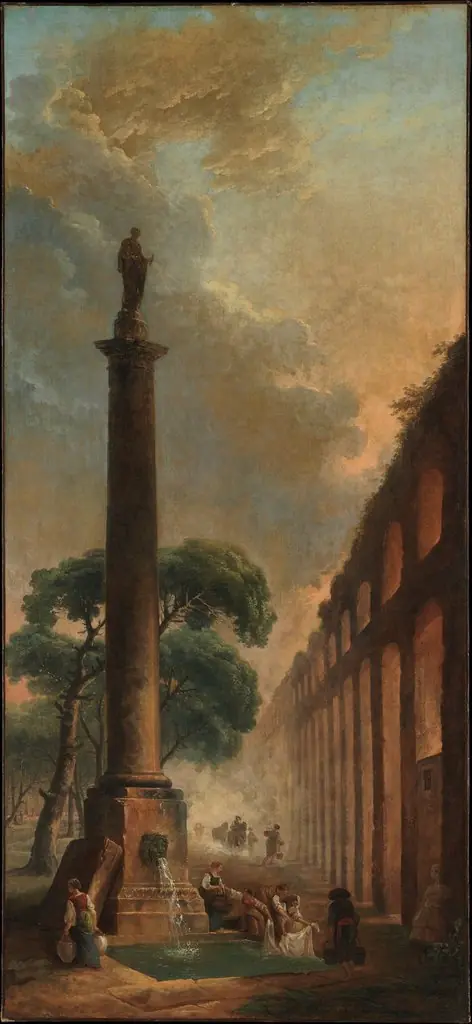 The Fountain
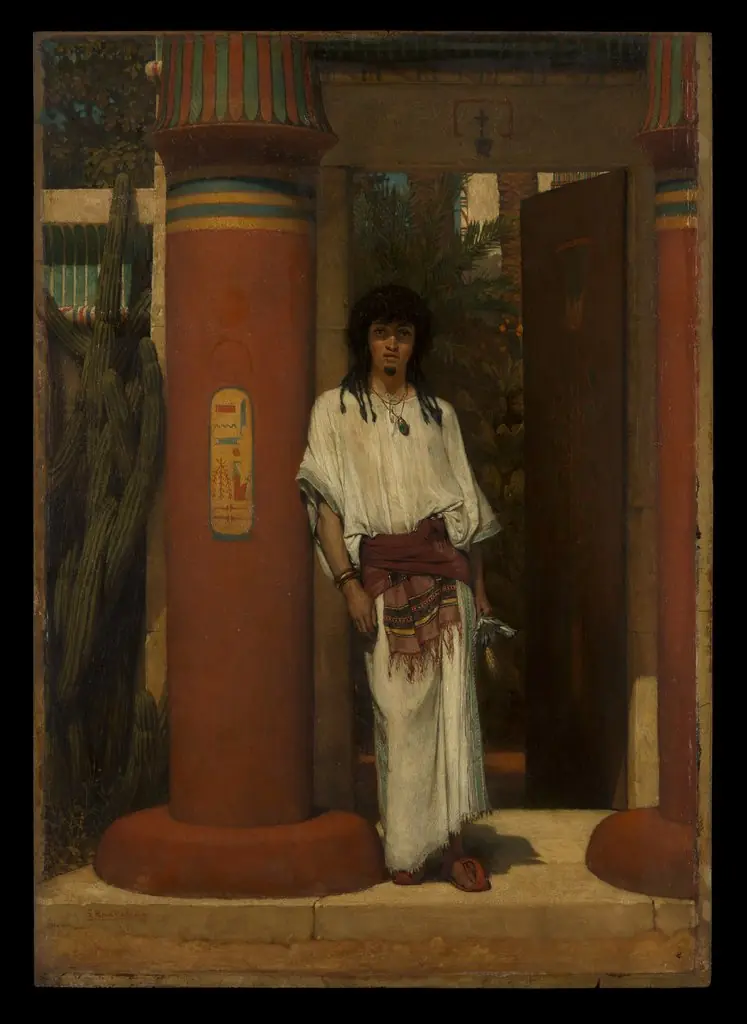 An Egyptian in a Doorway
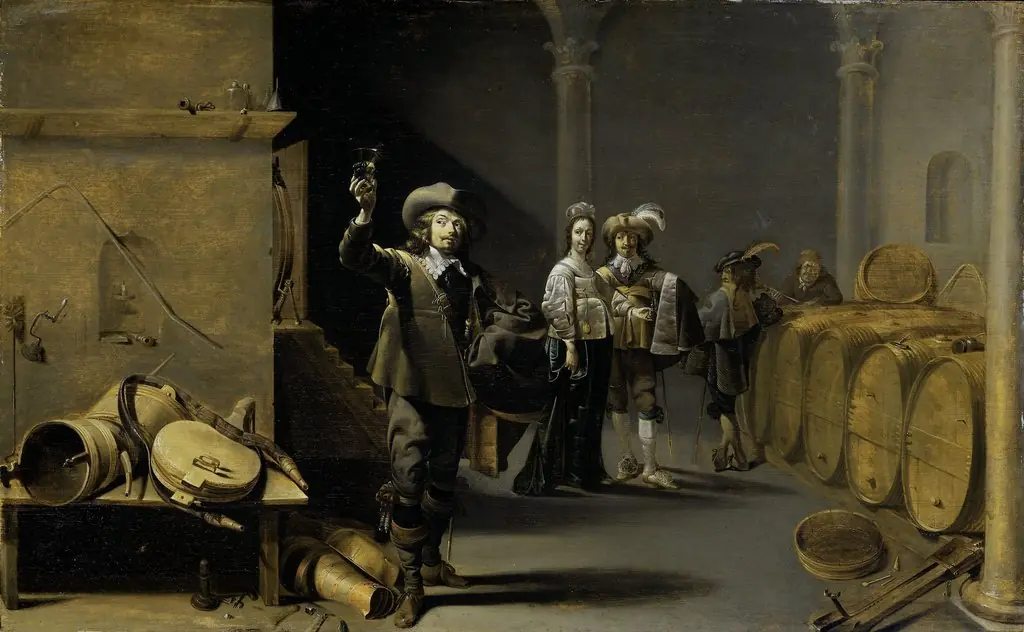 The wine connoisseurs
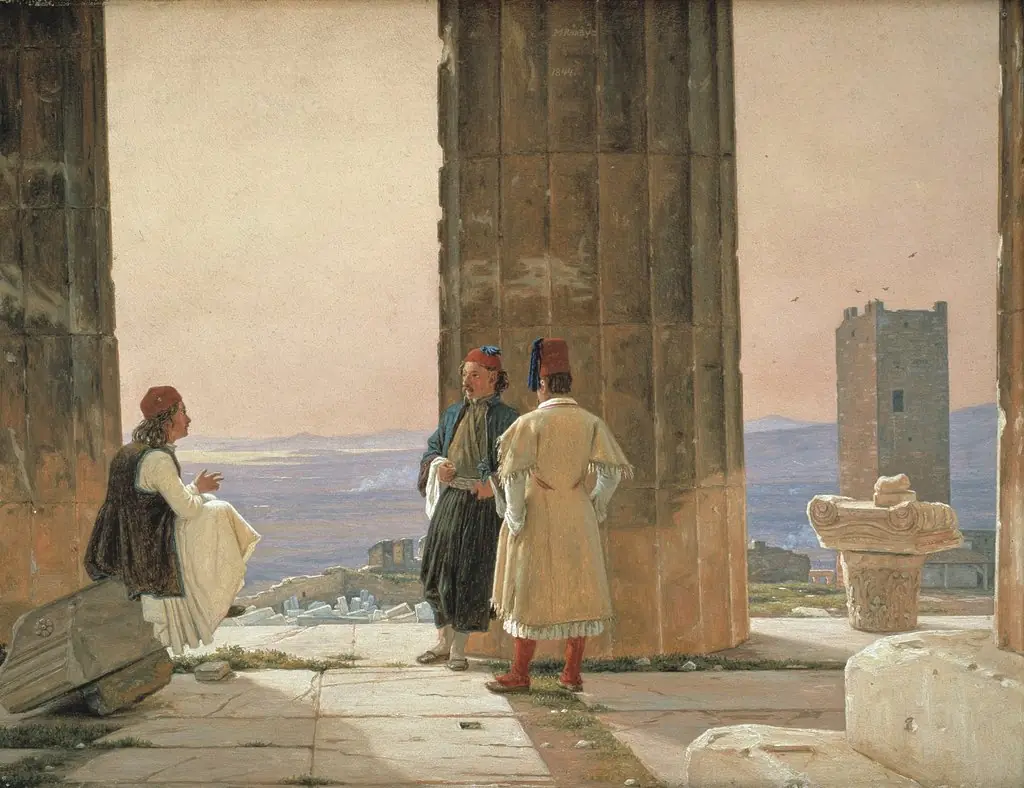 The View from the Temple of Athena on the Acropolis
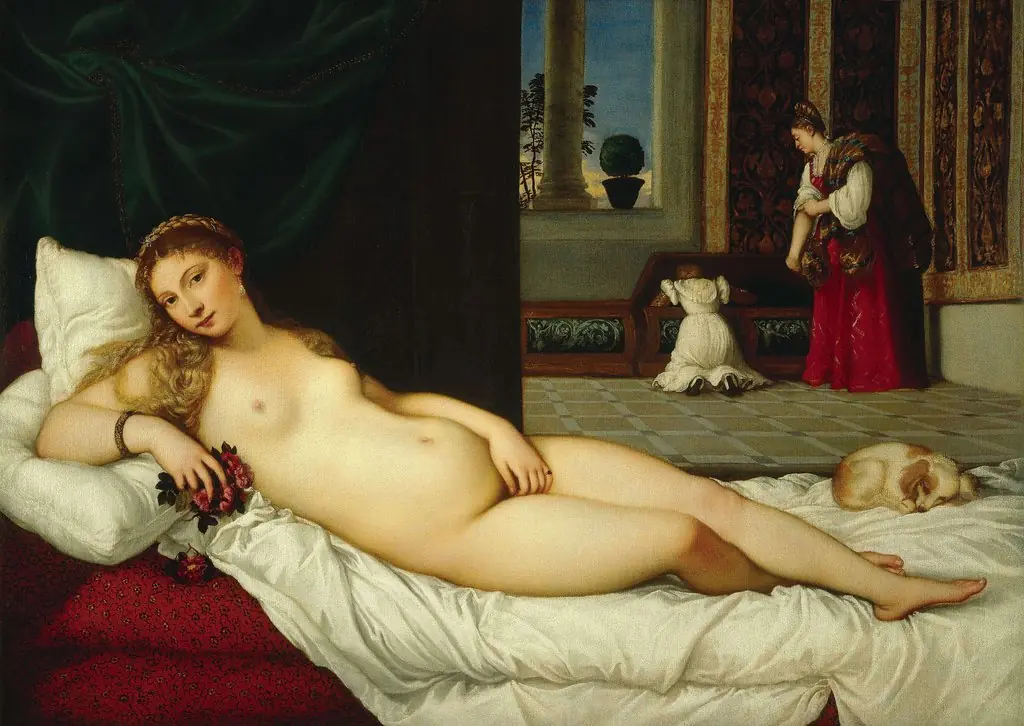 Venus of Urbino
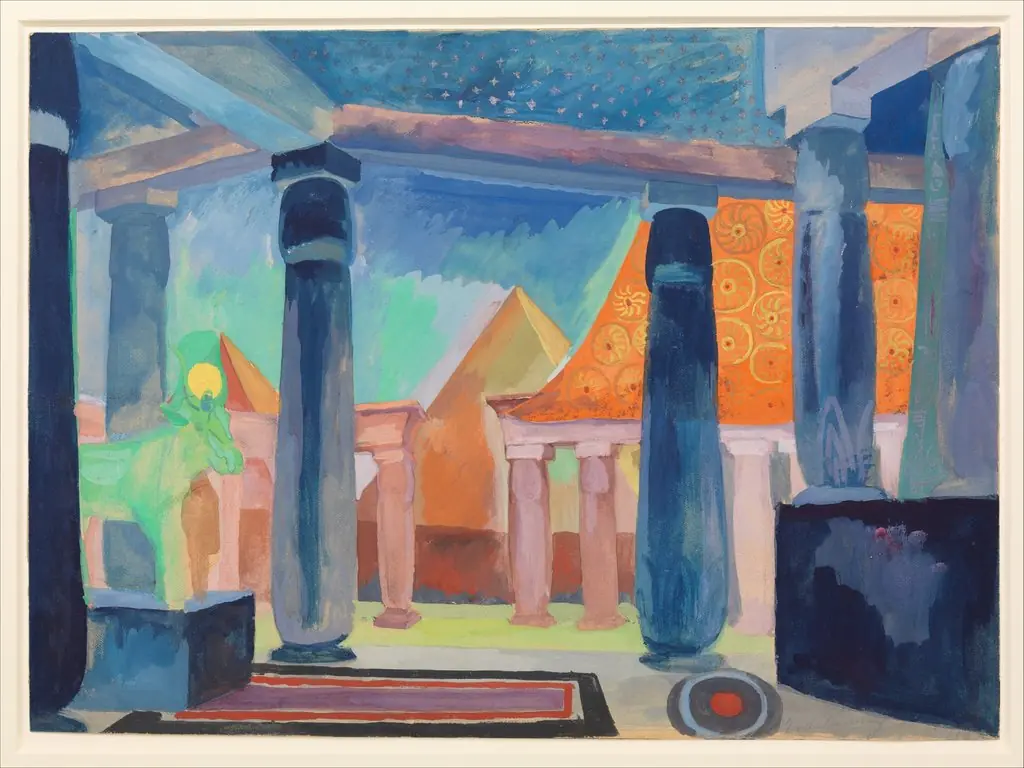 Stage Design for Cleopatra
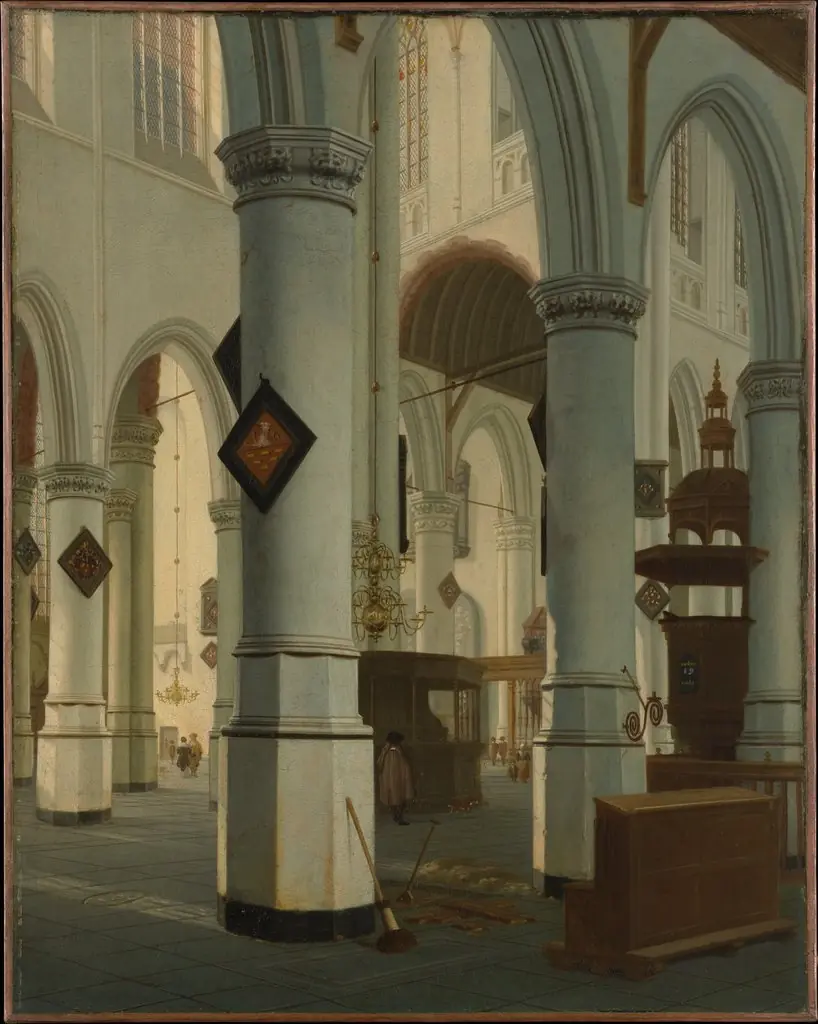 Interior of the Oude Kerk, Delft
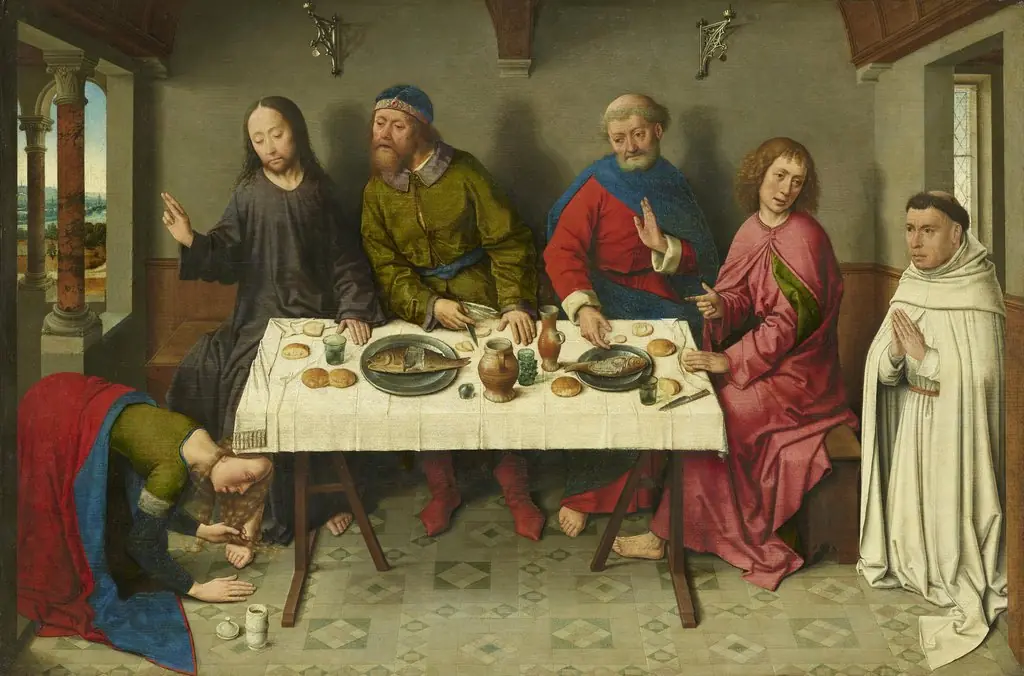 Christ in the house of the Pharisee Simon
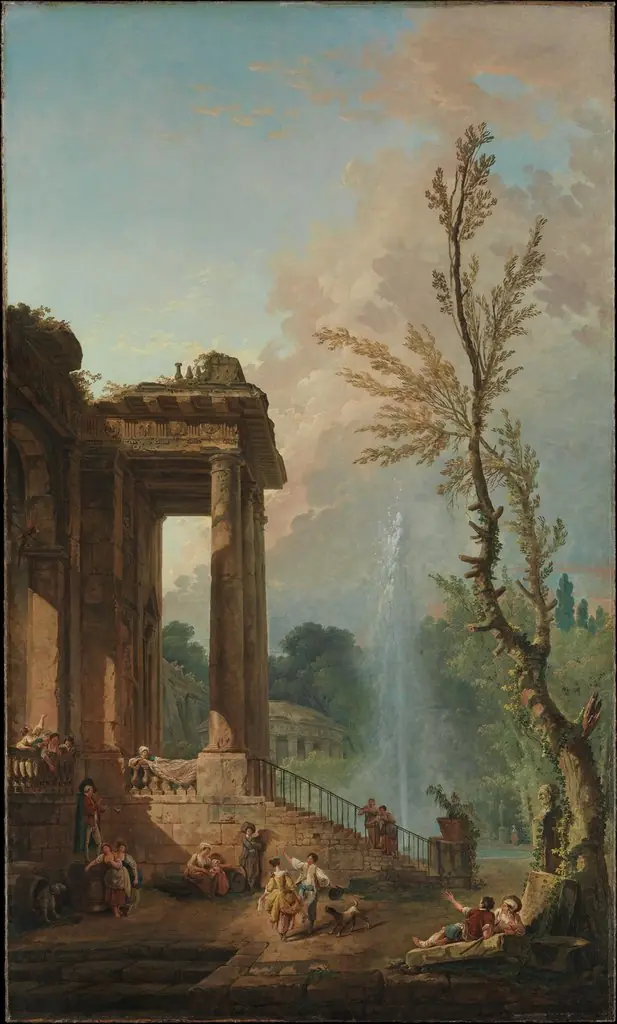 The Portico of a Country Mansion
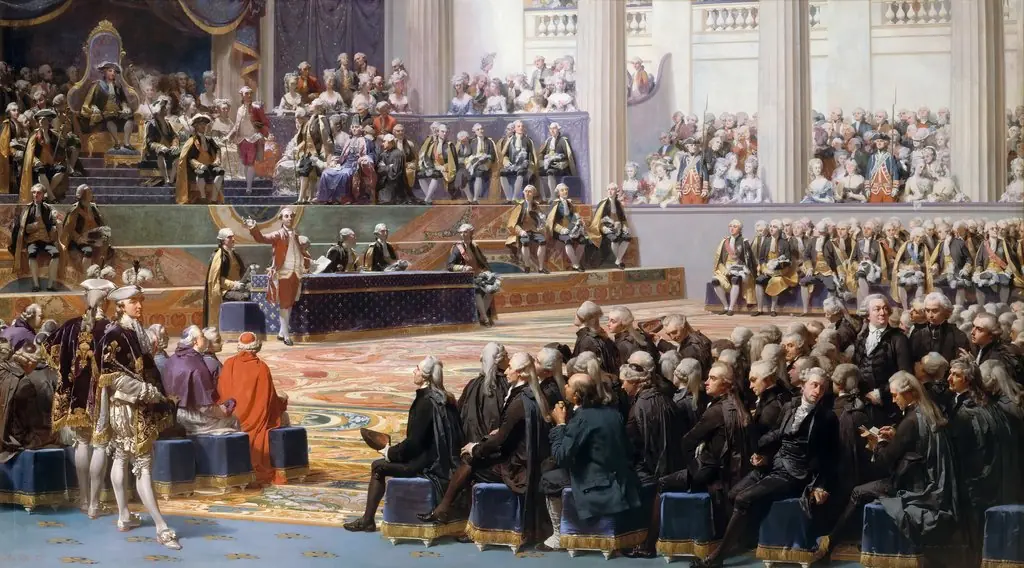 Opening session of the General Assembly, 5 May 1789
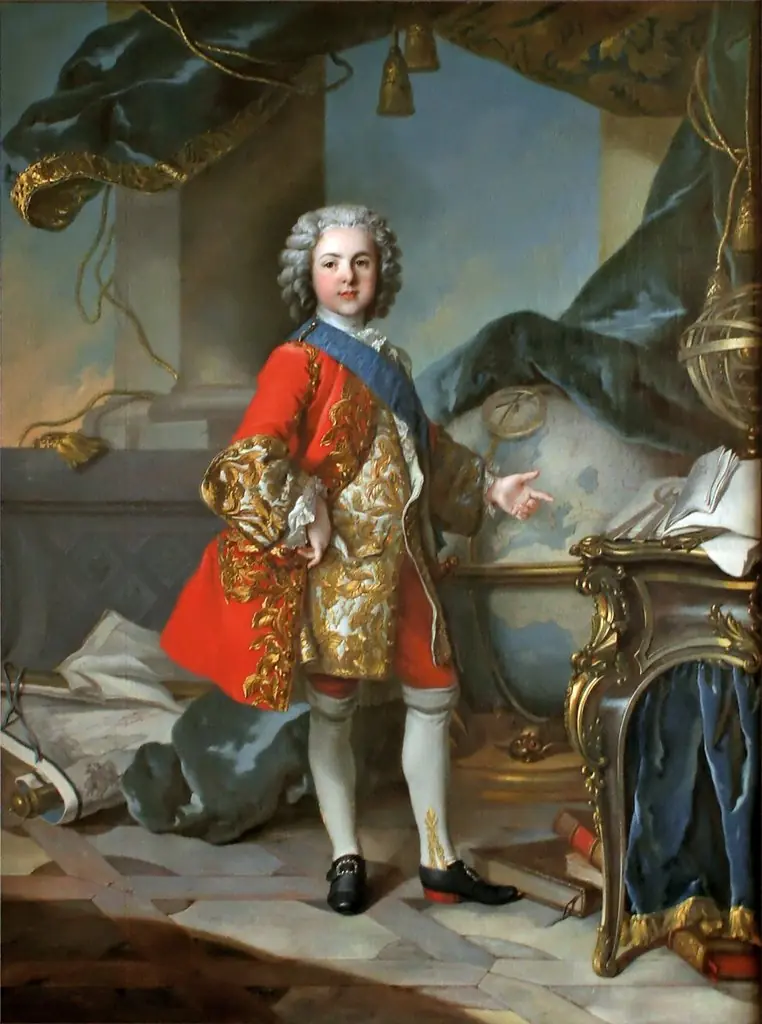 Portrait of Louis of France
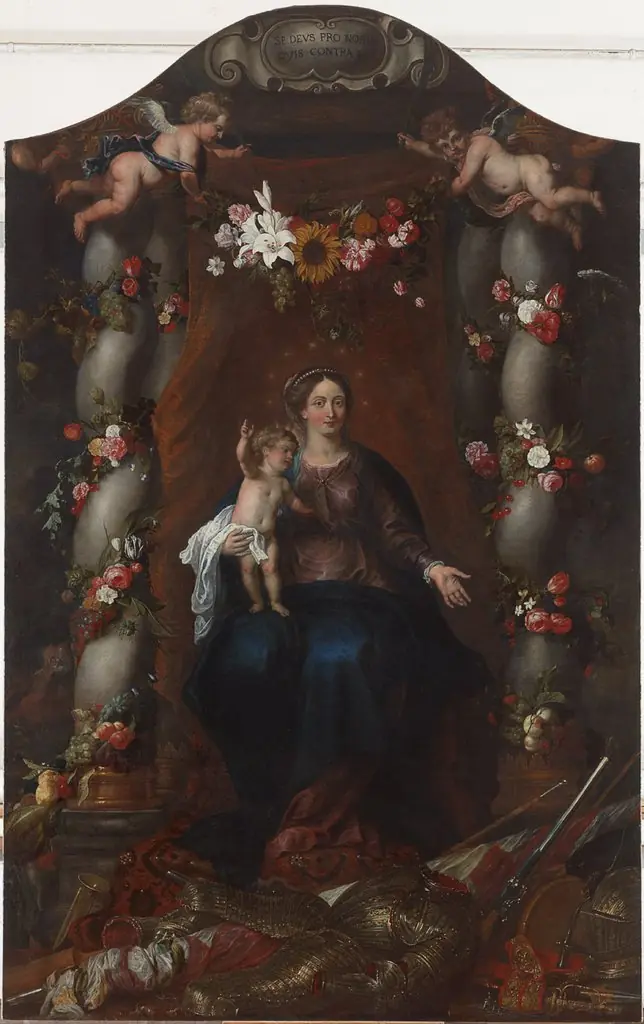 Madonna and Child Enthroned in a Fruit & Flower Garland
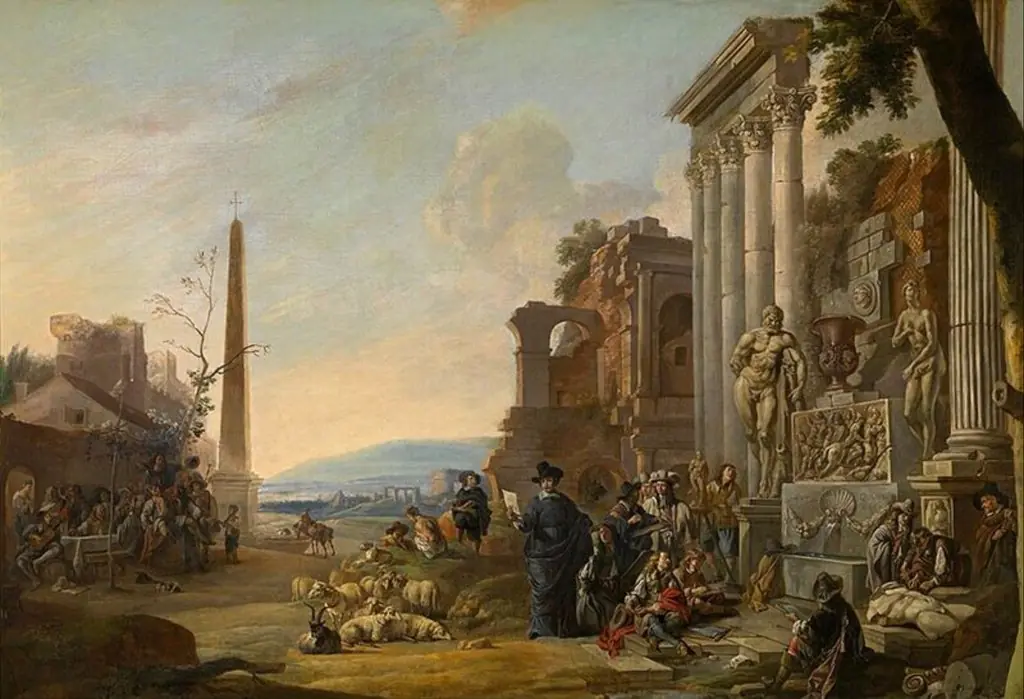 The Study of Art in Rome
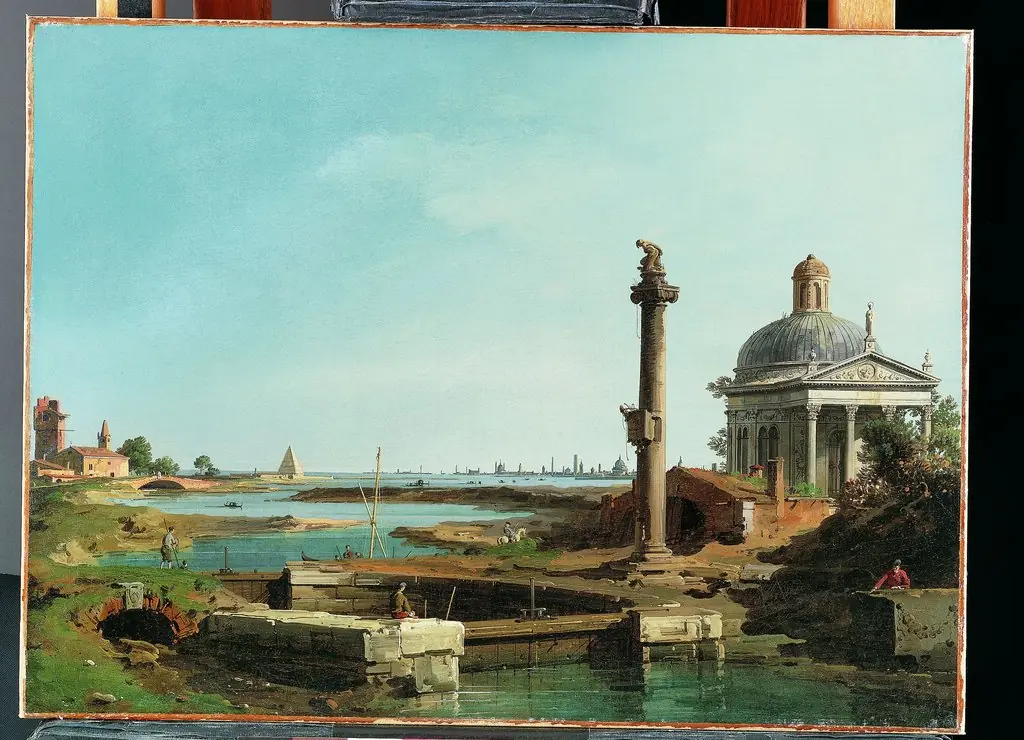 A Lock, a Column, and a Church beside a Lagoon
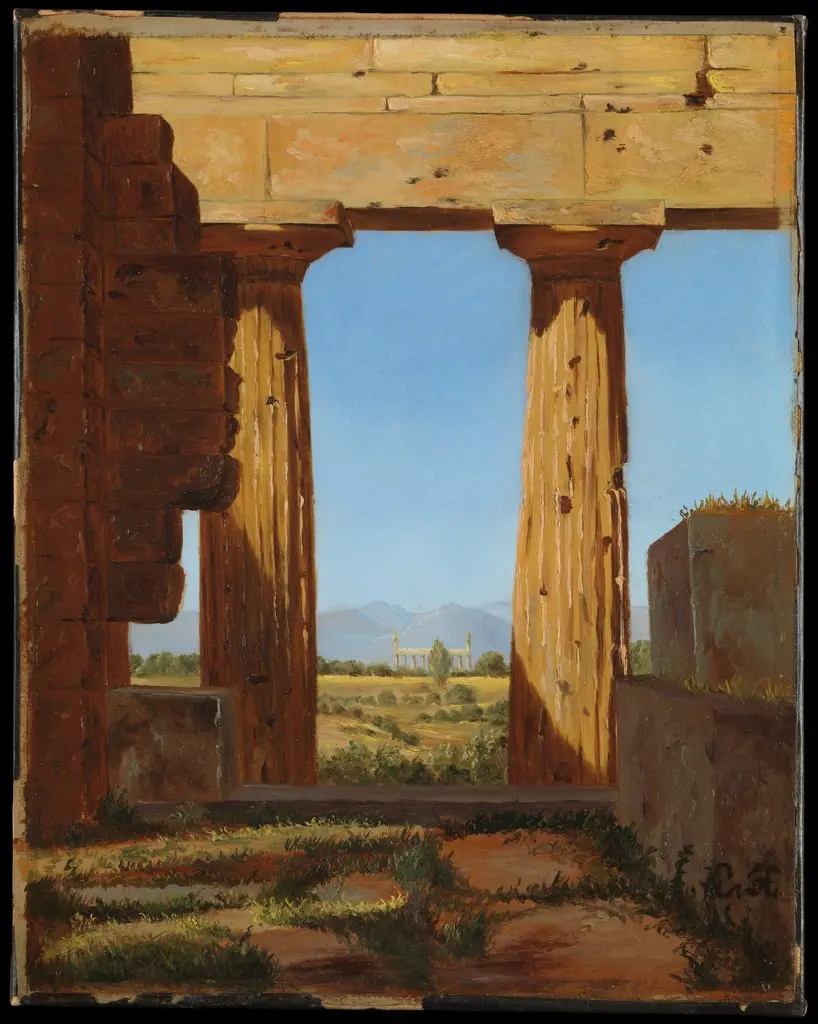 Columns of the Temple of Neptune at Paestum
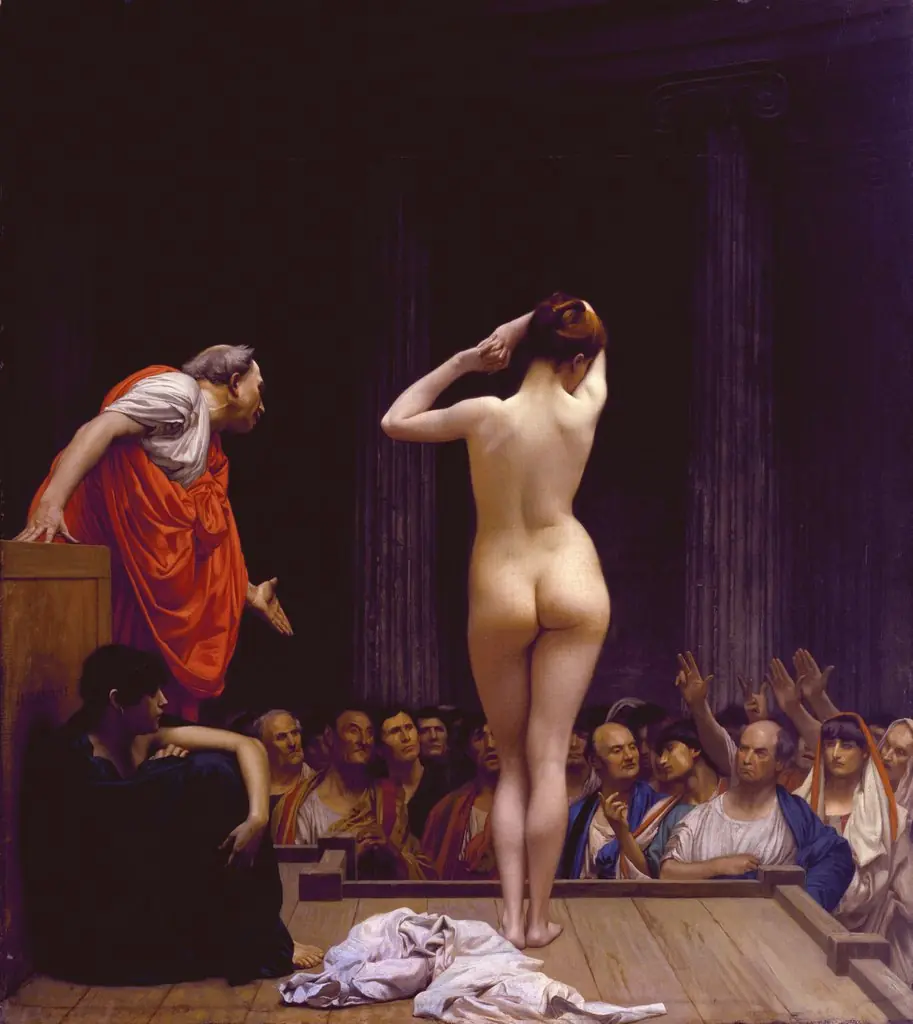 A Roman Slave Market
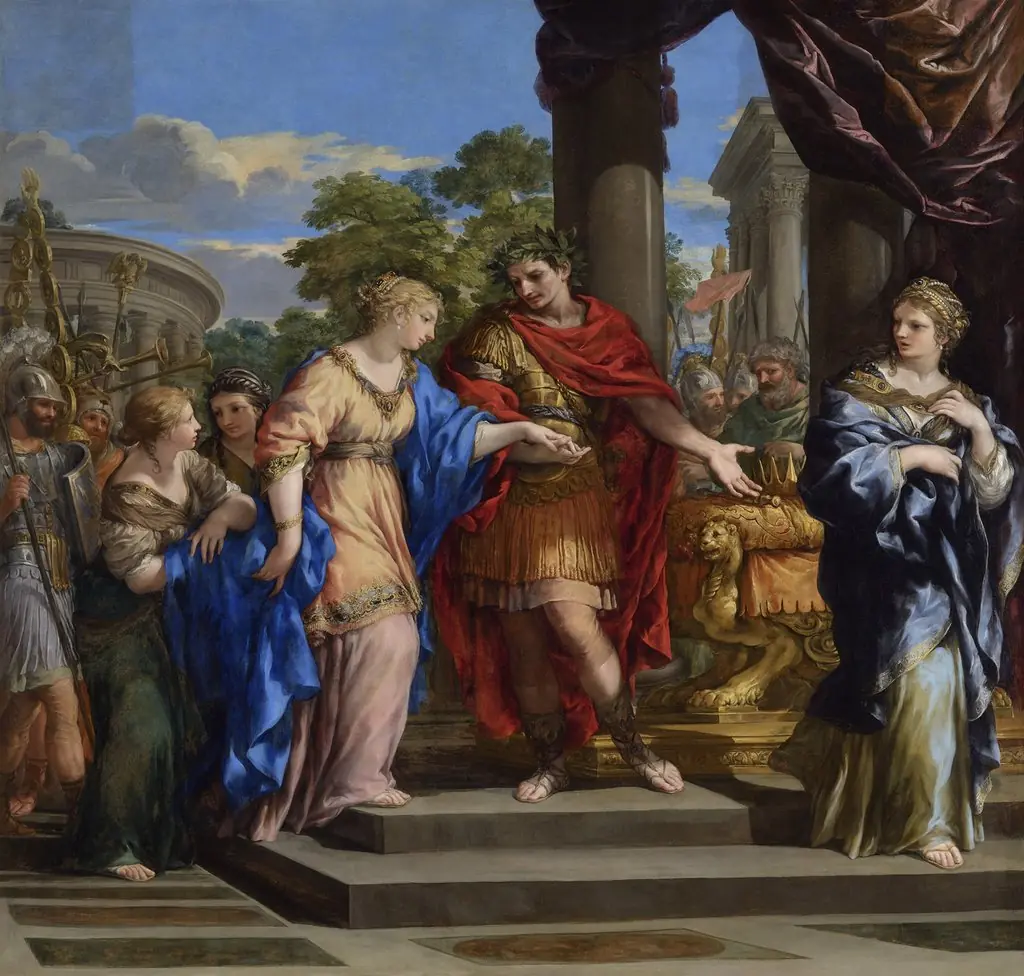 Caesar Giving Cleopatra the Throne of Egypt
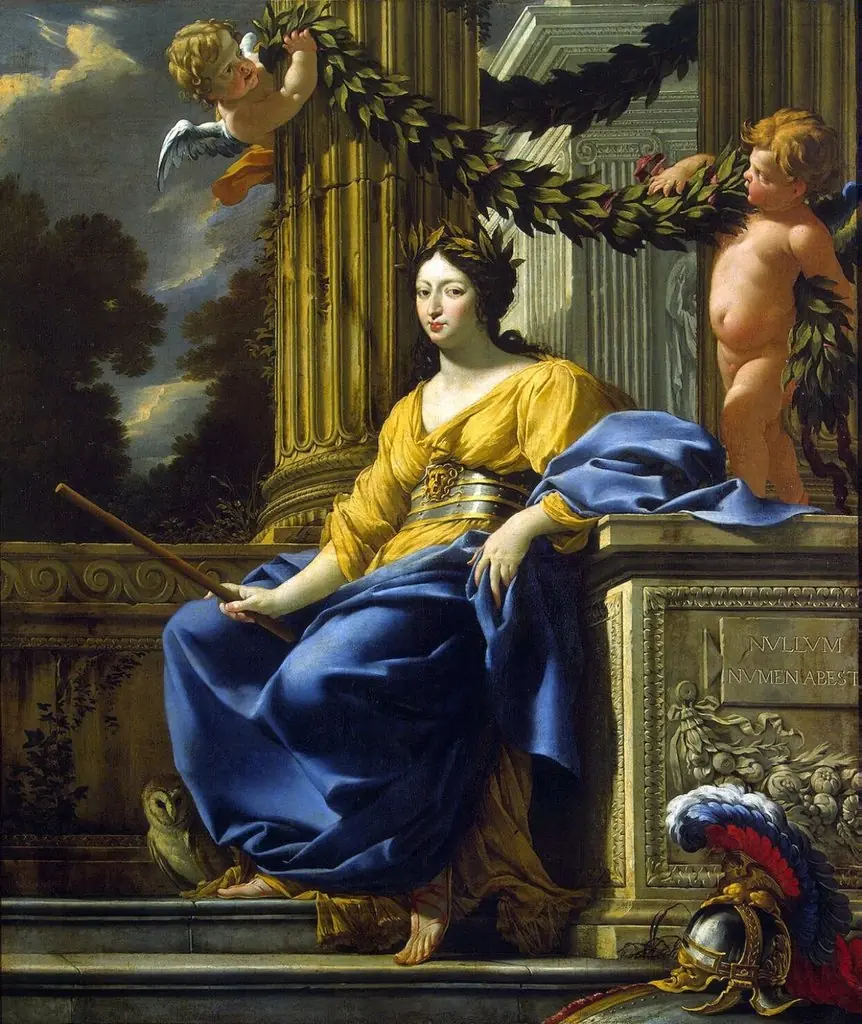 Allegorical Portrait of Anna of Austria as Minerva
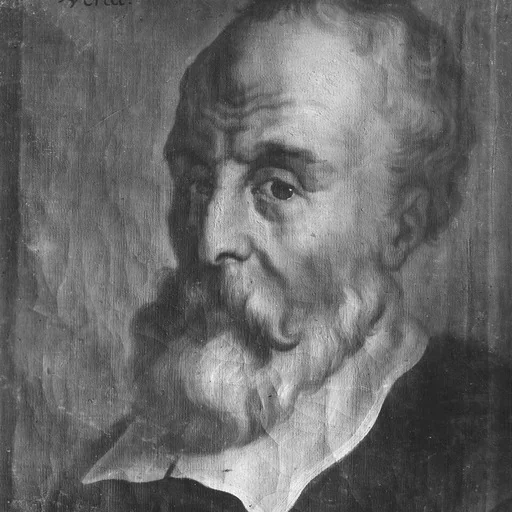
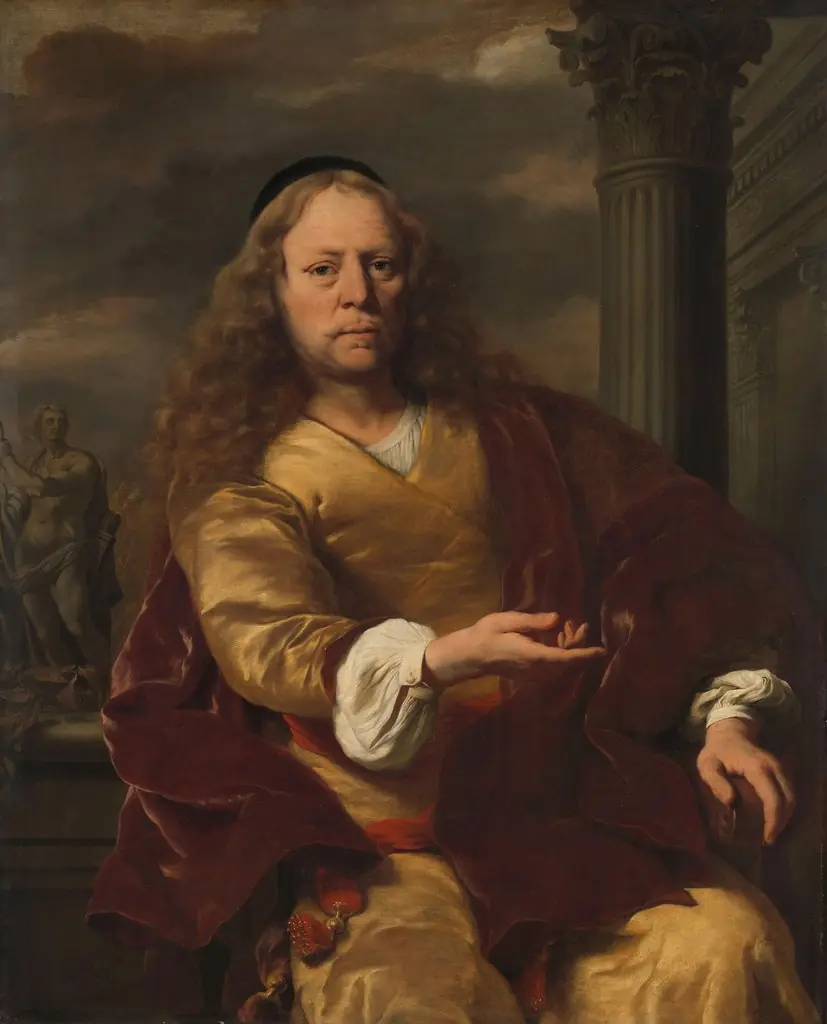 Portrait of a man
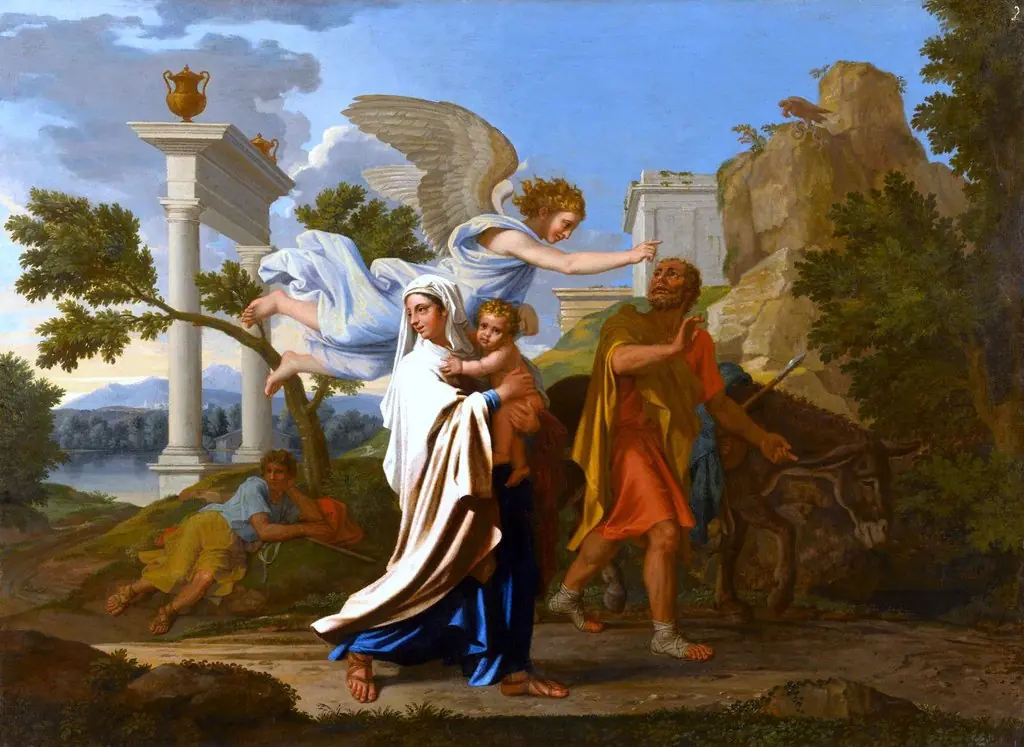 The Flight into Egypt
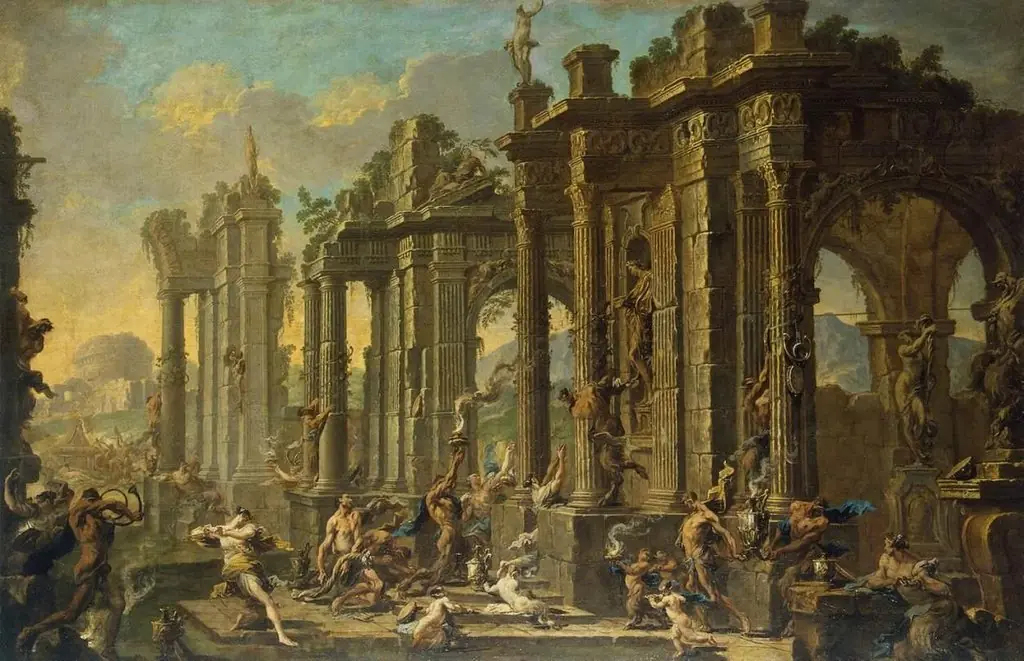 Bacchanalia
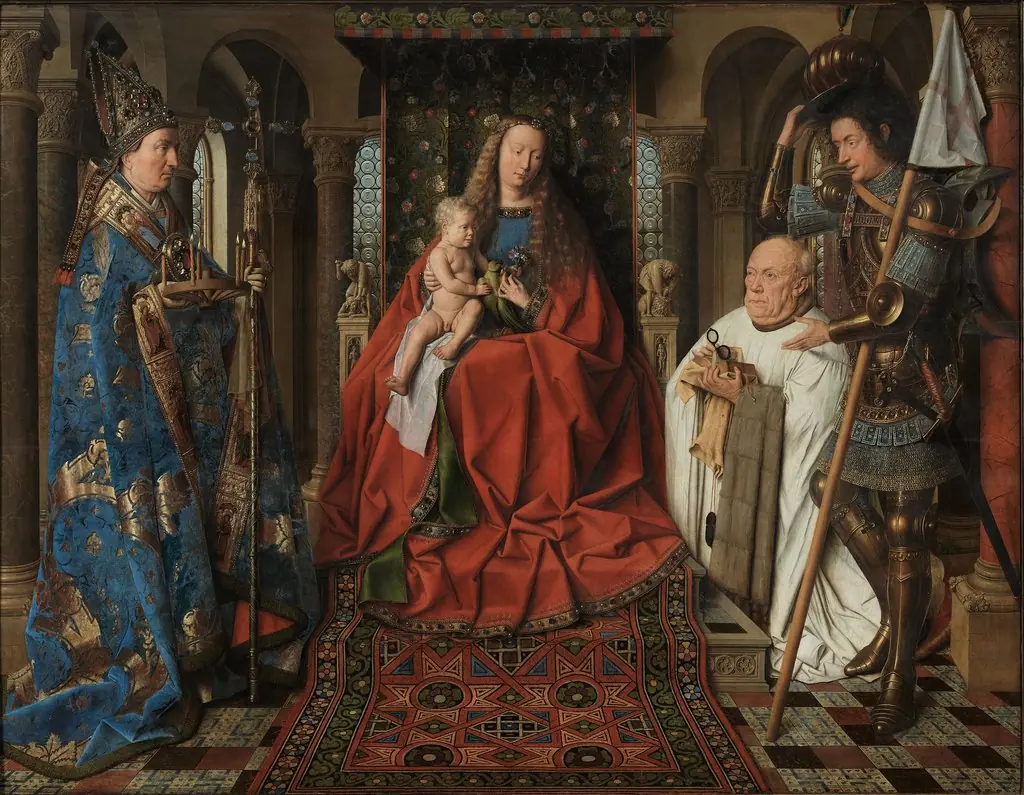 Madonna with Canon Joris van der Paele
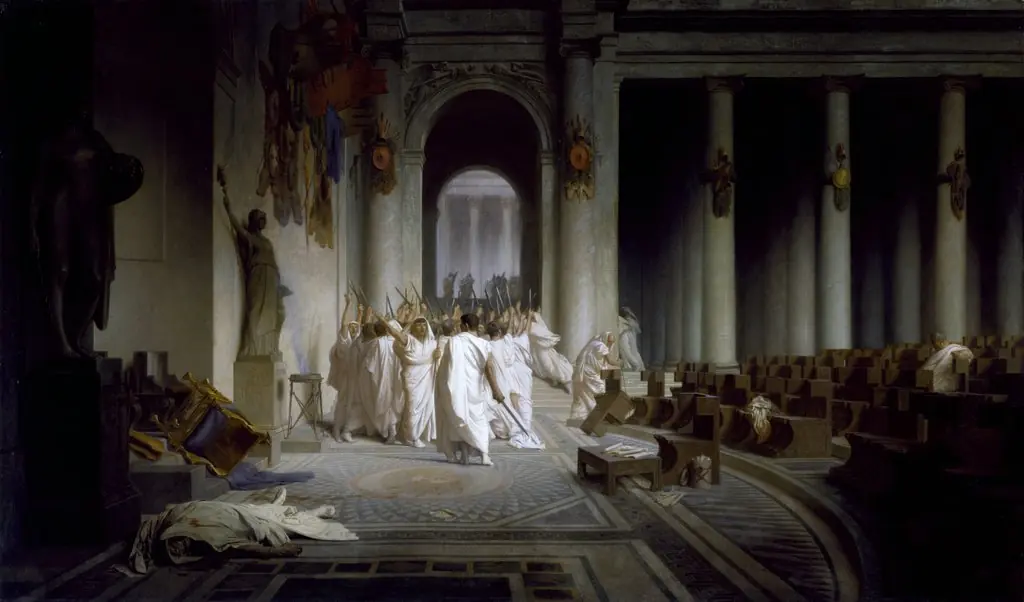 The Death of Caesar
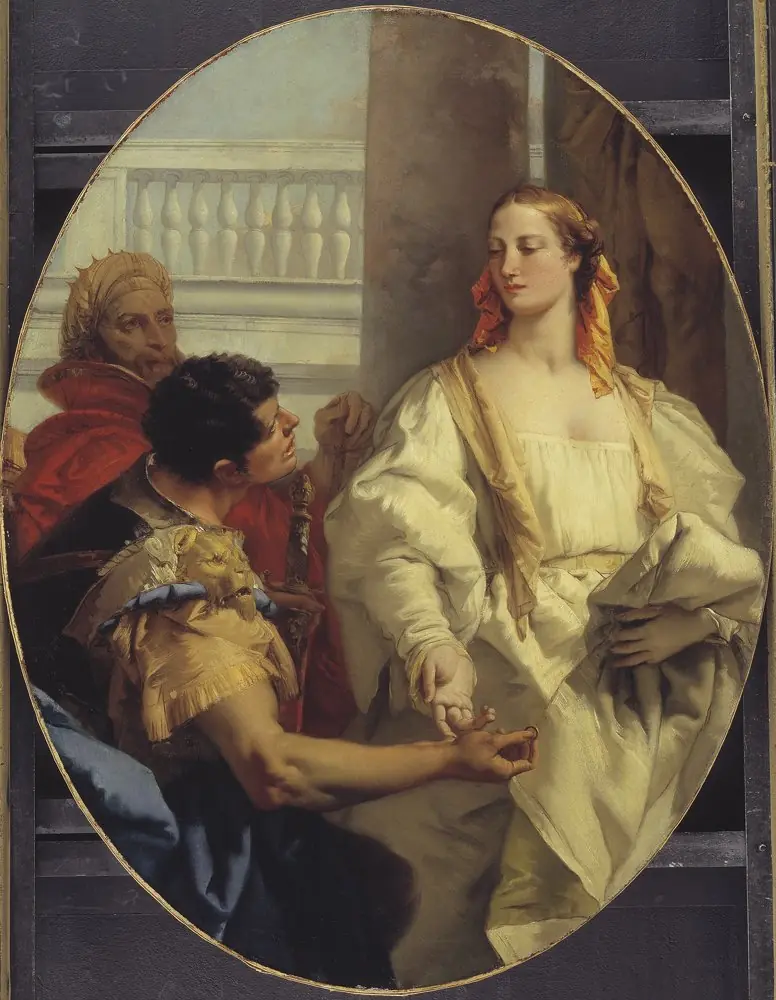 Latinus Offering his Daughter Lavinia to Aeneas in Matrimony
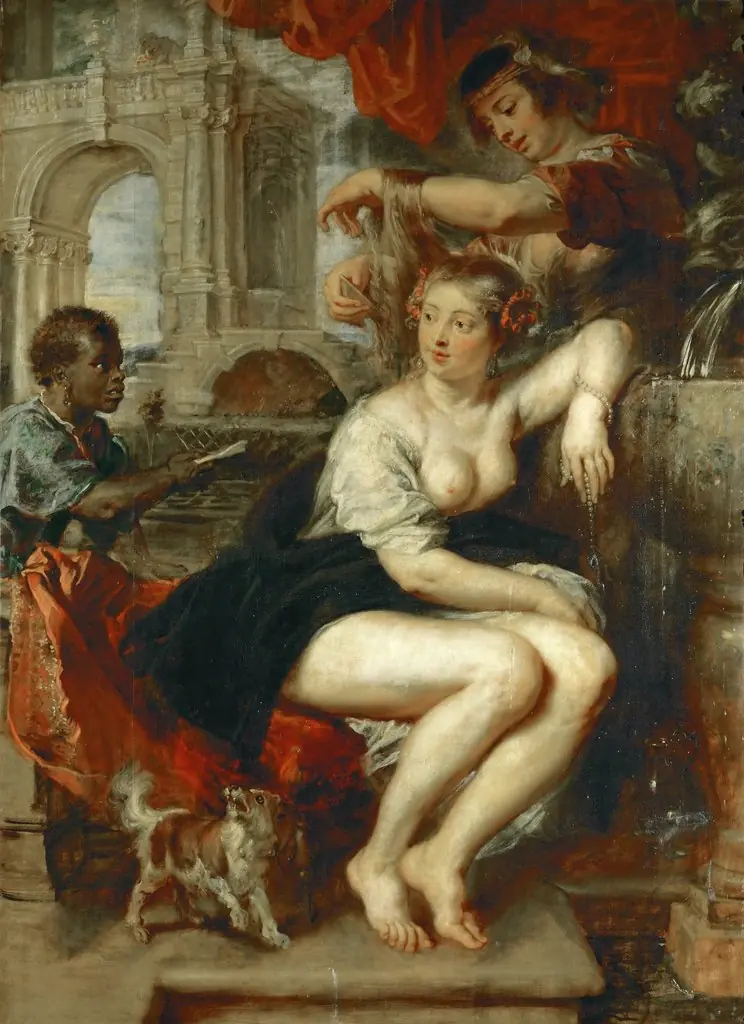 Bathsheba at Her Toilet
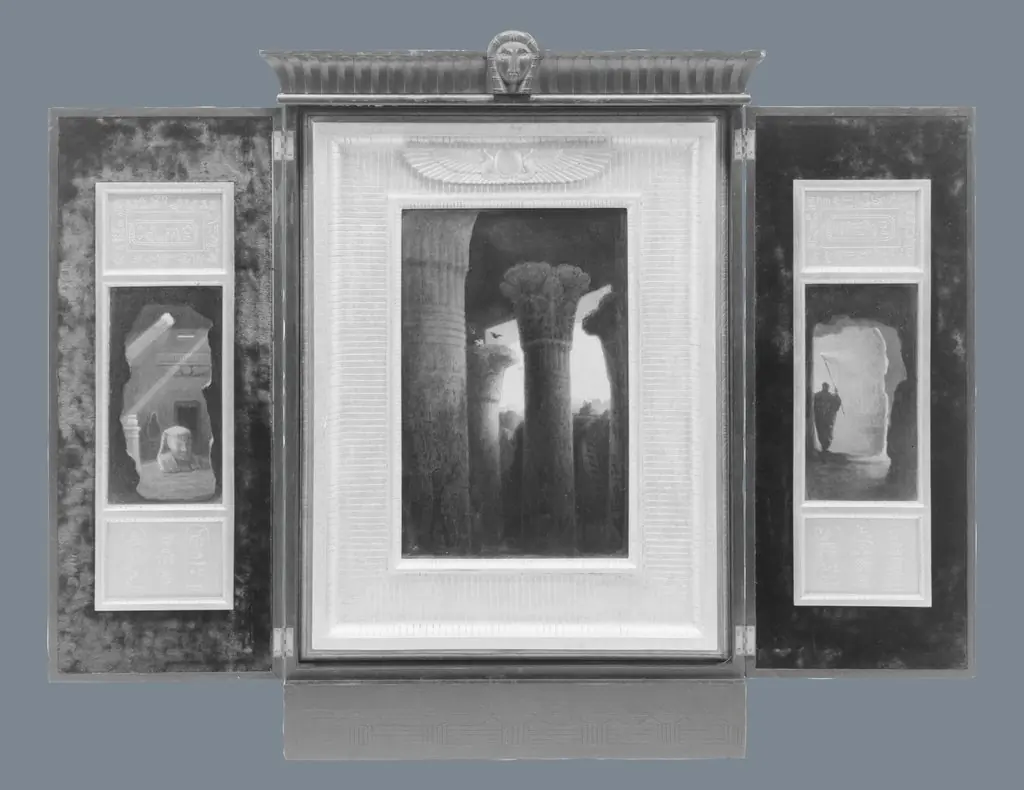 Egyptian Revival Triptych
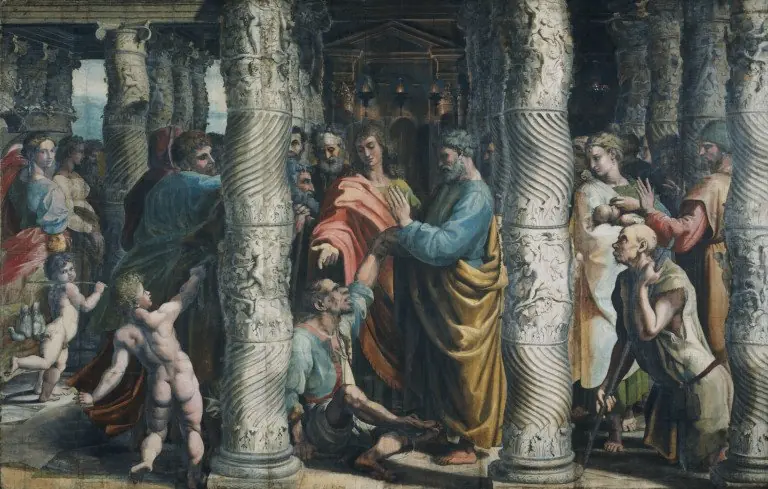 The Healing of the Lame Man
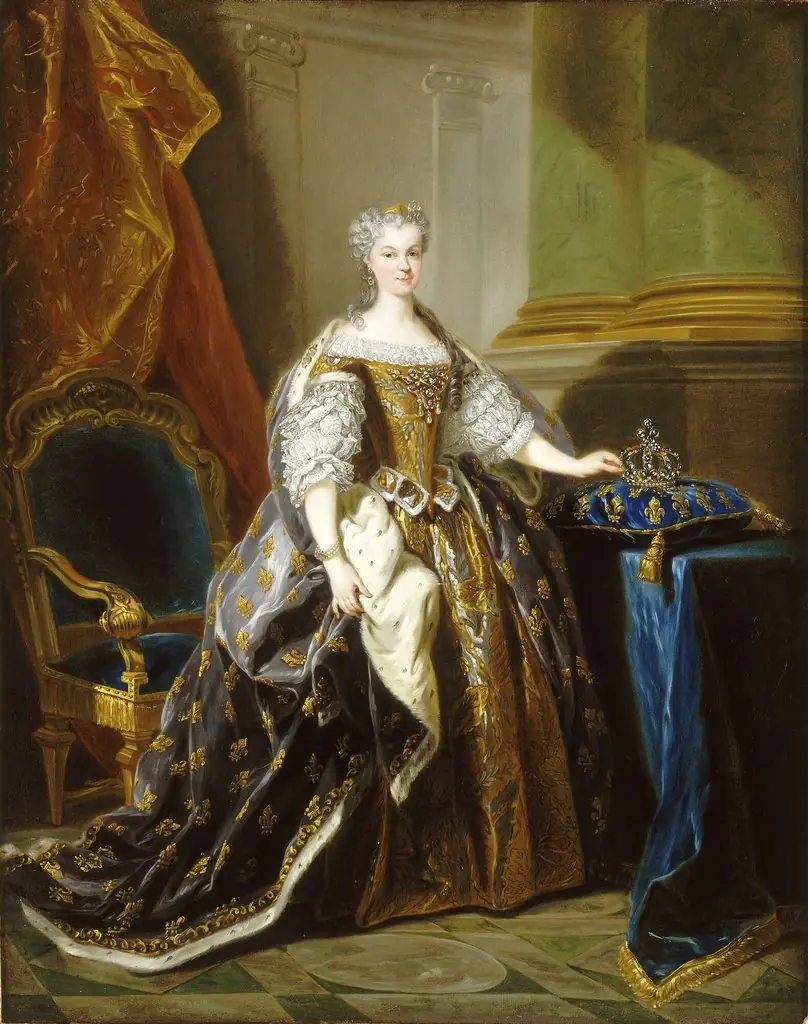 Portrait of Marie Leszczyńka.
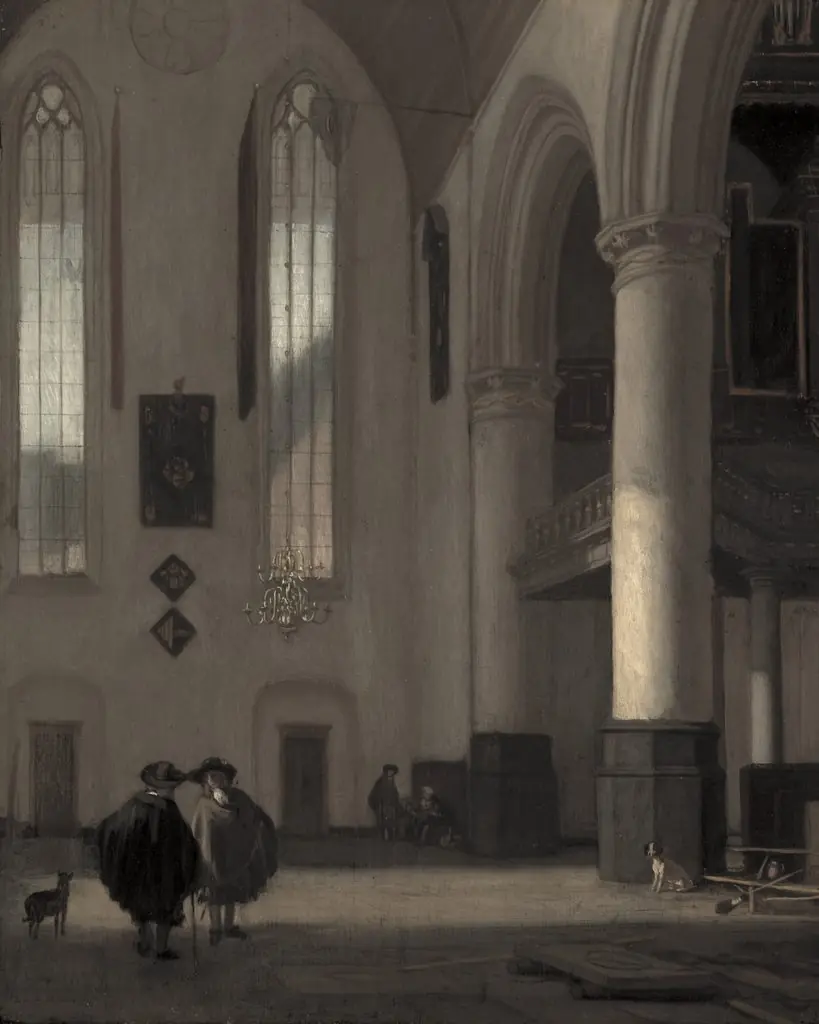 Interior of a Protestant Church
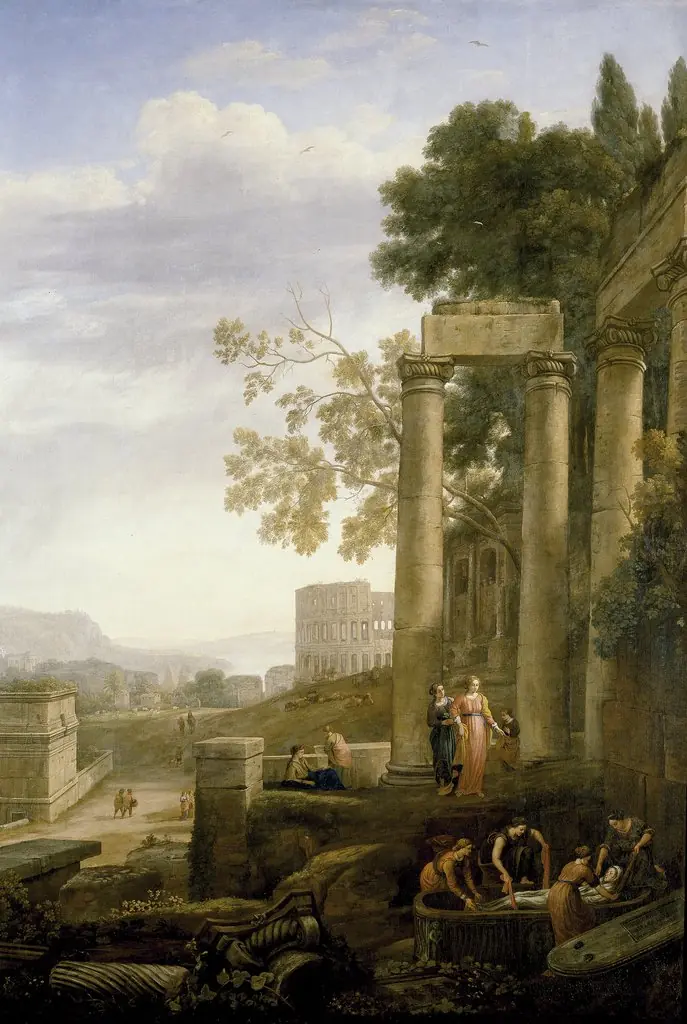 Landscape with the Burial of Saint Serapia
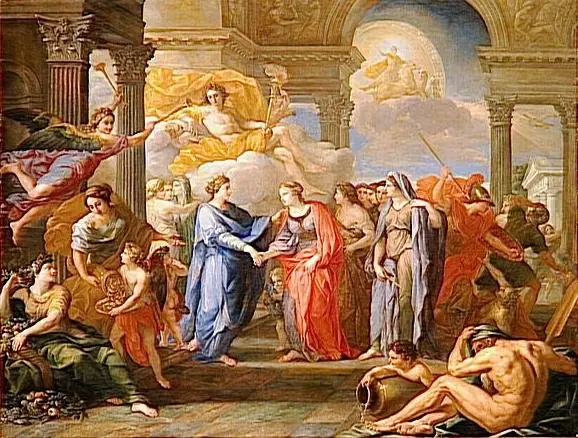 Allégorie de l'alliance du dauphin de France avec Marie-Anne-Victoire de Bavière
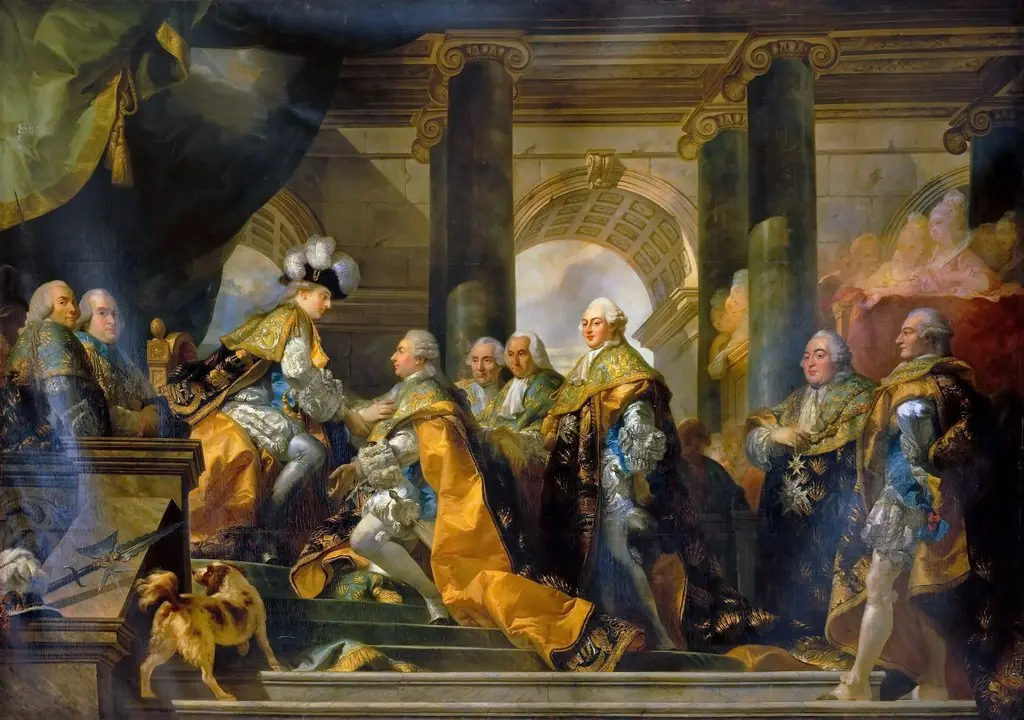 Louis XVI receives homage from the Knights of the Holy Spirit in Reims, June 13, 1775
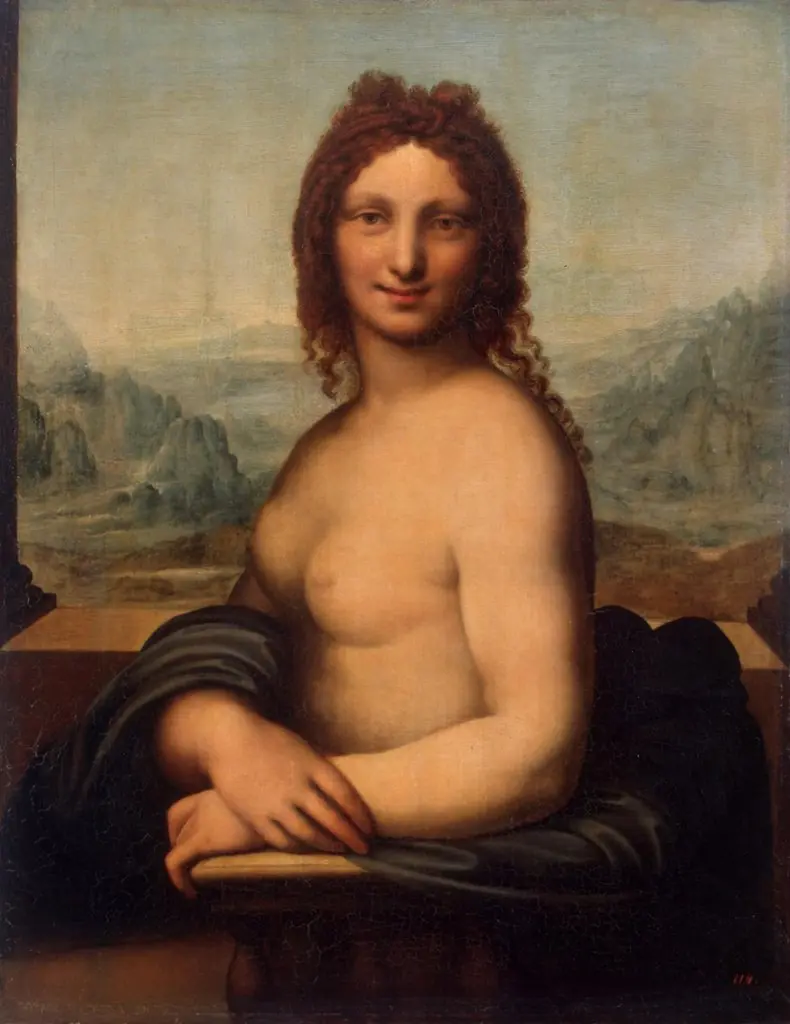 Nude Woman
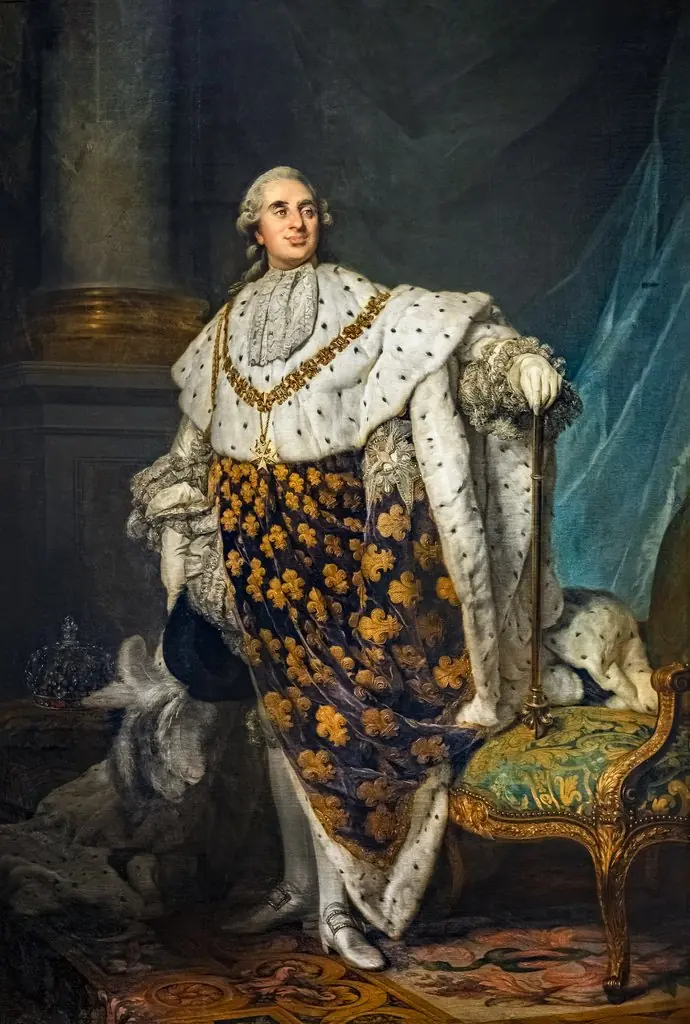 Louis XVI in Coronation Robes
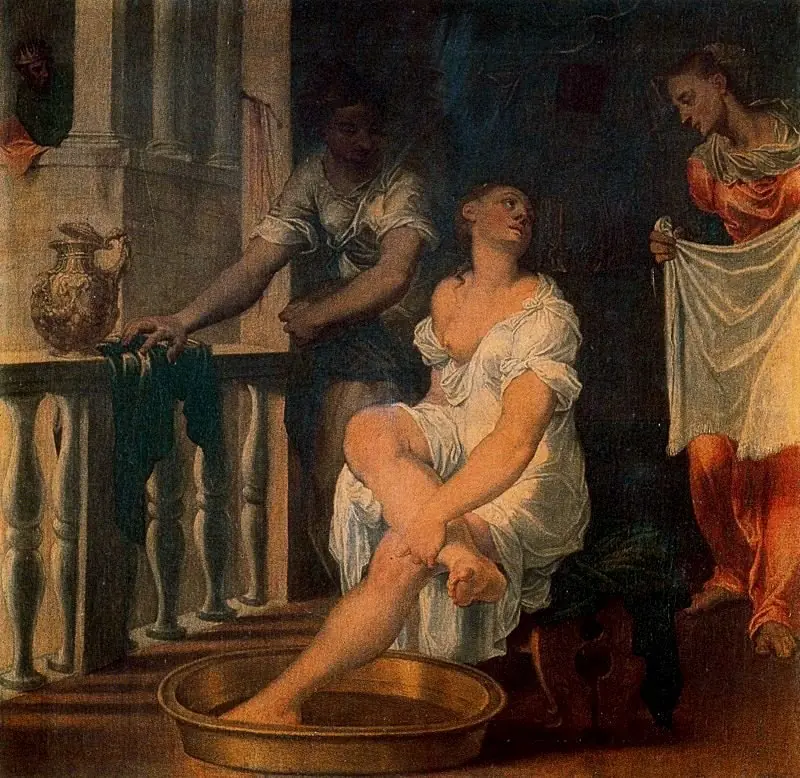 Bathsheba at her bath
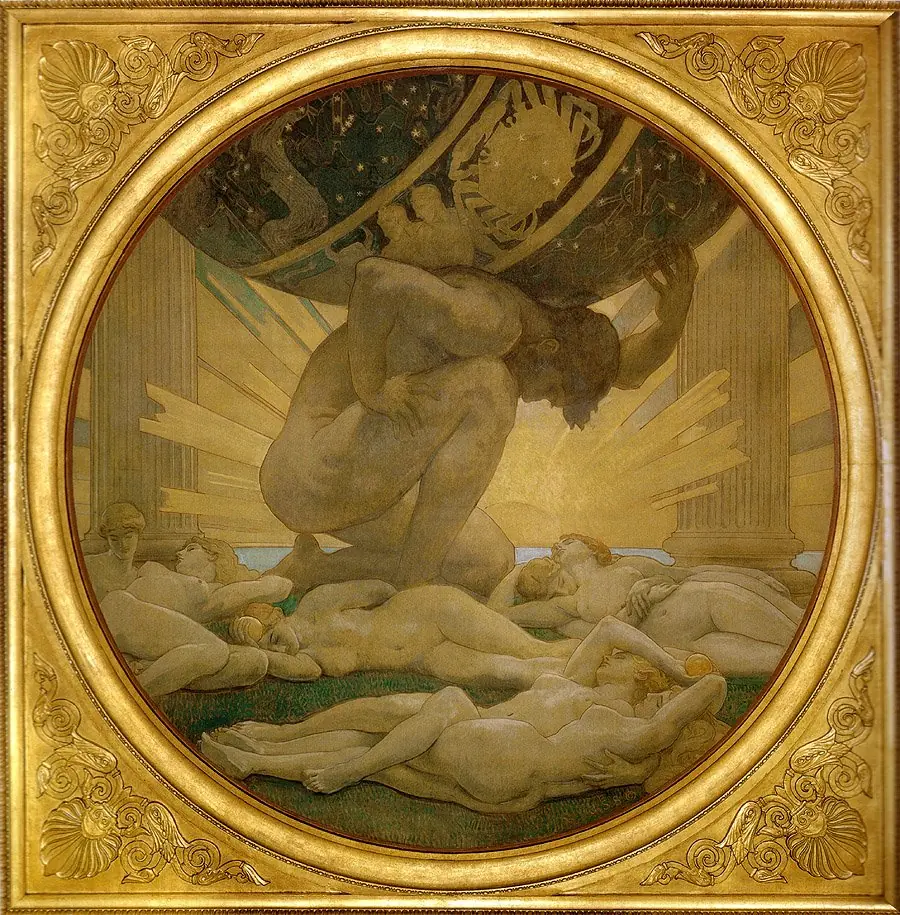 Atlas and the Hesperides
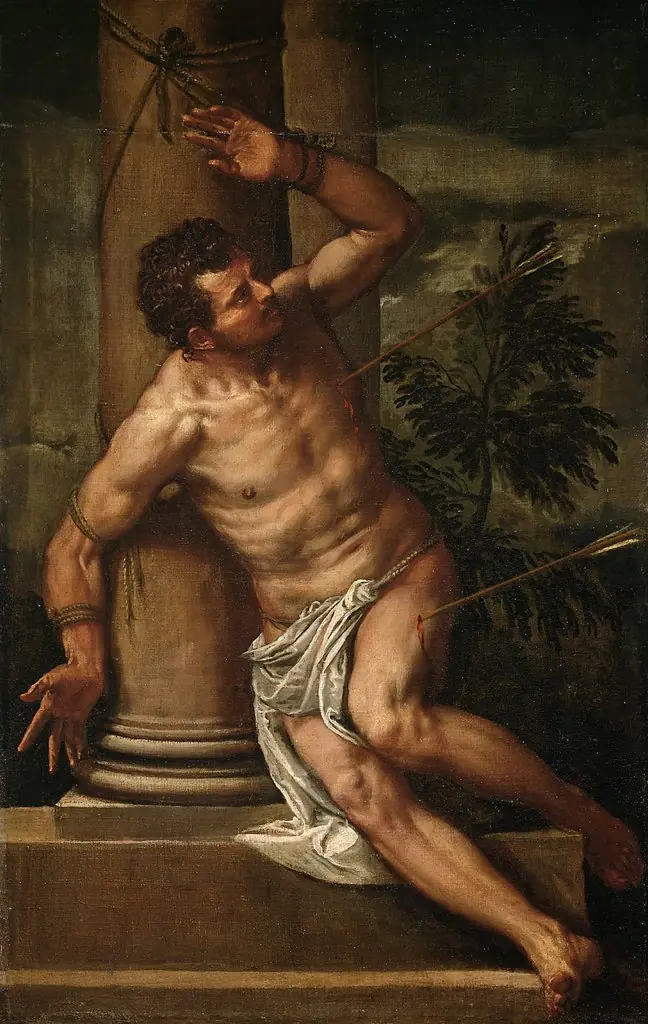 Saint Sebastian
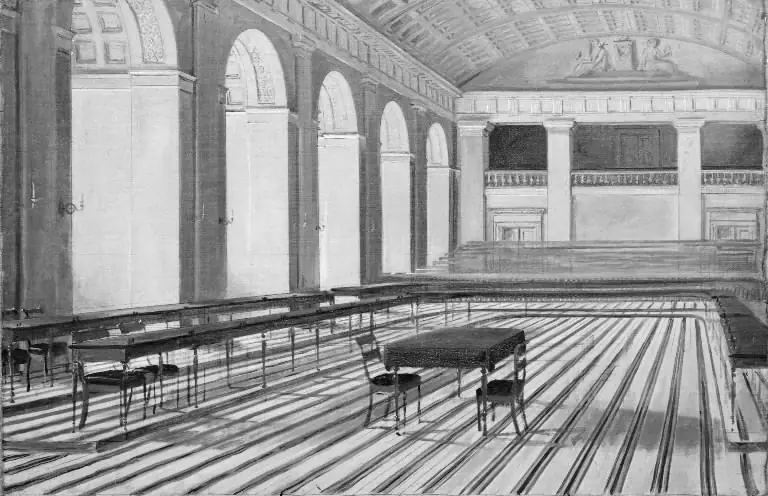 Interiørstudie
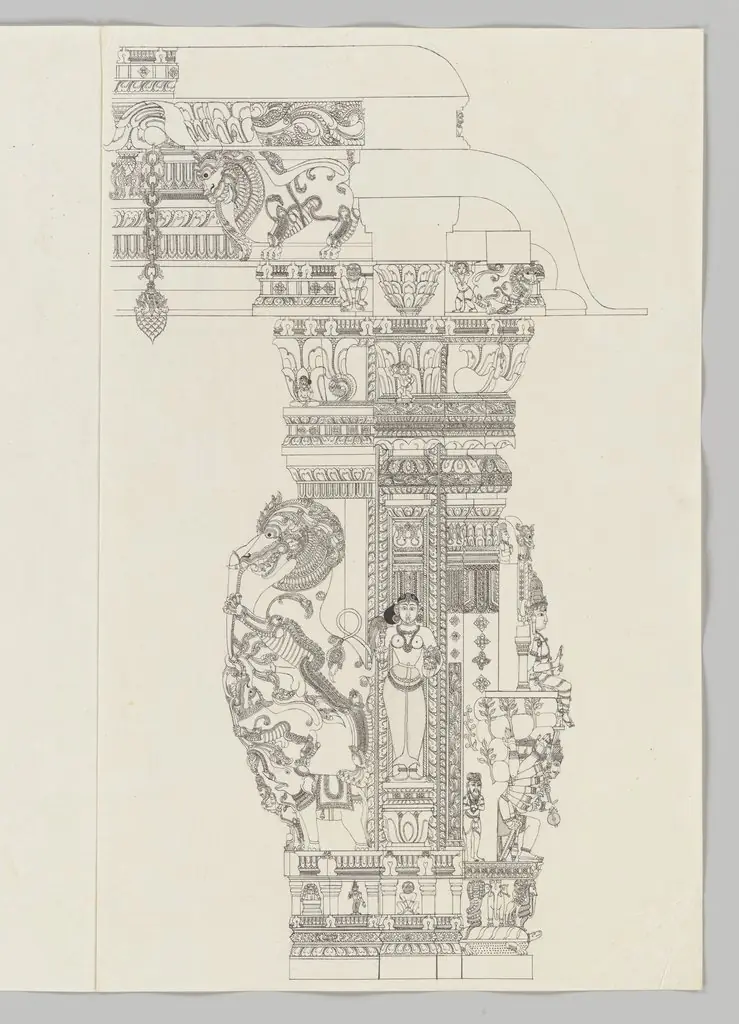 Shiva Ravananugrahamurti; woman holding a flywhisk; rearing yali
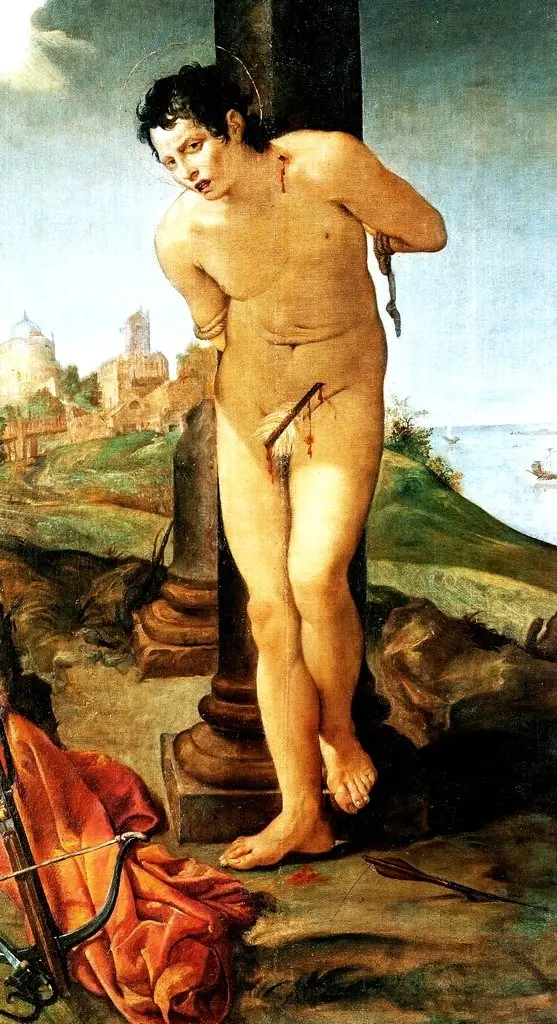 Saint Sebastian
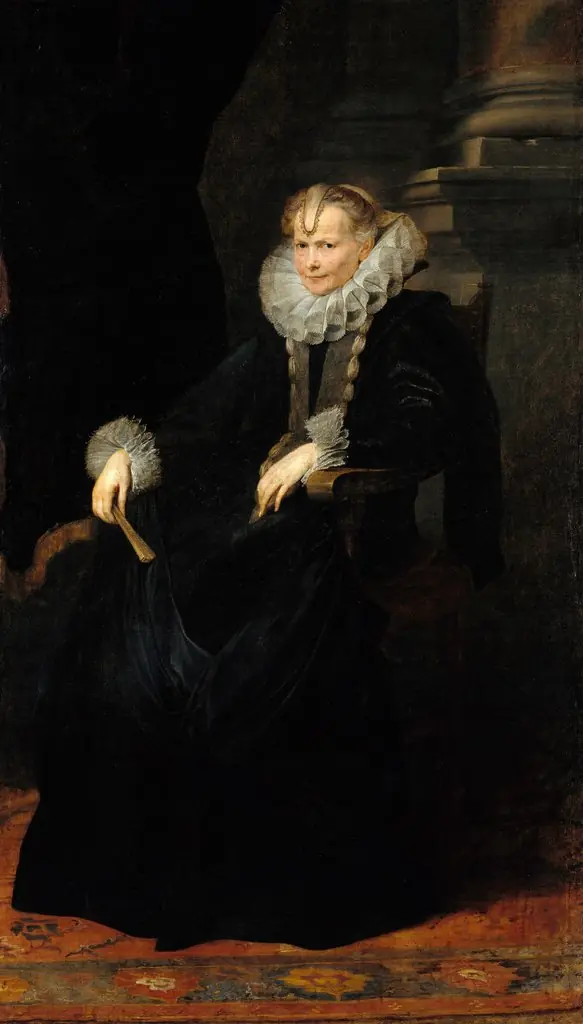 Portrait of a Genoese Lady
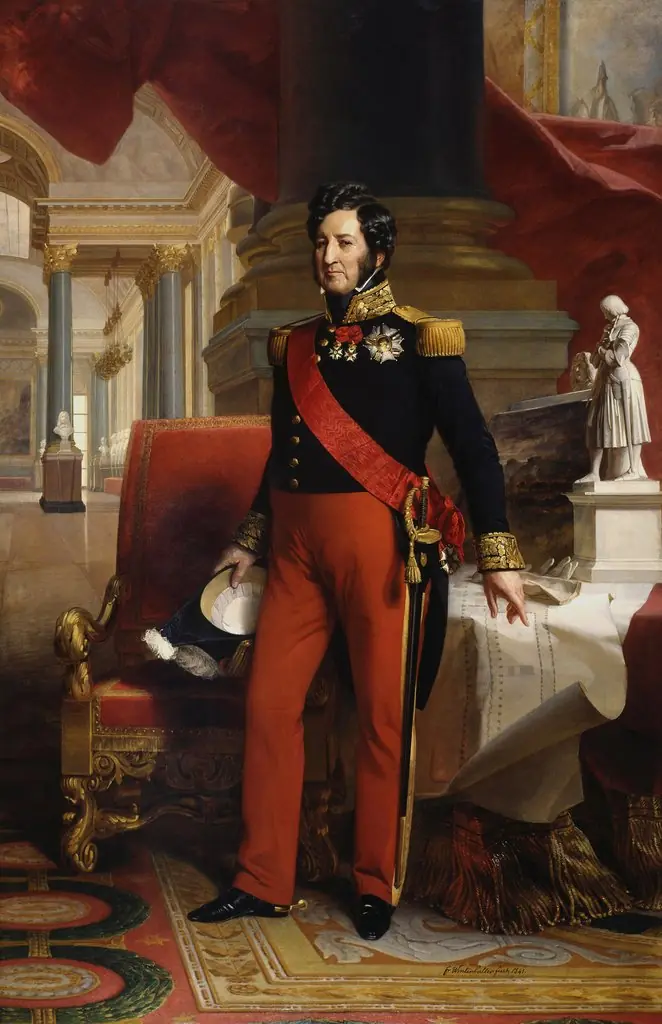 Louis-Philippe I, King of the French (1773–1850)
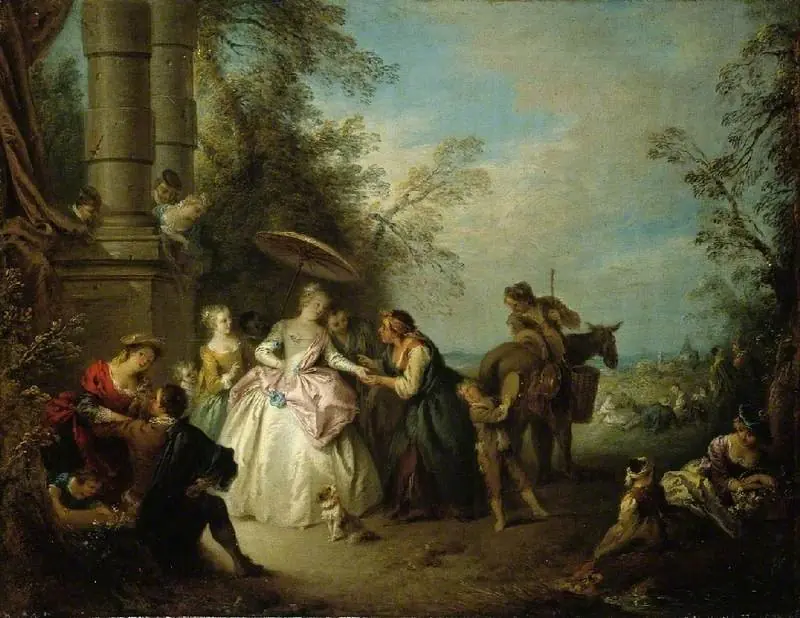 La Bonne Aventure
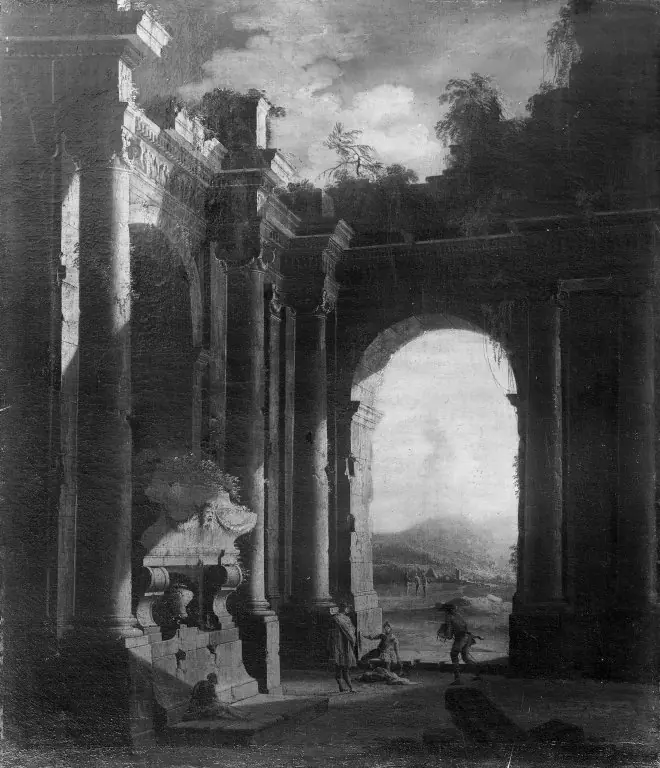 Capriccio of Ruins with Figures beneath an Archway
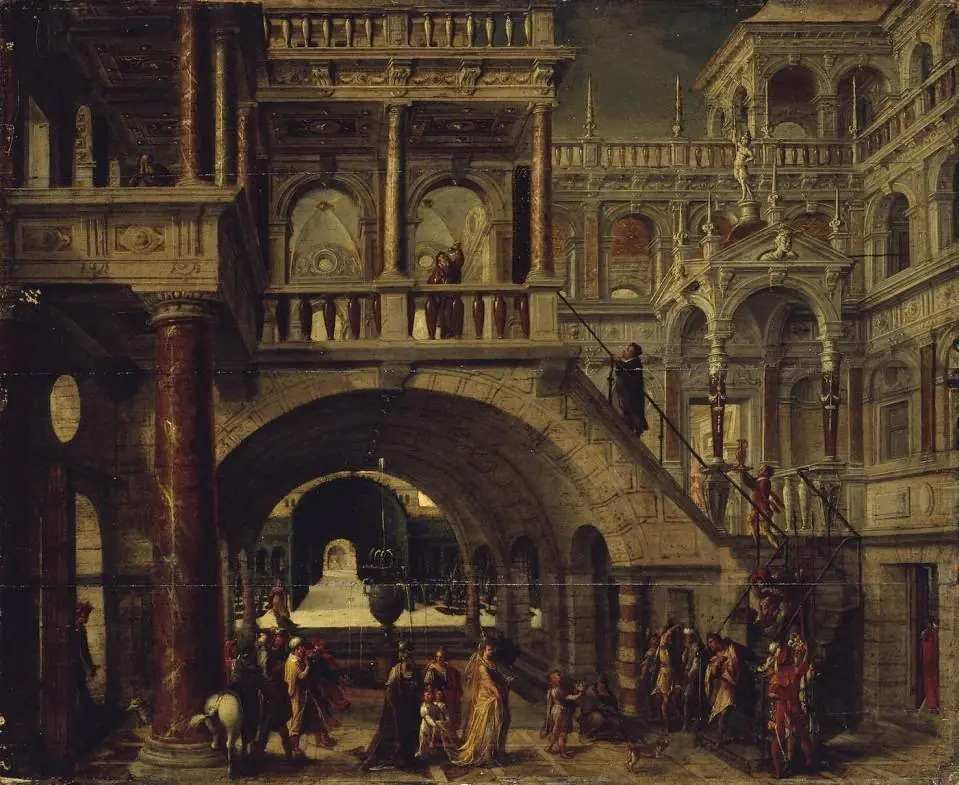 Architectural Landscape
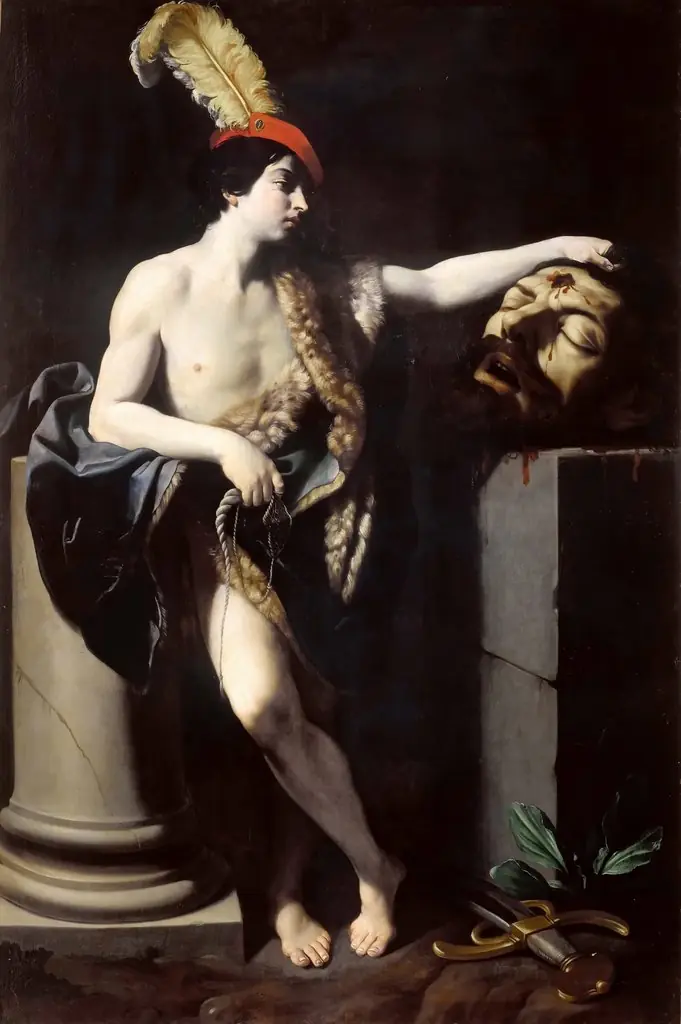 David with the Head of Goliath
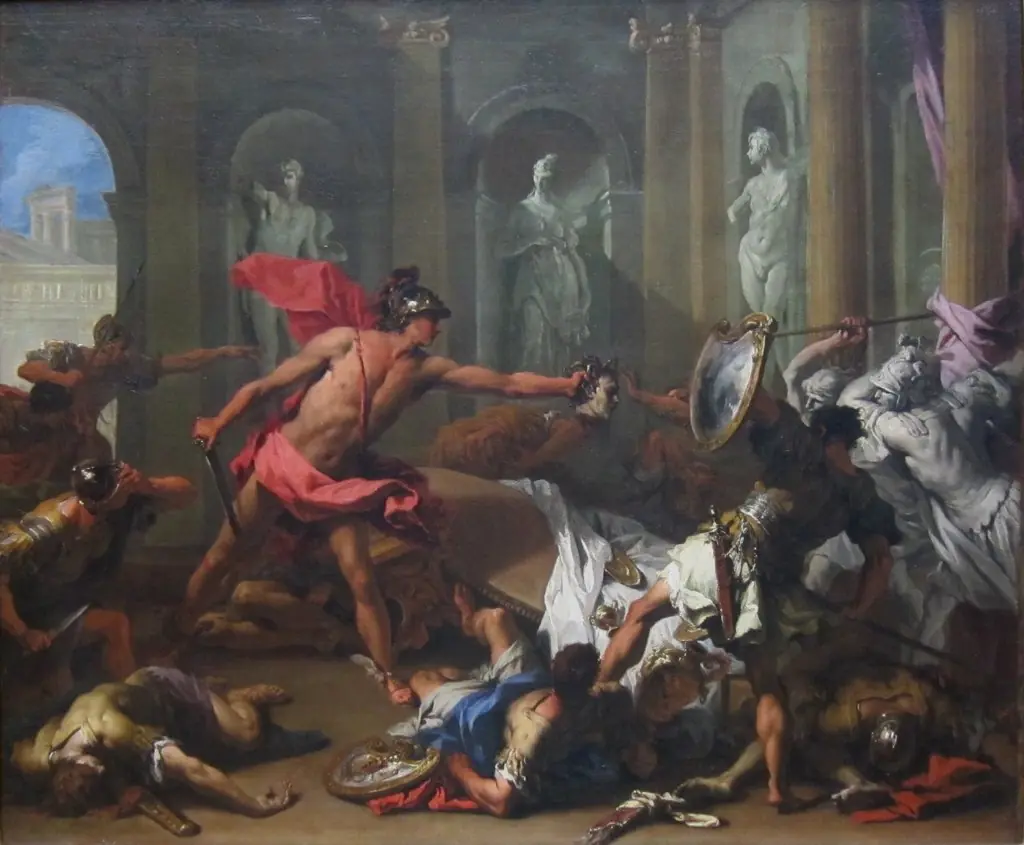 Perseo affronta Fineo con la testa di Medusa
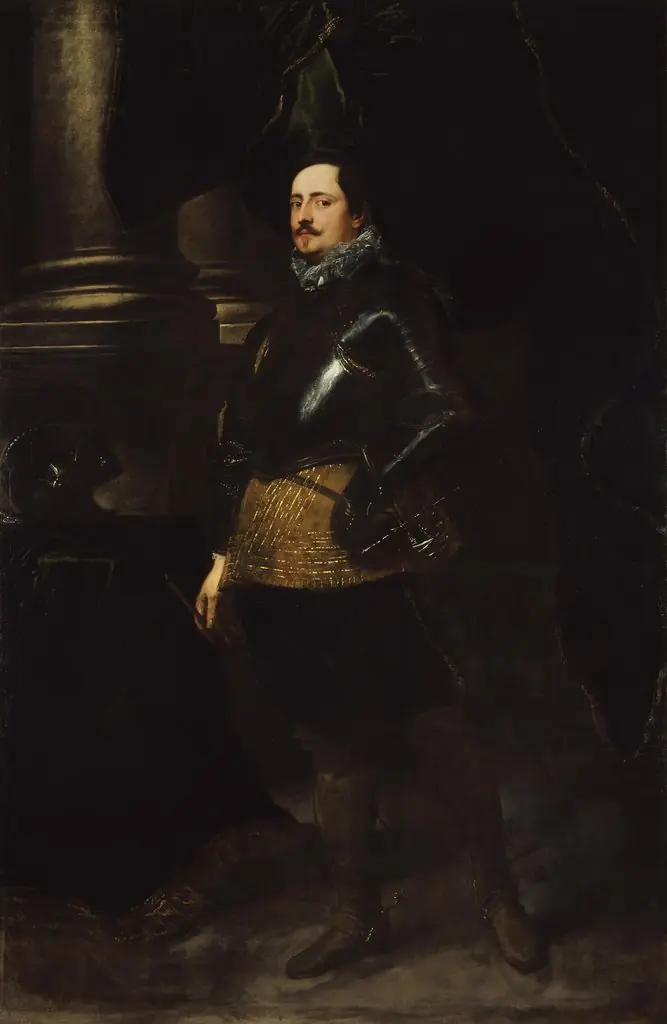 An Italian Noble
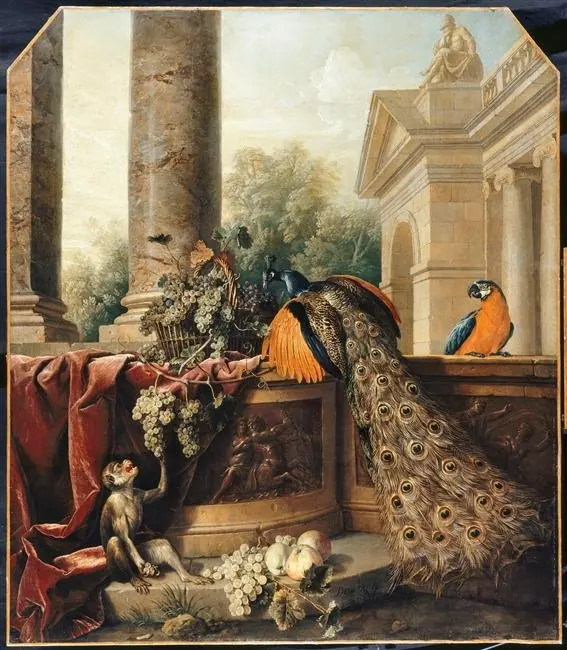 Still Life with a Peacock
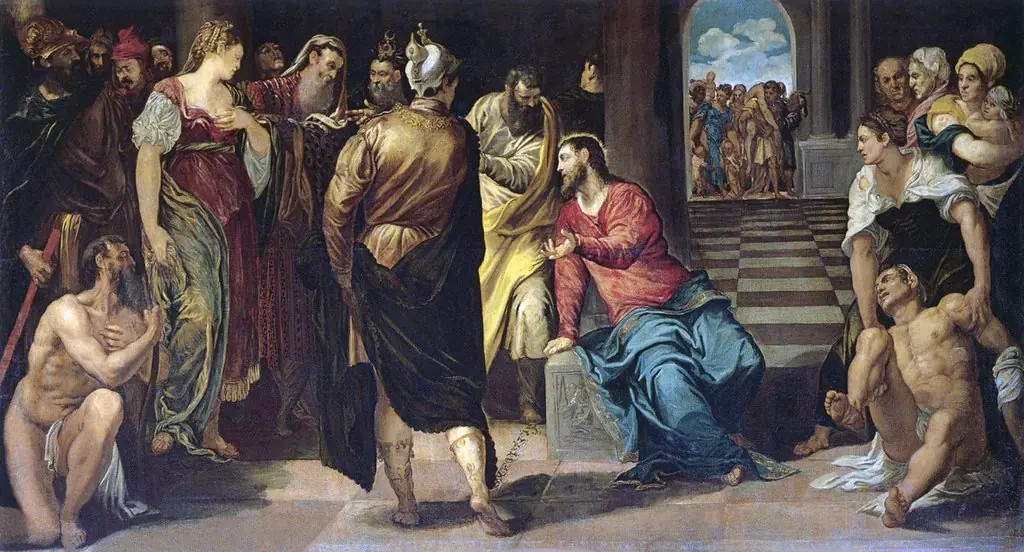 Christ and the Adulteress
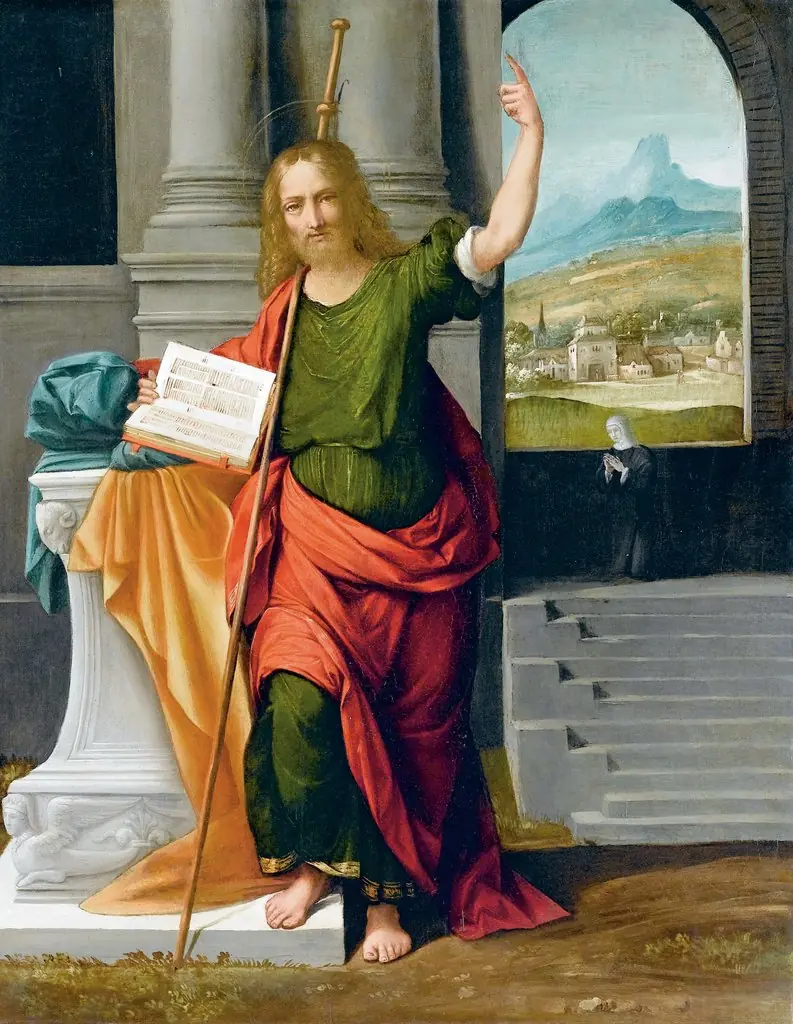 Saint James the Greater
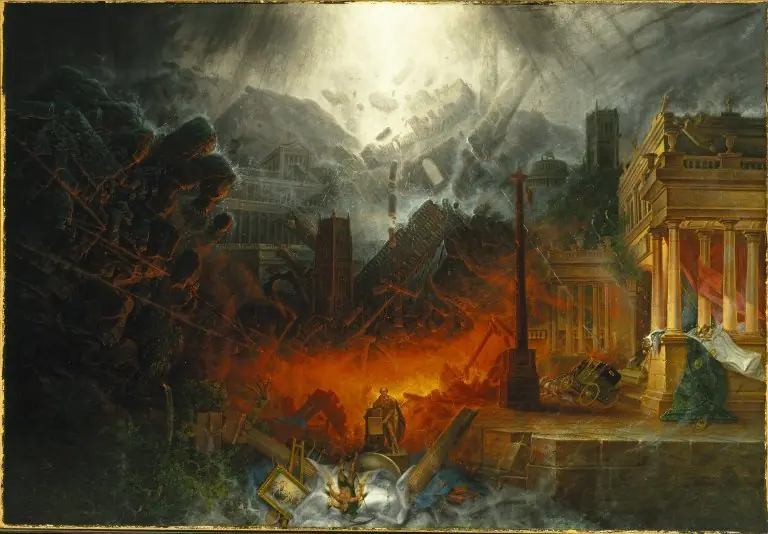 The Edge of Doom
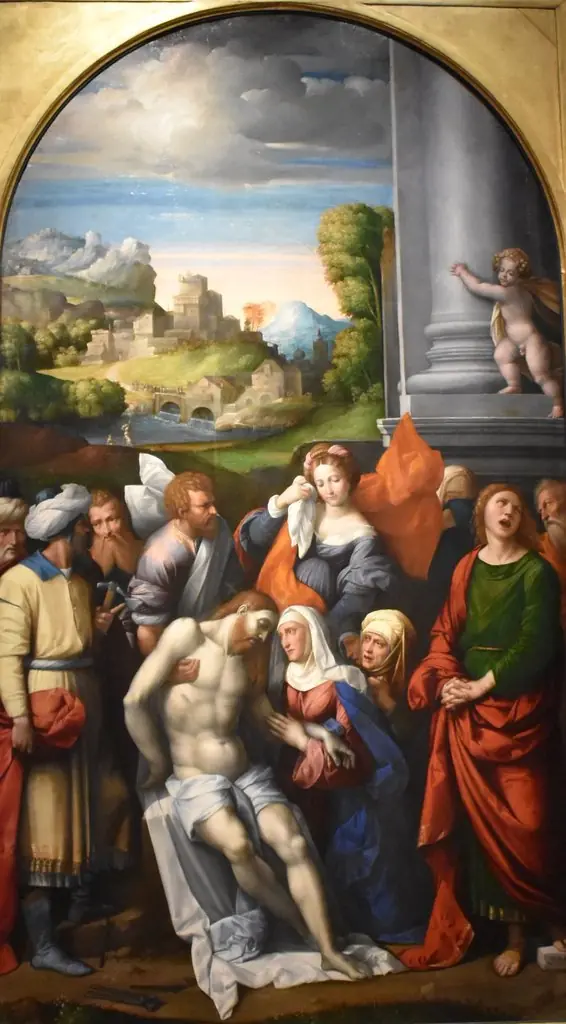 Lamentation over the Dead Christ
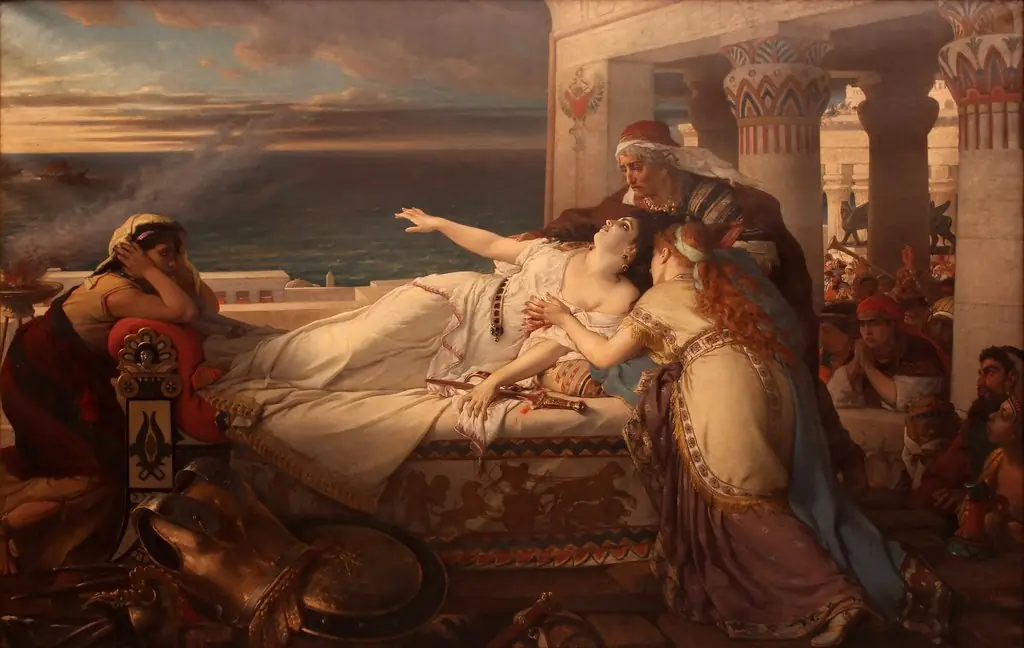 Death of Dido
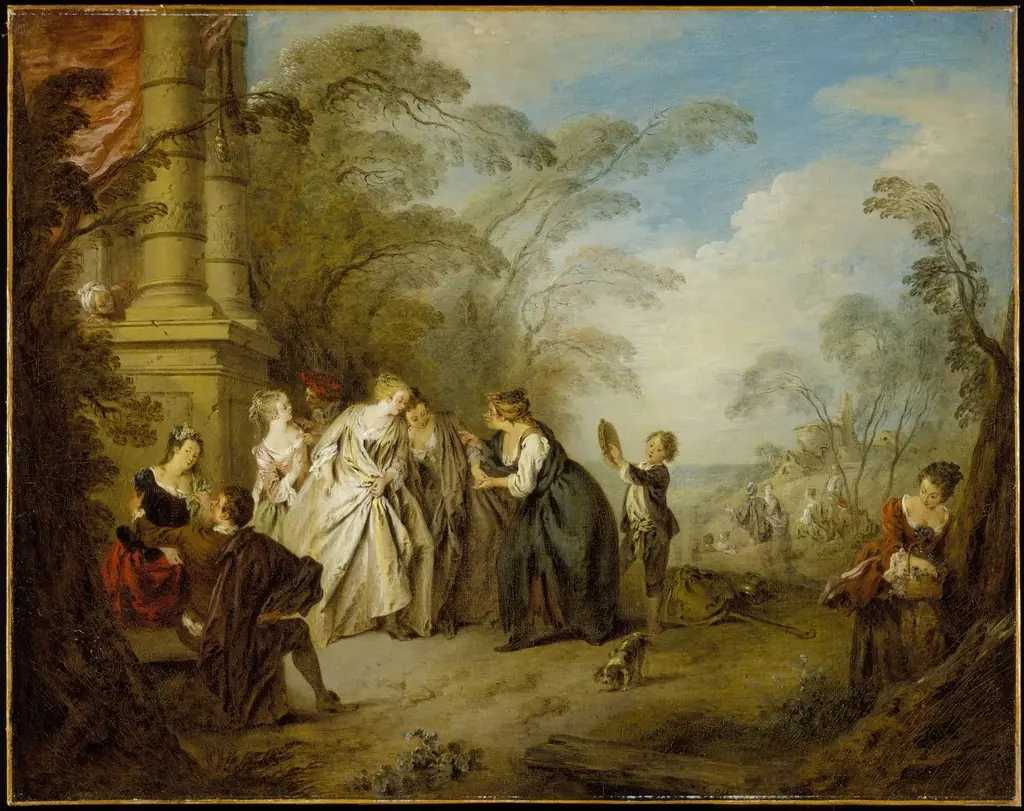 The Fortune Teller
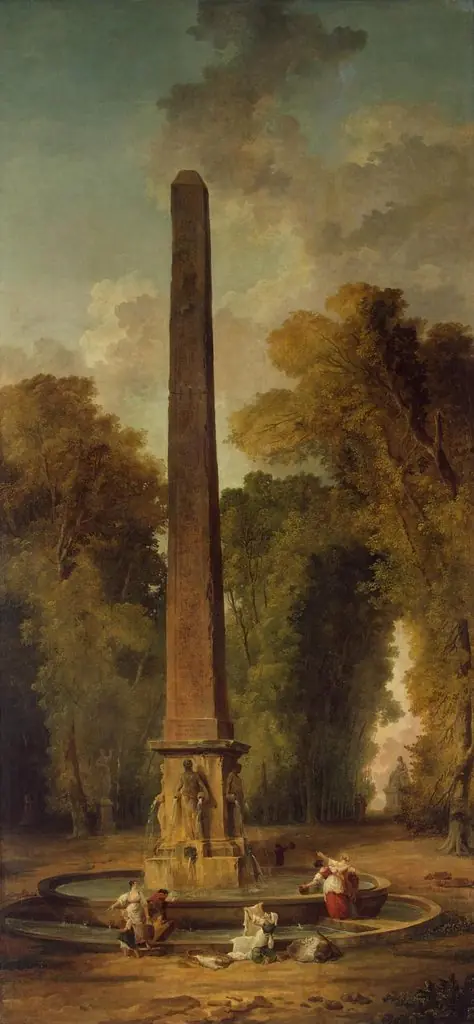 Landscape with an Obelisk
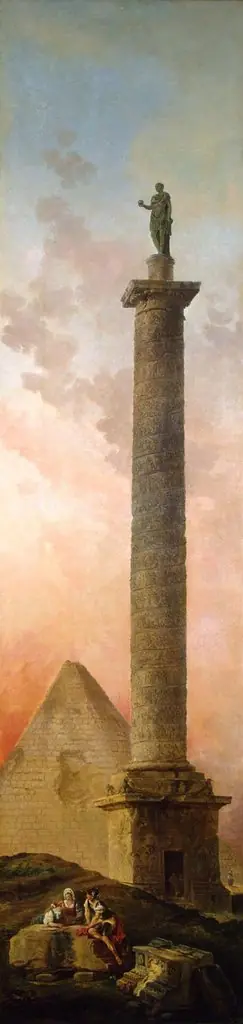 Landscape with a Triumphal Column
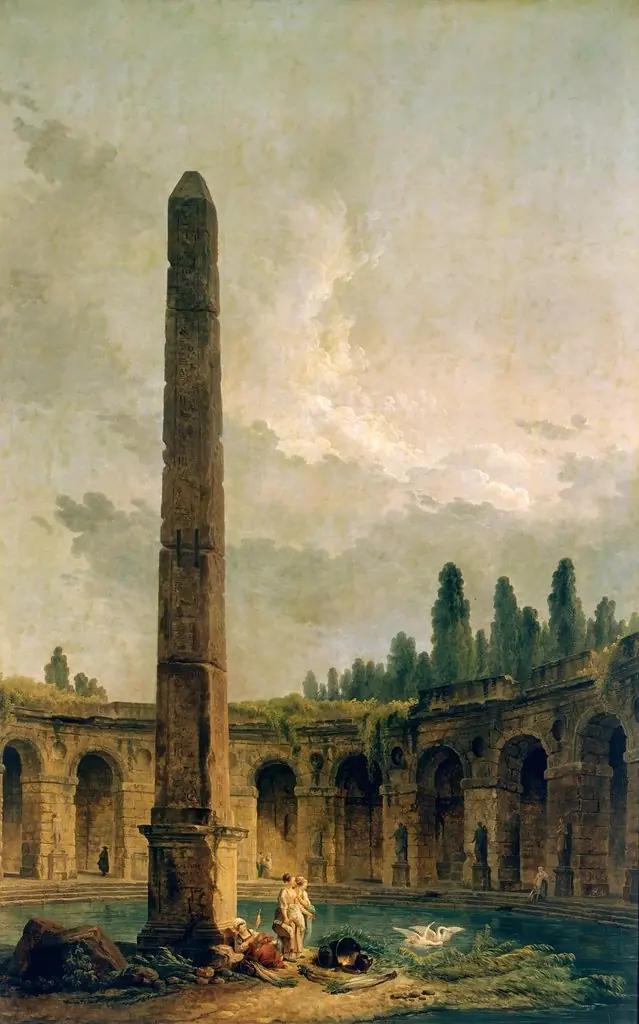 Decorative Landscape with an Obelisk
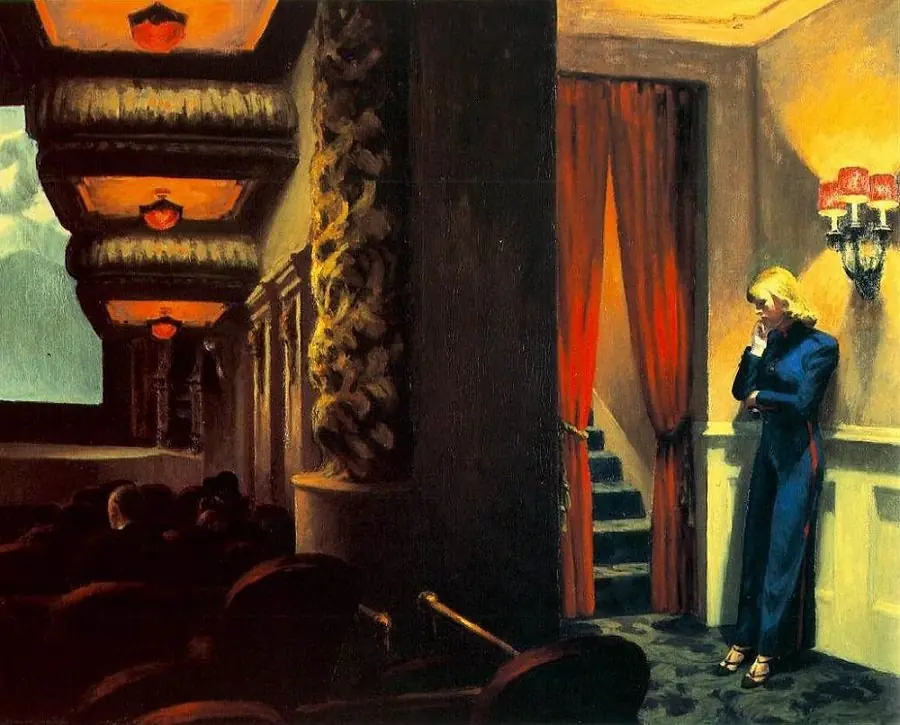 New York Movie
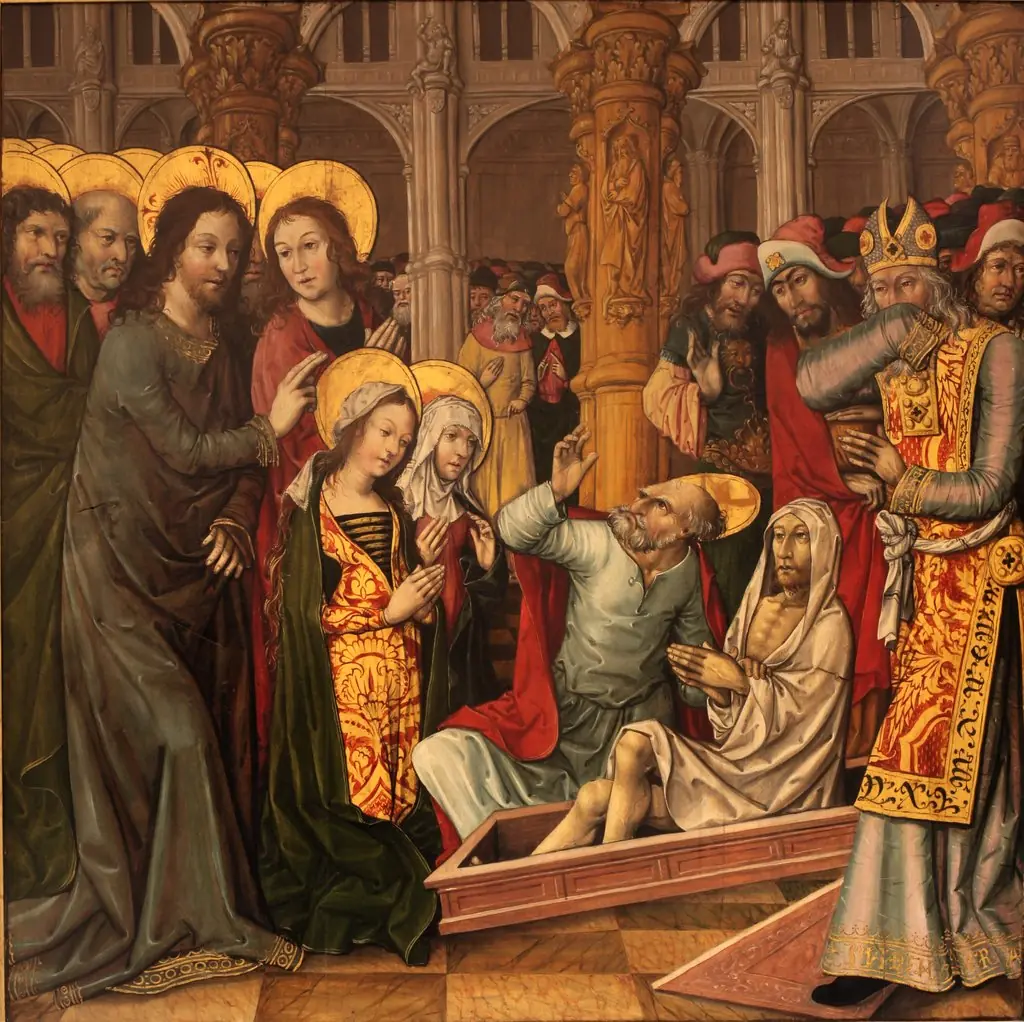 The resurrection of Lazarrus
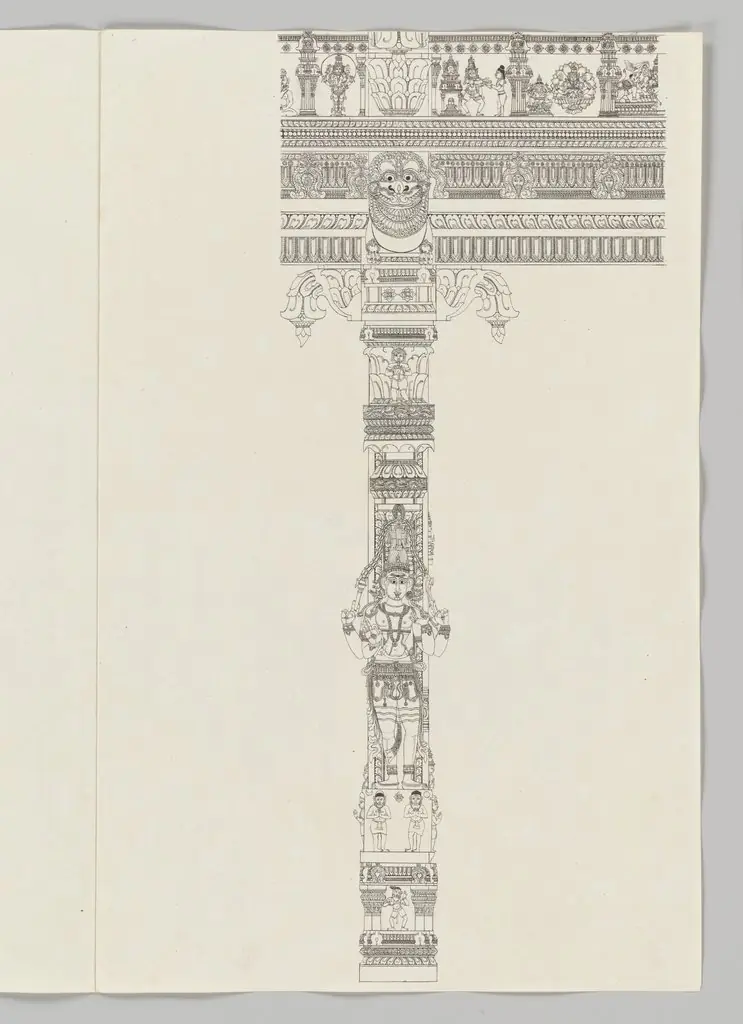 Sundareshvara teaching a bird a mantra
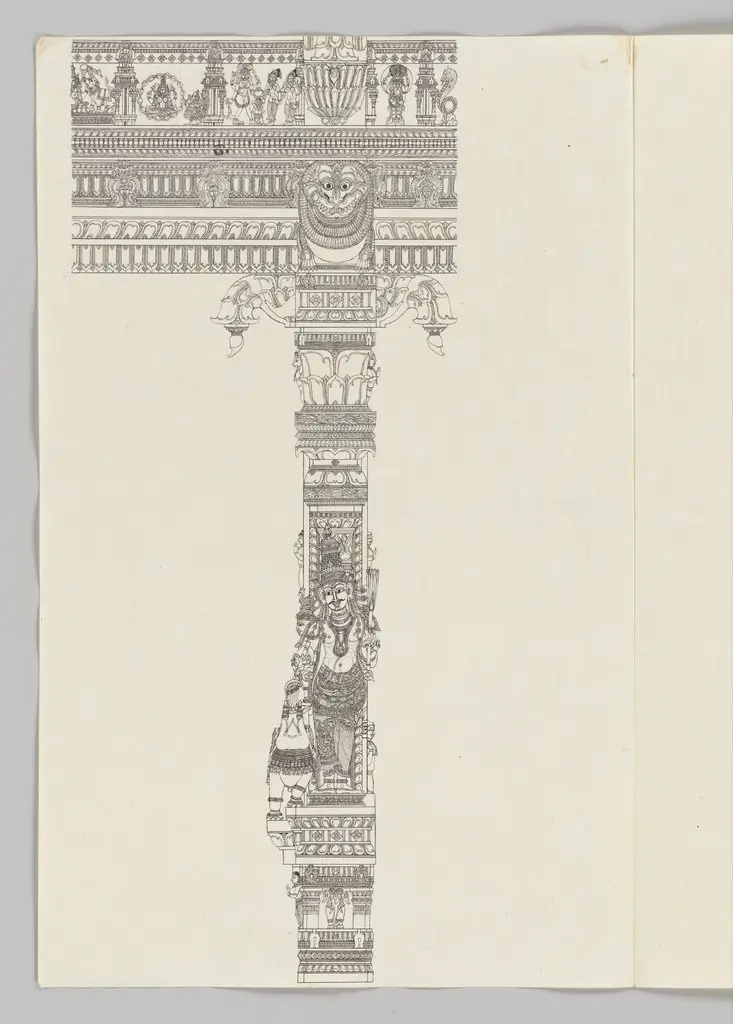 Sundareshvara as a siddha feeding sugarcane to the elephant.
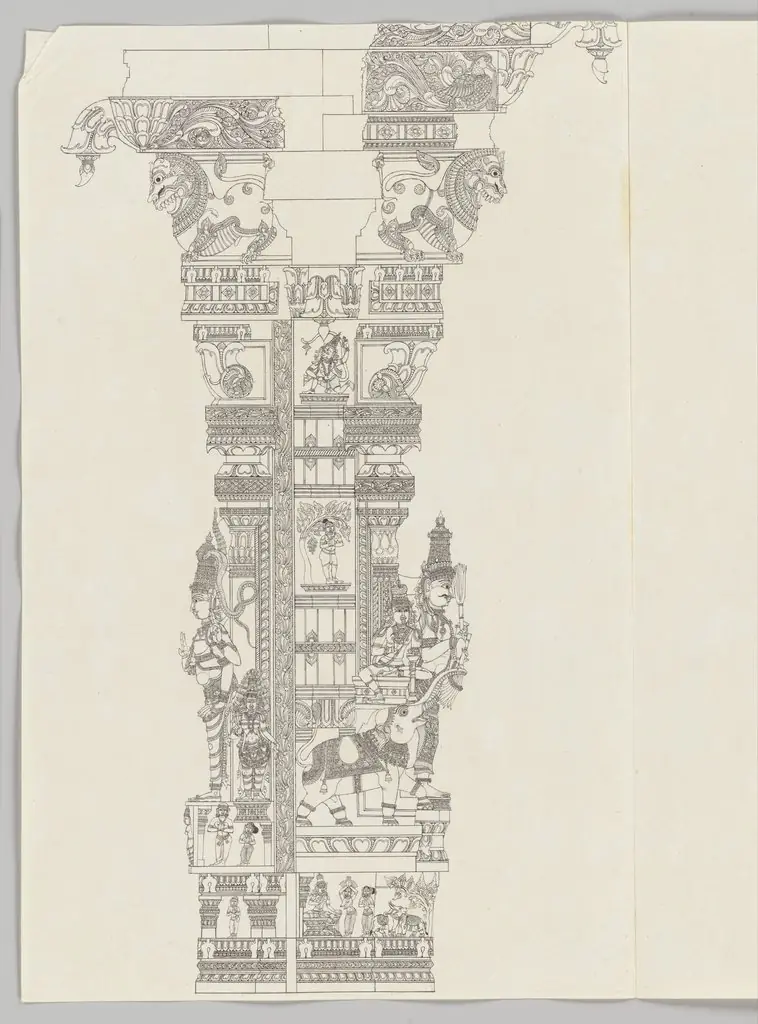 Sundareshvara feeding sugarcane to the elephant
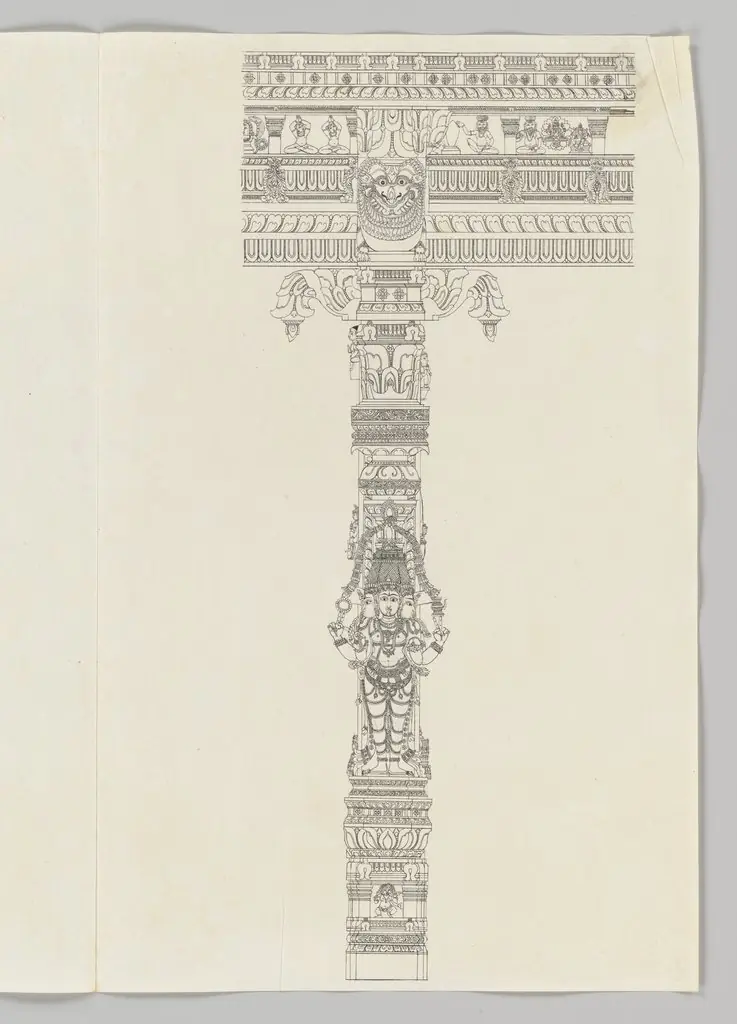 Brahma
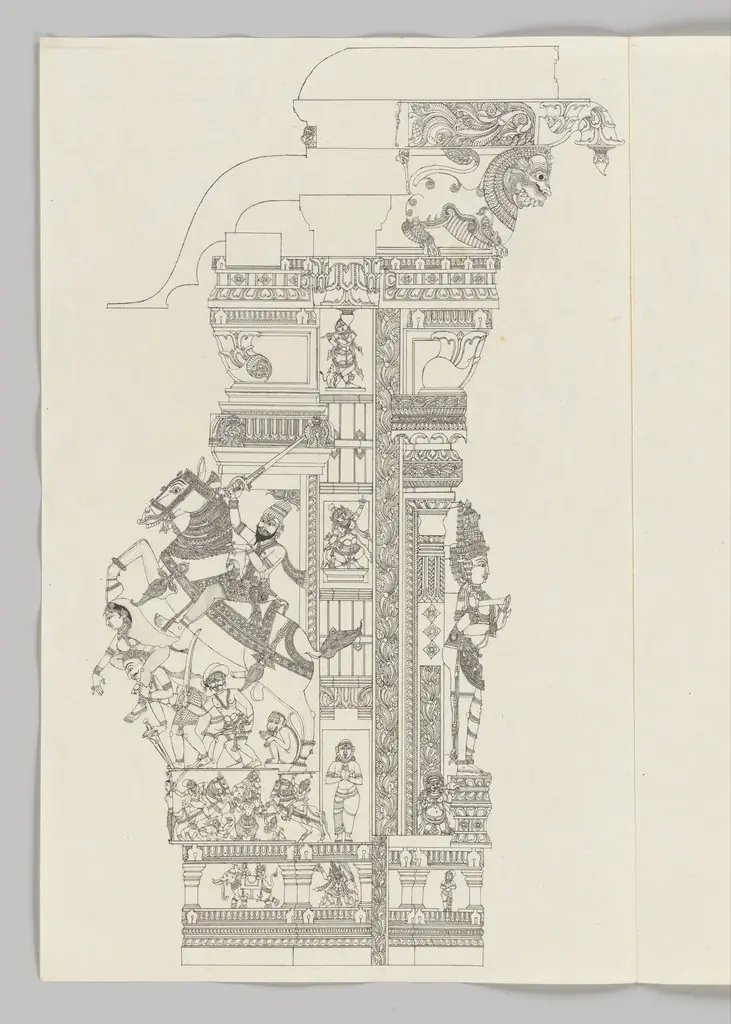 Ardanarishvara; equestrian warrior with raised sword
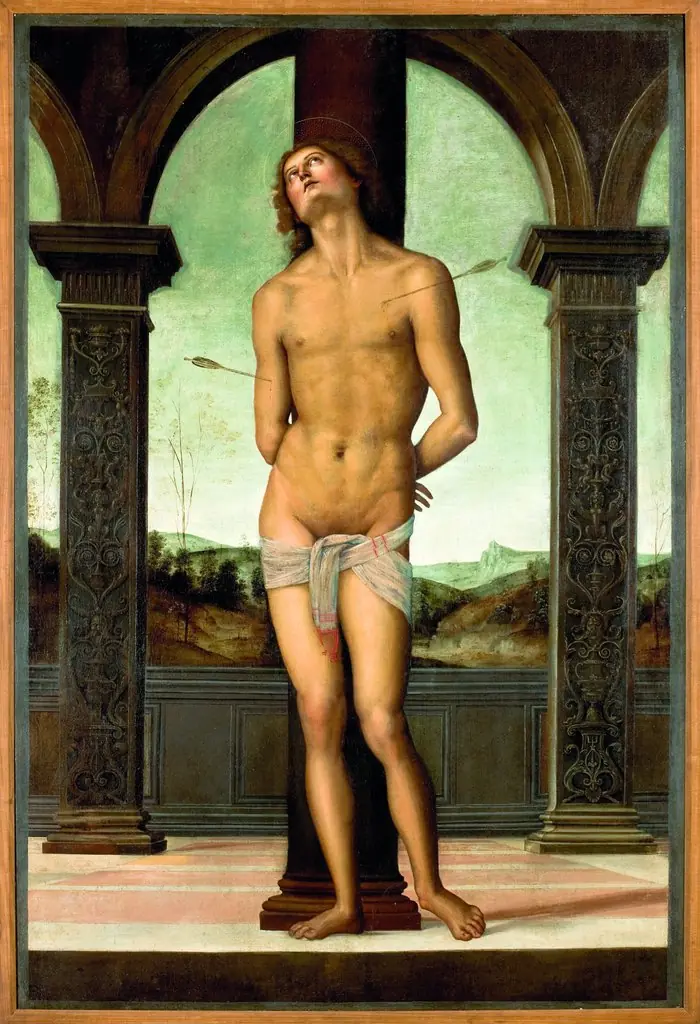 Saint Sebastian
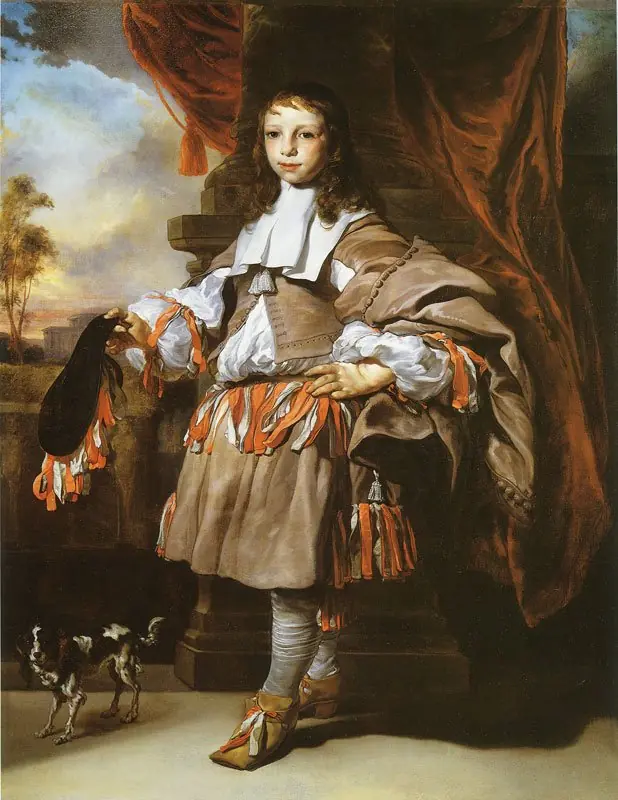 Portrait of a Boy
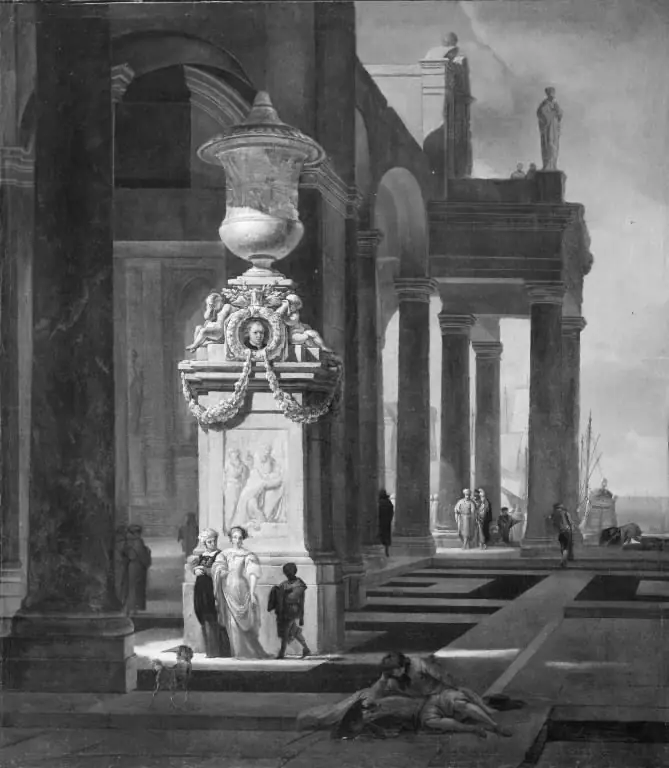 Monument at a Harbour
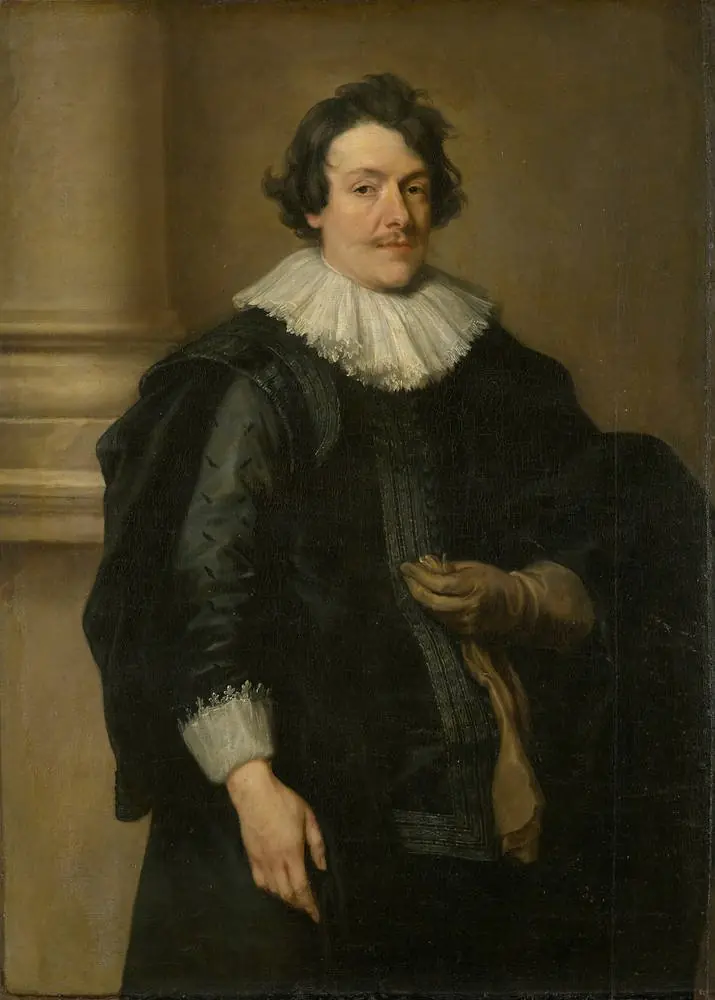 Portrait of a Man in Black before a Column
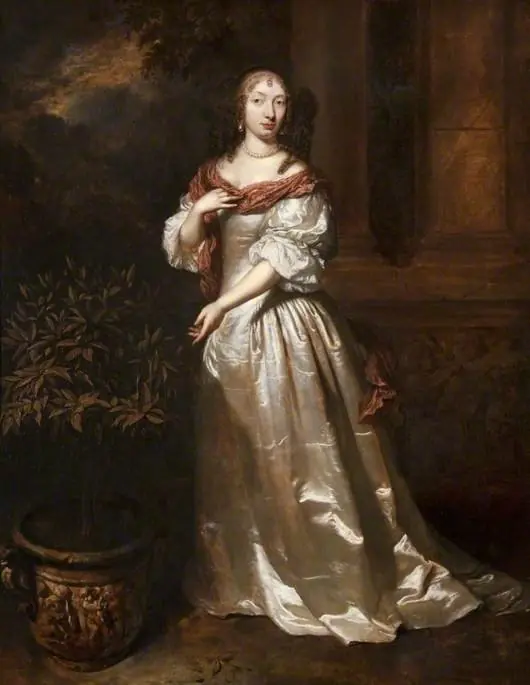 Portrait of a Young Woman by an Orange Tree
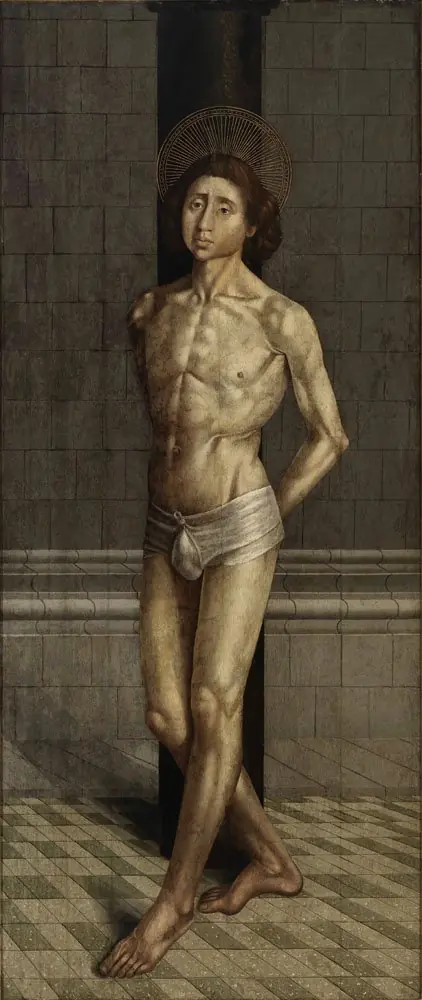 Saint Vincent Tied to a Column
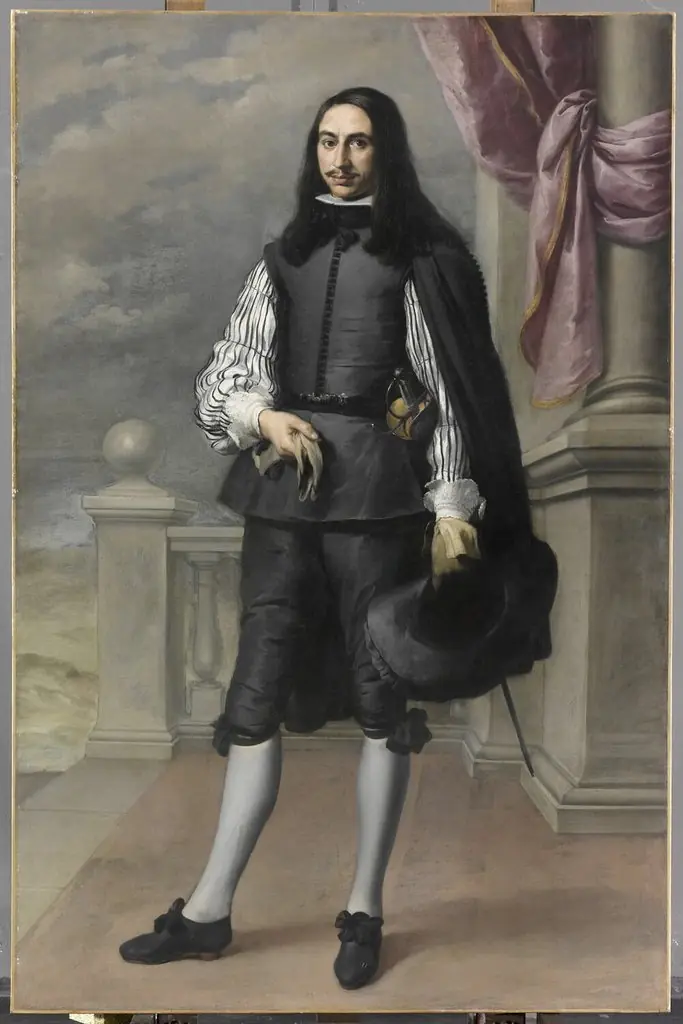 Portrait of Íñigo Fernández de Velasco
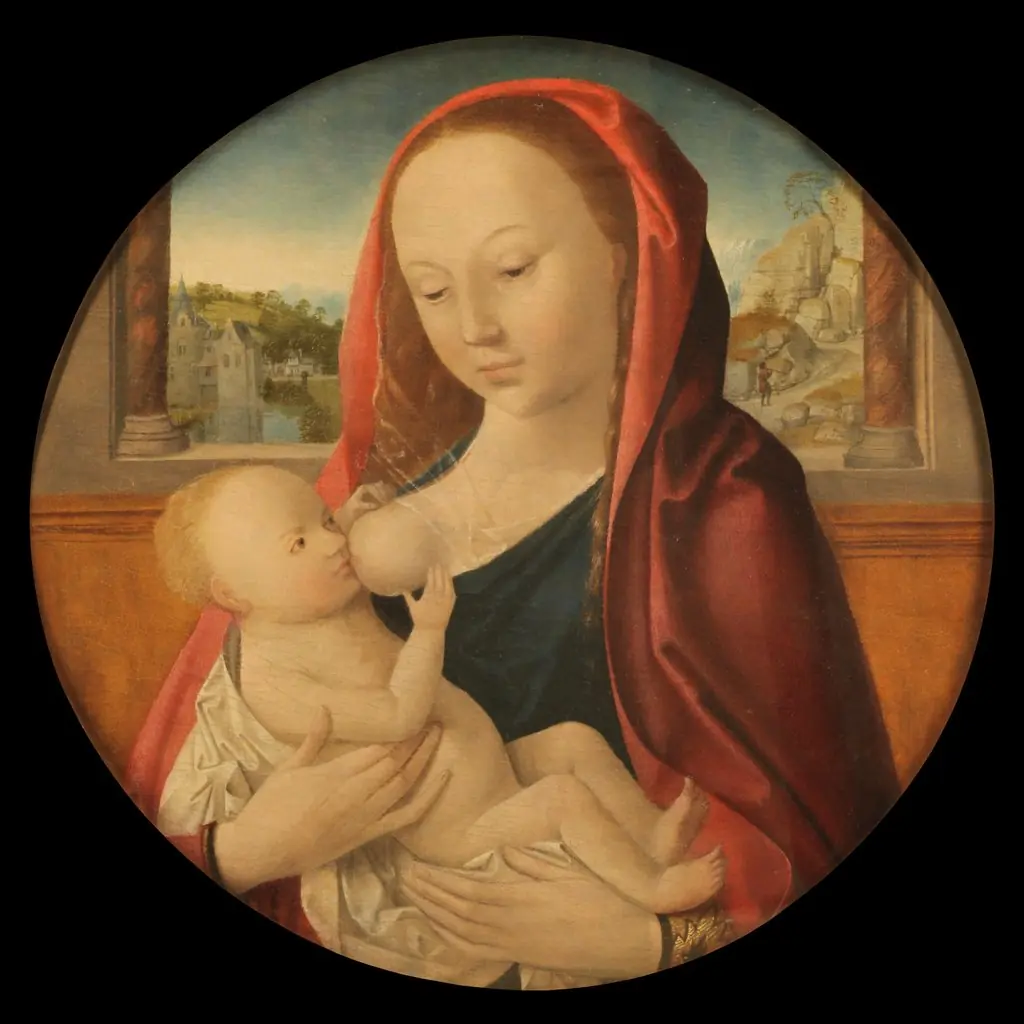 Virgin giving milk to the Child
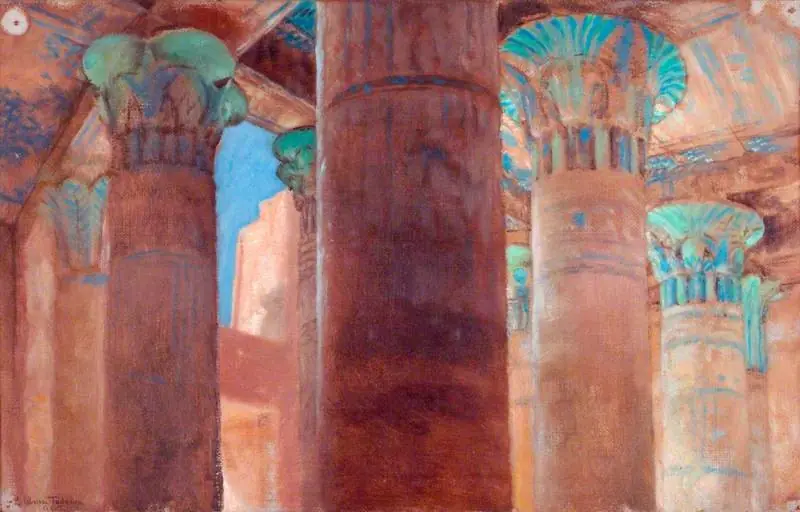 Study of Columns at Philae
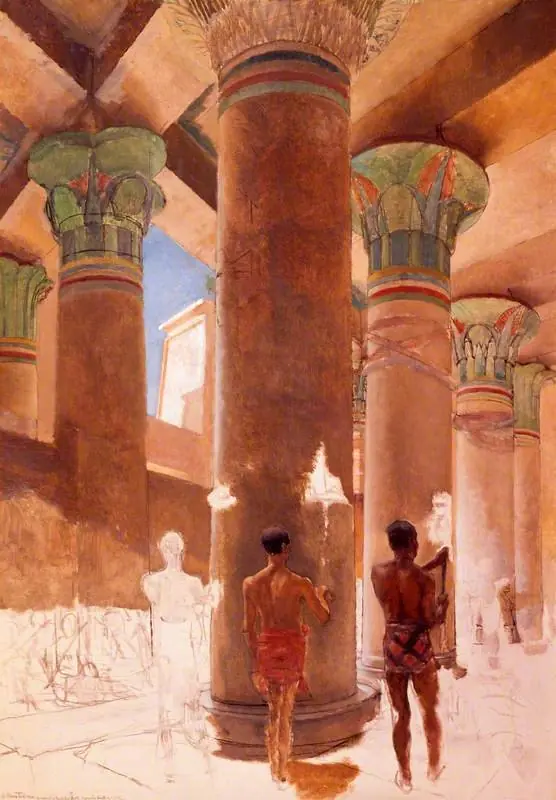 Cleopatra at Philae
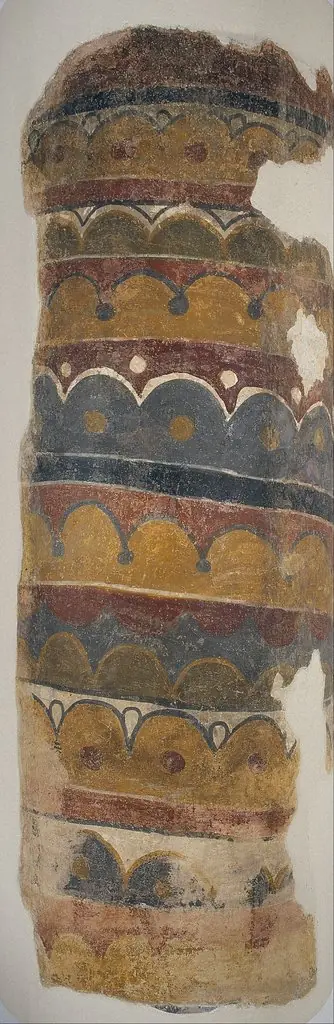 Decorated shaft from Santa Maria de Taüll
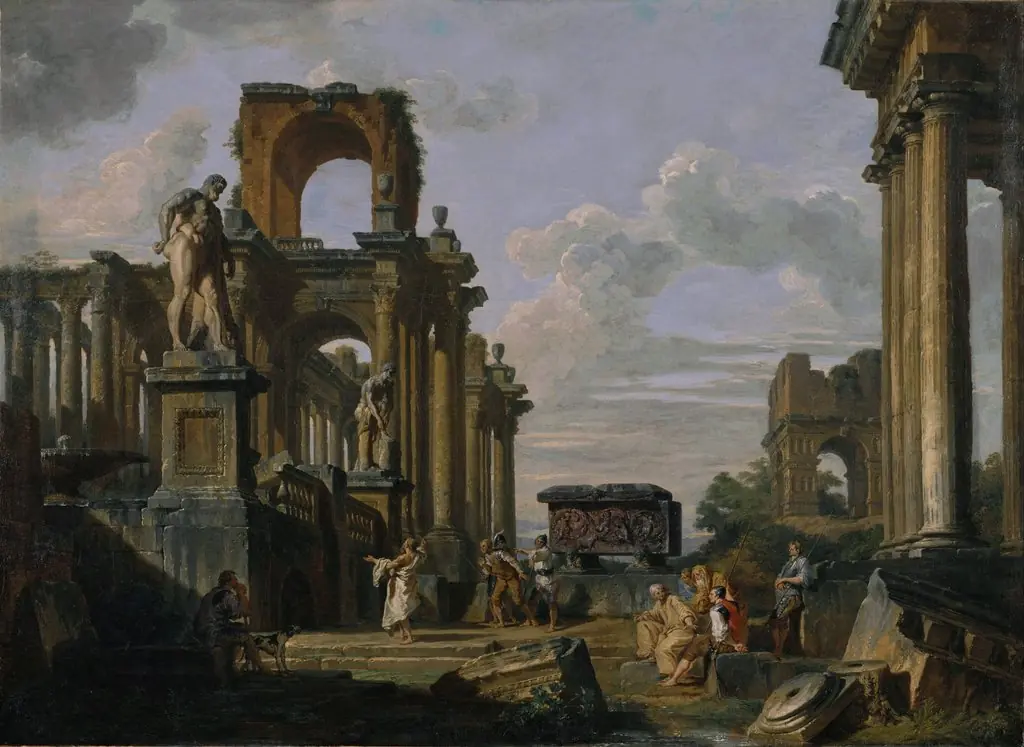 An Architectural Capriccio of the Roman Forum with Philosophers and Soldiers among Ancient Ruins, including the Arch of Janus Quadrifrons, the Sarcophagus of Santa Constanza, the Farnese Hercules and the Cincinnatus
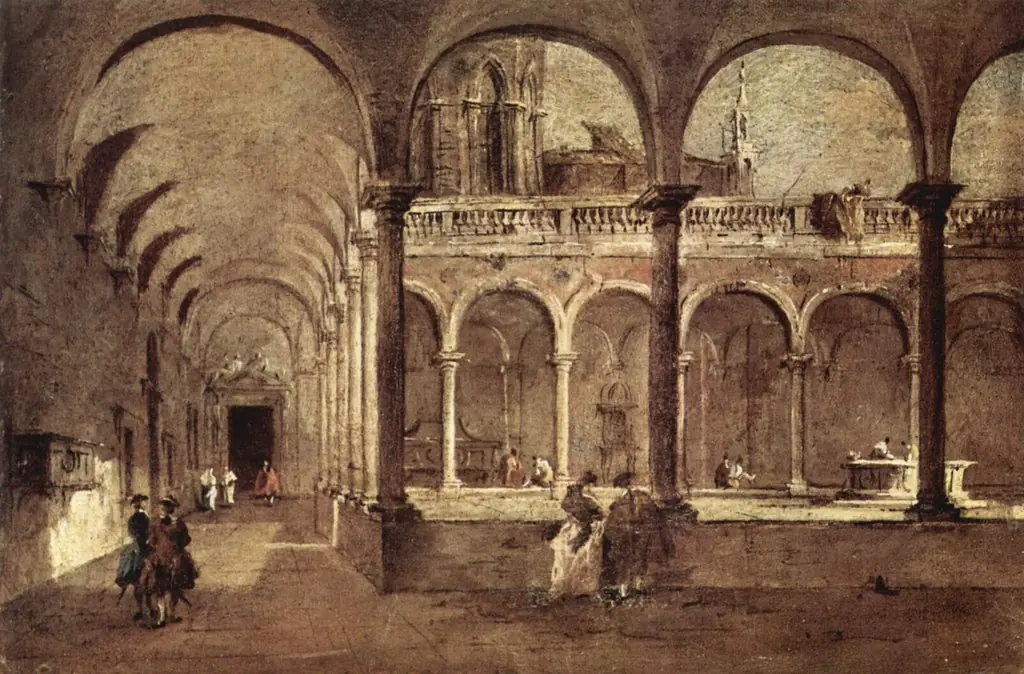 Cloister in Venice
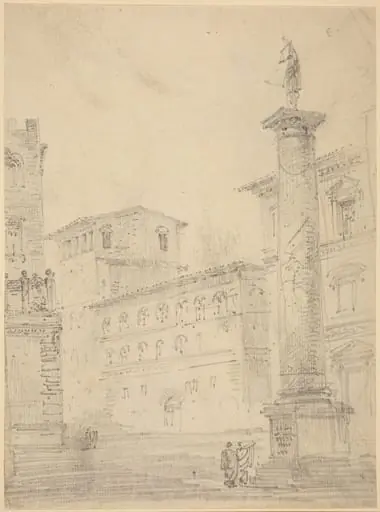 Figures on a Roman Piazza
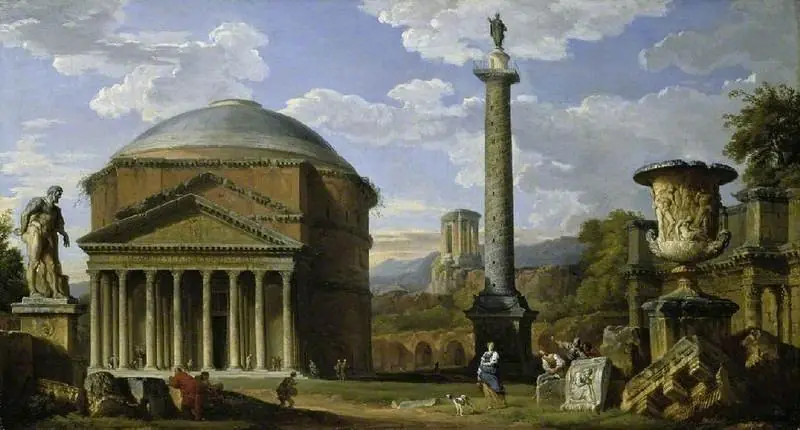 Capriccio of Roman Ruins with the Pantheon
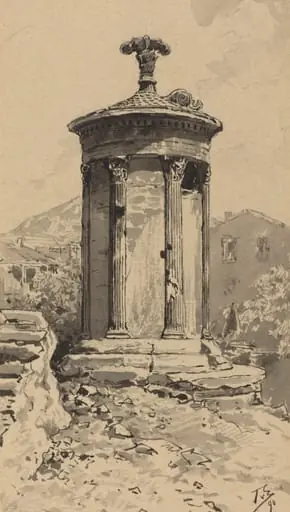 Monument of Lysicrates
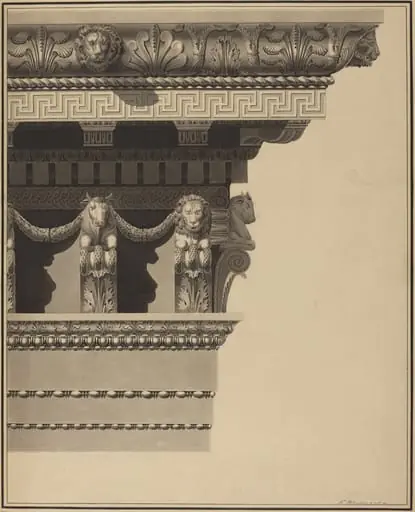 Entablature
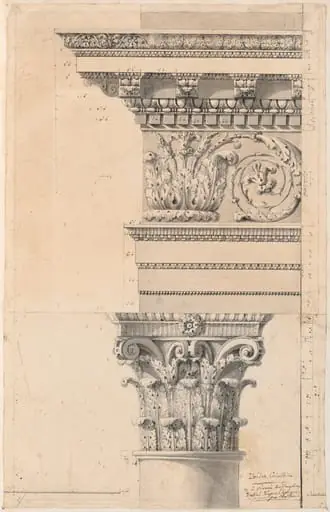 L'Ordre Corinthian
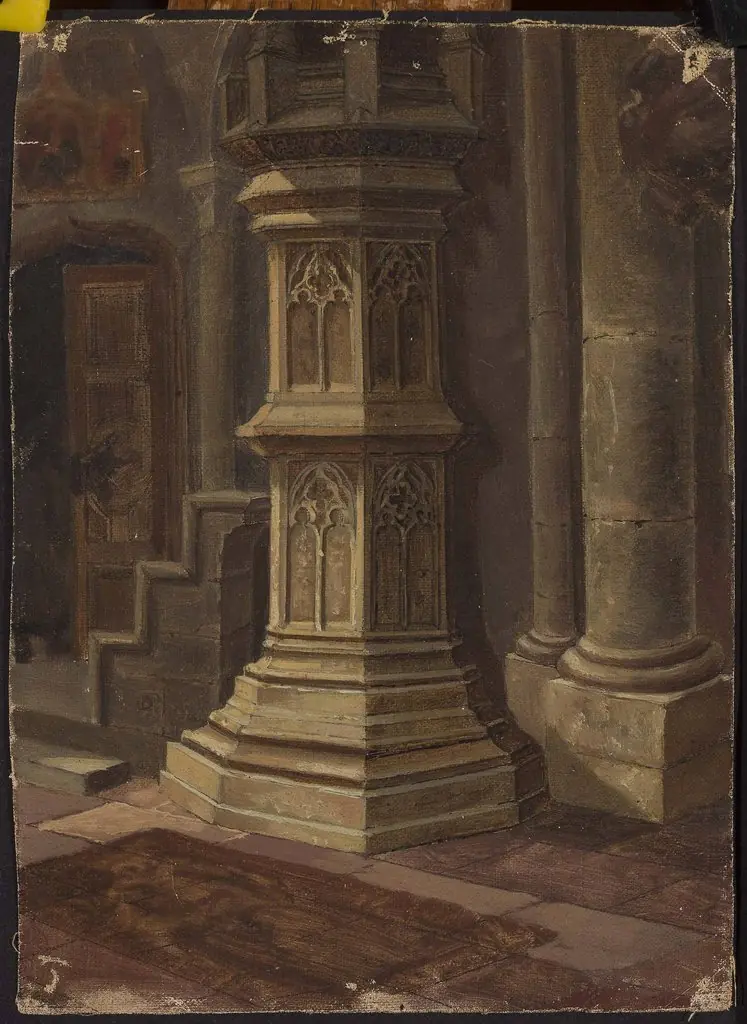 Gothic pillar indoors
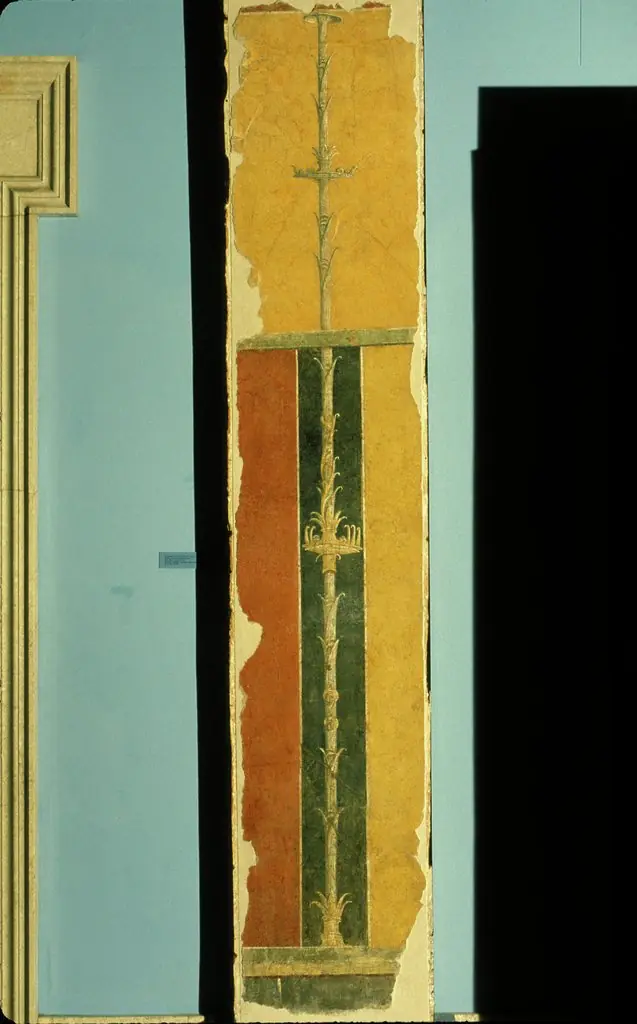 Section of a Wall Painting
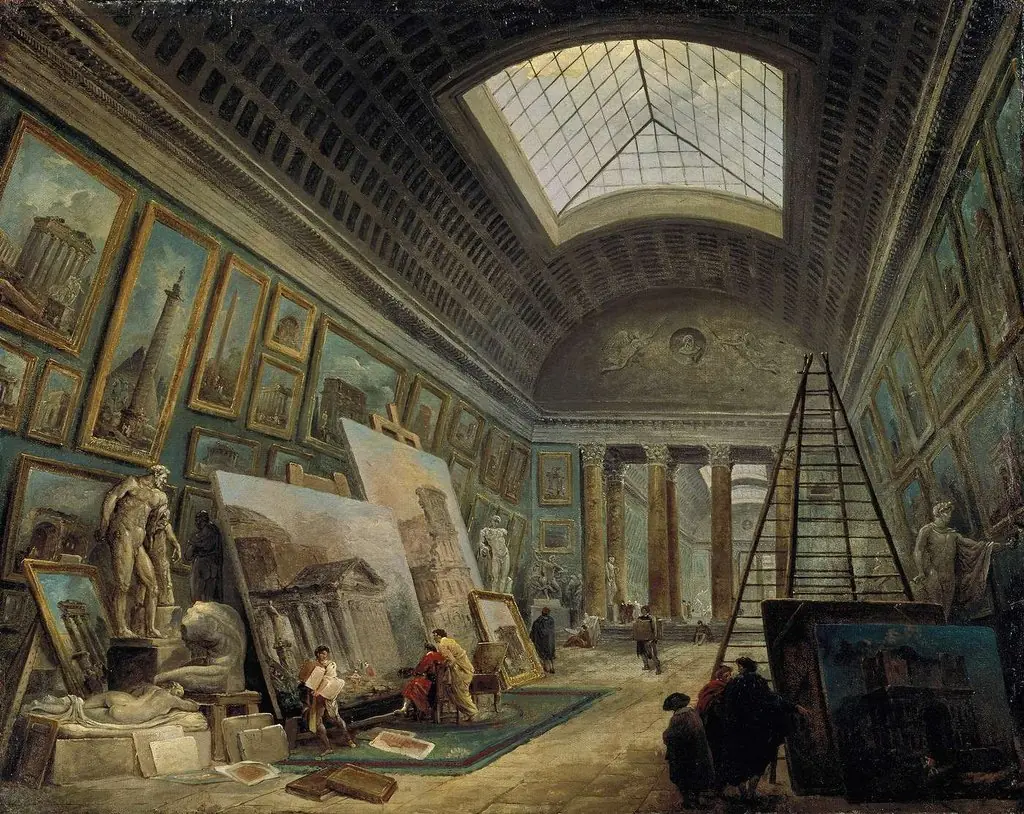 Imaginary View of the Grande Galerie in the Louvre
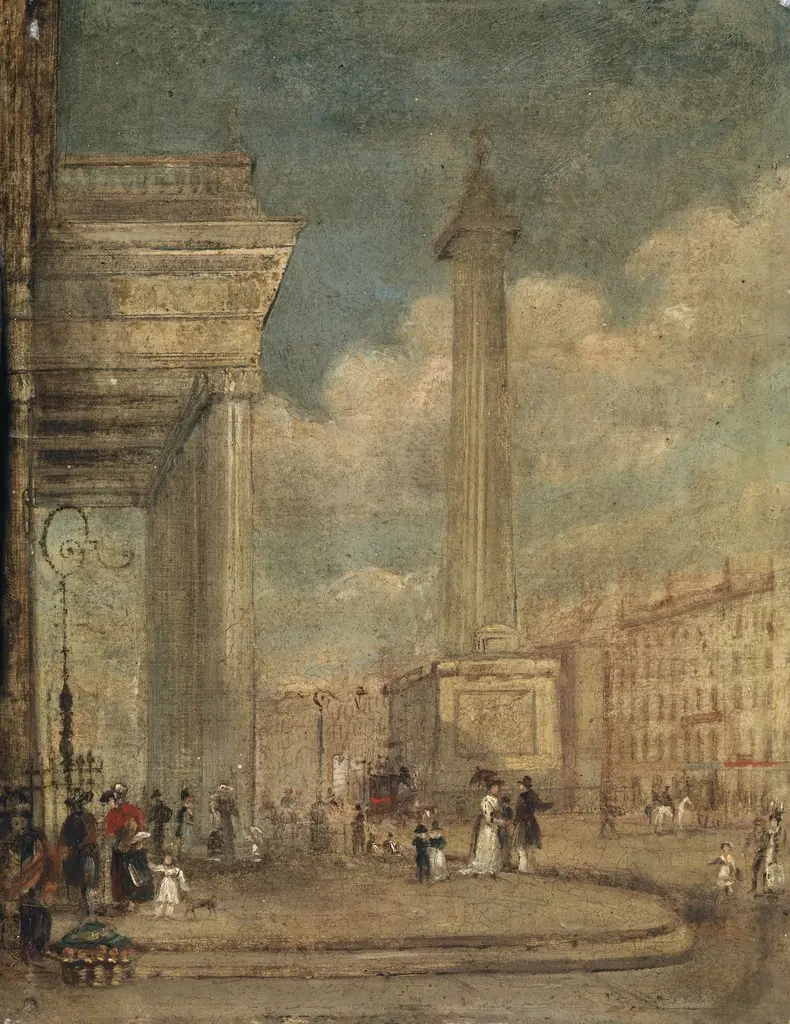 A View of O'Connell Street, Dublin
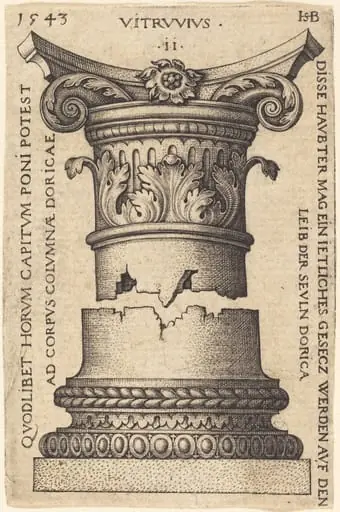 Capital and Base of a Column
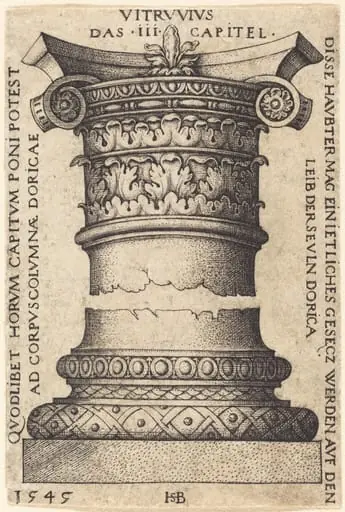 Capital and Base of a Column
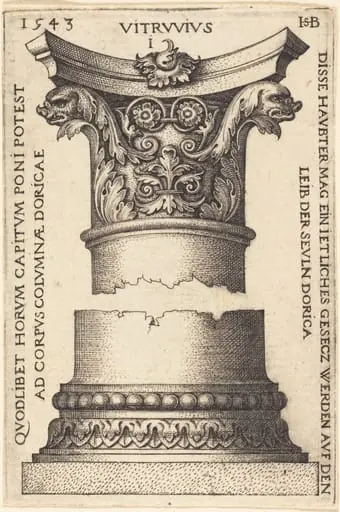 Capital and Base of a Column
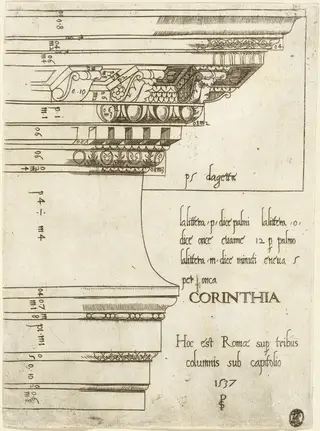 Entablature from the Temple of Castor and Pollux, Rome
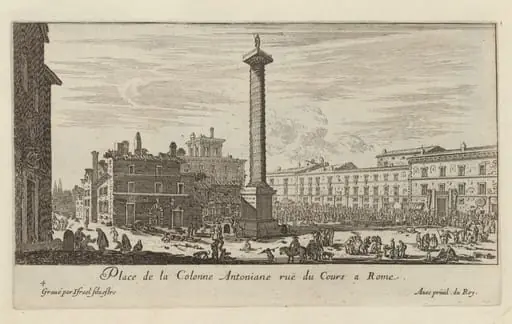 Place de la Colonne Antoniane ruë du Cours a Rome
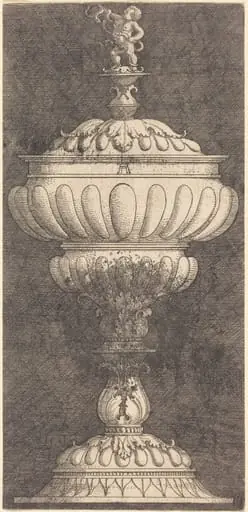 Covered Goblet with Young Hercules
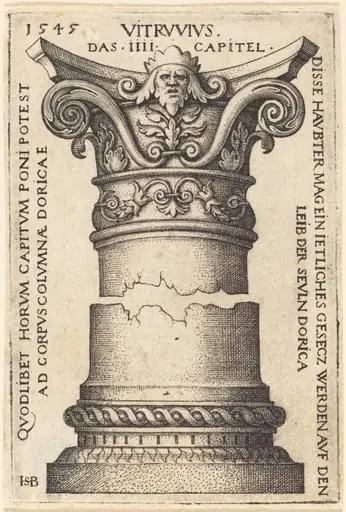 Capital and Base of a Column
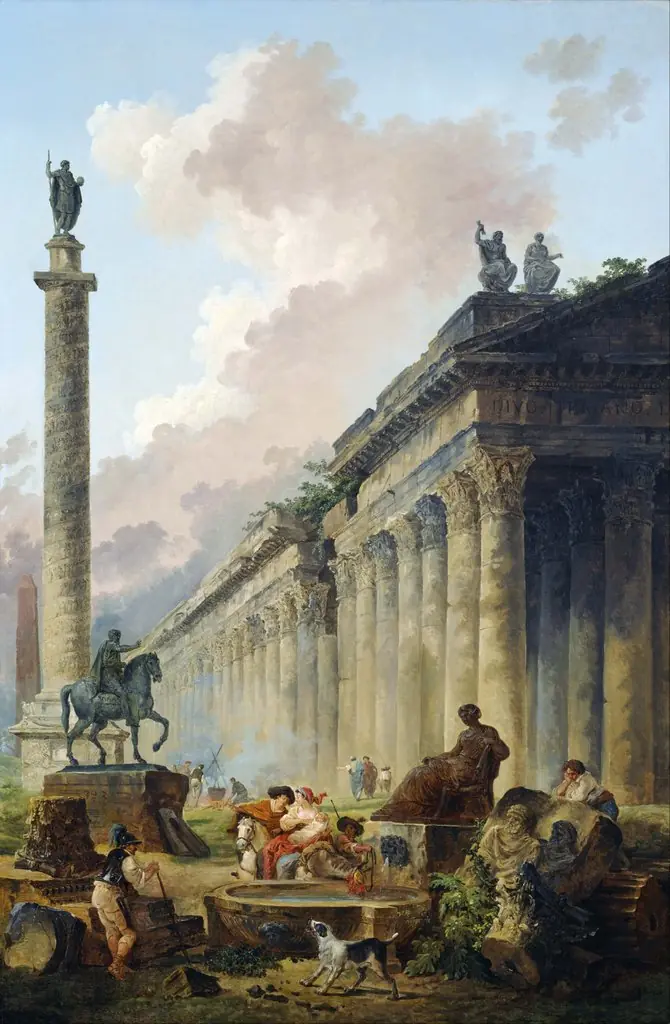 Imaginary View of Rome with Equestrian Statue of Marcus Aurelius, the Column of Trajan and a Temple
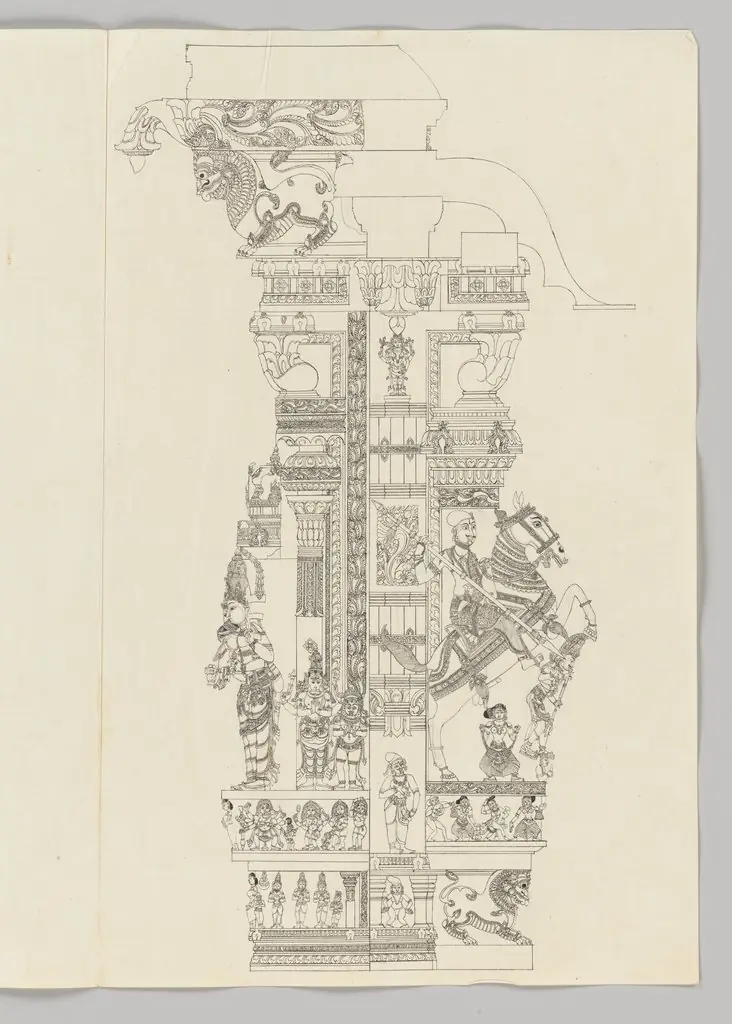 Marriage of Minakshi and Sundareshvara; equestrian warrior with spear
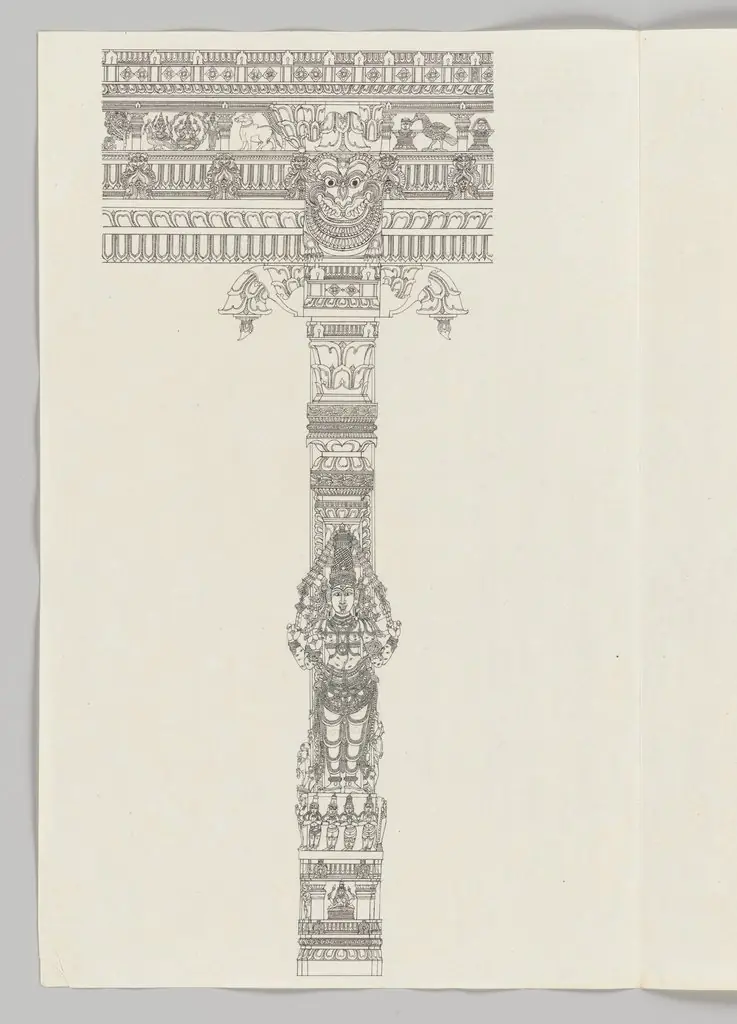 Subramanya
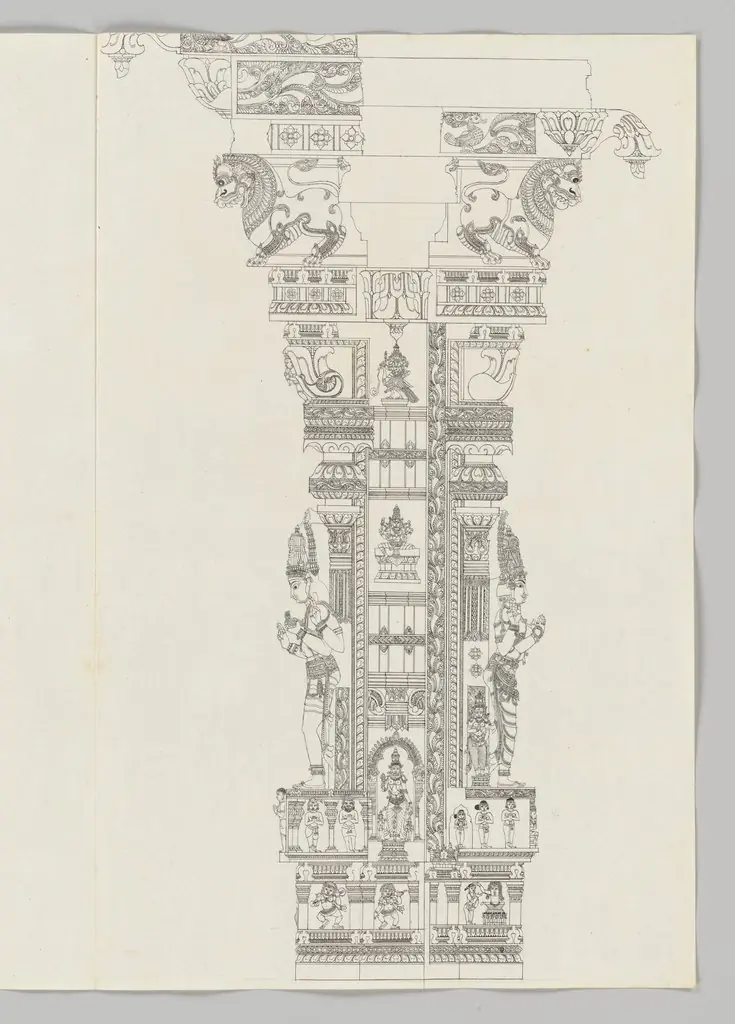 Sundareshvara teaching a bird a mantra; Nandishvara.
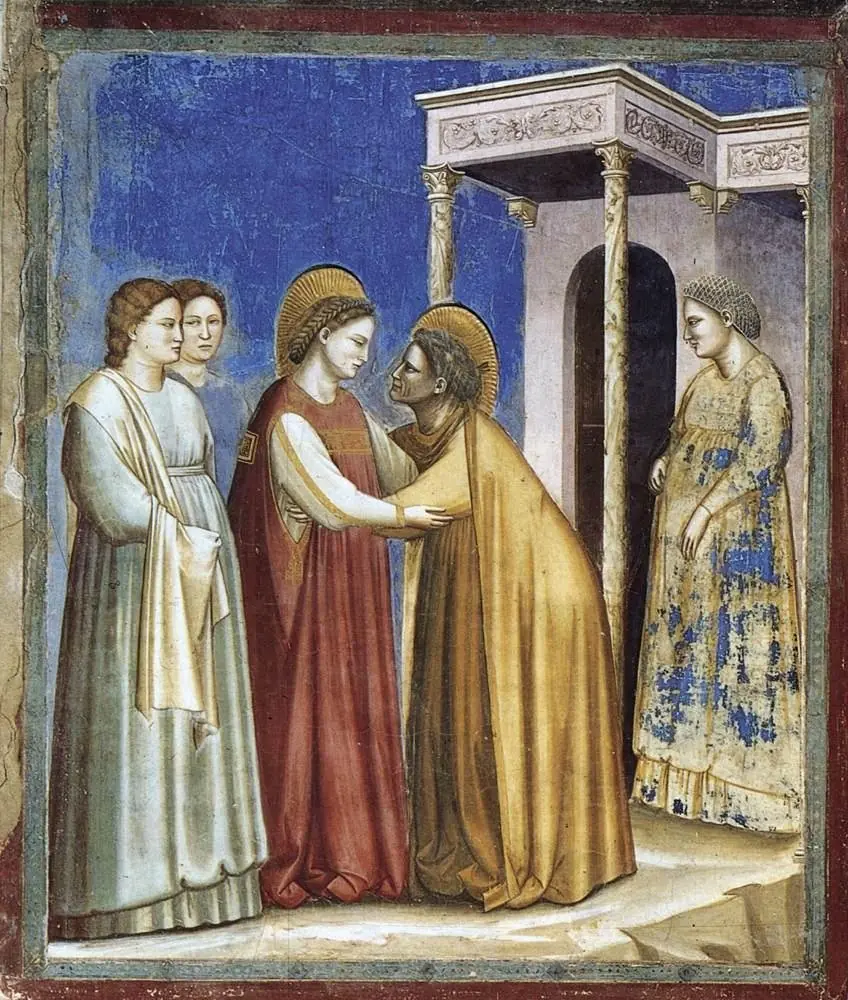 Visitation
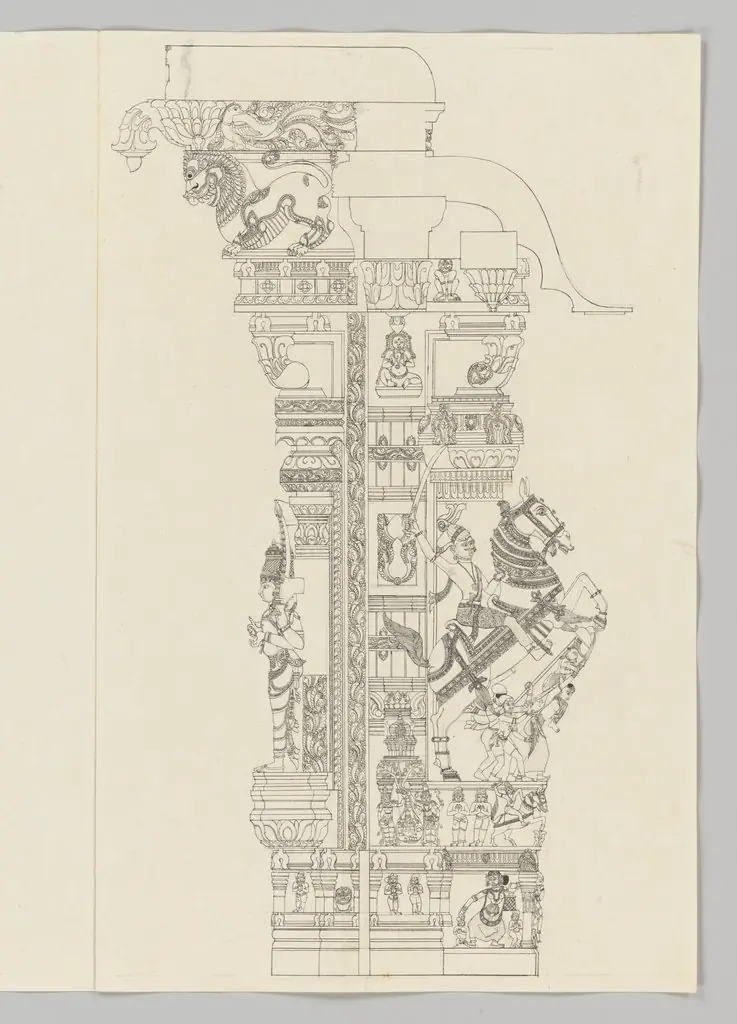 Subramanya
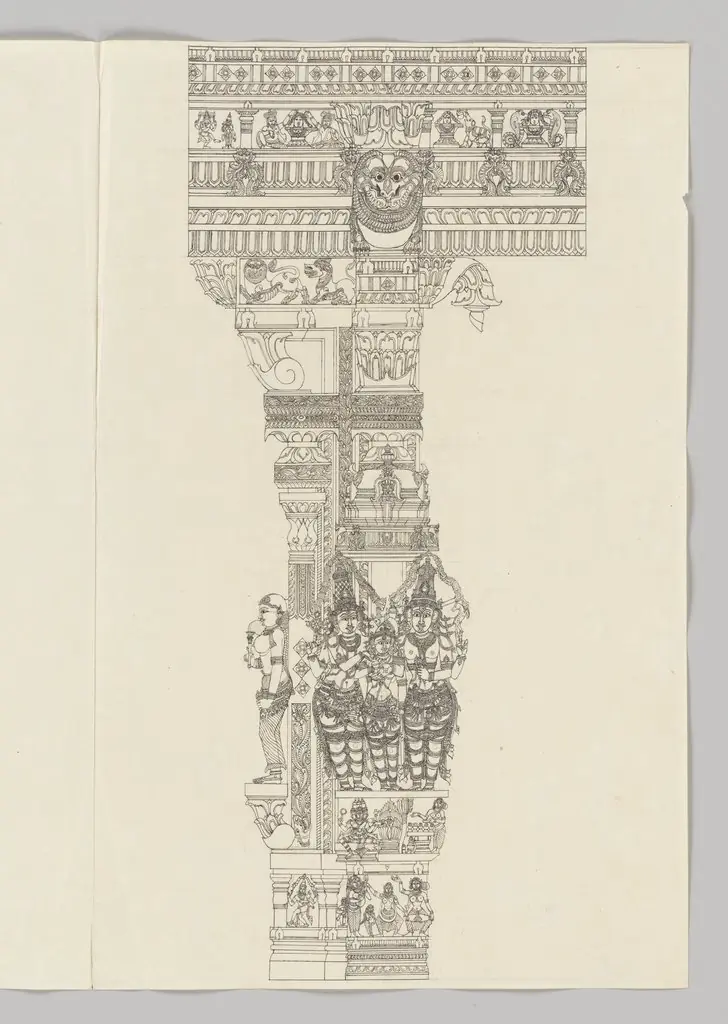 Marriage of Minakshi and Sundarehsvara, attended by Vishnu
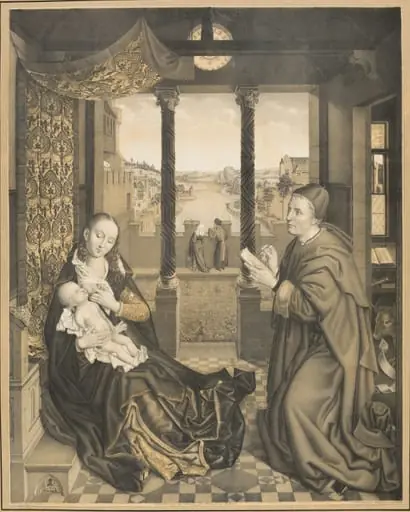 Der hl. Lucas malt das Portrait der Jungfrau
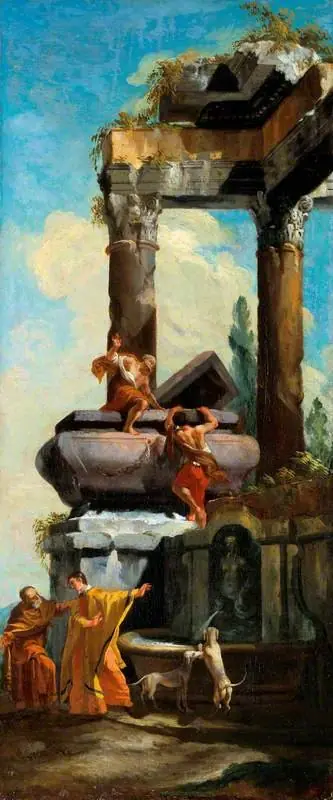 A Fountain with Classical Ruins
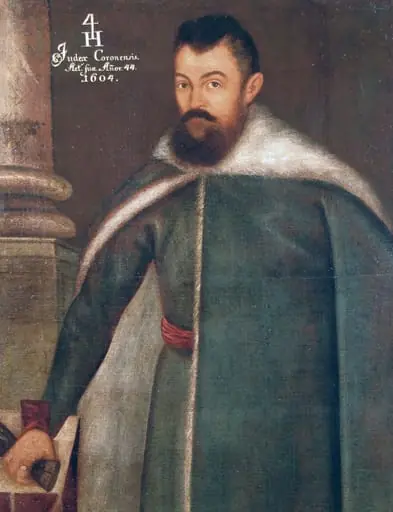 Portretul lui Valentin Hirscher
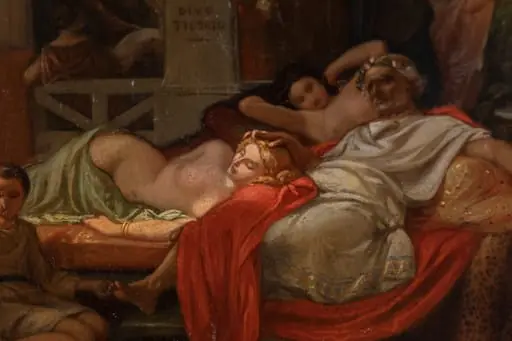 După-amiaza unei patriciene romane
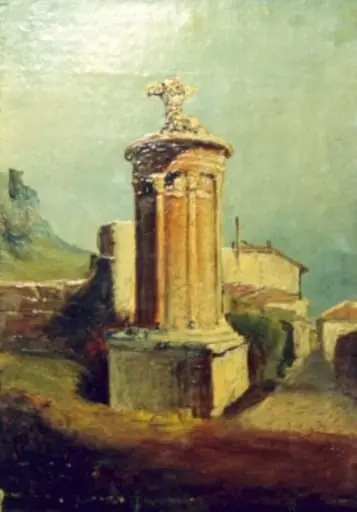 Turnul lui Lysicrate
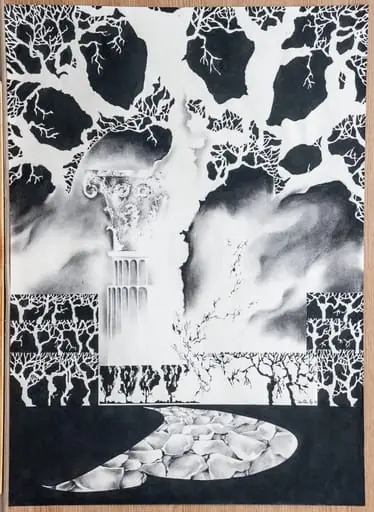 Asociere
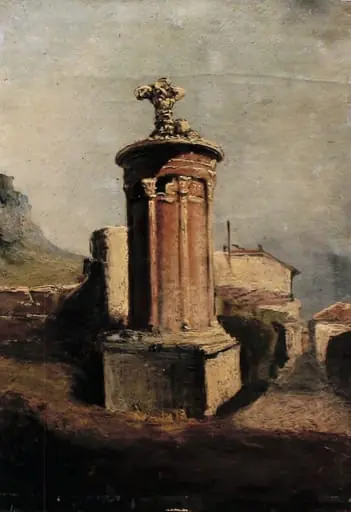 Turnul lui Lisicrates
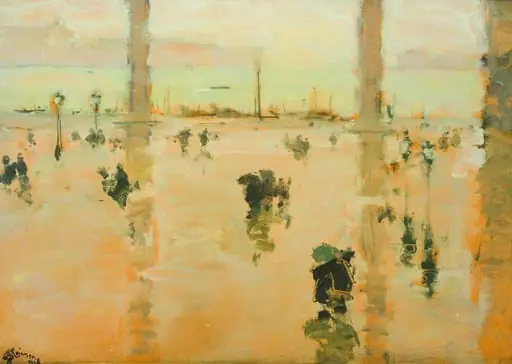 Piața San Marco
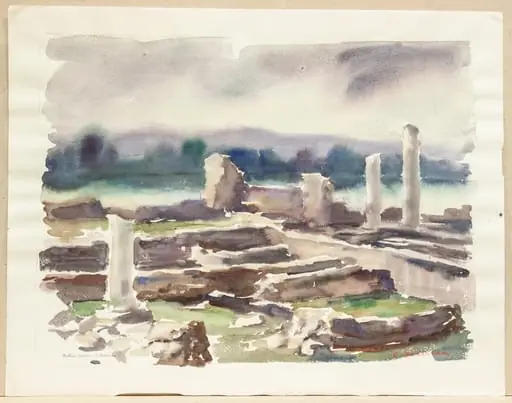 Castru roman
 Piață turcească
 Veneția
 Doamna și viețuitoarele
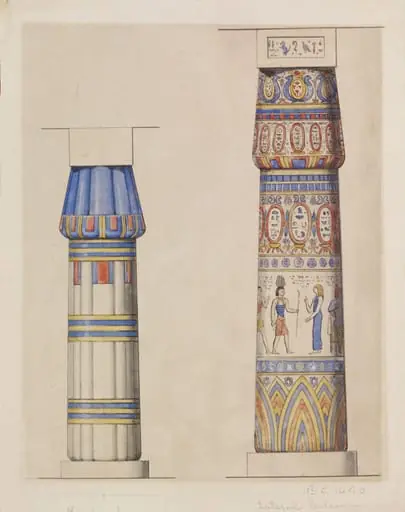 Temple of Luqsor B.C.1490 Lateral Column Temple of Karnak B.C.1490
 Paseo Nuevo, Mexico
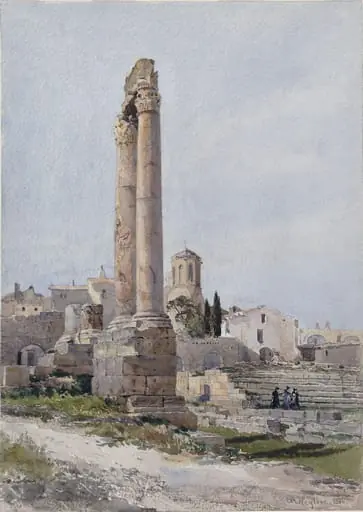 Ruins of Roman Theatre at Arles, Columns of the Proscenium
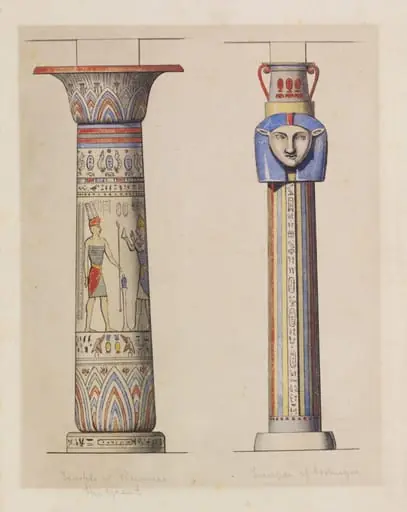 Temple of Ramses the Great B.C.1420. Temple of Sedingar B.C.1490
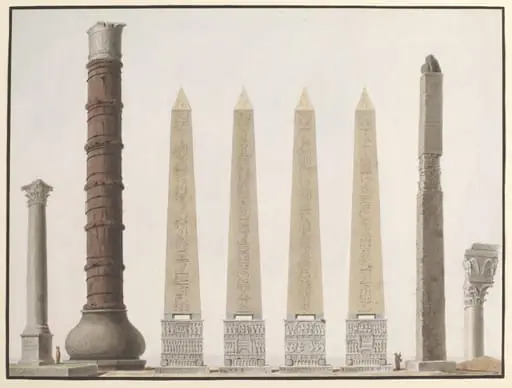 An illustration showing the ancient columns and the Egyptian oblelisk
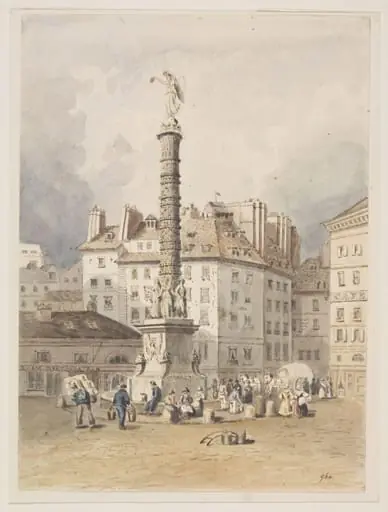 Untitled
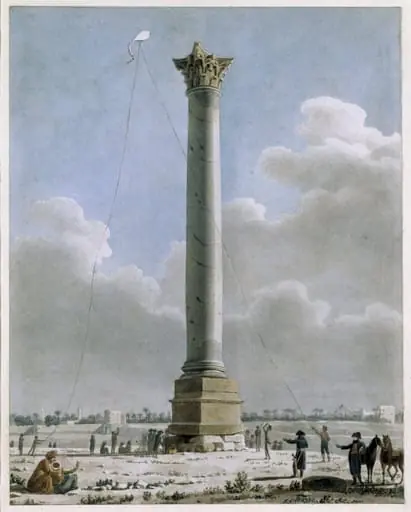 Vue de la colonne de Pompée à Alexandrie
 Coloana
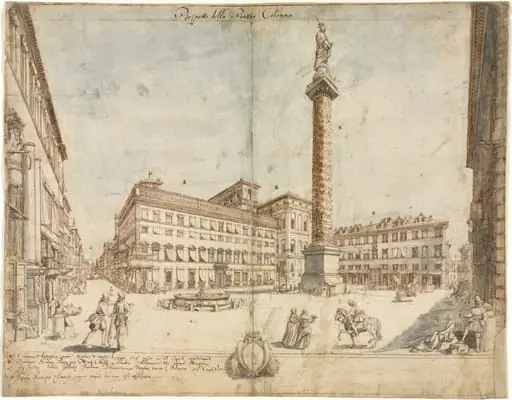 Eighteen Views of Rome: The Piazza Colonna
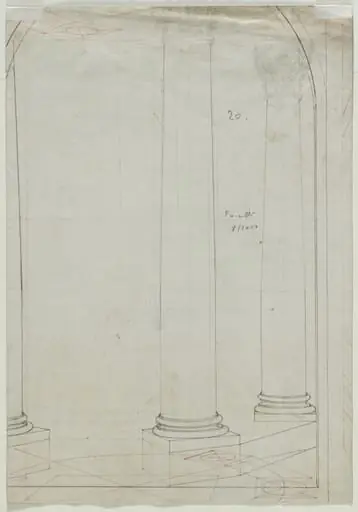 Architectural Drawing of Columns (verso)
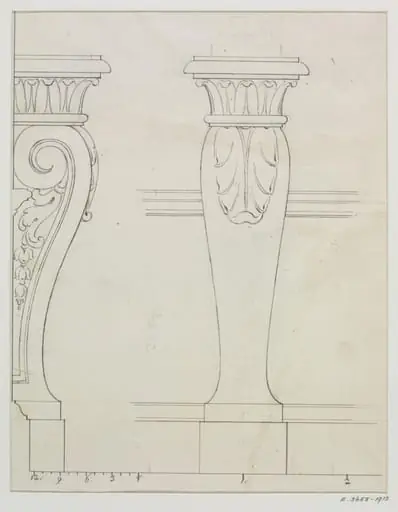 Untitled
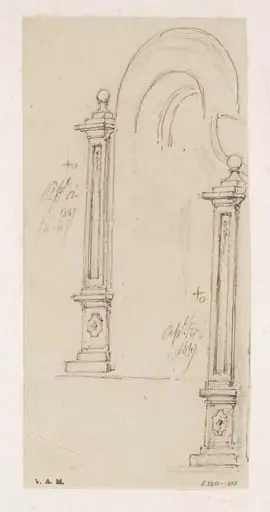 Drawings of a squared column and an arch
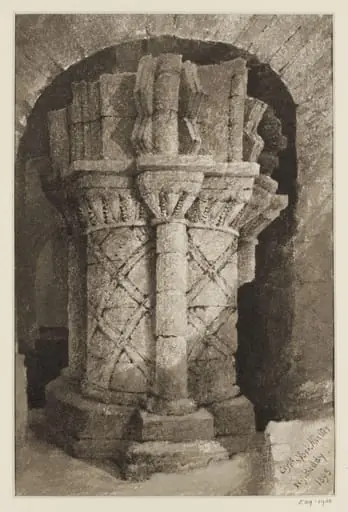 Untitled
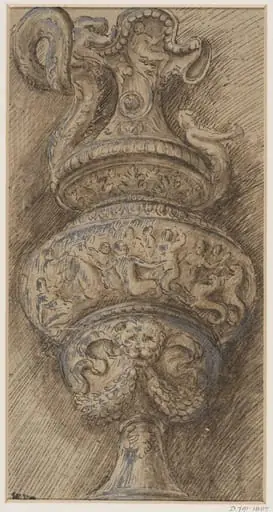 Ewer
Ewer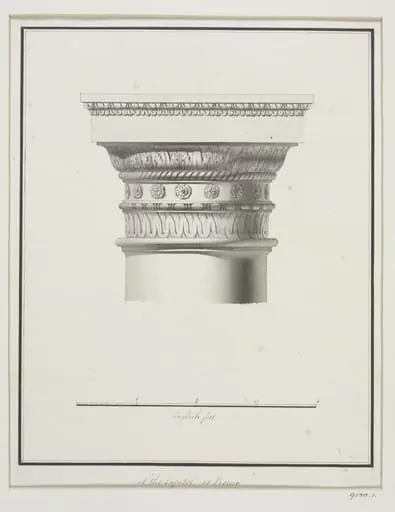 Untitled
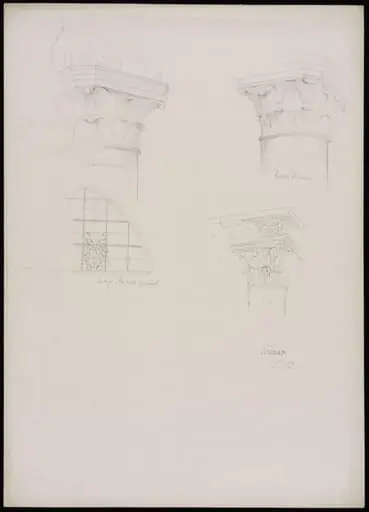 Untitled
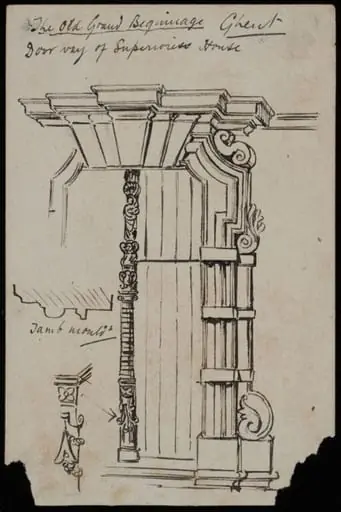 Doors and windows
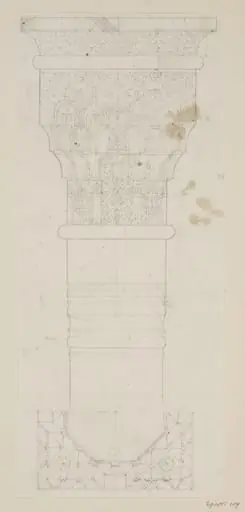 Drawing of capital
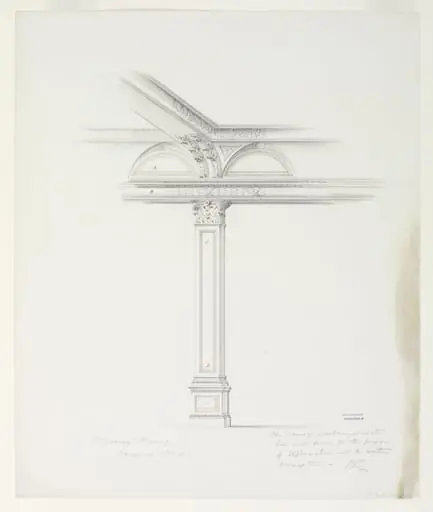 Drawing rooms at Drapers' Hall, London
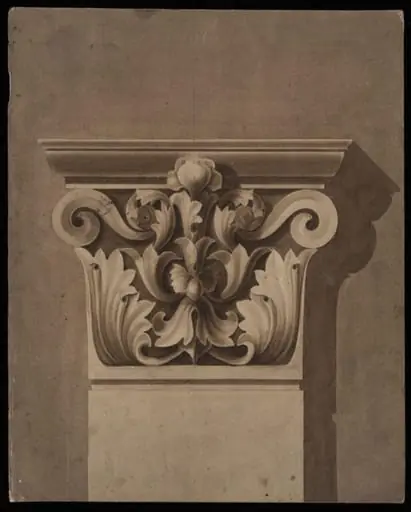 Untitled
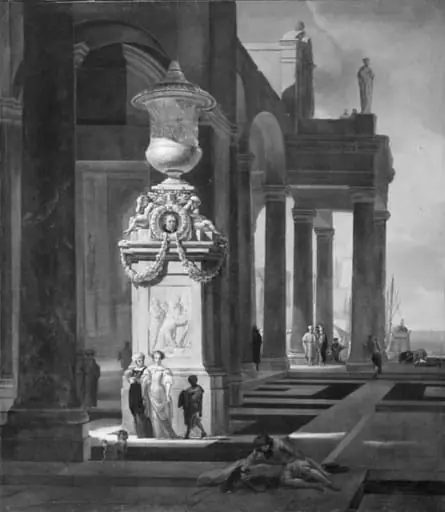 Monument at a Harbour
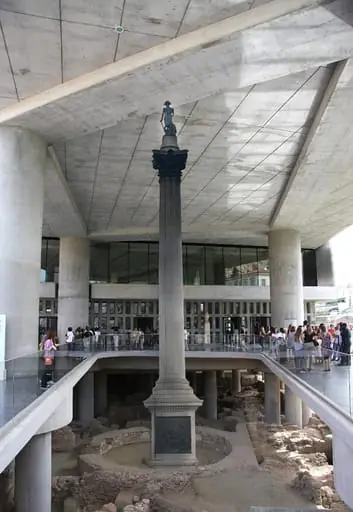 Άτιτλο
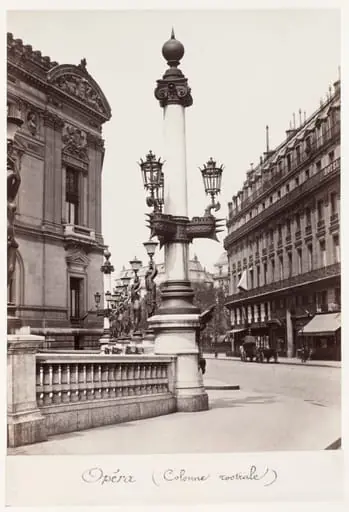 Opéra (Rostral Column)
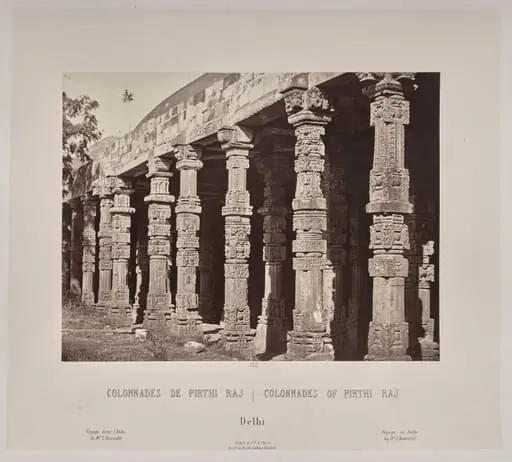 Colonnades of Pirthi Raj, Delhi
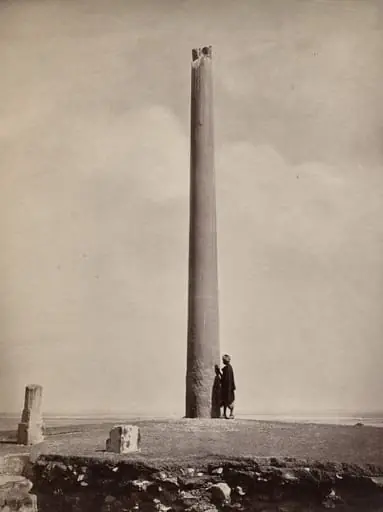 Ashoka Pillar moved to its present position by Feroz Shah
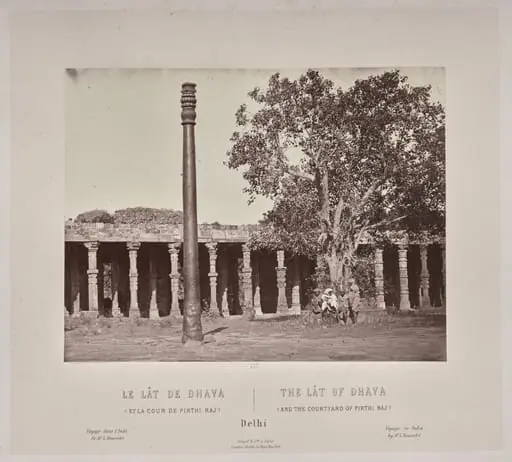 The Lât of Dhava and the Courtyard of Pirthi Raj, Delhi
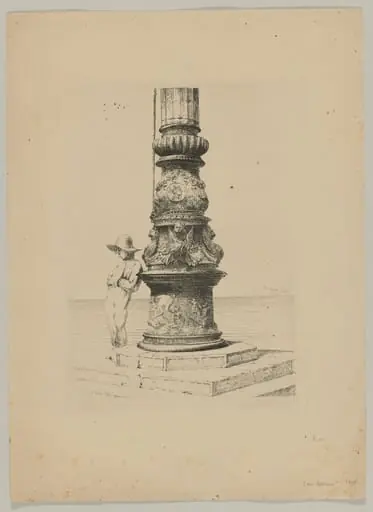 Column in Saint Mark’s Square
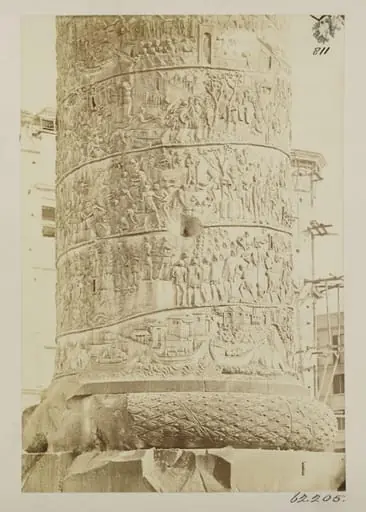 Sculptures - Details of Sculpture from Trajan's Column.
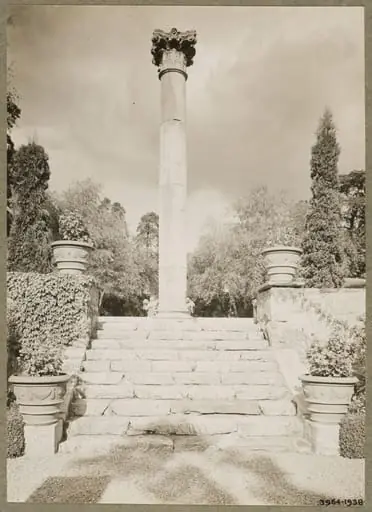 Untitled
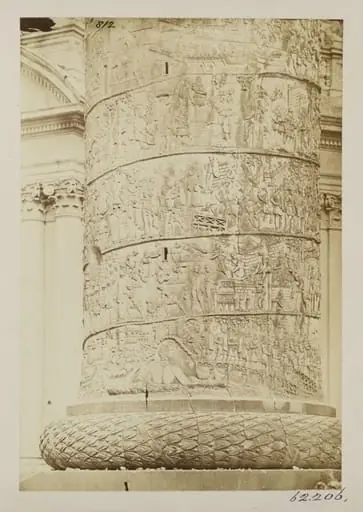 Sculptures - Details of Sculpture from the Column of Trajan
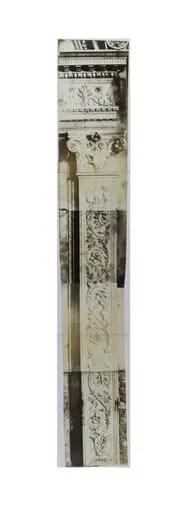 Sculptured Pilaster, Church of S. Giobbe, Venice
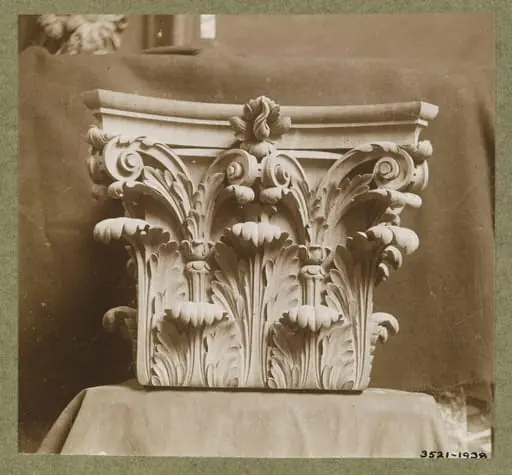 Untitled
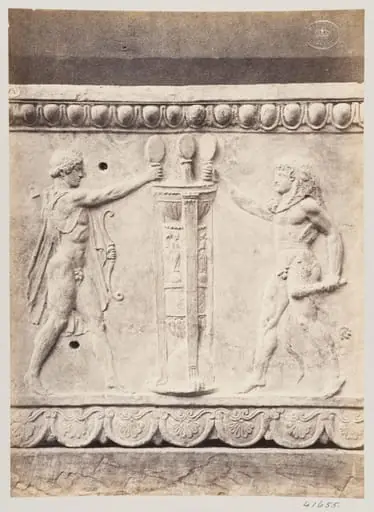 Bas-relief of a portion of a frieze with Hercules seizing the tripod of Delphi in terra cotta
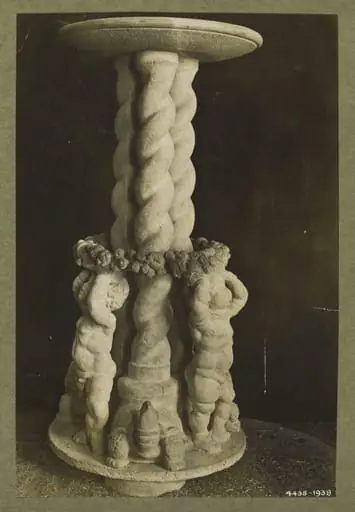 Untitled
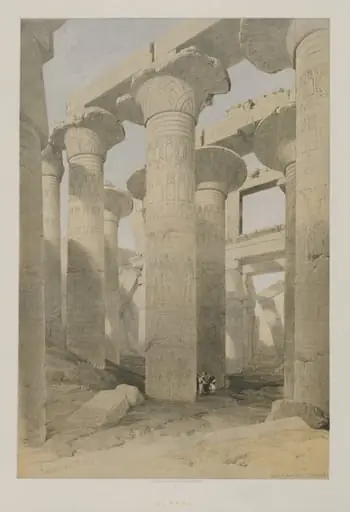 Egypt and Nubia, Volume II: Karnac
![Piazza Colonna from "Prospectus Locurum Urbis Romae Insign[ium]"](https://artifactworldgallery.com/img/lievin-cruyl--piazza-colonna-from-prospectus-locurum-urbis-romae-insign-iu--4b674f0f1b994d08-w320.webp) Piazza Colonna from "Prospectus Locurum Urbis Romae Insign[ium]"
Piazza Colonna from "Prospectus Locurum Urbis Romae Insign[ium]"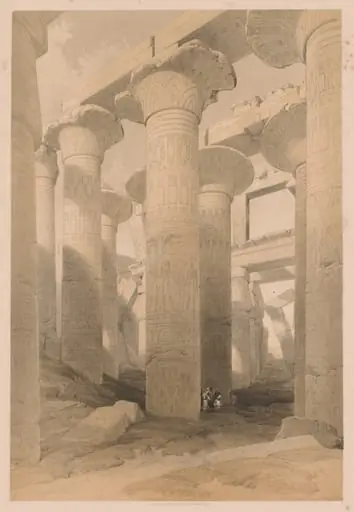 Egypt and Nubia: Volume II - No. 14, Karnak
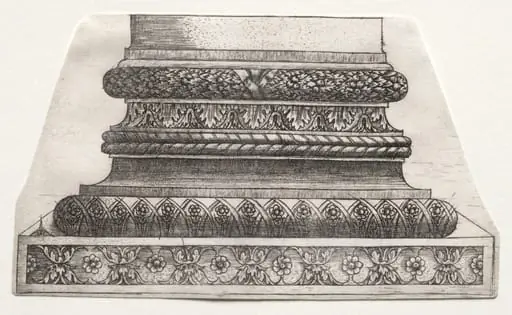 Base and Capital with Figure of Fame and Winged Horses (base)
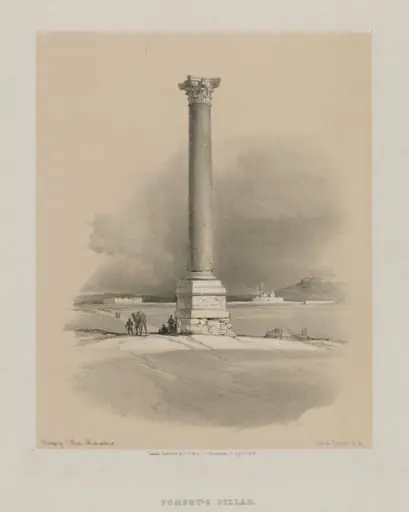 Egypt and Nubia, Volume I: Pompey's Pillar, Alexandria
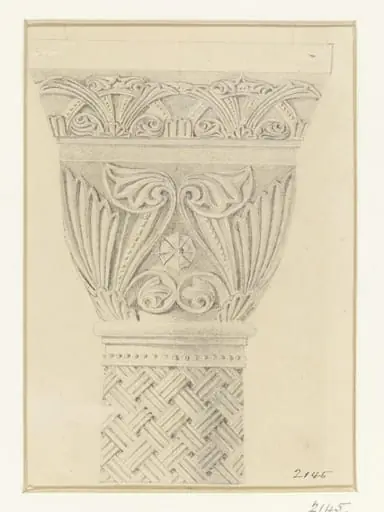 Paradigmata Graphics Variorum Artificum
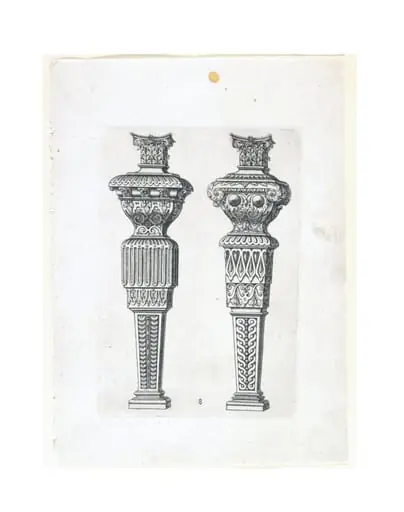 Ionic term
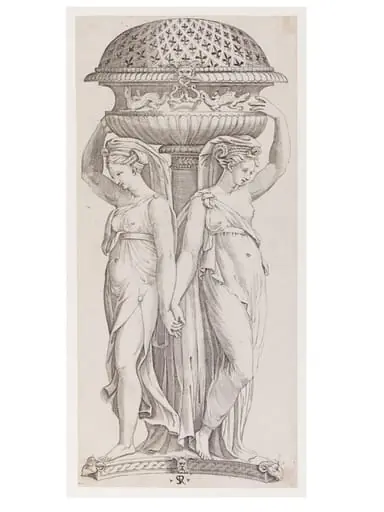 Untitled
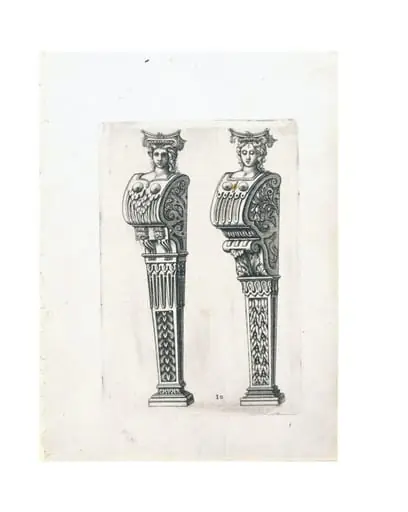 Corinthian term
Frequently asked questions
What is Column?
Column is a subject in art. A column or pillar in architecture and structural engineering is a structural element that transmits, through compression, the weight of the structure above to other structural elements below.
How many Column works does Artifact World Gallery have?
Artifact World Gallery holds 166 public-domain Column works, all free to view and download.
Who are the key Column artists?
Key Column artists in the collection include Titian, Paolo Veronese and Raphael.
Where can I see Column works?
Column works in the collection are held by Victoria and Albert Museum, Metropolitan Museum of Art and National Gallery of Art.