Artwork
Madonna, Child and Two Angels
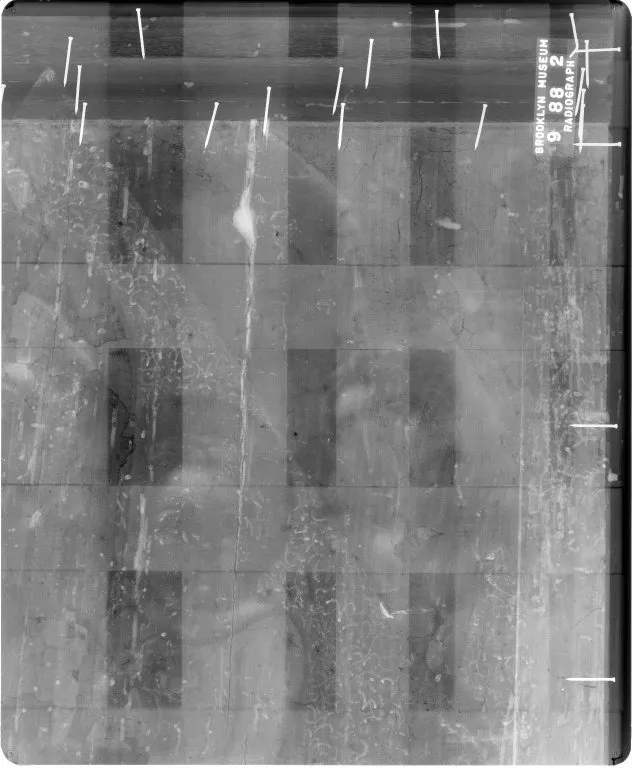
Madonna, Child and Two Angels is an unspecified painting by the Byzantine icon painting artist Master of the Coronation of Bellpuig. It dates from 1340 and is held in the collection of the Brooklyn Museum.
About this work
The painting is held at the Brooklyn Museum, which has a large collection of art from different time periods.
The painting is called Madonna, Child and Two Angels. It was made by the Master of the Coronation of Bellpuig in 1340. This artist is not well-known, but the work is interesting because it shows the skill of the time period.
The painting is held at the Brooklyn Museum, which has a large collection of art from different time periods. To learn more about similar art, look up the museum: Brooklyn Museum.
Overview
Madonna, Child and Two Angels is a 14th‑century religious panel painted in 1340. Executed by the anonymous figure known as the Master of the Coronation of Bellpuig, the work depicts the Virgin Mary with the infant Christ and two attendant angels. It is part of the permanent collection of the Brooklyn Museum in New York.
Subject & Meaning
The composition follows a conventional iconography of the period, presenting the Madonna as a nurturing figure while the angels serve as celestial witnesses. The intimate grouping emphasizes the theological theme of divine incarnation and the protective presence of heavenly beings surrounding the holy family.
Technique & Style
Rendered in tempera on wood, the painting displays the precise linear drawing and rich, jewel‑toned palette typical of mid‑medieval Catalan art. The figures are outlined with fine brushwork, and the gold leaf background creates a luminous, otherworldly atmosphere that reinforces the sacred subject.
History & Provenance
Created in the early 1300s, the panel remained in private or ecclesiastical hands before entering the Brooklyn Museum’s collection in the 20th century. The museum acquired it as part of its effort to represent medieval European painting within a broader chronological narrative.
Context
The work belongs to a period when devotional images were produced for private contemplation as well as liturgical use. Its stylistic traits align with the International Gothic tendencies spreading across the Iberian Peninsula, reflecting both local traditions and broader European artistic currents.
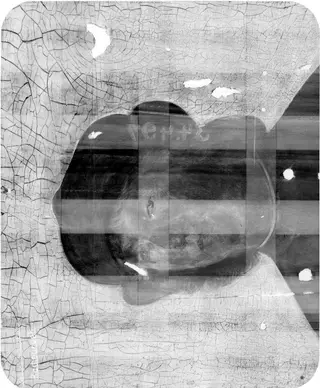
Artist & collection
Artist
Master of the Coronation of Bellpuig
This 14th-century Italian painter made delicate religious panels in the Gothic style.