
Movement
International Gothic
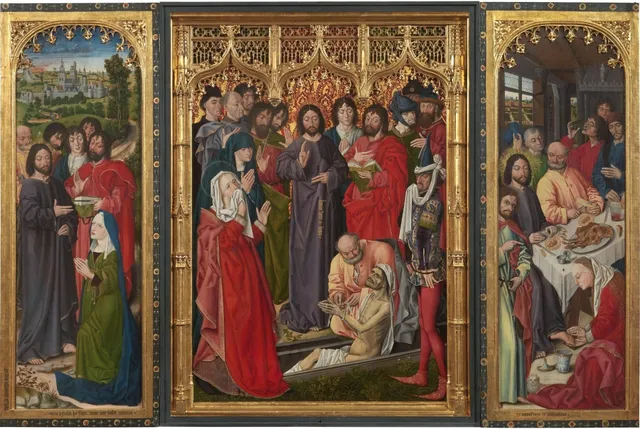
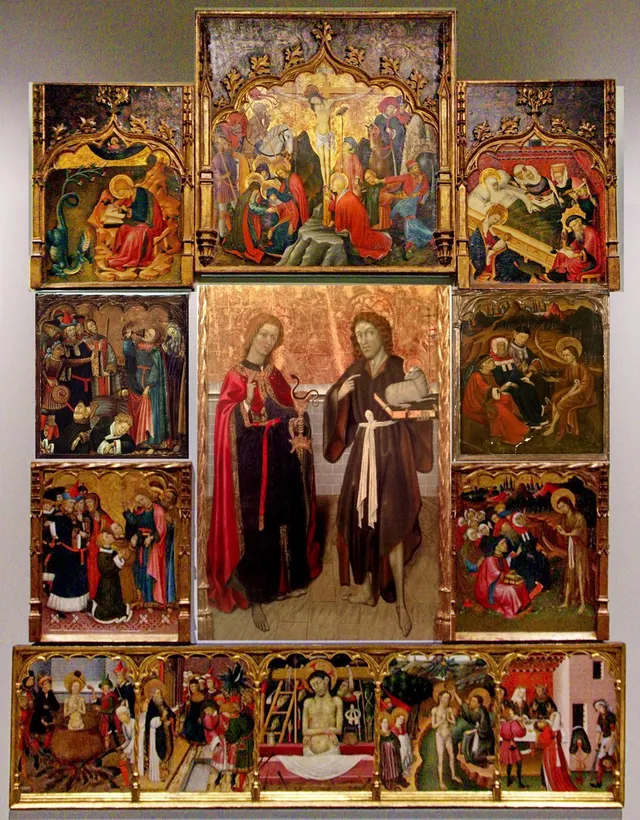
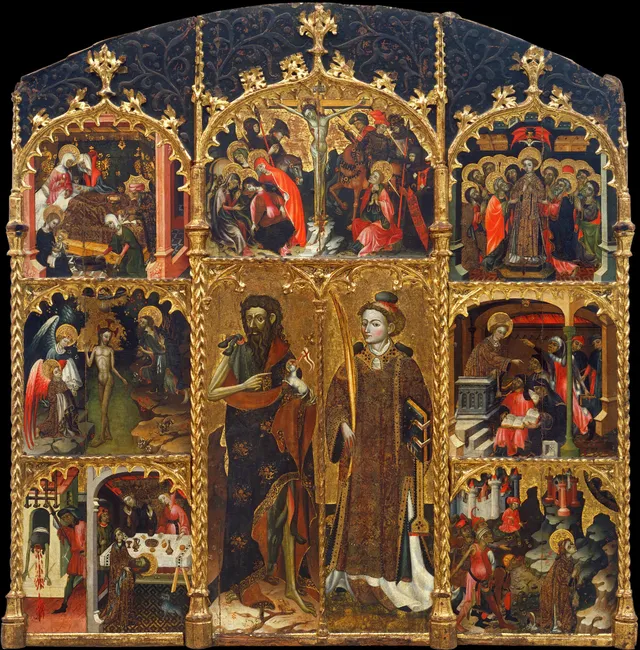
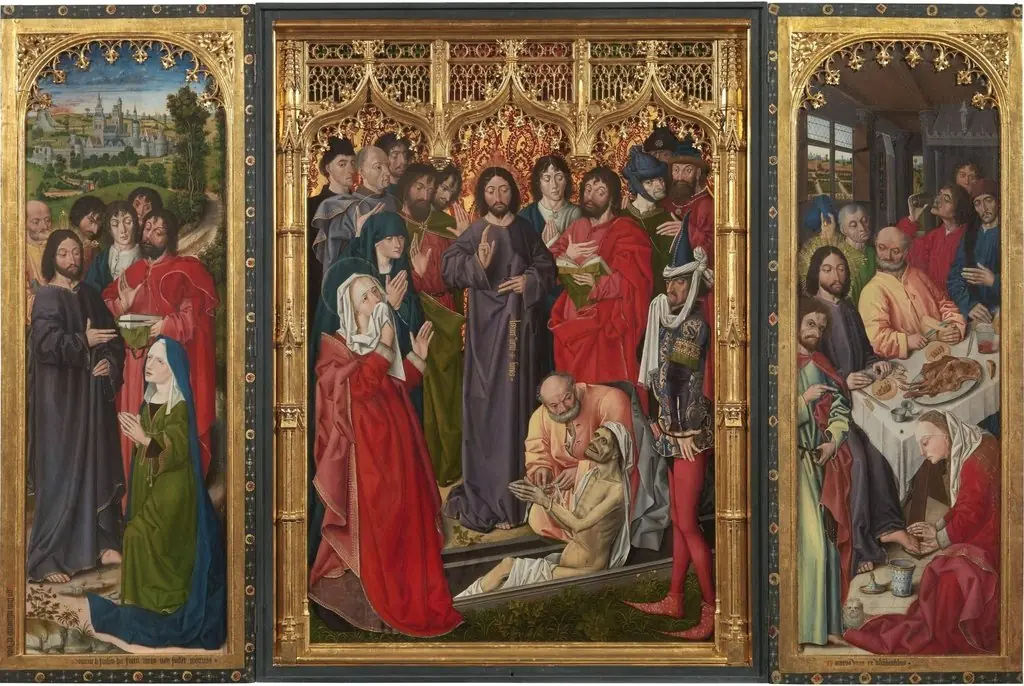
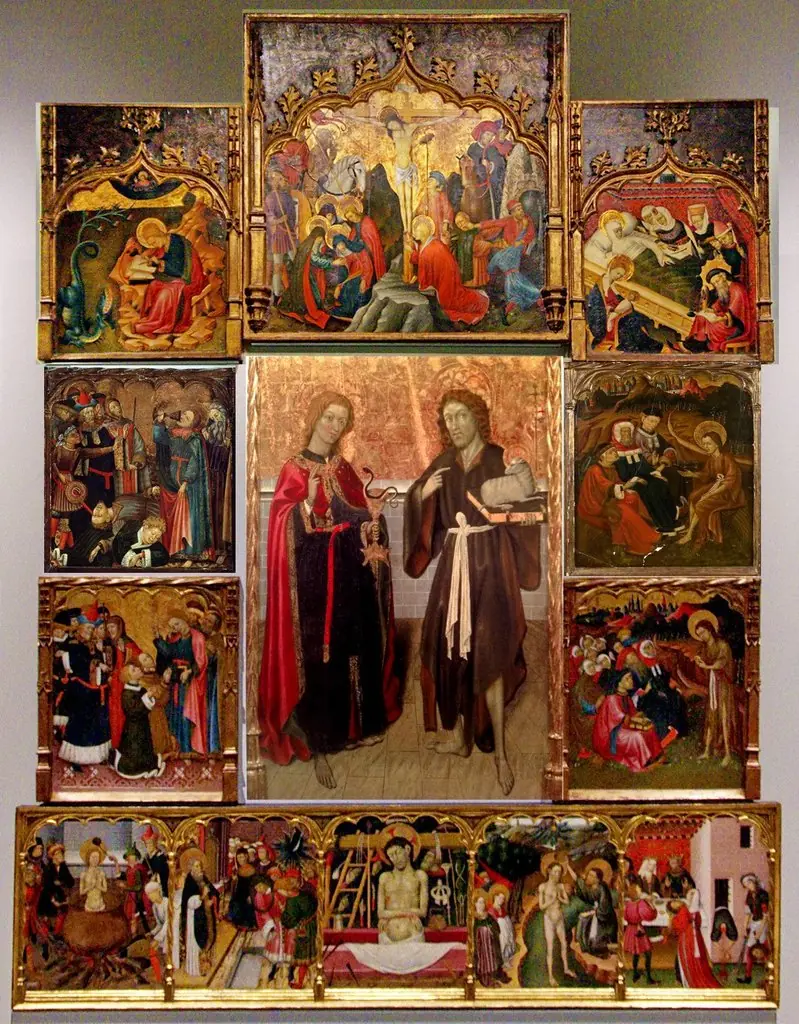
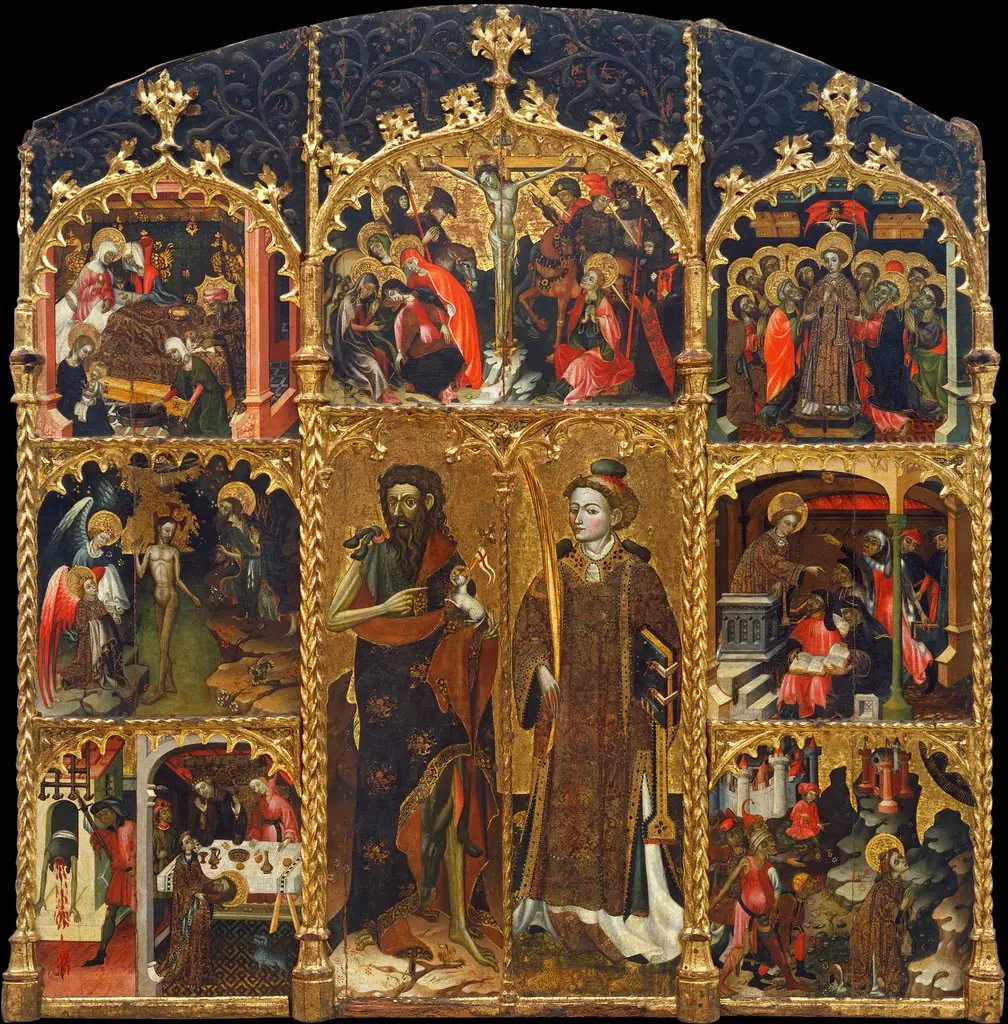
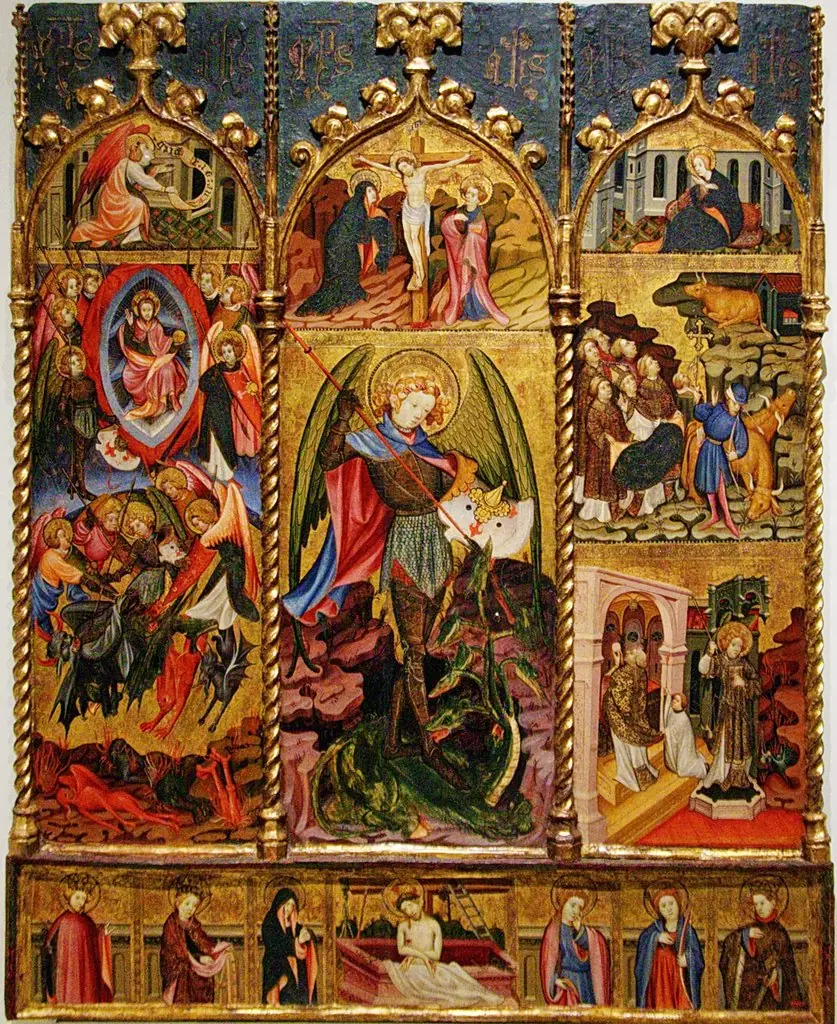
International Gothic is an art movement. The gallery holds 7 works in this movement, including works by Gentile da Fabriano, Upper Rhenish Master and Master of Saint Veronica. Browse International Gothic paintings, portraits, pictures and artworks from the world's public-domain museum collections.
International Gothic was the dominant European artistic style of the late fourteenth and early fifteenth centuries, flourishing roughly between 1370 and 1450. It crystallised at the great princely courts of Burgundy, France's royal house, the papal seat at Avignon, the Visconti in Milan, and the city-states of northern Italy, where wealthy patrons such as Jean, Duc de Berry, and the Florentine banker Palla Strozzi commissioned objects of conspicuous luxury. Because portable works—illuminated manuscripts, small panels, and goldsmiths' pieces—travelled along trade and diplomatic routes, and because artists themselves moved restlessly from one patron to the next, regional schools converged on a shared courtly idiom. The term itself was coined by the French art historian Louis Courajod late in the nineteenth century to capture this striking transnational unity.
The style is defined by aristocratic elegance. Figures are slender and gracefully attenuated, posed in a characteristic S-curve, their robes falling in rippling, calligraphic folds. Painters lavished lustrous gold leaf, jewel-bright colour, and minutely observed detail on fabrics, jewellery, and flora and fauna, balancing decorative artifice with passages of naturalistic observation. Its gentler German variant is often called the "Beautiful Style" or "soft style" for its sweet expressions and flowing forms.
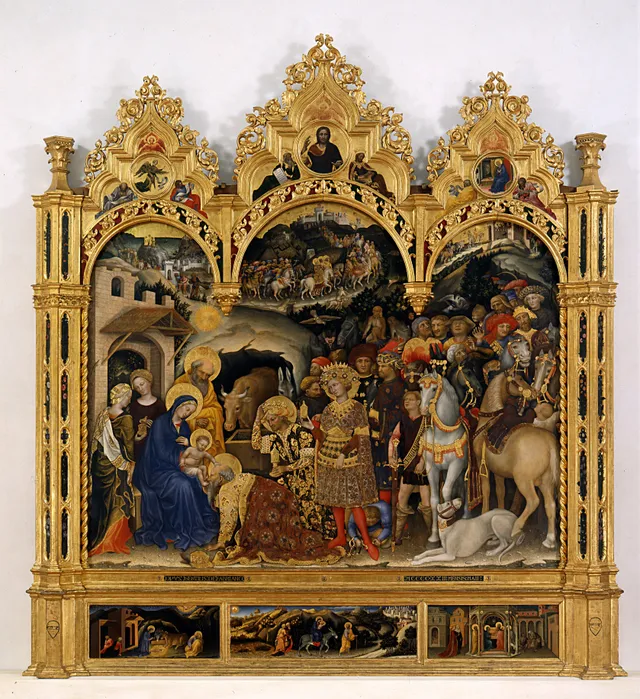
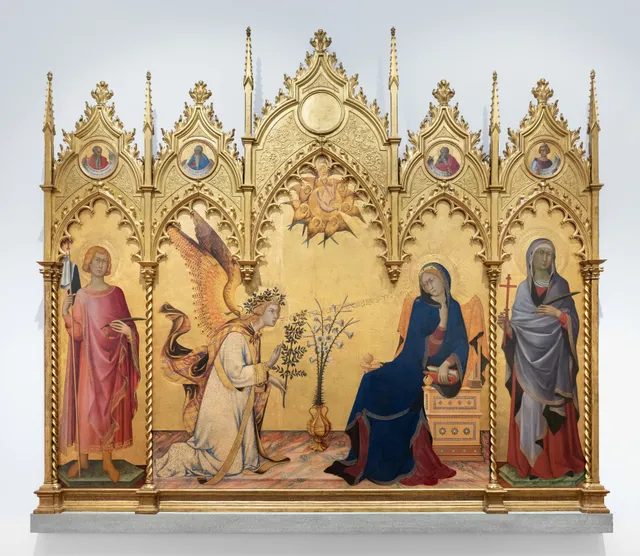
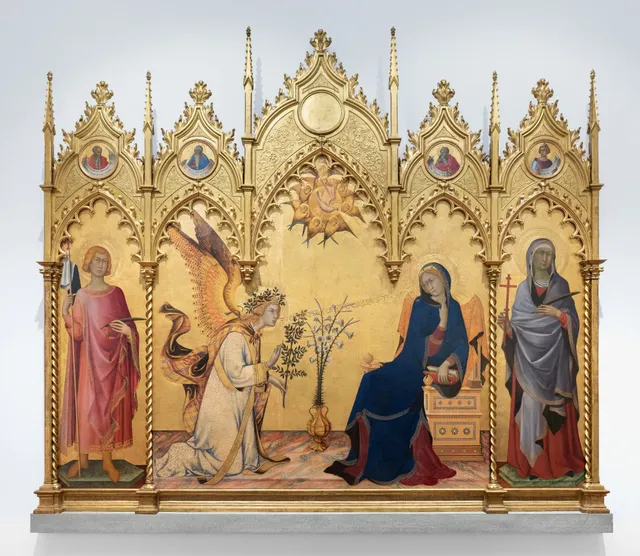
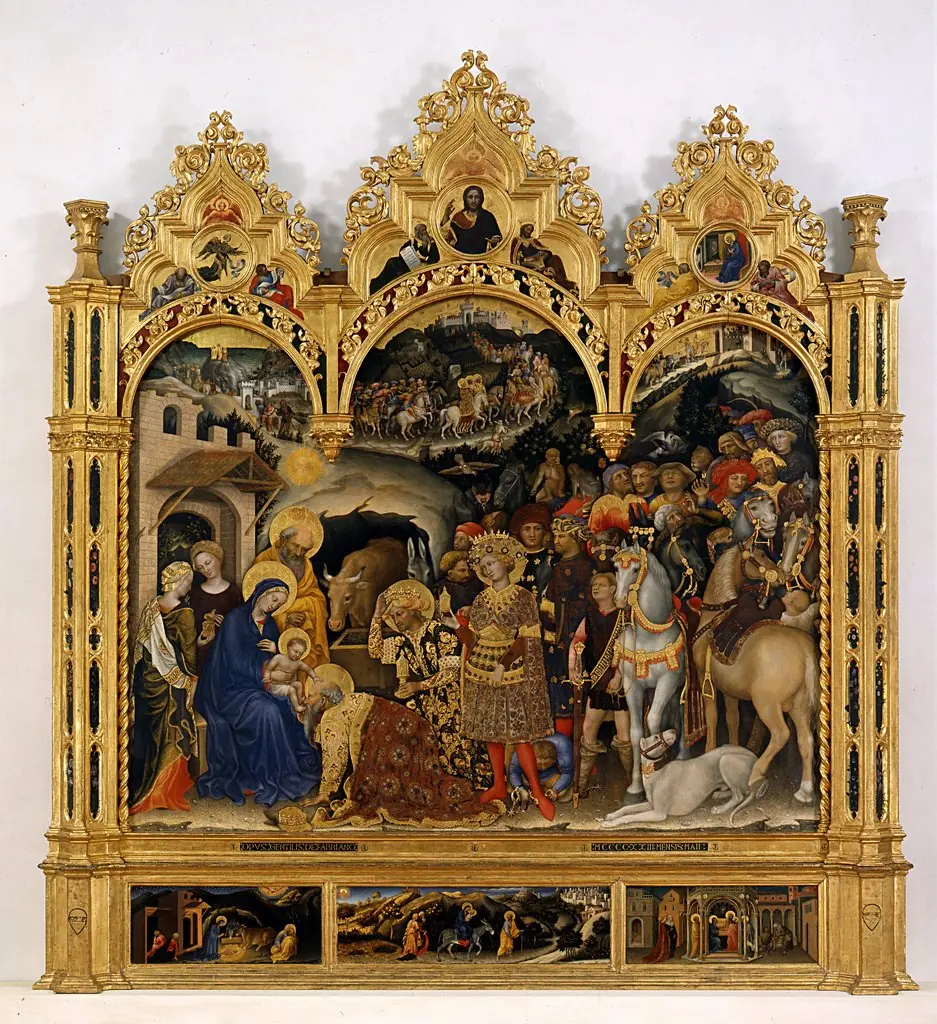
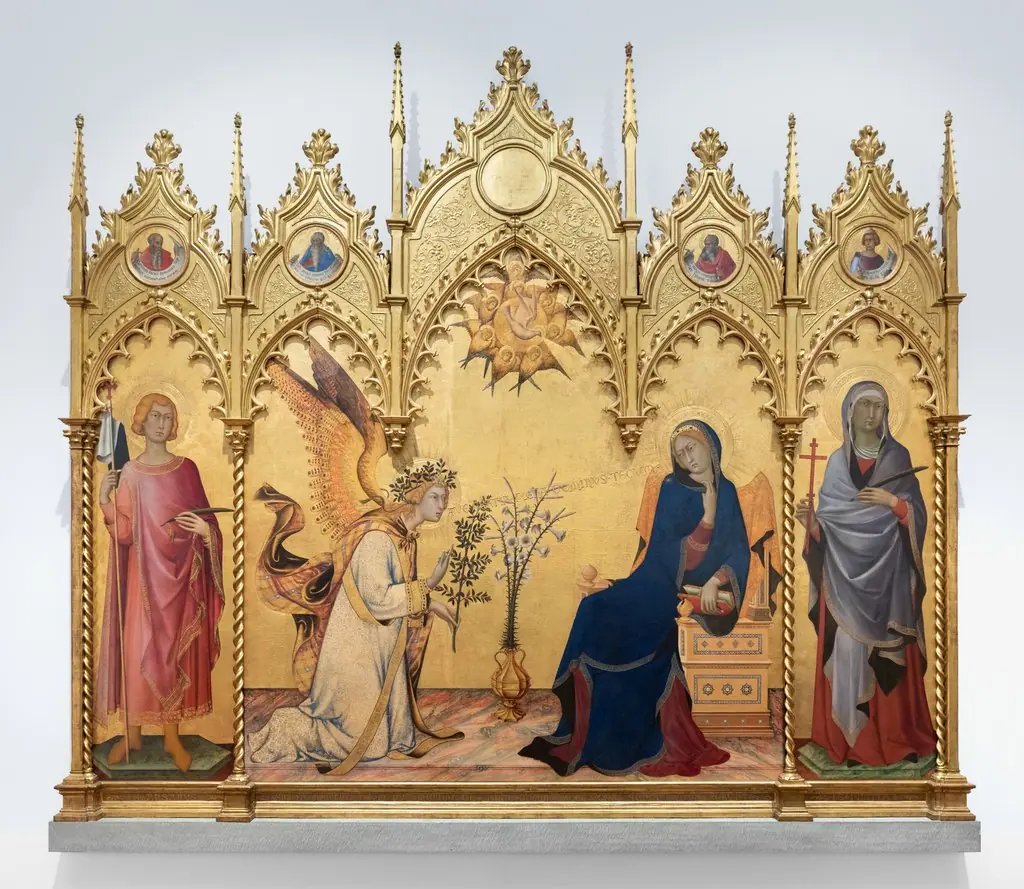
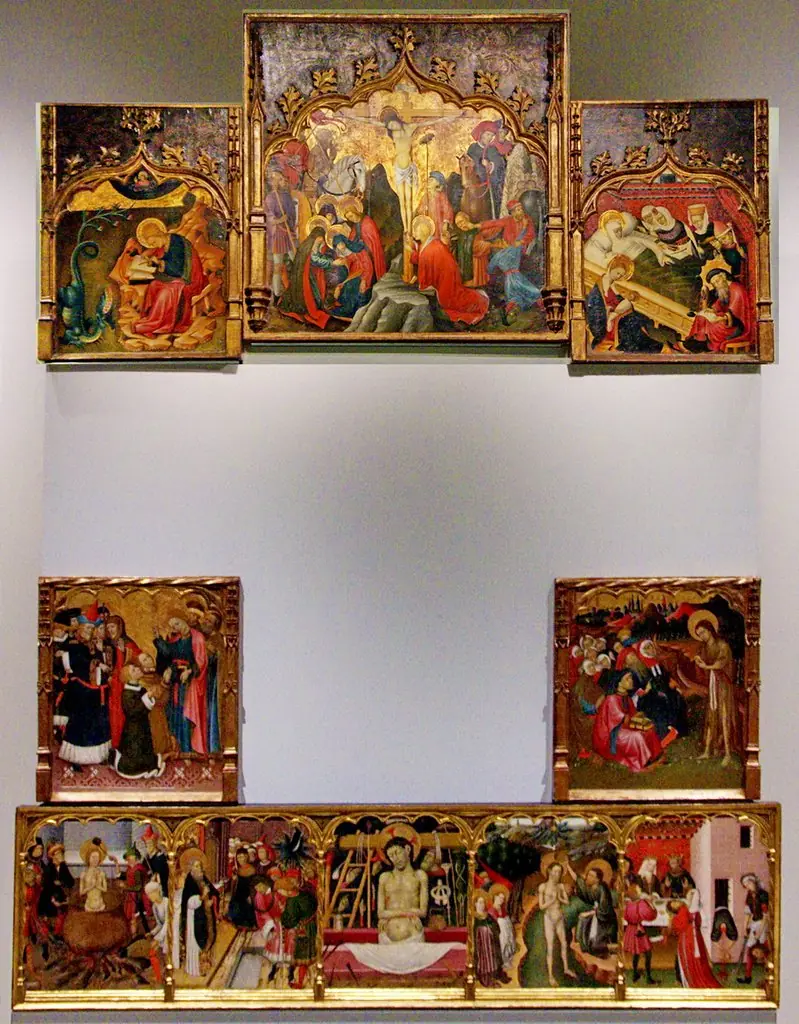
The canonical masters span the continent. Gentile da Fabriano's *Adoration of the Magi* (1423, Uffizi), painted for Palla Strozzi's chapel in Santa Trinita, is widely regarded as the culminating masterpiece of the style, its surface alive with embossed gold and courtly pageantry. The Sienese painter Simone Martini, whose gilded *Annunciation* (1333, with Lippo Memmi) carried Sienese refinement to the Avignon court, was a crucial forerunner. Pisanello of Verona ranks as the style's last and most magnificent exponent, while the Limbourg brothers produced its supreme manuscript, the *Très Riches Heures du Duc de Berry*. Regional leaders include Lorenzo Monaco in Florence, Conrad von Soest and the Master of Saint Veronica in Germany, and Bernat Martorell in Catalonia.
International Gothic did not so much die as dissolve into the early Renaissance. Even as Gentile worked in Florence, Masaccio was forging a sterner naturalism, and Pisanello's generation absorbed new interests in perspective and antiquity. The style's legacy endured in its decorative splendour, courtly subject matter, and the close natural observation that fed directly into fifteenth-century painting.
Key artists


Works
Frequently asked questions
What is International Gothic?
International Gothic is an art movement. An elegant, courtly style that spread across Europe from roughly 1370 to 1430, dissolving national differences in a shared taste for graceful elongated figures, rich gold ornament, and lyrical detail.
Who are the key International Gothic artists?
Key International Gothic artists in the collection include Gentile da Fabriano, Upper Rhenish Master and Master of Saint Veronica.
Where can I see International Gothic works?
International Gothic works in the collection are held by Museu Nacional d'Art de Catalunya and Uffizi Gallery.