Artwork
Maria met kind
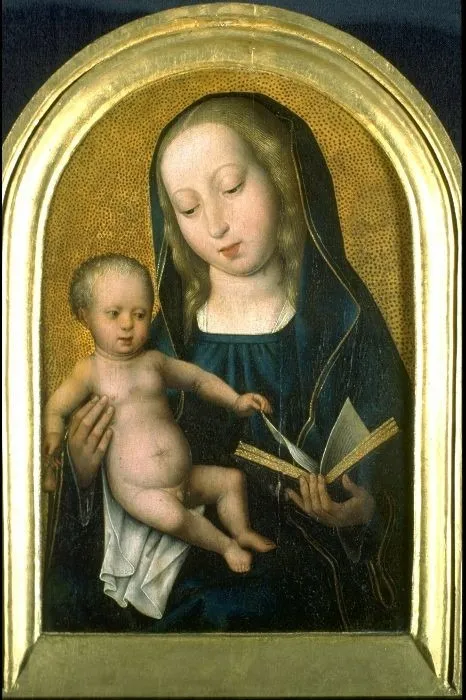
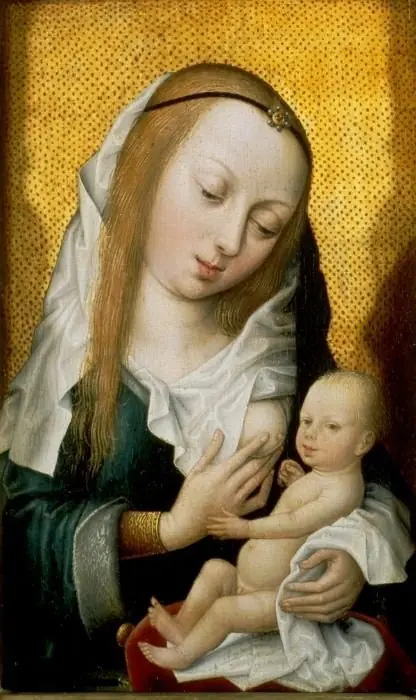
Maria met kind is an oil painting by the Northern Renaissance artist Master of the Legend of the Magdalene. It dates from 1512 and is held in the collection of the Gemäldegalerie Berlin.
About this work
Overview
Maria met kind is a small devotional oil painting on oak panel by the Master of the Legend of the Magdalene, dated 1512.
Maria met kind is a small devotional oil painting on oak panel by the Master of the Legend of the Magdalene, dated 1512. Measuring 26 by 17.5 centimetres, it depicts the Virgin Mary with the Christ Child and is held in the collection of the Gemäldegalerie, Berlin, having also been associated with the LVR-Landesmuseum Bonn. The work exemplifies the refined, courtly style of Early Netherlandish painting at the turn of the sixteenth century, produced by an artist closely linked to the Habsburg court in the Netherlands.
Subject & Meaning
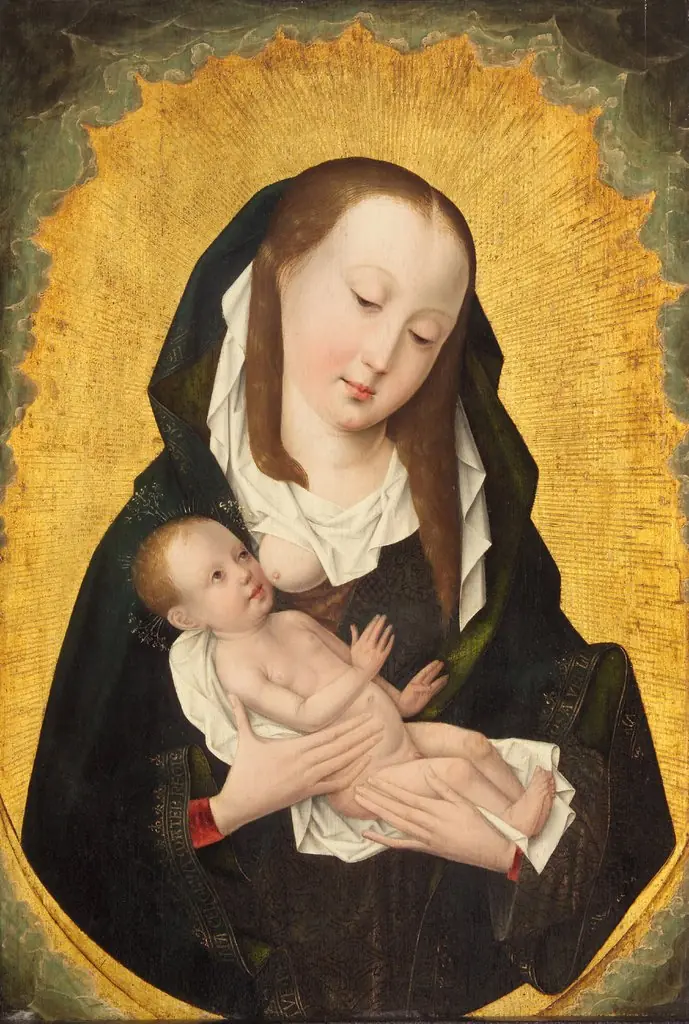
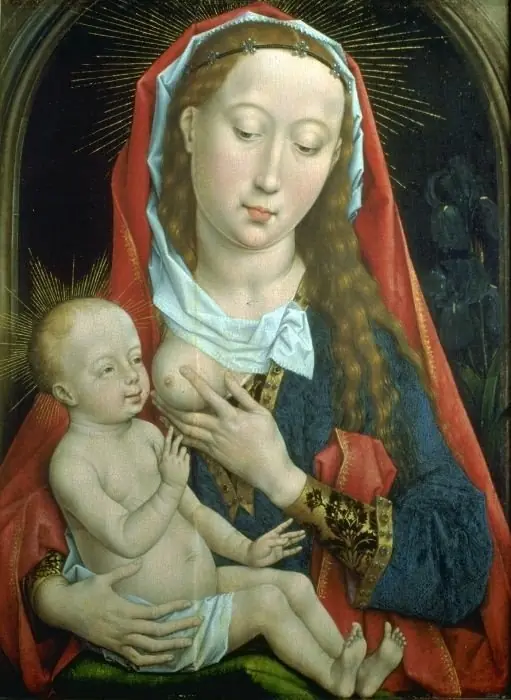
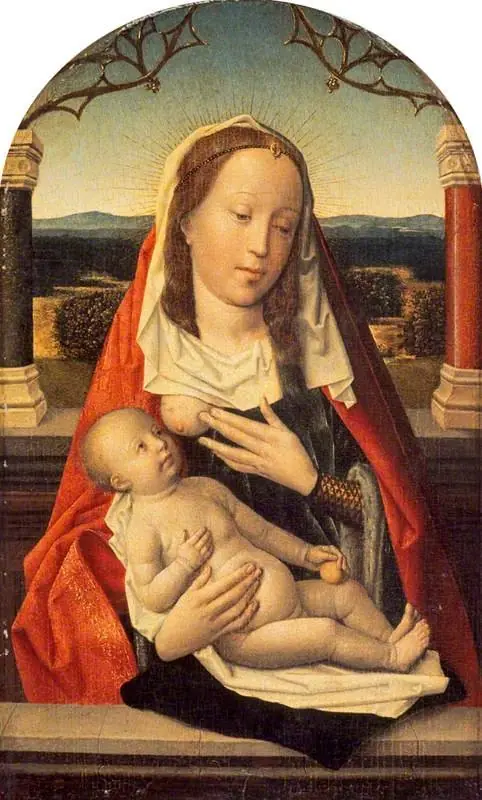
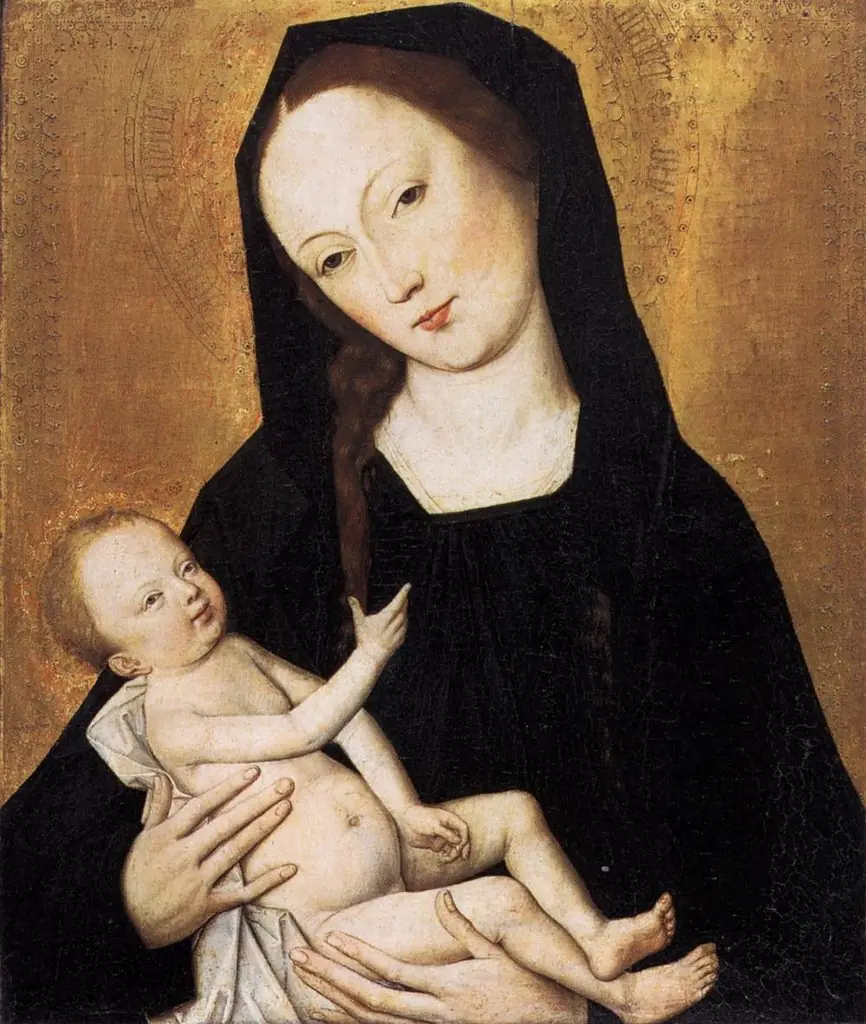
The painting presents a Madonna and Child composition within a rounded arched top framed by a gilded border. Mary wears a dark blue mantle over a blue dress with a white undergarment visible at the neck, her gaze directed piously downward toward the infant. She holds an open book in her left hand and supports the Christ Child with her right arm, on which a white cloth is draped. The infant reaches toward the book with one hand while holding a small object in the other. This configuration carries multiple layers of meaning: the book signifies sacred wisdom and foreshadows Christ's teachings, while the child's gesture toward it suggests his acceptance of his divine mission. The intimate scale and the Virgin's contemplative demeanor encourage private devotion, a function typical of small panel paintings from this period. The gold background with its dotted pattern evokes the heavenly realm, removing the figures from earthly space and emphasizing their sacred nature.
History & Provenance
The painting is dated 1512, placing it in the mature phase of the artist's career. The Master of the Legend of the Magdalene was active from approximately 1483 to around 1527, and the work reflects the sophisticated court style he developed during his service to Margaret of Habsburg, regent of the Netherlands from 1507 until 1530. The panel's provenance includes association with the LVR-Landesmuseum Bonn before its current placement in the Gemäldegalerie, Staatliche Museen zu Berlin. The accession history and earlier ownership chain are not documented in the available sources.
Context
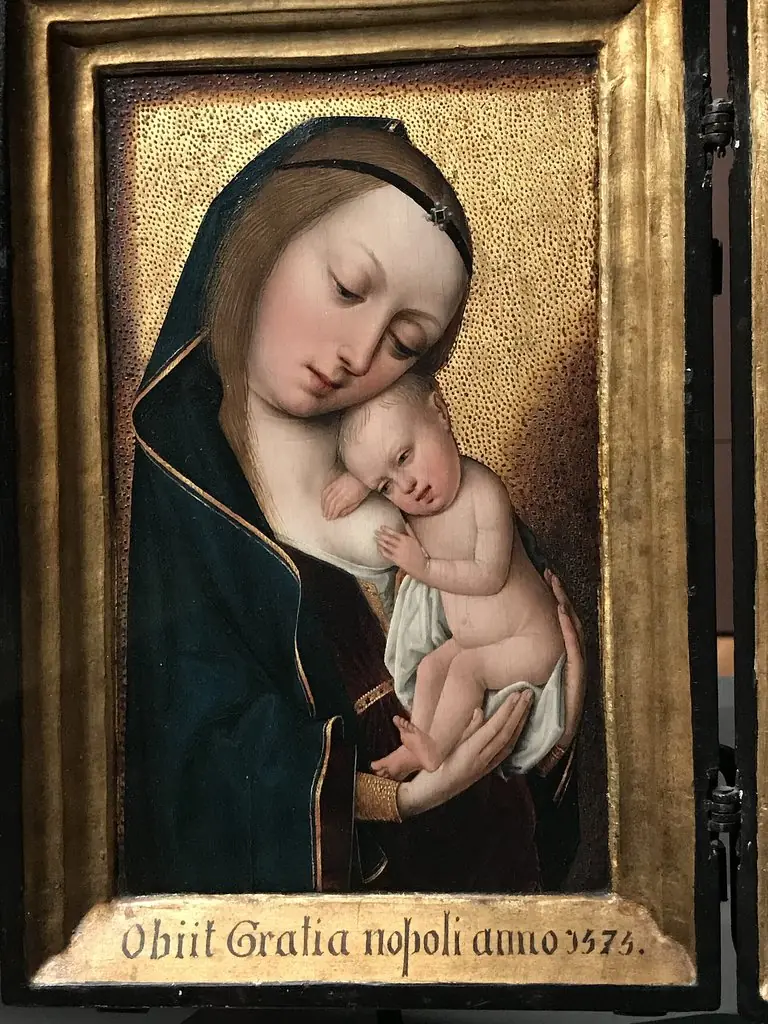
The Master of the Legend of the Magdalene was a significant figure in Early Netherlandish painting, though his actual identity remains unknown. His name derives from a large, now-dispersed altarpiece depicting scenes from the life of Mary Magdalene, to which many paintings have been linked. Art historians have long debated his identity, with Max Friedländer and others speculating that he may be identified with Pieter van Coninxloo, or that van Coninxloo may have worked in his workshop. The artist's works are held in major collections including the National Gallery, London, the Philadelphia Museum of Art, and the Fitzwilliam Museum, Cambridge. His association with the Habsburg court placed him at the centre of aristocratic patronage in the Netherlands, and his refined style reflects the international taste cultivated at Margaret of Habsburg's court. The Maria met child belongs to a broader corpus of Madonna and Child paintings attributed to the master, including related works depicting the Madonna lactans theme.
Artist & collection
Artist
Master of the Legend of the Magdalene
The Master of the Legend of the Magdalen (sometimes called the Master of the Magdalen Legend) was an Early Netherlandish painter active from circa 1483 to 1527.

 Madonna and Child
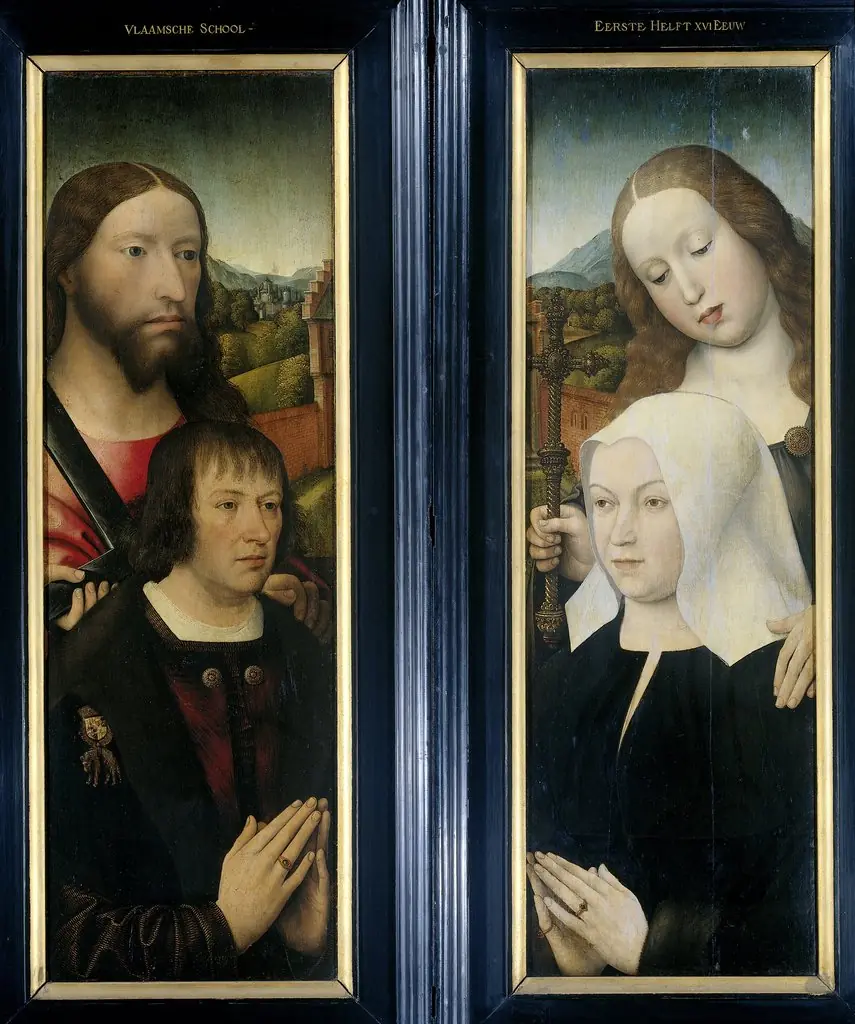 Two Wings of a Triptych with the Donor, Thomas Isaacq, accompanied by Saint Thomas (left, outer wing), and the Donor's Wife accompanied by Saint Margaret (right, outer wing)
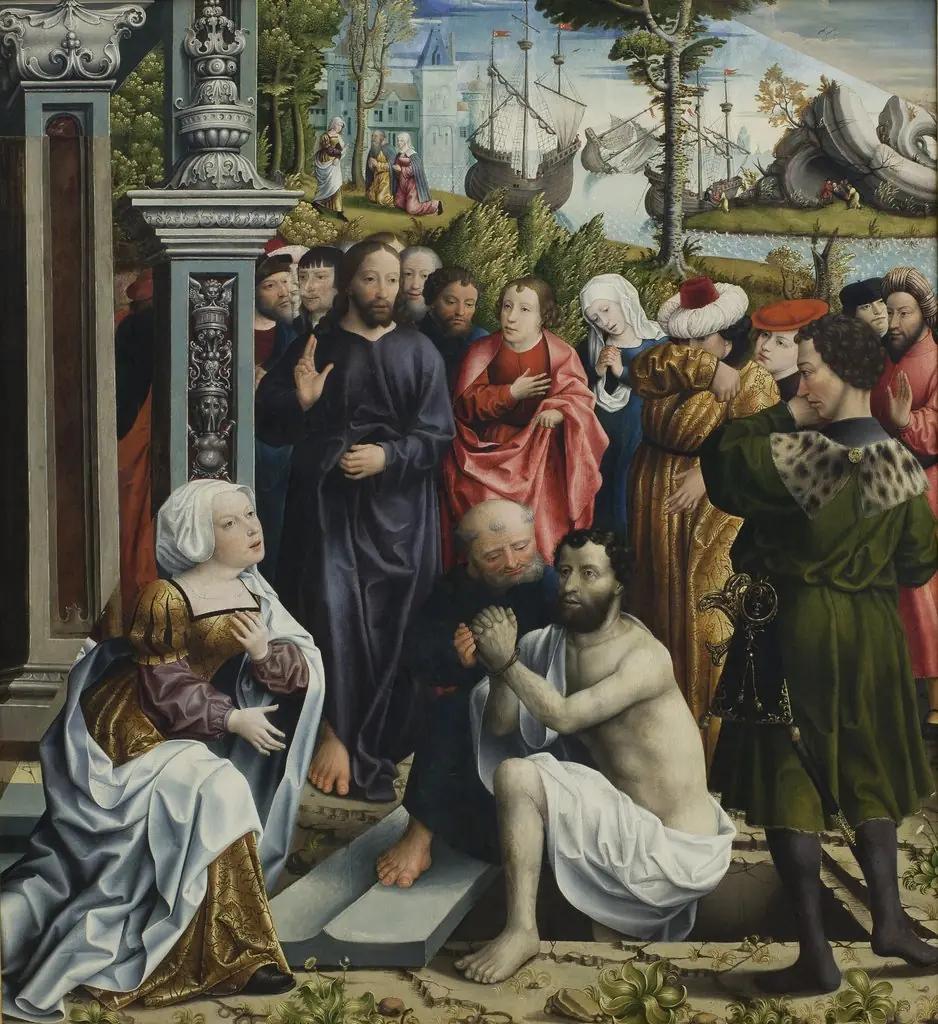 The Raising of Lazarus
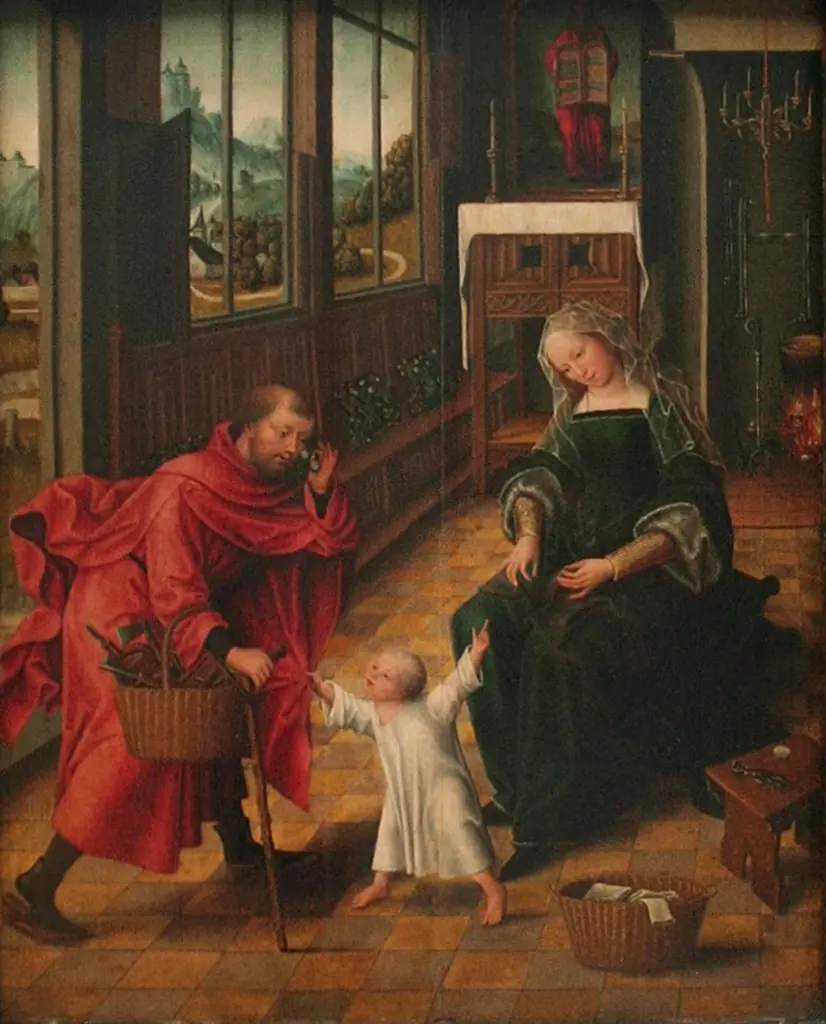 The Holy Family
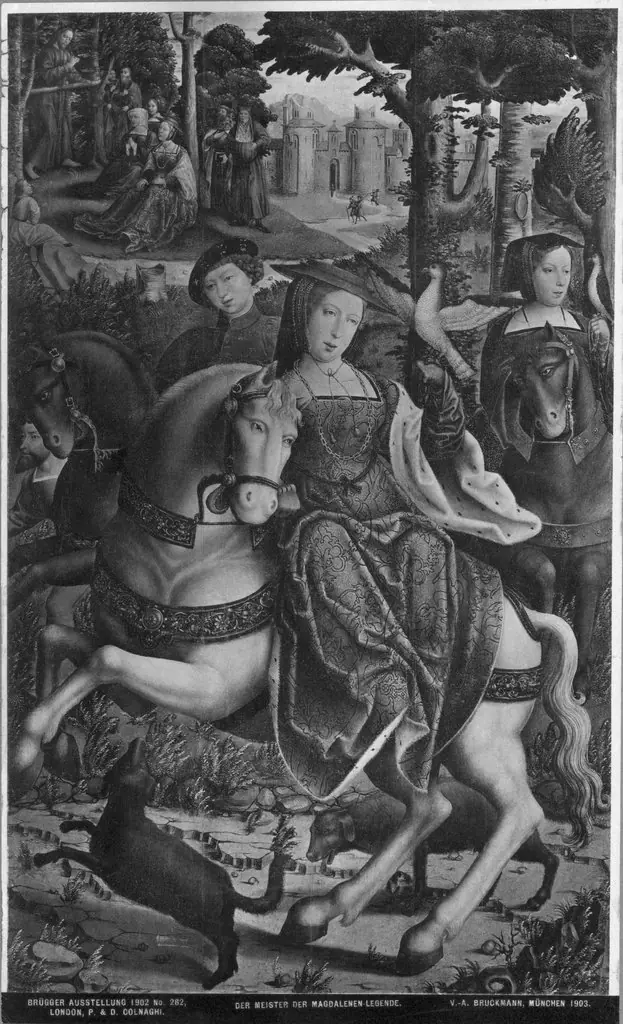 St. Mary Magdalene hunting before her conversion
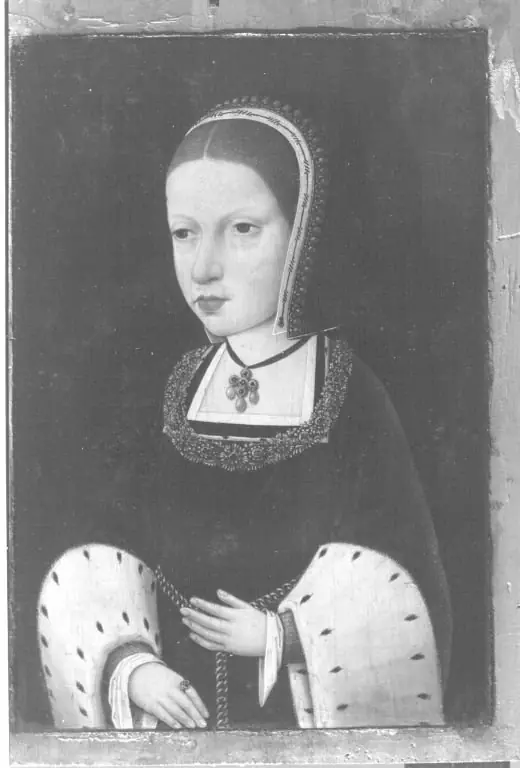 Bildnis einer jugendlichen Fürstin
- Maria mit dem Kind
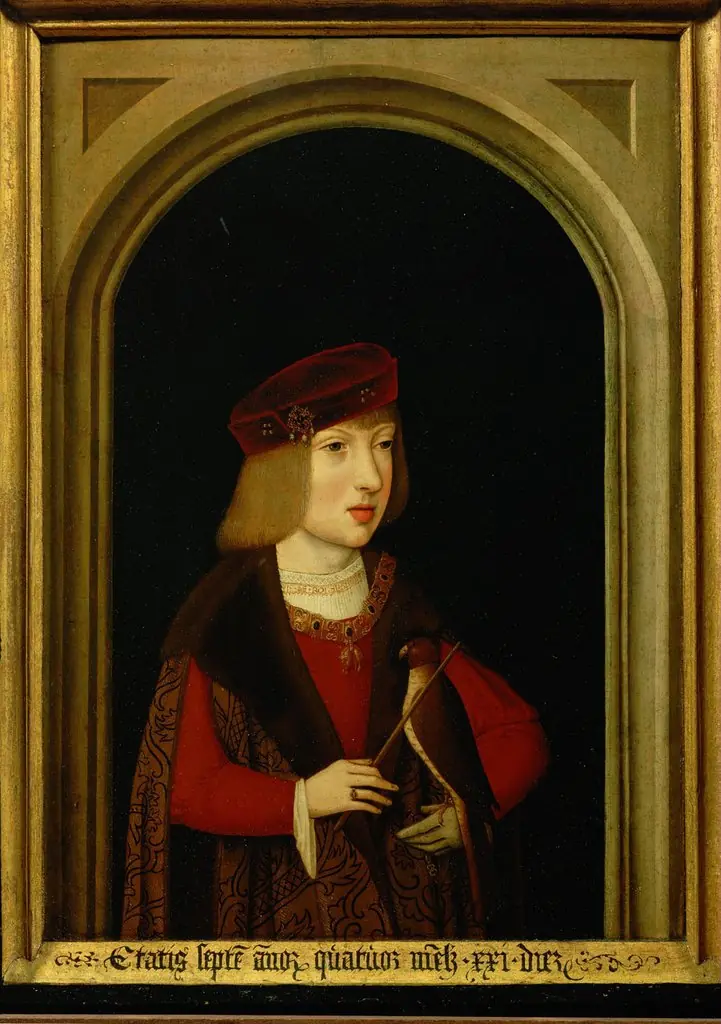 Porträt des Karl V. (1500-1558)