Artwork
Virgin and Child
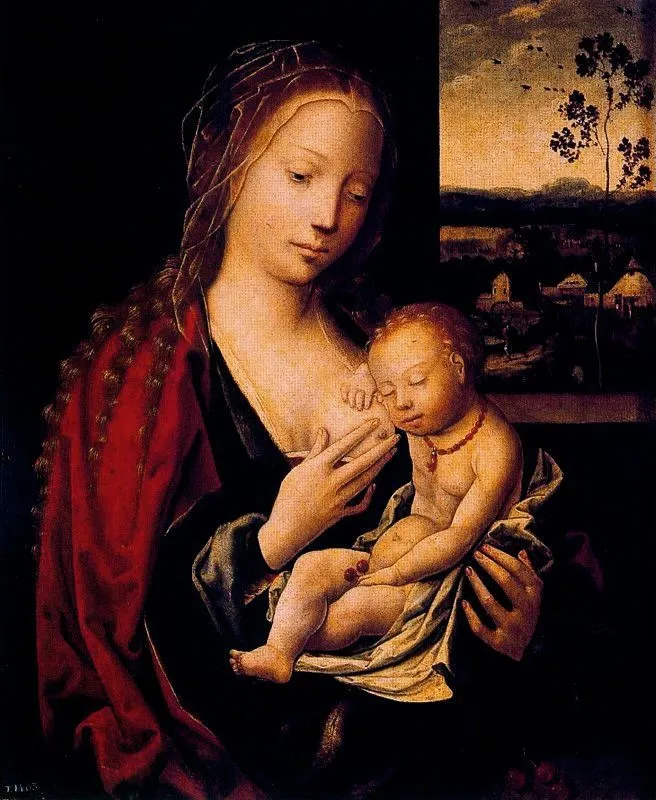
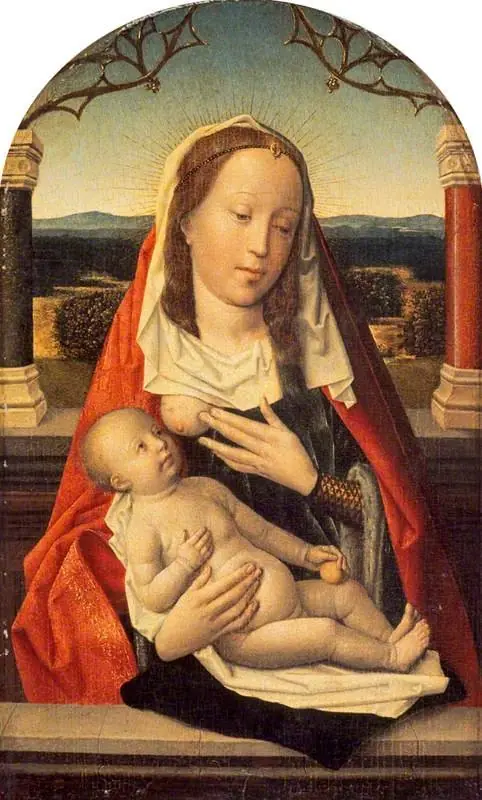
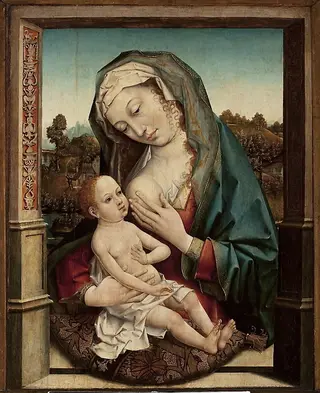
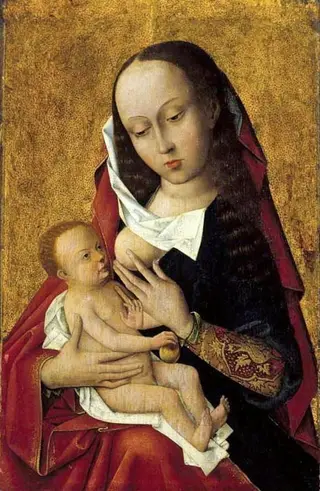
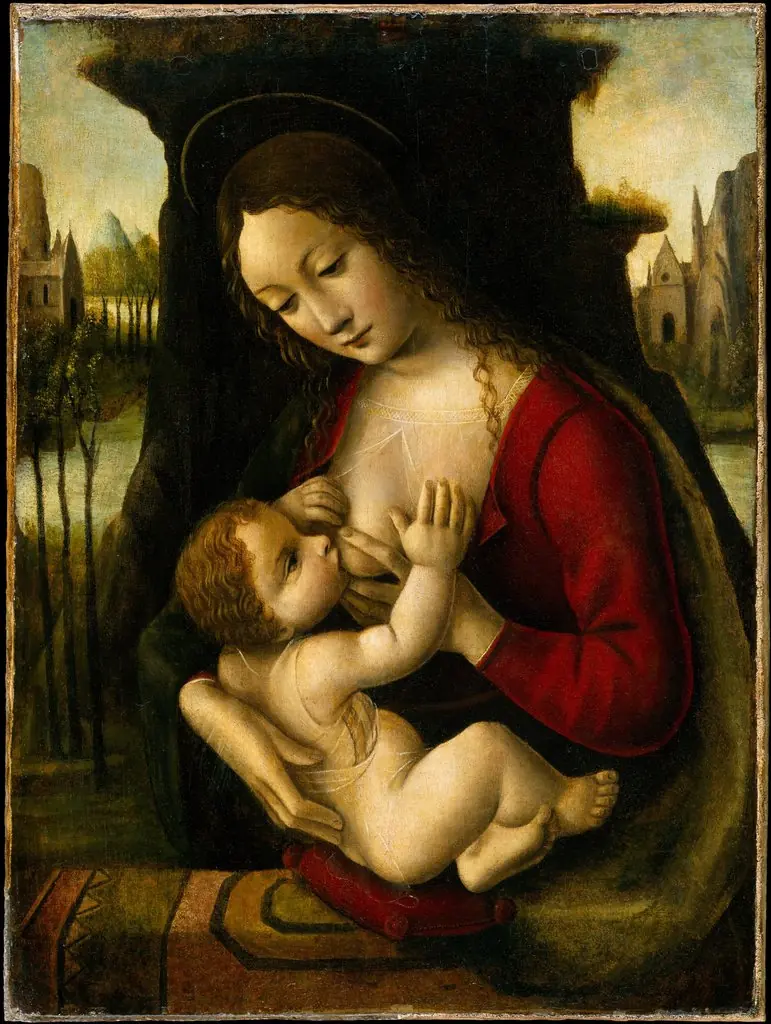
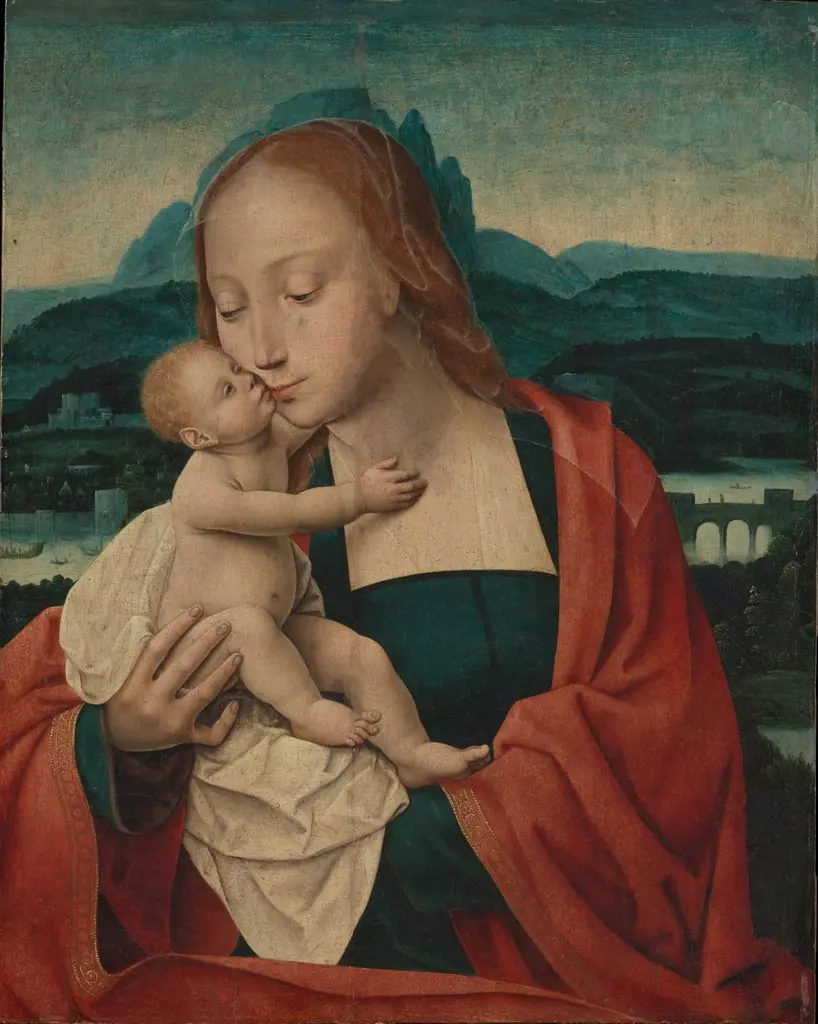
Virgin and Child is an oil painting by the Mannerist artist Master with the Parrot. It is held in the collection of the Museo del Prado.
About this work
Subject & Meaning
Rendered in oil on panel, the composition centers on this sacred pairing, presenting the maternal relationship as its main subject and core symbolic meaning.
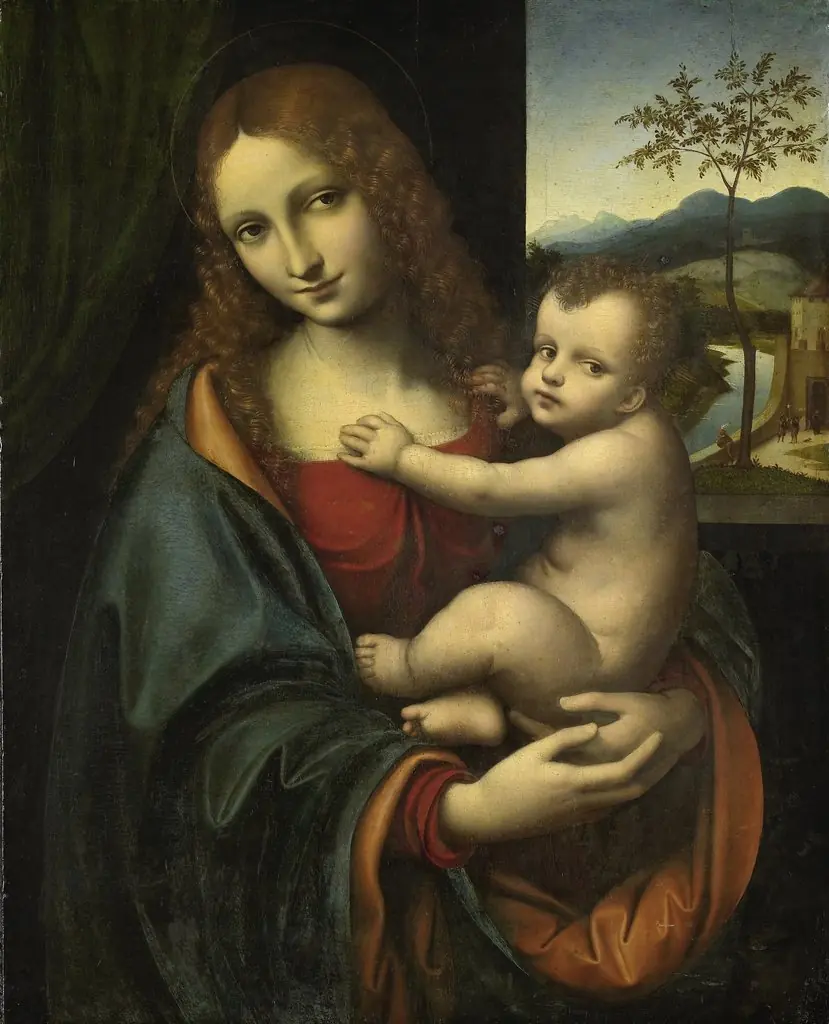
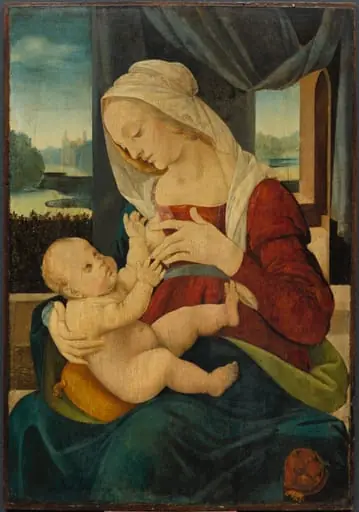
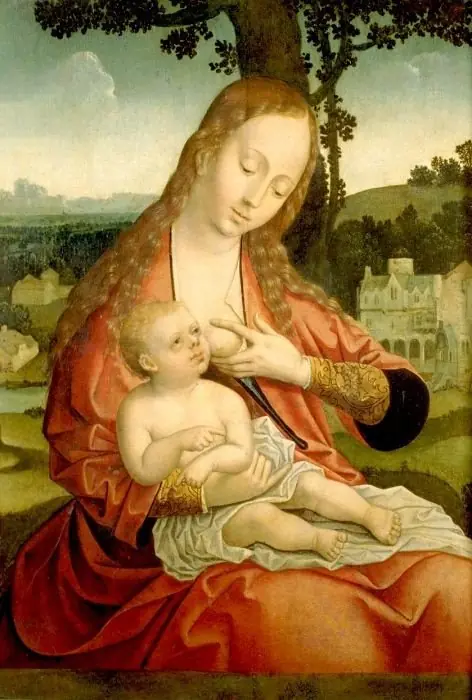
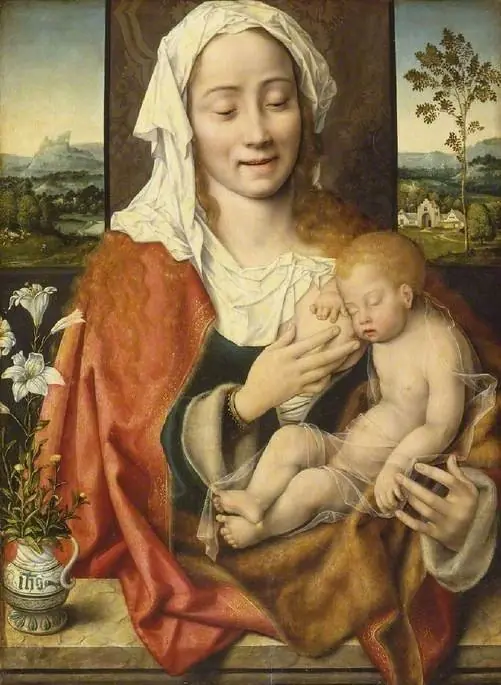
The painting depicts the Madonna and Child, with the central figures identified as the Virgin Mary holding the Christ Child. Classified within the religious genre, the work belongs to the long-established iconographic tradition of the Virgin and Child, a devotional subject that portrays the maternal bond between Mary and the infant Jesus as a focal point of Christian veneration.
Rendered in oil on panel, the composition centers on this sacred pairing, presenting the maternal relationship as its main subject and core symbolic meaning. The image reflects the devotional function typical of such religious paintings, where the intimate portrayal of Mary and her son served as an object of contemplation and a visual expression of Christian theology concerning the Incarnation.
Technique & Style
The work is executed in oil on wooden panel, a technique typical of mid-16th-century Spanish painting. The surface bears the characteristic handling of the Master with the Parrot, with fine glazes that model the folds of the Virgin's garments and delicate modeling of the Child's features. Formal analysis notes a restrained composition centered on the Madonna and Child, with a muted palette and clear outlines that emphasize the sacred intimacy of the subject.
History & Provenance
The painting was created in 1540 by the Master with the Parrot. It was executed in oil on panel and originally formed part of a religious composition depicting the Madonna and Child. The work entered the collection of the Museo del Prado, where it has been housed continuously since its acquisition. Its dimensions measure 60 cm in height and 47 cm in width.
Legacy
The painting's composition and iconography have informed subsequent religious imagery in European art, particularly the tender interaction between the Madonna and Child that became a recurring motif in post-Renaissance devotional works. Its presence in the Museo del Prado has contributed to scholarly discussions of 16th-century Spanish painting and the stylistic influence of the Master with the Parrot on contemporary artists in the Iberian Peninsula.
The work is frequently referenced in studies of devotional art as an example of early High Renaissance religious painting in Spain, shaping interpretations of Marian imagery in later centuries.
Overview
Created in 1540, this oil painting titled Virgin and Child presents a seated mother holding an infant. The figure of Mary is cloaked in a dark red mantle, her head covered by a blue veil that reveals strands of hair, while the child is swaddled in a light fabric and gazes toward her hand. The composition is set against a muted landscape that recedes into shadow, emphasizing the central figures through contrast.
Context
The Master with the Parrot group catered to the devotional needs of Antwerp’s burgeoning bourgeoisie, blending local Flemish visual traditions with influences from Italian art that were spreading northward. This synthesis reflects the cultural exchange of the period and the workshop’s role in adapting international styles for regional tastes.
Artist & collection
Artist
The Master with the Parrot or Master of the Parrot (fl. between 1520 and 1540) is the notname given to a group of Flemish painters who likely worked in a workshop in Antwerp in the first half of the 16th century. They…