Artwork
Adriana van Ijlen
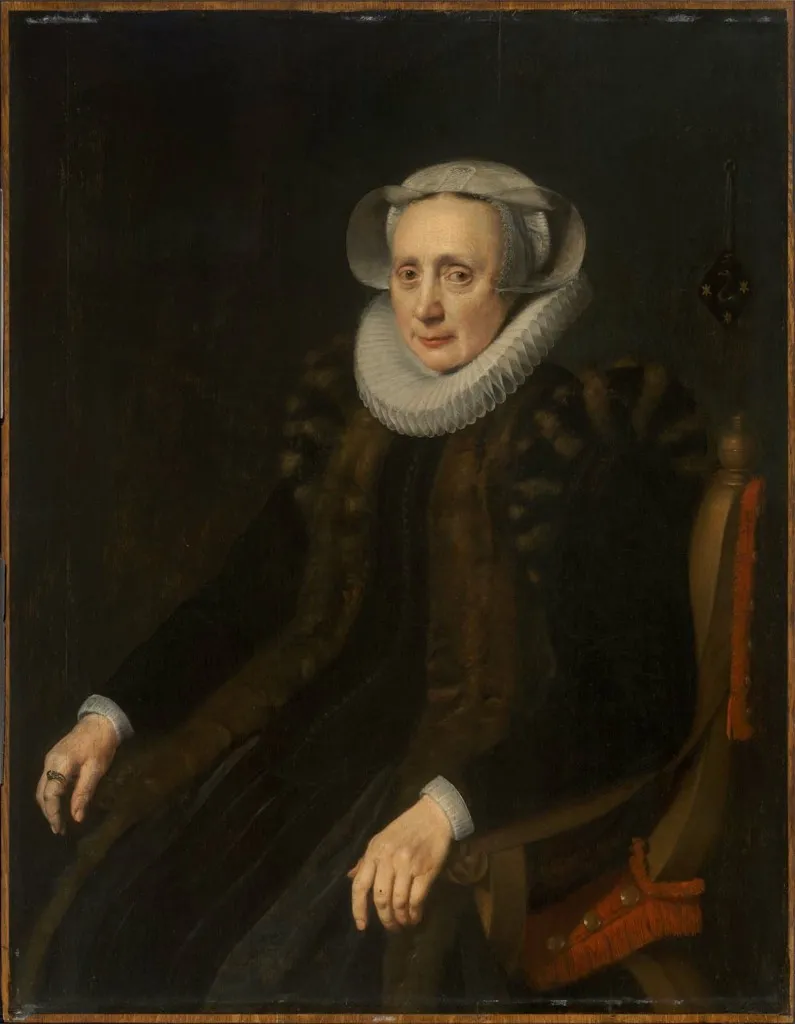
Adriana van Ijlen is an oil painting by the Dutch Golden Age artist Michiel Jansz van Mierevelt. It dates from 1616 and is held in the collection of the Museum of Fine Arts Boston. Created in 1616, this oil painting by Michiel Jansz.
About this work
Subject & Meaning
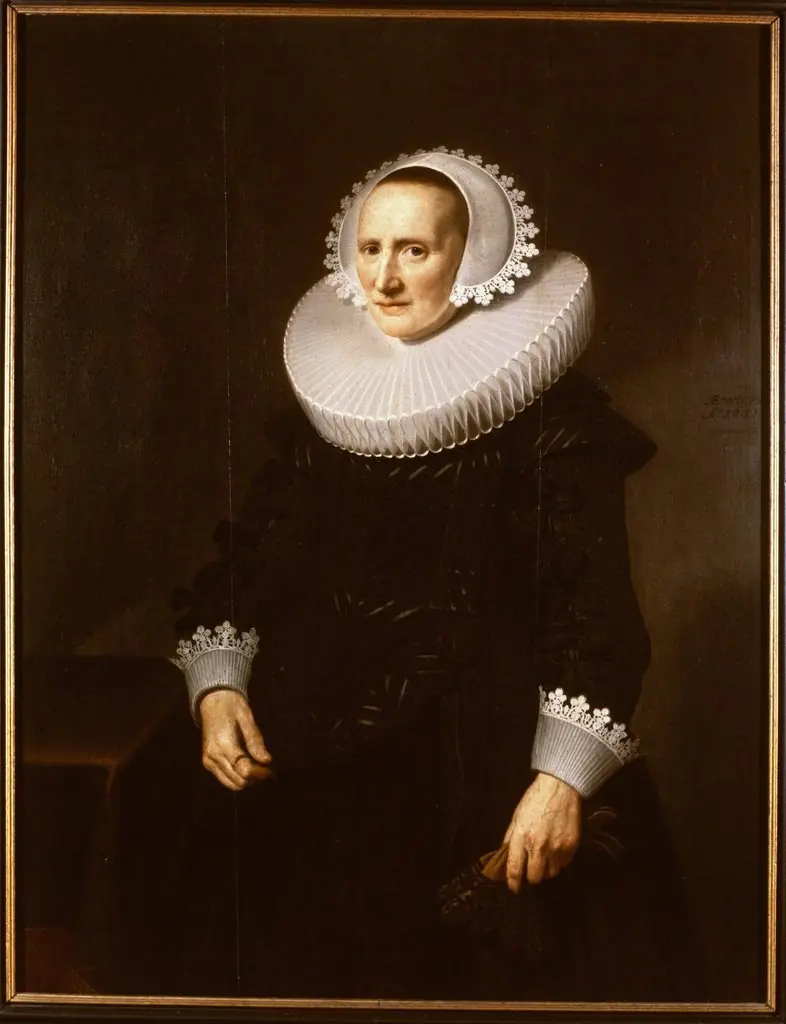
Painted in 1616, this oil portrait depicts Adriana van Ijlen, a woman presented in formal Dutch attire characteristic of the early seventeenth century.
Painted in 1616, this oil portrait depicts Adriana van Ijlen, a woman presented in formal Dutch attire characteristic of the early seventeenth century. The subject wears a diadem cap and a prominent millstone collar, a stiff, wide ruff that signaled high social status during this period. She is also dressed in a vlieger, a specific type of overdress often associated with married women of the regent class in the Dutch Republic.
The iconography focuses on conveying the sitter's wealth, dignity, and adherence to contemporary fashion norms rather than employing complex allegorical symbolism. By rendering these specific garments and accessories with precision, the work functions as a visual record of van Ijlen's standing within her community, emphasizing her role as a respectable matron through the clarity of her presentation.
Technique & Style
The portrait is executed in oil paint on a panel support. The handling reflects the refined Northern European courtly manner of Michiel Jansz. van Mierevelt, characterized by smooth, polished surfaces and meticulous attention to the textures of costume and accessories.
The sitter is shown in three-quarter view, wearing a vlieger (a draped shoulder garment) over a millstone ruff collar and a diadem cap, accoutrements typical of early seventeenth-century Dutch high-status portraiture. The composition emphasizes clarity and symmetry, with subdued yet luminous coloration that enhances the quiet dignity of the figure.
History & Provenance
Michiel Jansz van Mierevelt created the portrait of Adriana van Ijlen in 1616. Executed in oil paint on a panel support, the work measures 104.8 cm in height and 88.9 cm in width. The painting is currently held in the collection of the Museum of Fine Arts Boston, where it is classified as a portrait genre piece depicting a woman wearing specific attire including a diadem cap and millstone collar.
Context
The work titled Adriana van Ijlen is attributed to the Dutch painter Michiel Jansz. van Mierevelt and was created in 1616. Executed in oil on panel, it measures 104.8 cm by 88.9 cm and depicts a woman wearing a diadem cap, millstone collar, and vlieger. The painting belongs to the portrait genre and was originally housed in the Museum of Fine Arts Boston, where it remains part of the collection.
Scholarly attention to this piece reflects broader interest in early Dutch portraiture and the representation of elite women in the Dutch Golden Age.
Overview
Created in 1616, this oil painting by Michiel Jansz. van Mierevelt portrays an older woman seated in a darkened interior. She is dressed in the sober black garments typical of Dutch portraiture, highlighted by a white millstone collar and a modest diadem cap. The composition focuses on her solemn expression and dignified bearing.
Artist & collection

Artist
Michiel Janszoon (abbr. Jansz.) van Mierevelt (Dutch pronunciation:; also spelled Miereveld or Miereveldt; 1 May 1566 – 27 June 1641) was a Dutch painter and draftsman of the Dutch Golden Age.

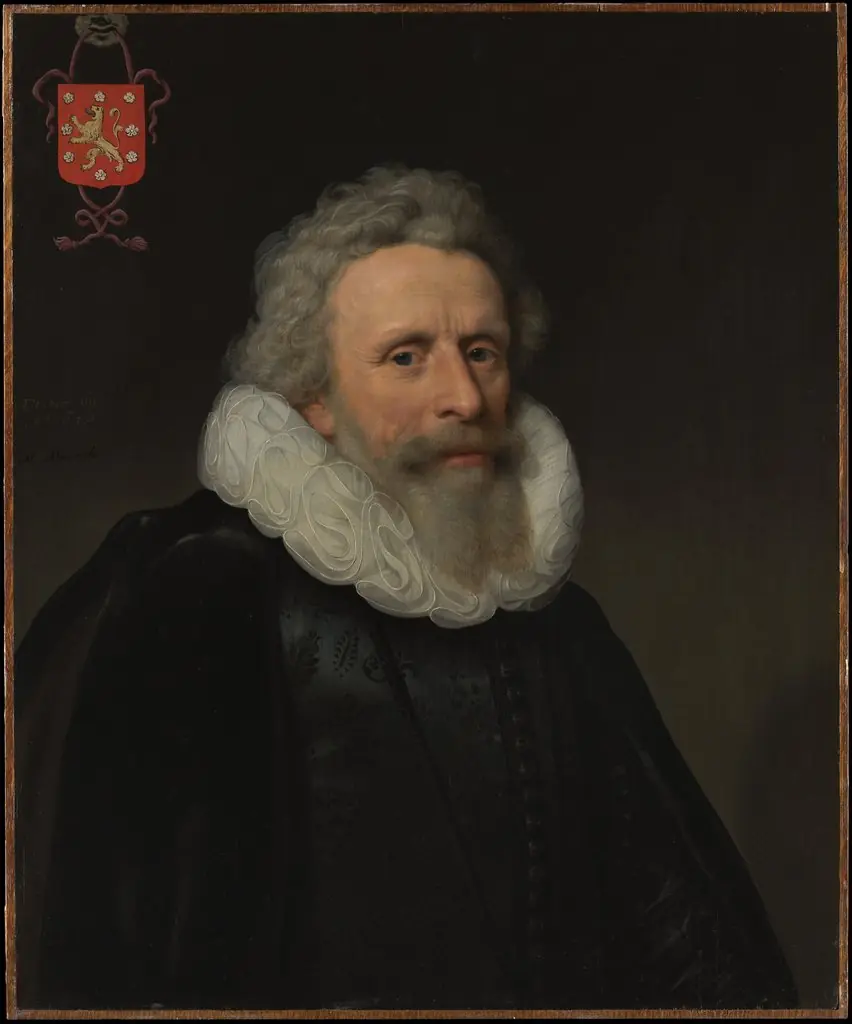 Jacob van Dalen (1570–1644), Called Vallensis
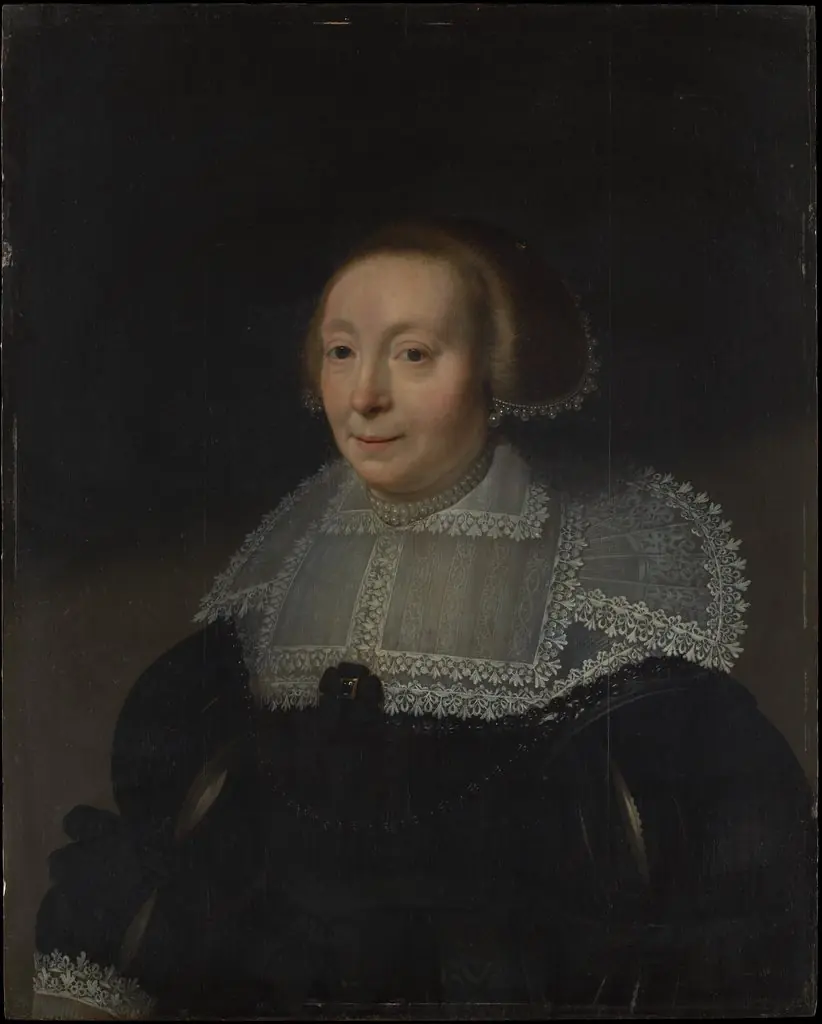 Portrait of a Woman with a Lace Collar
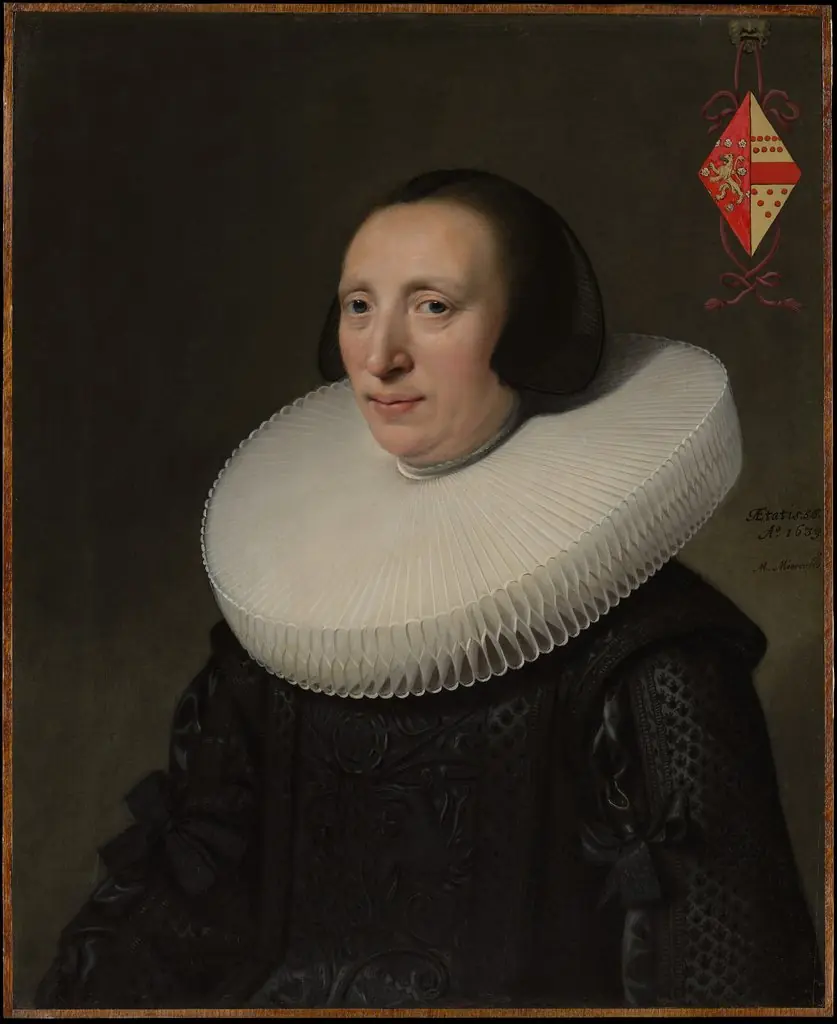 Margaretha van Clootwijk (born about 1580/81, died 1662), Wife of Jacob van Dalen
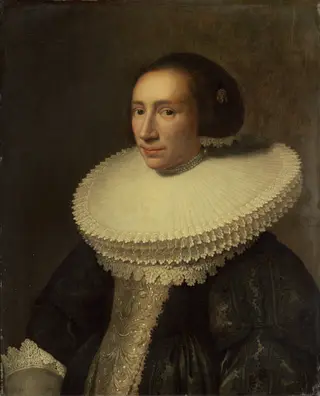 Portrait of a Lady with a Ruff
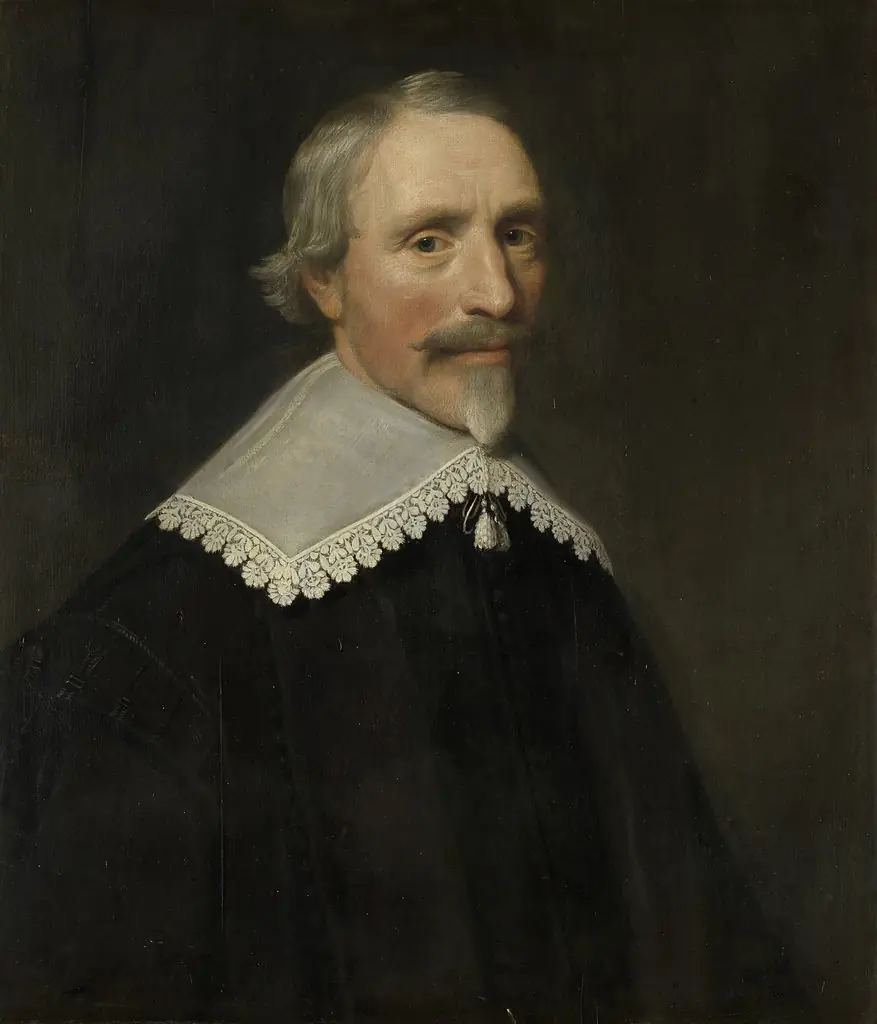 Portrait of Jacob Cats (1577-1660)
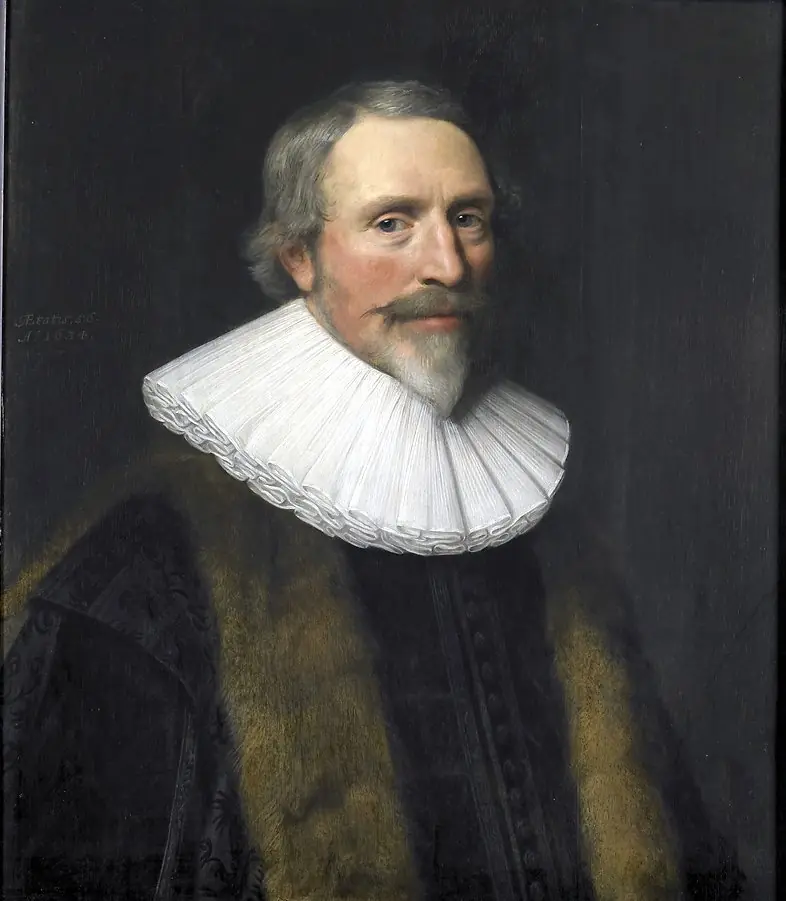 Portrait of Jacob Cats (1577-1660)
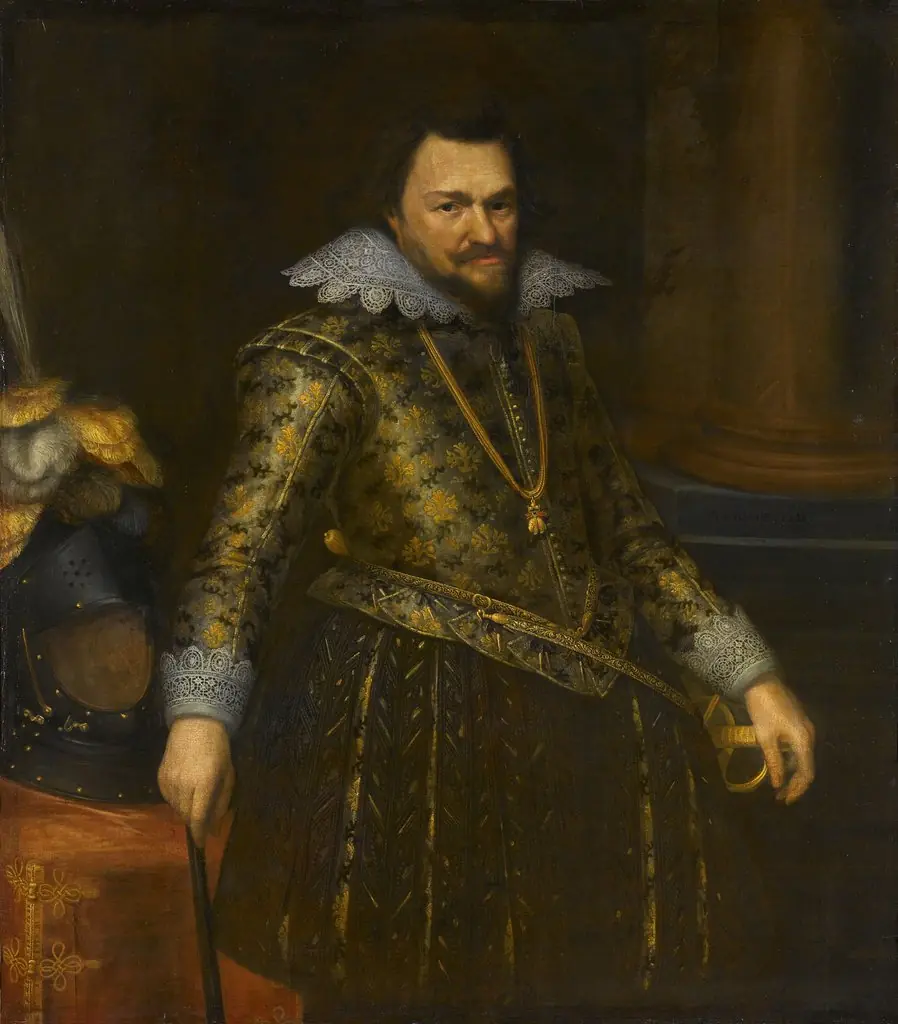 Portrait of Philip Willem (1554-1618), Prince of Orange
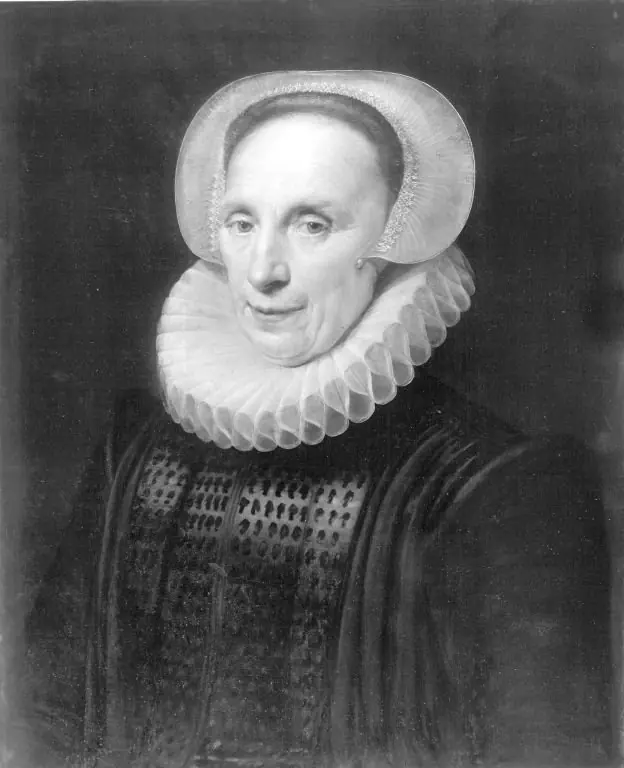 Portrait of a Woman
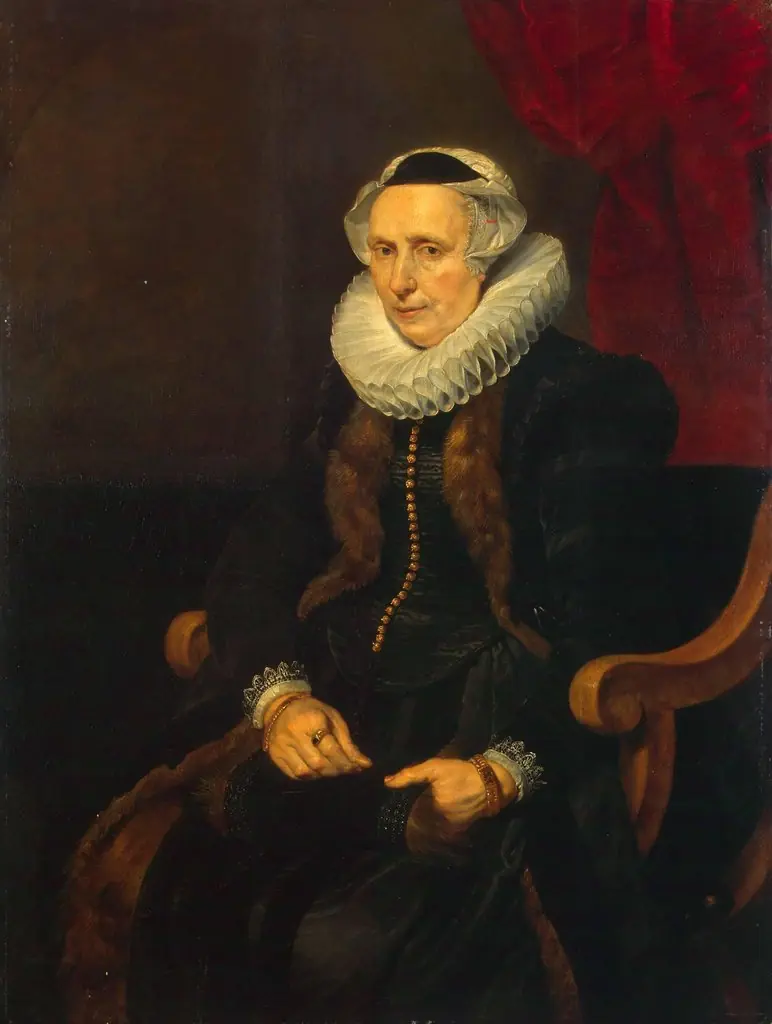
- Portrait of an Old Lady Sitting in an Arm-Chair
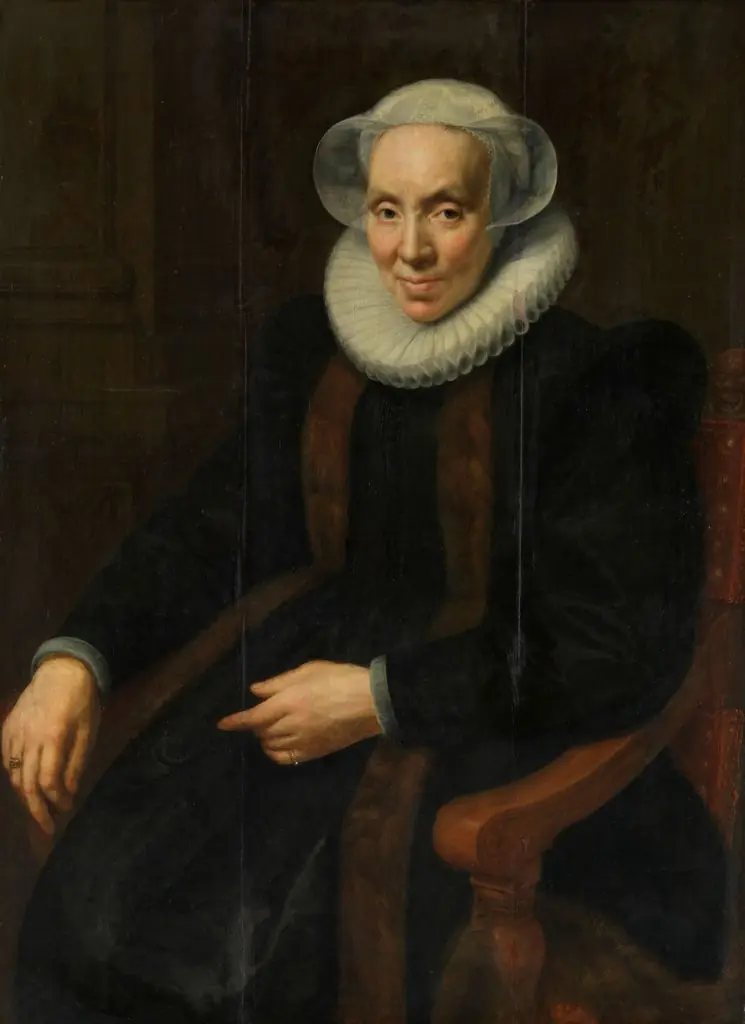 Portrait of Maria van Utrecht (c. 1552/53-1629)
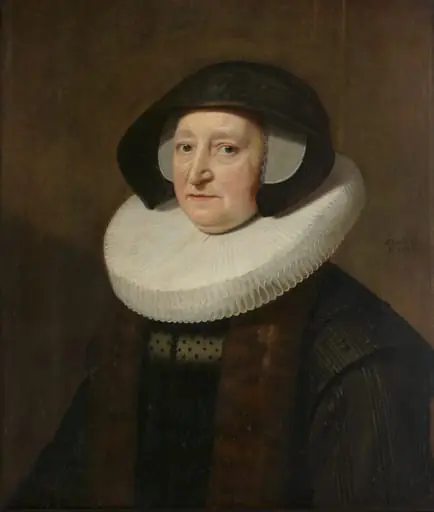 Portrait of Maria Petitpas, second Wife of Johannes Wttenbogaert (Jan Uytenbogaert)
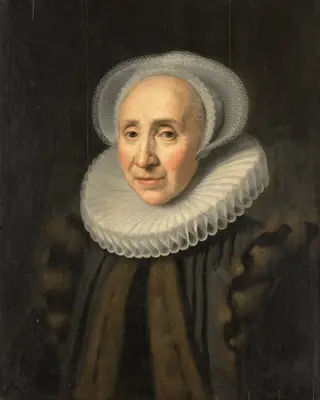 Untitled
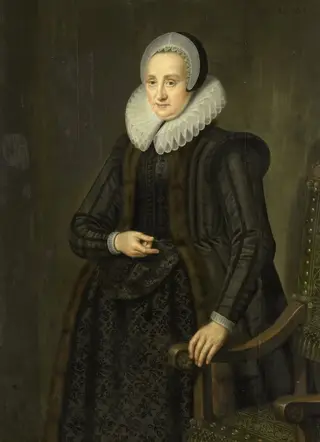 Portrait of Margarita Cassier
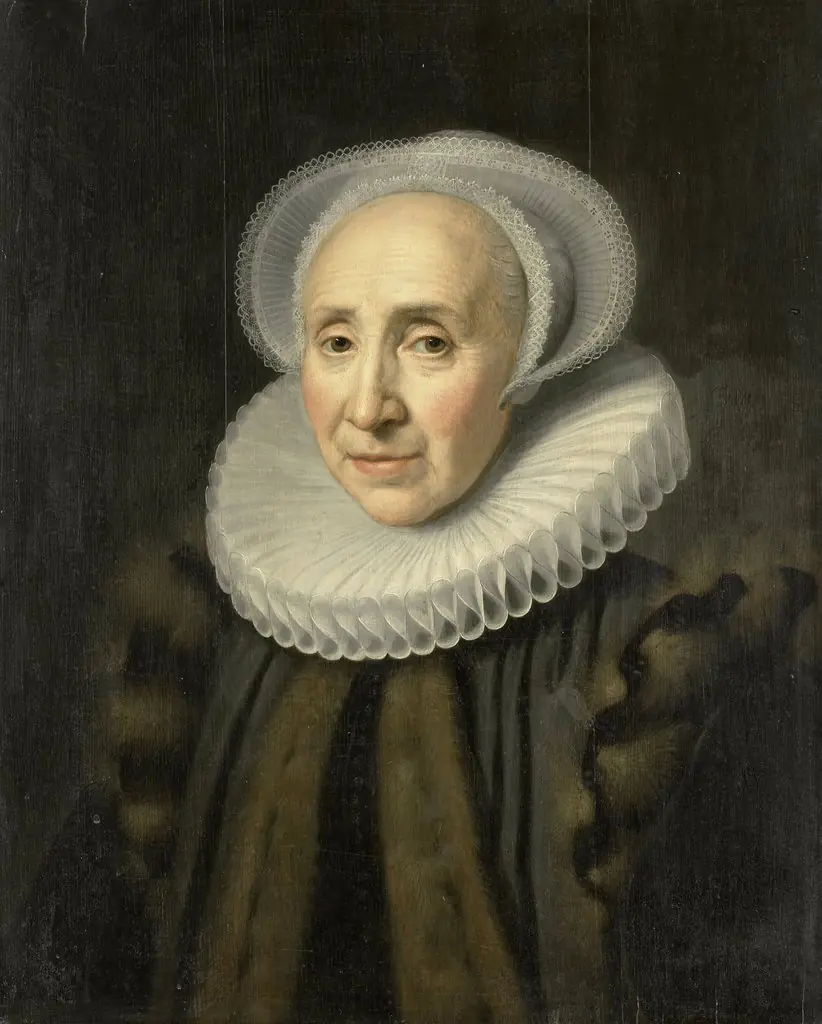 Portrait of Volckera Claesdr Knobbert (1554-1634)
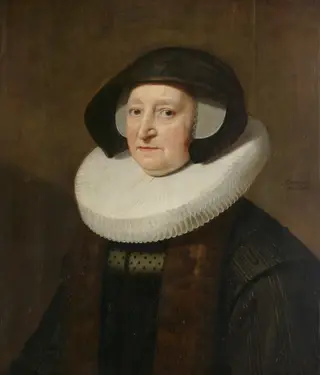 Portrait of Maria Petitpas (?-1640)
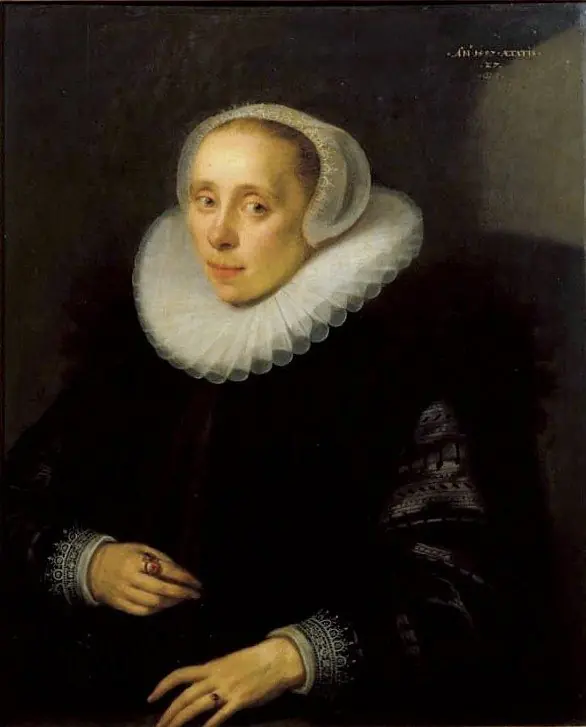 Portrait of a Lady
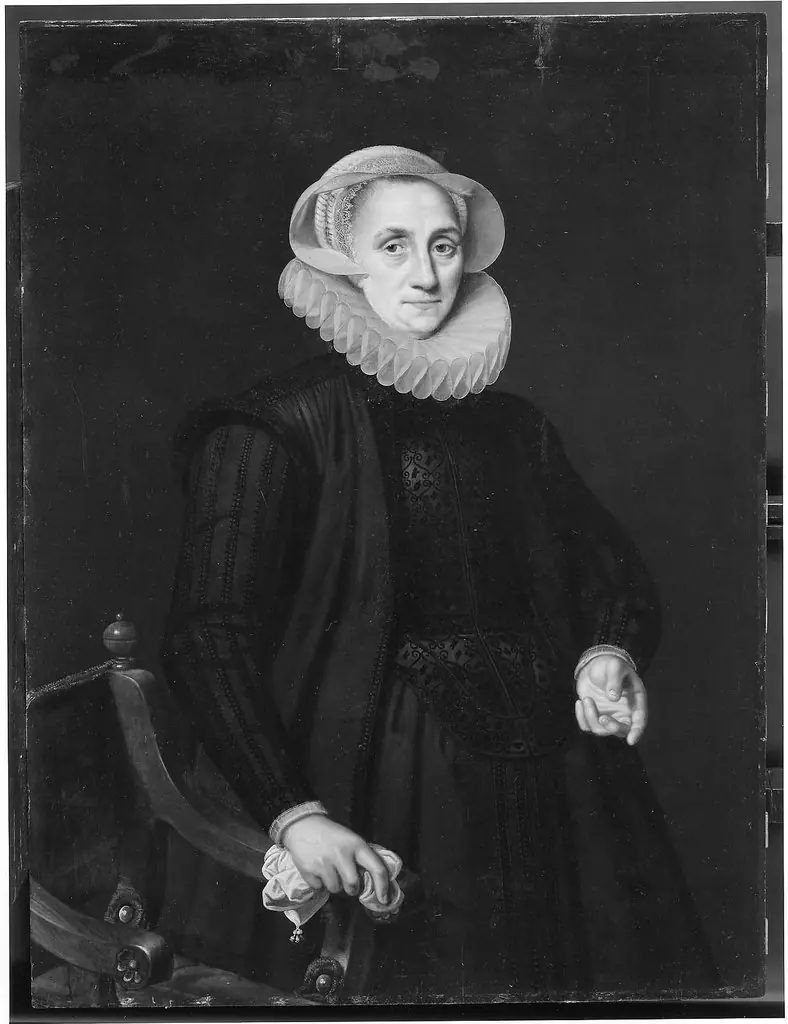 Portrait of a Woman Standing beside a Chair
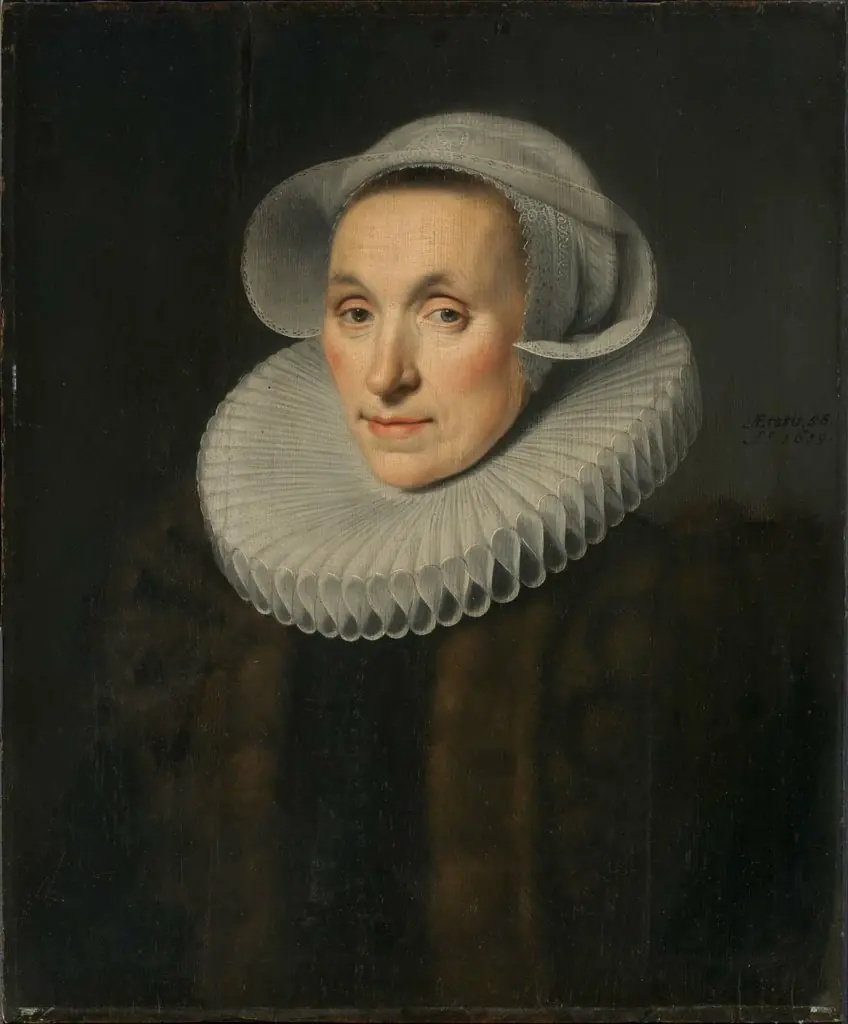 Sara van Bosschaert (version of 1/2-length portrait in the Prinsenhof, Delft)
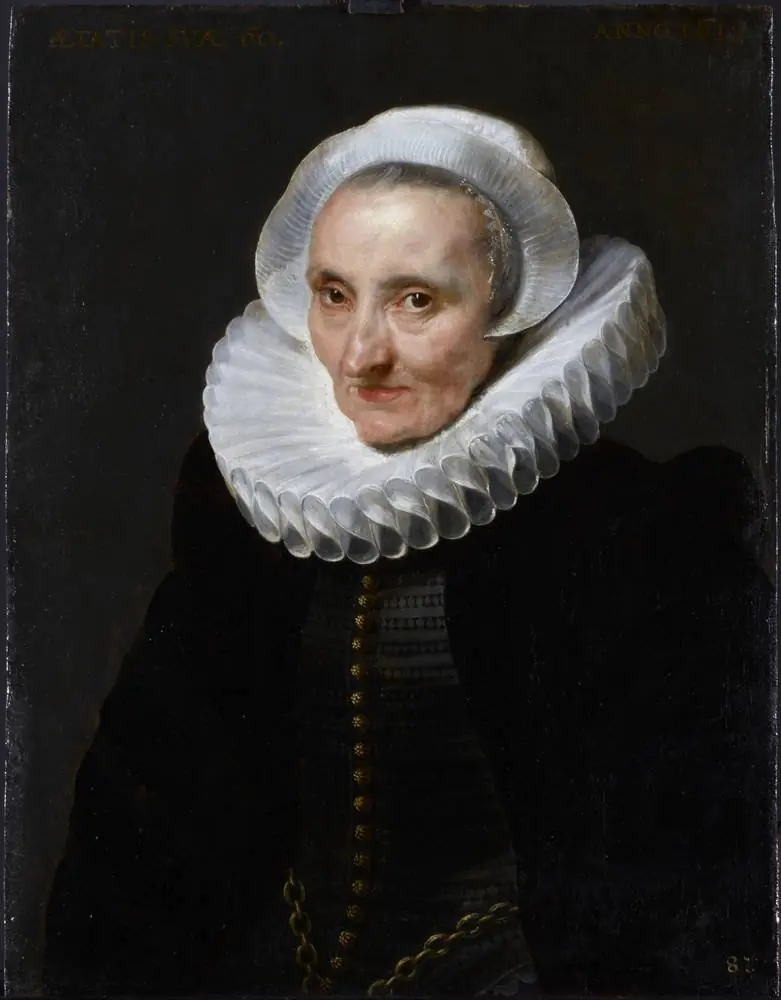 Portrait of a 60-year-old Woman
 Portrait of Catharina Wielant (1572-1633)