Artwork
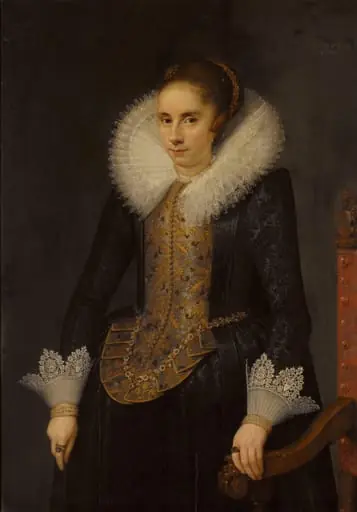
Portrait of Margarita Cassier
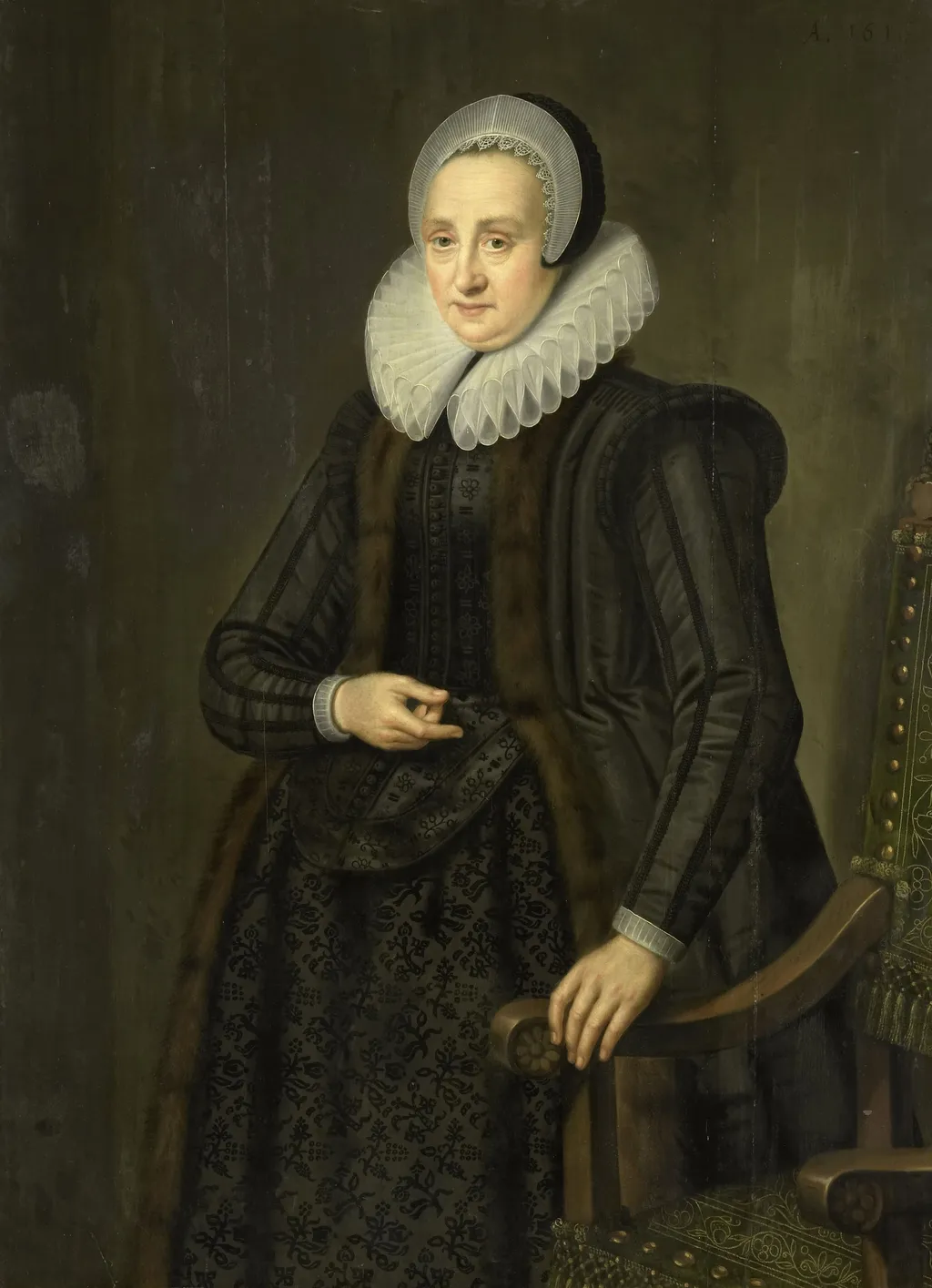
Portrait of Margarita Cassier is an oil painting by the Early Baroque Italian artist Unknown. It dates from 1616 and is held in the collection of the Rijksmuseum.
About this work
Technique & Style
Produced in 1616 in the Northern Low Countries, it belongs to the genre of portraiture and is classified as a painting.
The Portrait of Margarita Cassier is executed in oil paint on panel, a support and medium combination characteristic of seventeenth-century Northern Netherlandish portraiture. The work measures 130.7 cm in height by 95.3 cm in width, giving it a substantial, full-length scale. Produced in 1616 in the Northern Low Countries, it belongs to the genre of portraiture and is classified as a painting.
The technique reflects standard oil-on-panel practice of the period, with the rigid wooden support suited to the detailed handling typical of Northern portrait conventions.
History & Provenance
The portrait of Margarita Cassier is dated 1616 and is associated with the Northern Low Countries. In 1756 the work entered the collection of Jacob de Witte van Citters, whose name is recorded in the painting’s early provenance. The work is held in the Rijksmuseum’s holdings, where its dimensions are recorded as 130.7 cm in height and 95.3 cm in width.
The Portrait of Margarita Cassier is held in the collection of the Rijksmuseum in the Netherlands. While the work is cataloged as an anonymous painting, it is part of the museum's holdings of oil-on-panel portraiture from the Northern Low Countries. The inventory records indicate the piece was previously owned by Jacob de Witte van Citters before entering the museum's collection. No specific accession number or exhibition history is provided in the available documentation.
Overview
Portrait of Margarita Cassier is an oil painting depicting a woman seated in a chair, distinguished by its use of chiaroscuro lighting and a somber, elegant color palette.
Subject & Meaning
The subject, Margarita Cassier, is portrayed in a state of quiet contemplation, her attention focused on a small, unidentified object in her right hand. Her attire suggests refinement without opulence.
Context
The work's aesthetic aligns with 17th-century European portraiture traditions, emphasizing the sitter's character through subtle expression and the suggestive use of light.
Artist & collection









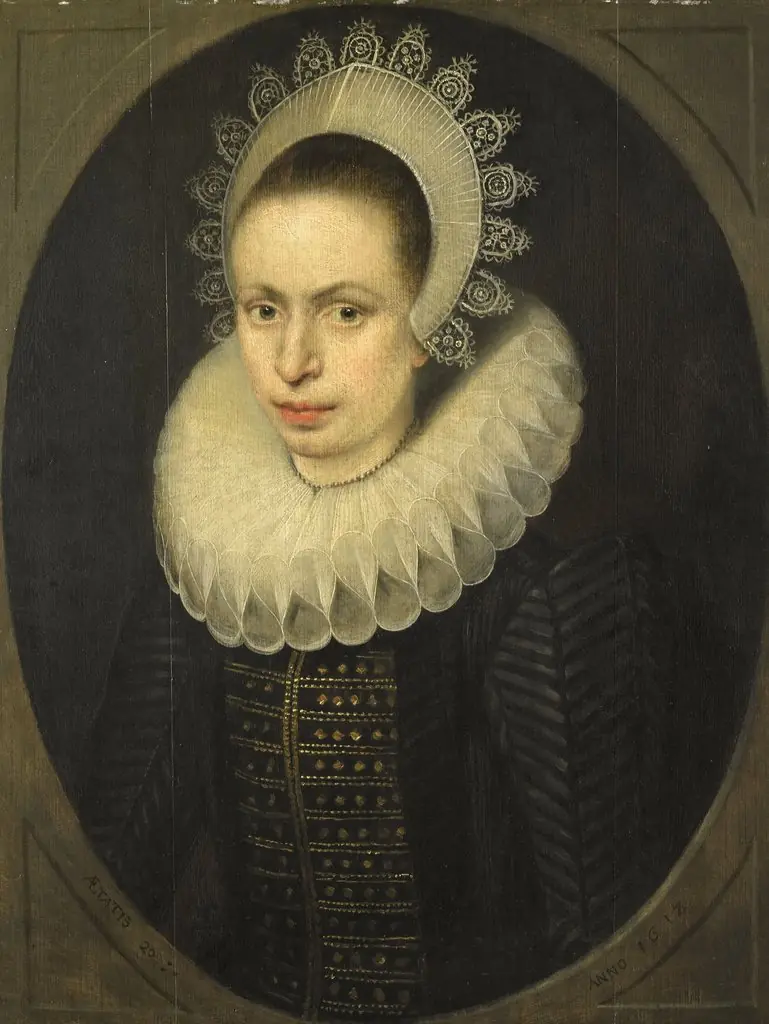 Portrait of Antoinette Walleran (1598-?)
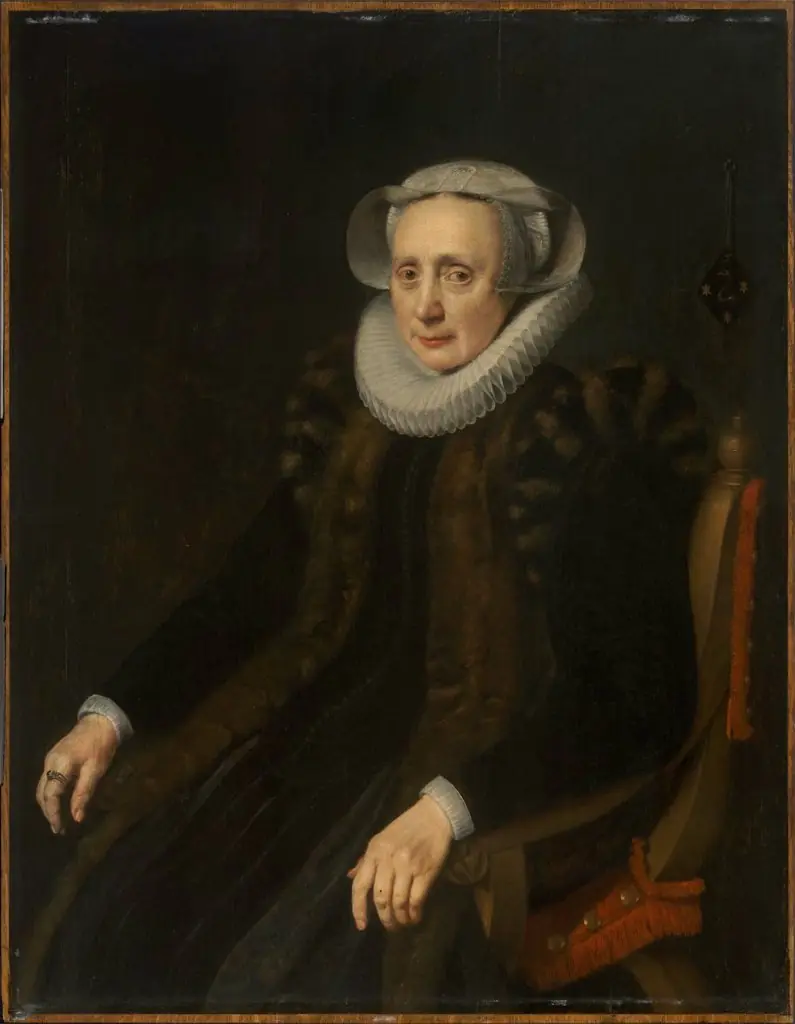 Adriana van Ijlen
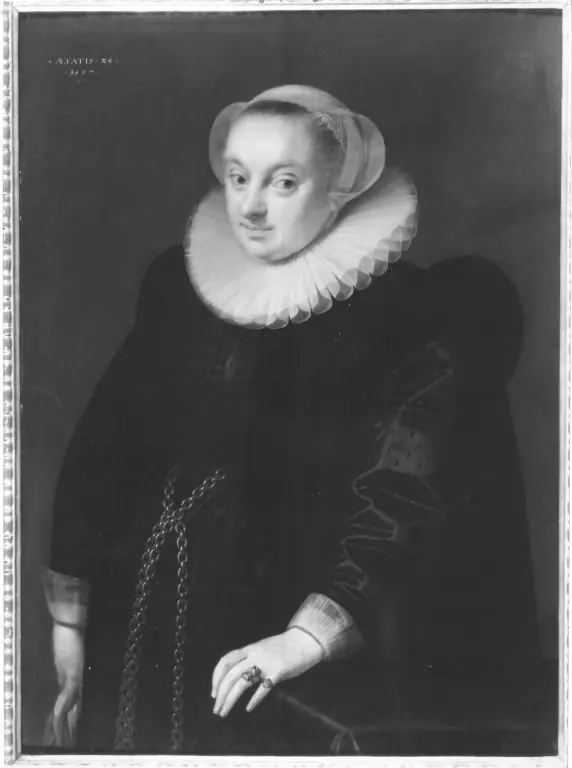 Portrait of a woman
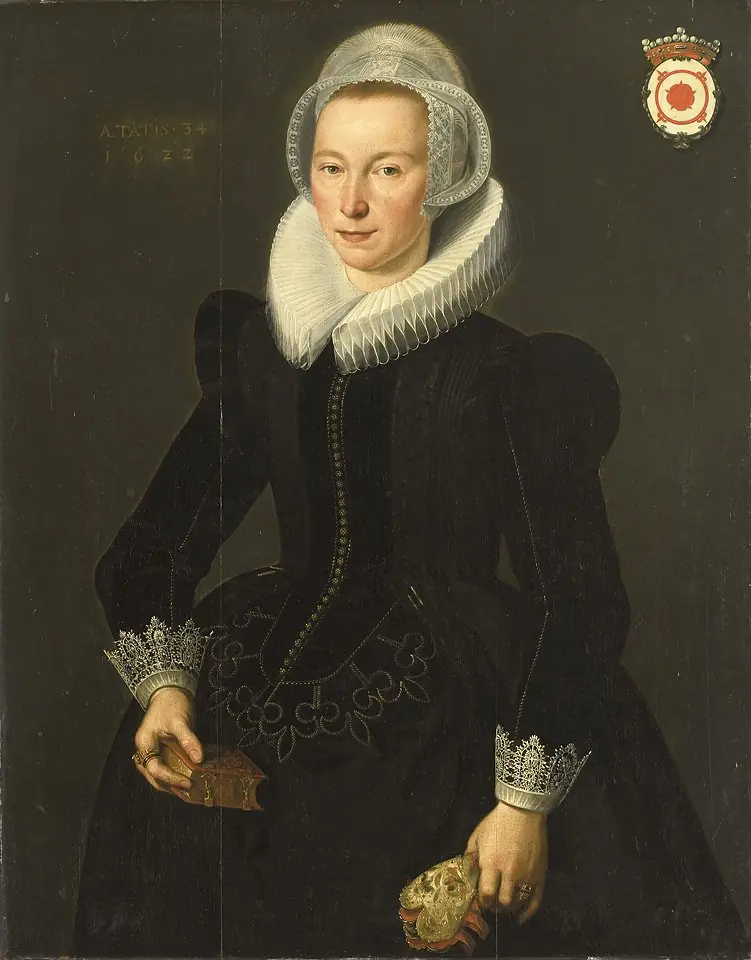 Portrait of Grietje Adriaensdr Grootes (1588-1624)
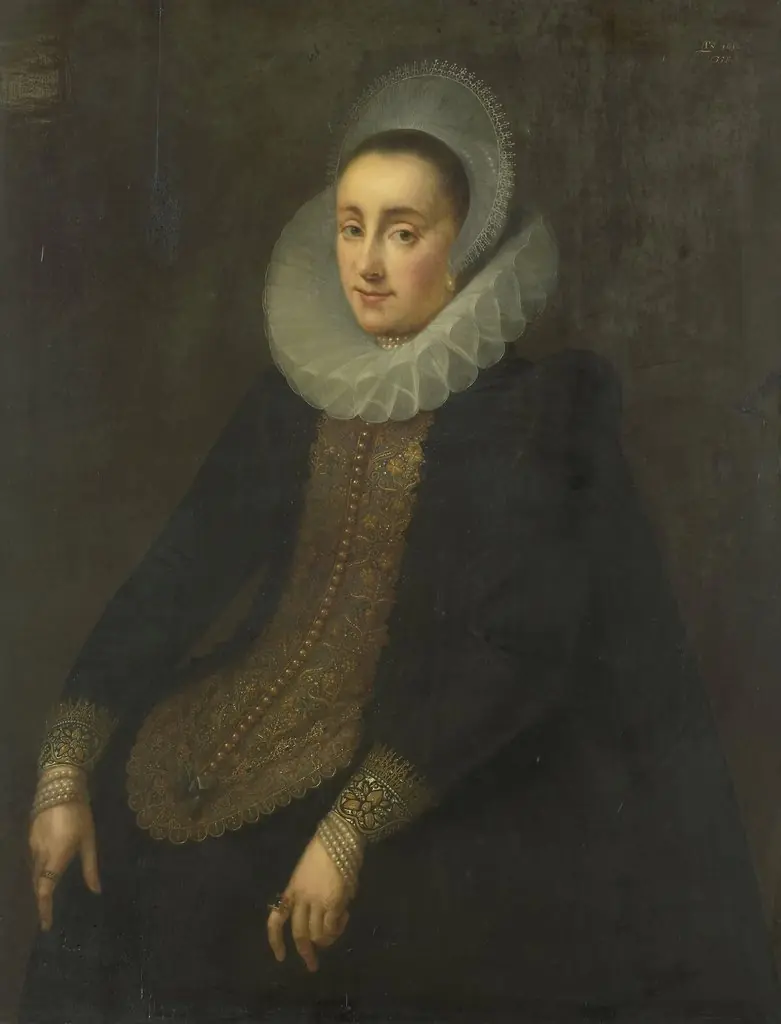 Portrait of Lucretia del Prado, Wife of Jeremias Boudinois
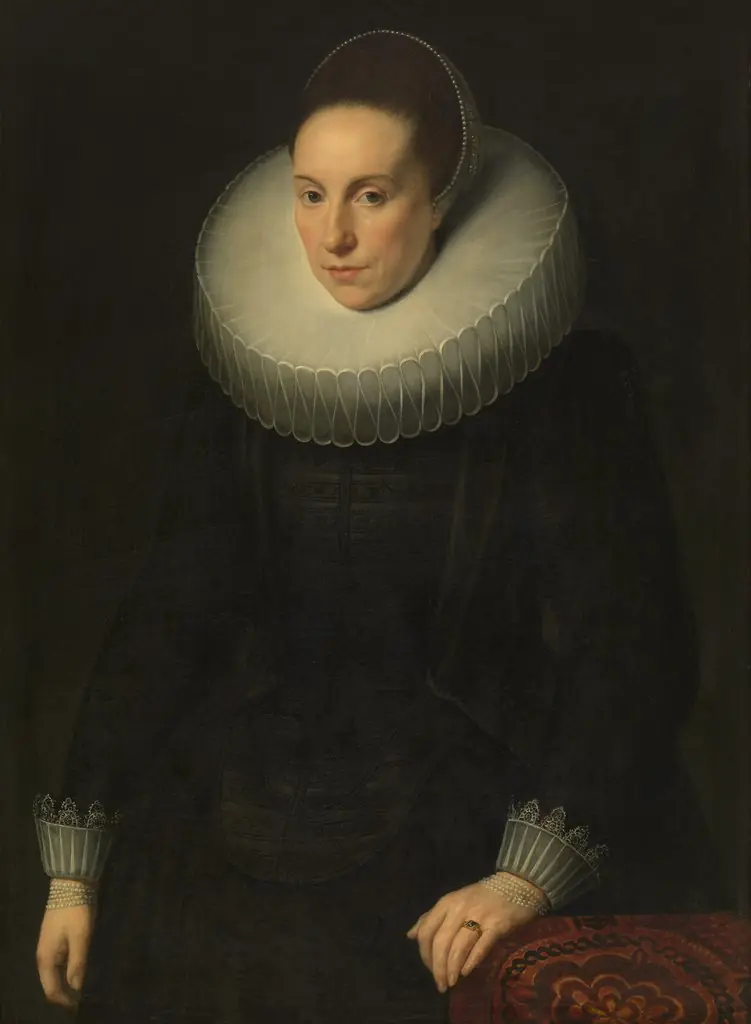 Portret van een vrouw
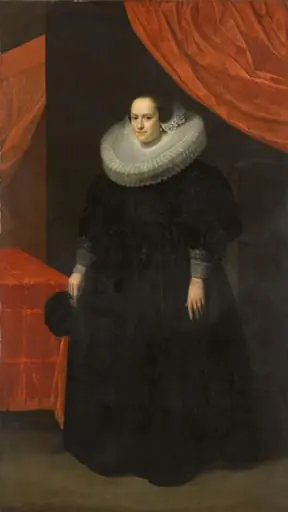 Untitled
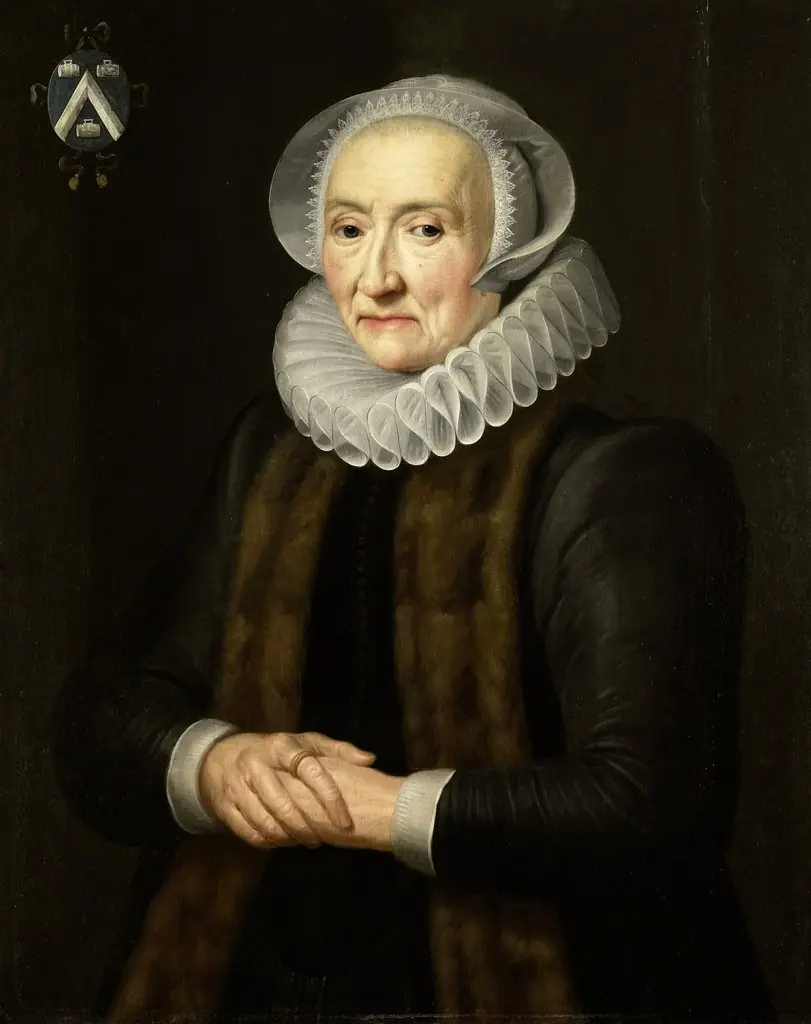 Portrait of Alid van der Laen (1542-1626)
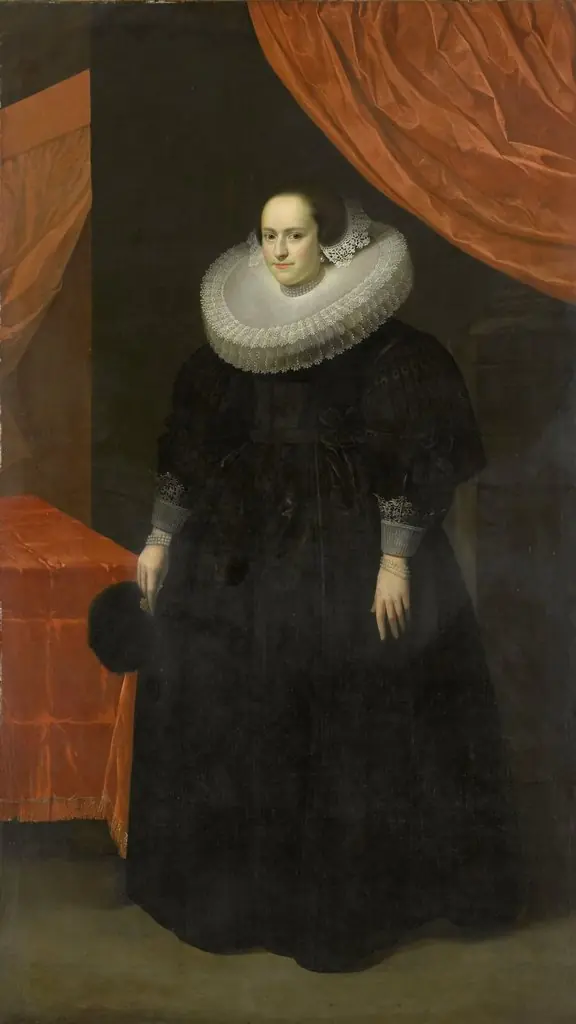 Portrait of Suzanna Moor (1608-57)
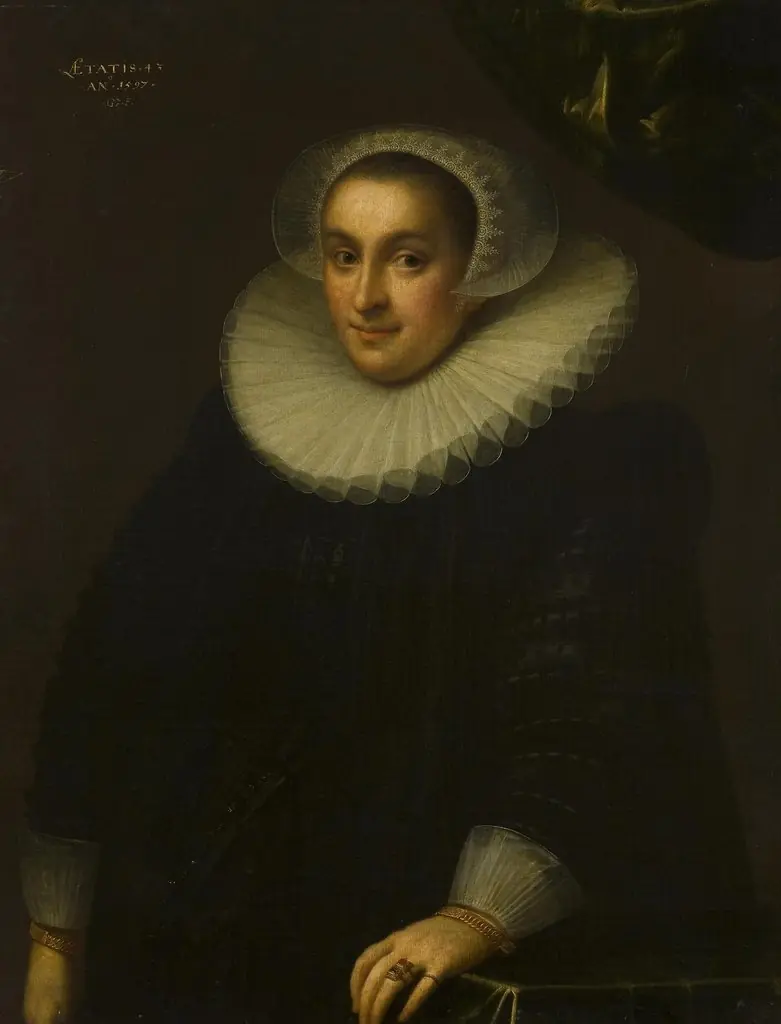 Portrait of Cornelia Bot, wife of Gottfried Houtappel
 Untitled
- Portrait of Margarita Courten (1564-1640)