Artwork
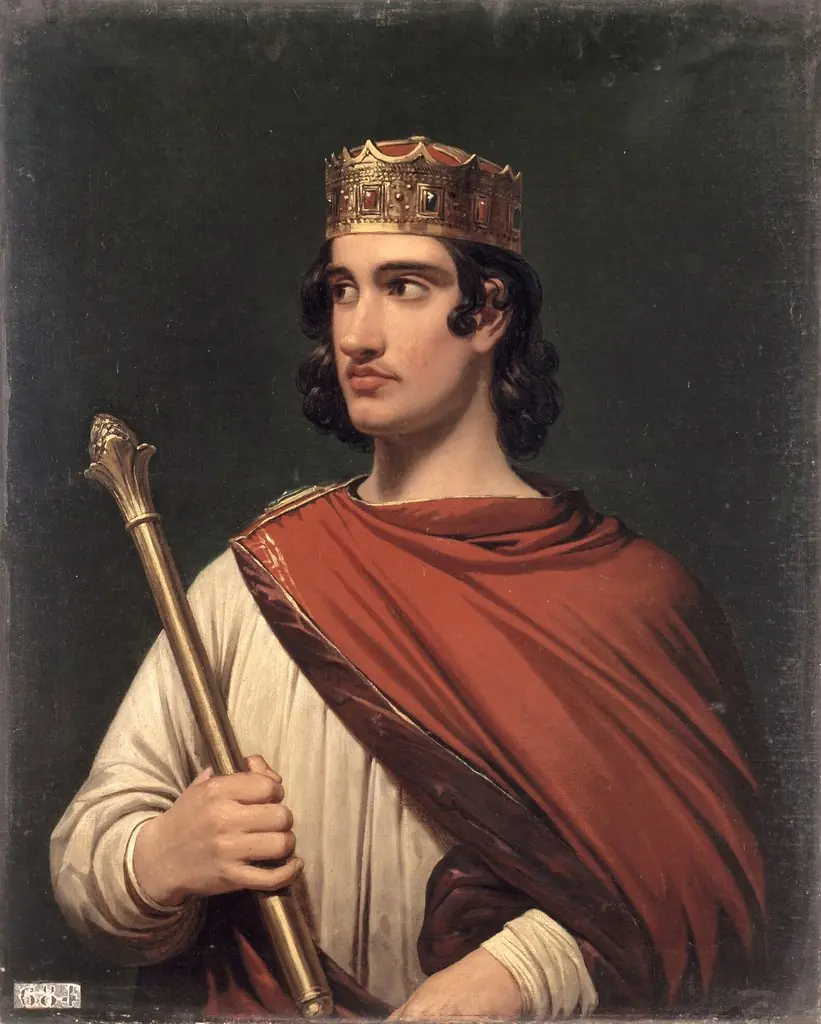
Childéric II (vers 653-675), roi d'Austrasie, de Neustrie et de Bourgogne
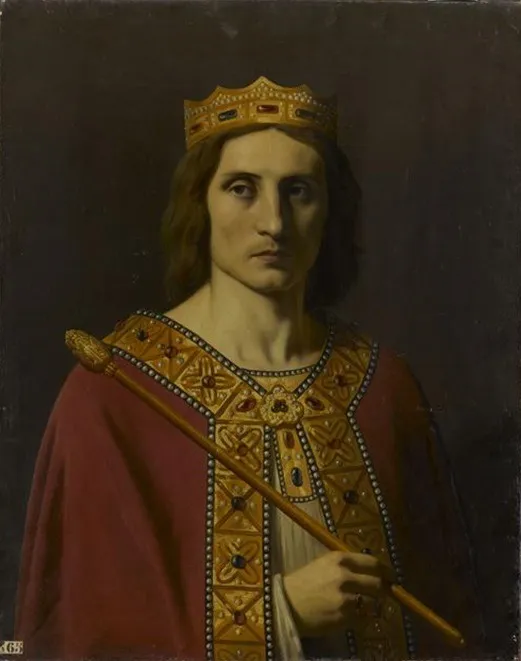
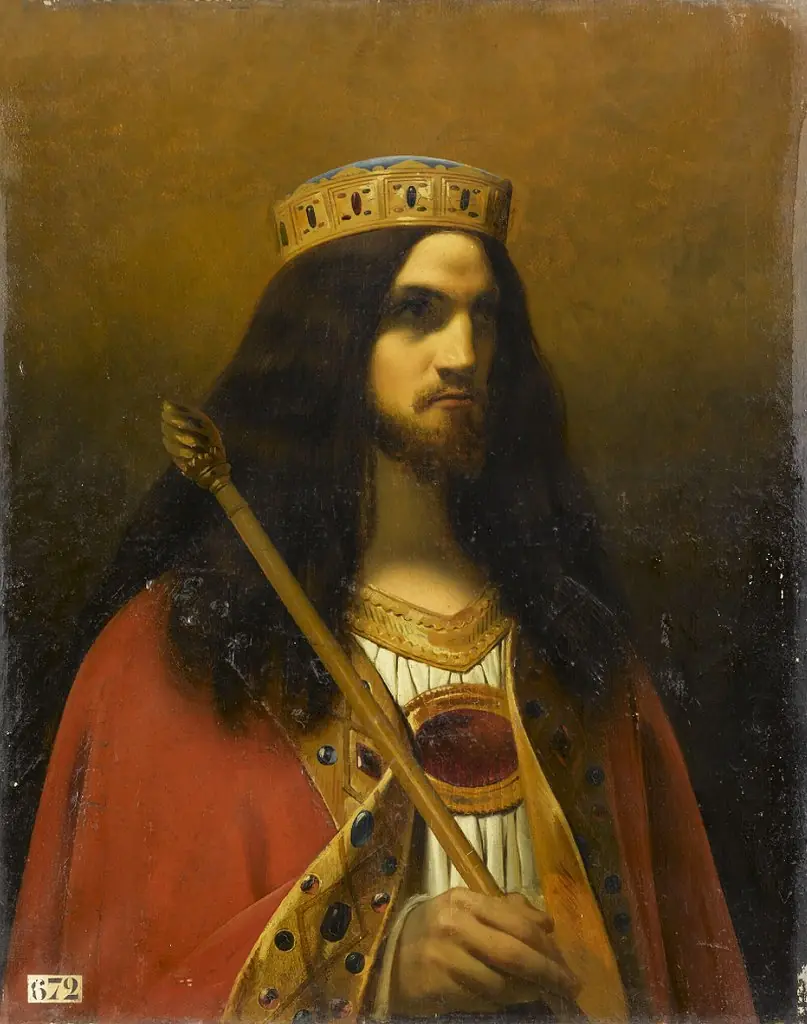
Childéric II (vers 653-675), roi d'Austrasie, de Neustrie et de Bourgogne is an oil painting by the French Romanticist artist Émile Signol. It dates from 1843 and is held in the collection of the Palace of Versailles.
About this work
Overview
Émile Signol, a French painter of the nineteenth century, completed an oil portrait of the Merovingian ruler Childeric II around 1843. The work, now part of the collection at the Palace of Versailles, presents the seventh‑century king in the attire and insignia associated with his reign over Austrasia, Neustria and Burgundy.
Subject & Meaning
The sitter is shown as a sovereign clothed in a richly embroidered red mantle and a heavy gold crown, holding a wooden staff in his left hand while his right hand rests on his chest. The solemn expression and dignified pose convey the authority and gravitas traditionally ascribed to early medieval monarchs.
Technique & Style
Signol employs a chiaroscuro scheme, with a dark, indistinct background that accentuates the illuminated face and shoulders. The gold details on the robe and crown are rendered with fine brushwork that suggests the texture of jewels, creating a subtle three‑dimensional effect within the flat oil medium.
Context
Although Signol was known for his restrained Neoclassical approach, this portrait aligns with the Romantic fascination of the 1800s for historic and medieval subjects. By depicting a Merovingian king, the artist taps into contemporary French interest in national origins and early Frankish history.
History & Provenance
Since its completion, the painting has remained in the French royal collection, currently displayed at the Palace of Versailles, where it contributes to the broader narrative of French royal portraiture spanning centuries.
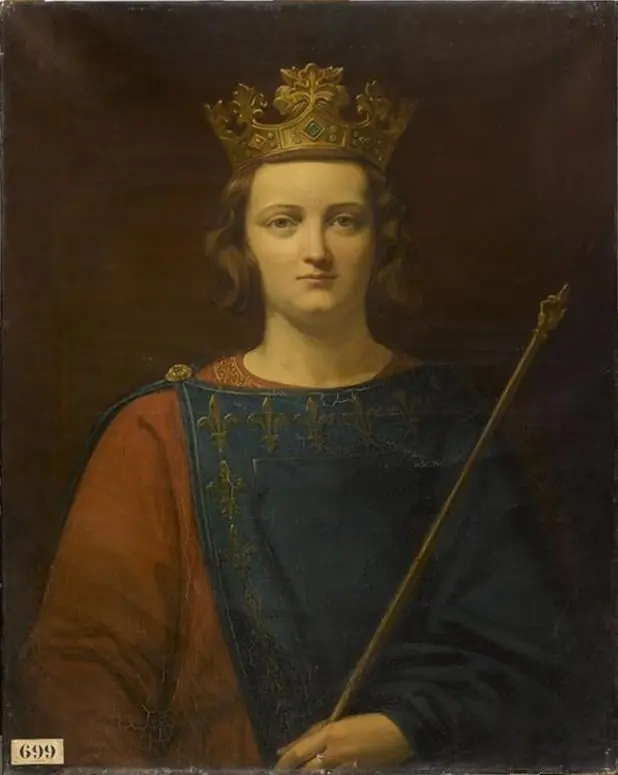
Artist & collection
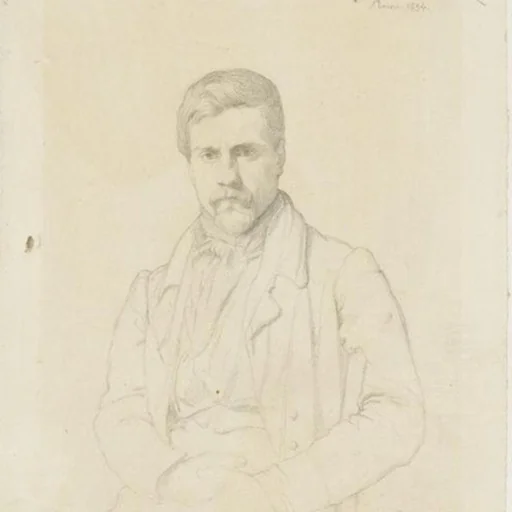
Artist
Émile Signol (March 11, 1804 – October 4, 1892) was a French artist who painted history paintings, portraits, and genre works.

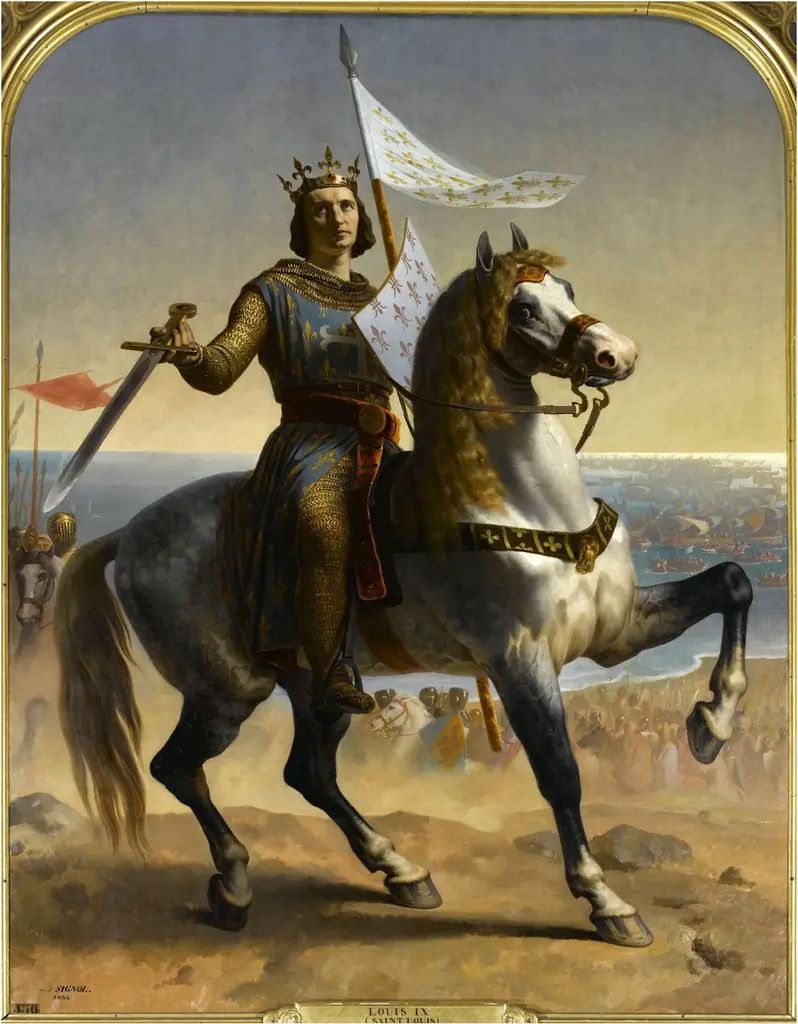
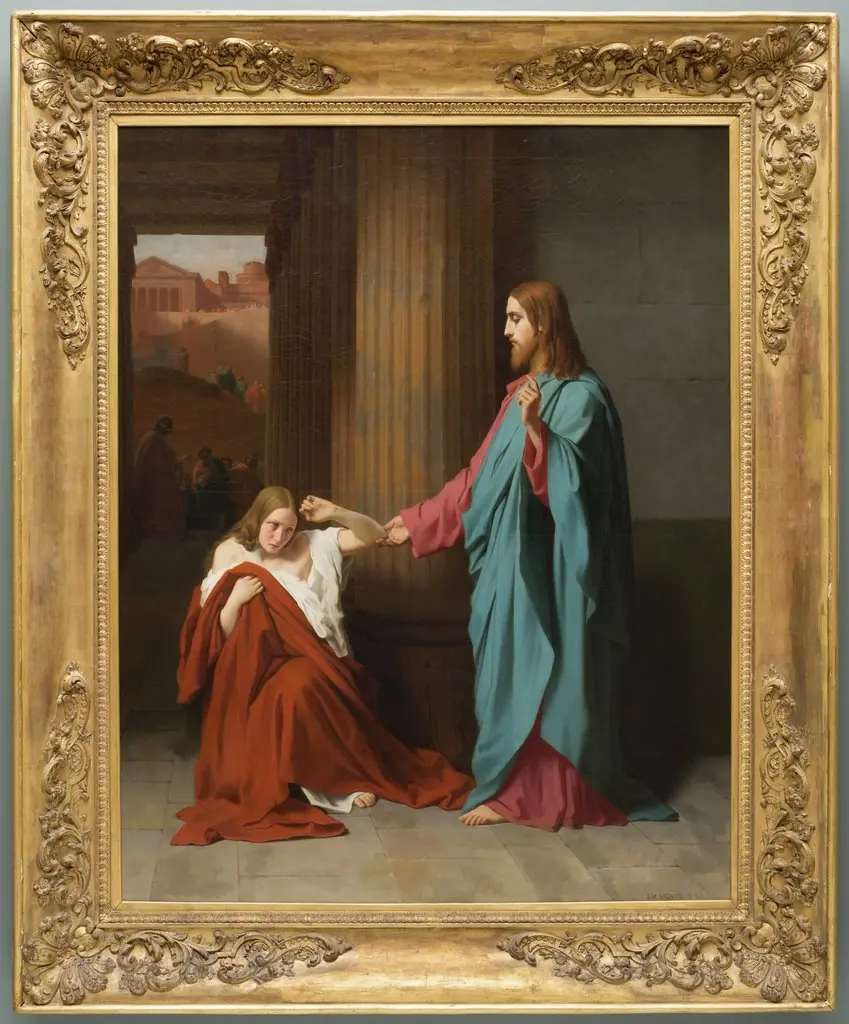
- Charles IV le Bel, roi de France (1295-1328)
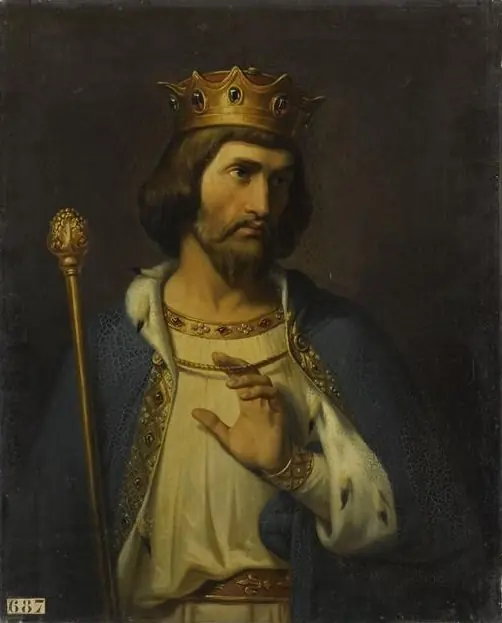 Robert II, dit le pieux, roi de France (970-1031)
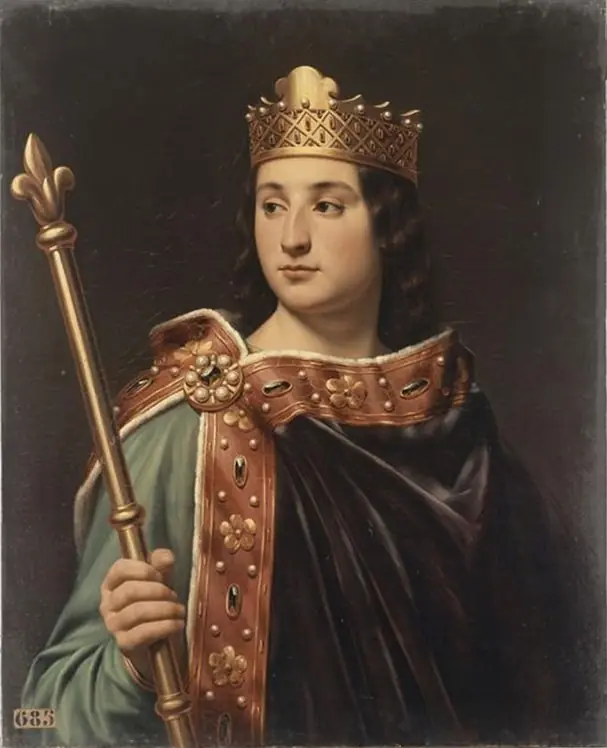 Louis V of France
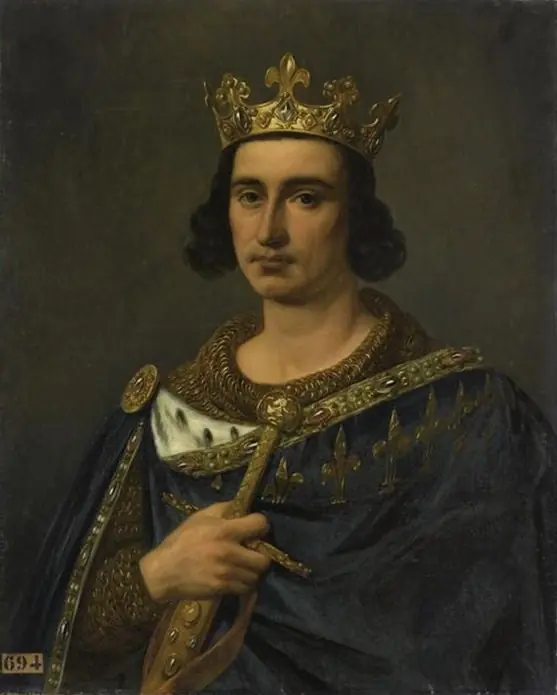 Louis IX (1215-1270) dit Saint-Louis, roi de France
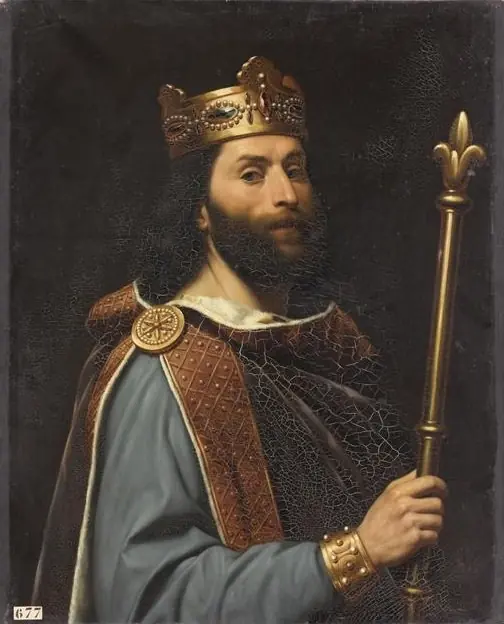 Louis the Stammerer
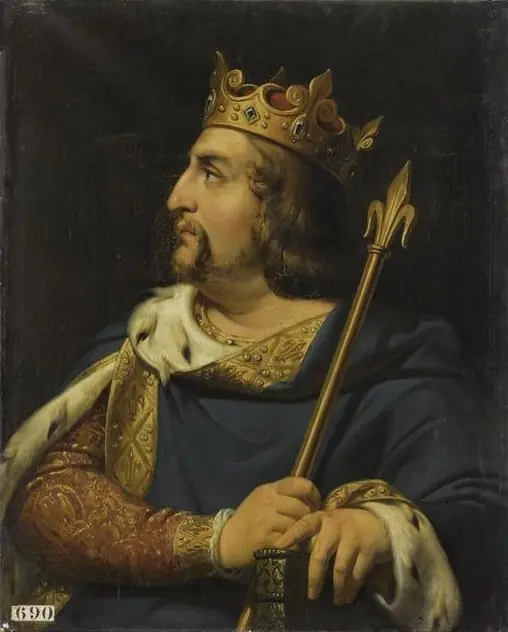 Louis VI, dit le Gros, roi de France (1078-1137)
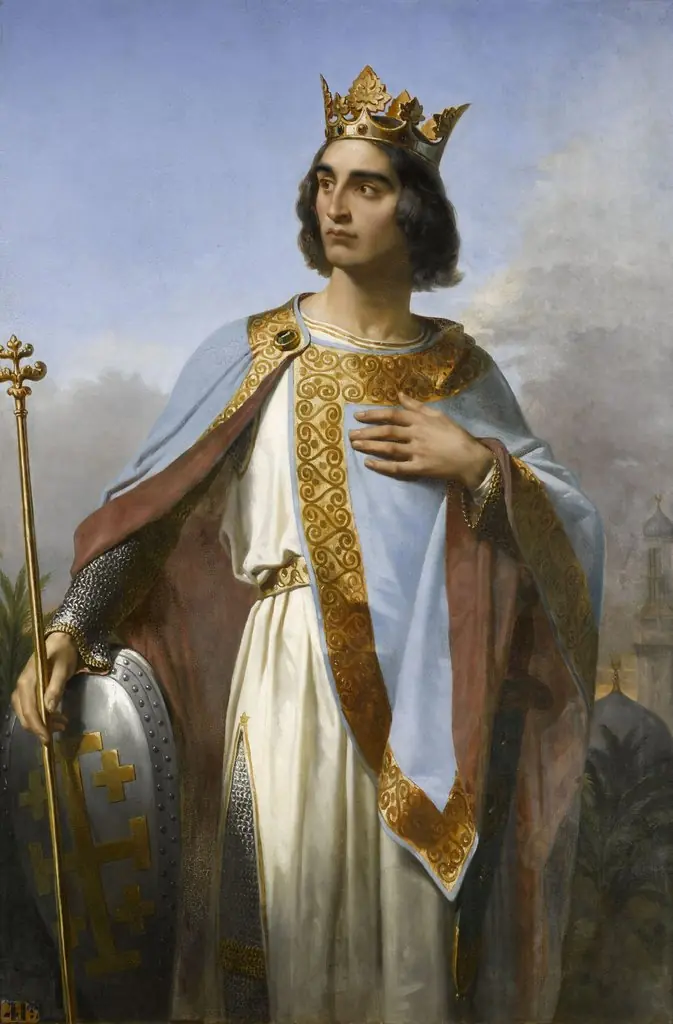 Baudouin I, King of Jerusalem
 Lothair of France
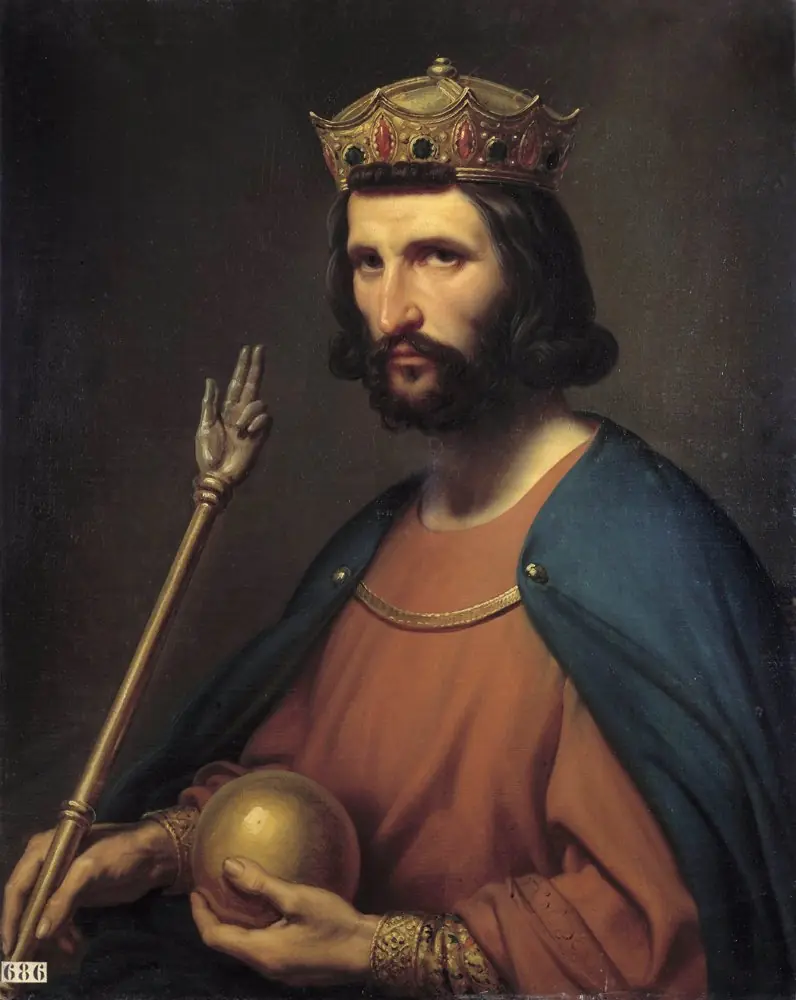 Hugh Capet
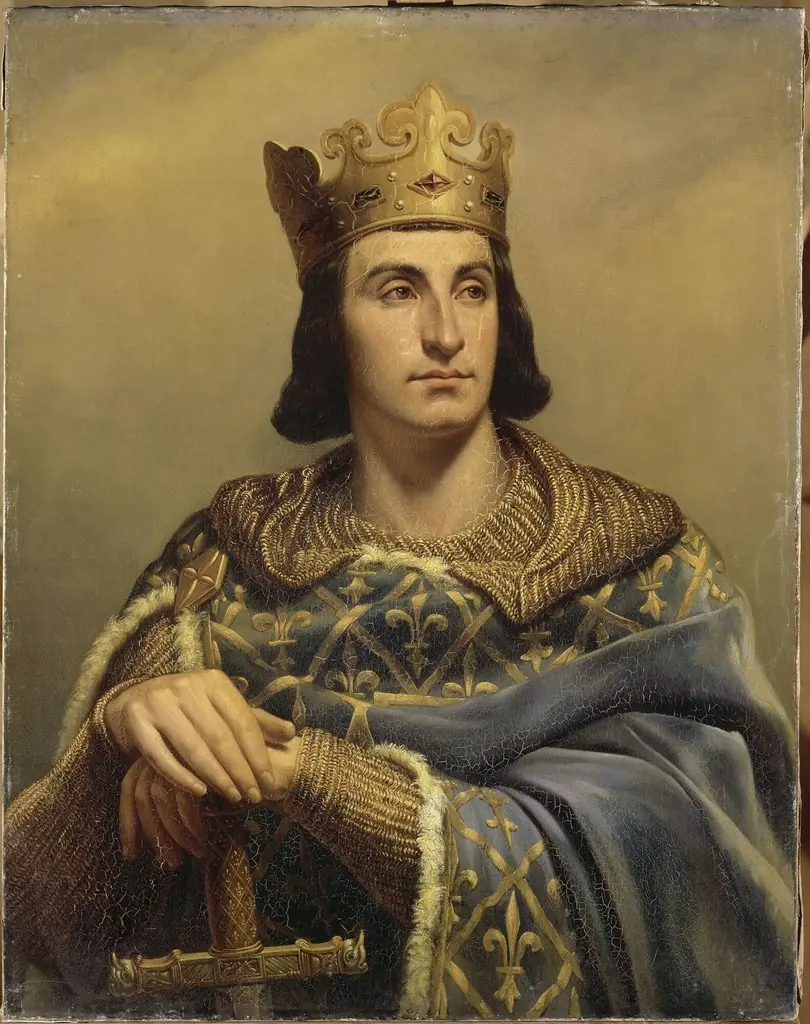 King Philip II of France
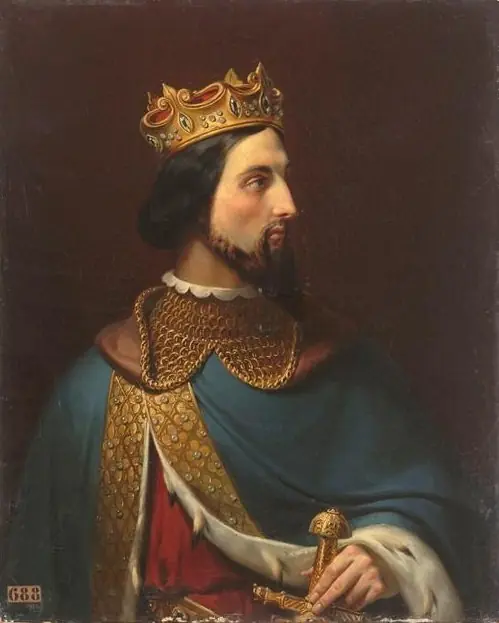 Henri Ier, roi de France (1005-1060)