Artist
Period
Medieval is an art period of the 500–1400 period. The gallery holds 1,993 works in this period, including works by Master of Monte Oliveto, Jean de Beaumetz and Duccio di Buoninsegna.
Medieval art names the visual culture of Western Europe across the millennium that followed the collapse of the Western Roman Empire in 476, extending to the late 15th century — a span historians often bracket with the fall of Constantinople in 1453 or the Renaissance's full flowering in the 1490s. With imperial patronage gone and cities diminished, the Christian Church and monastic communities became the chief commissioners and conservators of art. The period is conventionally divided into successive phases: Early Christian and Byzantine art (c. 500–1453), the heavy, sculptural Romanesque (c. 1000–1150), and the soaring Gothic (from the 12th–13th century onward). Across all of them, art served devotion, instruction, and the assertion of divine authority rather than the imitation of the visible world.
Medieval images privileged spiritual meaning over optical naturalism. Figures were frequently frontal, elongated, and arranged by hierarchical scale, set against luminous gold grounds that signified the timeless space of heaven. Artists worked in mosaic, fresco, carved stone, stained glass, and — supremely — the illuminated manuscript, whose pages of vellum were lettered and gilded with gold leaf and pigments such as lapis lazuli and iron gall. Panel painters built up images in egg tempera over gessoed wood, a fast-drying, exacting medium that rewarded precise, linear drawing and jewel-like color.
The later medieval centuries produced the first towering named personalities of Western painting. In Florence, Cimabue and then Giotto di Bondone began to give sacred figures weight, emotion, and convincing space; in Siena, Duccio di Buoninsegna fused Byzantine grandeur with French Gothic grace. Duccio's monumental double-sided Maestà, placed on Siena Cathedral's high altar on 30 June 1311, is among the period's masterpieces — our catalogue holds one of its predella panels, The Calling of the Apostles Peter and Andrew (1308–1311). We also hold works by Giotto's pupil Bernardo Daddi, the Master of Monte Oliveto, Giovanni Baronzio, and the French painter Jean de Beaumetz.
This gradual turn toward human feeling and observed form made the Gothic the bridge to the Renaissance, even as the gold-ground tradition persisted. A Japanese Buddhist triptych of Shaka with attendant bodhisattvas in our collection is a reminder that the same centuries saw rich sacred image-making well beyond Christian Europe.
Artist


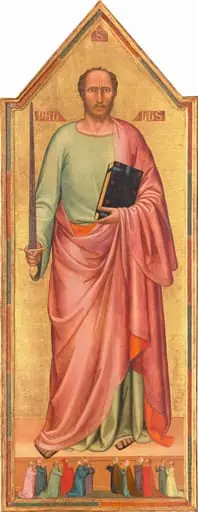 Saint Paul and a Group of Worshippers
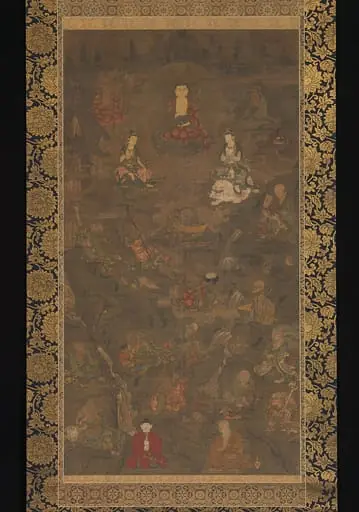 釈迦三尊十六羅漢像|Shaka (Shakyamuni), the Historical Buddha, with Two Attendant Bodhisattvas and Sixteen Arhats
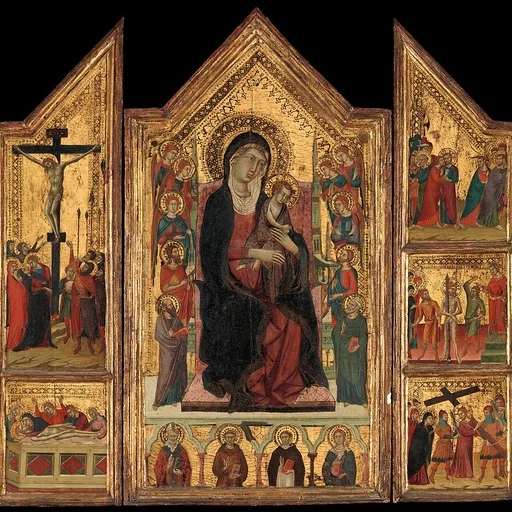
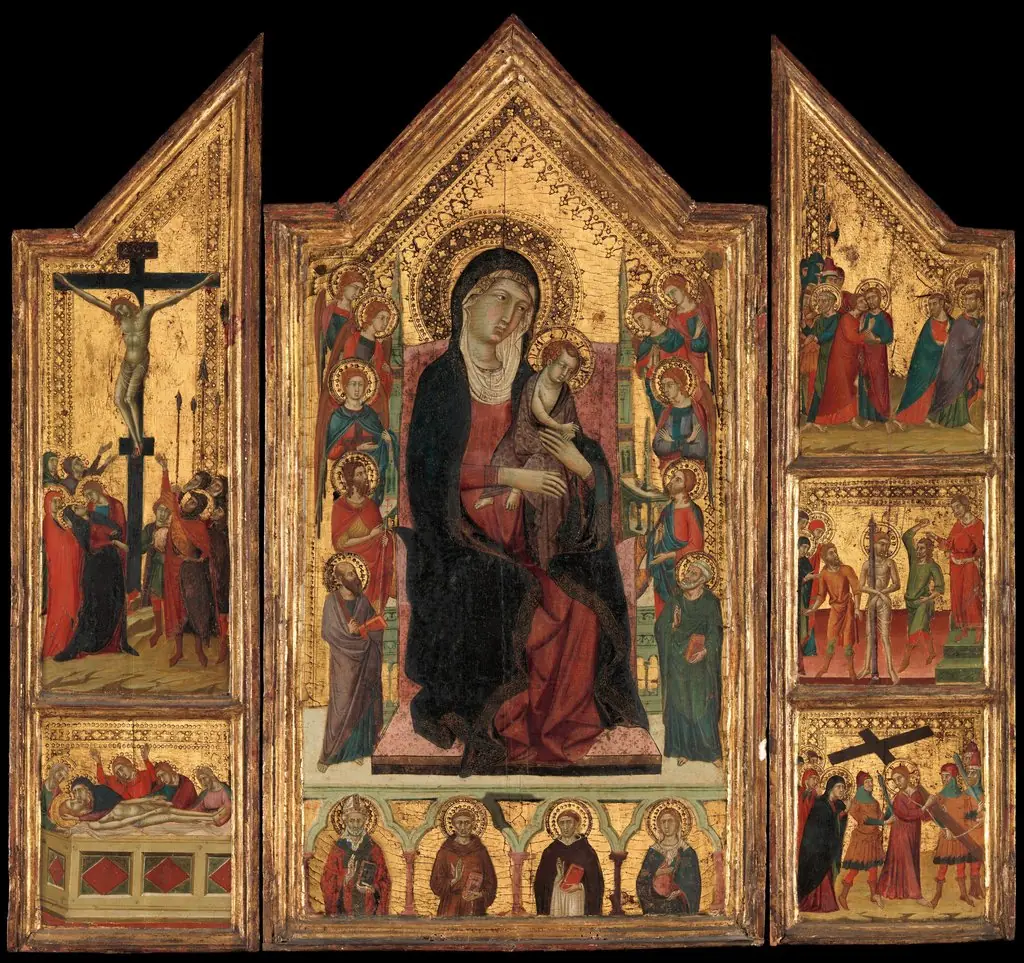 Madonna and Child Enthroned
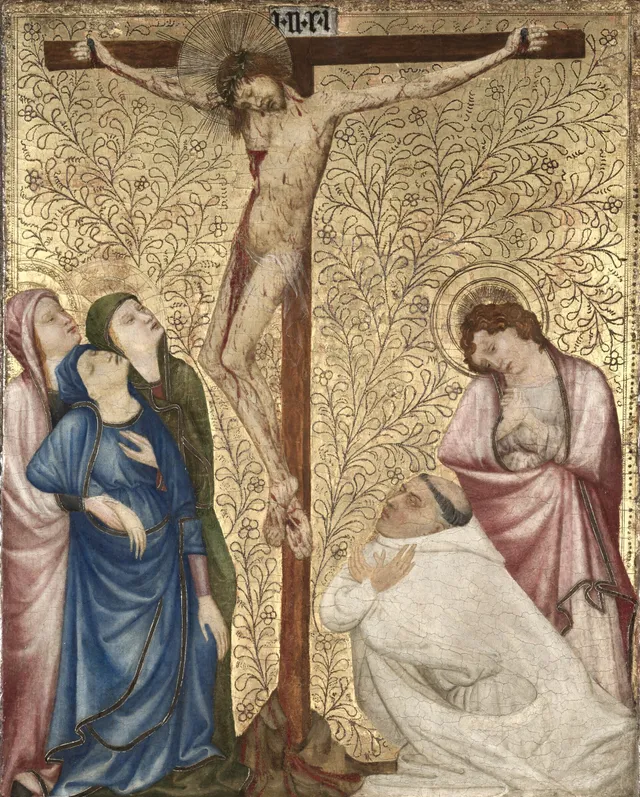
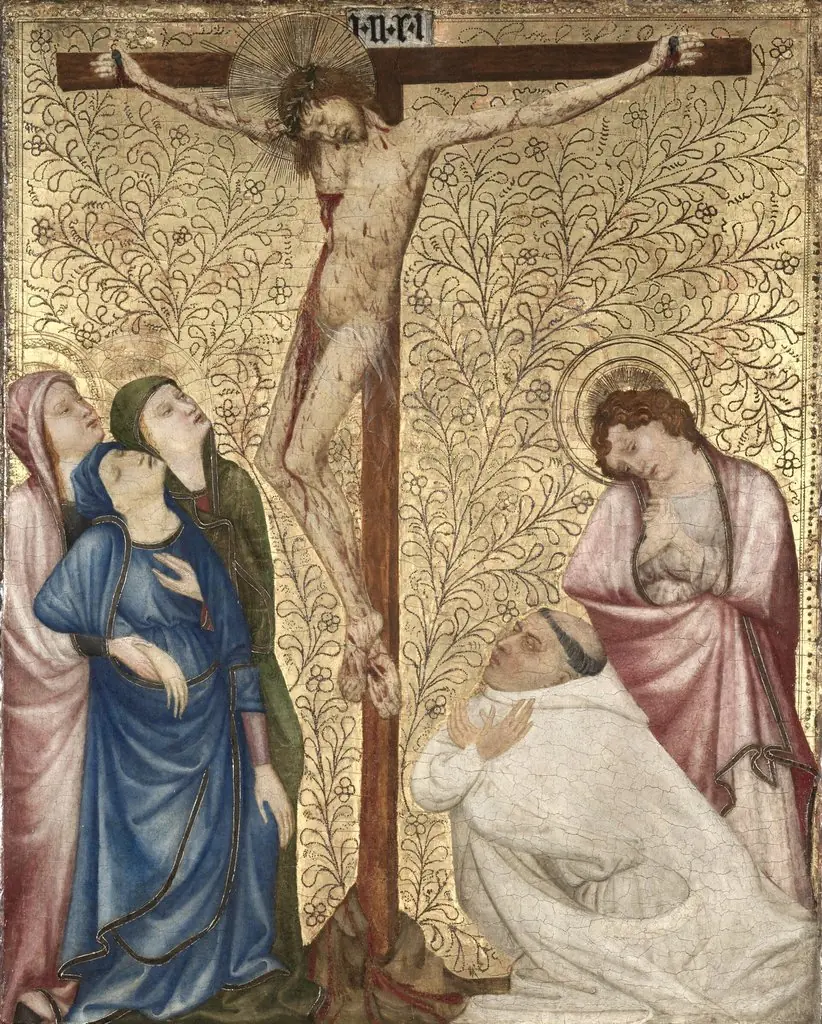 Calvary with a Carthusian Monk
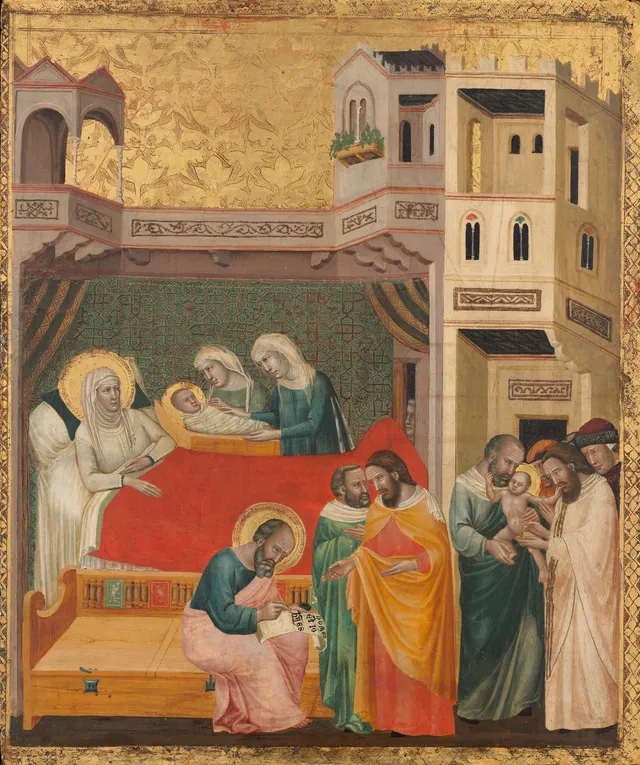
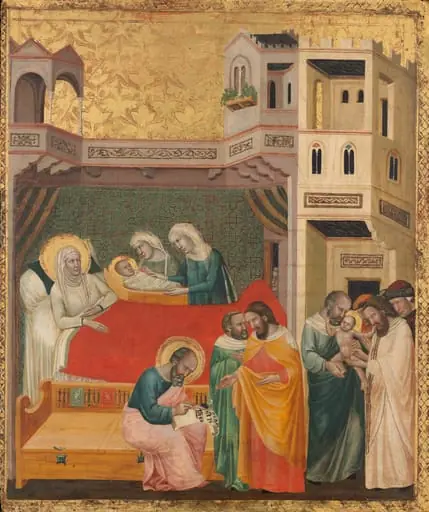 The Birth, Naming, and Circumcision of Saint John the Baptist
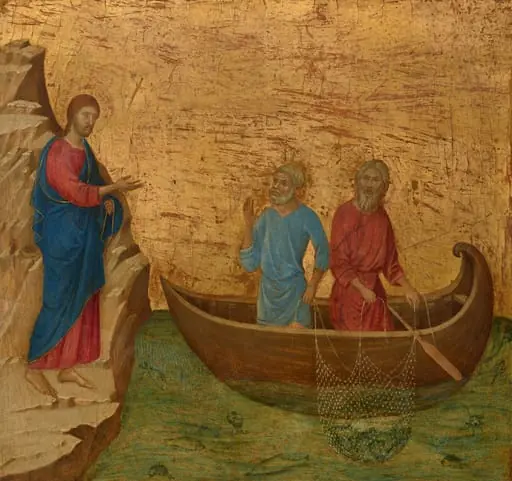 The Calling of the Apostles Peter and Andrew
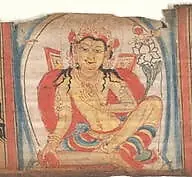 Untitled
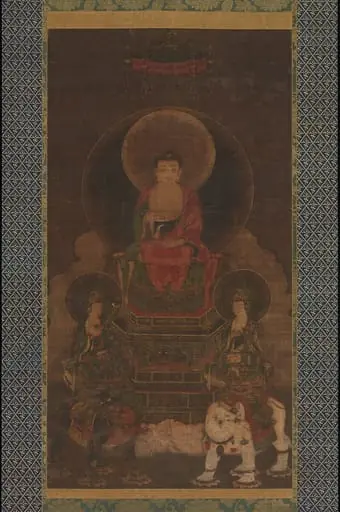 釈迦三尊像|Shaka (Shakyamuni) Triad
![Madonna and Child Enthroned with Four Saints and Eighteen Angels [middle panel]](https://artifactworldgallery.com/img/puccio-di-simone--madonna-and-child-enthroned-with-four-saints-and-eighteen-an--24dd12ad513d60ea-w320.webp) Madonna and Child Enthroned with Four Saints and Eighteen Angels [middle panel]
Madonna and Child Enthroned with Four Saints and Eighteen Angels [middle panel]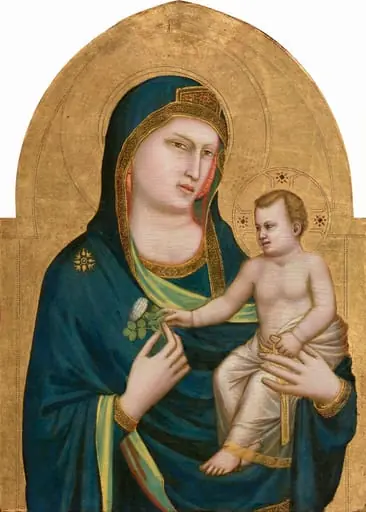 Madonna and Child
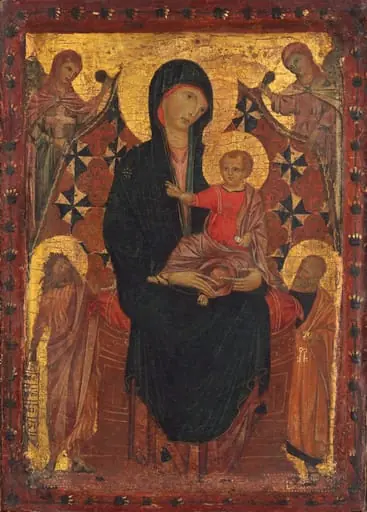 Madonna and Child with Saint John the Baptist, Saint Peter, and Two Angels
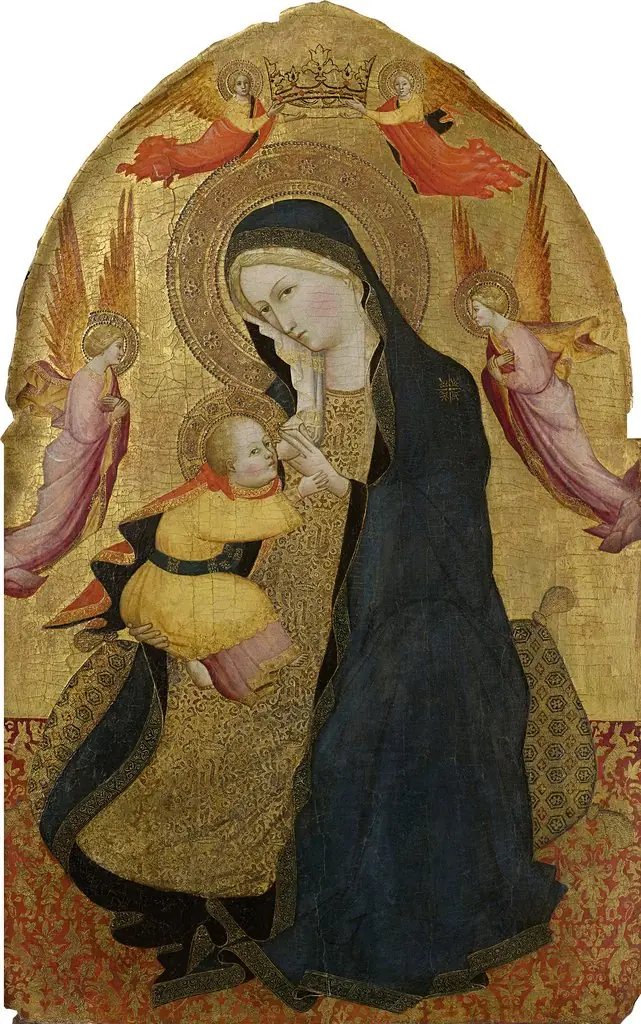 Madonna of Humility (Madonna dell'Umiltà)
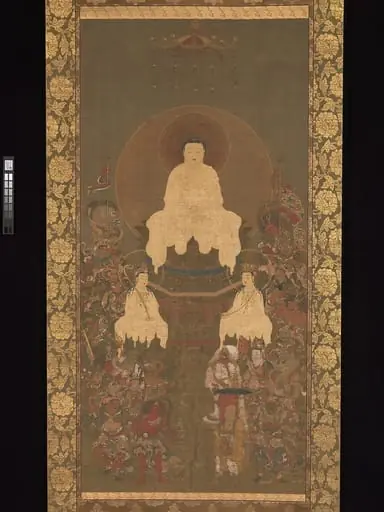 釈迦三尊十六善神像|Shaka (Shakyamuni), the Historical Buddha, with Two Attendant Bodhisattvas and Sixteen Benevolent Deities
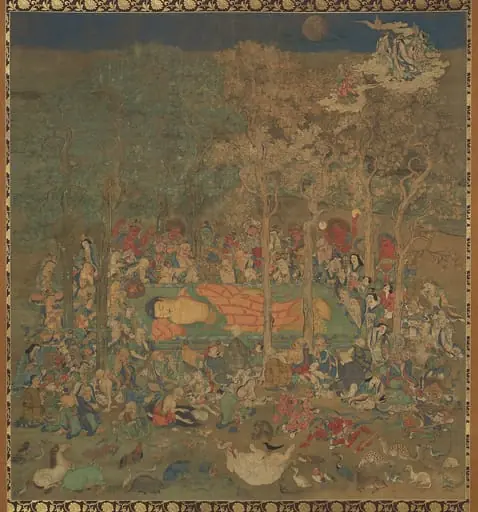 涅槃図|Death of the Historical Buddha (Nehan-zu)
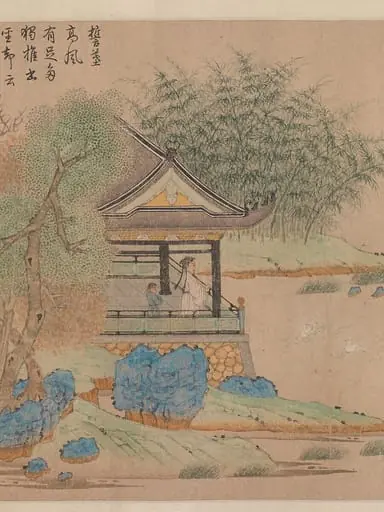 元 錢選 王羲之觀鵝圖 卷|Wang Xizhi watching geese
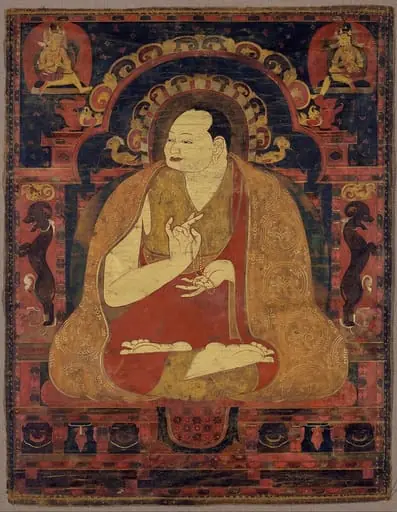 Untitled
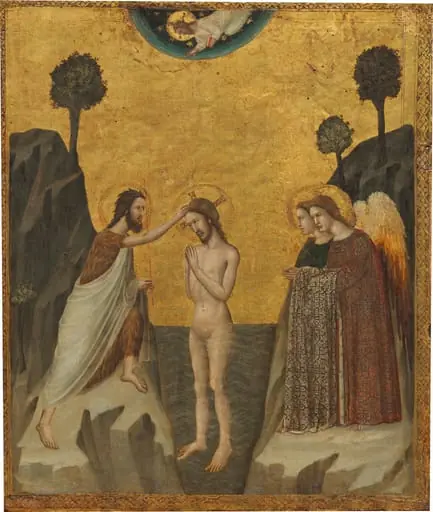 The Baptism of Christ
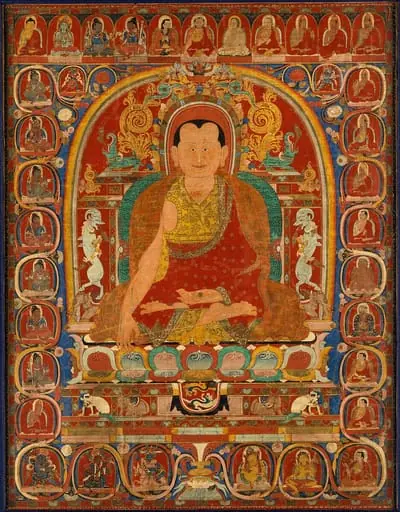 Untitled
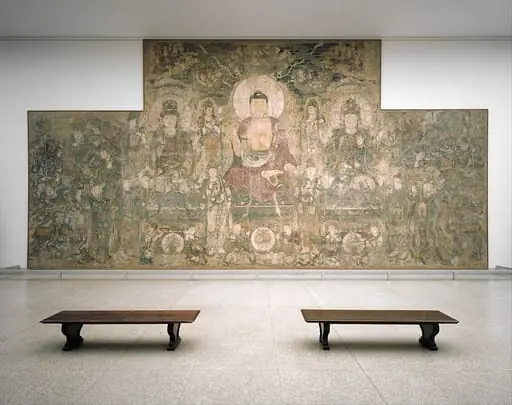 元 廣勝寺 藥師佛法會圖壁畫|Buddha of Medicine Bhaishajyaguru (Yaoshi fo)
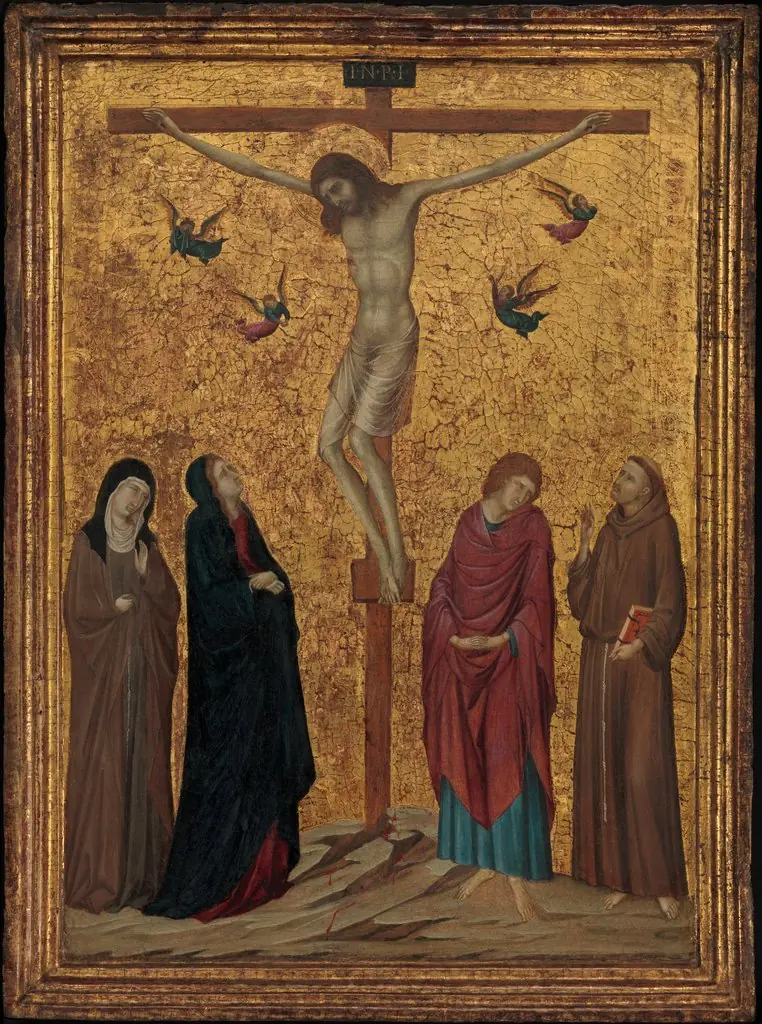 The Crucifixion
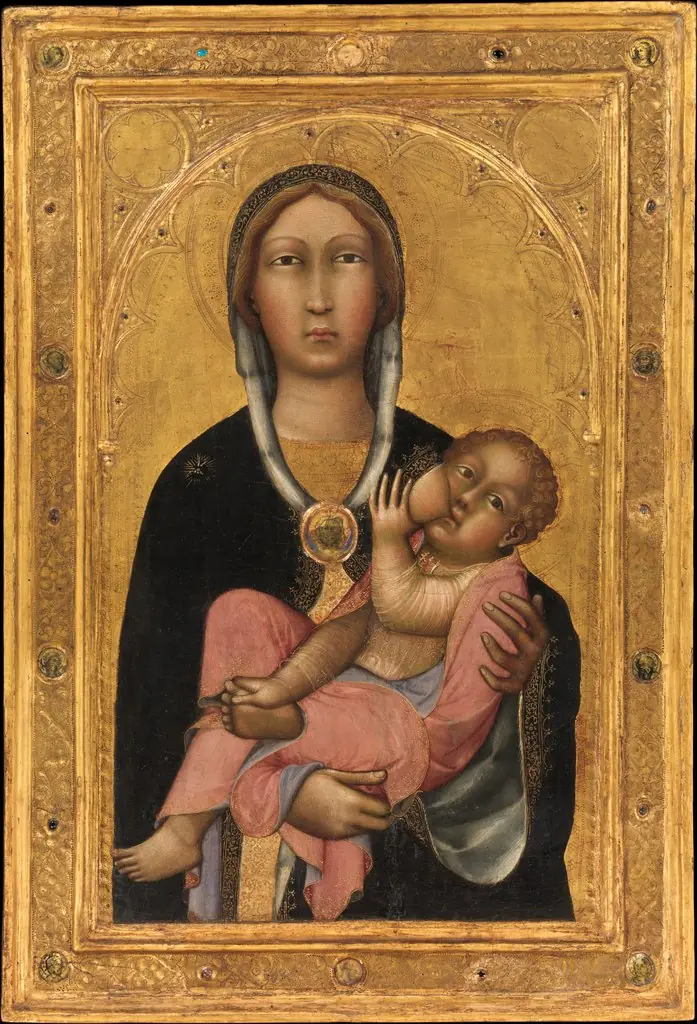 Madonna and Child
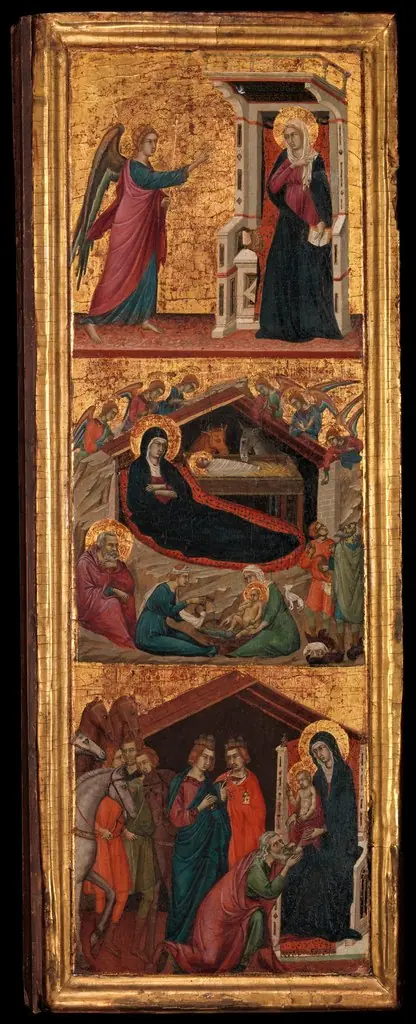 Saints and Scenes from the Life of the Virgin
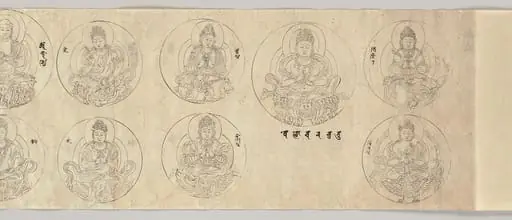 金剛界曼荼羅諸尊図像|Scroll of Deities of the Diamond World Mandala
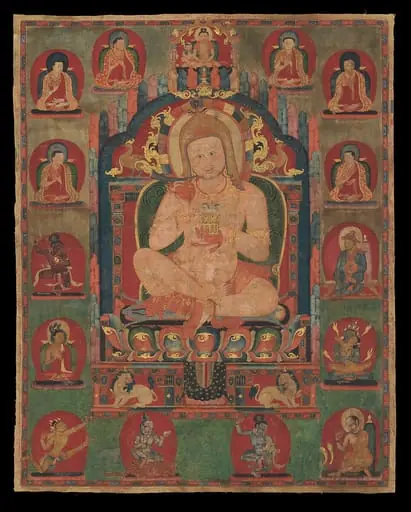 Untitled
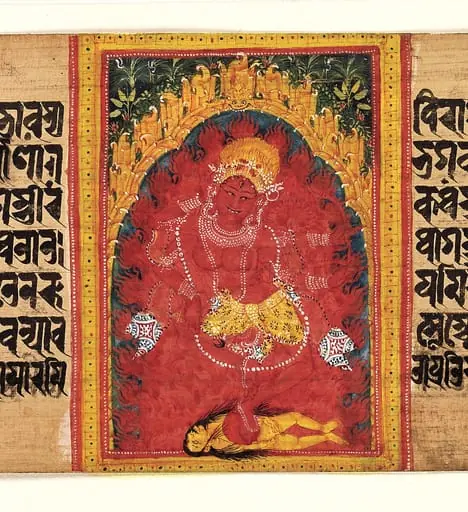 Untitled
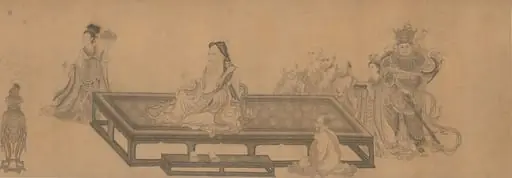 元 王振鵬 維摩不二圖 卷|Vimalakirti and the Doctrine of Nonduality
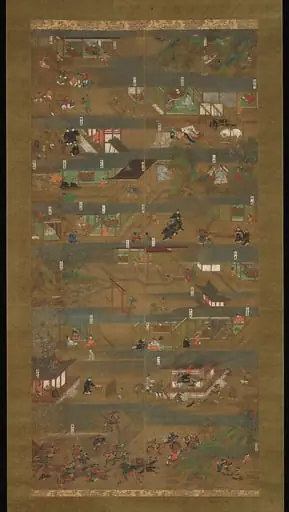 聖徳太子絵伝図|Illustrated Biography of Prince Shōtoku (Shōtoku Taishi e-den)
 Untitled
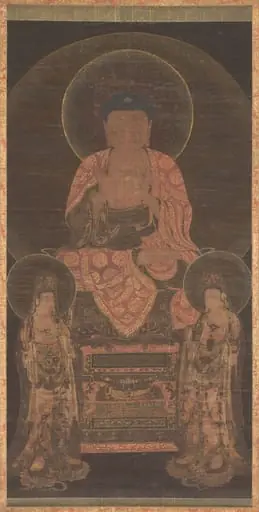 아미타삼존도 고려|阿彌陀三尊圖 高麗|Amitabha triad
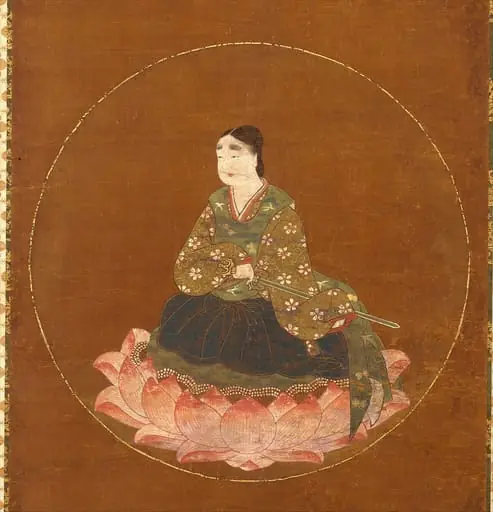 春日若宮曼荼羅|Mandala of Wakamiya of Kasuga Shrine (Kasuga wakamiya mandara)
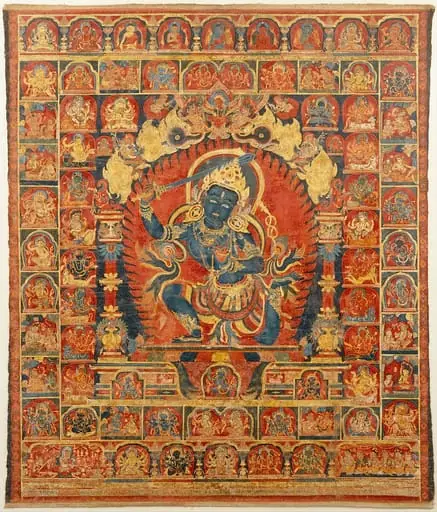 Untitled
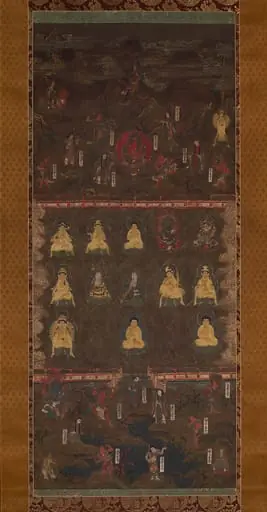 熊野曼茶羅図|Mandala of Kumano Shrine
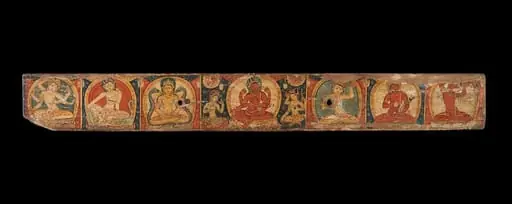 Untitled
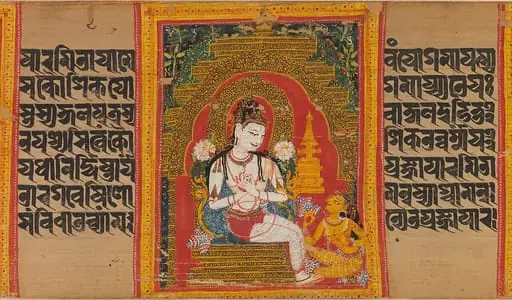 Untitled
![Saint Bernard and Saint Catherine of Alexandria with the Virgin of the Annunciation [right panel]](https://artifactworldgallery.com/img/agnolo-gaddi--saint-bernard-and-saint-catherine-of-alexandria-with-the-vir--710fc1ea417a9916-w320.webp) Saint Bernard and Saint Catherine of Alexandria with the Virgin of the Annunciation [right panel]
Saint Bernard and Saint Catherine of Alexandria with the Virgin of the Annunciation [right panel]![Saint Andrew and Saint Benedict with the Archangel Gabriel [left panel]](https://artifactworldgallery.com/img/agnolo-gaddi--saint-andrew-and-saint-benedict-with-the-archangel-gabriel-l--ddd94720dea7e794-w320.webp) Saint Andrew and Saint Benedict with the Archangel Gabriel [left panel]
Saint Andrew and Saint Benedict with the Archangel Gabriel [left panel]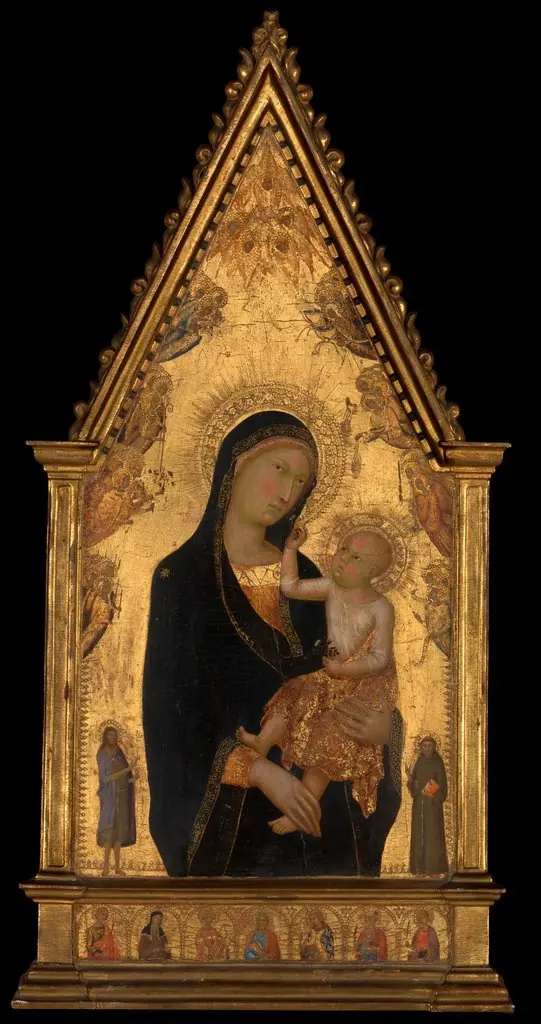 Madonna and Child with Saints and Angels
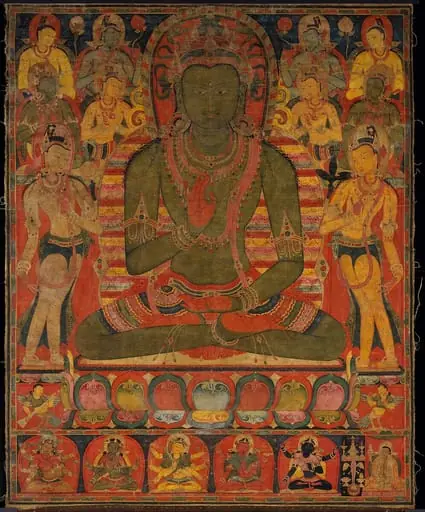 Untitled
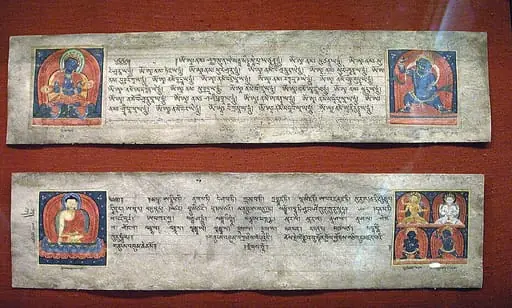 Untitled
 Untitled
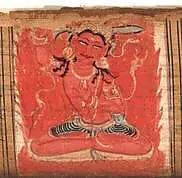 Untitled
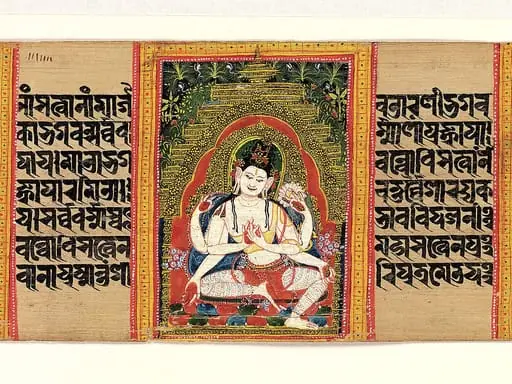 Untitled
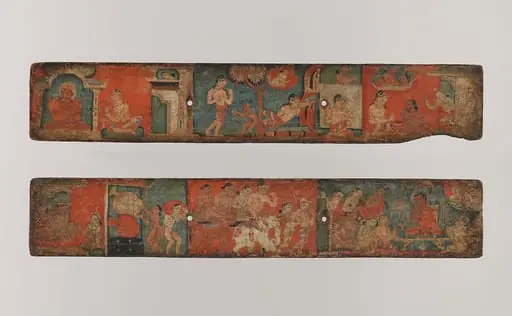 Untitled
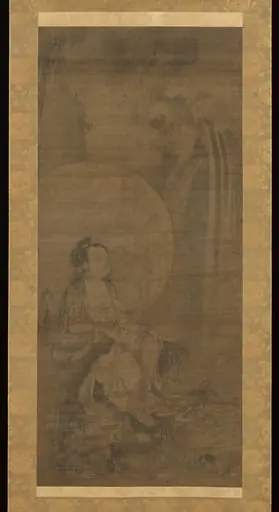 白衣観音図|White-robed Kannon
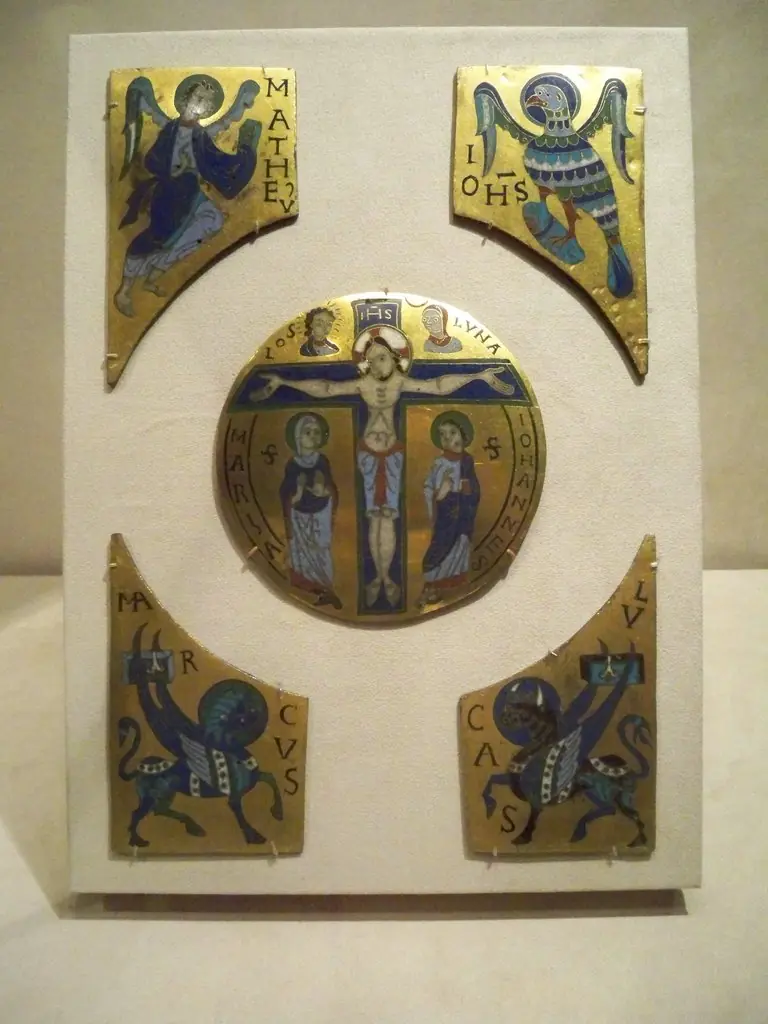 Enamels with the Crucifixion
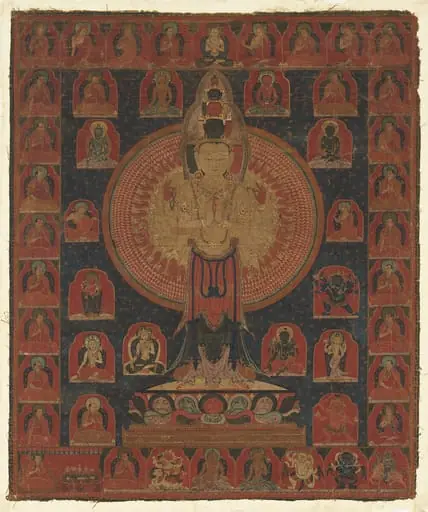 Untitled
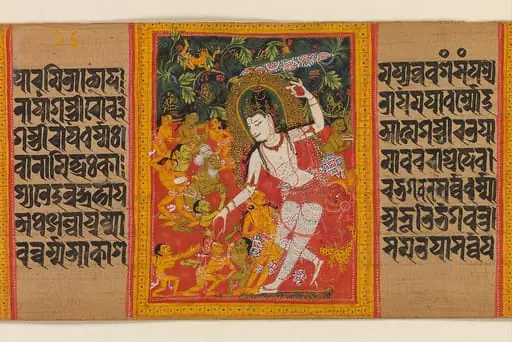 Untitled
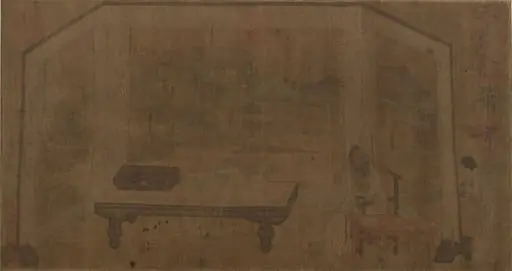 宋/明? 佚名 仿王齊翰 挑耳圖 卷|Library Scene
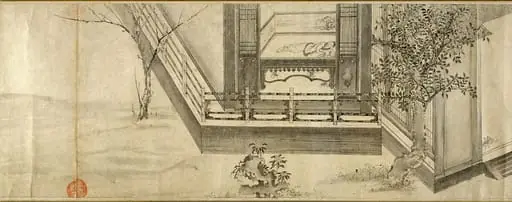 南宋 佚名 傳李公麟 豳風七月圖 卷|Odes of the State of Bin
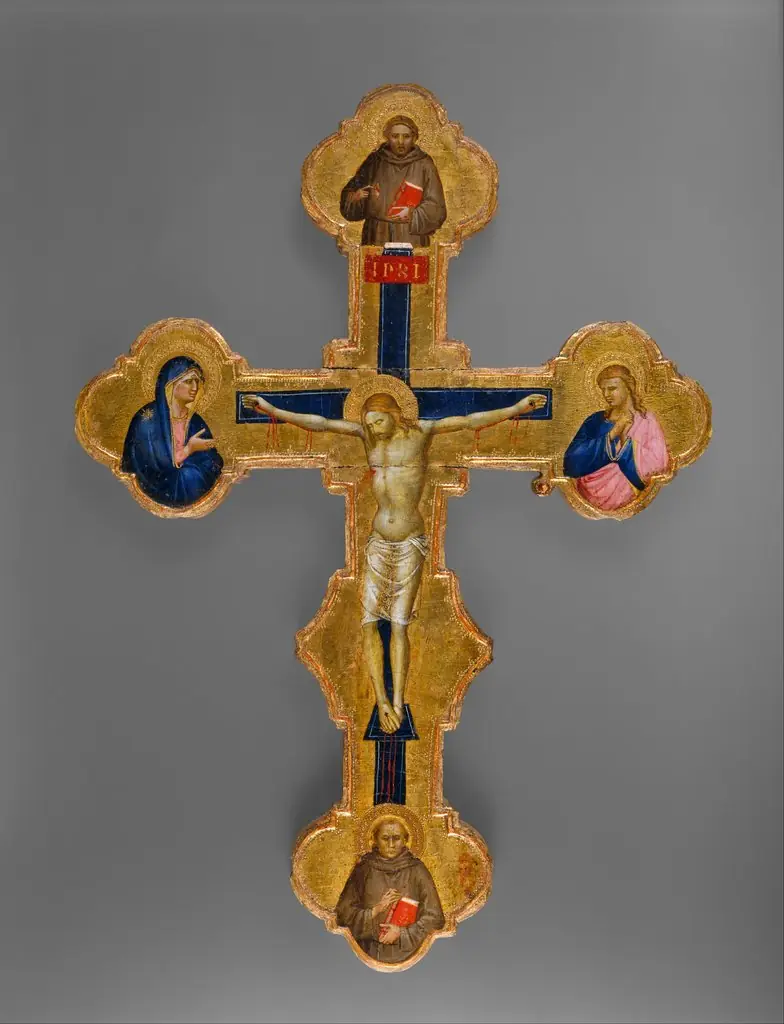 Crucifix
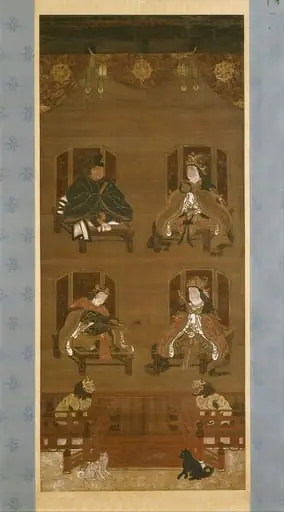 高野四所明神像|The Four Deities of Mount Kōya
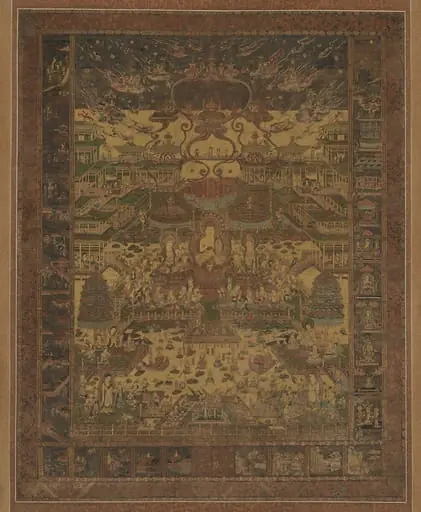 当麻曼荼羅図|Taima Mandala
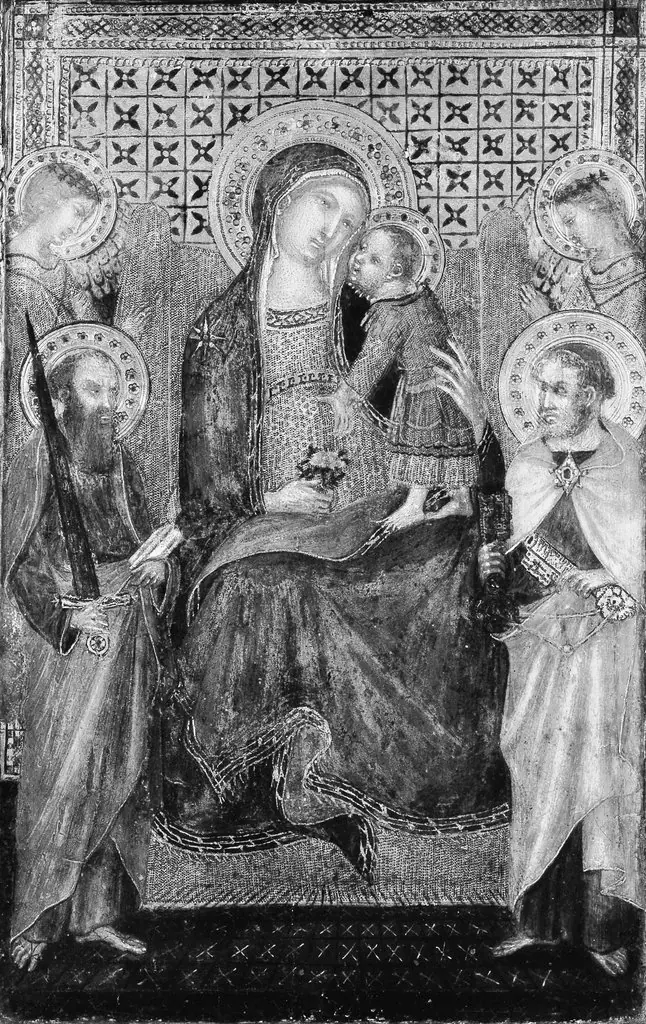 Madonna and Child Enthroned with Saints Peter and Paul and Angels
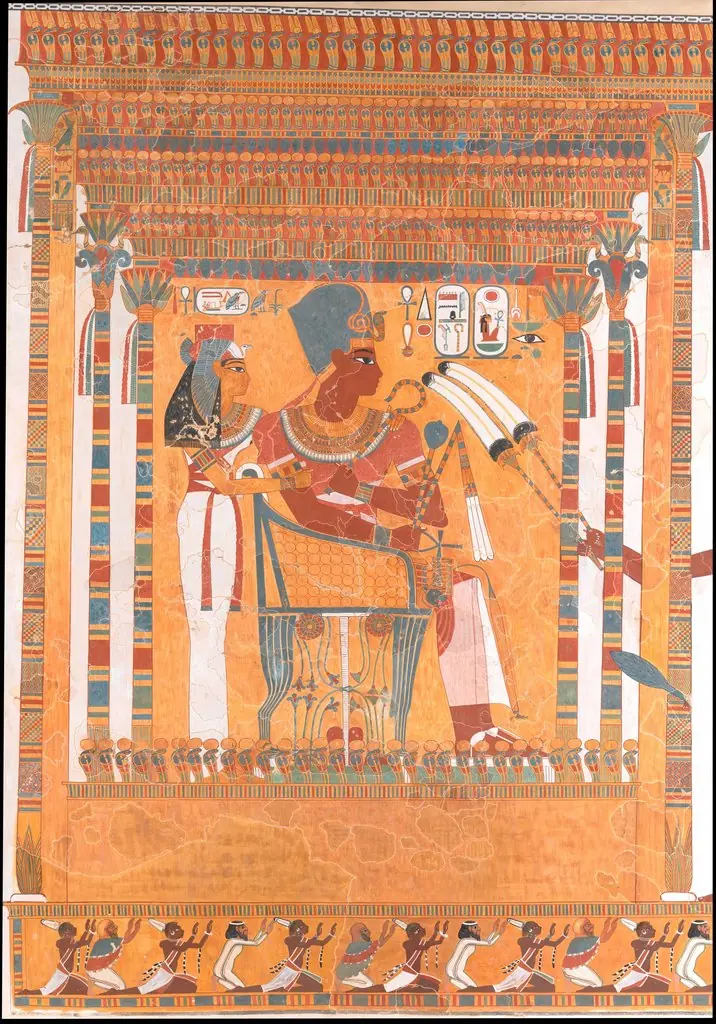 Amenhotep III and his Mother, Mutemwia, in a Kiosk
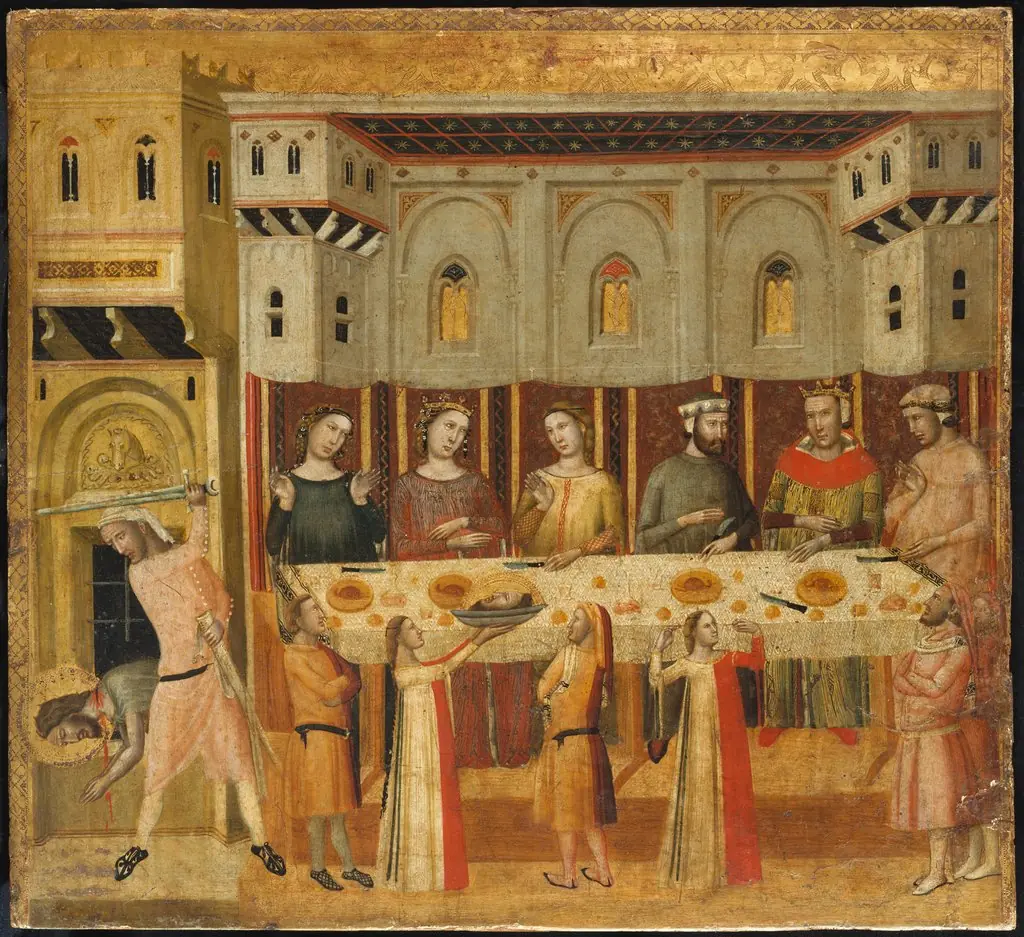 The Feast of Herod and the Beheading of the Baptist
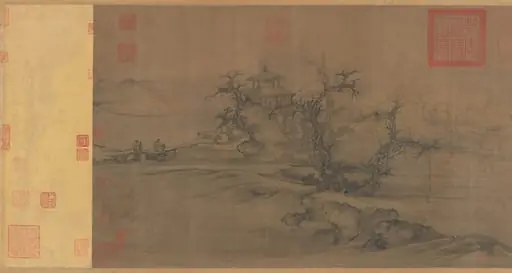 北宋 郭熙 樹色平遠圖 卷 |Old Trees, Level Distance
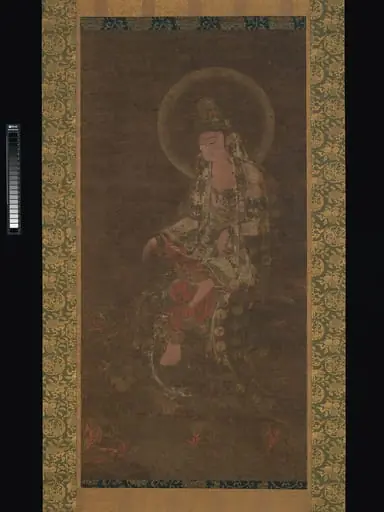 작자미상 수월관음도 고려|作者未詳 水月觀音圖 高麗|Water-Moon Avalokiteshvara
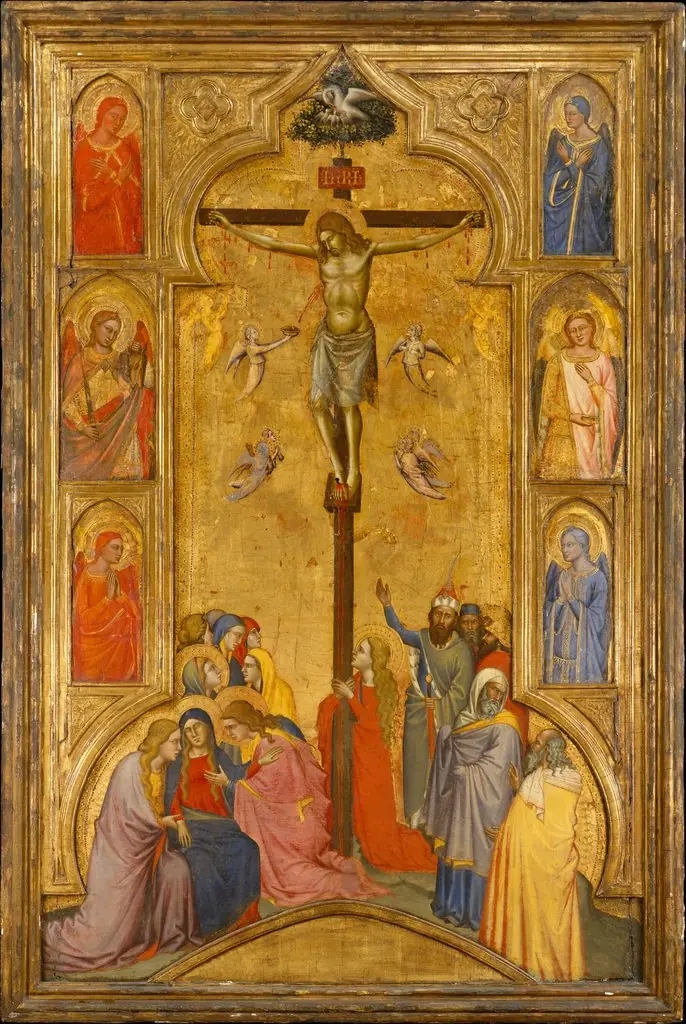 The Crucifixion
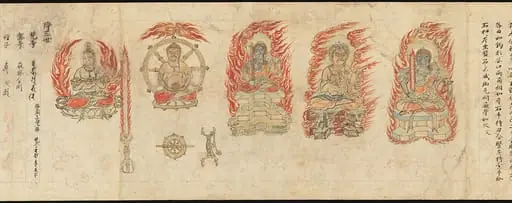 『図像抄』〈十巻抄〉明王部諸尊|Iconographic Drawings of the Five Kings of Wisdom (Myōō-bu shoson)
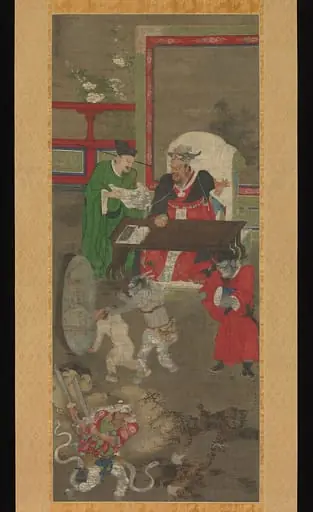 金處士筆 十王図の内|Ten Kings of Hell
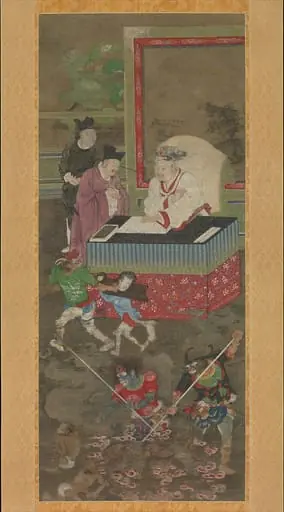 南宋 金處士 十王圖 軸|Ten Kings of Hell
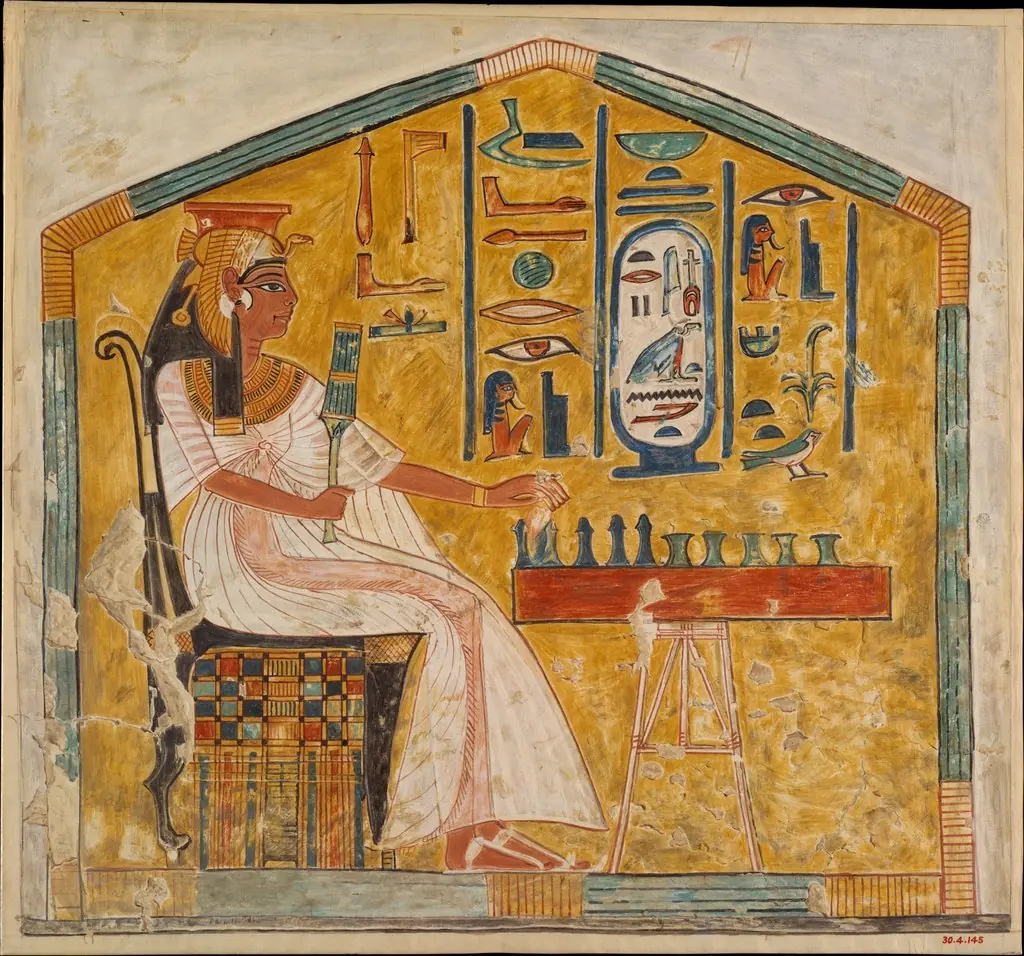 Queen Nefertari Playing Senet
 Untitled
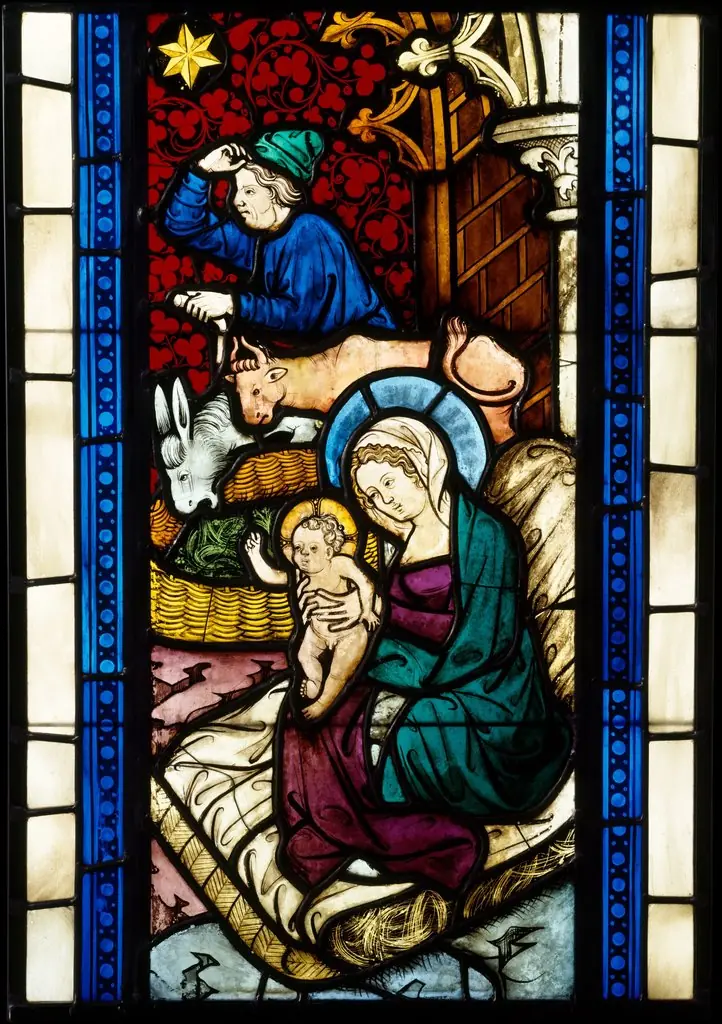 Adoration of the Magi from Seven Scenes from the Life of Christ
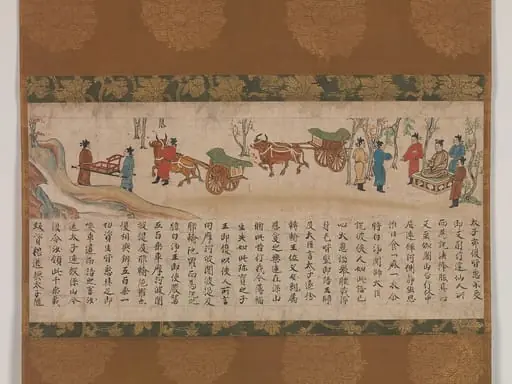 『過去現在絵因果経』 断簡 (松永本)|The Illustrated Sutra of Past and Present Karma (Kako genzai inga kyō emaki)
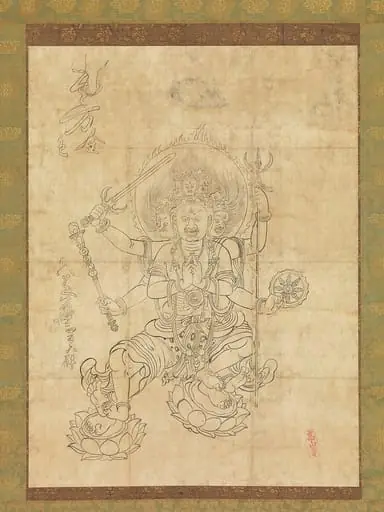 大威徳明王|Daiitoku Myōō
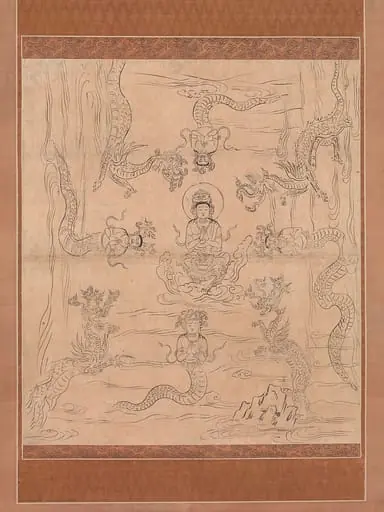 請雨経曼荼羅図像|Iconographic Drawing of a Rainmaking Mandala
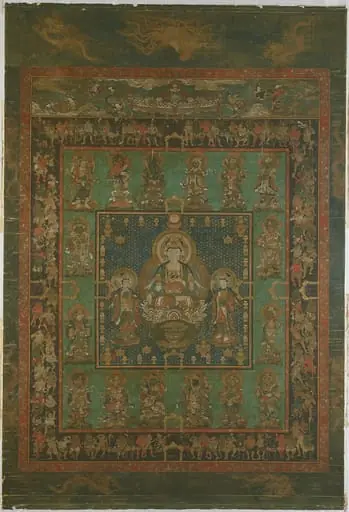 般若菩薩曼荼羅図|Mandala of the Bodhisattva Hannya (Prajnaparamita)
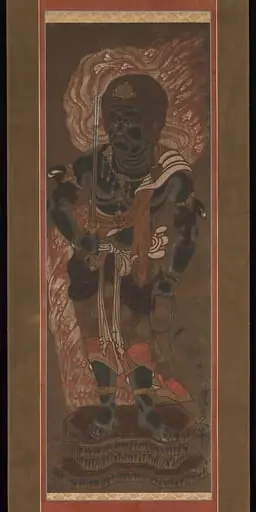 龍湫周沢写 不動明王二童子像|Fudō Myōō and Two Attendants
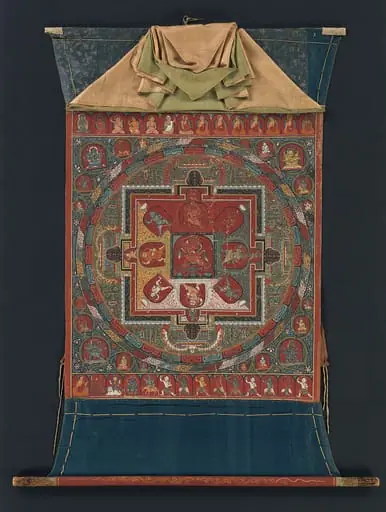 Untitled
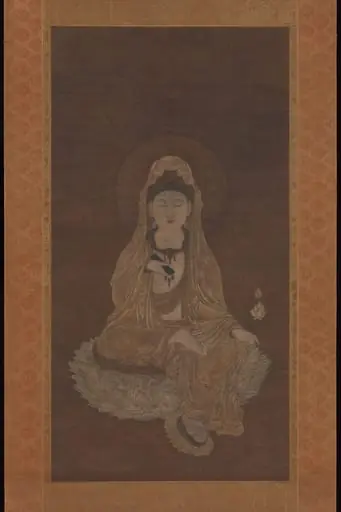 白衣観音図|White-Robed Kannon
 Untitled
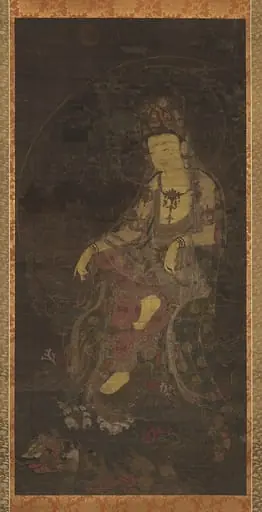 수월관음도 고려|水月觀音圖 高麗|Water-moon Avalokiteshvara
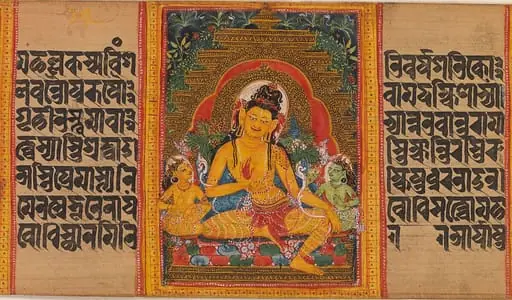 Untitled
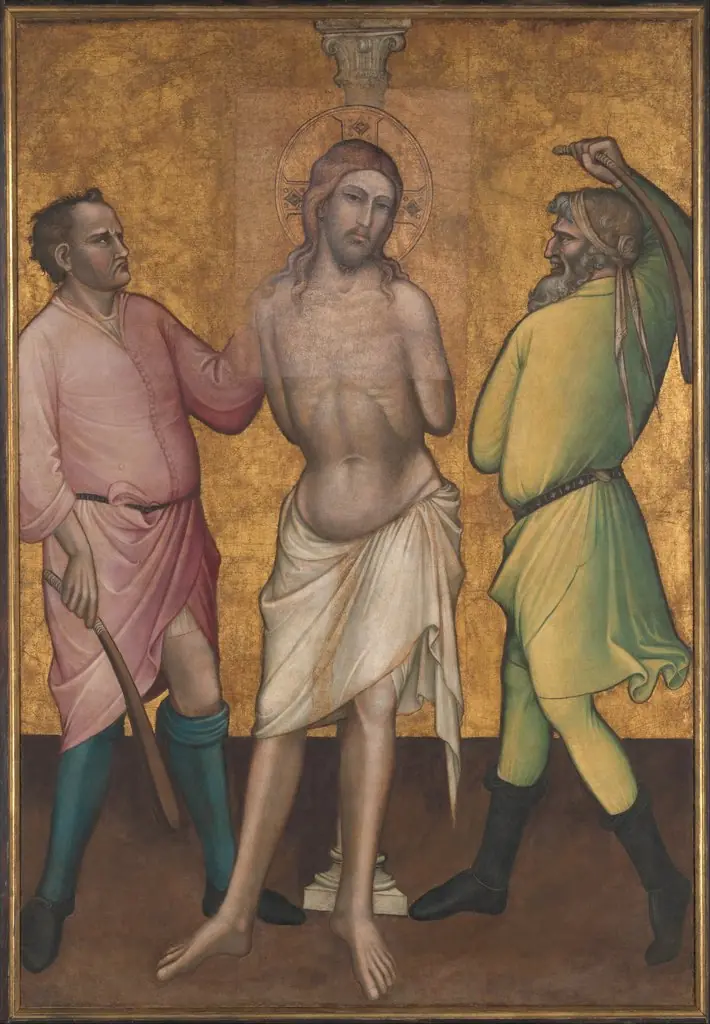 Saint Mary Magdalen Holding a Crucifix; (reverse) The Flagellation
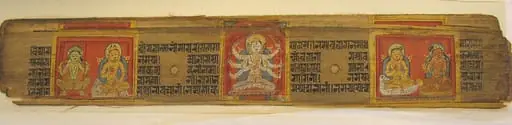 Untitled
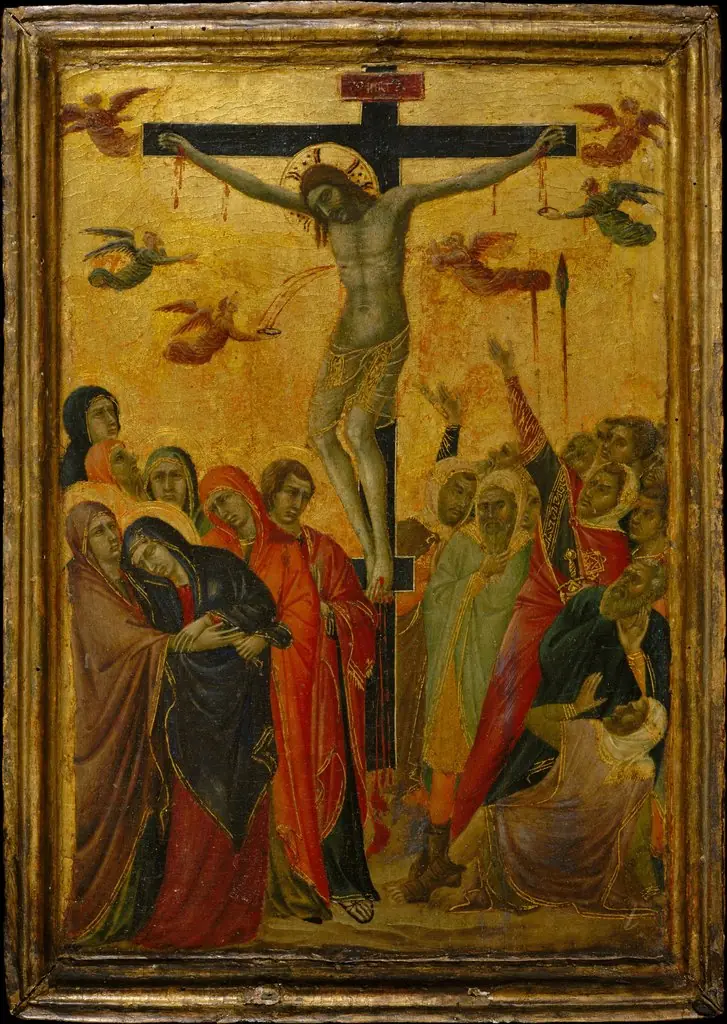 The Crucifixion
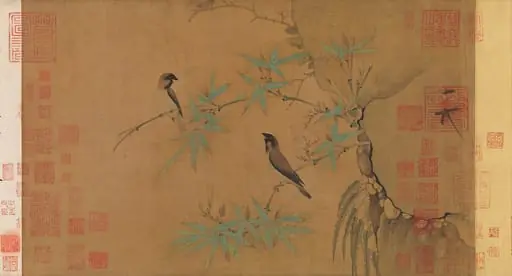 北宋 徽宗 竹禽圖 卷|Finches and bamboo
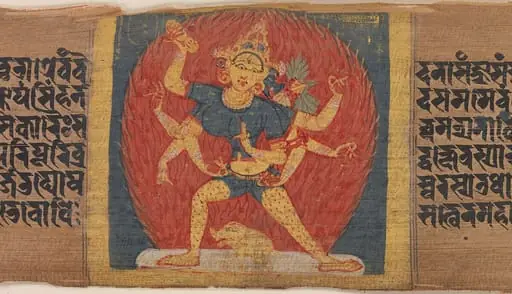 Untitled
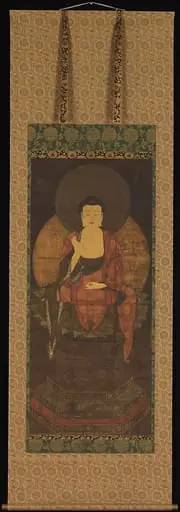 釈迦如来像|Shaka Nyorai
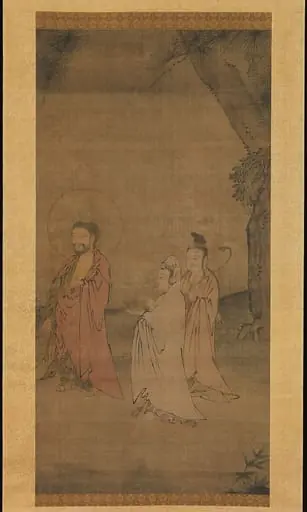 元 佚名 釋迦三尊圖 軸|Shakyamuni coming down from the mountains
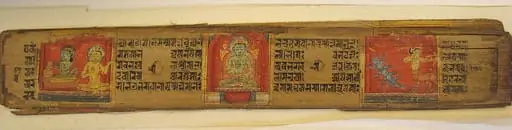 Untitled
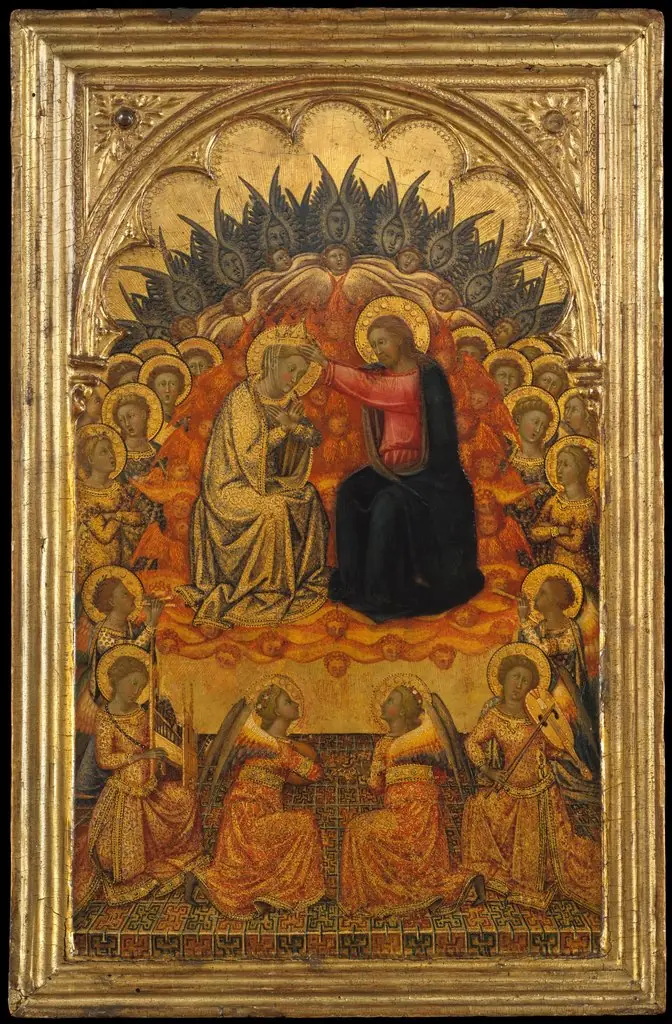 Engaged cassetta frame on a polyptych panel
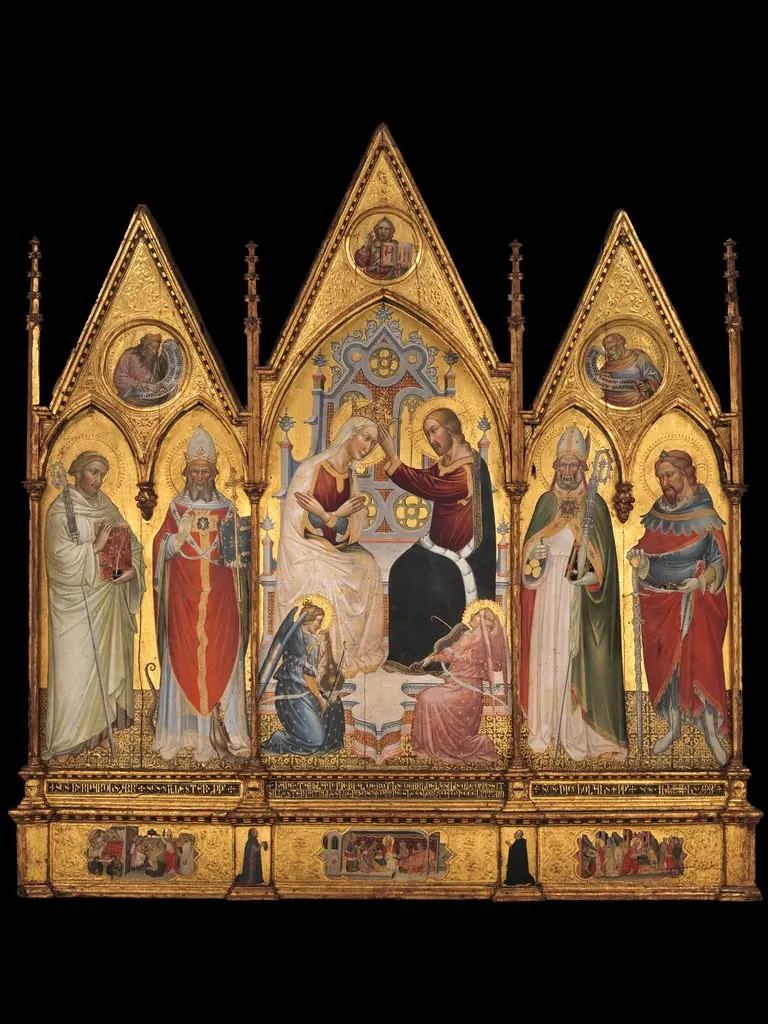 The Coronation of the Virgin, and Saints
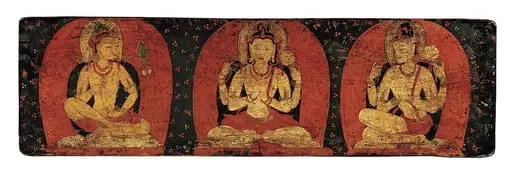 Untitled
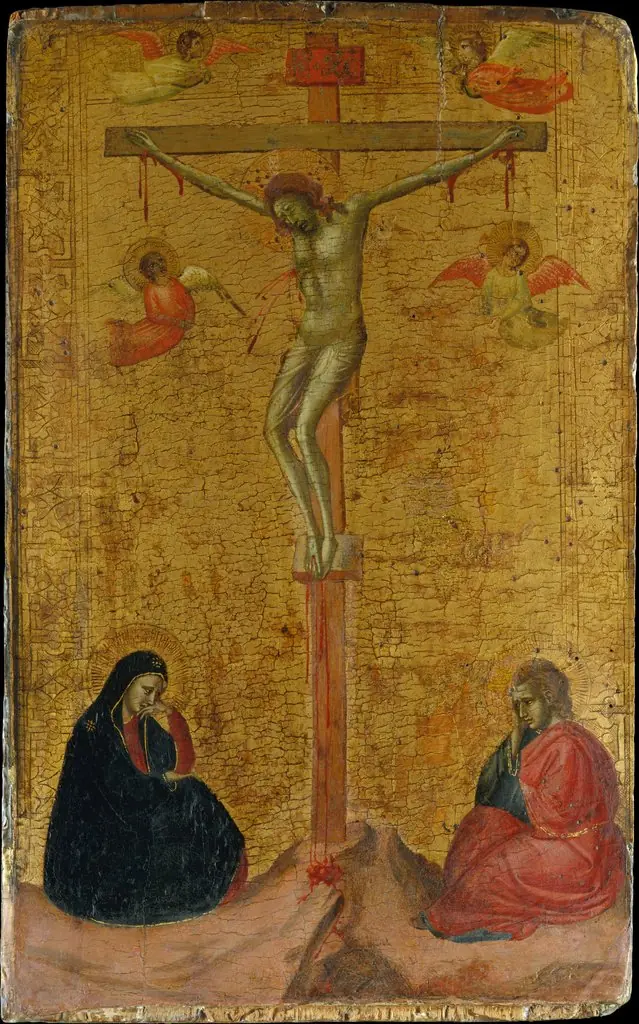 The Crucifixion
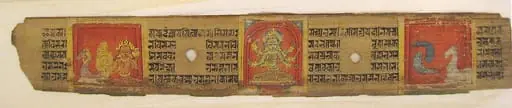 Untitled
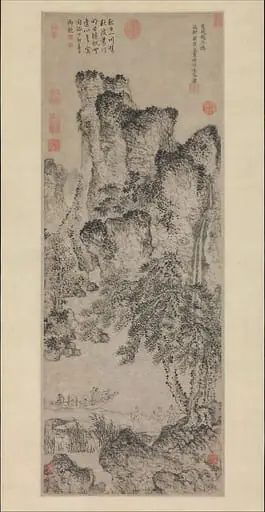 元 趙原 (元) 晴川送客圖 軸|Farewell by a Stream on a Clear Day
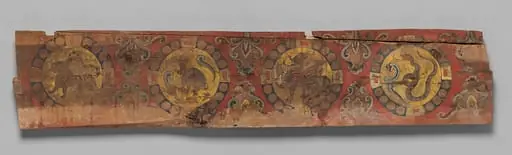 Untitled
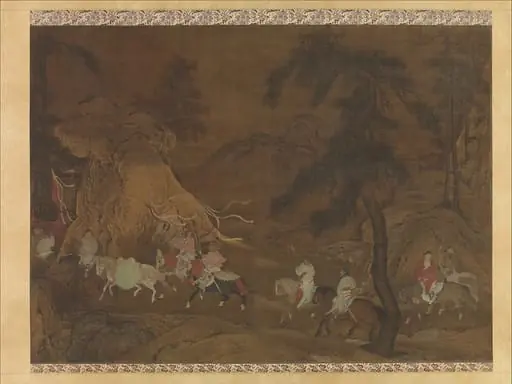 南宋 佚名 明皇幸蜀圖 軸|Emperor Xuanzong's Flight to Shu
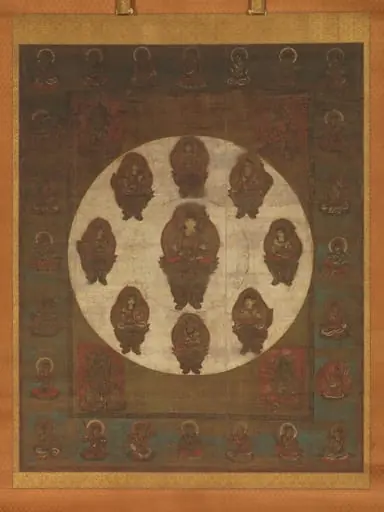 八字文殊曼荼羅図|Mandala of the Bodhisattva Monju (Manjushri) of the Eight Syllables
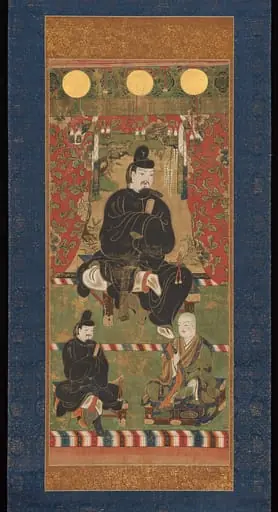 藤原鎌足像|Fujiwara no Kamatari as a Shinto Deity
 Untitled
 Untitled
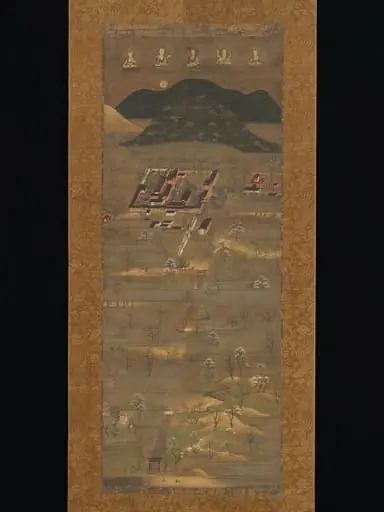 春日宮曼荼羅 (Kasuga miya mandara)|Mandala of Kasuga Shrine
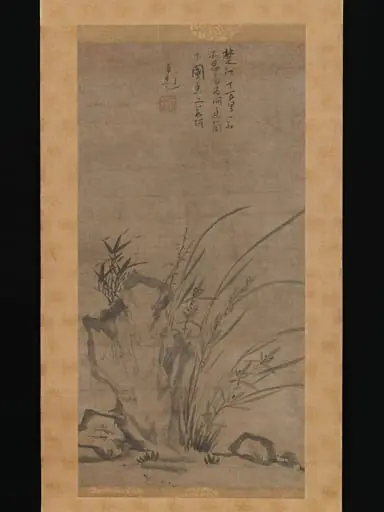 鉄舟徳済筆 蘭竹石図|Orchids, Bamboo, Briars, and Rocks
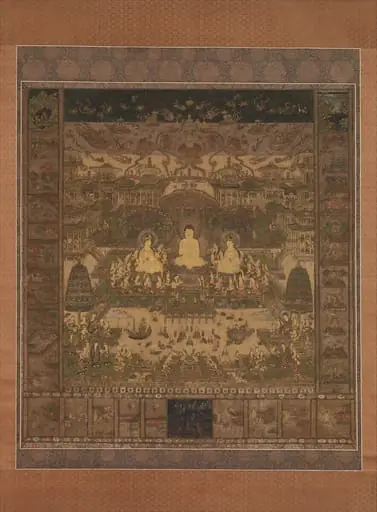 當麻曼荼羅図 |Taima Mandala
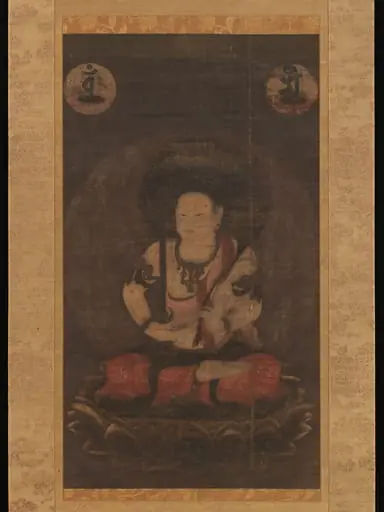 五髻文殊菩薩像|The Bodhisattva Monju (Manjushri) with Five Topknots
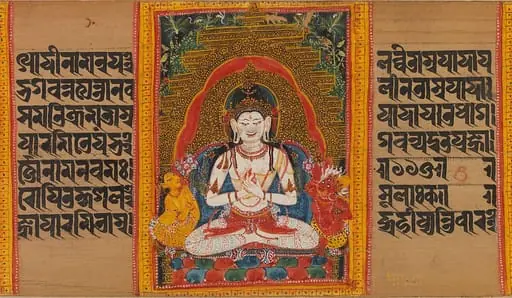 Untitled
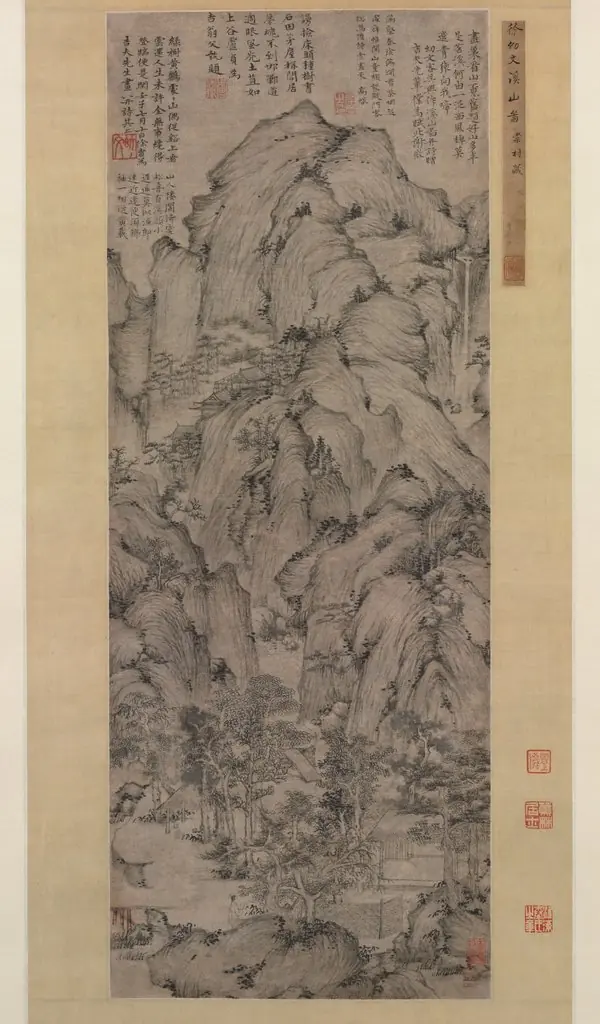 Streams and Mountains
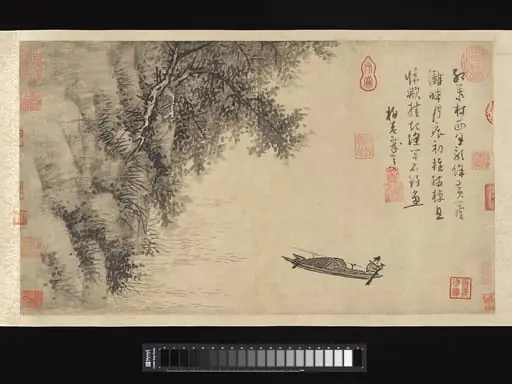 元 吳鎮 蘆灘釣艇圖 卷|Fisherman
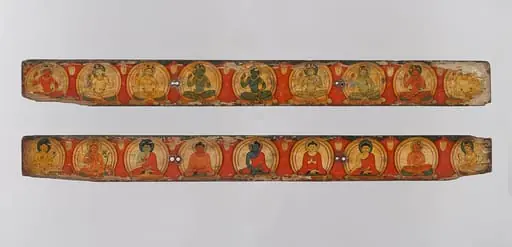 Untitled
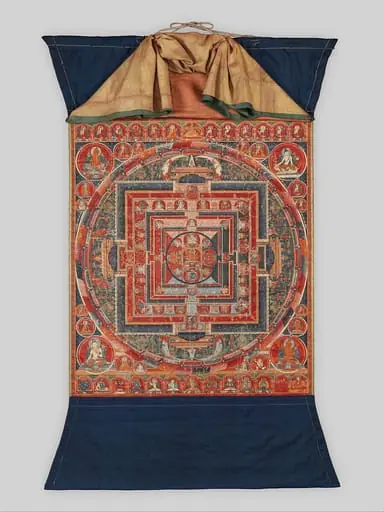 Untitled
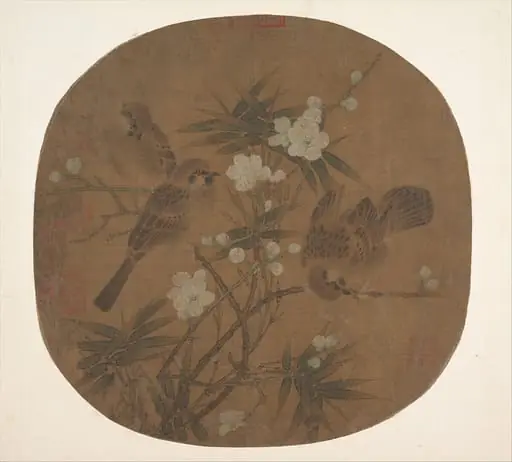 南宋 佚名 竹梅小禽圖 團扇|Sparrows, plum blossoms, and bamboo
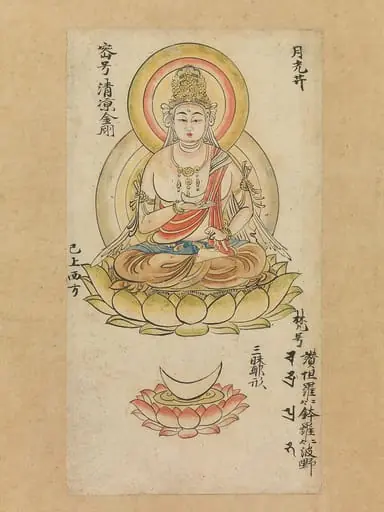 伝託磨為遠筆 月光菩薩像 「金胎仏画帖」断簡|Gakkō Bosatsu, from “Album of Buddhist Deities from the Diamond World and Womb World Mandalas” (“Kontai butsugajō”)
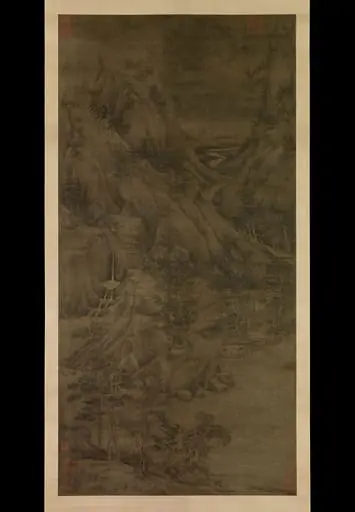 五代 傳董元 溪岸圖 軸|Riverbank
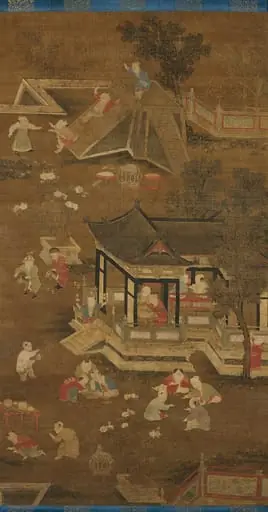 元末明初 佚名 絹本設色 嬰戯圖 軸|Children playing in the palace garden
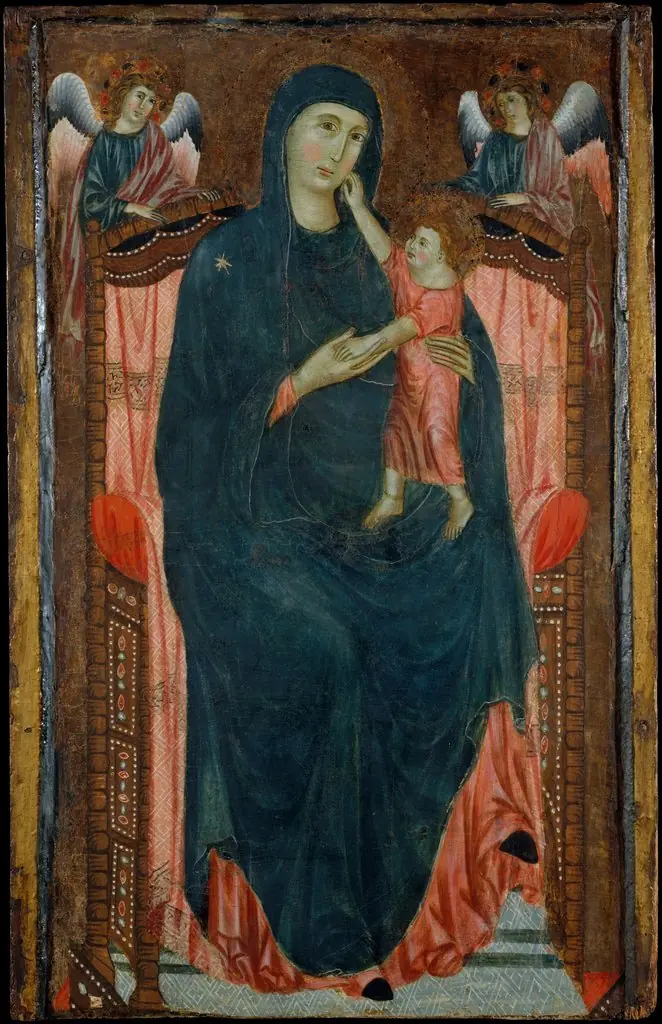 Madonna and Child Enthroned with Angels
 Untitled
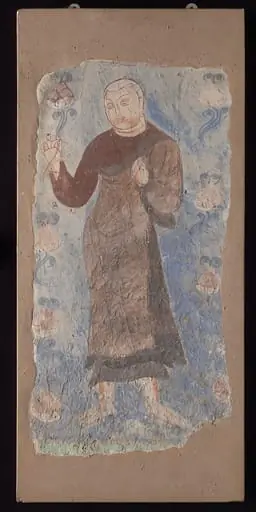 Untitled
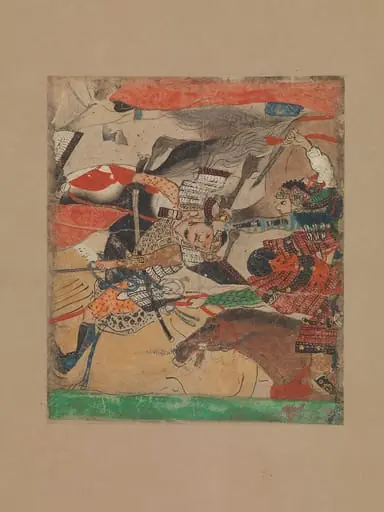 六波羅合戦 平治物語絵巻 断簡|Battle at Rokuhara, from The Tale of the Heiji Rebellion
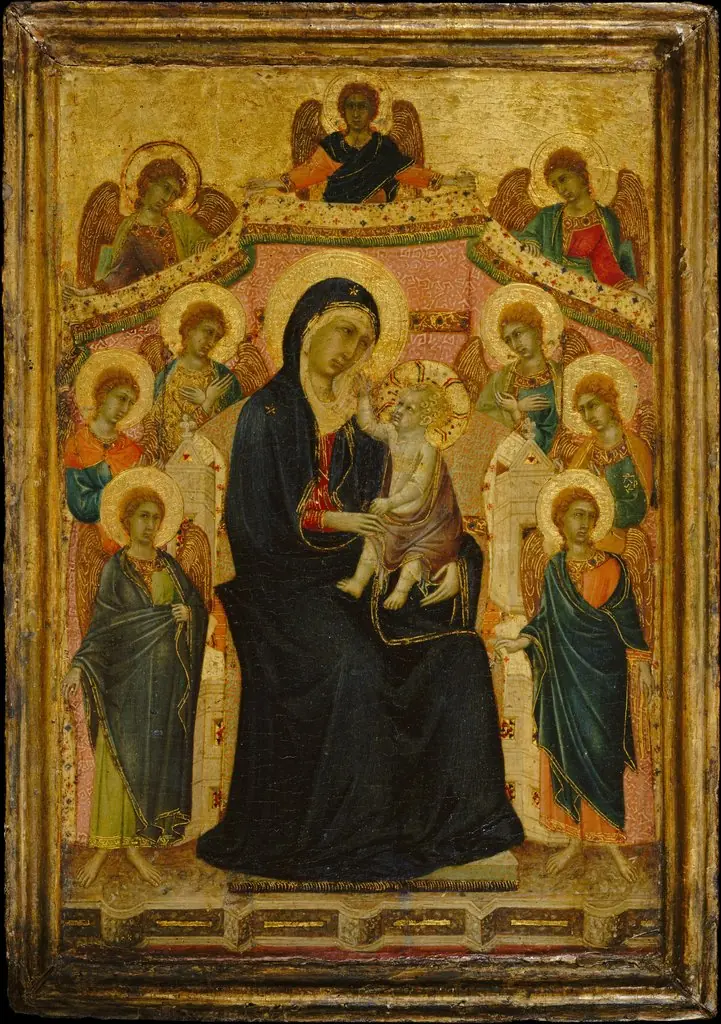 Madonna and Child with Nine Angels
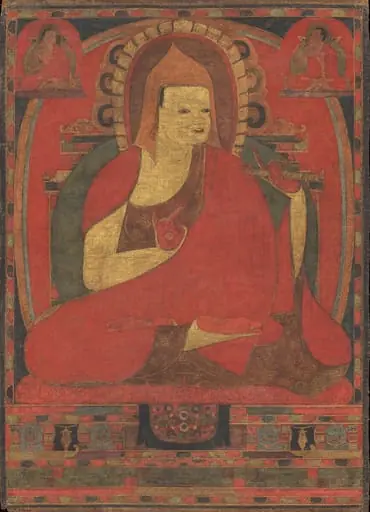 Untitled
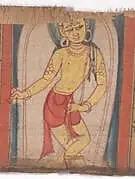 Untitled
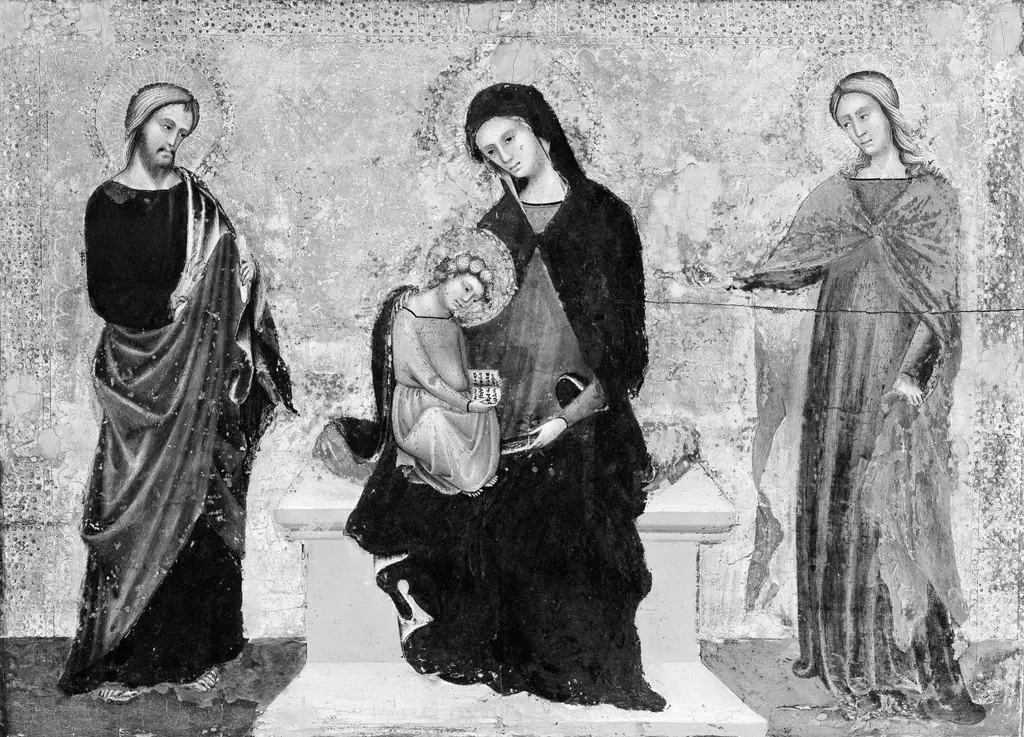 Madonna and Child Enthroned with Saints James Minor and Lucy
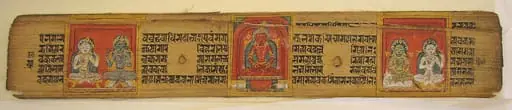 Untitled
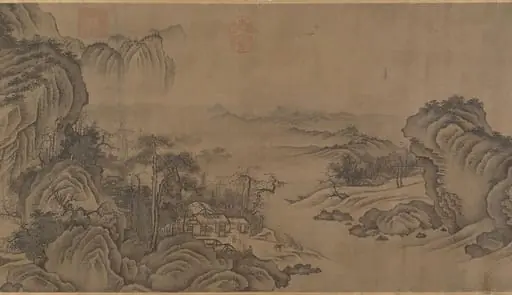 元/明 佚名 舊傳 燕文貴 秋山蕭寺圖 軸|Buddhist Temples amid Autumn Mountains
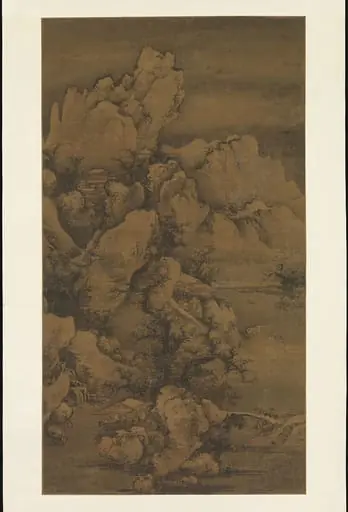 元 姚彥卿 (廷美) 雪山行旅圖 軸|요언경, 눈 덮인 산 속 나그네 중국 원|Traveling through Snow-Covered Mountains
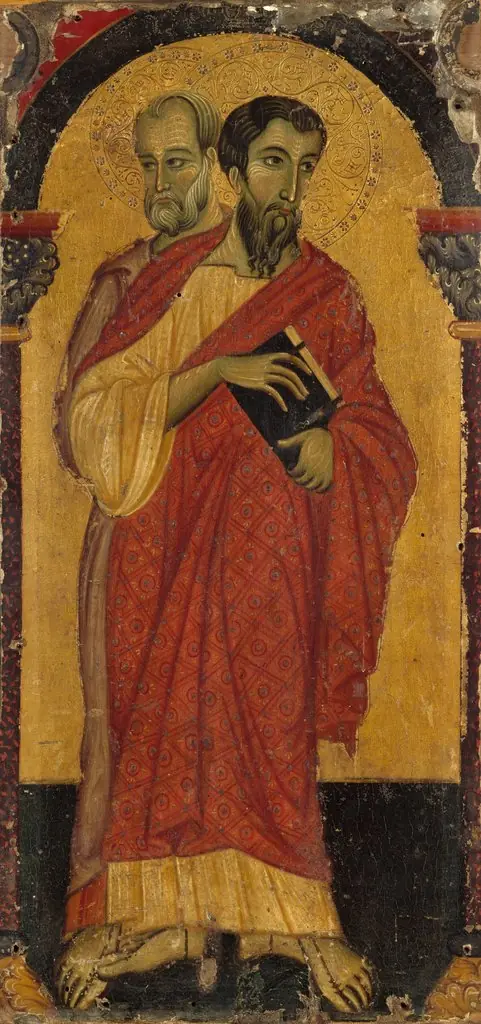 Saints Bartholomew and Simon
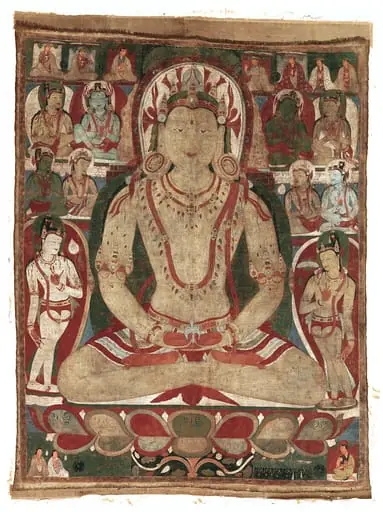 Untitled
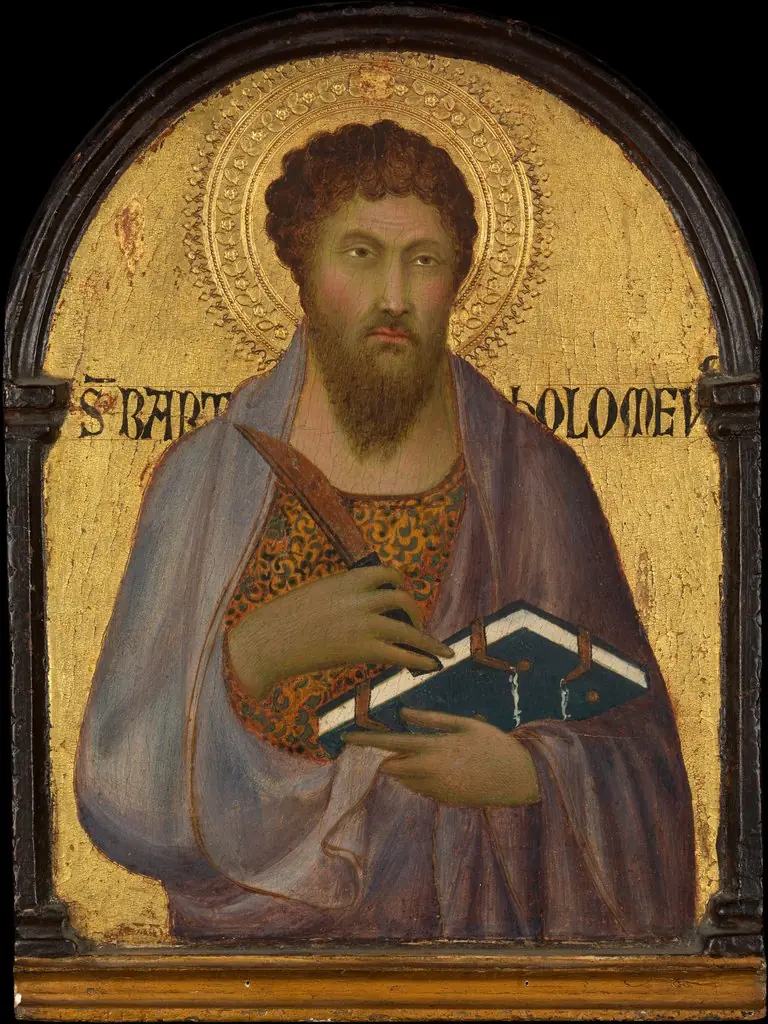 Saint Bartholomew
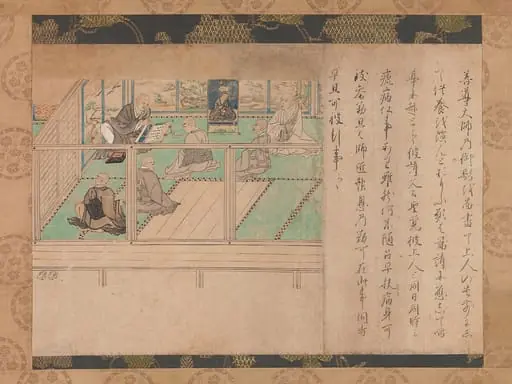 拾遺古徳伝絵断簡|Illustrated Biography of Hōnen (Shūikotokūden-e)
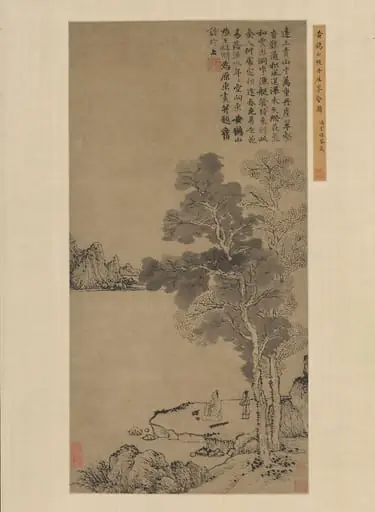 元 王蒙 丹崖翠壑圖 軸|Red Cliffs and Green Valleys
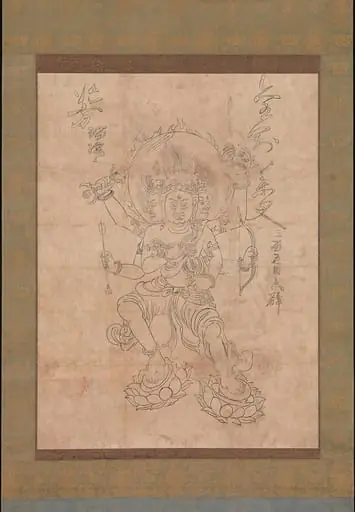 金剛夜叉明王|Kongōyasha Myōō
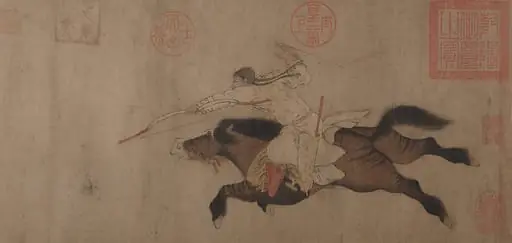 北宋/金 傳黃宗道 舊傳李贊華 獵鹿圖 卷|Stag Hunt
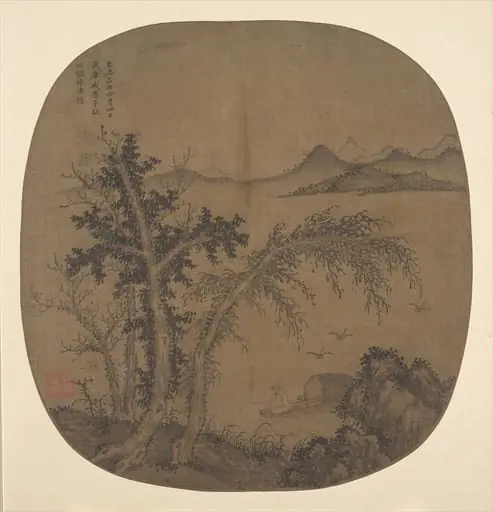 元 盛懋 秋林漁隱圖 團扇|Recluse Fisherman, Autumn Trees
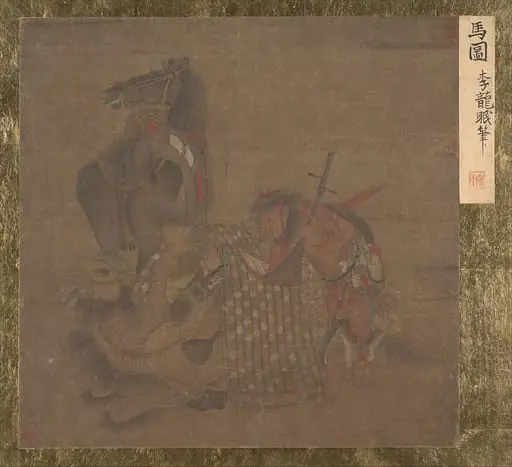 元? 佚名 仿李公麟 人馬駱駝圖 冊頁|Mongol with Horse and Camel
 Untitled
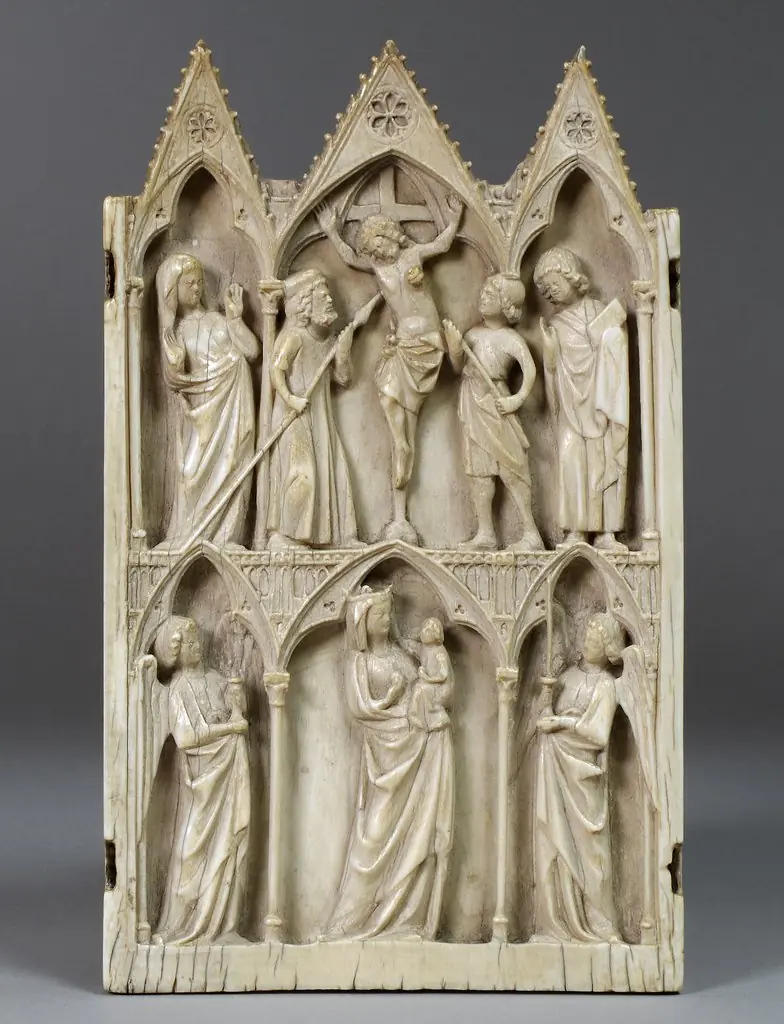 Central Panel of a Triptych
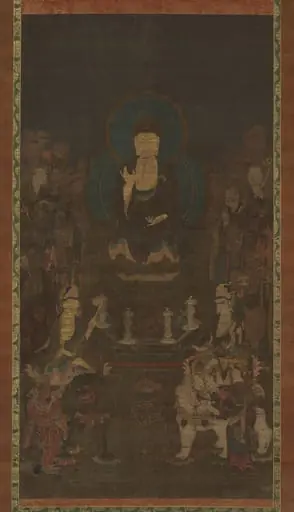 釈迦三尊十大弟子像|Shaka (Shakyamuni), the Historical Buddha, with Two Attendant Bodhisattvas and the Ten Great Disciples
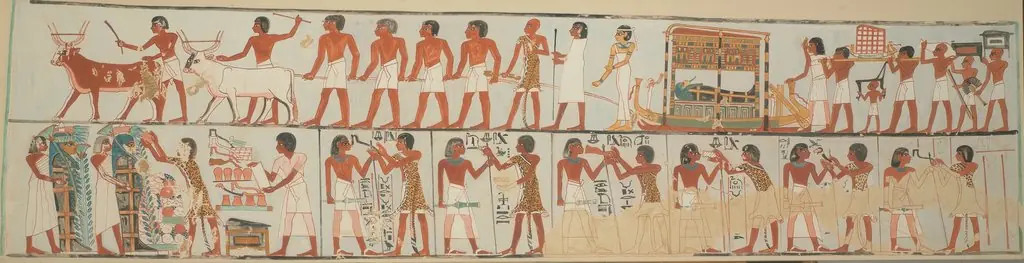 Funeral Procession, Tomb of Pairy
 Untitled
 Untitled
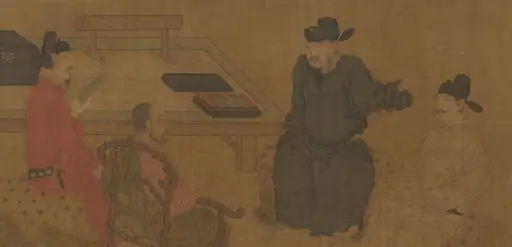 南宋 佚名 舊傳五代周文矩 琉璃堂人物圖 卷|Scholars of the Liuli Hall
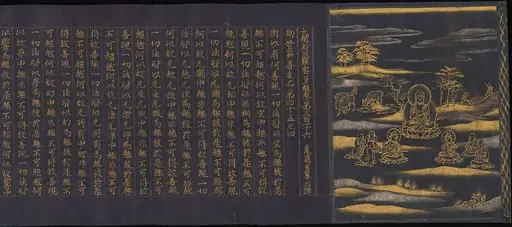 大般若経(中尊寺経)|Great Wisdom Sutra (Daihannya-kyō), from the Chūsonji Temple Sutra Collection (Chūsonji-kyō)
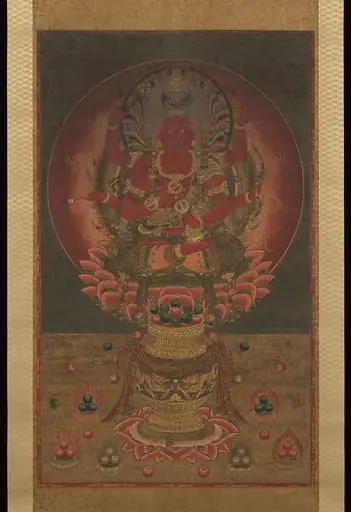 愛染明王像|Aizen Myōō
 Untitled
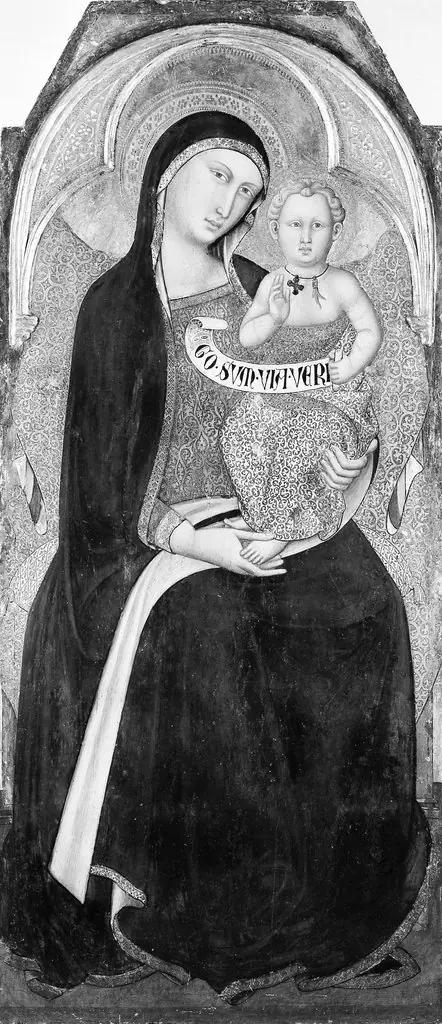 Madonna and Child
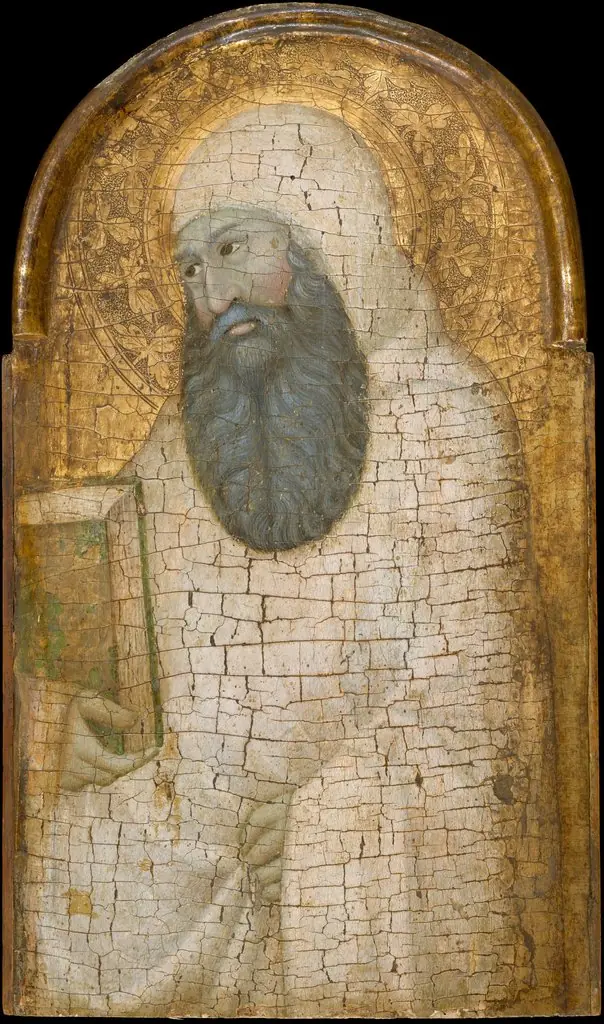 Saint Romuald
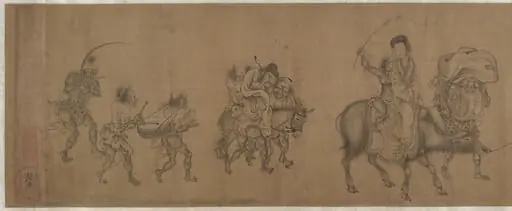 南宋/元 顏庚 鍾馗嫁妹圖 卷|The Demon Queller Zhong Kui Giving His Sister Away in Marriage
 Untitled
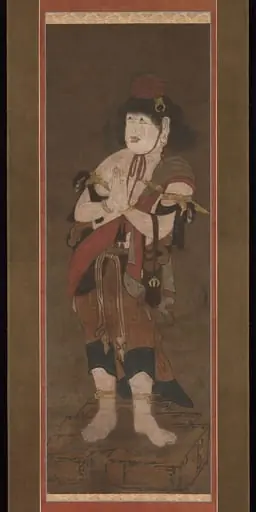 龍湫周沢写 不動明王二童子像|Fudō Myōō and Two Attendants
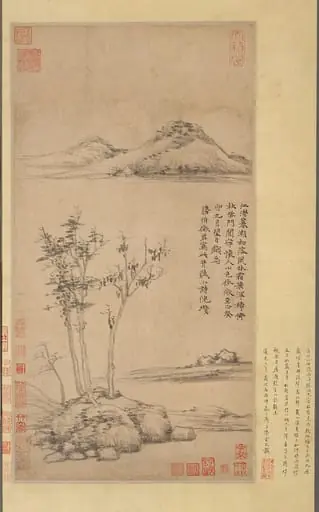 元 倪瓚 江渚風林圖 軸|Wind among the Trees on the Riverbank
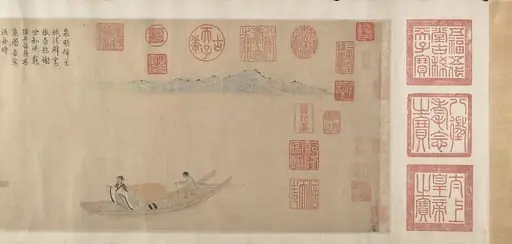 元/明 倣錢選 鮮于樞 歸去來辭 卷|Ode on Returning Home
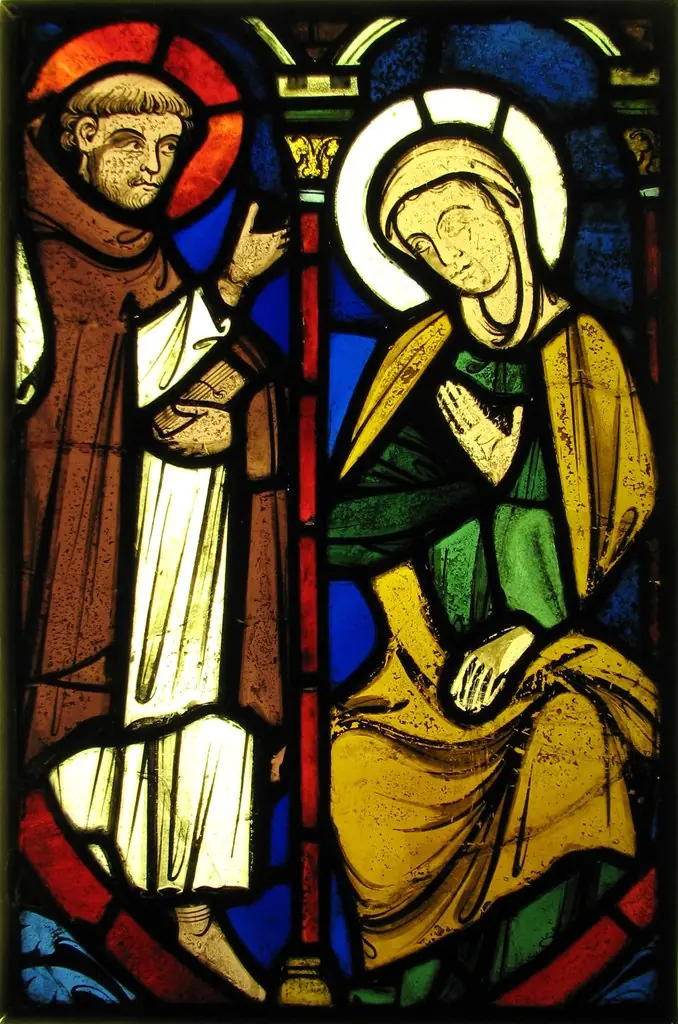 The Virgin from a Pentecost Scene and the Figure of St. Martin
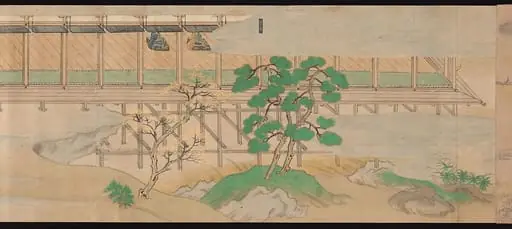 神於寺縁起絵巻断簡|Scene from The Illustrated Legends of Jin’ōji Temple (Jin’ōji engi emaki)
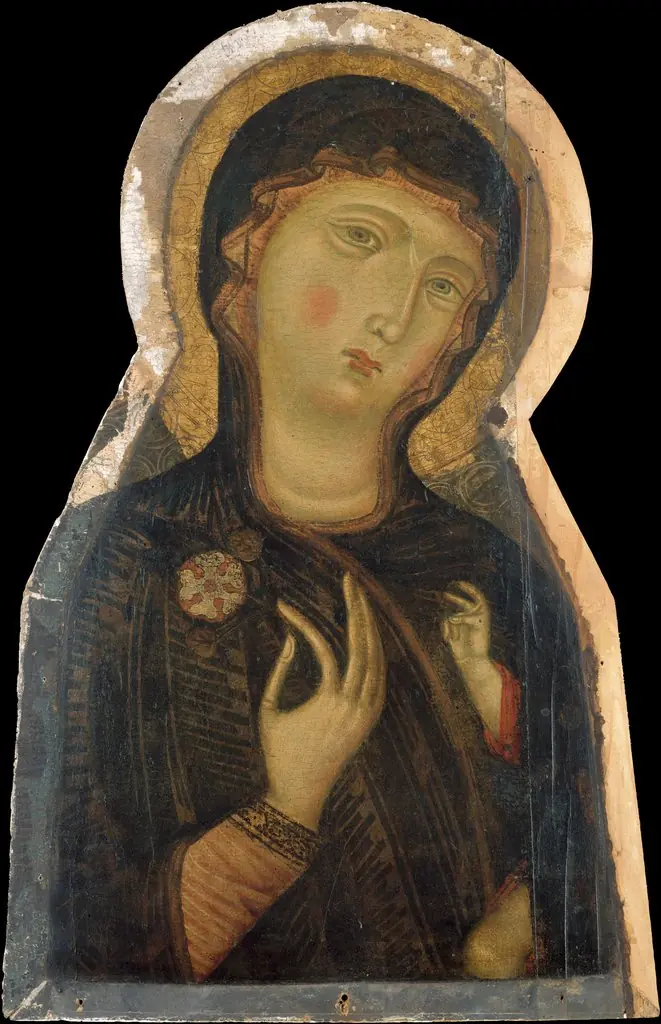 Madonna and Child
 Untitled
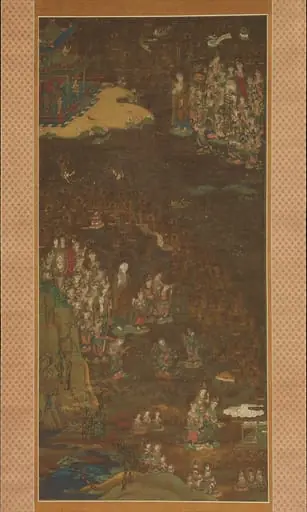 迎接曼荼羅図|Descent and Return of Amida to Western Paradise with a Believer's Soul (Gōshō mandara)
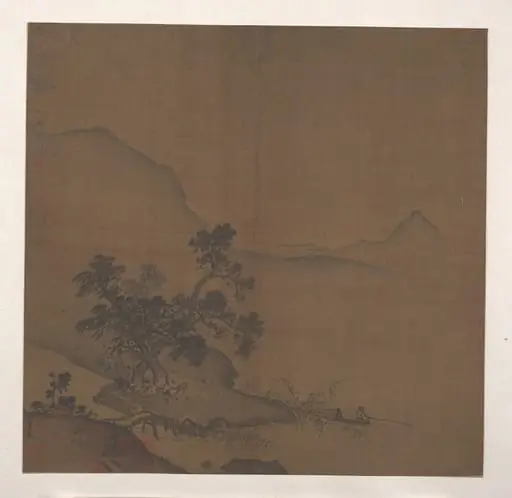 Untitled
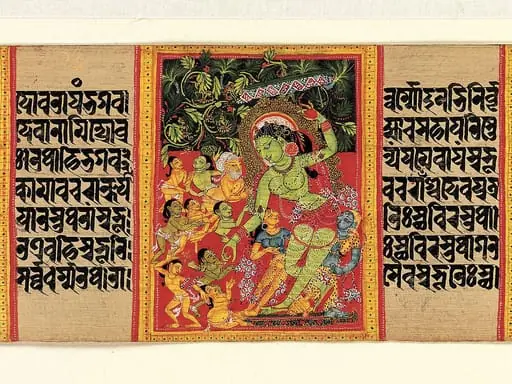 Untitled
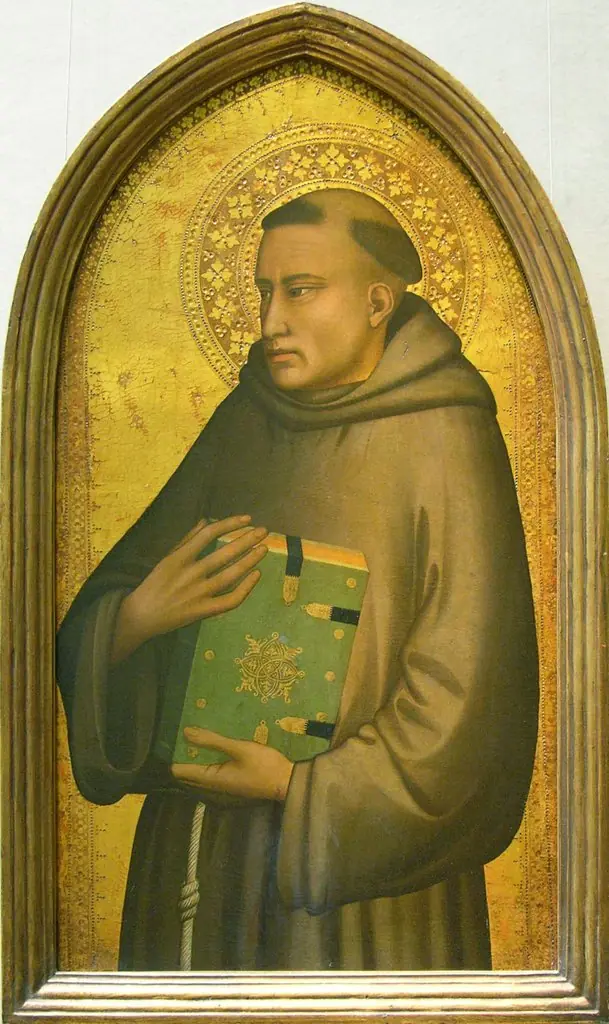 Saint Anthony of Padua
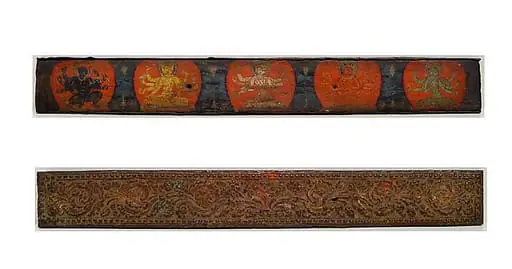 Untitled
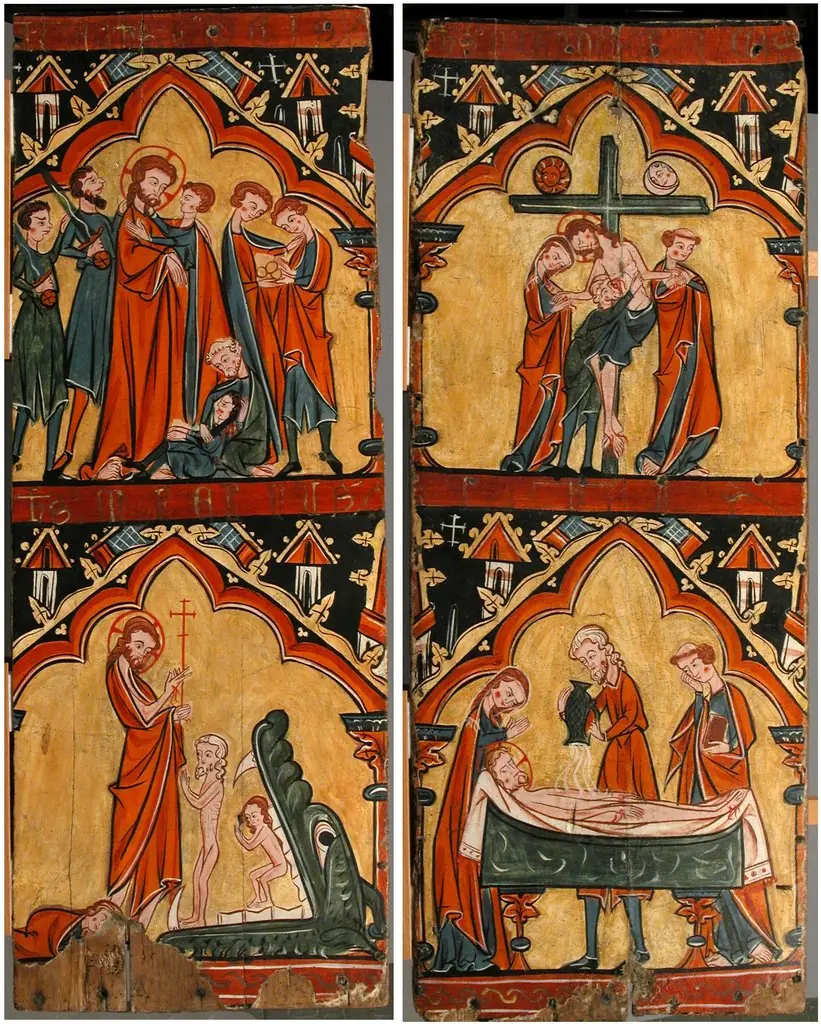 Scenes from the Life of Christ: Arrest of Christ, Christ in Limbo; Descent from the Cross, Preparation of Christ’s Body for His Entombment
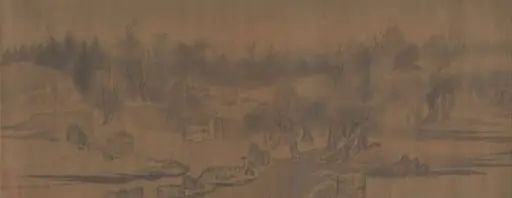 北宋 傳趙令穰 江村秋曉圖 卷|南宋 舊傳 趙令穰 江村秋曉圖 卷|River Village in Autumn Dawn
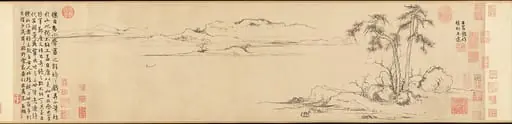 元 趙孟頫 雙松平遠圖 卷|Twin Pines, Level Distance
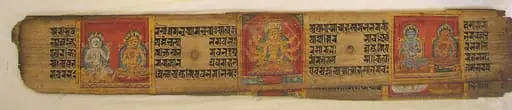 Untitled
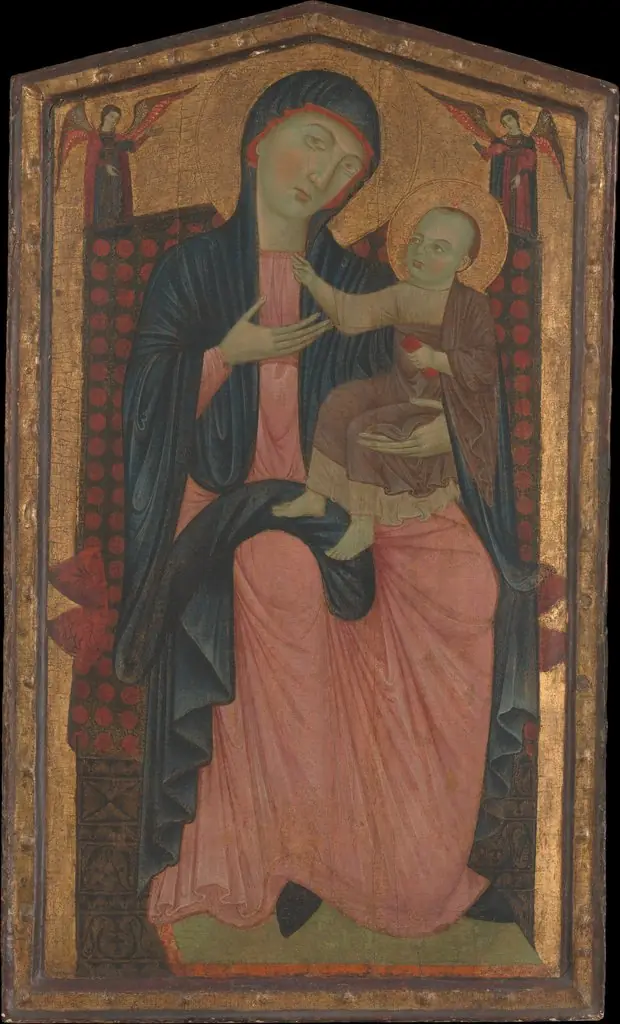 Madonna and Child Enthroned
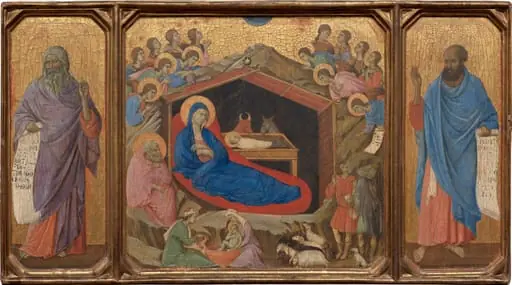 The Nativity with the Prophets Isaiah and Ezekiel
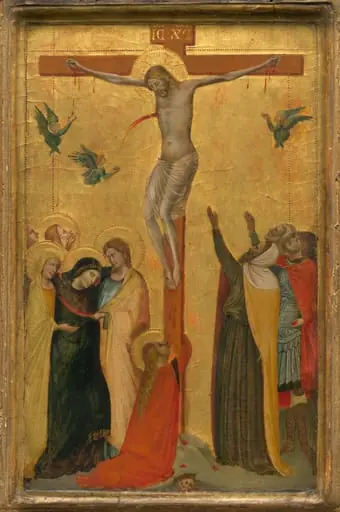 The Crucifixion
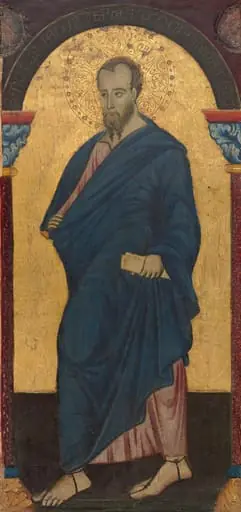 Saint James Minor
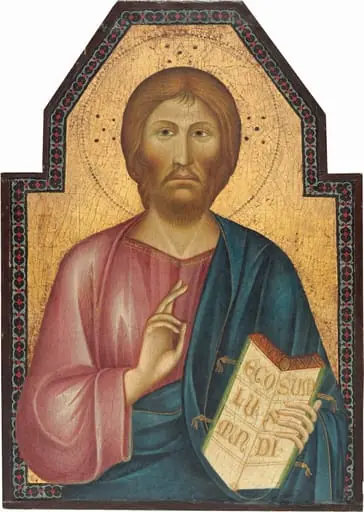 Christ Blessing
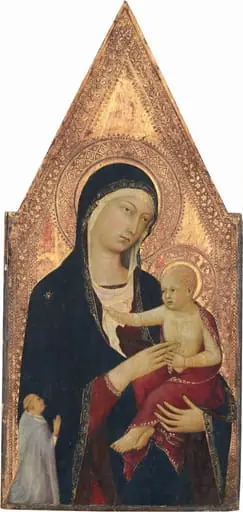 Madonna and Child with Donor
![Christ on the Cross [reverse]](https://artifactworldgallery.com/img/andrea-di-bartolo--christ-on-the-cross-reverse--6bfe980f802a6327-w320.webp) Christ on the Cross [reverse]
Christ on the Cross [reverse]![Saint Catherine of Alexandria, with an Angel [right panel]](https://artifactworldgallery.com/img/pietro-lorenzetti--saint-catherine-of-alexandria-with-an-angel-right-panel--8acb359f1d360041-w320.webp) Saint Catherine of Alexandria, with an Angel [right panel]
Saint Catherine of Alexandria, with an Angel [right panel]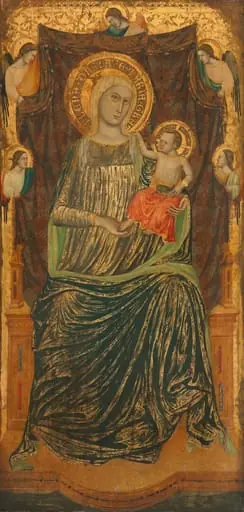 Madonna and Child with Five Angels
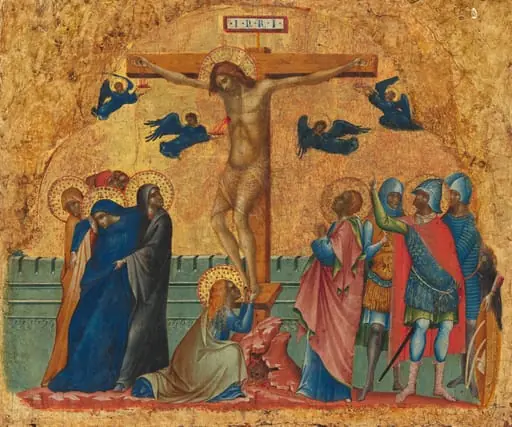 The Crucifixion
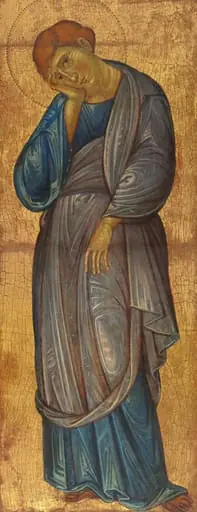 The Mourning Saint John the Evangelist
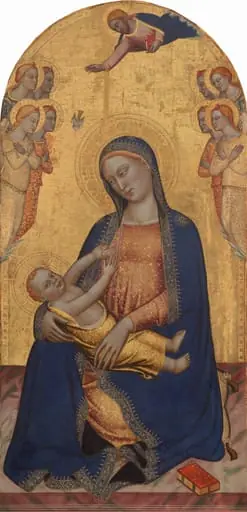 Madonna and Child with God the Father Blessing and Angels
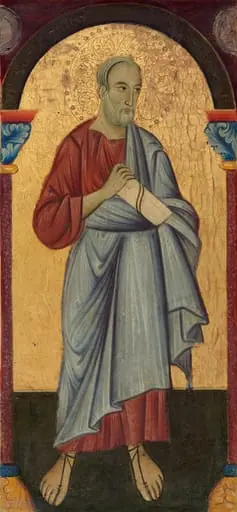 Saint John the Evangelist
![Saint Mary Magdalene, with an Angel [left panel]](https://artifactworldgallery.com/img/pietro-lorenzetti--saint-mary-magdalene-with-an-angel-left-panel--c015f106a0790d0d-w320.webp) Saint Mary Magdalene, with an Angel [left panel]
Saint Mary Magdalene, with an Angel [left panel]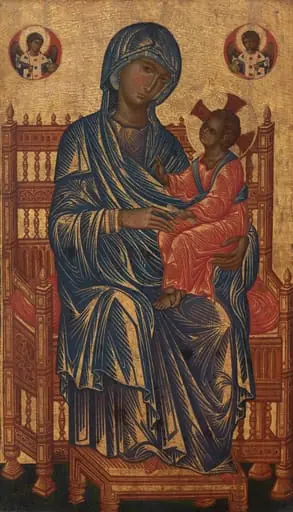 Enthroned Madonna and Child
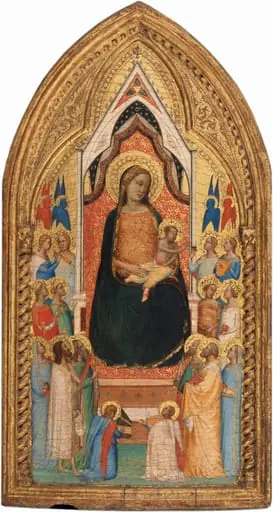 Madonna and Child with Saints and Angels
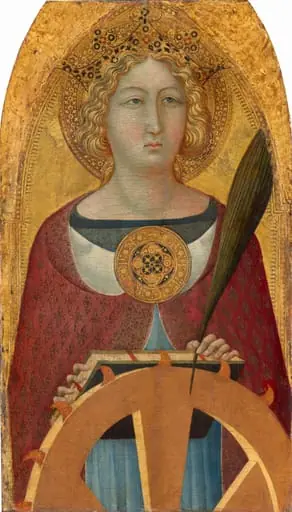 Saint Catherine of Alexandria
![Saint John the Evangelist [right panel]](https://artifactworldgallery.com/img/nardo-di-cione--saint-john-the-evangelist-right-panel--fdd92c8ff7afceaf-w320.webp) Saint John the Evangelist [right panel]
Saint John the Evangelist [right panel]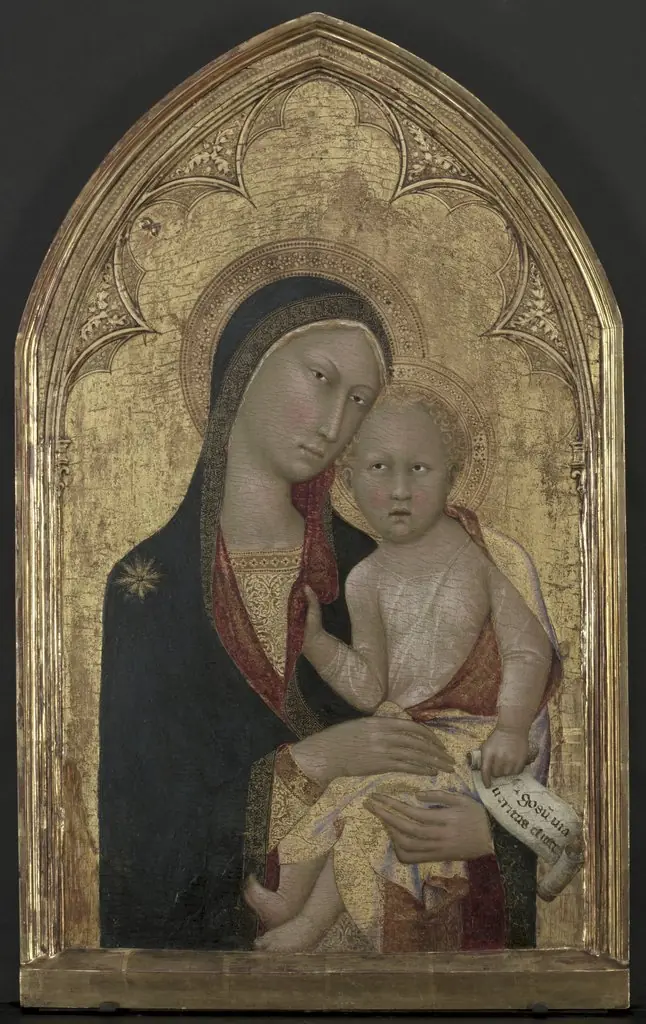 Madonna and Child
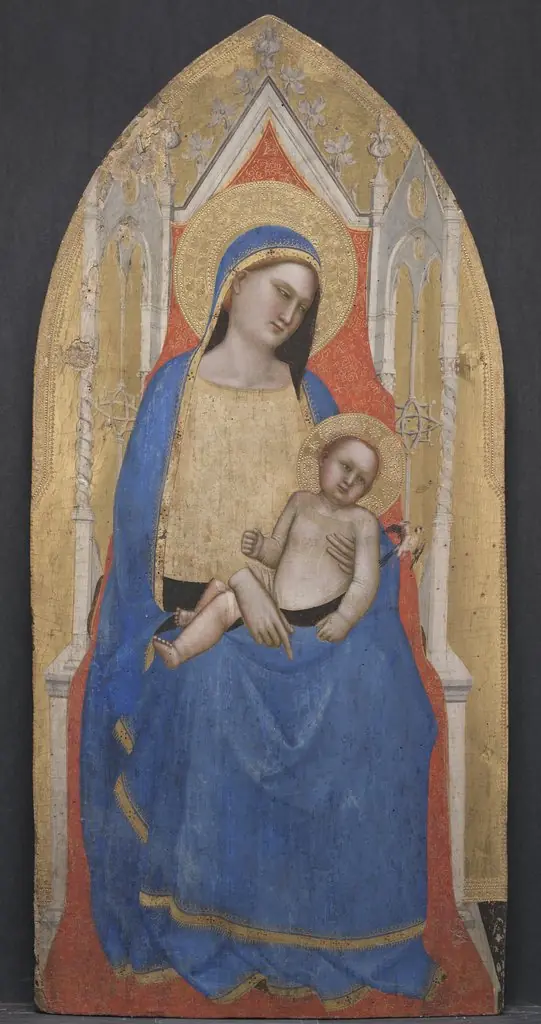 Madonna and Child Enthroned
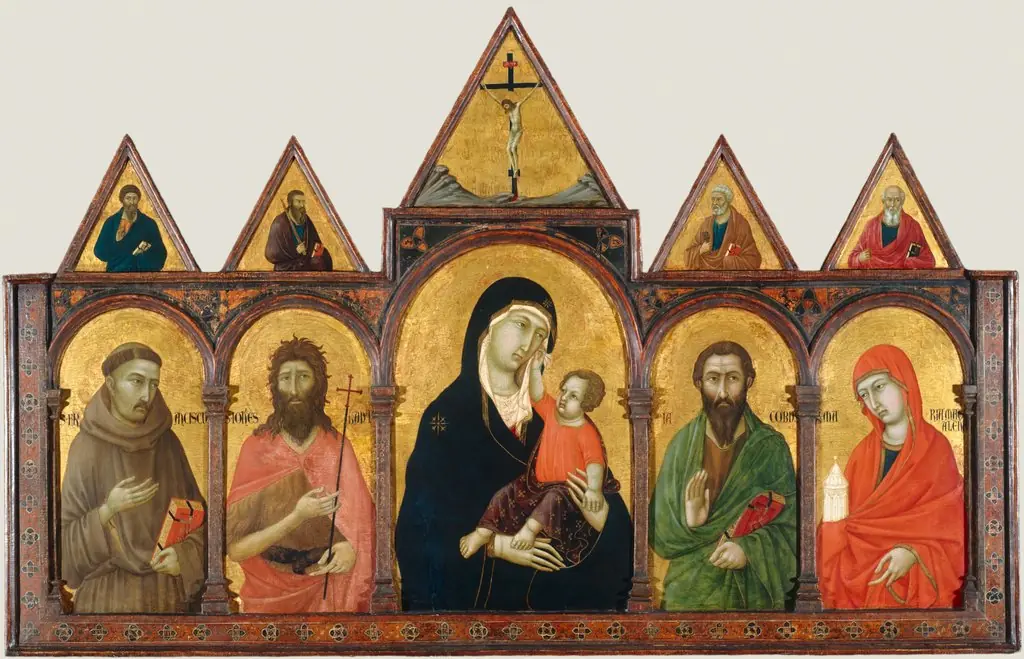 Virgin and Child with Saints
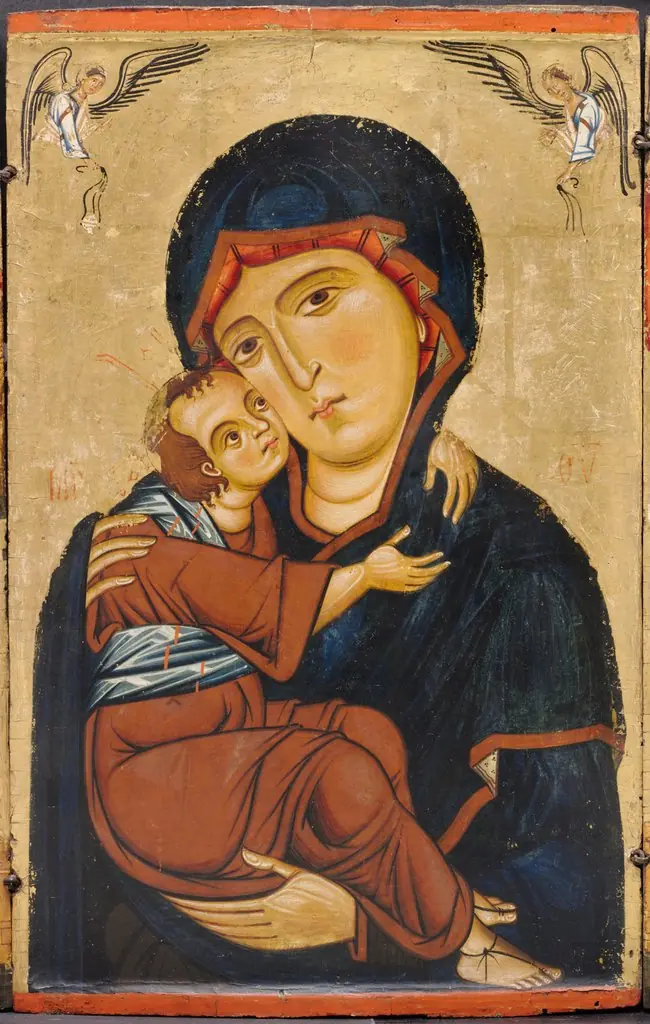 Virgin and Child with Saints
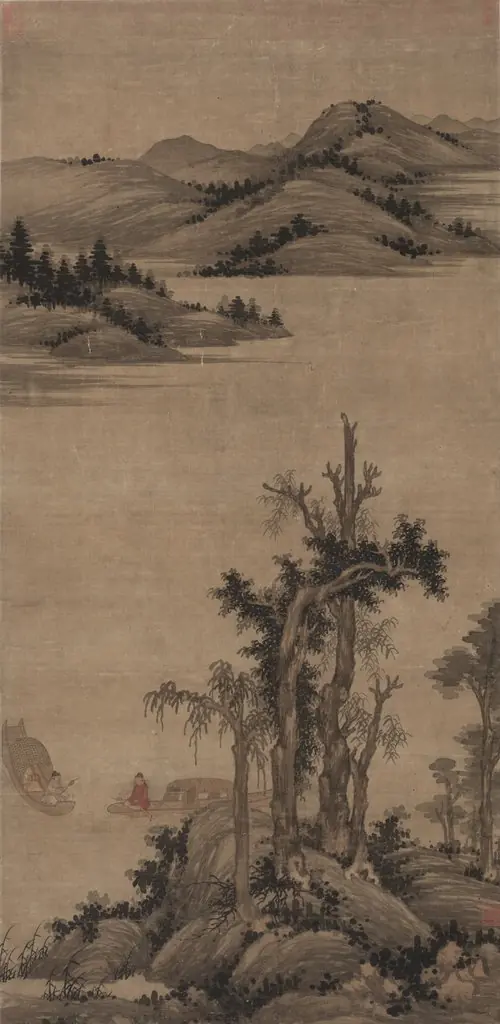 Fishermen-Hermits in Stream and Mountain
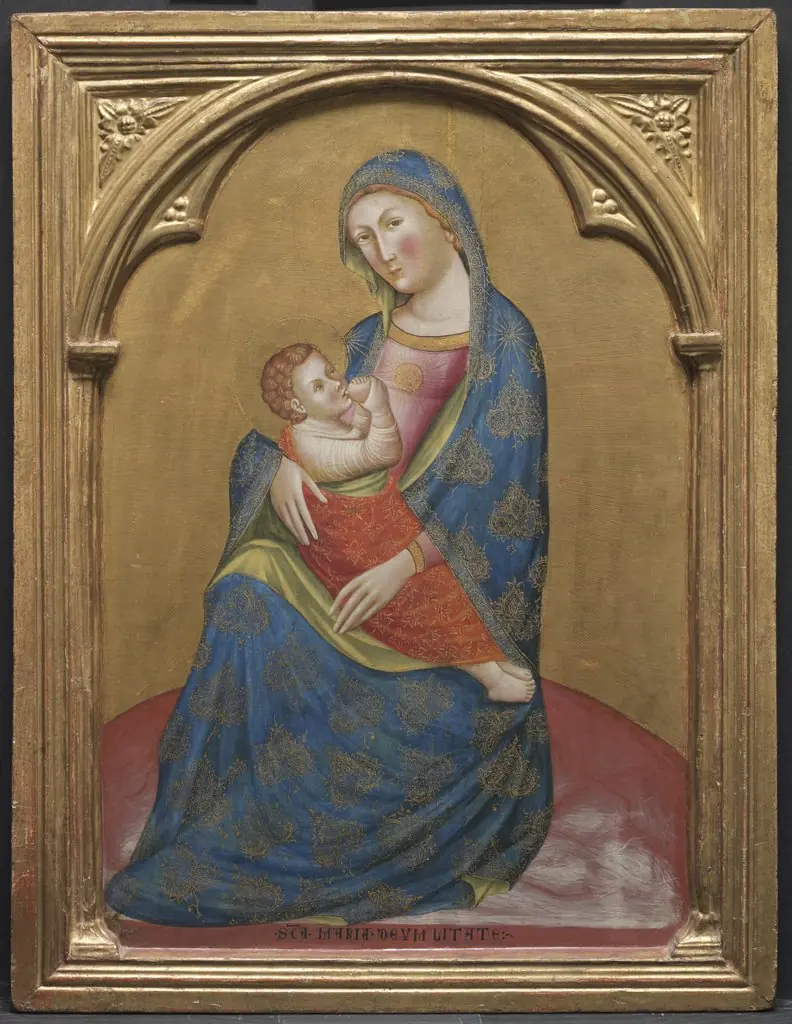 Madonna of Humility
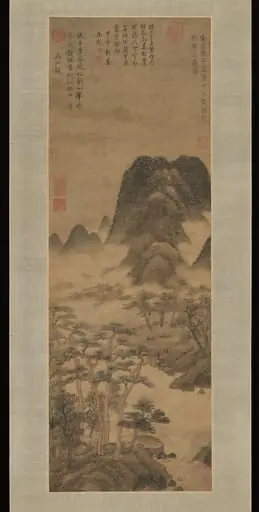 元 張羽 松軒春靄圖 軸|Spring Clouds at the Pine Studio
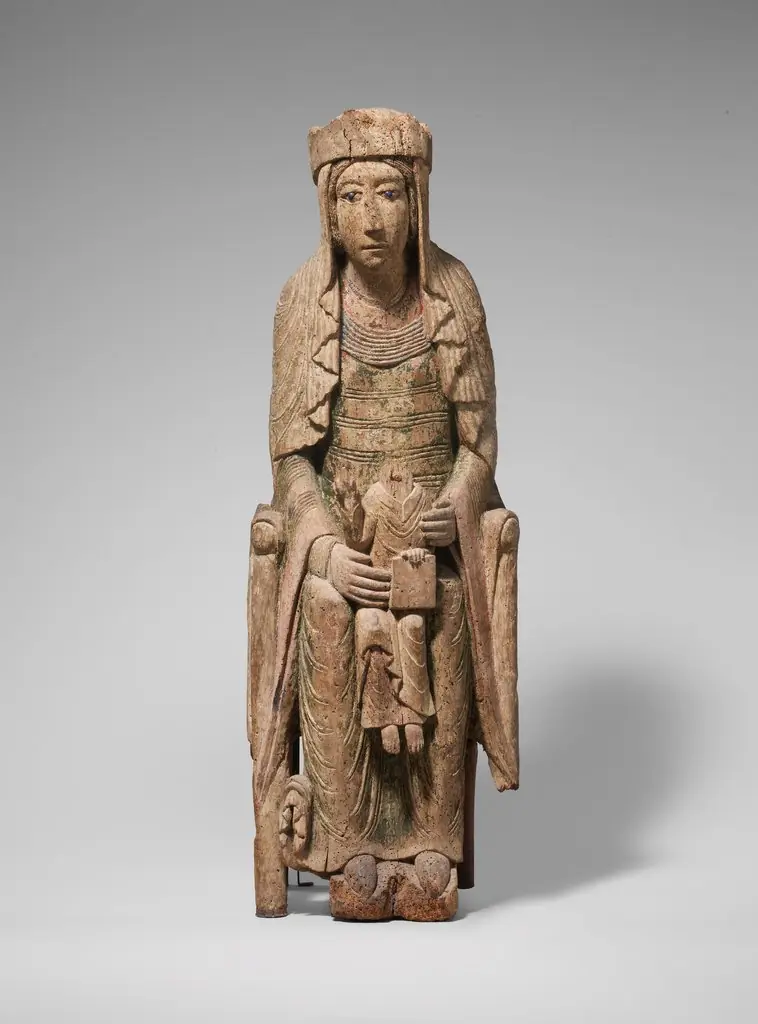 Enthroned Virgin and Child
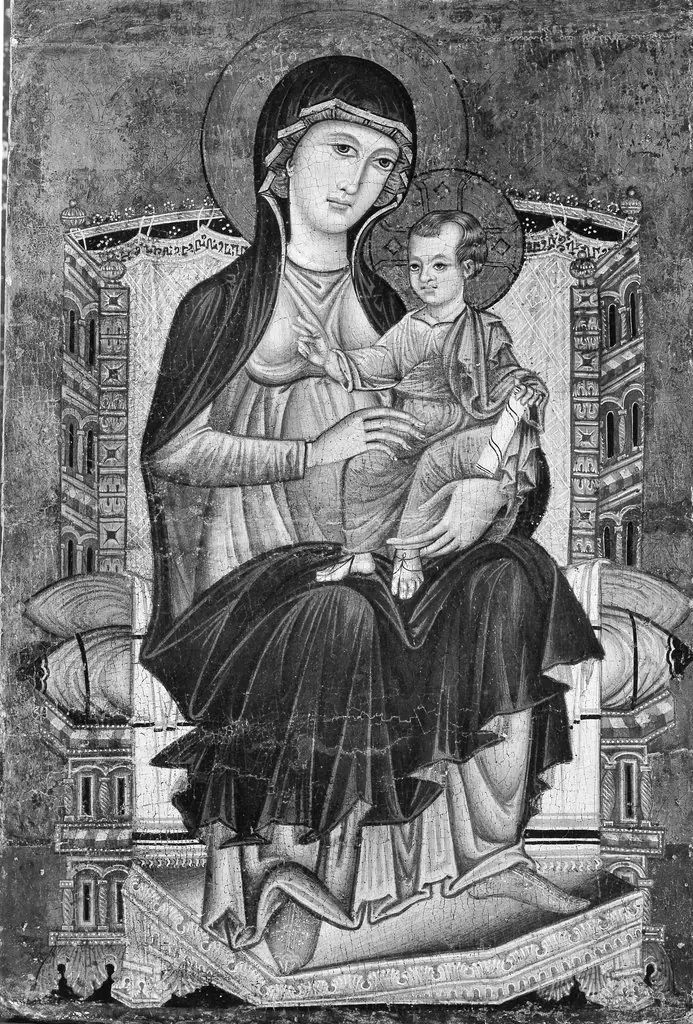 Madonna and Child Enthroned
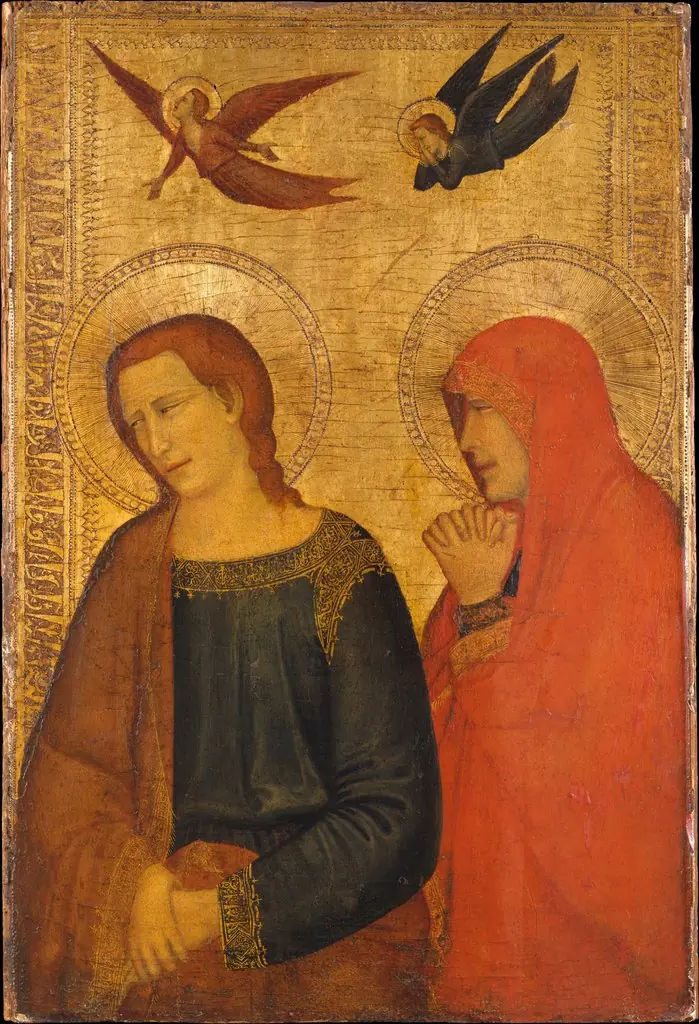 Saints John the Evangelist and Mary Magdalene
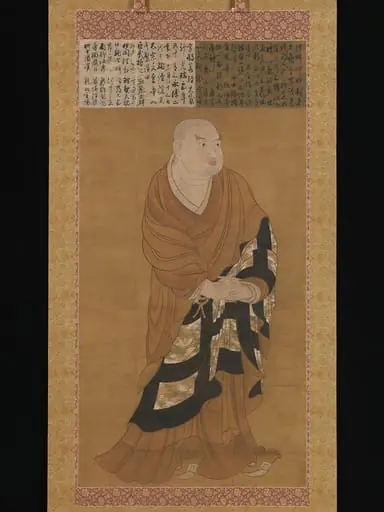 慈恩大師像|Portrait of Jion Daishi (Guiji)
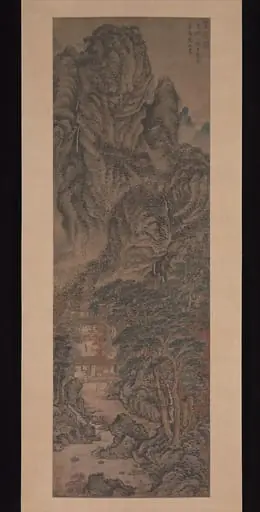 元 王蒙 素庵圖 軸|Simple Retreat
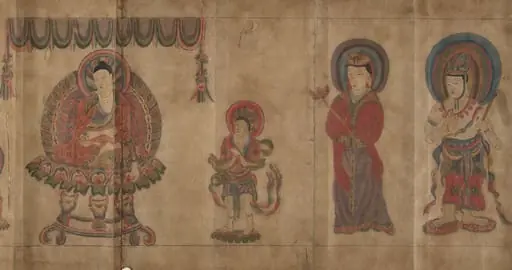 Untitled
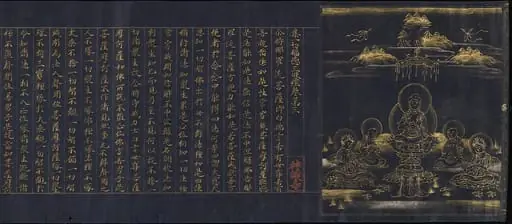 集一切福徳三昧経.|Illustrated Frontispiece to the Sutra of Enlightenment through the Accumulation of Merit and Virtue, the So-called Jingoji Sutra
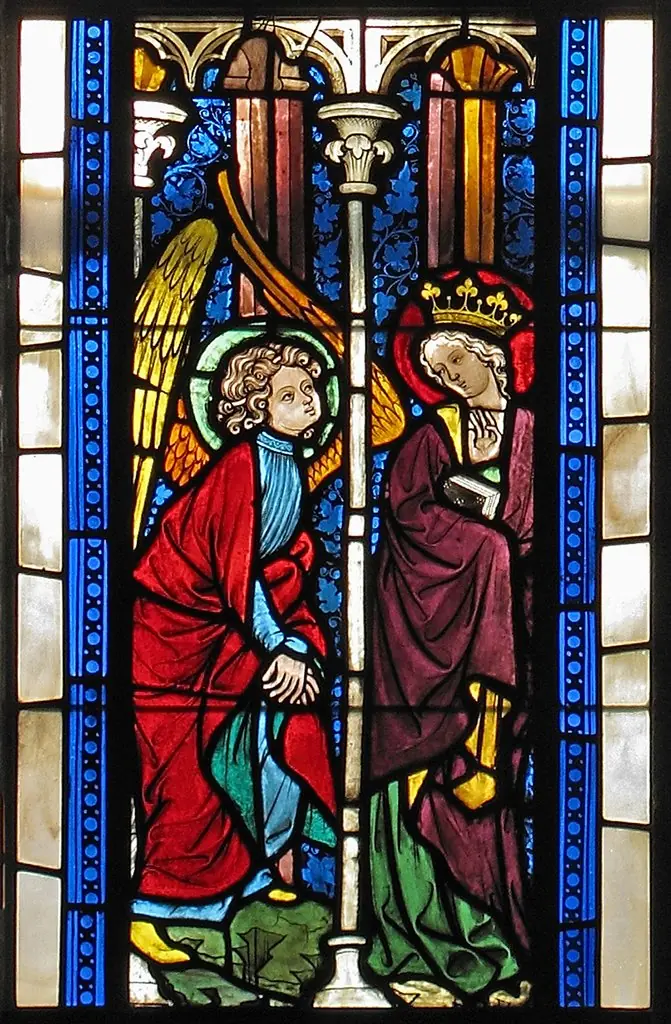 Panel with the Annunciation
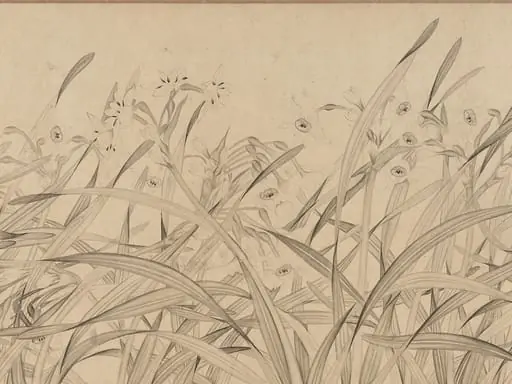 南宋 趙孟堅 水仙圖 卷|Narcissus
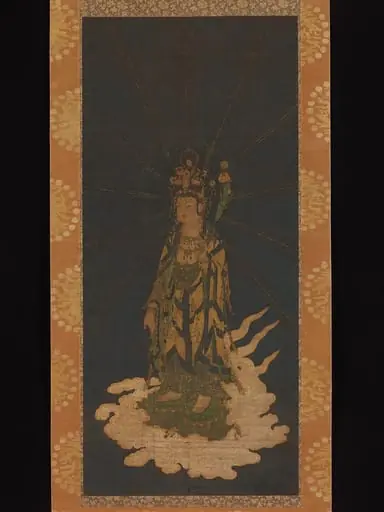 十一面観音来迎図|Descent of Eleven-Headed Kannon
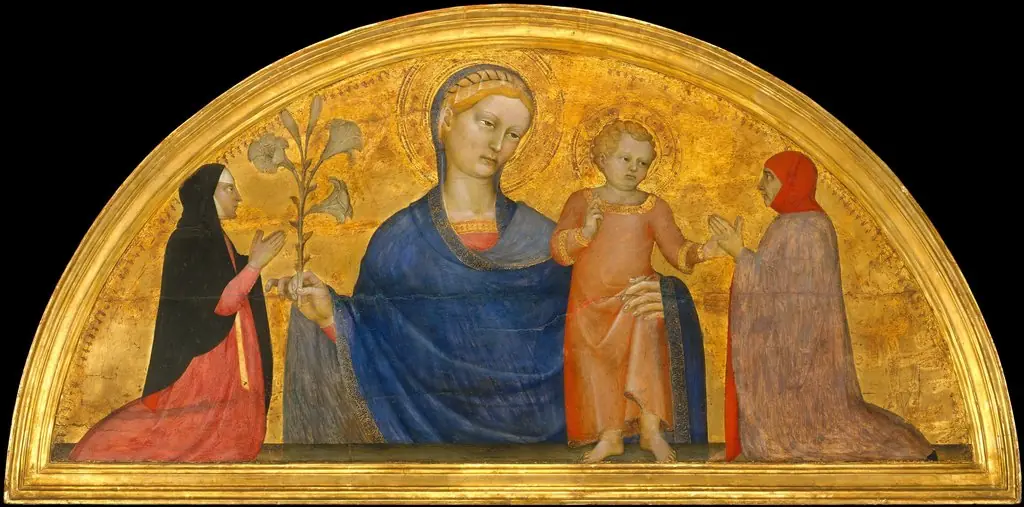 Madonna and Child with Donors
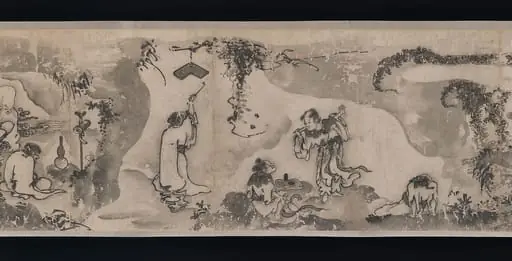 壺天樂聚|Merry Gatherings in the Magic Jar
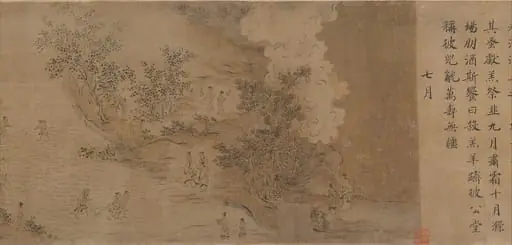 南宋 馬和之 詩經豳風圖 卷|Odes of the State of Bin
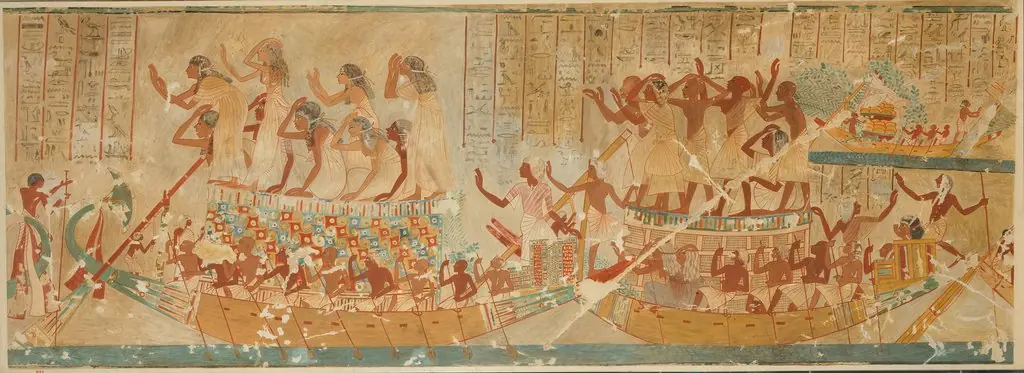 Boats with Mourners and Provisions, Tomb of Neferhotep
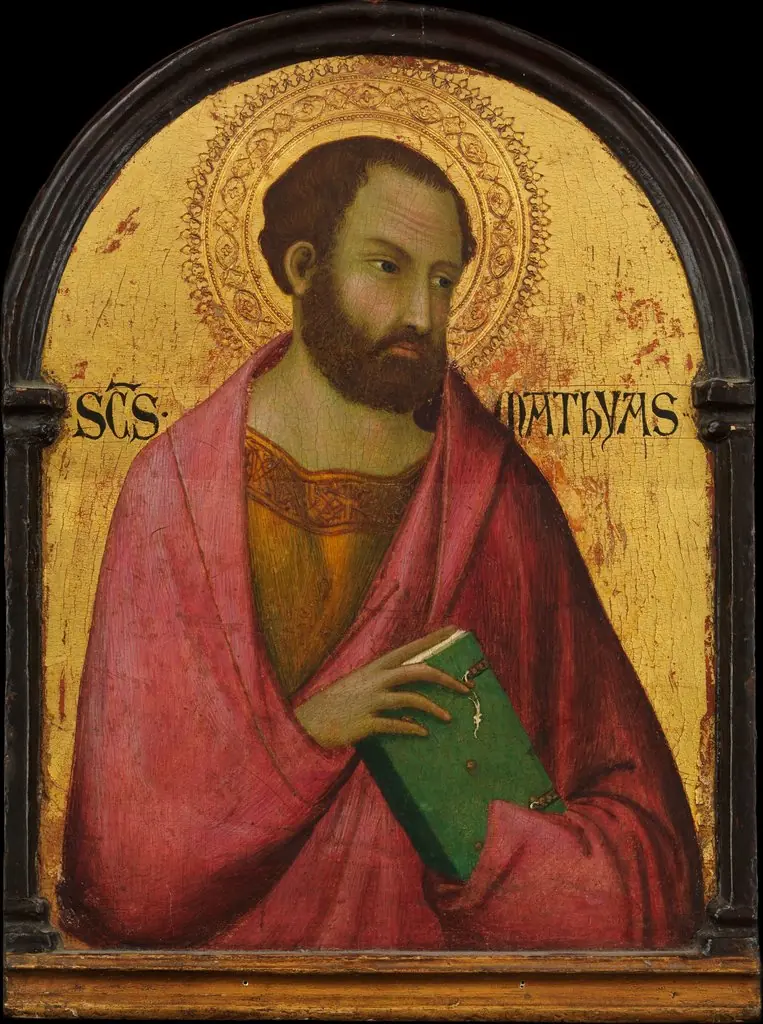 Saint Matthias
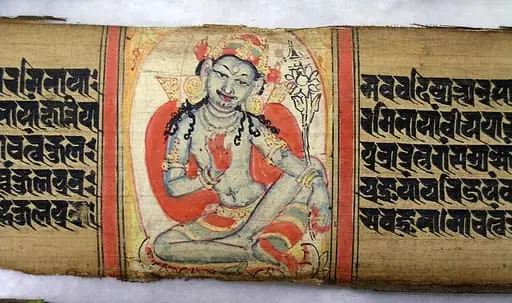 Untitled
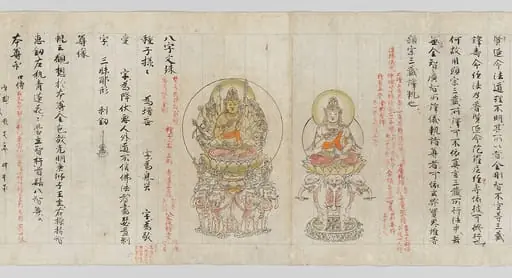 真言諸尊図像抄|Scroll from the Compendium of Iconographic Drawings (Zuzōshō)
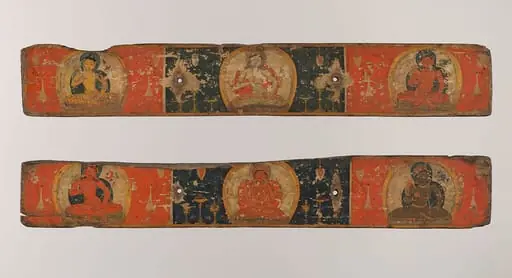 Untitled
Medieval is an art period. European history from the fall of Rome (c.
Artifact World Gallery holds 1,993 public-domain Medieval works, all free to view and download.
Key Medieval artists in the collection include Master of Monte Oliveto, Jean de Beaumetz and Duccio di Buoninsegna.
Medieval dates from 500–1400.
Medieval works in the collection are held by Metropolitan Museum of Art, Cleveland Museum of Art and National Palace Museum.
Your cart is empty
Browse artworks →